

How neurovertebral decompression improves spinal flexibility
25/06/2026
The benefits of neurovertebral decompression for mechanical pain
25/06/2026
In short
| In short, the neurovertebral decompression is one Non-invasive solution To quickly relieve the acute pain back and neck linked to vertebral pathologies such as herniated discs. accessible to Montreal, this treatment helps to regain sleep and mobility by reducing the pressure on the records and the gristle thanks to a gentle traction. When to consult? in case of Acute back pain persistent, nervous irradiation, numbness or weakness, or if the pain persists beyond 4 to 6 weeks. How does it work? a Controlled traction creates a space between the vertebrae, decreases the pressure intradiscal and improves the bloodstream to promote healing without surgery. Key Benefits: Quick relief, Improving mobility and Reduction of inflammation, with a Easy integration in a comprehensive care program. |
The neurovertebral decompression is an approach non-invasive aimed at relieving Sharp back or neck pain often linked to herniations discs, vertebral disorders or stenoses.
Consult a professional if the pain persists for more than a few days, is intense or is accompanied by neurological signs such as numbness, weakness or Engine deficit, or after trauma, or in the presence of fever, chest pain or signs of infection.
An assessment may include a clinical examination and imaging to determine decompression eligibility and prevent contraindications. Potential benefits include a pain reduction, a Improving mobility and an Non-invasive recovery.
Note: This information does not replace medical advice. Always consult your doctor.
This article, written by a health professional and expert in neurovertebral decompression, explains when to consult for acute pain related to the spine and how decompression can occur. It offers clear benchmarks as to whether an assessment is needed and describes what to expect during a consultation in Montreal or in TagMed clinics.
Neurovertebral decompression is a non-invasive approach that can help pain that often occurs at night and can be linked to vertebral pathologies like herniated discs. A quick consultation can prevent worsening of symptoms and promote recovery.
Signs that require immediate consultation
disc or nerve involved. Signs such as progressive muscle weakness, loss of control of the bladder or intestine, or rapidly worsening pain should be assessed without delay.
Pain associated with fevers or suspected infection. Intense pain after trauma, neck pain with fever or confusion may indicate a condition requiring rapid treatment.
persistent nocturnal pain. Pain that regularly wakes up at night and does not respond to simple measures deserve professional assessment.
X-ray or neurological symptoms. If the pain is associated with tingling, significant numbness, sudden weakness or walking disorder, consultation is necessary.
When to consider a specialized assessment
If you have acute spinal pain after an episode of injury, or if the pain persists beyond a few weeks despite the usual measures, it is useful to consult an osteopath or a specialist in neurovertebral decompression to assess the options appropriate for you.
What can the assessment bring
The assessment helps to identify the possible causes of pain and to determine if neurovertebral decompression is indicated in your care program. The doctor or osteopath will assess your story, perform an examination and, if necessary, suggest additional examinations to clarify the diagnosis. For additional resources and explanations, see dedicated resources on specialized sites.
What does neurovertebral decompression bring?
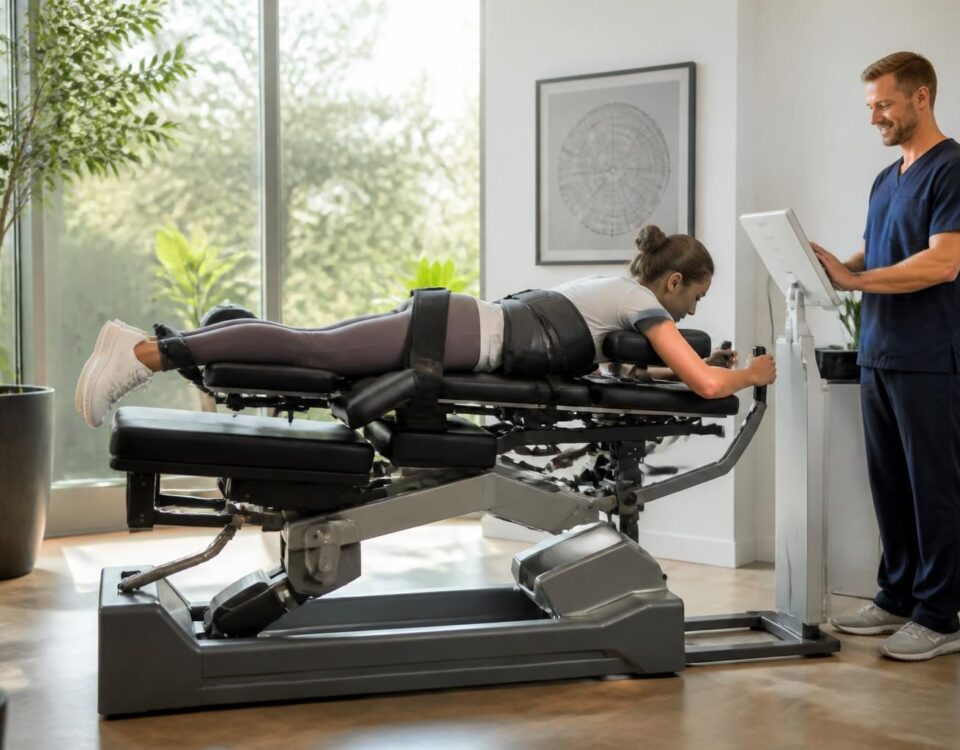
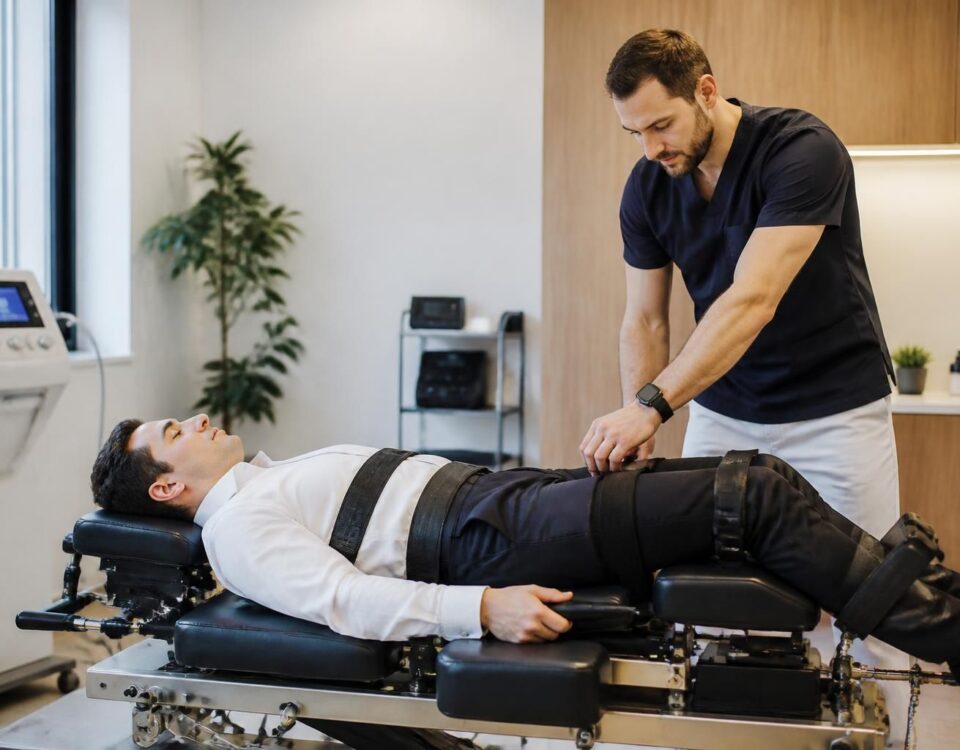
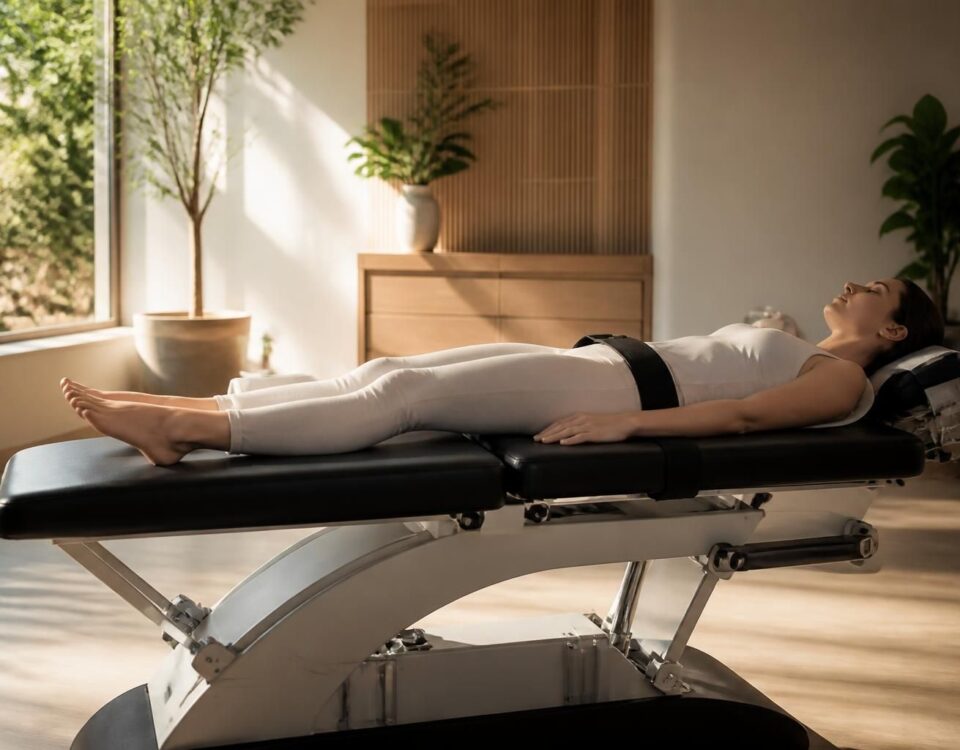
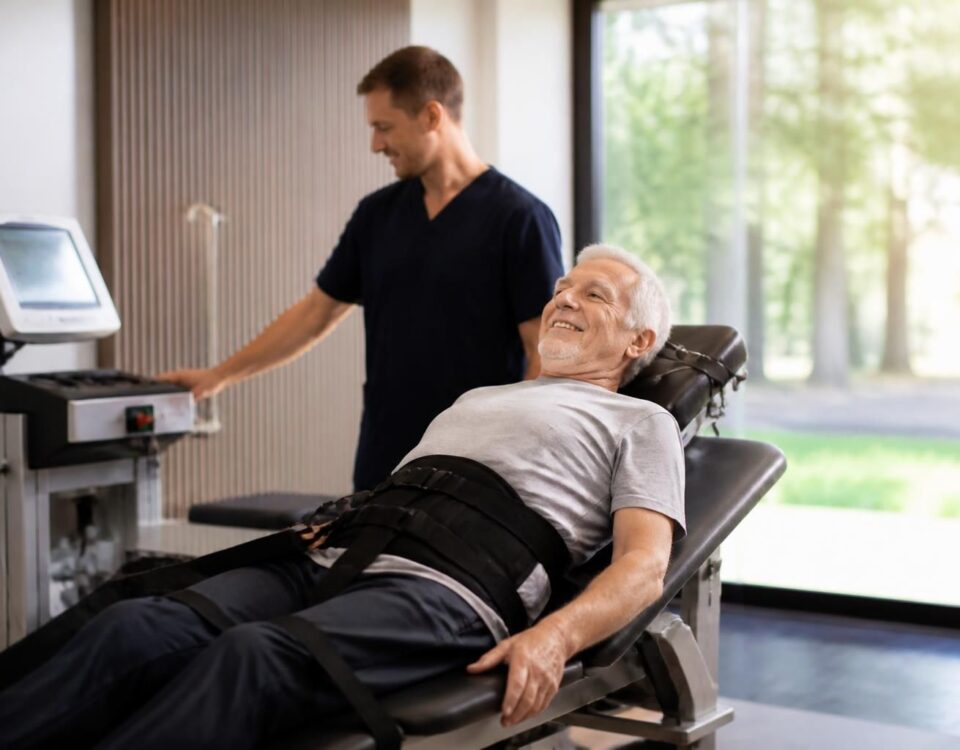
Neurovertebral decompression aims to reduce pressure on the intervertebral discs and nerves by gentle and controlled traction. This approach can promote better blood circulation and allow recovery of damaged tissues, thus contributing to a reduction in pain and an improvement in the quality of life.
What you need to know before consulting
Consultation and evaluation must be carried out by a qualified professional. Some situations require a multidisciplinary approach and can be coordinated within TagMed clinics in Montreal or Terrebonne.
To learn more about mechanisms and benefits, you can view resources like Decompression and disk regeneration and A proven approach.
Additional information can be viewed via the following links:
– Neurovertebral Decompression — Recognized Solution To improve recovery after severe disc injuries.
– For sportive people, benefits and uses.
For more information on indications and results, see also Reduction of acute lower back pain and Neurovertebral decompression and herniated disc.
Patients can sometimes be referred to additional solutions available at the TagMed Clinic in Montreal or Terrebonne. The approach aims to optimize the results while respecting the clinical indications and the patient’s preferences.
Advantages and limits
Benefits : pain reduction, improved circulation, faster recovery, and non-invasive approach. Limitations : This option depends on individual assessment and underlying medical causes. Some situations require other specialized treatments and are not resolved solely by decompression.
Patients and professionals see observable benefits after a series of sessions, as part of a personalized protocol established by a qualified professional.
For resources and examples, see the testimonials and analyzes available on the following sites:
– Neuropathic pain and decompression
To learn more about the options and intervention framework, TagMed Clinic offers appropriate assessments and treatment plans.
Reference: Tagmed Clinic.
The information above is based on recognized resources and current practices in osteopathy and manual medicine. For a complete understanding, chat with your healthcare professional and check out the official sources cited in this article.
Medical Disclaimer: The information and advice provided on this site does not replace the health professional’s diagnosis or treatment. Please note that Dr. Sylvain Desforges osteopath is neither a doctor of medicine nor a doctor, and is not a specialist in a medical specialty as defined by the Collège des Médecins du Québec. Manual medicine, functional medicine and sports medicine as described on this site exclude any medical treatment or diagnosis made by a doctor or specialist doctor. Always consult your doctor for any medical questions. For more details, please read our full legal notice.
When to consult
- medical emergency : loss of urinary or fecal control
- Weakness or paralysis of a member
- Trauma or deformity recent spine
- fever or suspected infection associated with back pain
- Persistent acute pain > 2–4 weeks despite rest
- nocturnal pain which wakes up and does not decrease at rest
- irradiated pain with paresthesias or weakness in the limb
- Stiffness or limitation of mobility marked
- Risk factors (osteoporosis, cancer, surgical history)
- Failure of conservative treatments After 4–6 weeks

This article presents clear recommendations on neurovertebral decompression in case of acute pain, specifying when to consult, what to expect during a first visit and how to organize your follow-up. It highlights the potential benefits of this non-invasive approach, while emphasizing the importance of a personalized professional opinion. Note that these tips do not replace an appropriate medical consultation.
When to consult for acute pain?
In case of acute back or cervical pain, it is crucial to request an assessment when the pain is sudden, intense or associated with other worrying signs. A consultation is particularly indicated if the pain greatly limits daily activities, if it persists beyond a few days, or if it worsens despite self-care efforts. Neurovertebral decompression can be considered as a treatment option after an appropriate evaluation.
Other indicators requiring rapid management include pain that is accompanied by fever, loss of strength or abnormal sensation in the limbs, pain that follows significant trauma, or urinary or faecal disorders. These signs may reflect nerve damage or a medical emergency and justify consultation without delay.
For pain related to a herniated disc, radiculopathy or stenosis, a first consultation makes it possible to assess the origin of the symptoms, the precise location of the pain and the impact on mobility. A suitable approach can then be proposed, with or without the use of complementary therapies as the case may be.
Alert signs requiring early consultation
Quickly contact a professional if you experience marked weakness, deep numbness, loss of sphincter control, or rapidly worsening pain. These signals may indicate complication or nerve damage requiring urgent management.
The long-term benefits of neurovertebral decompression for spinal health
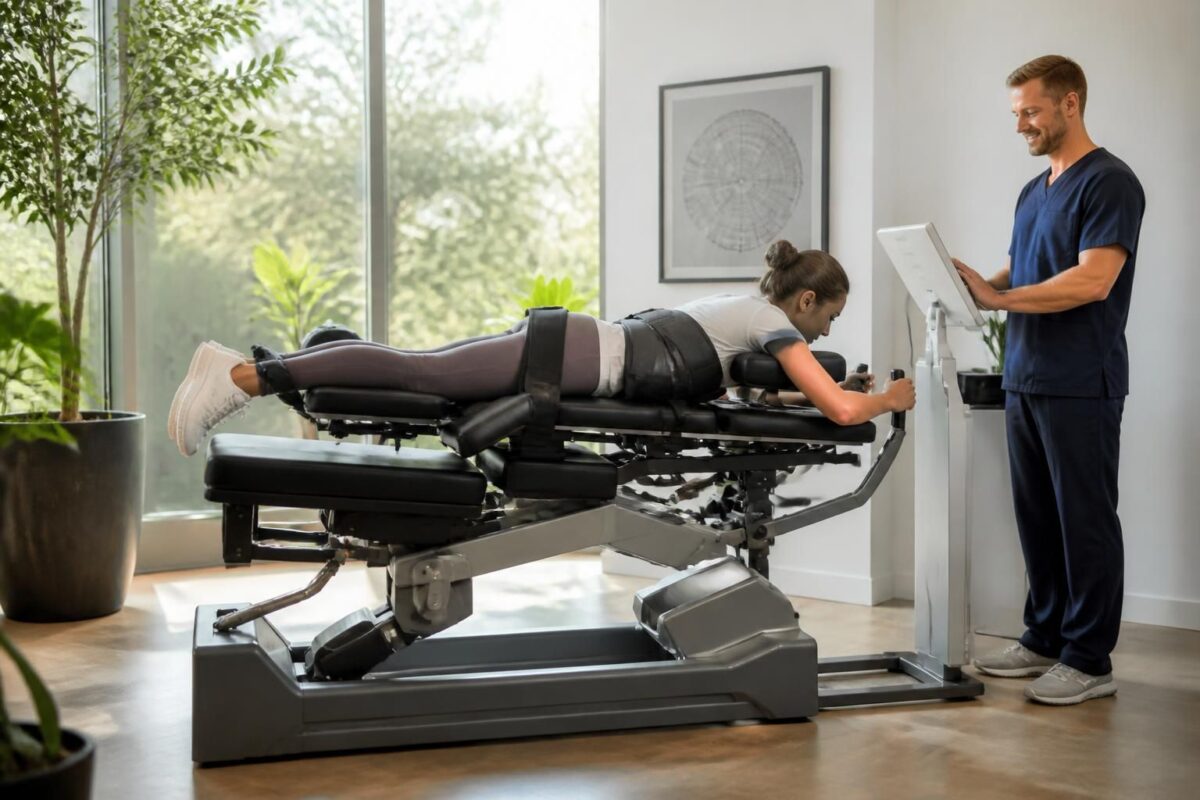
In short In short, the neurovertebral decompression is a non-invasive approach that decreases the Pressure on intervertebral discs and nerves, favoring the Natural regeneration and tissue recovery. Its long-term benefits include Lasting pain reduction, Improving mobility and from the posture,…

Neurovertebral decompression and mobility: a return to an active life
In short In short, the neurovertebral decompression is therapy non-invasive who uses a gentle traction To create a space between the vertebrae and reduce the pressure on the Intervertebral discs and the nerves. It promotes a bloodstream improved, lowers tension…
What can neurovertebral decompression bring in acute pain?
The neurovertebral decompression Offers a non-invasive approach that can reduce the pressure on discs and nerves, making recovery and nighttime comfort easier. In practice, it aims to promote better blood circulation and reduce the inflammation associated with acute pain linked to spinal imbalances.
As part of acute pain, this therapy can contribute to a rapid reduction in pain and improved mobility. It is often well tolerated and can be combined with other manual techniques or gentle exercises to optimize results and support the resumption of normal activity.
For athletes and active people, decompression can accelerate the resumption of activities, while preventing recurrences when the program is personalized and monitored regularly by a professional.
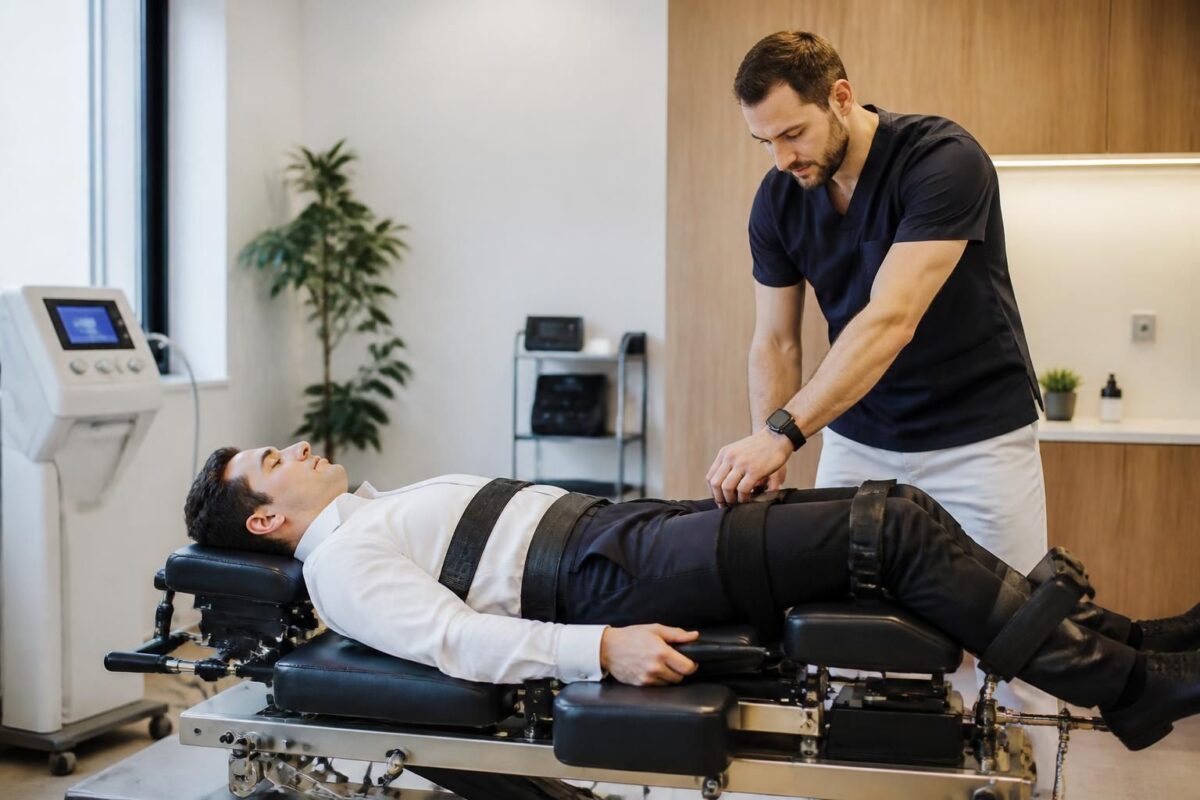
How Neurovertebral Decompression Prevents Diffuse Chronic Pain
In short decompression neurovertebral is one Non-invasive method aimed at reducing the Pressure on the intervertebral discs and the nerves, in order to prevent Diffuse chronic pain. It improves the circulation and thedisc hydration, decreases inflammation and promotes better mobility.…
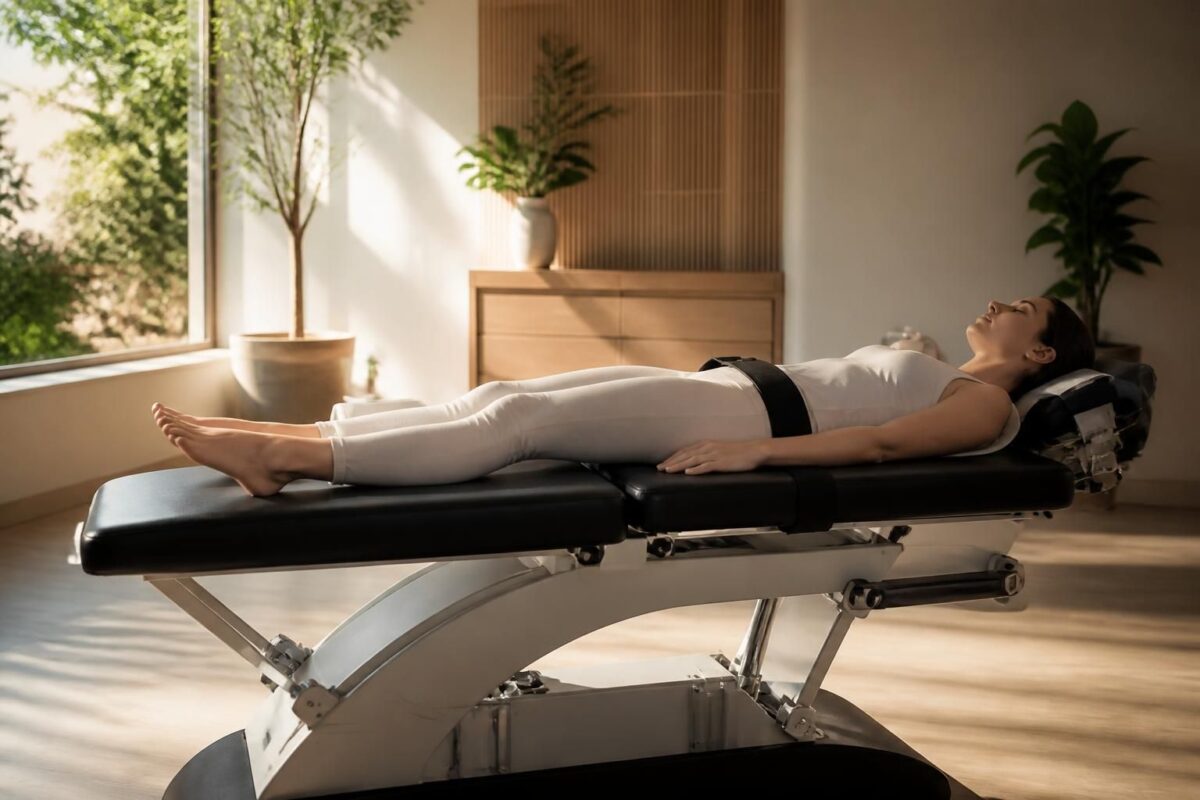
Neurovertebral Decompression and Body Alignment: Restoring Natural Balance
In short In short, neurovertebral decompression is one Non-invasive approach who restores theBody Alignment and thenatural balance back and neck. She acts by a Controlled traction of the spine to widen the intervertebral space and reduce the Pressure on discs…
First consultation: what to expect and what to prepare?
During the first visit, the objective is to establish an accurate diagnosis and to define an appropriate treatment plan. Expect an in-depth interview on medical history, symptoms, triggers, and activities that aggravate or improve pain. The practitioner can carry out simple mobility, posture and sensitivity assessments to guide the choice of measures to be implemented.
Prepare to discuss your goals, previous treatments and any constraints (professional activity, sport, eventual pregnancy). Ask questions about the estimated duration of treatment, the number of recommended sessions and the alternatives available if the decompression is not suitable for your situation.
During the consultation, you will benefit from clear explanations of the mechanism of action, the precautions to take and the follow-up plan. The practitioner can offer complementary exercises and lifestyle adjustments aimed at supporting recovery and preventing recurrences.
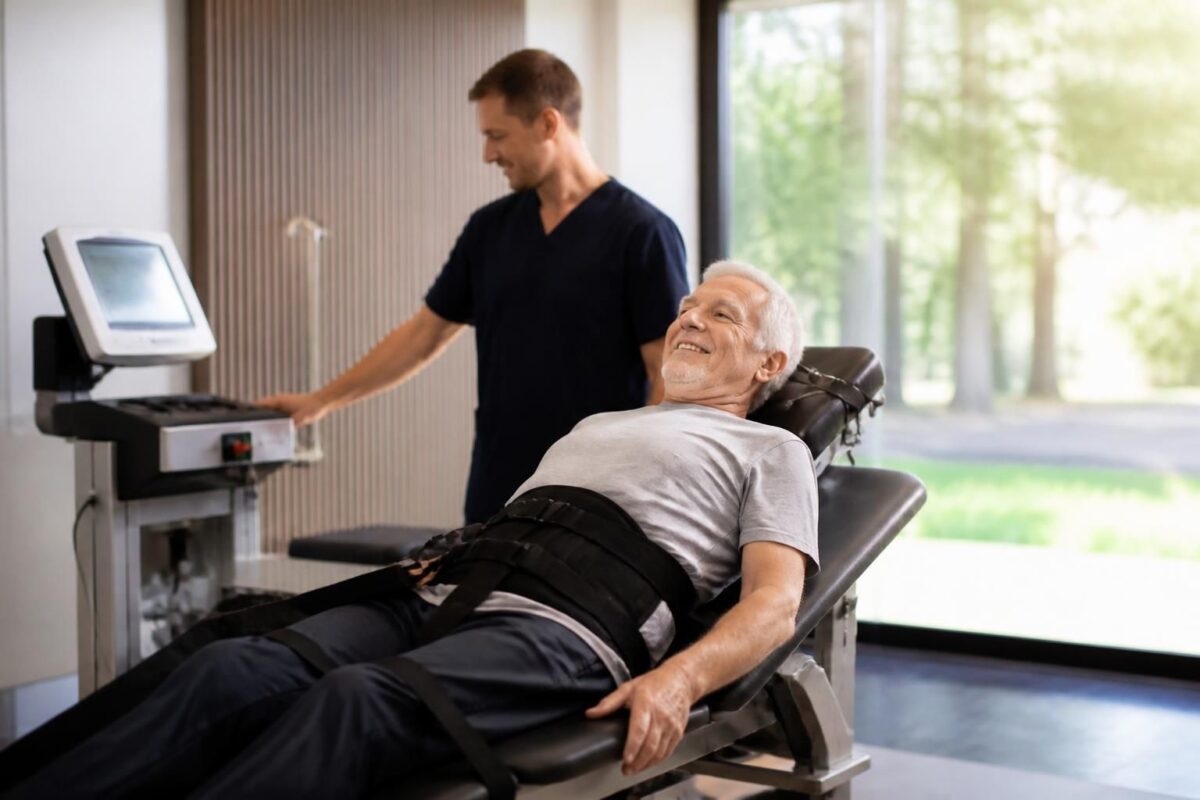
Why neurovertebral decompression is a lasting solution for active seniors
In short In short, the neurovertebral decompression is one Non-invasive therapy which sustainably relieves spinal pain in the spine active seniors By creating, by a Soft and controlled traction, a space between the vertebrae. At Montreal, it is recognized as…
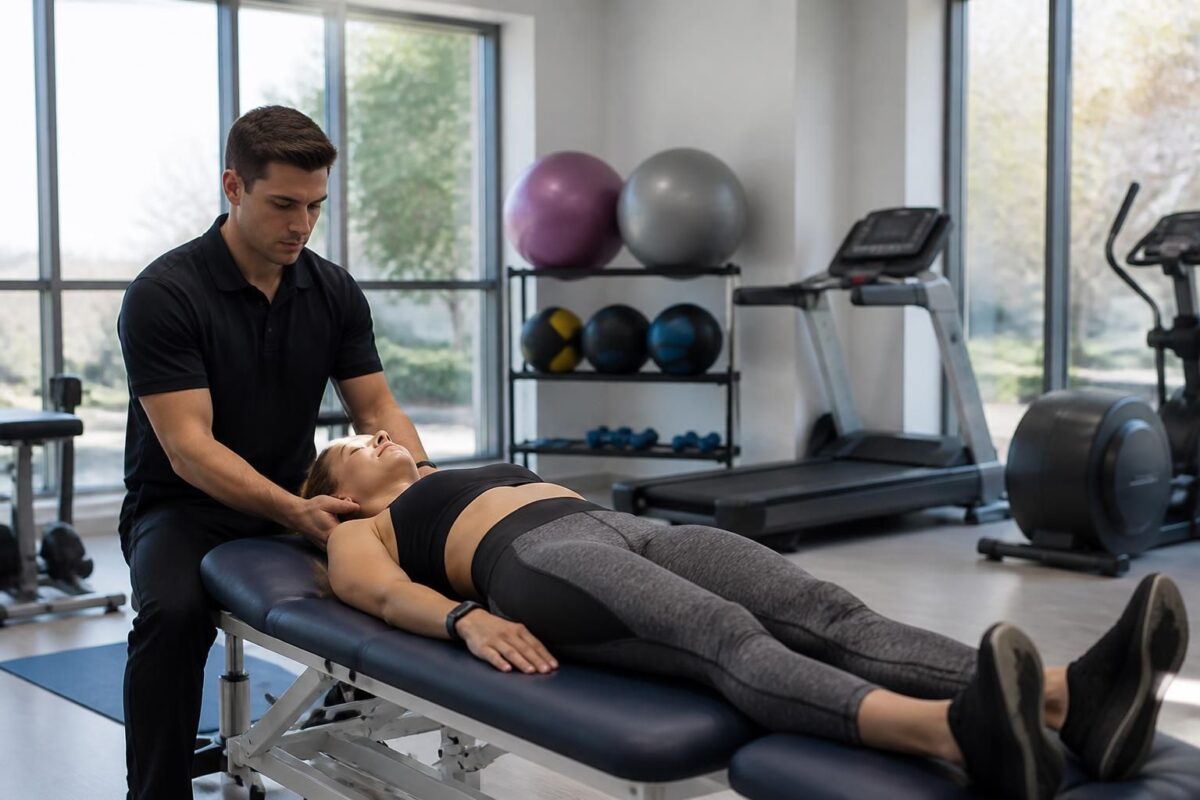
Neurovertebral decompression and recovery after severe sports injury
In short In short, the neurovertebral decompression is one Non-invasive method to Relieve the pressure on the Intervertebral discs and the gristle Via a Controlled traction, to facilitate the recovery After a severe sports injury. It improves the bloodstream towards…
Frequency and duration of treatment: practical organization
A typical program may include regular sessions over a period adapted to the severity of pain and response to treatment. The duration of a session varies according to the protocols and can be approximately 15 to 30 minutes. The total number of sessions is personalized and adjusted according to the evolution of symptoms and functional objectives.
To optimize the results, it is recommended to combine decompression with gentle exercises, good daily posture and appropriate stress management. Regular monitoring makes it possible to adjust the plan, avoid pain returns and promote lasting recovery.
Recent innovations in neurovertebral decompression technologies
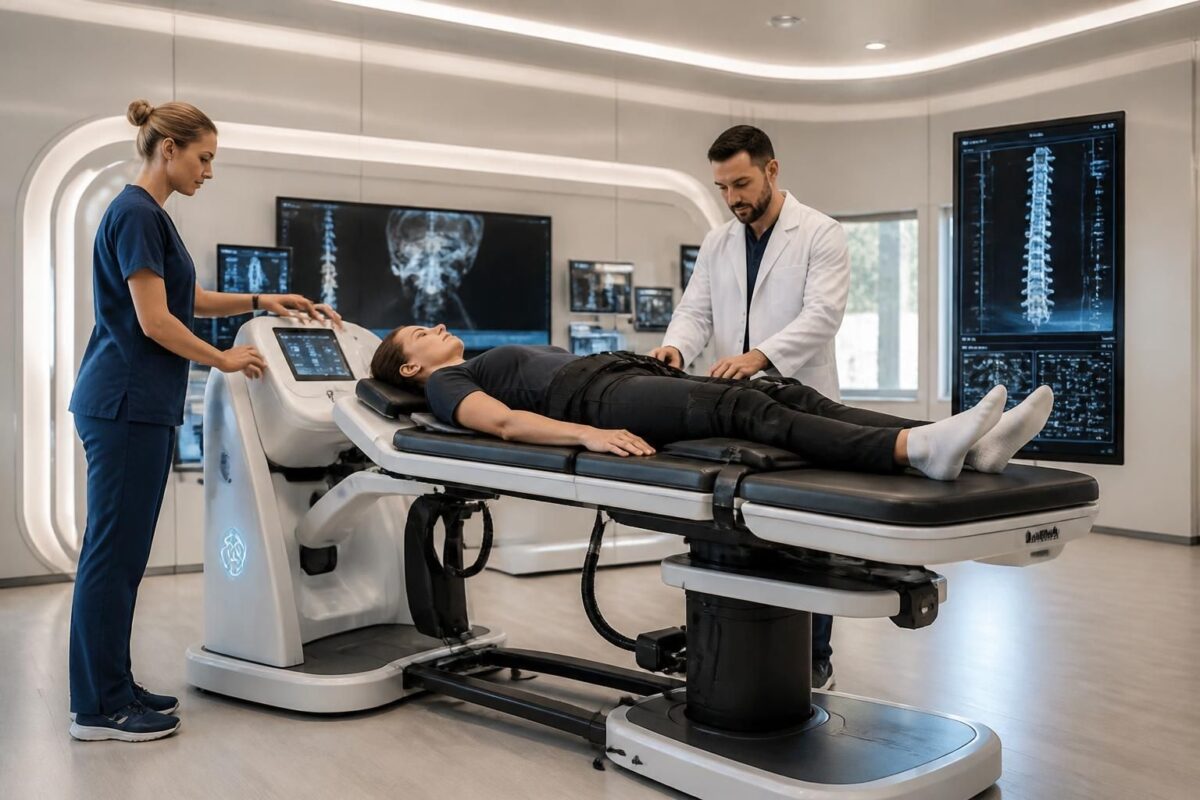
In short In short, the neurovertebral decompression is an approach non-invasive Aiming to reduce pressure on discs and nerves, and promote tissue regeneration. At Montreal, it is positioned as an effective option for lower back pain and herniated discs. The…
Neurovertebral decompression and diffuse pain: an appropriate solution
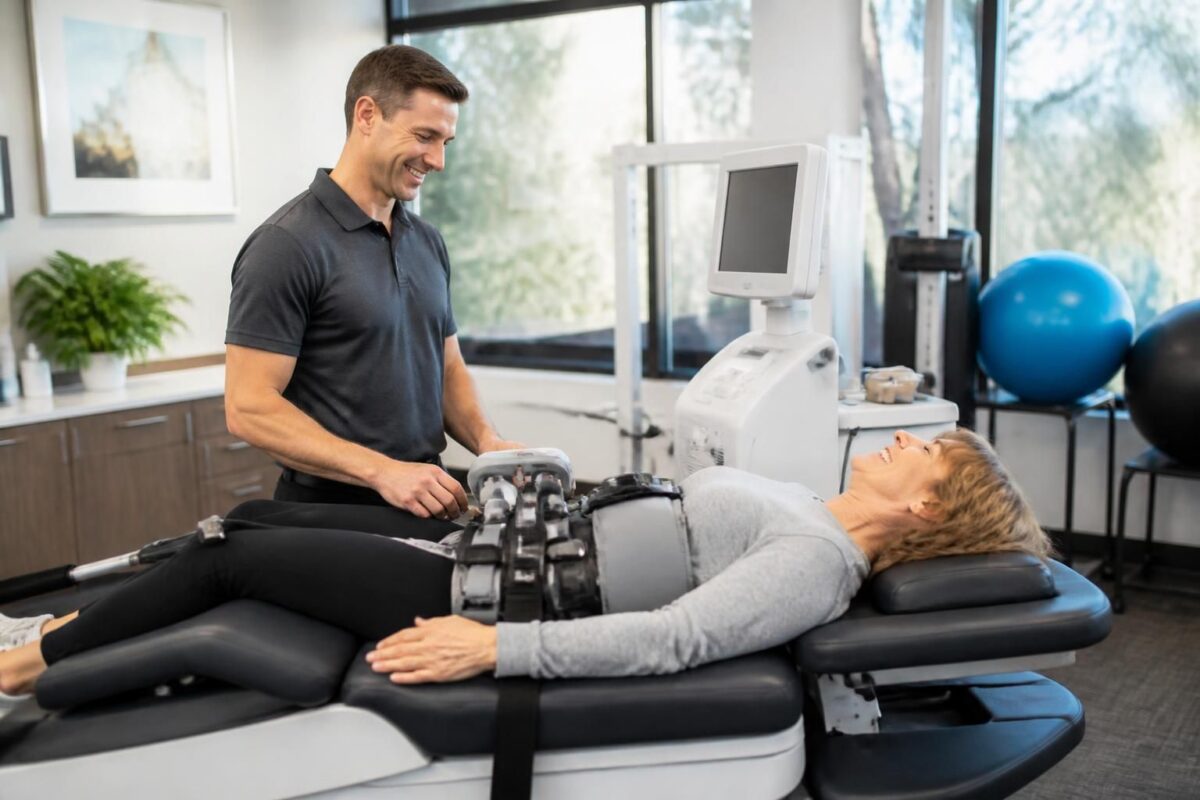
In short In short, the neurovertebral decompression is one Non-invasive solution For diffuse pain related to nerve irritation of the spine. She acts in Reducing pressure on intervertebral discs and nerves and improving the bloodstream, which promotes recovery and the…
Reconcile self-care and professional follow-up
Between sessions, maintain a light activity adapted to your condition and favor postures that support the back and neck. Simple measures such as regular work breaks, a balanced diet and sufficient hydration can positively influence recovery.
In case of unfavorable progress or new symptoms, contact your practitioner quickly to re-evaluate the treatment and adapt the plan. The success of decompression is based on a proactive and personalized approach, adapted to each individual and each acute pain.
To start a personalized assessment and discuss a plan adapted to your acute pain, make an appointment and explore the possibilities of neurovertebral decompression in your care setting.
| Context | Concise recommendation |
|---|---|
| Persistent acute nocturnal pain Back or neck | Quickly consult for evaluation and diagnosis; Discuss non-invasive options if indicated. |
| Sciatica with Neurological disorders (weakness or loss of sensitivity) or spreading pain | rapid assessment; emergency if deficit; Imaging and treatment plan adapted. |
| Lumbar trauma With persistent pain after rest | rapid consultation to assess a decompression indication and a rehabilitation program. |
| Chronic lumbar pain Not improved after 4–6 weeks conservative treatment | Reevaluation of diagnosis and exploration of non-invasive options under supervision. |
| Pain associated with fever or sign of infection or suspicion cancer | medical emergency; rapid assessment and appropriate investigations. |
| cervical pain suspected of slipped disc or stenosis | Specialized evaluation and appropriate therapeutic plan. |
| sportsman with disc injury or post-traumatic recovery | Plan of rehabilitation and decompression planned if indicated. |
| old age or fragility | conservative evaluation and adaptation of the treatment protocol. |
| neurologic (engine or incontinence deficiency) | medical emergency; Quick support and care orientation. |
Testimonials: neurovertebral decompression and acute pain — when to consult
“I woke up every night with acute dorsal pain that kept me awake. After two days without improvement, I decided to consult for the neurovertebral decompression. I was quickly told that it was linked to a nervous compression and I started a treatment plan. The first session gave me quick relief and I found some of my sleep. I recommend to consult when the pain persists beyond 48 hours and it wake up at night. — Sophie, 48 years old
“After an accident, the pain went from the back and then radiated into my leg. The professional advised me not to wait and to be assessed for the neurovertebral decompression. I noticed an improvement after the second session, and I realized that early look Can prevent worsening and accelerate recovery. — Marc, 39 years old
“My lower back pain had been present for two weeks and nothing relieved me. I was told that the decompression could help the pain acute and nocturnal. I made an appointment and was surprised by the Relief from the first sessions. If the pain persists after rest and analgesics, Quickly consult is important to avoid aggravation. — Laura, 34 years old
“As a sportswoman, I felt a sharp pain after training that prevented me from lifting loads. I turned to a consultation to check if a neurovertebral decompression could be considered. The sequel showed progressive recovery and reduction of muscle tension. For me, it’s a sign that Quickly consult is crucial when the pain does not pass in a few days. — Karim, 28
“With age, cervical pain can become more annoying. I consulted when the pain acute From the neck woke me up at night and mobility was limited. After an assessment, the neurovertebral decompression helped me regain comfort and better sleep. My advice: if you have pain that wakes you up and persists, Quickly consult is recommended. — Monique, 62
“The pain settled suddenly after a fall and I felt a stiffness that blocked my movements. After consultation, neurovertebral decompression appeared as a suitable option. The first results were encouraging and I quickly noticed a decrease in nocturnal pain and a better quality of life. If you are receiving similar signs, Consult without delay can change the game. — Hugo, 51 years old
the DR Sylvain Desforges, expert in osteopathy, naturopathy and manual medicine, is the founding president of the clinics tagmed and the ACMA Association. His career is guided by a Health Innovation for the management of Chronic pain and the integration of advanced technologies. Its mission is to provide evidence-based care to optimize the health and well-being of his patients, favoring an approach personalized and rigorous follow-up. With this in mind, it proposes a therapeutic strategy that combines manual know-how and technological tools to sustainably improve the quality of life.
The neurovertebral decompression is presented as an approach non-invasive Intended to release tension and restore the space between the vertebrae, in order to reduce the pressure exerted on the intervertebral discs and nerve roots. This technique mainly targets pain acute nights related to vertebral conditions such as herniated discs, protrusions or postural imbalances. By promoting better circulation and rehydration of the discs, it contributes to reducing inflammation and improving mobility, without having to resort to surgery. Dr. Desforges’ assessment and treatment protocols are based on clinical evidence and approach patient-centric.
What is useful to know before consulting is summarized by the signals that should lead you to make an appointment. If you suffer from pain acute nights Persistent, radiculopathies causing tingling or numbness in the limbs, or if your pain does not decrease after weeks of rest and self-treatment, it may be wise to assess a neurovertebral decompression approach. Marked neurological signs, significant functional limitation, or a recent spinal injury history are also specialized assessment reasons to determine the adequacy of treatment.
In its practical framework, Dr. Desforges’ approach proposes a Full assessment, followed by a Personalized treatment plan Integrating the neurovertebral decompression and, when relevant, adjacent therapies such as sessions of laser or of Shockwave therapy. This strategy aims to quickly relieve pain, promote recovery and prevent recurrences, while respecting the particularities of each patient and his lifestyle. The objective is to put the back in motion, improve posture and facilitate a gradual resumption of daily or sports activities.
For effective management, the standard course includes an initial consultation, a thorough clinical examination and, where appropriate, targeted additional examinations. Then comes the implementation of a tailor-made therapeutic plan, adjusted to the progress of the patient and his feedback on the effectiveness of the interventions. Dr. Desforges is committed to clearly communicating the objectives, steps and expected results, in order to support each patient towards optimal functional recovery and better quality of sleep. Discover his approach and the services available within TagMed clinics.
Quick summary: Neurovertebral decompression can be an option non-invasive effective for acute pain related to vertebral issues such as slipped disc, but its indication requires a professional evaluation and it fits into a global care plan. This conclusion recalls when to consult, what the evaluation includes, the expected results and the limits to be known.
The neurovertebral decompression Can provide quick and lasting relief from acute pain when the vertebral causes are consistent with this approach. It acts by gentle traction to reduce the pressure on the discs and nerves, which can improve circulation, reduce inflammation and promote tissue recovery. However, it is not suitable for all situations and must be decided after a Professional assessment Push.
When to consult to consider this therapy? in the presence of acute back or cervical pain Associated with typical signs of vertebral conditions (including suspicion of herniated disc or nerve compression), and after a first medical consultation, neurovertebral decompression can be discussed as a treatment option. It is crucial to differentiate between compatible cases from cases requiring other approaches, especially in the presence of fractures, frominfection, of tumors or a Acute inflammatory sequence that would require different support.
The evaluation process typically includes a targeted anamnesis, neurological examination, and, if necessary, additional examinations to confirm the etiology of pain. The professional then determines whether the decompression can be integrated into a Personalized treatment plan And how it articulates with other manual approaches, gentle exercises and lifestyle adjustments. Typical planning can target a set of clearly defined sessions, often in a range that is appropriate for the severity of the pain and the patient’s response.
the expected results vary according to the individuals: some feel a quick reduction pain and an improvement in mobility, others obtain progressive gains over the sessions. In practice, common protocols include regular cycles of sessions, and follow-up is essential to adjust treatment and optimize benefits. This approach is ideally part of a Global rehabilitation Including gentle exercises and postural management.
Important: Even if the outlook is positive, the information and advice shared does not replace a personalized medical consultation. To deepen the mechanisms and indications for neurovertebral decompression, you can consult dedicated resources such as those available on Neurovertebral decompression – Wikipedia and the specialized items listed below. Other useful sources explain the benefits and limitations of this approach in various contexts and for different patient profiles.
To learn more, here are some relevant additional resources:
Neurovertebral decompression: gentle therapy,
Decompression and sciatica – Non-invasive management,
Complete guide to neurovertebral decompression.
In case of doubt, favor a personalized evaluation: the treatment plan must be adapted to your condition, your medical history and your level of pain. For a secure and appropriate care, discuss with a qualified health professional who can direct you to the most relevant options and accompany you throughout your rehabilitation.
Also find out about the conditions that favor or limit the use of this method by consulting public and specialized resources. Additional resources can be consulted via the links provided above to inform you about the mechanisms of action, indications and precautions to be taken.
You can also explore additional resources on the professional benefits and uses of neurovertebral decompression, while remaining attentive to your symptoms and any warning signs requiring emergency care, such as progressive weakness, loss of control, severe pain Accompanied by fever or other worrying neurological signs.

Dr Sylvain Desforges, B.Sc., D.O., N.D., osteopath, is the founding president of TAGMED and of the ACMA association. He dedicates his practice to chronic spinal pain, low back pain and symptoms compatible with sciatica, particularly when pain radiates toward the buttock, leg, calf, foot or toes.
Through SOS Sciatique, he publishes educational content on sciatica symptoms, possible causes such as disc herniation, disc narrowing, foraminal stenosis or irritation of a lumbar nerve root, as well as non-surgical approaches that may be considered according to the evaluation. At Clinique TAGMED, care may include, depending on the case, motorized neurovertebral decompression, specific osteopathic care or precision percussion.
For an evaluation related to sciatica treatment in Montreal / Mount Royal or sciatica treatment in Terrebonne, please consult the services available at Clinique TAGMED.
Medical disclaimer
The information published on SOS Sciatique is provided for educational purposes only and does not replace a consultation, diagnosis, opinion or treatment provided by a physician or another authorized healthcare professional. The author of this article is neither a medical doctor nor a specialist in a medical specialty recognized by the Collège des médecins du Québec. The osteopathic, manual medicine or functional support approaches described on this site do not constitute medical acts and are not intended to replace medical follow-up.
Consult a physician or emergency service in cases of loss of bladder or bowel control, anesthesia in the saddle area, significant or progressive weakness in the leg or foot, fever, recent trauma, severe pain or rapid worsening of symptoms. For more details, please read our Legal Notice.