How neurovertebral decompression improves posture
25/06/2026
Benefits of Neurovertebral Decompression for Sedentary Workers
25/06/2026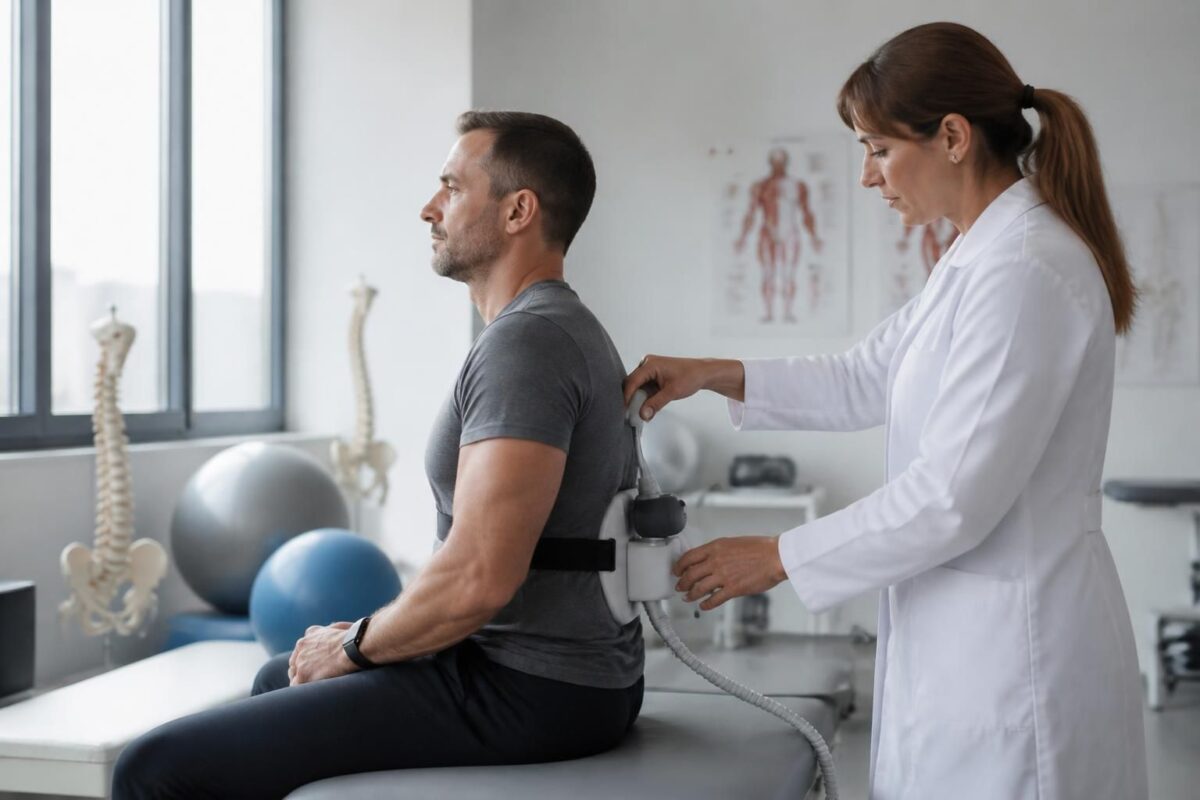
In short
| In short, the neurovertebral decompression is one Non-invasive therapy intended for Soften neuropathic pain By reducing the nerve pressure and the intervertebral discs by a gentle traction. Concretely, it creates a space between the vertebrae, improves the bloodstream and promotes the tissue regeneration. Its benefits include a Sustainable relief pain, better mobility and an Non-surgical alternative Suitable for patients who have not responded to conventional treatments. At Montreal, this service is particularly recommended for people with herniated discs and looking for an effective solution without surgery. |
The neurovertebral decompression is one Non-invasive therapy aimed at relieving Neuropathic pain related to vertebral pathologies such asslipped disc and the stenosis. By creating a space between the vertebrae and reducing the nerve pressure, it improves the bloodstream and favor the tissue regeneration, often leading to a Improving mobility and lasting pain reduction. Suitable when traditional treatments fail, it can be integrated into a Overall care pathway and be associated with other approaches such as physiotherapy or the laser to optimize the results. The sessions, generally well tolerated, avoid surgery and have few side effects, offering a promising solution To find a quality of life active despite neuropathic pain.
This summary, written by a health professional expert in osteopathy and manual medicine, presents neurovertebral decompression as a non-invasive approach to relieve neuropathic pain associated with problems such as herniated discs. The text describes the mechanisms, clinical outcomes and integration of this therapy in a care pathway, while indicating the resources and relevant references to deepen the subject.
What is neurovertebral decompression and what are the goals?
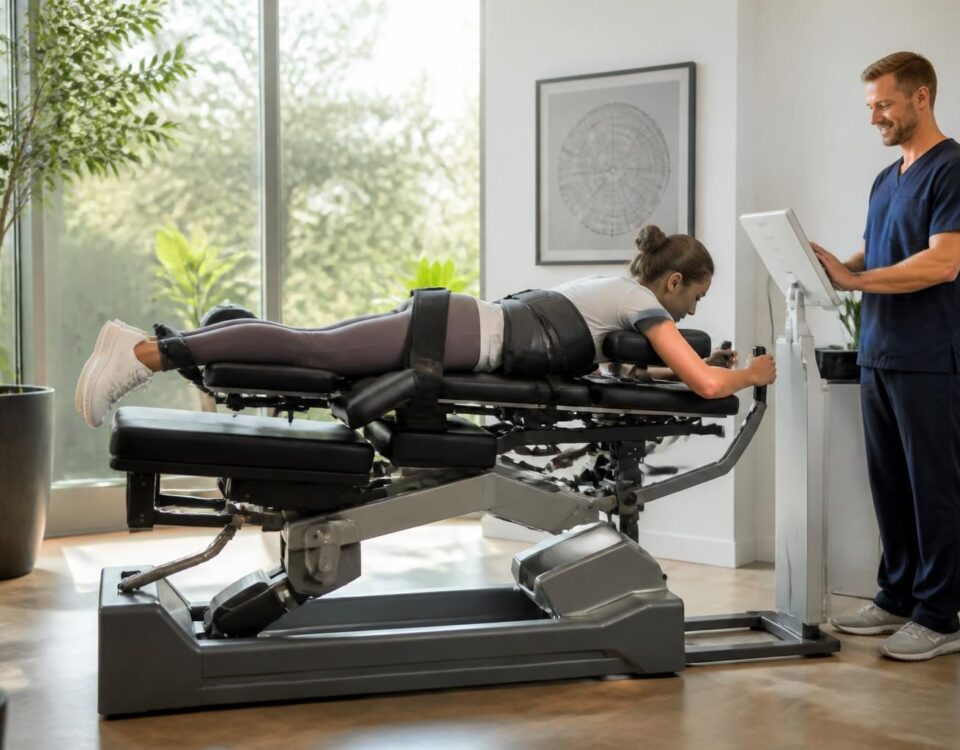
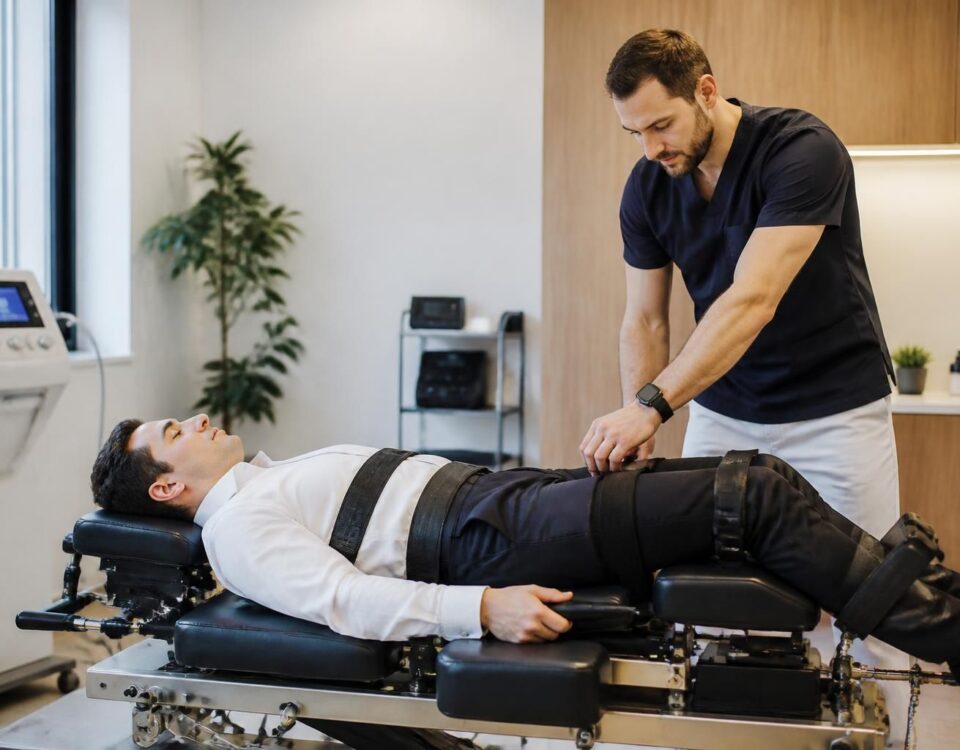
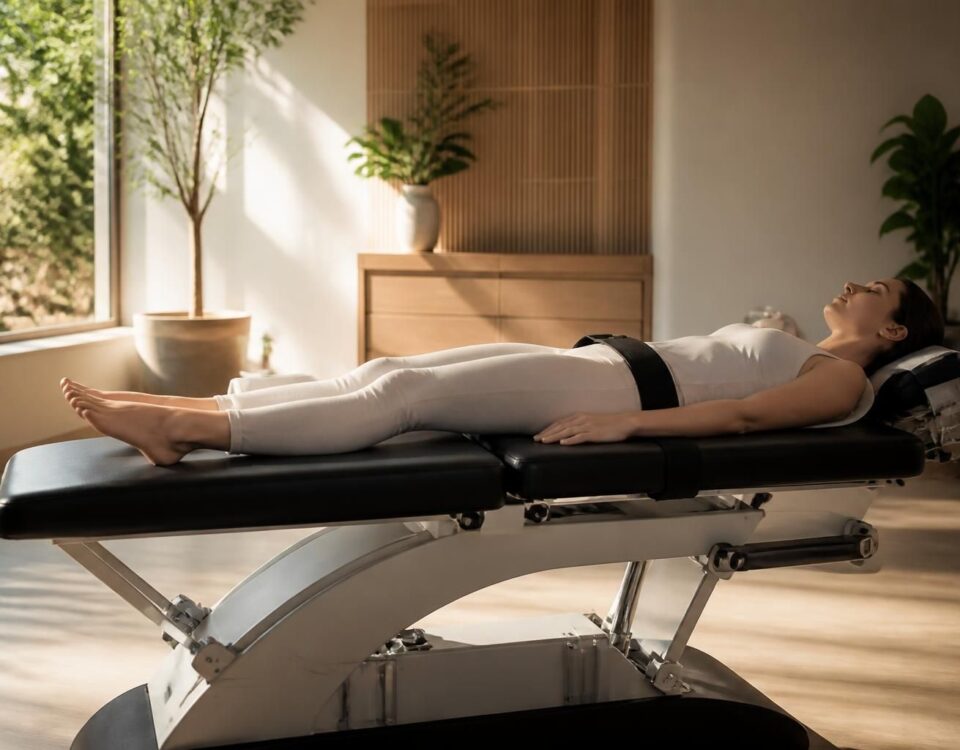
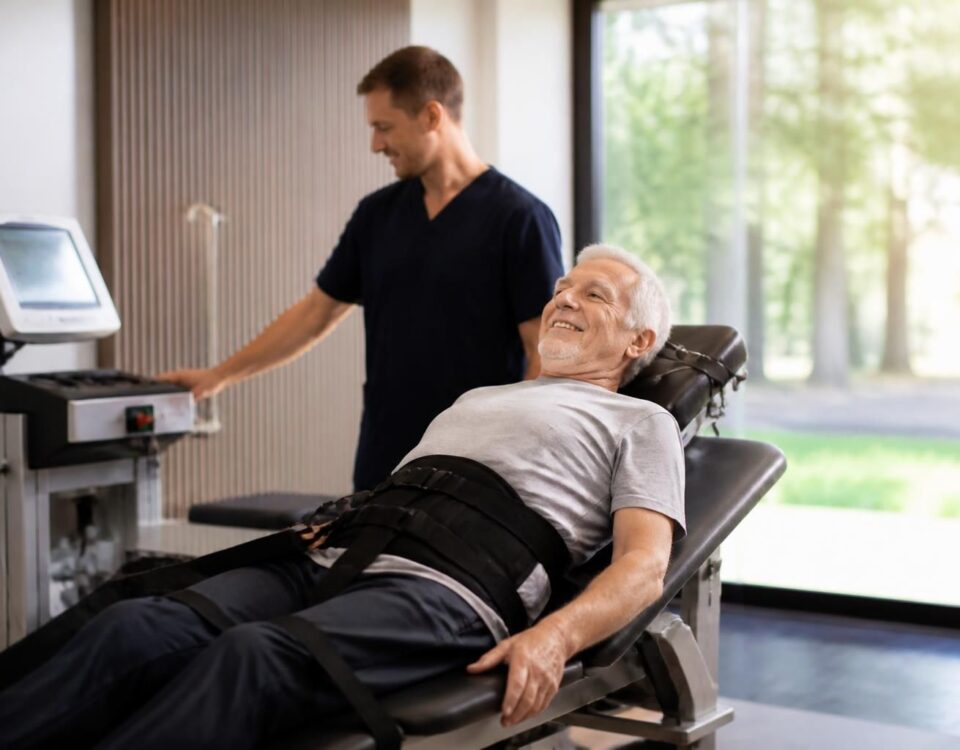
Neurovertebral decompression is a non-surgical technique that creates a space between the vertebrae. This action reduces the pressure exerted on the nerves and intervertebral discs. The objective is to improve the circulation of liquids and to initiate conditions conducive to tissue regeneration. This approach is particularly suitable when neuropathic pain persists despite conventional treatments and a major side effect should be avoided.
The long-term benefits of neurovertebral decompression for spinal health
In short In short, the neurovertebral decompression is a non-invasive approach that decreases the Pressure on intervertebral discs and nerves, favoring the Natural regeneration and tissue recovery. Its long-term benefits include Lasting pain reduction, Improving mobility and from the posture,…
How does it affect neuropathic pain?
The key mechanism is to reduce the pressure on the nerves. By freeing up this space, gentle traction promotes better tissue perfusion and can reduce local inflammation. The desired result is a gradual decrease in pain and an improvement in mobility. Patients often report improvements after several sessions, with a lasting effect when the protocol is adapted to their health and continued as part of a multifactorial plan.

Neurovertebral decompression and mobility: a return to an active life
In short In short, the neurovertebral decompression is therapy non-invasive who uses a gentle traction To create a space between the vertebrae and reduce the pressure on the Intervertebral discs and the nerves. It promotes a bloodstream improved, lowers tension…
Clinical indications and results
Neurovertebral decompression is indicated for neuropathic pain related to vertebral conditions such as disc hernias, radicular pinches and sciatic pain. It can be an option when the results of drug or invasive treatments are unsatisfactory. Specialized online resources explain the mechanisms and benefits of this approach, including The science behind neurovertebral decompression and Neurovertebral decompression and prevention of chronic pain. Patients often testify to a better quality of life and regained mobility after starting treatment.
Compared to invasive interventions, neurovertebral decompression offers significant benefits, including a favorable safety profile and ability to be integrated into other therapeutic approaches without major risks. For people wishing to learn about the potential benefits and associated conditions, additional resources can be consulted on Specialized thematic files and Links dedicated to sciatica.
In practice, the care pathway is based on a complete medical assessment and personalized follow-up. The clinical team offers an integrated approach, combining decompression with other modalities without invasive, in order to optimize the chances of lasting relief.
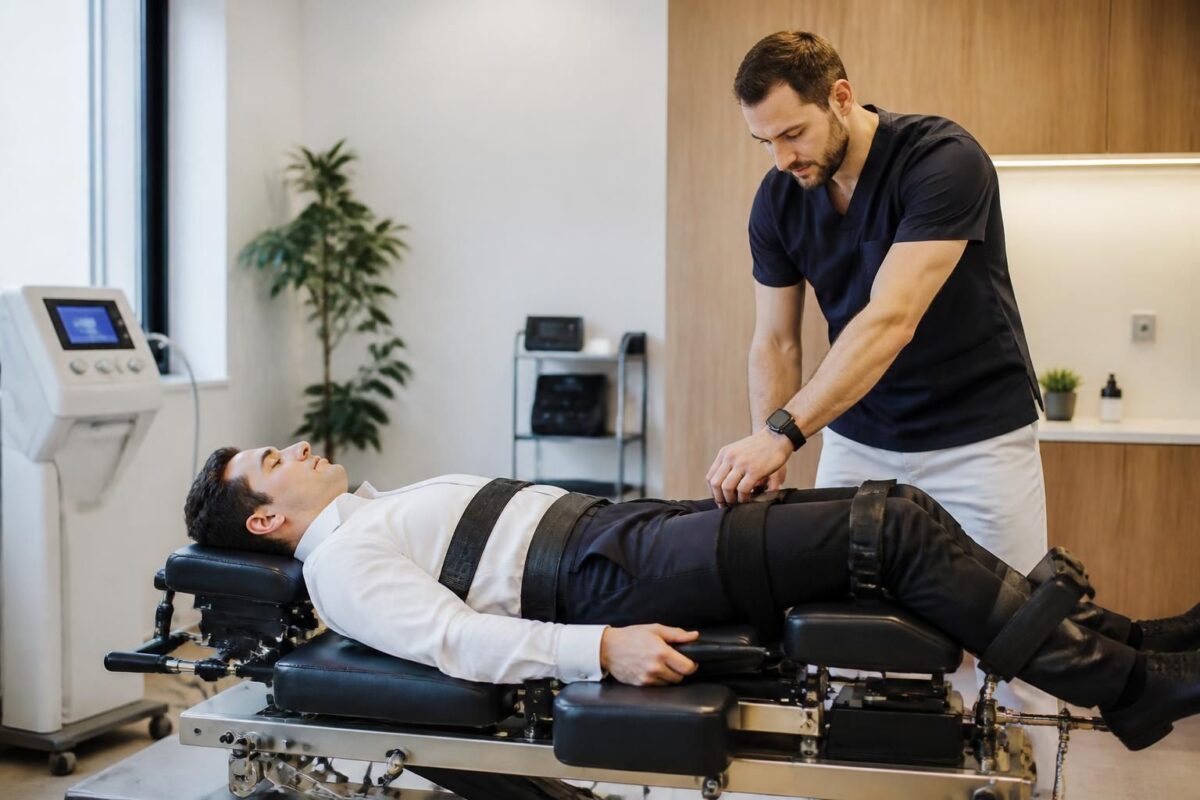
How Neurovertebral Decompression Prevents Diffuse Chronic Pain
In short decompression neurovertebral is one Non-invasive method aimed at reducing the Pressure on the intervertebral discs and the nerves, in order to prevent Diffuse chronic pain. It improves the circulation and thedisc hydration, decreases inflammation and promotes better mobility.…
Integration into the care pathway
In Tagmed Clinic In Montreal and on the periphery, neurovertebral decompression is seen as a key step in the management of unresolved neuropathic pain by the usual treatments. The process begins with a comprehensive assessment, often supplemented by imaging examinations, in order to precisely target the relevant vertebral levels and establish a personalized treatment plan. Regular follow-up allows protocols to be adjusted and efficacy to be assessed throughout the program.
This therapy can be associated with other non-invasive approaches available within TagMed and partner clinics, enhancing overall efficacy. For patients seeking additional information, public and institutional resources specialized in the field offer clear explanations of the mechanisms and outcomes observed.
Neurovertebral decompression is compatible with a recurrence prevention framework. In reality, good alignment and regained mobility can help reduce repetitive painful episodes and preserve spinal function in the long term. Dedicated resources describe how this approach fits into a comprehensive pain and mobility management strategy.
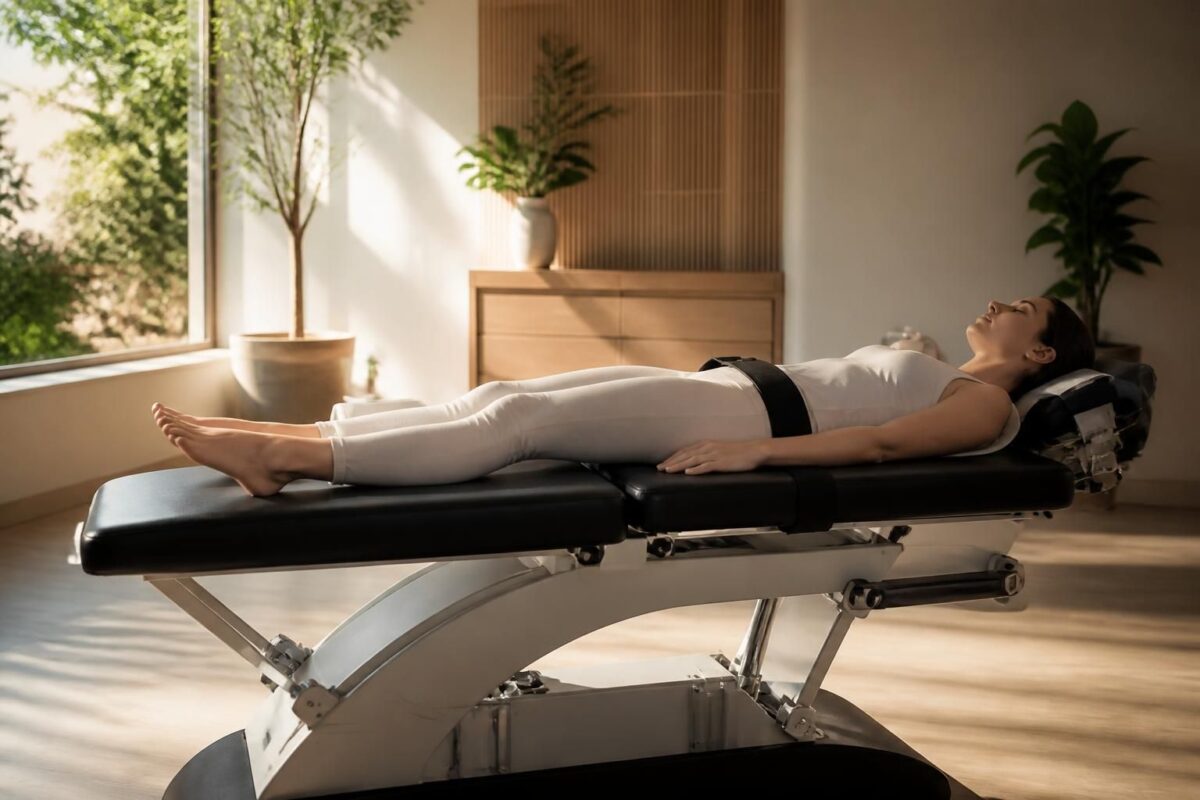
Neurovertebral Decompression and Body Alignment: Restoring Natural Balance
In short In short, neurovertebral decompression is one Non-invasive approach who restores theBody Alignment and thenatural balance back and neck. She acts by a Controlled traction of the spine to widen the intervertebral space and reduce the Pressure on discs…
Comparison and benefits against conventional treatments
Compared to drug treatments or surgical procedures, neurovertebral decompression has the following advantages:
- non-invasive and without major surgical risks.
- quick effects and durable on pain and mobility.
- Easy integration with other non-invasive therapies without overloading the body.
- possible reduction of dependence on certain prescriptions.
For patients who wish to compare approaches, reference texts and tables highlight the limits of conventional treatments, and how decompression can be inscribed as a complementary or alternative option in an appropriate context. Relevant resources also address frequent questions and results observed in various clinical cases.
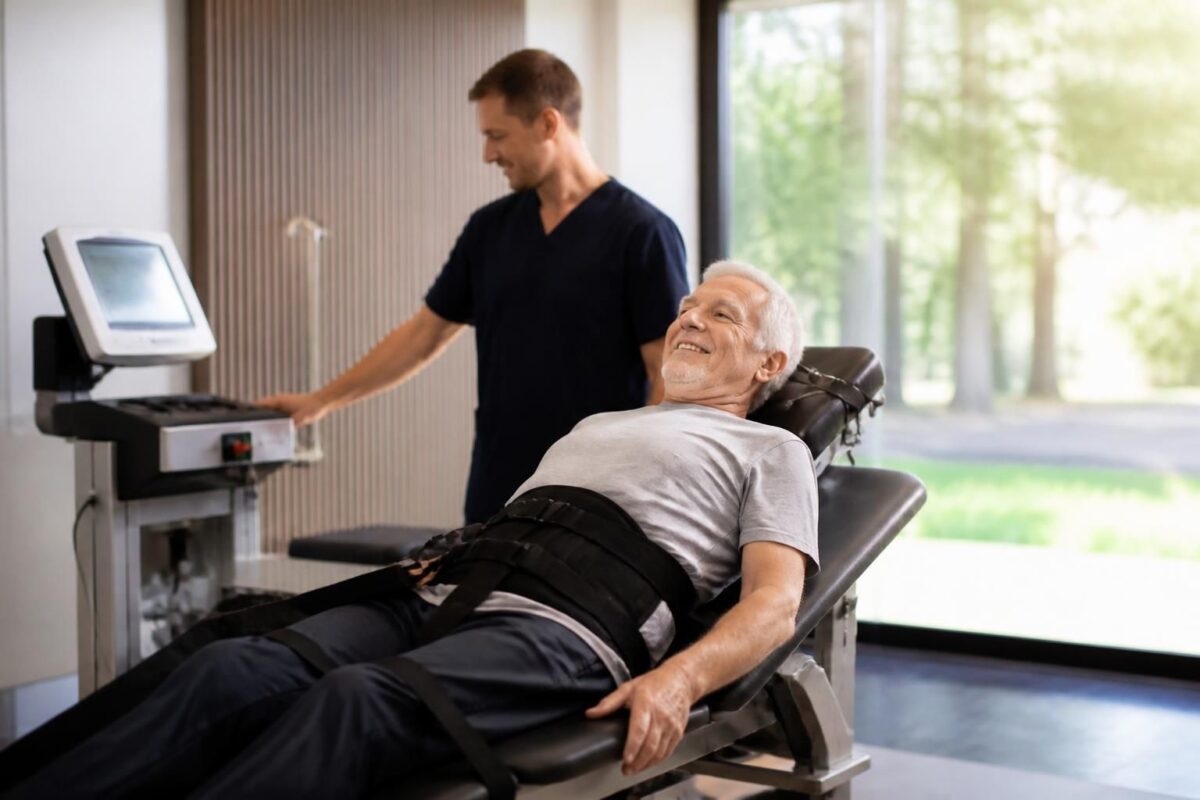
Why neurovertebral decompression is a lasting solution for active seniors
In short In short, the neurovertebral decompression is one Non-invasive therapy which sustainably relieves spinal pain in the spine active seniors By creating, by a Soft and controlled traction, a space between the vertebrae. At Montreal, it is recognized as…
Testimonials and clinical evidence
Patient testimonials indicate a marked reduction in pain and an improvement in autonomy during daily activities after several sessions. These feedbacks underline that decompression can restore a certain freedom of movement and limit the impact of neuropathic pain on daily life. For examples and analytics, see resources centered on patient experiences and clinical outcomes.
References associated with the evaluation and implementation of this therapy can be viewed in the following specialized resources: Cervical decompression and cervical pain and The science behind neurovertebral decompression. Couples of technical and patient-centered resources detail the indications and expected results.
For a practical overview of training paths and intervention frameworks, recognized training institutions in the field of osteopathy and associated practices include NUMSS and NAO, National University of Medical Sciences, National Academy of osteopathy, as part of their educational standards and professional practice.
Notes on Access and Clinical Resources: For more information on potential options and results, private and public pages can be viewed via neurovertebral decompression and Specialized resources.
To deepen the offer of care and services available near Montreal or Terrebonne, the
Clinique TagMed offers complete and personalized solutions for neuropathic pain and associated spinal conditions. Visit the site Tagmed Clinic For more information on the care pathways and technologies used.
Medical Disclaimer: The information and advice provided on this site does not replace the health professional’s diagnosis or treatment. Please note that the osteopath is neither a doctor of medicine nor a doctor, and is not a specialist in a medical specialty as defined by the College of Physicians. Manual medicine, functional medicine and sports medicine as described on this site exclude any medical treatment or diagnosis made by a doctor or specialist doctor. Always consult your doctor for any medical questions. For more details, please read our full legal notice.
- neurovertebral decompression is a technique non-invasive aimed at creating a space between the vertebrae and Reduce the pressure on the nerves.
- directions neuropathic pain related to herniated discs and root pinches.
- Mechanism Improves circulation and promotes Tissue regeneration.
- Benefits low risk, possibility of integration with other therapies.
- Results pain reduction and improvement in mobility After several sessions.
- Care course is part of a global approach with follow-up and rehabilitation.
- Accessibility Available in Montreal, with specialized supervision.

This article presents the neurovertebral decompression like a Effective treatment of Neuropathic pain, in particular when those related to herniated discs are resistant to conventional treatments. She explains how this approach non-invasive and switched to a gentle traction May reduce nerve pressure, promote bloodstream and support the Tissue regeneration. Finally, she gives practical recommendations for integrating this therapy into the care pathway, while emphasizing the importance of Personalized medical follow-up.
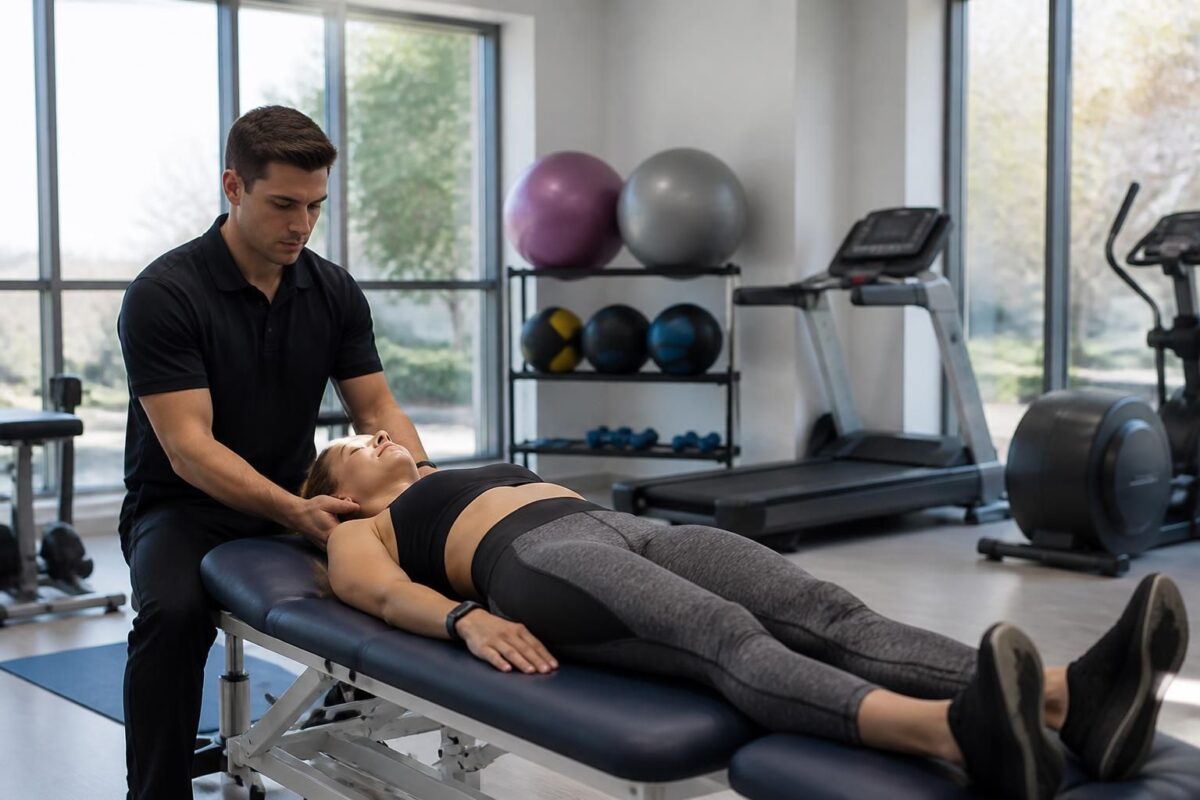
Neurovertebral decompression and recovery after severe sports injury
In short In short, the neurovertebral decompression is one Non-invasive method to Relieve the pressure on the Intervertebral discs and the gristle Via a Controlled traction, to facilitate the recovery After a severe sports injury. It improves the bloodstream towards…
Understanding neurovertebral decompression
Neurovertebral decompression is a technique that creates a space between the vertebrae through controlled traction on the spine. This action aims to Reduce pressure on nerves and intervertebral discs, which can decrease inflammation and facilitate tissue regeneration. In practice, sessions generally last between 30 and 45 minutes and take place without surgery, making it an option non-invasive Suitable for many patients with neuropathic pain.
Mechanisms of action
By releasing the spinal tension and improving the positioning of the discs, this technique contributes to Improve mobility and to decrease the pain thanks to better circulation of fluids and a reduction in nervous irritation. It can also promote Tissue regeneration in affected areas and prepare the ground for more effective rehabilitation.
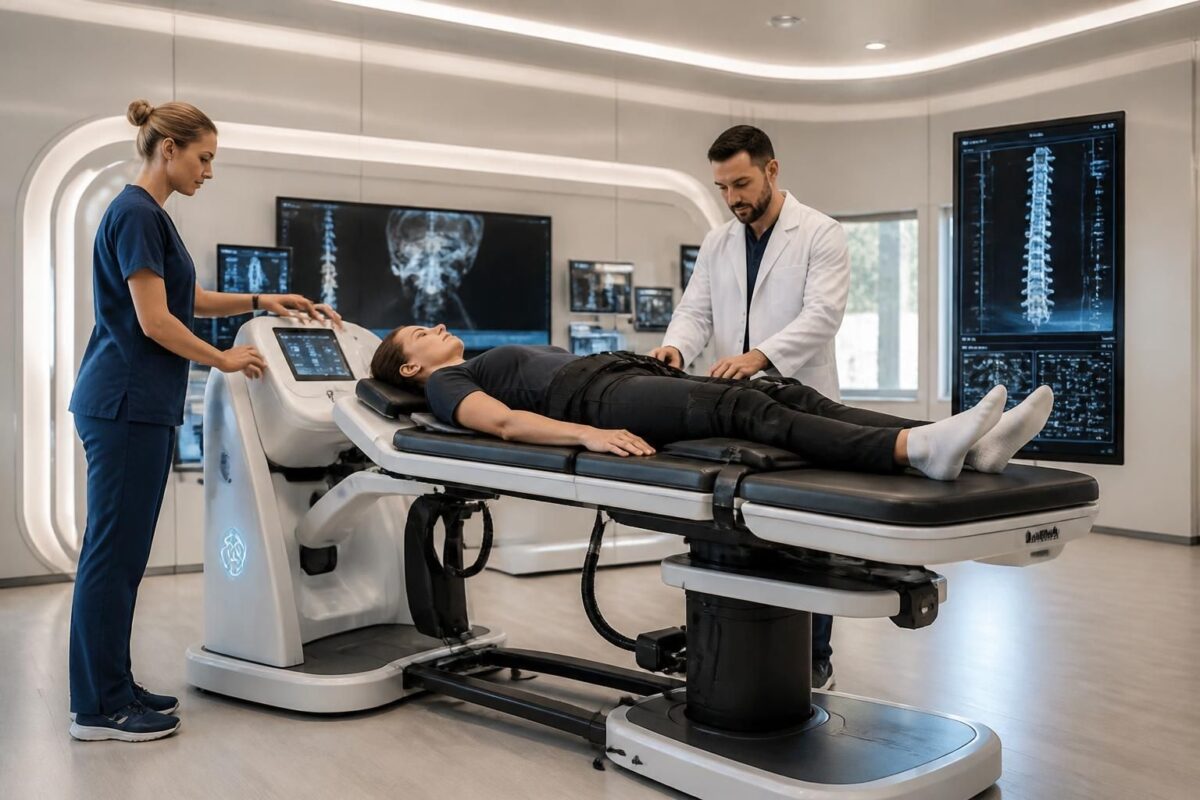
Recent innovations in neurovertebral decompression technologies
In short In short, the neurovertebral decompression is an approach non-invasive Aiming to reduce pressure on discs and nerves, and promote tissue regeneration. At Montreal, it is positioned as an effective option for lower back pain and herniated discs. The…
Indications and benefits
This therapy is particularly indicated for patients with neuropathic pain related to herniated discs, root pinches or sciatic pain, especially when treatments conventional did not bring respite. The earnings expected include a Lasting pain reduction, a Better mobility and an Prevention of recurrences When the spinal alignment is restored and supported by a rehabilitation program.
Clinical indications
In addition to cases of herniated discs and radicular pain, decompression can be adapted for persistent neuropathic pain that did not respond to other treatments, by being part of a global care approach.
Expected benefits
Patients often report a quick reduction and progressive pain, a Better range of motion and a regained ability to resume daily activities. theefficiency Usually appears when therapy is integrated into a personalized care plan and monitored regularly.
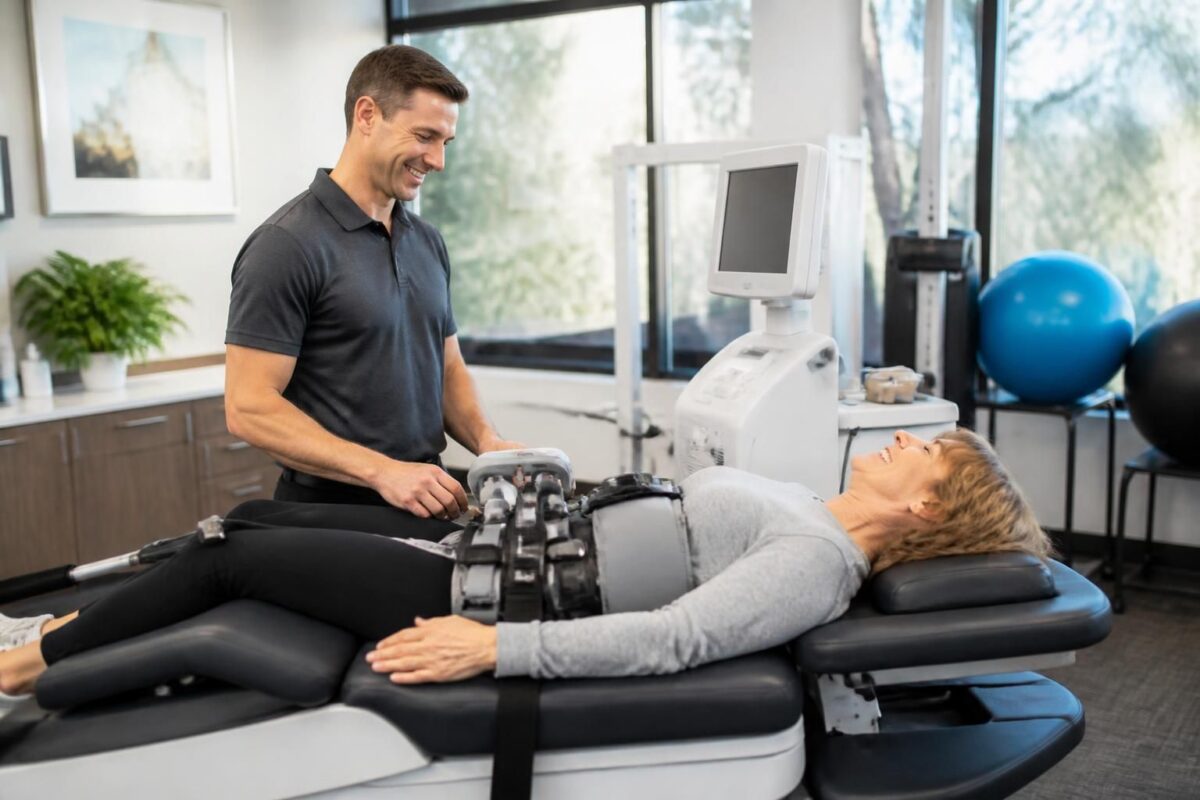
Neurovertebral decompression and diffuse pain: an appropriate solution
In short In short, the neurovertebral decompression is one Non-invasive solution For diffuse pain related to nerve irritation of the spine. She acts in Reducing pressure on intervertebral discs and nerves and improving the bloodstream, which promotes recovery and the…
Integration into the care pathway
To optimize the results, Complete medical assessment is necessary before starting treatment. The plan is then personalized, taking into account the functional objectives of the patient and any comorbidities. This therapy can be combined with other re-educational approaches, such as physiotherapy or complementary physical therapy, in order to strengthen the rehabilitation and the relapse prevention.
Personalized treatment plan
The professional adjusts the protocol according to the patient’s progress and feedback, ensuring a monitoring adapted and continuous optimization of results.
Security and tracking
neurovertebral decompression is a Non-invasive therapy Combining a low risk of side effects, with comfortable sessions and patient-friendly progression. One monitoring Regular allows you to evaluate efficiency, adjust parameters and integrate targeted exercises to support stability and mobility. The goal is to get a Sustainable relief and an improvement in quality of life.
Note: This information does not replace medical advice. Always consult your doctor for any medical questions and to determine theeligibility to decompression.
| Criterion | Details |
|---|---|
| Effectiveness for refractory neuropathic pain | reduction of the pain and improvement of mobility when conventional treatments fail. |
| Mechanism | gentle traction which creates an intervertebral space and reduces the pressure on the nerves, favoring the circulation and the regeneration. |
| Non-invasive mode | Option non-surgical with Low risks side effects. |
| Typical duration of sessions | Typical sessions of 30 to 45 minutes. |
| Recurrence and results | Results durable with a Custom Plan and one monitoring regular. |
| Main directions | herniated discs, Root pinches and chronic neuropathic pain. |
| Integration with other therapies | compatible with physiotherapy, laser and other manual approaches. |
| Accessibility and costs | Available in Specialized centers and maybe most profitable than long-term surgery. |
Testimonials on neurovertebral decompression and neuropathic pain: effective treatment
“Before starting the neurovertebral decompression, my Neuropathic pain was omnipresent and limited each movement. After only a few sessions, I felt a marked decrease in pain and a gradual resumption of my daily activities. It’s an approach non-invasive Who gave me confidence in my body. »
“As an athlete, the sciatica And the pain associated with a herniated disc had slowed down my workouts. The neurovertebral decompression allowed me to find a fluid stride and regained mobility. The results are lasting and the sessions are pleasant, almost relaxing. »
“My mother was suffering from persistent neuropathic pain after a painful episode. After a few weeks of treatment, she regained mobility and her enthusiasm for the activities she loved. This approach non-invasive was a real turning point in his daily life. »
“I work sitting in front of a computer and my pain had increased. Thanks to the neurovertebral decompression, I found an amplitude of movement, my tensions dissipated and I can again lead a day without feeling an exhausting pain. It is effective and reassuring. »
“I was skeptical at first, but after a few sessions, the Neuropathic pain has significantly diminished and my quality of life has improved. This treatment fits perfectly into a global rehabilitation and allowed me to resume activities that I had set aside. »
“As a young parent, I was looking for a solution that allows me to play with my children without pain. The neurovertebral decompression gave me quick relief and results that are maintained over time. I highly recommend this approach to all those who fight against refractory neuropathic pain. »
This portrait retraces the journey of a practitioner recognized for his excellence in osteopathy, naturopathy and manual medicine, and for his commitment to theInnovation in care of health. His work focuses on Management of the chronic pain and the integration of advanced technologies. It implements an approach based onevidence and clinical experience, where neurovertebral decompression occupies an increasing place as a non-invasive option for patients with Neuropathic pain. The objective is to offer pragmatic and effective solutions, adapted to each treatment trajectory.
This figure emerged as a key player in theHealth Ecosystem through its commitment to innovation. As founding president of the TagMed clinics and the ACMA association, he developed an approach multidisciplinary promiscuous spinal decompression, laser and Shockwave therapy. His work aims to transform patient results by combining manual expertise and emerging technologies, in order to propose treatment plans more effective and personalized.
His approach is based on Evidence and attentive listening to individual needs. He promotes a Patient-oriented care, where the initial assessment is complete and the therapeutic plan is adjusted to each pain and movement. In his vision, the neurovertebral decompression Is part of a logic of Reduced nerve pressure and improving the bloodstream, which promotes tissue regeneration and return to daily activities.
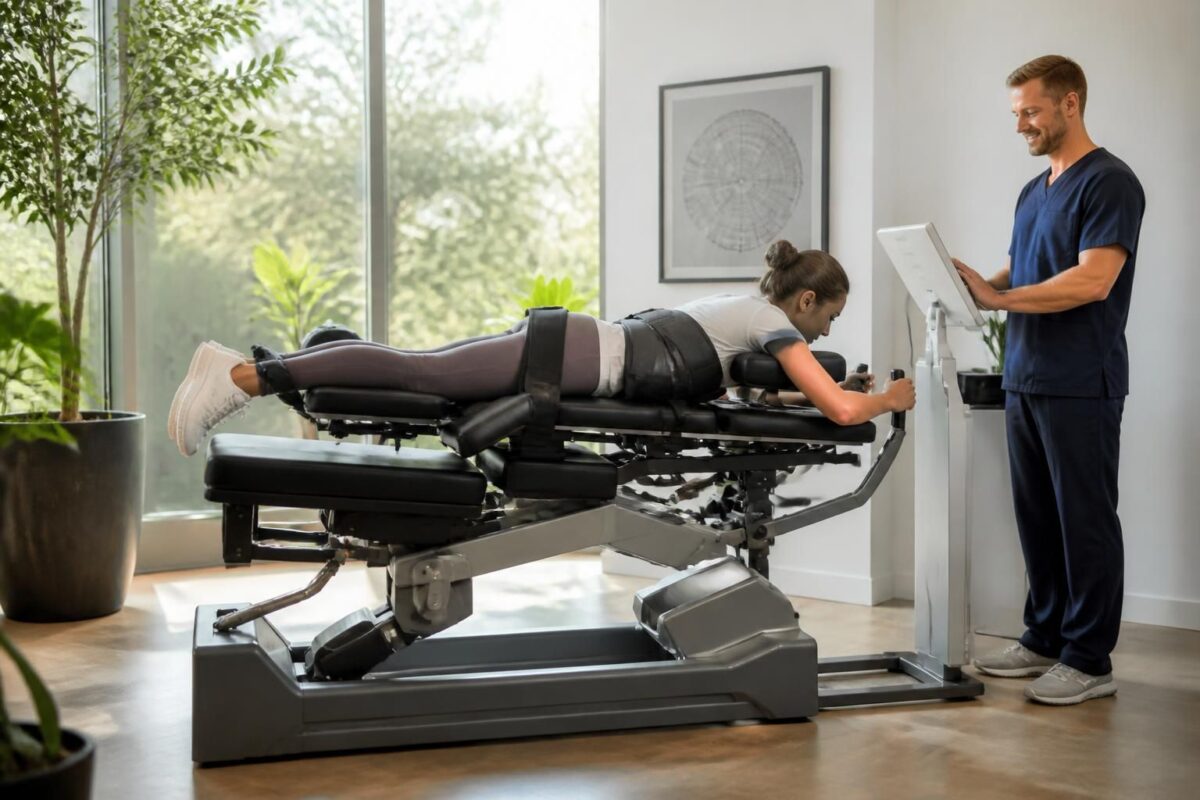
Technically, neurovertebral decompression is presented as a Non-invasive method which applies a gentle traction To create a space between the vertebrae. This dynamic aims to reduce the pressure exerted on the nerves and intervertebral discs, while improving the circulation of fluids and tissue nutritional intake. the benefits are manifested by a Reduction of neuropathic pain, a Improving mobility and a better ability to perform daily gestures. It is particularly indicated when the pain persists despite conventional treatments, in particular in the event of herniated discs and radiculopathies.
Integrated into a global care pathway, decompression is often associated with other approaches such as physiotherapy, laser and shockwave therapies. The protocols are based on Guided sessions and personalized planning, with sessions generally spread over several weeks. Patient feedback highlights a Sustainable relief and an Quality of life found, with a gradual reduction in pain and better tolerance to physical activity. Regular medical follow-up makes it possible to adjust the interventions and ensure the safety of the protocol.
Beyond the clinical benefits, this approach illustrates an orientation towards medicine Integrative and preventive. The practitioner demonstrates that decompression mechanisms, in synergy with advanced technologies, can transform the prognosis of neuropathic pain by offering a Effective non-surgical alternative. This perspective encourages patients to consider more comprehensive care pathways, where biomechanical and neuroplastic factors are approached together. commitment to measurable results and Transparent communication Emphasizes the role of the team in the sustainable improvement of mobility and well-being.
For professionals and patients, this approach is a significant example ofClinical innovation: it shows how the neurovertebral decompression can be integrated into a therapeutic strategy centered on evidence, safety and efficacy, in order to mitigate the Neuropathic pain And to restore freedom of movement on a daily basis. This trajectory testifies to a continuous commitment to improving the mobility and quality of life of people suffering from back and neuropathic pain.
This article examines the neurovertebral decompression as treatment of Neuropathic pain, focusing on its non-invasive mechanism, its benefits on mobility and tissue regeneration, as well as on the care setting and available complementary options. It is particularly aimed at patients with pain related to slipped disc or to nervous compressions that have not found lasting relief with conventional treatments.
Medical warning: The information and advice presented do not replace the advice of a health professional. Please consult your doctor for any medical questions and read the full legal notice. For more details, you can consult #ATFP_CLOSE_TRANSLATE_SPAN# Legal notice.
The neurovertebral decompression Acts by creating a space between the vertebrae through gentle traction, which decreases the pressure on the gristle and intervertebral discs. By promoting blood circulation and tissue regeneration, it can allow a Improving mobility and a sustained reduction in pain, with a profile d Low side effects and possible integration into other approaches such as physiotherapy or laser.
It is particularly indicated when conventional treatments do not provide the desired relief, particularly in the case of herniated discs, root pinches and sciatic pain. At the same time, it can be combined with complementary therapies to optimize results and promote sustainable recovery. For more information on mechanisms and indications, see Neurovertebral decompression, recognized solution, and Non-invasive support.
The course of care is usually personalized and can include in-depth medical assessment and imaging examinations to accurately identify pain sources, as well as regular follow-up to adjust treatment and maximize outcomes. Additional resources and testimonials on the effectiveness of this approach can be viewed on dedicated pages, including Proof and feedback and Who are the best candidates.
For athletes and active people, decompression can be adapted to support performance and recovery, while reducing the risk of recurrence. Find out how this approach can fit into a global rehabilitation and movement program on the pages Suitable for athletes and Durable solution.
Finally, for an overview of results and benefits, see the resources on Muscle tension and decompression and Prevent recurrences.
To go further on associated technologies and support options, explore the available resources on Neurovertebral Decompression — NeurOptimum Clinic, Prevent recurrences, and Non-invasive support.

Dr Sylvain Desforges, B.Sc., D.O., N.D., osteopath, is the founding president of TAGMED and of the ACMA association. He dedicates his practice to chronic spinal pain, low back pain and symptoms compatible with sciatica, particularly when pain radiates toward the buttock, leg, calf, foot or toes.
Through SOS Sciatique, he publishes educational content on sciatica symptoms, possible causes such as disc herniation, disc narrowing, foraminal stenosis or irritation of a lumbar nerve root, as well as non-surgical approaches that may be considered according to the evaluation. At Clinique TAGMED, care may include, depending on the case, motorized neurovertebral decompression, specific osteopathic care or precision percussion.
For an evaluation related to sciatica treatment in Montreal / Mount Royal or sciatica treatment in Terrebonne, please consult the services available at Clinique TAGMED.
Medical disclaimer
The information published on SOS Sciatique is provided for educational purposes only and does not replace a consultation, diagnosis, opinion or treatment provided by a physician or another authorized healthcare professional. The author of this article is neither a medical doctor nor a specialist in a medical specialty recognized by the Collège des médecins du Québec. The osteopathic, manual medicine or functional support approaches described on this site do not constitute medical acts and are not intended to replace medical follow-up.
Consult a physician or emergency service in cases of loss of bladder or bowel control, anesthesia in the saddle area, significant or progressive weakness in the leg or foot, fever, recent trauma, severe pain or rapid worsening of symptoms. For more details, please read our Legal Notice.