Neurovertebral decompression and neuropathic pain: an effective treatment
25/06/2026
Neurovertebral decompression: a gentle therapy for neck pain
25/06/2026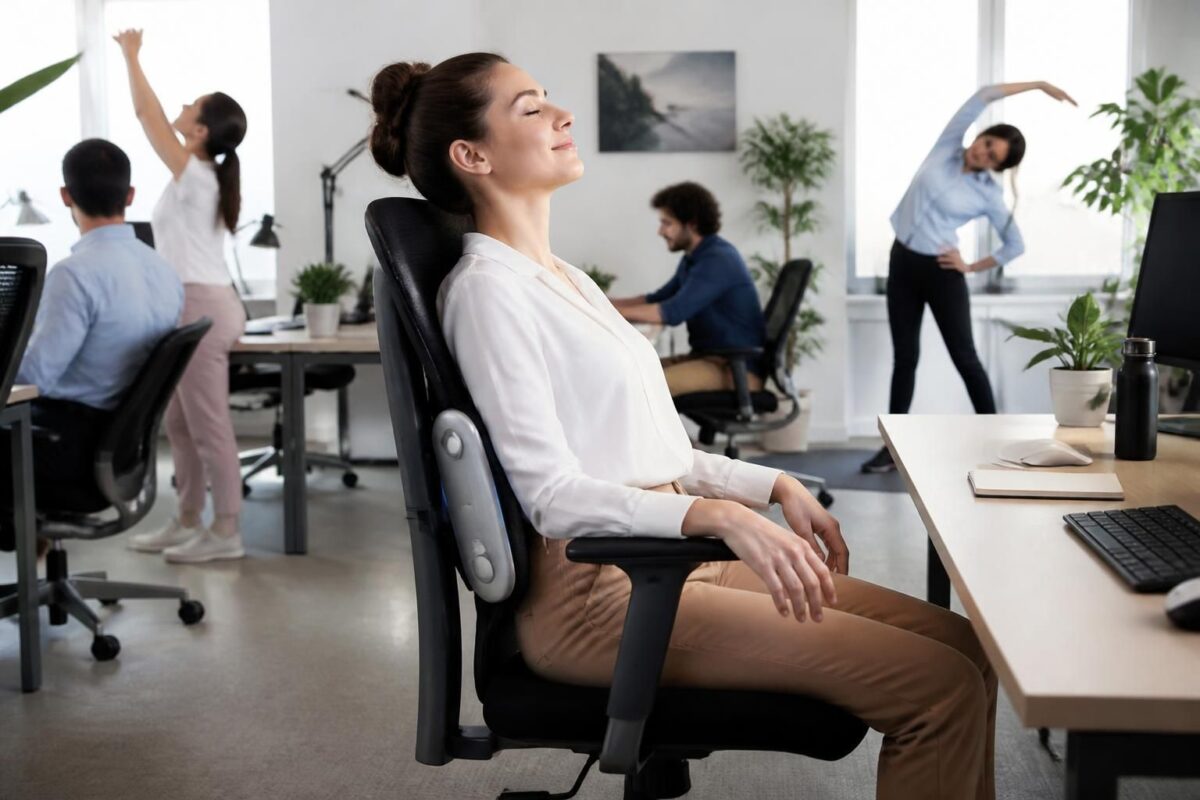
In short
| In short, the neurovertebral decompression is an approach non-invasive which soothes the back pain and restore the mobility at the Sedentary workers. By reducing the pressure on the records and the gristle, it helps to improve the posture and to prevent pain associated with a long sitting period, without surgery or medication. accessible to Montreal, this treatment aims to offer a Quick relief and sustainable while strengthening the welfare and the productivity In the office. |
For sedentary workers, the neurovertebral decompression offers several key benefits:
- pain reduction dorsal and cervical associated with a prolonged sitting position.
- Improving mobility and the flexibility of the column, facilitating daily and professional activities.
- posture improvement and spinal alignment, helping to reduce tension and optimize circulation.
- Injury prevention related to sedentary lifestyle and reduction of the risk of Chronic pain.
- Wellness and stress reduction thanks to increased spinal comfort and a feeling of release in the back.
- Non-invasive approach And drug-free, offering a secure alternative to more invasive treatments.
- Impact on productivity through better concentration and less pain-related interruptions.
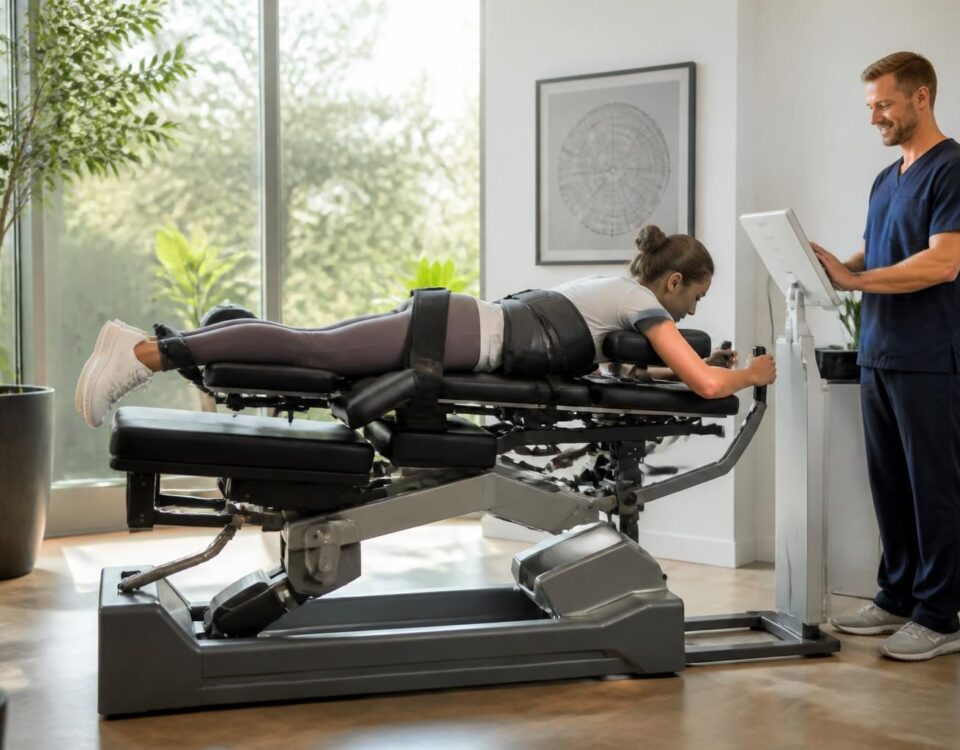
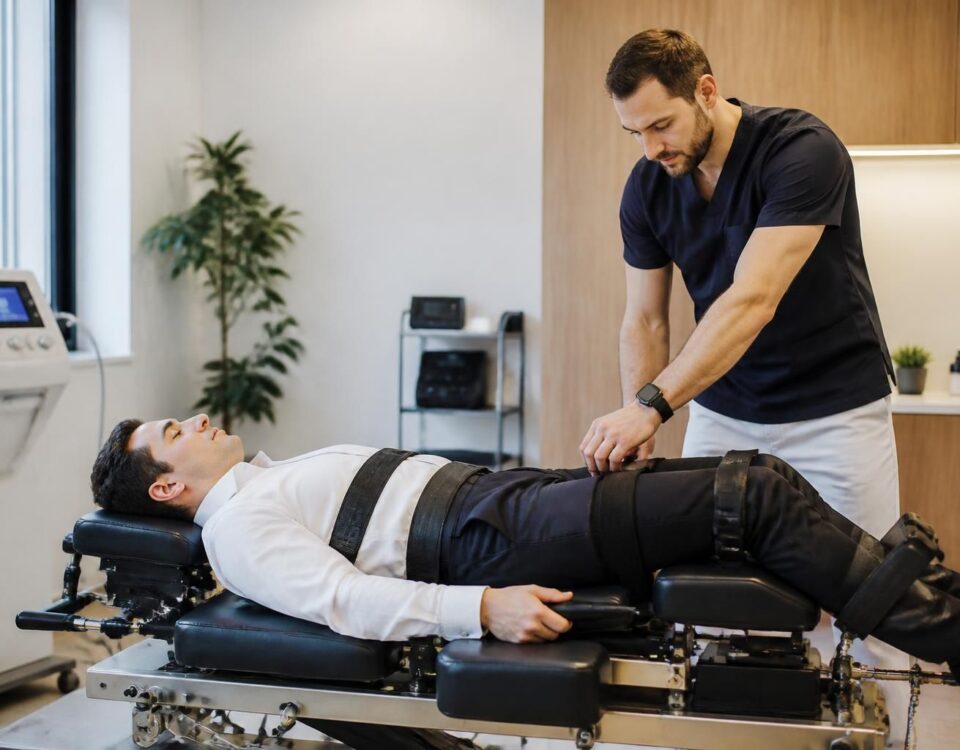
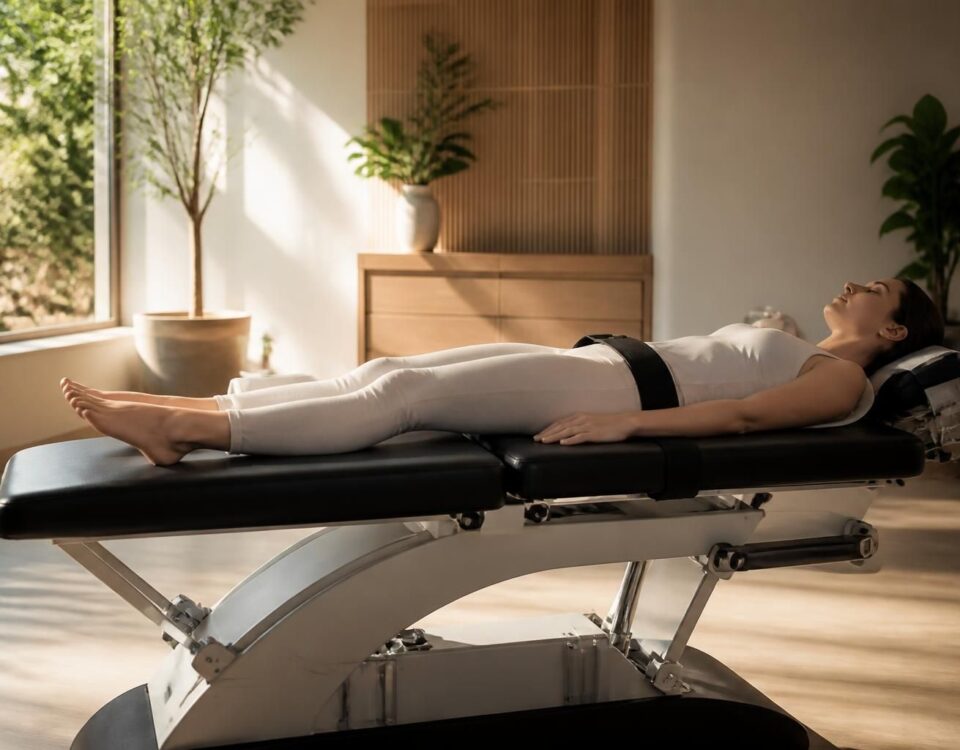
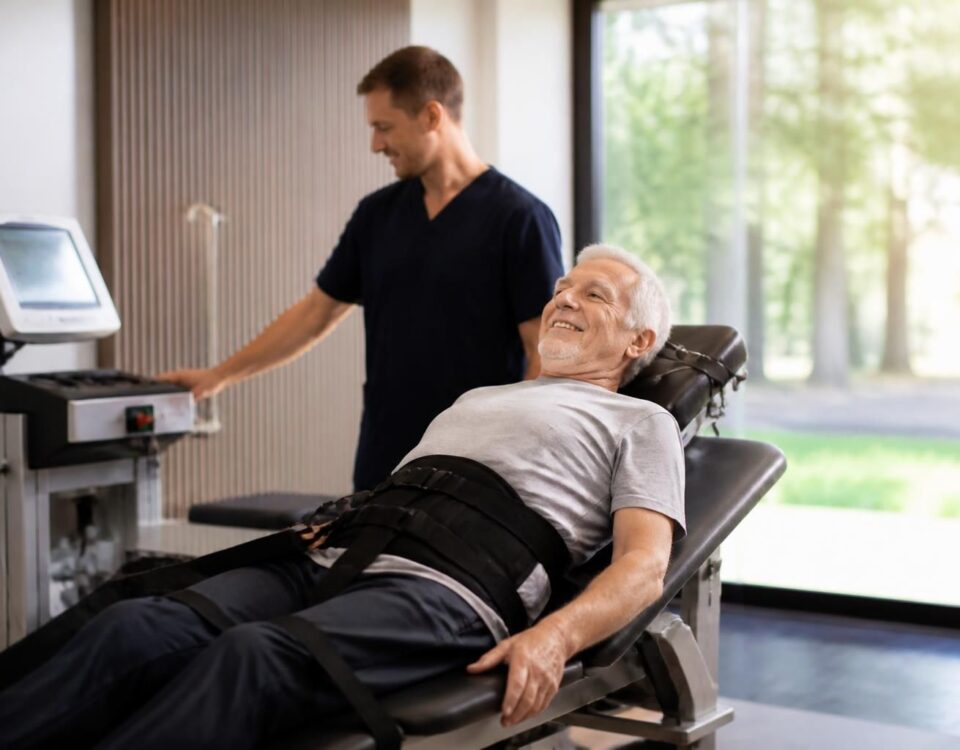
This article presents the benefits of the neurovertebral decompression for the Sedentary workers. She is non-invasive, intended to reduce the pressure on the intervertebral discs and nerves, and aims to improve mobility and well-being at work without having to resort to surgery.
The neurovertebral decompression Reduces the pressure exerted on the Intervertebral discs and on the nerves. This can reduce back and cervical pain associated with prolonged sitting. This approach is suitable for professionals who spend many hours in front of a screen and who feel tension in the back. For more information, specialized resources describe this duo between decompression and muscle tension as winning.
Pain Relief and Pressure Reduction
The treatment acts by promoting a space between the vertebrae. This action releases the compressed nerves and reduces painful symptoms. Relief can be quick and durable, allowing daily tasks to resume with less discomfort.
Resources published online emphasize that decompression can be a useful alternative to persistent pain, while remaining non-invasive and without heavy medication. Additional information and case examples are available on sites dedicated to neurovertebral decompression.
Restoration of mobility
By releasing the grip on the nerves and discs, the mobility of the column can be improved. The movements become more fluid and the stiffness is reduced. This improvement supports professional activities that require repeated travel and flexibility.
The restoration of mobility also contributes to tolerance to daily efforts and better energy during the working day. Testimonials and clinical evaluations indicate measurable gains on range of motion after the sessions.
Improved posture and comfort on a daily basis
The technique helps to realign the vertebrae and maintain a more natural posture. Good posture improves blood circulation, optimizes breathing and can decrease lumbar and cervical tension associated with prolonged sedentary lifestyle.
Correct spinal alignment has a positive impact on overall office comfort. It can also promote better concentration and sustained productivity over working hours.
Prevention and well-being at work
Neurovertebral decompression also acts as a preventive measure. By reducing the pressure on the discs and improving circulation, it can reduce the risk of recurrent pain and musculoskeletal disorders linked to sedentary lifestyle.
Better spinal health can result in less fatigue and better stress management. Professionals often describe a general feeling of well-being after treatment.
Care integration and accessibility
This treatment is offered in clinics specializing in manual health and integrated medicine. It is accessible in Montreal and other cities where TagMed clinics provide evidence-based care tailored to the needs of sedentary workers. For more information, see the dedicated resources at Tagmed Clinic.
To deepen the technical aspects and feedback, you can consult sources that describe the benefits and mechanisms of neurovertebral decompression in relation to muscle tension and associated conditions. articles and testimonials on sossciatica.com approach these notions in a pedagogical way. Other resources explain how this approach can be an alternative to certain drug treatments.
In the context of a care pathway, the use of neurovertebral decompression can be considered as a beneficial step for Sedentary workers faced with pain related to prolonged seating. Testimonials and clinical analyzes report significant improvements in pain, mobility and quality of life at work.
To discover additional resources and various perspectives, you can explore the information provided on the following sites: SoshernieDiscale.com, SosherniatedDisc.com, and decompressionneurovertebrale.com.
Complementary resources and clinical outcomes also describe how neurovertebral decompression can fit into a global approach to health, in collaboration with non-surgical pain and rehabilitation professionals. Information and practical guides are available through the recommended sites below for professionals and patients interested in this treatment.
To learn more about the advances and benefits of decompression, you can view content accessible through the domains dedicated to this approach. Articles and analyzes present perspectives on application in athletes and in the context of non-drug management of pain.
Useful links and associated resources: Neurovertebral decompression — Alternative to opioids, Why choose decompression, and Recent innovations.
For more details on facilities and services related to neurovertebral decompression, see also Tagmed Clinic.
“Medical disclaimer: The information and advice provided on this site does not replace the health professional’s benefit, diagnosis or treatment. Please note that Dr. Sylvain Desforges osteopath is neither a doctor of medicine nor a doctor, and is not a specialist in a medical specialty as defined by the Collège des Médecins du Québec. Manual medicine, functional medicine and sports medicine as described on this site exclude any medical treatment or diagnosis made by a doctor or specialist doctor. Always consult your doctor for any medical questions. For more details, please read our full legal notice. »
Axis : From discomfort to work performance thanks to neurovertebral decompression
- Reduction back pain related to sitting position
- Improvement posture and spinal alignment
- Restoration Mobility and daily gestures
- Prevention pain and injuries related to sedentary lifestyle
- Relaxation Muscle and nerve tension
- Improvement lumbar circulation and disk nutrition
- Comfort Increased for long hours in front of the computer
- Concentration and increased productivity thanks to less pain
- non-invasive No surgery or medication
- Recovery Faster after intense work periods

This recommendation sheds light on the benefits of neurovertebral decompression for Sedentary workers, highlighting the pain relief, LImproving mobility and from the posture, as well as the positive impact on the productivity and the Well-being at work. This non-invasive approach acts directly on the constraints of the spine linked to a prolonged sitting position and is easily integrated into a prevention and professional performance approach.
Lasting pain relief and stress reduction
Neurovertebral decompression acts by reducing the pressure exerted on the intervertebral discs and on the nerves, which leads to a significant decrease in lower back and neck pain in workers who remain seated for long hours. This relief promotes better endurance throughout the day and can improve sleep quality, a key part of recovery and concentration. By reducing painful symptoms, it becomes easier to adopt neutral postures and more ergonomic work. This approach also helps to limit the use of painkillers, which contributes to a better general feeling of well-being and energy available for professional tasks.
Non-invasive approach and safety
In practice, this method offers a safe and smooth option that can be integrated without major timetable disruption. It can be combined with simple exercises and ergonomic advice to optimize results and promote lasting progress in pain management.
The long-term benefits of neurovertebral decompression for spinal health
In short In short, the neurovertebral decompression is a non-invasive approach that decreases the Pressure on intervertebral discs and nerves, favoring the Natural regeneration and tissue recovery. Its long-term benefits include Lasting pain reduction, Improving mobility and from the posture,…

Neurovertebral decompression and mobility: a return to an active life
In short In short, the neurovertebral decompression is therapy non-invasive who uses a gentle traction To create a space between the vertebrae and reduce the pressure on the Intervertebral discs and the nerves. It promotes a bloodstream improved, lowers tension…
Improved mobility and posture
By gradually releasing the space between the vertebrae, neurovertebral decompression helps to restore the mobility and the flexibility of the column. Daily gestures and professional activities become more fluid, and pain related to morning stiffness or sitting fades. Better aligned posture improves circulation and breathing, reducing muscle tension and repeated discomfort. The cumulative effect is a better ability to perform various tasks without interruption due to pain, which supports a more constant progression in professional projects.
Impact on daily tasks and productivity
When the pain and stiffness recede, the concentration increases and fatigue decreases. Workers can maintain sustained activity for longer and with better accuracy, which translates into increased productivity and better overall performance at work.
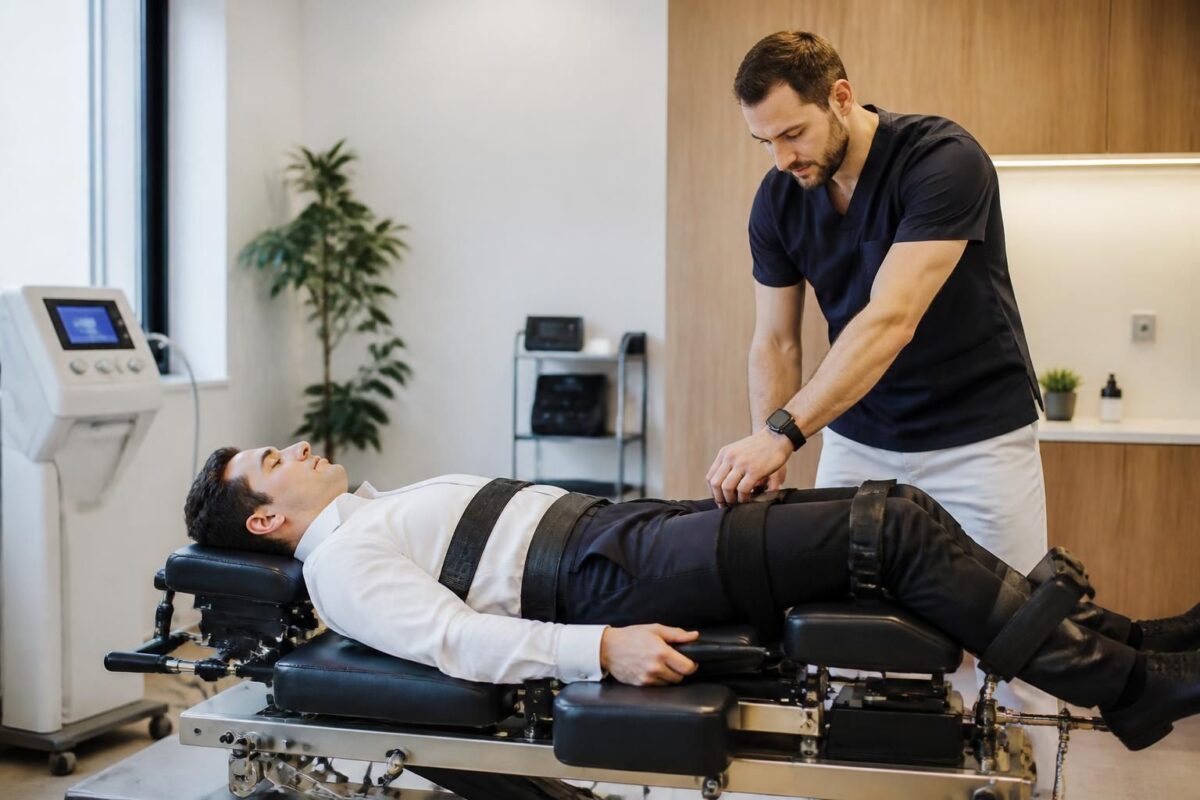
How Neurovertebral Decompression Prevents Diffuse Chronic Pain
In short decompression neurovertebral is one Non-invasive method aimed at reducing the Pressure on the intervertebral discs and the nerves, in order to prevent Diffuse chronic pain. It improves the circulation and thedisc hydration, decreases inflammation and promotes better mobility.…
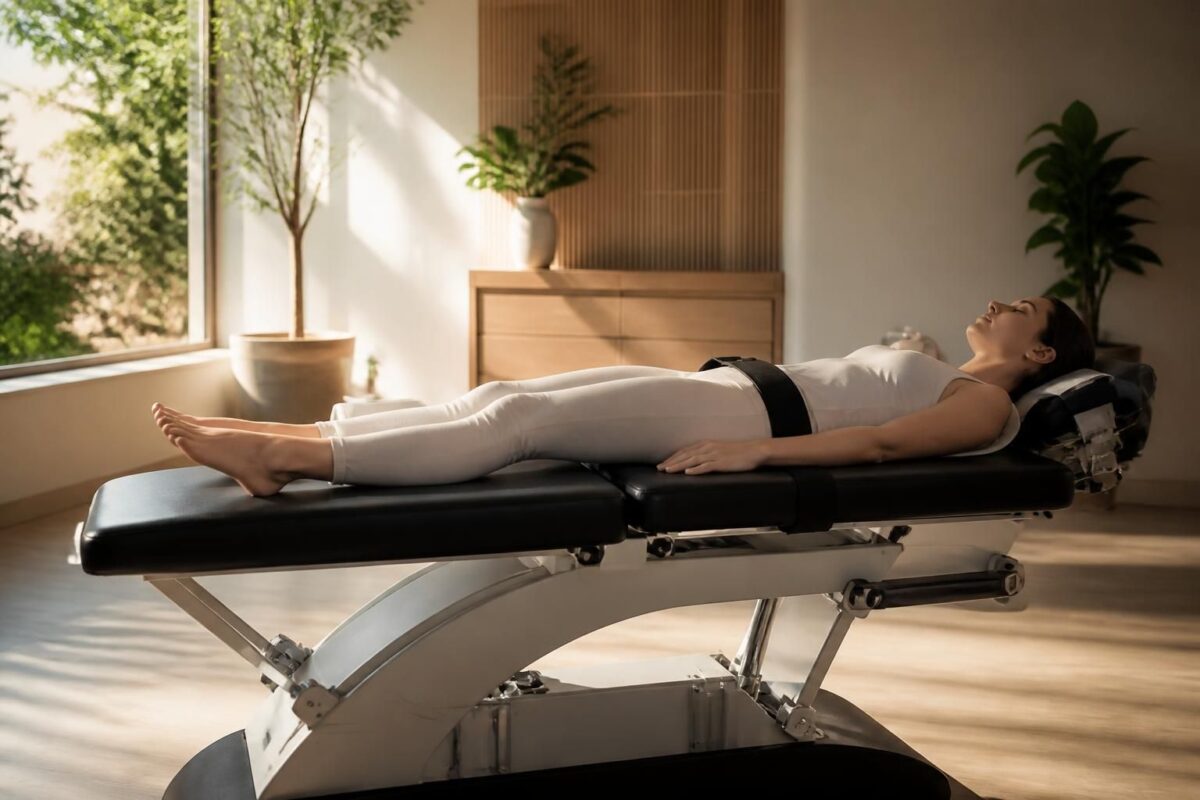
Neurovertebral Decompression and Body Alignment: Restoring Natural Balance
In short In short, neurovertebral decompression is one Non-invasive approach who restores theBody Alignment and thenatural balance back and neck. She acts by a Controlled traction of the spine to widen the intervertebral space and reduce the Pressure on discs…
Injury prevention and column durability
Decompression promotes a preventive approach by limiting pressures that promote disc damage and nervous irritation. By preserving the hydration and nutrition of the discs, it supports the durability of the spine and can reduce the risk of relapses or aggravations linked to sedentary lifestyle. This approach is particularly beneficial for workers exposed to repetitive postures or repeated light loads, helping to maintain structural integrity over the long term and, potentially, to reduce the need for future surgeries.
Integration into a global preventive approach
To maximize profits, combining decompression with active breaks, targeted reinforcement exercises and appropriate ergonomics of the workstation is an effective strategy. A personalized follow-up makes it possible to adjust the frequency of the sessions and to measure progress in terms of pain, mobility and productivity.
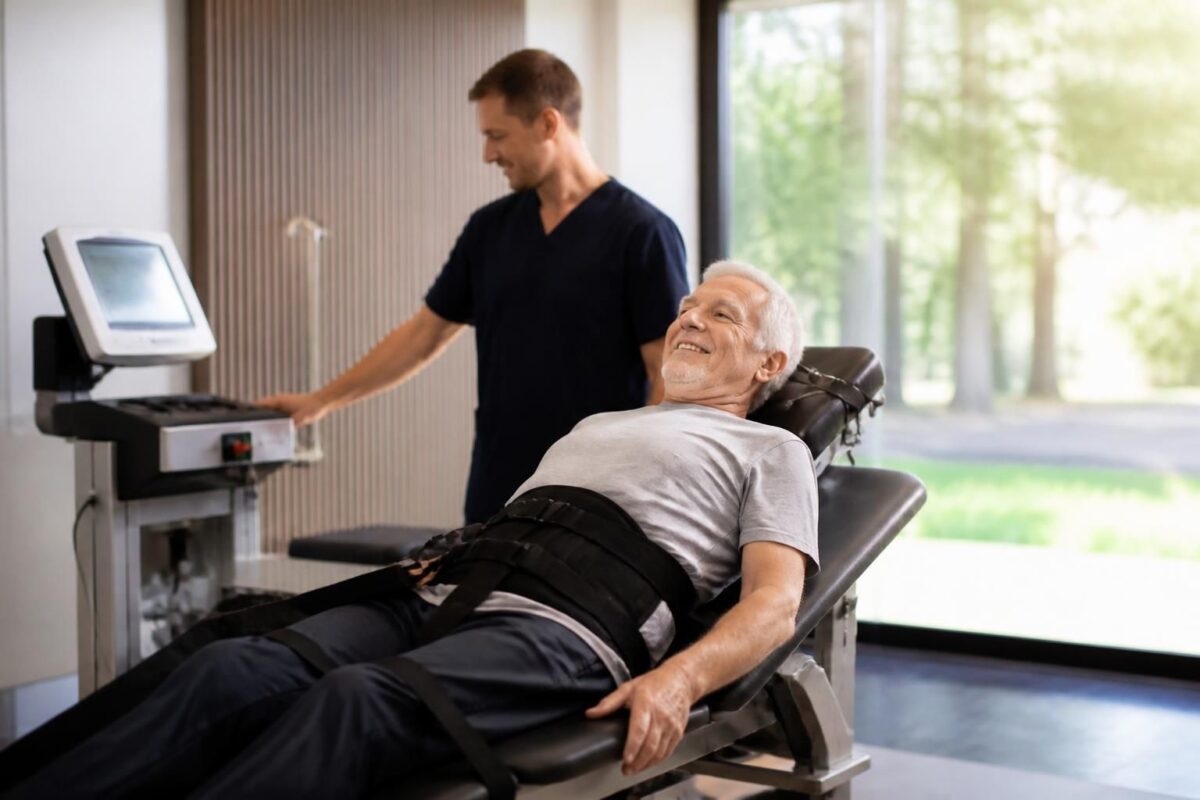
Why neurovertebral decompression is a lasting solution for active seniors
In short In short, the neurovertebral decompression is one Non-invasive therapy which sustainably relieves spinal pain in the spine active seniors By creating, by a Soft and controlled traction, a space between the vertebrae. At Montreal, it is recognized as…
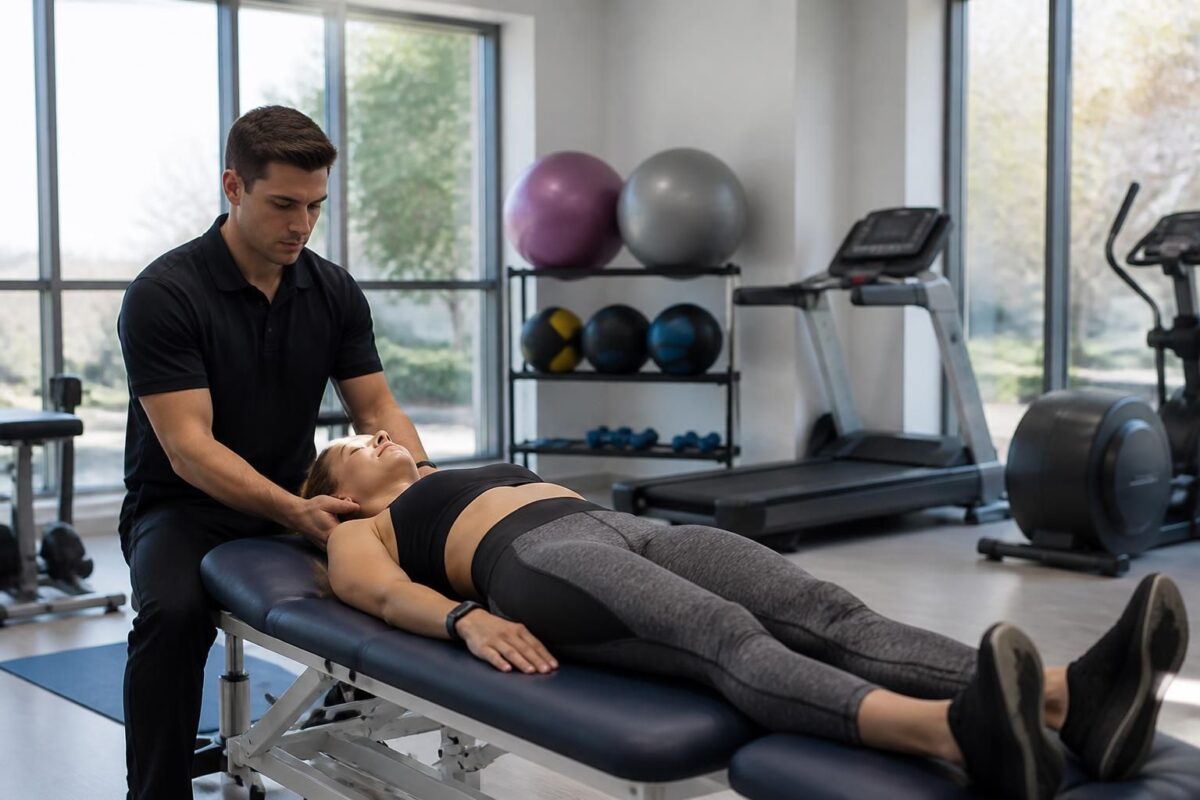
Neurovertebral decompression and recovery after severe sports injury
In short In short, the neurovertebral decompression is one Non-invasive method to Relieve the pressure on the Intervertebral discs and the gristle Via a Controlled traction, to facilitate the recovery After a severe sports injury. It improves the bloodstream towards…
Accessibility and security for sedentary workers
This approach is particularly accessible and adapted to the professional environment, with little or no downtime and without the use of invasive treatments. It is easily integrated into business health and well-being programs, while remaining compatible with other complementary interventions such as postural coaching or strengthening exercises. Before you begin, it is recommended to consult your healthcare professional to assess your situation and define a personalized plan that suits your needs and your professional context.
| Axis | Concise advantage |
|---|---|
| pain reduction | rapid and sustainable reduction of aches related to the pressure on the discs and nerves, improving the comfort at work. |
| Mobility and flexibility | Improvement of the mobility and range of movements, facilitating daily gestures and professional tasks. |
| Posture and alignment | Correction of thevertebral alignment and improvement of posture, helping to prevent repetitive pain. |
| Prevention of future pain | Strengthening of a prevention against future pain by protecting discs and nerves. |
| Comfort in sitting position | decreased pressure in the sitting position, improving the comfort and theendurance In the office. |
| Concentration and productivity | reduction in painful interruptions, favoring better concentration and productivity. |
| Recovery and fatigue | acceleration of recovery after long days, limiting the fatigue and stiffness. |
| Non-invasive option | Option non-invasive And without medication, with little downtime. |
| Circulation and nutrition of discs | Improvement of the circulation Around the discs, promoting nutrition and regeneration. |
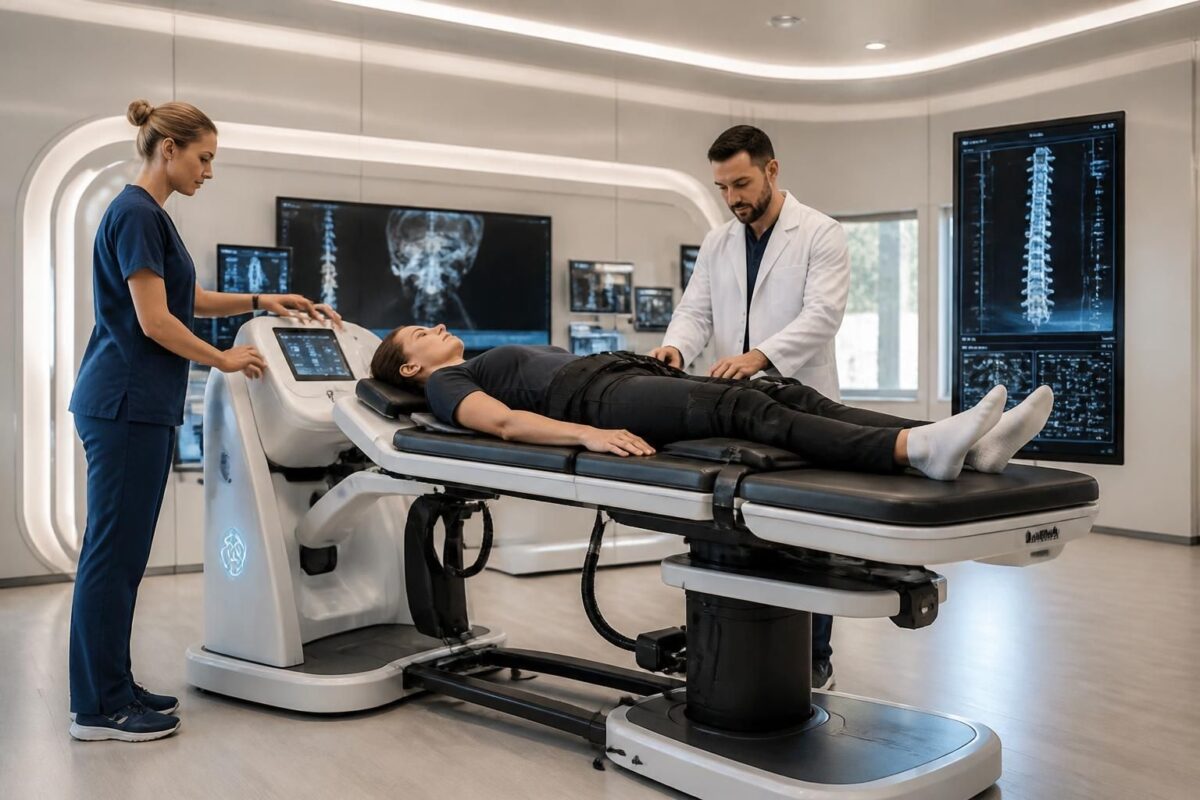
Recent innovations in neurovertebral decompression technologies
In short In short, the neurovertebral decompression is an approach non-invasive Aiming to reduce pressure on discs and nerves, and promote tissue regeneration. At Montreal, it is positioned as an effective option for lower back pain and herniated discs. The…
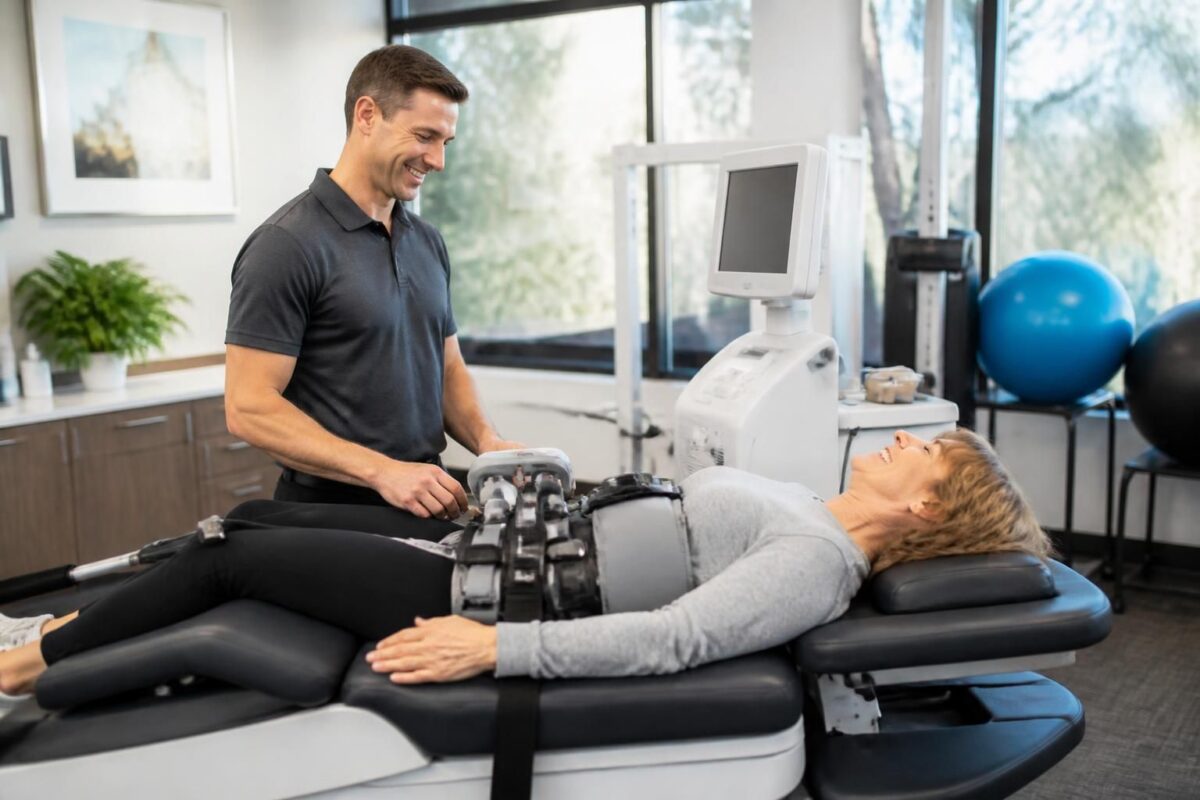
Neurovertebral decompression and diffuse pain: an appropriate solution
In short In short, the neurovertebral decompression is one Non-invasive solution For diffuse pain related to nerve irritation of the spine. She acts in Reducing pressure on intervertebral discs and nerves and improving the bloodstream, which promotes recovery and the…
Testimonials on the Benefits of Neurovertebral Decompression for Sedentary Workers
Marie, 35, office worker: after years spent sitting in front of a screen, I developed pain lumbar persistent. After several sessions of neurovertebral decompression, the lumbar pain decreased significantly and my mobility improved. My posture got realigned and I found a better concentration at work. I feel overall lighter and more productive.
Paul, 42, graphic designer: The work in a seated position generated stiffness and fatigue that came back every end of the day. Since the start of treatment, I have noticed a reduction in aches and an mobility found, which makes it easier for me to move from one task to another. My posture is more natural and my relaxed shoulders reduce cervical tension. My energy during the day is also more stable.
Chloé, 29, Project Manager: My cervical pain related to long hours in front of the computer have decreased, and my mobility from the neck came back. This helps me to stay focused on my checkpoints without interruption. My general condition has improved and I end my days without the stiffness that once held me back.
Luc, 50, consultant: decompression improved my posture and the circulation in the lower back, which reduced tension and tingling after long sitting periods. I saw less stress and an increase in general energy, which made my productivity.
Sophie, 37, Administrative Assistant: The treatment offered me lasting relief from back pain and helped me better manage the stress daily. with a better concentration And an increased calm, jars about my days with more serenity and efficiency.
Antoine, 28, developer: for the Injury prevention, neurovertebral decompression Maide to preserve column health and reduce the risk associated with a prolonged sitting position. I feel more energetic and more efficient throughout the day.
The portrait of a recognized practitioner in the field of manual health highlights a solid expertise in osteopathy, naturopathy and manual medicine. as founder and president of clinics tagmed and association acma, it carries a vision focused on innovation and the interdisciplinary approach. His approach, focused on scientific evidence, places chronic pain management at the heart of patient support and promotes the integration of advanced technologies to optimize results. Its commitment is clear: to offer effective and personalized care, adapted to the contemporary way of life.
For the Sedentary workers, the neurovertebral decompression appears as an option non-invasive which acts directly on the spine to alleviate daily constraints. This technique is designed to reduce the pressure exerted on the intervertebral discs and nerves, which gradually reduces lower back and cervical pain. By expanding the space between the vertebrae, it participates in the regulation of muscle tone and the improvement of mobility, without resorting to surgical interventions or heavy drug treatments.
Immediate and measurable benefits include a pain reduction and an Improving mobility that result in a better ability to evolve in their workspace. Employees who remain seated for long periods often notice a decrease in tension in the lumbar and cervical region, as well as a resurgence in flexibility. During the sessions, we also observe a Posture restoration, a crucial element to prevent pain and limit joint wear and tear in the long term.
Beyond relief, decompression promotes aligned posture and an Circulation and Disc Nutrition improved. This approach helps to stabilize the trunk, support breathing and facilitate daily movements. In business, this translates into a better concentration and an productivity increased, as discomfort no longer disrupts the attention or energy needed to accomplish complex tasks.
The preventive dimension is also central: by reducing mechanical stress on the column and supporting disc regeneration, decompression is a prophylactic measure against recurrent pain and sedentary injury. It can prolong periods of activity without pain and reduce sick leave, while offering a reassuring alternative to surgery or pharmacologic treatments, without drug dependence.
To enrich efficiency, practitioners sometimes associate this technique with other approaches to advanced technologies, while remaining faithful to an approach evidence-based. This synergy makes it possible to support sedentary workers towards a lasting improvement in physical and mental well-being, and to support their ability to maintain a high professional performance, day after day.
This text summarizes the benefits of the neurovertebral decompression for the Sedentary workers : reduction of back pain, improvement of the mobility and from the posture, increase in productivity and prevention of future pain, all without surgery.
The benefits Neurovertebral decompression aligns perfectly with the needs of professionals exposed to prolonged sedentary lifestyle. First, it provides a Sustainable relief Back and cervical pain, thus reducing pain-related interruptions and maintaining a sustained pace of work. This approach non-invasive is a reassuring alternative for those who wish to reconcile efficiency and safety without the need for heavy drugs or surgery.
Beyond the simple relief, this technique allows a Improving mobility and an Posture restoration. By reducing the pressure on the intervertebral discs and nerves, it promotes a more fluid range of motion and better efficiency of daily professional gestures. This effect is particularly valuable for repetitive tasks or activities that require frequent position changes throughout the day.
On the professional level, the benefits are reflected in a Better concentration and an Increased productivity. The physical comfort found helps maintain attention to objectives and tasks, reducing the risk of fatigue and delays associated with chronic pain. In addition, neurovertebral decompression contributes to Prevention of posture-related injuries and the evolutionary column degradation, which is crucial for a sustainable career in settled work environments.
To enrich your understanding and explore the different approaches and evolutions around this therapy, you can consult resources like these: Benefits explained and Innovations in neurovertebral decompression. For a more practical perspective and application testing, discover also This solution to recurrent back pain and Why this technique is ideal for sedentary professionals.

Dr Sylvain Desforges, B.Sc., D.O., N.D., osteopath, is the founding president of TAGMED and of the ACMA association. He dedicates his practice to chronic spinal pain, low back pain and symptoms compatible with sciatica, particularly when pain radiates toward the buttock, leg, calf, foot or toes.
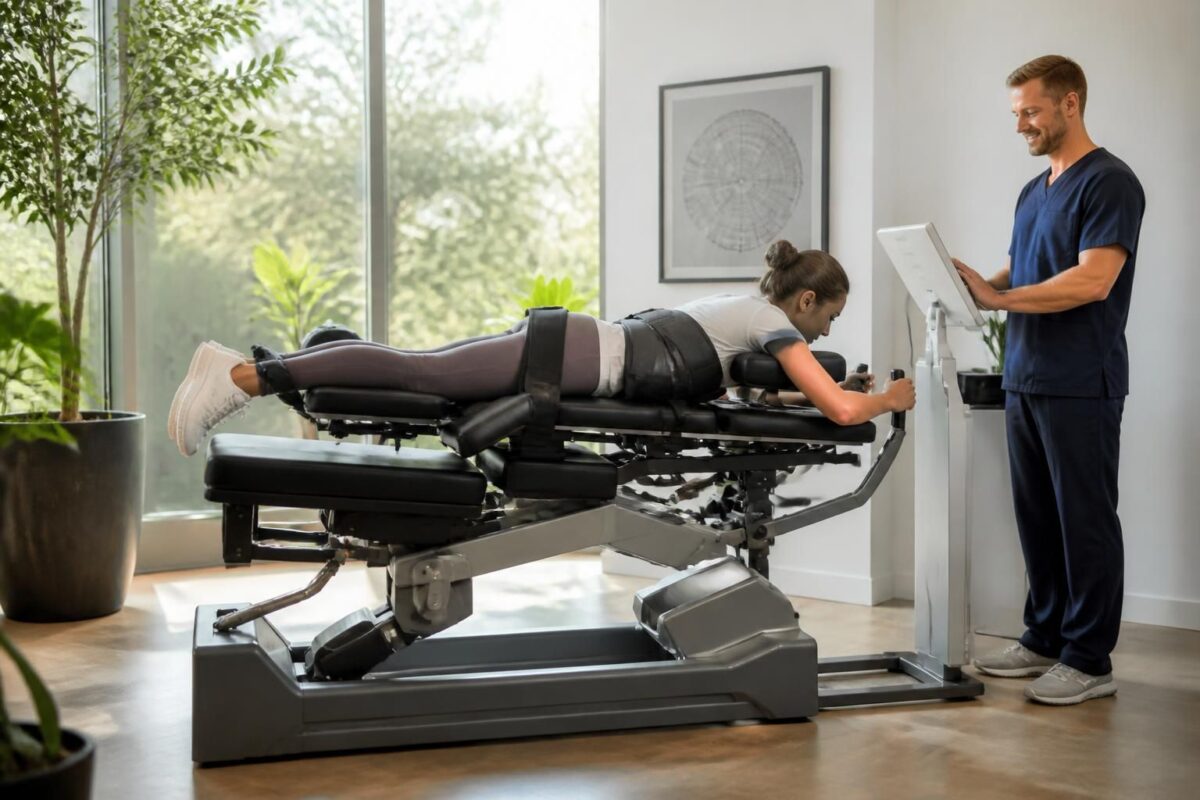
Through SOS Sciatique, he publishes educational content on sciatica symptoms, possible causes such as disc herniation, disc narrowing, foraminal stenosis or irritation of a lumbar nerve root, as well as non-surgical approaches that may be considered according to the evaluation. At Clinique TAGMED, care may include, depending on the case, motorized neurovertebral decompression, specific osteopathic care or precision percussion.
For an evaluation related to sciatica treatment in Montreal / Mount Royal or sciatica treatment in Terrebonne, please consult the services available at Clinique TAGMED.
Medical disclaimer
The information published on SOS Sciatique is provided for educational purposes only and does not replace a consultation, diagnosis, opinion or treatment provided by a physician or another authorized healthcare professional. The author of this article is neither a medical doctor nor a specialist in a medical specialty recognized by the Collège des médecins du Québec. The osteopathic, manual medicine or functional support approaches described on this site do not constitute medical acts and are not intended to replace medical follow-up.
Consult a physician or emergency service in cases of loss of bladder or bowel control, anesthesia in the saddle area, significant or progressive weakness in the leg or foot, fever, recent trauma, severe pain or rapid worsening of symptoms. For more details, please read our Legal Notice.