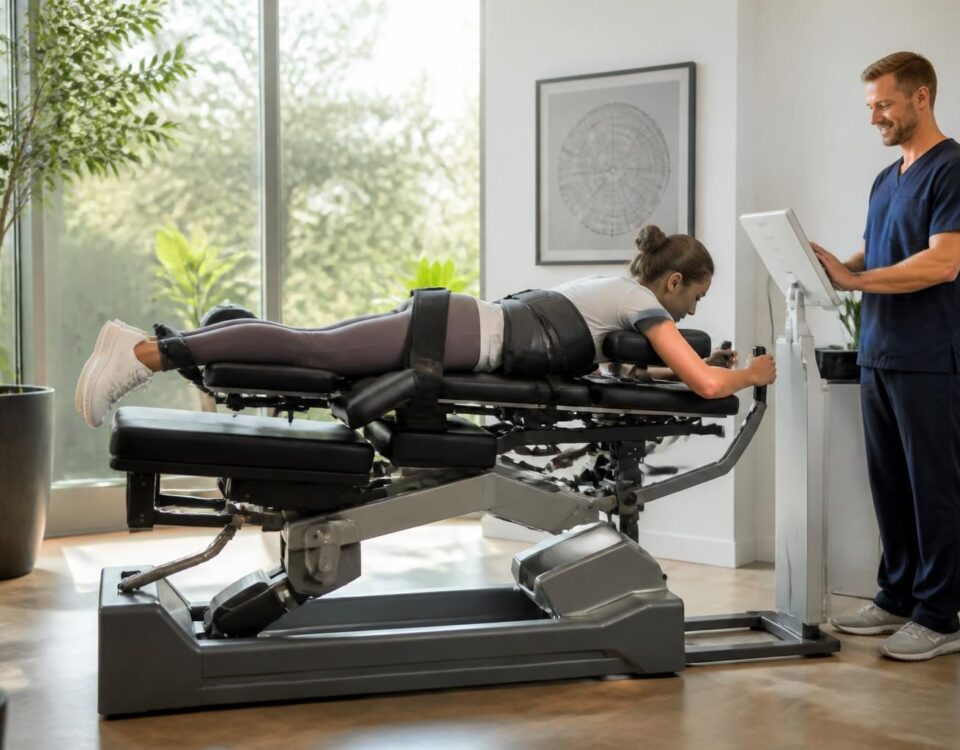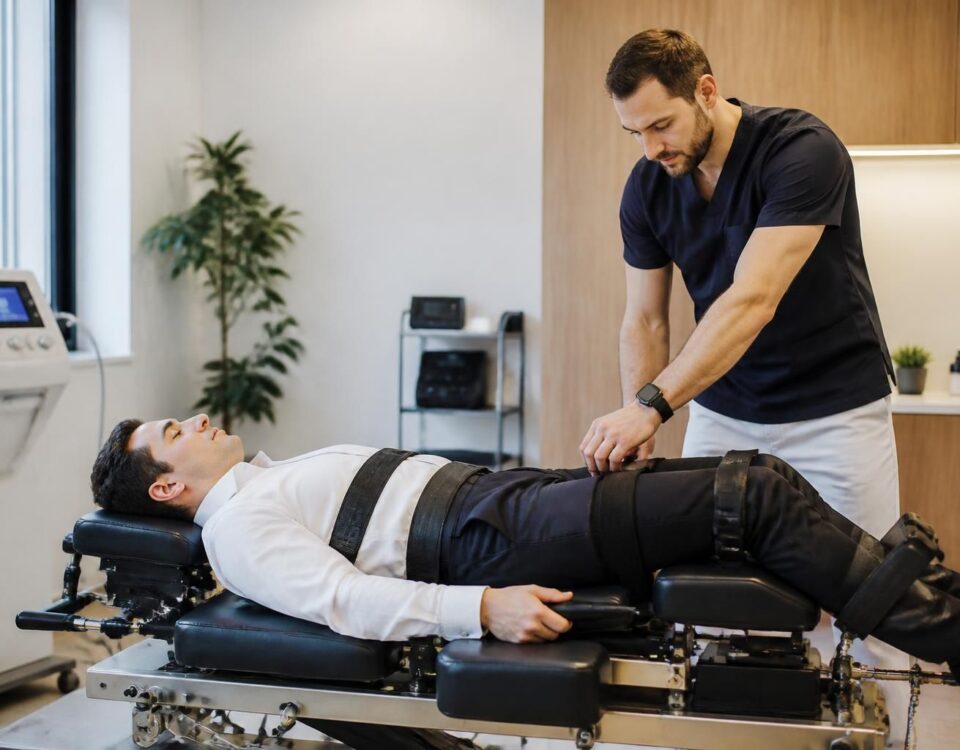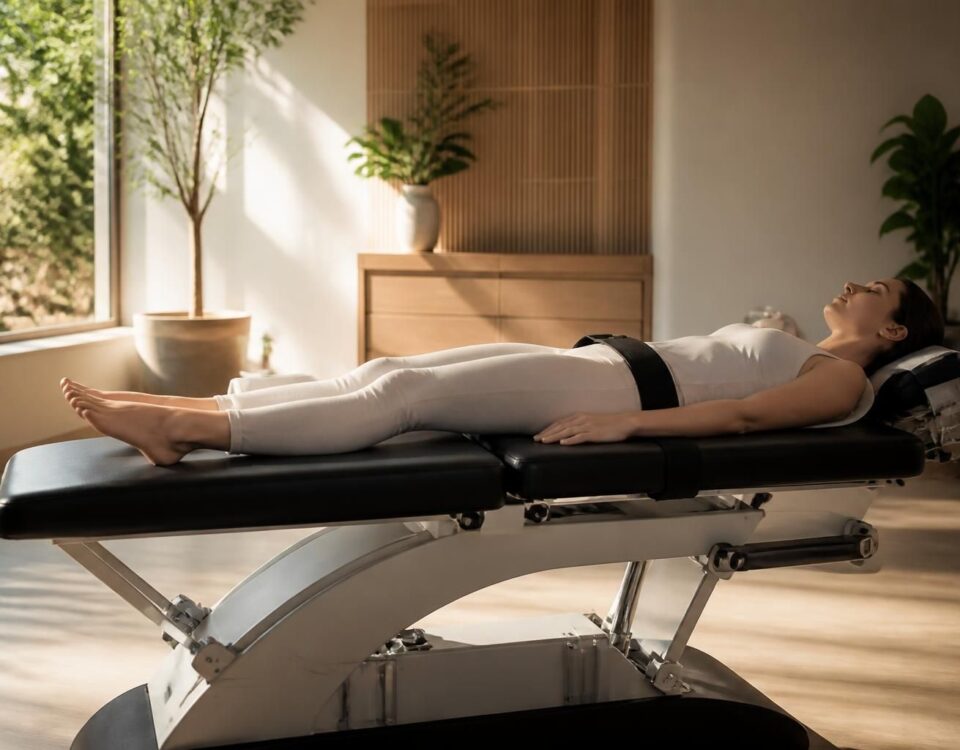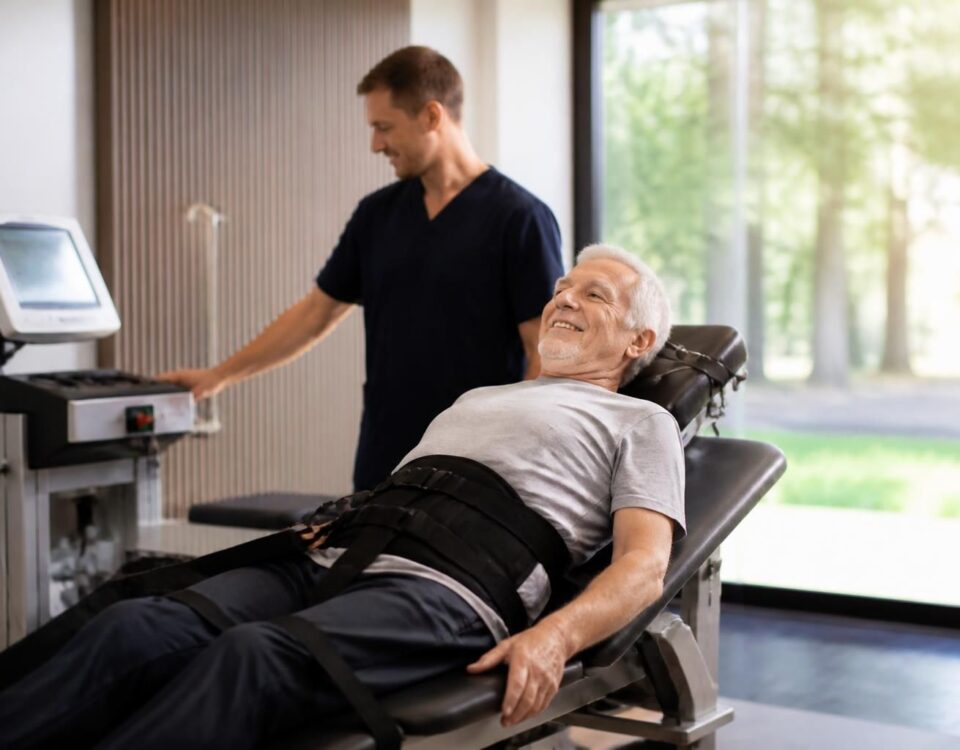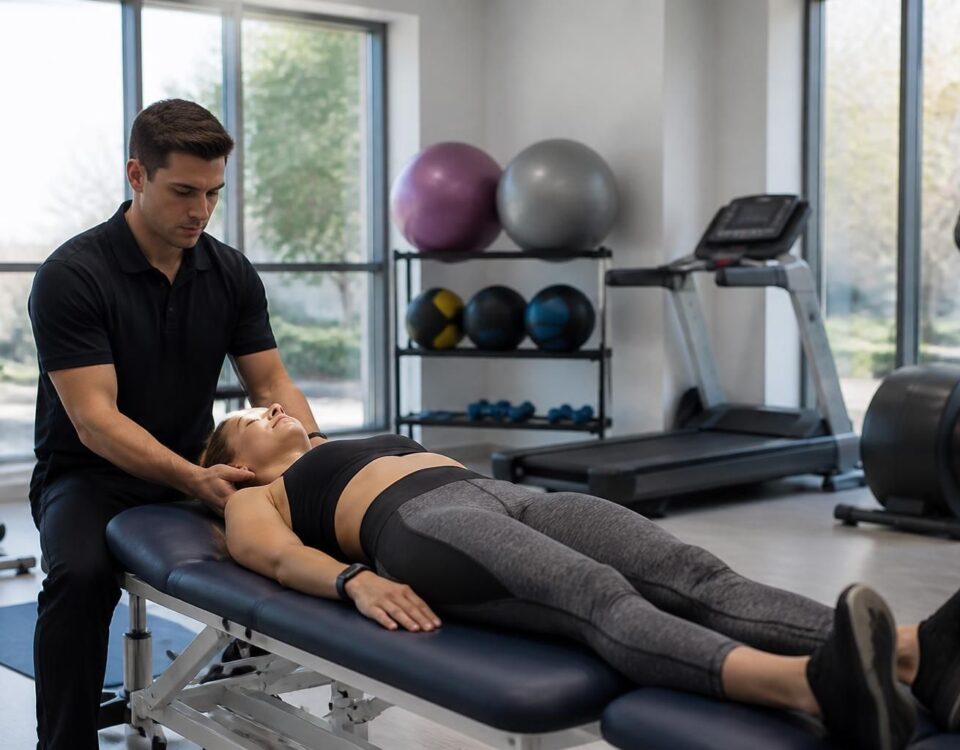


The clinical results of neurovertebral decompression in recent studies
25/06/2026
Neurovertebral decompression and neuropathic pain: an effective treatment
25/06/2026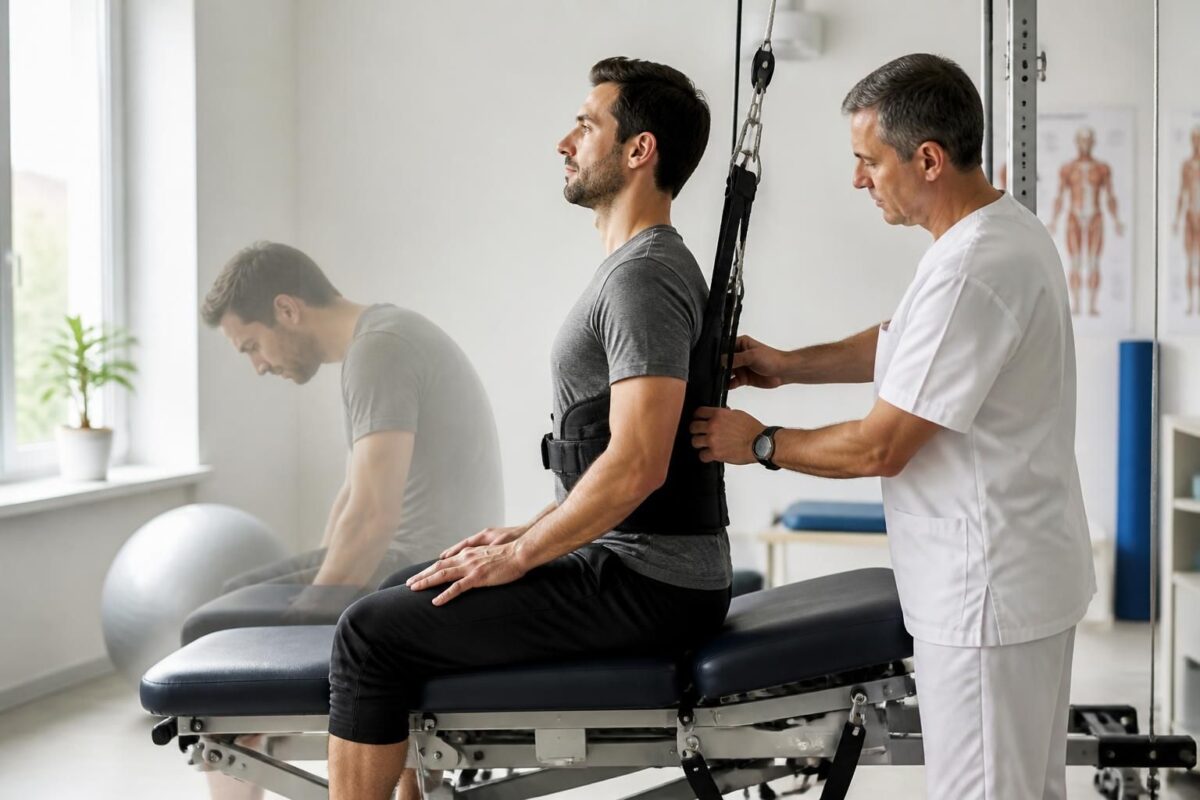
In short
| In short, neurovertebral decompression is a Non-invasive therapy which aims to Reduce pressure on intervertebral discs and on the nerves to improve alignment and the posture. It Creates a space between the vertebrae thanks to a gentle traction, allowing theHydration and disc regeneration and the Relaxation of muscle tension, which improves mobility and reduces pain. accessible to Montreal, this treatment helps to prevent postural imbalances and to promote Neutral posture on a daily basis. |
The neurovertebral decompression is a non-invasive approach that can improve the posture by restoring the alignment of the spine. By applying gentle forces, it creates a space between the vertebrae, allowing the intervertebral discs to regain their height and hydration.
- it decreases the Pressure on discs and the facet joints, favoring a Neutral vertebral alignment.
- By releasing muscle tension and rebalancing the surrounding tissues, it improves the tone and stability back muscles.
- reduction of compression and improvement of mobility Allow for better everyday posture and facilitate movement.
- It can promote the disc regeneration and the hydration of the discs, thus supporting the column over the long term.
This article, written by a health professional and expert in the field, explains how the neurovertebral decompression can improve the posture. It presents the mechanism, the effects on alignment and mobility, the clinical indications, and proposes resources to go further. Everything is designed to be clear, direct and useful to patients and professionals.
The neurovertebral decompression is a non-invasive therapy that applies gentle tensile forces to the spine. This approach creates a space between the vertebrae and rehydrates the intervertebral discs. The result is a better alignment of the vertebrae and a reduction in mechanical stress on the nerve and joint structures.
Mechanism of action
Precise and controlled forces act on the column. The space gained between the vertebrae helps the intervertebral discs to regain their position and hydration. This change decreases pressure on discs and joint facets. Reduced compression promotes improved local circulation and better spread of nutrients to tissues.
Impact on alignment and mobility
progressively realigning the vertebral segments, decompression promotes better posture on a daily basis. Reducing muscle tension and improving range of motion contribute to greater freedom of movement and a reduction in pain associated with postural imbalances.
Clinical applications and practical considerations
This approach is particularly suitable for Chronic pain back and for postural imbalances that persist despite other non-surgical interventions. She is part of a care program that can be provided at Tagmed Clinic and in associated care networks. This method is non-invasive and does not use medications or surgery.
Clinical evidence and feedback
Clinical observations show a reduction in mechanical pressure on the vertebral structures, a lasting improvement in alignment and a decrease in postural pain. Patients report better trunk stability and a feeling of lightness during daily movements. For athletes, postural improvement can facilitate the resumption of activities with less risk of recurrence.
To know more
To explore the topic further, see the following resources:
- How neurovertebral decompression improves posture and reduces muscle tension
- Who can benefit from neurovertebral decompression
- Why it is effective for athletes
- Complete guide to neurovertebral decompression
- A suitable treatment for athletes
- herniated discs and neurovertebral decompression
- Essential FAQs
- Posture and disc pinching
- Historical file
- Proven results in clinical studies
For patients and professionals in Montreal or Terrebonne, tagmed Offers neurovertebral decompression services and other integrative approaches. The objective is to restore a functional and lasting posture, while preserving the safety and comfort of the patient.
Important links and resources: Tagmed Clinic, SOS SCIATIC, Neurovertebral decompression guide
In the context of care at the TagMed Clinic, neurovertebral decompression is part of a evidence-based approach to sustainable pain reduction and posture improvement. For more information on the available options, contact Clinique TagMed directly.
Medical Disclaimer: The information and advice provided on this site does not replace the health professional’s diagnosis or treatment. Please note that Dr. Sylvain Desforges osteopath is neither a doctor of medicine nor a doctor, and is not a specialist in a medical specialty as defined by the Collège des Médecins du Québec. Manual medicine, functional medicine and sports medicine as described on this site exclude any medical treatment or diagnosis made by a doctor or specialist doctor. Always consult your doctor for any medical questions. For more details, please read our full legal notice.
- mechanical action : soft traction creating a space between the vertebrae.
- Disc pressure reduction : The discs regain height and normal position.
- Misalignment correction : Pelvic tilt and corrected deviations.
- Disc regeneration activation : Hydration and repair of tissues.
- Improved alignment : straighter and balanced column.
- Reduction of muscle tension : postural muscles relax.
- Increased mobility : Better range of motion and flexibility.
- relapse prevention : Sustainable posture and reduction of the risk of recurrence.

This recommendation sheet describes how the neurovertebral decompression can sustainably improve the posture By acting on thevertebral alignment, the disc pressure and muscle tone. By creating a space Between the vertebrae and modulating the loads, it promotes a more aligned, less painful and more functional column on a daily basis. Integrated into an osteopathic program, this approach aims to correct imbalances and prevent postural recurrences.
Impact on spinal alignment
Creation of space between the vertebrae
Decompression applies gentle forces that slightly separate articular surfaces. This Space found Allows intervertebral discs to restore height and be hydrated, making it easier to alignment more natural of the vertebral segments.
By promoting a Regular alignment From the vertebrae, the technique helps to correct pelvic tilts and leg length imbalances. the body can then adopt a Neutral posture, less tiring to maintain and more stable in movements.
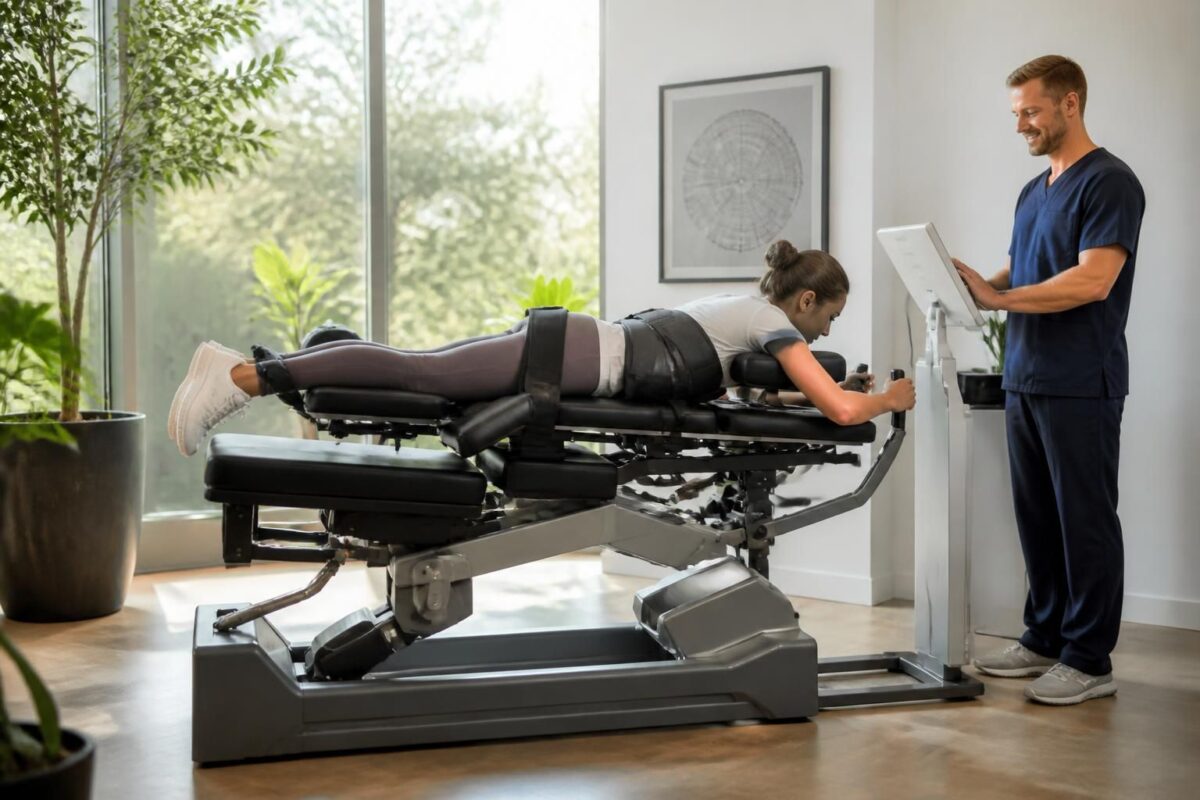
The long-term benefits of neurovertebral decompression for spinal health
In short In short, the neurovertebral decompression is a non-invasive approach that decreases the Pressure on intervertebral discs and nerves, favoring the Natural regeneration and tissue recovery. Its long-term benefits include Lasting pain reduction, Improving mobility and from the posture,…

Neurovertebral decompression and mobility: a return to an active life
In short In short, the neurovertebral decompression is therapy non-invasive who uses a gentle traction To create a space between the vertebrae and reduce the pressure on the Intervertebral discs and the nerves. It promotes a bloodstream improved, lowers tension…
Pressure reduction and posture effects
Discs and articulation in the face of pressure
by gradually reducing the pressure On discs and joints, the column finds a more pleasant space of movement. This relaxation of postural structures facilitates the adoption of a Lined up silhouette at rest as in activity.
When decompressing, the postural chain can work with less compensatory effort. The shoulders, pelvis and trunk snap into more natural positions, reducing fatigue and pain associated with prolonged poor posture.
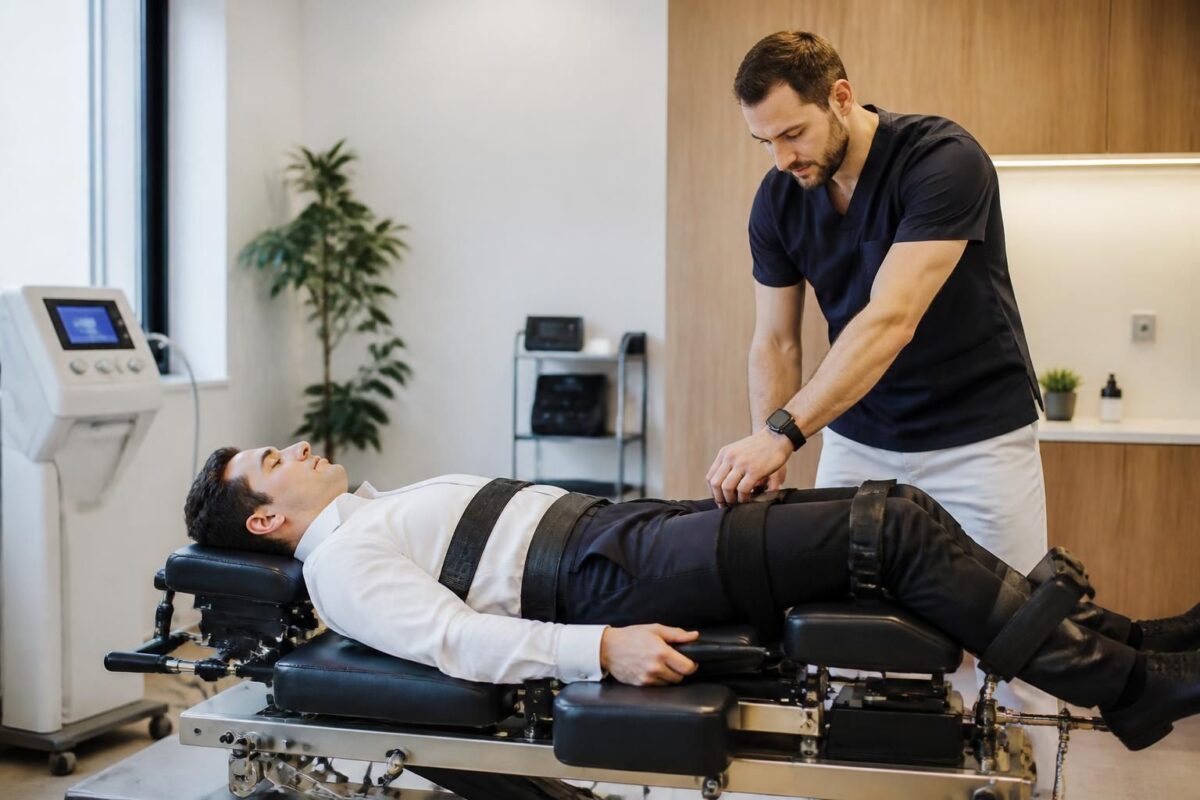
How Neurovertebral Decompression Prevents Diffuse Chronic Pain
In short decompression neurovertebral is one Non-invasive method aimed at reducing the Pressure on the intervertebral discs and the nerves, in order to prevent Diffuse chronic pain. It improves the circulation and thedisc hydration, decreases inflammation and promotes better mobility.…
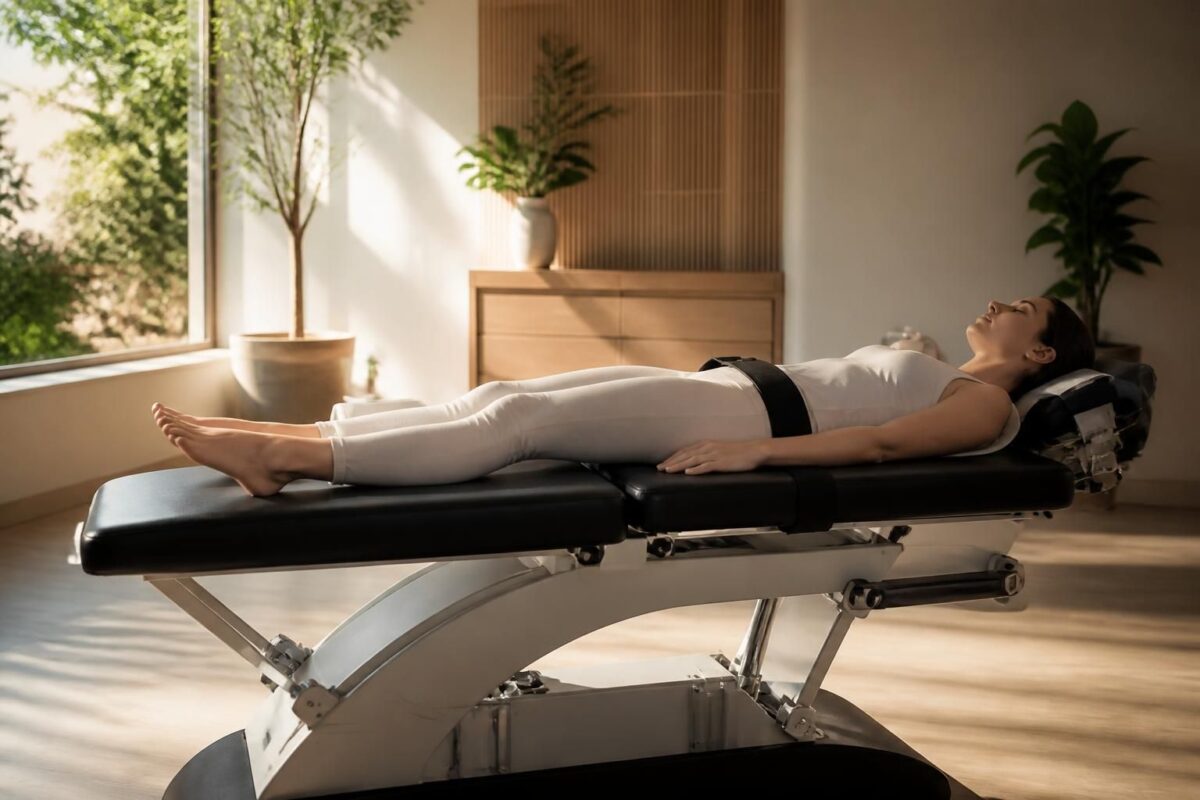
Neurovertebral Decompression and Body Alignment: Restoring Natural Balance
In short In short, neurovertebral decompression is one Non-invasive approach who restores theBody Alignment and thenatural balance back and neck. She acts by a Controlled traction of the spine to widen the intervertebral space and reduce the Pressure on discs…
Mobility, flexibility and muscle tone
Amplitude and flexibility of the column
Soft traction improvesamplitude movements and decreases pain-related limitations. A more flexible column allows for various positions without excessive tension, which supports a Balanced posture.
Decompression helps loosen the muscles surrounding the spine and reduce facial tension. One muscle tone Balanced supports the column and improves postural stability during repetitive loads and efforts.
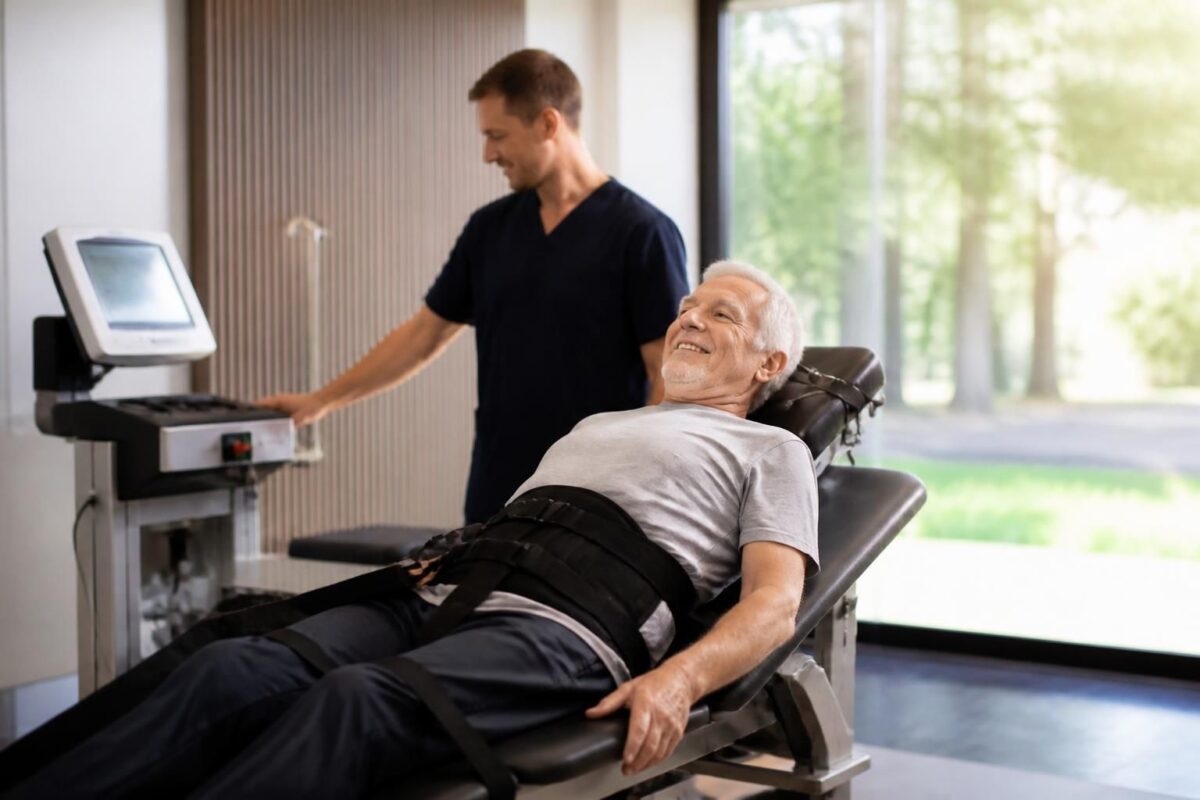
Why neurovertebral decompression is a lasting solution for active seniors
In short In short, the neurovertebral decompression is one Non-invasive therapy which sustainably relieves spinal pain in the spine active seniors By creating, by a Soft and controlled traction, a space between the vertebrae. At Montreal, it is recognized as…
Neurovertebral decompression and recovery after severe sports injury
In short In short, the neurovertebral decompression is one Non-invasive method to Relieve the pressure on the Intervertebral discs and the gristle Via a Controlled traction, to facilitate the recovery After a severe sports injury. It improves the bloodstream towards…
Disc regeneration and long-term stability
Hydration and disc recovery
By restoring a space between the vertebrae, decompression facilitates the flow of nutrients to the disks and stimulates processes of disc regeneration. more discs hydrated regain their elasticity and contribute to lasting alignment.
With a better basic posture, the stabilizer muscles work less to compensate for structural defects. This reduces the risk of recurrent pain and promotes long-lasting maintenance of a correct posture during daily activities.
Recent innovations in neurovertebral decompression technologies
In short In short, the neurovertebral decompression is an approach non-invasive Aiming to reduce pressure on discs and nerves, and promote tissue regeneration. At Montreal, it is positioned as an effective option for lower back pain and herniated discs. The…
Neurovertebral decompression and diffuse pain: an appropriate solution
In short In short, the neurovertebral decompression is one Non-invasive solution For diffuse pain related to nerve irritation of the spine. She acts in Reducing pressure on intervertebral discs and nerves and improving the bloodstream, which promotes recovery and the…
Practical integration into a care protocol
Action plan and additional exercises
Integrate decompression into a program including trunk strengthening exercises and targeted stretching. This combination optimizes the maintenance of thealignment and from the mobility, while avoiding overload.
Tips to maximize results
Maintain a regular routine, work on the posture during activities and favor a controlled amplitude of gestures. Postural education and daily micro-habits sustainably enhance the benefits of decompression.
| Aspect | posture effect |
|---|---|
| Intervertebral alignment | Creating a space between the vertebrae for a Neutral alignment and stable. |
| disc pressure | |
| vertebral mobility | Increases range of motion and flexibility, improving overall posture. |
| Muscle tensions | releases the postural muscles, allowing Relaxed posture and natural. |
| Postural imbalances | Adjusts low and high areas of the back and pelvis, correcting pelvic rocker and misalignments. |
| Intervertebral discs | Promotes regeneration and disc hydration, contributing to one more column stable. |
| body consciousness | promotes a Neutral posture and a better perception of supports and tensions. |
| back pain | Reduces pain, facilitating maintaining a straight position in daily activities. |
| Long-term prevention | Helps maintain lasting alignment and prevent postural recurrences. |
| Quality of life and mobility | Increases overall mobility and ability to resume painless activities. |
Testimonials on posture improvement through neurovertebral decompression
Marie, 42, executive and worker in front of screen, tells how her posture changed after a few sessions. “After years sitting, my column tensed and my posture was vaulted. Neurovertebral decompression created a space between the vertebrae, which reduced tension and realigned my spine. Today, my posture Is straighter, my shoulders relax and I feel a mobility found in the upper back. »
David, 35, sportsman, testifies to a renewed stability and performance. “By combining work and training, my posture was often unbalanced during the sessions. After the first sessions, I noticed a better alignment of the column and a mobility increased in my movements. My exercises become more effective and my pain related to poor posture has decreased. »
Clara, 28, a student, shares her experience on a daily basis. “My back hurt during the long hours of class and my movements were limited by a posture tense. Thanks to the decompression, the space between the vertebrae improved, my muscle tensions relaxed and my posture became more neutral. I now stand more naturally, whether in class or in the evening. »
Sophie, 30, active mother, describes a real evolution in her daily habits. “Before, I often bend to take care of children and household chores, which degraded my posture. After a few sessions, I found a better alignment and an mobility of the more fluid column. I feel less tension in the back and I can devote more time to my activities without pain. »
Julien, 60, an active retiree, sees a lasting transformation. “My body got real-aligned and my supporting muscles—especially those in the trunk—reinforced. The neurovertebral decompression improved my posture On a daily basis, with less tension and a general feeling of stability that persists even after long standing or sitting periods. »
Dr. Sylvain Desforges is an osteopath and specialist in manual medicine, whose approach is based on the integration of innovative solutions and proven techniques to treat chronic pain and optimize posture. His practice particularly highlights the neurovertebral decompression As a major postural correction lever, relying on a detailed understanding of the mechanisms that link alignment, mobility and balance of the body.
At the head of the TagMed clinics and the ACMA association, he occupies a leading position in the field ofHealth Innovation. Its commitment revolves around multidisciplinary teams dedicated to designing and disseminating approaches that improve the quality of life of patients, in particular through the reasoned use of advanced technologies for the management of pain and the improvement of posture on a daily basis.
His practice brings together cutting-edge technologies, such as spine decompression, the laser and the Shockwave therapy, always guided by evidence. This orientation makes it possible to adapt the interventions to each patient and to include postural correction in a scientific and measurable framework, rather than in a specific or symptomatic approach.
The neurovertebral decompression Acts according to a precise mechanical logic: Soft and controlled forces are applied to the column, creating a intervertebral space which facilitates rehydration and return to normal height of intervertebral discs. By reducing the pressure on the discs and joints (especially the facets), it allows a alignment more stable vertebrae, decreases pain and releases essential motion amplitudes at a Balanced posture.
This approach, although non-invasive, is quickly associated with sustainable postural rehabilitation. Patients find Increased range of motion, a decrease in muscle tension and a regained ability to adopt a neutral position in a more natural way in daily activities. The strong point lies in the harmonization between spine and surrounding musculature, a key condition for a stable posture in the long term.
Dr. Desforges insists on a global vision of the posture: the improvement is not only played out during a decompression session, but in a Integrated program which combines muscle strengthening of the trunk, correction of imbalances and postural education. This synergy makes it possible to establish a favorable muscle memory and to prevent recurrences, while adapting to the constraints and lifestyle of each patient.
Its mission remains to provide care evidence-based in order to optimize the health and well-being of its patients. By placing neurovertebral decompression at the heart of a personalized journey, it aims for lasting results that allow you to move, breathe and stand straight with more comfort, confidence and stability on a daily basis.
This summary highlights how the neurovertebral decompression acts as a non-invasive approach to Realign the column, reduce the Pressure on the intervertebral discs and release muscle tension, in order to obtain a Neutral and durable posture, a Increased mobility and reduced pain. By promoting the space between the vertebrae and stimulating the disc regeneration mechanisms, this technique aims to improve overall alignment and well-being on a daily basis.
Neurovertebral decompression acts primarily in creating a space between the vertebrae and in Reducing pressure on intervertebral discs. This mechanical action, carried out by gentle and controlled forces, makes it possible to standardize the articulatory space and to promote a More natural vertebral alignment. At the same time, it contributes to Reduce facet compression, to stimulate the mechanisms of disc regeneration and improve the Local blood circulation, which promotes a Increased mobility and a better locomotor function.
In terms of posture, the effects result in a Reduction of spinal imbalances such as pelvic rockers or leg length asymmetries, while offering a suitable approach to light scoliosis. This progressive correction of the overall alignment allows the body to find a Balanced distribution of expenses and limit muscle tension associated with poor posture.
At the functional level, a better decompressed spine improves the flexibility and range of motion, which facilitates daily activities and usual physical exertion. Participants often feel a Feeling of lightness and an Sustainable improvement in mobility, which encourages regular practice of strengthening and stretching exercises to consolidate postural gains.
In terms of prevention, this non-invasive approach contributes to Prevent deterioration discs and joints, thus reducing the risk of recurrence of back and cervical pain linked to inadequate posture. By promoting a Sustainable posture, it supports better trunk stability and better distribution of loads throughout the column.
For active people or athletes, neurovertebral decompression is an effective option to optimize the Post-injury recovery and improve the Functional performance By offering a better postural basis and a reduction in pain associated with repeated effort. This approach can thus accompany a resumption of activities with fewer limitations and less risk of reinflammation.
To deepen the mechanisms and benefits of neurovertebral decompression on posture, you can consult dedicated resources and analyzes that demonstrate how it acts on alignment and lasting well-being. For example, check out the exchanges and syntheses on the following topics:
See additional resources Decompression-Norevertebral and posture, Positive effects on long-term posture, Decompression-neurevertebral and sciatica— Non-invasive management,
See also additional resources Decompression-vertebral — Natural treatment, neck pain and decompression — natural solution
To further deepen, explore additional resources targeting specific aspects such as root pain and long-term posture benefits. Also check out podcasts and articles that review clinical results and feedback.

Dr Sylvain Desforges, B.Sc., D.O., N.D., osteopath, is the founding president of TAGMED and of the ACMA association. He dedicates his practice to chronic spinal pain, low back pain and symptoms compatible with sciatica, particularly when pain radiates toward the buttock, leg, calf, foot or toes.
Through SOS Sciatique, he publishes educational content on sciatica symptoms, possible causes such as disc herniation, disc narrowing, foraminal stenosis or irritation of a lumbar nerve root, as well as non-surgical approaches that may be considered according to the evaluation. At Clinique TAGMED, care may include, depending on the case, motorized neurovertebral decompression, specific osteopathic care or precision percussion.
For an evaluation related to sciatica treatment in Montreal / Mount Royal or sciatica treatment in Terrebonne, please consult the services available at Clinique TAGMED.
Medical disclaimer
The information published on SOS Sciatique is provided for educational purposes only and does not replace a consultation, diagnosis, opinion or treatment provided by a physician or another authorized healthcare professional. The author of this article is neither a medical doctor nor a specialist in a medical specialty recognized by the Collège des médecins du Québec. The osteopathic, manual medicine or functional support approaches described on this site do not constitute medical acts and are not intended to replace medical follow-up.
Consult a physician or emergency service in cases of loss of bladder or bowel control, anesthesia in the saddle area, significant or progressive weakness in the leg or foot, fever, recent trauma, severe pain or rapid worsening of symptoms. For more details, please read our Legal Notice.