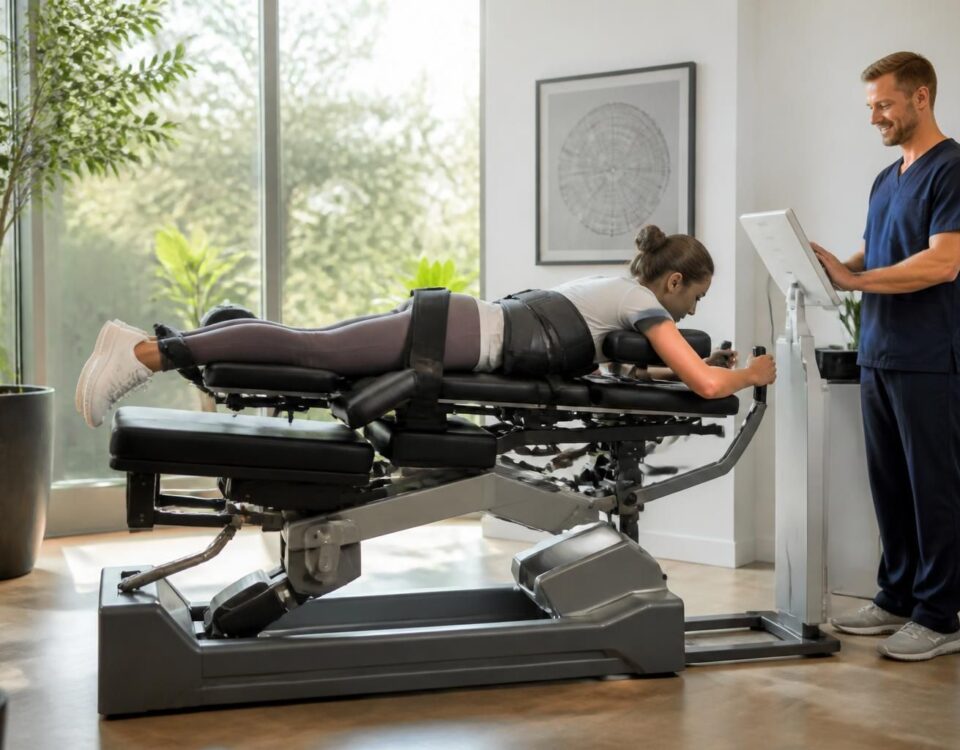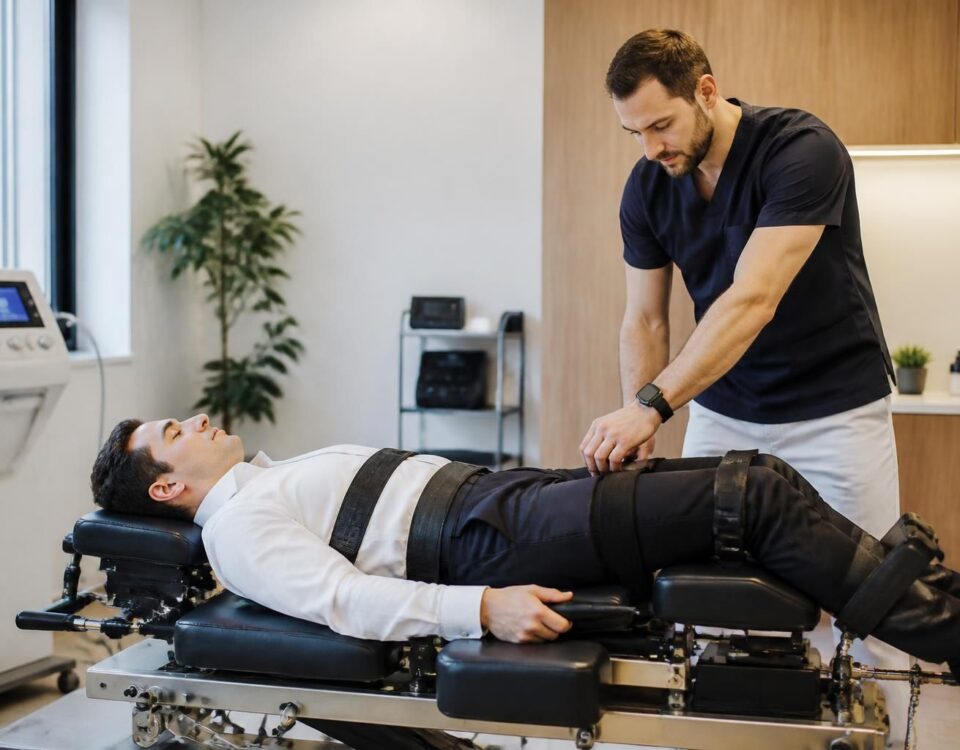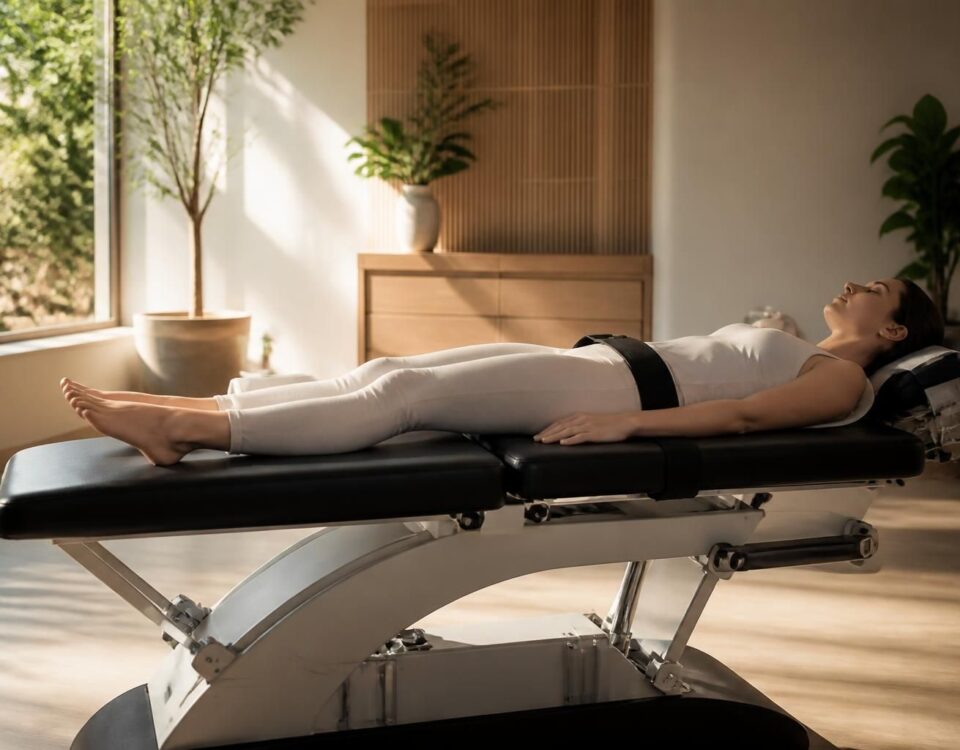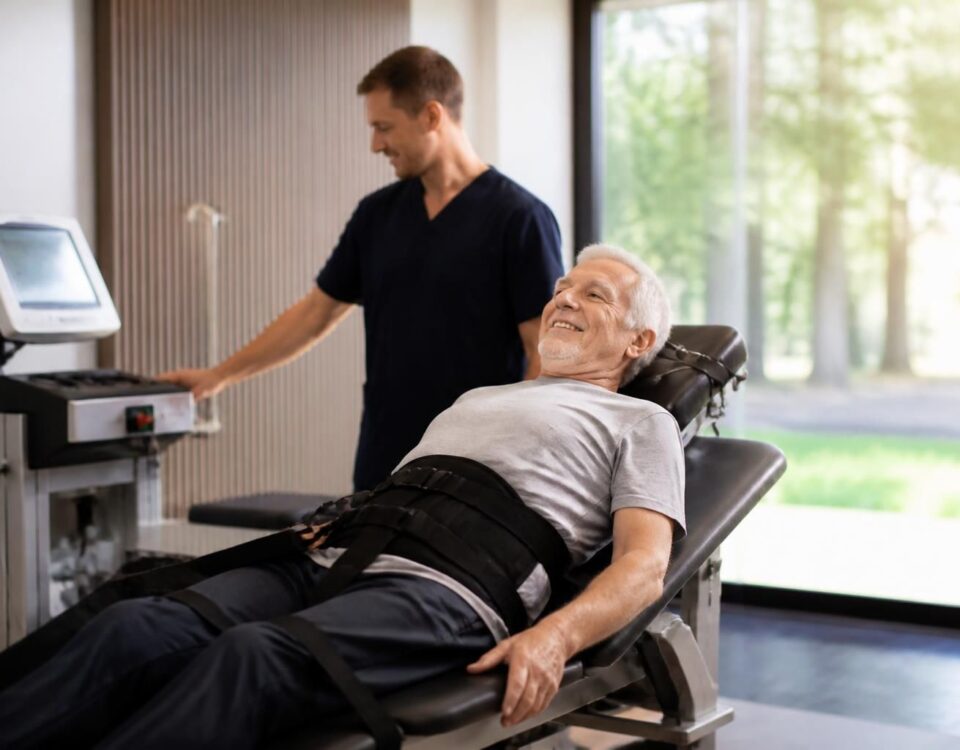
Neurovertebral decompression for patients with spinal stenosis
25/06/2026
How a neurovertebral decompression table works
25/06/2026
In short
| In short, the neurovertebral decompression is one Non-invasive approach intended to relieve back pain and the Disc pathologies By reducing the pressure on the Intervertebral discs. The Proven results from clinical studies show a Significant improvement pain and mobility in a majority of patients, with a quality of life Improved. Accessible in Montreal, this treatment is an option natural and non-drug who uses a Controlled traction To promote circulation and healing, often resulting in a Lasting pain reduction and a better mobility. |
The Proven results of the neurovertebral decompression clearly stand out from clinical studies. In a study involving 778 patientsabout 71% reported a Significant improvement of their condition. Observed benefits include pain reduction, Improving mobility and an Improved quality of life. This approach is particularly useful for slipped disc, the sciatica and low back pain, and can constitute a Non-surgical alternative to avoid or delay an intervention. In additional figures, 70 to 85% Patients experience a marked improvement after several sessions, and about 33% no longer have neurological deficits after treatment.
This article, written by a health professional and expert, presents The proven results neurovertebral decompression in the clinical studies, focusing on pain, mobility and quality of life for patients. It summarizes the evidence, describes the clinical contexts and offers resources to deepen the understanding of the effects of this non-invasive approach.
The overall results Clinical studies indicate a Significant pain reduction and improved function in a significant proportion of patients. In a major study followed on 778 patientsabout 71% reported a significant improvement in their condition after treatment. These data are accompanied by an increase in the mobility and a better quality of life for the majority of participants.
Impacts by pathology, the results are mainly observed in cases of Lower back pain, herniated discs and radicular disorders, with a decrease in symptoms and a better ability to carry out daily activities. Full estimates report improvement rates ranging from approximately 70% at 85% After several sessions, depending on the populations and protocols used.
Evidence and methodology, research combines approaches in vitro and in vivo To assess the impact on disc pressure and nervous condition. This methodological diversity reinforces the robustness of the findings and supports the integration of decompression into non-surgical treatment protocols for compatible symptoms.
Resources and Clinical Practice, TagMed clinics offer neurovertebral decompression with evidence-based protocols and combine complementary therapies, such as treatments laser and manual approaches. To deepen the data, check out these references and associated resources: clinical studies and Back to clinical studies. For insights into the benefits observed, see also the benefits and Adaptation in athletes.
Examples and key figures
The Recent clinical results show improvements in pain and the function In patients with vertebral pathologies, with a significant proportion of patients responding favorably after a decompression program. Case reports and patient series describe tangible improvements in mobility and physical activity after the sessions, without immediate use of interventions surgical.
Clinical impact and quality of life
neurovertebral decompression can contribute to better Functional capacity and a lasting reduction in pain, which results in increased participation in sports and social activities. In the Montreal and Terrebonne clinics, this approach is integrated into a therapeutic offer focused on evidence and patient safety.
For further information and results, refer to the following resources: Clinical result and imaging, and the analyzes published on Proven results.
For people seeking care in a structured setting, TagMed Clinics and Affiliate Clinics offer evidence-based therapies and a multidisciplinary approach. Additional information on results and protocols can be viewed via types of pain and Recent clinical studies.
IMPORTANT NOTE: The results vary according to the severity of the disorder, the respect of the protocol and the general condition of the patient. It is essential to discuss with a health professional to assess the suitability of this technology to your condition.
Prevention in athletes and Adaptation in athletes illustrate the potential role of this approach in prevention and performance, while remaining aligned with the recommended clinical protocols.
Additional resources : Discover the perspectives and results in the resources dedicated to neurovertebral decompression and disc pathologies on authorized partner sites.
Medical Disclaimer: The information and advice provided on this site does not replace the health professional’s diagnosis or treatment. Please note that Dr. Sylvain Desforges osteopath is neither a doctor of medicine nor a doctor, and is not a specialist in a medical specialty as defined by the Collège des Médecins du Québec. Manual medicine, functional medicine and sports medicine as described on this site exclude any medical treatment or diagnosis made by a doctor or specialist doctor. Always consult your doctor for any medical questions. For more details, please read our full legal notice. »
Evidence and levels of evidence
- 71% of patients (778 observed) report a Significant improvement
- 70–85% describe a Net improvement After several sessions
- reduction of Lower back pain and symptoms of sciatica
- Improvement of the quality of life and from the mobility
- Results supported by actual clinical data and testimonies
- Technical non-invasive and generally well-tolerated
Clinical applications and limitations
- Typical indications: herniated discs, Chronic low back pain, sciatica
- Common protocol: 15 to 25 sessions
- Types of evidence: in vitro and in vivo, cohorts and tests
- potential of Prevention of recurrences Via posture and reinforcement
- Positive testimonials and results in several areas
- Individual variability and need for a medical monitoring and a suitable protocol

This summary highlights the Proven results neurovertebral decompression from recent clinical studies. She emphasizes a Significant improvement Symptoms in a majority of patients with back pain and disc pathologies, with positive effects on pain, mobility and quality of life. The general framework shows in particular treatment periods compatible with an approach non-invasive and a reduction in the need for potential surgical interventions, when the clinical evaluation is favorable.
Overall results of clinical studies
Available data indicate a clearly favorable trend for neurovertebral decompression. In large sets of patients, a significant proportion described a Significant improvement health status after the sessions. Advanced figures show fluctuating but high improvement rates, with a proportion of patients declaring themselves definitely better after the protocol. These results reflect a lasting effect on pain and function, and support the integration of this method into conservative care plans.
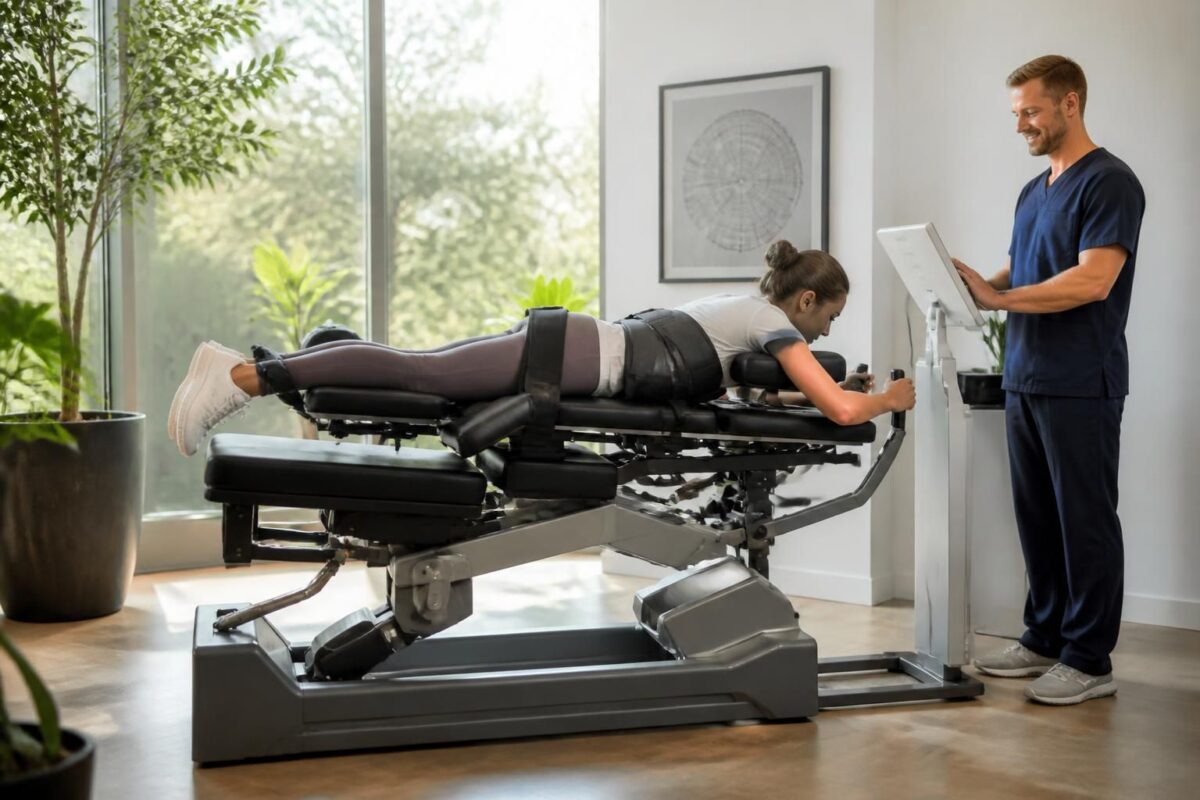
The long-term benefits of neurovertebral decompression for spinal health
In short In short, the neurovertebral decompression is a non-invasive approach that decreases the Pressure on intervertebral discs and nerves, favoring the Natural regeneration and tissue recovery. Its long-term benefits include Lasting pain reduction, Improving mobility and from the posture,…

Neurovertebral decompression and mobility: a return to an active life
In short In short, the neurovertebral decompression is therapy non-invasive who uses a gentle traction To create a space between the vertebrae and reduce the pressure on the Intervertebral discs and the nerves. It promotes a bloodstream improved, lowers tension…
Efficacy by pathology
herniated discs and low back pain
For disc diseases, decompression acts by reducing intradiscal pressure and promoting better tissue vascularization. Clinical observations indicate a pain reduction and an Improving mobility In a noteworthy proportion of patients, with long-term benefits observable in some cases. This approach can help delay more invasive options in people with progressive disc lesions.
Sciatica and radiculopathies
In the context of radiant symptoms, reported results suggest a marked decrease in referred pain and better nerve function in many patients after treatment. These effects support the use of decompression as a key step before any surgical decision, and reinforce the idea that the intervention may be useful to limit the worsening or chronicity of symptoms.
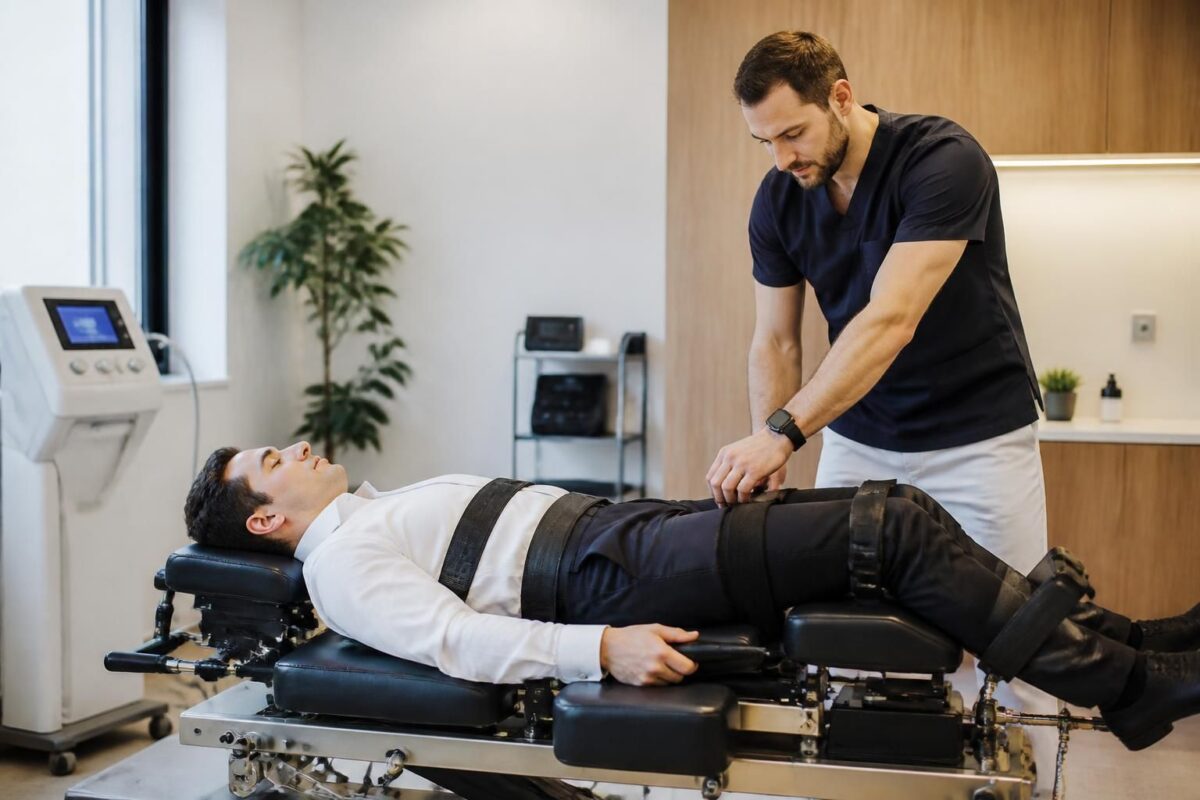
How Neurovertebral Decompression Prevents Diffuse Chronic Pain
In short decompression neurovertebral is one Non-invasive method aimed at reducing the Pressure on the intervertebral discs and the nerves, in order to prevent Diffuse chronic pain. It improves the circulation and thedisc hydration, decreases inflammation and promotes better mobility.…
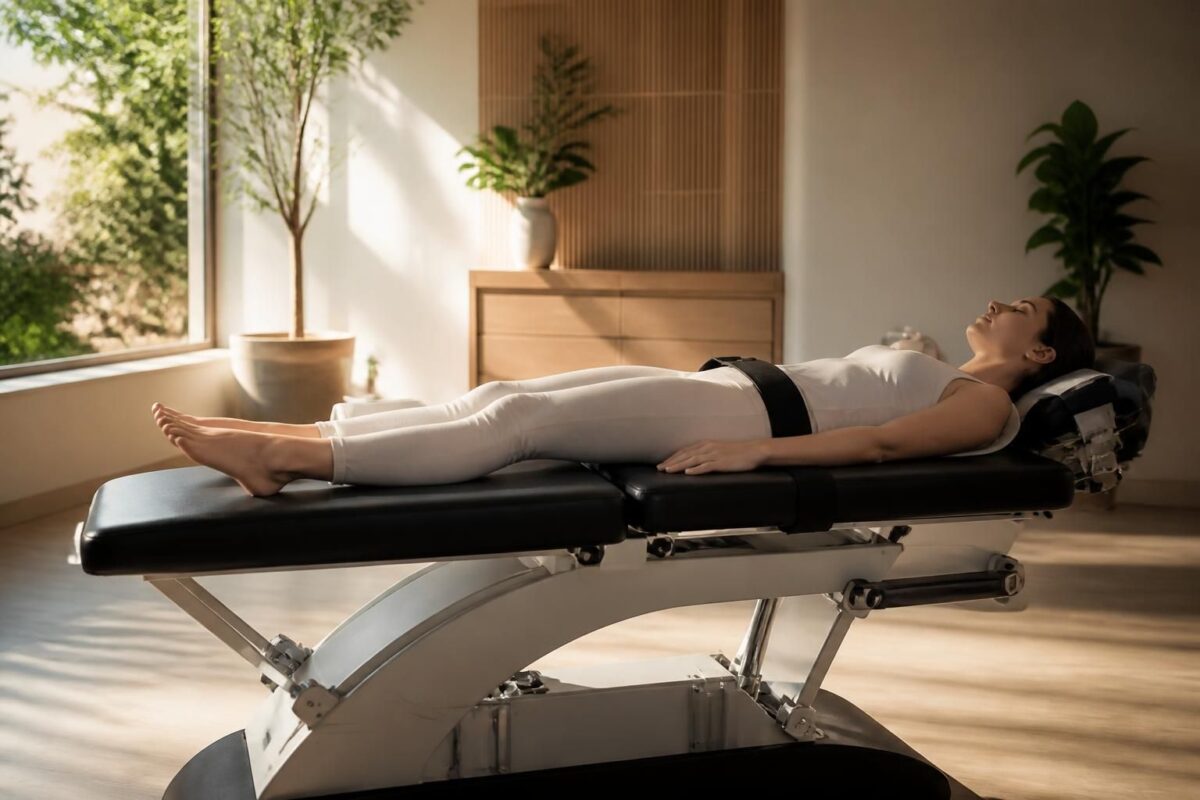
Neurovertebral Decompression and Body Alignment: Restoring Natural Balance
In short In short, neurovertebral decompression is one Non-invasive approach who restores theBody Alignment and thenatural balance back and neck. She acts by a Controlled traction of the spine to widen the intervertebral space and reduce the Pressure on discs…
Impact on quality of life and activity
Beyond pain and mobility measures, patients describe an improvement in their ability to resume daily activities and, for some, sports activities. This functional improvement is a central element of the overall benefit, reflecting a Real recovery of autonomy and better participation in social and professional life.
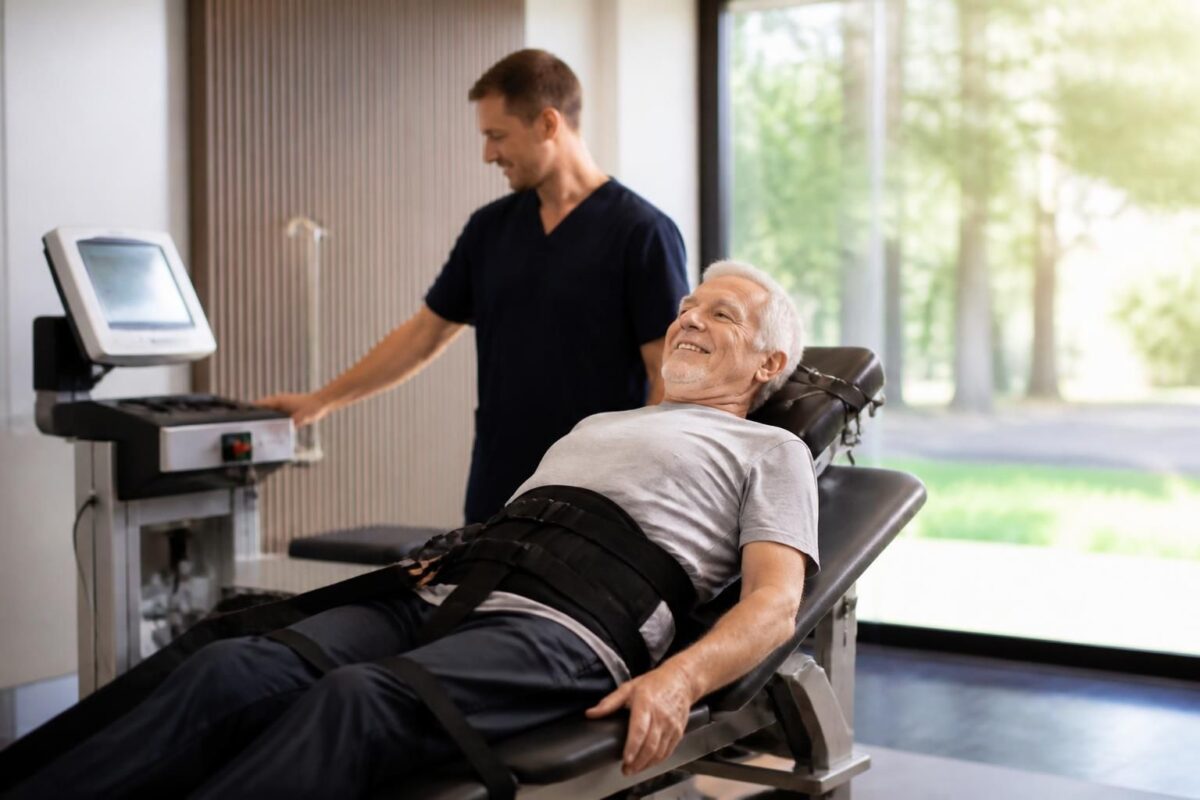
Why neurovertebral decompression is a lasting solution for active seniors
In short In short, the neurovertebral decompression is one Non-invasive therapy which sustainably relieves spinal pain in the spine active seniors By creating, by a Soft and controlled traction, a space between the vertebrae. At Montreal, it is recognized as…
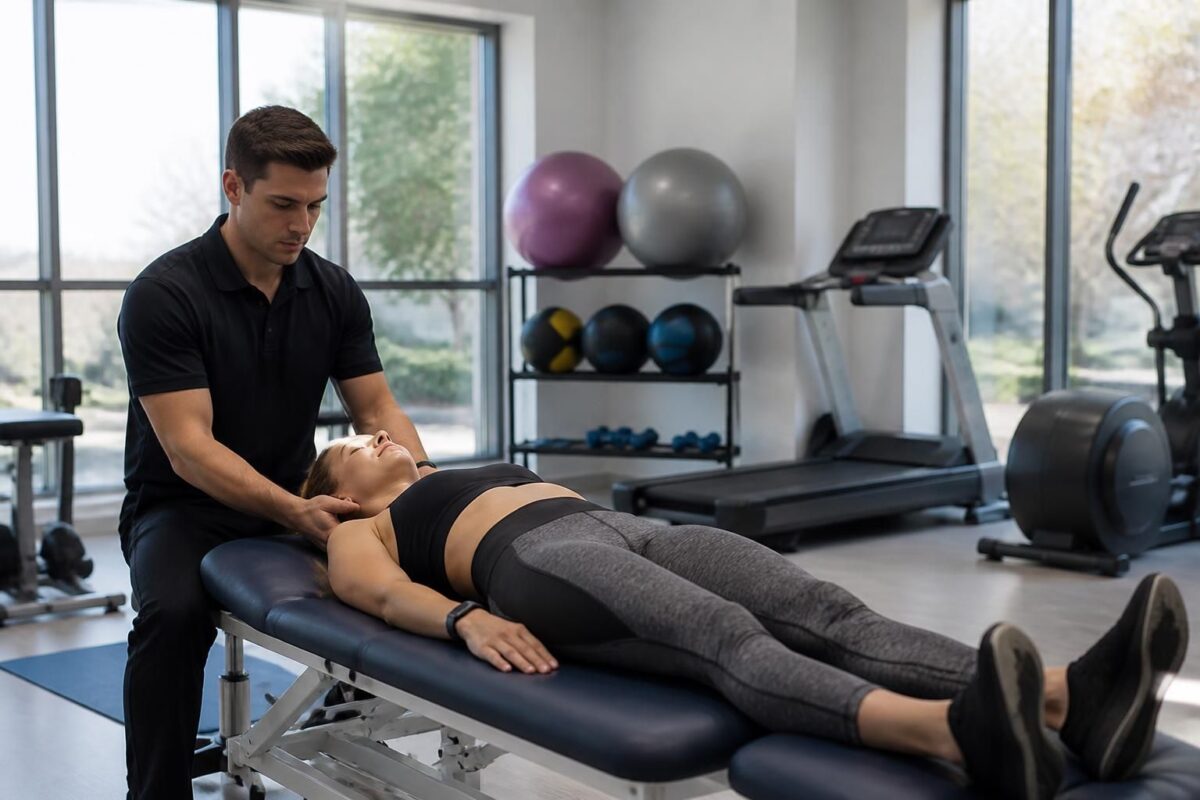
Neurovertebral decompression and recovery after severe sports injury
In short In short, the neurovertebral decompression is one Non-invasive method to Relieve the pressure on the Intervertebral discs and the gristle Via a Controlled traction, to facilitate the recovery After a severe sports injury. It improves the bloodstream towards…
Clinical considerations and protocols
Duration and number of sessions
The most common protocols provide 15 to 25 sessions, adapted to the severity and location of the pathology, as well as the individual response of the patient. Each session typically lasts between 15 and 30 minutes, with a calculated progression to optimize results while minimizing discomfort or risk.
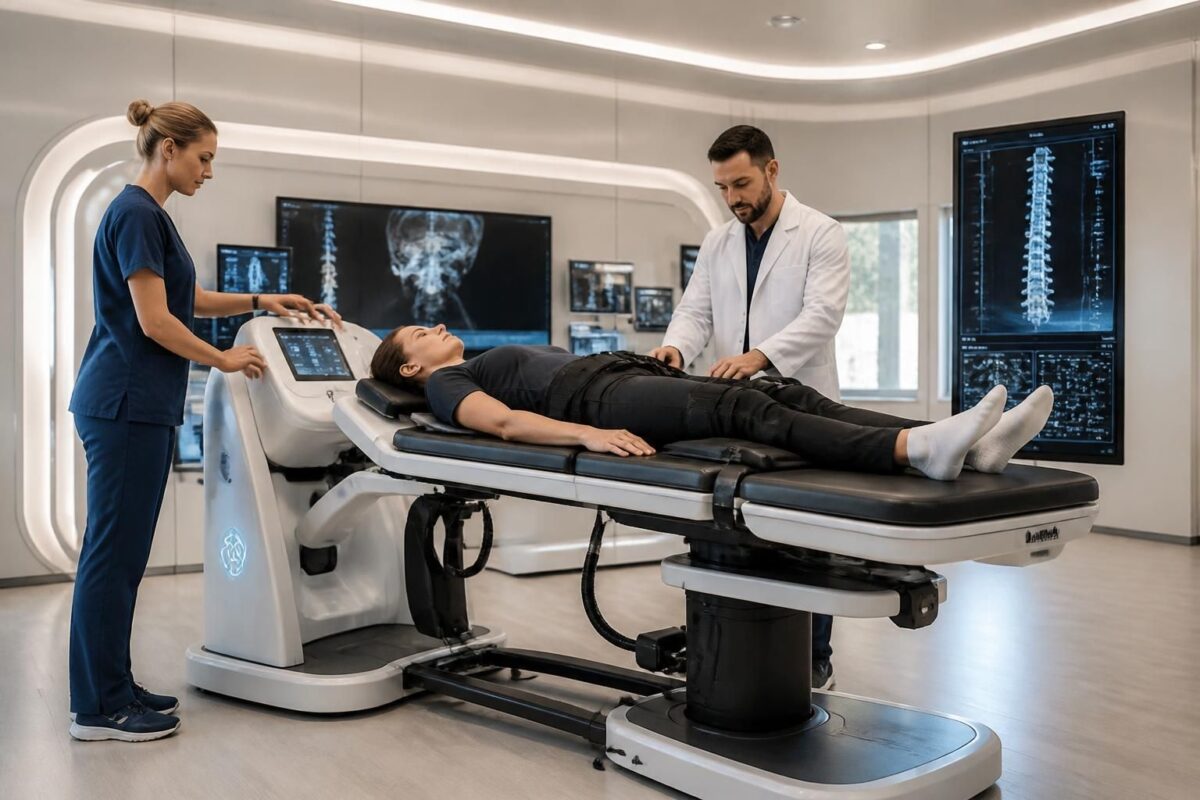
Recent innovations in neurovertebral decompression technologies
In short In short, the neurovertebral decompression is an approach non-invasive Aiming to reduce pressure on discs and nerves, and promote tissue regeneration. At Montreal, it is positioned as an effective option for lower back pain and herniated discs. The…
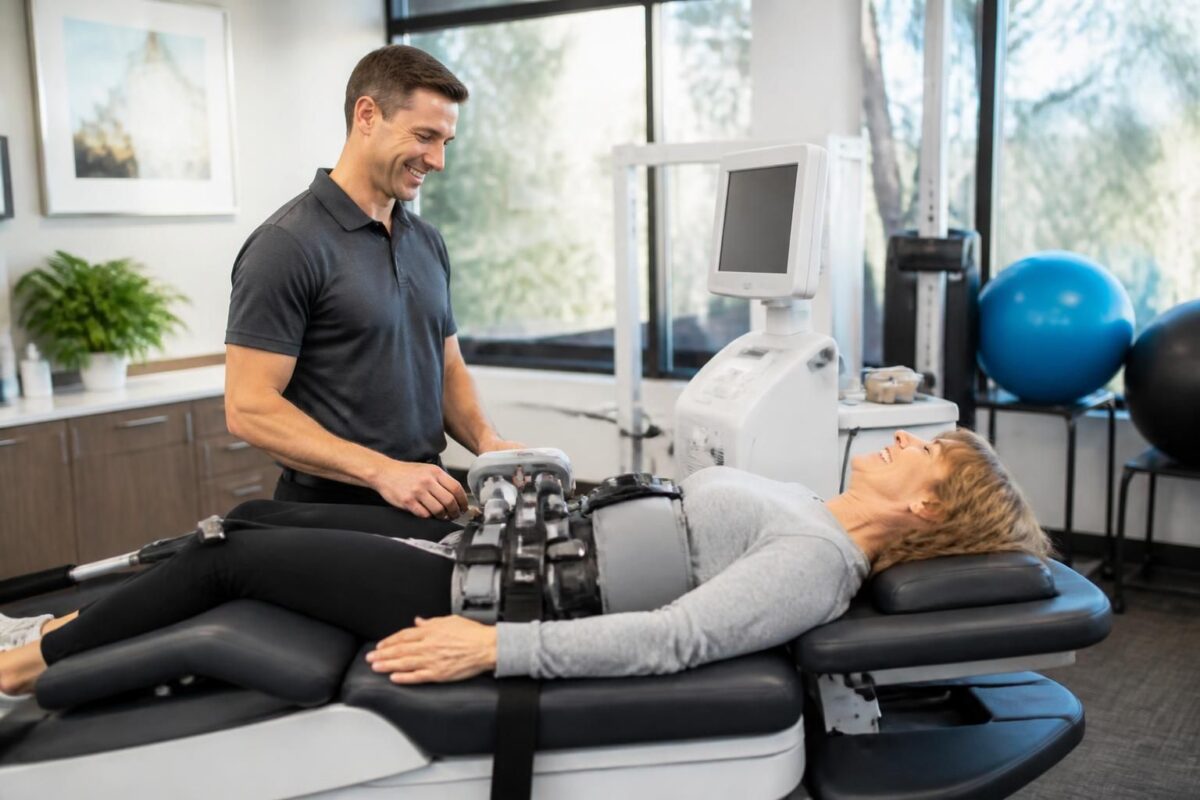
Neurovertebral decompression and diffuse pain: an appropriate solution
In short In short, the neurovertebral decompression is one Non-invasive solution For diffuse pain related to nerve irritation of the spine. She acts in Reducing pressure on intervertebral discs and nerves and improving the bloodstream, which promotes recovery and the…
Safety and Implications for Practice
Practical recommendations
To make the most of this approach, an integrated approach should be adopted: rigorous diagnostic evaluation, regular monitoring of progress, and complementarity with postural reinforcement exercises, postural correction and appropriate physical activity advice. If warning signs appear, a revision of the therapeutic plan should be considered. Overall, neurovertebral decompression offers an option non-invasive and feasible For many patients with back pain and discus disorders, while remaining supervised by appropriate and evidence-based medical practice.
Proven results of neurovertebral decompression — clinical studies
| Indicator | Result |
|---|---|
| Global impact | 71% of patients reported Significant improvement In a cohort of 778 patients. |
| Lumbar pain reduction | Notable relief in the majority; 70-85% patients improve their pain. |
| Sciatica and mobility | reduction of radiant pain and Improving mobility in many patients. |
| Quality of life | measurable improvement of the quality of life after treatments. |
| Neurological deficits | 33% of cases had initial neurological deficits; improvement observed in some according to the protocols. |
| Pathologies treated | Main target: herniated discs, sciatica, low back pain. |
| Number of sessions and duration | Typical program: 15-25 sessions; Each session lasts 15-30 minutes. |
| Advanced stage efficiency | observed benefits even in the event of advanced pathologies; Variable results depending on the patient. |
| Impact on surgery | often able toAvoid or delay surgery. |
Testimonials on the proven results of neurovertebral decompression
“After weeks of persistent pain, I found a Significant reduction in my symptoms thanks to the protocol of neurovertebral decompression. In a study involving 778 patients, 71% reported a Significant improvement of their condition, and I am part of it. »
“my quality of life Has transformed: I can finally go about my daily activities without pain and without limiting my movements. The Clinical results show that the majority of patients benefit from Sustainable relief, which convinced me to continue this treatment with confidence. »
“As an athlete, the recovery was faster and my pain faded quickly after several sessions. The literature data indicates that 70 to 85% of patients observe Improvement of symptoms After regular treatment, and my experience is consistent with these figures. »
“For me, who am old, the security and the tolerance of the treatment were reassuring. The neurovertebral decompression is an approach non-invasive and comfortable for most patients, including the elderly, which allowed me to resume my activities without fear. »
“Beyond the initial relief, this treatment also acts on the posture and musculature around the spine, which helps prevent recurrences and support better long-term mobility. The testimonials and the results Clinics converge towards the same conclusion: an effective and sustainable approach. »
The numbers speak for themselves: 71% of treated patients report a Significant improvement, and a notable proportion sees its Neurological deficits decrease or disappear after the sessions; This reinforces the idea that the neurovertebral decompression Is a serious and evidence-based option for back pain and disc disorders. »
The neurovertebral decompression stands out as an option non-invasive To treat spine-related pain. The results from clinical studies confirm its effectiveness, especially for herniated discs and low back pain, reducing the pressure exerted on the discs and promoting the healing of tissues. This approach is supported by clinics and dedicated networks that favor treatment evidence-based and a progressive integration of innovative technologies.
In a major study, 778 patients were followed and approximately 71% declared a Significant improvement their state after the decompression protocol. These figures illustrate a tangible benefit on pain and function, reinforcing the argument for wider adoption of this therapy in conservative care pathways.
Additional data show that patients with pre-existing neurological deficits represent approximately 33% cases dealt with in certain series; After treatment, a significant proportion of these patients observed improvements, demonstrating the ability of the technique to restore some of the nerve function in situations where symptoms were initially more severe.
At the same time, the in vitro and in vivo analyzes highlighted key mechanisms: a Reduction in intradiscal pressure and an traffic improvement, which create an environment conducive to disc regeneration and decreased inflammation. These results explain why decompression can sustainably relieve pain and restore mobility, by acting directly on the mechanical causes of symptoms.
Clinical returns also indicate long-term benefits, such as a Improving mobility and a better ability to resume daily and sporting activities. In addition, observations suggest a positive effect on the Prevention of recurrences When decompression is associated with optimal posture and strengthening of the supporting muscles of the spine.
Regarding overall efficiency, the published figures advance a range of 70 to 85% patients who report Improvement after several sessions, which reinforces the position of decompression as a reliable and safe in the face of more invasive interventions. In practice, these results support the integration of this therapy into back pain management protocols, especially when conservative treatments remain insufficient.
Progress in this area is based on a professional framework that values scientific rigor and the continuous evaluation of protocols. Clinicians agree that the results vary according to the severity of the condition and adherence to the treatment plan, but the set of data converges towards a significant improvement in quality of life for a majority of patients. Technological developments and patient feedback help guide an ever more precise and personalized practice, in order to allow everyone to find a healthier spine and activities in the hands of a pain-free future.
This article summarizes the Proven results clinical studies on neurovertebral decompression, highlighting reproducible improvements in pain and function in patients with spinal pain, herniated discs and sciatica, as well as the clinical and practical implications of these data.
The Proven results from clinical studies show that a majority of patients treated with neurovertebral decompression report a Significant improvement pain and function. In a large cohort of 778 patients, 71% reported a significant improvement in their condition after treatment, which testifies to a robust clinical effect on lower back pain, pain related to Hernias discs and the sciatica. These results are frequently accompanied by a Improved quality of life and a restitution of the mobility on a daily basis. To explore the details and contexts of these results, you can consult dedicated sources such as analyzes by experts and specialized teams.
The evidence extends beyond the pilot stage: series and meta-analyses converge towards similar percentage improvements and lasting effects. results observed between 70 and 85% Patients report improvement after several sessions, reflecting a robust tendency through different protocols and populations. This stability of the results reinforces the position of decompression as an effective non-invasive option for chronic back pain and associated discursive symptoms. For further reading, refer to the publications and specialized resources listed below.
Statistically, non-experimental syntheses estimated the non-surgical disc regression rate around 63% (approximate confidence interval from 49% to 77%), which provides a useful estimate for the assessment of therapeutic options and for the advice of patients on the likelihood of natural progression under conservative treatment. This estimation, based on meta-analysis, complements clinical data and enhances the usefulness of decompression as an alternative to more invasive interventions when clinical indications allow it. For methodological details and exact figures, see the sources associated with this calculation.
The results, however, vary according to protocols and indications: in vitro and in vivo studies, as well as 3D and 2D traction approaches, show efficacy levels that reflect the importance of a personalized treatment plan. This variability underlines the need for an individualized choice of protocols, taking into account the characteristics of the disc, the spinal canal and the patient’s symptomatology. In practice, this means that accurate diagnosis and continuous adaptation of protocols are essential to optimize results.
Beyond solitary efficiency, the integration of complementary technologies can amplify the benefits. approaches combining the neuromodulation (e.g. Pulse Align), laser and other modalities of manual therapy have been associated with additional gains in terms of pain reduction, of muscle function and of recovery speed. This integrative perspective is supported by clinical feedback and publications that describe cases where patients have benefited from a faster and more effective rehabilitation process when decompression is combined with other non-invasive technologies. To learn more about these synergies, refer to the specialized resources and testimonials available.
In clinical practice, these findings call for careful, evidence-based guidance: appropriate patient selection, continuous progress assessment and transparent communication about treatment expectations and limitations. The data also suggests a potential contribution to preventing recurrences through improved posture, muscle tone and spinal stability, which can promote long-term benefits. Links to additional resources and studies offer concrete perspectives for professionals and patients wishing to deepen the subject.
To deepen these results and access additional information, you can consult the following pages in particular: Who can benefit from neurovertebral decompression, Neurovertebral decompression and sciatic pain, Recent studies demonstrate efficacy, Scientific studies supporting efficacy, Neurovertebral and sciatic decompression, Role of decompression in clinical outcomes, Non-surgical solution for back pain, Clinical study on vertebral decompression, Studies on neurovertebral decompression.

Dr Sylvain Desforges, B.Sc., D.O., N.D., osteopath, is the founding president of TAGMED and of the ACMA association. He dedicates his practice to chronic spinal pain, low back pain and symptoms compatible with sciatica, particularly when pain radiates toward the buttock, leg, calf, foot or toes.
Through SOS Sciatique, he publishes educational content on sciatica symptoms, possible causes such as disc herniation, disc narrowing, foraminal stenosis or irritation of a lumbar nerve root, as well as non-surgical approaches that may be considered according to the evaluation. At Clinique TAGMED, care may include, depending on the case, motorized neurovertebral decompression, specific osteopathic care or precision percussion.
For an evaluation related to sciatica treatment in Montreal / Mount Royal or sciatica treatment in Terrebonne, please consult the services available at Clinique TAGMED.
Medical disclaimer
The information published on SOS Sciatique is provided for educational purposes only and does not replace a consultation, diagnosis, opinion or treatment provided by a physician or another authorized healthcare professional. The author of this article is neither a medical doctor nor a specialist in a medical specialty recognized by the Collège des médecins du Québec. The osteopathic, manual medicine or functional support approaches described on this site do not constitute medical acts and are not intended to replace medical follow-up.
Consult a physician or emergency service in cases of loss of bladder or bowel control, anesthesia in the saddle area, significant or progressive weakness in the leg or foot, fever, recent trauma, severe pain or rapid worsening of symptoms. For more details, please read our Legal Notice.