

The proven results of neurovertebral decompression in clinical studies
25/06/2026
Neurovertebral decompression and chronic pain: a lasting solution
25/06/2026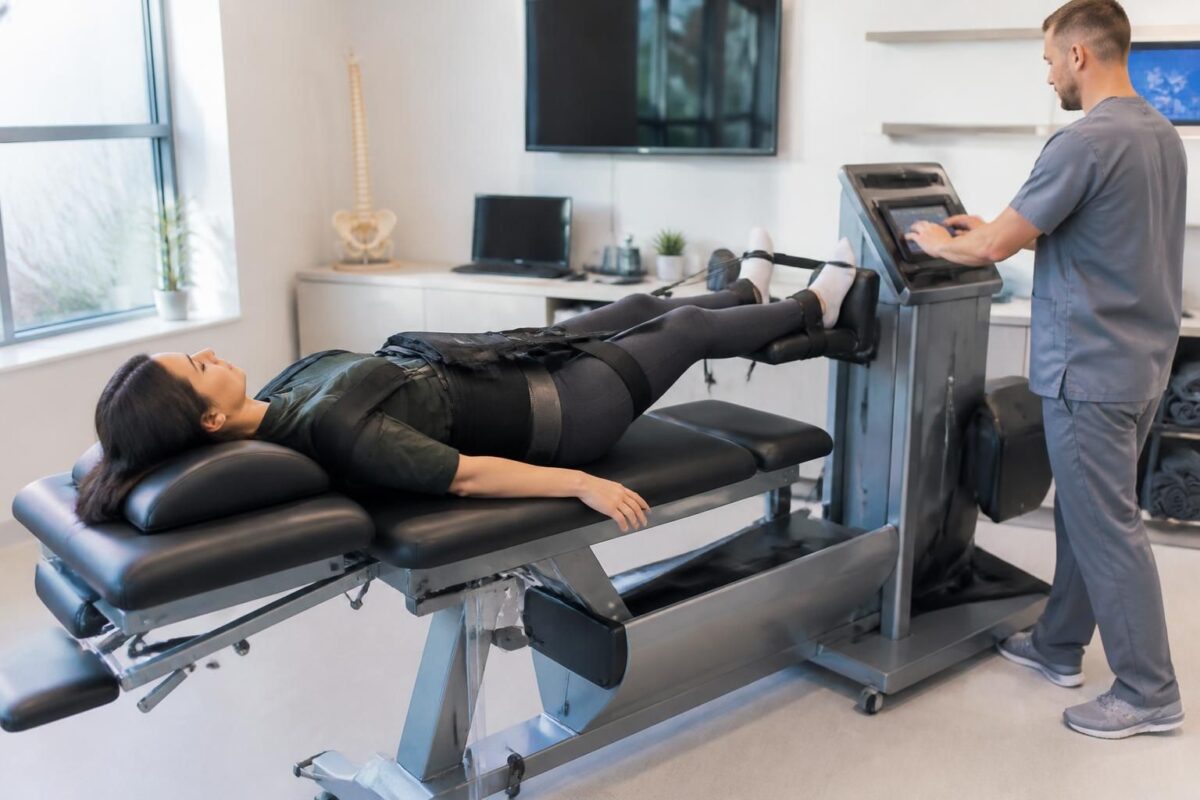
In short
| In short, the Neurovertebral Decompression Table is one Non-invasive therapy who uses a Soft and controlled traction To create a space between the vertebrae and reduce the pressure on the gristle and the Intervertebral discs. It aims to reduce theinflammation and pain, while improving the mobility and nervous functioning. In Montreal, this service is particularly recommended for cervical or lumbar pain related to herniated discs or protrusions, and can be a safe alternative to surgery or drugs. Profits include a Lasting pain improvement, a better posture And faster recovery, with personalized sessions on a dedicated table and without surgery. |
The table of neurovertebral decompression is one Non-invasive therapy who uses a Soft and controlled traction To stretch the spine.
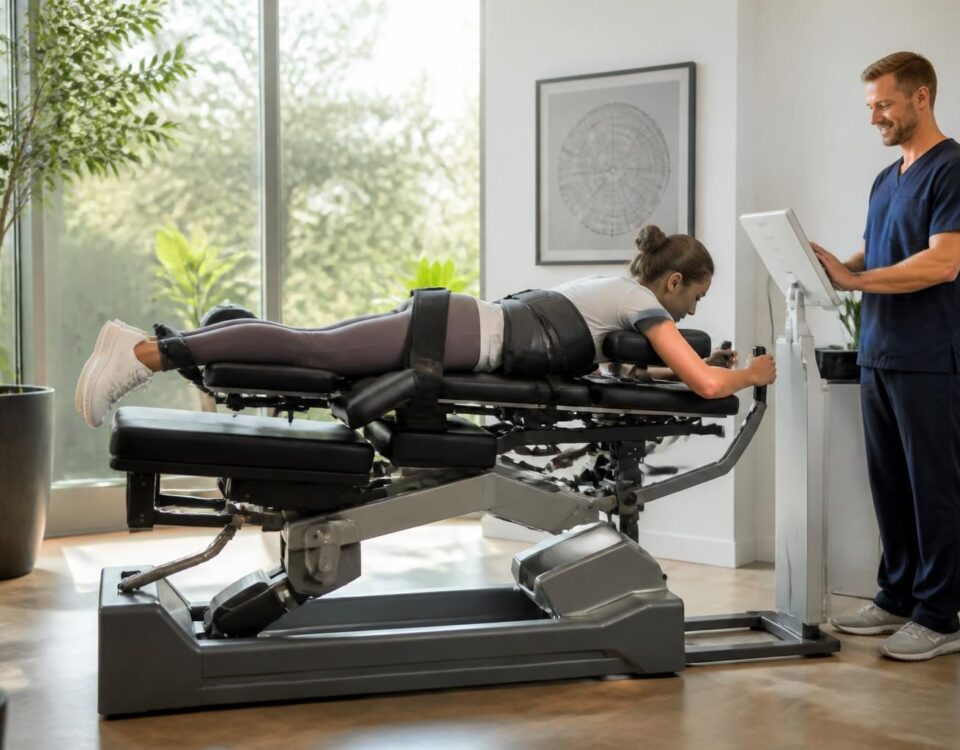
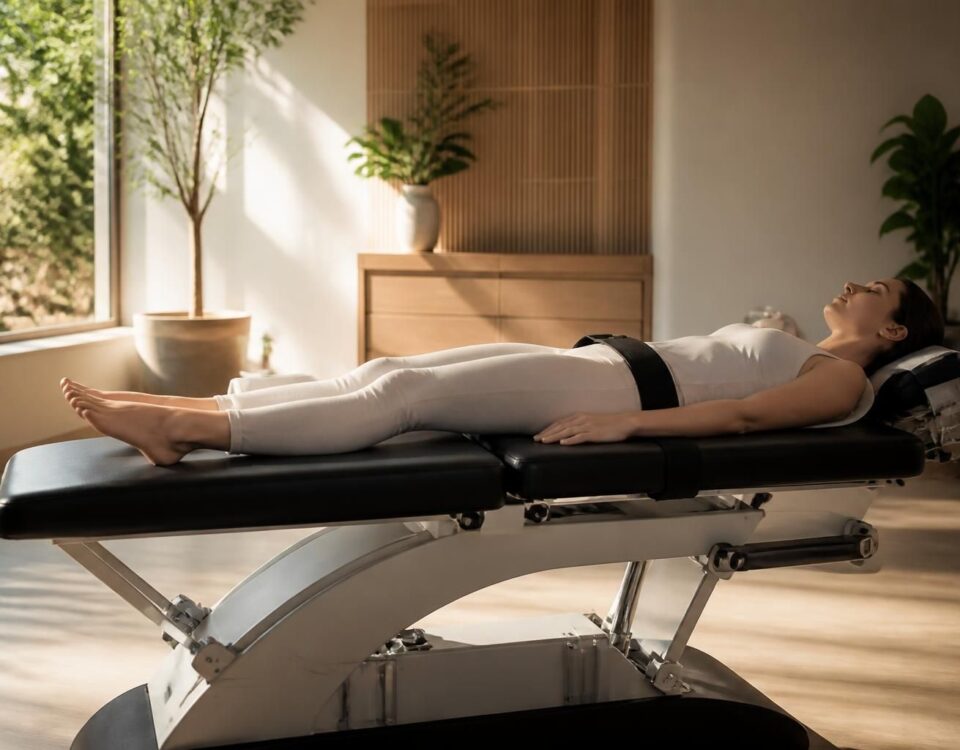
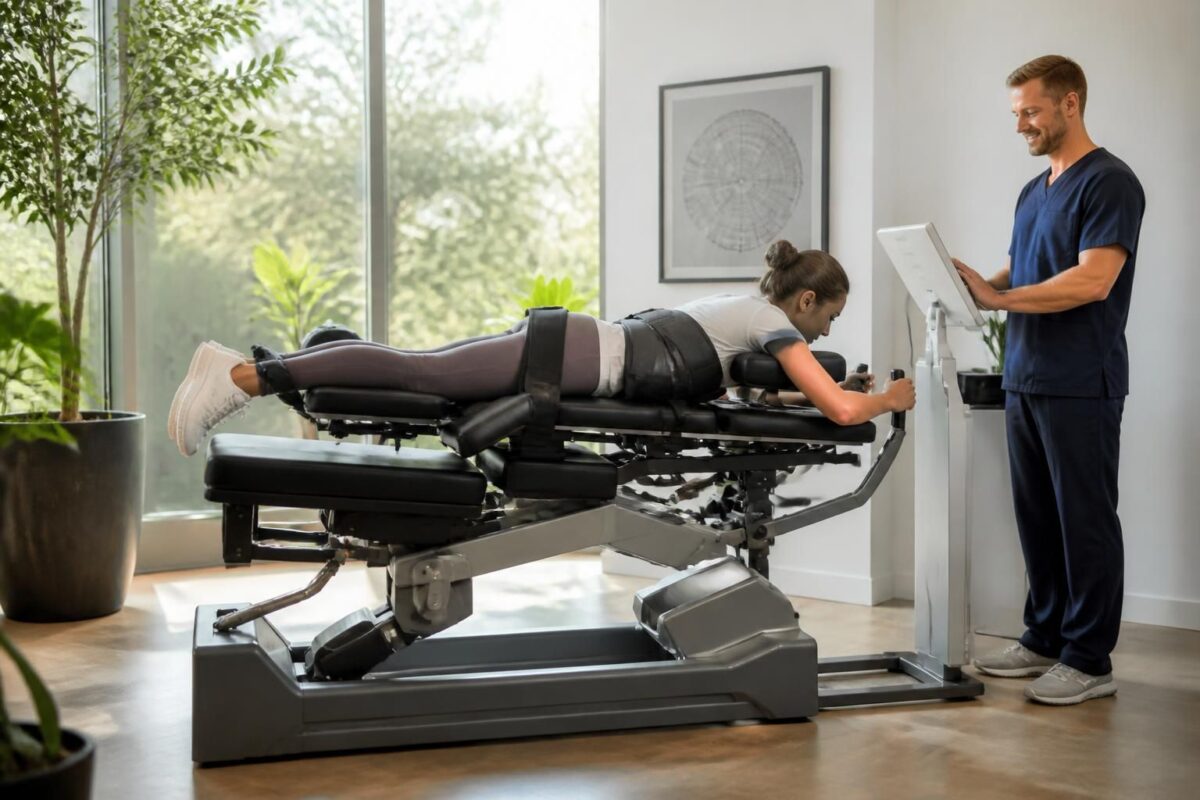
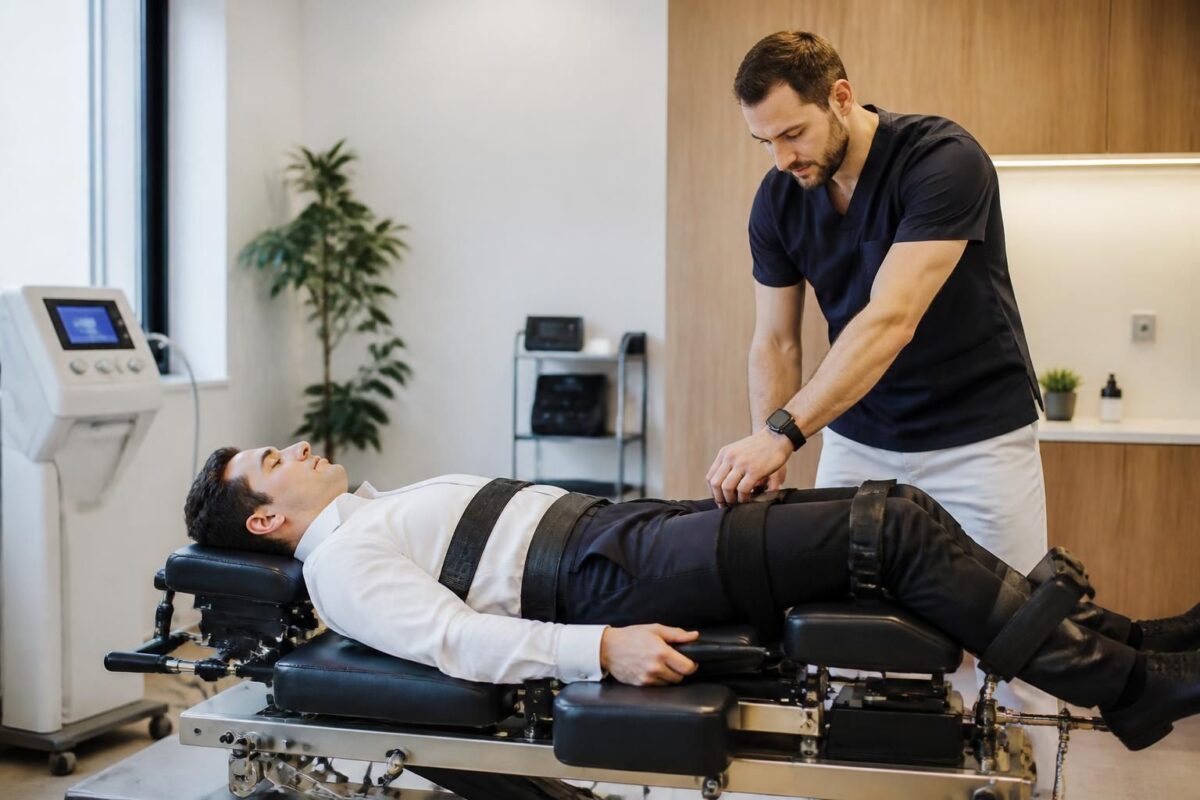
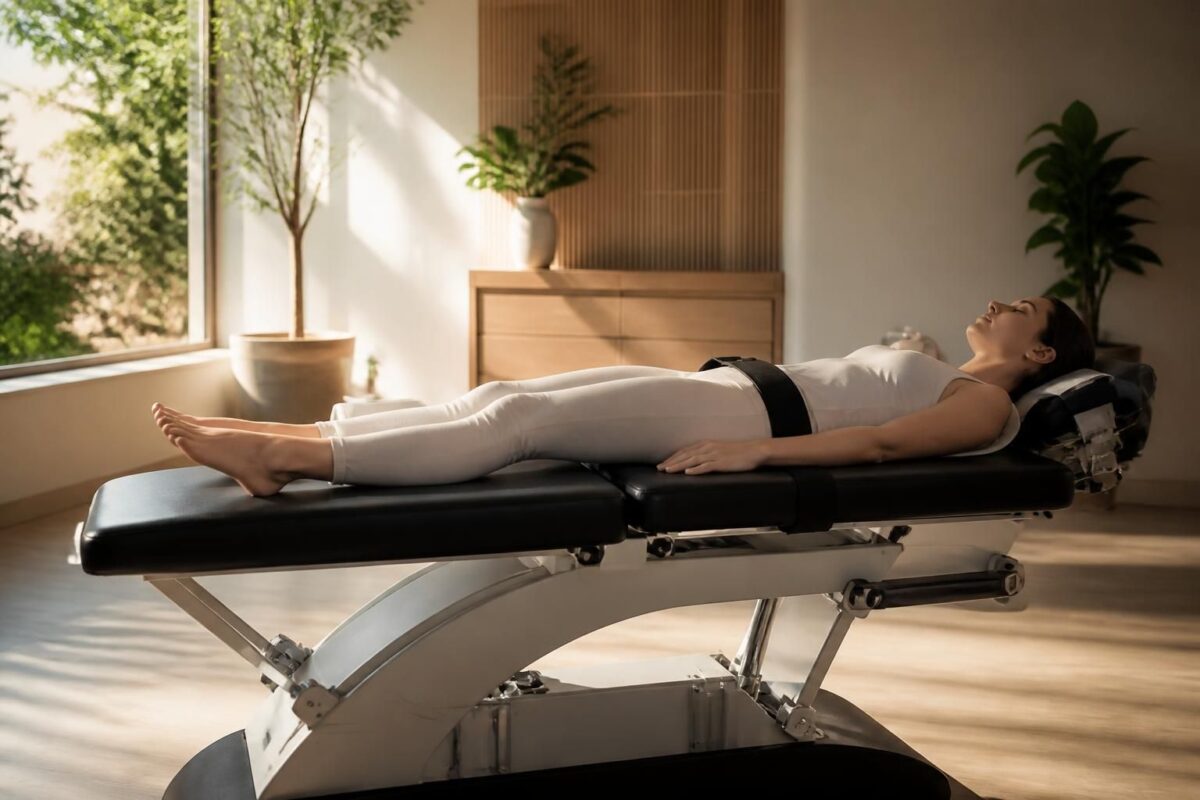
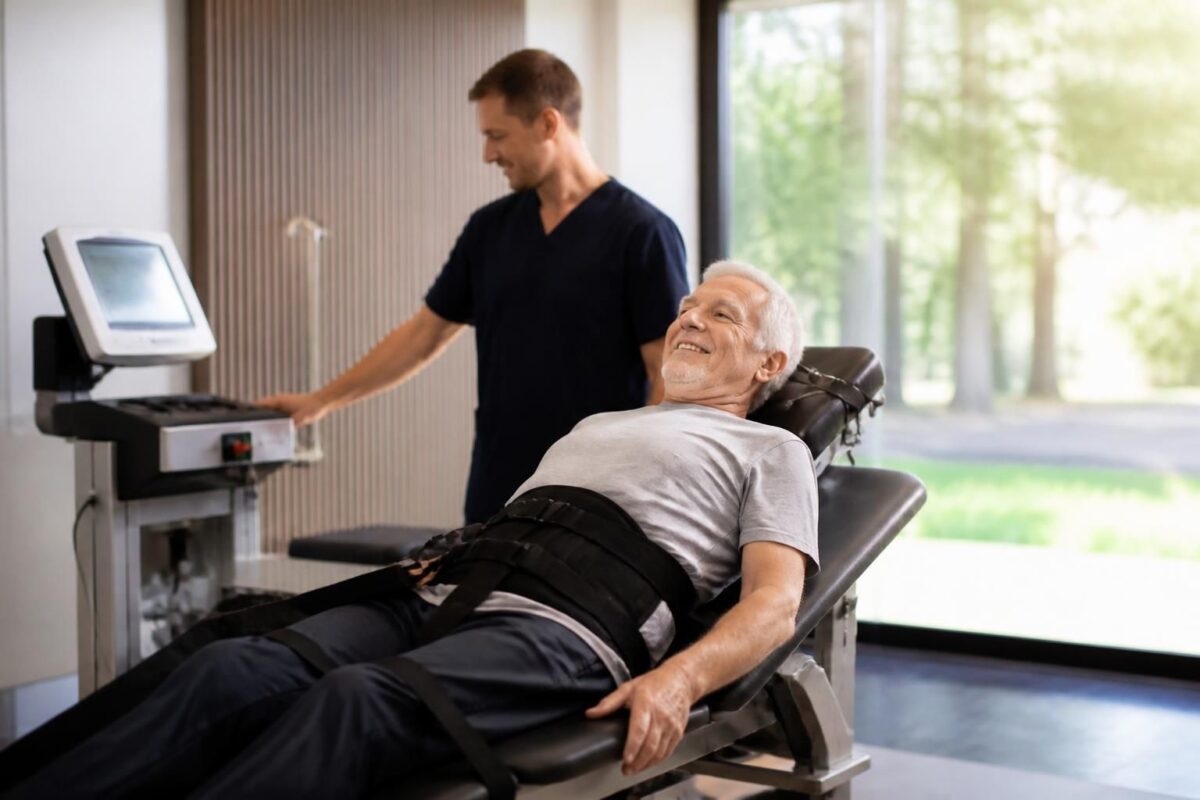
the patient is lying on the table and the machine creates a space between the vertebrae by applying a gradual force along the column.
this traction Reduces pressure on nerves and intervertebral discs, improves the bloodstream and can promote the Rehydration and Disk Regeneration.
The sessions are Custom At diagnosis and progress, generally last a few tens of minutes and are done without surgery.
Expected results include a pain reduction, a Improving mobility and a decrease ininflammation.
This article, written by a health professional and expert, clearly explains the operation of a Neurovertebral Decompression Table. It describes the principle, the course of the sessions, the safety criteria and the expected results. Additional resources allow you to deepen the subject and compare the different options available in the TagMed clinic.
Principle and mechanism
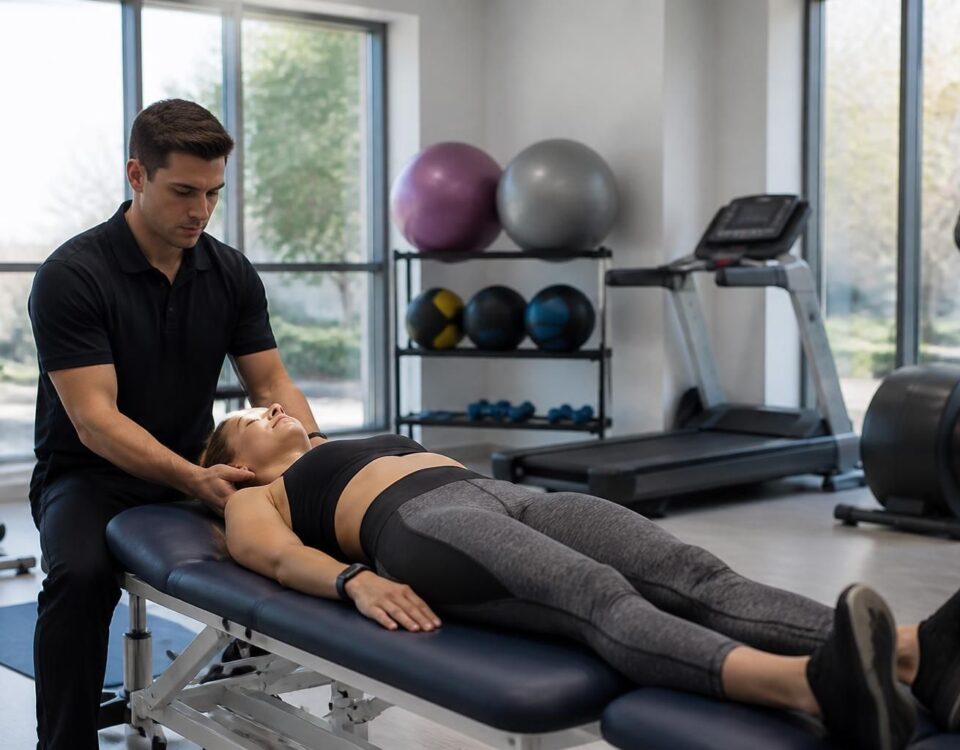
The table applies a gentle traction on the spine. This traction aims to Create a space between the vertebrae. This space makes it possible to reduce the pressure exerted on the gristle and the Intervertebral discs. By reducing this pressure, inflammation around the spinal structures may decrease and blood circulation in the affected area improves.
The process is non-invasive. It is based on simple mechanical principles: lightly stretch the column to promote disc repositioning and reduce nervous stress. This approach can contribute to functional recovery without the need for surgery or drugs with high secondary potential.
Equipment and course of a session
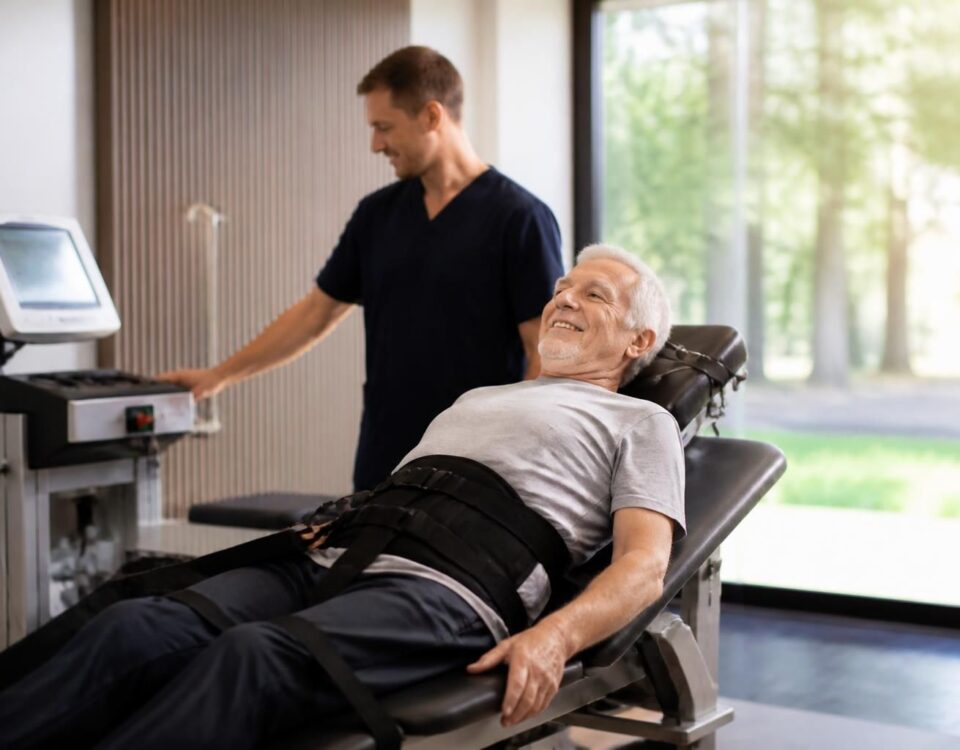
A specially designed decompression table is generally used for this type of therapy, such as systems dedicated to neurovertebral decompression. The patient is seated comfortably on the table. Precise settings determine the intensity, direction and duration of the traction. A session typically lasts between 30 and 60 minutes, depending on the established protocol and the patient’s tolerance.
During the session, the practitioner carefully supervises the body’s reactions and adjusts the parameters to optimize efficiency while ensuring comfort. The goal is to achieve a gradual reduction in pressure on the discs and nerves, while avoiding any discomfort or pain.
For those who want to know more about the equipment and protocols used, specialized resources and expert opinions are accessible via dedicated clinical and information sites, including Tagmed Clinic and specialized public resources.
Safety, indications and precautions
Before initiating decompression treatment, a preliminary assessment is necessary. The professional checks the history and excludes contraindications to ensure that the decompression is appropriate and safe for the patient.
This therapy is performed by trained practitioners. Typical indications include pain associated with disc disorders and herniated discs when non-invasive treatments are considered as the first options. Like any therapy, the results vary according to the specific individuals and the clinical context.
For detailed information and frequent questions, you can consult the following resources: FAQ Neurovertebral Decompression, Decompression and spinal stenosis, and Sciatica and driving.
What can neurovertebral decompression bring
In well-selected patients, this approach may lead to a pain reduction and to a Improving mobility of the spine. It acts on the mechanical cause of pain by reducing the pressure on the sensitive elements and promoting local circulation. It can also help delay or avoid more invasive interventions when the indications are appropriate.
as part of a care course at the Tagmed Clinic, this therapy is seen as a non-surgical option, with regular follow-up to assess progress and adapt the protocol if necessary. To learn more about available approaches and options, see the official resources dedicated to neurovertebral decompression.
To explore innovations and practical aspects of neurovertebral decompression, visit specialized resources like SOS Herniated Disc and sciatic society.
Medical Disclaimer: The information and advice provided on this site does not replace the health professional’s diagnosis or treatment. Please note that Dr. Sylvain Desforges osteopath is neither a doctor of medicine nor a doctor, and is not a specialist in a medical specialty as defined by the Collège des Médecins du Québec. Manual medicine, functional medicine and sports medicine as described on this site exclude any medical treatment or diagnosis made by a doctor or specialist doctor. Always consult your doctor for any medical questions. For more details, please read our full legal notice.
- positioning and patient stabilization to allow precise traction.
- Soft and controlled traction applied to the spine to create the necessary space.
- Space between the vertebrae Generated by traction, decreasing pressure on discs.
- pressure reduction on nerves and intervertebral discs.
- Inflammation and local pain decreasing thanks to the improvement in flow.
- Hydration and regeneration Intervertebral discs favored by traction.
- Mobility and improved range of motion after the sessions.
- Duration and protocol : Typical sessions of 30-60 minutes with appropriate progression.
- Security and tolerance: comfort monitoring and real-time adjustments.
- Efficiency indicators : Reduced pain, increased mobility and improved posture.

Quick Summary: A Neurovertebral Decompression Table Applies a gentle traction On the spine to create a space between the vertebrae, decrease the nerve pressure and the Intervertebral discs, and promote recovery without surgery. The process is personalized and takes place during sessions generally between 20 and 45 minutes, with continuous adjustment of the parameters and rigorous monitoring to optimize results and guarantee safety.
Principle and objectives
Operation is based on a Controlled traction which gradually releases the pressure exerted on the affected vertebral structures. By increasing the intervertebral space, it helps reduce inflammation, improves local circulation and facilitates the return of nutrients to the discs. This approach aims to relieve pain, improve mobility and support disc regeneration, while avoiding invasive treatments.
The long-term benefits of neurovertebral decompression for spinal health
In short In short, the neurovertebral decompression is a non-invasive approach that decreases the Pressure on intervertebral discs and nerves, favoring the Natural regeneration and tissue recovery. Its long-term benefits include Lasting pain reduction, Improving mobility and from the posture,…
Session process
Preparation and evaluation
Before the start of treatment, a quick assessment is performed to confirm the indication and to personalize the protocol. The therapist checks the patient’s history, symptoms and goals to adapt the traction parameters.
Positioning and settings
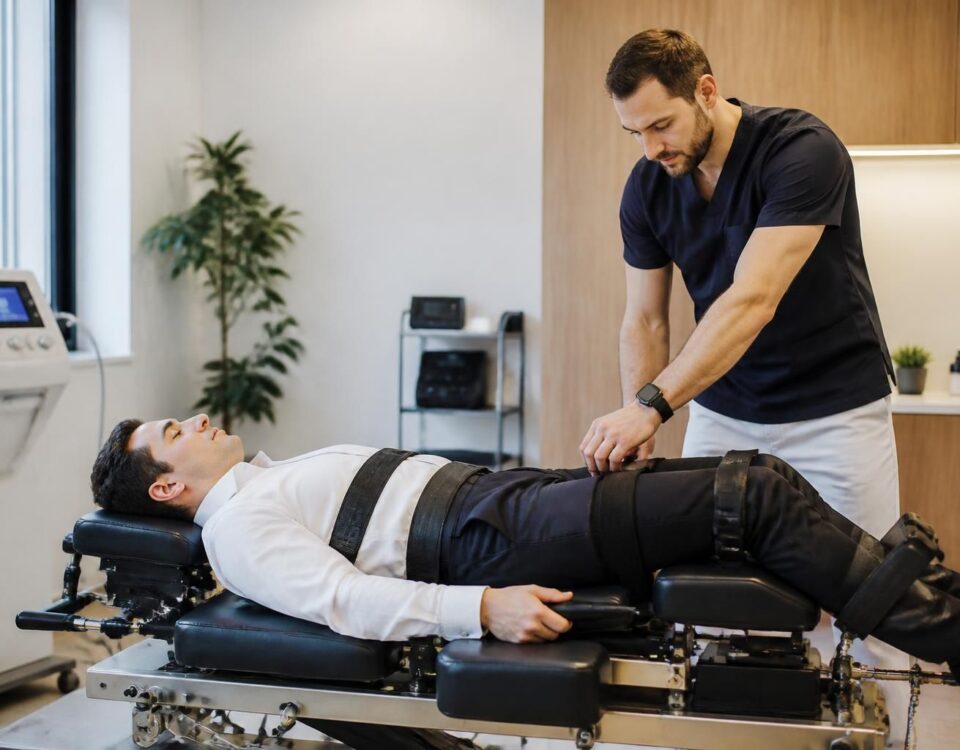
The patient is installed on the table and the supports are adjusted to optimize comfort and aim precisely for the painful area. Initial parameters include intensity, traction cycle time and pauses between cycles, all adapted to the individual patient profile.
traction application
Traction is applied in a progressive and gradual way, with cycles that alternate between traction and relaxation. This alternation makes it possible to mobilize the discs without causing acute pain, while promoting rehydration and realignment of the vertebral structures.
Duration and follow-up
A typical session lasts between 20 and 45 minutes depending on the protocol and the patient’s tolerance. At the end of the session, the practitioner evaluates the sensations and possibly adjusts the parameters for the following sessions. Regular monitoring is essential to measure progress and adapt the therapeutic plan.

Neurovertebral decompression and mobility: a return to an active life
In short In short, the neurovertebral decompression is therapy non-invasive who uses a gentle traction To create a space between the vertebrae and reduce the pressure on the Intervertebral discs and the nerves. It promotes a bloodstream improved, lowers tension…
Mechanical and safety operation
The table makes it possible to precisely modulate the traction direction, theangle and the force, in order to obtain a segmental and progressive stretching. The modern mechanisms incorporate sensors and controls that immediately interrupt the intervention if an unpleasant sensation appears, thus guaranteeing a High security and minimal discomfort.
How Neurovertebral Decompression Prevents Diffuse Chronic Pain
In short decompression neurovertebral is one Non-invasive method aimed at reducing the Pressure on the intervertebral discs and the nerves, in order to prevent Diffuse chronic pain. It improves the circulation and thedisc hydration, decreases inflammation and promotes better mobility.…
Indications and contraindications
This approach is particularly suitable for cervical pain and radiculopathies linked to nerve compression or disc protrusions. It can be used as an early stage of rehabilitation or in addition to other therapies. On the other hand, it is contraindicated in the presence of fractures, tumors, spinal infections, certain vascular pathologies, or during pregnancy, and in patients with severe implants or instabilities.
Neurovertebral Decompression and Body Alignment: Restoring Natural Balance
In short In short, neurovertebral decompression is one Non-invasive approach who restores theBody Alignment and thenatural balance back and neck. She acts by a Controlled traction of the spine to widen the intervertebral space and reduce the Pressure on discs…
Results and integration in the care pathway
Patients often report a gradual reduction in pain and improved range of motion after a few sessions. To maximize benefits, decompression must be inserted into a rehabilitation plan including muscle strengthening exercises and postural advice. Monitoring makes it possible to assess progress, adjust the protocol and ensure recurrence prevention.
| Element | Description |
|---|---|
| Protocol | Use a Controlled traction To space the vertebrae and reduce the pressure on the discs. |
| positioning | The patient is installed on the table and remains comfortably still during the session. |
| Equipment | dedicated decompression table with Graduated traction and balanced rest cycles. |
| Physiological objective | reduction in pressure on gristle and the Intervertebral discs. |
| expected effect | Improved circulation and decreased pain related to spinal compression. |
| Typical duration | generally between 20 and 45 minutes, according to the protocol. |
| directions | cervical or lumbar pain associated with slipped disc or protrusions. |
| contraindications | Pre-assessment necessary for certain vertebral pathologies and acute conditions. |
| Monitoring and results | Regular assessments to adjust the plan and monitor the patient’s progress. |
Why neurovertebral decompression is a lasting solution for active seniors
In short In short, the neurovertebral decompression is one Non-invasive therapy which sustainably relieves spinal pain in the spine active seniors By creating, by a Soft and controlled traction, a space between the vertebrae. At Montreal, it is recognized as…
Testimonials on how a neurovertebral decompression table works
Marie, 42, testifies: “From the first session on the SpineMed table, I felt a gentle traction which gradually released the pressure on my gristle and my Intervertebral discs. It was comfortable and reassuring, like a support that gains clarity as the back relaxes. »
François, 56, says: “The session is designed to be painless and secure. We stay between 30 and 60 minutes on the table while the practitioner adjusts the traction so as to Create a space between the vertebrae. We feel the space that forms little by little, without constraint or discomfort. »
Amélie, 29, shares: “After several sessions, I noticed a pain reduction and an Better mobility of the neck. The table acts on the gristle and the records, while improving the circulation around the affected region. It is a feeling of progressive liberation. »
Karim, 63, explains: “What struck me the most was the side personalized: the therapist adjusts the traction depending on my feelings. I feel one Measured progression Over the sessions, as if each step was preparing the ground for better mobility and less pain. »
Sophie, 37, concludes: “I now understand how the table Work: Controlled traction, intervertebral space, traffic improvement and regeneration discs. After each session, the feeling is lighter and more fluid, and I can resume my daily activities more serenely. »
This biography highlights the journey of an expert in osteopathy, manual medicine and naturopathy, health innovation driver and key player in the integration of advanced technologies in rehabilitation. His work focuses on the management of Chronic pain and re-establishing mobility, favoring methods non-invasive and evidence-based. In this context, neurovertebral decompression occupies a central place as a gentle and targeted approach for spinal and root disorders.
The neurovertebral decompression table is based on a simple but powerful principle: apply a Controlled traction and regular on the spine to increase the space between the vertebrae. This gradual extension reduces the pressure exerted on the gristle and the Intervertebral discs, which decreases local inflammation and promotes blood circulation in the region concerned. Once the pressure is relieved, natural healing mechanisms can resume, allowing for a gradual improvement in pain and mobility.
During a session, the patient is installed on a table specially designed for decompression. Strategically placed harnesses and straps are used to target the pain segments of the column. The therapist finely adjusts the traction parameters, duration and intensity, in order to obtain a smooth and progressive stretch. The cycles alternate between light traction and rest phases, in order to preserve patient comfort while stimulating early rehydration and realignment of the spinal structures. As a general rule, each visit lasts between 20 and 45 minutes, with a planned progression over several weeks.
The benefits of this system are multiple and are observed both in terms of pain than on the mobility. By acting directly on the pressure exerted by the discs and nerves, therapy can promote Disk regeneration, improve the range of movements and reduce the symptoms of irradiation or radicularity. In addition, by avoiding invasive treatments and drugs, it is part of a sustainable and respectful approach to the body, compatible with a wider functional rehabilitation.
To ensure efficiency and safety, a preliminary assessment is necessary. The therapist examines the history, functional limitations and, if necessary, prescribes imaging examinations or functional tests to confirm the indication for decompression. Usual contraindications, such as certain structural or emerging pathologies, are scrupulously excluded before starting treatment. Throughout the course, regular monitoring allows you to adjust the program, evaluate progress and plan the next therapeutic steps.
Integrated into a global rehabilitation program, neurovertebral decompression is articulated with strengthening, mobility and posture exercises. This synergy aims not only to reduce pain but also to permanently stabilize the spine and prevent recurrences. With this in mind, the therapist can combine this technique with other manual or technological interventions, in order to optimize the results and support a resumption of daily and professional activities.
This article presents in detail the operation of a Neurovertebral Decompression Table, describing the principle, the mechanisms of action, the course of sessions and its role within a rehabilitation program. You will discover how this technology acts in a targeted way to reduce the pressure on discs and nerves while promoting regeneration and mobility, without the need for surgery..
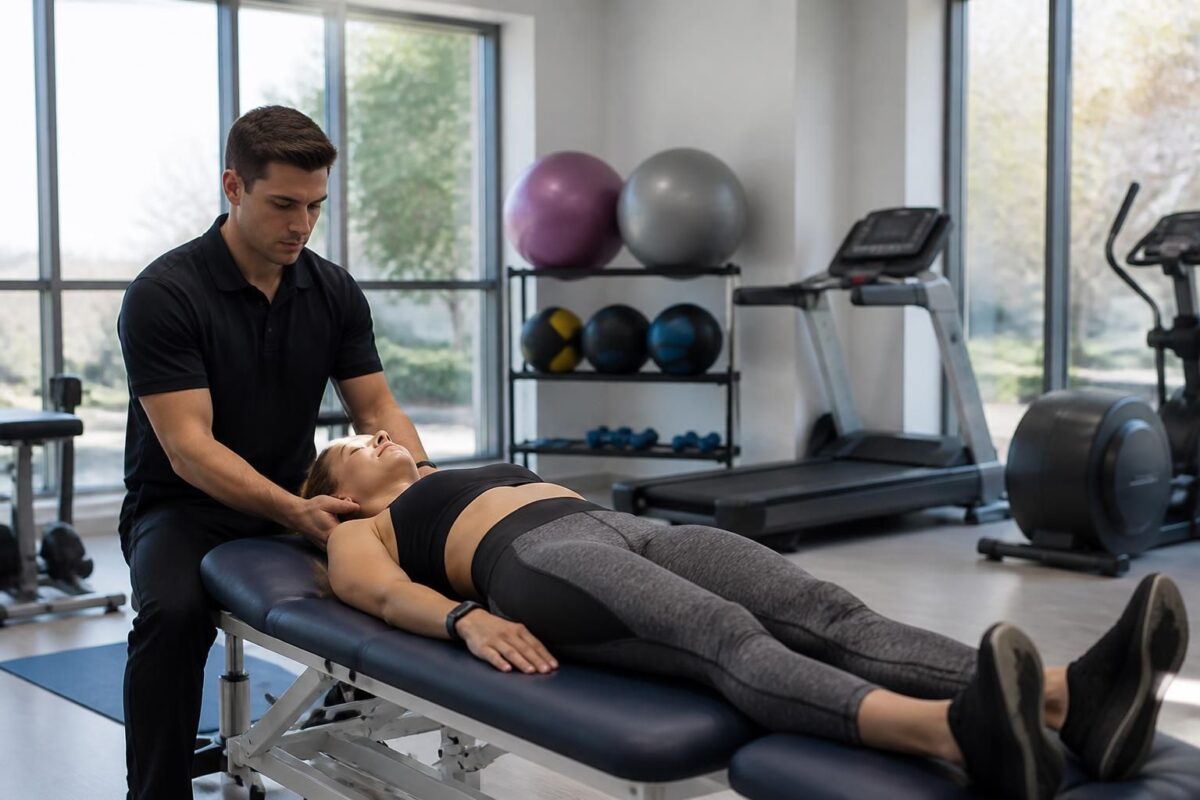
Neurovertebral decompression and recovery after severe sports injury
In short In short, the neurovertebral decompression is one Non-invasive method to Relieve the pressure on the Intervertebral discs and the gristle Via a Controlled traction, to facilitate the recovery After a severe sports injury. It improves the bloodstream towards…
General principle and mechanism of action
The neurovertebral decompression is based on a Soft and controlled traction Applied to the spine, generating an increased space between the vertebrae. This space makes it possible to reduce the pressure exerted on the gristle and on the Intervertebral discs, which helps to reduce inflammation, reduce pain and promote disc rehydration. By promoting the restoration of spinal alignment and local blood circulation, the table acts directly on the mechanical causes of pain, rather than masking symptoms.
The key principle is to create, through controlled traction, a temporary negative space between the vertebrae. This non-invasive intervention allows better nutrition of the discs and can contribute to the regeneration of degenerate structures, while avoiding the side effects associated with certain pharmacological treatments. To understand the technical bases and typical traction parameters, you can consult dedicated resources such as This technical guide.
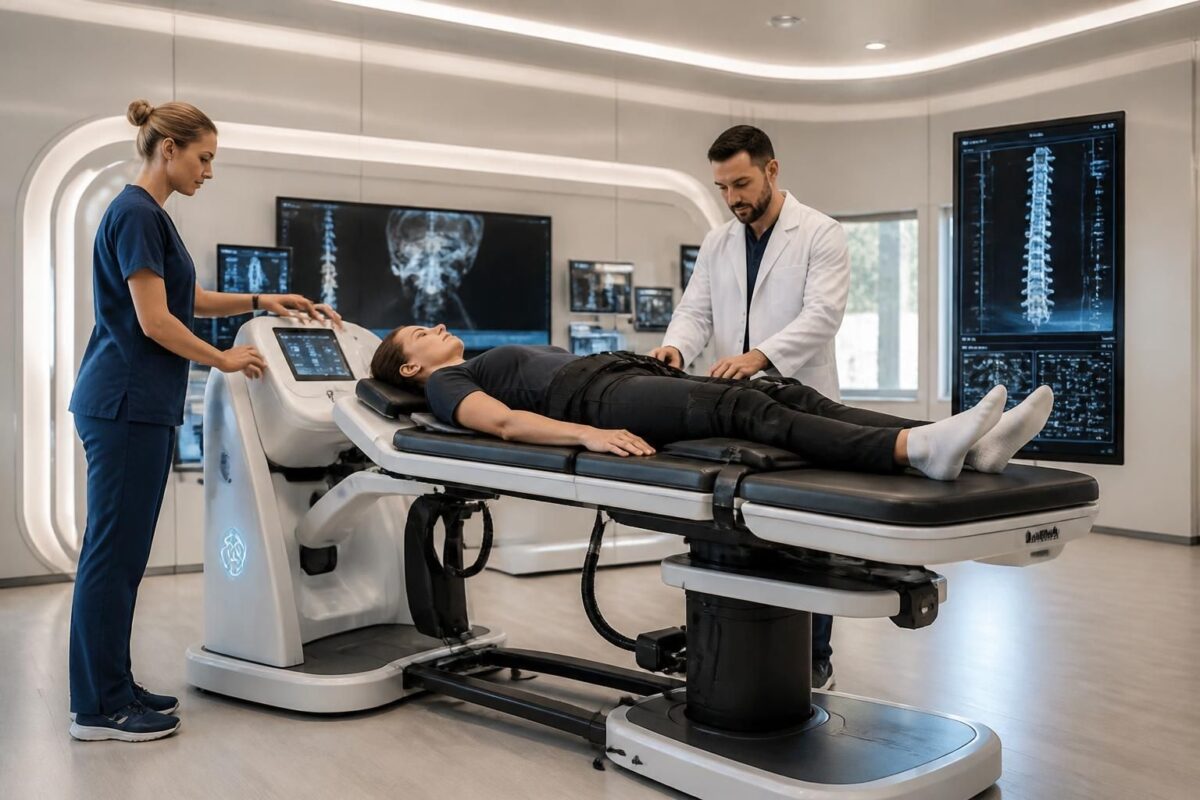
Recent innovations in neurovertebral decompression technologies
In short In short, the neurovertebral decompression is an approach non-invasive Aiming to reduce pressure on discs and nerves, and promote tissue regeneration. At Montreal, it is positioned as an effective option for lower back pain and herniated discs. The…
Table equipment and configuration
The central element is a specialized table, designed to perform synchronized traction and release movements along the spine. During the session, the patient is positioned on the table and precise sensors and controls allow you to adjust the angle, amplitude and duration of the traction. This Decompression technology Can rely on accessories and software that ensure the accuracy and security of the processing. For a practical and technical perspective, see the following resources: vertebral decompression table and neurovertebral decompression.
Typical protocols provide for 30 to 60 minutes sessions, depending on the clinical case and patient tolerance, with repetitive traction and rest cycles to avoid any discomfort. The use of complementary equipment, such as telemetry systems and patient-practitioner interfaces, improves safety and follow-up. To deepen the practical functioning and the typical course of a session, you can consult This practical article and technical sheet.
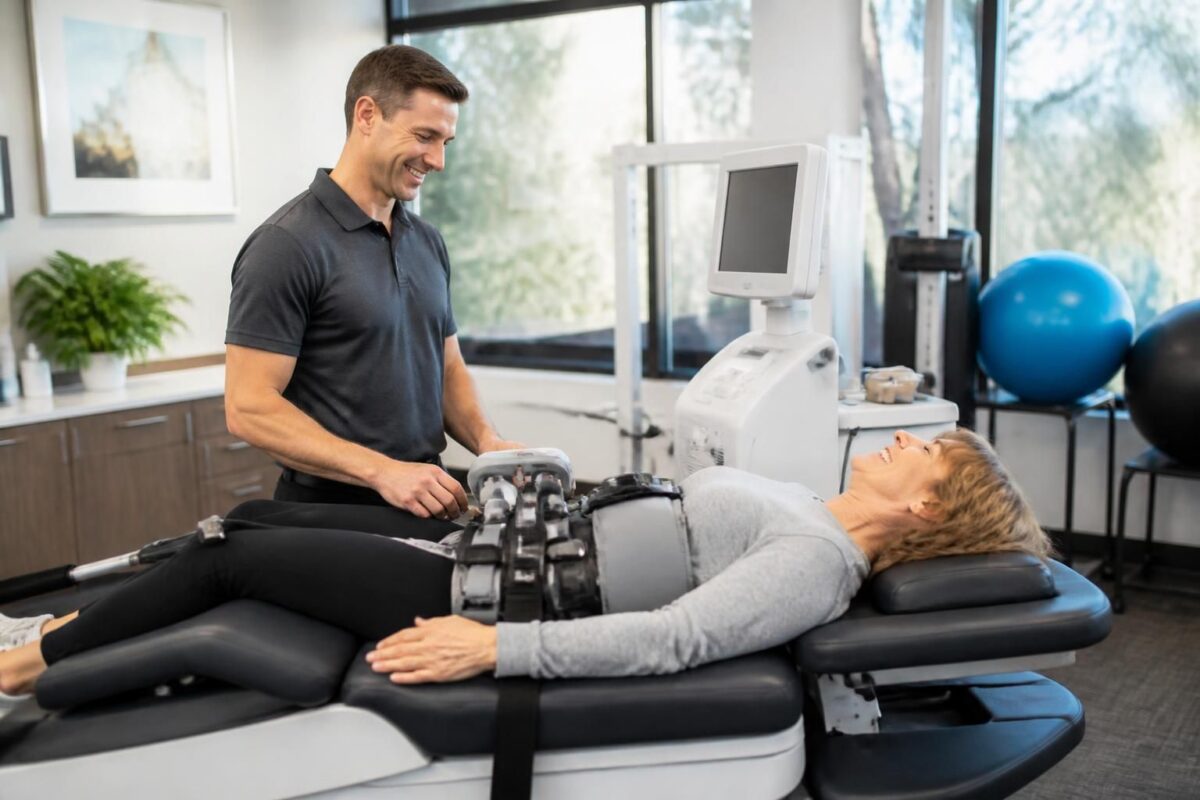
Neurovertebral decompression and diffuse pain: an appropriate solution
In short In short, the neurovertebral decompression is one Non-invasive solution For diffuse pain related to nerve irritation of the spine. She acts in Reducing pressure on intervertebral discs and nerves and improving the bloodstream, which promotes recovery and the…
Conduct of a session and protocol
During a session, the patient is installed on the table and the therapist adjusts the traction depending on the location and magnitude of the pain. The session generally alternates periods of light traction and rest, in order to promote progressive and secure progression. The effects observed often include an immediate decrease in pain and a gradual improvement in mobility. To understand how the sessions and short-term objectives are organized, the page Integration steps in rehabilitation can be useful.
The table allows targeted traction on the painful segments, while limiting the forces exerted on the surrounding tissues. This approach can be adapted according to the level of pain, pathology and patient tolerance, and can be combined with mobility and reinforcement exercises under professional supervision. For a technical introduction and additional explanations, see neurovertebral decompression and This practical guide.
Indications, safety and precautions
The security is at the heart of decompression protocols. Before initiating treatment, an in-depth assessment is necessary to identify contraindications and ensure that the table is suitable for the patient. Typical indications include cervical or lumbar pain related to protrusions or herniated discs and recurrent mechanical pain, with a desire to avoid invasive interventions when possible. Additional resources on signs and consultation advice are available on specialized sites such as Sciatic pain and consultation.
The post-treatment follow-up and integration of a rehabilitation program including exercises planned by the therapist reinforce the results and help prevent recurrences. For an overview of the benefits and practical advice, see in particular neurovertebral decompression and how she relieves herniated discs.
Integration in a rehabilitation course
The effectiveness of neurovertebral decompression increases when it is integrated into a global rehabilitation program, including mobility, muscle strengthening and postural advice. Specialized resources describe the essential steps to effectively integrate decompression into a therapeutic journey and optimize long-term results. For more information, see The essential steps.
For those who wish to explore complementary or alternative approaches, guides like neurovertebral decompression and how she can relieve herniated discs offer useful prospects.
Testimonies and feedback on the integration of decompression in a rehabilitation process reinforce the idea that this approach can sustainably support pain reduction and function improvement. For concrete examples, see the resources below: sciatic pain and neurovertebral decompression.
Medical warning: The information and advice provided on this site does not replace the advice, diagnosis or treatment of a health professional. Please note that the intervention proposed here is not a medical consultation and that every decision must be made in collaboration with a qualified health professional. For more details, please read the full legal notice.

Dr Sylvain Desforges, B.Sc., D.O., N.D., osteopath, is the founding president of TAGMED and of the ACMA association. He dedicates his practice to chronic spinal pain, low back pain and symptoms compatible with sciatica, particularly when pain radiates toward the buttock, leg, calf, foot or toes.
Through SOS Sciatique, he publishes educational content on sciatica symptoms, possible causes such as disc herniation, disc narrowing, foraminal stenosis or irritation of a lumbar nerve root, as well as non-surgical approaches that may be considered according to the evaluation. At Clinique TAGMED, care may include, depending on the case, motorized neurovertebral decompression, specific osteopathic care or precision percussion.
For an evaluation related to sciatica treatment in Montreal / Mount Royal or sciatica treatment in Terrebonne, please consult the services available at Clinique TAGMED.
Medical disclaimer
The information published on SOS Sciatique is provided for educational purposes only and does not replace a consultation, diagnosis, opinion or treatment provided by a physician or another authorized healthcare professional. The author of this article is neither a medical doctor nor a specialist in a medical specialty recognized by the Collège des médecins du Québec. The osteopathic, manual medicine or functional support approaches described on this site do not constitute medical acts and are not intended to replace medical follow-up.
Consult a physician or emergency service in cases of loss of bladder or bowel control, anesthesia in the saddle area, significant or progressive weakness in the leg or foot, fever, recent trauma, severe pain or rapid worsening of symptoms. For more details, please read our Legal Notice.