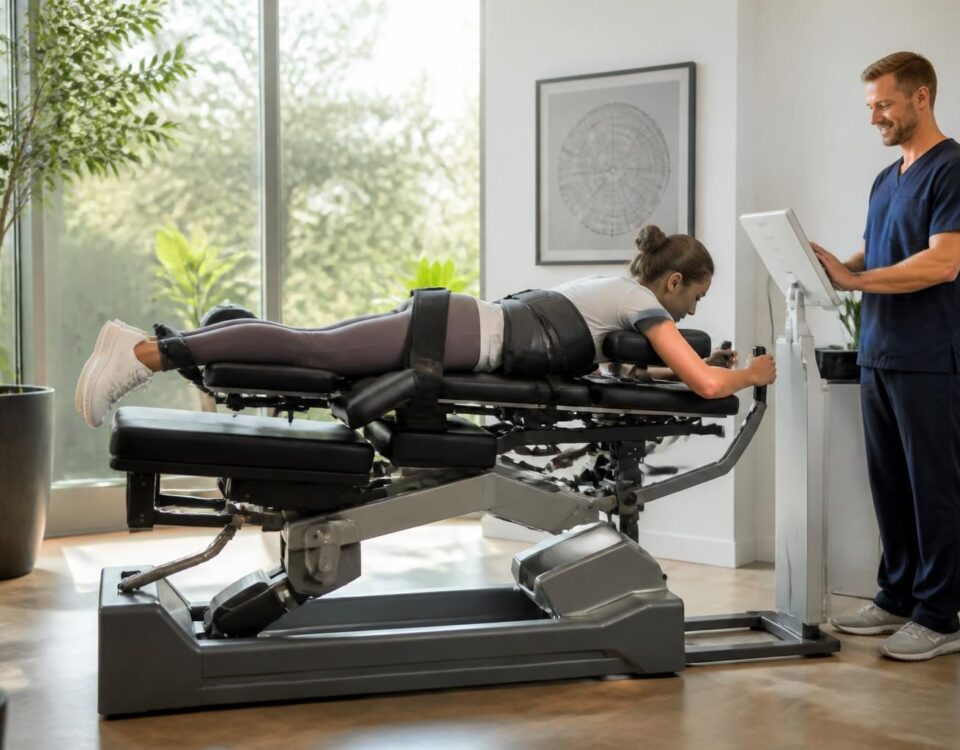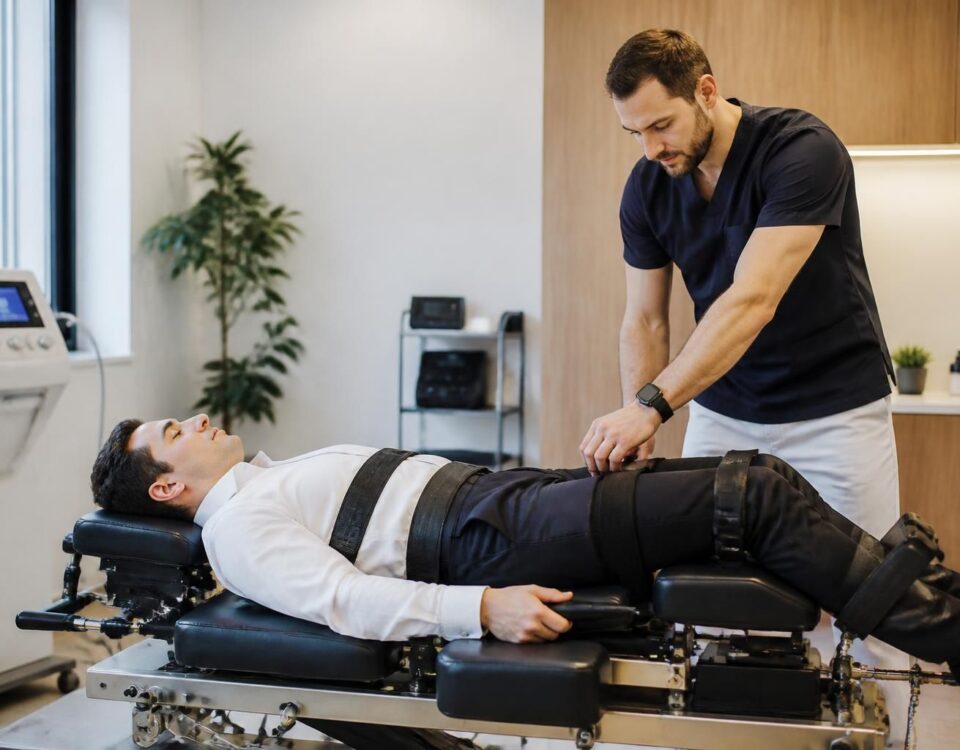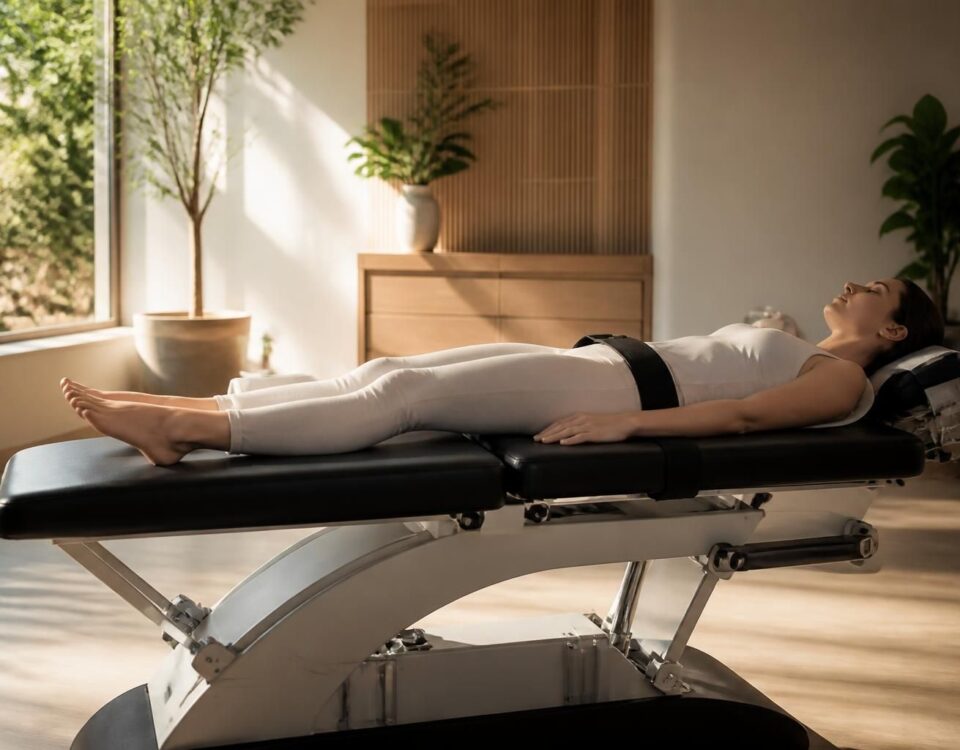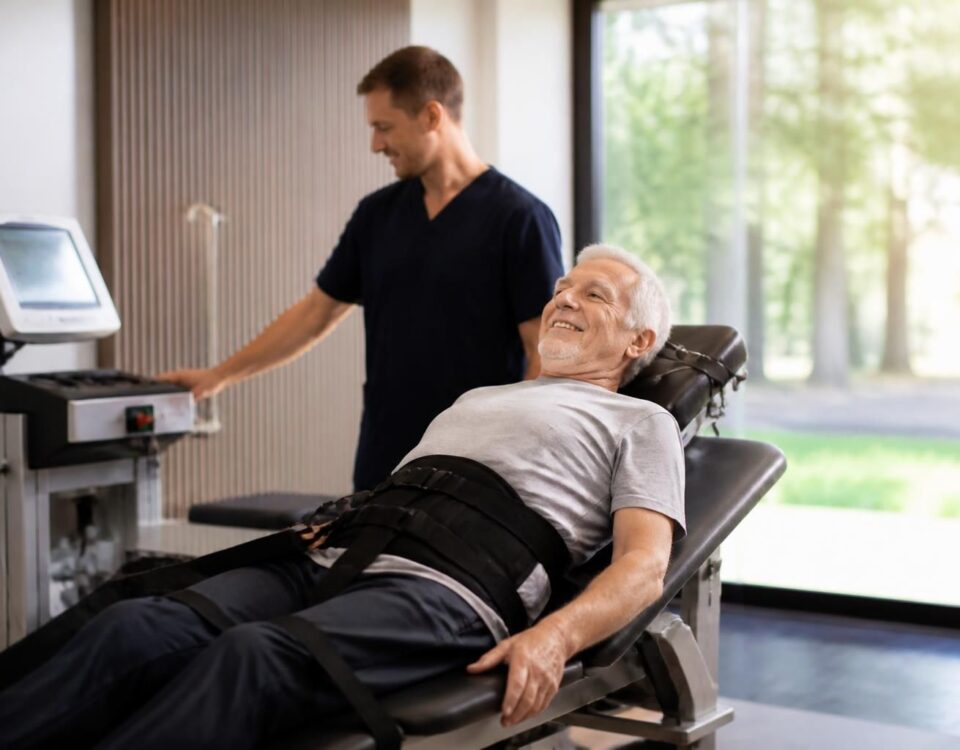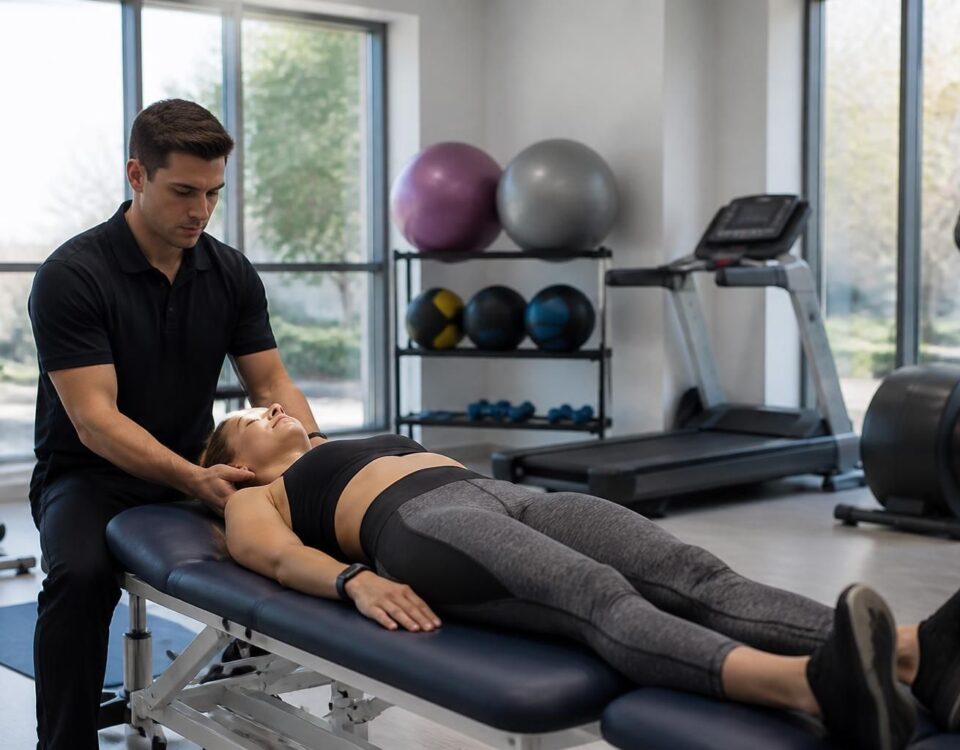
How a neurovertebral decompression table works
25/06/2026
The benefits of neurovertebral decompression compared to other treatments
25/06/2026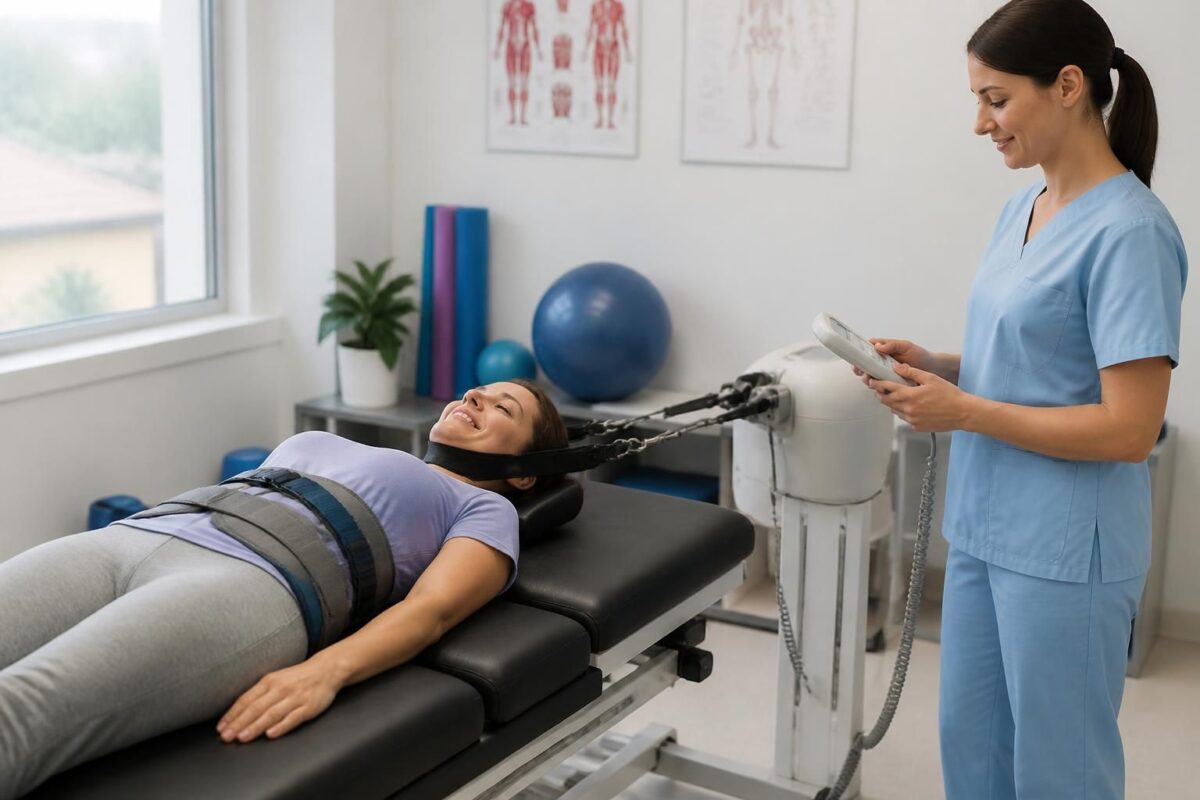
In short
| In short, neurovertebral decompression is one Durable solution for the Chronic pain related to the spine. This approach non-invasive Aims to decrease pressure on nerves and discs, which can quickly relieve pain and improve mobility. At Montreal, this treatment offers a lasting alternative, without surgery and without drug addiction. One Custom Plan and several sessions allow progressive results and better quality of life. ideal for herniated discs, the sciatica and the Lower back pain age-related. |
The neurovertebral decompression constitutes an approach non-invasive To treat chronic pain related to the spine. By reducing the pressure exerted on the intervertebral discs and nerves, it promotes a Sustainable relief and an Improving mobility After several sessions.
This treatment aims at a Functional recovery and an quality of life found, while avoiding surgery and limiting the use of drugs. It can be adapted for lower back, sciatica and herniated discs and fits into a personalized care plan.
Medical advice: The information does not replace the advice of a health professional. Always consult your doctor for any medical questions.
This sheet written by a health professional explains how the neurovertebral decompression can constitute a Durable solution For chronic pain related to spine disorders. It describes the mechanism, the benefits, the indications and the elements to be considered when taking care of the TAGMED clinic, while remaining accessible and pragmatic.
The neurovertebral decompression is an approach non-invasive which aims to create a space between the vertebrae. This slight traction reduces the pressure exerted on the intervertebral discs and nerves, thus improving the circulation and nutrition of the nervous tissues. It is particularly aimed at pain related to herniated discs, disc protrusions and forms of disc degeneration. thanks to an adapted protocol, several sessions can lead to a Improving mobility and a better quality of life, without resorting to surgery.
What is neurovertebral decompression?
This is a technique that uses specialized devices to apply soft, controlled traction to the spine. By increasing the space between the vertebrae, it reduces the pressure on the nerves and discs. This action promotes a better bloodstream and tissue nutrition, contributing to pain reduction and the recovery of affected tissues.
how it acts on chronic pain
By releasing tensions and decreasing pressure on nerve structures, decompression can decrease pain intensity and improve mobility. The results appear after several sessions and often result in a better ability to perform everyday gestures and resume activities without pain.
Advantages and indication
Among the advantages are: A non-invasive benefit, A reduced surgical risk, and a Progressive improvement in mobility. This approach is indicated for chronic lumbar and radicular pain, sciatica and spinal disorders consistent with the clinical and radiological criteria evaluated during the consultation. It is important to note that each patient benefits from a personalized evaluation plan and that one treatment is not always enough; A set of sessions is often necessary for lasting results.
Evaluation and security
Before starting, a full assessment is performed. This step ensures that the decompression is adapted to the specific condition of the patient and makes it possible to identify the constraints to be respected. In the context of TagMed clinic management, the use of complementary technologies is possible, while remaining focused on clinical evidence and patient safety. For the people concerned, decompression is a non-invasive alternative to other therapeutic approaches when conservative treatments are not enough to sustainably relieve pain.
What distinguishes this approach in our practice
Our approach integrates neurovertebral decompression with advanced technologies to optimize relief and recovery. It can be accompanied by tools like the laser and targeted manual therapies to support recovery and prevention of recurrences. For more information on the services offered, you can visit Tagmed Clinic or consult the resources dedicated to decompression.
Resources and additional readings
To deepen, several resources accessible online describe the principles and results observed in practice. For example, you can consult information dedicated to the decompression and to Chronic pain On specialized sites neurovertebral decompression and SOS SCIATIC. For information specific to the clinical framework, link to the content on Tagmed Clinic. Other useful resources on related domains can be viewed via sossciatica.com and SoshernieDiscale.com.
In addition to decompression data, our practice focuses on an evidence-based, patient-centric approach. To find out about the options available in your area, including Montreal and neighboring areas, do not hesitate to make an appointment via the usual TagMed channels or visit the associated resources at the address Tagmed Clinic.
In order to contextualize the offer, you can also consult the pages dedicated to decompression on the following sites: Neurovertebral decompression and sciatic pain, SOS Herniated Disc, and SOS Herniated Disc.
neurovertebral decompression • Chronic pain • herniated discs • Spinal stenosis • Protrusions • non-invasive • Mobility • Quality of Life
Medical Disclaimer: The information and advice provided on this site does not replace the health professional’s diagnosis or treatment. Please note that Dr. Sylvain Desforges osteopath is neither a doctor of medicine nor a doctor, and is not a specialist in a medical specialty as defined by the Collège des Médecins du Québec. Manual medicine, functional medicine and sports medicine as described on this site exclude any medical treatment or diagnosis made by a doctor or specialist doctor. Always consult your doctor for any medical questions. For more details, please read our full legal notice.
Medical Disclaimer: The information and advice provided on this site does not replace the health professional’s diagnosis or treatment. Please note that Dr. Sylvain Desforges osteopath is neither a doctor of medicine nor a doctor, and is not a specialist in a medical specialty as defined by the Collège des Médecins du Québec. Manual medicine, functional medicine and sports medicine as described on this site exclude any medical treatment or diagnosis made by a doctor or specialist doctor. Always consult your doctor for any medical questions. For more details, please read our full legal notice.
- neurovertebral decompression — Non-invasive approach that sustainably relieves pain by reducing pressure on nerves and discs.
- pain reduction — Progressive effects after several sessions, often significant.
- Mobility found — Improved flexibility and range of motion.
- Circulation and tissue nutrition — Better irrigation of discs and nervous tissues, promoting healing.
- nervous stability — Decreased irritation and irradiating pain.
- Custom Plan — Individual evaluation and adapted protocol (number of sessions and objectives).
- Technological integration — Use of advanced tools to optimize results.
- Monitoring and prevention — Continuous support and advice to maintain gains.
- Typical indications — Low back pain, sciatica, hernias and disc protrusions.
- Impact on daily life — More mobility, less limitations.
- without surgery — Safe alternative to avoid surgery.

Neurovertebral decompression appears as a lasting solution for chronic spinal pain. This recommendations article highlights how this non-invasive approach can reduce disc and nerve pressure, improve circulation and mobility, while avoiding surgery. It describes the mechanisms, benefits, indications and typical pathway to help patients make an informed decision adapted to their situation.
Understanding neurovertebral decompression and its effects
Neurovertebral decompression involves applying gentle, supervised traction to create a space between the vertebrae. This opening effect decreases the pressure exerted on the intervertebral discs and nerves, which can reduce symptoms such as irradiated pain and numbness. At the same time, it promotes better blood circulation and optimal nutrition of the nervous tissue, thus contributing to the healing of the spinal structures. This approach is non-invasive and can be integrated into a global therapeutic framework, without requiring surgery.
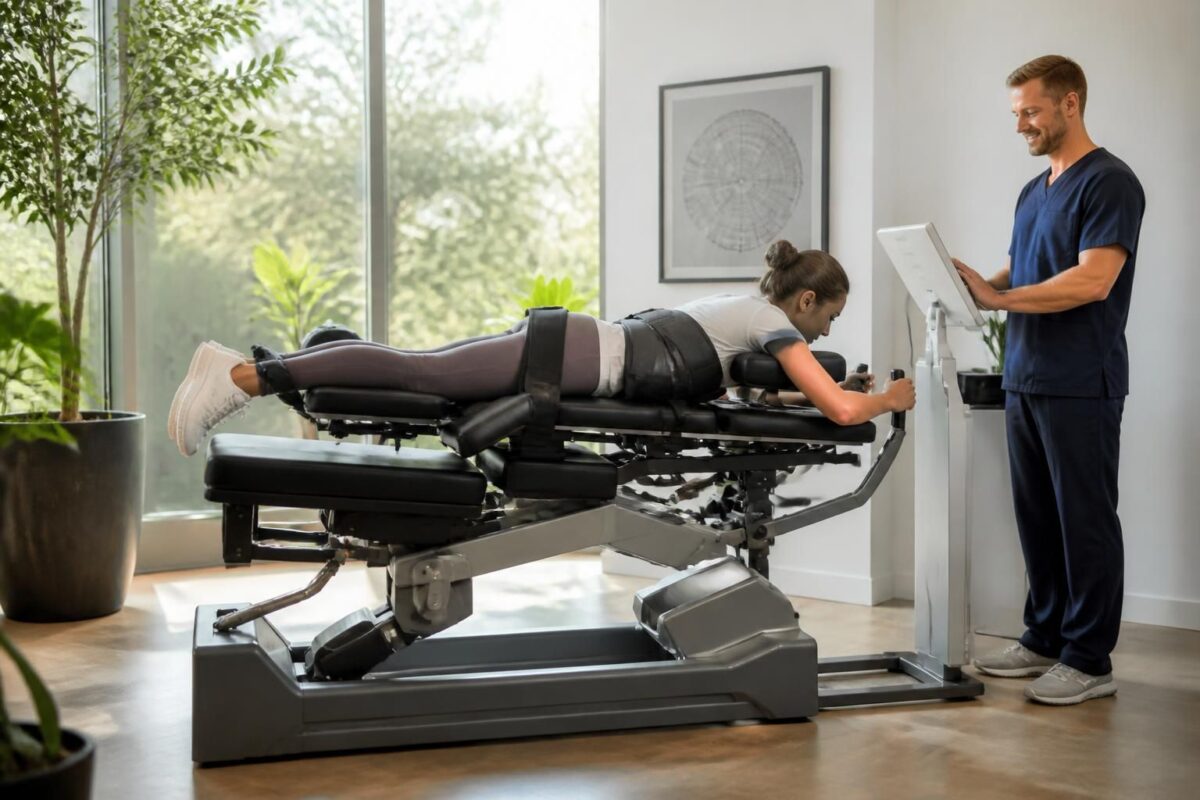
The long-term benefits of neurovertebral decompression for spinal health
In short In short, the neurovertebral decompression is a non-invasive approach that decreases the Pressure on intervertebral discs and nerves, favoring the Natural regeneration and tissue recovery. Its long-term benefits include Lasting pain reduction, Improving mobility and from the posture,…
Benefits for chronic pain
Quick and lasting relief : many patients see improvement after a few sessions, with a noticeable decrease in pain and better tolerance of daily activities.
Improving mobility : By restoring alignment and intervertebral space, flexibility and range of motion recover, reducing stiffness associated with osteoarthritis or disc protrusions.
Reduced drug use and Prevention of invasive interventions : by treating the mechanical cause of pain, decompression can reduce the use of painkillers and avoid heavier interventions when possible.

Neurovertebral decompression and mobility: a return to an active life
In short In short, the neurovertebral decompression is therapy non-invasive who uses a gentle traction To create a space between the vertebrae and reduce the pressure on the Intervertebral discs and the nerves. It promotes a bloodstream improved, lowers tension…
Indications and safety
Common indications
This approach mainly targets low back and cervical pain related to pathologies such as herniated discs, protrusions and root pain. It can be adapted to various levels of the column and can benefit both active adults and the elderly according to medical assessments..
Assessment and precautions
Before starting, a pre-treatment assessment is essential to confirm the adequacy of the treatment and to develop a personalized plan. Some conditions may require alternative or additional support. It is important to discuss all ongoing symptoms, history and treatments with your practitioner and be attentive to any unusual reactions or pain during the course.
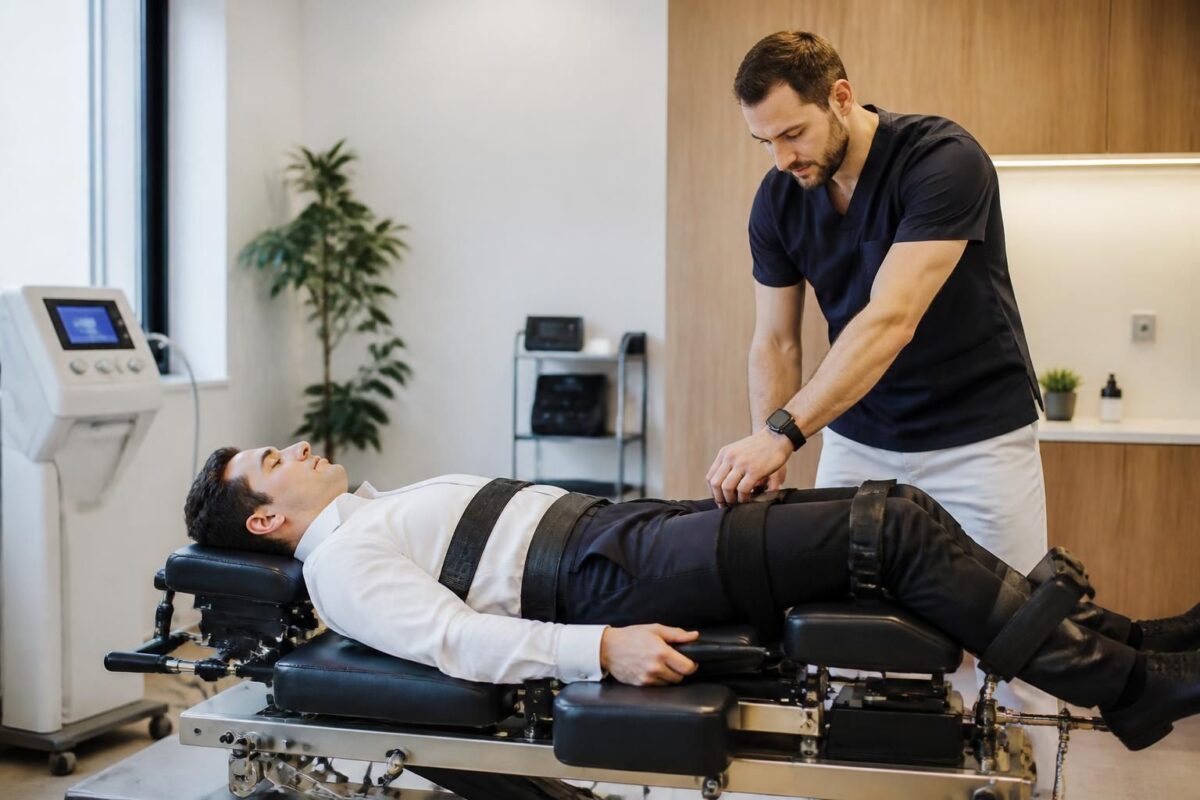
How Neurovertebral Decompression Prevents Diffuse Chronic Pain
In short decompression neurovertebral is one Non-invasive method aimed at reducing the Pressure on the intervertebral discs and the nerves, in order to prevent Diffuse chronic pain. It improves the circulation and thedisc hydration, decreases inflammation and promotes better mobility.…
Treatment course and expectations
A typical program has several sessions, generally between 15 and 25, spread over several weeks. Each session is adapted to the patient’s clinical course and can be adjusted according to the progress observed. Although improvements are often perceived early, the answer may vary from one individual to another. Monitoring allows to adjust the protocol and gradually integrate targeted physical activities to support spinal stability.
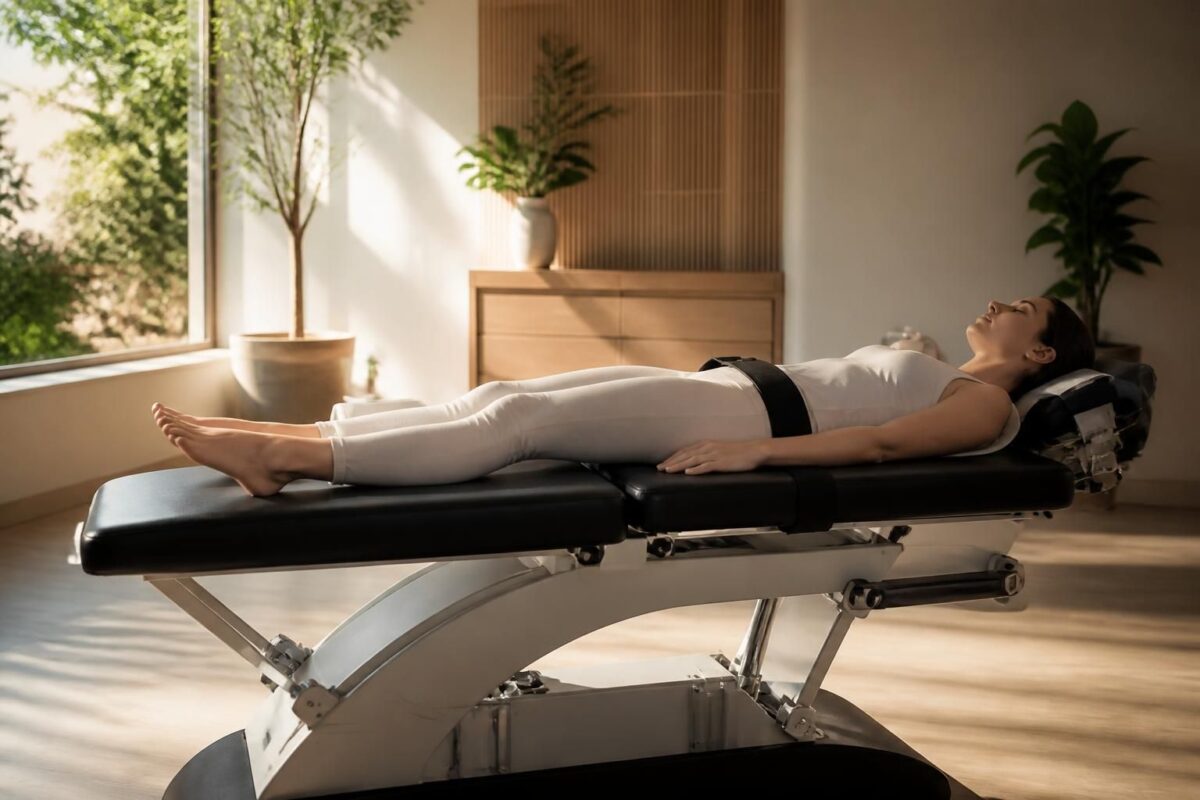
Neurovertebral Decompression and Body Alignment: Restoring Natural Balance
In short In short, neurovertebral decompression is one Non-invasive approach who restores theBody Alignment and thenatural balance back and neck. She acts by a Controlled traction of the spine to widen the intervertebral space and reduce the Pressure on discs…
Integration into a global care approach
Neurovertebral decompression is effectively part of a multidisciplinary approach. It can be combined with manual therapy techniques, targeted exercises and non-pharmacological pain reduction protocols to optimize results. An adapted diet, regular physical activity and stress management strategies enhance the effectiveness and sustainability of the benefits.
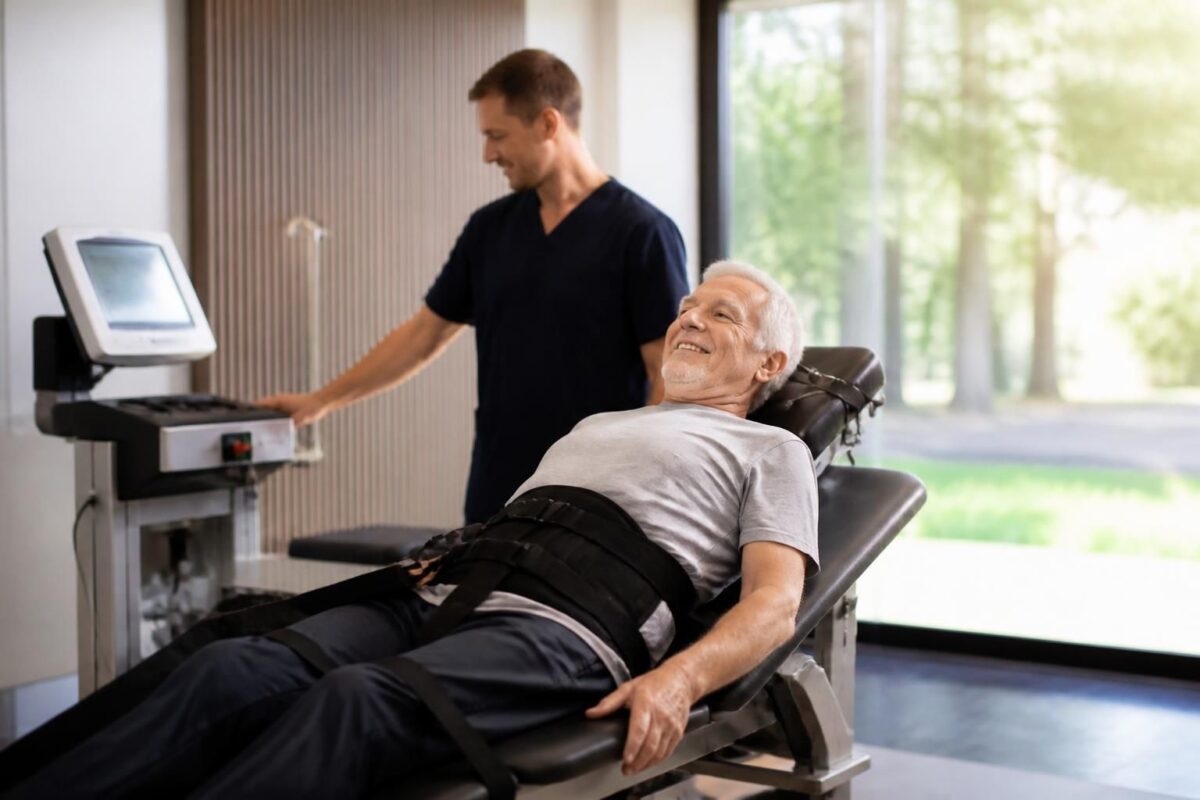
Why neurovertebral decompression is a lasting solution for active seniors
In short In short, the neurovertebral decompression is one Non-invasive therapy which sustainably relieves spinal pain in the spine active seniors By creating, by a Soft and controlled traction, a space between the vertebrae. At Montreal, it is recognized as…
Key points to discuss with your practitioner
Assess together the level(s) affected, the exact nature of the pain and the treatment objectives. Ask for explanations on the course of the sessions, the progression criteria and warning signs requiring a rapid reassessment. Consider an exit plan and long-term preventions to limit recurrences and promote sustainable quality of life.
| Aspect | concise text |
|---|---|
| Efficiency and sustainability | Relief quick and lasting Chronic pain and improved mobility, without the need for surgery. |
| Nature and security | Process non-invasive avoiding operative risks and hospitalization. |
| Clinical applications | Designed for herniated discs, lower back and sciatic pain; Can target multiple vertebral levels. |
| speed of profits | first benefits after a few sessions; Progressive improvement in mobility and everyday life. |
| Security Profile | Low risk, standardized protocol and necessary medical follow-up. |
| Impact on fabrics | Preserves tissue integrity and reduces the risk of complications compared to surgery. |
| Accessibility and cost | accessible in the clinic without hospitalization; competitive relative cost compared to surgery. |
| Adaptability | Customizable approach according to age and medical profile. |
| Integration into the care plan | Can be part of a multidisciplinary course with other therapies. |
| Impact on quality of life | Reduction of limitations and improvement of daily life; Back to favorite activities. |
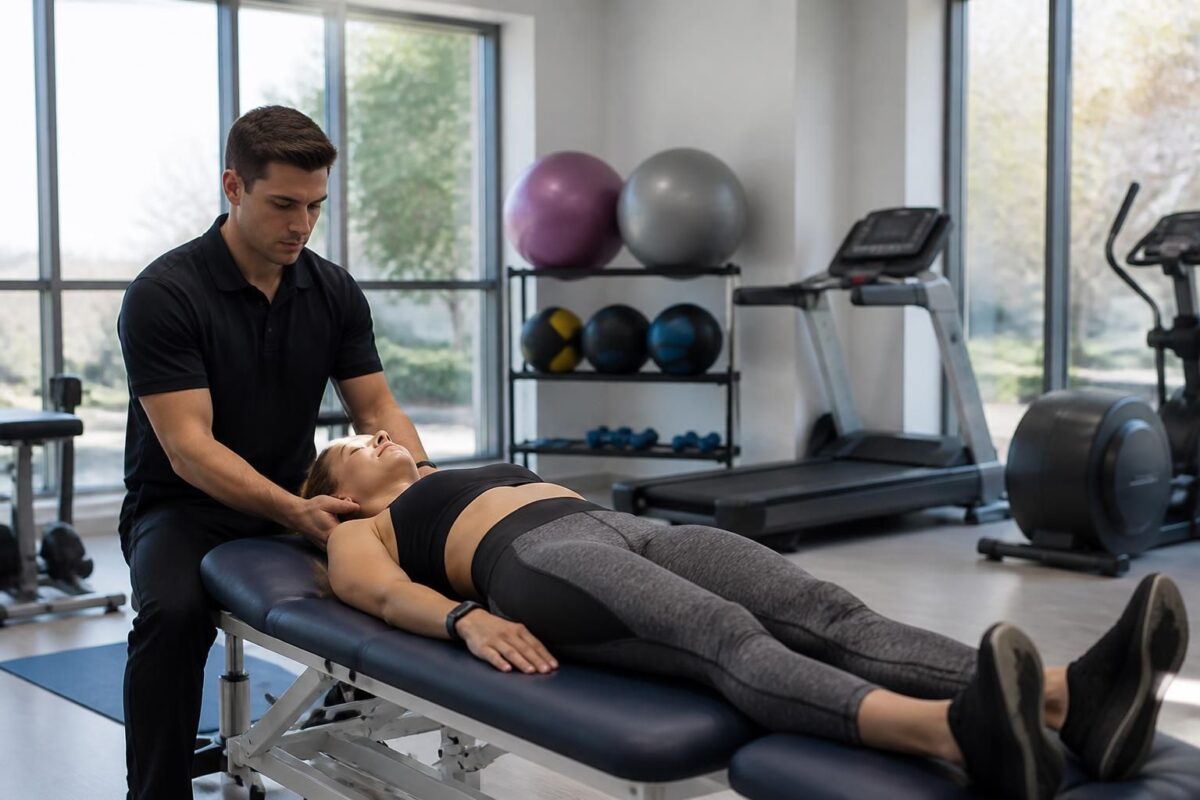
Neurovertebral decompression and recovery after severe sports injury
In short In short, the neurovertebral decompression is one Non-invasive method to Relieve the pressure on the Intervertebral discs and the gristle Via a Controlled traction, to facilitate the recovery After a severe sports injury. It improves the bloodstream towards…
Testimonials on neurovertebral decompression and chronic pain: a lasting solution
The following testimonies illustrate how the neurovertebral decompression can offer a Durable solution It front of Chronic pain and loss of mobility. Each experience highlights concrete improvements in quality of life and the ability to resume daily activities.
Marie, 42, resident of Terrebonne, describes her career: Avant, her Chronic lower back pain strongly limited his days. After a few weeks of sessions, the pain has decreased and its mobility has improved. This approach non-invasive offered him a Durable solution and she was able to reduce her dependence on pharmaceuticals. “
Jean, 60, Mont-Royal, shares his experience: his Lower back pain made his daily walks difficult. Thanks to this treatment non-invasive, he regained his energy and his exits without pain, without resorting to surgery. Its quality of life has improved considerably and it recommends this approach to other people with persistent pain.
Sophie, 29, athlete in Montreal, says: After a column injury, the neurovertebral decompression accelerated my recovery and reinforced my sports performance. I was able to resume my training faster and in better shape, with less pain during and after exercise.
Alain, 47, Montreal, talks about his Neuropathic pain and sciatica: after the sessions, the pressure on the nerves was reduced and its everyday life became more manageable. The use of this treatment non-invasive reduced my addiction to painkillers and prevented me from surgery.
Lucie, 55, Laval, testifies to the impact on sleep and everyday life: her pains related to the sciatica have subsided and its sleep improved. It notes a lasting improvement in its quality of life and a decrease in pain-related nocturnal interruptions.
Marc, 35, Longueuil, explains how his posture and his mobility Progressed after processing: work on screen, physical tasks and daily activities become more comfortable. It signals a reduction in tension and a regained energy, which allows it to maintain its activities without sustained pain.
In the landscape of musculoskeletal care, the neurovertebral decompression stands out as an approach non-invasive Able to transform the daily life of people suffering from chronic pain. By acting on the deep mechanisms of the column, it aims to reduce the pressure exerted on the intervertebral discs and on the nerves, which results in a lasting reduction in pain and an improvement in mobility.
This practice is based on a multidisciplinary training combining osteopathy, naturopathy and manual medicine, in order to offer an integrated solution rather than treating symptoms only. It is part of a resolutely focused approach to efficiency and safety, with particular attention to lifestyle, postural footprint and prevention of recurrences. The care is based on a personalized evaluation and on adaptable protocols that take into account each individual story.
The fundamental principle is to create a space between the vertebrae by controlled traction methods. This spinal dissociation facilitates better blood circulation, provides improved nerve nutrition and helps the body restore its natural alignment. Thanks to this approach, symptoms such as low back pain, cervical pain and sciatica can gradually subside, sometimes from the first sessions, while reducing the risks associated with surgical interventions.
The therapeutic offer is accompanied by technological integration: spinal decompression can be guided by computer-assisted systems, increasing the accuracy of the treatment; devices of Class IV laser And shockwave therapies can be mobilized to promote tissue repair and accelerate recovery. This combination enables more predictable results and optimizes the healing process, while maintaining an approach conservator and respectful of the body.
Which situations benefit most from this method? Chronic dorsal and cervical pain, herniated discs, protrusions and certain forms of vertebral neuralgia can be addressed, especially when conservative approaches have been insufficient. However, each patient should be carefully assessed beforehand to confirm decompression adequacy and to personalize the treatment plan, which can span several weeks and include multiple sessions.
Beyond immediate relief, neurovertebral decompression aims to recover long-term and prevention of relapses. The benefits observed include regained mobility, a more active daily life and, from a lasting perspective, a decrease in dependence on pharmacologic treatments. This approach is part of an ethical and scientific logic, based on the continuous evaluation of the results and the adjustment of the protocols according to the needs of each patient.
For patients and professionals who are committed to providing quality care and evidence-based, neurovertebral decompression is a promising solution for chronic pain. It is part of a vision where technological innovation and respect for the human body combine to restore freedom of movement and sustainably improve quality of life. Discover his approach and the services available in the clinics dedicated to this discipline.
This analysis presents the neurovertebral decompression like a Durable solution For chronic pain related to the spine. Non-invasive, it aims to reduce the pressure on the discs and nerves, with results often visible after several sessions and without resorting to surgery. It is part of a global and personalized approach to care, compatible with other technologies and therapies to optimize the quality of life.
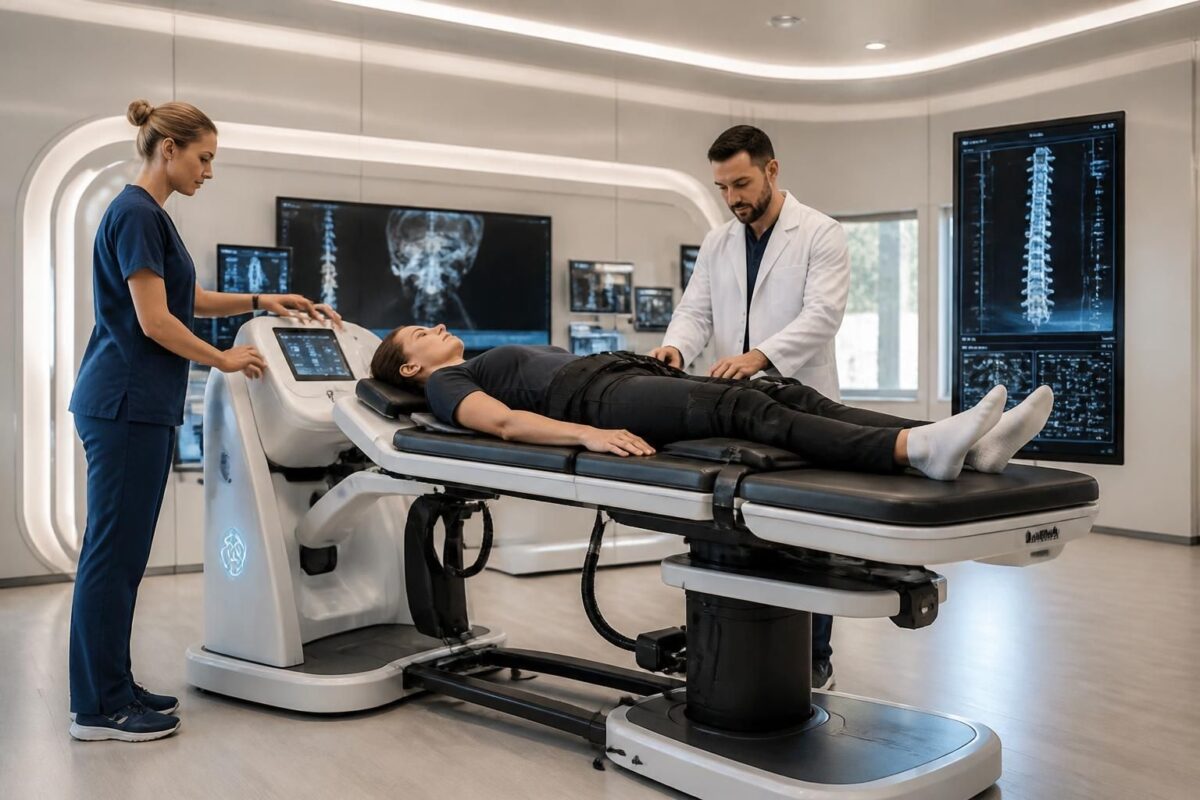
Recent innovations in neurovertebral decompression technologies
In short In short, the neurovertebral decompression is an approach non-invasive Aiming to reduce pressure on discs and nerves, and promote tissue regeneration. At Montreal, it is positioned as an effective option for lower back pain and herniated discs. The…
Framework and mechanism
The principle is based on a Soft and controlled traction which creates a space between the vertebrae, decreasing the pressure exerted on the nerves and intervertebral discs. This modulation of the spinal space promotes better blood circulation and tissue nutrition, contributing to a Accelerated healing and a lasting reduction of symptoms. by targeting conditions such as herniated discs, the sciatica And lower back pain, this approach makes it possible to obtain significant improvements in mobility and comfort after a series of sessions.
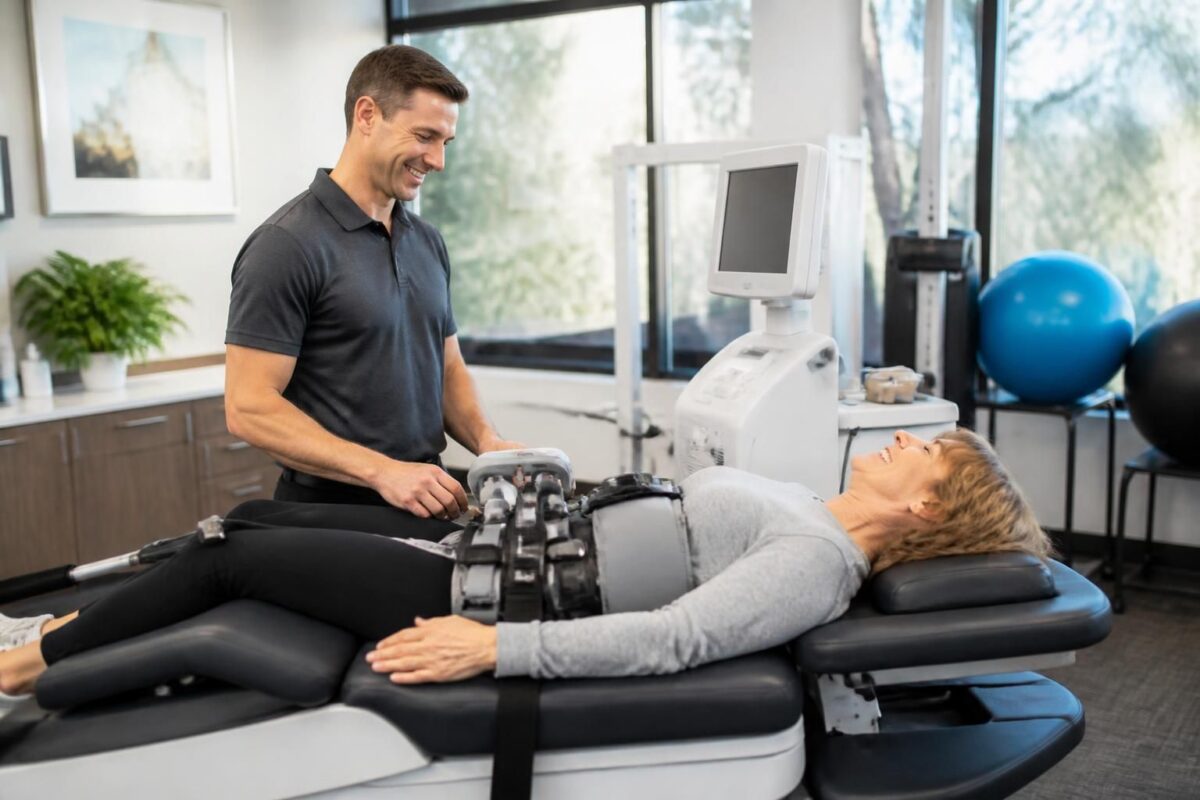
Neurovertebral decompression and diffuse pain: an appropriate solution
In short In short, the neurovertebral decompression is one Non-invasive solution For diffuse pain related to nerve irritation of the spine. She acts in Reducing pressure on intervertebral discs and nerves and improving the bloodstream, which promotes recovery and the…
Advantages and results
The benefits of a neurovertebral decompression approach are multiple and particularly relevant for chronic pain. This method is non-invasive, it avoids the risk and recovery associated with surgery and can lead to a rapid pain reduction as well as to a Improving mobility and the ability to resume daily activities. The typical program includes 15 to 25 sessions adapted to each patient, with results often durably preserved when the plan is followed with rigor. To learn more about proven results, see this resource.
In addition to pain relief, decompression improves vertebral mobility and can help prevent recurrences. Evidence from patient studies and experiments supports its effectiveness for conditions such as slipped disc and associated neuropathic pain, while offering a lasting alternative to more invasive treatments. To understand the foundations and results, find out Who can benefit from this approach.
Indications and precautions
Neurovertebral decompression is indicated in the context of chronic dorsal pain associated with herniated discs, of Lower back pain, of sciatica and manifestations related to disc degeneration or spinal stenosis. Before starting, a medical assessment is essential to ensure the adequacy of the treatment and to personalize the plan according to individual needs. For advice on what precautions to take, see this page of precautions.
It is important to remember that this approach is a non-surgical alternative suitable for some patients and is not suitable for all profiles. To better understand eligibility and factors to consider, explore Who can benefit from decompression.
Additional resources highlight the benefits, results and associated protocols, including The benefits of decompression and A durable solution. For a clinical and technological perspective, see An innovative approach and A durable solution.
Care path and technology integration
Decompression fits ideally in a multimodal course where other technologies and approaches help optimize recovery. At the same time, complementary therapies and targeted exercises reinforce functional gains and relapse prevention. For patients seeking an advanced and personalized approach, there are resources describing how this technique applies in a sustainable and effective care setting. To deepen this angle, see The innovative approach and The durable solution.
Practical resources address operational aspects and results obtained in real conditions, including clinical summaries and feedback. For clear summaries of results and protocols, see The proven results and safety and comfort.
Finally, the resources dedicated to chronic pain and improving the mobility of athletes show that this approach can also optimize recovery and physical performance. To understand how it can help athletes, check out Dedicated explanations.

Dr Sylvain Desforges, B.Sc., D.O., N.D., osteopath, is the founding president of TAGMED and of the ACMA association. He dedicates his practice to chronic spinal pain, low back pain and symptoms compatible with sciatica, particularly when pain radiates toward the buttock, leg, calf, foot or toes.
Through SOS Sciatique, he publishes educational content on sciatica symptoms, possible causes such as disc herniation, disc narrowing, foraminal stenosis or irritation of a lumbar nerve root, as well as non-surgical approaches that may be considered according to the evaluation. At Clinique TAGMED, care may include, depending on the case, motorized neurovertebral decompression, specific osteopathic care or precision percussion.
For an evaluation related to sciatica treatment in Montreal / Mount Royal or sciatica treatment in Terrebonne, please consult the services available at Clinique TAGMED.
Medical disclaimer
The information published on SOS Sciatique is provided for educational purposes only and does not replace a consultation, diagnosis, opinion or treatment provided by a physician or another authorized healthcare professional. The author of this article is neither a medical doctor nor a specialist in a medical specialty recognized by the Collège des médecins du Québec. The osteopathic, manual medicine or functional support approaches described on this site do not constitute medical acts and are not intended to replace medical follow-up.
Consult a physician or emergency service in cases of loss of bladder or bowel control, anesthesia in the saddle area, significant or progressive weakness in the leg or foot, fever, recent trauma, severe pain or rapid worsening of symptoms. For more details, please read our Legal Notice.