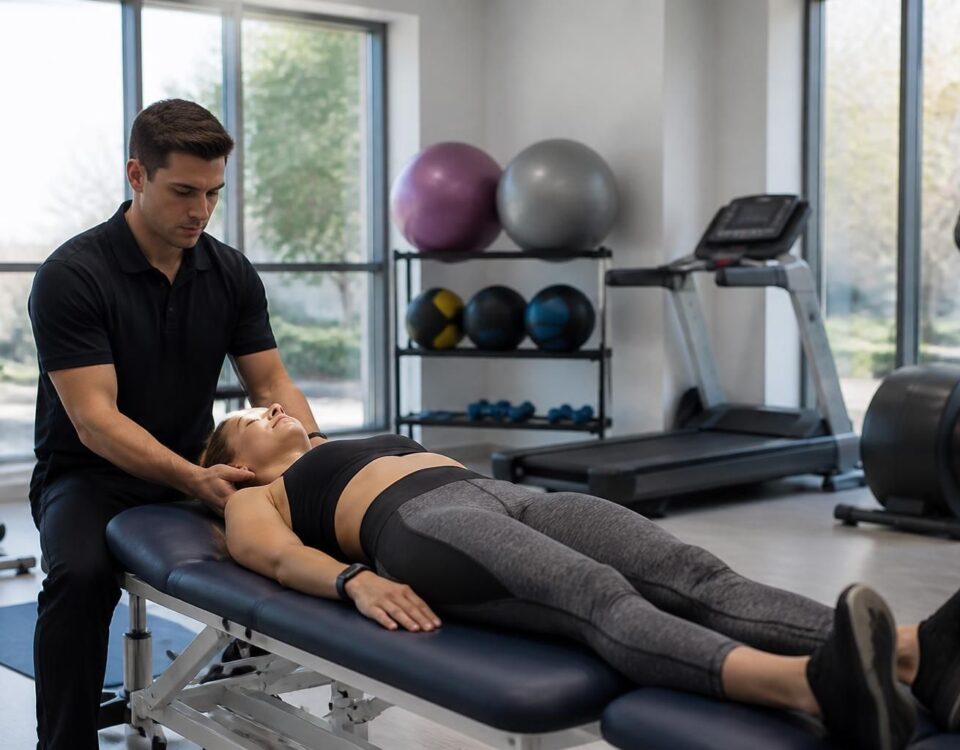
Neurovertebral decompression and chronic pain: a lasting solution
25/06/2026
Neurovertebral decompression and muscle tension: a winning duo
25/06/2026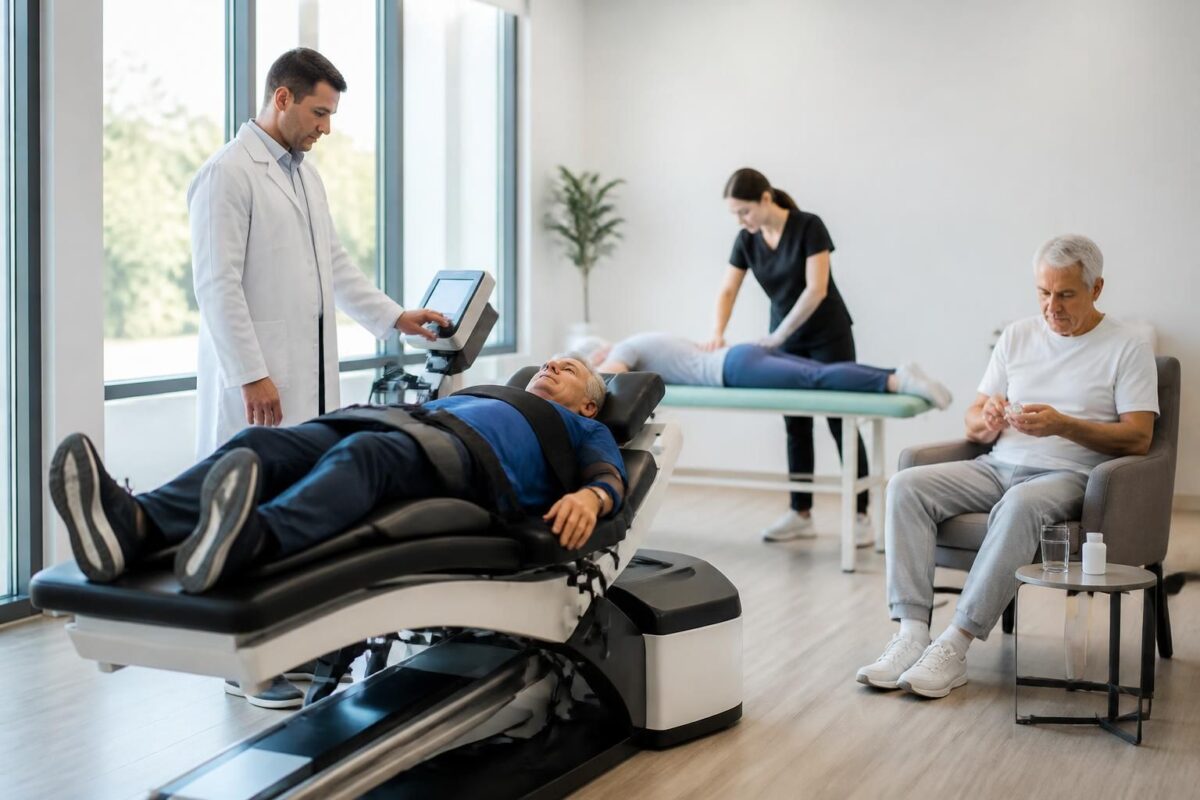
In short
| In short, neurovertebral decompression is one Non-invasive therapy which reduces the pressure on the Intervertebral discs and the gristle To relieve the Back and cervical pain. It has key advantages: non-surgical, Quick recovery and Improving mobility with a Rehydration and disc regeneration. This approach directly targets the cause pain, offers a relative safety and an Appropriate support to the patient, and constitutes a Non-invasive alternative Compared to the surgery or at Drug treatments. In Montreal, this service is particularly recommended for herniated discs and the Lower back pain, with Favorable results and an Quick functional recovery. |
Advantages of neurovertebral decompression compared to other treatments
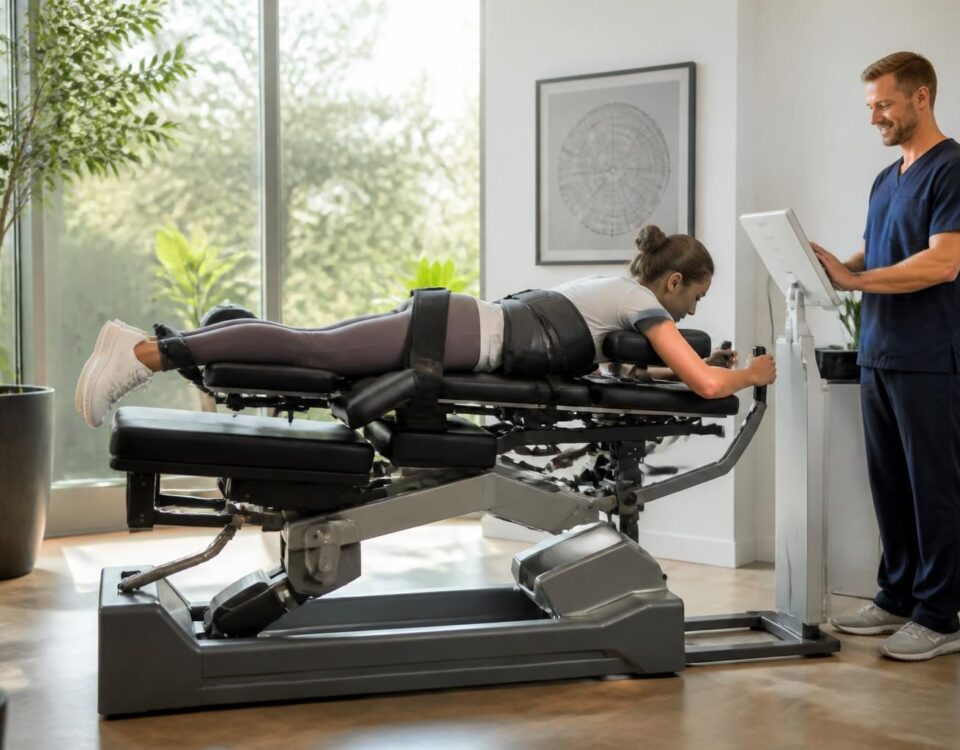
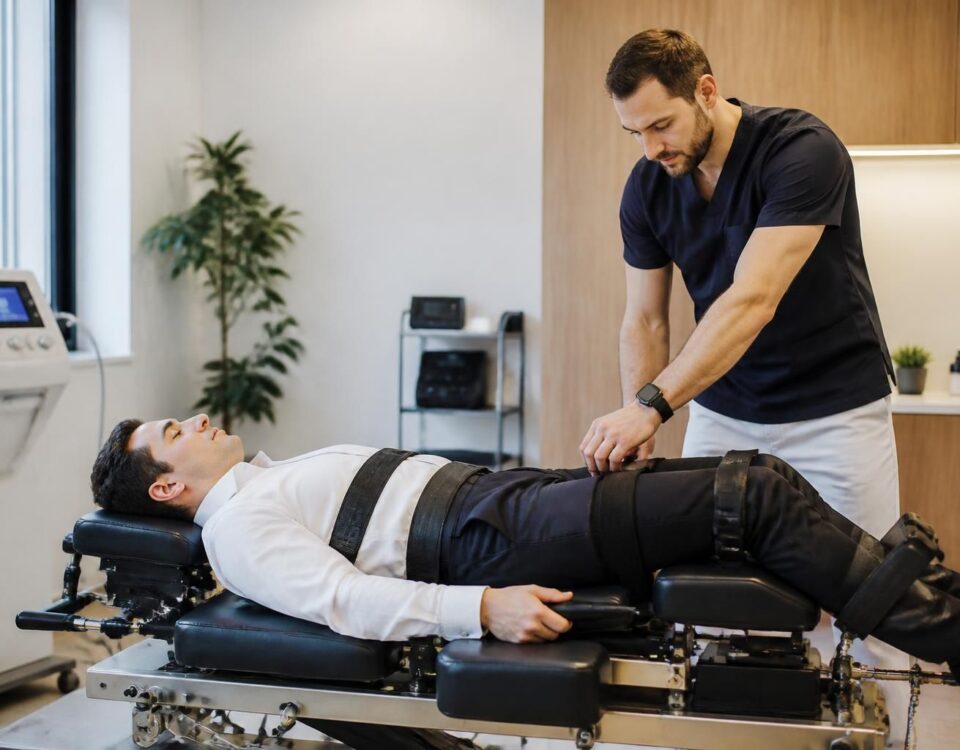
The neurovertebral decompression is one Non-invasive therapy which directly targets the intervertebral discs and nerves to reduce the pressure, promote Disc rehydration and accelerate the healing. She offers a Quick relief pain and allows a Back to fast daily activities, without surgery or anesthesia.
- Advantage non-invasive and customizable According to the diagnosis
- improvement of mobility and reduction of pain
- Less risky and less expensive than surgery, with Fewer side effects than drug treatments
This article, written by a health professional and expert, presents the benefits of the neurovertebral decompression in the face of other therapeutic options. It highlights theefficiency, the safety, fast recovery andadaptability treatment. The goal is to help patients choose an approach non-invasive and centered on the source of pain, especially for disc pathologies such as disc herniation and disc degeneration, without suggesting specific exercises for these conditions.
Neurovertebral decompression is distinguished by its ability to precisely target intervertebral discs. It reduces the pressure on the nerves and promotes the rehydration of the discs, contributing to a Progressive improvement in mobility and a lasting decrease in pain. This approach is non-invasive And does not require anesthesia, making it an attractive alternative for patients looking for an effective solution without surgery.
Efficiency and targeting
It acts directly on the affected disks. Clinical studies show Significant results and an Functional improvement in many patients. The benefits are manifested by a reduction in pain and a better ability to carry out daily activities.
Safety and non-invasiveness
The treatment is non-invasive and does not require surgery or anesthesia. The risks are generally Rare and light, making it a preferred option for patients who wish to avoid the risks associated with surgery.
Speed of recovery and cost
Unlike surgery, decompression offers Faster recovery and one Potentially lower investment in the long term. The return to daily activities can be faster, and the sessions take place in a safe and supervised setting, which can reduce interruptions in professional and personal life.
Adaptability and patient selection
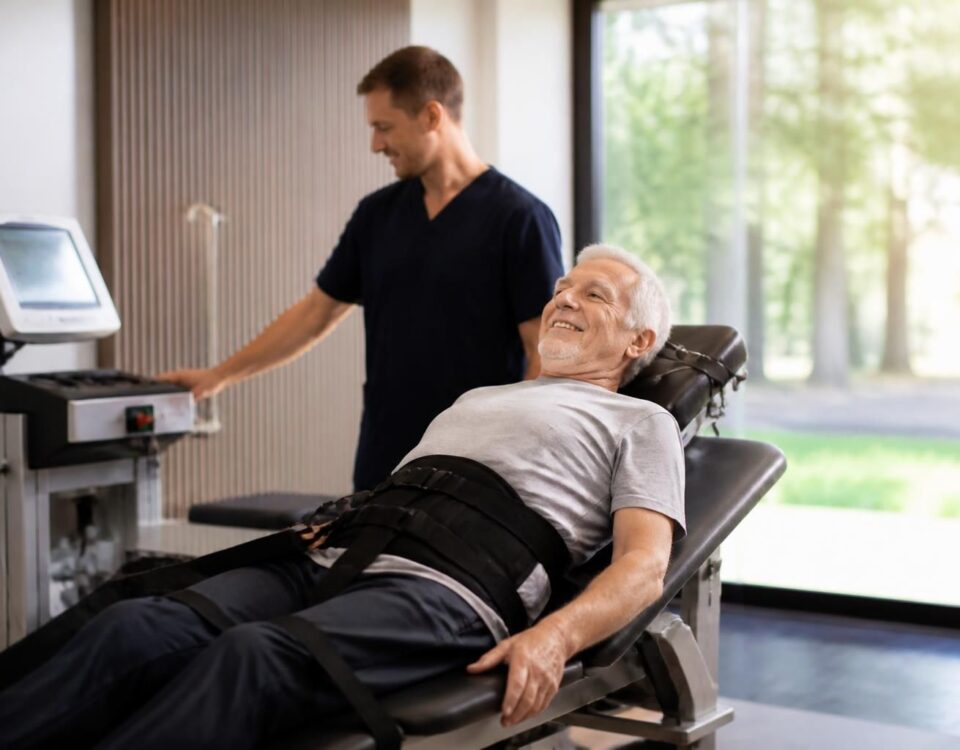
The process includes an in-depth pre-treatment assessment to determine eligibility and contraindications. Ideal candidates have disc pathologies such as disc herniation, protrusion or disc degeneration with radiculopathy; Contraindications include recent fractures, vertebral infections, severe osteoporosis, advanced pregnancy or spinal instability. The protocol can be customized with advanced technologies and real-time traction monitoring, providing a safe and appropriate experience for each patient.
Comparison with other modalities
Compared to the physiotherapy, decompression focuses on the specific cause of pain, rather than just relief from symptoms. Compared to the surgery, she presents Lower risks and one Shorter recovery time, while offering pain reduction and lasting functional improvement. Compared to the chiropractic and at theosteopathy, it brings a technological and targeted approach that can complement manual therapies when discs are the main source of back pain or radiculopathy. Finally, in a comparative table, the neurovertebral decompression may appear as less expensive and Less invasive than surgery, with a gradual improvement and a rapid resumption of activities.
To improve understanding and access to information, you can also consult additional resources such as Tagmed Clinic and explanations on neurovertebral decompression. Other perspectives and testimonies can be viewed on SOS SCIATIC and SOS Herniated Disc.
For additional information related to indications and limitations, you can also visit specialized resources on relevant forums and information sites in the areas of spinal pain and disc pathologies.
Medical Disclaimer: The information and advice provided on this site does not replace the health professional’s diagnosis or treatment. Please note that Dr. Sylvain Desforges osteopath is neither a doctor of medicine nor a doctor, and is not a specialist in a medical specialty as defined by the Collège des Médecins du Québec. Manual medicine, functional medicine and sports medicine as described on this site exclude any medical treatment or diagnosis made by a doctor or specialist doctor. Always consult your doctor for any medical questions. For more details, please read our full legal notice.
specific conditions such as herniated discs, Protrusions, Disc bulges, Foraminal stenosis, Spinal stenosis, disc pinch or disc degeneration should not be associated with unsupervised exercises or stretching. For any information on indications and limits, favor professional sources and specialized clinical consultations.
For more information and resources, also see Decompression suitable for athletes and Types of pain relieved.
- non-invasive and without anesthesia
- Targeted traction On the discs concerned
- Quick recovery Activities after the sessions
- Fewer risks and side effects
- Cost overall lower than surgery
- Targeted efficiency On hernias and disc degeneration
- lasting improvement mobility
- Preserves the structure vertebral without surgery
- Pre-operative option avoiding intervention
- Measurable follow-up and controlled results

Neurovertebral decompression offers a non-invasive and targeted alternative for back and cervical pain linked to disc pathologies. It is distinguished by its direct action on the intervertebral discs, rapid pain reduction and faster return to normal activity, while generally presenting a safety profile and advantageous cost compared to surgery. This article presents the main advantages of this approach over other treatments and explains why it can be part of a sustainable care strategy.
General advantages over other treatments
The first advantage lies in the character non-invasive and not anesthetized from the procedure, thus avoiding the operative risks and the convalescence periods associated with surgery. It also offers a Accurate targeting discs touched, which can increase efficiency when disc herniation, disc degeneration or sciatica are involved. In practice, patients often find a rapid pain reduction and an improvement in mobility, without drug dependence. another key point, the Back to working life And to daily activities is generally faster than in surgical options or some long rehabilitation procedures. Finally, the overall cost is often lower than that of surgery, while offering a reliable alternative when traditional conservative treatments have not brought the desired relief.
Compared to physiotherapy and conservative approaches
The physiotherapy And strengthening exercises remain essential for the control of musculoskeletal pain and for the correction of postural imbalances. However, when a disc problem is predominant, decompression brings a more targeted effect on the disc and can lead to a Faster pain reduction and to a Functional improvement more marked in the short term. It can therefore be considered in addition or as an alternative when the clinical signs point to disc attack rather than muscular only. Its high safety profile and the absence of systemic inflammation make it a particularly interesting option for patients wishing to avoid repeated drug treatments.
Compared to chiropractic and osteopathy
Manual approaches—chiropractic and osteopathy—promote mobility, muscle relaxation and pain reduction through manipulations and palpatory techniques. Decompression offers a capacity for Controlled traction and Targeted disc isolation from problematic disc, which may be preferable when the pain is directly linked to disc damage and not only to muscle or joint tension. In many cases, these disciplines complement each other: decompression prepares the ground by reducing the disc pressure, then manual treatments reinforce the stability and the surrounding musculature to prevent recurrences.
Compared to surgery
In comparison with surgery, decompression has Lower risks (no surgical infection, no general anesthesia in the intended setting, no prolonged hospitalization) and a Reduced recovery time. it remains an option reversible And can be offered as an intermediate step before considering surgery, or as a lasting alternative for patients who do not want to undergo an invasive procedure.
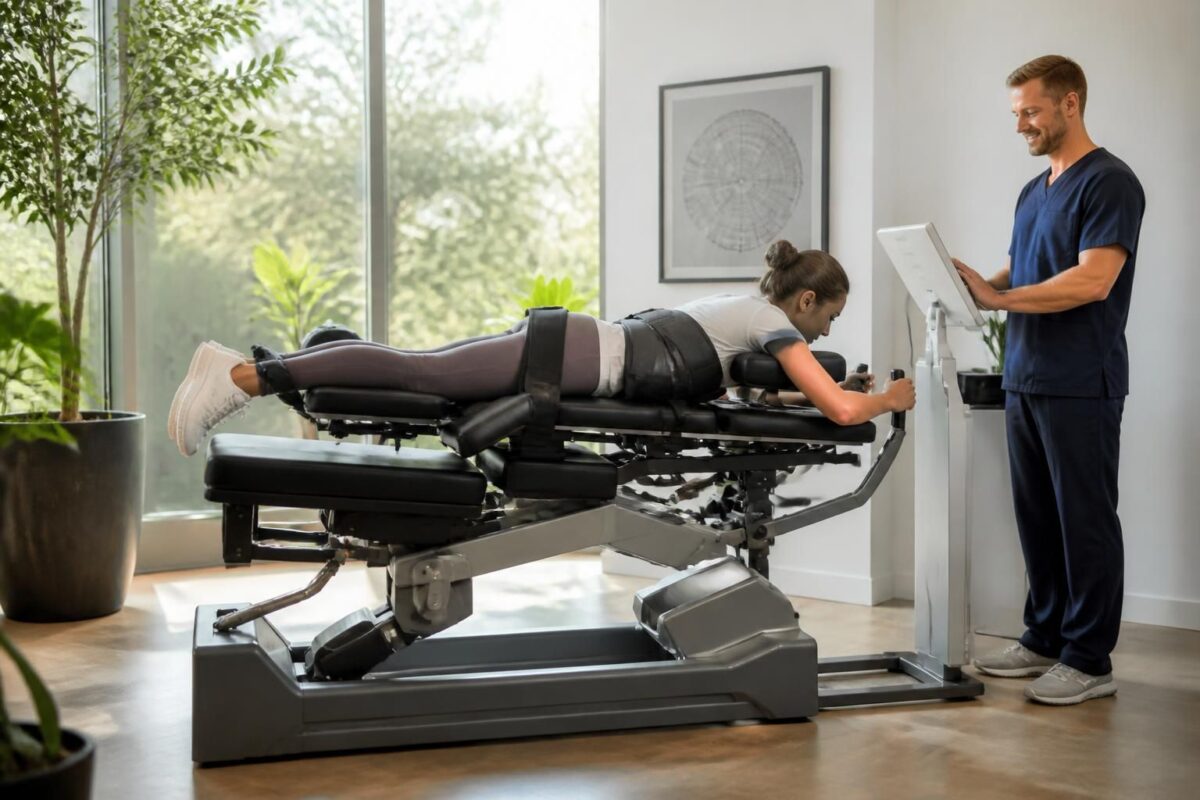
The long-term benefits of neurovertebral decompression for spinal health
In short In short, the neurovertebral decompression is a non-invasive approach that decreases the Pressure on intervertebral discs and nerves, favoring the Natural regeneration and tissue recovery. Its long-term benefits include Lasting pain reduction, Improving mobility and from the posture,…

Neurovertebral decompression and mobility: a return to an active life
In short In short, the neurovertebral decompression is therapy non-invasive who uses a gentle traction To create a space between the vertebrae and reduce the pressure on the Intervertebral discs and the nerves. It promotes a bloodstream improved, lowers tension…
Clinical mechanisms and results
Decompression acts by decreasing the Intradiscal pressure, which promotes Retraction of herniated discs and theImproved nutrient diffusion to disks. This disc rehydration supports the Tissue regeneration and reduces local inflammation, contributing to a Better mobility and to a Sustainable improvement in quality of life. Typical clinical indications include herniations discs, the disc degeneration and radicular pain refractory to conservative treatments. Contraindications exist (recent fractures, infections or tumors, spinal instability, advanced pregnancy), which requires personalized medical evaluation and multidisciplinary consultation before starting treatment.
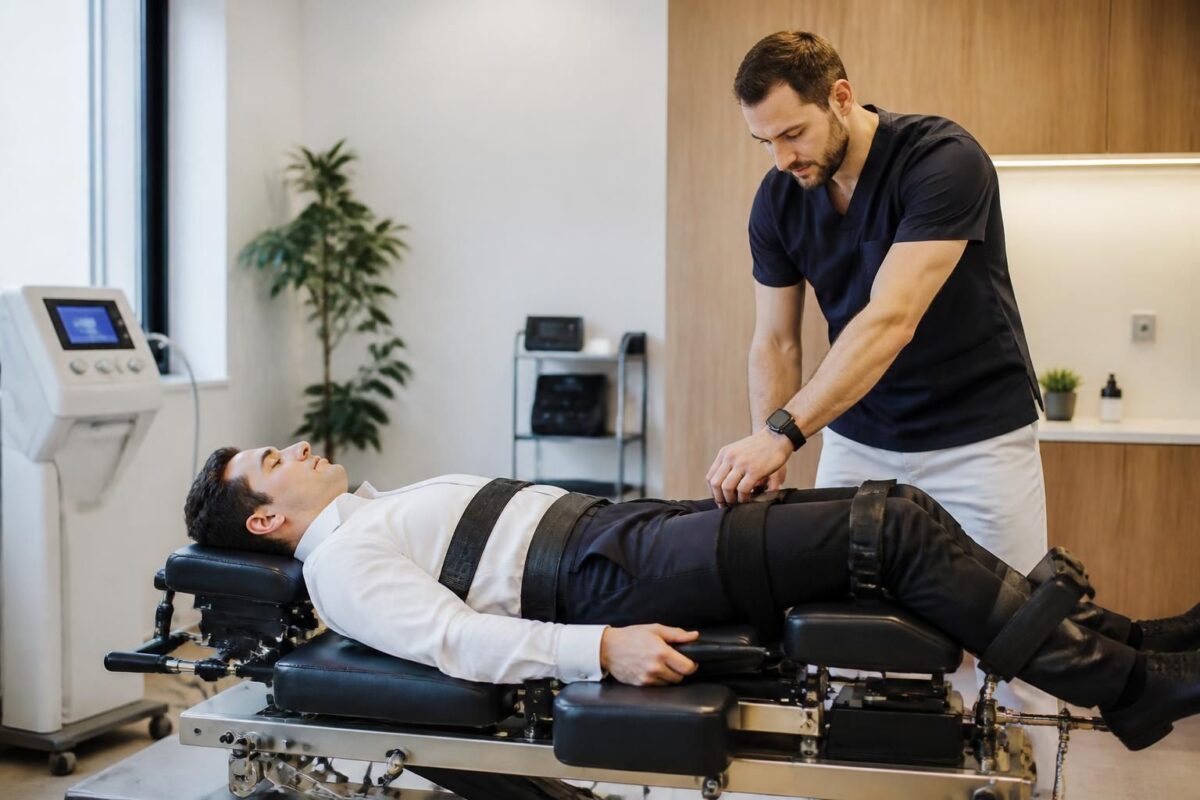
How Neurovertebral Decompression Prevents Diffuse Chronic Pain
In short decompression neurovertebral is one Non-invasive method aimed at reducing the Pressure on the intervertebral discs and the nerves, in order to prevent Diffuse chronic pain. It improves the circulation and thedisc hydration, decreases inflammation and promotes better mobility.…
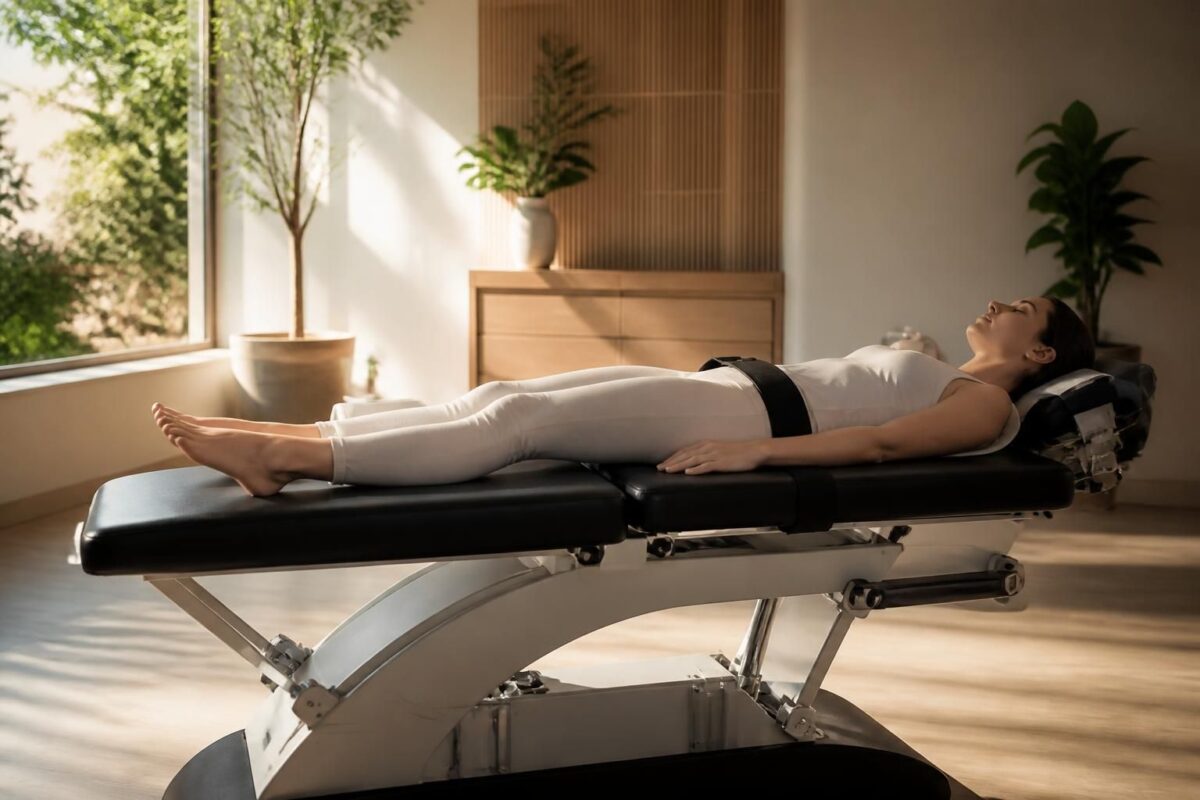
Neurovertebral Decompression and Body Alignment: Restoring Natural Balance
In short In short, neurovertebral decompression is one Non-invasive approach who restores theBody Alignment and thenatural balance back and neck. She acts by a Controlled traction of the spine to widen the intervertebral space and reduce the Pressure on discs…
Practical aspects for patients
Protocols are generally personalized and adaptable to patient tolerance, with follow-up that aims to stabilize the spine and prevent recurrences. Patients often appreciate the character personalized of each session and the possibility of pursuing daily activities during treatment. Finally, the approach promotes Gradual decrease in drug dependence and a better adherence to life-friendly habits that are conducive to spinal health.
| Criterion | Concise advantage |
|---|---|
| Pain and recovery | Quick relief and resumption of activities without surgery. |
| Invasiveness and safety | Non-invasive with low risk, few side effects. |
| Disc targeting | Targeted disc traction, better rehydration and pressure reduction. |
| processing time | Successive sessions without periods of hospitalization or anesthesia. |
| Mobility and activity | Improved mobility and daily activities. |
| Cost and accessibility | investment generally lower than surgery; Access depending on the centers. |
| Clinical indications | Ideal for herniated disc, degeneration and refractory sciatica. |
| Risk and contraindications | low risk; Check specific contraindications. |
| Post-treatment and sustainability | Complements care and can offer lasting results without surgery. |
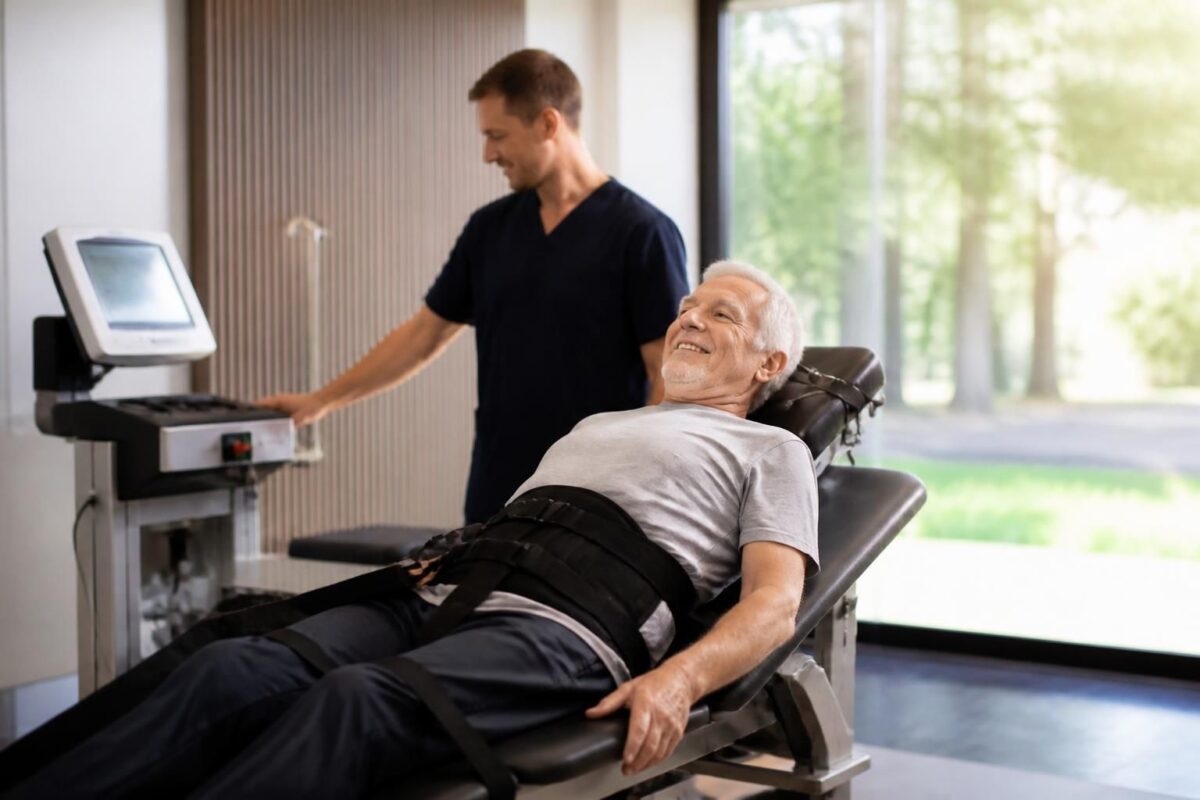
Why neurovertebral decompression is a lasting solution for active seniors
In short In short, the neurovertebral decompression is one Non-invasive therapy which sustainably relieves spinal pain in the spine active seniors By creating, by a Soft and controlled traction, a space between the vertebrae. At Montreal, it is recognized as…
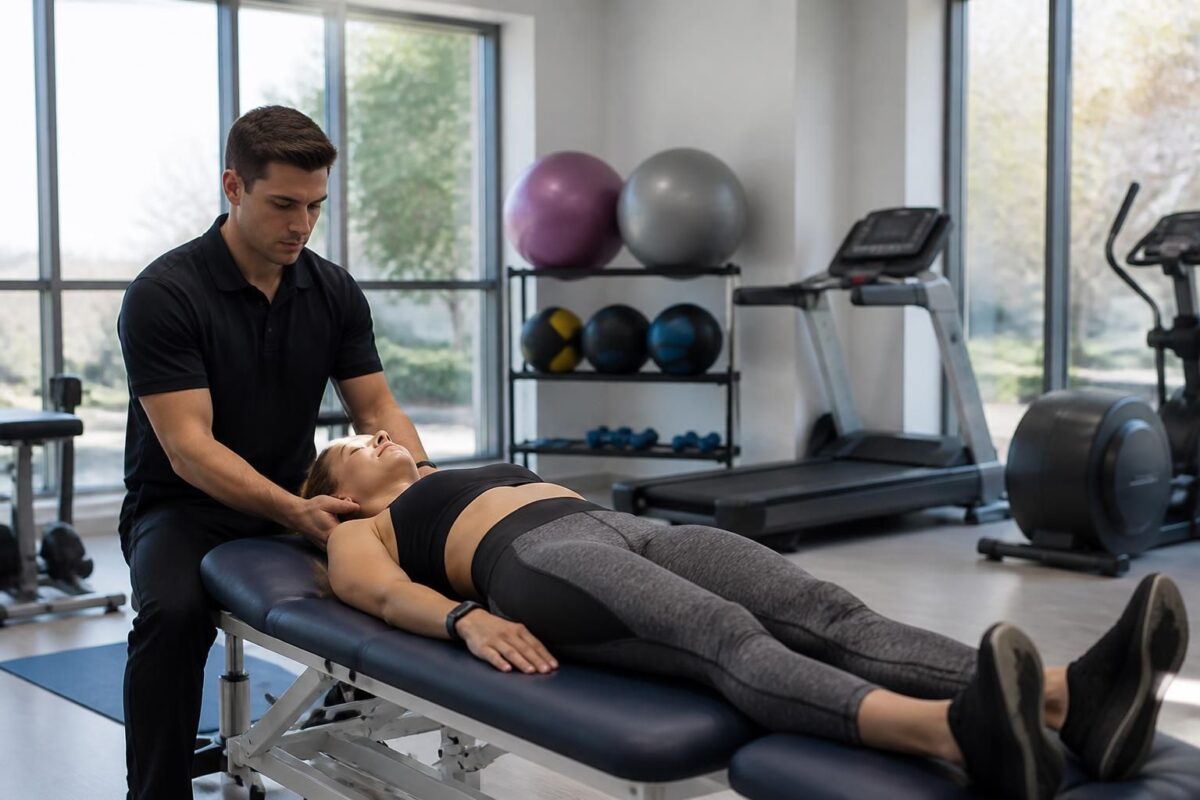
Neurovertebral decompression and recovery after severe sports injury
In short In short, the neurovertebral decompression is one Non-invasive method to Relieve the pressure on the Intervertebral discs and the gristle Via a Controlled traction, to facilitate the recovery After a severe sports injury. It improves the bloodstream towards…
Testimonials on the Benefits of Neurovertebral Decompression vs. Other Treatments
“Before testing neurovertebral decompression, I suffered from lower back pain and had exhausted traditional options like physiotherapy and drugs, without lasting relief. After a few sessions, the pain decreased and my mobility improved. What convinced me the most is that this treatment is non-invasive and without anesthesia, without having to go through surgery. »
“Compared to surgery, this treatment seems to me a Effective alternative with significantly lower risks. No hospitalization, no scar, and I quickly returned to my daily activities. »
“As a sportsman, I enjoyed theadaptability of the protocol. Each session specifically targeted the disc concerned, and I was able to resume my training faster than expected thanks to a rapid resumption of activities and a gradual improvement in my mobility. »
“I noticed a marked reduction in my addiction to analgesics. decompression Reduces pain Without strong drugs and without surgery, which has transformed my quality of life and my way of managing pain on a daily basis. »
“The treatment is personalized and adjusts the force and duration of traction as needed. After each session, I feel a gradual improvement And a feeling of relaxation in the back, without acute pain. »
“For those who hesitate between physiotherapy and surgery, it is a Less risky option which acts on the cause rather than masking the symptoms. Decompression offers a more conservative and effective approach to disc-related pain. »
“The aspect sure and non-invasive is a great advantage: no anesthesia, little or no side effects, and a possibility of Quick return to working life. It is a solution that can permanently change the daily life of patients suffering from lumbar or cervical problems. »
In the field of back and cervical pain management, neurovertebral decompression positions as an option non-invasive which can transform the therapeutic path. This approach aims to relieve pain by acting directly on the mechanisms specific to the spine, without resorting to surgery or the systematic use of drugs. For patients who have explored traditional treatments without getting the expected relief, this therapy offers an attractive and targeted alternative, designed to promote recovery and improve quality of life.
The advantages become clearer when you are interested in the Targeting of intervertebral discs. Decompression creates a Intradiscal negative pressure, facilitating the retraction of disc protrusions and improving the circulation of essential nutrients. It’s an approach that promotes Disc rehydration and restoring the elasticity of damping structures. By acting at this precise level, it can reduce nerve compressions and alleviate the pain that radiates along the column, thus providing a more direct path to functional recovery.
Compared to other modalities, decompression is distinguished by its balance between efficiency and safety. Compared to the physiotherapy or at the chiropractic, it can produce progressive and lastingly noticeable improvements without additional pain associated with repeated manipulations. Compared to theosteopathy, it offers a technological and controlled approach that allows precise and personalized traction. and facing thesurgical intervention, it poses much lower risks, Usually faster recovery and an costability Often lower, while offering an alternative when the surgeon is not necessarily the only way to relief.
The benefits for patients go beyond pain reduction. Many see a Improving mobility And a better range of motion, which allows them to resume daily activities and leisure earlier than expected. By avoiding anesthesia and postoperative course, decompression promotes rapid resumption of activities and can help reduce addiction to drug treatments. For active people or those who want to avoid injections or opioids, this is a particularly attractive and careful option.
Finally, the safety and individualization of the treatment are major assets. Each protocol is suitable for diagnosis and patient comfort, with prior assessment and ongoing monitoring. This personalized approach makes it possible to optimize the results while respecting the limits and any contraindications. In summary, neurovertebral decompression presents itself as a non-invasive, cause-focused alternative that can provide lasting improvement in pain, mobility and quality of life, while avoiding the risks and long delays associated with surgery.
This conclusion presents the reasons why the neurovertebral decompression Can offer superior advantages over conventional approaches like physiotherapy, chiropractic, osteopathy and surgery. It highlights a treatment non-invasive, Targeted on discs, able to quickly reduce pain while improving mobility and quality of life, with smooth integration in a personalized and sustainable care pathway.
The Key Benefits of neurovertebral decompression resides in its character non-invasive and his action targeted on intervertebral discs, which reduces the Intra-discal pressure and promote the Hernia retraction as well as the Disc rehydration. This approach promotes Rapid pain improvement and, above all, a Mobility found which allows a Quick return to daily activities, while minimizing the risks and recovery time associated with surgery. Modern devices offer a Custom fit Strength and traction sequence, adapted to each patient, which contributes to increasing the comfort and effectiveness of the treatment.
compared to modalities such as physiotherapy, the chiropractic where losteopathy, decompression is distinguished by its ability to treat the cause rather than just the symptoms. Compared to a surgical intervention, she presents Fewer risks (no anesthesia or incisions) and a usually shorter recovery time, with a Functional progression more natural and durable. Reviews and clinical studies support these benefits, with high satisfaction rates and cross-sectional measurable functional improvements to different patient profiles.
However, success depends on Rigorous selection of patients and proper assessment of contraindications. This modality is particularly Indicated for herniated discs, disc degeneration and refractory sciatica conservative treatments, and can be inserted as a key step in a multidisciplinary care plan. To better understand the advantages and limitations, you can consult dedicated resources such as The advantages and disadvantages of neurovertebral decompression.
Current clinical evidence supports a Lasting pain reduction, a Functional improvement and an Improved quality of life In many patients, with positive feedback on recovery dynamics and reduction of analgesic addiction. To deepen the mechanisms and results, refer to related resources such as Benefits for lower back pain and Comparison with other treatments.
Finally, the integration of decompression in a holistic care pathway makes it possible to optimize the results in the long term. It can be associated with training, reinforcement and post-treatment protocols to reduce the risk of recurrence and support performance and recovery, including in athletes. To explore operational aspects and sporting benefits, you can consult resources that examine the impact on performance and recovery like Improved sports performance.
To deepen the technological details and practical implications of decompression, specialized resources such as The technology used and His role for herniated discs offer additional information bodies. Other useful resources to situate this treatment in the panorama of available options include Clinic FAQs and Services and performance of associated technologies.
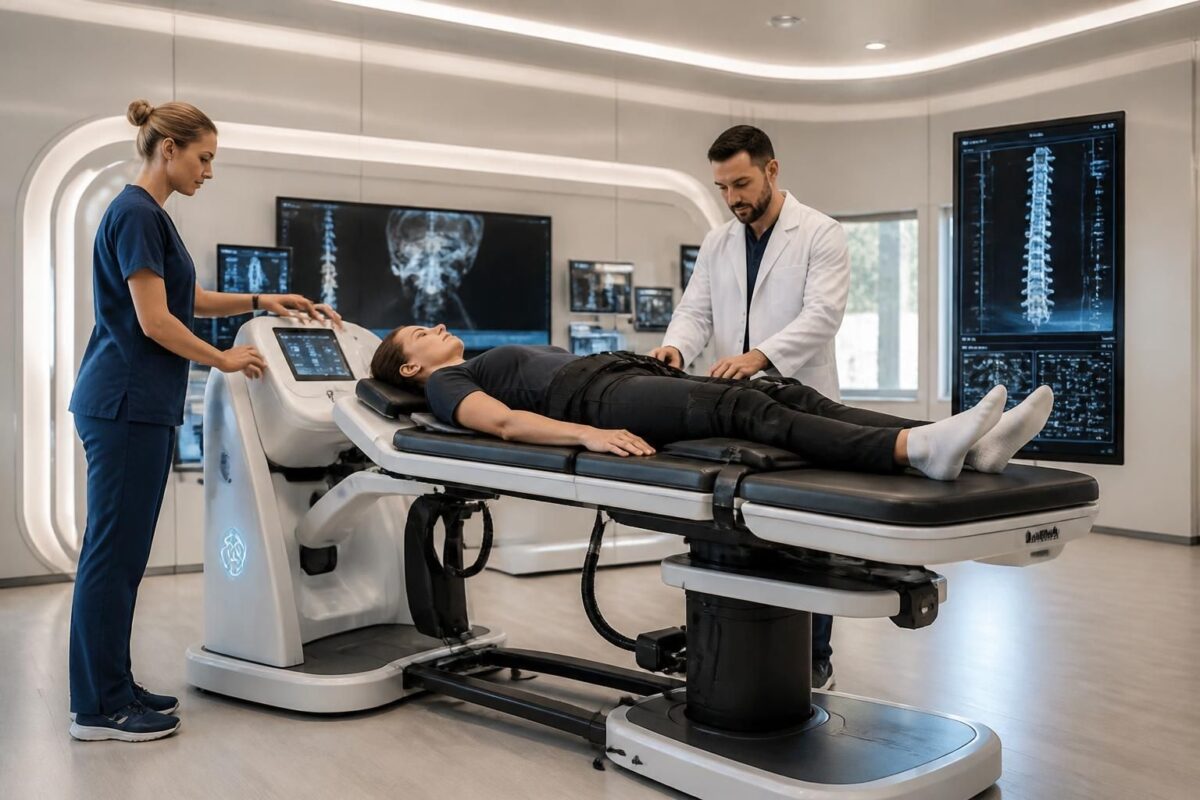
Recent innovations in neurovertebral decompression technologies
In short In short, the neurovertebral decompression is an approach non-invasive Aiming to reduce pressure on discs and nerves, and promote tissue regeneration. At Montreal, it is positioned as an effective option for lower back pain and herniated discs. The…
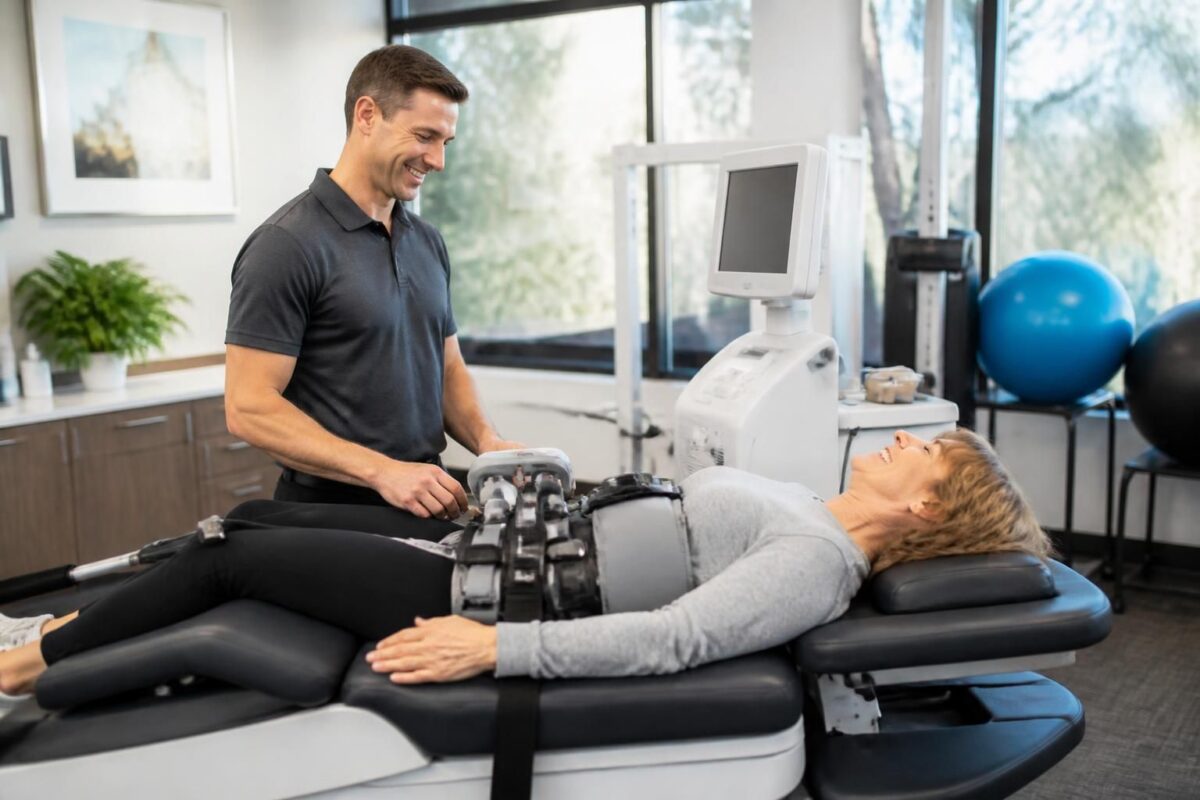
Neurovertebral decompression and diffuse pain: an appropriate solution
In short In short, the neurovertebral decompression is one Non-invasive solution For diffuse pain related to nerve irritation of the spine. She acts in Reducing pressure on intervertebral discs and nerves and improving the bloodstream, which promotes recovery and the…

Dr Sylvain Desforges
Dr Sylvain Desforges, B.Sc., D.O., N.D., osteopath, is the founding president of TAGMED and of the ACMA association. He dedicates his practice to chronic spinal pain, low back pain and symptoms compatible with sciatica, particularly when pain radiates toward the buttock, leg, calf, foot or toes.
Through SOS Sciatique, he publishes educational content on sciatica symptoms, possible causes such as disc herniation, disc narrowing, foraminal stenosis or irritation of a lumbar nerve root, as well as non-surgical approaches that may be considered according to the evaluation. At Clinique TAGMED, care may include, depending on the case, motorized neurovertebral decompression, specific osteopathic care or precision percussion.
For an evaluation related to sciatica treatment in Montreal / Mount Royal or sciatica treatment in Terrebonne, please consult the services available at Clinique TAGMED.
Medical disclaimer
The information published on SOS Sciatique is provided for educational purposes only and does not replace a consultation, diagnosis, opinion or treatment provided by a physician or another authorized healthcare professional. The author of this article is neither a medical doctor nor a specialist in a medical specialty recognized by the Collège des médecins du Québec. The osteopathic, manual medicine or functional support approaches described on this site do not constitute medical acts and are not intended to replace medical follow-up.
Consult a physician or emergency service in cases of loss of bladder or bowel control, anesthesia in the saddle area, significant or progressive weakness in the leg or foot, fever, recent trauma, severe pain or rapid worsening of symptoms. For more details, please read our Legal Notice.