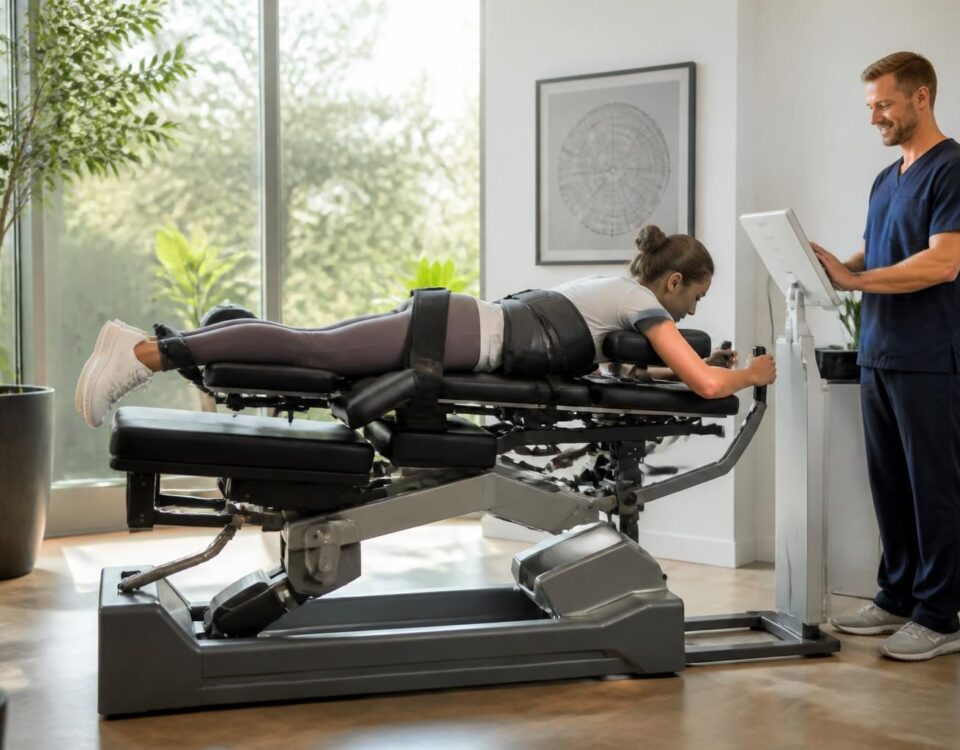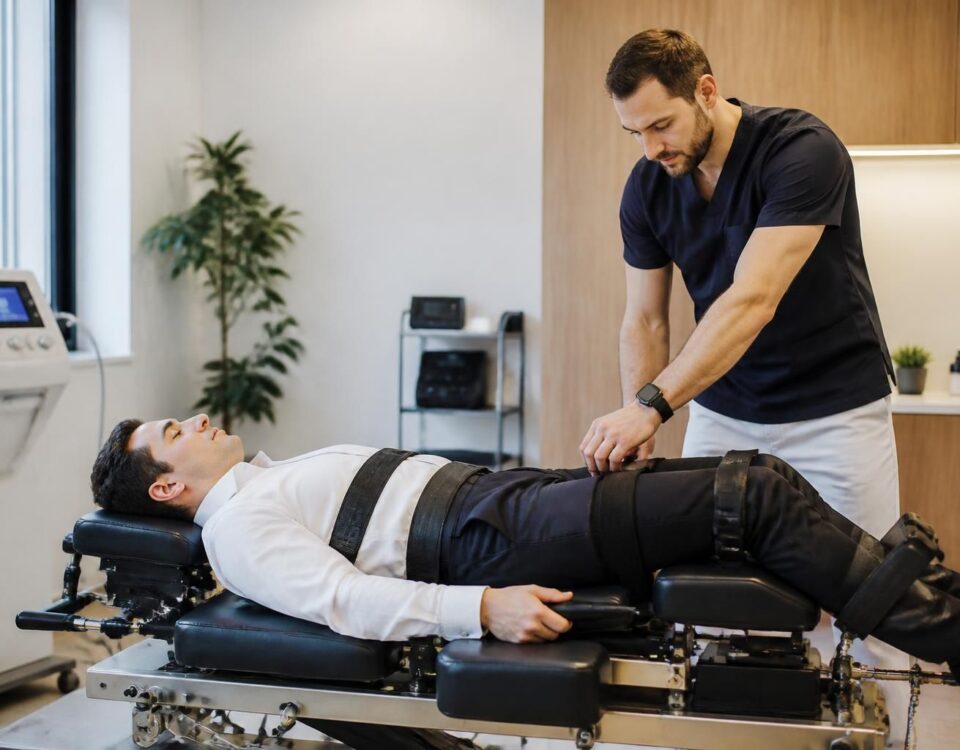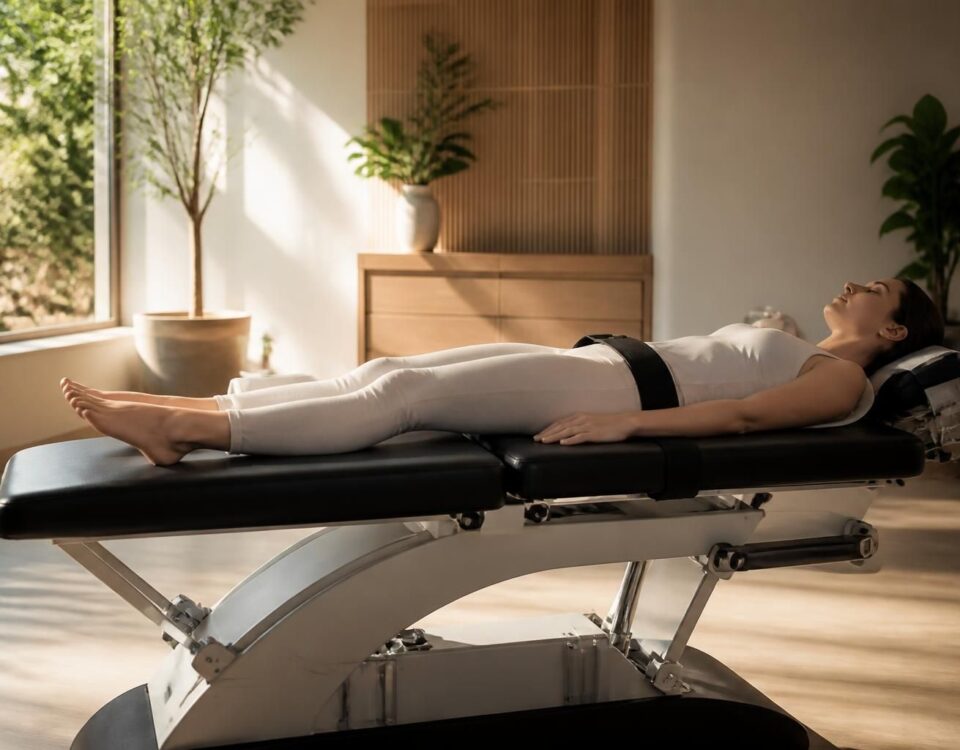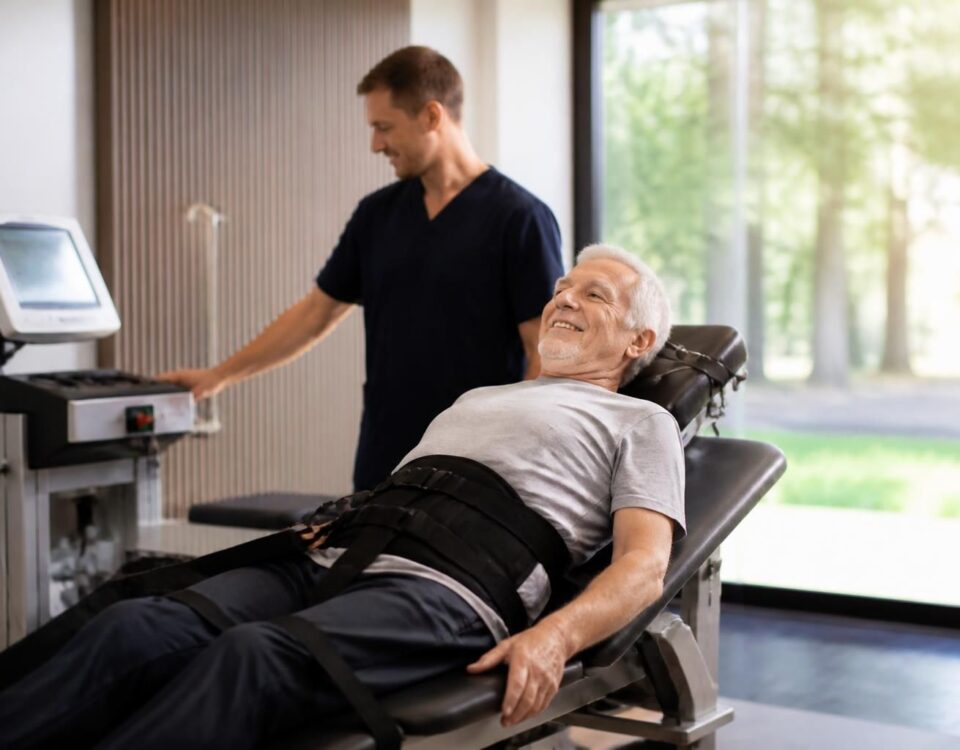
The steps of a neurovertebral decompression treatment
25/06/2026
Neurovertebral decompression and sciatic pain: effective management
25/06/2026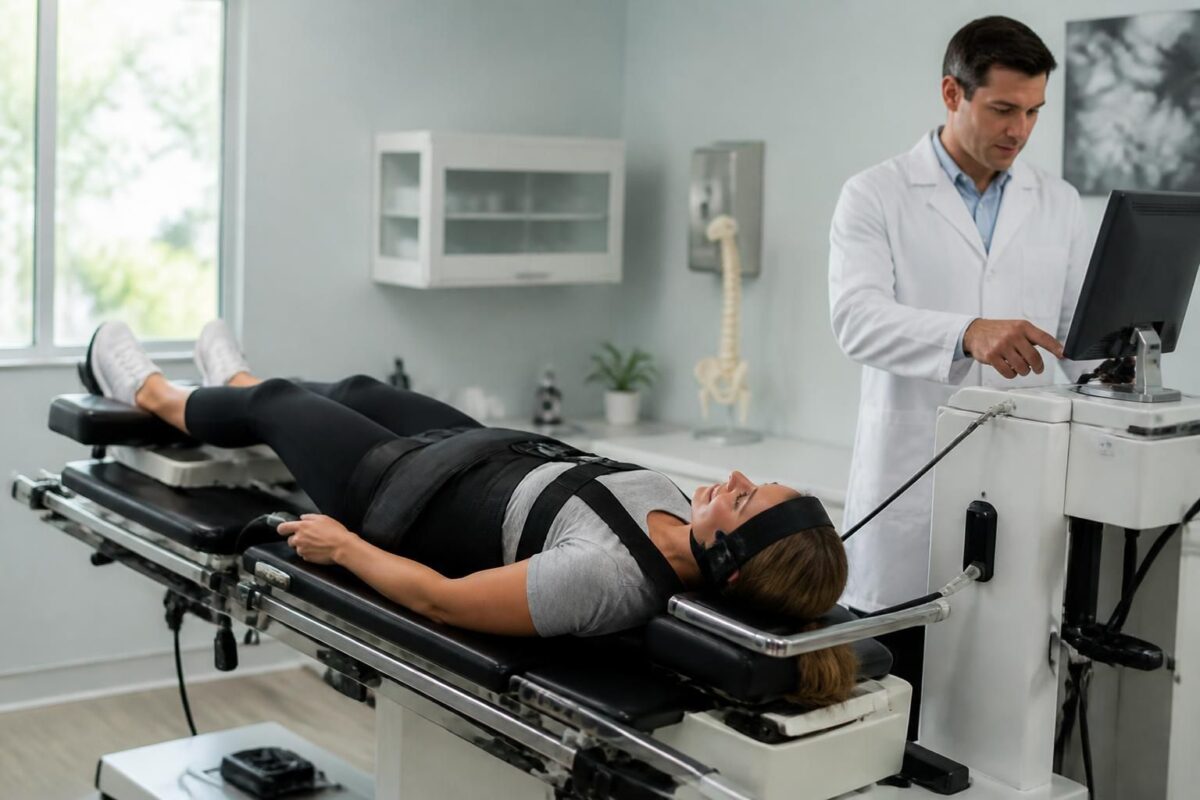
In short
| In short, the herniated discs designate a protrusion of the intervertebral disc that can compress the nerves and cause Lower back pain and loss of mobility. The neurovertebral decompression is an approach to relieve this pressure, either by non-surgical techniques or by targeted interventions when necessary. Its main advantages include pain reduction lumbar and sciatica, improving function and quality of life, and a suitable option for patients wishing to avoid or postpone surgery. In practice, it is considered when the symptoms persist despite conservative treatments and the diagnosis confirms nerve compression due to a herniated disc. In Montreal, this service is particularly relevant for people looking for a structured and quick approach to regain mobility and daily life. |
The neurovertebral decompression is an approach non-surgical intended to relieve the symptoms ofslipped disc, especially the Lower back pain and the sciatica, by reducing the pressure on the nerves and discs. It is often considered when the pain persists despite conservative treatments or when the patient prefers to avoid surgery. The results vary depending on the patient and the degree of injury, but some feel a noticeable improvement in pain and mobility.
This article explains when and how the neurovertebral decompression may be a solution for herniated discs. It describes the mechanisms, indications and framework for management. It is based on clinical experience in osteopathy and on the resources available in our TagMed clinics and associated sources. No exercise prescription will be proposed here, and any decision should be based on an in-depth medical assessment.
What is neurovertebral decompression?
The neurovertebral decompression is an approach that aims to reduce the pressure on the disc and on the nerves. It can be performed without surgery using a traction device that creates a space between the vertebrae and can promote rehydration of the discs. This approach can ease the pressure on the nerve roots and help reduce pain. For a general description, see neurovertebral decompression.
Indications and limits for herniated discs
This technique is considered when lumbar pain is associated with pain that follows the path of a nerve root. It may be indicated when symptoms persist despite conservative treatments and when the patient prefers to avoid surgery. The decision depends on the location and degree of the injury, and the assessment must be carried out by a competent health professional. For an overview and factors to consider, you can consult dedicated resources on sosciatica and on their podcasts.
Procedure and choice between non-surgical and minimally invasive surgery
Decompression can be performed as a non-surgical procedure under controlled traction. It aims to create a space between the vertebrae and reduce the pressure on the disc and the nerves. In cases where compression is important or when the nerve structure is heavily involved, a minimally invasive surgical approach may be considered, with techniques such as discectomy or laminectomy depending on the context. You can read a presentation of the typical steps of treatment with neurovertebral decompression on Tagmed Clinic.
Efficiency and points to consider
The clinical results show variable benefits depending on the patient. Some feel an improvement in lumbar pain and radicular symptoms, as well as better functionality, after non-surgical or minimally invasive decompression. Other studies remain cautious about the overall impact and underline the importance of individualized assessment and regular monitoring. For additional analyzes and perspectives, see the resources presented on Dr Desforges and their podcasts.
What to expect in a consultation at TagMed Clinic
The evaluation includes a thorough clinical examination and, if necessary, appropriate imaging. The treatment plan is personalized and can combine non-invasive elements and minimally invasive surgical options as appropriate. For more details on the processing framework, see the specific TagMed page.
Resources and additional readings
For a global perspective and testimonials, you can explore the following resources: Why choose neurovertebral decompression, cervical decompression podcast, and General podcast. Other useful resources can be found on Sports injuries and decompression and on SOS Herniated Disc.
For additional information on the mechanisms and indications, you can also consult the information pages on SOS Herniated Disc and on Sostunnel Carpen.
For a general view of the concepts, consider consulting resources dedicated to neurovertebral decompression and its applications in disc and foraminal pathologies. Specialized pages describe the associated steps and procedures, and offer clear explanations on the principle of traction and safety of non-surgical treatments.
Medical Disclaimer: The information and advice provided on this site does not replace the health professional’s diagnosis or treatment. Please note that Dr. Sylvain Desforges osteopath is neither a doctor of medicine nor a doctor, and is not a specialist in a medical specialty as defined by the Collège des Médecins du Québec. Manual medicine, functional medicine and sports medicine as described on this site exclude any medical treatment or diagnosis made by a doctor or specialist doctor. Always consult your doctor for any medical questions. For more details, please read our full legal notice.
- root pain or sciatica related to a slipped disc with nervous compression
- persistent pain and Functional limitation After 6–12 weeks of conservative treatment
- imaging demonstrating a hernia Compressing a root and patient wishing to avoid open surgery
- None acute neurological deficit or sign ofinstability major
- Progressive neurological deficit or loss of evolutionary function without expected improvement
- comorbidities or operative risk making surgery traditional hard
- Major vertebral instability or suspected spinal incidence requiring an appropriate approach
- failure of non-invasive treatments and need a Quick relief

This article details when the neurovertebral decompression can represent a solution to a slipped disc, the conditions that favor its use, the course of the non-surgical technique, as well as the limits in relation to the surgery. The objective is to help with an informed decision in collaboration with your doctor or osteopath.
When to consider neurovertebral decompression for a herniated disc
Decompression can be proposed when the pain is mainly due to a slipped disc with irritation of a nerve root or marrow, and when conservative treatments have been insufficient. It is mainly aimed at patients with a radiculopathy (Pain that follows the path of a nerve), with or without lower back pain, and who wish to avoid or postpone immediate surgery. In the absence of signs of a neurological emergency or serious complications, this approach can be integrated into a global management plan.
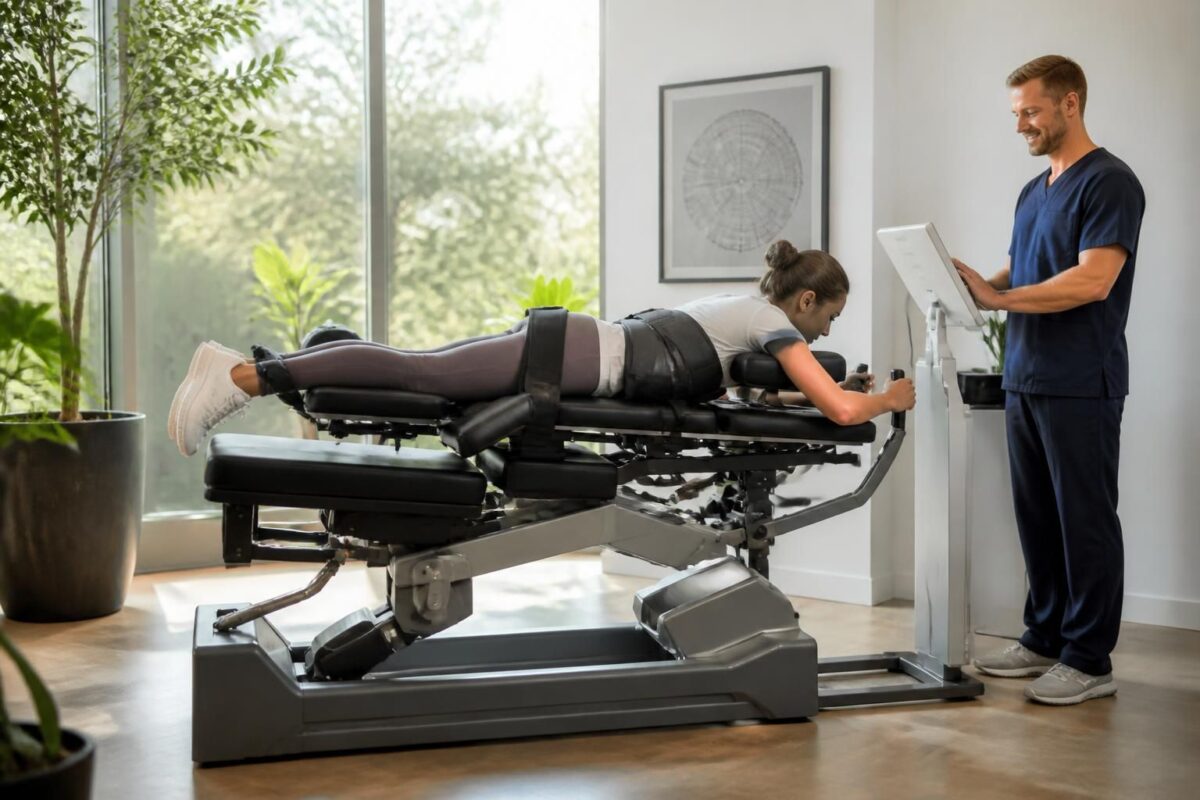
The long-term benefits of neurovertebral decompression for spinal health
In short In short, the neurovertebral decompression is a non-invasive approach that decreases the Pressure on intervertebral discs and nerves, favoring the Natural regeneration and tissue recovery. Its long-term benefits include Lasting pain reduction, Improving mobility and from the posture,…

Neurovertebral decompression and mobility: a return to an active life
In short In short, the neurovertebral decompression is therapy non-invasive who uses a gentle traction To create a space between the vertebrae and reduce the pressure on the Intervertebral discs and the nerves. It promotes a bloodstream improved, lowers tension…
Indications and selection criteria
Typical indications include: lumbar pain associated with pain radiating into one leg, imaging-confirmed disc disease, and lack of rapid progression of neurological impairment. Important criteria include trunk stability, absence of fracture, infection or tumor and good general tolerance to treatment. Individual factors, such as age, general health and patient goals, generally determine the relevance of the Non-surgical decompression.
case where decompression is particularly suitable
It can be considered in patients who experience persistent pain despite an appropriate physiotherapy and drug treatment trial, and who prefer a less invasive approach than surgery. It can also be considered when the clinical and radiological signs agree with disc compression without immediate indication to surgery.
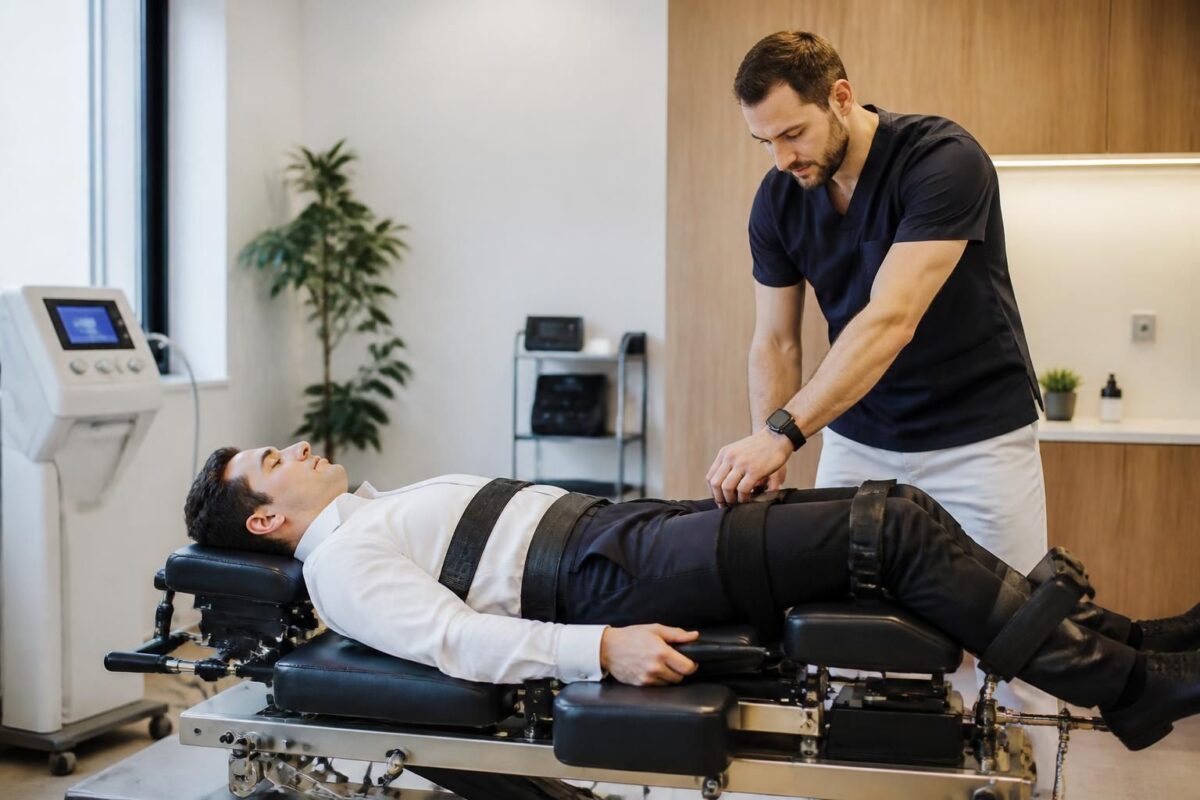
How Neurovertebral Decompression Prevents Diffuse Chronic Pain
In short decompression neurovertebral is one Non-invasive method aimed at reducing the Pressure on the intervertebral discs and the nerves, in order to prevent Diffuse chronic pain. It improves the circulation and thedisc hydration, decreases inflammation and promotes better mobility.…
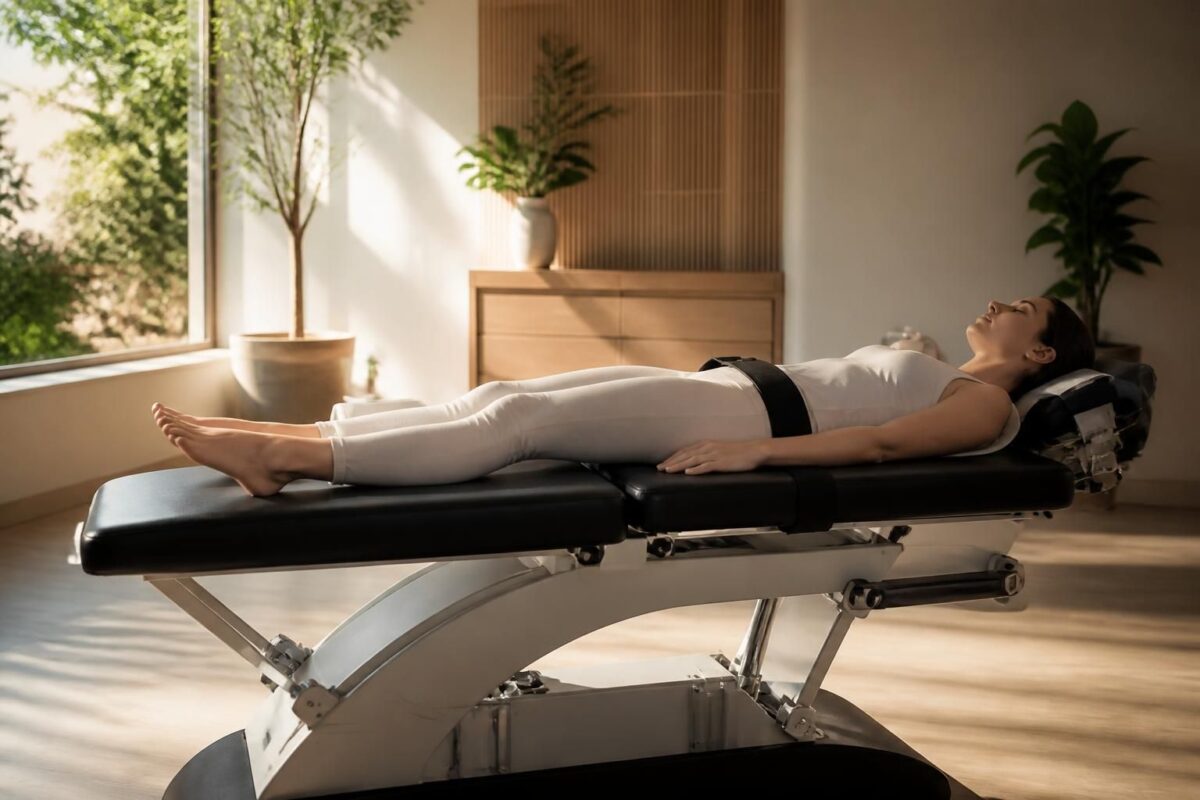
Neurovertebral Decompression and Body Alignment: Restoring Natural Balance
In short In short, neurovertebral decompression is one Non-invasive approach who restores theBody Alignment and thenatural balance back and neck. She acts by a Controlled traction of the spine to widen the intervertebral space and reduce the Pressure on discs…
How does non-surgical decompression take place?
The procedure is based on the application of a controlled tensile force on the spine in order to create a space between the vertebrae and to reduce the pressure exerted on the disc and on the nerve roots. The device is set to measure by the practitioner and the duration of the sessions generally varies between 20 and 45 minutes. A typical plan includes several sessions over several weeks, with a regular evaluation of the evolution of symptoms. This approach can promote disc rehydration and reduce nerve pressure, contributing to improved pain and mobility. However, the efficacy varies according to the patients and the characteristics of the hernia.
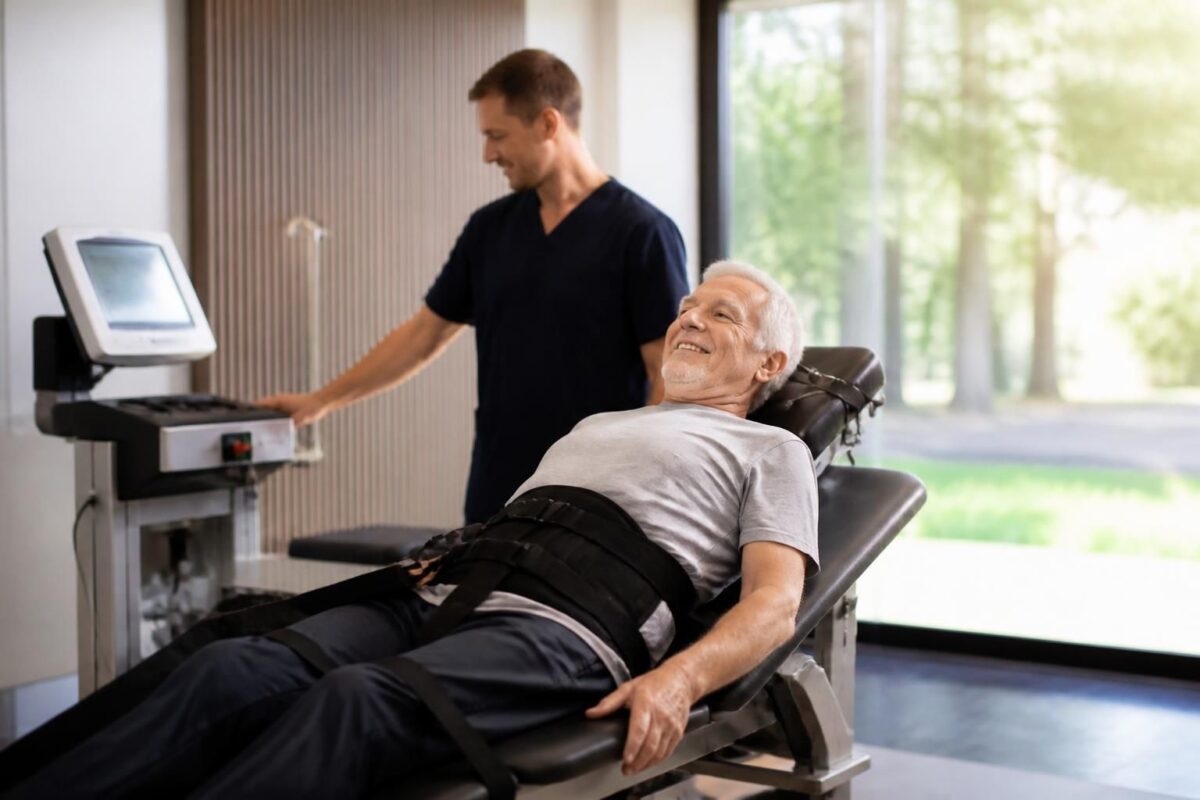
Why neurovertebral decompression is a lasting solution for active seniors
In short In short, the neurovertebral decompression is one Non-invasive therapy which sustainably relieves spinal pain in the spine active seniors By creating, by a Soft and controlled traction, a space between the vertebrae. At Montreal, it is recognized as…
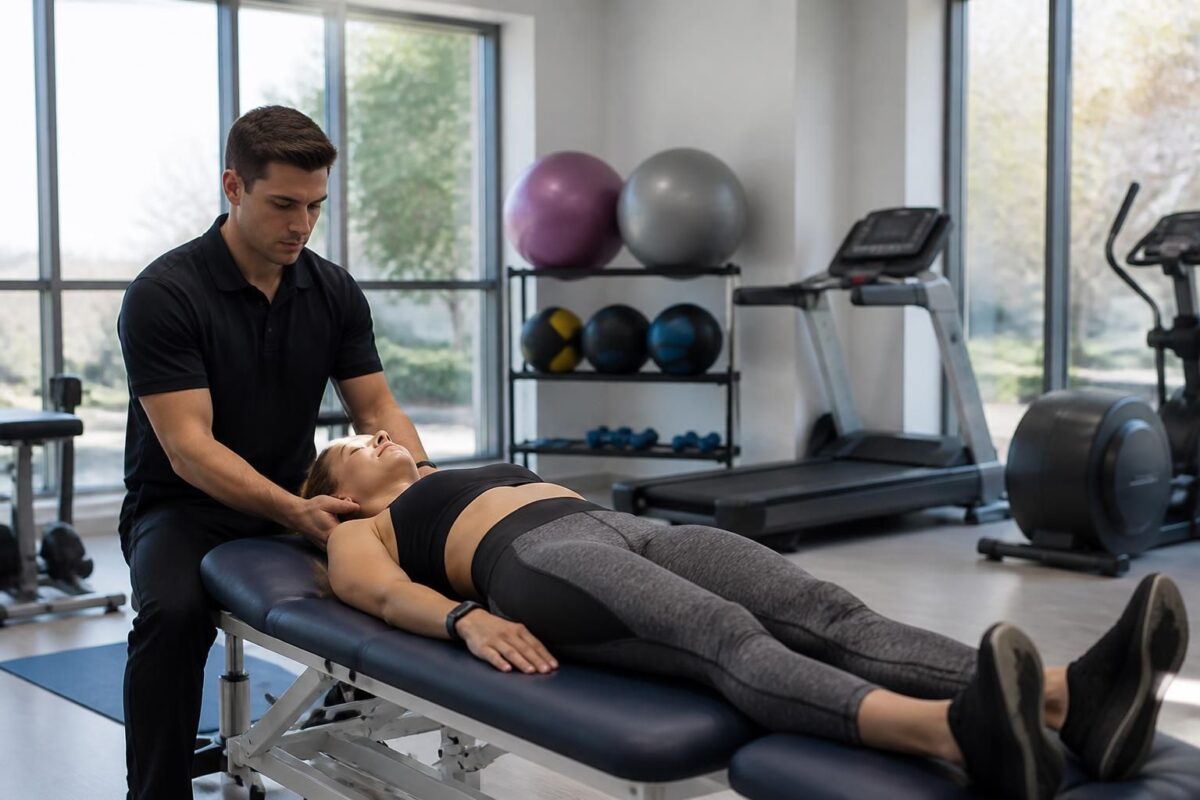
Neurovertebral decompression and recovery after severe sports injury
In short In short, the neurovertebral decompression is one Non-invasive method to Relieve the pressure on the Intervertebral discs and the gristle Via a Controlled traction, to facilitate the recovery After a severe sports injury. It improves the bloodstream towards…
Comparison with surgical options
Surgery may become necessary when symptoms persist, worsen or when there is a neurological impairment that requires rapid intervention. Among the surgical options, the discectomy consists of partially or completely removing the herniated disc to relieve nerve pressure, while laminectomy may be indicated in the event of more extensive compression of the marrow or ponytail. In practice, the decision depends on the degree of pain, the neuromuscular function and the patient’s preferences, weighing the potential benefits and risks associated with each approach.
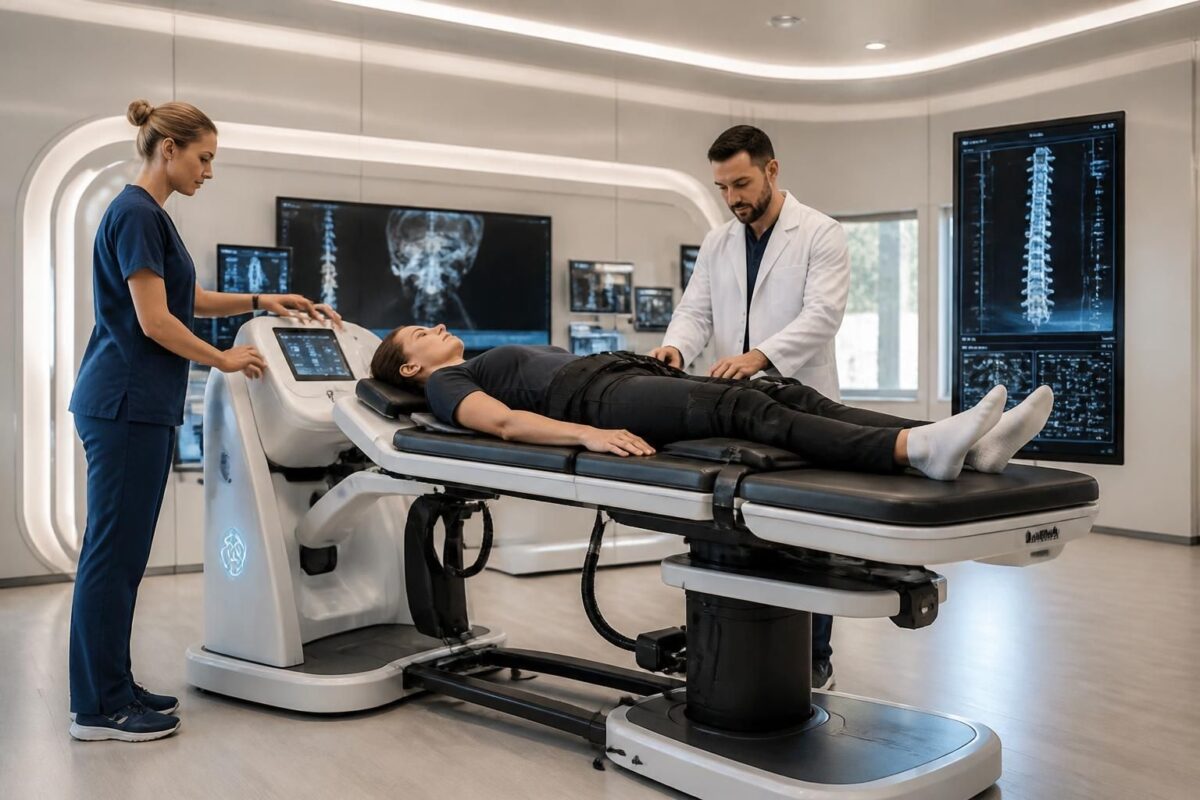
Recent innovations in neurovertebral decompression technologies
In short In short, the neurovertebral decompression is an approach non-invasive Aiming to reduce pressure on discs and nerves, and promote tissue regeneration. At Montreal, it is positioned as an effective option for lower back pain and herniated discs. The…
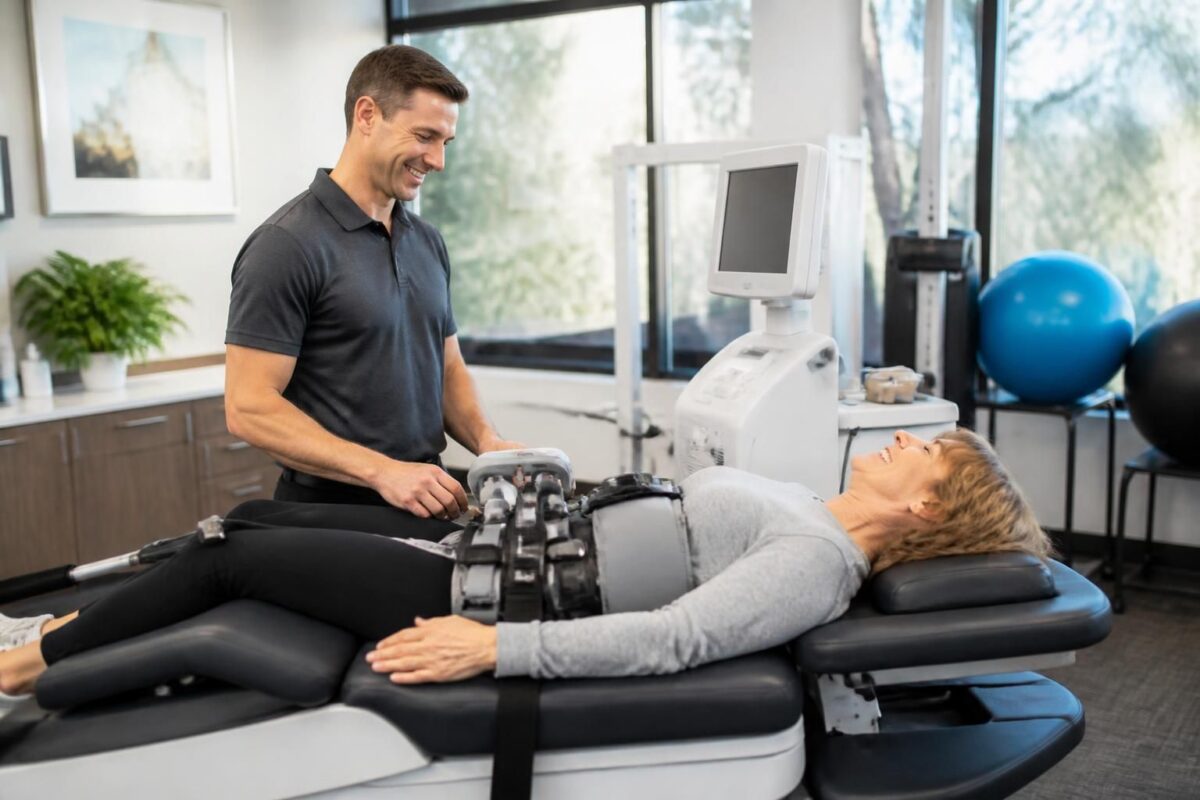
Neurovertebral decompression and diffuse pain: an appropriate solution
In short In short, the neurovertebral decompression is one Non-invasive solution For diffuse pain related to nerve irritation of the spine. She acts in Reducing pressure on intervertebral discs and nerves and improving the bloodstream, which promotes recovery and the…
Practical support plan
To determine the best route, a global assessment is essential: clinical examination, appropriate imaging and progressive testing of conservative treatments. If non-surgical decompression is used, it should be followed by a rehabilitation program and regular follow-up to adjust treatment. In case of persistent symptoms or adverse progression, the decision to use surgery may be re-evaluated with your healthcare team.
| Criterion | Contribution |
|---|---|
| directions | Disc hernia with persistent root pain or functional limitation despite conservative treatment. |
| contraindications | Vertebral instability, suspected spinal cord compression, infections, clotting disorders or pregnancy. |
| Type of intervention | Mainly non-surgical (traction/distraction). Possible surgery if failure or emergency (discectomy/laminectomy). |
| Therapeutic goals | Reduce nerve pressure and restore disc space to improve symptoms. |
| Efficiency | Possible improvement in pain and function in some patients; Depends on the lesion and context. |
| Duration and frequency | Typical session of 20–45 minutes; Plan adapted over 4-6 weeks depending on the answer. |
| Benefits | non-invasive and reversible option; Allows a quick decision before any surgery. |
| Limits and evidence | variable clinical data; individual evaluation necessary and not adapted to all cases. |
| alternatives | Conservative treatment alone, symptomatic injections or surgery when indicated. |
Testimonials on herniated discs: when neurovertebral decompression is the solution
Before starting treatment, my Lower back pain and my sciatic pain made my days endless. After a personalized approach to neurovertebral decompression Adapted to my case, the pain decreased sharply and I found a much better mobility. I can walk again for a long time without suffering and resume my daily activities with complete peace of mind.
As an athlete, a slipped disc I was on the sidelines and I was afraid of never going back to the same level. Thanks to the neurovertebral decompression Non-surgical, the pain receded and I was able to resume training gradually, without pain in the leg. My energy and confidence came back, and I came back to my best level.
At work, constraints and vibrations have intensified my Lower back pain. After treatment with neurovertebral decompression, the pain subsided and my mobility improved, allowing me to remain productive all day and enjoy my leisure time in the evening without excessive fatigue.
Old and active, I was afraid of having to consider surgery for a slipped disc. Neurovertebral decompression gave me an effective alternative: less pain, better posture and more energy for my daily tasks. I am delighted with the result and would recommend this treatment to anyone looking for a non-invasive and effective solution.
For me, a slipped disc linked to professional vibrations was a major obstacle. After treatment with neurovertebral decompression, I noticed a marked reduction in pain and a recovery of my ability to move freely throughout the day. I can enjoy my leisure time again without fear and without limitation.
The herniated discs are a common cause of lumbar pain and function disorders, often felt as pain radiating into one leg and sometimes accompanied by tingling or weakness. They result from displacement of the contents of the intervertebral disc, which can compress the nerve roots or, in some cases, the spinal cord. This compression can cause radiculopathy painful, muscular stiffness and a decrease in quality of life. A precise assessment, which distinguishes disc-related pain from other origins, is essential to guide treatment.
The neurovertebral decompression Brings together approaches aimed at reducing the pressure exerted on nerve structures, in order to improve disk nutrition and promote functional recovery. This approach can be proposed when the symptoms come from a disc compression without major neurological impairment requiring emergency surgery. It is part of a non-surgical logic or, when necessary, in addition to other treatments. The goal is to restore space around the nerve and reduce pain, while avoiding invasive gestures when possible.
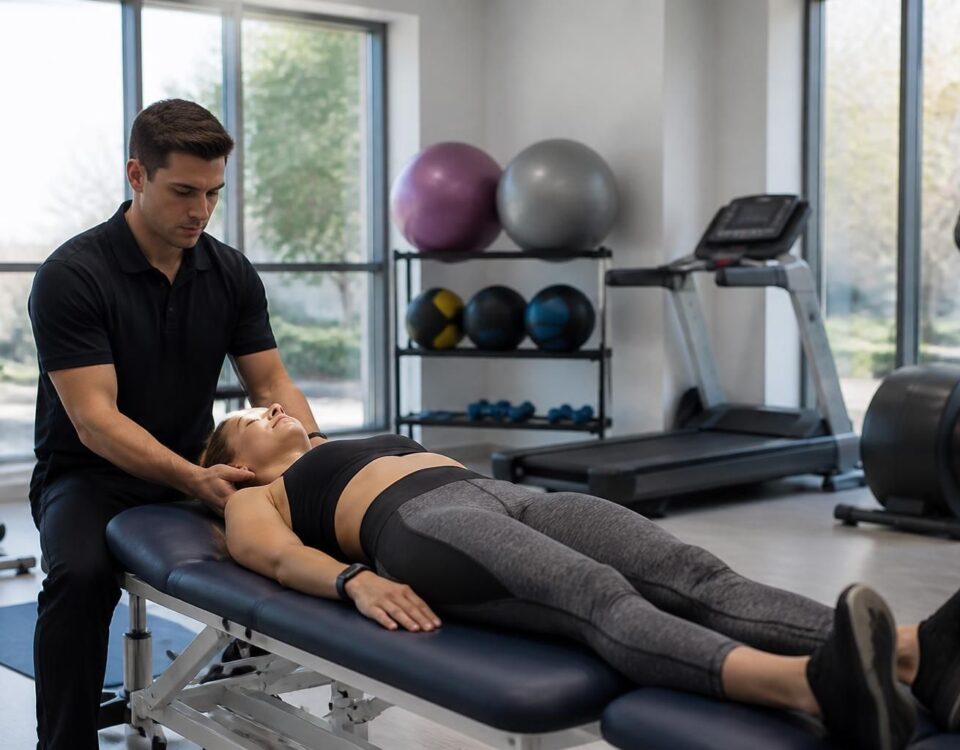
In the context of non-surgical decompression, axial traction devices are used that allow controlled force to be applied to the spine. The treatment is generally carried out in a supine position, on a specialized table, and each session typically lasts between 20 and 45 minutes. The action aims to create an additional space between the vertebrae, to promote the replenishment of water of the discs and to reduce the pressure exerted on the nerve roots. This approach can accompany rehabilitation and complementary therapies to support functional recovery, while remaining less invasive than surgery.
The decision to use neurovertebral decompression depends on several factors. It can be considered in the presence of a herniated disc associated with lower back and radiation pain that did not react favorably to conservative treatments, or in patients who prefer to avoid surgery. On the other hand, it is not suitable in case of vertebral instability, tumor suspicion, vertebral infection, rapid progression neurological deficit or other medical contraindications. The choice of the therapeutic option is made after an in-depth clinical and radiological evaluation, taking into account the patient’s profile and the degree of disc degeneration.
In clinics specializing in pain management and manual medicine, the integrated approach favors a rigorous evaluation and a personalized plan. The objective is to associate, as appropriate, decompression, targeted rehabilitation, and complementary technologies such as laser or shockwave therapies, to maximize the chances of lasting relief and restore mobility. This approach is based on evidence-based practice and regular monitoring of outcomes to adjust treatment over the course of the patient’s journey.
In practice, priority is given to appropriate care for each case, with clear communication on expectations, potential benefits and risks. For people facing a slipped disc And who want to explore a non-surgical option, evaluating a neurovertebral decompression can be a key step towards reducing pain and improving function, while preserving a comprehensive and personalized approach.
This article summarizes the situations where neurovertebral decompression can be an effective solution for herniated discs, exposing the mechanisms, indications, limits and resources to guide the patient’s choice. He distinguishes the approaches non-surgical and Mini-invasive, specifies the selection criteria and recalls the surgical alternatives when necessary.
The neurovertebral decompression may be relevant when a slipped disc Causes lower back pain and/or radiculopathy, and conservative treatments do not offer sufficient relief or that the patient prefers to avoid major surgery. This option is particularly suitable when the symptoms persist despite the classical measures and the clinical context allows an approach non-surgical or Mini-invasive.
The indications that guide the use of this decompression typically concern the painful manifestations linked to a slipped disc Lumbar or cervical, accompanied by sciatic pain and functional limitation. It can be considered after failure of non-specific treatments and/or depending on the patient’s preferences, in particular when a more invasive surgical procedure is at risk or desired delay. For some patients, it can also prepare a more targeted intervention if the situation requires it.
Mechanically, decompression is based on controlled traction which aims to reduce the pressure exerted on the Intervertebral discs and on the nerves, opening the joint space and, possibly, promoting rehydration and tissue regeneration. Although the principle is recognized in practice, clinical evidence remains heterogeneous and strongly depends on the location, extent of the lesion and individual response. To deepen the theoretical and practical aspects, several resources explore the subject, in particular this guide, this article and This additional guide.
In practice, the decision depends on an accurate diagnosis, radiological assessment and overall patient assessment. If decompression can be considered as an intermediate stage or as a non-invasive alternative, surgical options remain possible remedies when the symptoms persist or progressively progress. To learn more about the various therapeutic avenues and complementary approaches, you can consult specialized resources such as This portal, This analysis or This clinical article.
It is important to remember that the neurovertebral decompression Not suitable for all patients and should be part of a personalized treatment plan, developed with a doctor or spine specialist. For additional information and specific cases, explore the available resources and discuss with a qualified healthcare professional to assess the suitability of this approach in your particular situation.

Dr Sylvain Desforges, B.Sc., D.O., N.D., osteopath, is the founding president of TAGMED and of the ACMA association. He dedicates his practice to chronic spinal pain, low back pain and symptoms compatible with sciatica, particularly when pain radiates toward the buttock, leg, calf, foot or toes.
Through SOS Sciatique, he publishes educational content on sciatica symptoms, possible causes such as disc herniation, disc narrowing, foraminal stenosis or irritation of a lumbar nerve root, as well as non-surgical approaches that may be considered according to the evaluation. At Clinique TAGMED, care may include, depending on the case, motorized neurovertebral decompression, specific osteopathic care or precision percussion.
For an evaluation related to sciatica treatment in Montreal / Mount Royal or sciatica treatment in Terrebonne, please consult the services available at Clinique TAGMED.
Medical disclaimer
The information published on SOS Sciatique is provided for educational purposes only and does not replace a consultation, diagnosis, opinion or treatment provided by a physician or another authorized healthcare professional. The author of this article is neither a medical doctor nor a specialist in a medical specialty recognized by the Collège des médecins du Québec. The osteopathic, manual medicine or functional support approaches described on this site do not constitute medical acts and are not intended to replace medical follow-up.
Consult a physician or emergency service in cases of loss of bladder or bowel control, anesthesia in the saddle area, significant or progressive weakness in the leg or foot, fever, recent trauma, severe pain or rapid worsening of symptoms. For more details, please read our Legal Notice.