Why choose neurovertebral decompression to relieve chronic pain
25/06/2026
herniated discs: when neurovertebral decompression is the solution
25/06/2026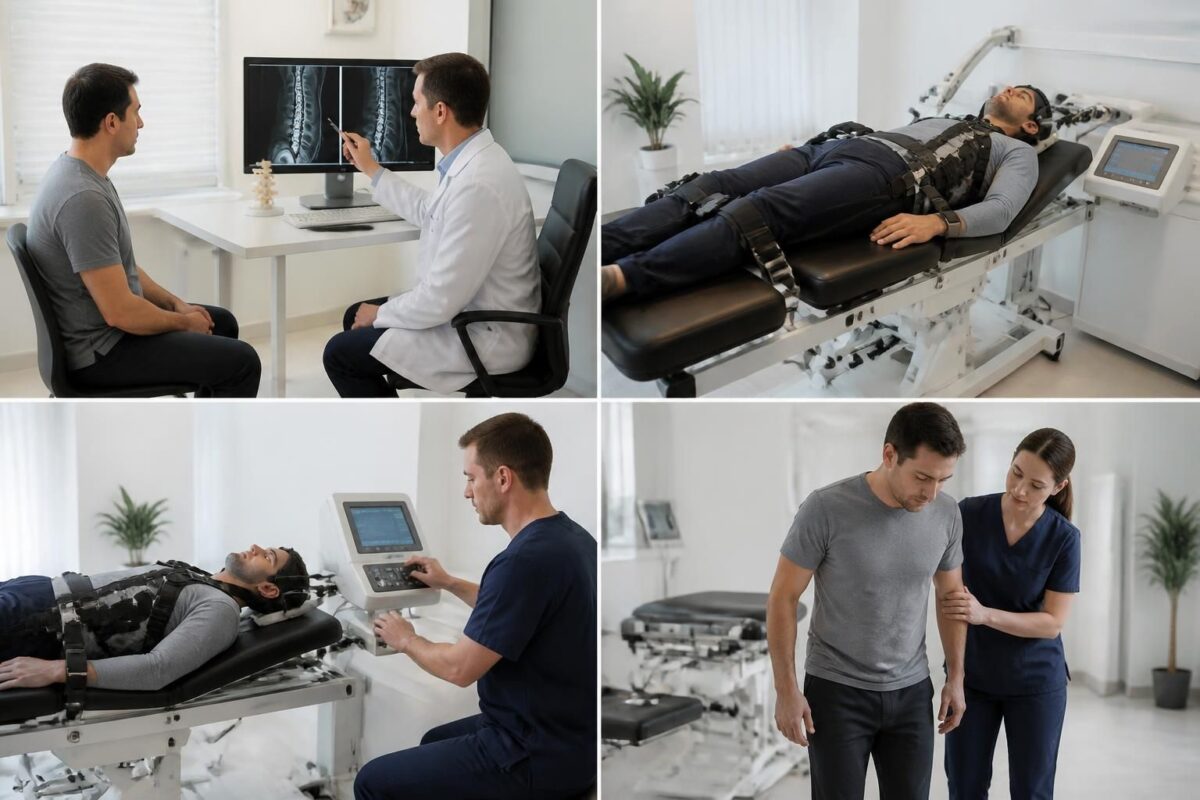
In short
| In short, neurovertebral decompression is one Non-surgical approach aimed at releasing the spine by reducing the pressure on the discs and nerve roots thanks to a Controlled traction and associated techniques. It begins with a Pre-treatment assessment, then personalized sessions on the table, with decompression cycles and possible adjustments. Its main advantages include pain reduction, LImproving mobility and nervous functioning, Disc pressure reduction and an Safe alternative to surgery, while promoting a progressive and lasting recovery. |
The treatment of neurovertebral decompression Follows a process structured in steps to optimize security and results. Step 1: A Pre-treatment assessment and an accurate diagnosis to confirm the indication and identify the contraindications. Step 2: The preparation of the patient and the environment, with explanation of the protocol and preparation for comfort. Step 3: The positioning On table and the fixing To stabilize the body during traction. Step 4: The decompression in Controlled traction by cycles, adapted to each morphology, followed by a re-education and one monitoring to optimize effects and security. Step 5: The profit expected is manifested by a pain reduction, a Improving mobility and a better quality of life.
This article, written by a health professional and expert in neurovertebral decompression, describes the practical steps of non-invasive treatment. It clearly explains the principles, indications and expected results. The objective is to allow an informed and safe choice, based on validated clinical data and protocols.
Pre-treatment and diagnosis assessment. The course begins with a dedicated consultation. The practitioner performs a targeted clinical examination and analyzes the symptoms. Imaging examinations and clinical data make it possible to identify the pathologies justifying a neurovertebral decompression and to assess the risks. This step is essential to ensure the safety and relevance of the treatment.
Design of the therapeutic protocol. The professional determines the protocol according to the patient’s file. It specifies the indications and therapeutic objectives. The plan can target common disc diseases and adapt treatment parameters. Safety and efficiency are at the heart of every decision.
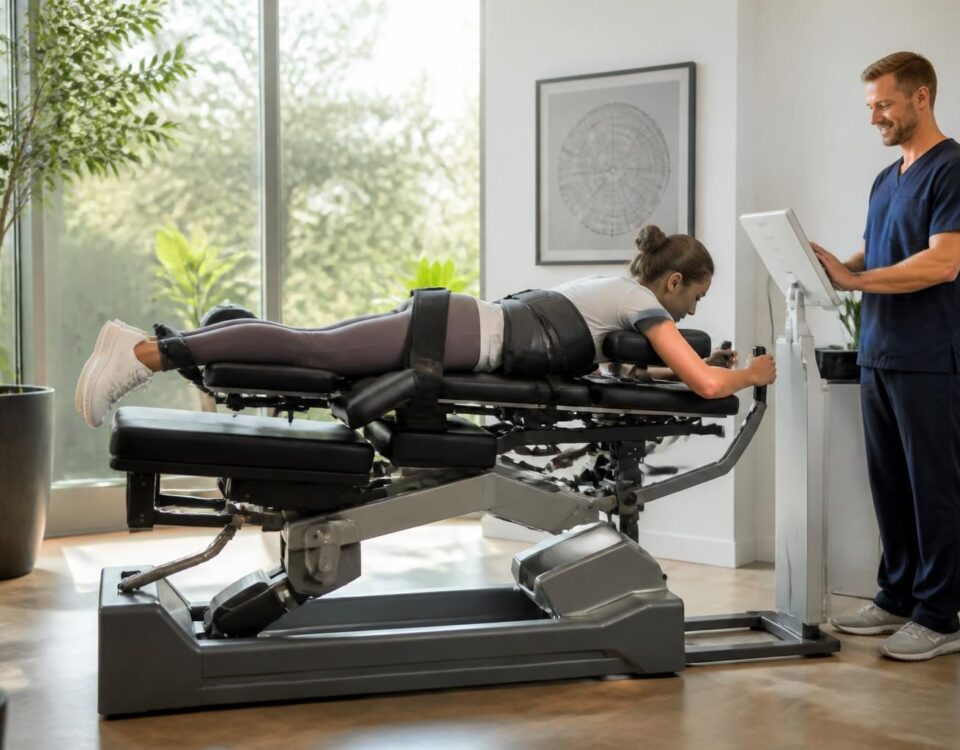
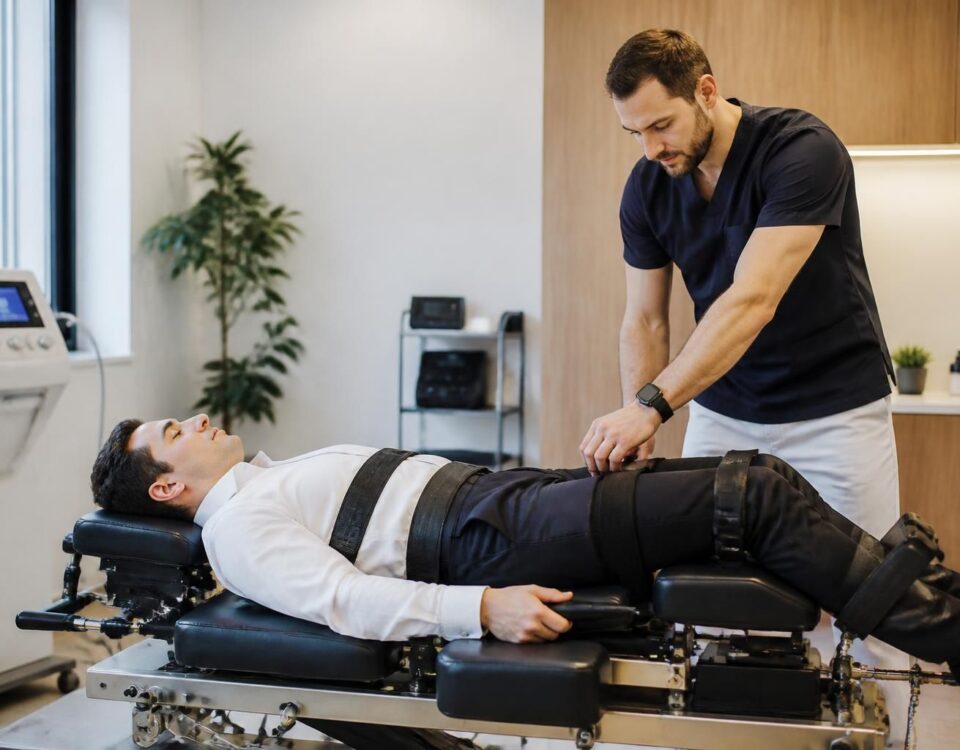
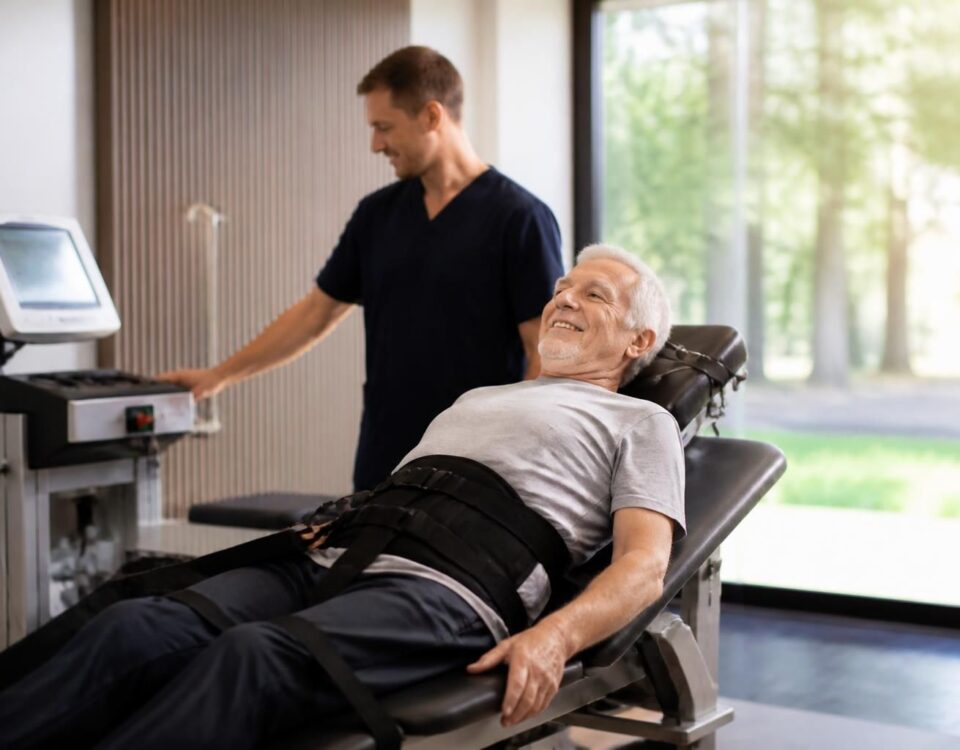
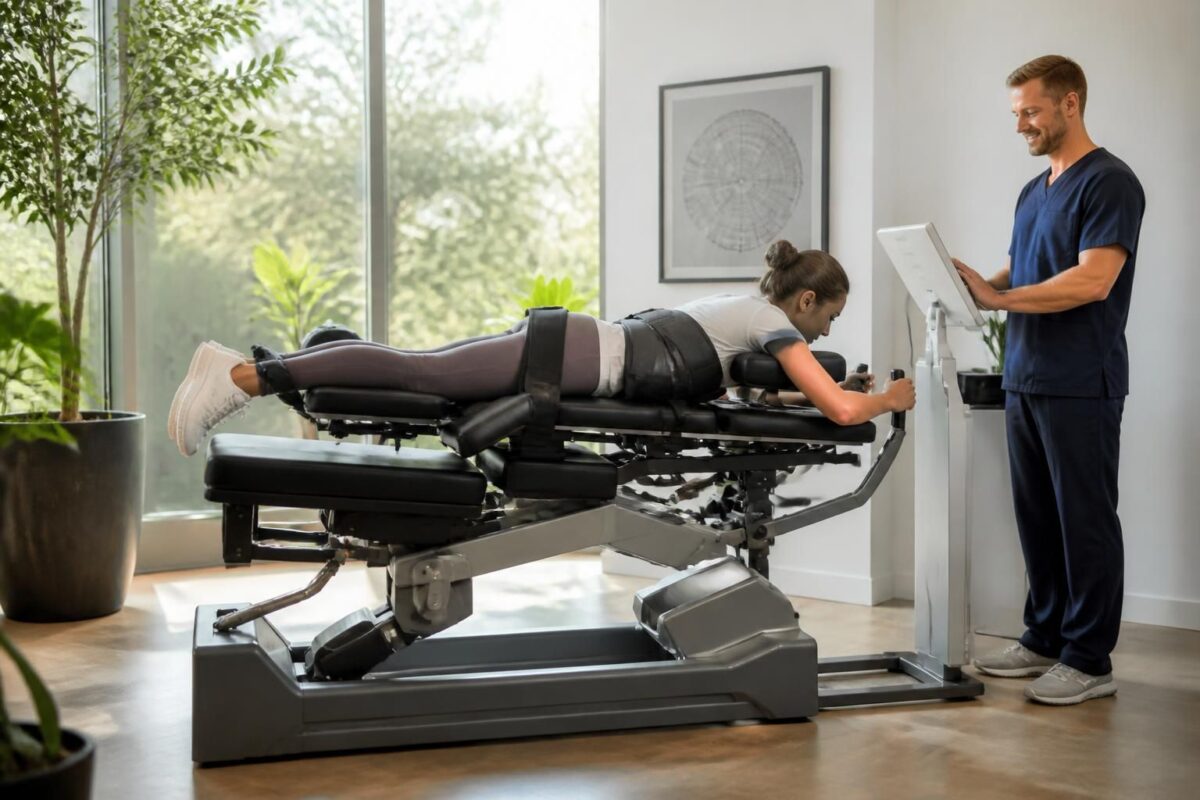
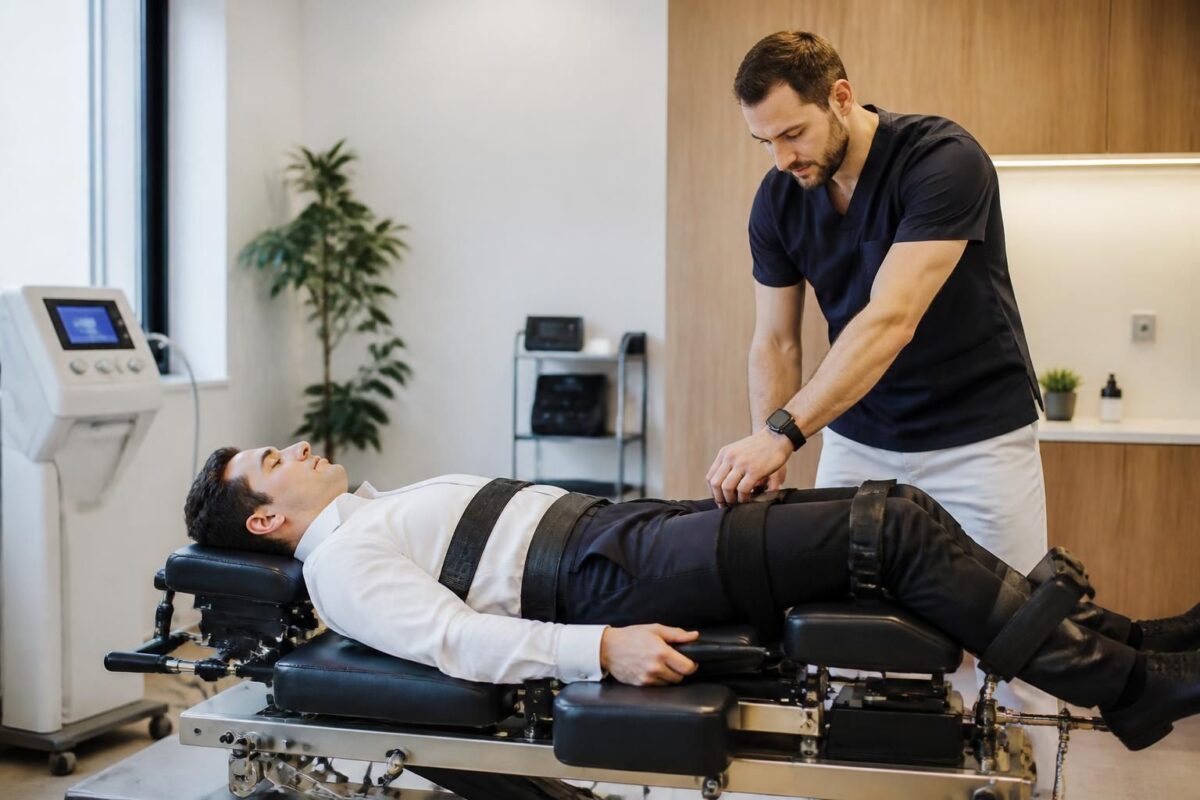
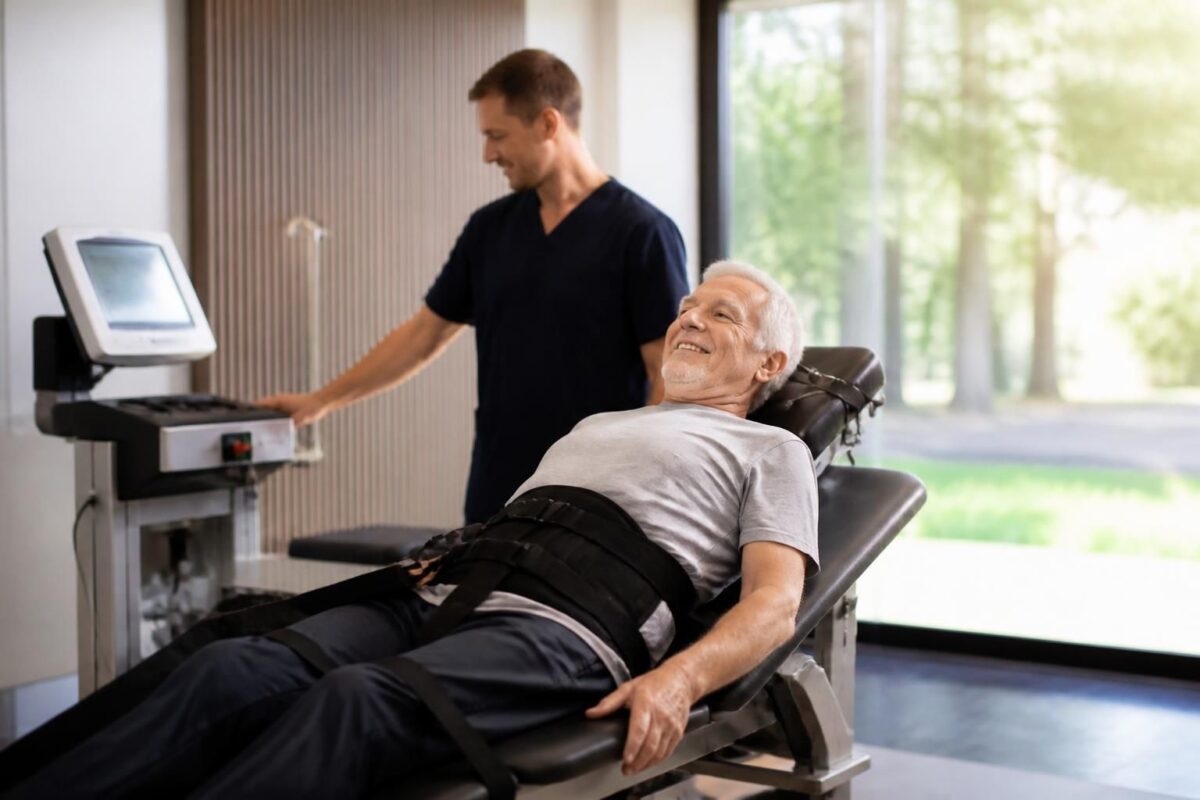
Realization of the session and technologies used. The session takes place on a decompression table or with equivalent devices. The back is stabilized, then mobilized by controlled and gradual traction. Pulsed decompression can be used to alternate periods of traction and release. The protocol is adjusted according to the morphology and evolution of the patient. These techniques aim to temporarily increase the intervertebral space and improve tissue nutrition. The session usually lasts between 30 and 60 minutes, depending on the severity and the initial response.
Monitoring and security. Regular monitoring makes it possible to evaluate the effects and to detect any contraindication or discomfort. The practitioner adjusts the protocol if necessary and may propose additional non-invasive measures. Tolerance and clinical results serve as benchmarks for continuation or adjustment of treatment.
Complementary aspects and clinical context. Clinical experience shows that neurovertebral decompression can improve spinal mobility and reduce pain, without the need for surgery. The non-invasive framework allows for progressive and personalized support. For additional information on technologies and protocols, you can consult the specialized resources and references associated with these approaches.
To enrich your understanding, you can listen to content and consult resources associated with decompression techniques, in particular on the pages of Dedicated podcasts and informative articles available on specialized sites. You will find insights on the advantages and methods of application, as well as patient feedback. In addition, the approach can be discussed with the teams of Tagmed Clinic For an implementation adapted to your case.
Complementary resources address the differences between the approaches and the results observed, particularly in the context of disc pathologies. To learn more, refer to syntheses and guides available on public sites dedicated to neurovertebral decompressions and their clinical indications. Additional information and examples of therapeutic routes can be viewed via the following pages: Advantages and comparison, Foraminal stenosis, and Osteoarthritis and decompression.
For general information and useful references, you can also consult resources dedicated to neurovertebral decompression and its clinical applications, favoring authorized sites such as Prepare for a session and Information about Herniated Disc, in order to discuss with your therapist about the framework and possible results.
As part of your journey at the TagMed Clinic, our team offers an evidence-based approach adapted to each patient. Contact us to discuss a personalized and secure protocol, with an adapted follow-up and rehabilitation schedule. Find out more about TagMed Montreal and Terrebonne.
Medical Disclaimer: The information and advice provided on this site does not replace the health professional’s diagnosis or treatment. Please note that the practitioner is not a doctor and is not a specialist in a medical discipline as defined by the Collège des Médecins du Québec. Manual medicine, functional medicine and sports medicine as described on this site exclude any medical treatment or diagnosis carried out by a doctor or specialist doctor. Always consult your doctor for any medical questions. For more details, please read our full legal notice.
- Pre-treatment assessment : Safety and indications validated by imaging.
- Definition of objectives : Expected results and tolerances.
- Patient preparation : environment, comfort and information.
- Positioning and targeting : Straps and vertebral alignment.
- Controlled traction : gentle stretching cycles adapted to the morphology.
- Pulsed decompression : alternating traction/relaxation.
- Monitoring and rehabilitation : Post-treatment assessment and rehabilitation plan.

This article presents the key steps in a treatment of neurovertebral decompression, describing how to prepare, perform and follow this protocol in a personalized and non-invasive way. You will find the essential points to understand the therapeutic path, choose the appropriate methods and maximize the benefits while ensuring your safety.
Pre-treatment assessment and objectives
The first step is based on a Pre-treatment assessment rigorous to confirm the indication and identify any contraindications. This step combines a specific clinical examination and, if necessary, imaging examinations to locate the areas to be treated and assess the feasibility of the protocol. The objective is to formulate Measurable clinical objectives (Pain reduction, improvement of mobility, return to daily activities) and plan a secure and personalized progression.
Purpose and indications
The treatment aims to reduce the pressure on the nerve roots and to promote the rehydration of the discs, without the need for surgery. It is particularly suitable for disc diseases, low back pain and sciatica which remain reversible and non-complicated after evaluation.
Security and treatment plan
An individual plan is defined, specifying the type of traction, cycles and stop thresholds. This planning emphasizes safety, patient tolerance and the possible need to add associated techniques to optimize results.
The long-term benefits of neurovertebral decompression for spinal health
In short In short, the neurovertebral decompression is a non-invasive approach that decreases the Pressure on intervertebral discs and nerves, favoring the Natural regeneration and tissue recovery. Its long-term benefits include Lasting pain reduction, Improving mobility and from the posture,…
Choice of protocol and objectives
The choice of protocol is based on clinical criteria and patient preferences. The goal is to get a Lasting pain reduction and an Improving mobility without surgery.
Determination of clinical objectives
The objectives included, for example, a decrease in painful intensity, a better amplitude of movement and a gradual resumption of professional or sporting activities.
Protocol selection
The protocols are adapted to the patient’s anatomy and pathology: you can benefit from Controlled traction, pulsed decompression cycles and, where appropriate, accompaniment manual or supervised auto-tractions to complete the session.

Neurovertebral decompression and mobility: a return to an active life
In short In short, the neurovertebral decompression is therapy non-invasive who uses a gentle traction To create a space between the vertebrae and reduce the pressure on the Intervertebral discs and the nerves. It promotes a bloodstream improved, lowers tension…
Patient preparation and environment
To optimize efficiency, a favorable framework is essential. This includes a Quiet environment, comfortable clothes and clear information on the course and the sensations expected during the session.
Physical and psychological preparation
gentle exercises and breathing exercises promote relaxation and better tolerance to treatment, while the exchange on expectations mentally prepares the patient.
Atmosphere and comfort
A reassuring atmosphere and a clear organization of the sessions reduce anxiety and support the overall effectiveness of the protocol.
How Neurovertebral Decompression Prevents Diffuse Chronic Pain
In short decompression neurovertebral is one Non-invasive method aimed at reducing the Pressure on the intervertebral discs and the nerves, in order to prevent Diffuse chronic pain. It improves the circulation and thedisc hydration, decreases inflammation and promotes better mobility.…
Sessions
A typical session lasts between 30 and 60 minutes, with progression adapted to the severity and response of the patient. The unwinding combines controlled traction, stable positioning and tolerance control.
Controlled traction and positioning
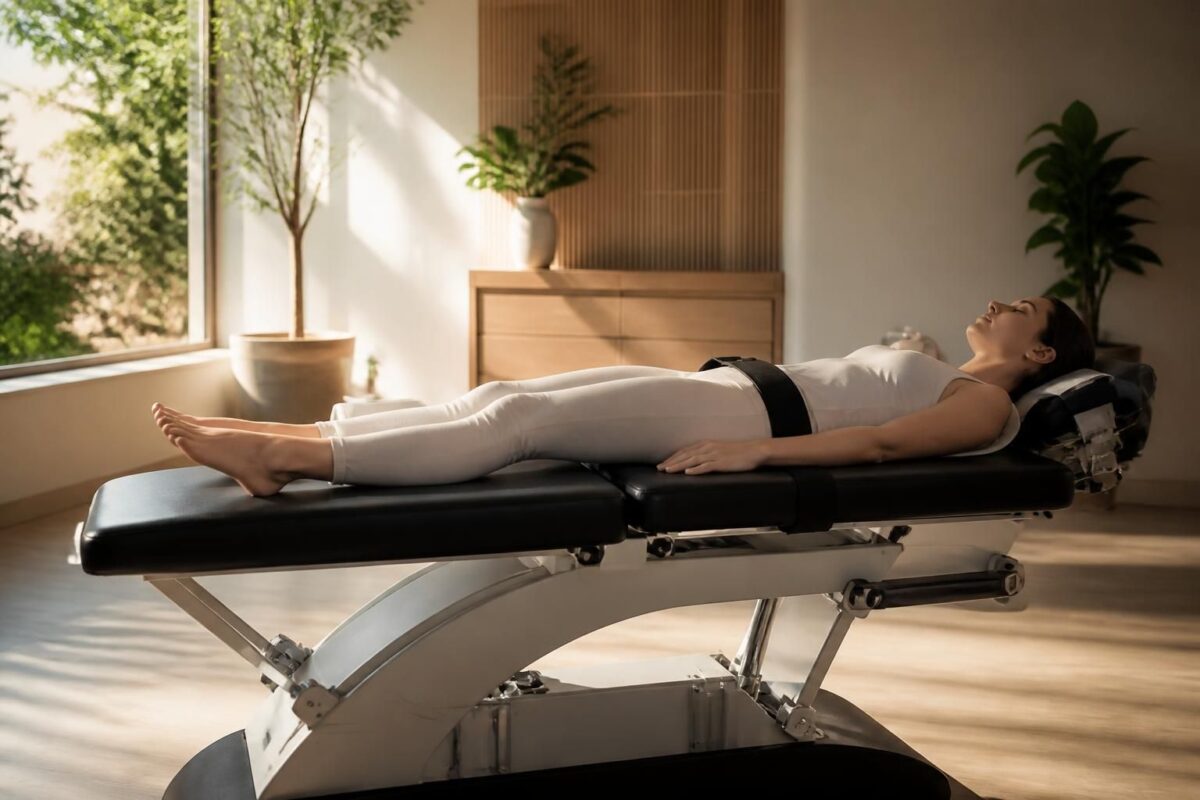
The back is placed on a specialized table and held in a secure position, allowing precise and personalized stretching without excessive muscle contraction.
Techniques used
Various techniques can be used: Pulsed traction, delicate manual adjustments when necessary and self-traction guidelines to promote autonomy under supervision.
Duration and pace
The frequency and number of sessions are adjusted gradually, in order to consolidate the gains while respecting the pace of recovery of each patient.
Neurovertebral Decompression and Body Alignment: Restoring Natural Balance
In short In short, neurovertebral decompression is one Non-invasive approach who restores theBody Alignment and thenatural balance back and neck. She acts by a Controlled traction of the spine to widen the intervertebral space and reduce the Pressure on discs…
Monitoring, rehabilitation and security
One Post-processing follow-up and a rehabilitation program strengthen the benefits and preserve the results over time. The contraindications And precautions remain at the heart of the evaluation, with adjustments if necessary.
Post-treatment and rehabilitation
Strengthening and mobility exercises, progression of activities and ergonomic advice extend the beneficial effects and reduce the risk of recurrence.
Controls and security
Regular checks make it possible to assess tolerance, adapt the protocol and prevent complications, ensuring a patient-centric approach.
Why neurovertebral decompression is a lasting solution for active seniors
In short In short, the neurovertebral decompression is one Non-invasive therapy which sustainably relieves spinal pain in the spine active seniors By creating, by a Soft and controlled traction, a space between the vertebrae. At Montreal, it is recognized as…
Expected benefits and results
Profits include a pain reduction, a Improving mobility And a better quality of life, with feedback on stability and endurance. The results vary according to the individual, but a measurable and lasting progression is possible when the protocol is followed rigorously and supplemented by appropriate rehabilitation.
Effects on pain and mobility
Patients often report a rapid decrease in pain and increased flexibility and ability to perform everyday actions.
Long-term prospects and security
If the follow-up is met, the long-term prospects include a reduction in painful episodes and better prevention of recurrences, without invasive use when the indications remain appropriate.
| Step | Concise description |
|---|---|
| Pre-treatment assessment | Medical analysis and imaging to confirm the indication and rule out the contraindications. |
| Custom planning | Definition of the appropriate protocol, objectives and duration of the sessions. |
| Setting up and positioning | Installation on the table with precise positioning to secure the back and joints. |
| Controlled traction | Computer setting of parameters to stretch the affected segments smoothly. |
| Pulsed decompression | Stretching and resting cycles to alleviate pressure and promote tissue relaxation. |
| Auto-tractions and exercises | Learning simple exercises to perform under supervision to continue the effect at home. |
| Complementary manual approach | Targeted manipulations to improve the mobility and alignment of the vertebrae. |
| Monitoring and rehabilitation | Re-evaluation and adjustment of the protocol according to the results and symptoms. |
| Controls and security | Contraindication checks and safety advice to limit risks. |
| Expected results | Sustainable reduction of pain, regained mobility and progression towards a better quality of life. |
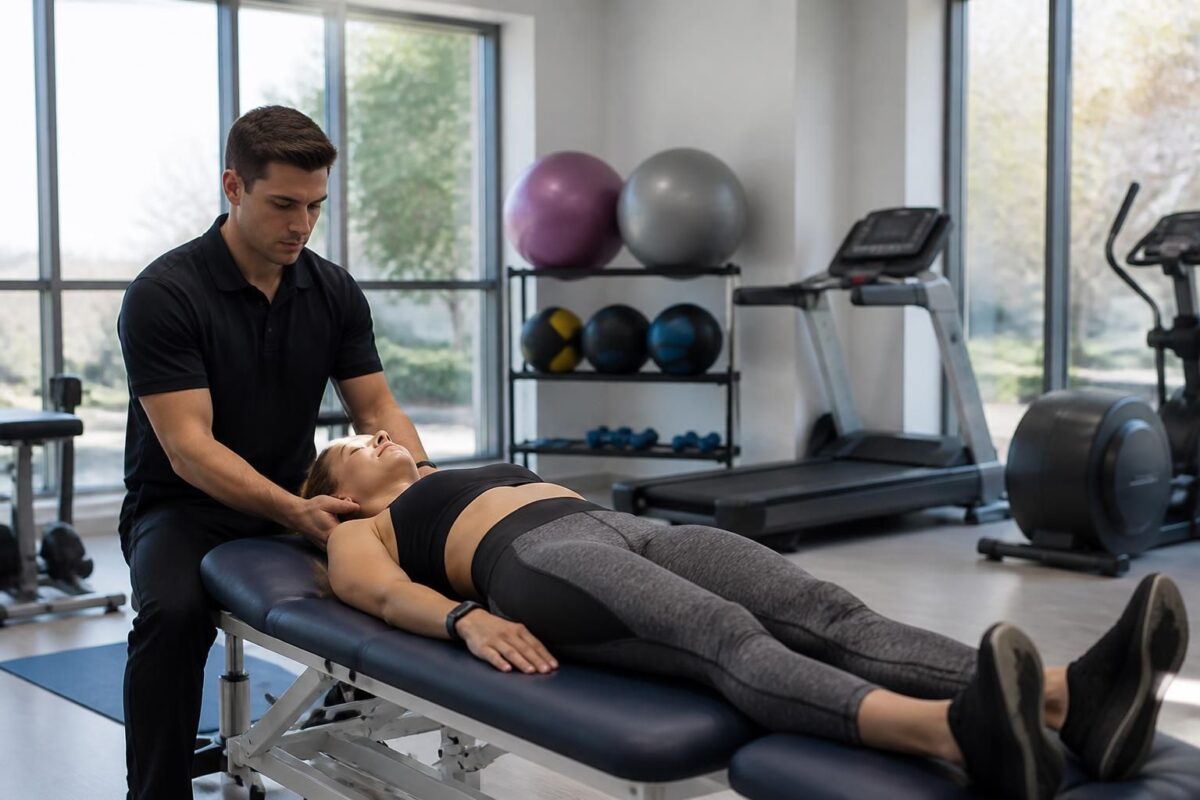
Neurovertebral decompression and recovery after severe sports injury
In short In short, the neurovertebral decompression is one Non-invasive method to Relieve the pressure on the Intervertebral discs and the gristle Via a Controlled traction, to facilitate the recovery After a severe sports injury. It improves the bloodstream towards…
Testimonials on the stages of neurovertebral decompression treatment
“Above all, I experienced a Pre-treatment assessment complete which made it possible to understand exactly where my pain was and which areas to mobilize. This step established a real feeling of security and gave me confidence in the course that would follow, with a personalized plan adapted to my spine. »
“In my first session, I was placed on a Decompression table And I felt a Controlled traction Soft, progressive and perfectly adapted to my morphology. The positioning was adapted, which immediately reassured me and allowed me to remain relaxed throughout the session. »
“During the session, the Pulsed decompression appeared as a really effective alternative. The traction and relaxation cycles have brought a feeling of rapid and progressive relief, particularly useful for reducing pain around affected discs. »
“I also learned some Auto-tractions and exercises to do at home. This approach gave me real autonomy and helped me to gradually integrate simple gestures into my daily routine, under professional supervision. »
“In addition, theManual approach was proposed to realign the areas that needed it and strengthen the overall mobility of my column. These manipulations, combined with decompression, have increased the effectiveness of the treatment. »
“The Post-processing follow-up and the rehabilitation that followed were essential to stabilize the results. The rehabilitation protocol targeted sensitive areas and ensured lasting progress in my mobility and pain. »
“In the end, the benefits are tangible: a Mobility found and a significant improvement in the quality of life. Each step had its interest, and the consistency between evaluation, treatment and rehabilitation convinced me to continue towards better spinal health. »
Dr. Sylvain Desforges is a recognized osteopath, specialist inosteopathy, from the naturopathy and manual medicine. At the head of the TagMed clinics and the ACMA association, he carries a vision focused on theHealth Innovation. His career is distinguished by an approach centered on the Management of Chronic pain and the integration of advanced technologies such as neurovertebral decompression, the laser and the Shockwave therapy, in order to offer care evidence-based and adapted to each patient.
The first step is a In-depth consultation and an Pre-treatment assessment rigorous. This phase combines a targeted interview, a careful clinical examination and, when necessary, imaging examinations to assess the extent of the pathology and to verify theindication For decompression. This analysis makes it possible to rule out the contraindications and to prepare the ground for a secure and effective protocol.
Based on the results, the practitioner develops a Custom Protocol who can favor a Controlled traction and/or a Pulsed decompression, adjusted to the patient’s morphology and pathology. This step is accompanied by an informed choice of complementary options such as manual approaches, postural advice and associated therapies, in order to optimize results while minimizing risks.
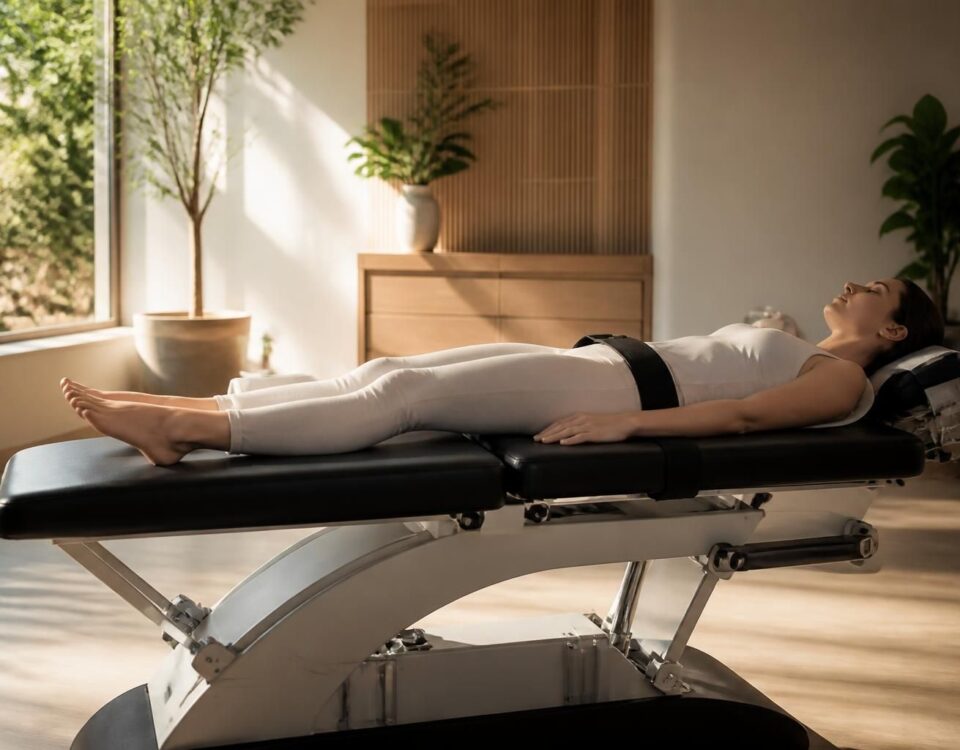
Before each session, physical preparation and the work environment play a key role. the patient is installed on a Decompression table adapted and benefits from a suitable positioning which stabilizes the trunk and optimizes traction efficiency. The setting is calm and comfortable, conducive to relaxation and cooperation of the patient during treatment.
During the session itself, the duration typical is between 30 and 60 minutes. The treatment combines a Controlled traction in cycles and a Pulsed decompression, with real-time adjustments according to the patient’s tolerance and feedback. of Auto-tractions guided and a Manual approach Occasional can be integrated to enhance spinal mobility and optimize muscle relaxation. Continuous monitoring ensures compliance with therapeutic parameters and patient safety.
Another essential step is post-treatment monitoring and rehabilitation. A PLAN OF monitoring and of re-education is offered, including exercises at home, lifestyle advice and progressive protocols to consolidate benefits and promote sustainable functional recovery. Everything is part of a logic of security and ofClinical efficacy, with a regular assessment of progress and possible treatment adjustments.
This professional approach is based on rigorous evaluation, personalized planning and careful execution, aimed at offering a non-surgical and effective alternative to relieve back pain and improve mobility. The course is designed to optimize the overall well-being of the patient and is part of an integrated approach to care. This method is based on clinical expertise and a constant desire to improve the quality of life.
Quick summary: neurovertebral decompression is an approach non-invasive which aims to relieve back pain and disc pathologies by reducing the pressure on the nerves and discs. This article presents the Steps of treatment Type, from initial evaluation to follow-up after session, through the choice of protocols and practical progress.
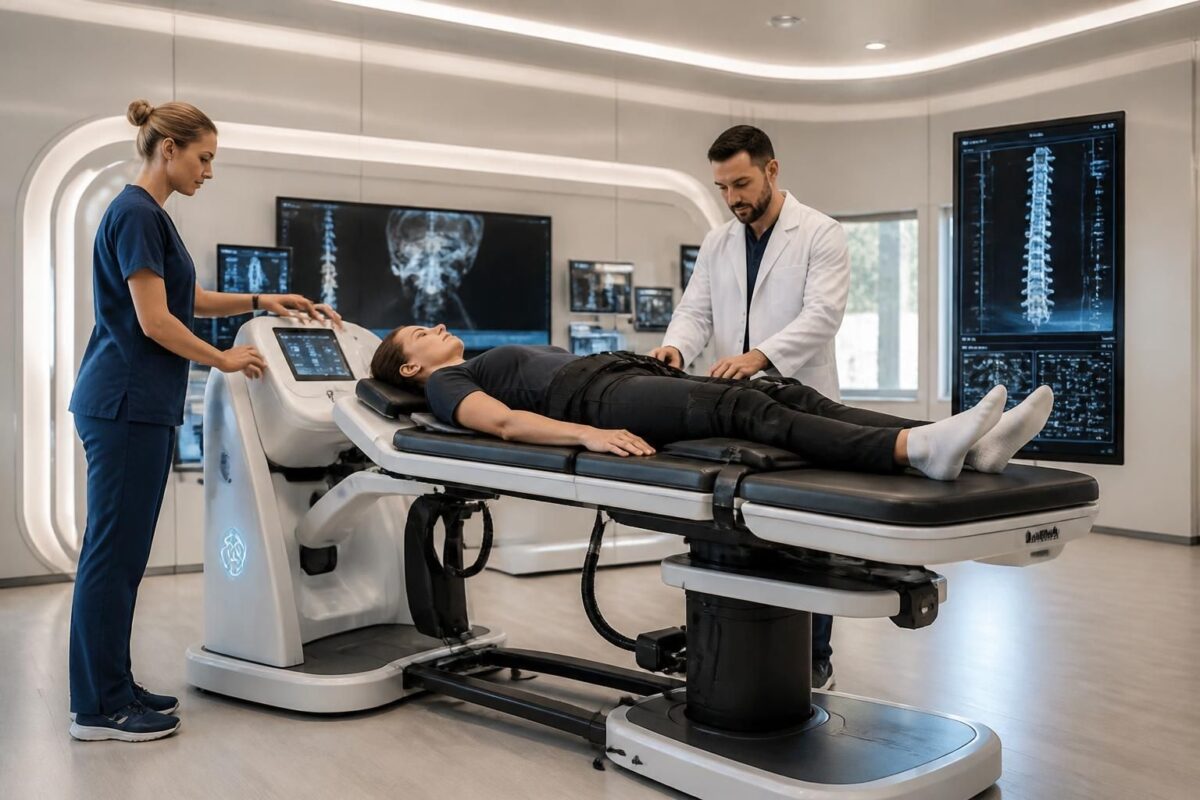
Recent innovations in neurovertebral decompression technologies
In short In short, the neurovertebral decompression is an approach non-invasive Aiming to reduce pressure on discs and nerves, and promote tissue regeneration. At Montreal, it is positioned as an effective option for lower back pain and herniated discs. The…
Pre-treatment assessment and indications
Before any intervention, a Full assessment Is essential: anamnesis, clinical examination and targeted imaging make it possible to confirm an indication adapted to a decompression and to rule out the contraindications. This step ensures that the chosen protocol will be safe and relevant to the patient. To deepen the principles and deligibility criteria, consult the dedicated resources such as The stages of treatment and other specialized guides.
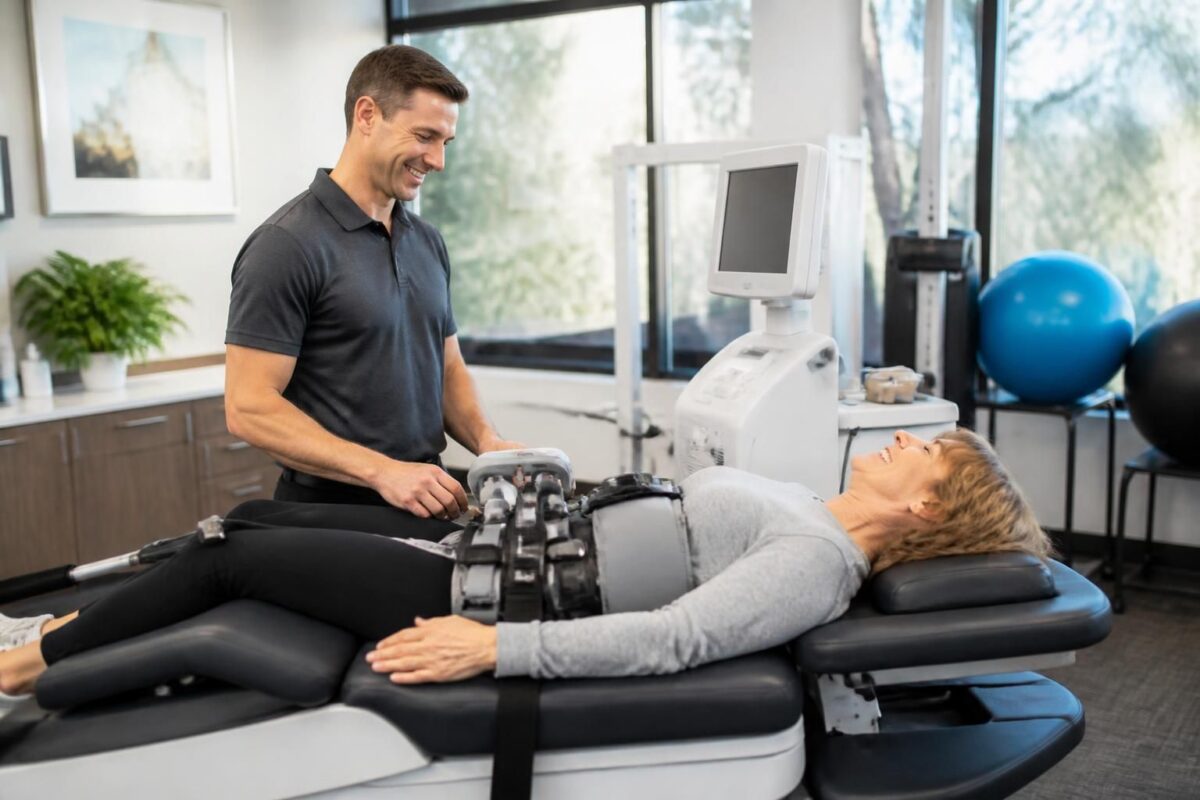
Neurovertebral decompression and diffuse pain: an appropriate solution
In short In short, the neurovertebral decompression is one Non-invasive solution For diffuse pain related to nerve irritation of the spine. She acts in Reducing pressure on intervertebral discs and nerves and improving the bloodstream, which promotes recovery and the…
Patient and environment preparation
Success is also based on good preparation. It is a question of creating a calm and adapted environment, of favoring comfortable clothes and of ensuring adequate hydration. Short mental preparation (deep breathing, visualization of objectives) can optimize the comfort and efficiency of the sessions. Useful resources on practical aspects and clinical considerations are available on Integration into a rehabilitation program and Vertical decompression – the steps.
Choice of protocols and technologies used
Modern protocols combine computerized controlled traction systems with non-invasive approaches such as guided cervical and lumbar traction. We favor personalized settings according to the anatomy and pathology of the patient. Techniques such as pulsed decompression and self-traction can be integrated under supervision. To understand the distinctions between traction and neurodecompression and their clinical relevance, see in particular the resources Clinical sheets and guides and Dedicated podcast.
course of a standard session
A session typically lasts between 30 and 60 minutes And is structured around controlled traction, appropriate positioning and reactive evaluations. The system adjusts the forces and traction cycles in real time, in order to avoid reflex contractions and promote disc rehydration. After the session, a rehabilitation plan is often proposed to maximize lasting effects, as described in the reference protocols.
Post-treatment and rehabilitation follow-up
Monitoring is essential to measure progress and adapt the program. It can include maintenance exercises, control visits and protocol adjustments. Integrating decompression into a comprehensive rehabilitation program can greatly improve outcomes and benefit sustainability, as illustrated on this guide.
For additional information and clinical perspectives on non-invasive approaches, you can explore specialized resources such as sciatica and walking and Flexion of the trunk and sciatica.

Dr Sylvain Desforges, B.Sc., D.O., N.D., osteopath, is the founding president of TAGMED and of the ACMA association. He dedicates his practice to chronic spinal pain, low back pain and symptoms compatible with sciatica, particularly when pain radiates toward the buttock, leg, calf, foot or toes.
Through SOS Sciatique, he publishes educational content on sciatica symptoms, possible causes such as disc herniation, disc narrowing, foraminal stenosis or irritation of a lumbar nerve root, as well as non-surgical approaches that may be considered according to the evaluation. At Clinique TAGMED, care may include, depending on the case, motorized neurovertebral decompression, specific osteopathic care or precision percussion.
For an evaluation related to sciatica treatment in Montreal / Mount Royal or sciatica treatment in Terrebonne, please consult the services available at Clinique TAGMED.
Medical disclaimer
The information published on SOS Sciatique is provided for educational purposes only and does not replace a consultation, diagnosis, opinion or treatment provided by a physician or another authorized healthcare professional. The author of this article is neither a medical doctor nor a specialist in a medical specialty recognized by the Collège des médecins du Québec. The osteopathic, manual medicine or functional support approaches described on this site do not constitute medical acts and are not intended to replace medical follow-up.
Consult a physician or emergency service in cases of loss of bladder or bowel control, anesthesia in the saddle area, significant or progressive weakness in the leg or foot, fever, recent trauma, severe pain or rapid worsening of symptoms. For more details, please read our Legal Notice.