herniated discs: when neurovertebral decompression is the solution
25/06/2026
How neurovertebral decompression improves quality of life
25/06/2026
In short
| In in short, the neurovertebral decompression is an approach non-invasive aimed at relieving sciatic pain by reducing the pressure on the discs and nerves. This support offers a Quick relief, improves the mobility and reduces the risk of recurrence, all in a logic multidisciplinary. accessible to Montreal, it is part of a protocol combining manual therapies, exercises and patient education for a Efficient support and sustainable. |
The neurovertebral decompression is an approach non-invasive aimed at relieving sciatic pain By decreasing the pressure on the Intervertebral discs and the gristle.
It acts by a controlled traction that restores the space between the vertebrae, improves the circulation and reduces inflammation, leading to rapid pain reduction and a better mobility. Associated with exercises and a multidisciplinary approach, it promotes a return to daily activities and the welfare without resorting to surgery.
This article, written by a health professional and expert in the field, presents the neurovertebral decompression like a Efficient support sciatic pain. It describes the mechanism, clinical outcomes and important role of an approach multidisciplinary and patient-centric. Practical resources and examples help to understand when this approach is relevant and how it fits into an overall care strategy.
What is neurovertebral decompression?
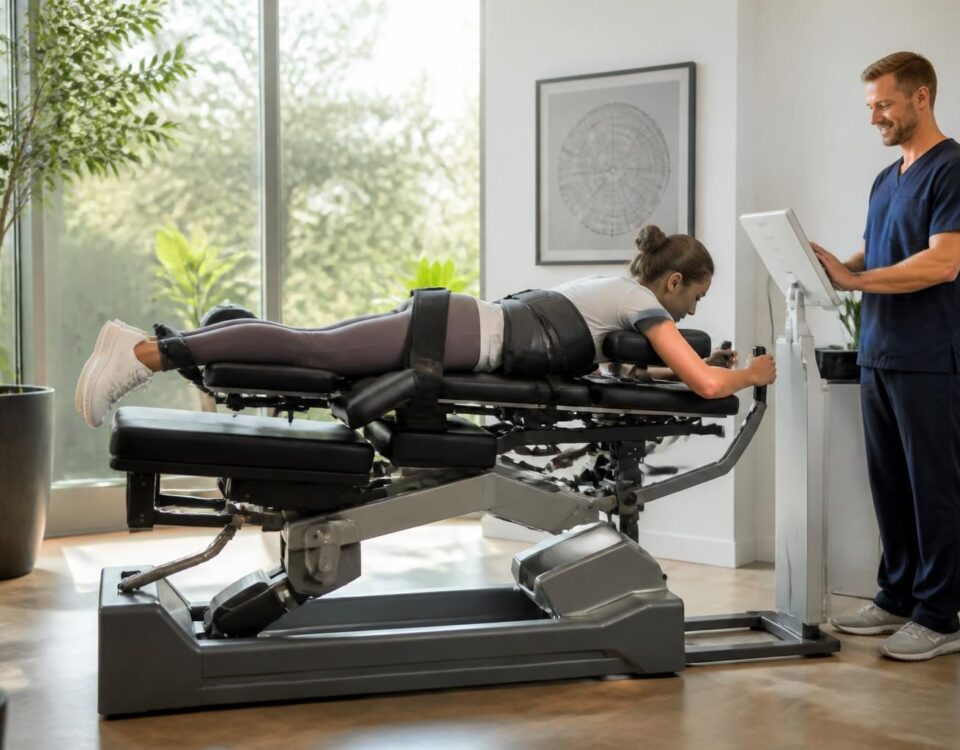
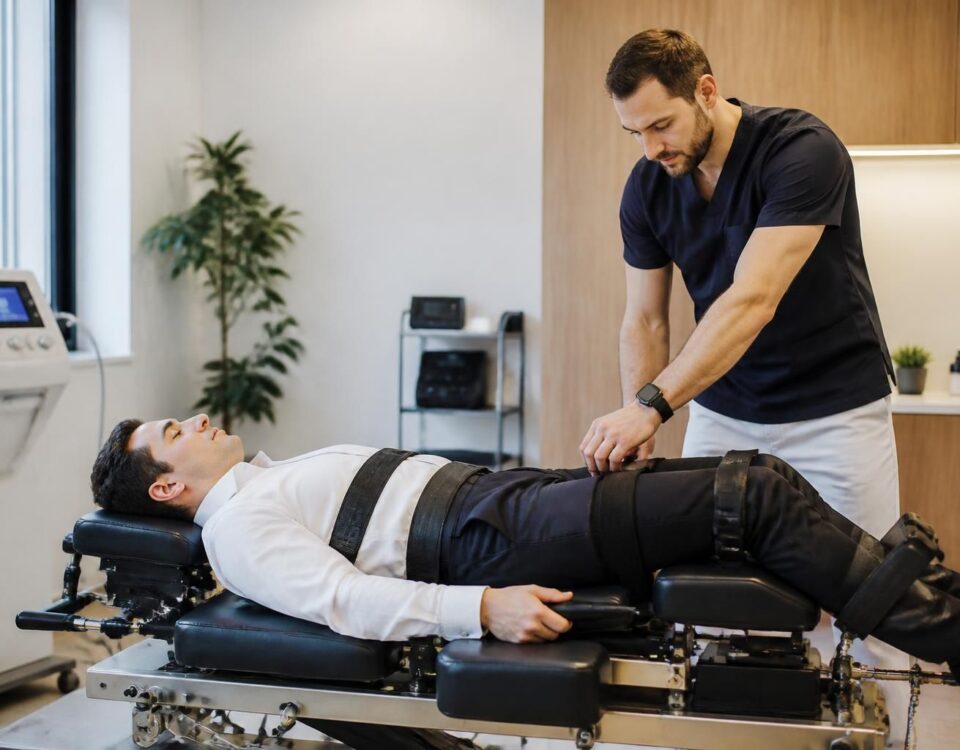
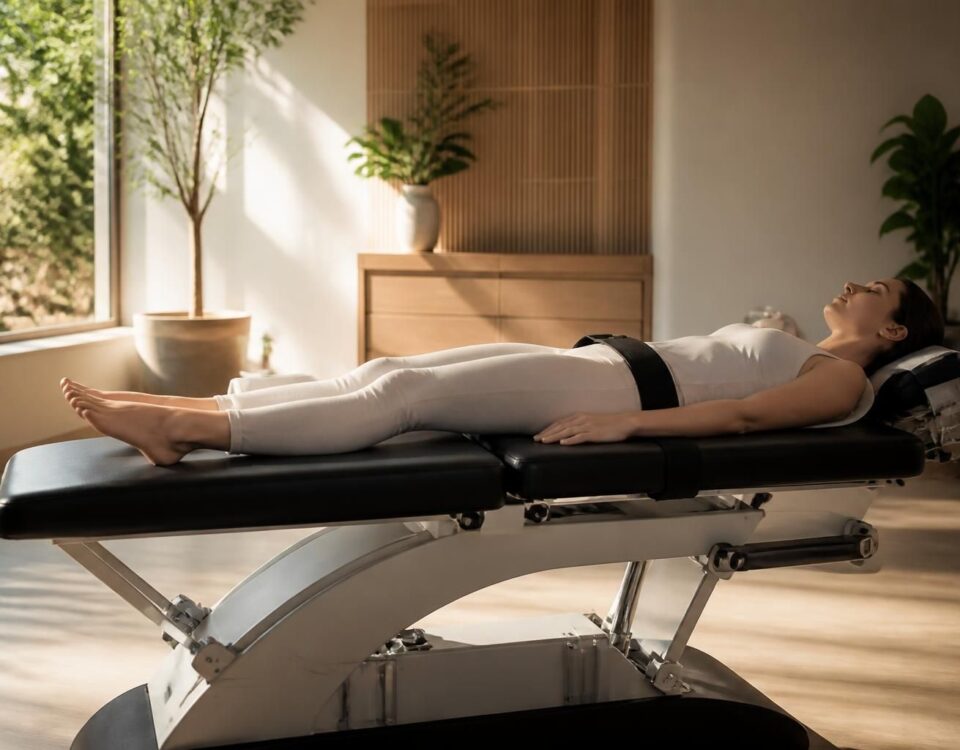
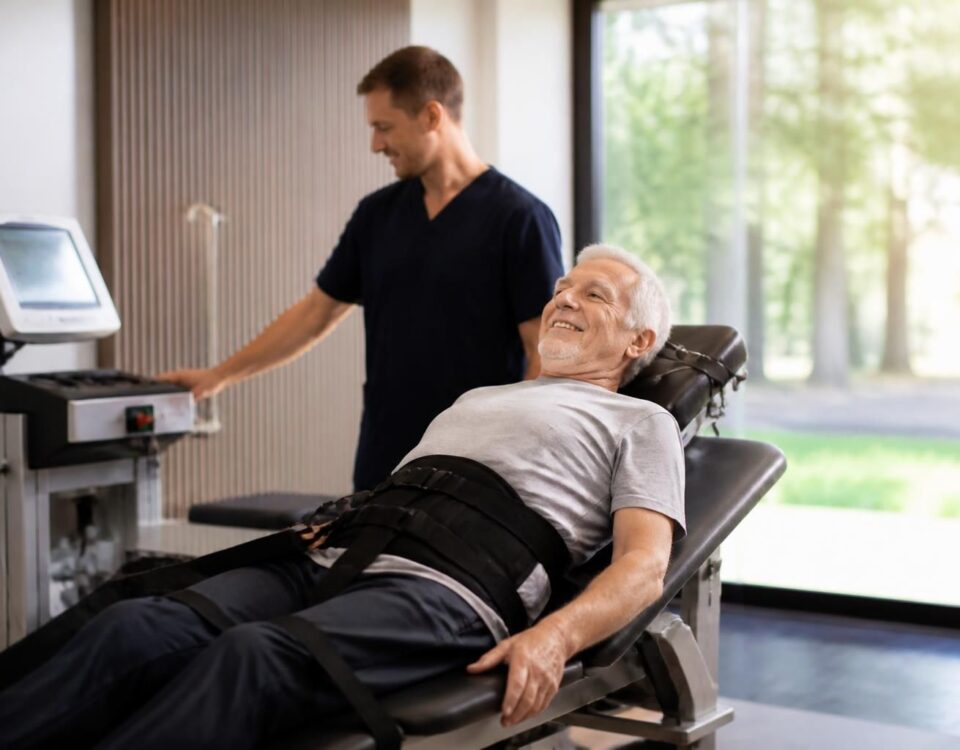
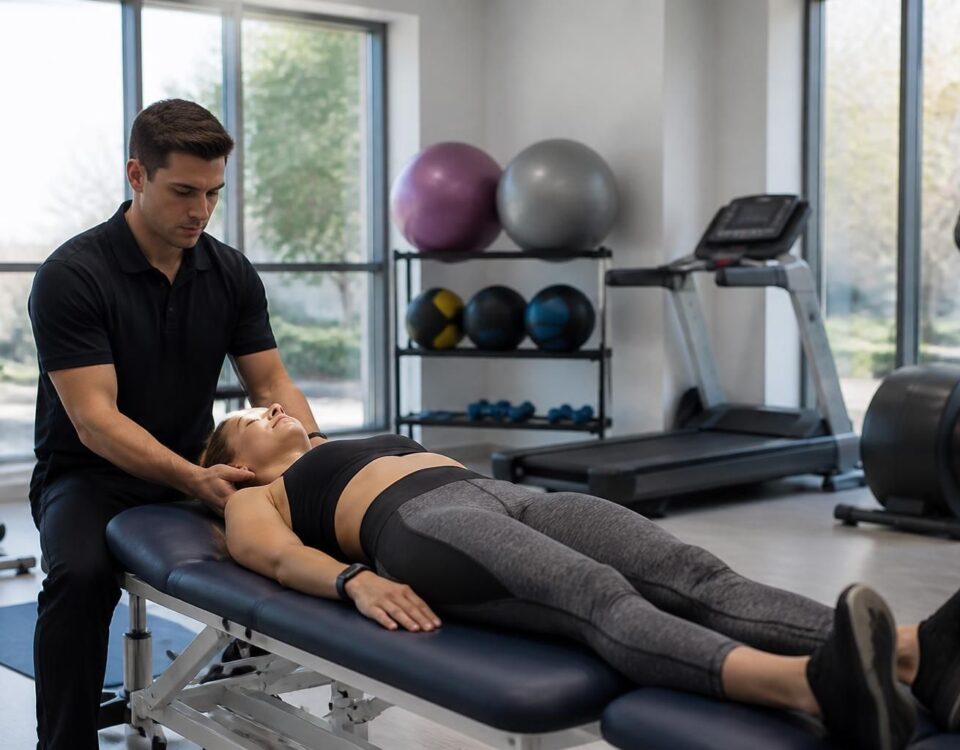
Neurovertebral decompression is a non-surgical procedure that uses controlled lumbar traction. It aims to create a space between the vertebrae and reduce the pressure on the discs and nerve roots. The process can improve blood circulation in the area and reduce sciatic nerve irritation. This approach is particularly suitable for lower back pain radiating in the legs and can be achieved with computerized systems that provide real-time control.
Indications and clinical results
It can be considered when lower back pain is associated with radiculopathy. Clinical data often show rapid improvement in pain and better mobility after several sessions, especially when combined with other appropriate care. Modern motorized decompression devices have been associated with pain reduction and better function in many patients.
To deepen the practical aspects and potential benefits, dedicated resources exist on the subject, in particular Immediate Benefits and Possible avoidance of surgery.
Integration with osteopathy and a multidisciplinary approach
Neurovertebral decompression is ideally part of a Multidisciplinary approach including osteopathy and other health professionals. The objective is to restore mobility, reduce pain and improve quality of life without unnecessarily resorting to invasive treatments. Osteopathy provides management of myofascial tensions and musculoskeletal imbalances that accompany lumbosciatica.
Additional resources and feedback highlight the importance of a multidisciplinary framework to optimize results. To learn more about clinical integration and perspectives, you can view information about Alternatives to drug treatments or Diagnostic and therapeutic solutions.
Security, limits and context
Neurovertebral decompression is a non-invasive and generally well-tolerated modality when performed by trained professionals. Contraindications exist and, in some cases, imaging is useful before considering treatment. The assessment should take into account neurological signs, pain progression and the patient’s clinical history. In some situations, other therapeutic options will be discussed as part of a process biopsychosocial.
For those who wish to explore technical aspects and mechanisms, specialized resources exist, in particular on The general definition and Specific benefits for sciatica. Additional information on application areas and limits is also available via SOS Herniated Disc.
Clinical aspect and key points to remember
Neurovertebral decompression has significant potential benefits, such as reducing pain, improving mobility and reducing nerve pressure. It is part of a logic of reducing symptoms and preventing chronicization, while promoting better functional adaptation.
For professionals and patients interested in the options available in Montreal and in connection with TagMed clinics, additional information is accessible via Tagmed Clinic and associated resources.
Additional resources can be viewed on Immediate Benefits and Avoid surgery. To deepen the historical and conceptual aspects, an encyclopedic resource specifies the theoretical bases of the neurovertebral decompression.
Relevant associative and training references include NUMSS, NAO and National University of Medical Sciences, which support continuous training and evidence-based practice.
Medical Disclaimer: All articles must include, at the bottom of the page, the following text as a disclaimer:
“Medical disclaimer: The information and advice provided on this site does not replace the health professional’s benefit, diagnosis or treatment. Please note that Dr. Sylvain Desforges osteopath is neither a doctor of medicine nor a doctor, and is not a specialist in a medical specialty as defined by the Collège des Médecins du Québec. Manual medicine, functional medicine and sports medicine as described on this site exclude any medical treatment or diagnosis made by a doctor or specialist doctor. Always consult your doctor for any medical questions. For more details, please read our full legal notice. »
For more information on security issues and associated approaches, see the following resources: Risks and security and Efficient support. Additional information on domains and practices can be viewed via Tagmed Clinic.
- Principle : Non-surgical neurovertebral decompression by computerized lumbar traction
- Mechanism : Segmental distraction aimed at reducing disc pressure and root compression
- Physiological effects : Improved local circulation and reduction of inflammation around the nerves
- Access : Non-invasive option suitable for a wide range of patients
- Relief : rapid reduction of sciatic pain
- Mobility : Improved amplitude and lumbar endurance
- Autonomy : faster return to activities and work
- Integration : Complementarity with osteopathy and multidisciplinary care

neurovertebral decompression is a Non-surgical approach aimed at reducing the Intradiscal pressure and the Root compression that cause sciatic pain. Used as part of a multidisciplinary program, it is associated with osteopathy and targeted exercises to improve pain, mobility and return to an active life. This set of recommendations describes how to optimize this management for sciatic pain related to lumbar disc herniation, while remaining centered on the patient and safety.
When to consider neurovertebral decompression
Neurovertebral decompression is suitable in people with lumbosciatica of disc with irradiation in the lower limbs and pain aggravated by exertion or cough, without red flags requiring urgent care. After a failure of the usual conservative treatments and in the absence of major contraindications, it can be integrated into a care plan to reduce pain and restore function. It can help reduce the use of analgesics and limit invasive treatments in the long term, while promoting a gradual resumption of daily and professional activities.
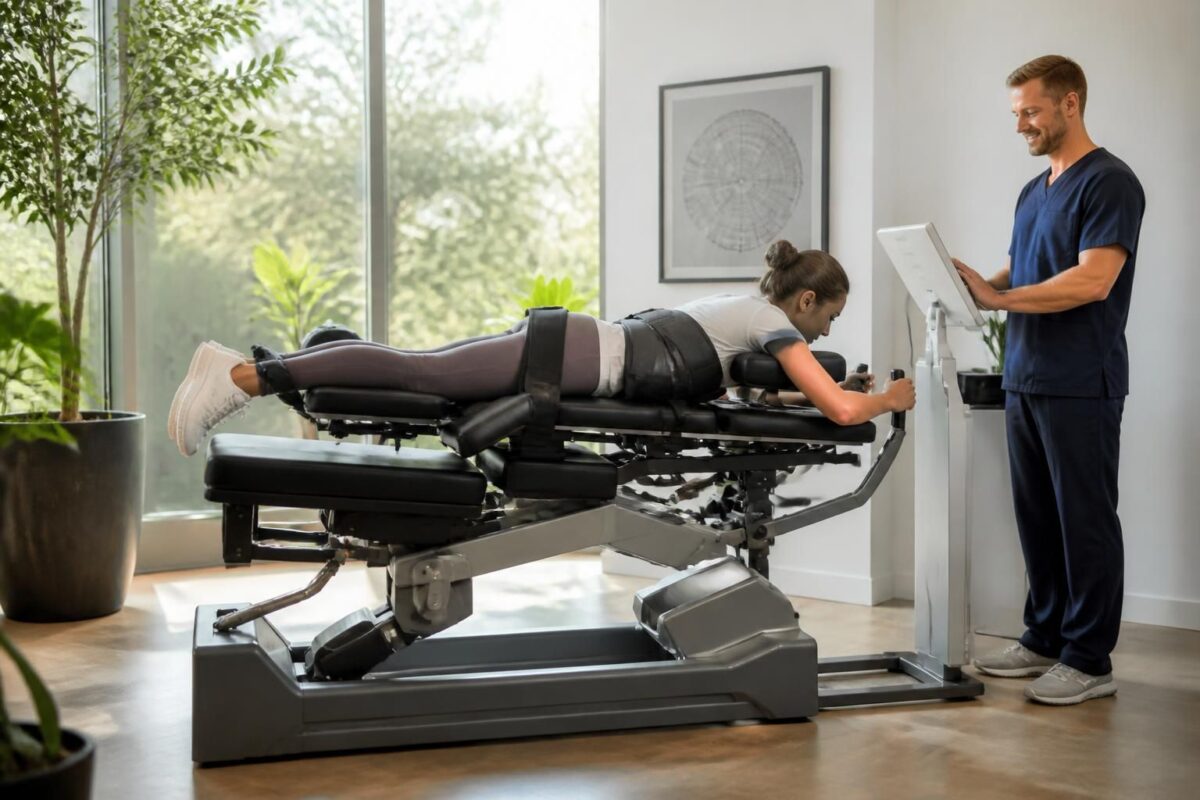
The long-term benefits of neurovertebral decompression for spinal health
In short In short, the neurovertebral decompression is a non-invasive approach that decreases the Pressure on intervertebral discs and nerves, favoring the Natural regeneration and tissue recovery. Its long-term benefits include Lasting pain reduction, Improving mobility and from the posture,…

Neurovertebral decompression and mobility: a return to an active life
In short In short, the neurovertebral decompression is therapy non-invasive who uses a gentle traction To create a space between the vertebrae and reduce the pressure on the Intervertebral discs and the nerves. It promotes a bloodstream improved, lowers tension…
Protocol and progress
initial assessment
The assessment is based on a precise anamnesis and a root-oriented clinical examination, with neurodynamic tests and measurement of pain and disability. The discussion focuses on history, pain intensity and location, and functional impact. Imaging and an appropriate therapeutic approach are considered when neurological or structural elements justify it, or in case of failure of conservative treatment. Patient safety is central and risk signs should lead to appropriate and urgent care.
Treatment plan
The typical plan combines sessions of neurovertebral decompression With stretching and strengthening exercises, under progressive control. The frequency is patient-friendly and is usually over several weeks, with regular re-evaluation of symptoms and functional abilities. Goals include decreasing pain, increasing range of motion, and improving lumbar endurance, while limiting inflammatory episodes and drug dependence. The treatment is adjusted if the pain becomes acute or if signs of complication appear.
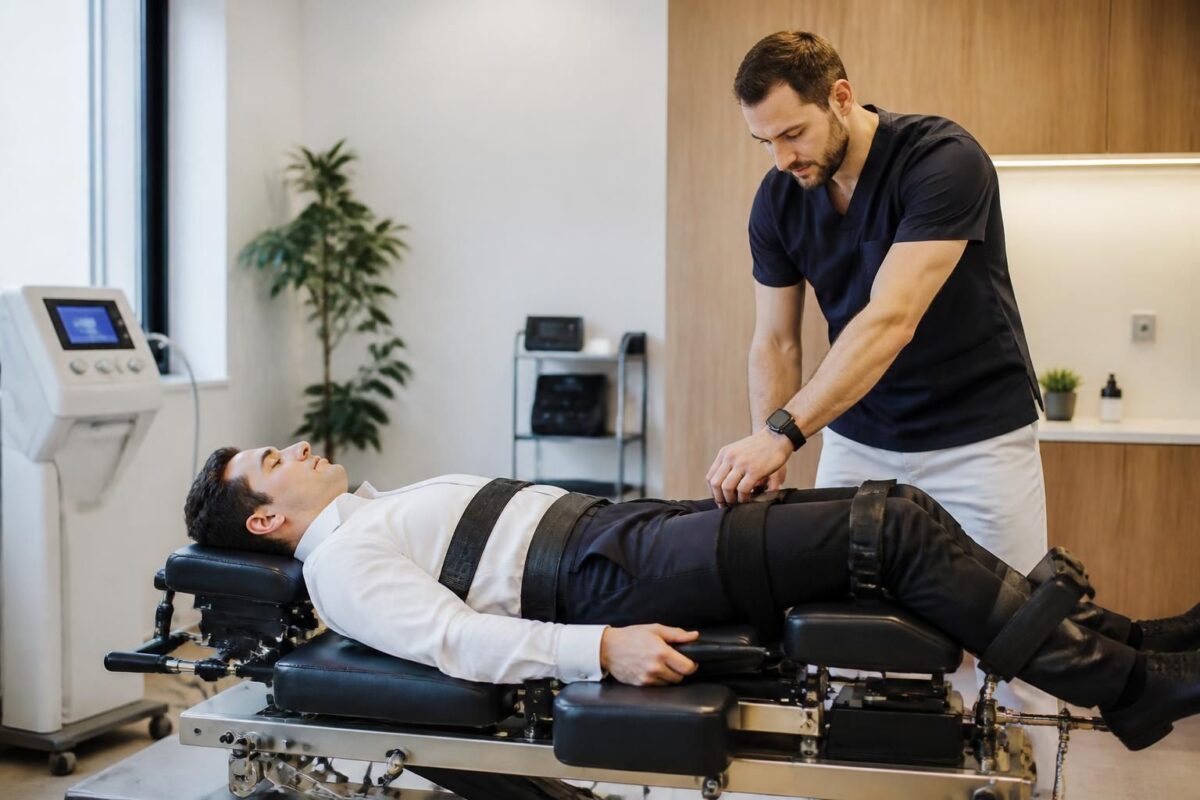
How Neurovertebral Decompression Prevents Diffuse Chronic Pain
In short decompression neurovertebral is one Non-invasive method aimed at reducing the Pressure on the intervertebral discs and the nerves, in order to prevent Diffuse chronic pain. It improves the circulation and thedisc hydration, decreases inflammation and promotes better mobility.…
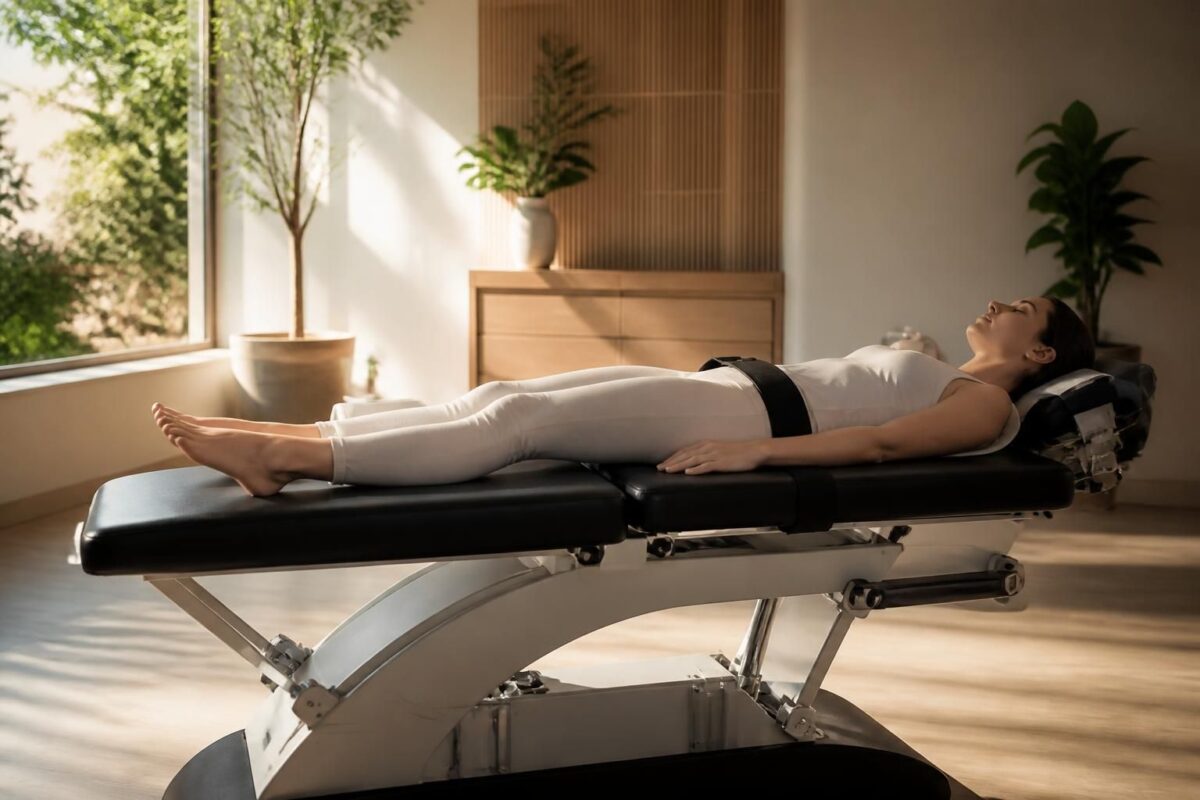
Neurovertebral Decompression and Body Alignment: Restoring Natural Balance
In short In short, neurovertebral decompression is one Non-invasive approach who restores theBody Alignment and thenatural balance back and neck. She acts by a Controlled traction of the spine to widen the intervertebral space and reduce the Pressure on discs…
Integration with osteopathy and multidisciplinary care
The neurovertebral decompression is optimized when associated with a osteopathy and an approach multidisciplinary biopsychosocial. Osteopathy deals with mobility restrictions, myofascial tensions and segmental dysfunctions that limit recovery. Therapeutic exercises, postural education and ergonomic advice at work complete the device. Collaborate with health professionals (physiotherapists, doctors, psychologists, occupational therapists if necessary) to ensure comprehensive and sustainable care and to minimize recurrence risks.
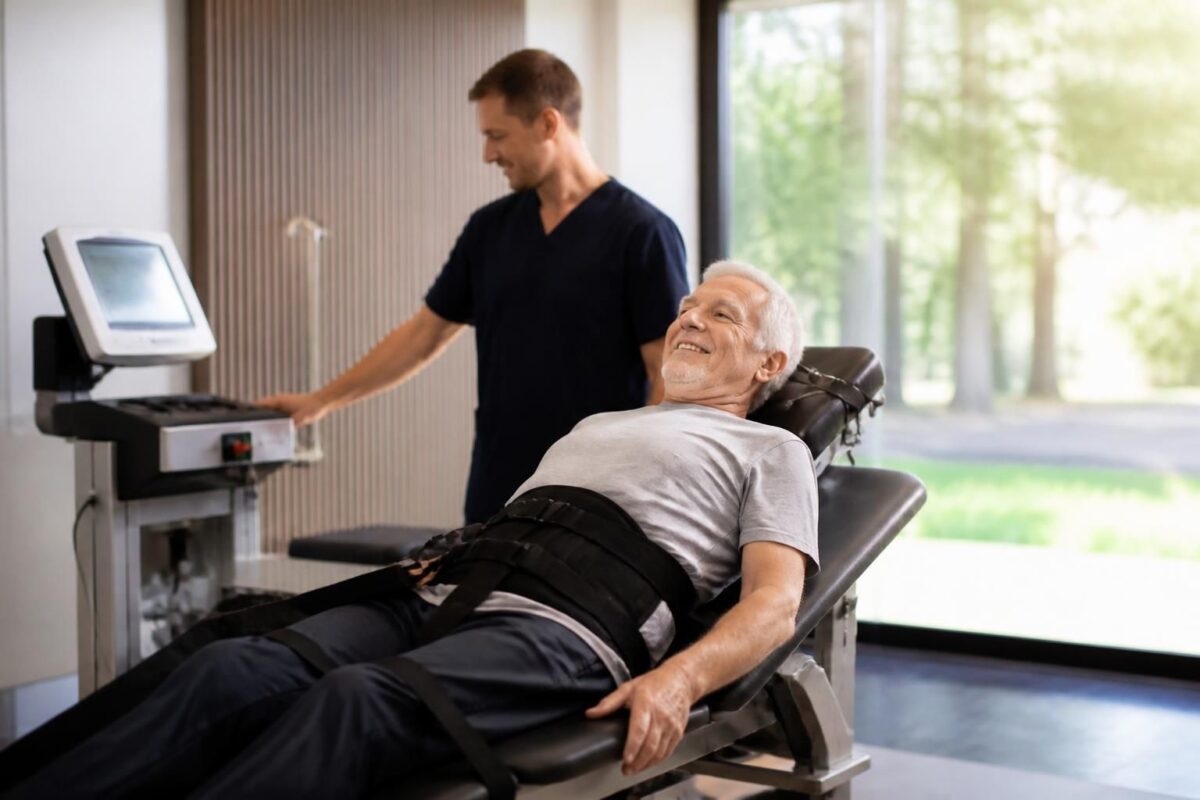
Why neurovertebral decompression is a lasting solution for active seniors
In short In short, the neurovertebral decompression is one Non-invasive therapy which sustainably relieves spinal pain in the spine active seniors By creating, by a Soft and controlled traction, a space between the vertebrae. At Montreal, it is recognized as…
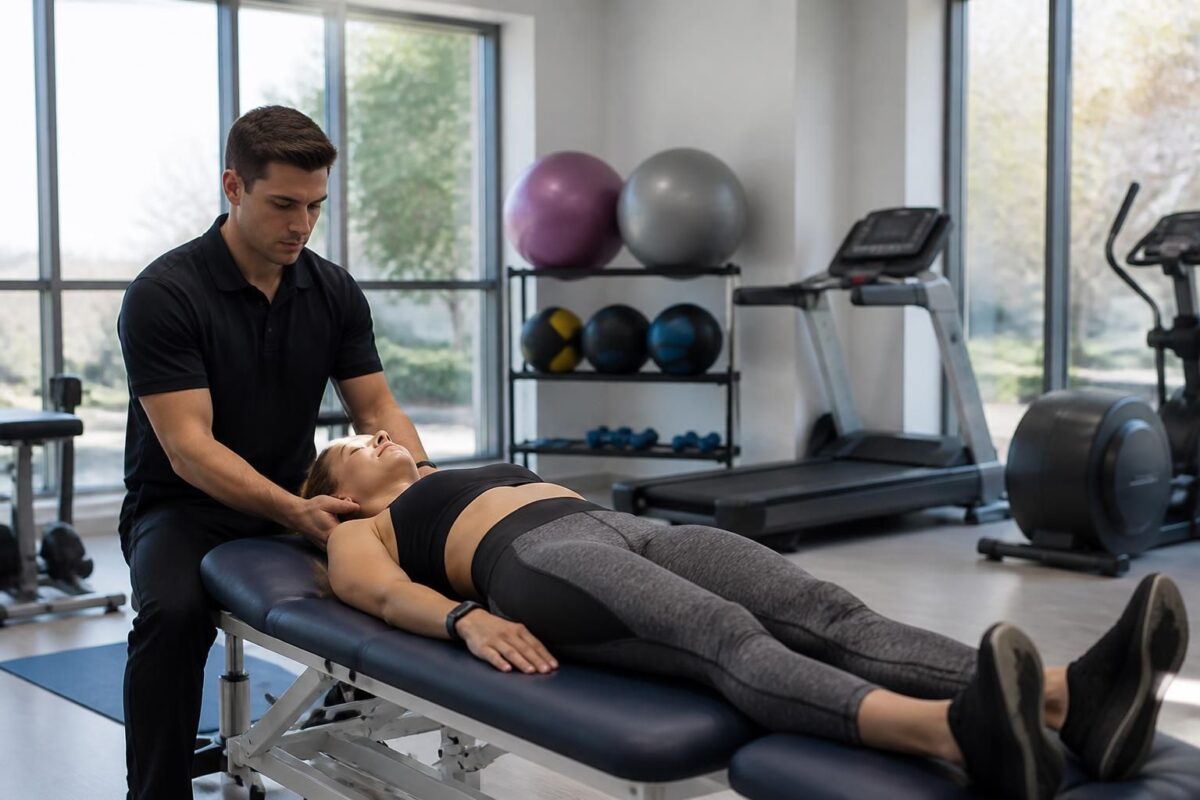
Neurovertebral decompression and recovery after severe sports injury
In short In short, the neurovertebral decompression is one Non-invasive method to Relieve the pressure on the Intervertebral discs and the gristle Via a Controlled traction, to facilitate the recovery After a severe sports injury. It improves the bloodstream towards…
Realistic expectations and practical advice
Patients can generally observe a rapid reduction in pain and improved mobility after a few sessions, with tangible progression on daily activities. However, effectiveness depends on program membership, lack of contraindications and continuity of efforts outside of the sessions. To optimize the results, maintain a suitable regular physical activity, adopt postures compatible with the column, and follow the ergonomic advice at work. In case of persistence of symptoms, onset of new motor deficit or fever, contact your health professional quickly.
These recommendations aim to provide structured and secure management of sciatic pain related to lumbar disc herniation, by placing the patient and his functional objectives at the heart of the therapeutic process.
| Axis | Concise description |
|---|---|
| Definition and purpose | Together non-invasive aimed at reducing the pressure on the gristle and the records, enhancing pain and mobility. |
| Mechanism of action | Traction controlled which spaces them vertebrae and reduces the Root compression. |
| directions | Pain lumbar and radiculalgia subacute or chronic refractory, as part of a global plan. |
| Clinical Benefits | Reduction pain fast, mobility and endurance improved lumbar. |
| Results and deadline | measurable improvements from 4 weeks with function impact. |
| Security and tolerance | non-invasive, low risk, potential reduction of treatments medicinal and from the surgery. |
| Role osteopathy and multidisciplinary approach | Approach complementary with osteopathy and course multidisciplinary To optimize mobility and function. |
| Contraindications and precautions | warning signs (rapid motor deficiency, ponytail syndrome), infections or Cancers; necessary medical assessment. |
| Accessibility and integration | Realization under the supervision of a trained professional, integrated into a Global plan care to limit invasive treatment. |
Marie, 37, says: “After years of sciatic pain that limited my gestures, the neurovertebral decompression played a key role. From the first sessions, the pain decreased and I found an energy that allowed me to resume my daily activities and even practice yoga without fear of reappearance. »
François, 45, testifies: “My daily life was punctuated by surges of sciatic pain and reduced mobility. with the follow-up around the neurovertebral decompression, I noticed a significant improvement in mobility and a significant reduction in pain, which allowed me to return to work and enjoy my family outings again. »
Julia, 29, shares: “After a long period when each movement was painful, the sessions of DNV brought quick relief. I feel a better flexibility and a decrease in tension in my lower back, which helps me to resume my sports activities with more confidence. »
Eric, 52, explains: “I had tried several treatments without lasting effect. Thanks to the neurovertebral decompression, I found a good quality of life, the ability to do outdoor activities with my family and a regained confidence in my body. »
Clara, 40, says: “I heard about decompression and tried without much hope, but the results speak for themselves: less pain, better mobility and a general improvement in well-being. I highly recommend this approach to those around me. »
Antoine, 60, testifies: “The lower back pain and irradiation were no longer bearable. After the program of DNV And the associated advice, I found an amplitude of movement that allows me to take care of my grandchildren without limitation. »
Sophie, 34, concludes: “The combination between DNV And the targeted exercises were decisive for me. Less pain, more lumbar stability and active recovery from my professional and personal activities. »
The Dr. Sylvain Desforges is recognized for its expertise in osteopathy, in naturopathy and in manual medicine. Founding president of the TagMed clinics and the ACMA association, he places innovation at the heart of his practice and develops an approach centered on the management of Chronic pain and the integration of advanced technologies. Among these are the neurovertebral decompression, the laser and shockwave therapy, used in a logic of evidence-based care to sustainably improve the health and well-being of patients.
Pain related to sciatica and lumbar disc conflicts is a major issue, both functionally and socio-professional. Symptoms vary and can compromise daily activities, work performance and quality of life. In this context, the use of treatment multidisciplinary and biopsychosocial is essential to prevent chronicization and promote a quick and safe return to autonomy. Dr. Desforges proposes a pathway that combines clinical rigor, patient education and use of non-invasive technologies to optimize results.
The neurovertebral decompression is a non-invasive technique based on computerized lumbar traction, followed in real time. The goal is to space out the spinal segments and reduce the pressure on the discs and nerve roots, thus reducing painful symptoms and nerve irritation. This approach can be part of a rehabilitation program already in place and be used as an alternative or complement to other treatments, depending on the patient’s profile. Its interest lies in its ability to act mechanically on the column, while respecting the fabrics and promoting a progressive and lasting recovery.
Recent clinical data converge on a positive image of this method: when associated with a functional rehabilitation program, non-surgical decompression can improve pain, increase spinal mobility and increase muscle endurance, with significant feedback on life. Modern traction devices and computer-controlled protocols provide measurable gains and a reduction in root symptoms. In addition, osteopathy contributes to optimizing segmental mobility and freeing myofascial tensions, reinforcing the overall effectiveness of care.
At the heart of the approach, Dr. Desforges favors an approach multidisciplinary and biopsychosocial, involving physiotherapists, osteopaths, doctors and psychologists to adjust treatment to each patient. The course combines neurovertebral decompression, therapeutic exercises, postural advice and education, with particular attention paid to the management of psychosocial factors and a gradual return to professional or sporting activity. This approach is aimed not only at pain relief, but also for restoring function and preventing relapses.
Accessible in Montreal and designed around a personalized dialogue, this care is based on a complete evaluation and a protocol adapted to each therapeutic trajectory. Dr. Desforges is committed to accompanying his patients with rigor, transparency and availability, in order to optimize the results and offer a modern and secure path towards regained mobility and a better quality of life.
Neurovertebral decompression (DNV), associated with osteopathy and a multidisciplinary approach, offers non-invasive management of sciatic pain linked to lumbar disc herniation. This text summarizes the mechanisms, clinical results and practical perspectives, showing how a combination DNV, manual therapies and multidisciplinary follow-up can quickly relieve pain, improve mobility and reduce the risk of chronicization, while avoiding invasive options.
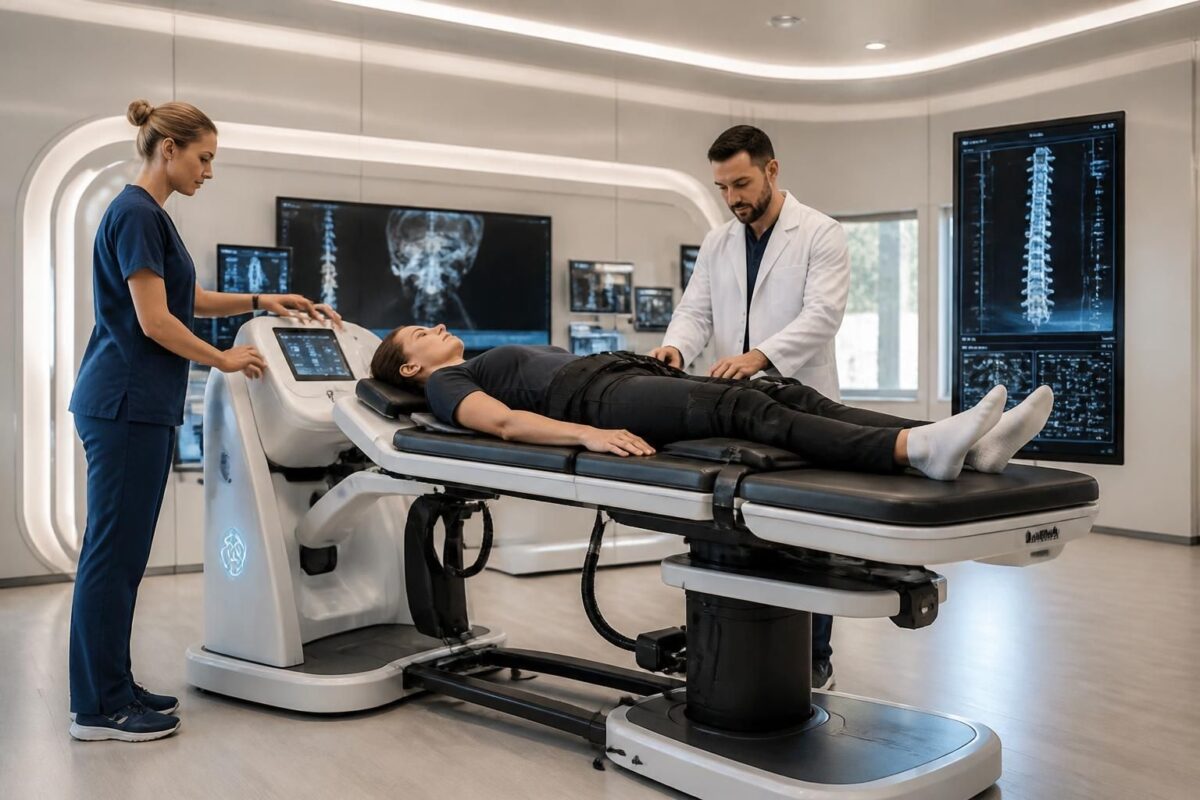
Recent innovations in neurovertebral decompression technologies
In short In short, the neurovertebral decompression is an approach non-invasive Aiming to reduce pressure on discs and nerves, and promote tissue regeneration. At Montreal, it is positioned as an effective option for lower back pain and herniated discs. The…
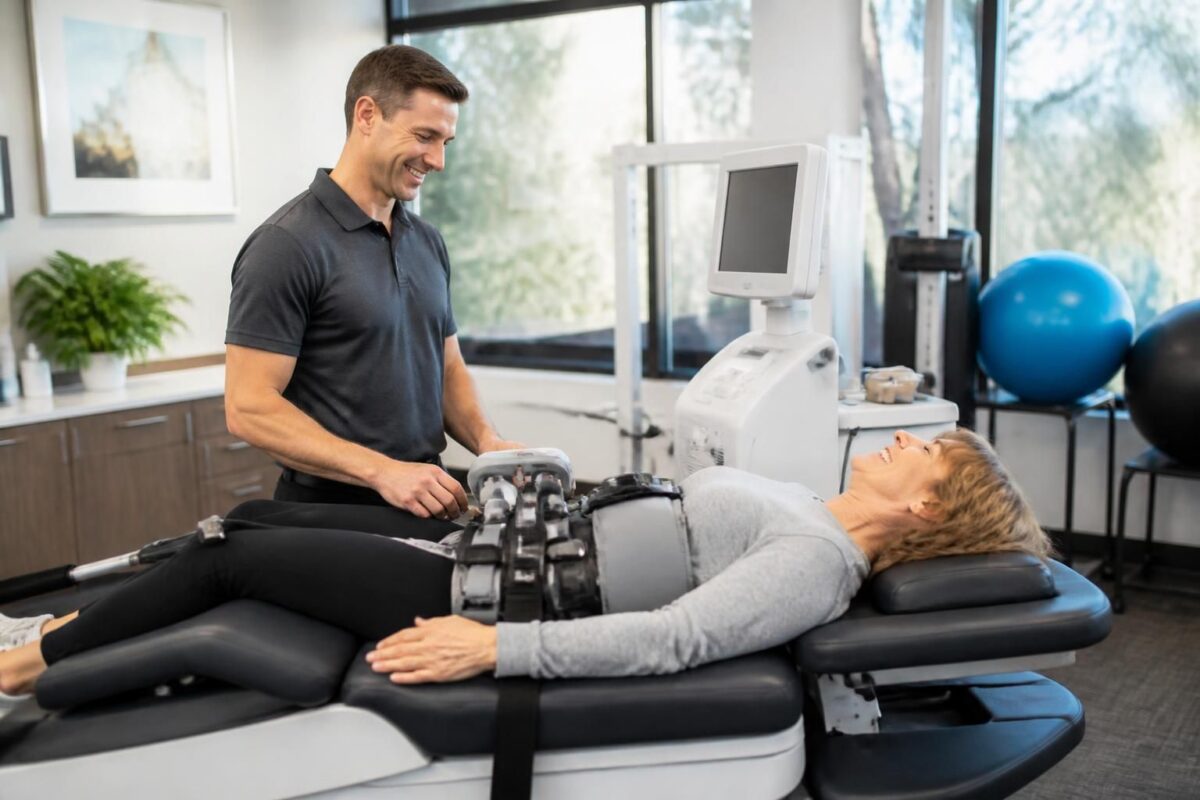
Neurovertebral decompression and diffuse pain: an appropriate solution
In short In short, the neurovertebral decompression is one Non-invasive solution For diffuse pain related to nerve irritation of the spine. She acts in Reducing pressure on intervertebral discs and nerves and improving the bloodstream, which promotes recovery and the…
Synthesis and perspectives
What is the neurovertebral decompression And how does she act? It is a computerized, real-time lumbar traction, aimed at expanding the space between the vertebrae and reducing pressure on the discs and nerve roots. This approach can thus reduce root compression and promote better blood circulation, which contributes to accelerating healing and reducing inflammation.
clinical evidence and observed results. Controlled trials show that combining the DNV In physiotherapy significantly improves pain, lumbar mobility, endurance and short-term quality of life (about 4 weeks), with effect sizes ranging from medium to large compared to physiotherapy alone. Recent work supports that modern motorized traction devices can also reduce pain and optimize function in patients with lumbar disc herniation. To deepen the data, you can consult the studies and summaries available on Decompression-neurevertebral Scientific studies.
Role of osteopathy and manipulative treatments. Osteopathy offers varied but generally favorable effects on pain and lumbar function, with moderate to high level evidence in meta-analyses and significant results in clinical trials. The association of the UNWTO with the DNV can optimize segmental mobility and relaxation of myofascial chains, contributing to a more complete recovery. For related references, see the summaries and clinical feedback available on the-benefits-of-the-compression-northovertebral-to-reduce-sciatica-pains.
Integration into a multidisciplinary biopsychosocial approach. Programs that combine doctors, physiotherapists, osteopaths, psychologists and occupational therapists show greater benefits on pain, disability and return to work in subacute or chronic low back pain. This global approach makes it possible to treat not only the mechanical component of lumbosciatica, but also the functional, psychological and socio-professional aspects. For additional contexts and evidence, consult the resources at the-science-behind-the-decompression-overtebral and practical opinions on What-types-of-diagnostics….
Practical implications and security. The use of the DNV is particularly suitable for chronic pain and radiculalgia when conventional treatments are not sufficient or when it is desired to limit drug treatments and invasive procedures. However, appropriate selection of patients and supervision by trained professionals are essential, especially in the absence of signs of neurological emergency. To understand the precautions and indications, refer to the Resources on Precautions to take and analyzes explaining the mechanisms and security of the procedure on science-behind-the-neurotebral-compression.
technological perspectives and associated modalities. Complementary technologies, such as neuromodulatory solutions and gentle stimulation devices, can support muscle relaxation and promote functional recovery. For examples and clinical returns, see Resources related to the DNV proven solution and the pages dedicated to neurovertebral decompression on how-of-compression-neurovebrale-reduces-the-symptoms-associated-to-sciatica.
For patients wishing to deepen, recapitulative resources and articles on mechanisms, diagnoses and precautions make it possible to assess eligibility and guide the therapeutic choice. Additional information and scientific summaries are accessible via scientific studies, and clinical advice from specialized clinics.
Medical Warning: This information does not replace the advice of a healthcare professional. Always consult your graduate doctor or osteopath to assess the fitness for neurovertebral decompression and to develop an appropriate care plan.

Dr Sylvain Desforges, B.Sc., D.O., N.D., osteopath, is the founding president of TAGMED and of the ACMA association. He dedicates his practice to chronic spinal pain, low back pain and symptoms compatible with sciatica, particularly when pain radiates toward the buttock, leg, calf, foot or toes.
Through SOS Sciatique, he publishes educational content on sciatica symptoms, possible causes such as disc herniation, disc narrowing, foraminal stenosis or irritation of a lumbar nerve root, as well as non-surgical approaches that may be considered according to the evaluation. At Clinique TAGMED, care may include, depending on the case, motorized neurovertebral decompression, specific osteopathic care or precision percussion.
For an evaluation related to sciatica treatment in Montreal / Mount Royal or sciatica treatment in Terrebonne, please consult the services available at Clinique TAGMED.
Medical disclaimer
The information published on SOS Sciatique is provided for educational purposes only and does not replace a consultation, diagnosis, opinion or treatment provided by a physician or another authorized healthcare professional. The author of this article is neither a medical doctor nor a specialist in a medical specialty recognized by the Collège des médecins du Québec. The osteopathic, manual medicine or functional support approaches described on this site do not constitute medical acts and are not intended to replace medical follow-up.
Consult a physician or emergency service in cases of loss of bladder or bowel control, anesthesia in the saddle area, significant or progressive weakness in the leg or foot, fever, recent trauma, severe pain or rapid worsening of symptoms. For more details, please read our Legal Notice.