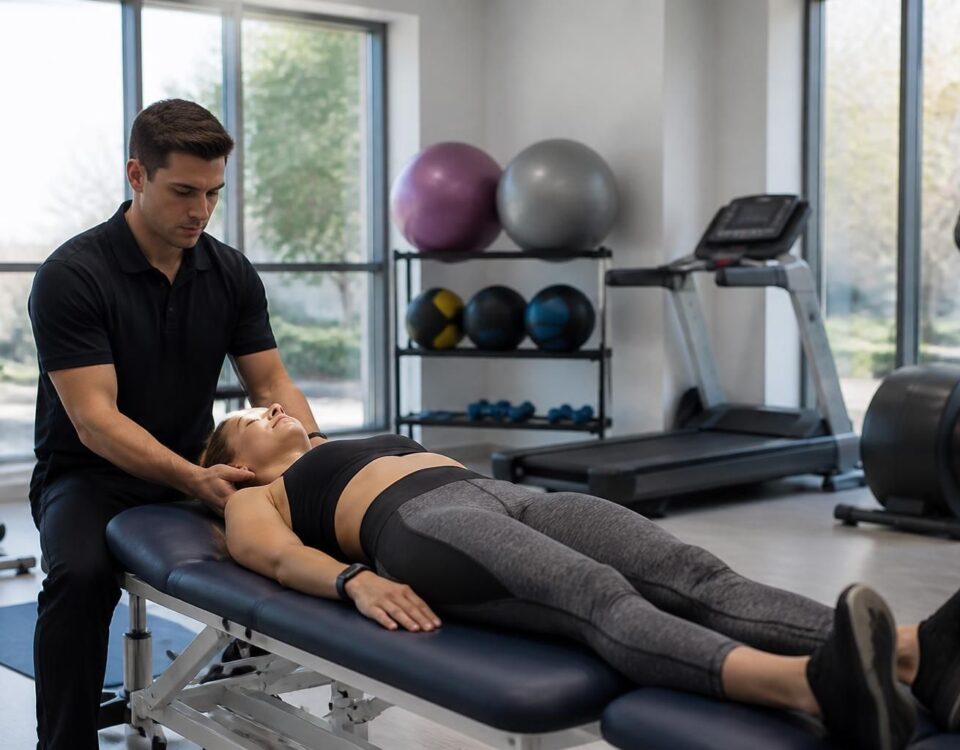
Recent innovations in neurovertebral decompression
25/06/2026
The proven results of neurovertebral decompression in clinical studies
25/06/2026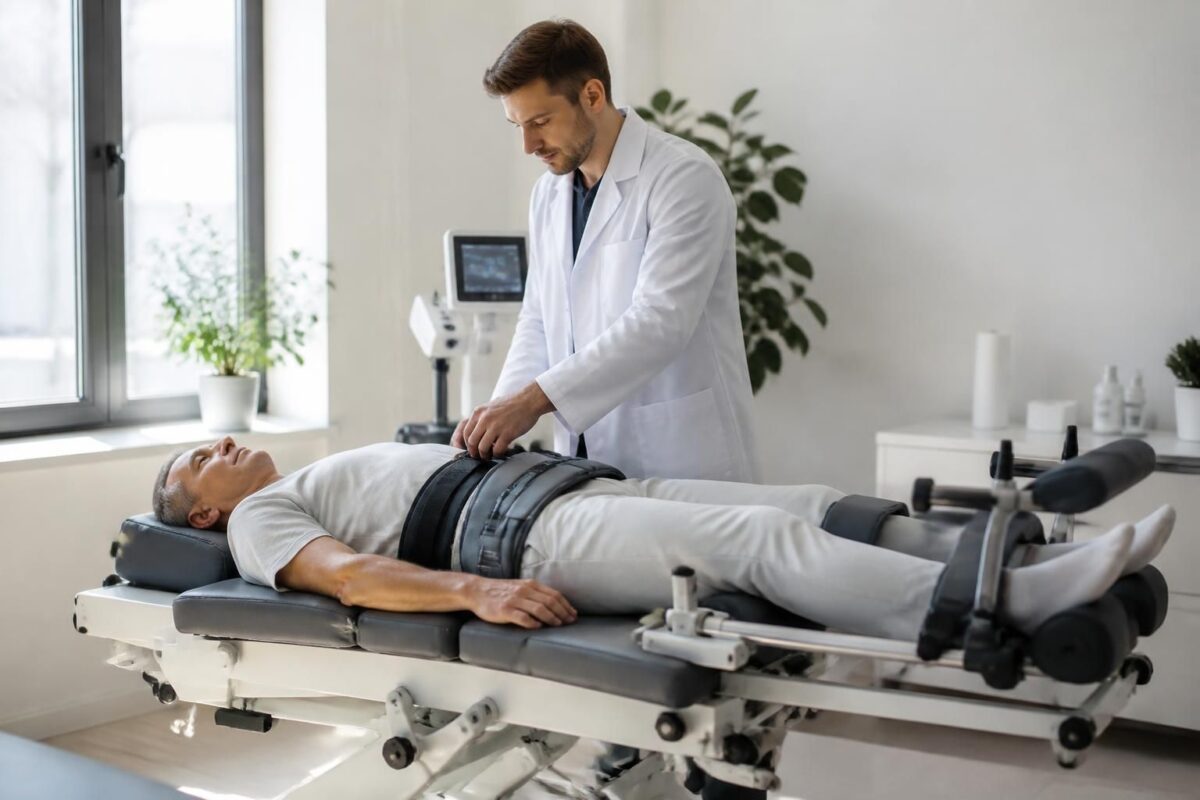
In short
| In short, the neurovertebral decompression for the Spinal stenosis is one Non-surgical method which acts by creating an intervertebral space by controlled traction in order to reduce the nerve pressure. it provides a Quick relief of the pain and an Improving mobility, with a quick recovery and a low likelihood of adverse effects. accessible in major cities and in particular Paris, it can help prevent or delay surgery and is suitable for both back and neck. |
The neurovertebral decompression is an approach non-invasive intended to treat the Spinal stenosis by releasing the pressure on the nerves. It is based on Soft pulls To create a Space between the vertebrae, promote better bloodstream and reduce theinflammation. Typical results include a pain reduction, a Increased mobility and an quick recovery, with the possibility of avoiding a surgery in many cases. suitable for a Wide range of patients, it has minimal precautions and does not require anesthesia or prolonged downtime. To find out if this option is right for you, ask for a Personalized evaluation with your osteopath.
This article written by a health professional and expert in manual approaches describes the neurovertebral decompression as a non-surgical option for people with Spinal stenosis. It specifies its operation, its indications, its benefits and its precautions. The text offers clear information and practical resources for patients and professionals.
What is neurovertebral decompression?
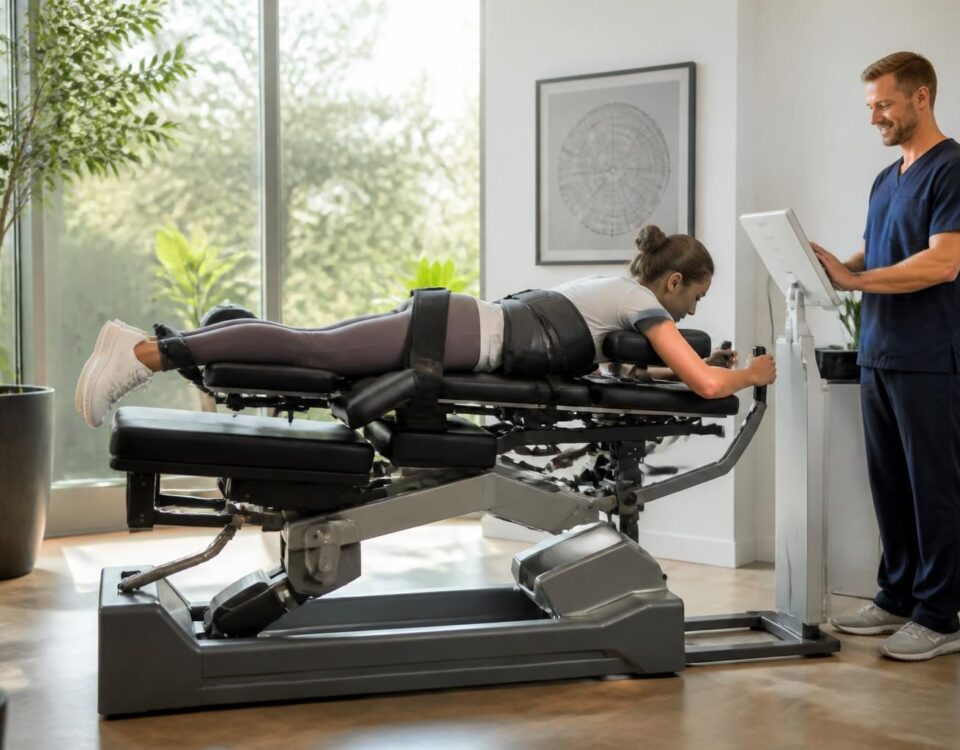
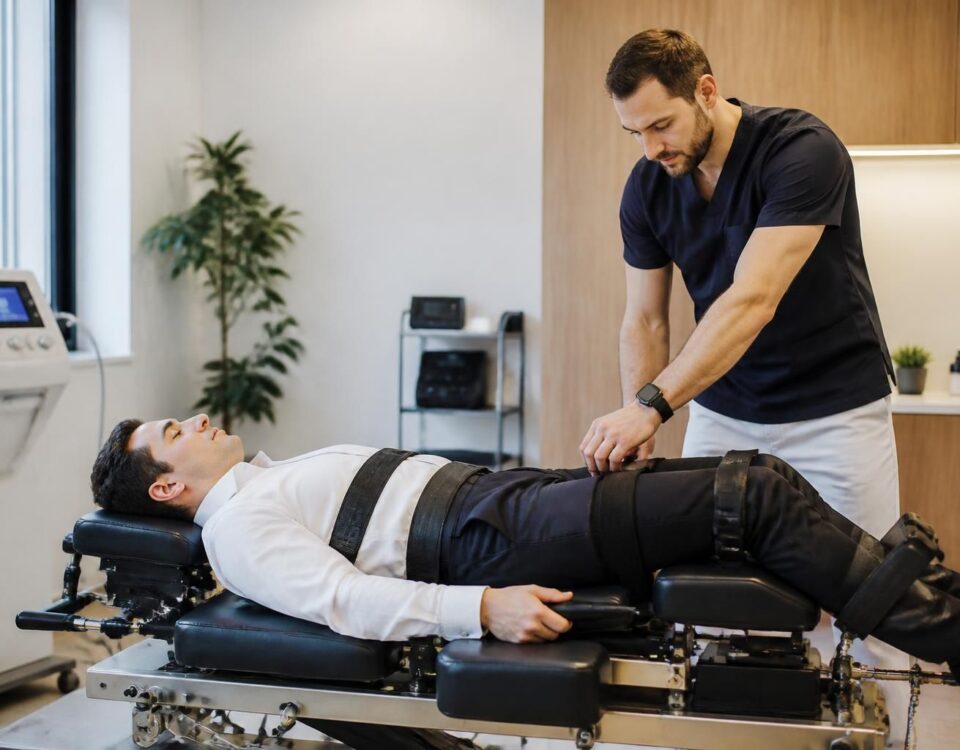
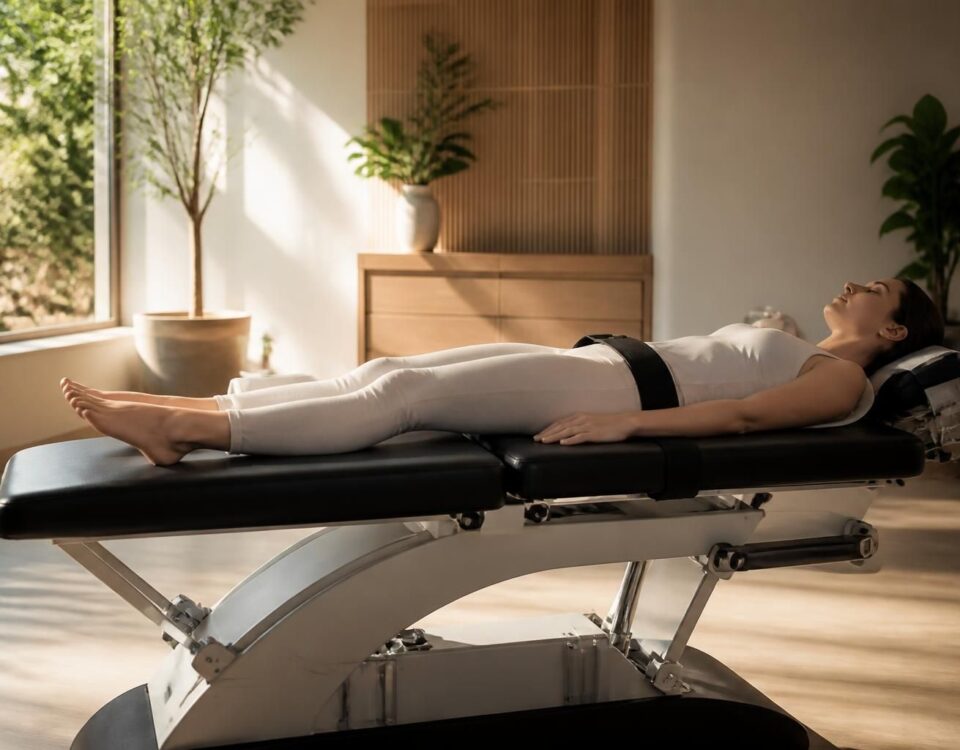
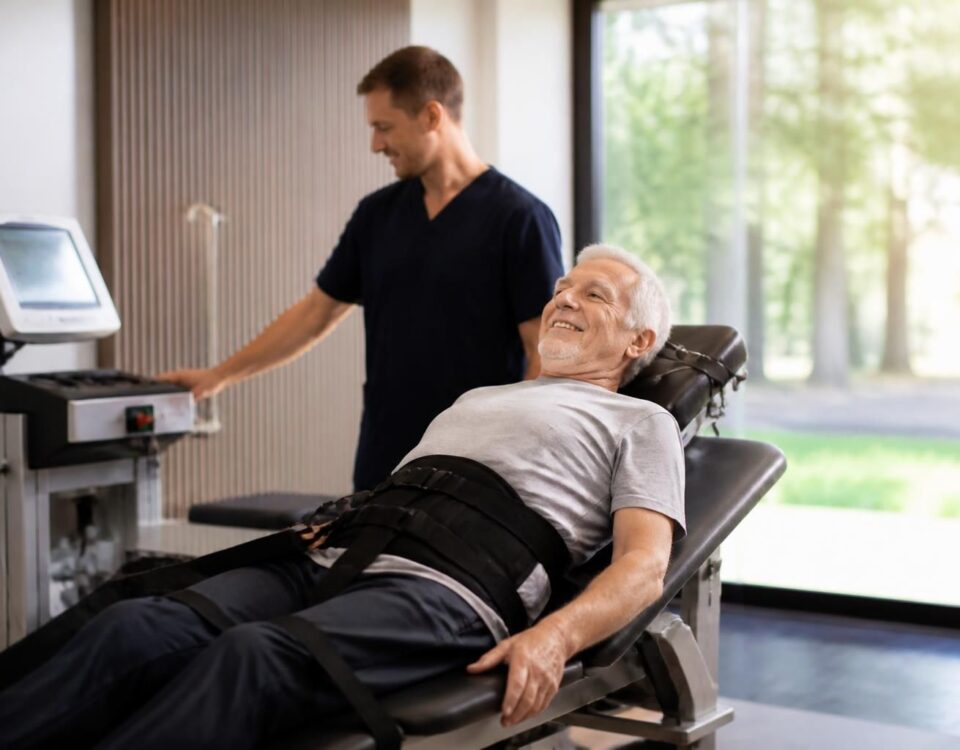
The neurovertebral decompression is a technique non-surgical who uses forces of gentle traction To create a space between the vertebrae. This space aims to Reduce nerve pressure and on intervertebral discs. The treatment is usually carried out on a specialized table and can be adjusted to each patient. This approach favors safety and does not require anesthesia.
To better understand, you can consult resources explaining the mechanism and functioning of neurovertebral decompression, especially in the dedicated pages.
Useful information on decompression and clinical aspects: What is neurovertebral decompression and how it works?
For more information about the clinical setting and treatment, see Neurovertebral decompression and spinal stenosis.
Advantages and results
neurovertebral decompression offers an approach non-invasive with A low risk profile and an quick recovery. It can lead to a Improving mobility and to a Lasting pain reduction related to nerve compression. The protocols are designed to adapt to the reality of each patient and aim for progressive and lasting results. Specialized resources emphasize the ability of this approach to reduce inflammation and promote better local circulation.
For an overview of the benefits compared to other approaches, see the following page: Benefits of decompression.
Indications and patient profiles
The technique is particularly suitable for people with a Spinal stenosis and/or a Foraminal stenosis, with a prior assessment carried out by a health professional. It can be considered as an alternative or as a preoperative step when the clinical and radiological criteria justify it. Global and appropriate care is preferred in a multidisciplinary framework.
Therapeutic process and organization of treatment
The process begins with a clinical and radiological evaluation to confirm the presence of a decompression compatible nerve compression. The treatment takes place over several sessions. A typical program can include between 15 and 25 sessions, with regular sessions and a typical duration of 15 to 30 minutes per session, according to the personalized protocol. Each session is based on precise and safe adjustments, adapted to the evolution of the patient. The program can be carried out in specialized centers and in connection with dedicated clinics, such as the TagMed Clinic.
Before starting treatment, a Full assessment is generally performed, including imaging examinations (MRI or X-ray when necessary) to confirm the suitability with decompression.
For a clear presentation of steps and considerations, see:
Precautions and contraindications
An evaluation by a professional is necessary before undertaking a neurovertebral decompression. Some contraindications should be discussed and evaluated on a case-by-case basis. In practice, professionals examine history, pain, mobility and imaging results to determine the accessibility and safety of treatment. Treatment planning focuses on patient safety and comfort and can be associated with other compatible non-invasive approaches in a multidisciplinary setting.
Integration into a multidisciplinary approach
Decompression can be offered in specialized clinics that offer coordinated management. In Montreal and the surrounding area, structures like Tagmed Clinic offer this type of service. In an integrated approach, decompression can be associated with other technologies and non-invasive interventions where appropriate, without the need for prescribed exercises or stretching as a single treatment.
To understand how this therapy fits into a multidisciplinary offer, see the following resources:
Training and professional executive
The practice is based on recognized training in osteopathy and in manual medicine. Professionals who offer decompression benefit from a training framework such as NUMSS, NAO, National University of Medical Sciences and National Academy of osteopathy. This training provides expertise in osteopathic techniques and non-invasive approaches used in this context.
For more information on technical aspects and clinical outcomes, see the following resources:
Education and professional practices recommend avoiding suggested exercises as the main treatment in this context. For associated approaches, see the specialized resources mentioned below.
Examples of relevant and authorized resources and domains: Pre-examinations, Athlete mobility, earnings, Tagmed Clinic, Dr. Desforges – Decompression.
For patients suffering from associated disc pathologies, additional resources can be consulted on the pages dedicated to disc protrusion and herniated disc, without offering stretching as a single treatment.
Medical Disclaimer: The information and advice provided on this site does not replace the health professional’s diagnosis or treatment. Please note that Dr. Sylvain Desforges osteopath is neither a doctor of medicine nor a doctor, and is not a specialist in a medical specialty as defined by the Collège des Médecins du Québec. Manual medicine, functional medicine and sports medicine as described on this site exclude any medical treatment or diagnosis made by a doctor or specialist doctor. Always consult your doctor for any medical questions. For more details, please read our full legal notice. »
- directions and objectives: relieve nervous pressure and improve the mobility without surgery.
- Mechanism: traction fresh which creates a space intervertebral.
- : sessions on specialized table, Custom, adapted rhythm.
- Earnings: Decreased pain, better circulation and return to daily activities.
- Security: Low risk, non-invasive approach, without necessary anesthesia.
- contraindications and precautions: active infections, recent fractures, severe neurological pathologies; Pre-assessment required.
- Monitoring and evaluation: regular follow-ups, custom adjustments and pain/mobility measures.
- Impact on daily life: Improvement of posture and autonomy, support for general well-being.
- Comparison: alternative non-surgical which can avoid surgery and promote rapid recovery.
- Next Steps: specialized consultation, radiological assessment and development of a treatment plan.

Neurovertebral decompression is a non-surgical approach intended to relieve spinal stenosis by creating space between the vertebrae thanks to gentle and controlled tractive forces. This article offers practical recommendations for evaluating your candidacy, understanding the progress of the sessions, identifying the expected benefits and knowing the precautions to take. The objective is to help you consider a safe and appropriate care, centered on your needs and comfort.
What is neurovertebral decompression?
Neurovertebral decompression uses precise traction mechanisms to increase space around the nerves and intervertebral discs. This non-invasive technique aims to reduce the pressure exerted on the nerves affected by the spinal stenosis and to promote better circulation of nutrients to the spinal structures. Unlike a surgical procedure, it is performed without major incision and without general anesthesia, with a personalized protocol adapted to each patient. Treatment can help restore some of the mobility and reduce pain associated with stenosis.
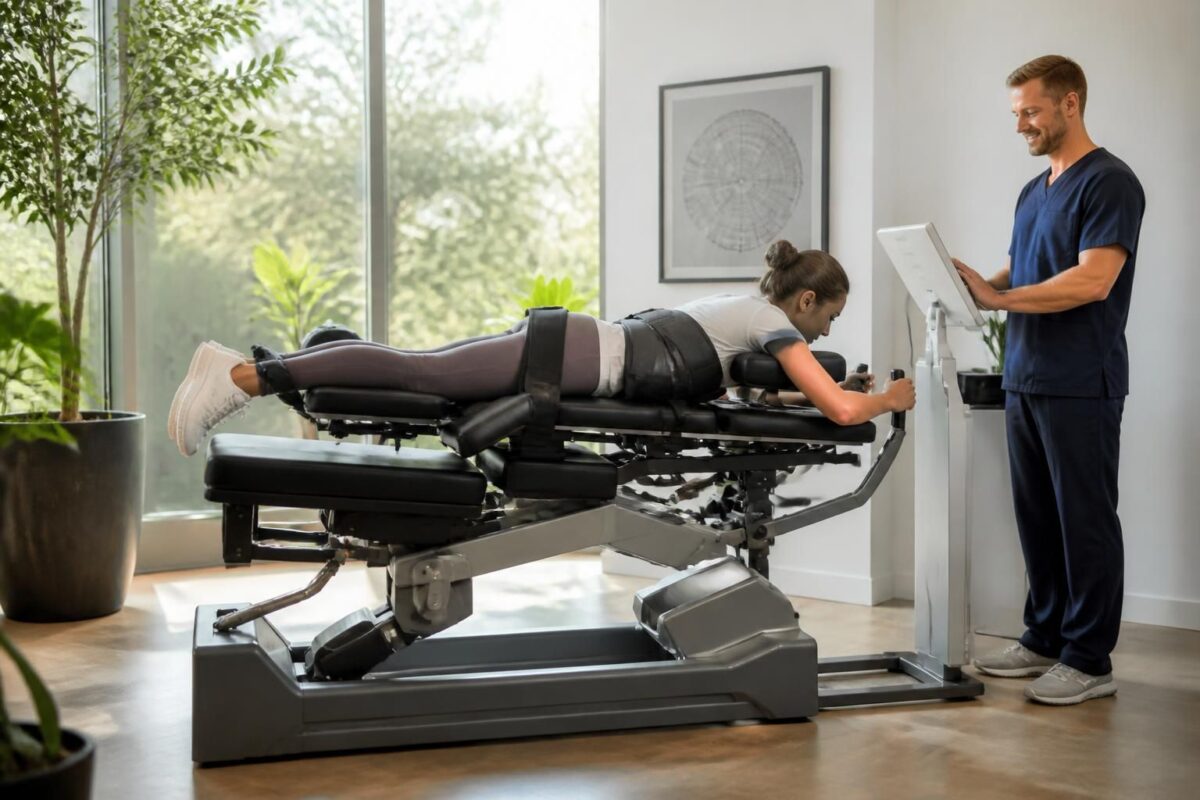
The long-term benefits of neurovertebral decompression for spinal health
In short In short, the neurovertebral decompression is a non-invasive approach that decreases the Pressure on intervertebral discs and nerves, favoring the Natural regeneration and tissue recovery. Its long-term benefits include Lasting pain reduction, Improving mobility and from the posture,…
Expected benefits and results
The main benefits relate to a gradual decrease in pain, an improvement in mobility and a better quality of life on a daily basis. By releasing tensions in the column, decompression promotes better local blood circulation and can reduce inflammation around the nerves, which results in a feeling of relaxation and an easier resumption of usual activities. The results generally appear over the sessions and are part of a sustainable approach when the program is followed with consistency and personalized adjustments.

Neurovertebral decompression and mobility: a return to an active life
In short In short, the neurovertebral decompression is therapy non-invasive who uses a gentle traction To create a space between the vertebrae and reduce the pressure on the Intervertebral discs and the nerves. It promotes a bloodstream improved, lowers tension…
Who can benefit from it?
This approach is particularly suitable for people with symptomatic spinal stenosis without major contraindication, especially when the symptoms persist despite conservative treatments and the objective is to avoid surgery. It is also aimed at patients with pain related to foraminal pinching or lower back or cervical pain related to degenerative degradation. A complete medical assessment is necessary to confirm the adequacy of the treatment and to exclude any contraindications.
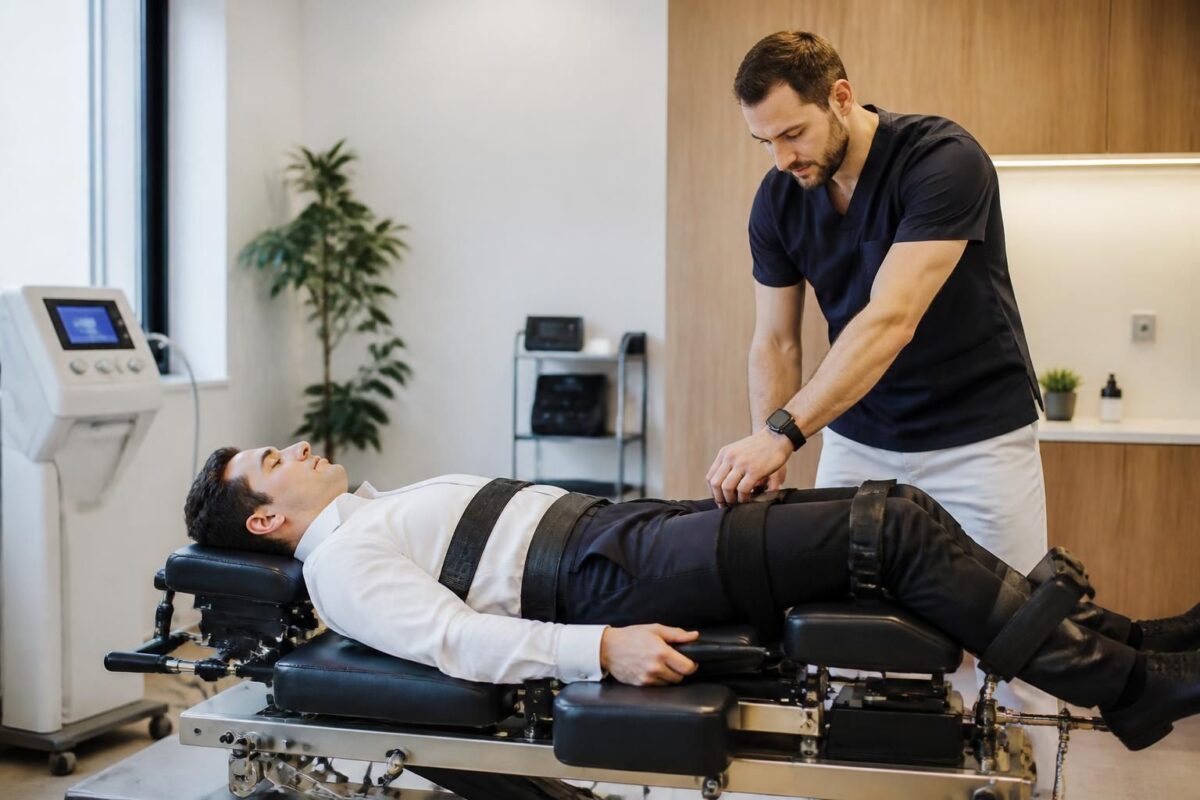
How Neurovertebral Decompression Prevents Diffuse Chronic Pain
In short decompression neurovertebral is one Non-invasive method aimed at reducing the Pressure on the intervertebral discs and the nerves, in order to prevent Diffuse chronic pain. It improves the circulation and thedisc hydration, decreases inflammation and promotes better mobility.…
process and what to expect
A typical program is built on the basis of your profile and your imaging results. The sessions take place over a short period, usually with regular visits over several weeks. Each session is adapted in real time, in order to adjust the intensity and duration of the forces applied according to your comfort and progress. Expect a lighter initiation and then a gradual deepening. There may be a slight stiffness or feeling of fatigue in the days following the first sessions, which usually fades over time and the appropriate follow-up.
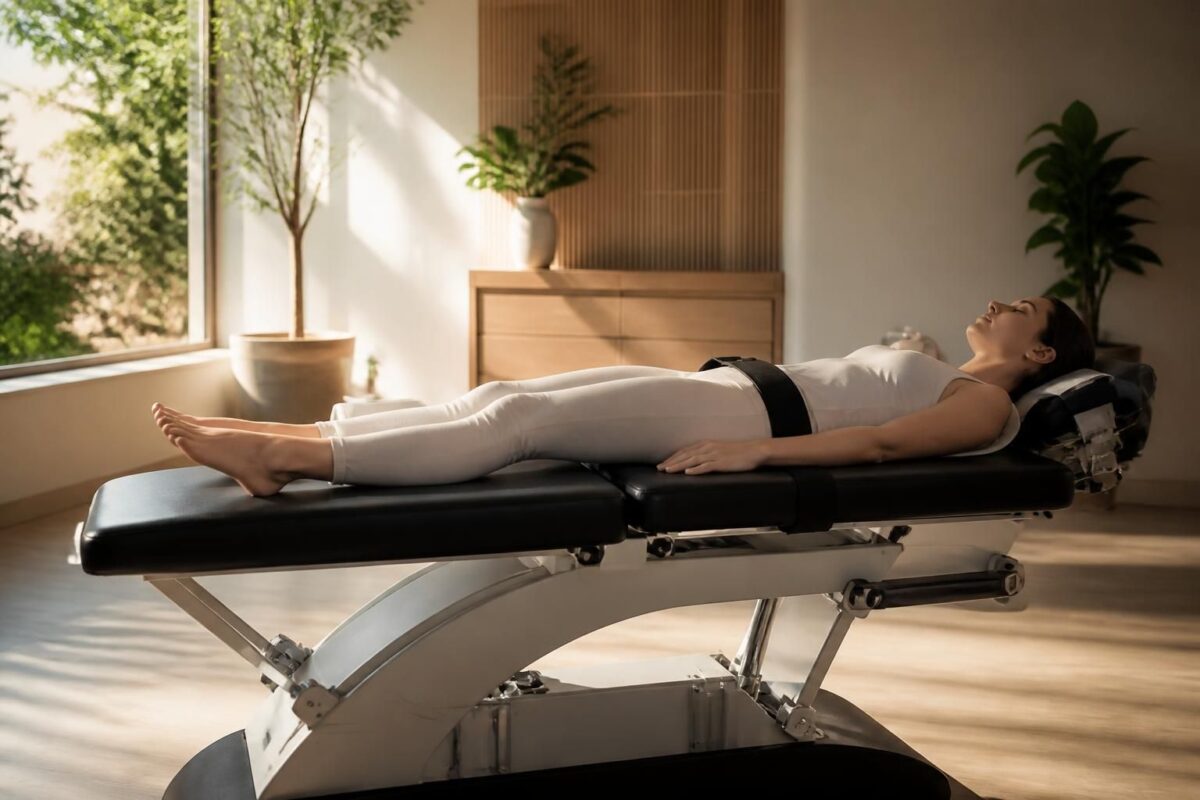
Neurovertebral Decompression and Body Alignment: Restoring Natural Balance
In short In short, neurovertebral decompression is one Non-invasive approach who restores theBody Alignment and thenatural balance back and neck. She acts by a Controlled traction of the spine to widen the intervertebral space and reduce the Pressure on discs…
Precautions and contraindications
Neurovertebral decompression is not indicated in all cases. Contraindications exist, in particular in the presence of active infections, recent vertebral fractures, marked vertebral instability, or certain neurological pathologies requiring specialized management. A pre-assessment by a health professional can determine whether this therapy is suitable for your situation and to avoid any unnecessary risk. Inform your practitioner of any treatment, medicine or medical condition before starting the program.
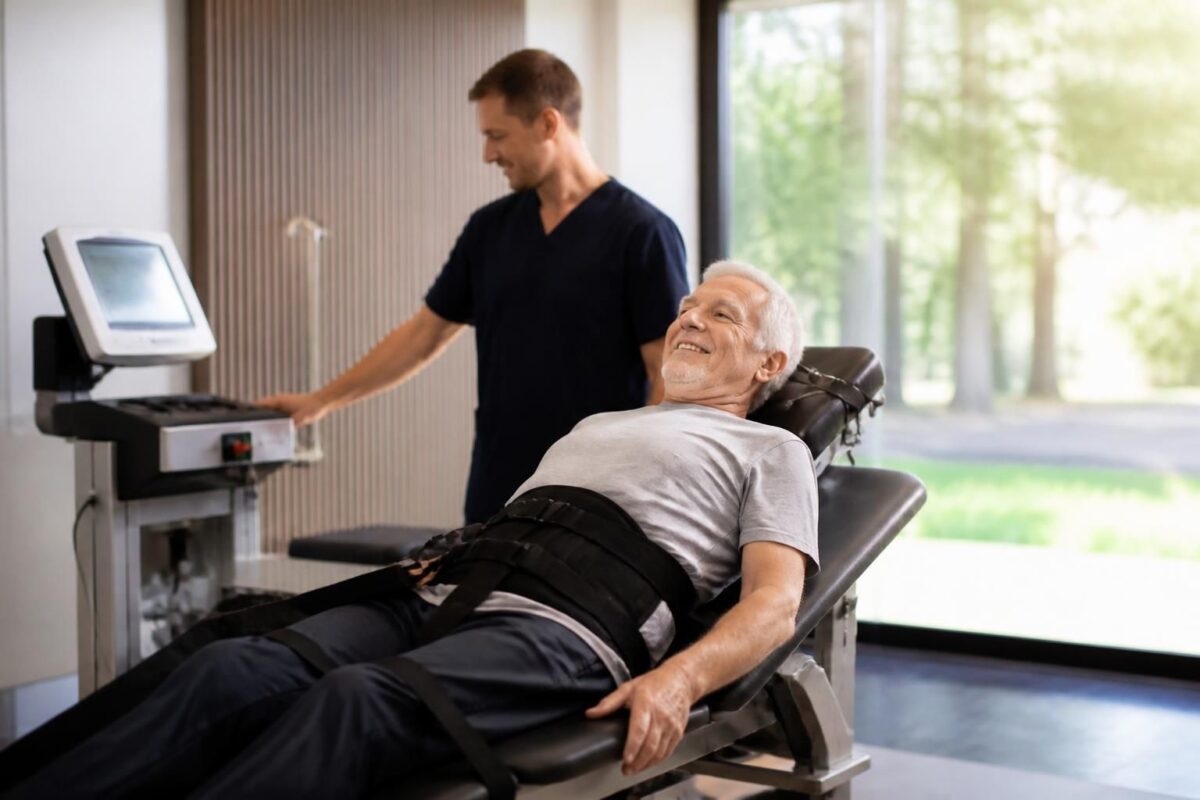
Why neurovertebral decompression is a lasting solution for active seniors
In short In short, the neurovertebral decompression is one Non-invasive therapy which sustainably relieves spinal pain in the spine active seniors By creating, by a Soft and controlled traction, a space between the vertebrae. At Montreal, it is recognized as…
Integration into the care pathway
To optimize benefits, neurovertebral decompression must be part of a global approach to care. It can be associated with rehabilitation exercises, postural advice and lifestyle measures (adapted physical activity, weight management, work ergonomics). Regular monitoring allows you to adjust the protocol, dose the sessions and assess progress. This integrated approach contributes not only to pain reduction, but also to better stability and sustainable mobility.
Warning : These recommendations do not replace the opinion of a health professional. Always consult your doctor or specialist for an accurate and personalized diagnosis.
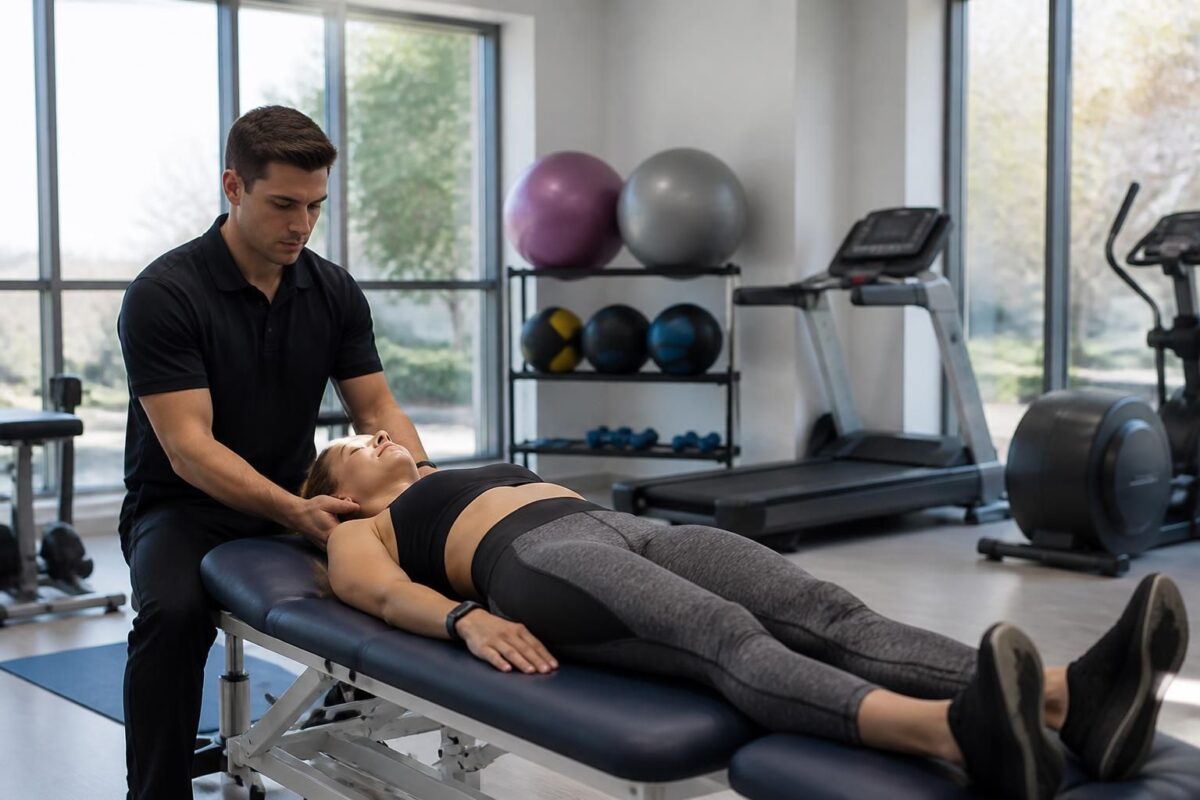
Neurovertebral decompression and recovery after severe sports injury
In short In short, the neurovertebral decompression is one Non-invasive method to Relieve the pressure on the Intervertebral discs and the gristle Via a Controlled traction, to facilitate the recovery After a severe sports injury. It improves the bloodstream towards…
Comparative table: neurovertebral decompression and spinal stenosis
| Axis | Concise elements |
|---|---|
| Axis 1: Definition and objective | Procedure non-surgical using forces of traction To create a space between the vertebrae and reduce the nerve pressure. |
| Axis 2: Mechanism of action | controlled stretch of the column to promote the circulation and reduce theinflammation around the nerves. |
| Axis 3: Key Benefits | relief from the pain, improvement of the mobility and better quality of life. |
| Axis 4: Candidates and indications | patients with Spinal stenosis and without major contraindications; Possible adaptation according to the specific diagnosis. |
| Axis 5: Contraindications and precautions | active infections, vertebral fractures recent, serious neurological conditions; prior consultation recommended. |
| Axis 6: Processing process | sessions regular, on a dedicated table, Custom Protocol and professional supervision. |
| Axis 7: Duration and rhythm | Each session 15–30 minutes; Typical program of 15–25 sessions depending on severity. |
| Axis 8: Recovery and Side Effects | quick recovery; Side effects minimal such as slight transient stiffness. |
| Axis 9: Accessibility and cost | accessible in many centers; Cost depends on the number of sessions and associated services. |
| Axis 10: Integration with other approaches | Option non-surgical can be integrated into an approach multimodal and supplementing other therapies. |
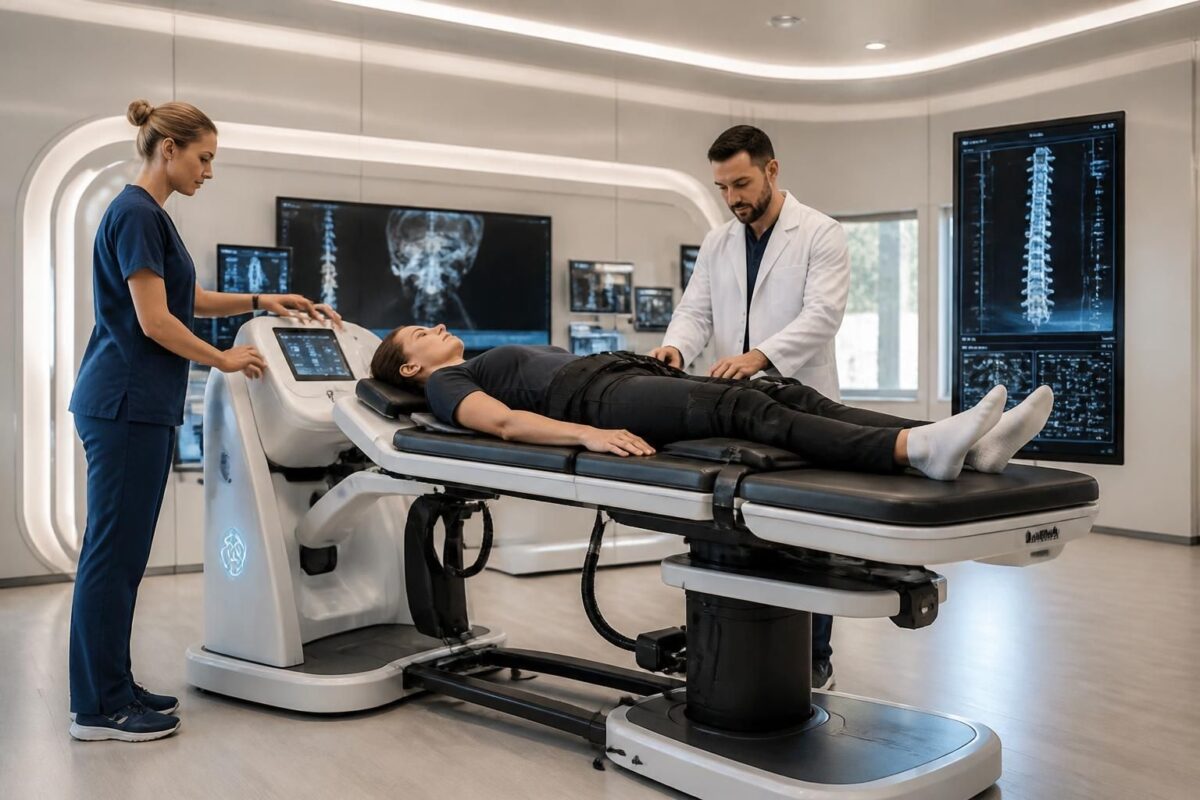
Recent innovations in neurovertebral decompression technologies
In short In short, the neurovertebral decompression is an approach non-invasive Aiming to reduce pressure on discs and nerves, and promote tissue regeneration. At Montreal, it is positioned as an effective option for lower back pain and herniated discs. The…
Testimonials on neurovertebral decompression for spinal stenosis
Here are testimonials from patients suffering from Spinal stenosis who have experienced the neurovertebral decompression, an approach non-surgical which aims to relieve the pressure on the nerves and to improve mobility and well-being on a daily basis.
“After years of Lower back pain related to a Spinal stenosis, I tested the neurovertebral decompression And I found a mobility that I thought was lost. The sessions were sweet and non-invasive, and I felt a Progressive relief without surgery. — Marie, 62 years old, Paris
“Before, every step caused me acute pain and I felt like I was blocked by the Spinal stenosis. After a few sessions of neurovertebral decompression, my mobility came back and the pain decreased. it’s non-surgical And I didn’t need anesthesia. — Antoine, 68, Lyon
“I found a better quality of life thanks to this treatment. The bloodstream improved, inflammation decreased and my mobility has returned to normal. All without surgery and without a period of heavy recovery. — Sophie, 59, Montpellier
“At 70, I was afraid of the operation. The neurovertebral decompression allowed me to Resume my activities daily life and avoid the intervention. I feel lighter and more confident in my movements. » — Helen, 70, Nice
“After several months of pain related to the Spinal stenosis, I noticed a tangible improvement after the sessions. Less pain, more precision in my gestures and better posture. It’s an option non-surgical who keeps his promises. — Laurent, 63, Bordeaux
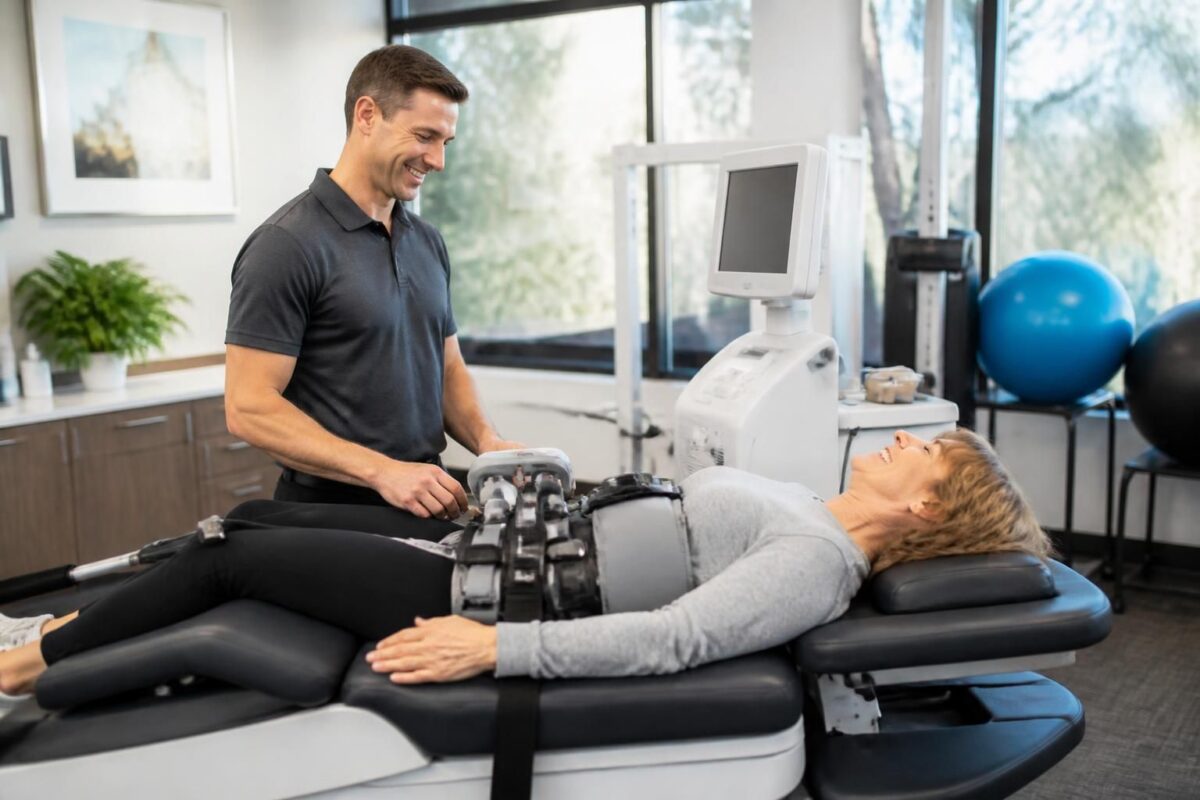
Neurovertebral decompression and diffuse pain: an appropriate solution
In short In short, the neurovertebral decompression is one Non-invasive solution For diffuse pain related to nerve irritation of the spine. She acts in Reducing pressure on intervertebral discs and nerves and improving the bloodstream, which promotes recovery and the…
Neurovertebral decompression in the face of spinal stenosis: biography and approach of a pioneer
This figure of theosteopathy, from the naturopathy and from the manual medicine is the founding president of the TagMed clinics and the ACMA association. Its Career dedicated to health innovation led him to specialize in the management of Chronic pain and in the integration of advanced technologies. His approach is based on an approach evidence-based and aims to optimize the health and well-being patients with Spinal stenosis. His journey illustrates a constant desire to offer concrete and secure solutions.
At the heart of this approach, the neurovertebral decompression is presented as a non-surgical technique capable of relieving the pressure exerted on the nerves by creating a space between the vertebrae by controlled tractive forces. This gentle approach avoids invasive intervention and offers a credible and accessible alternative to surgery in cases of spinal stenosis, with potential gains in pain, mobility and quality of life. The objective is to allow the patient to regain better body dynamics without going through prolonged immobilization times.
The benefits of neurovertebral decompression go far beyond a simple physical relief. By promoting better blood flow and improved intervertebral disc nutrition, the method can contribute to lasting pain reduction and decreased inflammation associated with it. Patients often report a Significant improvement in mobility and an height of life increased, combining a feeling of body liberation with better confidence in their functional abilities. This set also has positive psychological and emotional benefits.
For people affected by the Spinal stenosis, but also by associated conditions such as foraminal pinching or herniated discs, neurovertebral decompression may represent a Sustainable option which allows daily activities to be resumed more quickly than traditional approaches. This therapy is suitable for a wide range of patients, including seniors, and is designed to minimize risk while maximizing results with a protocol Personalized and progressive.
In an integrated approach, neurovertebral decompression can be associated with other complementary technologies and therapies, such as targeted rehabilitation protocols and non-invasive musculoskeletal support modalities. This combination aims to optimize the mobility, to rebalance the posture and reduce painful recurrences. The support is structured around regular monitoring and repeated clinical evaluations, in order to adjust the sessions according to the evolution of each patient.
Animated by a vision of medicine integrated and patient-centric, this speaker pays particular attention to pedagogy, the sharing of clinical results and the continuous improvement of protocols. Apart from direct care, he works at theEducation of professionals and the dissemination of innovative approaches that place the patient at the heart of the therapeutic journey. This dynamic reflects a lasting commitment to excellence and safety in the management of vertebral pathologies.
This summary highlights the neurovertebral decompression as an effective response and non-invasive to the Spinal stenosis. By gradually releasing the intervertebral space by controlled traction, this approach aims to reduce the nerve pressure, improve the circulation and promote a quick recovery and lasting, while avoiding the complications generally associated with surgery.
The neurovertebral decompression offers a substantial therapeutic route for patients with Spinal stenosis, positioning itself as an option non-surgical Suitable for many profiles. Its mechanisms, centered on the gentle elongation of the column and the reduction of nerve pressure, lead to a pain improvement and to a Increased mobility, which results in a better quality of life on a daily basis.
However, this approach requires a Professional assessment prior and a personalization protocols. Contraindications and precautions exist, and each patient benefits from a tailor-made treatment plan to maximize benefits while minimizing discomfort or risks.
Beyond physical relief, decompression contributes to a Overall well-being, by reducing chronic pain anxiety and facilitating the resumption of daily activities. This dynamic can promote a psychological improvement and better self-esteem, often secondary but essential elements of recovery.
Compared to surgery, decompression presents Notable Benefits : she is Less invasive, does not require general anesthesia in all cases and allows Quick return to working life. It nevertheless remains an alternative to be discussed in the context of multidisciplinary care, and can, depending on the situation, reduce the risks and recovery times associated with surgical interventions.
For patients and professionals wishing to deepen, several resources offer additional insights. You can consult summaries and FAQs on the FAQ Neurovertebral Decompression, discover the reasons to choose this therapy, or explore clinical analyzes and testimonials on clinical studies. For a more general and educational perspective, the Neurovertebral decompression – Wikipedia can provide contextual elements. Specific resources for athletes and chronic patients are available via Articles dedicated to athletes and the Associated podcast. For expert insights, Dr. Desforges’ website sheds light on the importance of this therapy in the context of spinal stenosis: Why essential.
In short, the neurovertebral decompression is confirmed as a robust option to consider in the therapeutic course of the Spinal stenosis, offering a balance between efficacy, safety and quality of life without systematically using surgery. To learn more about mechanisms, benefits and implementation principles, consult the resources below and discuss with your healthcare professional.

Dr Sylvain Desforges, B.Sc., D.O., N.D., osteopath, is the founding president of TAGMED and of the ACMA association. He dedicates his practice to chronic spinal pain, low back pain and symptoms compatible with sciatica, particularly when pain radiates toward the buttock, leg, calf, foot or toes.
Through SOS Sciatique, he publishes educational content on sciatica symptoms, possible causes such as disc herniation, disc narrowing, foraminal stenosis or irritation of a lumbar nerve root, as well as non-surgical approaches that may be considered according to the evaluation. At Clinique TAGMED, care may include, depending on the case, motorized neurovertebral decompression, specific osteopathic care or precision percussion.
For an evaluation related to sciatica treatment in Montreal / Mount Royal or sciatica treatment in Terrebonne, please consult the services available at Clinique TAGMED.
Medical disclaimer
The information published on SOS Sciatique is provided for educational purposes only and does not replace a consultation, diagnosis, opinion or treatment provided by a physician or another authorized healthcare professional. The author of this article is neither a medical doctor nor a specialist in a medical specialty recognized by the Collège des médecins du Québec. The osteopathic, manual medicine or functional support approaches described on this site do not constitute medical acts and are not intended to replace medical follow-up.
Consult a physician or emergency service in cases of loss of bladder or bowel control, anesthesia in the saddle area, significant or progressive weakness in the leg or foot, fever, recent trauma, severe pain or rapid worsening of symptoms. For more details, please read our Legal Notice.