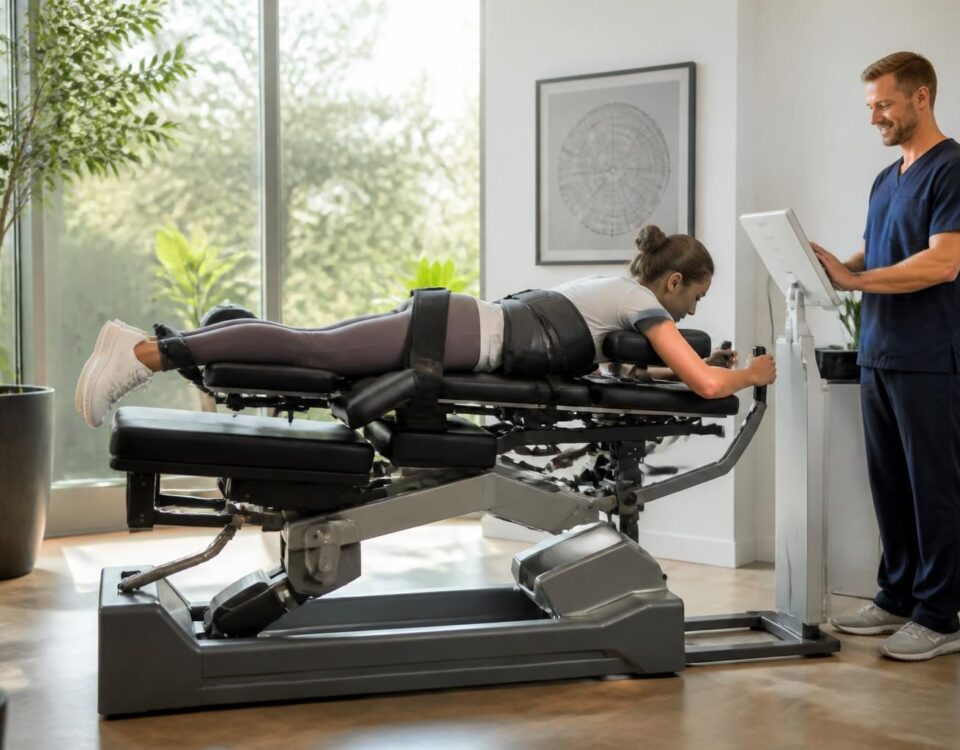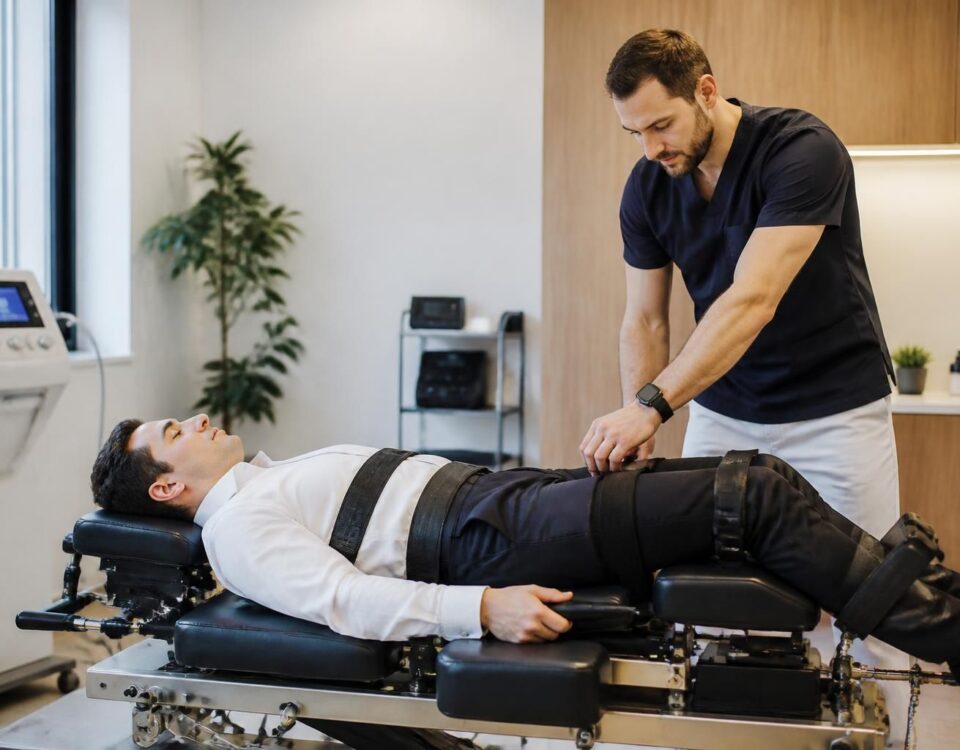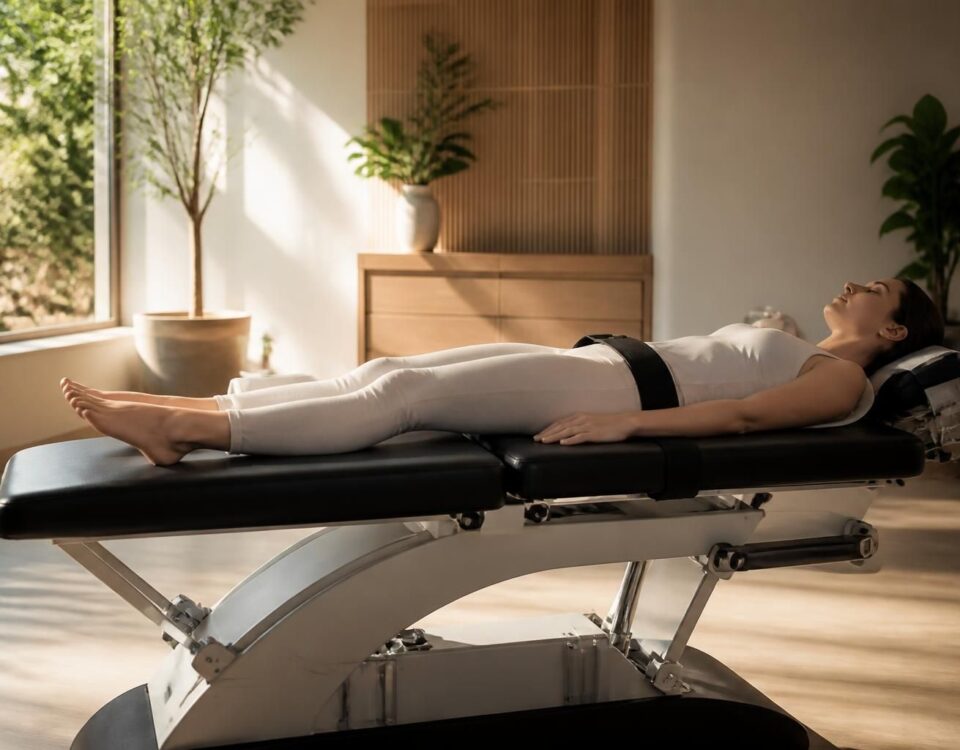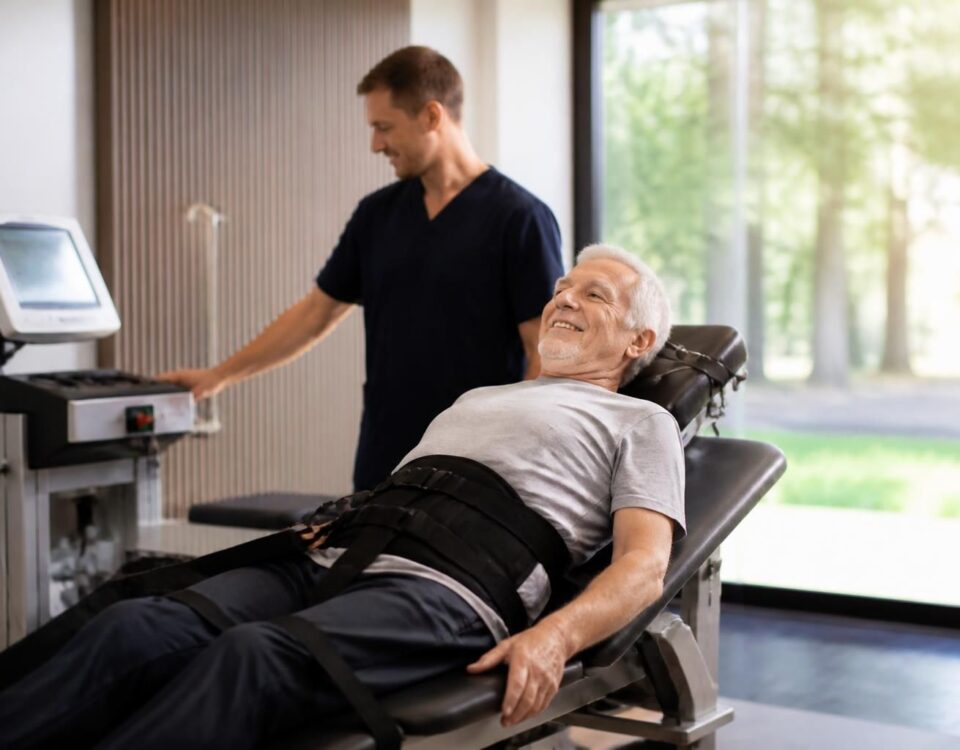


Neurovertebral decompression and lower back pain management
25/06/2026
How neurovertebral decompression improves posture
25/06/2026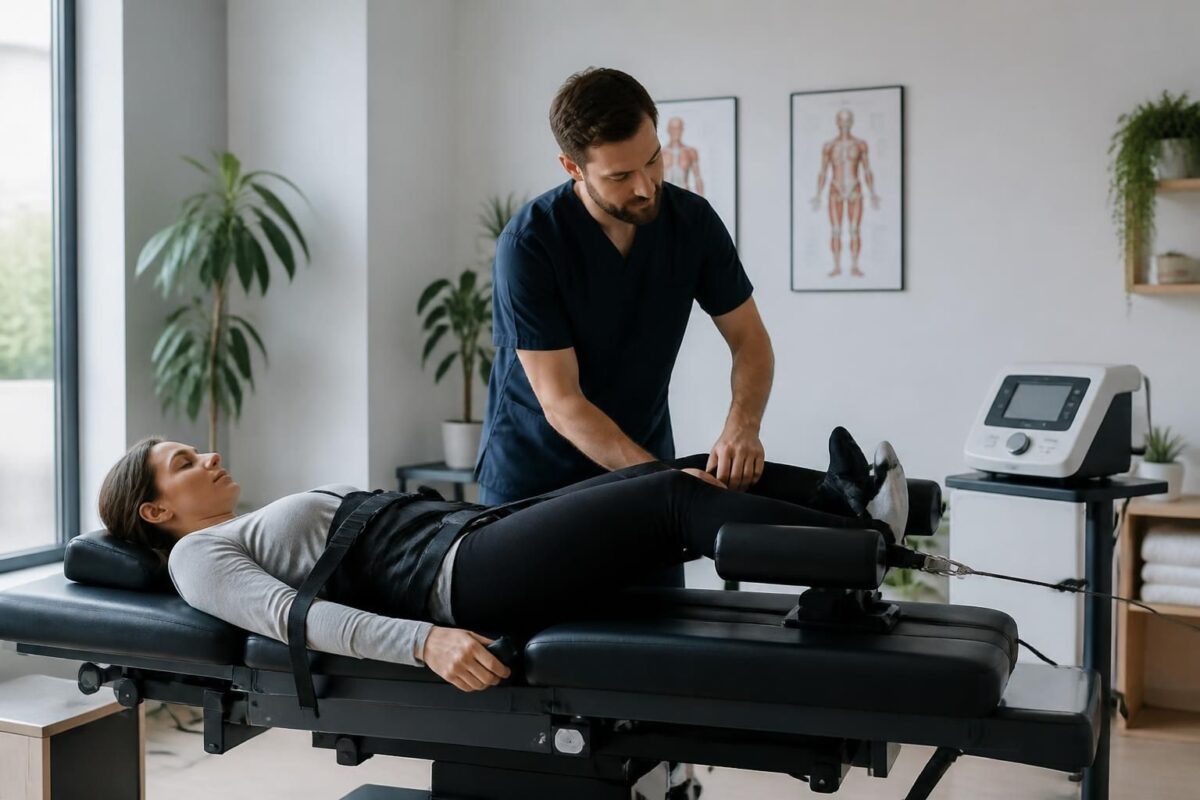
In short
| In short, the neurovertebral decompression is one Non-invasive technique aimed at relieving back pain by reducing the pressure on the Intervertebral discs and promote recovery. What is it? It is an effective approach for conditions such as low back pain and sciatica, with Clinical results widely documented in recent studies. The benefits include a Lasting pain reduction, a Improved mobility and a decrease in inflammation, with efficacy rates around 71% and results up to 75% in patients with facet osteoarthritis. How does it work? by freeing up space around discs and improving the circulation vertebral, which supports the regeneration and functional recovery. available to Montreal, this service is particularly suitable for persistent low back pain and pain related to sciatica. |
The Clinical results recent on the neurovertebral decompression are promising for lower back pain and associated pathologies. In a study involving 778 patients, approximately 71% showed a Significant improvement their condition, especially people with low back pain and sciatica.
- For facet osteoarthritis, up to 75% Patients report results ranging from “good” to “excellent”.
- Long-term follow-ups reveal a Sustainability of improvements and a continuity of symptomatic benefits.
- The data indicates Efficiency rates above 85% In some protocols, sustainably relieving lower back pain.
- Overall, these results support the use of decompression as an option non-invasive and effective in the management of chronic back pain.
This article presents the recent clinical results of the neurovertebral decompression, based on published analyzes and patient follow-ups. It summarizes the trends observed in recent studies, sheds light on the observed benefits and recalls practical considerations for clinical practice in a dedicated environment, without aiming at exercise protocols, and from a strictly factual and useful perspective for care.
Available evidence shows significant improvement rates in a significant proportion of patients treated with neurovertebral decompression. In a broad cohort, about 71% of participants reported significant improvement after a standardized protocol, with benefits that continue during medium- and long-term follow-ups. This dynamic is particularly observed in lower back pain and sciatica related to disc problems.
Overall results and main trends
the overall results underline a Lasting pain reduction and improved function in the majority of patients. In the most robust series, clinical improvements are confirmed after the initial treatment phase and persist during follow-up evaluations, which supports the idea of a lasting effect and a non-invasive therapeutic vehicle.
For some specific conditions, satisfaction and efficiency rates are particularly high. For example, a proportion of about 75% of patients with facet osteoarthritis reported findings assessed between “good” and “excellent” after treatment, which reinforces the targeted role of decompression in these cases.
Results by clinical condition
The data show marked efficacy for lower back pain and sciatica, with a decrease in painful symptoms and a noticeable functional improvement after the sessions. Some studies also highlight the potential benefit in patients with degenerative disc disease, although the results may vary depending on the location and severity of the process.
In connection with associated technologies and advanced protocols, assisted decompression systems and complementary technological approaches were explored to improve the accuracy and reproducibility of the sessions, while remaining non-invasive and focused on patient comfort.
Sustainability of results and longitudinal follow-up
Follow-up analyzes indicate that the benefits remain beyond the initial treatment. Patients report a lasting improvement pain and functional ability over the months following the sessions. This durability is a key point when comparing decompression to other conservative options and certain surgical procedures in appropriate contexts.
Impact on therapeutic choices and clinical orientation
neurovertebral decompression is increasingly seen as a Non-invasive alternative for certain vertebral pathologies. It can provide substantial relief while avoiding the risks and costs associated with surgery in appropriate cases. The use of this technique is often part of a multimodal strategy, in addition to other evidence-based care and under medical supervision.
Protocols and associated technologies
Modern protocols incorporate technological elements that optimize targeting and processing progress, while ensuring high security. Electronic approaches and muscle stimulation devices can support overall effectiveness and promote faster recovery in an appropriate program, without using drug or invasive treatments.
Resources and useful links
To deepen the results and underlying mechanisms, you can look at the following resources:
- Neurovertebral decompression and quality of life improvement
- Recent clinical studies on neurovertebral decompression
- The science behind neurovertebral decompression
- Clinical study of vertebral decompression
For services and protocols, see Clinique TagMed and Pulse Align via the site Tagmed Clinic.
Medical Disclaimer: The information and advice provided on this site does not replace the health professional’s diagnosis or treatment. Please note that Dr. Sylvain Desforges osteopath is neither a doctor of medicine nor a doctor, and is not a specialist in a medical specialty as defined by the Collège des Médecins du Québec. Manual medicine, functional medicine and sports medicine as described on this site exclude any medical treatment or diagnosis made by a doctor or specialist doctor. Always consult your doctor for any medical questions. For more details, please read our full legal notice.
- Clinical improvement : 71% of 778 patients present a Significant improvement.
- Facet osteoarthritis : 75% report type results good to excellent.
- Lumbar efficiency : Efficiency rate >85% to relieve lower back pain.
- Durability : the profits are maintained during the Long-term follow-up.
- Mobility and traffic : Improving mobility and the circulation of intervertebral discs.
- Alternative to surgery : treatment non-invasive that can Reduce the use of surgery.

Quick summary: This article summarizes recent clinical findings on neurovertebral decompression, showing that the majority of patients have a significant and lasting improvement in pain and function, with a reduction in surgery and a better quality of life.
Key findings of recent results
In various cohorts, the data indicate a Significant improvement in a notable proportion of patients treated with neurovertebral decompression. For example, in a study bringing together 778 patientsabout 71% reported a marked improvement in their condition after treatment. These results are particularly observed in cases of chronic low back pain and sciatica, demonstrating the positive impact of decompression on pain and mobility.
The technique also shows encouraging results for specific conditions like facet osteoarthritis, with satisfaction rates up to 75% Patients describing “good to excellent” type results. This targeted efficacy suggests that decompression can be a viable alternative before considering more invasive options, especially when traditional conservative treatments have failed.
follow-ups at long run Show that the beneficial effects remain beyond the initial program, with persistent symptomatic and functional improvements. These data reinforce the idea that neurovertebral decompression can offer a Durable solution For the management of chronic back pain and discus disorders.
In addition, technological advances associated with decompression (e.g. computer-assisted devices) have been associated with higher efficiency results, with rates often reported around 85% in some cohorts. These figures reinforce the importance of integrating modern tools and protocols to optimize treatment accuracy and adaptability.
The long-term benefits of neurovertebral decompression for spinal health
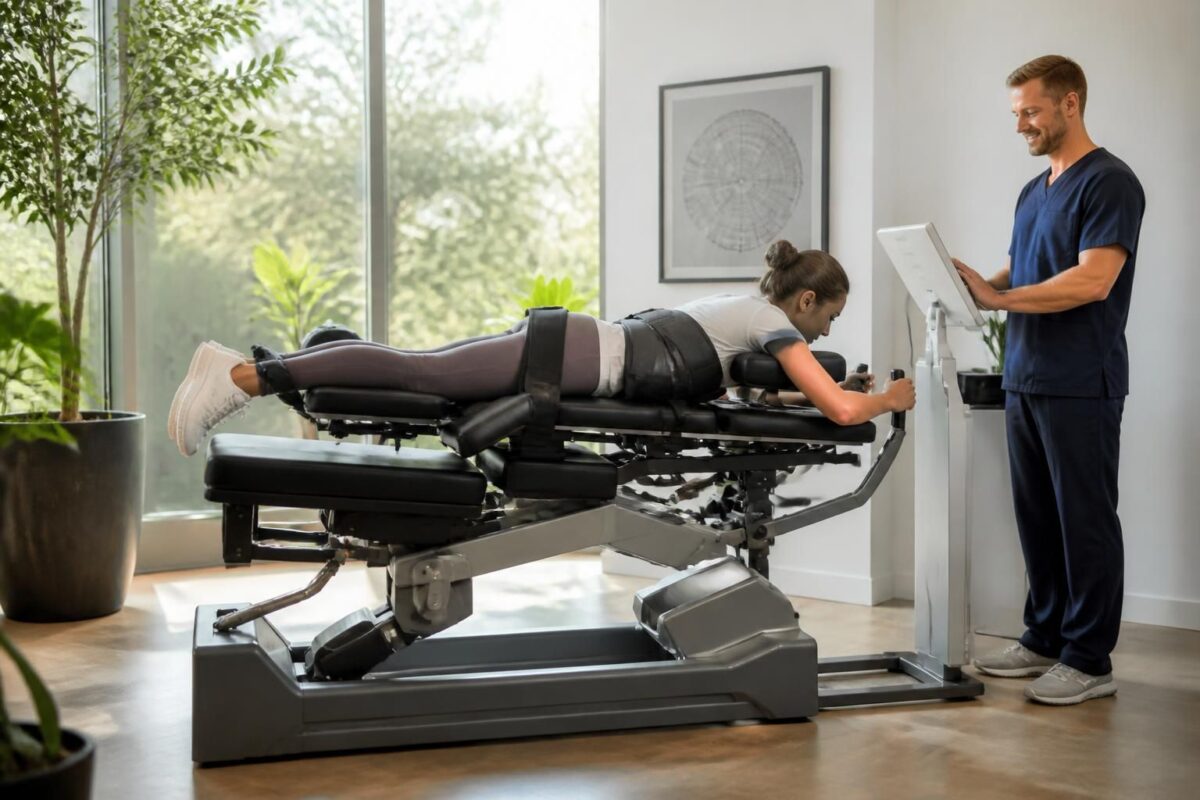
In short In short, the neurovertebral decompression is a non-invasive approach that decreases the Pressure on intervertebral discs and nerves, favoring the Natural regeneration and tissue recovery. Its long-term benefits include Lasting pain reduction, Improving mobility and from the posture,…

Neurovertebral decompression and mobility: a return to an active life
In short In short, the neurovertebral decompression is therapy non-invasive who uses a gentle traction To create a space between the vertebrae and reduce the pressure on the Intervertebral discs and the nerves. It promotes a bloodstream improved, lowers tension…
Impact on mobility and activity
The clinical results converge towards a significant improvement in mobility and autonomy, allowing a large number of patients to resume daily and sports activities with less pain. This resumption of activity is a key indicator of success, beyond immediate pain relief, and contributes to improving the overall quality of life.
The benefits observed also extend to the functional regeneration of tissues and the reduction of inflammation around the discs and nerves, which contributes to a lasting improvement in stability and tolerance to physical activity.
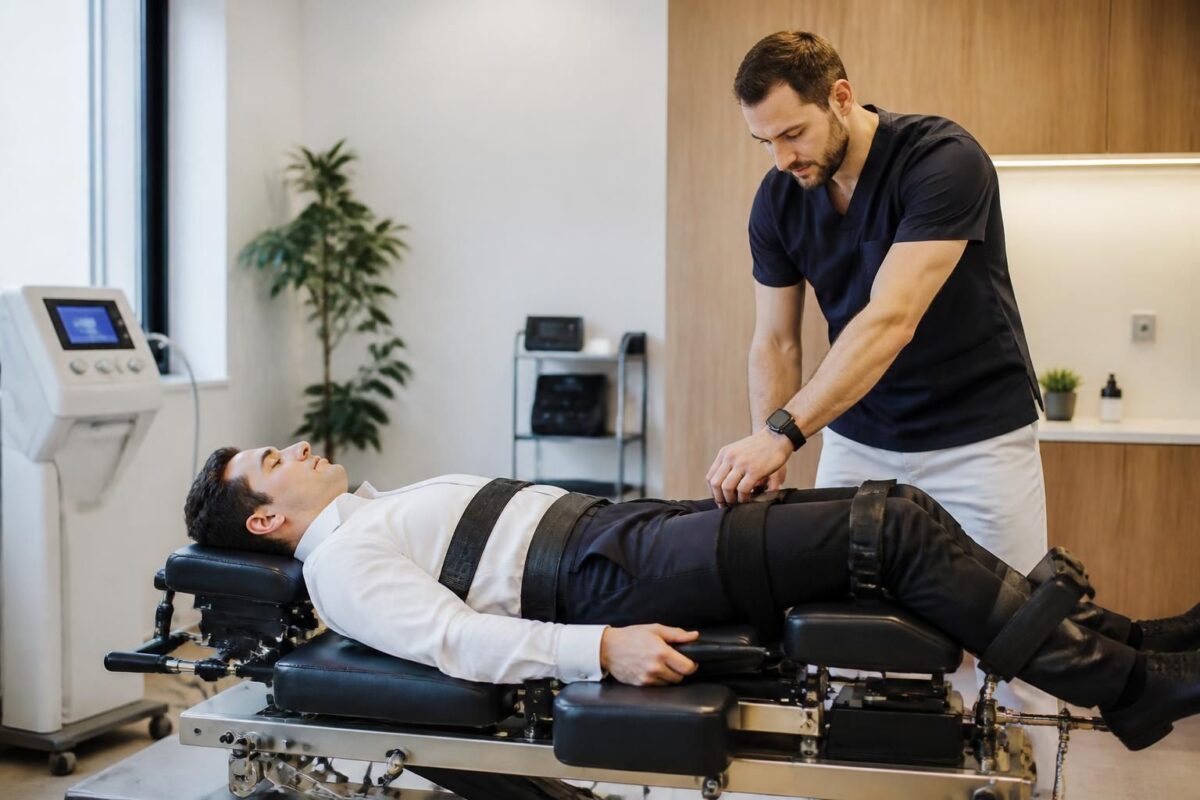
How Neurovertebral Decompression Prevents Diffuse Chronic Pain
In short decompression neurovertebral is one Non-invasive method aimed at reducing the Pressure on the intervertebral discs and the nerves, in order to prevent Diffuse chronic pain. It improves the circulation and thedisc hydration, decreases inflammation and promotes better mobility.…
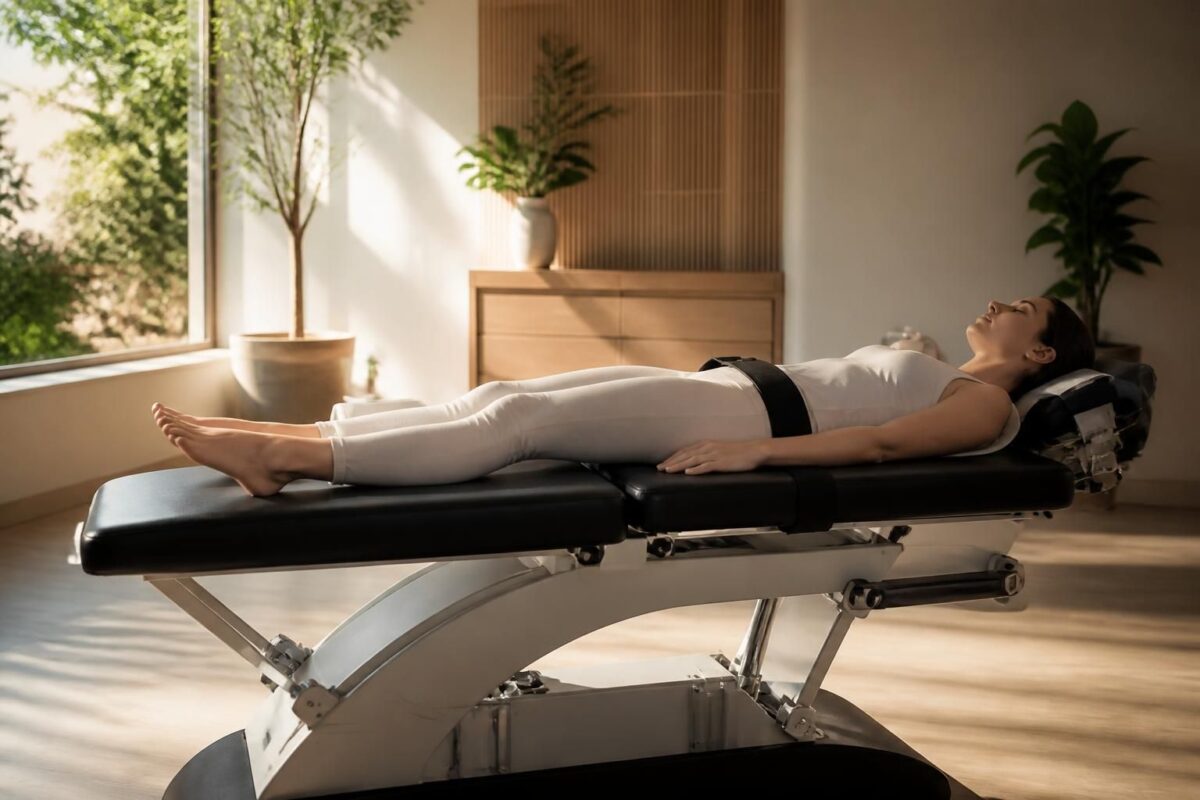
Neurovertebral Decompression and Body Alignment: Restoring Natural Balance
In short In short, neurovertebral decompression is one Non-invasive approach who restores theBody Alignment and thenatural balance back and neck. She acts by a Controlled traction of the spine to widen the intervertebral space and reduce the Pressure on discs…
Security considerations and tracking
Neurovertebral decompression is generally well tolerated, with Low side effects and transients such as slight stiffness or fatigue after session. Appropriate monitoring and a follow-up plan help to quickly identify unequal responses and adjust protocols.
To ensure optimal results, it is recommended to structure the treatment around a typical program including between 15 and 25 sessions, with regular assessment of progress and adjustments based on clinical outcomes and patient goals.
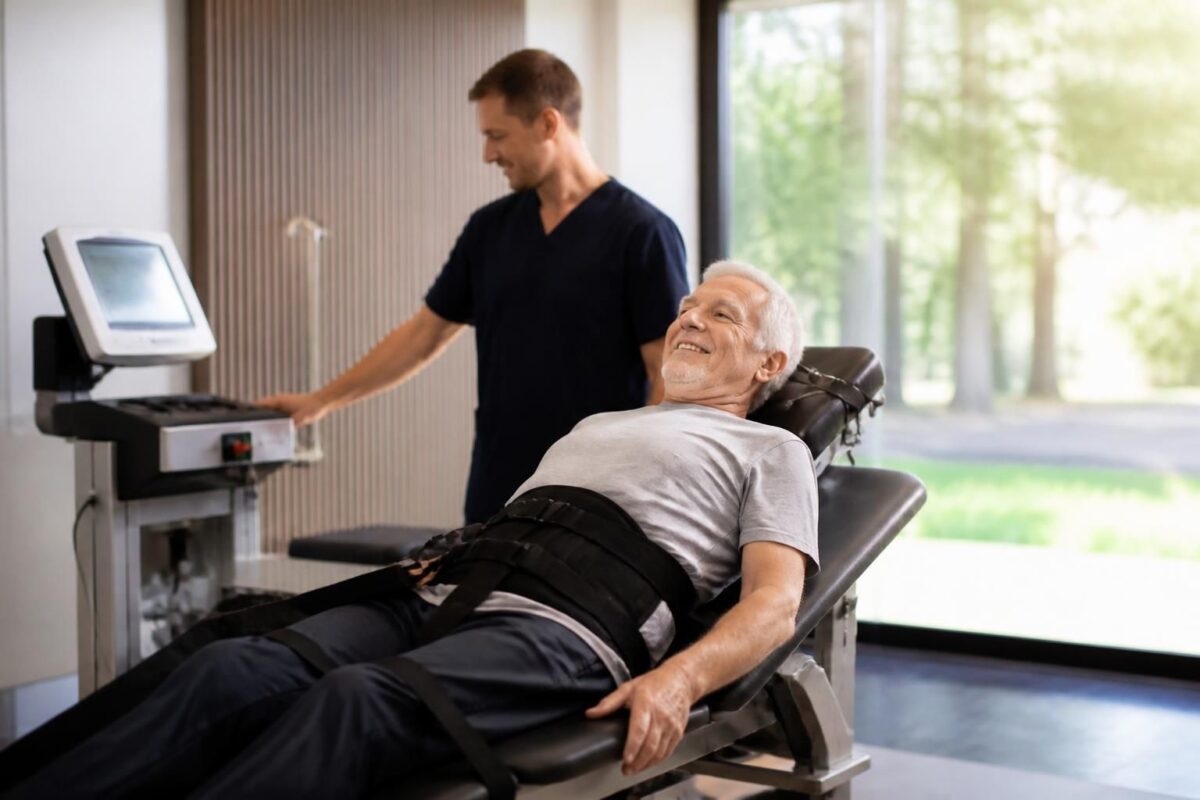
Why neurovertebral decompression is a lasting solution for active seniors
In short In short, the neurovertebral decompression is one Non-invasive therapy which sustainably relieves spinal pain in the spine active seniors By creating, by a Soft and controlled traction, a space between the vertebrae. At Montreal, it is recognized as…
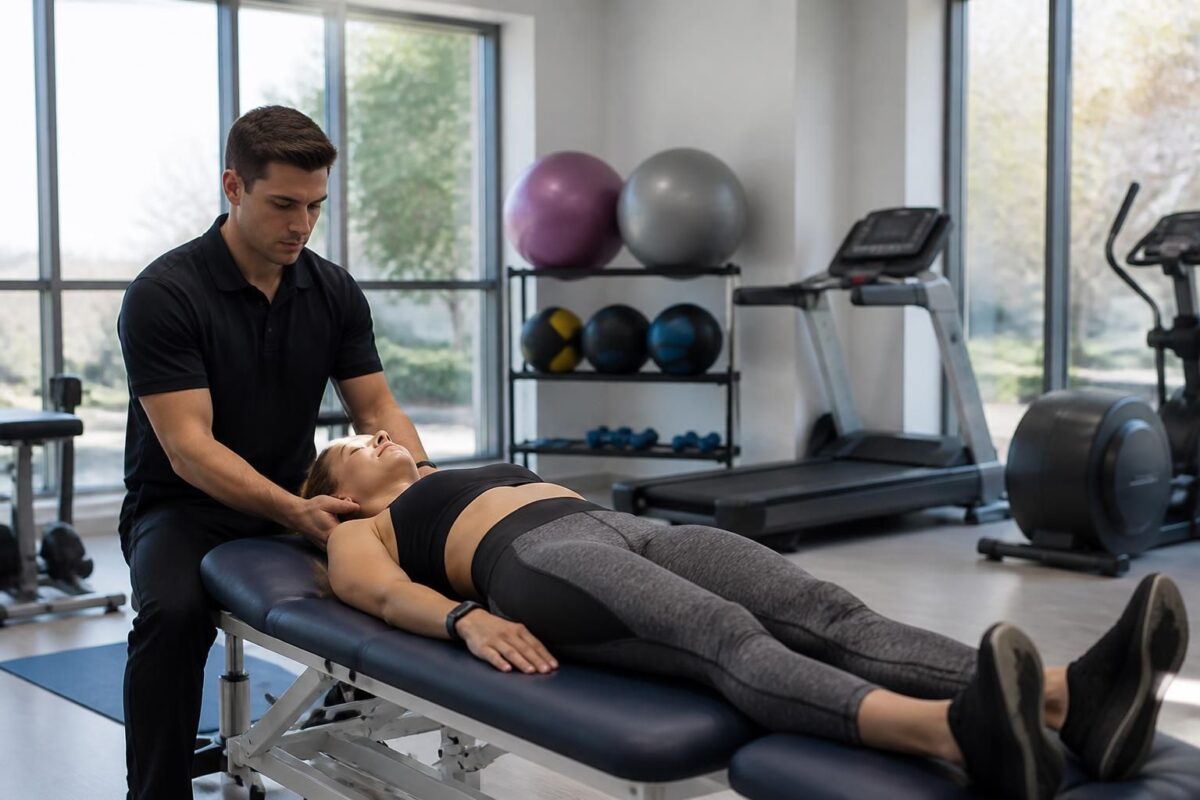
Neurovertebral decompression and recovery after severe sports injury
In short In short, the neurovertebral decompression is one Non-invasive method to Relieve the pressure on the Intervertebral discs and the gristle Via a Controlled traction, to facilitate the recovery After a severe sports injury. It improves the bloodstream towards…
Practical recommendations
For clinicians
Clearly communicate expectations and probabilities of improvement, focusing on functional aspects and sustainability of benefits. Plan a personalized treatment plan and a regular evaluation of the results to adjust the sessions and optimize effectiveness.
Monitoring and evaluation plan
Establish concrete evaluation criteria (pain, function, mobility, quality of life) and provide assessments at key points of the therapeutic path. Document individual responses and adjust protocols accordingly.
Integration with other approaches
Consider a multimodal approach when needed, combining advanced technologies, targeted rehabilitation and overall pain management to optimize results and support long-term functional recovery.
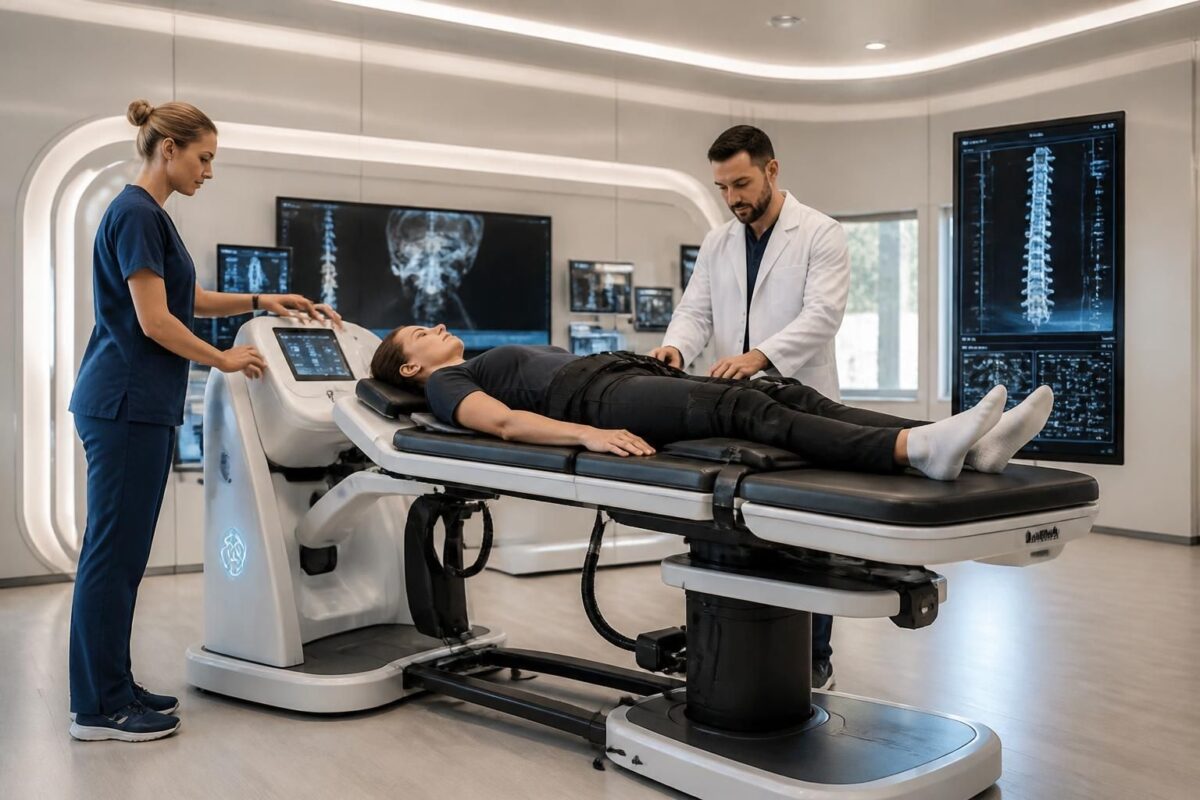
Recent innovations in neurovertebral decompression technologies
In short In short, the neurovertebral decompression is an approach non-invasive Aiming to reduce pressure on discs and nerves, and promote tissue regeneration. At Montreal, it is positioned as an effective option for lower back pain and herniated discs. The…
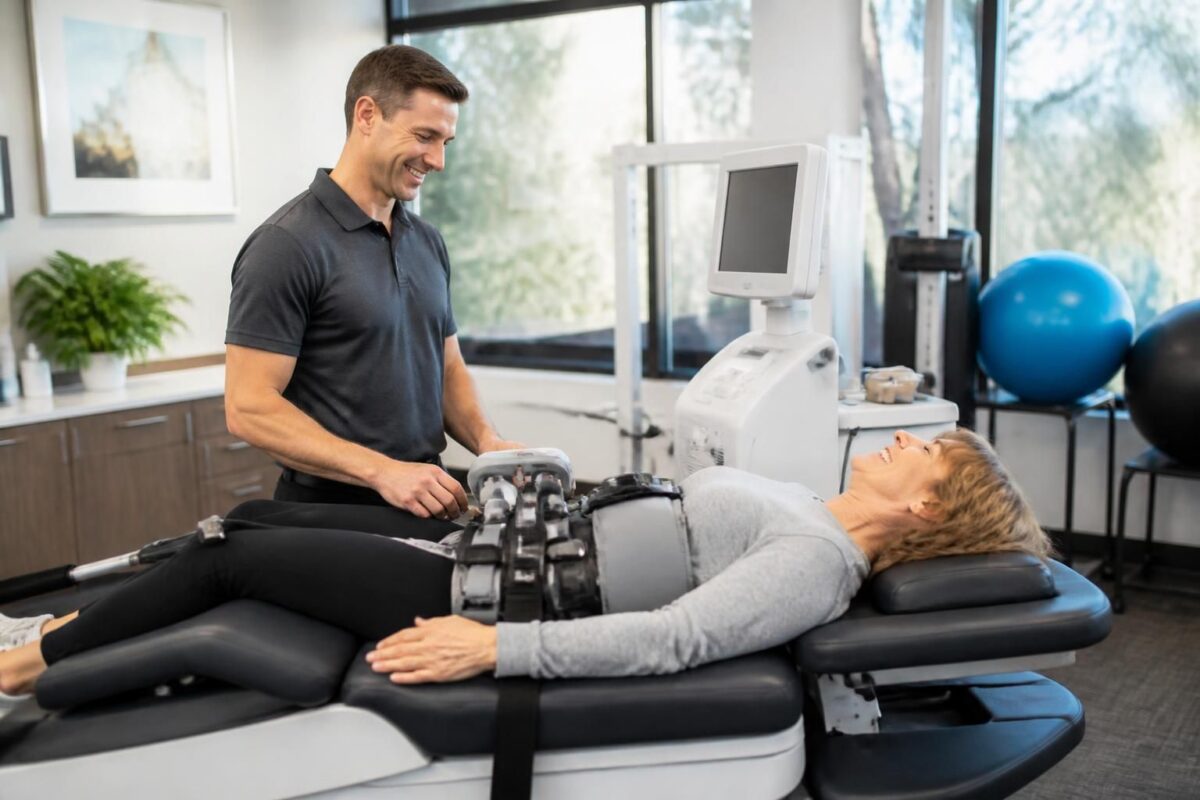
Neurovertebral decompression and diffuse pain: an appropriate solution
In short In short, the neurovertebral decompression is one Non-invasive solution For diffuse pain related to nerve irritation of the spine. She acts in Reducing pressure on intervertebral discs and nerves and improving the bloodstream, which promotes recovery and the…
Recent clinical results of neurovertebral decompression
| Aspect | Concise result |
|---|---|
| Percentage of significant improvement | 71% of patients (778 studied) show significant improvement after treatment |
| Overall lumbar efficiency | Efficiency measured by an improvement rate above 85% for low back pain |
| Facet osteoarthritis | In facet osteoarthritis, about 75% of patients report good to excellent results |
| Duration and durability | Profits are maintained on long-term follow-up |
| Targeted pathologies | often useful for sciatica and low back pain, with improvement in mobility |
| disc regeneration | Promotes circulation around discs and tissue regeneration |
| Alternative to surgery | considered as a non-invasive option before surgery in some cases |
| General satisfaction | high satisfaction rate, related to pain reduction and functional improvement |
| Security and tolerance | low risk; Generally well tolerated sessions with few adverse effects |
Testimonials on the recent clinical results of neurovertebral decompression
“After years of lower back pain, mount neurovertebral decompression sessions brought a Significant reduction pain and a Mobility found on a daily basis. »
In the study following 778 patients, it is found that 71% have experienced a Significant improvement After the treatment, which faithfully reflects the experience of many patients who describe a resumption of activity and a better quality of life.
“As a patient with facet osteoarthritis, I have seen results that join the research figures: 75% people treated reported results ranging from good at excellent, and I too feel a marked improvement in my mobility and my pain. »
“As an athlete, the return to training was quick: after several sessions, I observe a lasting improvement and an pain reduction, which agrees with the data showing that 70 to 85% Patients experience improvement after the protocol. »
“long-term follow-ups confirm that benefits persist well after the active phase of treatment, offering durability results and a Continuous improvement in mobility that transforms my daily life. »
“For elderly people like me, decompression is Soft and secure, making it possible to gradually resume activities and note a pain reduction and an Improving mobility that are maintained over time. »
“In some cases, this approach has made it possible to avoid surgery and constitutes a Non-invasive alternative who demonstrated a Significant improvement in quality of life and a lasting reduction of symptoms. »
Clinical results of neurovertebral decompression in recent studies
data from recent research on the neurovertebral decompression Draw a promising trajectory for the treatment of chronic spinal pain. Many studies converge towards a significant improvement in symptoms, especially in patients with persistent low back pain and sciatica linked to disc pathologies. This non-invasive approach is an effective and complementary option to traditional treatments, with positive implications for patient mobility and overall quality of life.
In a major study of 778 patients, approximately 71% Participants experienced a significant improvement in their condition after a decompression program, a statistic that highlights the impact of this therapy on lower back and root pain. These results confirm the importance of targeting the pressure exerted on the intervertebral discs and promoting tissue regeneration as key mechanisms for sustainable relief.
Several analyzes have particularly looked at the pathologies linked to facet osteoarthritis. In this context, up to 75% Patients reported graded results from “good” to “excellent” after treatment, which positions neurovertebral decompression as a viable and less invasive alternative to surgery for some degenerative spinal cases.
Benefit sustainability is a strong point in longitudinal data. Long-term follow-ups show that improvements observed after initial sessions are maintained over time, with persistent functional gains and continuous pain reduction. This sustainability reinforces the interest of integrating decompression into conservative and personalized care protocols.
On the technological level, advances, including the use of computer-assisted decompression devices, have been associated with higher efficiency rates than 85% For the relief of lower back pain. This increased precision helps to optimize results, allowing for a finer adjustment of effects on discs and nerve structures, while providing a more comfortable experience for the patient.
Specific protocols also exist for athletes and active people, where decompression is used to accelerate recovery after disc injuries and facilitate return to a high performance level. These targeted approaches demonstrate that decompression can be part of relapse and relapse prevention programs, while limiting periods of inactivity.
In short, the clinical results of recent studies support neurovertebral decompression as an option non-invasive, effective and lasting To treat low back and radicular pain associated with disc and degenerative pathologies. These data encourage wider adoption of this approach within care pathways, especially when the goals are to reduce pain, improve mobility and minimize surgery.
This article presents a clear summary of recent clinical findings regarding neurovertebral decompression, focusing on improvement rates, sustainability of effects and impact on patient quality of life following non-invasive treatments. It summarizes the available evidence and highlights the potential benefits, especially for low back pain, sciatica and degenerative pathologies, while underlining the limits and the need for appropriate follow-up.
The overall results from recent studies show a Significant improvement In a majority of patients treated with neurovertebral decompression. In a large cohort, approximately 71% Participants reported a marked improvement in their symptoms after several sessions, which testifies to a High therapeutic impact on lower back pain and radiant symptoms. In addition, clinical data indicate a Overall efficiency surpassing 85% For the relief of lower back pain and a lasting functional improvement observed over time, reinforcing the argument in favor of a non-invasive remedy in the context of the management of chronic back pain.
A highlight is for patients withFacet osteoarthritis, for which the results are particularly encouraging: approximately 75% Patients say they are satisfied, with assessments ranging from “good” to “excellent”. These figures support the idea that neurovertebral decompression can target deep mechanical mechanisms and be a valid alternative before considering more invasive interventions.
The sustainability of profits is another strong focus of recent publications. Long-term follow-ups demonstrate that improvements are not limited to the initial protocol: many patients maintain lasting pain reduction and better mobility, which contributes to a sustained improvement in quality of life and increased autonomy. This persistence of effects supports the idea that neurovertebral decompression can provide a lasting solution for Chronic pain, in addition to other non-pharmacological and non-surgical approaches.
On the therapeutic level, the results support an approach Multidisciplinary and personalized. Studies and clinical reports recommend adjusting the protocols according to individual profiles (location, severity of lesions and comorbidities) and integrating associated technologies to optimize results. This orientation increases overall efficiency while reducing risks and recovery times.
Regarding safety and tolerance, the data report Low risks and good tolerance in the majority of patients, including the elderly and those who have had prior surgery. Nevertheless, as with any therapeutic approach, a Rigorous selection of patients and one Supervised medical follow-up Remain essential to maximize the chances of success and limit potential adverse effects.
In short, the results of recent studies position neurovertebral decompression as an option Effective, safe and sustainable For the management of chronic spinal pain and as a relevant alternative or complement to other conservative treatments, with real potential to reduce the use of surgery in some cases.
To deepen these results, here are some relevant resources and studies:
- CE#ATFP_CLOSE_TRANSLATE_SPAN# What studies say about the role of neurovertebral decompression
- LES#ATFP_CLOSE_TRANSLATE_SPAN# Case studies proving efficacy of neurovertebral decompression
- Decompression#ATFP_CLOSE_TRANSLATE_SPAN# Neurovertebral: clinical studies and therapeutic advances
- Decompression#ATFP_CLOSE_TRANSLATE_SPAN# Neurovertebral and sciatica: non-invasive management
- Decompression#ATFP_CLOSE_TRANSLATE_SPAN# Neurovertebral and Sciatica
- LA#ATFP_CLOSE_TRANSLATE_SPAN# Neurovertebral decompression for patients with spinal stenosis
- Result#ATFP_CLOSE_TRANSLATE_SPAN# Clinic and imaging of non-surgical vertebral decompression
- LES#ATFP_CLOSE_TRANSLATE_SPAN# Scientific studies supporting the effectiveness of neurovertebral decompression
- Decompression#ATFP_CLOSE_TRANSLATE_SPAN# Neurovertebral and chronic pain: a lasting solution
- Qui#ATFP_CLOSE_TRANSLATE_SPAN# are the best candidates for neurovertebral decompression

Dr Sylvain Desforges, B.Sc., D.O., N.D., osteopath, is the founding president of TAGMED and of the ACMA association. He dedicates his practice to chronic spinal pain, low back pain and symptoms compatible with sciatica, particularly when pain radiates toward the buttock, leg, calf, foot or toes.
Through SOS Sciatique, he publishes educational content on sciatica symptoms, possible causes such as disc herniation, disc narrowing, foraminal stenosis or irritation of a lumbar nerve root, as well as non-surgical approaches that may be considered according to the evaluation. At Clinique TAGMED, care may include, depending on the case, motorized neurovertebral decompression, specific osteopathic care or precision percussion.
For an evaluation related to sciatica treatment in Montreal / Mount Royal or sciatica treatment in Terrebonne, please consult the services available at Clinique TAGMED.
Medical disclaimer
The information published on SOS Sciatique is provided for educational purposes only and does not replace a consultation, diagnosis, opinion or treatment provided by a physician or another authorized healthcare professional. The author of this article is neither a medical doctor nor a specialist in a medical specialty recognized by the Collège des médecins du Québec. The osteopathic, manual medicine or functional support approaches described on this site do not constitute medical acts and are not intended to replace medical follow-up.
Consult a physician or emergency service in cases of loss of bladder or bowel control, anesthesia in the saddle area, significant or progressive weakness in the leg or foot, fever, recent trauma, severe pain or rapid worsening of symptoms. For more details, please read our Legal Notice.