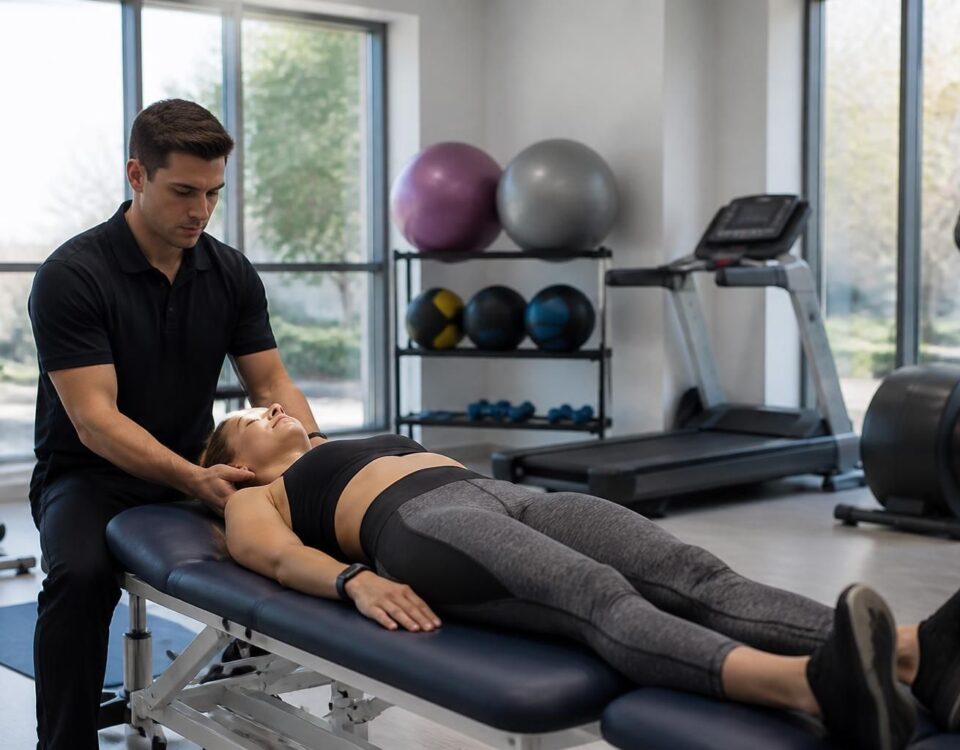
Signs indicating that neurovertebral decompression is suitable for you
25/06/2026
The clinical results of neurovertebral decompression in recent studies
25/06/2026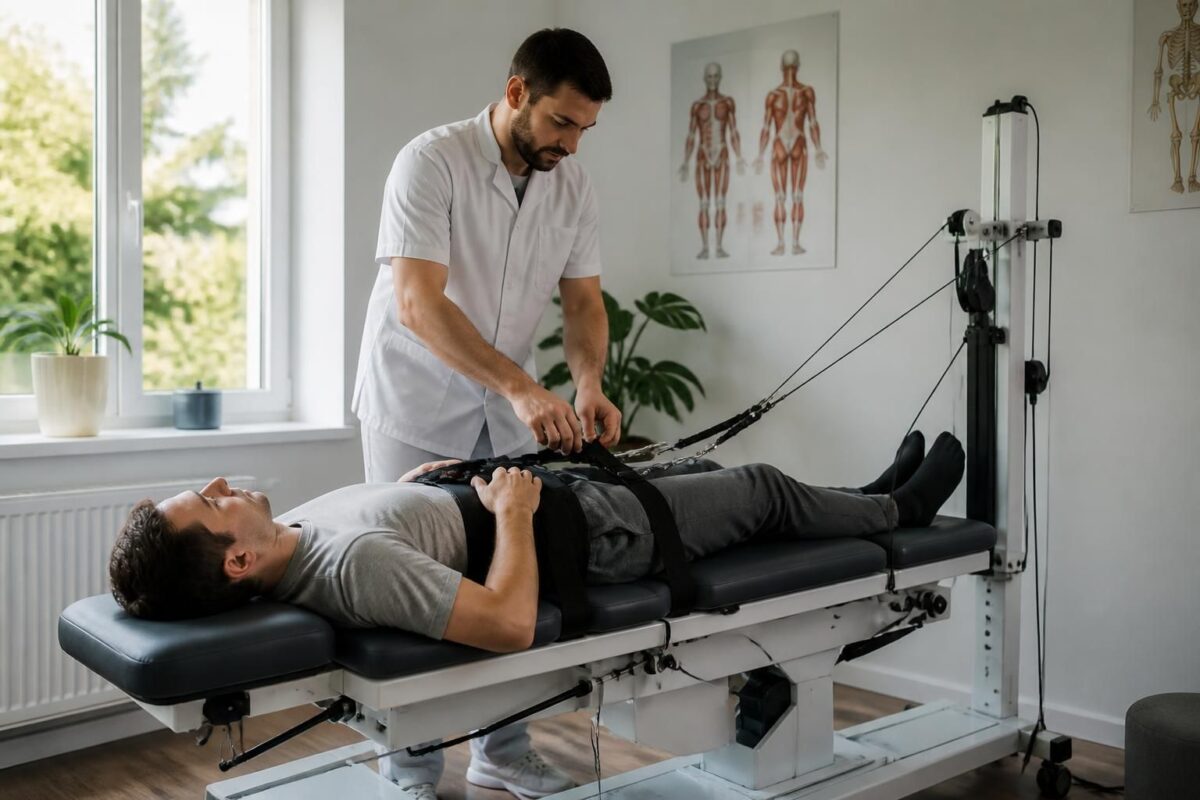
In short
| In short, neurovertebral decompression is one Non-invasive approach intended for Reduce pressure on intervertebral discs and relieve the Lower back nerves. What is it? A treatment that Creates a space between the vertebrae And releases muscle tension around the spine. What are the advantages? Quick relief, improvement of the mobility and reduction of Chronic pain, often without medication and without surgery. How does it work? A Controlled traction On the spine decreases nerve compression, promotes circulation and hydration of discs. Accessible in Montreal, this service is particularly recommended for pain lumbar and the sciatica. |
neurovertebral decompression is an approach non-invasive Aiming to relieve lower back pain by tackling their causes related to discs and nerves. It is based on a Soft and controlled traction who creates a Space between the vertebrae, reducing the Pressure on the intervertebral discs and the gristle. This reduction can lead to a decrease in Lower back pain, a better mobility and an acceleration of tissue recovery. It is particularly relevant for pain related to herniated discs, at the sciatica and at the Chronic low back pain. Integrated into a multimodal approach, it benefits from support through targeted exercises, a good hydration and management of stress.
This article, written by a health professional and expert in manual approaches, describes the neurovertebral decompression and its role in the Lower back pain management. It exposes the mechanism, clinical indications, observed results and integration with other elements of the care pathway. The whole is based on evidence and a practice adapted to the clinical context, in particular to Tagmed Clinic in Montreal.
What is neurovertebral decompression?
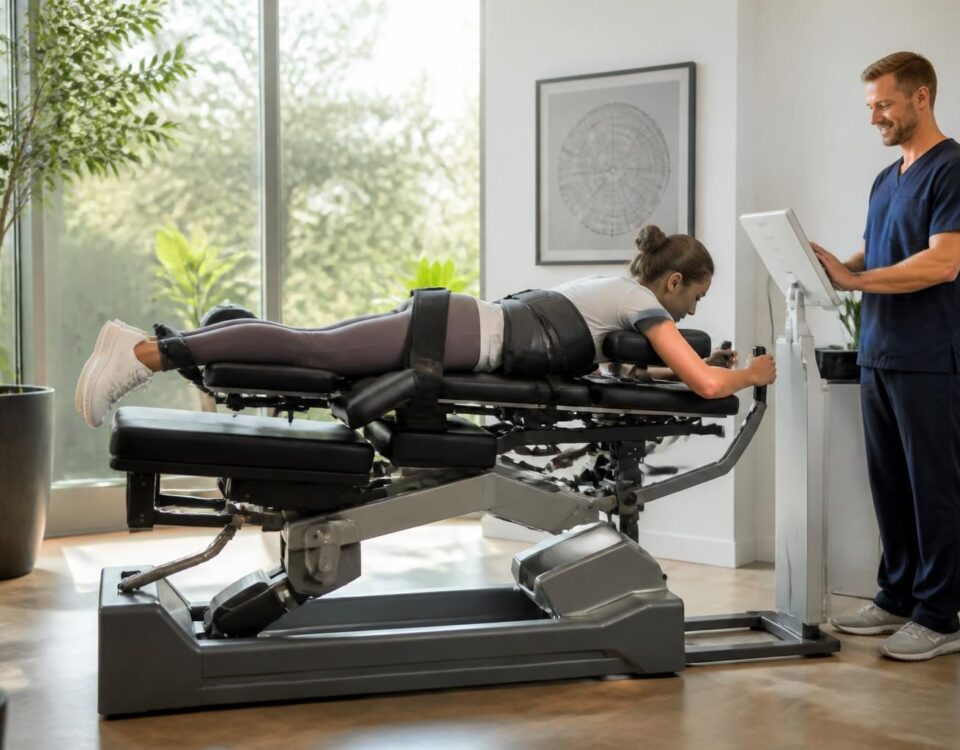
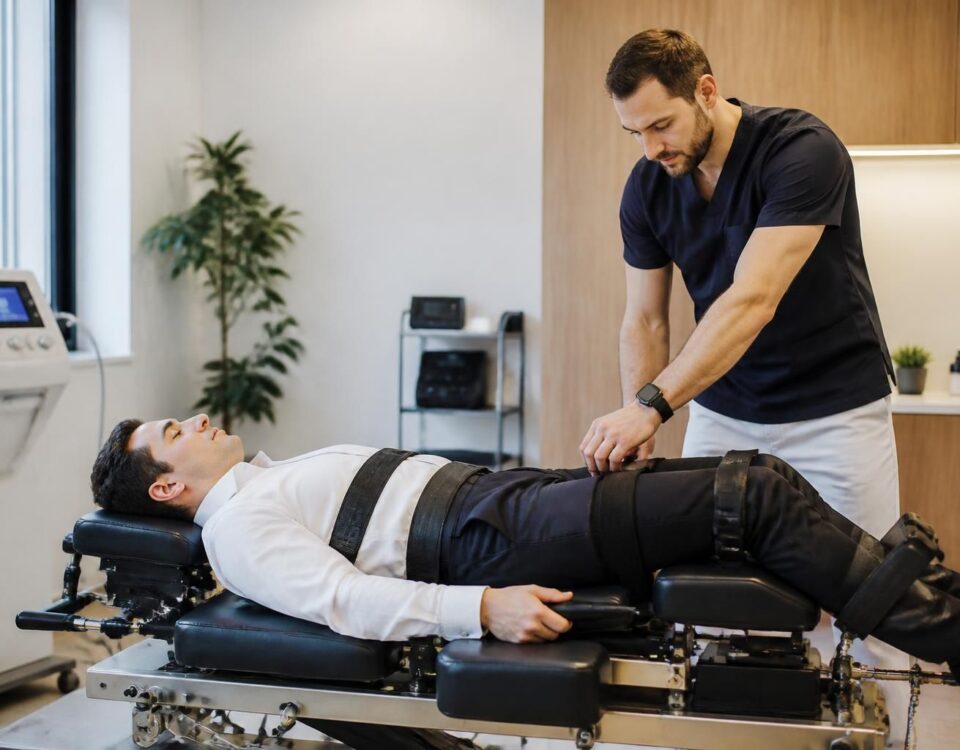
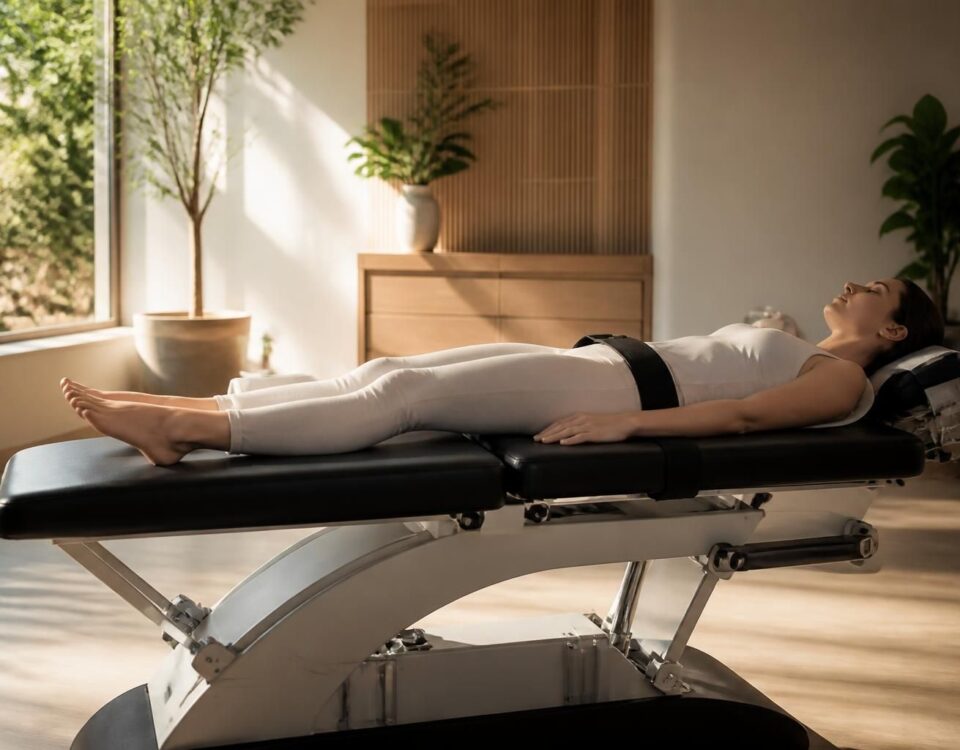
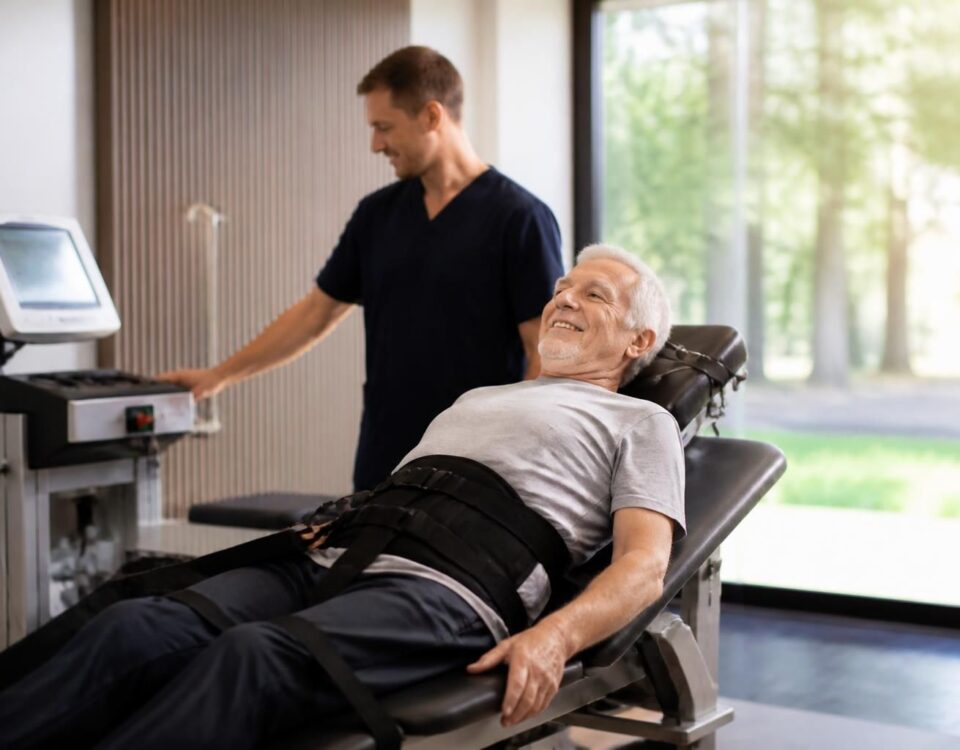
The neurovertebral decompression is an approach non-invasive which uses a specialized traction table. This technique creates a space between the vertebrae, which decreases the pressure exerted on the Intervertebral discs and the gristle. The goal is to alleviate lower back pain and promote better spinal function without having to resort to surgery. To deepen, dedicated resources describe the principles and results observed in various clinical situations (Recent clinical studies, Reduction of disc voltages). Note: As part of this treatment, no recommendations for exercises or stretching are made here.
Indications and results
This approach is envisaged for pain related to problems such as degenerative disc diseases, herniated discs, sciatica and Foraminal stenosis or spinal. Clinical data indicates that 70% to 85% Patients report symptoms improvement after several sessions. Other analyzes highlight substantial improvements in pain and functionality, contributing to a better quality of life. For a summary of the results, see the specialized resources on Recent clinical studies and on The science behind neurovertebral decompression.
Mechanisms of action and effects on the back
The principle is based on controlled traction that increases the intervertebral space. This increase decreases the pressure on the nerves and can improve local blood circulation, facilitating tissue nutrition and recovery. Relaxation of the adjacent muscles is accompanied by a reduction in spasms and a better range of motion. public resources describe the mechanisms and effects on discs and soft tissues (Prevent recurrences, Reduction of disc voltages). In this context, treatment evaluation and planning is done on a case-by-case basis, in order to optimize the results.
Care course and follow-up
The process begins with a full medical assessment and, if necessary, imaging tests to confirm the causes of pain and target treatment. The protocol is adjusted according to the clinical results and the particularities of each patient. The clinical framework favors an approach based on evidence and individualization, while favoring a solution non-invasive and focused on lasting symptom relief.
Integration and global approach
Neurovertebral decompression can be inserted into an integrated course, in addition to other non-pharmacological approaches and appropriate rehabilitation protocols. Specialized resources describe how the association of different modalities can promote recovery and prevent recurrences (Duo decompression and muscle tension, Steps of treatment). As part of the TagMed and Partner Clinics, evaluation and planning are done taking into account recognized training and practices (NUMSS, NAO, National University of Medical Sciences, National Academy of osteopathy).
Resources and useful links
For further technical aspects and results, please refer to:
- Recent clinical studies on neurovertebral decompression
- The science behind neurovertebral decompression
- Tagmed Clinic
- Reduction of disc voltages
- Prevent recurrences by decompression
When it comes to training in osteopathy, recognized public and professional references remain NUMSS, nao, National University of Medical Sciences and National Academy of Osteopathy. Relevant professional associations include theacma, the College of Canadian Osteopaths and the College of Canadian Osteopaths.
Notes: Neurovertebral decompression is part of a coordinated approach and does not replace a medical diagnosis or other treatments when these are needed. For more information about protocols and results, you can check the following resources: Disc herniation and decompression, Non-surgical disc record, Sciatica – General Resources.
Medical Disclaimer: The information and advice provided on this site does not replace the health professional’s diagnosis or treatment. Please note that Dr. Sylvain Desforges osteopath is neither a doctor of medicine nor a doctor, and is not a specialist in a medical specialty as defined by the Collège des Médecins du Québec. Manual medicine, functional medicine and sports medicine as described on this site exclude any medical treatment or diagnosis made by a doctor or specialist doctor. Always consult your doctor for any medical questions. For more details, please read our full legal notice.
- Targeted evaluation Confirm the indication and customize the plan.
- Therapeutic objective Reduce pressure on discs and nerves.
- Mechanism Controlled and non-invasive traction creating an intervertebral space.
- immediate effect Muscle relaxation and rapid reduction of local pain.
- Functional impact Improved mobility and posture on a daily basis.
- relapse prevention Reduction of tensions and prevention of future episodes.
- Personalized route Adapted sessions with adjustments according to the results.
- Complements Strengthening, stretching and advice for hydrating discs.
- Treatment Benefits Possibility of limiting medications and surgical procedures.
- Security and tolerance Comfortable treatment, low risk, professional follow-up.
- Typical indications Chronic low back pain, sciatica related to hernia or stenosis, radicular pain.
- Monitoring and results Pain and mobility measures with regular reassessments (4–8–12 weeks).

This article presents the neurovertebral decompression as an effective approach and non-invasive For lower back pain management. It summarizes the mechanisms, indications and good practices in order to integrate this technique into a global strategy including exercise, posture and prevention of recurrences.
What is neurovertebral decompression and what is it for?
The neurovertebral decompression Relies on controlled traction applied to the spine to create a space between the vertebrae. This space makes it possible to reduce the pressure exerted on the intervertebral discs and on the nerves, thus promoting the recovery of tissues and the reduction of lower back pain. This approach is particularly suited to situations such as herniated discs, radiculopathy and chronic low back pain that limit daily activities. By working on the mechanical causes of pain, it can help restore mobility and function without having immediate surgery.
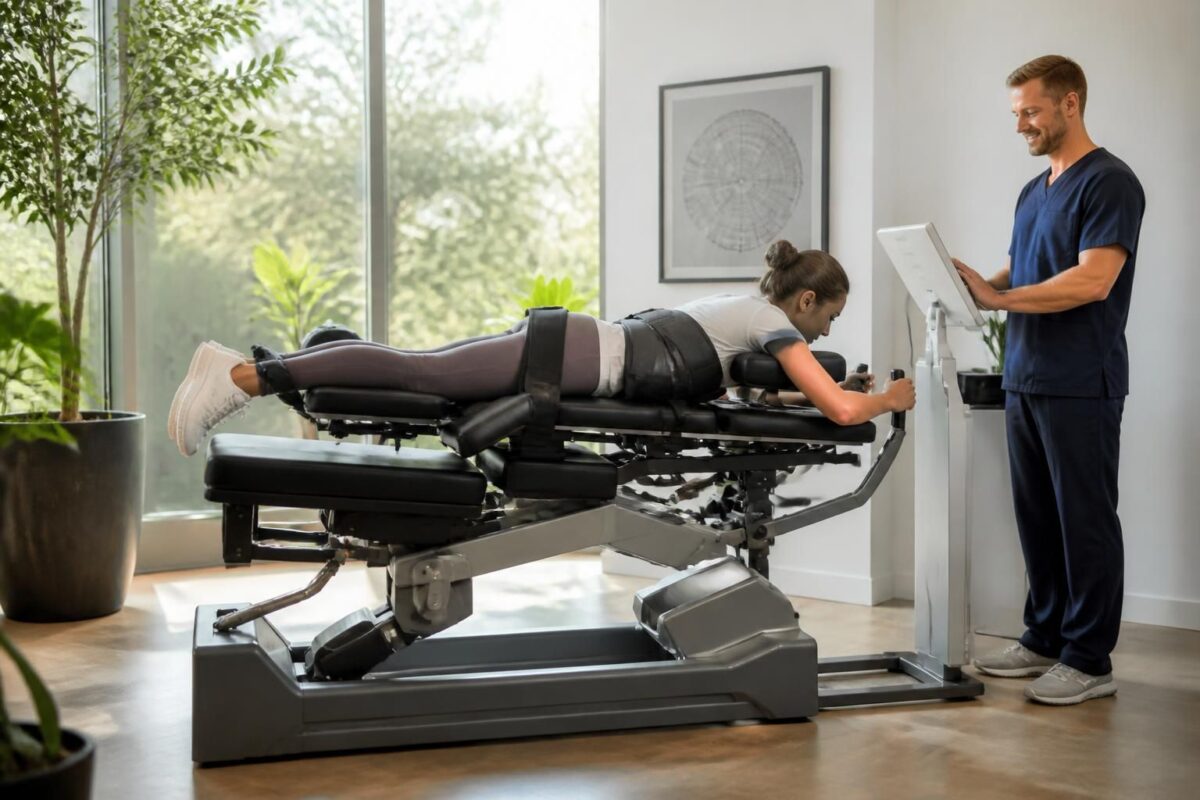
The long-term benefits of neurovertebral decompression for spinal health
In short In short, the neurovertebral decompression is a non-invasive approach that decreases the Pressure on intervertebral discs and nerves, favoring the Natural regeneration and tissue recovery. Its long-term benefits include Lasting pain reduction, Improving mobility and from the posture,…
Impact on the daily management of low back pain
By lowering the pressure on the nerves and discs, decompression can reduce painful symptoms and discomfort associated with low back pain. Patients often report a gradual improvement in their mobility and their quality of life after the sessions. The treatment is non-invasive And can be a key step to avoid heavier treatments, while preparing the ground for effective rehabilitation. The goal is to achieve lasting pain reduction and better ability to perform daily and professional activities.

Neurovertebral decompression and mobility: a return to an active life
In short In short, the neurovertebral decompression is therapy non-invasive who uses a gentle traction To create a space between the vertebrae and reduce the pressure on the Intervertebral discs and the nerves. It promotes a bloodstream improved, lowers tension…
Protocols, security and customization
Each patient benefits from a Personalized evaluation before starting the program. Protocols adjust according to treatment response and functional objectives. One Treatment plan Suitable can generally be between 15 and 25 sessions, depending on severity and individual progression. The risks are low and the side effects, if they appear, generally remain minor and transient when the treatment is entrusted to a qualified professional.
Practical aspects and monitoring
Monitoring is based on regular communication on symptoms, mobility and treatment tolerance. Adjustments in traction, session frequency and additional exercises can be made to optimize the results. The objective is to establish a lasting routine that supports the spine and prevents recurrences, in particular by improving the posture and of Strengthening of the trunk.
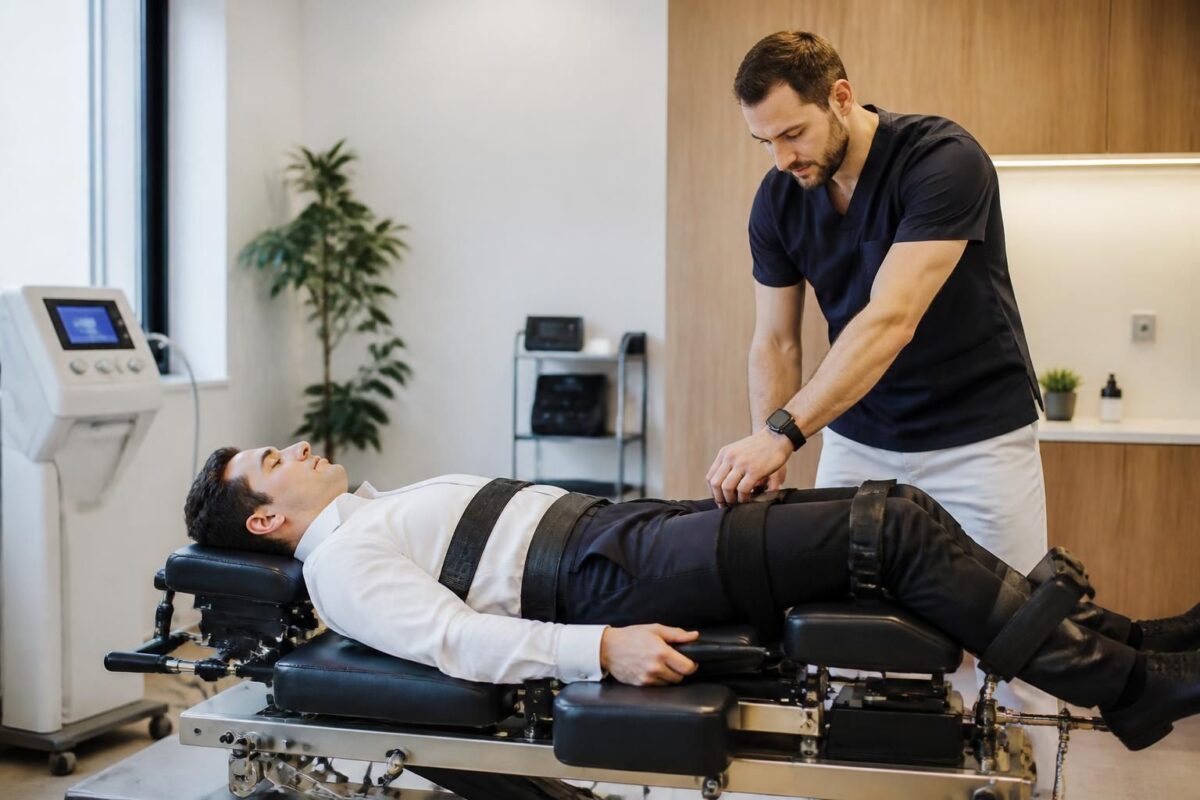
How Neurovertebral Decompression Prevents Diffuse Chronic Pain
In short decompression neurovertebral is one Non-invasive method aimed at reducing the Pressure on the intervertebral discs and the nerves, in order to prevent Diffuse chronic pain. It improves the circulation and thedisc hydration, decreases inflammation and promotes better mobility.…
When to consider back decompression?
Common indications include a back pain recurring with radiculopathy, pain radiating in the legs due to herniated disc and persistent symptoms that hinder daily activities. In these contexts, decompression can be an initial step or be associated with targeted rehabilitation and specific stretching to improve mobility and stabilize the spine.
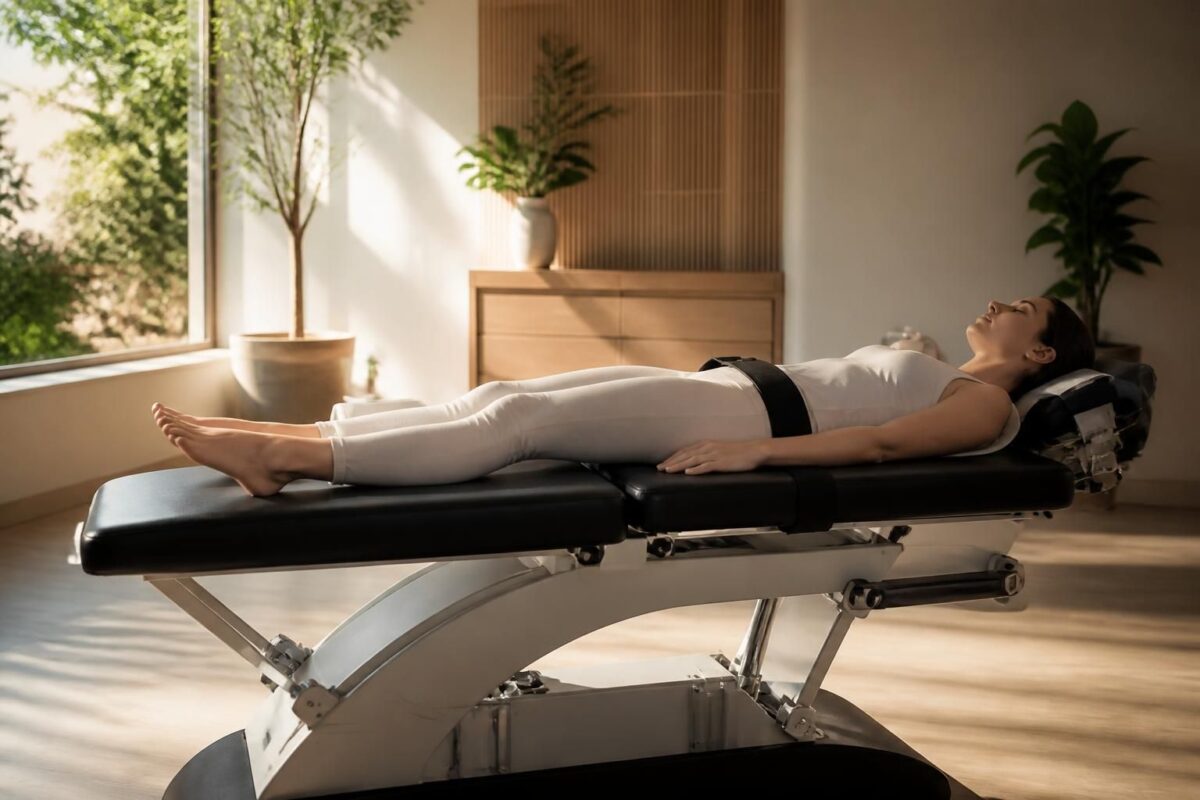
Neurovertebral Decompression and Body Alignment: Restoring Natural Balance
In short In short, neurovertebral decompression is one Non-invasive approach who restores theBody Alignment and thenatural balance back and neck. She acts by a Controlled traction of the spine to widen the intervertebral space and reduce the Pressure on discs…
Integration with other approaches and recurrence prevention
To optimize the results, associate decompression with exercises strengthening trunk, suitable stretching and a good Postural hygiene is essential. Complementary approaches, such as gentle manual techniques and neuromodulation tools when relevant, can support recovery and accelerate return to activity. An approach holistic and personalized Increases the chances of sustainable recovery and recurrence prevention.
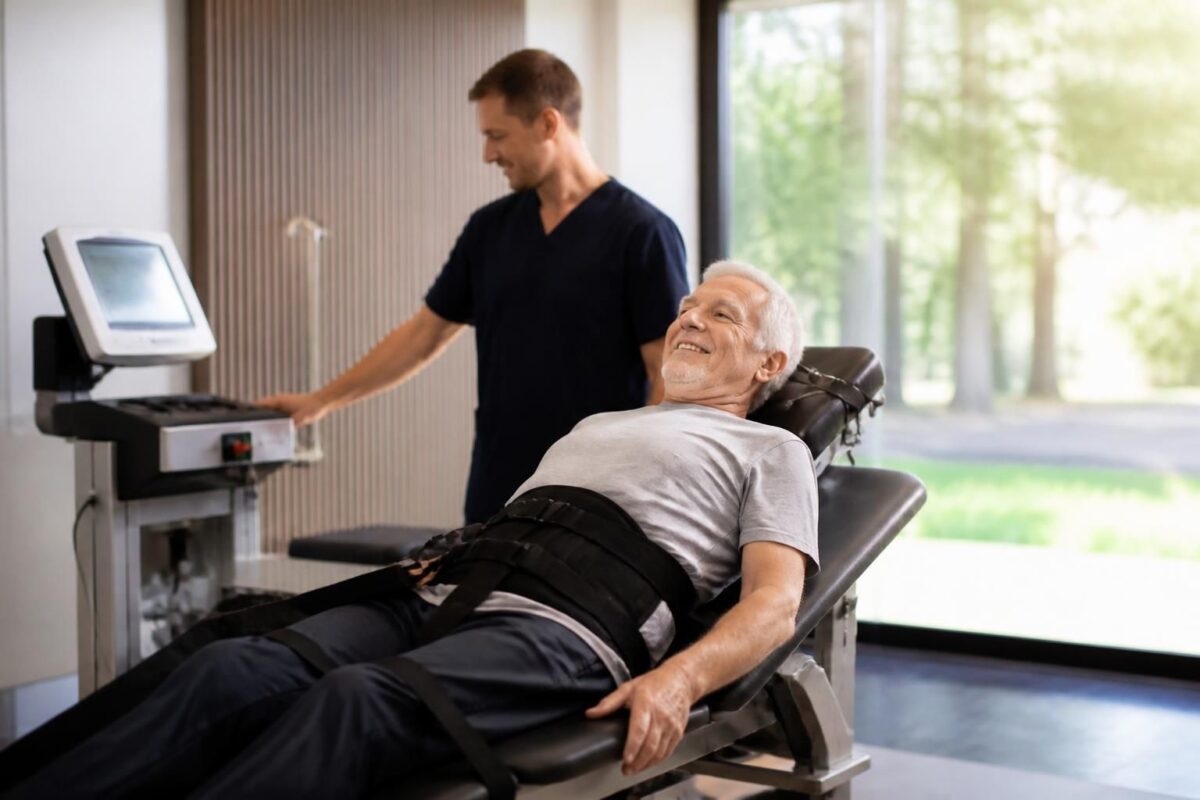
Why neurovertebral decompression is a lasting solution for active seniors
In short In short, the neurovertebral decompression is one Non-invasive therapy which sustainably relieves spinal pain in the spine active seniors By creating, by a Soft and controlled traction, a space between the vertebrae. At Montreal, it is recognized as…
Comparative: Neurovertebral decompression and lower back pain management
| Element | Description |
|---|---|
| Mechanism of action | Use a Controlled traction To increase theintervertebral space and reduce the Pressure on discs and nerves. |
| Main directions | Low back pain and sciatica related to Disc issues or nervous. |
| Security and tolerance | Not invasive, usually comfortable; risks weak-willed, under medical supervision. |
| Duration and protocol | Sessions of 15–30 minutes; approximately 15–25 sessions depending on severity. |
| Typical results | Around 63–71% Dimprovement symptoms; Positive impact on quality of life. |
| Impact on medication and surgery | possible reduction of analgesics and possibility of delaying or avoiding the surgery. |
| Integration with rehabilitation | best effect in combination with drill and of strengthening targeted. |
| Accessibility | available in specialized centers; approach non-drug and non-surgical. |
| contraindications | contraindicated in case of fracture, tumor, pregnancy or instability; requires an evaluation. |
| Impact on mobility | Improvement of the mobility and reduction of Muscle tensions lower back. |
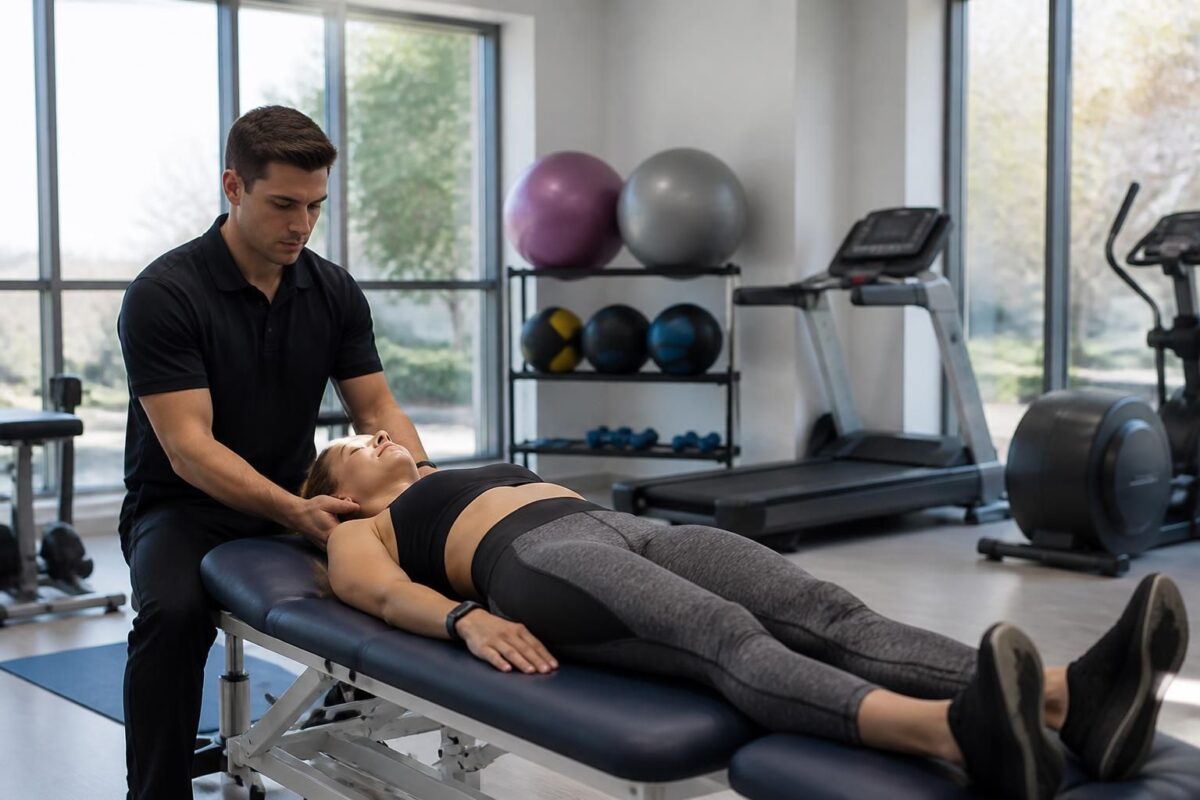
Neurovertebral decompression and recovery after severe sports injury
In short In short, the neurovertebral decompression is one Non-invasive method to Relieve the pressure on the Intervertebral discs and the gristle Via a Controlled traction, to facilitate the recovery After a severe sports injury. It improves the bloodstream towards…
Testimonials on neurovertebral decompression and lower back pain management
Before starting treatment, my Lower back pain made my days difficult. After the sessions of neurovertebral decompression, I noticed a noticeable decrease in pain and an improvement in my mobility.
As an athlete, the Lower back pain slowed down my performance. Thanks to the neurovertebral decompression, I found a mobility and an quality of life found, without depending on the drugs.
I was skeptical at first, but the sessions turned out non-invasive And quite pleasant. I felt a muscle relaxation progressive which decreased my Lower back pain.
After a few weeks, my Lower back pain fell and my feature Daily Sen is found improved, allowing me to move without restriction.
As an active parent, being able to lift my children without pain has become possible thanks to the neurovertebral decompression. My lower back is no longer a barrier to my family activities.
The personalized program helped me to avoid surgery and to resume my daily activities. The neurovertebral decompression was a key step in my rehabilitation.
With regular sessions and posture advice, I found a Sustainable reduction of Lower back pain and an Improving mobility.
What I most marked was the impact on my quality of life: less night cramps, more comfort in my daily activities and a resilience increased in the face of daily stress.
the DR Sylvain Desforges, recognized specialist in the field ofosteopathy, from the naturopathy and from the manual medicine, is a major player in health innovation. Founder and president of the TagMed clinics as well as the ACMA association, he puts his experience at the service of an integrated approach aimed at relieving low back pain and restoring the quality of life of his patients. Its commitment is to provide evidence-based care, while remaining attentive to each person’s needs and goals.
at the heart of his practice is the neurovertebral decompression, a non-invasive technique that acts directly on the spine to reduce the pressure exerted on the discs and nerves. By controlled traction applied to specific segments, it creates a space between the vertebrae and facilitates the circulation of nutrients to the lumbar tissues. This approach is part of a global therapeutic strategy that can be complemented by complementary technologies such as laser and shockwave therapy to optimize recovery and reduce associated muscle tension.
Dr. Desforges pays particular attention to theIndividualized assessment and protocol customization. For each patient, he develops an adapted course which aims to Reduce the pain, Improve mobility and prevent recurrences. Recent clinical data indicate that a significant percentage of patients treated with neurovertebral decompression report Significant improvement in their symptoms and an Better quality of life, reinforcing the role of this method as an effective conservative option in the face of chronic lower back pain.
In practice, his approach goes beyond simple occasional relief. It is part of a dosing of the back and a progressive reintegration of daily activities. The program may include targeted exercises, postural counseling and stress and diet management strategies, to sustainably support spine health and reduce neuromuscular tensions that irrigate the lower back. This approach holistic is designed to help patients resume an active and functional life quickly.
To optimize the results, Dr. Desforges integrates advanced technological solutions and a Multidisciplinary care which promotes coordination between health professionals. For example, Pulse Align technology is used to help Reduction of muscle tension and at the recovery Post-treatment, while aligning with the principles of spinal decompression. This combination of non-invasive methods and evidence-based care illustrates her commitment to durable and personalized solutions for lower back pain.
Dr. Desforges’ work illustrates a philosophy that favors theevidence and theinnovation as levers to improve the lives of patients. Its approach is driven by a vision where neurovertebral decompression becomes a key component of a global health program, capable of restoring function, alleviating pain and helping everyone regain an active and fulfilling existence.
This summary presents the main part of the neurovertebral decompression and its contribution to the Lower back pain management. favoring an approach non-invasive And based on evidence, it explains how this technique reduces the pressure on discs and nerves, stimulates circulation and recovery, and sustainably improves the quality of life of patients.
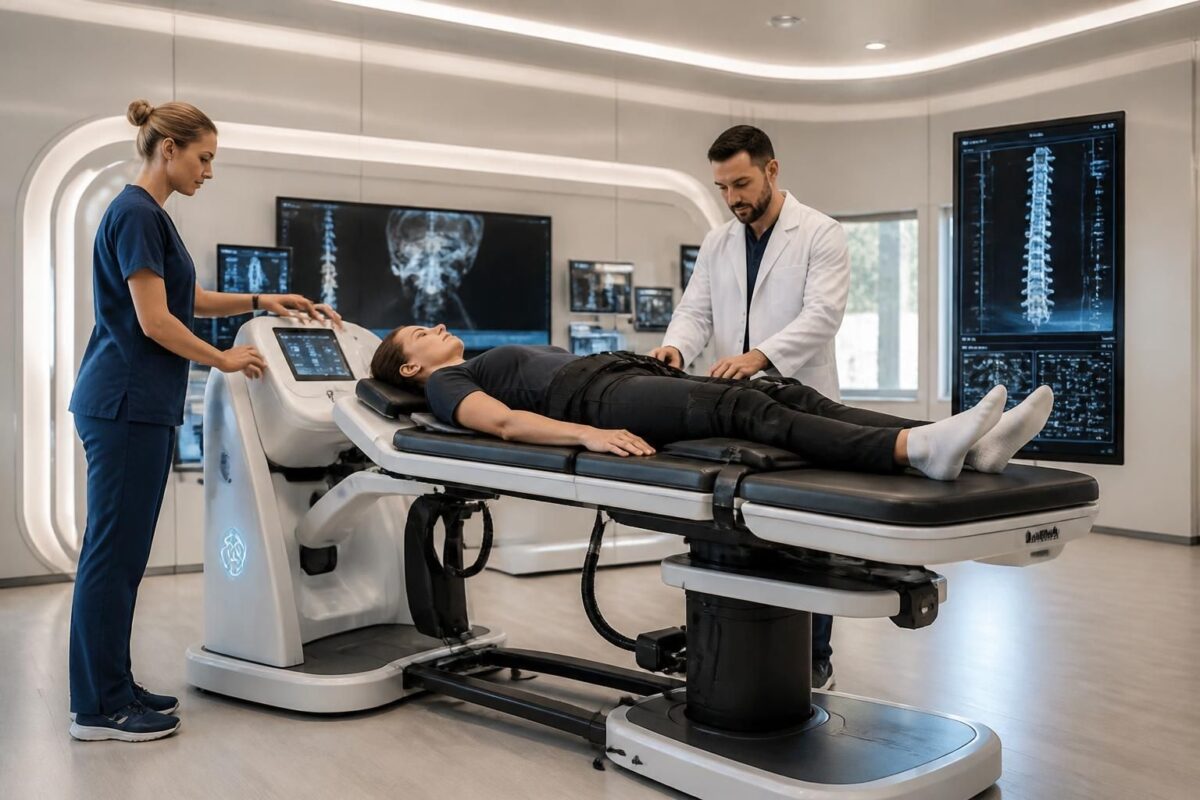
Recent innovations in neurovertebral decompression technologies
In short In short, the neurovertebral decompression is an approach non-invasive Aiming to reduce pressure on discs and nerves, and promote tissue regeneration. At Montreal, it is positioned as an effective option for lower back pain and herniated discs. The…
Synthesis and perspectives
The neurovertebral decompression is based on a Controlled traction applied to specific segments of the column, creating a intervertebral space and reducing the Pressure on the intervertebral discs and the gristle. This mechanism promotes the hydration of the discs, reduces theinflammation and facilitates tissue recovery, contributing to lasting pain reduction and better mobility.
Typical indications include pain related to a slipped disc, the sciatica and chronic low back pain. The main interest lies in a process personalized: Each patient benefits from an adapted plan and adjusted over the course of the treatment, which optimizes the results and minimizes the risks. This approach can be supplemented by targeted exercises, manual techniques and, when necessary, technological supplements such as rehabilitation devices and associated therapies.
Recent clinical data show significant improvement rates, with approximately 71% patients reporting significant improvement and ranges ranging 70 to 85% After several sessions. Nevertheless, the results depend on the severity of the pathology, adherence to the protocol and medical follow-up, which underlines the importance of professional support and regular evaluations.
From a practical point of view, neurovertebral decompression offers a favorable safety profile and is generally well tolerated. A session typically lasts between 15 and 30 minutes, and a program of 15 to 25 sessions is frequently considered to obtain significant benefits. This approach can be part of a comprehensive pain management strategy that aims to reduce addiction to analgesics and avoid more invasive interventions when possible.
Beyond immediate relief, neurovertebral decompression can promote better stability and reduce the risk of pain recurrence by combining postural work, muscle strengthening and healthy lifestyle habits. Its potential is particularly relevant for athletes in reathletics and for people resuming daily activities after prolonged lower back pain, thanks to a progressive and targeted rehabilitation.
To deepen the mechanisms, advantages and alternatives to surgery, several resources allow you to explore feedback and available scientific data: neurovertebral decompression and its benefits, podcast dedicated, Alternative to surgery, Natural treatment for the back, Improved quality of life, and other specialized resources accessible via clinical and encyclopaedic guides such as The Wikipedia page.
In short, the neurovertebral decompression Presents as a non-invasive therapeutic option, effective and adapted to a variety of lumbar problems, which can be harmoniously integrated into a global approach to back health. Its thoughtful use, combined with lifestyle advice and professional monitoring, can help patients resume their activities with more freedom and less pain.
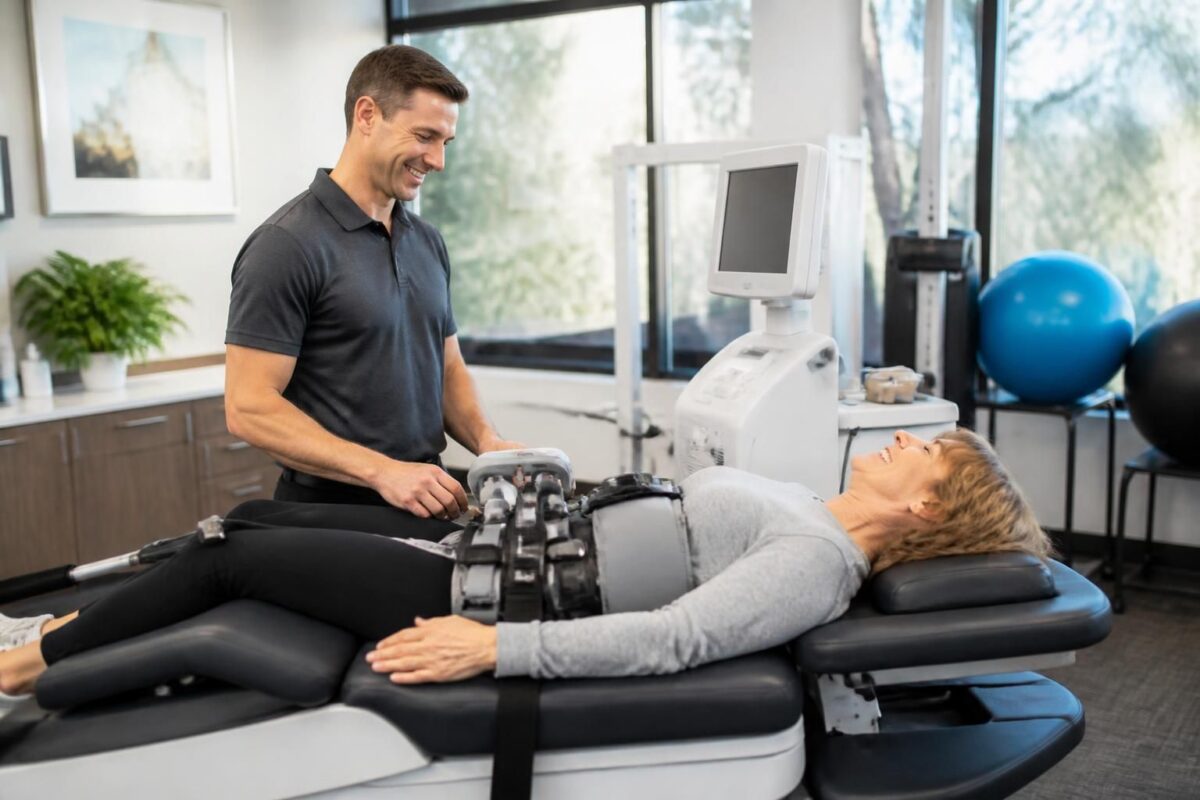
Neurovertebral decompression and diffuse pain: an appropriate solution
In short In short, the neurovertebral decompression is one Non-invasive solution For diffuse pain related to nerve irritation of the spine. She acts in Reducing pressure on intervertebral discs and nerves and improving the bloodstream, which promotes recovery and the…

Dr Sylvain Desforges, B.Sc., D.O., N.D., osteopath, is the founding president of TAGMED and of the ACMA association. He dedicates his practice to chronic spinal pain, low back pain and symptoms compatible with sciatica, particularly when pain radiates toward the buttock, leg, calf, foot or toes.
Through SOS Sciatique, he publishes educational content on sciatica symptoms, possible causes such as disc herniation, disc narrowing, foraminal stenosis or irritation of a lumbar nerve root, as well as non-surgical approaches that may be considered according to the evaluation. At Clinique TAGMED, care may include, depending on the case, motorized neurovertebral decompression, specific osteopathic care or precision percussion.
For an evaluation related to sciatica treatment in Montreal / Mount Royal or sciatica treatment in Terrebonne, please consult the services available at Clinique TAGMED.
Medical disclaimer
The information published on SOS Sciatique is provided for educational purposes only and does not replace a consultation, diagnosis, opinion or treatment provided by a physician or another authorized healthcare professional. The author of this article is neither a medical doctor nor a specialist in a medical specialty recognized by the Collège des médecins du Québec. The osteopathic, manual medicine or functional support approaches described on this site do not constitute medical acts and are not intended to replace medical follow-up.
Consult a physician or emergency service in cases of loss of bladder or bowel control, anesthesia in the saddle area, significant or progressive weakness in the leg or foot, fever, recent trauma, severe pain or rapid worsening of symptoms. For more details, please read our Legal Notice.