Advanced Neurovertebral Decompression Techniques for Acute Pain
25/06/2026
How neurovertebral decompression improves disc circulation
25/06/2026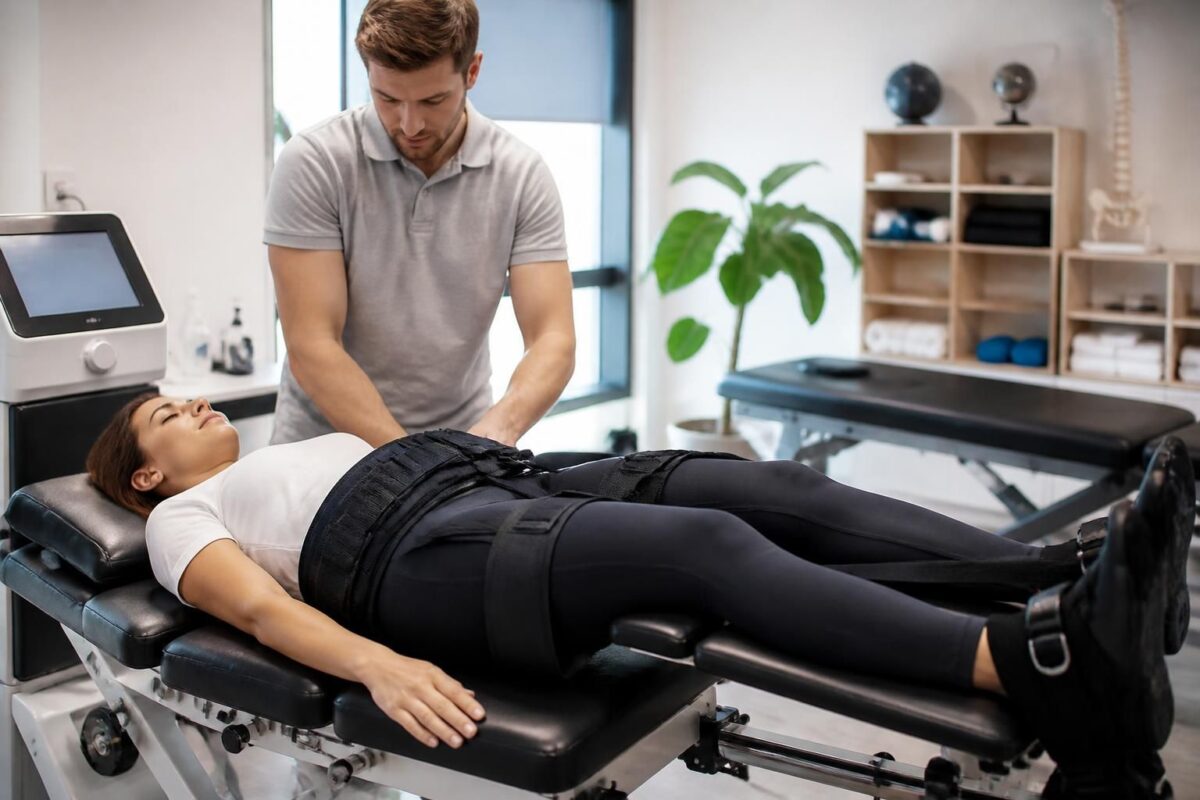
In short
| In short, the neurovertebral decompression is a solution non-invasive which aims to relieve the sciatica by reducing the pressure on the nerves and marrow. Main advantages: pain reduction, improvement in mobility and option without surgery for lower back and neck pain associated with nerve compression. How it works: Controlled traction creates space between the vertebrae and lowers intra-disk pressure, promoting tissue recovery with good tolerance and few side effects. In Montreal, this service is particularly useful for people with low back pain and sciatica related to nerve compression, and can be integrated into a vertebral health follow-up without surgery. |
The neurovertebral decompression is an approach non-invasive Aiming to provide quick and lasting relief from sciatica. By acting on the spine, it allows controlled distraction which reduces the pressure on the nerve roots And on the discs, thus reducing the inflammation and pain that often radiates into the leg.
This technique is particularly indicated when the sciatica results from an injured lumbar disc or disc degeneration. Its major assets: Avoid surgery and limit the use of drugs, while generally presenting (Few side effects) and a gradual resumption of activities.
The program is personalized and adapts to the evolution of symptoms. Expected profits include a pain improvement, a Better mobility and an Quality of life found.
Note: This approach does not replace medical advice; Consult your health professional to assess your situation and determine if this method is right for you.
This article, written by a health professional and expert in the field, presents the neurovertebral decompression as an option non-invasive for sciatica management. It describes the principles, indications, course of care and points to discuss with your doctor. The objective is to enlighten patients and professionals on an approach that aims to relieve spinal pain related to the spine without having to resort to surgery.
What is neurovertebral decompression?
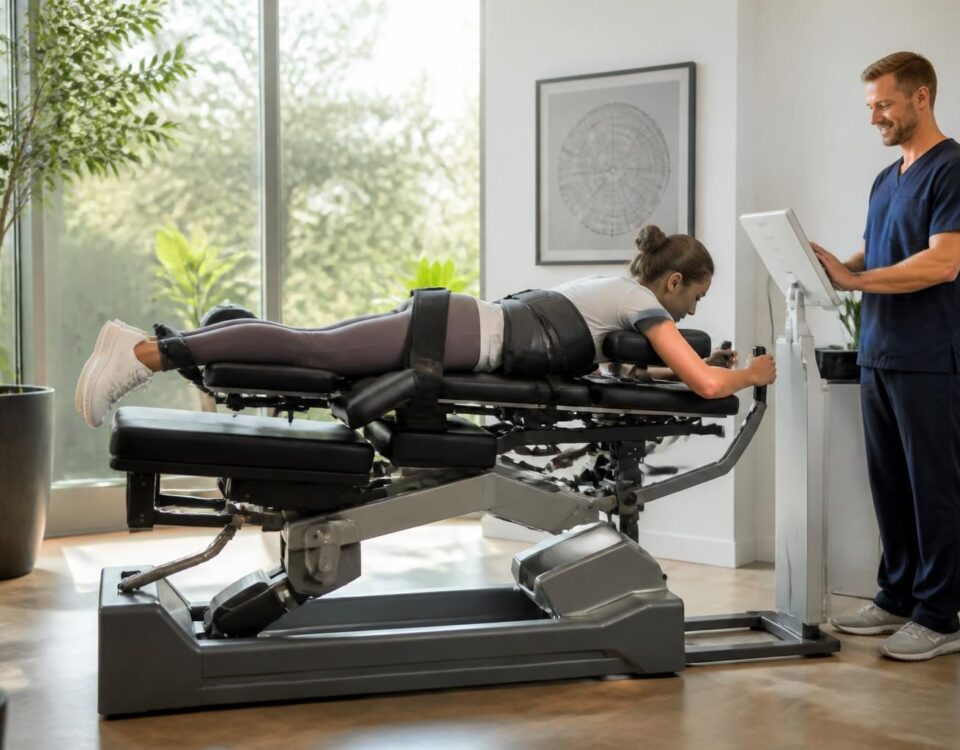
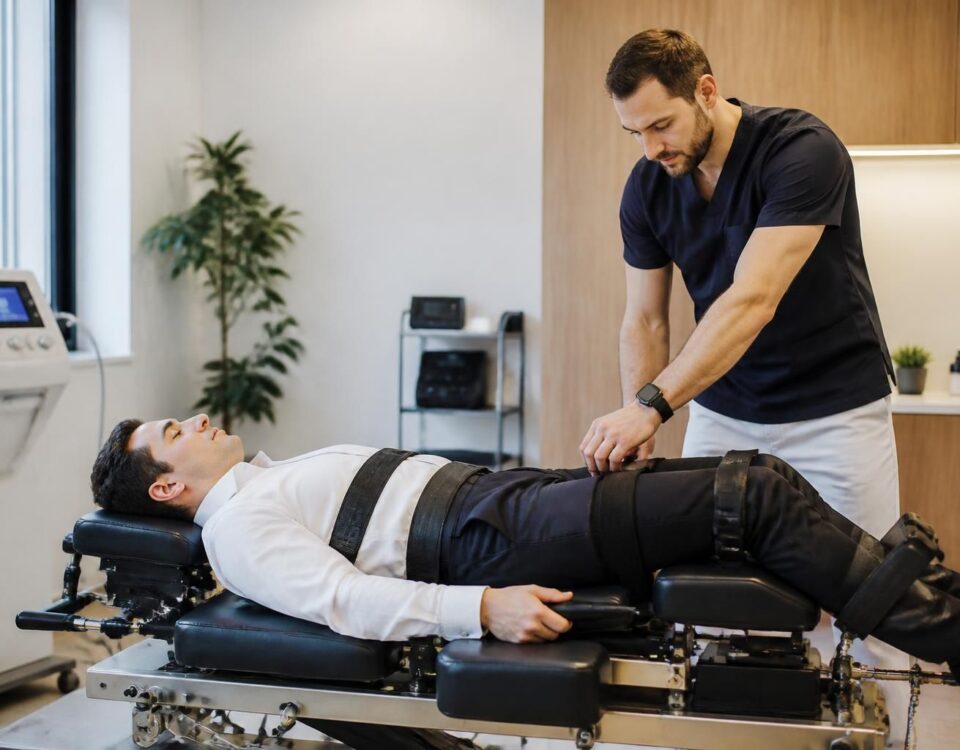
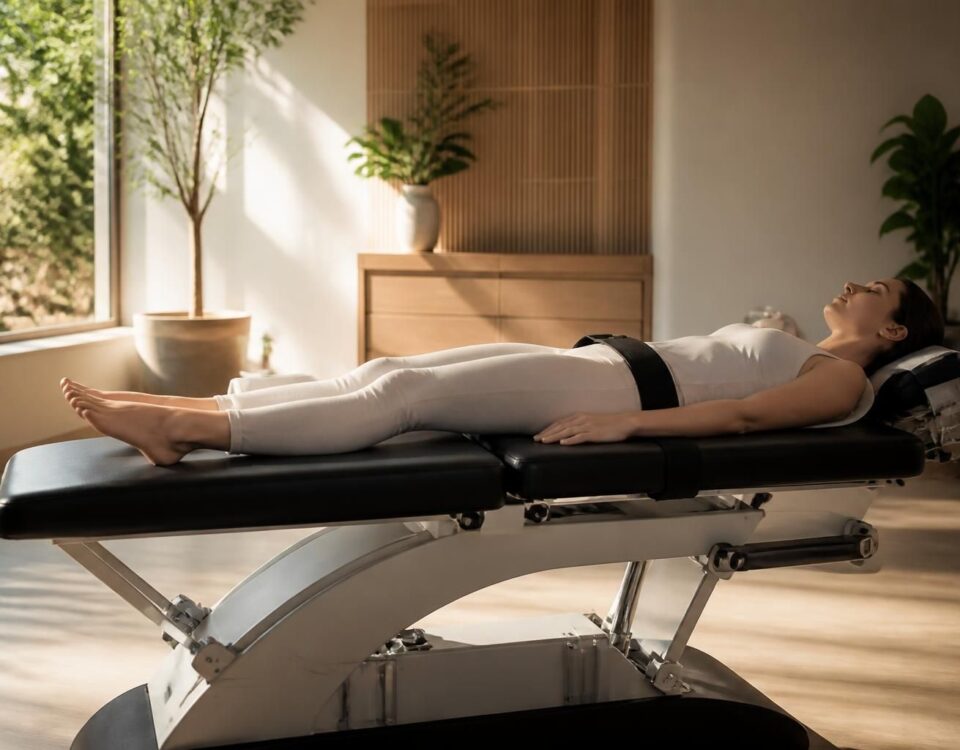
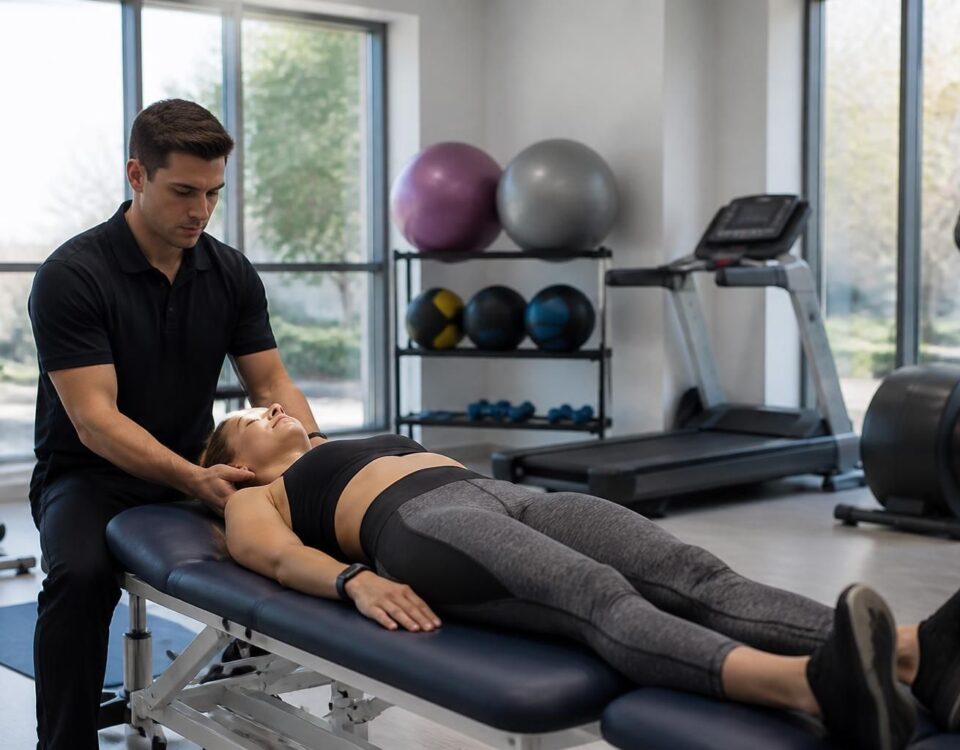
Neurovertebral decompression is an approach non-surgical which aims to reduce the pressure exerted on the nerves and the spinal cord. It is based on controlled and progressive traction of the column, carried out using a suitable device. This traction makes it possible to create a space between the vertebrae and to modulate the forces acting on the intervertebral discs, in order to reduce the nerve compression and, potentially, the pain associated with sciatica.
Indications and objectives
This method can be proposed when significant physical symptoms come from:
Sciatica and root pain
Slipped disc or Protrusion
disc degeneration and bulge disc
It can also be considered when compression of nerve roots or other signs of spinal pathology limits mobility and quality of life. The indication is based on a complete clinical evaluation and, where appropriate, imaging examinations. The choice of technique depends on each patient and should be discussed with the practitioner.
How does non-invasive care take place?
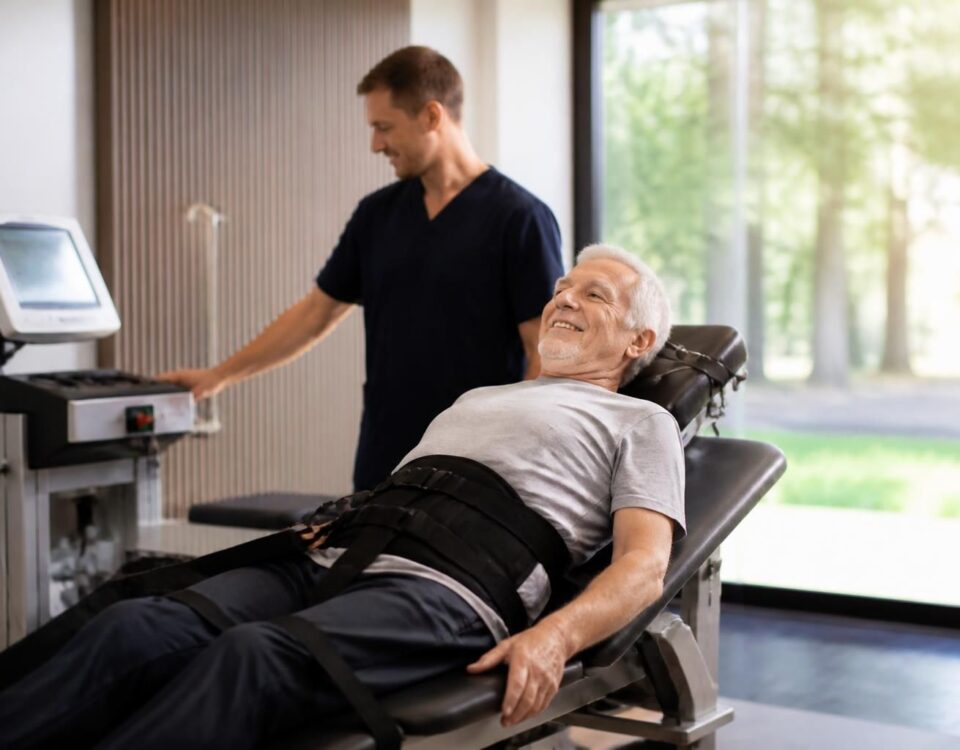
A session of neurovertebral decompression is carried out under control, with monitoring of tolerance and response. The protocol aims to deliver progressive and precise traction, without causing excessive muscle contraction or significant discomfort. The number of sessions and the frequency depend on the nature of the lesion and the individual response.
This approach is non-invasive and should not be considered as a single solution. It is part of a global care plan, which can include other modalities adapted to your state of health and your lifestyle. To learn more about the subject, you can consult specialized resources such as Properties of neurovertebral decompression on spinal stenosis and detailed information available on Neurovertebral and sciatica decompression.
Comparison with other options
Neurovertebral decompression offers a non-surgical alternative to certain lower back and cervical pain linked to disc pathologies. Symptomatic medical treatments may be useful, but do not always target the primary cause. Surgery may be necessary in severe cases or when neurological signs change rapidly. In a complete approach, non-invasive decompression can promote a reduction in nerve pressure and can facilitate return to daily activities, while avoiding operative risks. For a comparison, see the resources on Tagmed Clinic and general information about non-surgical alternatives available in specialized clinics.
Key elements of security and tracking
Safety is based on a rigorous prior assessment and compliance with specific contraindications for each patient. Regular monitoring allows you to adjust the protocol and verify the effectiveness of the treatment. Clinical assessments and, if necessary, imaging controls guide therapeutic decisions. It is important to discuss any improvement or discomfort with the practitioner in order to adapt the treatment and ensure appropriate care.
What studies and clinical experience say
The results reported in the literature vary according to the contexts and the pathologies. Clinical studies indicate improved pain and better function in a significant number of patients after non-invasive treatment, especially when symptoms arise from disc diseases. An in-depth evaluation and a multidisciplinary approach remain essential to determine the usefulness of this method in each case.
Practical integration and resources
For those interested in a comprehensive approach within a clinical setting, the Tagmed Clinic Offers support options dedicated to spinal pain and sciatica, combining manual approaches and innovative techniques. Other useful resources include information about neurovertebral decompression and spinal stenosis and on Neurovertebral and sciatic decompression. For general information and professional resources, you can consult the pages associated with specialized clinics and referent practitioners.
Points to discuss with your healthcare professional
Before starting a treatment, discuss the following with your practitioner:
• Accurate diagnosis and current symptoms
• Functional objectives and realistic expectations
• Global treatment plan and coordination with other professionals
• Possibility of changes in the protocol depending on the clinical response
For more information, additional resources and testimonials, consult the dedicated pages of recognized clinics and professional associations in the field. Additional information can be found on Neurovertebral decompression – Wikipedia and on the partner sites listed above.
Important Keywords : neurovertebral decompression, sciatica, non-invasive, slipped disc, protrusion, bulge disc, Foraminal stenosis, Spinal stenosis, disc, root pain, Controlled traction.
Useful links and authorized domains: sossciatica.com, sossciatica.com, sossciatica.com, sossciatica.com, sossciatica.com, tagmed.ca, Cliniquetagmed.com, DecompressionNeurVertebrale.com, SoshernieDiscale.com, SosherniatedDisc.com, sostunnelcarpien.com, sossciatica.com
Medical Disclaimer: The information and advice provided on this site does not replace the health professional’s diagnosis or treatment. Please note that the osteopath practitioner is neither a doctor of medicine nor a doctor, and is not a specialist in a medical specialty as defined by the Collège des Médecins du Québec. Manual medicine, functional medicine and sports medicine as described on this site exclude any medical treatment or diagnosis made by a doctor or specialist doctor. Always consult your doctor for any medical questions. For more details, please read our full legal notice.
- Axis : Approach pragmatic patient-centric, with monitoring results.
- What is : neurovertebral decompression non-invasive for sciatica.
- directions : sciatica related to lumbar/spinal nerve compression, without surgery.
- Benefits : security, comfort and progressive improvement without invasive gesture.
- progress : Session individual, adjusted parameters, guided progression.
- Results : reduction pain, better mobility, back to everyday life.
- Security : initial evaluation and monitoring, clearly clarified limits and contraindications.
- Integration : complements other therapies and advice posture and physical activity.

This recommendation presents the neurovertebral decompression as an approach non-invasive For Sciatia, by detailing its operation, its indications, its limits and practical advice for effective and secure care. It is aimed at anyone suffering from irradiating pain related to lumbar or cervical disc disorders, and who wish to favor non-surgical alternatives when possible. Note that this information does not replace personalized medical advice and follow-up by a health professional.
What is neurovertebral decompression and what is its purpose
Principle and mechanism of action
The neurovertebral decompression Non-invasive applies controlled traction on the spine to create a space between the vertebrae and reduce the pressure exerted on the nerves and discs. This action can promote disc rehydration and decrease nerve compression, which can contribute to a decrease in pain and an improvement in mobility. This approach is generally considered when sciatic or root pain is linked to discus disorders without immediate recourse to surgery.
What it can bring for Sciatia
For people whose pain radiates the lower limb, decompression can:
Reduced pain related to nerve compression
Improved column mobility and flexibility
A decrease in daily functional limitations
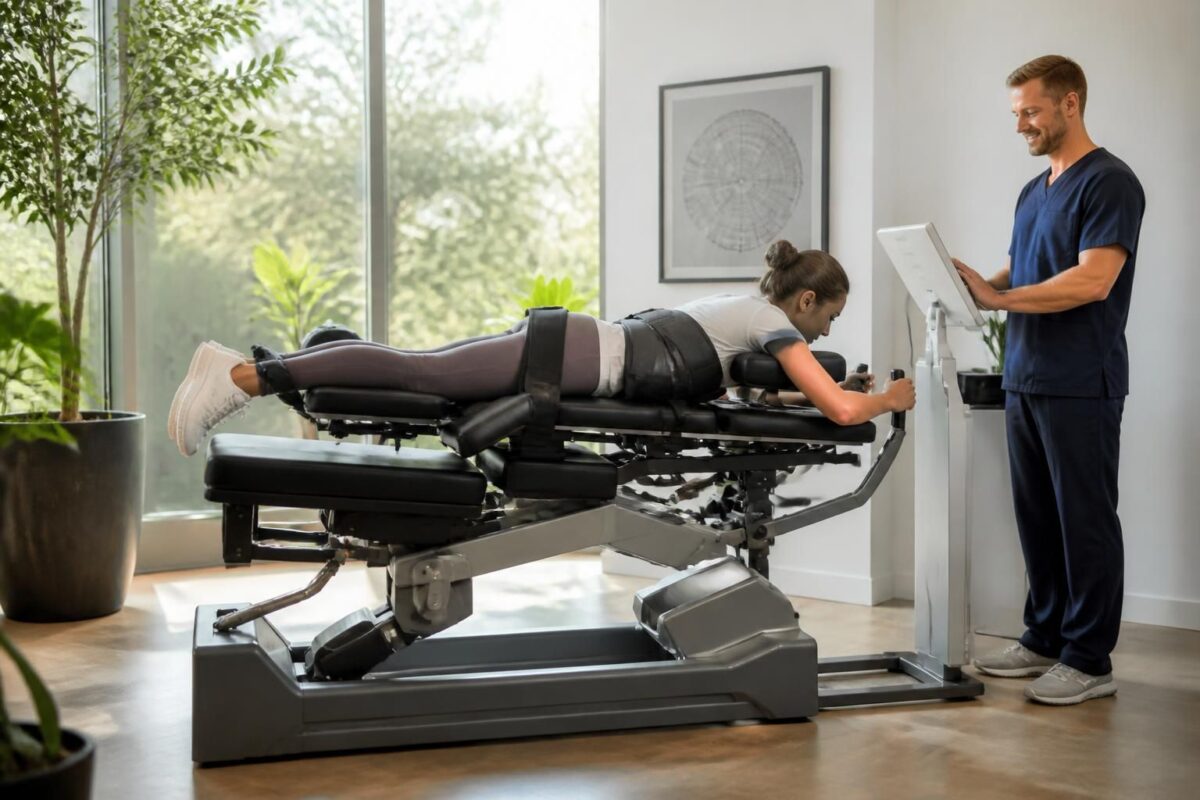
The long-term benefits of neurovertebral decompression for spinal health
In short In short, the neurovertebral decompression is a non-invasive approach that decreases the Pressure on intervertebral discs and nerves, favoring the Natural regeneration and tissue recovery. Its long-term benefits include Lasting pain reduction, Improving mobility and from the posture,…

Neurovertebral decompression and mobility: a return to an active life
In short In short, the neurovertebral decompression is therapy non-invasive who uses a gentle traction To create a space between the vertebrae and reduce the pressure on the Intervertebral discs and the nerves. It promotes a bloodstream improved, lowers tension…
Indications and safety in case of sciatica
Typical indications
This technique can be indicated in the cases of slipped disc confirmed, bulge disc, persistent sciatic pain without remission after conventional treatments, and when the symptoms do not show any signs of a medical emergency. It can be part of a global non-surgical management plan aimed at smoothing the course of care and delaying, or even avoiding, surgery in certain cases.
Contraindications and precautions
It is contraindicated in the presence of red signs evoking a medical emergency, serious structural conditions, severe osteoporosis, local or general infections, advanced pregnancy or conditions that increase the risk of fracture or damage neurological. A clinical and radiological assessment is essential before any treatment is put in place, in order to rule out the contraindications and to adapt the traction modality to each patient.
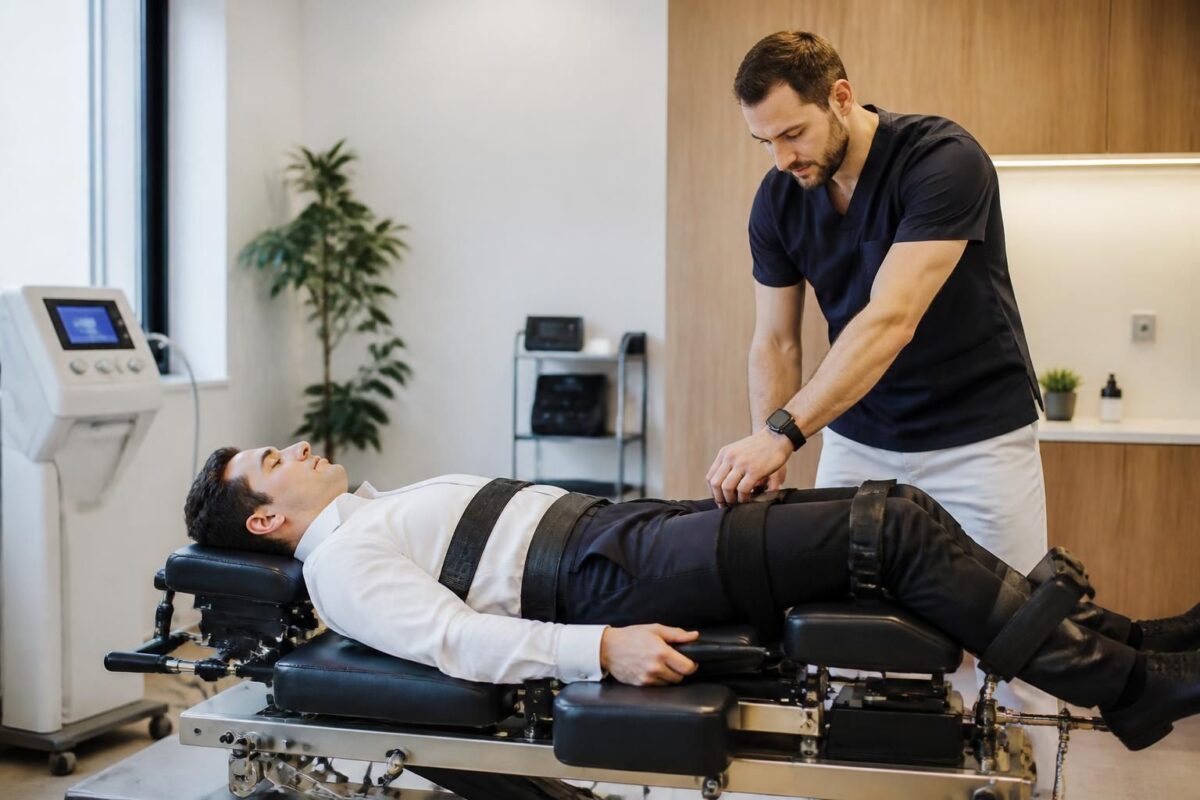
How Neurovertebral Decompression Prevents Diffuse Chronic Pain
In short decompression neurovertebral is one Non-invasive method aimed at reducing the Pressure on the intervertebral discs and the nerves, in order to prevent Diffuse chronic pain. It improves the circulation and thedisc hydration, decreases inflammation and promotes better mobility.…
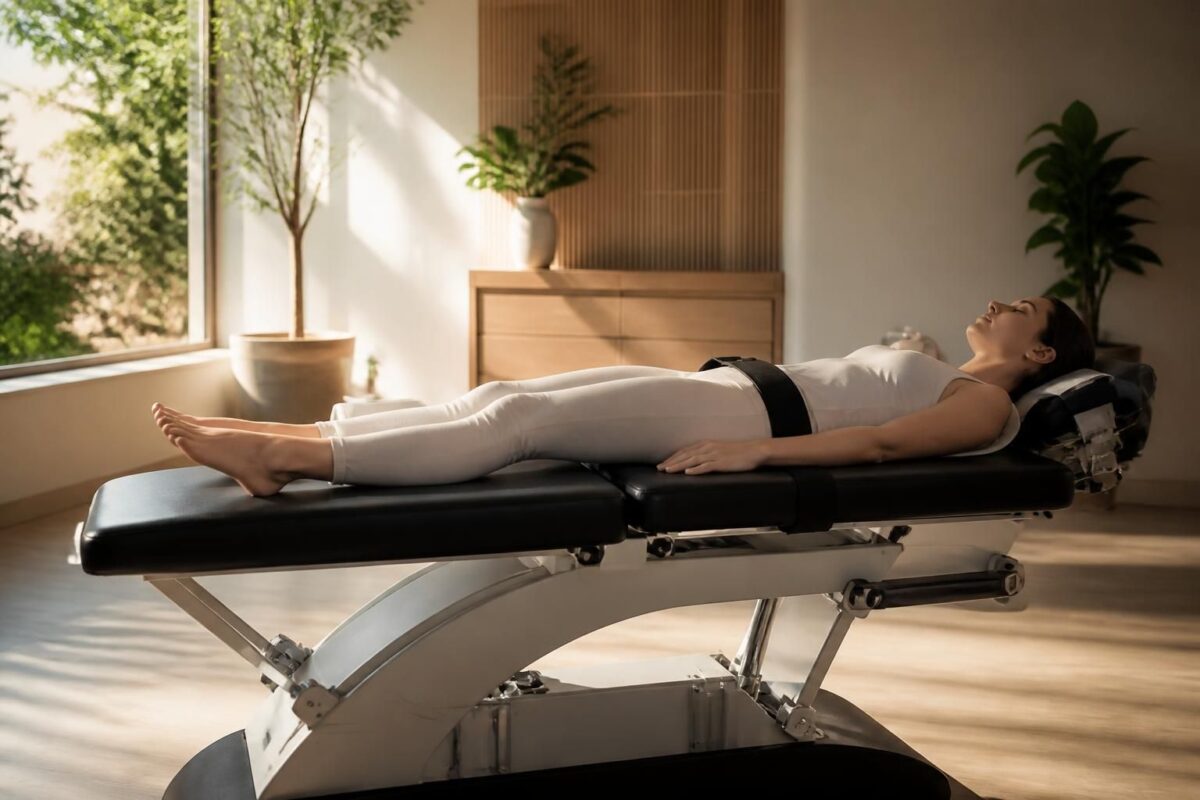
Neurovertebral Decompression and Body Alignment: Restoring Natural Balance
In short In short, neurovertebral decompression is one Non-invasive approach who restores theBody Alignment and thenatural balance back and neck. She acts by a Controlled traction of the spine to widen the intervertebral space and reduce the Pressure on discs…
Sessions and treatment plan
Organization of a typical protocol
A standard protocol generally includes an in-depth evaluation phase, followed by a limited number of sessions with a patient-friendly frequency and duration. The sessions take place within the framework of multi-disciplinary support and can be associated with targeted exercises, postural advice and adapted physical activities.
What you can expect during and between sessions
Patients often describe a controlled stretching sensation and a gradual improvement in walking or flexing tolerance. To optimize the results, it is important to respect the recommendations between the sessions, in particular in terms of light physical activity, sufficient hydration and adoption of a posture adapted to everyday life.
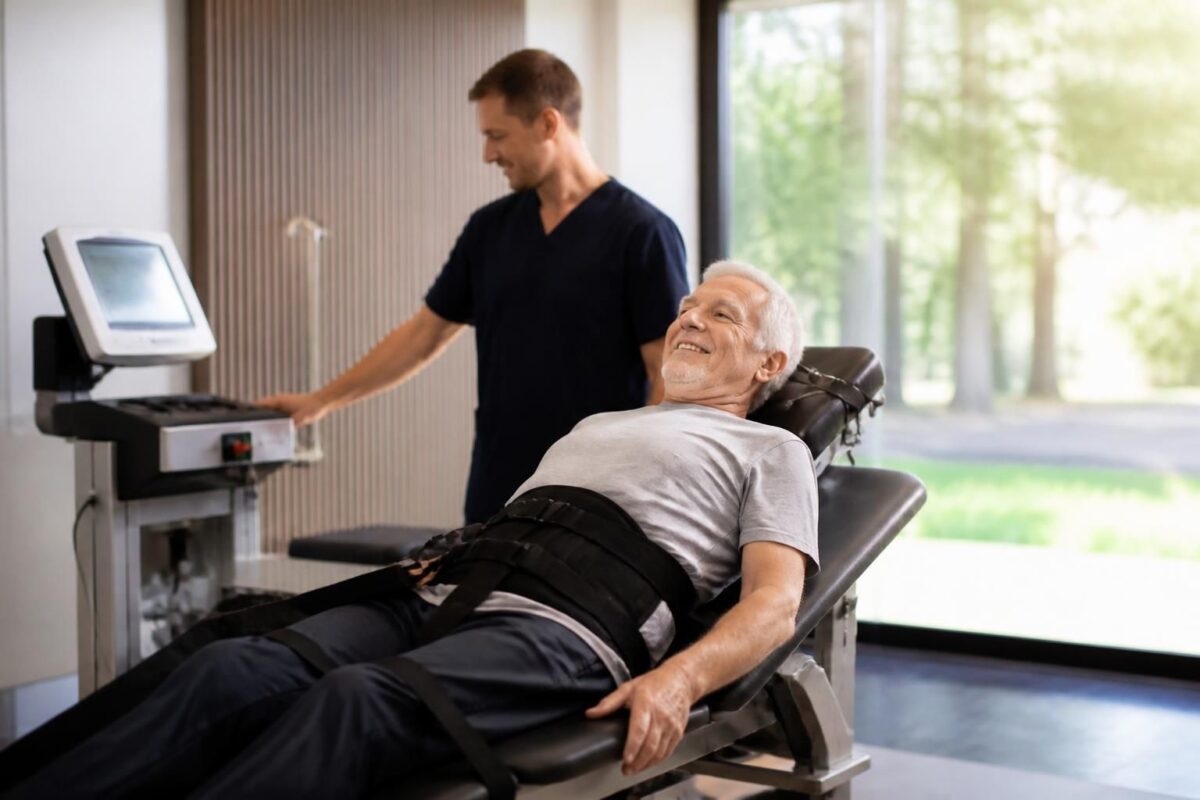
Why neurovertebral decompression is a lasting solution for active seniors
In short In short, the neurovertebral decompression is one Non-invasive therapy which sustainably relieves spinal pain in the spine active seniors By creating, by a Soft and controlled traction, a space between the vertebrae. At Montreal, it is recognized as…
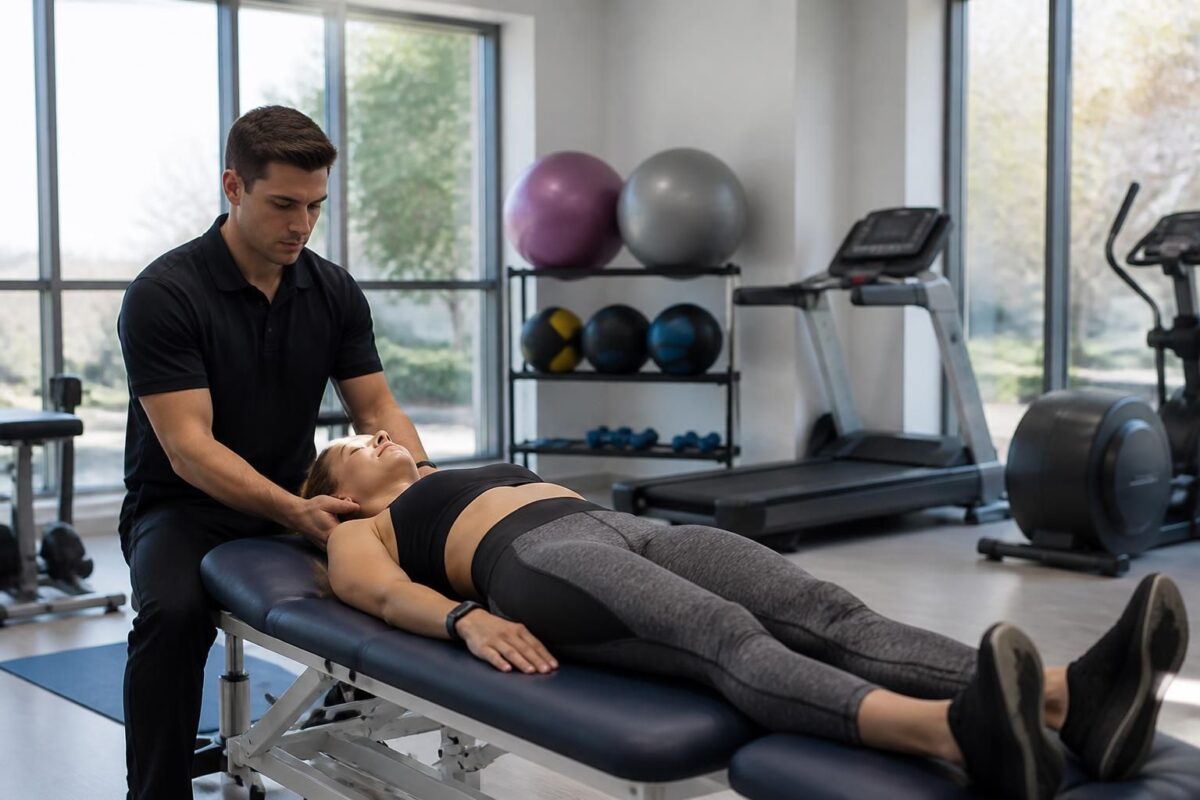
Neurovertebral decompression and recovery after severe sports injury
In short In short, the neurovertebral decompression is one Non-invasive method to Relieve the pressure on the Intervertebral discs and the gristle Via a Controlled traction, to facilitate the recovery After a severe sports injury. It improves the bloodstream towards…
Preparation and safety
Wear comfortable clothes, inform your therapist about any new symptoms or pain and make sure you have a prior medical check-up. Strictly respect the contraindications and follow the safety instructions given by the practitioner during each session.
Hydration, posture and activity
Maintain appropriate hydration and incorporate regular postural breaks throughout the day. Gentle, progressive exercises, under supervision, can support the effects of decompression and help stabilize spinal alignment.
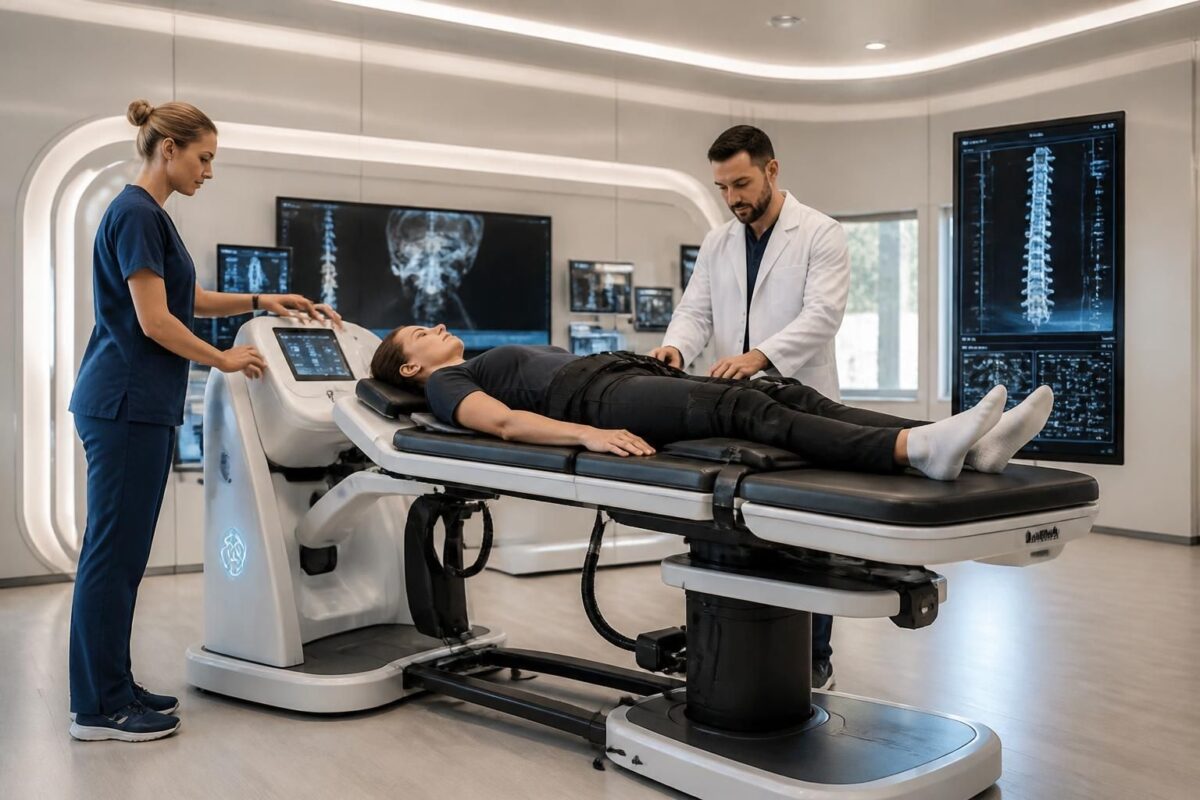
Recent innovations in neurovertebral decompression technologies
In short In short, the neurovertebral decompression is an approach non-invasive Aiming to reduce pressure on discs and nerves, and promote tissue regeneration. At Montreal, it is positioned as an effective option for lower back pain and herniated discs. The…
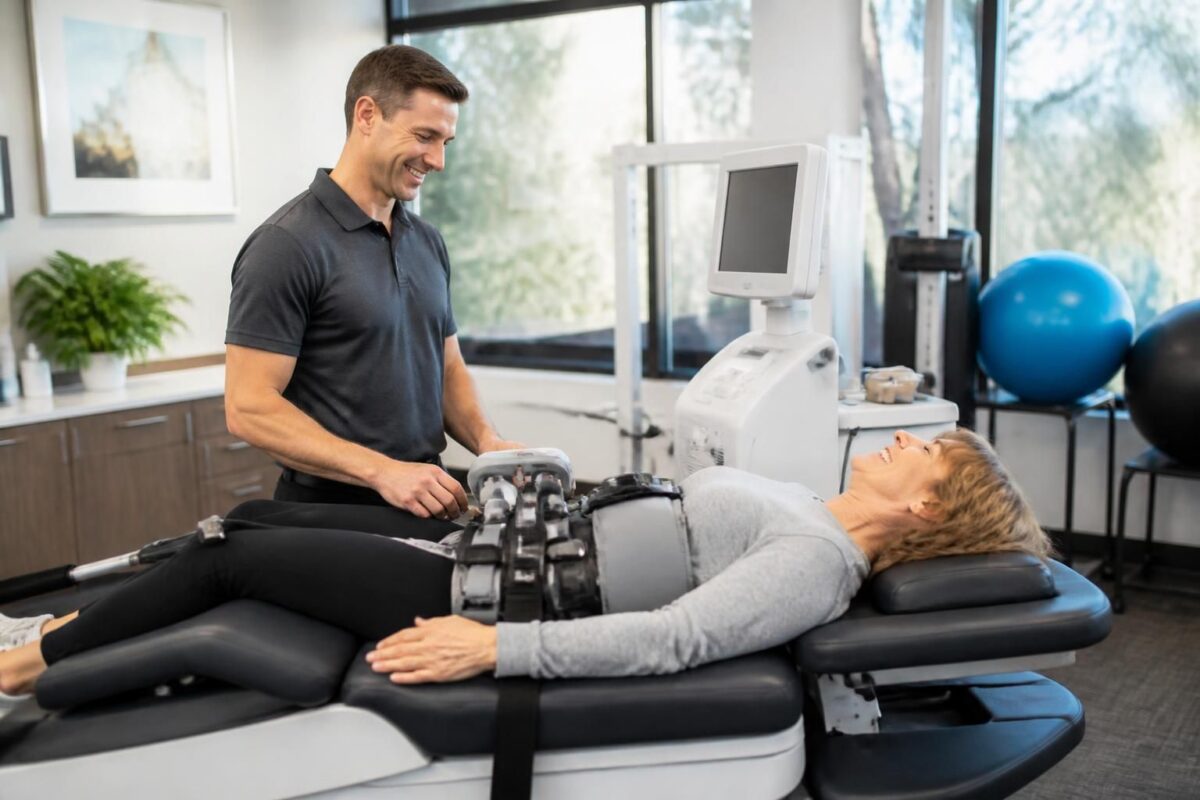
Neurovertebral decompression and diffuse pain: an appropriate solution
In short In short, the neurovertebral decompression is one Non-invasive solution For diffuse pain related to nerve irritation of the spine. She acts in Reducing pressure on intervertebral discs and nerves and improving the bloodstream, which promotes recovery and the…
Effectiveness Indicators
Efficiency can be measured by decreased pain, increased mobility and improvement in daily activities, assessed during follow-up appointments. A lasting reduction in symptoms, coupled with better functionality, is a positive sign of the spinal rebalancing process.
Integration into a global health strategy
Neurovertebral decompression does not replace other axes of management of low back pain or sciatica. It is ideally integrated into a multimodal approach including muscle strengthening, posture work and relapse prevention advice to preserve long-term benefits.
| Aspect | Concise information |
|---|---|
| Definition and purpose | reduce the nervous pressure and improve the space around the roots by a Controlled traction non-invasive. |
| Mechanism of action | The distraction Increases the intervertebral space and can promoteDisc hydration and their regeneration. |
| Key indications | Indications: Sciatica and pain related to a slipped disc, disc bulge or nerve compression. |
| Benefits | Approach non-invasive, quick recovery and alternative to surgery. |
| Limits and data | Clinical evidence is heterogeneous; The efficacy varies from patient to patient. |
| Eligibility criteria | vertebral pain with compatible symptoms and Medical pre-evaluation necessary. |
| Contraindications and precautions | contraindicated in case ofinstability vertebral or serious pathologies; need medical monitoring. |
| Procedure and duration | Custom plan with Regular sessions over several weeks and continuous evaluation. |
Before undertaking this course, I suffered from lumbar pain that radiated into the buttocks and leg. Each step was a test and the night was disturbed by pain that prevented me from resting. After starting an approach based on a neurovertebral decompression non-invasive, I noticed a gradual decrease in pain and a resumption of daily activities without the use of heavy drugs.
The first few weeks were marked by clear improvements in my mobility. The feeling of numbness has evolved towards better ease during my outings and my daily journeys, and the sensations of sciatica have been significantly attenuated. It was reassuring to see that non-invasive sessions could produce tangible results without going through surgery.
As an active person, it was crucial for me to regain my abilities without interrupting my routine. This approach non-invasive allowed me to gradually resume my sports activities and my hobbies, with less pain and regained confidence in my body. Each session was adapted to my feelings, which allowed me to avoid painful outbreaks and to move forward serenely.
A relative was also convinced by this therapeutic path: after several months of pain related to sciatica, he noticed a marked reduction in pain and better posture. He describes the sessions as comfortable and explained that the spiritual and technical intervention was effective without surgery or anesthesia.
For others, the major advantage lies in the safety and simplicity of the place of care. The neurovertebral decompression is a solution non-invasive which can be considered before any surgical option, offering a concrete alternative to improve the pain, the mobility and the overall quality of life without the risks of an operational intervention.
Overall, this approach reduces pain associated with Sciatia and sustainably improves spinal function, while providing appreciable safety and comfort during treatment.
The neurovertebral decompression represents an approach non-invasive intended to relieve pain related to sciatica and mechanical spinal disorders. By targeting the most common causes of nerve compression — including disc herniations, disc bulges, and disc degeneration — this method aims to restore the space between the vertebrae and decrease the pressure exerted on the roots nervous.
The mechanism is based on a Controlled and precise traction which, according to the segments treated, creates an interior space between the vertebrae. This distraction promotes a Intra-discal pressure reduction and can lead to a Disc rehydration, to an improvement in the play of the facets and to better overall mobility. By reducing the pressure on the irritated nerves, it contributes to a reduction in pain and a gradual return to daily and professional activities, without resorting to surgery.
This approach is particularly indicated in cases of Lumbar pain radiating in the leg, of Confirmed disc herniation, of bulge disc or of disc generation when conservative treatment is recommended. It can be considered after failure of traditional physical or drug treatments and is ideally integrated into a personalized rehabilitation program. However, the decision to use decompression depends on an accurate diagnosis and careful assessment of possible contraindications.
Beyond symptomatic improvement, neurovertebral decompression is part of a global strategy that can include targeted exercises, postural counseling, lifestyle management and associated therapies like shockwave therapy or phototherapy, when appropriate. The goal is to achieve lasting pain reduction, increased mobility and better quality of life, while minimizing risks and side effects.
The results vary according to the patients and the clinical circumstances. Some studies report significant gains in comfort and function after several weeks of treatment, while others point out that efficacy strongly depends on the right choice of the patient and on respect for the protocol. This is why each candidate is evaluated individually to adjust the number of sessions, the frequency and the sequence with home exercises and relapse prevention advice.
For active or athletic patients, decompression offers an attractive option to quickly resume movement and limit the prolonged use of drugs. His character non-invasive And its ability to be integrated into a personalized care plan make it a robust component of sciatica management, especially when goals include return to activity without surgery.
This summary highlights how the neurovertebral decompression can constitute a Non-invasive support For sciatica, by directly attacking the mechanical cause of pain and avoiding, when possible, surgical interventions. It addresses the mechanisms, indications, potential benefits, limits and resources available to guide the patient’s journey.
Key points and perspectives
The neurovertebral decompression is based on a Controlled traction which aims to create a space between the vertebrae and to reduce the pressure on the nerve roots, which can lead to a decrease in the symptoms of the sciatica. This approach is non-invasive, making it an attractive alternative for patients who want to avoid surgery and its recovery times.
The most frequent indications concern mechanical spinal disorders such as slipped disc, the bulge disc and the disc degeneration, associated with radicular manifestations. In these contexts, decompression can help relieve pain, restore mobility and improve quality of life. For the elderly, it can be part of an adapted management of spinal aging, favoring the tolerance and safety of the sessions.
If the approach has certain advantages, it does not exempt from an accurate diagnosis and personalized follow-up. The results depend on the type and extent of the lesion, treatment timing and individual response. Scientific and clinical resources are available to inform the practice and compare therapeutic approaches.
As part of a care course, decompression is ideally integrated into a global strategy including ergonomic advice, targeted exercises and appropriate hydration. The choice of frequency and number of sessions should be adjusted according to progress, functional objectives and possible contraindications.
To deepen and compare approaches, several online resources offer analyzes and feedback on neurovertebral decompression and its applications. You can view detailed information and relevant studies via the following links:
Non-surgical neurovertebral decompression for back pain,
Scientific studies on neurovertebral decompression,
herniated discs and decompression,
Osteopathic approach and decompression.

Dr Sylvain Desforges, B.Sc., D.O., N.D., osteopath, is the founding president of TAGMED and of the ACMA association. He dedicates his practice to chronic spinal pain, low back pain and symptoms compatible with sciatica, particularly when pain radiates toward the buttock, leg, calf, foot or toes.
Through SOS Sciatique, he publishes educational content on sciatica symptoms, possible causes such as disc herniation, disc narrowing, foraminal stenosis or irritation of a lumbar nerve root, as well as non-surgical approaches that may be considered according to the evaluation. At Clinique TAGMED, care may include, depending on the case, motorized neurovertebral decompression, specific osteopathic care or precision percussion.
For an evaluation related to sciatica treatment in Montreal / Mount Royal or sciatica treatment in Terrebonne, please consult the services available at Clinique TAGMED.
Medical disclaimer
The information published on SOS Sciatique is provided for educational purposes only and does not replace a consultation, diagnosis, opinion or treatment provided by a physician or another authorized healthcare professional. The author of this article is neither a medical doctor nor a specialist in a medical specialty recognized by the Collège des médecins du Québec. The osteopathic, manual medicine or functional support approaches described on this site do not constitute medical acts and are not intended to replace medical follow-up.
Consult a physician or emergency service in cases of loss of bladder or bowel control, anesthesia in the saddle area, significant or progressive weakness in the leg or foot, fever, recent trauma, severe pain or rapid worsening of symptoms. For more details, please read our Legal Notice.