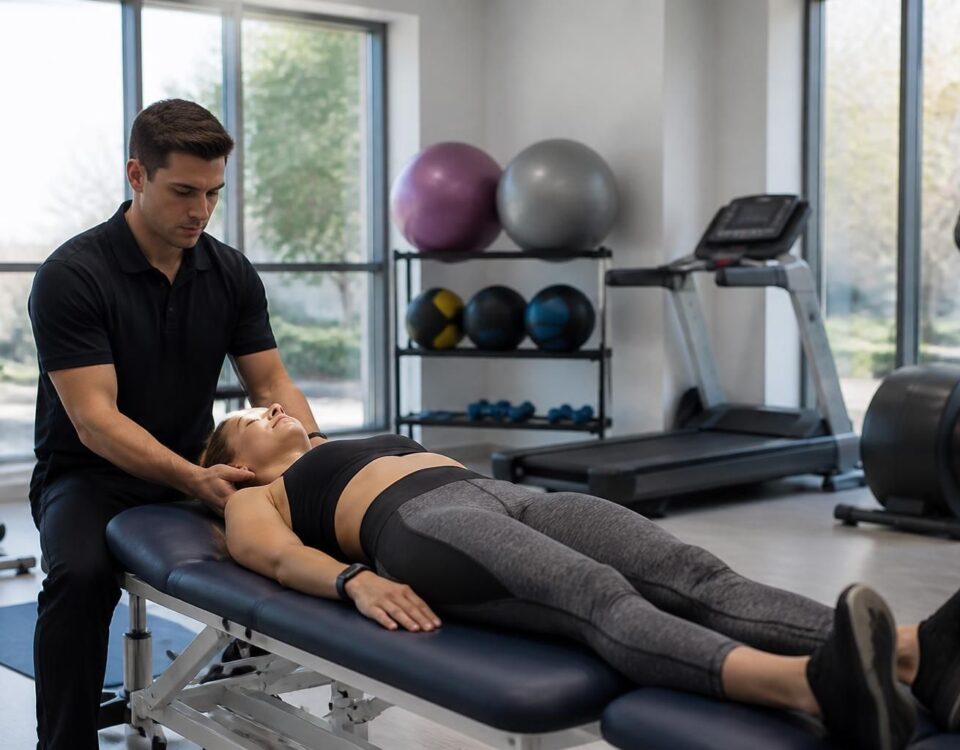
How neurovertebral decompression acts on compressed nerve roots
25/06/2026
Why neurovertebral decompression is effective for athletes
25/06/2026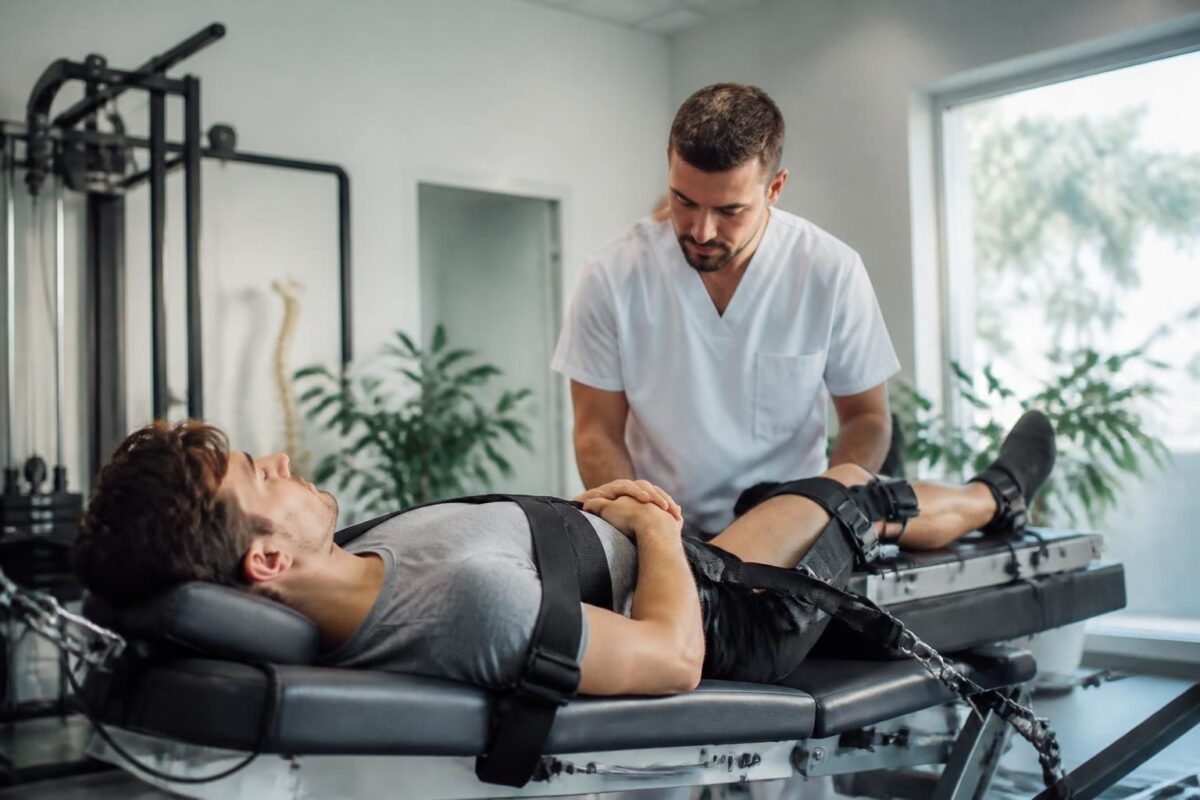
In short The neurovertebral decompression is a method non-invasive which reduces the nerve pressure and intervertebral discs to treat and prevent Chronic pain of the back. it increases the space between the vertebrae, relieves pain, improves the mobility and helps prevent recurrences without surgery. In Paris, this service is particularly recommended for low back pain and sciatica related to spinal problems, inserting into a Global approach health and well-being. |
The neurovertebral decompression is a non-invasive therapeutic approach aimed at relieving Chronic pain by reducing the pressure on the intervertebral discs and nerves. By creating a space between the vertebrae, it improves circulation, promotes hydration and tissue regeneration, and restores the mobility of the spine.
- pain reduction and decreased stress related to it, facilitating daily life.
- Improved flexibility and range of movements, facilitating daily activities.
- Prevention of recurrences by strengthening support structures and correcting postural imbalances.
- Non-invasive approach to avoid surgery and side effects.
- Possible integration with other therapies to optimize results.
For those who wish to sustainably improve their quality of life in the face of back pain, neurovertebral decompression offers a promising path to better Chronic pain prevention.
Neurovertebral decompression is a non-invasive approach that aims to reduce pressure on intervertebral discs and nerves. By acting on the mechanical cause of back pain, it can help prevent chronic pain and its repercussions on everyday life. This article describes the mechanism, indications, and integration of this technique in a care pathway, with reliable resources and clinical references.
The neurovertebral decompression Acts by increasing the space between the vertebrae. This gentle traction releases the compressed nerves and improves the circulation of nutrients to the discs. The result is a reduction in pain and an improvement in mobility. This approach can also help to prevent the progression of vertebral pathologies and to limit recurrences when used as part of a personalized care plan.
What is neurovertebral decompression?
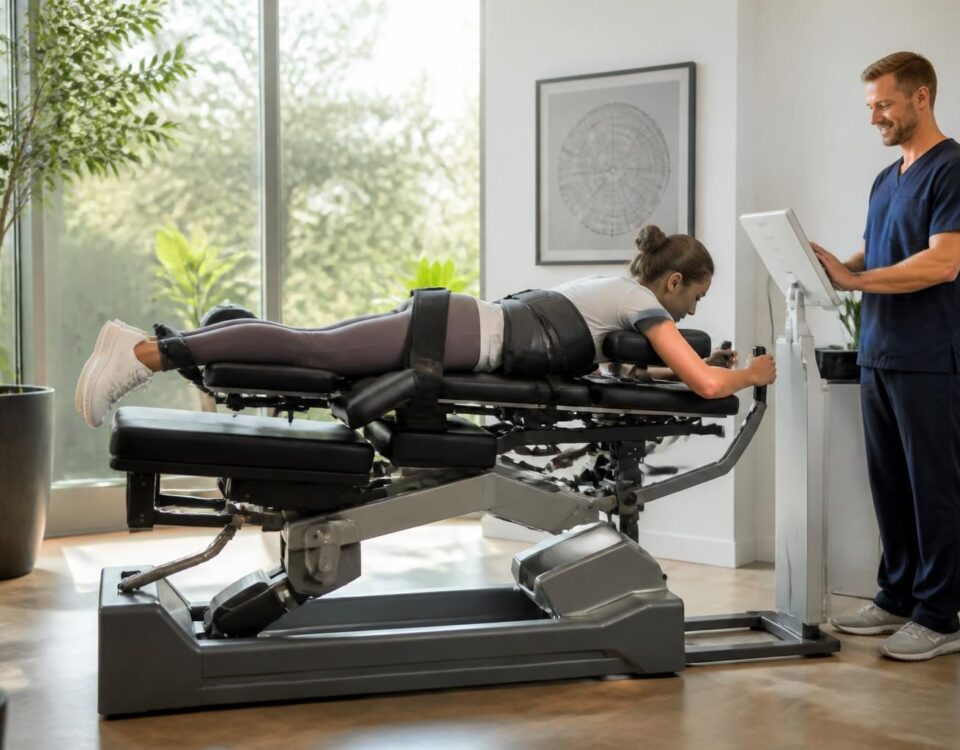
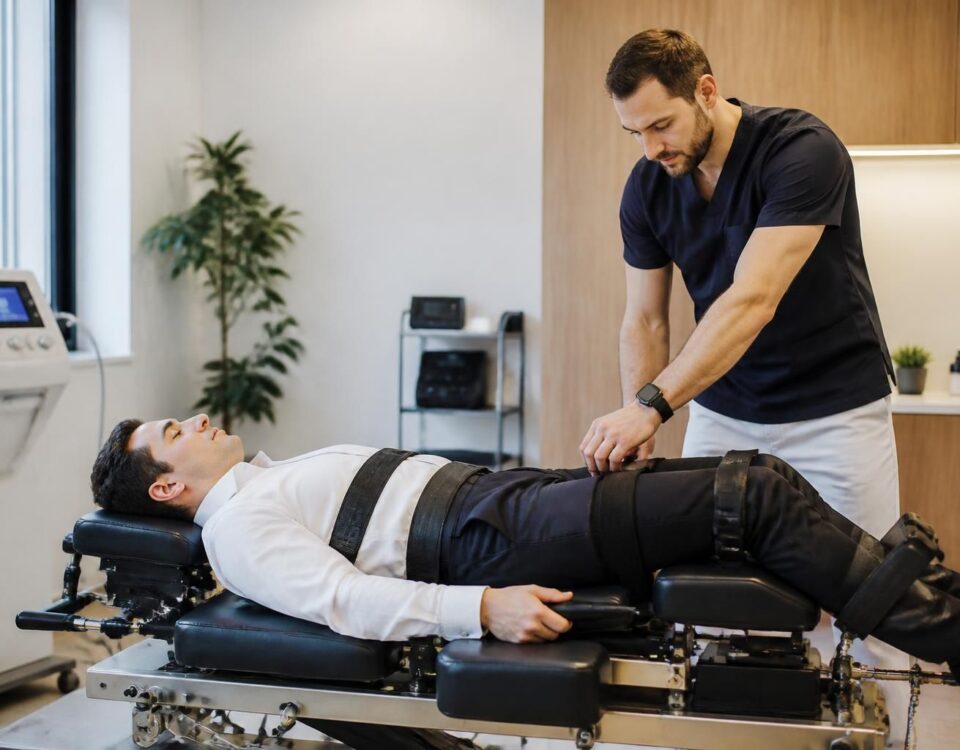
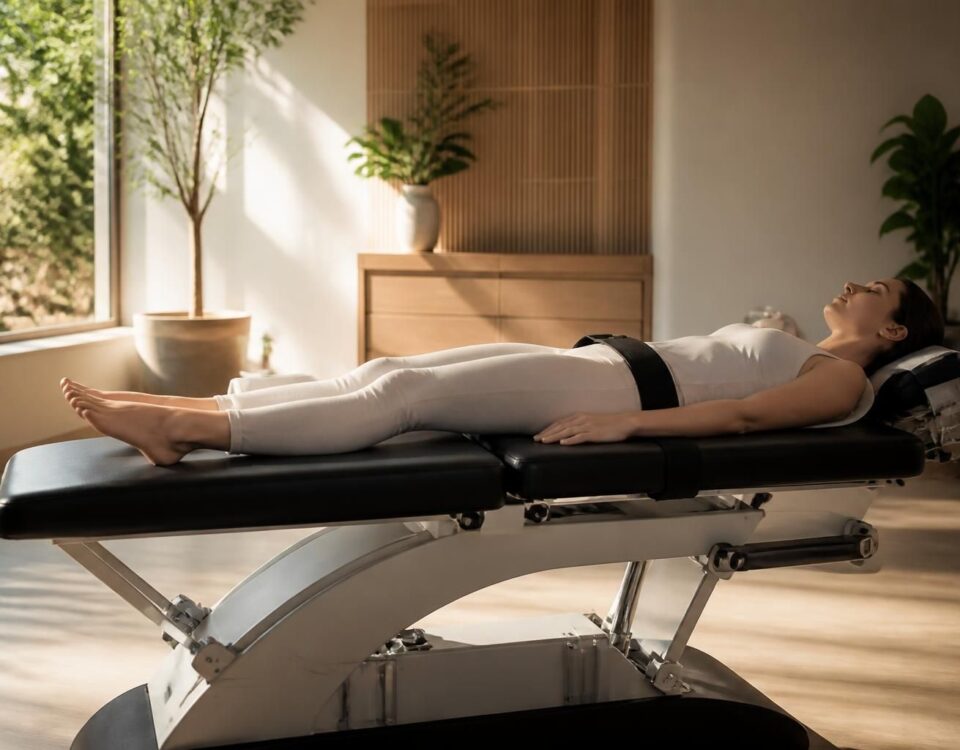
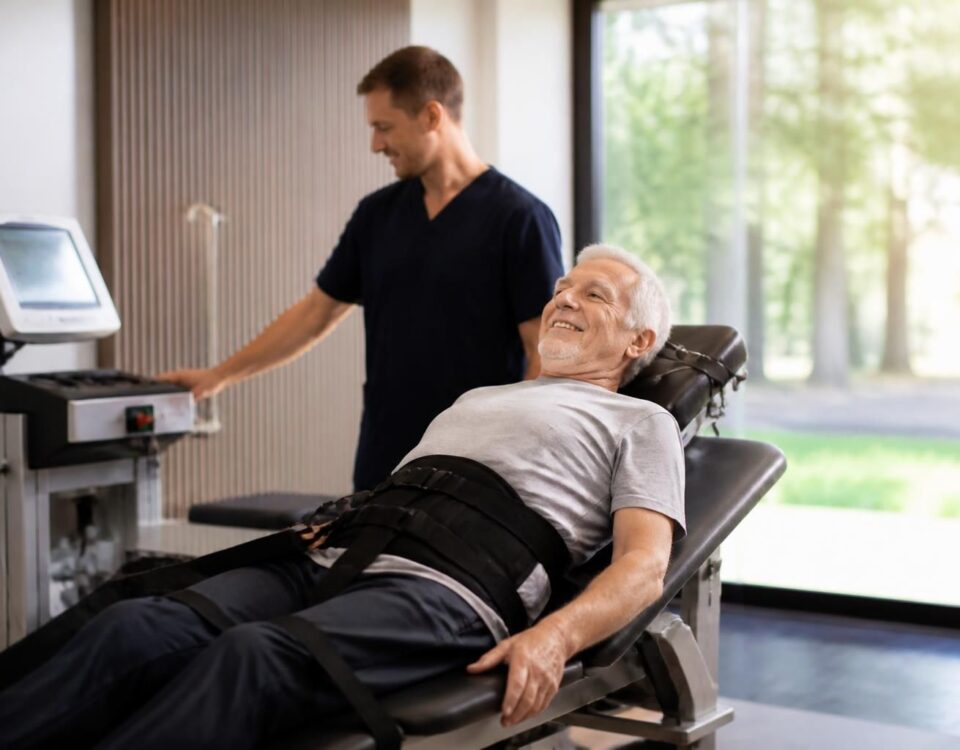
Neurovertebral decompression is a method non-invasive Who uses devices to perform controlled tractions on the spine. It creates a space between the vertebrae, which promotes irrigation and tissue regeneration. This approach targets the mechanical origins of pain and seeks to restore the normal functioning of discs and nerves.
How does she prevent chronic pain?
By decreasing pressure on nerves and discs, decompression reduces painful signals and inflammation. It improves the mobility and flexibility, which helps maintain pain-free activity and prevent future worsenings. physical relief directly contributes to a better quality of life and may limit the onset of depressive symptoms related to chronic pain.
Indications and precautions
This approach is considered in people with chronic back pain related to disc diseases, protrusions or stenosis which can be aggravated by nerve pressure. Neurovertebral decompression must be integrated into a care plan supervised by a qualified professional. It is not autonomous treatment and requires prior diagnostic evaluation and appropriate follow-up.
Integration into the care pathway
At Tagmed Clinic, neurovertebral decompression is part of a global offer adapted to the patient. This approach can be complemented by other non-invasive and personalized modalities, as part of a coordinated program. For those seeking comprehensive, well-being care, TagMed offers solutions and appropriate support, with an evidence-based approach.
Evidence and resources
Online resources describe the mechanisms and potential benefits of neurovertebral decompression, particularly with regard to the prevention of neuropathic pain and the effects on mobility. To learn more, you can refer to the following resources:
- neurovertebral decompression on sossciatica
- Neurovertebral Decompression — Prevention of Recurrences
- What is neurovertebral decompression?
- Neurovertebral decompression and herniated disc
- Recognized solution to prevent chronic neuropathic pain
- Natural alternative to surgical solutions
- How decompression relieves herniated discs
Elements of value and implementation
Neurovertebral decompression is part of a Global approach chronic pain management. She is personalized and requires appropriate supervision. The trained professionals offer an accurate assessment and treatment plan that can include complementary resources to optimize outcomes, while remaining focused on wellness and relapse prevention.
Training framework and professional associations
Practitioners can come from recognized training, including NUMSS, NAO, National University of Medical Sciences and National Academy of osteopathy. Osteopaths working in this field can be affiliated with ACMA, College of Canadian Osteopaths or College of Canadian Osteopaths, which ensures recognition within the profession.
Comparison of approaches
| Therapy | Benefits | Limitations | When to consider it |
|---|---|---|---|
| neurovertebral decompression | non-invasive; Reduces pressure on nerves and discs; improves mobility; Promotes relapse prevention | variable responses; Requires professional assessment and follow-up | chronic back pain related to discopathies; Prevention of recurrences |
| Physiotherapy | Muscle support and functional rehabilitation | sometimes lower effectiveness for the prevention of recurrences | According to the doctor’s diagnosis and plan |
| Laser Therapeutic / Other adjuvant therapies | reduced inflammation; Acceleration of healing | Variable efficiency depending on the case | Integrated into a global care program |
To access detailed and specific information, consult the resources related to the neurovertebral decompression and its applications under different conditions. To learn more about support options, you can visit additional resources on the authorized domains above.
Medical Disclaimer: The information and advice provided on this site does not replace the health professional’s diagnosis or treatment. Please note that Dr. Sylvain Desforges osteopath is neither a doctor of medicine nor a doctor, and is not a specialist in a medical specialty as defined by the Collège des Médecins du Québec. Manual medicine, functional medicine and sports medicine as described on this site exclude any medical treatment or diagnosis made by a doctor or specialist doctor. Always consult your doctor for any medical questions. For more details, please read our full legal notice.

Neurovertebral Decompression (DNV) is a non-invasive approach that directly targets pressure on nerves and intervertebral discs. This set of recommendations presents how to effectively integrate DNV into the prevention of Chronic pain, by combining personalized treatments and lifestyle habits to limit recurrences and preserve the quality of life.
Understanding neurovertebral decompression
neurovertebral decompression acts gently on the spine thanks to devices allowing controlled traction. This action creates a space between the vertebrae, releases the compressed nerves and promotes the hydration and regeneration of the discs, thus contributing to a decrease in pain and regained mobility.
how she acts
By reducing local pressure, DNV reduces painful signals and improves tissue irrigation, which can promote more efficient and lasting recovery. This approach is particularly suitable for pain related to spinal disorders such as low back pain, sciatica or herniated discs, and it is part of a logic of relapse prevention by reinforcing the flexibility and alignment of the spine.
Effects on prevention
By working on the mechanical cause of pain, the prevention recurrences gain in reliability. A better decompressed column supports a more balanced posture and limits the repetitive stresses that fuel chronic pain.
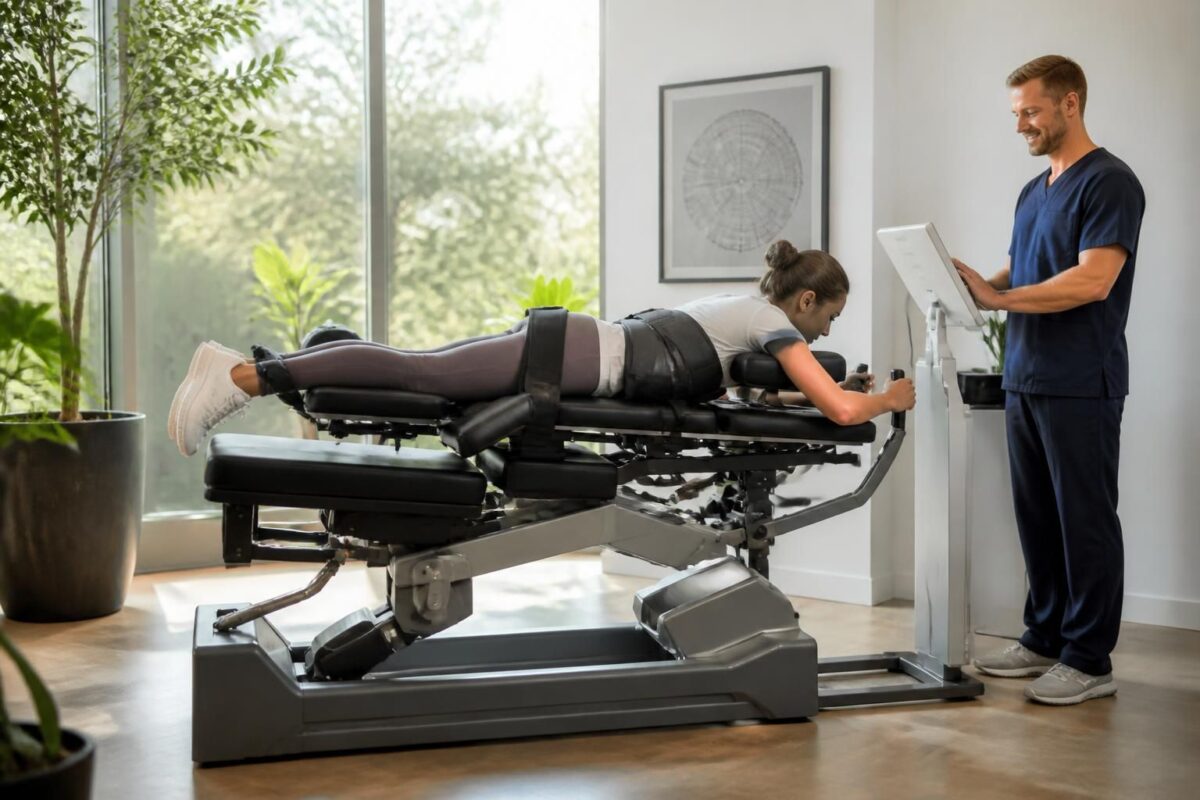
The long-term benefits of neurovertebral decompression for spinal health
In short In short, the neurovertebral decompression is a non-invasive approach that decreases the Pressure on intervertebral discs and nerves, favoring the Natural regeneration and tissue recovery. Its long-term benefits include Lasting pain reduction, Improving mobility and from the posture,…

Neurovertebral decompression and mobility: a return to an active life
In short In short, the neurovertebral decompression is therapy non-invasive who uses a gentle traction To create a space between the vertebrae and reduce the pressure on the Intervertebral discs and the nerves. It promotes a bloodstream improved, lowers tension…
When and why to use it for prevention
The prevention Chronic pain can be enhanced by strategic use of DNV when symptoms signal nerve irritations or mobility limitations. It can supplement other non-pharmacological interventions and help reduce possible dependence on symptomatic treatments.
Key indications
Indicated for people with low back pain, cervical, or neuropathies related to DISC disorders, the DNV aims to prevent the appearance of painful flares and maintain active daily function.
Prevention objectives
The objectives include a Improving mobility, a Preservation of disc hydration, and a decrease in painful episodes, which facilitates the maintenance of an active lifestyle without significant interruptions.
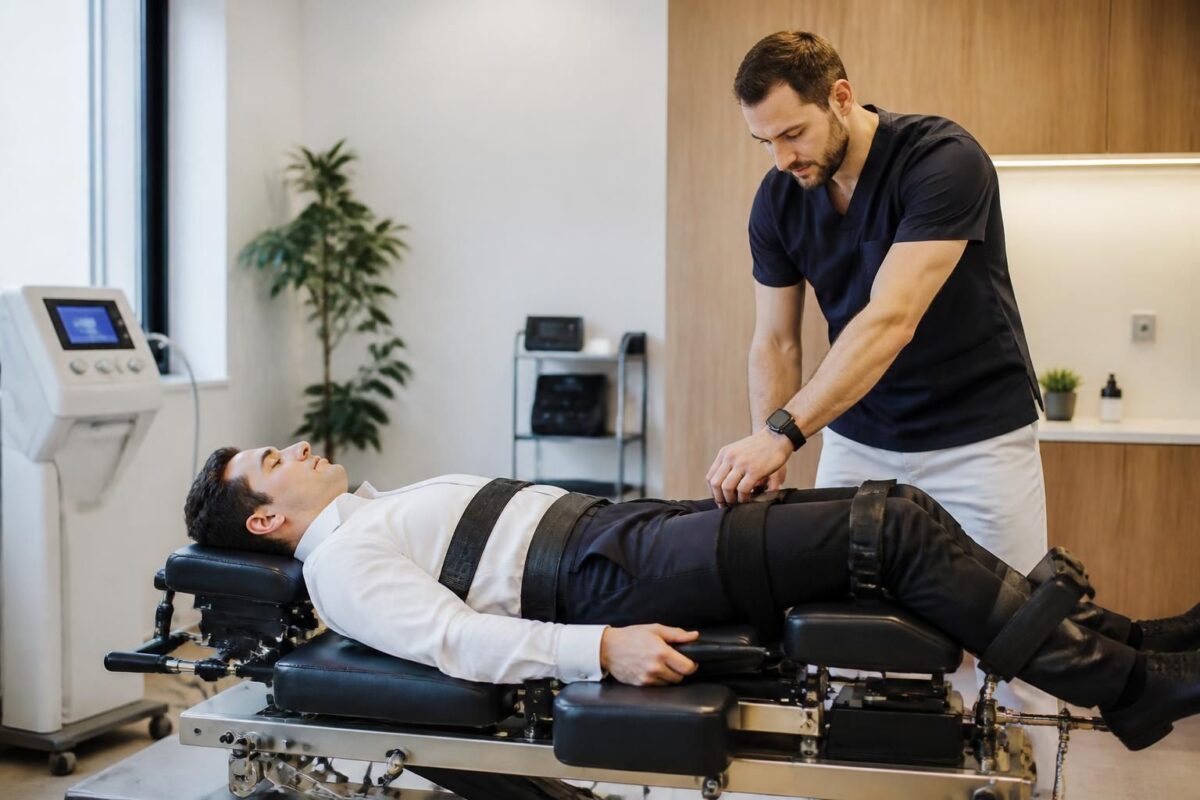
How Neurovertebral Decompression Prevents Diffuse Chronic Pain
In short decompression neurovertebral is one Non-invasive method aimed at reducing the Pressure on the intervertebral discs and the nerves, in order to prevent Diffuse chronic pain. It improves the circulation and thedisc hydration, decreases inflammation and promotes better mobility.…
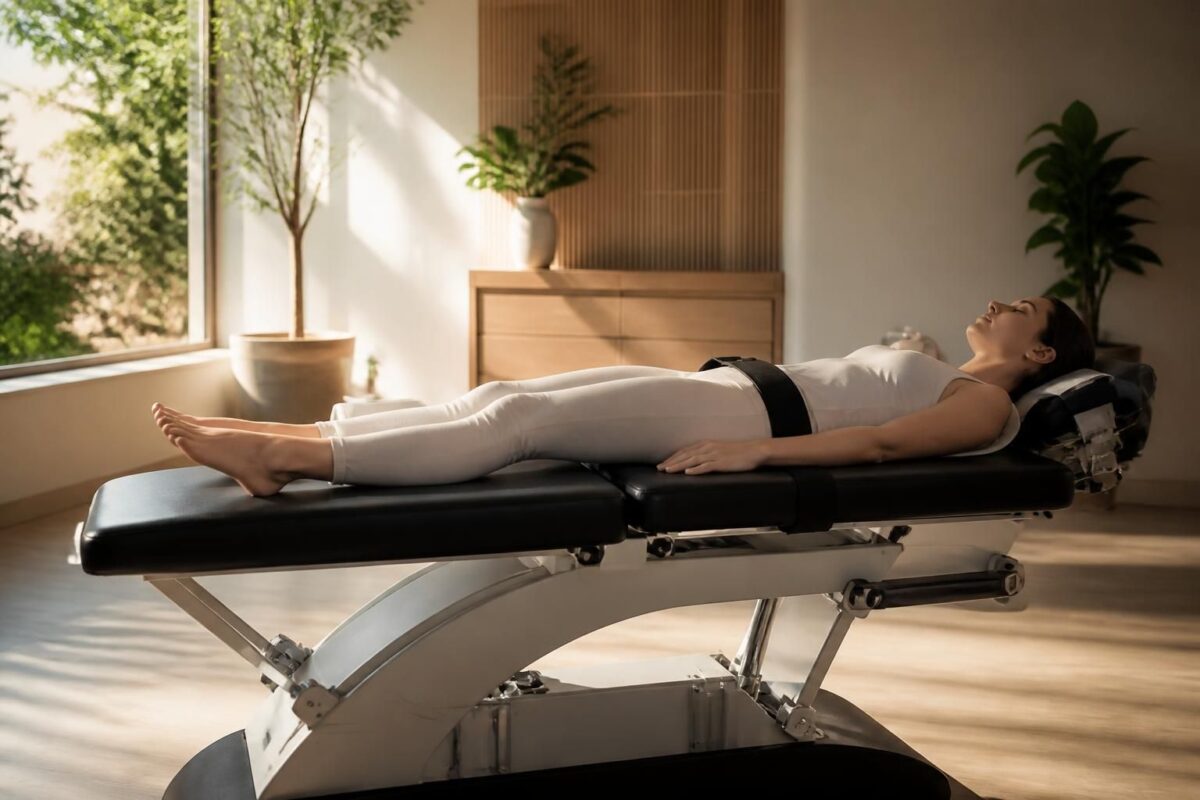
Neurovertebral Decompression and Body Alignment: Restoring Natural Balance
In short In short, neurovertebral decompression is one Non-invasive approach who restores theBody Alignment and thenatural balance back and neck. She acts by a Controlled traction of the spine to widen the intervertebral space and reduce the Pressure on discs…
Practical recommendations to maximize results
To take full advantage of DNV, combining treatment with habits and a personalized plan is essential.
Evaluation and personalized plan
rely on a professional assessment to establish a Custom Plan and progressive. The program should be tailored to your condition, history and functional goals, with clear follow-up criteria.
Weekly program and progression
Structure the DNV sessions in a realistic routine, with appropriate progression, and plan rest periods when the body requests it. Reasonable frequency and appropriate durations promote sustainable recovery.
Lifestyle and posture
Include daily stretching and strengthening exercises, appropriate physical activity and special attention to posture at work and on a daily basis. Sufficient hydration and a balanced diet support tissue regeneration and treatment efficiency.
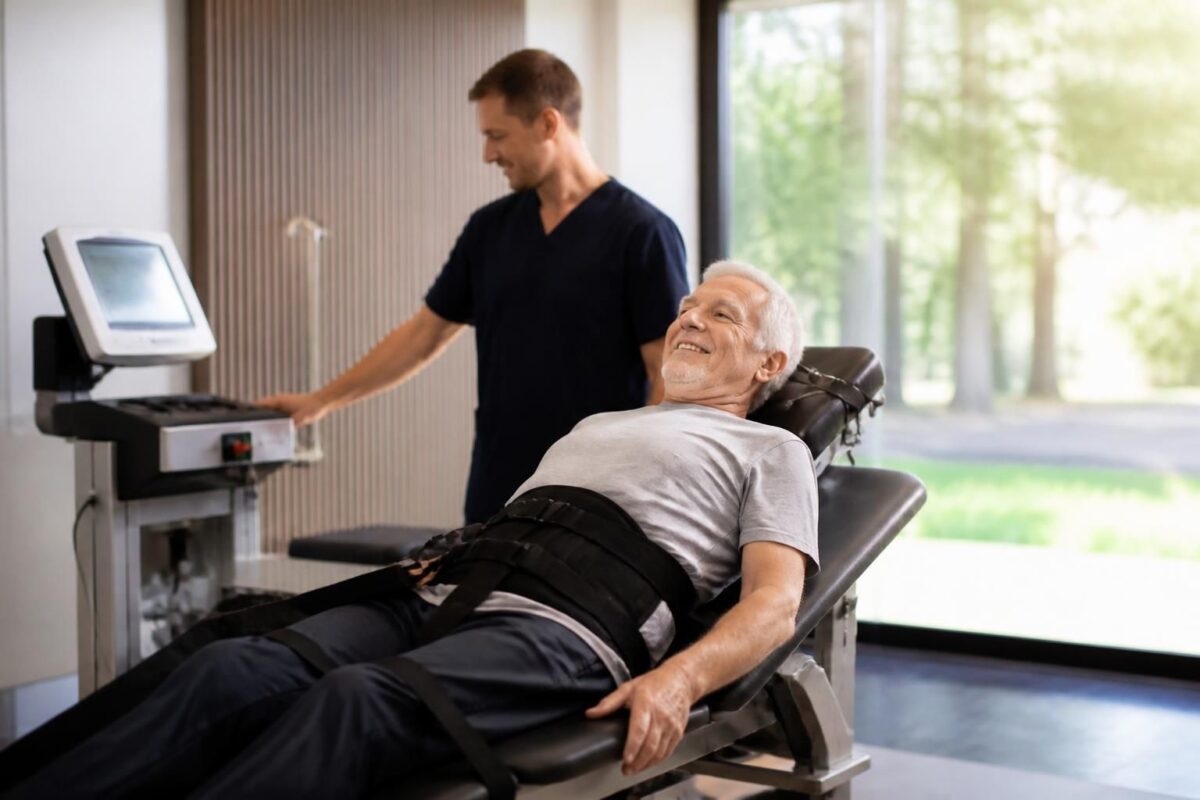
Why neurovertebral decompression is a lasting solution for active seniors
In short In short, the neurovertebral decompression is one Non-invasive therapy which sustainably relieves spinal pain in the spine active seniors By creating, by a Soft and controlled traction, a space between the vertebrae. At Montreal, it is recognized as…
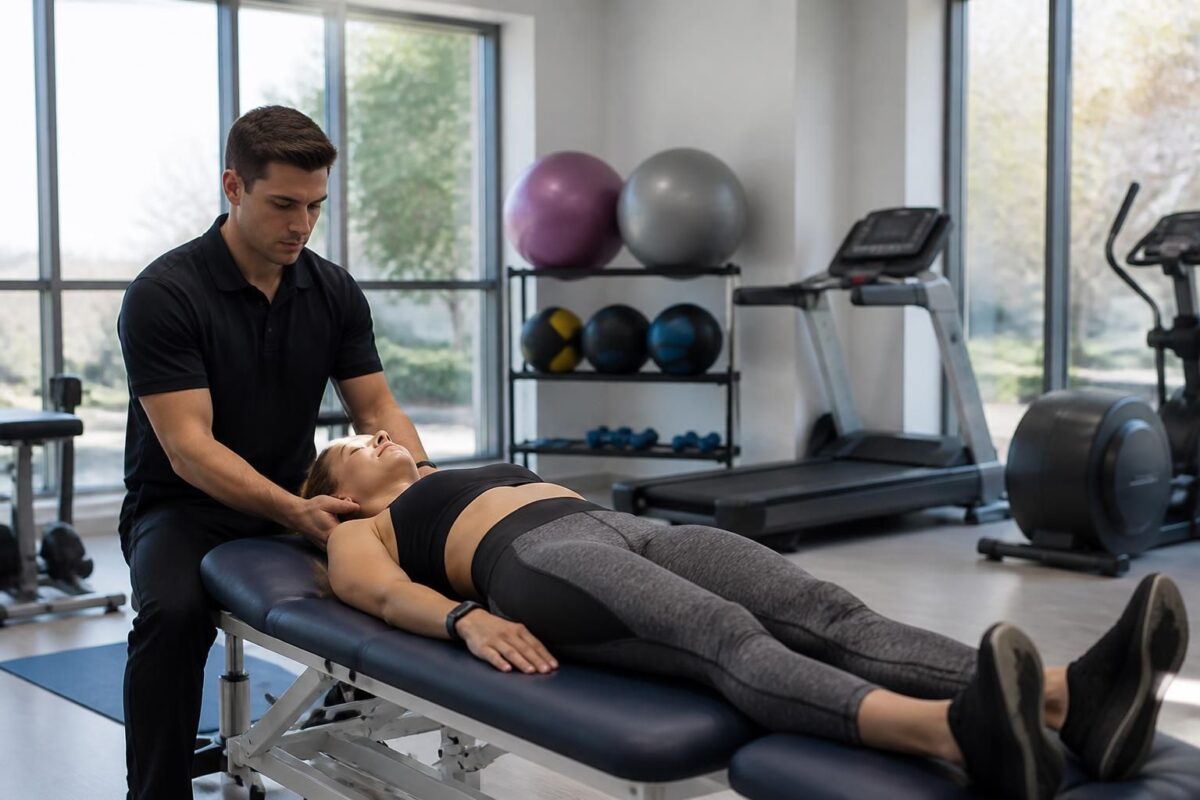
Neurovertebral decompression and recovery after severe sports injury
In short In short, the neurovertebral decompression is one Non-invasive method to Relieve the pressure on the Intervertebral discs and the gristle Via a Controlled traction, to facilitate the recovery After a severe sports injury. It improves the bloodstream towards…
Integration into a global prevention program
The DNV is ideally part of a holistic approach where other complementary therapies, ergonomics and motor coaching are synchronized with treatment.
Additional exercises
Combine targeted exercises of flexibility and spinal stability, as well as activities dedicated to strengthening the muscles supporting the spine, in order to obtain more lasting results.
Ergonomics at work
Adapt your workstation and your daily actions to limit repetitive constraints and poor postures that fuel pain and compromise long-term prevention.
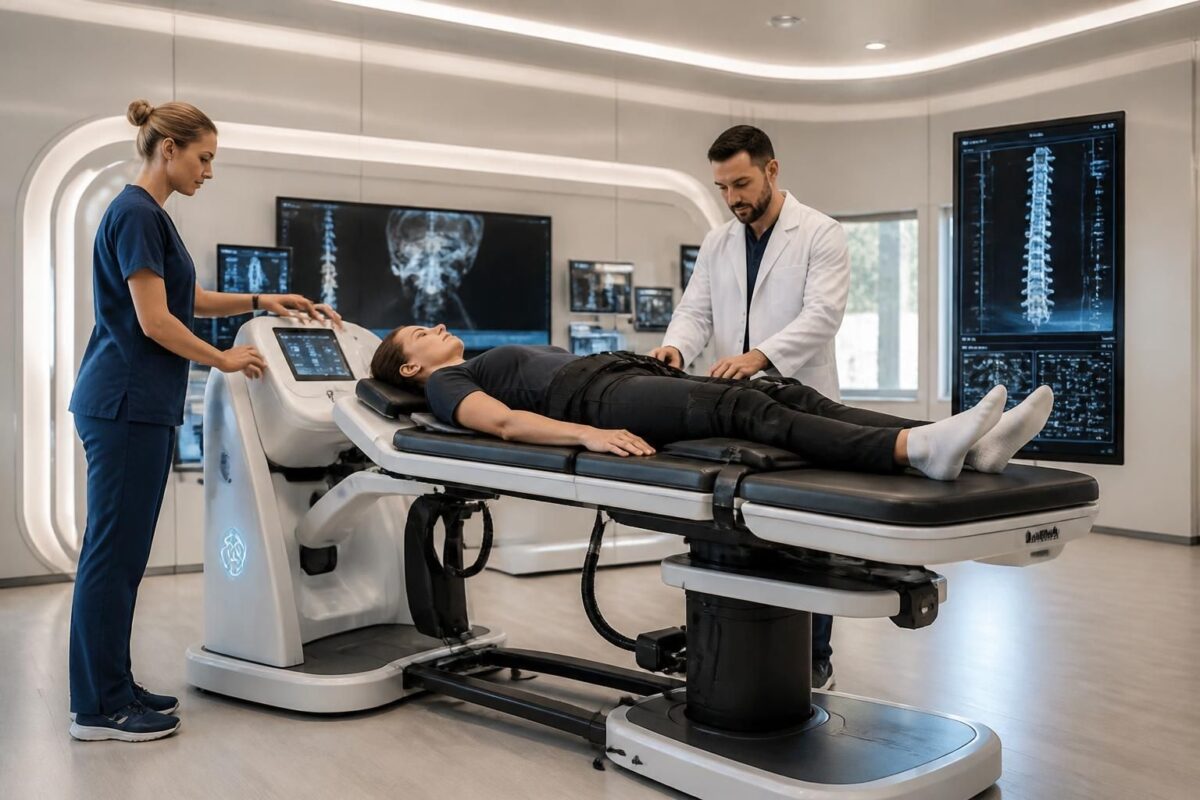
Recent innovations in neurovertebral decompression technologies
In short In short, the neurovertebral decompression is an approach non-invasive Aiming to reduce pressure on discs and nerves, and promote tissue regeneration. At Montreal, it is positioned as an effective option for lower back pain and herniated discs. The…
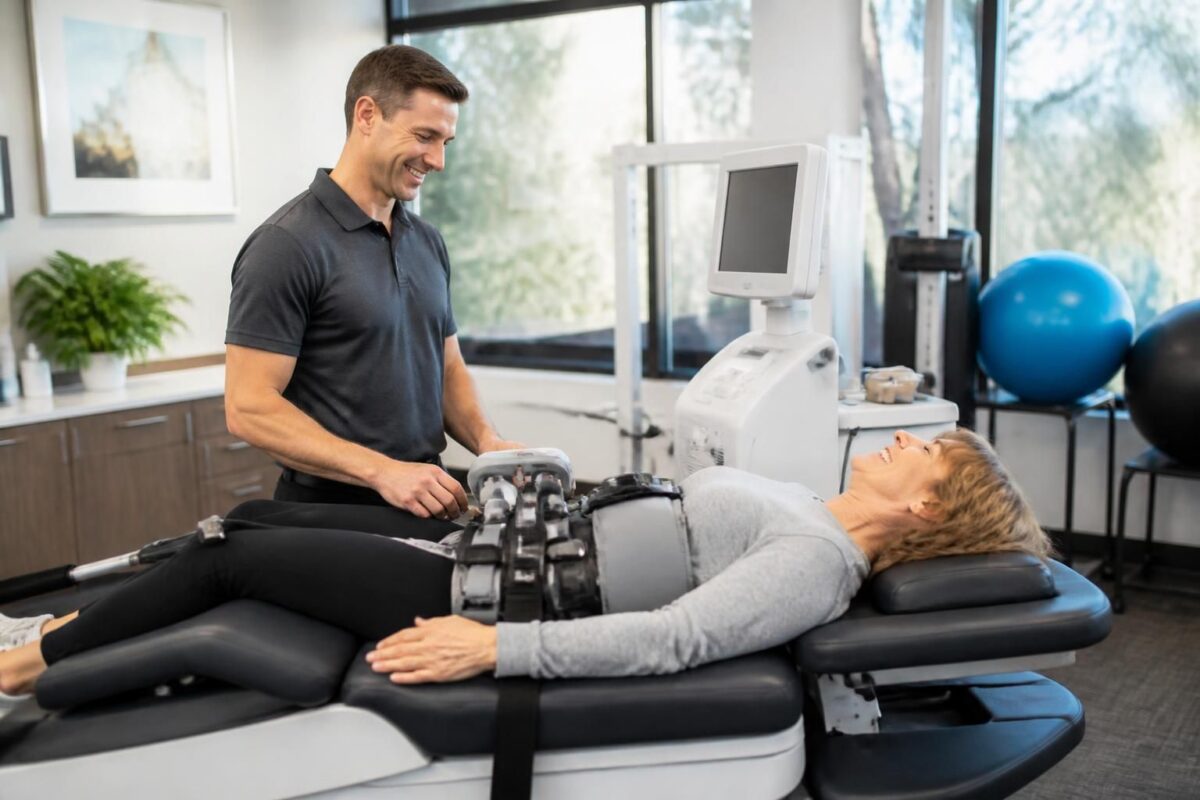
Neurovertebral decompression and diffuse pain: an appropriate solution
In short In short, the neurovertebral decompression is one Non-invasive solution For diffuse pain related to nerve irritation of the spine. She acts in Reducing pressure on intervertebral discs and nerves and improving the bloodstream, which promotes recovery and the…
Relapse monitoring and prevention
Regular monitoring allows you to adjust the plan according to the evolution of symptoms and needs. The continuity of the sessions, combined with an autonomous supervised practice, promotes a lasting reduction in painful episodes and a better quality of life.
Regular monitoring and adjustments
Schedule periodic assessments to adapt the speed of progress, the intensity of the exercises and the frequency of the sessions, in order to maintain the gains obtained and to prevent any relapse.
| Element | Prevention and results |
|---|---|
| Definition | Technical non-invasive which frees the space between the vertebrae to reduce the pressure on the gristle and the records. |
| Mechanism | Traction fresh increasing the intervertebral space, improving irrigation and promoting tissue healing. |
| directions | Indicated for chronic pain related to discs, low back pain or sciatica and to reduce stiffness. |
| Impact on pain and mobility | Reduces pain and improves mobility. |
| Prevention of recurrences | contributes to the prevention recurrences by strengthening posture and stability. |
| Security and invasiveness | without surgery, High security And few side effects. |
| Integration with other therapies | Optimized by a session plan and additional exercises. |
| Treatment plan and follow-up | Compatible with other approaches to amplify results. |
| Accessibility and cost | manageable cost via scheduled sessions and payment options; lasting profit. |
Testimonials on neurovertebral decompression and chronic pain prevention
Marie, 45 years old: Before, my chronic low back pain prevented me from enjoying my weekends and my favorite activities. After a few sessions of neurovertebral decompression, the pain decreased significantly and my mobility returned. this non-invasive approach also allowed me to sustainably improve the Chronic pain prevention in my daily life.
Jean, 60 years old: Sciatica pain limited me to the point of reducing my daily activities. After a journey in neurovertebral decompression, I found fluid mobility and regained energy. I feel better protected against recurrences thanks to an approach focused on the Chronic pain prevention.
Sophie, 35: For years, neuropathic pain has been bothering me. the personalized program around the neurovertebral decompression revitalized my mobility and, above all, contributed to the Chronic pain prevention in the long term. I feel more confident in my days.
Antoine, 50: As an athlete, an injury can brake quickly. The neurovertebral decompression accelerated my recovery and improved my flexibility, gently. I regain my performance and I am reassured about the Chronic pain prevention who could come back.
Emilie, 28: My sedentary work weighed on my back. With the neurovertebral decompression, I noticed a marked improvement in my quality of life and my mobility, as well as a better Chronic pain prevention on a daily basis. It has become a key part of my active lifestyle.
Dr. Sylvain Desforges is an expert in osteopathy, naturopathy and manual medicine. At the head of the clinics tagmed and association acma, he embodies a process ofHealth Innovation at the service of Chronic pain prevention. His practice implements the integration of advanced technologies, including neurovertebral decompression, the laser and the Shockwave therapy, in order to offer care evidence-based and adapted to each patient.
For him, preventing chronic pain requires a holistic vision that articulates the body and mind. Back pain, far from being a simple discomfort, can permanently alter mobility, daily activities and social relationships, sometimes nourishing a cycle of frustration. His approach is to restore balance mechanical and nervous of the body, by combining manual techniques, functional advice and technological solutions to act at the source and limit recurrences.
The neurovertebral decompression occupies a central place in this process. this method non-invasive Applies controlled traction on the spine to increase the space between the vertebrae, release the compressed nerves and promotehydration and the regeneration intervertebral discs. the results result in a pain reduction, a Improving mobility and a better mood, essential factors to prevent pain-related anxiety or depression.
Beyond this mechanical action, Dr. Desforges combines decompression with other modalities such as laser and the shock waves To accelerate healing and optimize muscle and postural function. This approach integrated Allows you to personalize the treatment according to the patient’s profile and to establish a sustainable plan focused on the prevention, posture and progressive rehabilitation.
The results observed in patients are manifested by a faster return to daily activities, better flexibility and a reduction in recurrent painful episodes. By placing the patient at the heart of the process and relying on clinical data, the TagMed Clinics team offers a continuous journey that adapts to individual needs and aims to maintain long-term gains.
engaged in a practice evidence-based And guided by innovation, Dr. Desforges helps redefine the prevention of chronic pain. his approach holistic Takes into account body and mind to offer a solution lasting and non-invasive. To discover his approach and the services available, patients can contact TagMed Clinics and ACMA in order to benefit from support personalized and enlightened.
This summary highlights how the neurovertebral decompression can play a key role in the Chronic pain prevention of the back by acting on the source of the tensions and by improving the mobility and the welfare global. By promoting the relief of the pressure on the nerves and restoring the hydration of the discs, this approach contributes to reducing painful episodes and preventing recurrences, while supporting mental health and quality of life.
Balance sheet and outlook
The Chronic dorsal pain is not limited to the physical aspect: it influences quality of life, daily activities and social relationships. By breaking the circle between pain and stress, neurovertebral decompression is a major preventive step, aimed at reducing the likelihood of pain recurrence and promoting an active and lasting lifestyle.
The mechanisms of neurovertebral decompression Increase the space between the vertebrae, release the compressed nerves and improve the irrigation and nutritional intake of the tissues. This non-invasive approach acts on the intervertebral discs and the column as a whole, facilitating functional recovery and reducing harmful pressures that maintain inflammation and pain. Result: a Better flexibility and a lasting reduction in neuropathic pain, key factors to prevent relapses.
To optimize the prevention of chronic pain, it is essential to adopt a global approach that combines decompression With healthy lifestyle habits: adapted physical activity, hydration, balanced nutrition and targeted muscle building. To this can be added additional tools such as the laser where the shock waves According to individual needs, in order to accelerate healing and improve long-term mobility.
Several resources and advances support these principles. To deepen the benefits and mechanisms, see the following articles and guides, which show clinical evidence and feedback on neurovertebral decompression and its preventive effects on chronic pain:
Discover recent analyzes and clinical insights on decompression and depression associated with back pain: DNV – Depression and back pain solution.
To understand recent innovations in neurovertebral decompression, refer to these specialized resources: Recent innovations and Improved quality of life.
For a presentation focused on efficiency and sustainability, you can read analytics such as: Neurovertebral Decompression — Recognized Solution and Durable solution for chronic pain.
To assess the advantages over other treatments and understand the indications, refer to Comparative advantages and The impact on quality of life.
For practical and sporting perspectives, athletes can wonder about the adaptability of this approach and the benefits in injury prevention: Adaptation in athletes and Prevent injury.
For specialized information and clinical examples, consult the dedicated resources of TagMed Clinics: Decompression and prevention and Chronic pain prevention.
Finally, for a comprehensive and practical view of patient outcomes and feedback, discover testimonials and assessments on neurovertebral decompression and its role in pain prevention: Decompression as a solution.

Dr Sylvain Desforges, B.Sc., D.O., N.D., osteopath, is the founding president of TAGMED and of the ACMA association. He dedicates his practice to chronic spinal pain, low back pain and symptoms compatible with sciatica, particularly when pain radiates toward the buttock, leg, calf, foot or toes.
Through SOS Sciatique, he publishes educational content on sciatica symptoms, possible causes such as disc herniation, disc narrowing, foraminal stenosis or irritation of a lumbar nerve root, as well as non-surgical approaches that may be considered according to the evaluation. At Clinique TAGMED, care may include, depending on the case, motorized neurovertebral decompression, specific osteopathic care or precision percussion.
For an evaluation related to sciatica treatment in Montreal / Mount Royal or sciatica treatment in Terrebonne, please consult the services available at Clinique TAGMED.
Medical disclaimer
The information published on SOS Sciatique is provided for educational purposes only and does not replace a consultation, diagnosis, opinion or treatment provided by a physician or another authorized healthcare professional. The author of this article is neither a medical doctor nor a specialist in a medical specialty recognized by the Collège des médecins du Québec. The osteopathic, manual medicine or functional support approaches described on this site do not constitute medical acts and are not intended to replace medical follow-up.
Consult a physician or emergency service in cases of loss of bladder or bowel control, anesthesia in the saddle area, significant or progressive weakness in the leg or foot, fever, recent trauma, severe pain or rapid worsening of symptoms. For more details, please read our Legal Notice.