Who are the best candidates for neurovertebral decompression
25/06/2026
Neurovertebral decompression and prevention of chronic pain
25/06/2026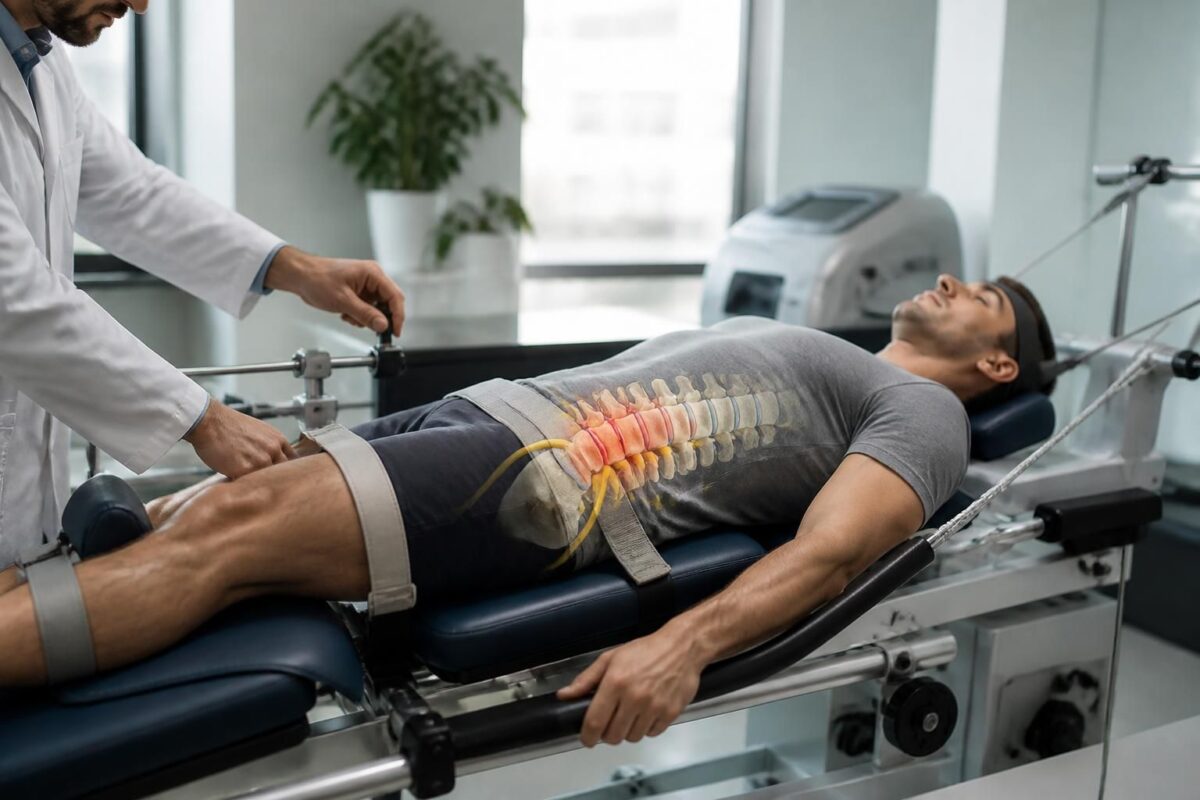
In short
| In short, neurovertebral decompression is one Non-invasive technique which applies a gentle traction on the spine to create a space between the vertebrae and reduce the pressure on the Compressed nerve roots and intervertebral discs. Its main advantages include a pain reduction, a Improved mobility, a Decreased inflammation and an Better blood circulation promoting healing, all without surgery. The mechanism works by releasing the pressure, improving the irrigation of nervous tissue and facilitating regeneration. In Montreal, this treatment is particularly recommended for Neuropathic pain Linked to complex nervous tensions and wishing to quickly find an active life without surgery. |
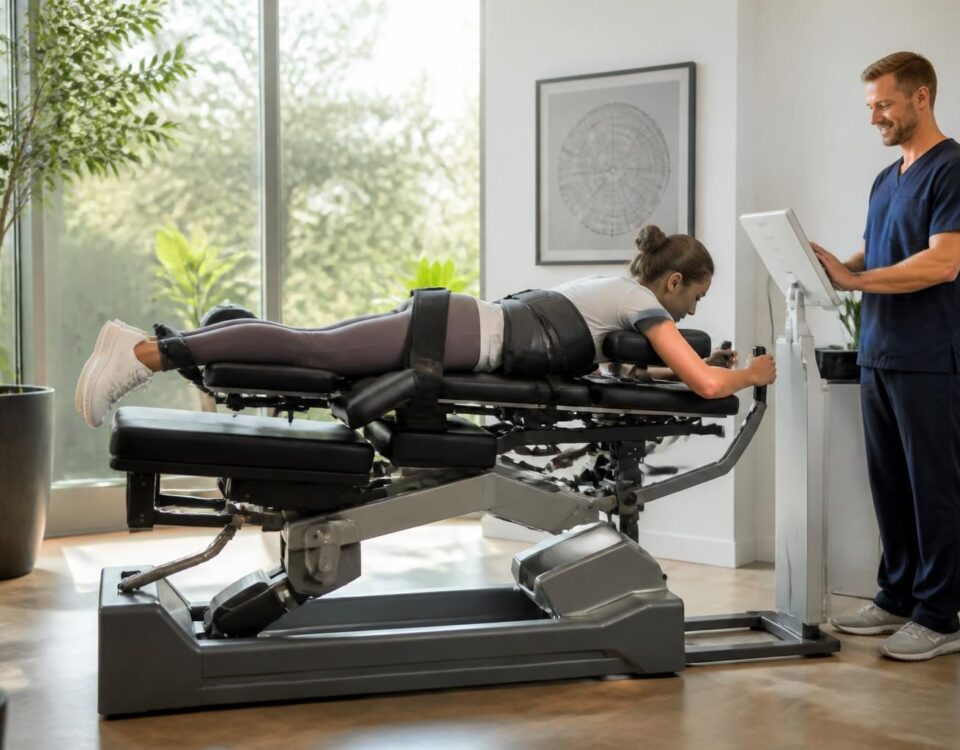
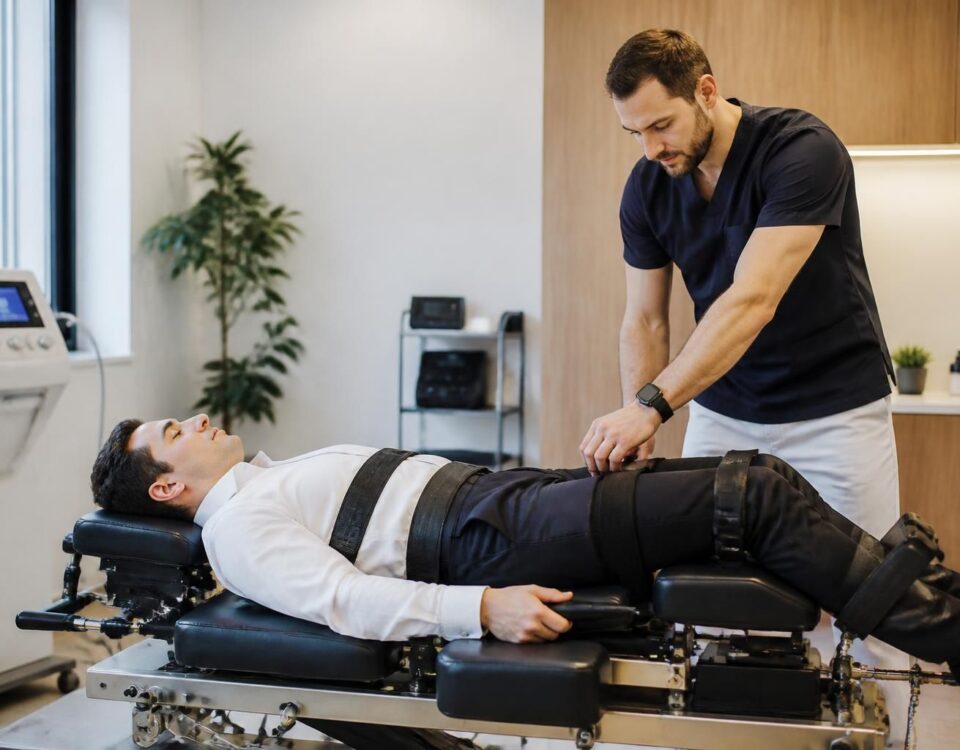
The neurovertebral decompression is an approach non-invasive which acts directly on the Compressed nerve roots. By applying a Controlled traction Along the spine, it creates a space between the vertebrae and decreases the pressure on the Intervertebral discs and adjacent nerves, thus releasing blood circulation and nutrients to the nervous tissues. This improvement in circulation and from theinflammation promotes the healing, reduces pain and improves mobility without surgery.
Neurovertebral decompression is a non-invasive approach that aims to reduce pressure on Compressed nerve roots. It works by restoring the space between the vertebrae, which can reduce pain and improve mobility. This technique promotes the increase in local blood circulation, supports the recovery of nerve tissue and allows more effective management of pain related to disc pathologies without surgery. It is part of a global approach to neurovascular pain and can be integrated into a personalized care plan. To learn more, you can consult the specialized resources below and associated clinical experiences.
Mechanism of action and space creation
The method uses gentle traction on the spine. This traction widens the space between the vertebrae and decreases the pressure exerted on the Intervertebral discs and the nerve roots. Less pressure means less pain and less nervous irritation. This mechanism can be explained in detail on This technical article.
Pressure reduction and circulation improvement
By releasing pressure around the nerves, decompression improves local blood circulation. The increase in blood flow provides the nutrients and oxygen necessary for the repair of nerve tissue. Improved infusion helps reduce inflammation and restore more stable nerve function. Additional resources describe these effects and their clinical implications: See this article.
Reduction of inflammation and pain relief
The decrease in pressure around the nerve roots leads to a reduction in local inflammation. This decrease is often manifested by a decrease in pain and a better tolerance to movement. For additional lighting, see the following resources: Lumbar benefits and Efficient support.
Stimulation of regeneration and recovery
Through better circulation and increased intake of nutrients, decompression supports the regeneration of nerve tissue and can improve overall nerve function. Additional explanations and feedback are available on: Chronic inflammation and disc herniation.
Clinical aspects and follow-up
Each patient reacts differently. The treatment is part of a personalized program and requires regular monitoring to assess progress. Adjusting the strategy at each session maximizes the chances of recovery and helps prevent recurrences linked to nervous tensions. For practical contexts, see Case Resources and Tracking: severe cases and Recovery after surgery.
To enrich your understanding, these complementary resources shed light on neurovertebral decompression and its effects on associated pathologies: Types of sports injuries, sciatic pain, and herniated disc and chronic inflammation.
Training and Clinical Practice: Professionals who practice this approach refer to recognized programs such as NUMSS and NAO, and often collaborate with National University of Medical Sciences or National Academy of osteopathy. Support from professional associations ACMA, College of Canadian Osteopaths and College of Canadian Osteopaths ensures quality and consistency of care.
Useful links and associative contexts: for the TagMed clinic and associated resources in Montreal and Terrebonne, see Tagmed Clinic and the pages associated with the non-surgical approach to low back pain and radiculopathies. Other additional resources and technical references can be found on Neurovertebral decompression – how it works.
Medical Disclaimer: The information and advice provided on this site does not replace the health professional’s diagnosis or treatment. Please note that Dr. Sylvain Desforges osteopath is neither a doctor of medicine nor a doctor, and is not a specialist in a medical specialty as defined by the Collège des Médecins du Québec. Manual medicine, functional medicine and sports medicine as described on this site exclude any medical treatment or diagnosis made by a doctor or specialist doctor. Always consult your doctor for any medical questions. For more details, please read our full legal notice.
- Creation of vertebral space : Reduced pressure on nerve roots.
- pressure reduction : less compression of discs and nerves.
- Improved traffic : Better irrigation of nerve tissue.
- Optimized nutrition and oxygenation : support for nervous regeneration.
- Inflammation reduction : Decreased local inflammation around the nerves.
- Neuropathic pain relief : Progressive dissipation of symptoms.
- Nerve regeneration : Acceleration of nerve fiber repair.
- Mobility found : better range of motion and daily activity.

The neurovertebral decompression acts directly on the Compressed nerve roots By gradually releasing tensions around the vertebrae. by a gentle traction, she creates a vertebral space which reduces the pressure exercised on the nerves and discs, favoring a better circulation and an oxygenation nervous tissue. This approach non-invasive limits inflammation and supports the recovery Functional, offering a tangible path to pain reduction and return to daily activities without surgery.
Creating a space and mechanical reduction
The first step is to apply a Controlled traction which slightly removes the vertebrae from each other. This spacing reduces the pressure exerted on the nerve roots and on the Intervertebral discs, which decreases the risk of repeated compression during movement. By lowering this pressure, we create a favorable framework for better distribution of fluids, which facilitates the supply of nutrients and the evacuation of metabolic waste around the nerves.
Direct effects on discs and nervous tensions
By increasing the space between the vertebrae, the technique promotes a negative pressure Inside the discs, improving their hydration and resilience. This helps to reduce nervous tensions and limit the painful signals sent to the brain. Patients often report a rapid decrease in symptoms after a few sessions, associated with better mobility.
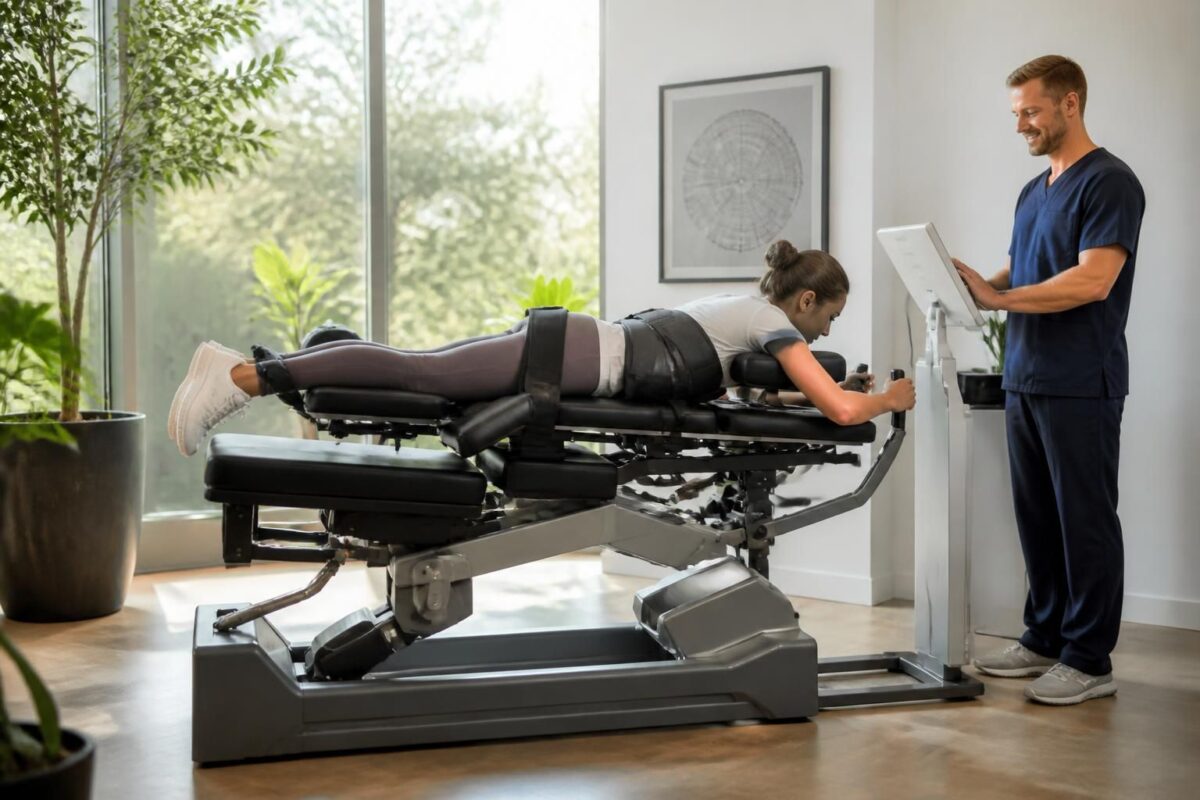
The long-term benefits of neurovertebral decompression for spinal health
In short In short, the neurovertebral decompression is a non-invasive approach that decreases the Pressure on intervertebral discs and nerves, favoring the Natural regeneration and tissue recovery. Its long-term benefits include Lasting pain reduction, Improving mobility and from the posture,…

Neurovertebral decompression and mobility: a return to an active life
In short In short, the neurovertebral decompression is therapy non-invasive who uses a gentle traction To create a space between the vertebrae and reduce the pressure on the Intervertebral discs and the nerves. It promotes a bloodstream improved, lowers tension…
Inflammation and pain: a favorable medium for healing
By releasing the tension around the nerve roots, the Reduction of inflammation Around the nerves is facilitated. Less pressure results in a decrease in edema and a reduction in local inflammatory mediators, which results in a pain reduction and an improvement in neuromuscular function.
Nerve conduction and related symptoms
Decreased nerve irritation improves Nerve conduction And can reduce paresthesias and associated weaknesses. Patients often see a resurgence of function engine and improved activities that were limited by pain or numbness.
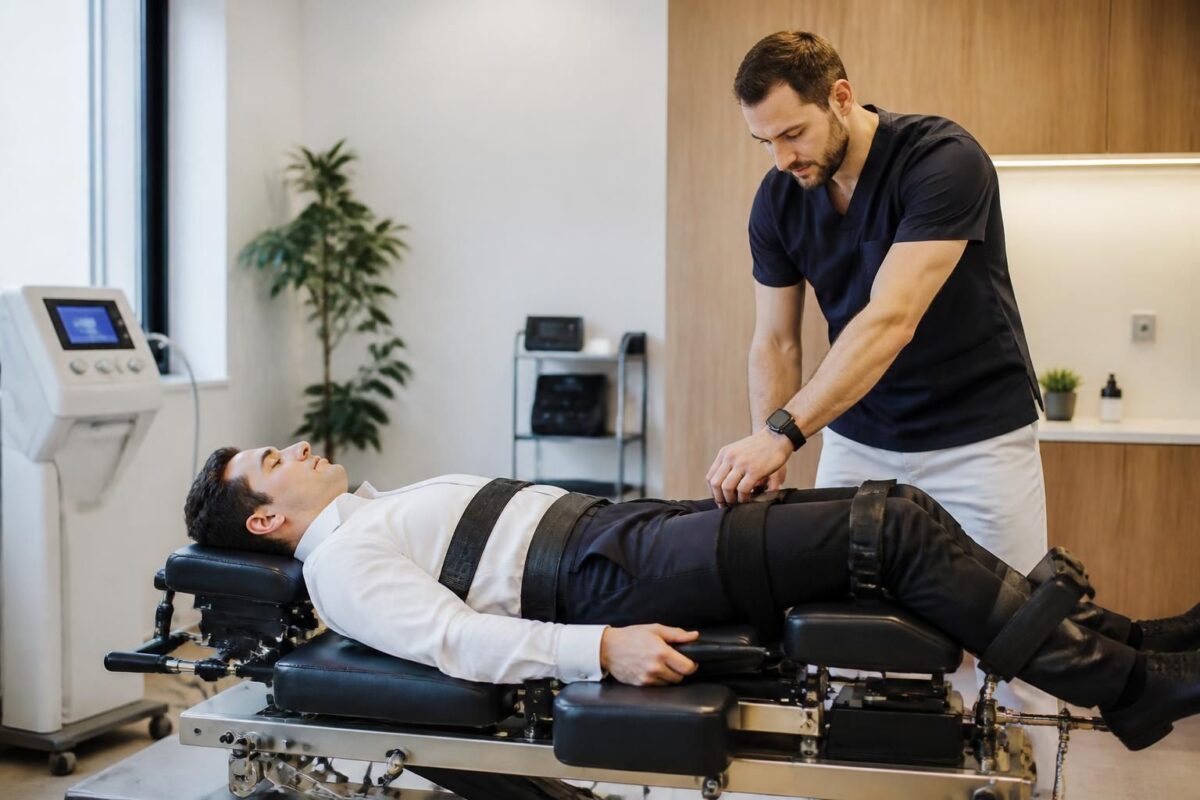
How Neurovertebral Decompression Prevents Diffuse Chronic Pain
In short decompression neurovertebral is one Non-invasive method aimed at reducing the Pressure on the intervertebral discs and the nerves, in order to prevent Diffuse chronic pain. It improves the circulation and thedisc hydration, decreases inflammation and promotes better mobility.…
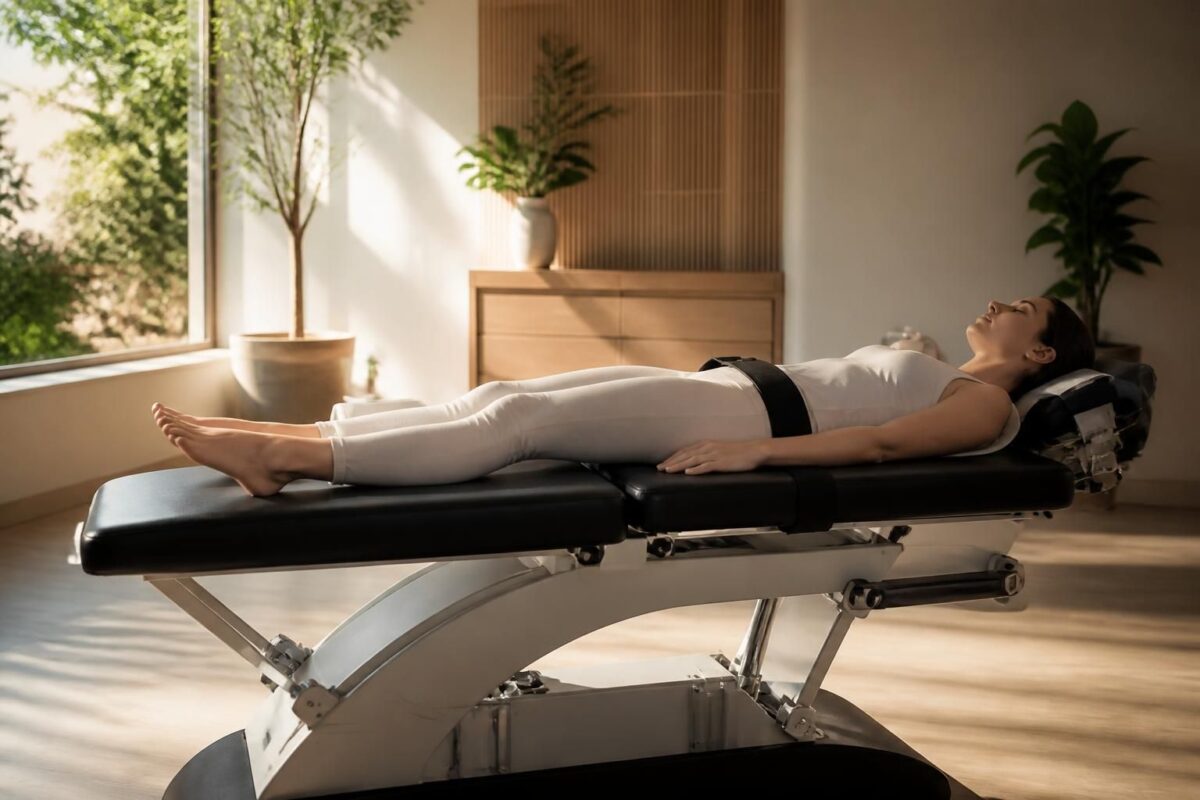
Neurovertebral Decompression and Body Alignment: Restoring Natural Balance
In short In short, neurovertebral decompression is one Non-invasive approach who restores theBody Alignment and thenatural balance back and neck. She acts by a Controlled traction of the spine to widen the intervertebral space and reduce the Pressure on discs…
Circulation and repair of nerve tissue
Decompression stimulates better bloodstream in the region, which promotes theoxygenation and providing essential nutrients to nervous tissue damaged. This improvement helps regeneration and accelerates the healing process, while facilitating the evacuation of toxins and metabolic waste.
Regeneration and functional recovery
Thanks to better irrigation and mechanical stress reduction, the nerves recover their function normal. This dynamic supports a progressive progression of movements, a decrease in spasms and an improvement in the quality of life.
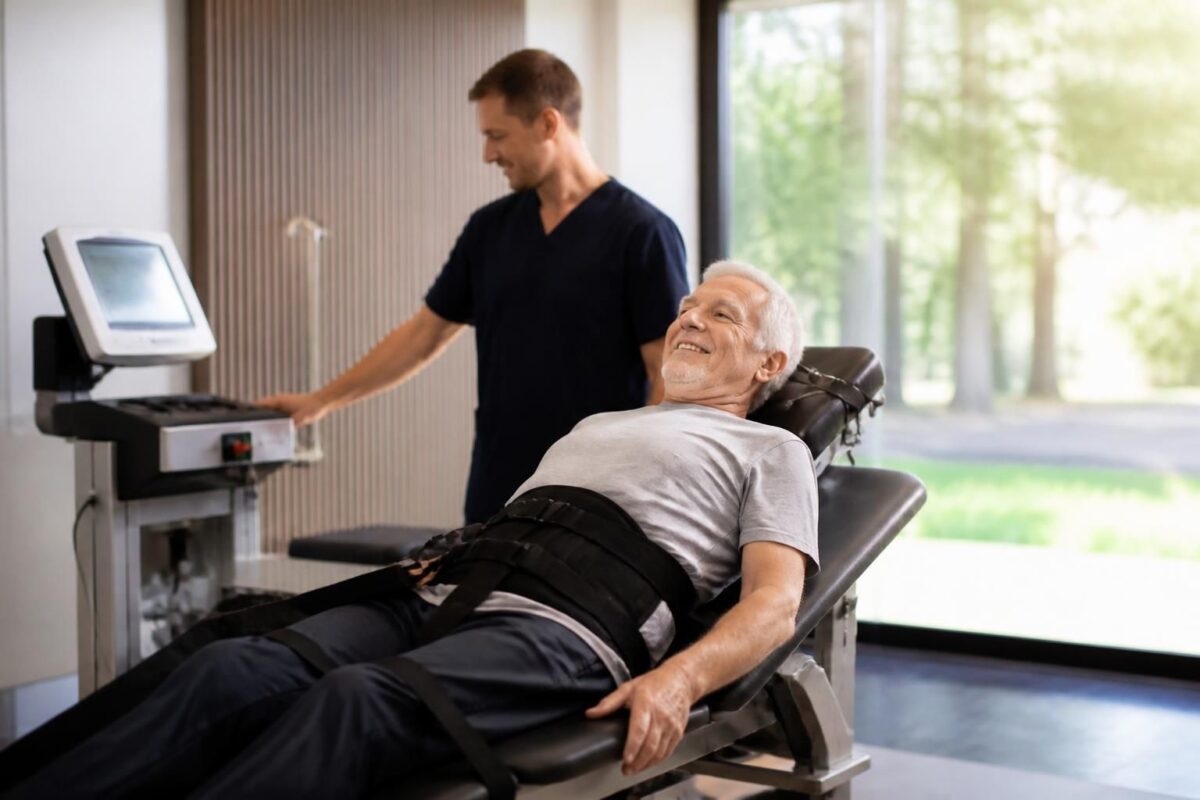
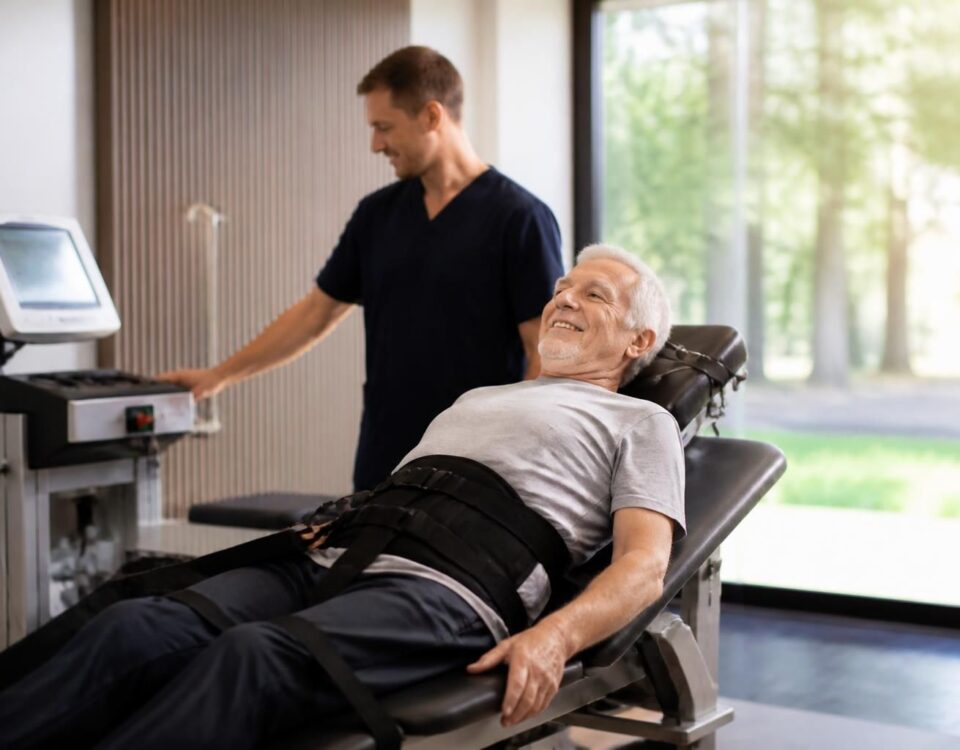
Why neurovertebral decompression is a lasting solution for active seniors
In short In short, the neurovertebral decompression is one Non-invasive therapy which sustainably relieves spinal pain in the spine active seniors By creating, by a Soft and controlled traction, a space between the vertebrae. At Montreal, it is recognized as…
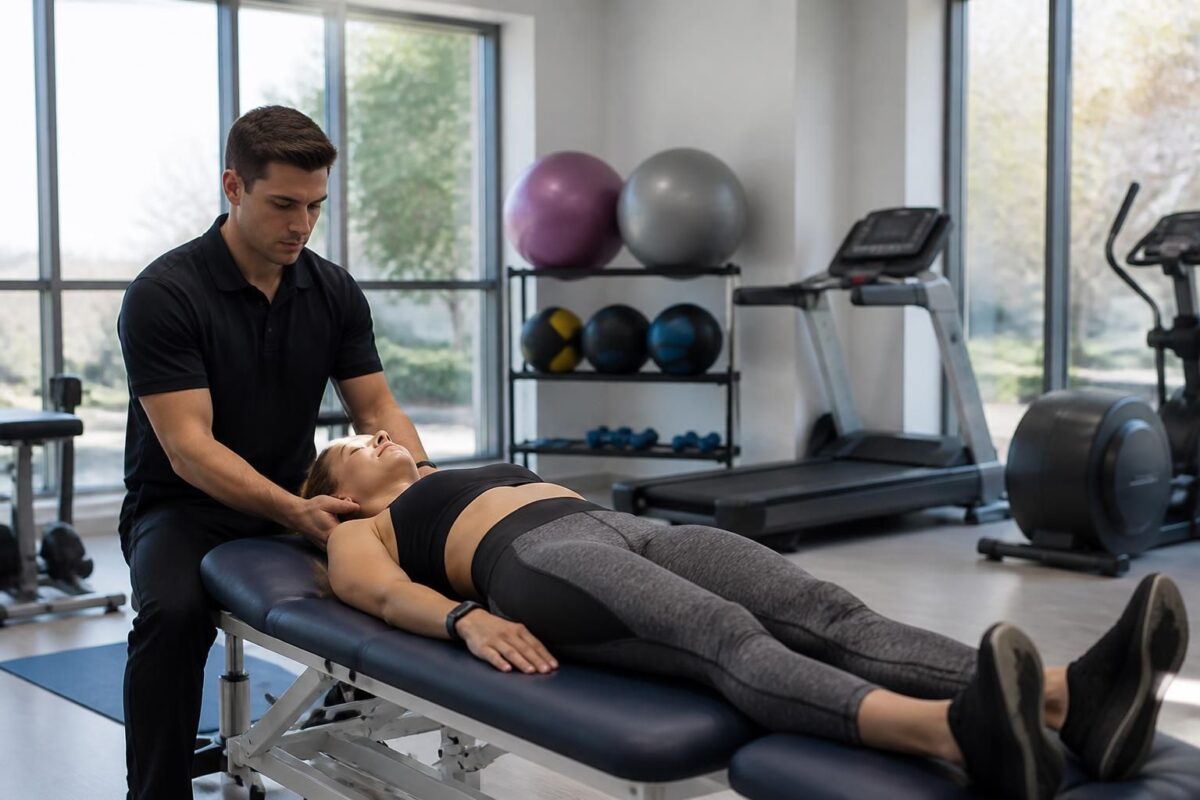
Neurovertebral decompression and recovery after severe sports injury
In short In short, the neurovertebral decompression is one Non-invasive method to Relieve the pressure on the Intervertebral discs and the gristle Via a Controlled traction, to facilitate the recovery After a severe sports injury. It improves the bloodstream towards…
Integration into a personalized care plan
Decompression is part of an approach personalized and must be associated with appropriate follow-up. It can be supplemented by other non-invasive modalities, in order to optimize the results and target the underlying causes of nervous tensions. The goal is a clear, measurable and safe progression for each patient.
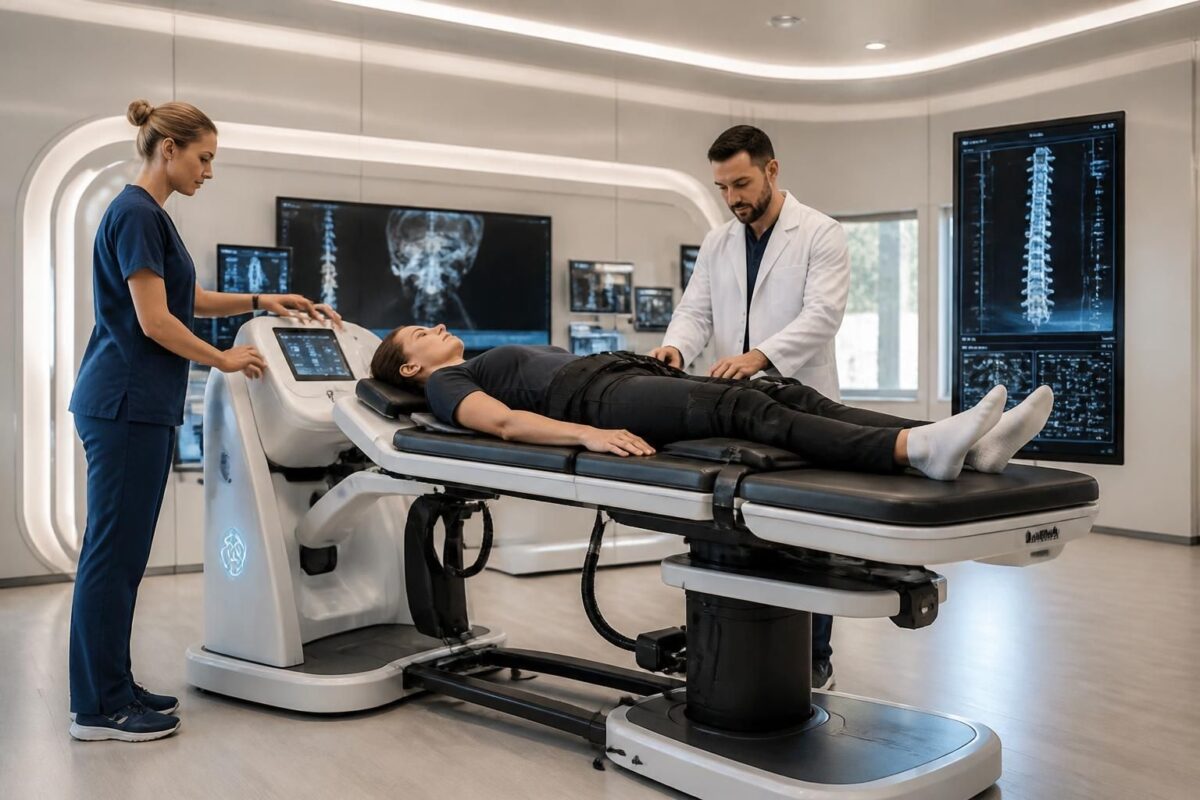
Recent innovations in neurovertebral decompression technologies
In short In short, the neurovertebral decompression is an approach non-invasive Aiming to reduce pressure on discs and nerves, and promote tissue regeneration. At Montreal, it is positioned as an effective option for lower back pain and herniated discs. The…
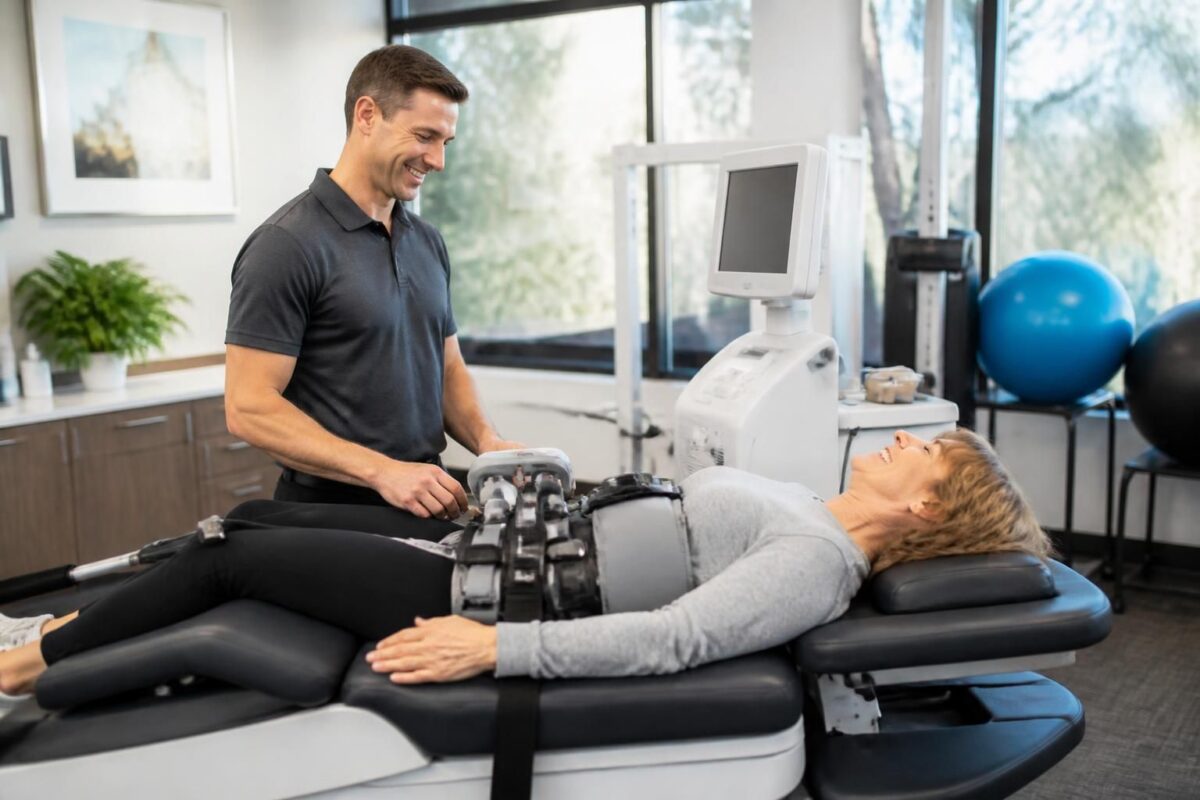
Neurovertebral decompression and diffuse pain: an appropriate solution
In short In short, the neurovertebral decompression is one Non-invasive solution For diffuse pain related to nerve irritation of the spine. She acts in Reducing pressure on intervertebral discs and nerves and improving the bloodstream, which promotes recovery and the…
Long-term results and recurrence prevention
Beyond immediate relief, this approach promotes Maintenance of spinal alignment and can help prevent resumptions of pain related to inflammation of the nerve roots. The dedicated care plan aims to support a Sustainable mobility and a better quality of life.
Mechanisms of action of neurovertebral decompression on compressed nerve roots
| Aspect | Concise impact |
|---|---|
| Creation of intervertebral space | Reduces the pressure On the roots and discs, decreasing pain. |
| Release of tension around the nerves | Improves the Nerve conduction and decreases symptoms. |
| Improved local blood circulation | Bring more than nutrients and doxygen to nervous tissue, accelerating healing. |
| Inflammation reduction | decreases linflammation Around the roots, lowering the pain. |
| Decreased muscle spasms | Reduces the spasms which aggravate the compression. |
| Stimulation of nerve regeneration | promotes the Nerve regeneration thanks to better irrigation and nutrient supply. |
| Improving mobility | Help find therange of motion and daily activities. |
| Non-invasive approach | avoid the risks surgical and recovery times. |
| Personalized follow-up and adaptation | care plan adjusted as needed for Optimize results. |
Testimonials on the action of neurovertebral decompression on compressed nerve roots
Lucie, 54: neurovertebral decompression immediately decreased the pressure on my nerves And calmed the pains that woke me up at night. I feel the Compressed nerve roots Relax and my mobility is gradually returning.
Jean, 50 years old: before the start of treatment, I had pain that radiated along the column because of Compressed nerve roots. With the gentle traction that creates a space between the vertebrae, I noticed a Reduction of inflammation And better circulation in the affected area, which made my movements more free.
Sophie, 47: After an accident, tensions on the nerves persisted with tenacious pain. Through an approach non-invasive, the nerve pressure quickly dissipated and my nights became calmer, with a noticeable improvement in mobility.
Marc, 62: not only did the pain subside, but thevertebral alignment improved, which reduced tensions around Compressed nerve roots and promoted healing. I find activities that I had stopped for fear of pain.
Clara, 39: My nights were disturbed by pain related to Compressed nerve roots. After a few sessions, sleep came back and pain went down, allowing me to resume my daily activities with confidence.
Emma, 29: For a sportswoman like me, decompression released tensions and accelerated recovery. I won in mobility and in pain reduction, which helps me resume my workouts safely.
This osteopathic doctor, founding president of the Tagmed clinics and the ACMA association, is recognized for his approach to innovation and scientific evidence. Its practice incorporates advanced technologies such as neurovertebral decompression, laser and shock wave therapies to treat Chronic pain related to compressed nerve roots.
Neurovertebral decompression is based on gentle and targeted traction exerted on the spine. This controlled mobilization creates a space between the vertebrae, which decreases the pressure exerted on the intervertebral discs and adherent nerve roots. This progressive action spares the nerves while facilitating their return to a normal working condition, which is essential for the reduction of symptoms.
By releasing the pressure around the nerve roots, the technique acts directly on local inflammation. Less compression results in a decrease in the painful signal and an improvement in the comfort of the nerves concerned. This inflammatory reduction also promotes better functional integrity of the nerves, allowing nerve messages to circulate more clearly and to regulate sensations and movements more effectively.
Another key mechanism lies in improving blood circulation in the affected area. The space created between the vertebrae facilitates the irrigation of nerve tissue and the supply of essential nutrients while accelerating the evacuation of metabolic waste. Better oxygenation and nutrition of the nerve tissues accelerate healing processes and support functional recovery.
Neurovertebral decompression can also promote the regeneration of damaged nerves and contribute to the decrease in muscle spasms that often accompany radicular pain. By reducing tension around the nerve roots, it allows a lasting reduction in pain and a gradual resumption of daily and sports activities, with a regained range of motion.
On a practical level, this approach is part of a personalized therapeutic framework. Each patient benefits from an adapted program, with continuous adjustment of traction and regular evaluation of progress. The use of non-invasive therapy offers a low risk profile and increased safety, while avoiding complications associated with surgical procedures.
In integrated practice, neurovertebral decompression is often associated with other modalities such as laser or shockwave treatments, in order to optimize the results. This synergy makes it possible to simultaneously address the mechanical, inflammatory and neurophysiological components of pain related to the compressed nerve roots, thus offering a complete path to a better quality of life and regained mobility.
Quick summary: neurovertebral decompression acts on the Compressed nerve roots By releasing tensions, widening the space between the vertebrae and improving local circulation. This approach non-invasive May reduce inflammation and pain, while facilitating recovery and return to normal activity. This article details the mechanism, benefits and prospects for follow-up.
The heart of the neurovertebral decompression rests on a Controlled traction and feathery on the spine which created a vertebral space and thus reduces the pressure on the nerve roots and discs. This pressure reduction triggers an improvement in the bloodstream local, facilitating the supply of essential nutrients and the evacuation of metabolic waste, which promotes Nervous tissue regeneration and the Reduction of inflammation.
By releasing tensions around the nerves, this method acts directly on painful symptoms and neuropathic manifestations. Patients often report a rapid improvement pain and mobility after a few sessions, which contributes to a better quality of life and a progressive functional recovery.
Beyond relief, neurovertebral decompression acts in the long term by promoting better nerve function and reducing the risk of recurrence of pain related to inflammation of the nerve roots. This approach is often integrated into a global care plan, which can be associated with other complementary therapies such as laser sessions or shock waves to optimize results.
Processing customization and regular follow-up are essential. Each patient reacts differently and the protocol adjustment at each session maximizes the chances of sustainable recovery and minimizes risk studies. This approach non-invasive Offers a reliable and safe alternative to surgical procedures, while aiming for sustainable improvement in mobility and well-being.
To go further and understand the mechanisms, indications and clinical outcomes, you can consult these resources:
Decompression-neurovertebral and inflammation,
Complete guide,
Study results,
Winner duo,
Non-surgical solution,
What every patient should know,
Advanced pathologies,
Technologies used,
Advanced neuropathic pain,
quality of life.

Dr Sylvain Desforges, B.Sc., D.O., N.D., osteopath, is the founding president of TAGMED and of the ACMA association. He dedicates his practice to chronic spinal pain, low back pain and symptoms compatible with sciatica, particularly when pain radiates toward the buttock, leg, calf, foot or toes.
Through SOS Sciatique, he publishes educational content on sciatica symptoms, possible causes such as disc herniation, disc narrowing, foraminal stenosis or irritation of a lumbar nerve root, as well as non-surgical approaches that may be considered according to the evaluation. At Clinique TAGMED, care may include, depending on the case, motorized neurovertebral decompression, specific osteopathic care or precision percussion.
For an evaluation related to sciatica treatment in Montreal / Mount Royal or sciatica treatment in Terrebonne, please consult the services available at Clinique TAGMED.
Medical disclaimer
The information published on SOS Sciatique is provided for educational purposes only and does not replace a consultation, diagnosis, opinion or treatment provided by a physician or another authorized healthcare professional. The author of this article is neither a medical doctor nor a specialist in a medical specialty recognized by the Collège des médecins du Québec. The osteopathic, manual medicine or functional support approaches described on this site do not constitute medical acts and are not intended to replace medical follow-up.
Consult a physician or emergency service in cases of loss of bladder or bowel control, anesthesia in the saddle area, significant or progressive weakness in the leg or foot, fever, recent trauma, severe pain or rapid worsening of symptoms. For more details, please read our Legal Notice.