

How Neurovertebral Decompression Reduces Disc Tensions
25/06/2026
Technologies used for neurovertebral decompression
25/06/2026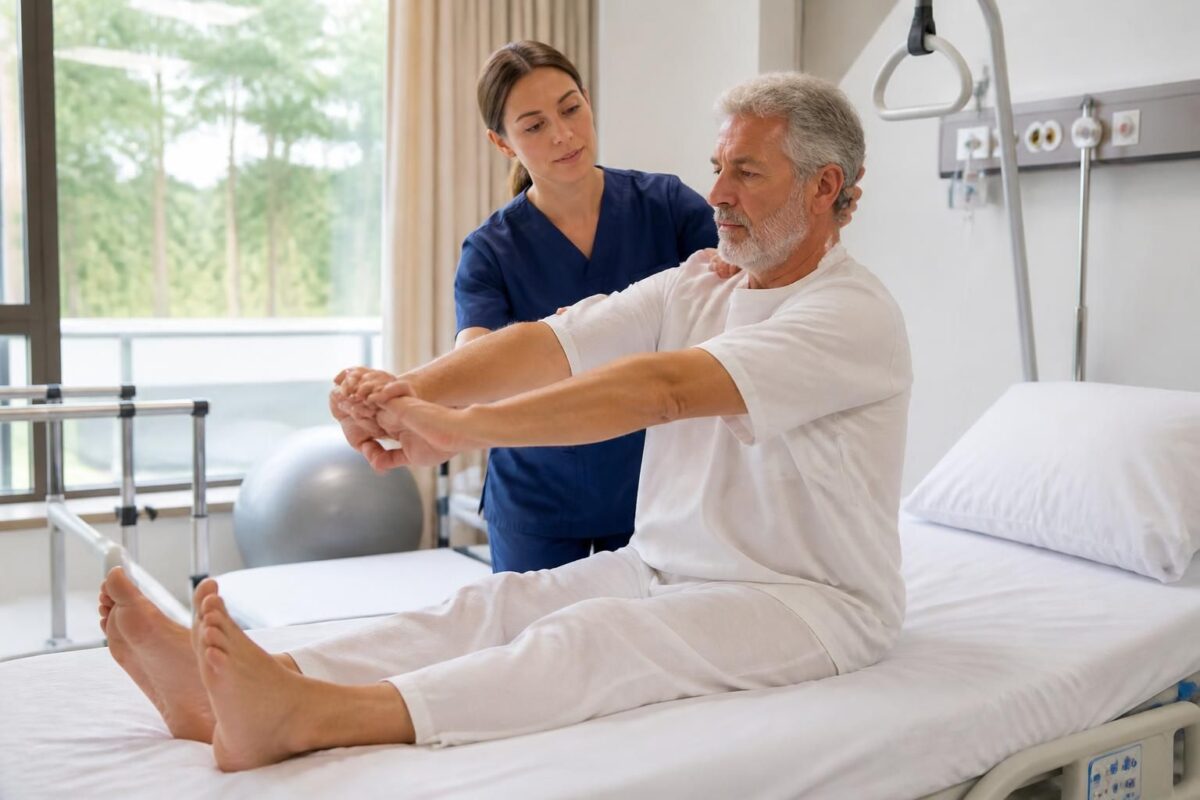
In short |
The neurovertebral decompression is an approach non-invasive aimed at reducing the pressure on the nerves and discs after a vertebral surgery. It promotes a Recovery after surgery faster and reduces the Postoperative pain while improving the mobility and the re-education. It integrates with a Overall care plan and can be adapted to each patient. In Montreal, this service supports recovery after spinal surgery and helps prevent recurrent pain. |
The neurovertebral decompression is an approach non-invasive who uses a Controlled traction To create space around the intervertebral discs and reduce the pressure on the nerves after a Disc pinch surgery.
Integrated in Post-operative recovery plan, it contributes to Reduce the pain, to Improve mobility and to Strengthen flexibility of the spine.
Associated with exercises physiotherapy and personalized follow-up, this therapy accelerates the re-education And can help prevent recurrent pain, while improving posture and general well-being.
This article, written by Dr. Sylvain Desforges, osteopath, clearly presents how the neurovertebral decompression can accompany the Recovery after surgery of the spine. It describes what the technique is, its indications after surgery and what you can expect in terms of pain regression and mobility improvement.
What is neurovertebral decompression?
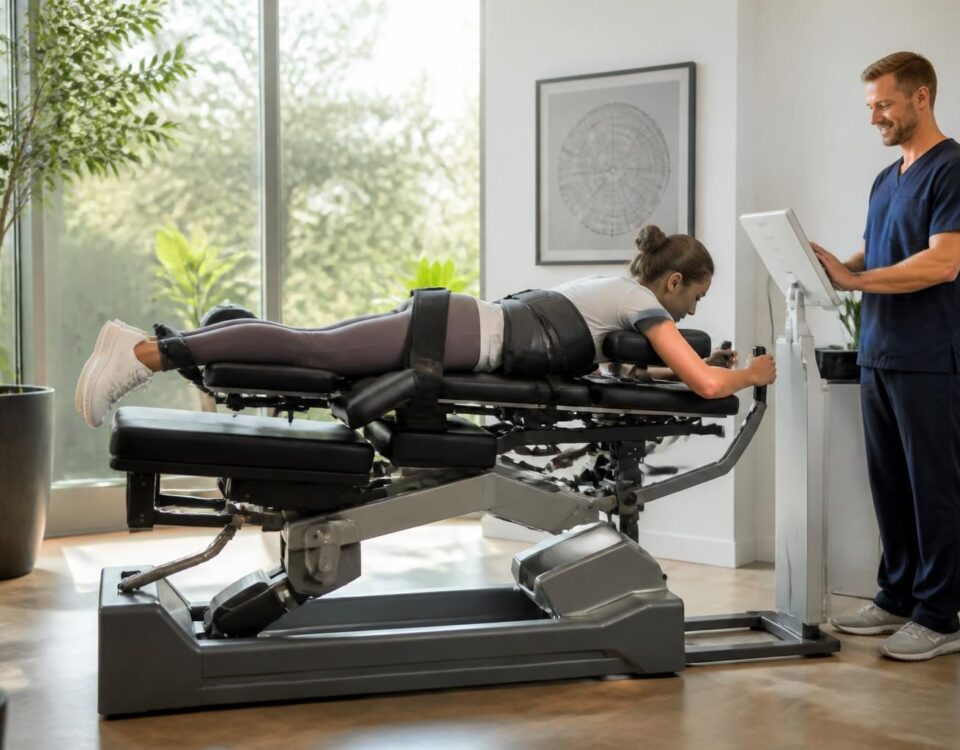
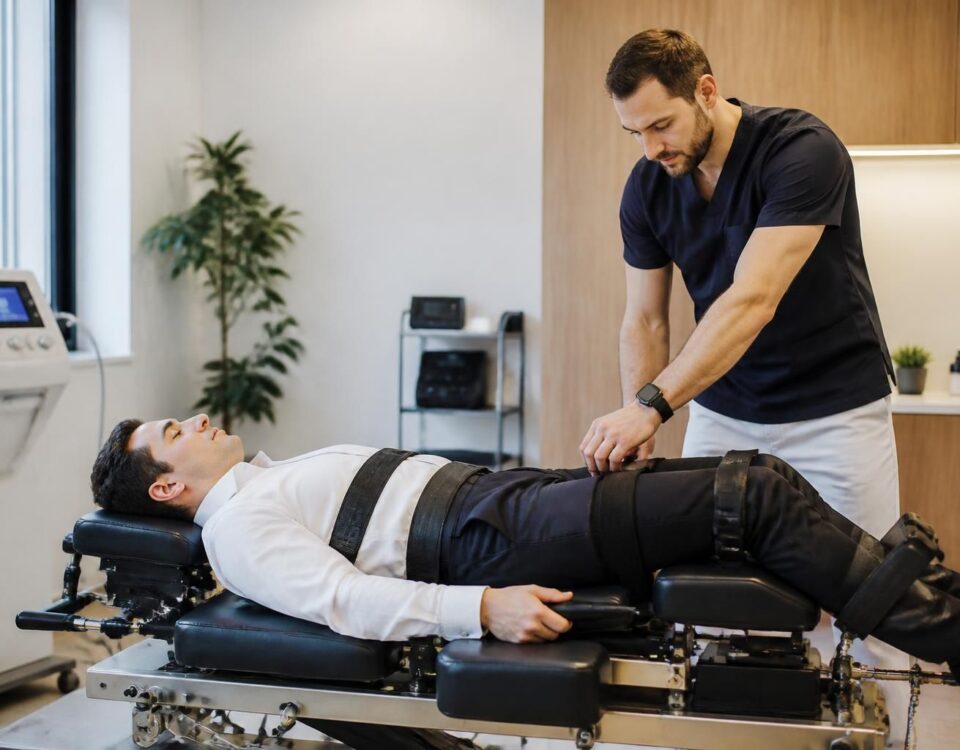
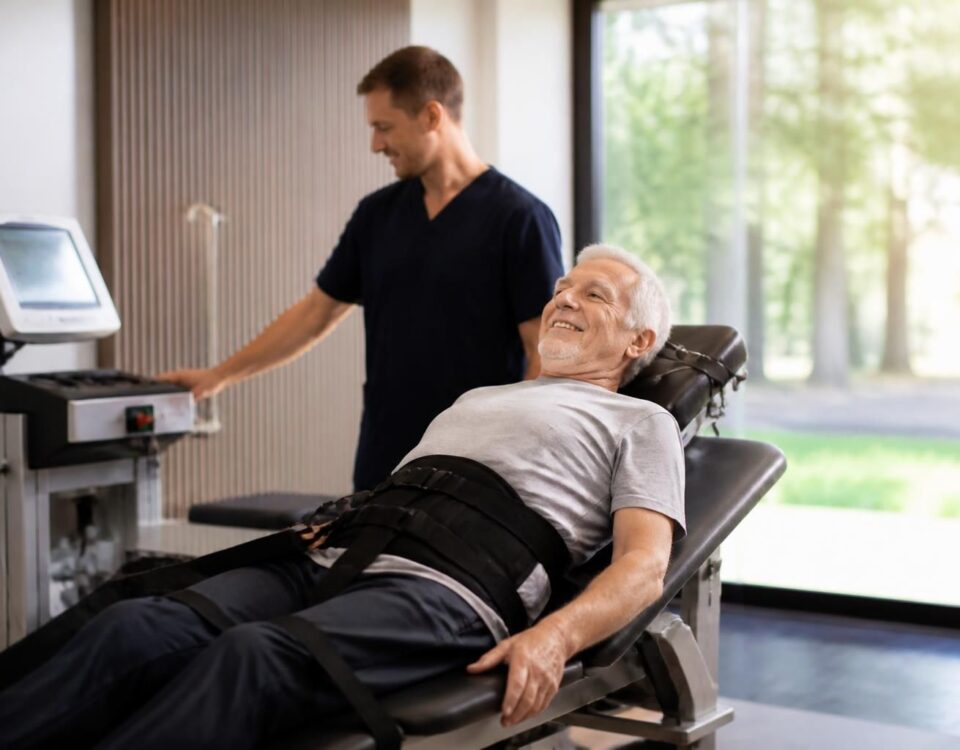
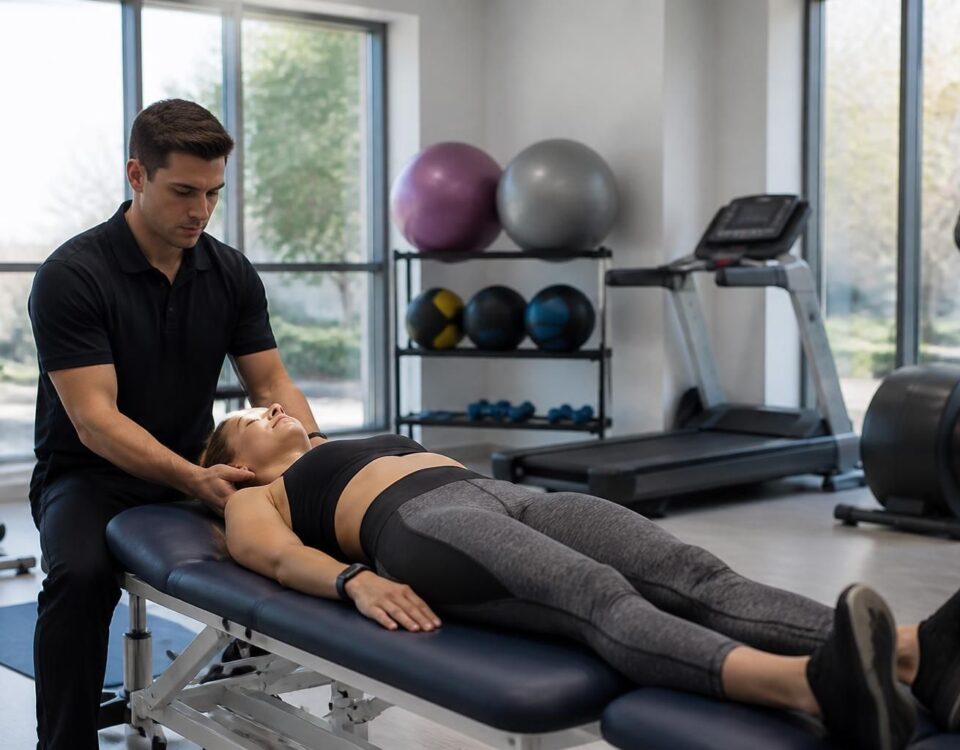
The neurovertebral decompression is a non-invasive approach that uses controlled traction to create space between the vertebrae. The objective is to reduce the pressure exerted on the nerves and discs. This method can be considered in addition to post-OP treatment to support recovery.
Indications after spinal surgery
After surgery, some patients continue to experience pain, stiffness or weakness. Neurovertebral decompression can help in these situations when the doctor judges that it fits with the care plan. It does not replace medical care, but it can be integrated into a global supervised rehabilitation strategy.
How it can help after surgery
This approach can contribute to Reduce the pain and to Improve mobility By acting on areas affected by nerve compression. It can also support blood circulation and reduce tension around the spine, which facilitates the resumption of daily activities under professional supervision.
Integration with treatments and coordination of care
Neurovertebral decompression fits into a global care plan. It is often offered in specialized clinics in Montreal or Terrebonne, in addition to other care supervised by health professionals. Associated technologies, such as soft modalities, can be used to optimize the recovery process while remaining non-invasive. To learn more about mechanisms and results, you can view resources such as pages dedicated to neurovertebral decompression and its post-op applications on specialized sites.
Risk and security
The treatment is non-invasive and generally safe when administered by trained practitioners and after assessment of contraindications. As with any process, there are minimal risks and limits. A professional assesses each patient before proposing this approach and adjusts the protocol based on the post-OP context and recovery pathway.
Resources and references to deepen
To understand the foundations of neurovertebral decompression and its role after surgery, you can consult the following resources:
Neurovertebral decompression and muscle tension: sossciatica.com
Neurovertebral decompression and post-surgical recovery: SoshernieDiscale.com
Mechanisms and principles of decompression: sossciatica.com
Global approach and recovery: decompressionneurovertebrale.com
Clinical information and practical publication: Cliniquetagmed.com
For a more general understanding of techniques and contexts, see also: SoshernieDiscale.com
Advanced and training: Professionals working in osteopathy rely on training recognized as NUMSS or NAO, as well as on the National University of Medical Sciences and the National Academy of osteopathy. In clinical practice, the approach aims for close coordination with the surgical team and other specialists involved in the care pathway.
Medical Disclaimer: The information and advice provided on this site does not replace the health professional’s diagnosis or treatment. Please note that Dr. Sylvain Desforges osteopath is neither a doctor of medicine nor a doctor, and is not a specialist in a medical specialty as defined by the Collège des Médecins du Québec. Manual medicine, functional medicine and sports medicine as described on this site exclude any medical treatment or diagnosis made by a doctor or specialist doctor. Always consult your doctor for any medical questions. For more details, please read our full legal notice.
- Pain Reduced after surgery
- Mobility Improved and regained amplitude
- Stability Reinforced spinal
- Posture and optimized alignment
- Return progressive to daily activities
- Monitoring Medical and personalized rehabilitation
- Management pain (adapted pattern)
- Drill graduals and targeted reinforcement
- Hygiene site and sign monitoring
- To avoid intense efforts and respect the contraindications
- hydration and high fiber diet

This sheet provides a practical overview of the neurovertebral decompression and the landmarks of recovery After a surgical intervention. It emphasizes a suitable progression, a good posture and coordination with your healthcare team to reduce the pain and promote the stability of the spine.
Understand the basics of recovery
The neurovertebral decompression aims to relieve the pressure exerted on the Spinal nerves and the Intervertebral discs after surgery. In practice, it is part of a non-invasive and targeted approach that accompanies the re-education and the gradual return to your activities. The goal is to reduce tension, improve mobility and prevent recurrences through lasting improvement in alignment and spinal function.
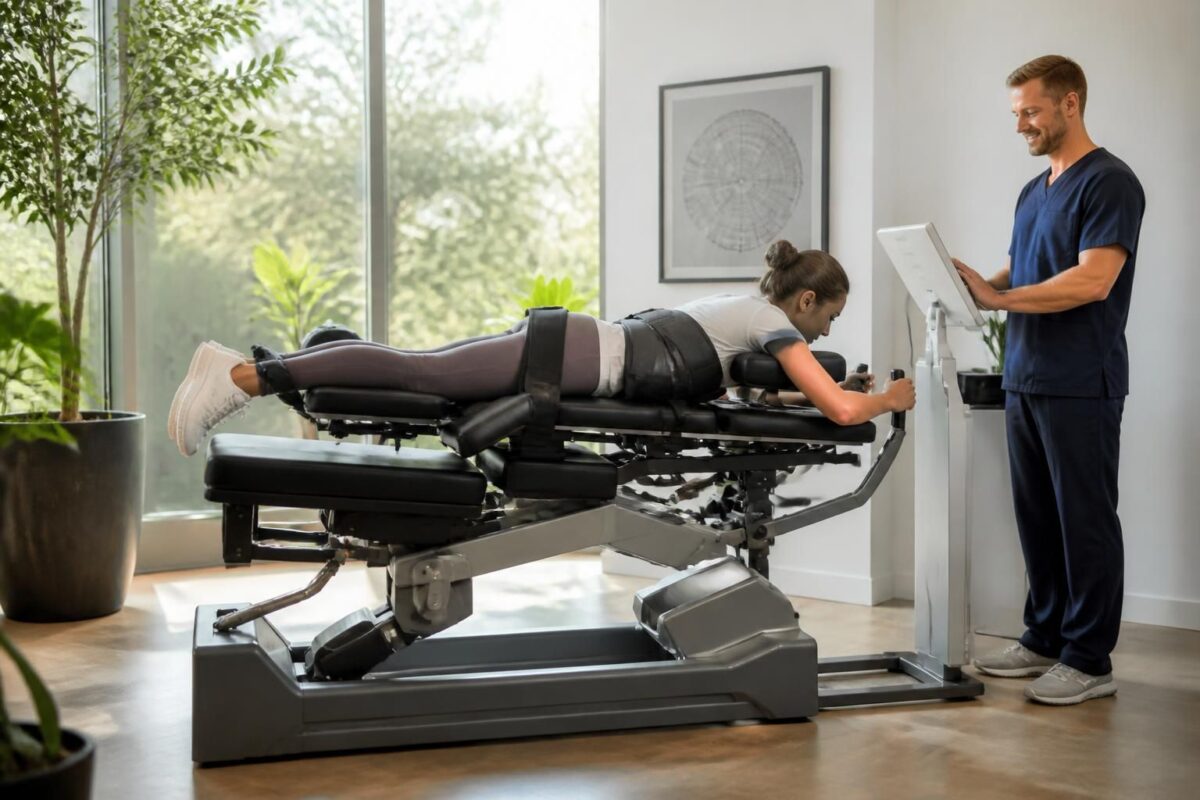
The long-term benefits of neurovertebral decompression for spinal health
In short In short, the neurovertebral decompression is a non-invasive approach that decreases the Pressure on intervertebral discs and nerves, favoring the Natural regeneration and tissue recovery. Its long-term benefits include Lasting pain reduction, Improving mobility and from the posture,…

Neurovertebral decompression and mobility: a return to an active life
In short In short, the neurovertebral decompression is therapy non-invasive who uses a gentle traction To create a space between the vertebrae and reduce the pressure on the Intervertebral discs and the nerves. It promotes a bloodstream improved, lowers tension…
Step by step recovery plan
Initial phase (0 to 48 hours)
After the operation, the priority is safety and pain control. Stay aware of your pain tolerance, take a deep breath and move slowly within the limits indicated by your team. Protect the surgical site, keep it clean and dry, and carefully follow the diet and hydration instructions to promote healing.
First weeks (2 to 6 weeks)
Begin a moderate and progressive activity, such as walking, and incorporate mobility exercises guided by your health professional. Avoid intense flexions, sudden twists and heavy loads. Adopt a suitable sleeping position, favoring spinal stability and relieving sensitive areas.
Consolidation phase (6 weeks and more)
Gradually increase the intensity of strengthening and stability exercises, by combining directed rehabilitation sessions. Maintain a suitable daily routine and make sure to integrate favorable life habits to the spine (regular activity, balance between effort and rest). Keep working with your team to adjust the plan based on your progress and symptoms.
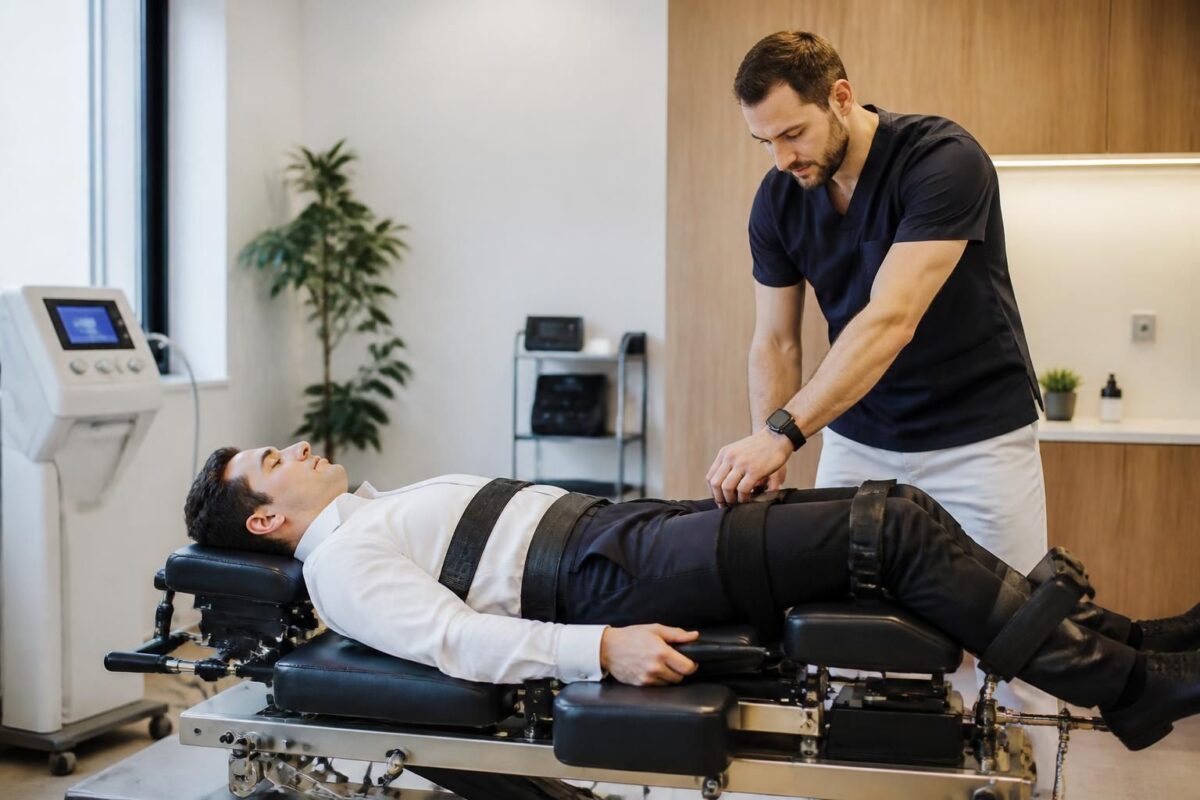
How Neurovertebral Decompression Prevents Diffuse Chronic Pain
In short decompression neurovertebral is one Non-invasive method aimed at reducing the Pressure on the intervertebral discs and the nerves, in order to prevent Diffuse chronic pain. It improves the circulation and thedisc hydration, decreases inflammation and promotes better mobility.…
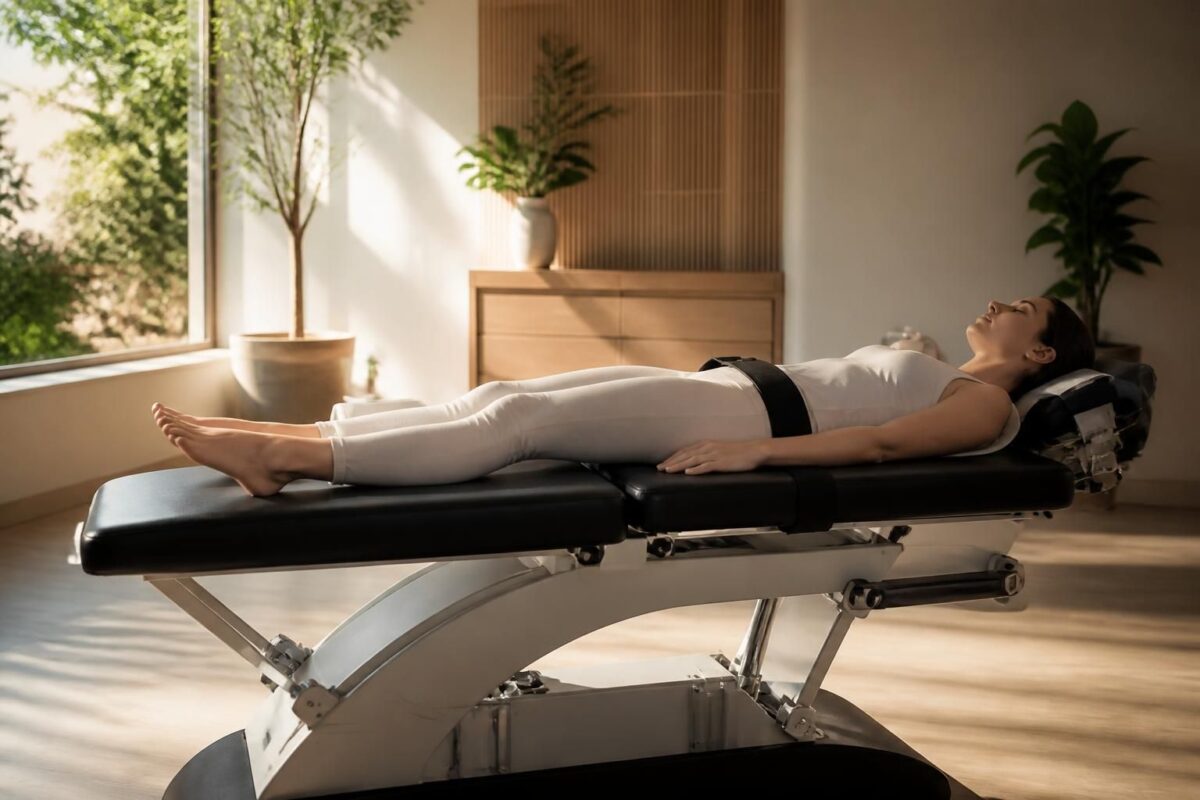
Neurovertebral Decompression and Body Alignment: Restoring Natural Balance
In short In short, neurovertebral decompression is one Non-invasive approach who restores theBody Alignment and thenatural balance back and neck. She acts by a Controlled traction of the spine to widen the intervertebral space and reduce the Pressure on discs…
Practical recommendations and safety
Hold a posture neutral on a daily basis and during activities. Avoid sudden movements and favor controlled gestures. Follow the advice on working and rest positions to limit the constraints on the column.
Manage it pain With the treatments prescribed and favor, where possible, complementary non-drug approaches. Use local relief techniques that are right for you and discuss their relevance with your doctor.
For care, monitor the surgical site and apply the recommended hygiene measures. Avoid unauthorized creams or lotions on the site and follow the instructions for nautical activities and baths until a green light is obtained.
Hydrate yourself and favor a diet rich in fiber in order to limit constipation associated with certain analgesic treatments. Adapted stress management and sufficient sleep also contribute to effective recovery.
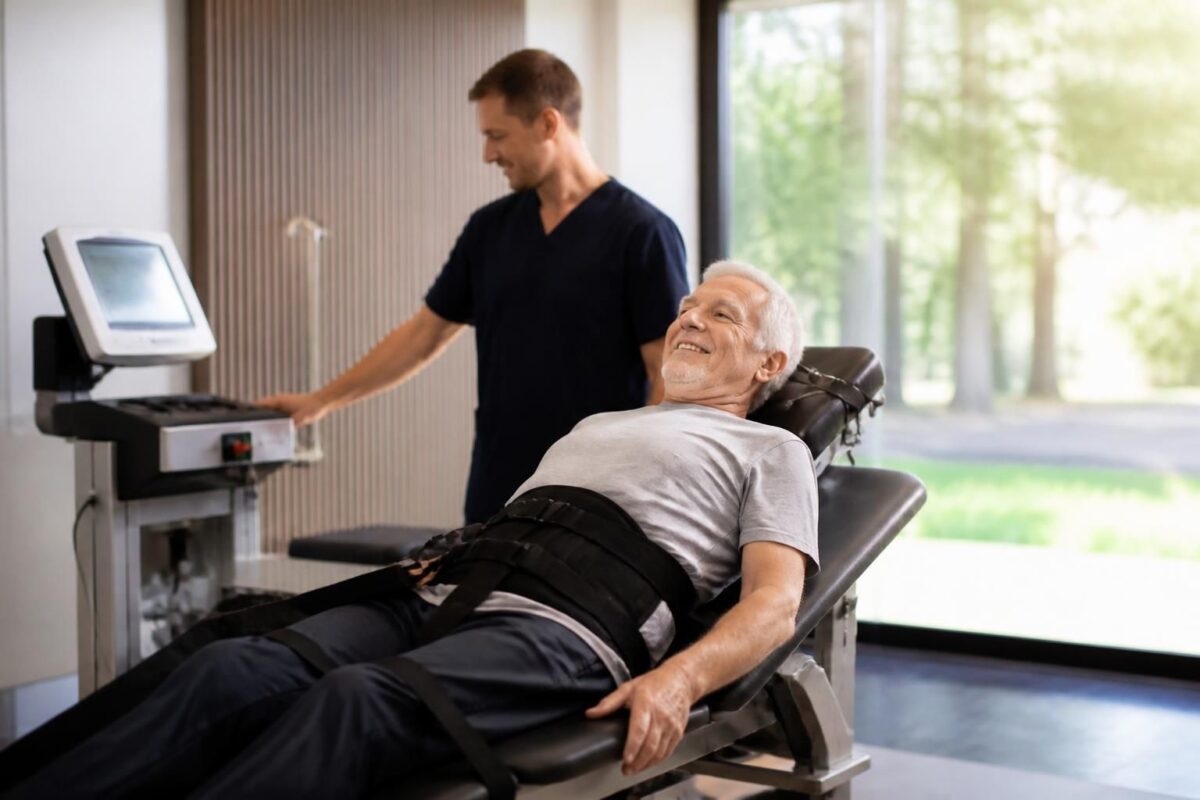
Why neurovertebral decompression is a lasting solution for active seniors
In short In short, the neurovertebral decompression is one Non-invasive therapy which sustainably relieves spinal pain in the spine active seniors By creating, by a Soft and controlled traction, a space between the vertebrae. At Montreal, it is recognized as…
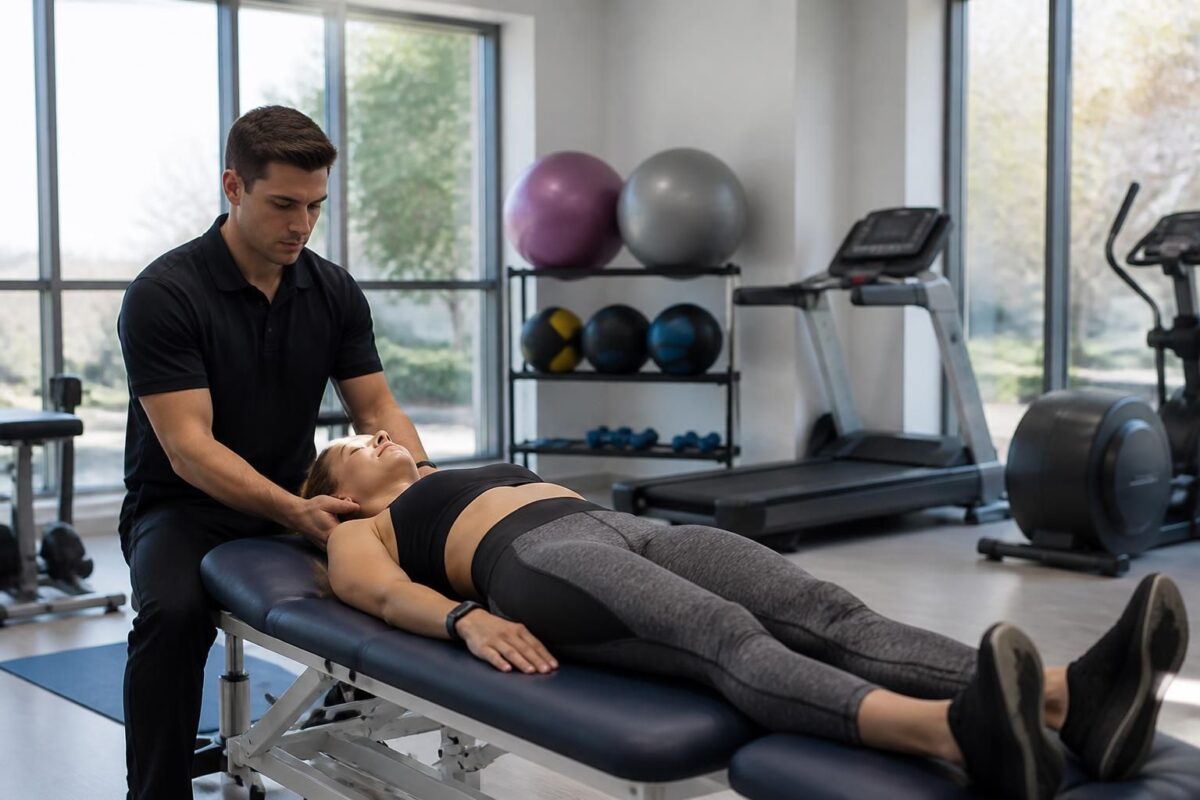
Neurovertebral decompression and recovery after severe sports injury
In short In short, the neurovertebral decompression is one Non-invasive method to Relieve the pressure on the Intervertebral discs and the gristle Via a Controlled traction, to facilitate the recovery After a severe sports injury. It improves the bloodstream towards…
Warning signs and tracking
Contact your doctor quickly if you have a fever, pain that gets worse or persists despite treatment, redness or discharge at the operative site, loss of sensitivity or new weakness in the limbs. Urinary or intestinal disorders, or pain that does not decrease, require a precise medical evaluation.
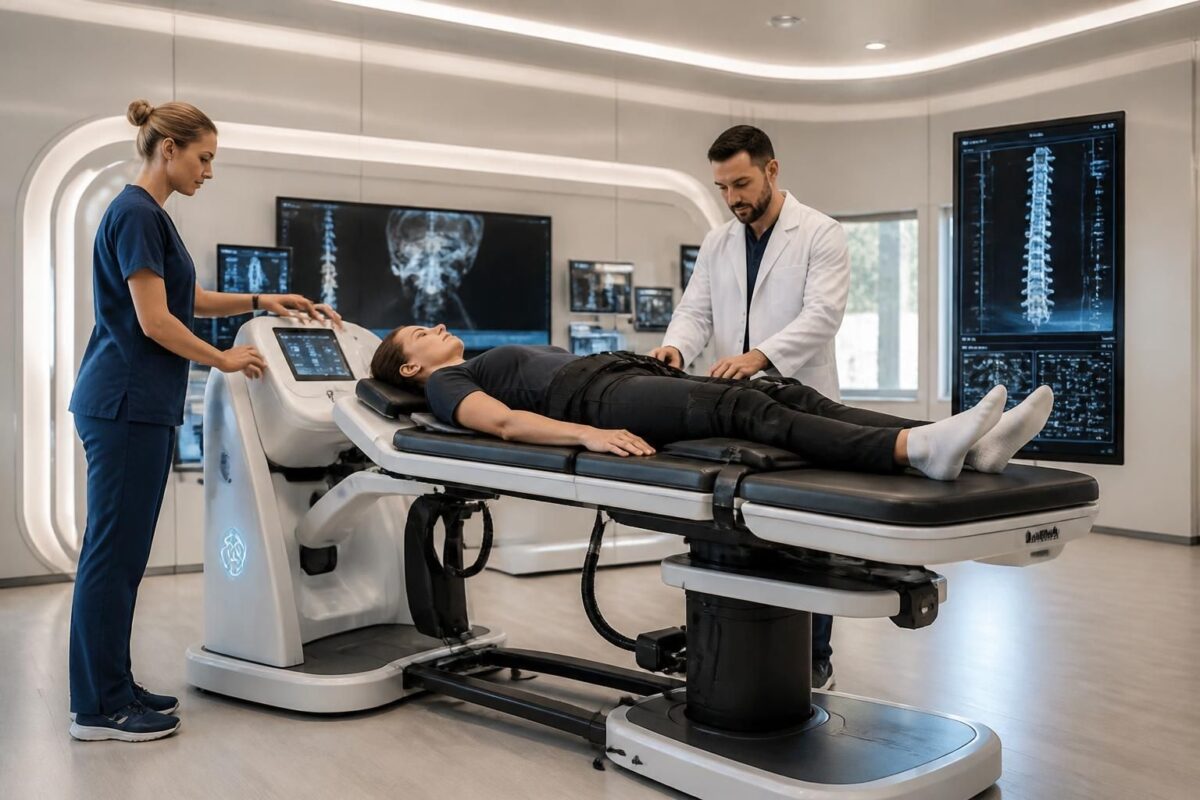
Recent innovations in neurovertebral decompression technologies
In short In short, the neurovertebral decompression is an approach non-invasive Aiming to reduce pressure on discs and nerves, and promote tissue regeneration. At Montreal, it is positioned as an effective option for lower back pain and herniated discs. The…
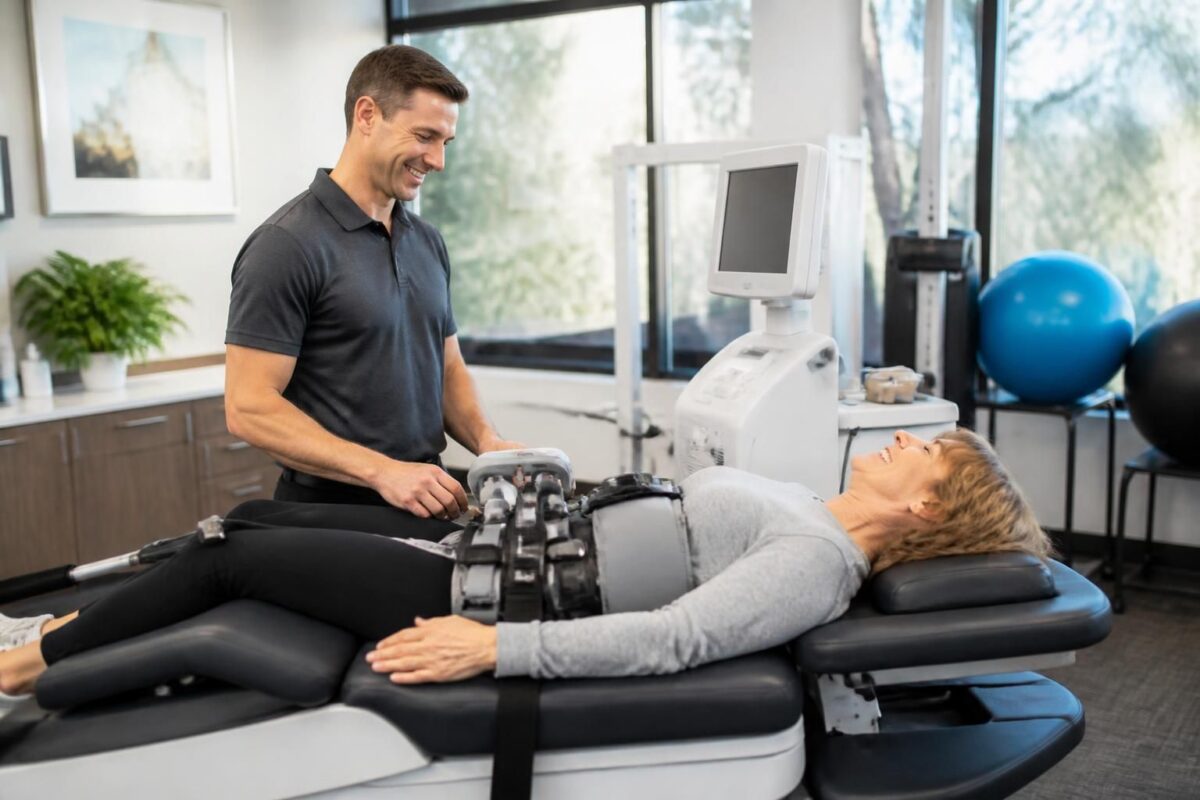
Neurovertebral decompression and diffuse pain: an appropriate solution
In short In short, the neurovertebral decompression is one Non-invasive solution For diffuse pain related to nerve irritation of the spine. She acts in Reducing pressure on intervertebral discs and nerves and improving the bloodstream, which promotes recovery and the…
Coordinated approach and personalized progression
Recovery is based on an integrated and personalized approach, combining re-education, postural advice and possible non-invasive additional care. Work closely with your osteopath, physiotherapist and surgeon to adapt the plan to your situation and optimize long-term results.
| Element | Description |
|---|---|
| Main indication | Wish Relieve nervous compression and the associated pains, restoring space around the nerves. |
| recovery time | progressive recovery on A few weeks to months, depending on the location and the possible need for a merger. |
| Postoperative pain | Moderate initial pain that gradually decreases with care and healing. |
| Mobility and function | gradual improvement of therange of motion and from the muscle strength. |
| Stability and posture | recovery of thevertebral alignment and stability; A fusion may be necessary for long-lasting maintenance. |
| Role of complementary therapies | The physiotherapy and theosteopathy support rehabilitation and strengthen the back. |
| Restrictions and activities | avoid heavy effort and sudden movements; Follow postoperative instructions. |
| Monitoring and reassessment | Regular checking visits and rehabilitation program adjustments if necessary. |
| Risks and prevention | possible infection and persistent pain; Prevention through hygiene, mobilization and compliance with medical instructions. |
Testimonials on neurovertebral decompression and recovery after surgery
“After my intervention for a disc pinching, the pain decreased rapidly. The neurovertebral decompression released her nerves and I felt a real Improving mobility from the first weeks. »
“I dreaded the postoperative and the healing seemed long. With the sessions of neurovertebral decompression, I experienced a significant reduction in the pain and an recovery More fluid, allowing me to resume my daily activities earlier than expected. »
“After the operation, I had trouble leaning over and moving. Over the course of the treatments, my flexibility came back and I can do gardening and cycling again without excessive fatigue. Thank you to this program which supports the recovery. »
“The progress was guided and reassuring. The framework non-invasive and the targeted sessions really helped to appease the pain and restore the posture. I feel more confident in my rehabilitation. »
“I noticed a marked improvement in my posture And my balance after decompression sessions. My back thanks me and I find simple gestures without tension. »
“The care plan was personalized and the regular follow-up allowed me to stay motivated. Thanks to this approach, my recovery Post-operative accelerated and I was able to resume my professional activities smoothly. »
Dr. Sylvain Desforges, osteopath and expert in manual medicine and Naturopathy, is the founding president of the Tagmed clinics and the ACMA association. His career is guided byHealth Innovation and a deep commitment to the management of Chronic pain. He specializes inPostoperative support and the integration of advanced technologies such as vertebral decompression, the laser and the Shockwave therapy. Its mission is to offer evidence-based care to optimize the health and well-being of his patients. Through his approach, he works in collaboration with the surgical teams to promote effective recovery after intervention on the spine.
As part of recovery after spinal surgery, the neurovertebral decompression is presented as a non-invasive therapy that can complement the surgical procedure by reducing the pressure on the nerves and improving the local blood supply. During the process, it aims to create additional space around the intervertebral discs by gentle traction techniques and other targeted modalities, in order to alleviate tensions and accompany healing. This approach is particularly useful when radicular pain persists or when mobility is limited after spinal intervention.
The role of the practitioner is to develop a personalized plan that combines the principles ofosteopathy, from the manual medicine and complementary therapies to surgery. Dr. Desforges favors progressive care, combining decompression sessions, targeted exercises and patient education on postures and daily gestures. It integrates adapted technologies and rehabilitation protocols to optimize the Postoperative recovery and promote a return to normal activity. The objective is to restore function, improve flexibility and secure the spine during rehabilitation.
His method is based on close collaboration with surgeons and other health professionals in order to harmonize the preoperative and postoperative phases. After the procedure, the patient follows a personalized course including rest periods, measured progression of activities and a program of adapted exercises. The focus is on education, pain management and maintenance of hydration and diet conducive to healing. Regular checks make it possible to adjust the protocol and ensure smooth and lasting recovery.
In terms of results, the neurovertebral decompression After surgery can help reduce residual pain, restore mobility and strengthen back muscles. By integrating this care into a comprehensive rehabilitation strategy, patients can often accelerate the return to their activities and improve their posture. The pathway proposed by Dr. Desforges emphasizes a patient-centric approach based on evidence and consistency between manual interventions and technology therapies to support sustainable spinal health.
Through his leadership within TagMed clinics and the ACMA association, Dr. Desforges promotes a vision where innovation is not at the expense of safety; Each protocol is evaluated according to the available data and adapted to each patient. Its objective remains to support everyone towards a better quality of life thanks to an approach evidence-based and patient-centric.
This conclusion summarizes the key principles of the neurovertebral decompression and from the Recovery after surgery. It highlights how this non-invasive therapy can relieve pain, restore mobility and be part of a global rehabilitation plan, while taking into account individual variations and type of surgery.
The neurovertebral decompression acts by creating space around the intervertebral discs and nerves, which decreases the nerve pressure and promotes hydration and tissue recovery. This targeted action can reduce post-operative pain and improve the mobility and the posture, essential elements to resume daily and professional activities after heavy surgery.
Its effectiveness is based on an approach non-invasive which can be integrated into a rehabilitation plan personalized. It is often used in addition to other treatments and strengthening exercises, to support the healing process, avoid muscle tension and promote more fluid recovery in the long term.
Beyond the physical benefits, neurovertebral decompression can have a positive impact on the patient’s psychological state and confidence. By gradually reducing pain and improving the range of motion, it helps reduce recovery anxiety and promote better quality of life, while preparing the ground for sustainable functional reintegration.
For patients who have undergone surgery, successful recovery often depends on multidisciplinary support and careful follow-up. The association with methods articulated around osteopathy, physiotherapy and a suitable lifestyle maximizes the chances of a quick and safe return to normal activities. Additional resources and testimonials describe how this approach can improve posture, reduce tension and accelerate recovery after heavy surgery, while remaining focused on patient safety and comfort.
To deepen, you can check out the following resources that describe the foundations and applications of neurovertebral decompression:
Neurovertebral decompression – Wikipedia,
Neurovertebral decompression: solution for recurrent back pain,
Dr. Desforges – Neurovertebral decompression and recovery after surgery,
How does neurovertebral decompression work.

Dr Sylvain Desforges, B.Sc., D.O., N.D., osteopath, is the founding president of TAGMED and of the ACMA association. He dedicates his practice to chronic spinal pain, low back pain and symptoms compatible with sciatica, particularly when pain radiates toward the buttock, leg, calf, foot or toes.
Through SOS Sciatique, he publishes educational content on sciatica symptoms, possible causes such as disc herniation, disc narrowing, foraminal stenosis or irritation of a lumbar nerve root, as well as non-surgical approaches that may be considered according to the evaluation. At Clinique TAGMED, care may include, depending on the case, motorized neurovertebral decompression, specific osteopathic care or precision percussion.
For an evaluation related to sciatica treatment in Montreal / Mount Royal or sciatica treatment in Terrebonne, please consult the services available at Clinique TAGMED.
Medical disclaimer
The information published on SOS Sciatique is provided for educational purposes only and does not replace a consultation, diagnosis, opinion or treatment provided by a physician or another authorized healthcare professional. The author of this article is neither a medical doctor nor a specialist in a medical specialty recognized by the Collège des médecins du Québec. The osteopathic, manual medicine or functional support approaches described on this site do not constitute medical acts and are not intended to replace medical follow-up.
Consult a physician or emergency service in cases of loss of bladder or bowel control, anesthesia in the saddle area, significant or progressive weakness in the leg or foot, fever, recent trauma, severe pain or rapid worsening of symptoms. For more details, please read our Legal Notice.