The benefits of neurovertebral decompression on spinal stenosis
25/06/2026
Neurovertebral and sciatic decompression: non-invasive management
25/06/2026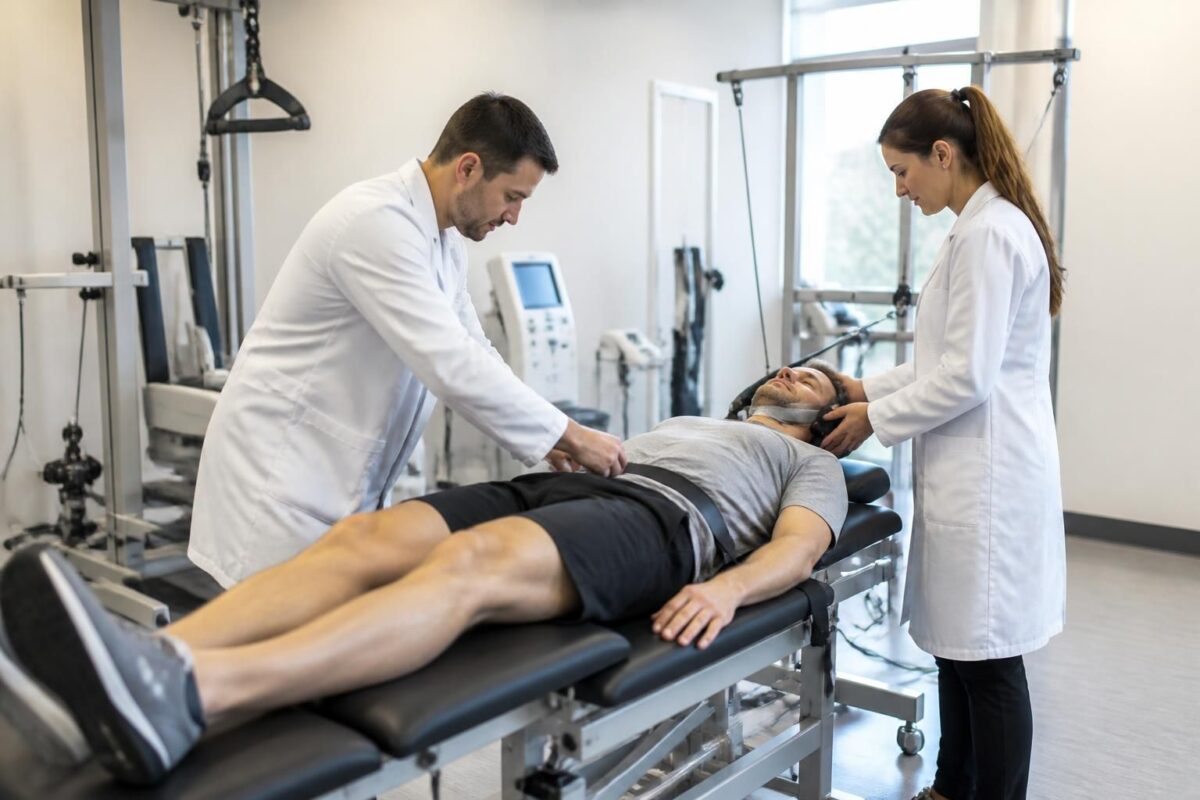
In short In short, Advanced Techniques of Neurovertebral Decompression constitute a Non-invasive approach To treat the acute pain related to spinal problems. They are based on a Controlled traction along the vertebral axis which creates a space between the vertebrae and releases the gristle and the Intervertebral discs, helping to reduce the pressure and inflammation. Key Benefits: Quick relief, Mobility found and Reduction of radicular pain, without the need for surgery or heavy drugs. This technique is particularly suitable for people with herniated discs, radiculopathies and stenosis, and is easily integrated into a multidisciplinary care program. |
The advanced techniques of neurovertebral decompression offer a solution non-surgical For acute spinal pain. They are based on a Controlled traction applied along the vertebral axis, creating a intervertebral space In order to reduce the Pressure on discs and the nerve roots.
- Objective: to relieve the acute pain related to causes such as herniated discs, radiculopathies and stenosis.
- Advantages: Method non-invasive, sessions relatively short, potential of Quick recovery and improving mobility.
- Limits: Variable efficacy by patient; requires a Medical assessment and personalized follow-up.
- Integration: often combined with other therapies and adapted to the individual case to optimize the results.
This approach should be carried out under the supervision of a health professional.
Advanced neurovertebral decompression techniques offer a non-pharmacological and non-surgical approach to quickly relieve spinal pain related to the spine. This article, written by a health professional and expert in the field, describes the foundations, technologies and indications of modern protocols, while specifying their place in a multidisciplinary care and directing towards reliable resources.
Principle and mechanisms : the neurovertebral decompression is based on a Controlled traction along the axis of the spine. This action aims to increase the space between the vertebrae, which can decrease the pressure exerted on the intervertebral discs and on the nerve roots. The desired result is improved disc nutrition and reduced nerve irritation, contributing to a faster recovery in mobility and comfort.
Non-surgical techniques and associated technologies
Non-surgical protocols use specialized devices that apply traction forces in a precise and gradual manner. These systems make it possible to obtain a negative pressure inside the discs, without causing the typical muscle contractions of conventional traction. This approach can promote disc rehydration and repositioning of spinal structures, while reducing pain and root symptoms.
The associated technologies often fit into a multidisciplinary offer. Sessions are generally short and repeated according to individual needs. The objective is to improve the circulation of nutrients in the spinal tissues and to reduce stress on the nerves, with a favorable safety profile when practiced by experienced professionals.
Clinical indications and choice of treatment
The indications mainly include acute pain associated with disc problems, such as herniated discs, protrusions or radicular compressions. Decompression can also be considered in the contexts of foraminal or lumbar stenosis when the clinical and radiological indications justify it. The choice between a non-surgical approach and a more invasive intervention depends on the lesion framework, the degree of compression and the response to prior treatments. In some cases, minimally invasive surgery may be considered if symptoms persist or worsen.”
For patients, the goal is a rapid reduction in pain, an improvement in mobility and a reduction in the use of painkillers. Advanced resources and protocols explain the mechanisms and results observed in athletes and in people with acute lower back and cervical pain. Consult the explanations available on specialized sites and clinics that integrate these technologies.
Integration into a multidisciplinary approach
Neurovertebral decompression is most often part of a global treatment. It can be associated with other non-I approaches for complementary purposes, such as laser or shockwave therapy to support tissue recovery and inflammation reduction. This integration aims to optimize the quality of life and the resumption of daily activities while limiting the rehabilitation periods.
At the TagMed Clinic, these technologies are used as part of a care program adapted to each patient and supervised by experienced professionals. To learn more about the approach and services offered, visit Tagmed Clinic.
Security elements and limits
Neurovertebral decompression is a technique non-surgical which has a favorable safety profile when carried out according to standard protocols and by trained practitioners. However, like any therapeutic modality, minor side effects can occur, such as temporary fatigue or temporary stiffness after a session. Efficacy may vary depending on the patient and the type of lesion. Some clinical data remain debated on the extent of long-term benefits and on the populations most likely to benefit from it.
For those who wish to explore the foundations and results of different approaches, available specialized resources include information on techniques and applications in athletes and patients with acute spinal pain.
Comparison of approaches and therapeutic choices
| Approach | strengths | Limits and Considerations |
|---|---|---|
| Advanced neurovertebral decompression (controlled traction) | Non-invasive, rapid improvement in comfort, better disc circulation, reduction of nerve pressures. | variable response, requires evaluation by a specialist; No single standard for all cases; follow-up needed. |
| Minimally invasive surgery (discectomy/laminectomy as appropriate) | Direct reduction of compression, lasting effect possible when appropriate. | Operating risk, recovery period, variable cost and accessibility. |
| Physiotherapy (in the context of a comparative table) | Useful approach for functional rehabilitation; sometimes beneficial in a global context. | more modest effects for acute pain related to targeted neural compressions; May be less effective alone than the options dedicated to decompression. |
| Laser and shockwave therapies | Potential complementary effects on tissue healing and symptom reduction. | variable results; Complementary role rather than main in acute pain of disc. |
Resources and references
To deepen the technical aspects and clinical applications, see the following resources:
- What types of sports injuries can benefit from neurovertebral decompression
- neurovertebral decompression – technology
- Modern techniques to maximize results in neurovertebral decompression
- Why neurovertebral decompression is effective for athletes
- How can neurovertebral decompression improve athlete mobility
- Neurovertebral Decompression Podcast
- Neurovertebral Decompression – A Modern Approach to Complex Vertebral Pain
- How neurovertebral decompression improves quality of life
- Neurovertebral Decompression – Focus on Advanced Techniques
- Study of current techniques and protocols
- Tagmed Clinic
Training and professional executive
The practice is part of the training courses recognized by organizations adjacent to osteopathy, including NUMSS, NAO, National University of Medical Sciences and National Academy of osteopathy. These facilities provide training and certification programs that support evidence-based practice and patient safety.
As part of a responsible approach, professionals are committed to avoiding inappropriate exercises or stretching when talking about neurovertebral decompression and associated conditions, so as not to aggravate a disc lesion or nerve compression.
To learn more about the care and services offered, please visit Tagmed Clinic, or explore the resources related to Pulse Align and other associated technologies in partner clinics.
Medical warning and legal framework, to read carefully:
Medical Disclaimer: The information and advice provided on this site does not replace the health professional’s diagnosis or treatment. Please note that Dr. Sylvain Desforges osteopath is neither a doctor of medicine nor a doctor, and is not a specialist in a medical specialty as defined by the Collège des Médecins du Québec. Manual medicine, functional medicine and sports medicine as described on this site exclude any medical treatment or diagnosis made by a doctor or specialist doctor. Always consult your doctor for any medical questions. For more details, please read our full legal notice.
Advanced Techniques of Neurovertebral Decompression
- Controlled mechanical traction : Targeted distraction to create an intervertebral space and reduce pressure on the nerve roots.
- Disc-focused non-surgical decompression : Rehydration and thickness return of the discs without surgery.
- Personalized cervical and lumbar traction : Protocols adjustable according to the level and location of the lesion to optimize the space.
- Shockwave therapy : Tissue stimulation to accelerate repair and quickly relieve acute pain.
- Therapeutic laser : Reduction of inflammation and acceleration of the healing processes of the spinal tissues.
- Electrotherapy : Targeted pulses to reduce pain and improve circulation around discs and nerves.
- Specialized osteopathic techniques : gentle mobilizations to release tension, restore alignment and improve mobility.
- Light neuromodulation : Non-invasive sensory stimulation that promotes neuromuscular rebalancing and reduces acute pain.
- Integrated multimodal approach : Coordinated traction, laser and tissue therapies for a rapid synergistic effect.
- Personalized monitoring and evaluation : adaptation of the protocol according to the patient’s response and the progress observed.

This guide presents the essential recommendations on Advanced Techniques of Neurovertebral Decompression for the acute pain. It describes how these techniques apply, which patients can benefit from, typical protocols, safety measures and integration with other care approaches to promote a rapid and sustainable recovery.
Indications and patient selection
The neurovertebral decompression is particularly suitable when the symptoms come from disc pathologies and the objective is to obtain relief without surgery. It can be considered for radicular pain that restricts mobility and daily activities, when other non-invasive treatments prove to be insufficient. The decision is taken after a clinical and radiological evaluation, in order to precisely target the level and type of lesion.
Before proposing this treatment, it is necessary to exclude contraindications and define the functional objectives of the patient. This approach, although non-surgical, requires safety protocols and appropriate supervision. A personalized plan, based on clinical history and mobility tests, guides the orientation towards this treatment and allows you to adjust the course as progress is made.
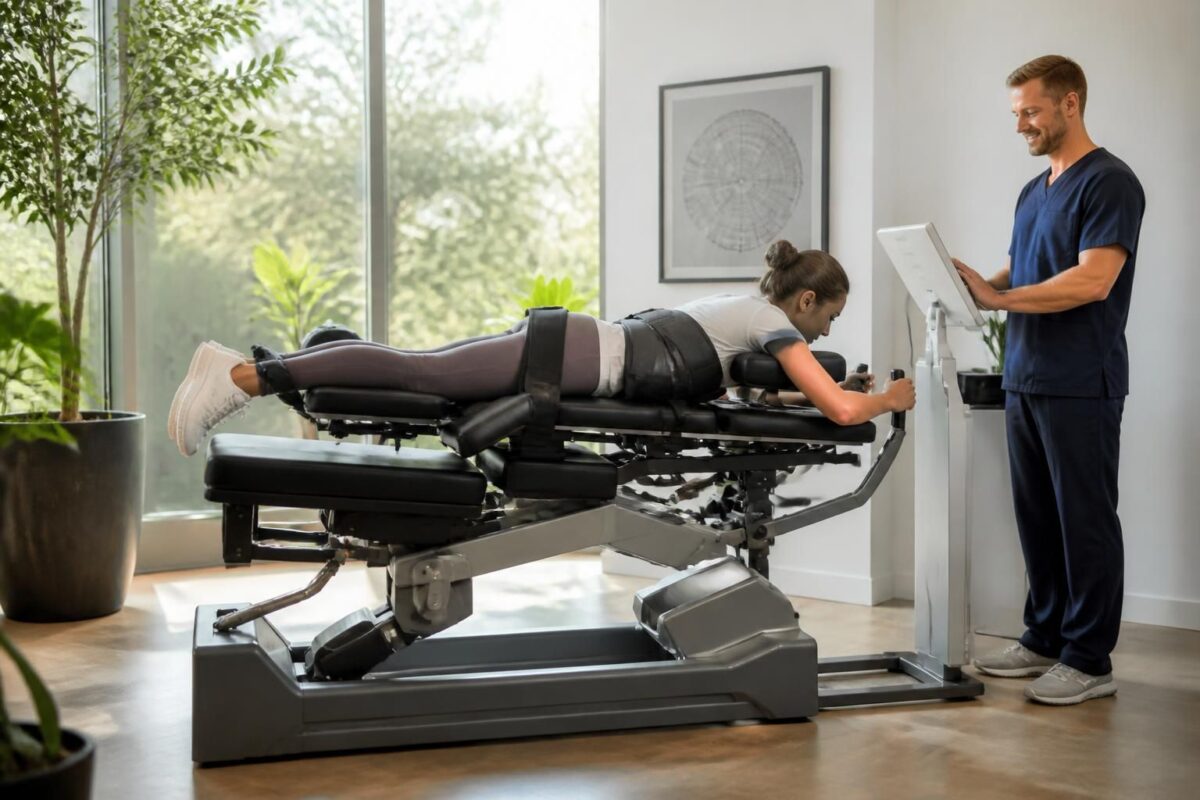
The long-term benefits of neurovertebral decompression for spinal health
In short In short, the neurovertebral decompression is a non-invasive approach that decreases the Pressure on intervertebral discs and nerves, favoring the Natural regeneration and tissue recovery. Its long-term benefits include Lasting pain reduction, Improving mobility and from the posture,…
Principles and methods
Controlled mechanical traction
The heart of the device is a gentle and precisely dosed traction along the vertebral axis. This action creates a space between the vertebrae and promotes the rehydration of the discs, while reducing the pressure on the nerve roots. Safety is ensured by clinical monitoring and the adjustment of the parameters according to the patient’s tolerance and the results observed.
Non-surgical approaches and associated modalities
In addition to traction, manual techniques and non-invasive modalities complete the treatment to support recovery. The objective is to improve mobility, reduce inflammation and optimize the nutrition of the intervertebral discs in order to support healing and prevent relapses. Progression is guided by clinical responses and regular functional evaluations.

Neurovertebral decompression and mobility: a return to an active life
In short In short, the neurovertebral decompression is therapy non-invasive who uses a gentle traction To create a space between the vertebrae and reduce the pressure on the Intervertebral discs and the nerves. It promotes a bloodstream improved, lowers tension…
Recommended protocols
A typical protocol provides 2 to 3 sessions per week Over a period of 4 to 6 weeks, adapted to the severity and response of the patient. Each session usually lasts between 20 and 30 minutes and can be adjusted according to comfort and pain level. A consolidation phase is then envisaged, with periodic evaluations to adjust the plan and strengthen the achievements.
Over the weeks, the objective is to improve the intervertebral space and the circulation of nutrients to the discs. The results depend on the consistency of the protocol and integration into other interventions, such as muscle strengthening, postural corrections and appropriate physical activities. Continuous monitoring optimizes settings and ensures secure progress.
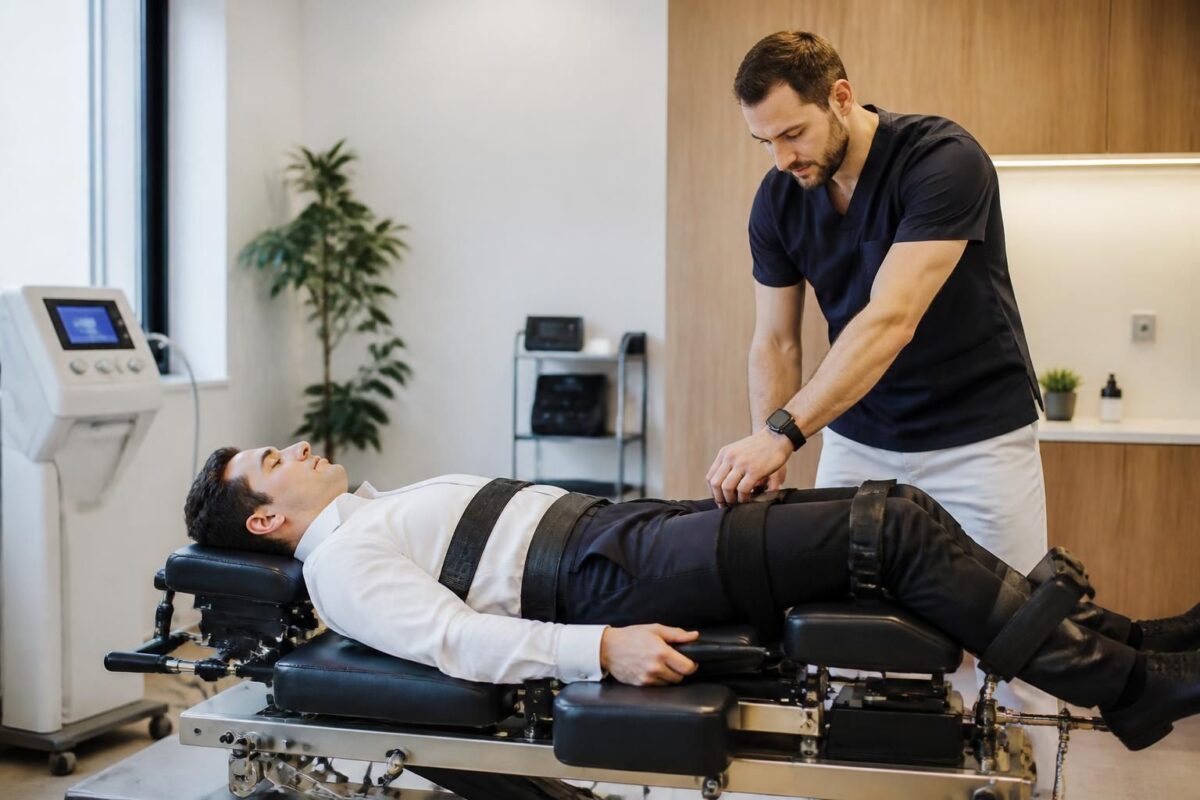
How Neurovertebral Decompression Prevents Diffuse Chronic Pain
In short decompression neurovertebral is one Non-invasive method aimed at reducing the Pressure on the intervertebral discs and the nerves, in order to prevent Diffuse chronic pain. It improves the circulation and thedisc hydration, decreases inflammation and promotes better mobility.…
Safety and contraindications
Safety is based on rigorous patient selection and reaction monitoring. Some conditions are contraindications, including unstabilized vertebral instability, recent fractures, infections, tumors, or certain comorbidities, such as major vascular disorders. In any case, an in-depth evaluation and follow-up make it possible to adjust the parameters and avoid risks.
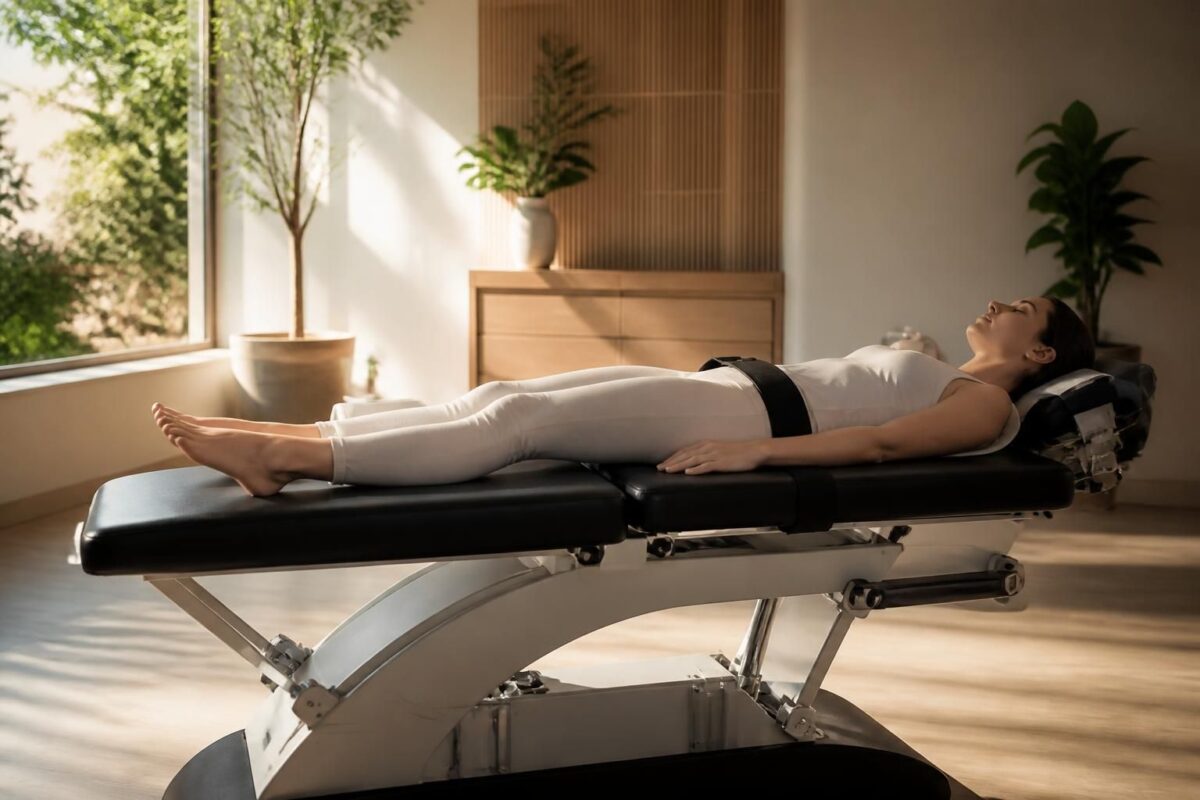
Neurovertebral Decompression and Body Alignment: Restoring Natural Balance
In short In short, neurovertebral decompression is one Non-invasive approach who restores theBody Alignment and thenatural balance back and neck. She acts by a Controlled traction of the spine to widen the intervertebral space and reduce the Pressure on discs…
Integration with other therapies and lifestyle
To optimize the results, decompression is part of a multidisciplinary approach. It can be associated with manual techniques, targeted physical therapies and muscle strengthening programs. Everything must be supplemented by advice on appropriate physical activity, balanced diet and stress management, in order to promote the recovery and prevention of relapses.
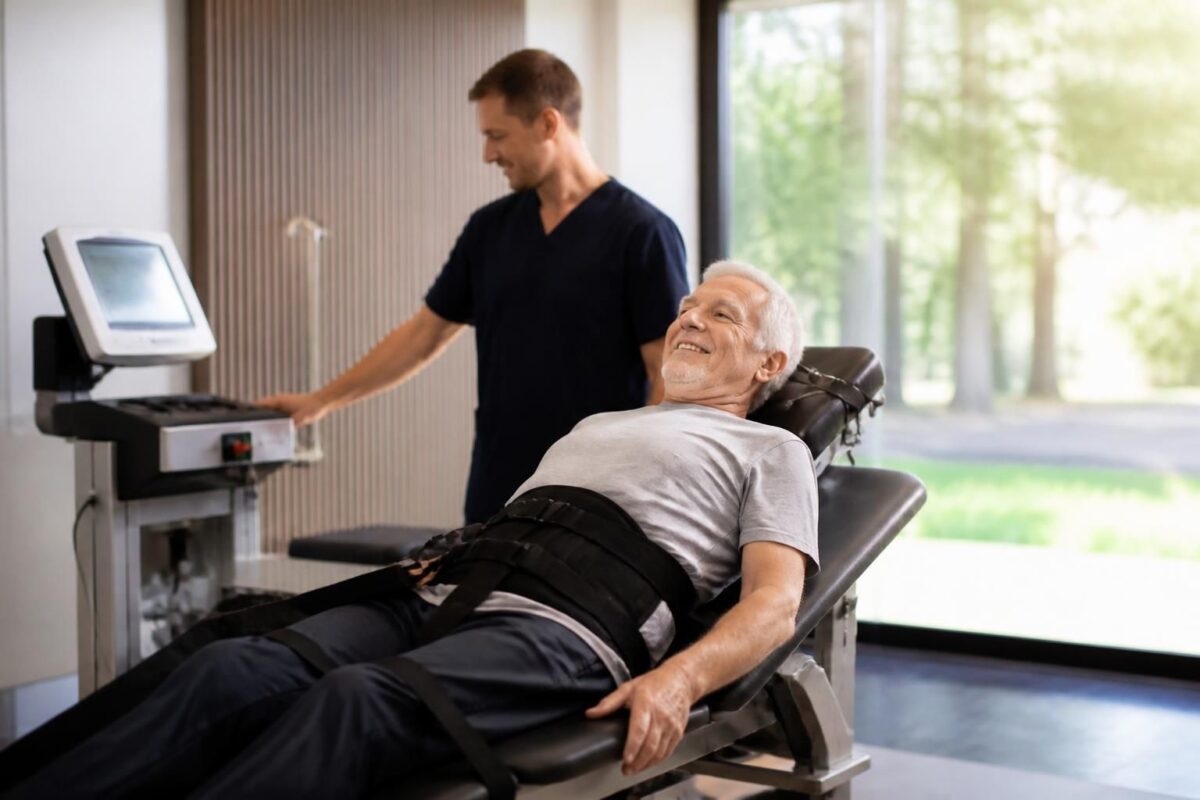
Why neurovertebral decompression is a lasting solution for active seniors
In short In short, the neurovertebral decompression is one Non-invasive therapy which sustainably relieves spinal pain in the spine active seniors By creating, by a Soft and controlled traction, a space between the vertebrae. At Montreal, it is recognized as…
Monitoring and expected results
Regular monitoring allows you to adjust parameters and measure functional progress. Patients who adhere to the protocol and integrate exercises into their routines generally report lasting pain reduction, better range of motion and faster resumption of usual activities.
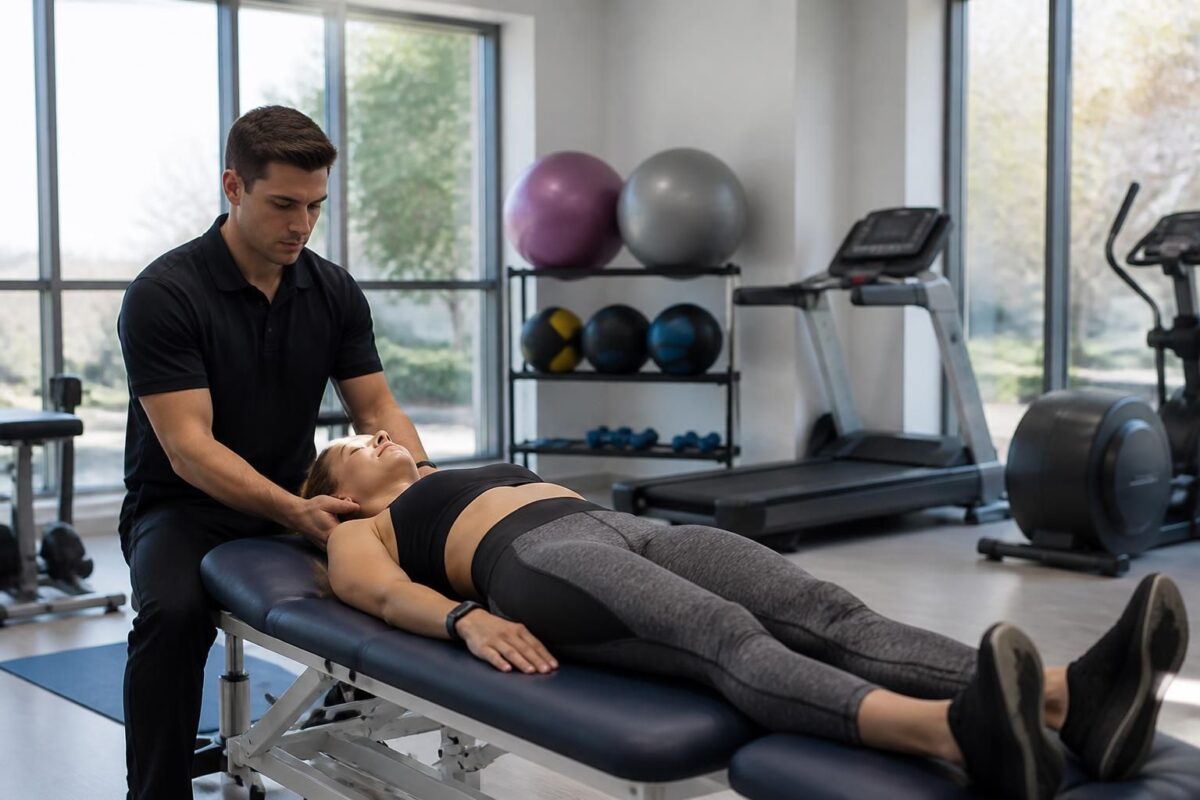
Neurovertebral decompression and recovery after severe sports injury
In short In short, the neurovertebral decompression is one Non-invasive method to Relieve the pressure on the Intervertebral discs and the gristle Via a Controlled traction, to facilitate the recovery After a severe sports injury. It improves the bloodstream towards…
Advanced Neurovertebral Decompression Techniques for Acute Pain
| Technical | Key points and applicability |
|---|---|
| Mechanical spinal traction | Principle: Controlled traction along the vertebral axis. Indications: herniated disc, radiculopathy. Pros: Non-invasive, fast. Limits: Variable and dependent results on individuality. |
| Non-surgical vertebral decompression | Principle: Targeted distraction without surgery promoting disc rehydration. Indications: Acute pain related to disc diseases. Advantages: without incision. Limits: Variable clinical evidence. |
| Shockwave decompression | Principle: Tissue stimulation and regeneration. Indications: Root pain. Pros: Non-invasive. Limits: Heterogeneous results and variable protocols. |
| Therapeutic laser | Principle: Targeted photobiomodulation to reduce inflammation and pain. Indications: Musculoskeletal pain. Advantages: Precise application. Limits: Protocol dependence. |
| Electrotherapy (TENS / NMES) | Principle: Electrical stimulation to decrease pain and improve circulation. Indications: Acute and radicular pain. Advantages: Flexible and fast. Limits: Does not affect the cause. |
| Manual osteopathic techniques | Principle: Targeted manipulations to restore mobility and balance. Indications: Acute back pain. Advantages: global approach. Limits: Dependent on the practitioner. |
| Pulse Align Neuromodulation | Principle: Impulse vibrations to reharmonize muscle tone and coordination. Indications: acute musculoskeletal pain. Pros: Non-invasive. Limits: Clinical data still limited. |
| Multidisciplinary integration and follow-up protocol | Coordinated plan combining techniques and personalized follow-up to adapt the treatment and optimize the results. |
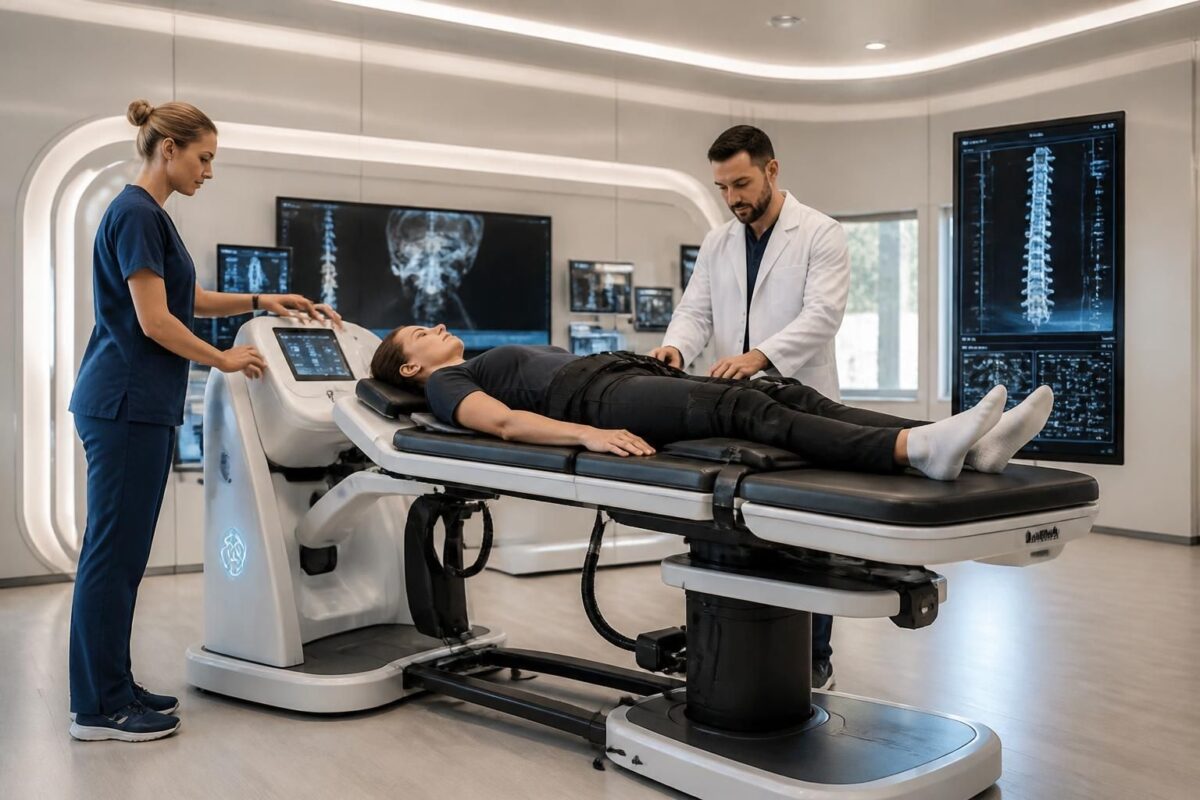
Recent innovations in neurovertebral decompression technologies
In short In short, the neurovertebral decompression is an approach non-invasive Aiming to reduce pressure on discs and nerves, and promote tissue regeneration. At Montreal, it is positioned as an effective option for lower back pain and herniated discs. The…
Testimonials on advanced techniques of neurovertebral decompression for acute pain
Marie, 42, suffered from a acute pain in the lower back linked to a slipped disc. After several sessions of neurovertebral decompression, I felt a Quick relief from the first session. The treatment uses a Controlled traction and a comfortable harness that creates A space between the vertebrae, thus reducing the pressure on the nerves. From now on, my mobility has returned and my days are less painful.
Antoine, 38, suffered from a Cervical radiculopathy causing pain radiating in the arm and strong stiffness. I started a protocol based on a Controlled traction As part of a neurovertebral decompression non-invasive. In a few sessions, the pain fell, the mobility of the neck returned and I found my professional routine without constant pain.
Sophie, 55, suffered from sciatica With pressure on the sciatic nerve that greatly limited its daily activities. Thanks to neurovertebral decompression And at a series of targeted sessions, the pain gradually dissipated and the nights became calmer. She describes a rapid improvement quality of life and an active resumption of his hobbies.
Lucas, 29, athlete, experienced acute lower back pain after a competition. the repeated sessions of neurovertebral decompression allowed a quick recovery without the need for surgery. He emphasizes the importance of Controlled traction Adapted to his sporting activity and his training program, which allowed him to resume training earlier than expected.
Claire, 66, suffered from a disc degeneration which hindered his daily mobility. After a journey of Advanced Techniques combining neurovertebral decompression and personalized follow-up, she found a lasting improvement of its flexibility and strength. She can now perform her daily tasks with less fatigue and more comfort.
Omar, 47, suffered a work injury and was taken care of by a series of sessions of neurovertebral decompression. He brings back Quick and comfortable suites, a marked decrease in pain and a gradual resumption of professional activities. non-invasive gait and Therapeutic trajectory adapted have enabled him to gain confidence and mobility.
The Advanced Techniques of Neurovertebral Decompression constitute an approach non-surgical intended to quickly relieve the acute pain related to the spine. Based on specific biomechanical principles, they aim to reduce the pressure exercised on the gristle and the Intervertebral discs By restoring the space between the vertebrae. This approach, centered on safety and efficacy, offers an interesting alternative when heavy surgery can be avoided.
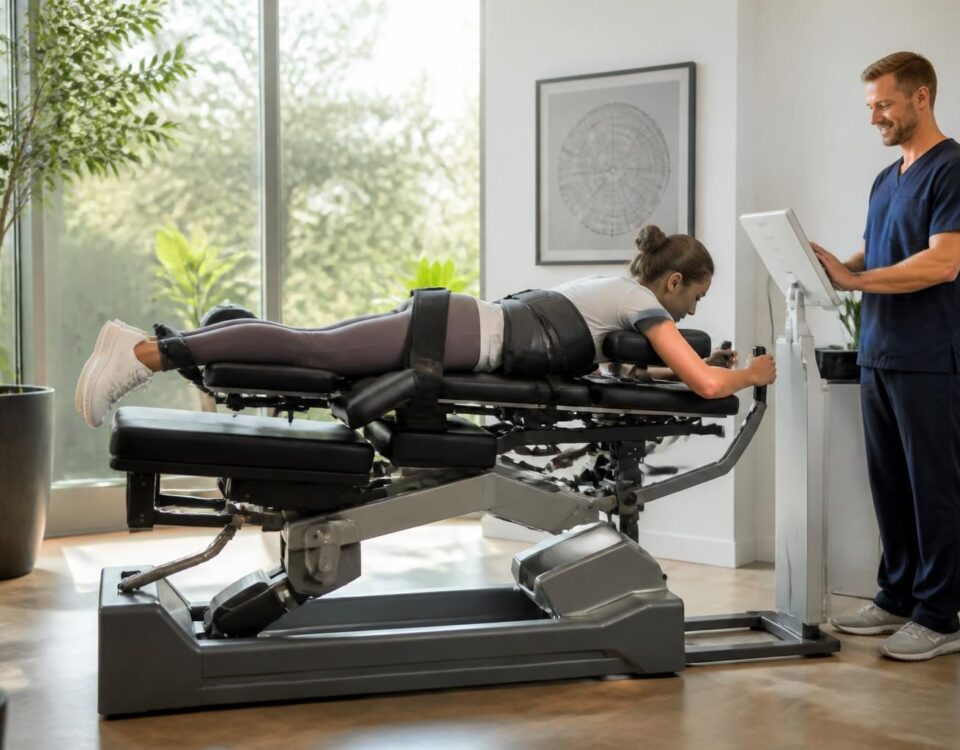
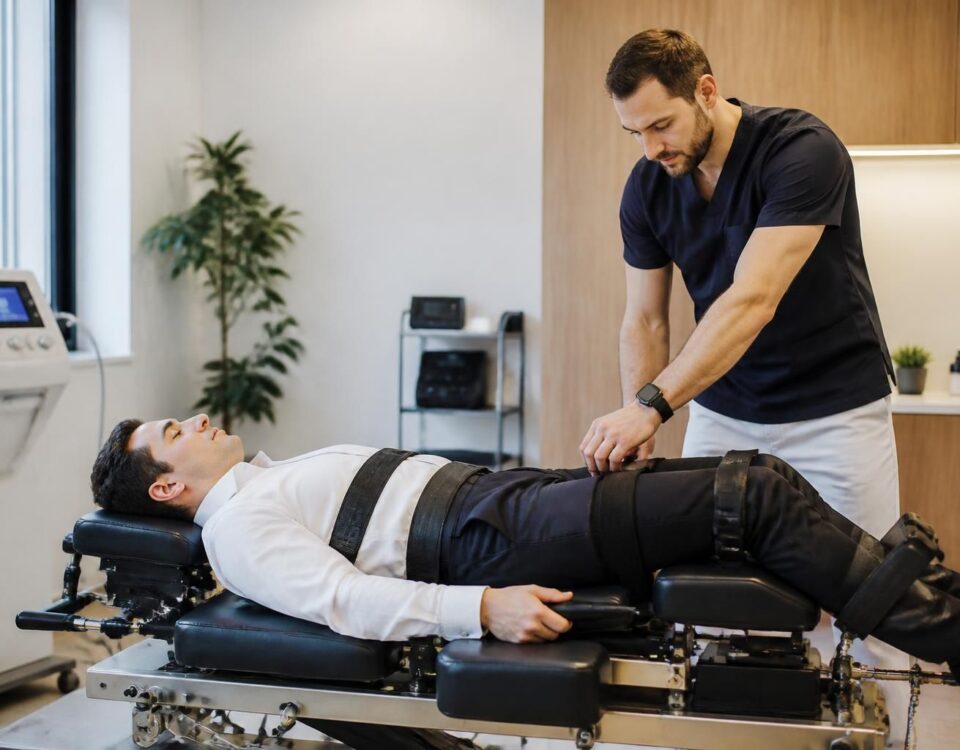
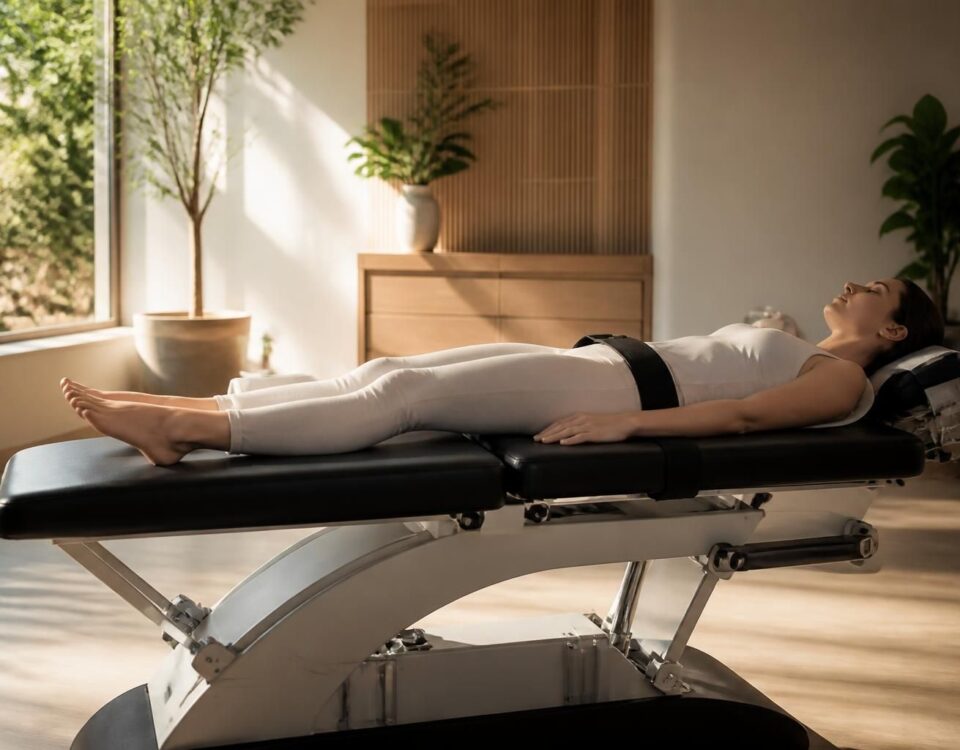
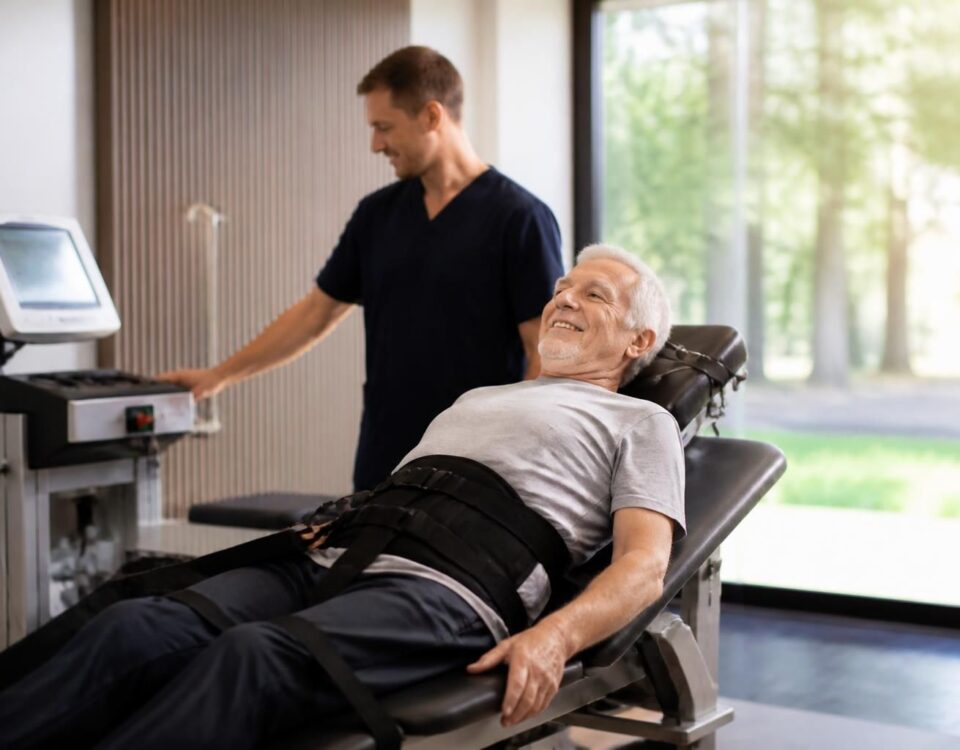
The mechanism is based on a Controlled traction applied along the spinal axis, made on a table adapted and stabilized by a Support harness. This action creates a Interval between vertebrae, which allows the disc to regain volume and absorb more nutrients. The Disc rehydration and repositioning of the spinal elements mechanically reduces nerve compression and release irritated roots, contributing to a Quick relief pain and an improvement in mobility.
The indications cover the pain lumbar or cervical acute associated with herniated discs, of radiculopathies And some stenosis vertebral, as well as cases of disc degeneration. The Choice of modality strongly depends on theClinical evaluation and imaging, to determine whether an approach non-surgical May be preferred or if a light surgical solution is needed. This is a particularly suitable option when the expected benefits exceed the risks and the patient is well selected.
In contemporary practice, neurovertebral decompression is often part of a multidisciplinary care program, in synergy with other technologies and therapies such as laser, the shock waves and soft manual techniques. One Custom Protocol Can rely on regular and coordinated sessions with physiotherapy and osteopathy to maximize results and reduce pain over the long term.
The benefits for you include a Symptom Relief Without surgery, a Improving mobility and a reduction in drug dependence. The results vary by patient and etiology, and although most tolerate treatment well, some people may experience a slight stiffness or the fatigue After a session. Safety is enhanced by professional supervision and appropriate follow-up that adjusts traction parameters and the progress of the care plan.
For people with acute pain and seeking a quick and effective solution, it is essential to discuss with a qualified specialist to assess your eligibility and establish a personalized plan adapted to your situation.
This article offers a structured panorama of Advanced Techniques of Neurovertebral Decompression for the acute pain of the spine. It details the mechanisms, indications, methods of application and safety elements, while evoking the available evidence and avenues of research and use in clinical practice.
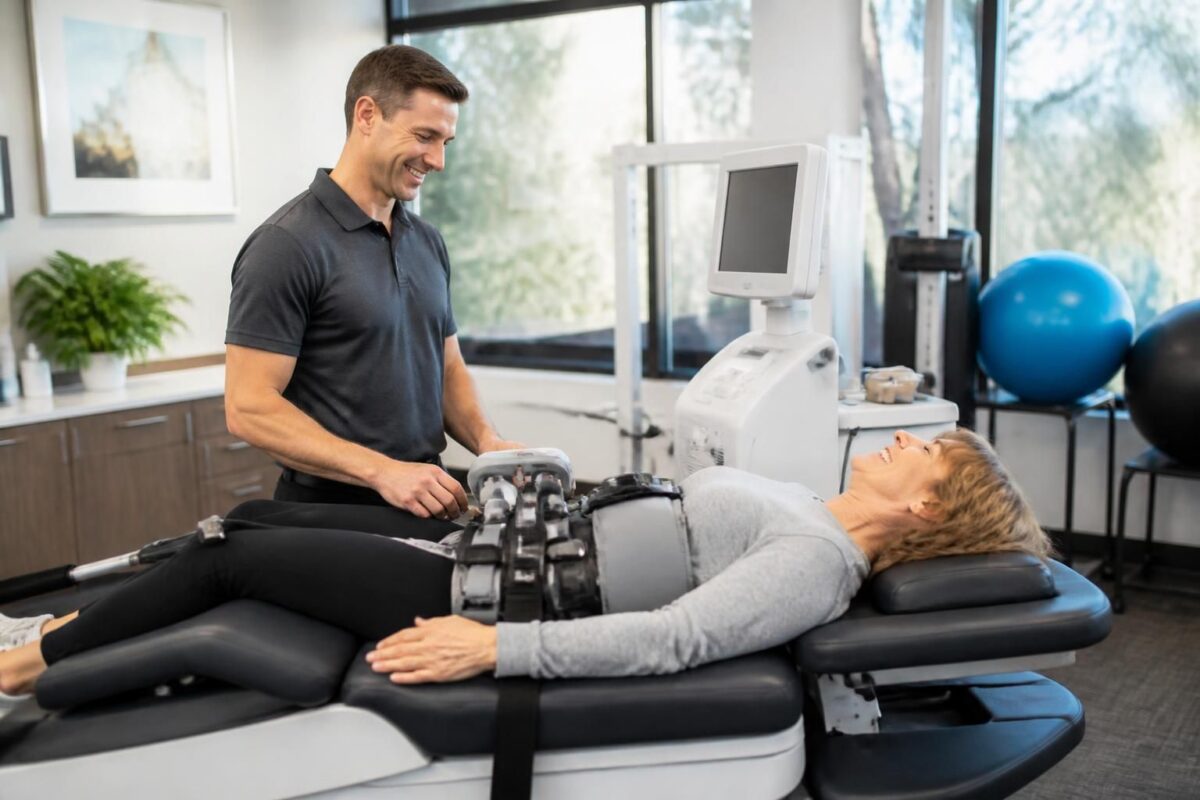
Neurovertebral decompression and diffuse pain: an appropriate solution
In short In short, the neurovertebral decompression is one Non-invasive solution For diffuse pain related to nerve irritation of the spine. She acts in Reducing pressure on intervertebral discs and nerves and improving the bloodstream, which promotes recovery and the…
Principles and mechanisms
The neurovertebral decompression relies on a Controlled traction directed along the vertebral axis. This action creates a space between the vertebrae, facilitating the redistribution of fluids and Rehydration of intervertebral discs. The goal is to reduce the Pressure on nerves and nerve roots and improve local circulation in order to promote tissue healing. Modern protocols favor precise and appropriate traction at the level of the lesion, while minimizing unwanted muscle contractions and using technologies that optimize patient safety and comfort. To deepen the technical aspects, consult specialized resources such as advanced techniques of neurovertebral decompression and decompression technologies: major evolutions to know.
Indications and populations
This approach is particularly relevant for painful manifestations related to herniated discs, of radiculopathies, of Spinal stenosis and degenerative discus disorders. It can be part of a global strategy after a sports injury or in situations of chronic pain where a non-surgical procedure is desirable. In athletes and active people, neurovertebral decompression can support recovery and promote faster resumption of activities, while limiting drug use. To better understand application contexts, articles and resources available online can be viewed via dedicated pages and patient experiences.
Techniques and associated technologies
Current systems offer a Soft and controlled traction With a harness and precise adjustments according to the treated segment. In addition to traction, certain technologies and protocols can accompany recovery, such as muscle activation methods and adjuncte therapies adapted to the patient’s profile. For a detailed view of Decompression technologies And some things you need to know, do not hesitate to consult the following resources: Decompression technologies – major changes to know, and Advanced Techniques of Neurovertebral Decompression.
Efficacy and current evidence
Clinical data shows results variables, with patients reporting a rapid pain reduction And an improvement in mobility after a few sessions, and others that get more moderate benefits. A rigorous approach requires individual assessment, clear functional objectives and regular monitoring to adjust the protocol. To enrich your understanding, you can explore resources that examine evidence and feedback, including podcasts and specialized journals mentioned in associated resources.
Precautions and safety
The practice must be carried out by qualified professionals, after a prior assessment of the contraindications and potential risks. Precautions include pain level, precise location of the lesion and individual traction tolerance. Transient effects such as stiffness or fatigue may appear after certain sessions, but serious risks remain rare when protocols are followed rigorously. To further these aspects, consult the resources dedicated to precautions and indications related to neurovertebral decompression.
Resources and Deepening
To go further, these resources provide additional information and practical contexts:
- Why neurovertebral decompression is ideal after an injury
- Common pathologies treated with neurovertebral decompression
- neurovertebral decompression
- Podcast: Treatment of sports injuries with neurovertebral decompression
- Sports injuries – neurovertebral decompression, clinical studies and advanced therapeutics
- What precautions should you take when using neurovertebral decompression
- FAQ
- Advanced Techniques of Neurovertebral Decompression
Note: The information above is intended to provide a general understanding and do not replace a personalized medical consultation. For any specific medical questions, consult a qualified healthcare professional.
To learn more about associated approaches and application perspectives, you can also view official resources and information pages for neurovertebral decompression.

Dr Sylvain Desforges
Dr Sylvain Desforges, B.Sc., D.O., N.D., osteopath, is the founding president of TAGMED and of the ACMA association. He dedicates his practice to chronic spinal pain, low back pain and symptoms compatible with sciatica, particularly when pain radiates toward the buttock, leg, calf, foot or toes.
Through SOS Sciatique, he publishes educational content on sciatica symptoms, possible causes such as disc herniation, disc narrowing, foraminal stenosis or irritation of a lumbar nerve root, as well as non-surgical approaches that may be considered according to the evaluation. At Clinique TAGMED, care may include, depending on the case, motorized neurovertebral decompression, specific osteopathic care or precision percussion.
For an evaluation related to sciatica treatment in Montreal / Mount Royal or sciatica treatment in Terrebonne, please consult the services available at Clinique TAGMED.
Medical disclaimer
The information published on SOS Sciatique is provided for educational purposes only and does not replace a consultation, diagnosis, opinion or treatment provided by a physician or another authorized healthcare professional. The author of this article is neither a medical doctor nor a specialist in a medical specialty recognized by the Collège des médecins du Québec. The osteopathic, manual medicine or functional support approaches described on this site do not constitute medical acts and are not intended to replace medical follow-up.
Consult a physician or emergency service in cases of loss of bladder or bowel control, anesthesia in the saddle area, significant or progressive weakness in the leg or foot, fever, recent trauma, severe pain or rapid worsening of symptoms. For more details, please read our Legal Notice.