Neurovertebral decompression: a solution for recurrent back pain
25/06/2026
Common pathologies treated with neurovertebral decompression
25/06/2026
In short The neurovertebral decompression is a technique non-invasive which relieves the pressure on the Intervertebral discs and the gristle After a injury. Its advantages include a flexibility increased, a pain reduction, a better mobility and faster recovery, while helping to prevent recurrences and improving the posture. How does it work? It’s a Targeted traction which stretches the column and creates a space around the Intervertebral discs And some gristle, facilitating the circulation nutrients and healing fabrics. At Montreal, this service is accessible and particularly suitable for Lower back pain and cervical related to an injury. |
The neurovertebral decompression is ideal after an injury because it is an approach non-invasive which acts directly on the spine to reduce the Pressure on the intervertebral discs. By lengthening and gradually releasing the vertebral segments, it promotes the pain relief and LImproving mobility, thus accelerating the recovery. This technique is customizable and contributes to the posture while preventing recurrences, allowing a quick return to theDaily activity without pain.
This article, written by a health professional and expert, explains why neurovertebral decompression is ideal after an injury. It describes the functioning, the benefits on pain and mobility, indications, safety and integration into a rehabilitation program. The goal is to provide clear and usable information to guide care decisions in a clinical setting.
Simple principle and mechanism
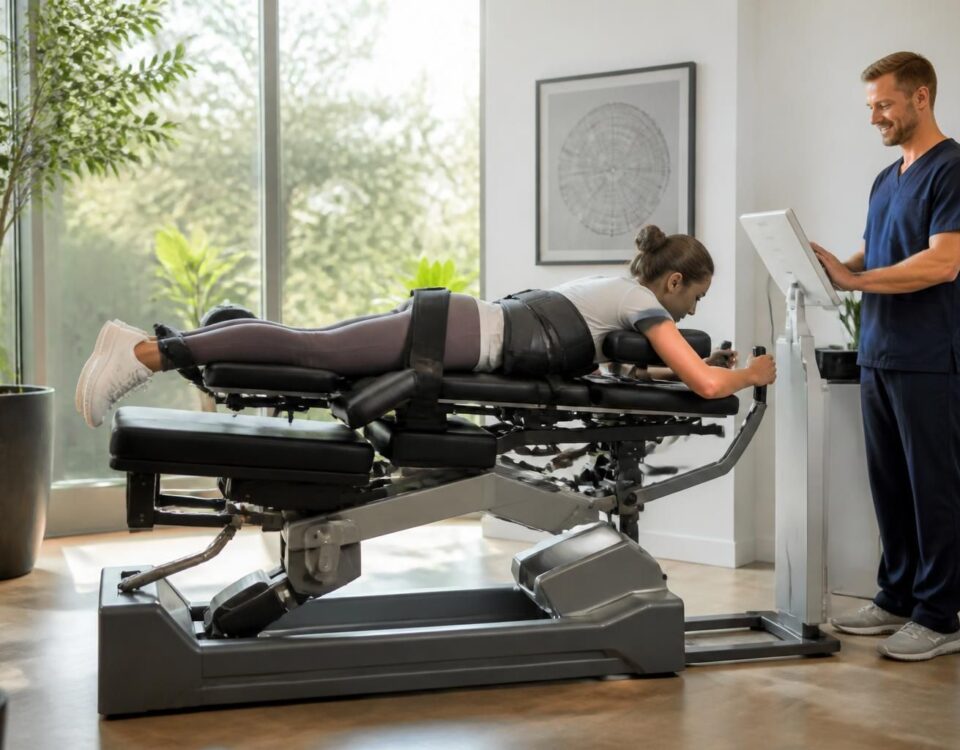
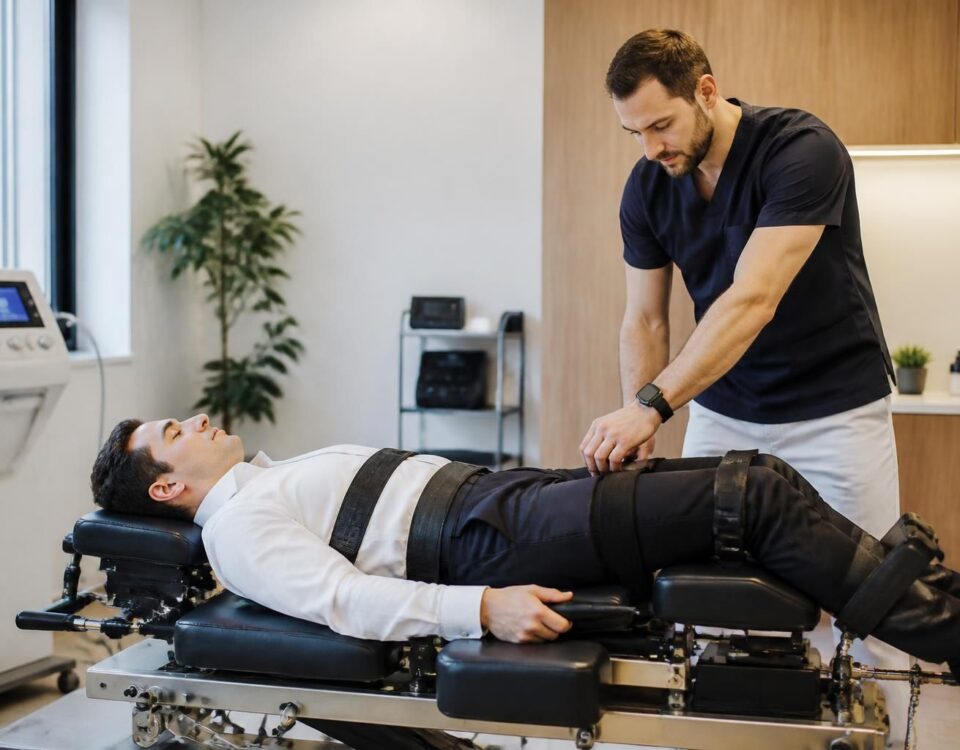
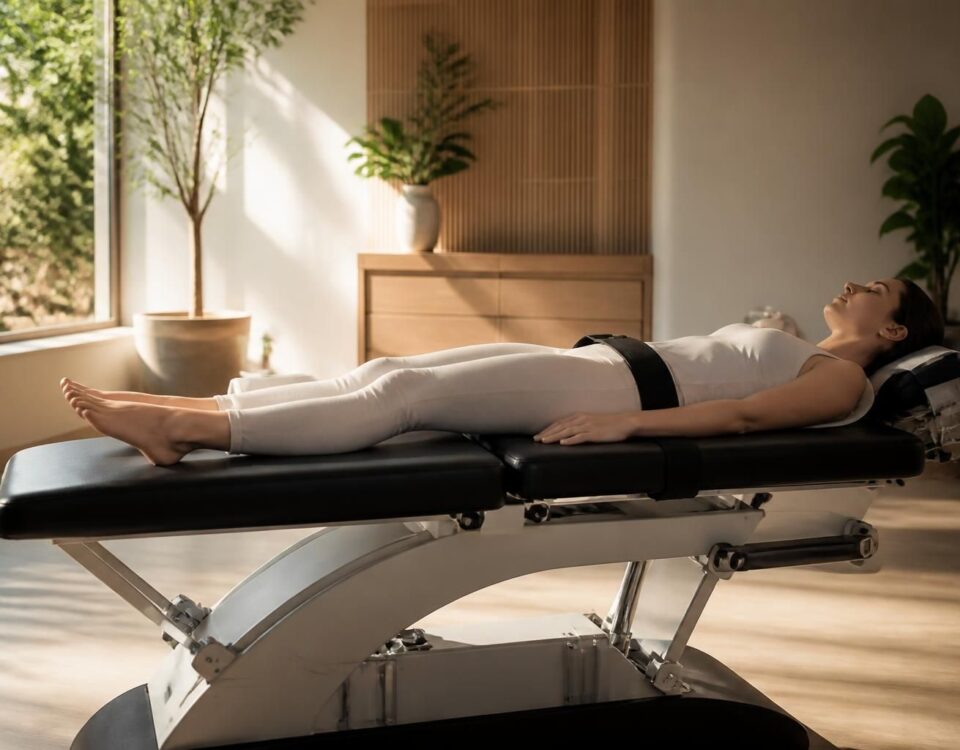
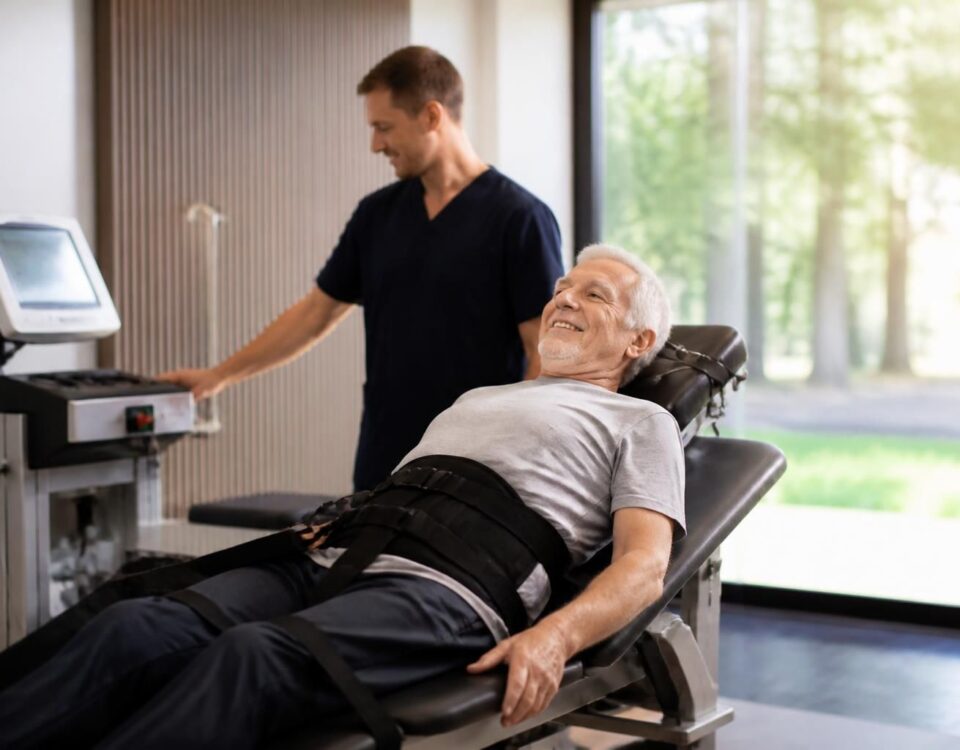
The neurovertebral decompression Applies controlled traction on the spine. This traction reduces the pressure exerted on the intervertebral discs and on the nerves. The treatment is non-invasive and does not require surgery. It promotes the circulation of nutrients and the regeneration of tissues around the vertebrae.
By gradually stretching the spine, it helps to restore a more natural range of motion, while reducing muscle tension around the back and neck. This approach supports recovery after injury and can help prevent further pain associated with poor postures.
Indications and results after injury
After a back or neck injury, pain and loss of mobility are frequent. The neurovertebral decompression Can be proposed when pain persists and mobility is limited. Patients report a pain reduction, a Improving mobility and a better posture after therapy. This approach is especially preferred when looking for a solution. natural and non-invasive to promote healing and return to activity.
Security and integration in rehabilitation
This technique is considered safe when performed by qualified professionals. Side effects are usually minimal and transient. It fits ideally with a rehabilitation Supervised, which may include other therapies at the TagMed Clinic, depending on the patient’s assessment.
Decompression is compatible with a multidisciplinary approach and can be used as a key step in the rehabilitation process after an injury, in addition to a global treatment plan developed by your healthcare team.
What you can expect in practice
The protocol may include several sessions, generally 1-3 times a week, over a period adapted to the patient’s condition. The total duration of the program depends on the injury and response to treatment, and is decided during follow-up consultations with the therapist.
Active or sporting patients may experience gradual recovery of their mobility and their operation daily, which facilitates the return to their usual activities without excessive pain.
Integration within the framework of the TAGMED clinic
Neurovertebral decompression fits naturally into a multidisciplinary offer offered by the TagMed clinic in Montreal and Terrebonne. It can be combined with other recognized therapies, in order to optimize the results and prepare the body for safe functional movements.
To find out more about the services offered, you can consult the resources available on the Tagmed Clinic.
Resources and useful links
To deepen, consult resources on the mechanisms and benefits of neurovertebral decompression:
Additional resources and technical explanations are also available on other media dedicated to spinal health and post-injury rehabilitation:
How can neurovertebral decompression improve athlete mobility
What are the benefits of neurovertebral decompression
Rehabilitation support after a spinal injury
Medical Disclaimer: The information and advice provided on this site does not replace the health professional’s diagnosis or treatment. Please note that Dr. Sylvain Desforges osteopath is neither a doctor of medicine nor a doctor, and is not a specialist in a medical specialty as defined by the Collège des Médecins du Québec. Manual medicine, functional medicine and sports medicine as described on this site exclude any medical treatment or diagnosis made by a doctor or specialist doctor. Always consult your doctor for any medical questions. For more details, please read our full legal notice. »
References and professional and training resources: NUMSS, NAO, National University of Medical Sciences, National Academy of osteopathy. Professional Associations mentioned: ACMA, College of Canadian Osteopaths, College of Canadian Osteopaths. For treatments and clinical information, favor TagMed in Montreal or Terrebonne and associated resources.
- non-invasive : No surgery
- pressure reduction On discs and nerves
- Improving mobility and flexibility
- quick recovery and back to activities
- Security with few side effects
- Personalization treatment as appropriate
- Posture and alignment Improved
- Natural healing and tissue rehydration
- Prevention of recurrences By reinforcement and rehabilitation
- Integration with exercises and complementary therapies
- Suitable for all profiles (Youth, Active, Senior)
- Secure progress Towards rehabilitation and activity

Neurovertebral decompression is an option non-invasive Ideal after an injury, as it acts directly on the spine to reduce the pressure exerted on discs and nerves. By allowing a progressive rebalancing of the intervertebral space, this technique promotes healing, improves the mobility and facilitates the return to daily activities without immediately resorting to surgical or medicated treatments. This article offers clear recommendations on why this approach is particularly suitable after an injury and how it can fit into a rehabilitation course.
A targeted and adaptable approach
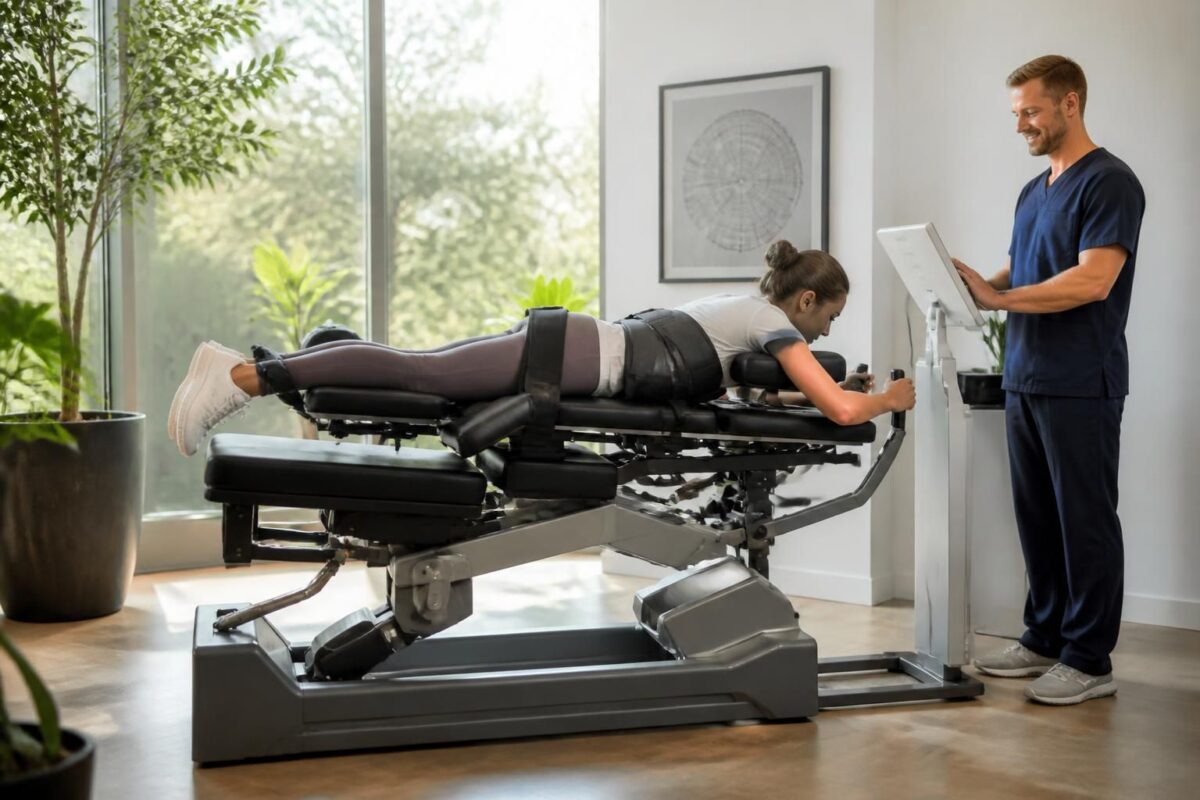
Neurovertebral decompression uses gentle, controlled traction to stretch the spine and decrease the Pressure on the intervertebral discs and the nerves. This pressure reduction creates an environment conducive to the Tissue recovery, while limiting the mechanical stress on the injured structures. This approach can be adapted to different levels of the column and to various types of injuries, offering a personalized solution rather than more invasive interventions.
The long-term benefits of neurovertebral decompression for spinal health
In short In short, the neurovertebral decompression is a non-invasive approach that decreases the Pressure on intervertebral discs and nerves, favoring the Natural regeneration and tissue recovery. Its long-term benefits include Lasting pain reduction, Improving mobility and from the posture,…

Neurovertebral decompression and mobility: a return to an active life
In short In short, the neurovertebral decompression is therapy non-invasive who uses a gentle traction To create a space between the vertebrae and reduce the pressure on the Intervertebral discs and the nerves. It promotes a bloodstream improved, lowers tension…
Reduction of pain and stimulation of healing
By gradually releasing tensions and improving the circulation of essential nutrients to affected tissues, decompression contributes to a decrease lasting pain and acceleration of repair processes. Patients often experience better tolerance to movement and more favorable reactivity of the muscles surrounding the spine, which contributes to a Effective rehabilitation.
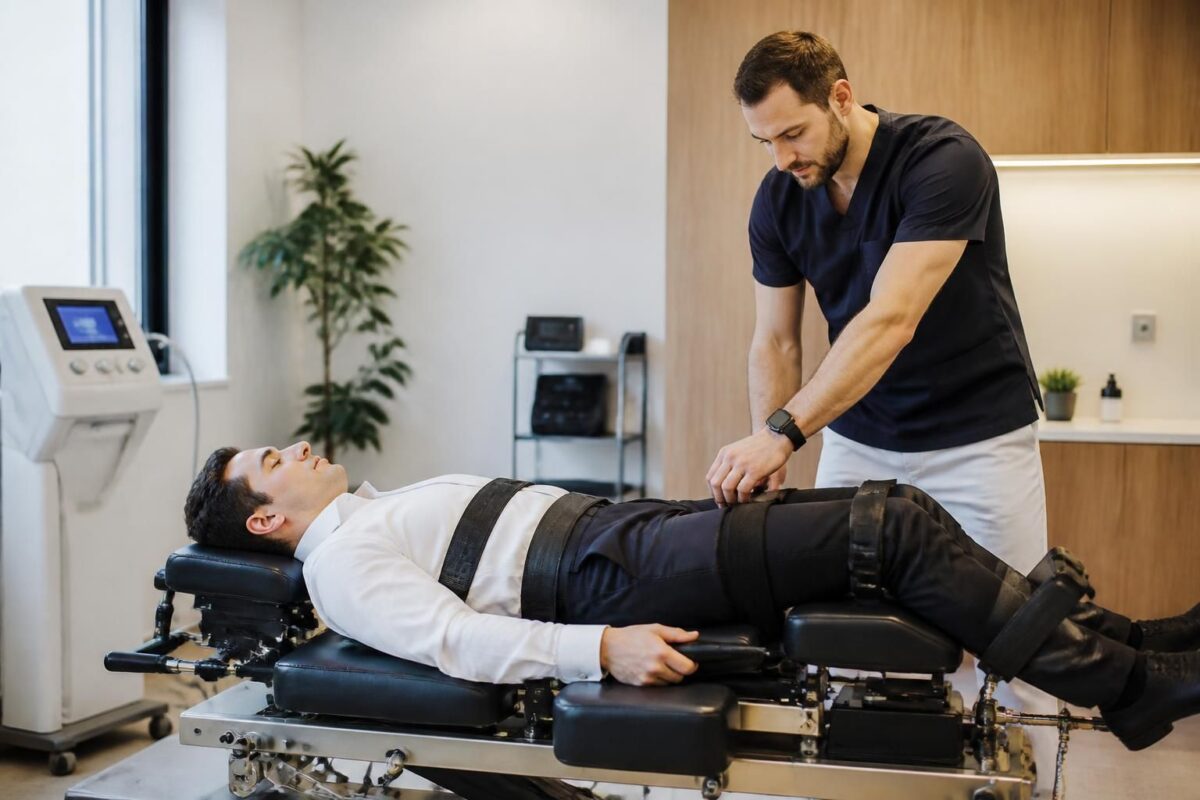
How Neurovertebral Decompression Prevents Diffuse Chronic Pain
In short decompression neurovertebral is one Non-invasive method aimed at reducing the Pressure on the intervertebral discs and the nerves, in order to prevent Diffuse chronic pain. It improves the circulation and thedisc hydration, decreases inflammation and promotes better mobility.…
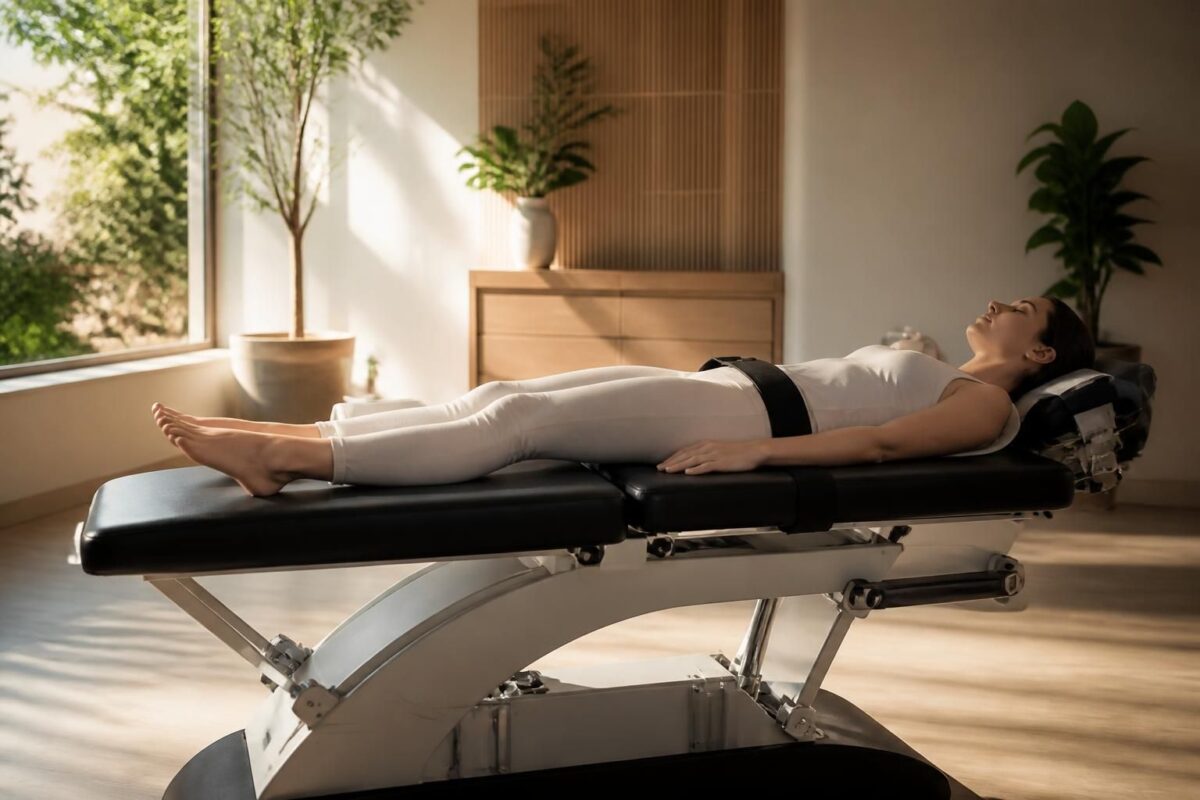
Neurovertebral Decompression and Body Alignment: Restoring Natural Balance
In short In short, neurovertebral decompression is one Non-invasive approach who restores theBody Alignment and thenatural balance back and neck. She acts by a Controlled traction of the spine to widen the intervertebral space and reduce the Pressure on discs…
Improved mobility and flexibility
After an injury, the flexibility Can be reduced, limiting everyday gestures. Neurovertebral decompression helps restore the range of motion By decreasing adhesions and releasing muscle tension around the spine. This improvement in mobility facilitates the execution of strengthening and stretching exercises that accompany rehabilitation.
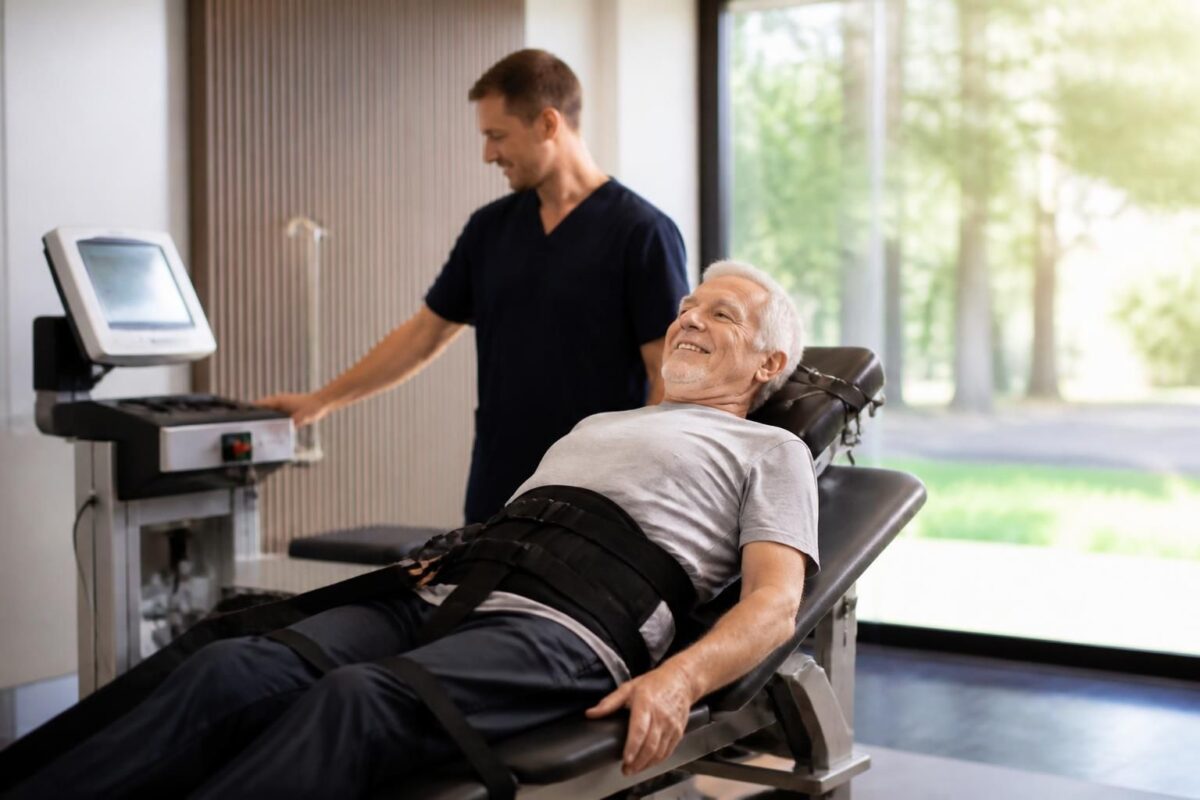
Why neurovertebral decompression is a lasting solution for active seniors
In short In short, the neurovertebral decompression is one Non-invasive therapy which sustainably relieves spinal pain in the spine active seniors By creating, by a Soft and controlled traction, a space between the vertebrae. At Montreal, it is recognized as…
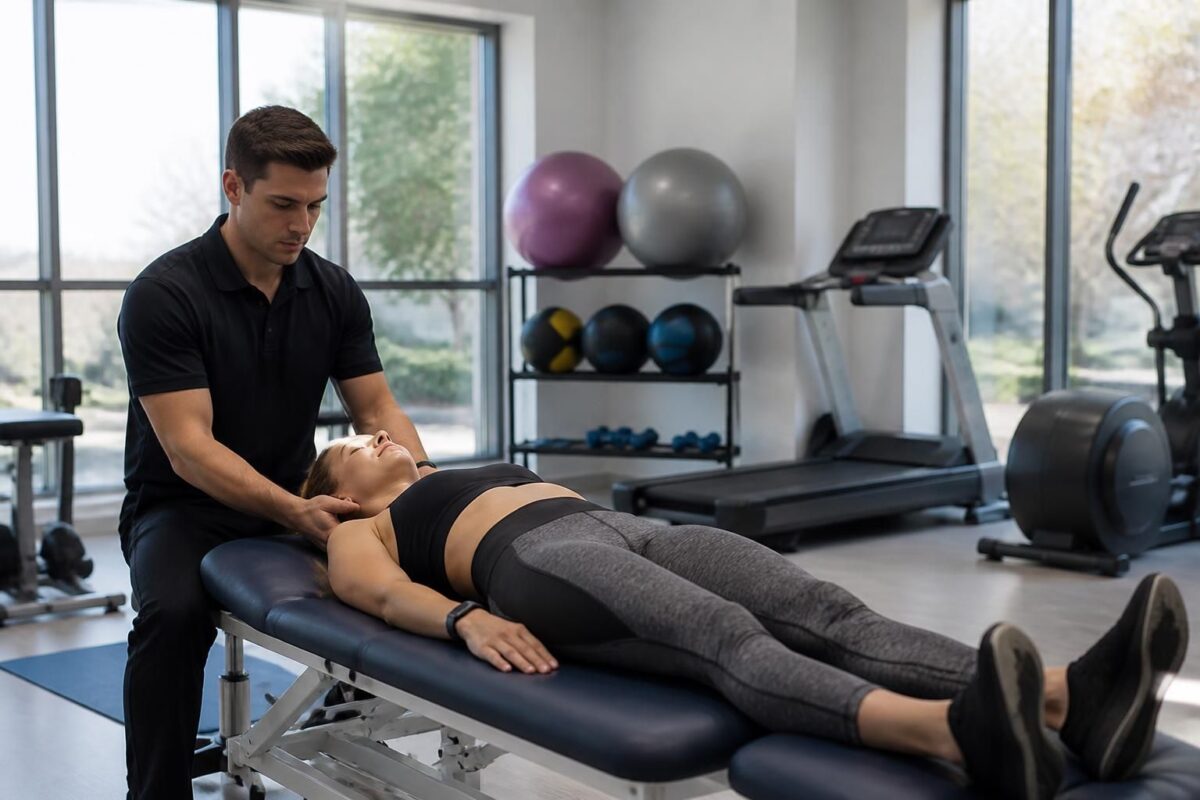
Neurovertebral decompression and recovery after severe sports injury
In short In short, the neurovertebral decompression is one Non-invasive method to Relieve the pressure on the Intervertebral discs and the gristle Via a Controlled traction, to facilitate the recovery After a severe sports injury. It improves the bloodstream towards…
Prevention of recurrences and functional rehabilitation
Beyond temporary relief, this technique helps to prevent recurrences by promoting better spinal stability. integrated into a rehabilitation program including exercises strengthening and of proprioception, she prepares the body for safer daily gestures and reduces the risk of further injury. Regular monitoring allows you to adjust the protocol and optimize the results over the long term.
Integration with other approaches
To optimize results after an injury, decompression can be associated with targeted exercises, mobility techniques and non-pharmacological pain management strategies. This approach multidisciplinary Offers synergy that maximizes recovery and enables faster return to physical and professional activity.
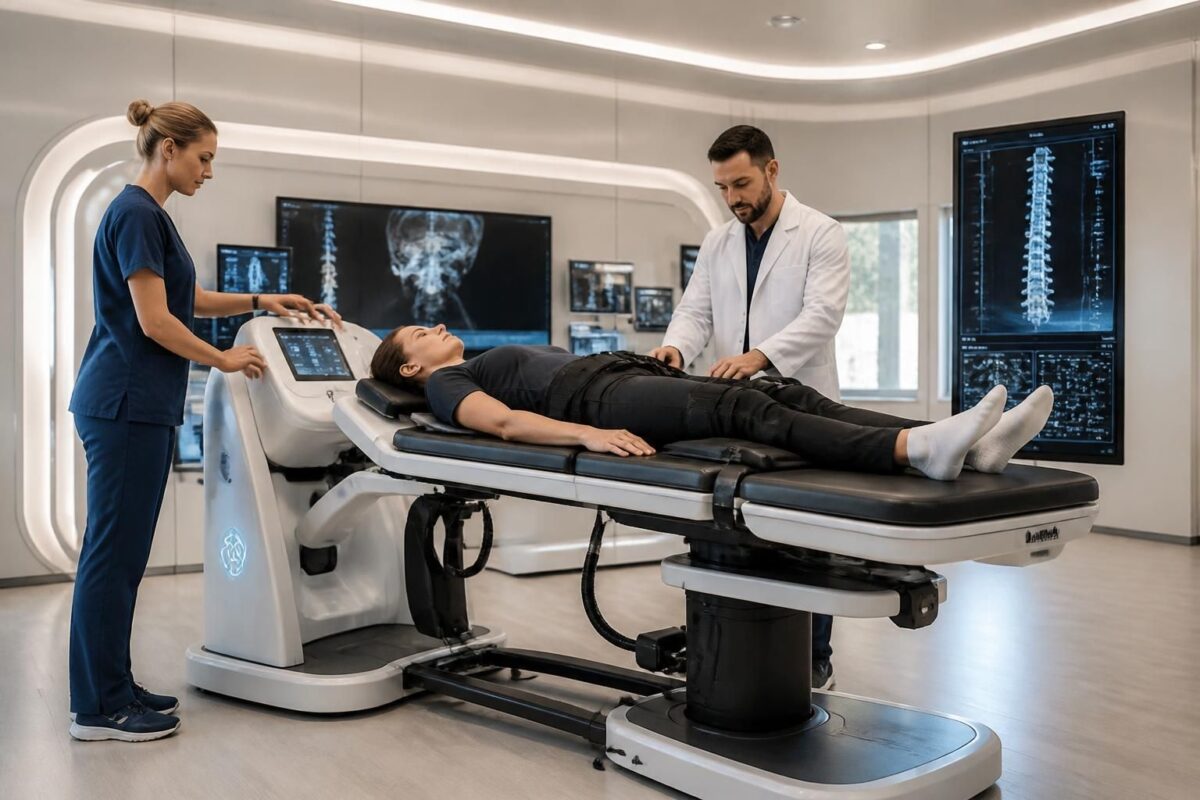
Recent innovations in neurovertebral decompression technologies
In short In short, the neurovertebral decompression is an approach non-invasive Aiming to reduce pressure on discs and nerves, and promote tissue regeneration. At Montreal, it is positioned as an effective option for lower back pain and herniated discs. The…
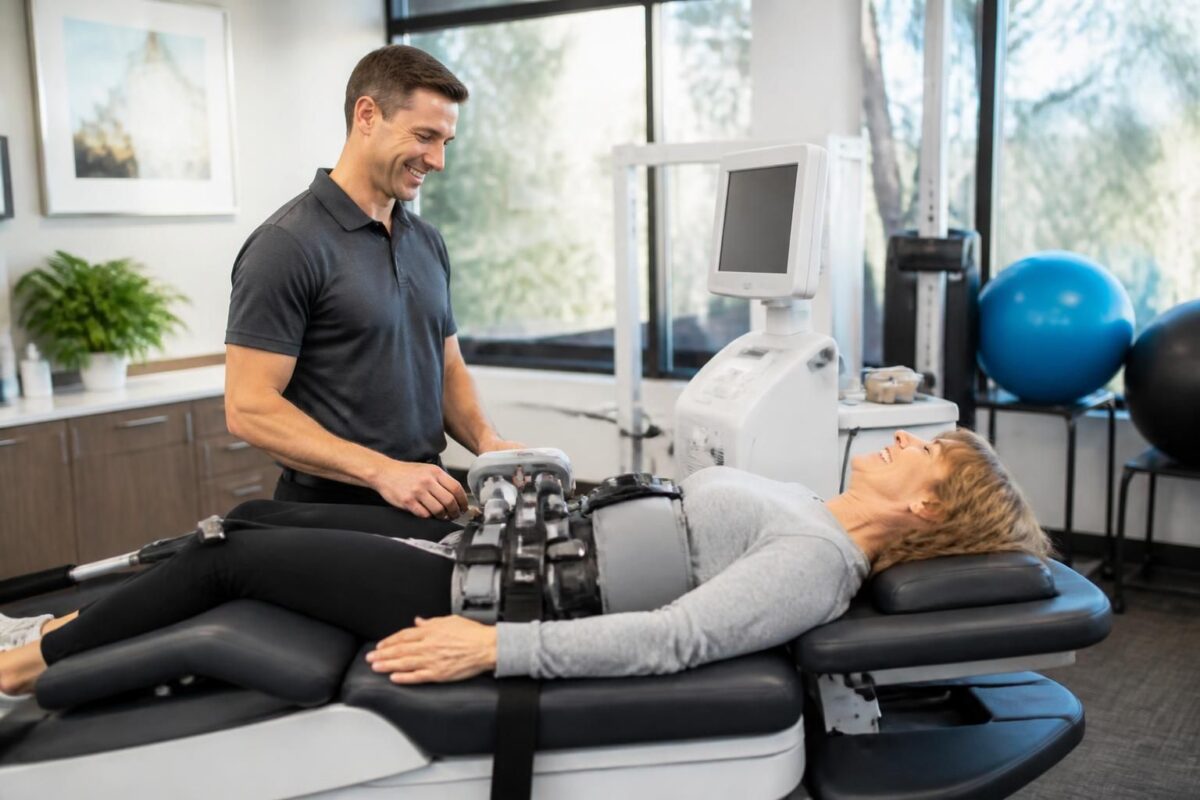
Neurovertebral decompression and diffuse pain: an appropriate solution
In short In short, the neurovertebral decompression is one Non-invasive solution For diffuse pain related to nerve irritation of the spine. She acts in Reducing pressure on intervertebral discs and nerves and improving the bloodstream, which promotes recovery and the…
Security and customization
being a method non-surgical, it generally presents low risks when performed by qualified professionals. Each protocol is adapted to the profile and injury of the individual, which enhances safety and effectiveness. Before starting, a comprehensive assessment helps identify indications and contraindications and determine if decompression is the best option in the care plan.
Indications and precautions
This therapy is particularly recommended after spinal injuries related to lumbar or cervical pain, benign disc hernias or significant muscle spasms. However, it may not be suitable for all patients; A clinical consultation confirms its adequacy and establishes the most suitable schedule for the progress of sessions and exercises at home.
| Aspect | Concise description |
|---|---|
| non-invasive and security | Option non-surgical with Reduced risks and quick return to activities. |
| Target relief | Reduces pressure on Intervertebral discs and on the gristle to reduce pain. |
| Restoration of mobility | Improve therange of motion and the flexibility after injury. |
| Prevention of recurrences | Strengthens the spinal structure and decreases the risk new injuries. |
| Integration rehabilitation | Combines with exercises and therapies to maximize results. |
| Posture and alignment | Normalize itvertebral alignment and improves posture. |
| Comfort and quality of life | Lasting pain reduction, facilitates daily activities. |
| Time and accessibility | Program structured over several weeks with regular sessions. |
| Adaptability | Customizable according to the level and location of the injury. |
Testimonials: Why neurovertebral decompression is ideal after an injury
“After my injury Lumbar, I tried the neurovertebral decompression And I felt a marked reduction in the pain as well as a resurgence of mobility. The treatment turned out non-invasive And allowed me to resume my daily activities faster than expected. »
“Following a dorsal injury that limited my movements, the neurovertebral decompression gave me a Quick relief. In a few sessions, the pain decreased and I found a more natural posture, without having to resort to surgery. »
“After a period of tension and cervical pain linked to an injury, I found a Significant improvement of my posture and a reduction in strain muscular. What convinced me was the fact that it was non-invasive and adapted to my body. »
“Each patient is different, and my program has been personalized to aim for my recovery. Thanks to the neurovertebral decompression, I found a mobility that I lacked, while limiting risks and side effects. »
“After a back injury, I felt a pain reduction and a better Ergonomic function on a daily basis. The process allowed me to Strengthen my posture and avoid recurrences through a long-term approach and re-education progressive. »
“I resumed my sports activities faster than expected. The neurovertebral decompression not only relieved the pain, but also improved my flexibility and my bodily confidence, which is essential after an injury. »
In the landscape of complementary care, a recognized expert in osteopathy, naturopathy and manual medicine embodies a revolutionary approach to recovery after injury. This eminent practitioner is the founding president of the Tagmed clinics and the ACMA association, and he places innovation at the heart of his approach. His work focuses on the management of Chronic pain and the integration of advanced technologies that optimize the rehabilitation process, of which neurovertebral decompression is central.
The neurovertebral decompression is distinguished by its character non-invasive and by its ability to act directly on the architecture of the spine after injury. By precisely stretching the column, it creates space around the intervertebral discs and nerves, significantly reducing the pressure that causes pain and inflammation. This decrease in stress allows nutrients and oxygen to better nourish damaged tissues, thus accelerating repair and functional recovery processes. For people in the rehabilitation phase, this translates into a Progressive improvement in mobility and an Lasting pain reduction.
Beyond the direct mechanical effect, this approach is part of a logic of Integrated rehabilitation. It is designed to be associated with targeted strengthening and stretching exercises, recurrence prevention protocols and other non-surgical therapies. The use of cutting-edge technologies and appropriate supervision make it possible to adjust the treatment to the specific needs of each injured person, thus guaranteeing a safe and effective progression. This customization is essential when seeking to restore a Balanced posture and an Sustainable feature in the long term.
Security is a pillar of this approach. as a method non-surgical and low-risk When practiced by qualified professionals, neurovertebral decompression offers a reassuring alternative for patients who wish to avoid invasive interventions. Side effects, if any, usually remain minimal and transient, while the benefits—including reducing muscle tension and improving posture—are noticeable in many patients.
As part of his practice, the practitioner also associates elements of manual medicine and of Innovative technologies to optimize the results. The objective is clear: to facilitate a quick and lasting return to daily activity, while minimizing the risk of further injury. In the end, neurovertebral decompression appears as a natural and effective solution to regain mobility, comfort and quality of life after an injury, while harmoniously integrating into a global rehabilitation strategy based on evidence and listening to the patient.
For those considering a healing pathway focused on pragmatism and effectiveness, this method offers a compelling perspective: a pain reduction and an Sustainable improvement in mobility, without surgery and with personalized support adapted to each injury trajectory.
This conclusion summarizes why the neurovertebral decompression Is ideal after an injury, detailing its mechanism, benefits and role in rehabilitation. It relies on current principles and specialized resources to understand why this non-invasive approach can accelerate the return to an active and painless life.
After an injury, the neurovertebral decompression offers a natural approach and non-invasive To reconstruct the flexibility and stability of the spine. By allowing controlled stretching and decreased pressure on the intervertebral discs and nerves, it promotes the circulation of nutrients and repair fluids, thus facilitating tissue healing and functional recovery. To understand the basics and post-injury applications, check out dedicated resources such as Dr. Desforges’ explanations and recent analysis of the benefits of this approach.
The main advantage lies in the lasting reduction of pain and the improvement of mobility. By restoring the disc space and by restoring a better vertebro-muscular dynamic, this therapy helps patients to gradually regain their range of motion and resume their daily and sports activities. Guides and analyzes detail how decompression mechanisms support the rehabilitation process and predict positive outcomes in people with herniated discs or low back/recurrent pain.
Security and tolerance are essential pillars of this approach. Given its nature non-surgical, she presents Low risks and often allows a quick resumption of activities. However, it should be proposed after an evaluation by a qualified professional to ensure that it corresponds to the clinical need and the patient profile. For an understanding of safety indications and guarantees, refer to the specialized and demystifying resources that address myths around this technique and explain the situations where it is particularly indicated.
This method is ideally part of a personalized and integrated approach. It can be associated with a targeted rehabilitation program and complementary exercises to strengthen supporting muscles and prevent recurrences. Articles and testimonials underline the importance of appropriate follow-up and a treatment schedule that takes into account the individual evolution of the patient and the type of injury.
To deepen, learn about current perspectives and uses through the following resources: Why neurovertebral decompression is ideal after an injury, herniated discs: when neurovertebral decompression is the solution, Neurovertebral decompression and rehabilitation after a sports injury, Recent innovations in neurovertebral decompression, Neurovertebral Decompression: A Recognized Solution to Improve Posture After Complex Lumbar Injuries.

Dr Sylvain Desforges, B.Sc., D.O., N.D., osteopath, is the founding president of TAGMED and of the ACMA association. He dedicates his practice to chronic spinal pain, low back pain and symptoms compatible with sciatica, particularly when pain radiates toward the buttock, leg, calf, foot or toes.
Through SOS Sciatique, he publishes educational content on sciatica symptoms, possible causes such as disc herniation, disc narrowing, foraminal stenosis or irritation of a lumbar nerve root, as well as non-surgical approaches that may be considered according to the evaluation. At Clinique TAGMED, care may include, depending on the case, motorized neurovertebral decompression, specific osteopathic care or precision percussion.
For an evaluation related to sciatica treatment in Montreal / Mount Royal or sciatica treatment in Terrebonne, please consult the services available at Clinique TAGMED.
Medical disclaimer
The information published on SOS Sciatique is provided for educational purposes only and does not replace a consultation, diagnosis, opinion or treatment provided by a physician or another authorized healthcare professional. The author of this article is neither a medical doctor nor a specialist in a medical specialty recognized by the Collège des médecins du Québec. The osteopathic, manual medicine or functional support approaches described on this site do not constitute medical acts and are not intended to replace medical follow-up.
Consult a physician or emergency service in cases of loss of bladder or bowel control, anesthesia in the saddle area, significant or progressive weakness in the leg or foot, fever, recent trauma, severe pain or rapid worsening of symptoms. For more details, please read our Legal Notice.