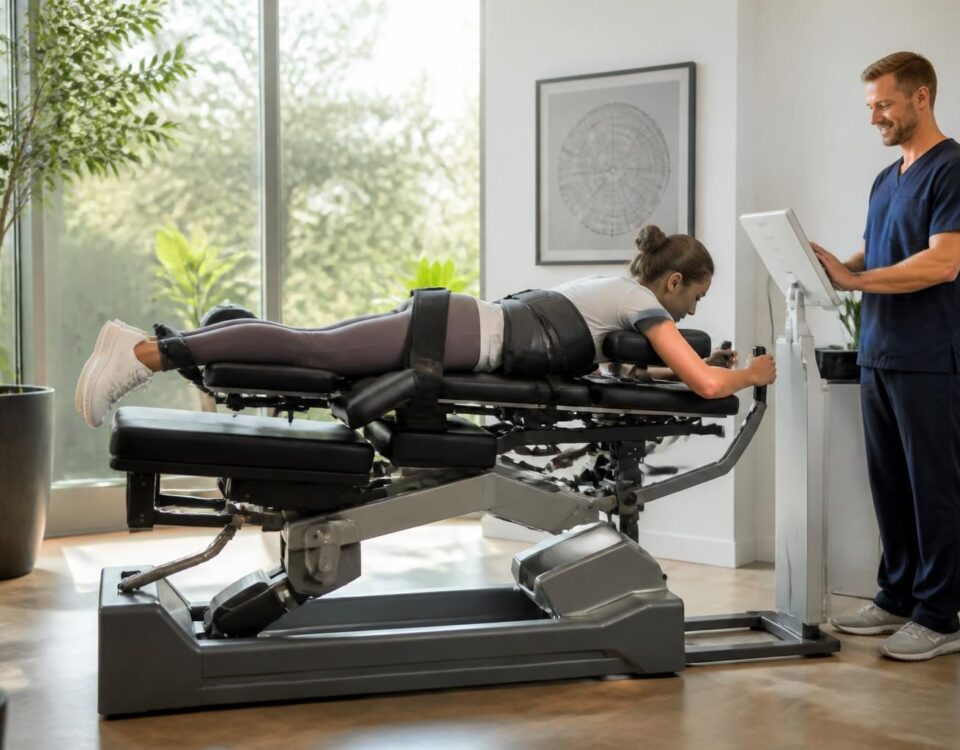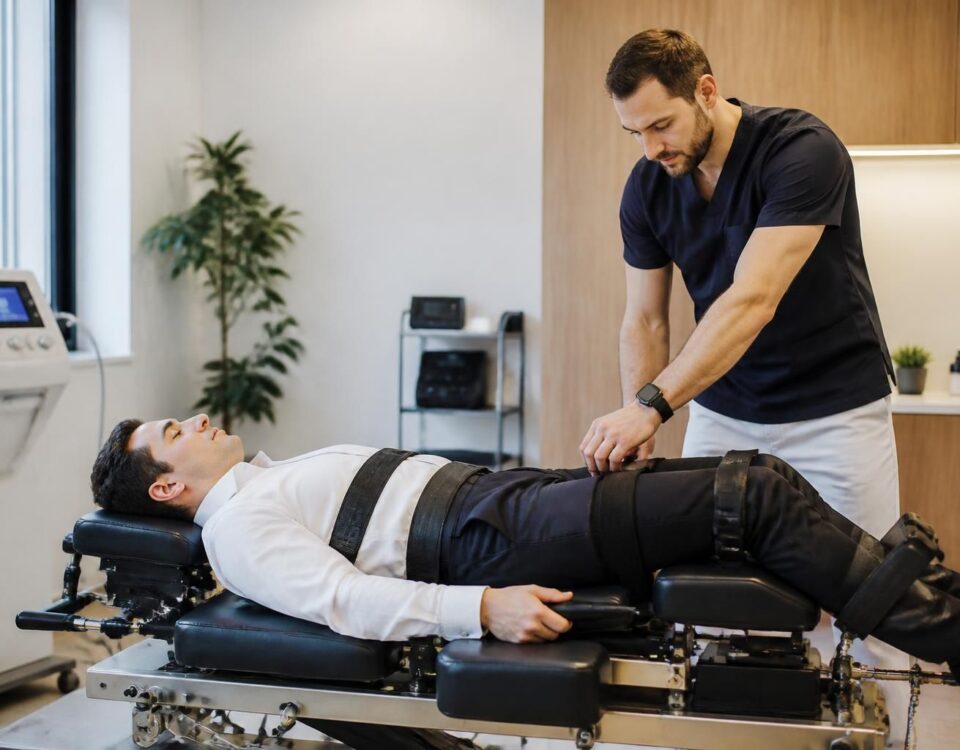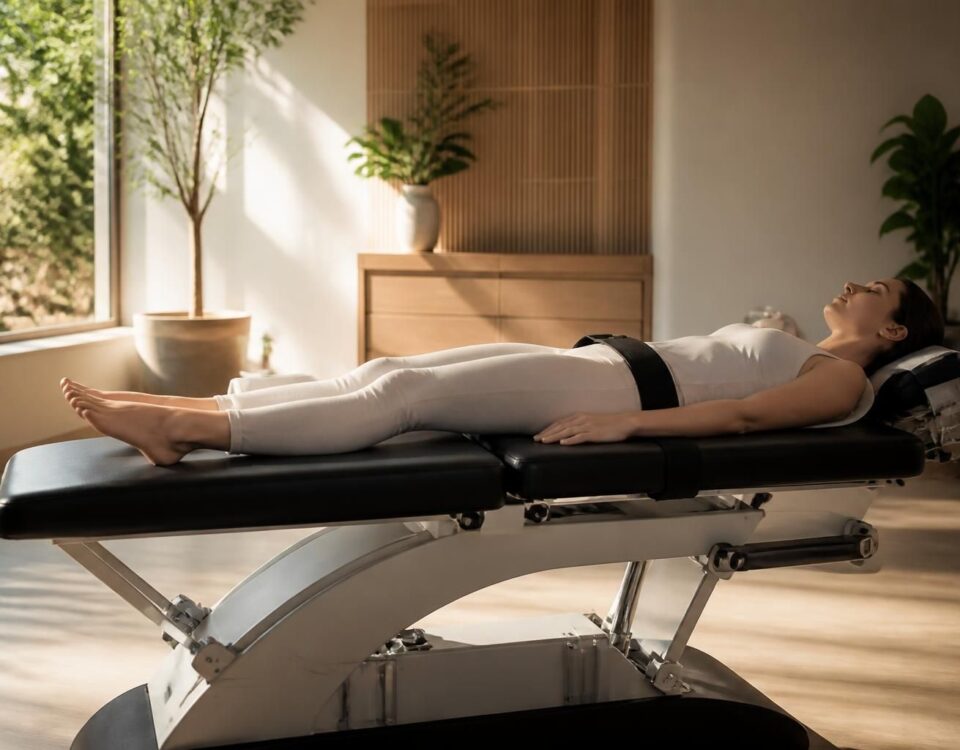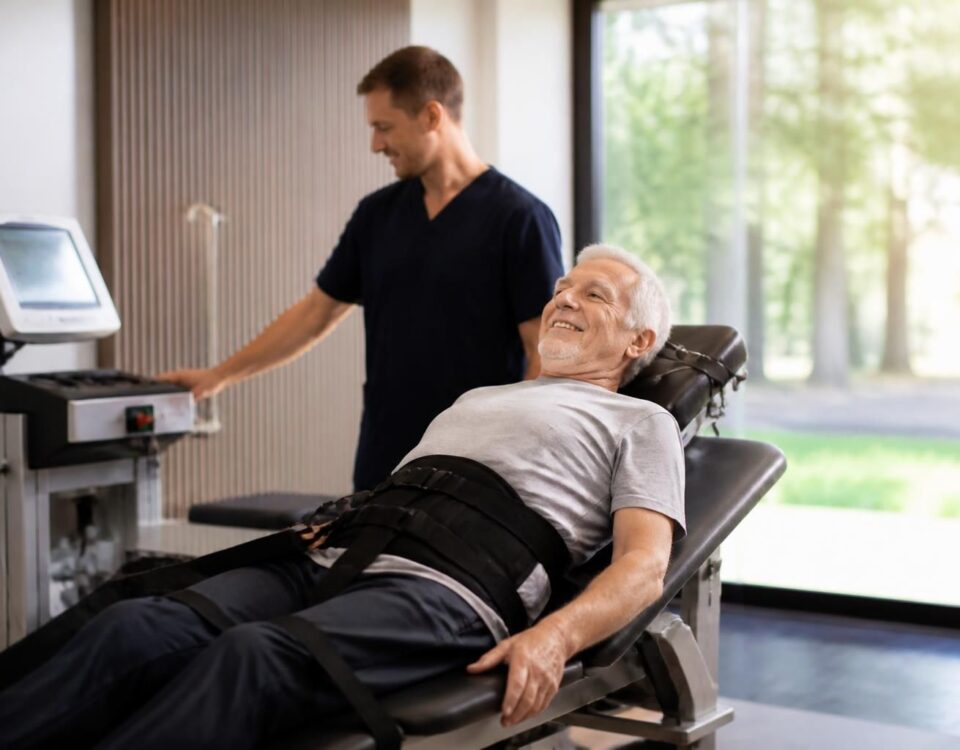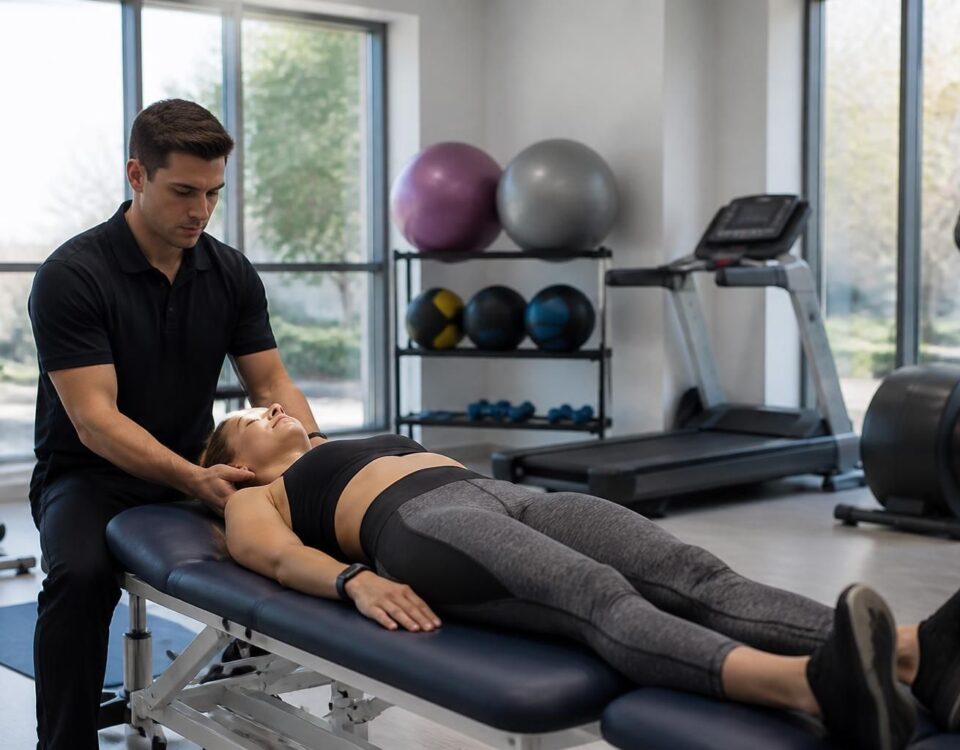
Why neurovertebral decompression is effective for athletes
25/06/2026
Advanced Neurovertebral Decompression Techniques for Acute Pain
25/06/2026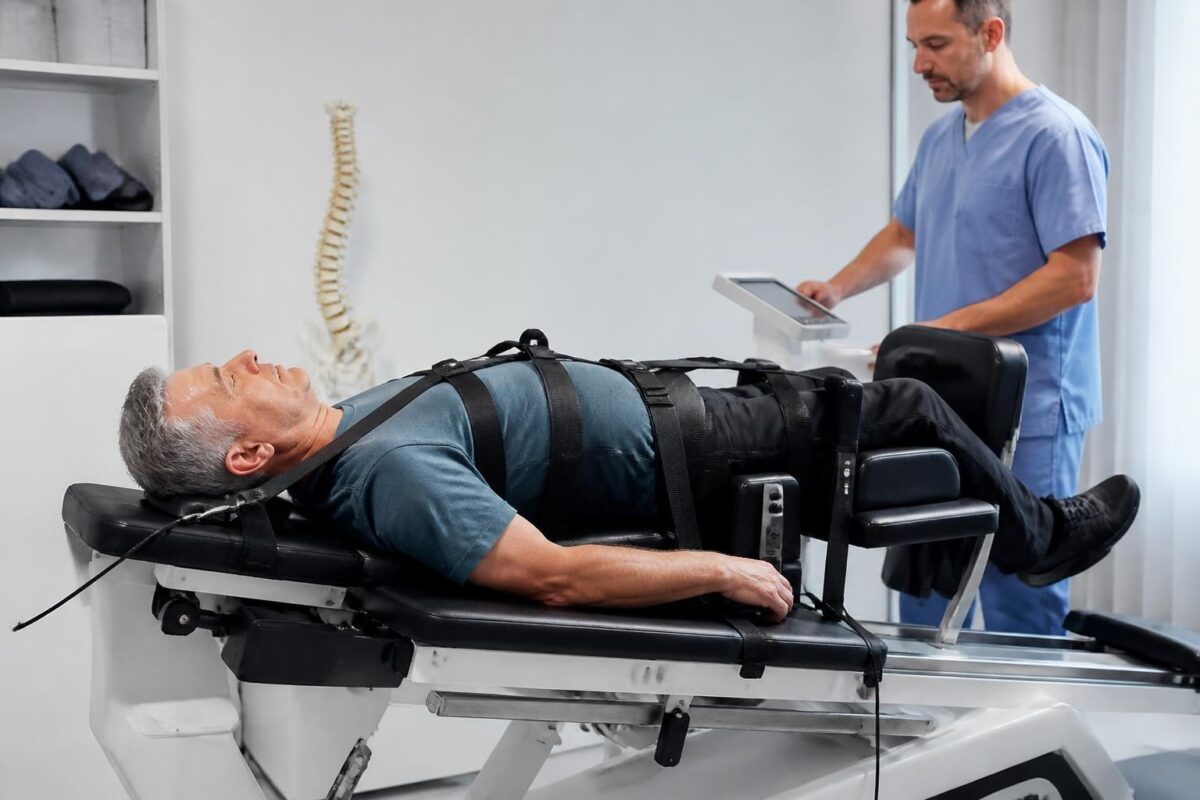
In short
| In short, neurovertebral decompression is one Non-invasive technique aimed at reducing the pressure on Intervertebral discs and the Spinal nerves As part of the Spinal stenosis. She offers a Quick relief of the pain and improves the mobility By promoting the rehydration discs and blood circulation. In practice, a Controlled traction Creates a space between the vertebrae to release the nerves and support healing, reducing the risk of recurrence. At Montreal, this treatment is particularly recommended for people with lower back and cervical pain related to the Spinal stenosis, looking for a Non-surgical alternative and sustainable. |
The neurovertebral decompression Offers a solution non-invasive for the Spinal stenosis, reducing pressure on discs and nerves and promoting healing.
- Immediate pain relief thanks to the decrease in pressure on the nerve roots.
- Regeneration of intervertebral discs and improved mobility through targeted rehydration and decompression.
- Improved blood circulation and increased supply of nutrients and oxygen to tissues.
- Prevention of recurrences By strengthening spinal stability and flexibility.
- Non-surgical alternative to avoid operative risks and recovery times.
This approach can be personalized according to the patient’s profile, with appropriate follow-up to optimize the results.
This article exposes the benefits of neurovertebral decompression on the Spinal stenosis. It describes the mechanisms, benefits and integration into the care pathway. The technique is non-surgical and is part of an evidence-based approach to improving the quality of life of patients.
Neurovertebral decompression creates a space between the vertebrae. This action reduces the pressure exerted on the intervertebral discs and nerves. It acts on the cause of pain related to spinal stenosis and promotes lasting improvement in comfort and mobility. This approach is adapted to Montreal and can be integrated into a personalized care course.
Immediate pain relief
Controlled traction quickly decreases the pressure on the nerves involved in spinal stenosis. This relief can allow a gradual resumption of daily activities after the first sessions. The quick comfort is a useful indicator of the decompression process.
Improved circulation and tissue oxygenation
By releasing the vertebral spaces, decompression promotes better blood circulation in the affected area. This improvement helps intake of nutrients and oxygen, which supports tissue healing and regeneration of damaged structures. For more information, you can view the resources related to these benefits on specialized sites.
Regeneration of intervertebral discs and mobility
By reducing the pressure on the discs, decompression contributes to the regeneration and rehydration of the intervertebral discs. This contributes to better elasticity and increased spinal mobility. These effects support a lasting decrease in pain and a better ability to move.
Recurrence prevention and non-surgical approach
Neurovertebral decompression acts on the root causes of pain and can help prevent recurrences. By avoiding invasive interventions, it is a safe alternative for patients wishing to limit operative risks. This approach is part of a philosophy of care that favors natural and respectful solutions for the body.
Integration into the care pathway
To maximize results, neurovertebral decompression is part of a global care pathway. This may include posture and ergonomic advice, regular follow-up and appropriate support measures for each patient. In our TagMed clinics, each patient benefits from a personalized and evolving plan.
To learn more, you can consult specialized resources on Decompression and spinal stenosis and discover additional information on Non-surgical solutions. You can also find out about the possibilities offered by Clinique TagMed in Montreal by consulting Our services.
Neurovertebral decompression is part of a professional and results-oriented approach. It is supported by recognized training in the field of osteopathy, notably at NUMSS and NAO, and is based on recommendations from professional organizations such as ACMA and the College of Canadian Osteopaths.
| Therapy | Relative efficacy in spinal stenosis |
|---|---|
| neurovertebral decompression | tall |
| Physiotherapy | Moderate to low (comparative) |
| surgical procedures | Variable depending on the case |
Complementary resources explain the mechanisms and benefits of neurovertebral decompression, particularly in connection with the prevention of Chronic pain and functional recovery. For sports patients and active people, detailed explanations are also available on sites specializing in neurovertebral and sciatica.
Training and professional associations play a key role in practice. Professionals can be trained at NUMSS or NAO, and membership in associations like ACMA or the Canadian Osteopaths College helps to ensure high standards of practice and patient safety.
For patients seeking practical and reliable information, TagMed clinics offer an integrated, patient-centric approach. Professionals evaluate each situation and adjust the treatment plan accordingly, favoring non-invasive and body-friendly methods. Additional resources and testimonials are available on the partner areas mentioned above.
Medical Disclaimer: The information and advice provided on this site does not replace the health professional’s diagnosis or treatment. Please note that Dr. Sylvain Desforges osteopath is neither a doctor of medicine nor a doctor, and is not a specialist in a medical specialty as defined by the Collège des Médecins du Québec. Manual medicine, functional medicine and sports medicine as described on this site exclude any medical treatment or diagnosis made by a doctor or specialist doctor. Always consult your doctor for any medical questions. For more details, please read our full legal notice. »
- immediate relief from pain related to the Spinal stenosis.
- Improvement of the mobility and from the flexibility vertebral.
- Circulation sanguine increased in the affected region.
- regeneration of Intervertebral discs.
- Hydration and rehydration of records.
- reduction of the nerve pressure.
- prevention of recurrences and improvement of stability vertebral.
- overall improvement in quality of life.

This article presents the recommendations on the benefits of the neurovertebral decompression in the Spinal stenosis, emphasizing mechanisms, functional benefits and practical implementation to optimize treatment.
Understand the mechanisms and objectives
The neurovertebral decompression Acts by controlled traction on the spine, creating a space between the vertebrae and relieving pressure on the intervertebral discs and nerve roots. This action promotes the Disc rehydration, improves blood circulation and can stimulate tissue regeneration mechanisms. For the Spinal stenosis, the objective is to reduce nerve stress and improve mobility while reducing pain.
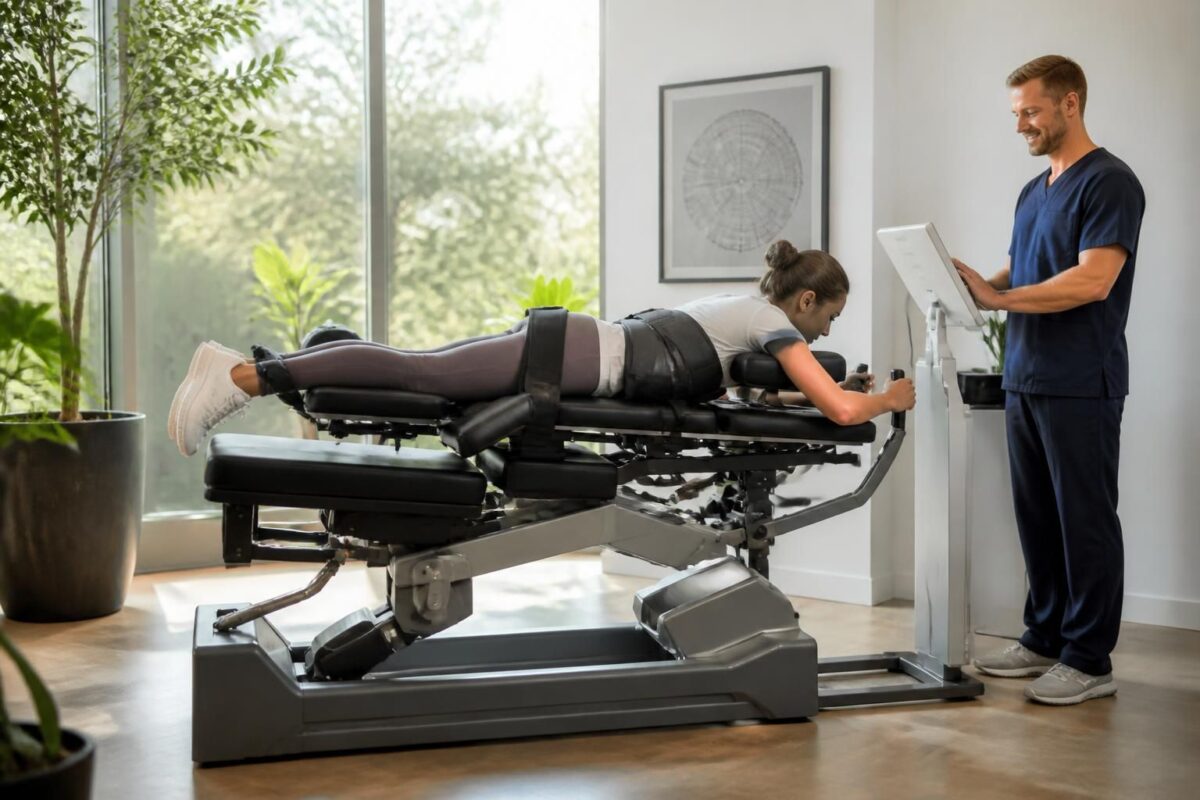
The long-term benefits of neurovertebral decompression for spinal health
In short In short, the neurovertebral decompression is a non-invasive approach that decreases the Pressure on intervertebral discs and nerves, favoring the Natural regeneration and tissue recovery. Its long-term benefits include Lasting pain reduction, Improving mobility and from the posture,…
Major benefits for spinal stenosis
Immediate and lasting pain relief
The Reduced nerve pressure May cause a rapid decrease in discomfort, allowing for more comfortable daily activities and Better quality of life.
Improved circulation and disc regeneration
Decompression stimulates better tissue irrigation, providing nutrients and oxygen, and supports Regeneration of intervertebral discs while improving their elasticity and shock absorption capacity.
Restoration of mobility and prevention of relapses
By releasing tensions and improving alignment, the mobility regains its stability, reducing the risk of repeated symptoms and promoting the continuation of appropriate physical activities.
Non-invasive alternative and safety
This approach offers a Non-invasive option which can be considered before any invasive intervention, with a favorable safety profile when carried out by qualified professionals.

Neurovertebral decompression and mobility: a return to an active life
In short In short, the neurovertebral decompression is therapy non-invasive who uses a gentle traction To create a space between the vertebrae and reduce the pressure on the Intervertebral discs and the nerves. It promotes a bloodstream improved, lowers tension…
Practical recommendations for an effective protocol
Evaluation and selection of candidates
A clear diagnosis and an evaluation by a professional make it possible to confirm the indication and to rule out the contraindications (fractures, acute pathologies, certain comorbidities). The decompression is recommended when the symptoms clearly arise from the nerve compression associated with the Spinal stenosis And that conventional conservative treatments do not bring lasting relief.
Session planning and objectives
A typical protocol can include several sessions spread over 4 to 8 weeks, with an adapted session duration. Progress is evaluated regularly and the plan is adjusted according to the patient’s response and functional objectives.
Integration with exercises and ergonomic advice
To optimize the results, the treatment is accompanied by reinforcement exercises and targeted stretching, a functional rehabilitation program and advice on posture and ergonomics at work and at home.
Tracking and customization
Regular monitoring is essential to adjust treatment, prevent relapses and maintain long-term benefits. Each patient benefits from a personalized plan, adapted to their lifestyle and activity level.
| Axis | Kindness |
|---|---|
| Pain | Rapid and lasting reduction of pain due to nerve compression. |
| Mobility | Improved mobility and flexibility of the spine. |
| Circulation | Increased local circulation, favoring the intake of nutrients and oxygen. |
| Regeneration | Regeneration and rehydration of intervertebral discs. |
| Prevention | Decreased risk of recurrence and better spinal stability. |
| non-invasive | Controlled traction without surgery, pain or significant recovery time. |
| Quality of life | Better ability to resume daily activities. |
| Alignment | Restored vertebral alignment and enhanced posture. |
| Inflammation | Reduction of inflammation around the nerves and neighboring tissues. |
| Personalization | Adapted treatment plan and personalized follow-up according to symptoms. |
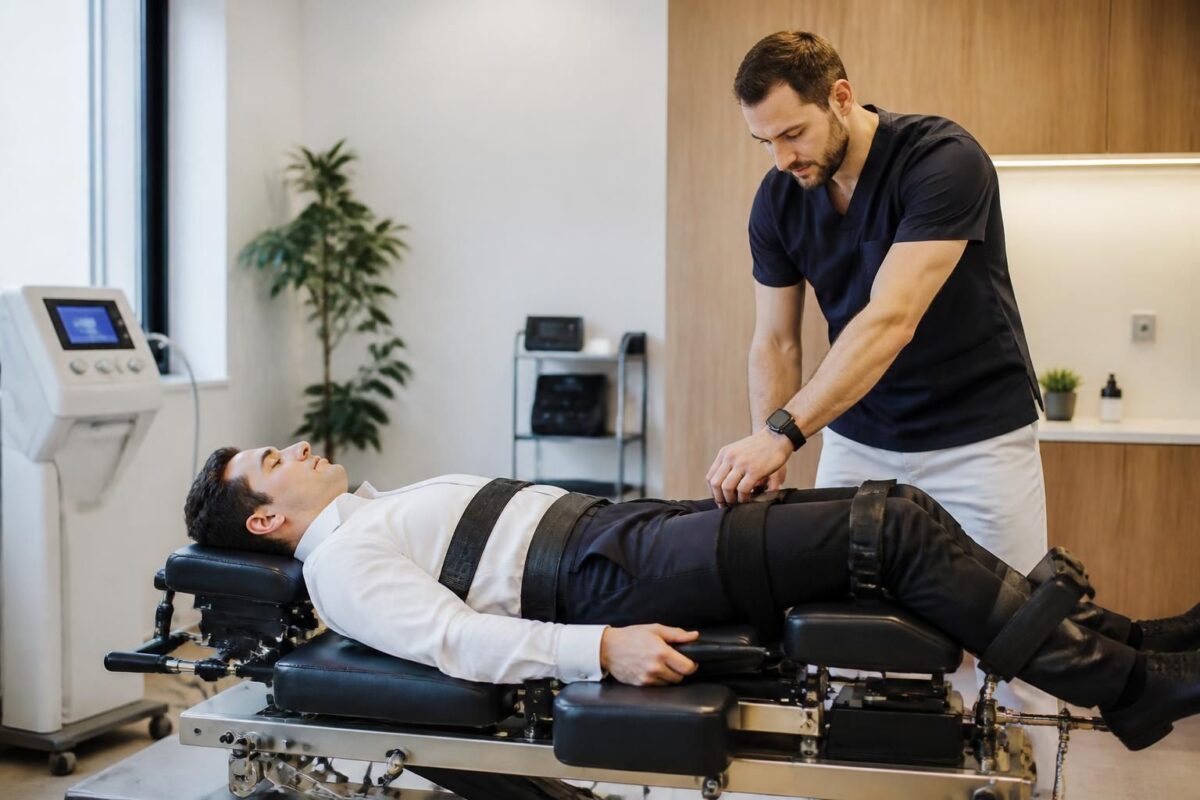
How Neurovertebral Decompression Prevents Diffuse Chronic Pain
In short decompression neurovertebral is one Non-invasive method aimed at reducing the Pressure on the intervertebral discs and the nerves, in order to prevent Diffuse chronic pain. It improves the circulation and thedisc hydration, decreases inflammation and promotes better mobility.…
Testimonials on the benefits of neurovertebral decompression in the face of spinal stenosis
“Before starting treatment, my pain lumbar prevented me from sleeping and moving normally. After a few sessions of neurovertebral decompression, I felt a relief fast and a mobility found that allow me to resume my daily activities without fear. »
“The bloodstream in the affected region improved, and I found a regeneration progressive intervertebral discs. My pain decreases, my mobility increases and I find an energy that I had lost. »
“This approach is a real Non-invasive alternative to surgery. I did not use an intervention and found a quality of life Much better. Decompression affects causes and not just symptoms. »
“By expanding the space between the vertebrae, I observed a Better mobility and a more aligned posture. This helps prevent relapses and protect my spine sustainably. »
“I was able to resume my Daily activities Without constant pain. The neurovertebral decompression Decreased nerve pressure and improved my overall comfort, day after day. »
“As a sportswoman, improve my mobility and my Injury prevention was crucial. Thanks to decompression, I found a regeneration discs and better endurance during training. »
“my quality of sleep improved thanks to reduced inflammation and better circulation. Less nocturnal pain, more energy and vitality during the day. »
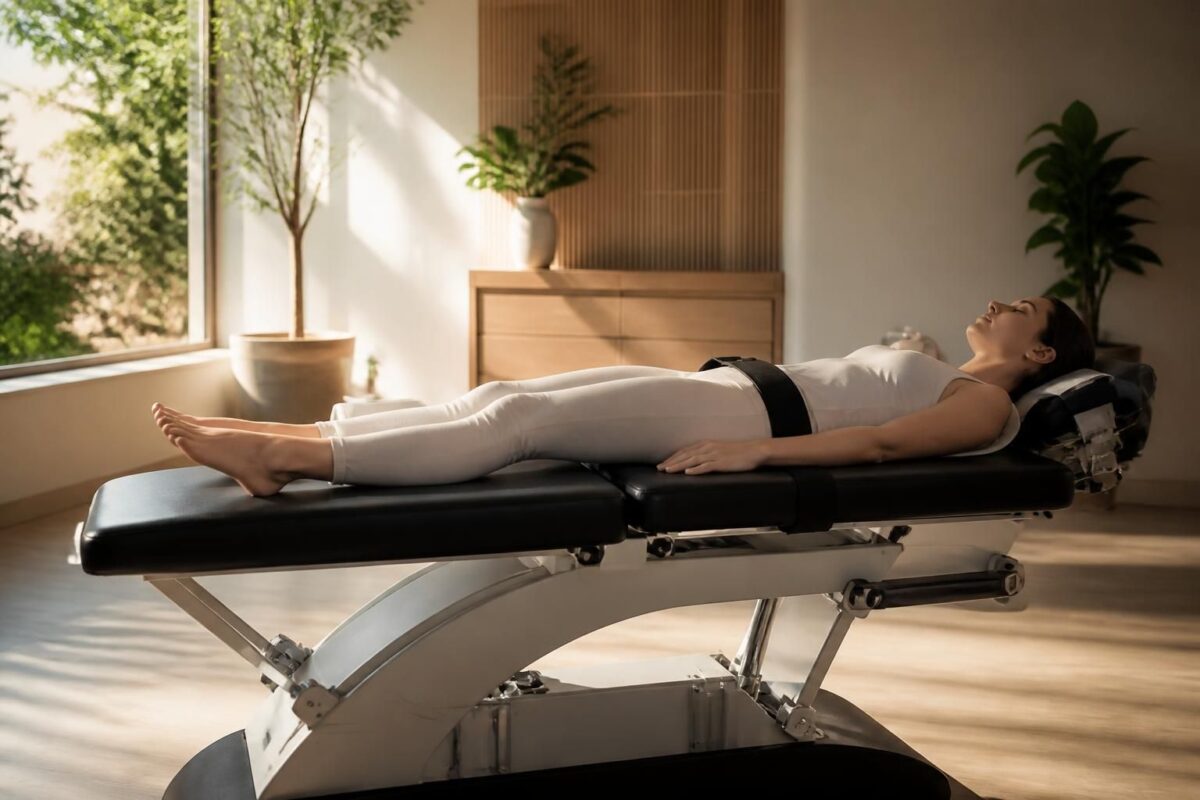
Neurovertebral Decompression and Body Alignment: Restoring Natural Balance
In short In short, neurovertebral decompression is one Non-invasive approach who restores theBody Alignment and thenatural balance back and neck. She acts by a Controlled traction of the spine to widen the intervertebral space and reduce the Pressure on discs…
Biography and benefits of neurovertebral decompression on spinal stenosis
in the field of spinal health, an experienced practitioner, expert in osteopathy, naturopathy and manual medicine, highlights an innovative and non-invasive approach for patients with Spinal stenosis. In search of lasting solutions, it is based on an integrated vision of care that combines scientific rigor and clinical know-how in order to sustainably improve the quality of life of people affected by these chronic pains.
The neurovertebral decompression is presented as a cutting-edge technique based on a Controlled traction and targeted spine. By creating a space between the vertebrae, this approach reduces the pressure exerted on the intervertebral discs and on the nerve roots. The mechanism acts on the sources of pain by rehydrating the discs, improving the local blood supply and facilitating the rebalancing of the vertebral structures, which prepares the ground for real disc regeneration.
the first observed effects result in a immediate relief pain related to nerve compression, which promotes a gradual resumption of daily activities. Then, improving the bloodstream In the affected area nourishes the tissues and accelerates the healing process. This dynamic supports the Regeneration of intervertebral discs, reduces inflammation and reduces the risk of symptoms recurrence, while strengthening the mobility and column flexibility.
In the medium and long term, neurovertebral decompression contributes to the Prevention of recurrences and optimization of the spinal function. By releasing tensions and improving the alignment of the vertebrae, it promotes a more stable posture and a better tolerance to daily or sporting effort. This approach is part of a global care logic, where the interventions are accompanied by a personalized program of exercises, muscle strengthening and ergonomics, in order to solidify the gains obtained and to prevent relapses.
To optimize the results, this biography highlights a careful integration with other technologies and complementary therapies. Technologies like Pulse Align can be combined to promote muscle relaxation and improve neuromuscular communication, which perfectly complements the effects of neurovertebral decompression. The goal is to propose an approach non-invasive which targets the root causes of pain and accompanies each patient on a personalized journey of re-engaging and lasting well-being.
Patients unanimously describe a significant improvement in their quality of life And a resumption of their activities, sometimes after years of embarrassment and restrictions. This therapeutic pathway does not just alleviate the symptoms: it promotes real functional transformation and rediscovered mobility, in harmony with the needs and objectives of each one. For those looking for an effective and body-friendly solution, neurovertebral decompression is a promising and lasting option.
This summary presents the earnings of the neurovertebral decompression for the Spinal stenosis, detailing the mechanisms of action, the effects on pain and mobility, and the practical implications for patients. By targeting the cause rather than the symptoms, this approach non-invasive can quickly relieve discomfort, promote Disk regeneration and prevent recurrences, while integrating into a personalized care course. To deepen, discover the associated resources that clearly explain the principles and benefits.
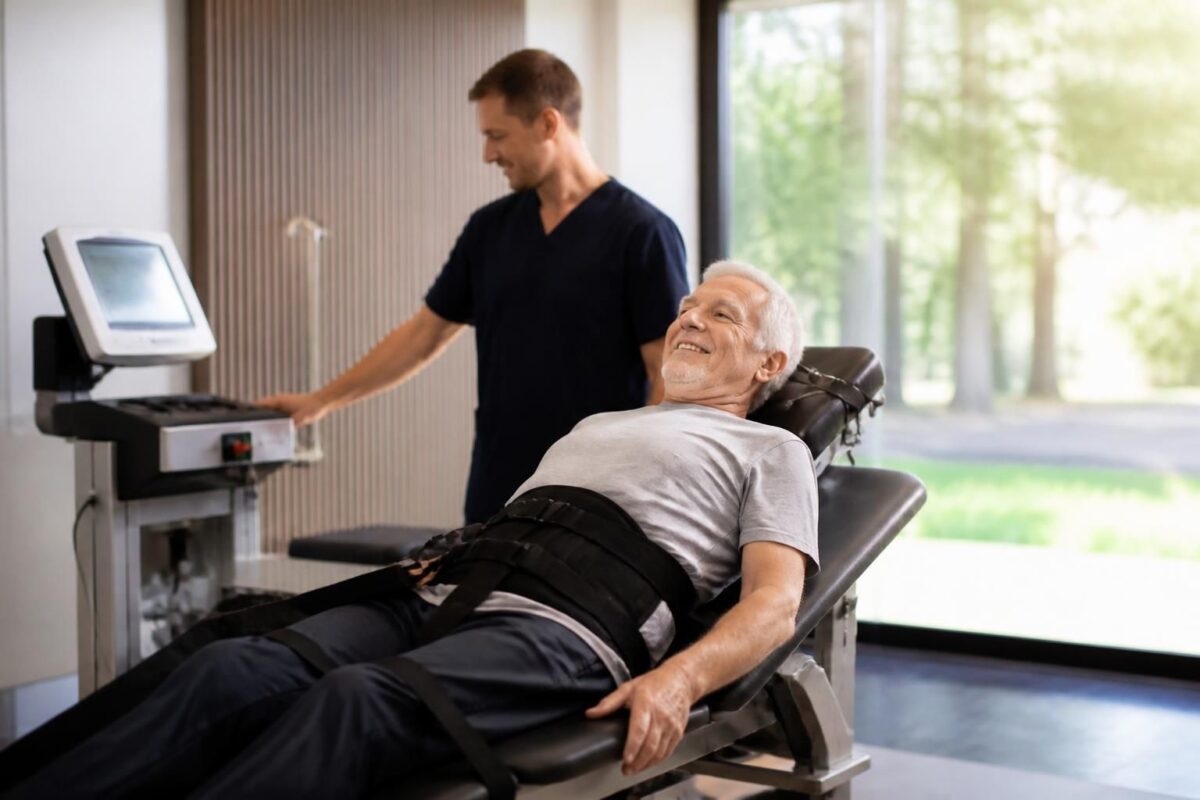
Why neurovertebral decompression is a lasting solution for active seniors
In short In short, the neurovertebral decompression is one Non-invasive therapy which sustainably relieves spinal pain in the spine active seniors By creating, by a Soft and controlled traction, a space between the vertebrae. At Montreal, it is recognized as…
Immediate and lasting benefits
The neurovertebral decompression quickly reduces the pressure exerted on the gristle and the Intervertebral discs, resulting in a pain relief and improved quality of life. At the same time, it improves local circulation and prepares the ground for a more efficient functional recovery. To learn more about the explained benefits, you can check out the dedicated resources: Benefits of Neurovertebral Decompression Explained.
By promoting a better (bloodstream) and a reduction in compression, this technique contributes to a gradual return to your daily activities without major pain. Access to a Non-surgical solution May also decrease the anxiety associated with the intervention and accelerate overall recovery.
For athletes and active people, improving the mobility And endurance can result in a more confident resumption of workouts. Additional resources explore how decompression can be adapted to the individual needs of athletes and active patients.
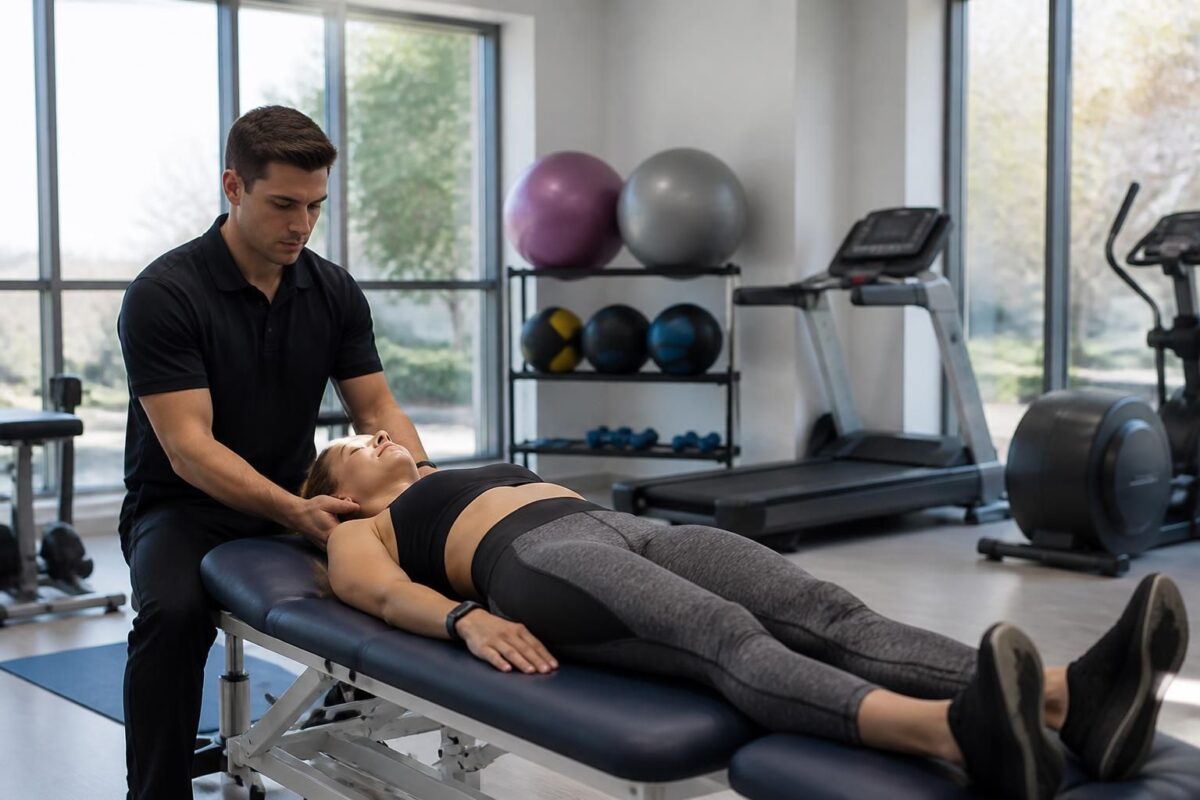
Neurovertebral decompression and recovery after severe sports injury
In short In short, the neurovertebral decompression is one Non-invasive method to Relieve the pressure on the Intervertebral discs and the gristle Via a Controlled traction, to facilitate the recovery After a severe sports injury. It improves the bloodstream towards…
Disc regeneration and improved mobility
One of the key effects of decompression is the stimulation of the Regeneration of intervertebral discs, facilitated by lowering pressure and improving disc hydration. This dynamic supports the Spinal flexibility and helps to prevent protrusions and bulges. To understand how decompression acts on disk-level voltages, see: How Neurovertebral Decompression Reduces Disc Tensions.
The stimulation of disc regeneration is accompanied by a reinforcement of the overall mobility of the column, which helps to regain a more natural range of motion. This approach aims not only to reduce pain, but also to preserve spinal function in the long term. Additional resources illustrate the mechanisms and results observed in various patient profiles.
For more details on spinal stenosis benefits and functional implications, refer to specialized resources such as Benefits on spinal stenosis or Treatment of spinal stenosis by neurovertebral decompression.
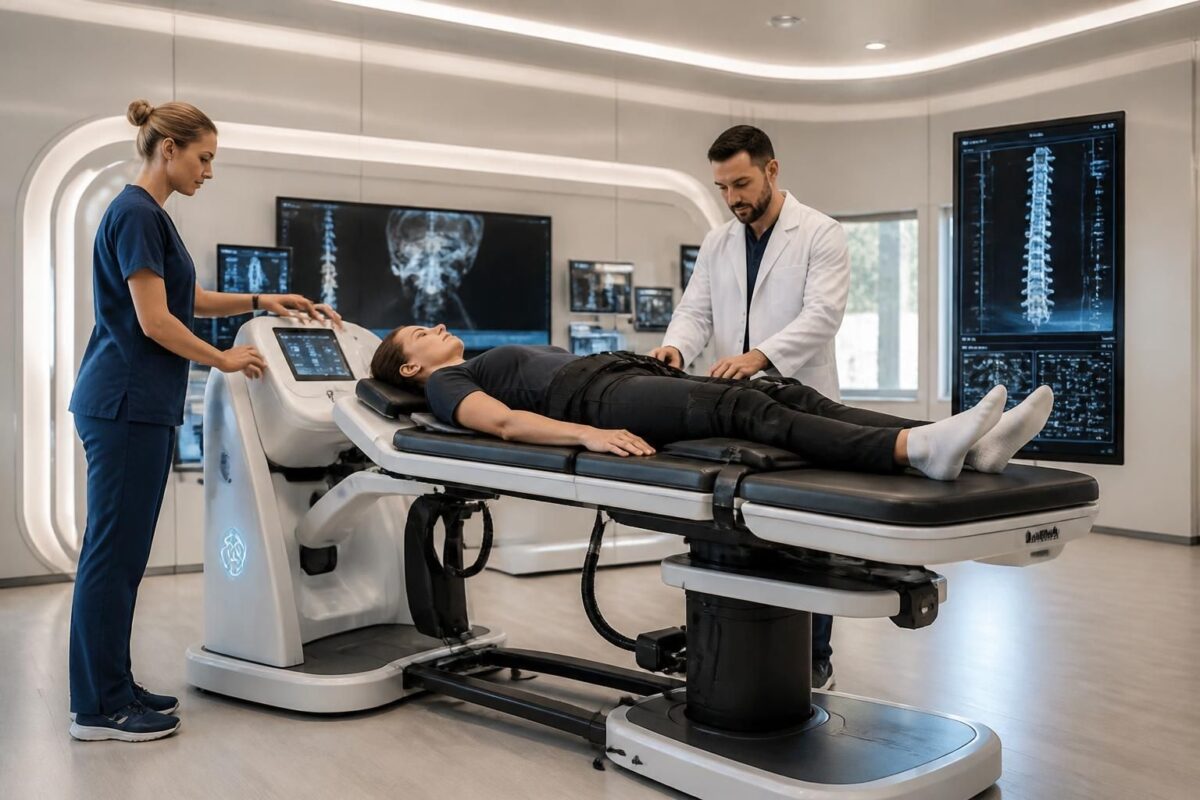
Recent innovations in neurovertebral decompression technologies
In short In short, the neurovertebral decompression is an approach non-invasive Aiming to reduce pressure on discs and nerves, and promote tissue regeneration. At Montreal, it is positioned as an effective option for lower back pain and herniated discs. The…
Blood circulation and tissue healing
By freeing up space around the spinal structures, decompression improves blood irrigation and the intake of essential nutrients, promoting Tissue regeneration and the recovery of nervous and fibrous tissues. This improvement in circulation actively contributes to the reduction of inflammation and the acceleration of the healing of damaged discs. Online resources detail how decompression acts on vasculo-tissue dynamics and neuromuscular rebalancing mechanisms: Impact on disc voltages.
Improved circulation also contributes to better tissue oxygenation, which is crucial for regeneration and reduction of stenosis-related pain. This approach is part of a logic of holistic care, aiming for a better overall function of the spine and the nervous system.
For a complementary perspective and testimonials, you can consult resources like Benefits for lower back pain.
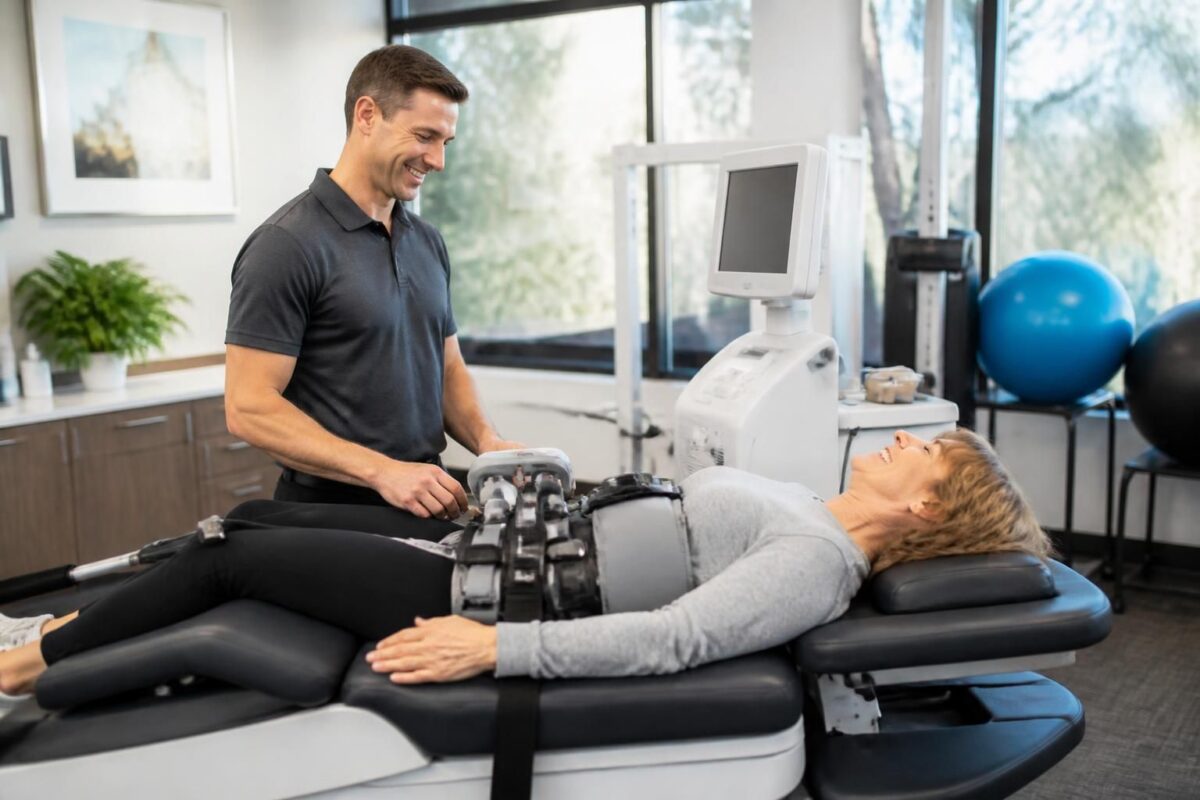
Neurovertebral decompression and diffuse pain: an appropriate solution
In short In short, the neurovertebral decompression is one Non-invasive solution For diffuse pain related to nerve irritation of the spine. She acts in Reducing pressure on intervertebral discs and nerves and improving the bloodstream, which promotes recovery and the…
Prevention of recurrences and sustainability of results
Neurovertebral decompression is an approach non-invasive which aims to prevent recurrences by restoring the space and mobility of the column. By promoting the rehydration of the discs and decreasing pressure on the nerve roots, it helps to maintain a spine more resilient and less susceptible to relapses. You can explore resources explaining how this approach can help Prevent recurrences Spinal stenosis: A solution to avoid recurrences of advanced spinal stenosis.
An integrated care plan, including strengthening exercises, physiotherapy and ergonomic advice, can amplify the lasting effects and reduce the risk of relapse. Complementary resources discuss the integration of decompression in a comprehensive care pathway and long-term benefits for mobility and quality of life: Treatment and follow-up.
For feedback and long-term results analyses, testimonies and public assessments show how decompression can be part of a sustainable approach to managing spinal stenosis. For a prevention-centric approach, also check out the resources dedicated to preventing disc complications: Benefits explained.
Integration in the care and safety course
Neurovertebral decompression generally fits into a global care pathway, with a prior assessment and a personalized treatment plan. As a non-surgical alternative, it reduces the risks and delays associated with more invasive interventions while targeting pain U0092. For a clinical presentation and practical applications, the specialized pages describe how this treatment is articulated with other approaches: Tagmed processing details and Follow-up recommendations.
resources on mobility and the functional impact of decompression underscore how it can improve Joint mobility and reduce nervous tension: Improved joint mobility.
For those who wish to deepen the practical aspects, detailed references present the mechanisms and benefits in a coordinated program including ergonomic advice and targeted exercises: Benefits for lower back pain.
Medical disclaimer: The information and advice provided does not replace the opinion of a health professional. Always consult your doctor for any medical questions.

Dr Sylvain Desforges, B.Sc., D.O., N.D., osteopath, is the founding president of TAGMED and of the ACMA association. He dedicates his practice to chronic spinal pain, low back pain and symptoms compatible with sciatica, particularly when pain radiates toward the buttock, leg, calf, foot or toes.
Through SOS Sciatique, he publishes educational content on sciatica symptoms, possible causes such as disc herniation, disc narrowing, foraminal stenosis or irritation of a lumbar nerve root, as well as non-surgical approaches that may be considered according to the evaluation. At Clinique TAGMED, care may include, depending on the case, motorized neurovertebral decompression, specific osteopathic care or precision percussion.
For an evaluation related to sciatica treatment in Montreal / Mount Royal or sciatica treatment in Terrebonne, please consult the services available at Clinique TAGMED.
Medical disclaimer
The information published on SOS Sciatique is provided for educational purposes only and does not replace a consultation, diagnosis, opinion or treatment provided by a physician or another authorized healthcare professional. The author of this article is neither a medical doctor nor a specialist in a medical specialty recognized by the Collège des médecins du Québec. The osteopathic, manual medicine or functional support approaches described on this site do not constitute medical acts and are not intended to replace medical follow-up.
Consult a physician or emergency service in cases of loss of bladder or bowel control, anesthesia in the saddle area, significant or progressive weakness in the leg or foot, fever, recent trauma, severe pain or rapid worsening of symptoms. For more details, please read our Legal Notice.