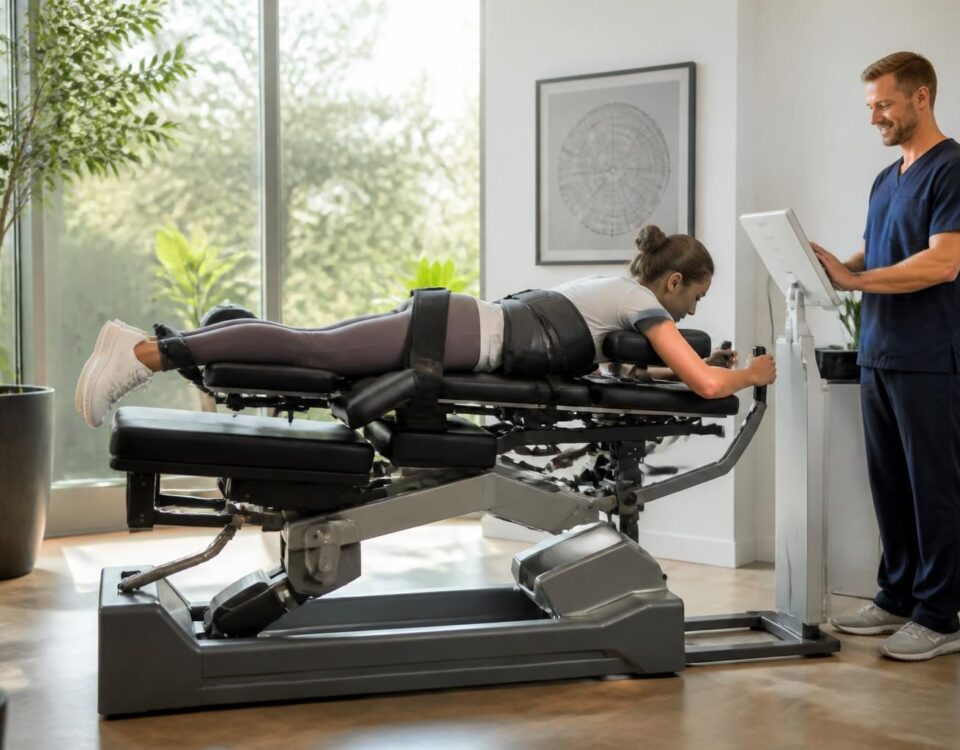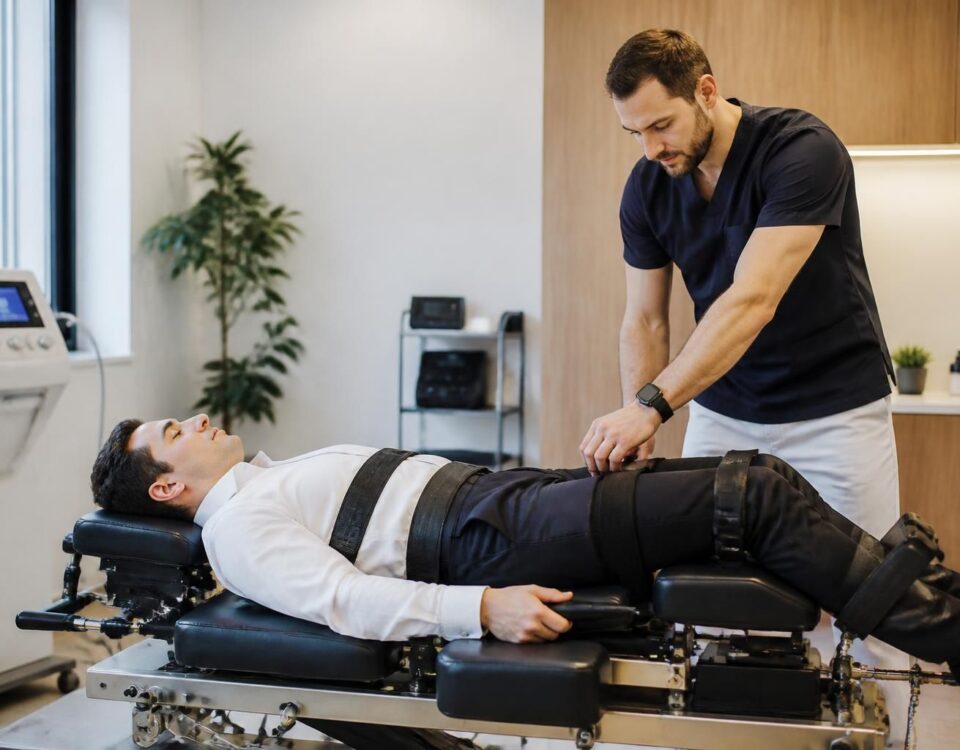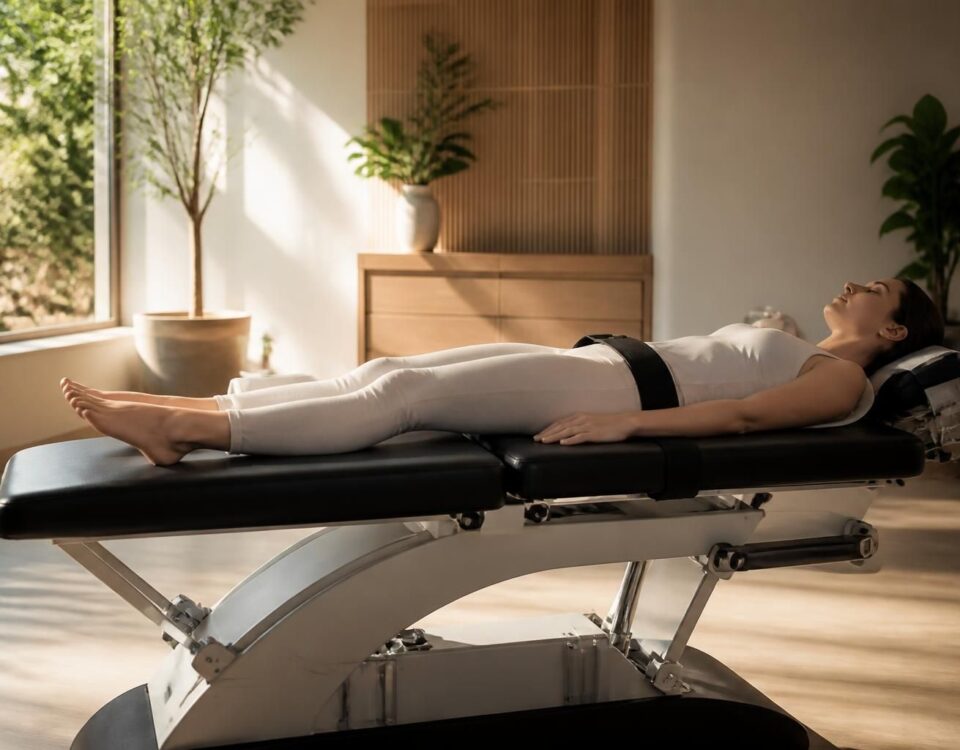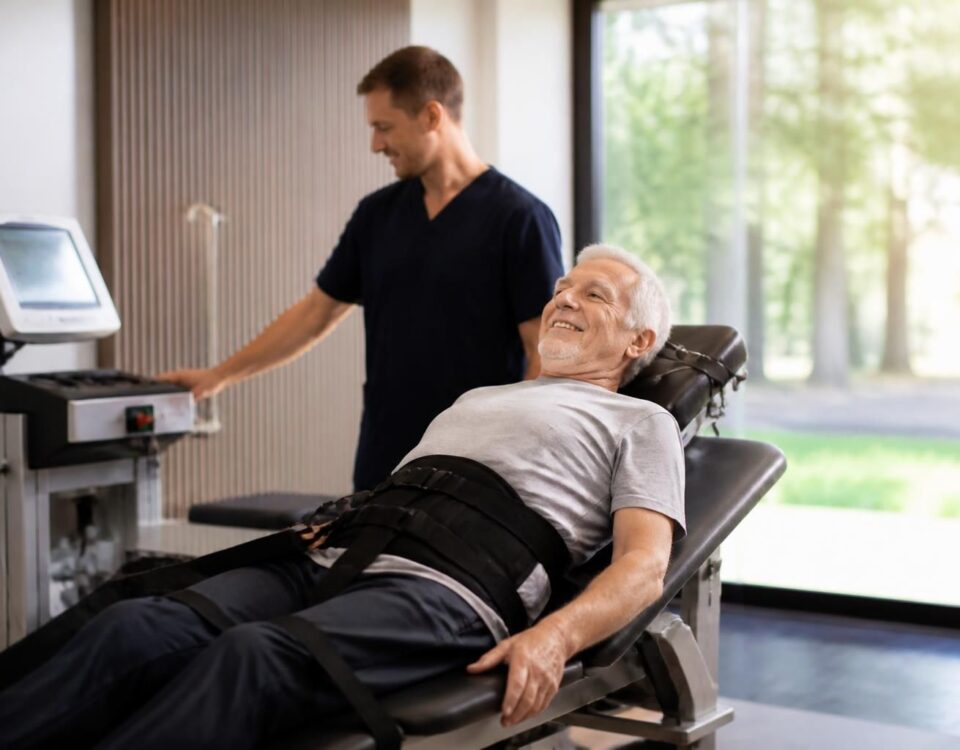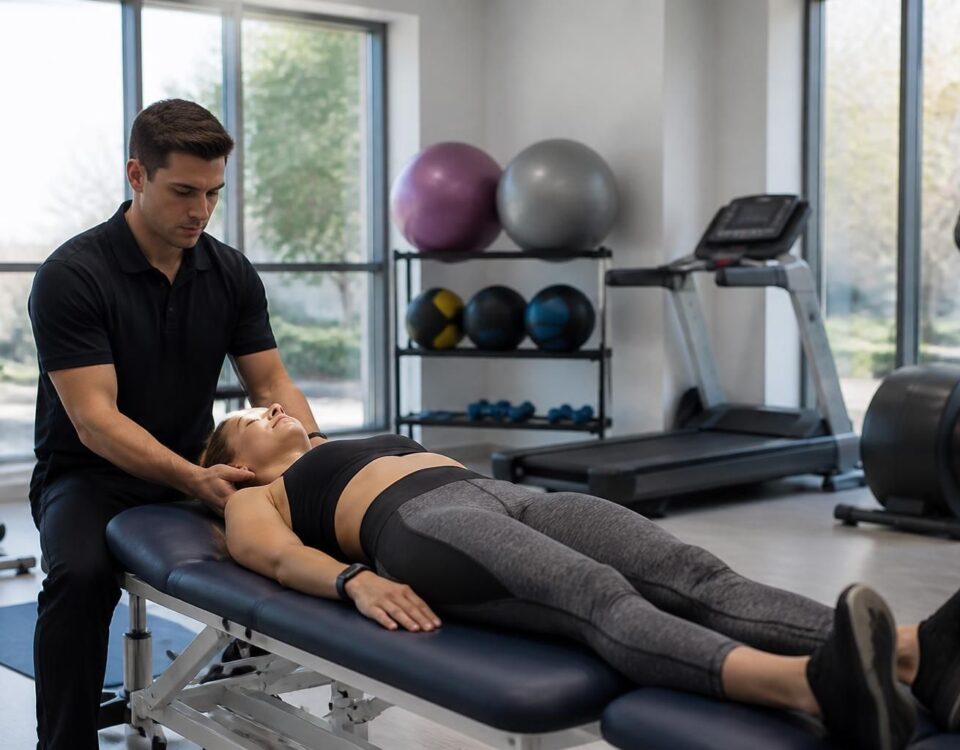


Technologies used for neurovertebral decompression
25/06/2026
Who are the best candidates for neurovertebral decompression
25/06/2026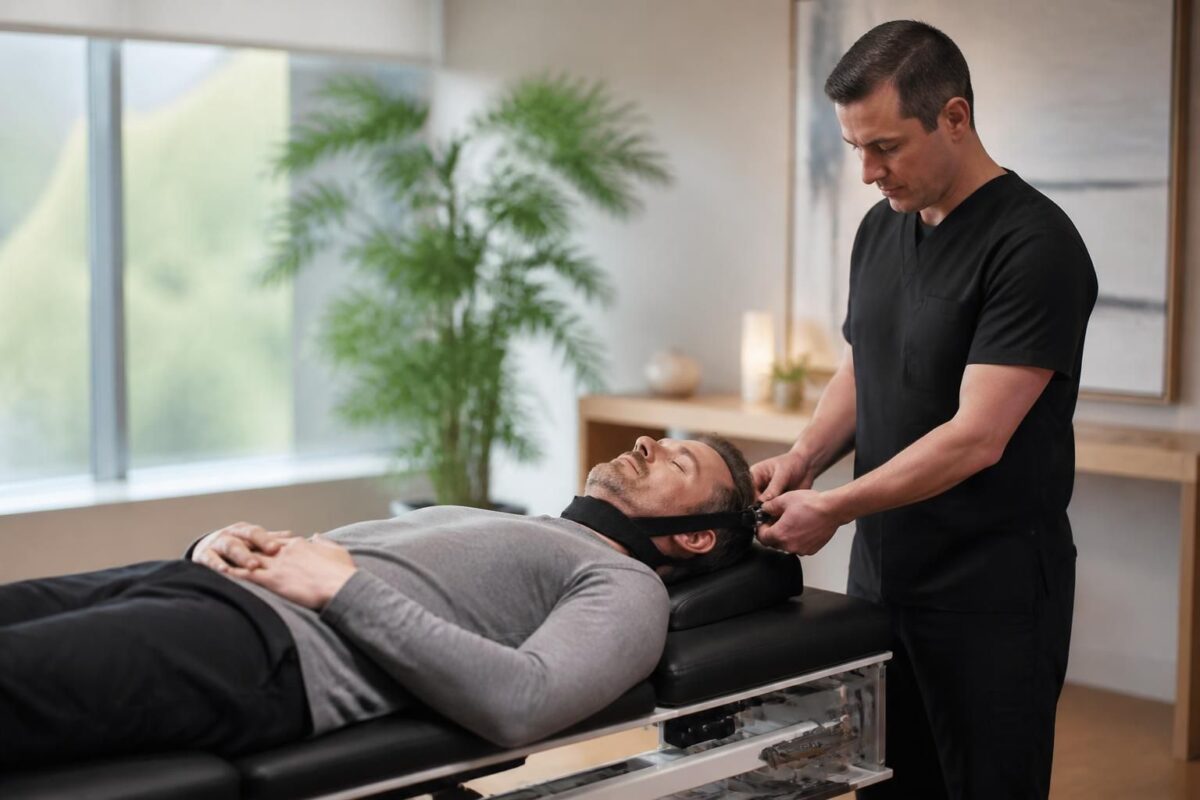
In brief in French
| In short, the neurovertebral decompression is one Natural solution non-invasive aimed at reducing the Pressure on the intervertebral discs and the nerves of the neck to relieve the neck pain. Its benefits include LImproving mobility and a noticeable reduction in pain, with a potential decrease in drug addiction. She acts by a Controlled traction On the spine, promoting circulation, hydration and tissue regeneration. accessible to Montreal For people suffering from Chronic pain, this approach offers a natural and effective alternative in a holistic setting. Consult a qualified professional to assess the suitability of the treatment; The results vary by individual. |
The neurovertebral decompression is an approach non-invasive which aims to relieve the neck pain By reducing the Pressure on the intervertebral discs and the nerves. Thanks to controlled traction on the spine, it improves circulation, facilitates Tissue regeneration and restore the mobility without the need for medication or surgery. It is aimed at pain related to herniated discs, bulges or muscle tension and can be integrated into a holistic care plan. Patients often find Sustainable reduction pain, better posture and an Improved quality of life. It’s an option natural and secure For those who favor gentle care of their cervical disorders.
As part of the management of cervical pain, the neurovertebral decompression appears as a Natural solution effective. This non-invasive approach acts on the cervical spine by controlled traction, in order to reduce the pressure exerted on the intervertebral discs and nerve roots. It promotes tissue regeneration, improves mobility and reduces pain without systematically using drugs or surgery.
How does neurovertebral decompression work?
This technique is based on the use of a specialized device that applies a Controlled traction on the spine. This action reduces the pressure on the Intervertebral discs and the surrounding nerves. By promoting a better supply of nutrients and oxygen, it can promote Tissue regeneration and reduce inflammation, which results in a gradual decrease in cervical discomfort.
Benefits for cervical pain
- pain reduction and progressive improvement in neck mobility
- Mobility and flexibility increased cervical
- Less drug use and fewer side effects
- Reduced risk of recurrence thanks to better alignment and spinal stability
Indications and care pathways
Neurovertebral decompression is considered for conditions such as herniated discs, protrusions or discal bulges, and cervical pain of degenerative or root origin. Each patient benefits from a personalized assessment in order to verify the adequacy of this approach in a global care plan. Recognized clinics in Montreal and in the region offer this treatment, in particular via structures affiliated with Tagmed Clinics.
Evidence and informative resources
To explore mechanisms and benefits, several online resources describe neurovertebral decompression and its applications. For example, articles and testimonials available on dedicated sites make it possible to understand the indications and the results observed. You can view analyzes and feedback via resources such as:
Non-surgical neurovertebral decompression, Ideal after an injury, Advanced cervical inflammation, Dr Desforges, Benefits in the elderly and cervical roots.
Comparison of approaches
| Therapy | Main Benefits | Limitations |
|---|---|---|
| neurovertebral decompression | Approach non-invasive, decreased disc pressure, improved mobility, pain reduction | May require multiple sessions and rigorous initial assessment |
| painkillers | rapid pain reduction | potential side effects; possible dependence; Does not deal with the structural cause |
| Physiotherapy | Reinforcement and stability | Variable and sometimes lower efficiency on root causes compared to structural approaches |
Clinical integration and additional resources
As part of a global care plan, neurovertebral decompression can be associated with other approaches available in Montreal or Terrebonne within TagMed clinics. For information and planning an assessment, you can refer to resources dedicated to neurovertebral decompression and its benefits. For example, articles and informative pages present the mechanisms and results observed in practice.
For further information and access to additional resources, please refer to the following pages:
- Non-surgical neurovertebral decompression
- Ideal after an injury
- Advanced cervical inflammation
- Dr. Desforges – Neck pain
- Benefits in the elderly
- Inflammations around the cervical nerve roots
In practice, each case is unique. A consultation with a qualified professional determines whether the neurovertebral decompression agrees and how it fits into a global rehabilitation and well-being plan.
To learn more about the solutions offered by TagMed Clinics related to neurovertebral decompression, consult the official pages of institutions and associated resources.
For more information, consult additional resources and testimonials available on the specialized sites mentioned above, and discuss with your doctor or referral osteopath before starting any treatment.
“Medical disclaimer: The information and advice provided on this site does not replace the health professional’s benefit, diagnosis or treatment. Please note that Dr. Sylvain Desforges osteopath is neither a doctor of medicine nor a doctor, and is not a specialist in a medical specialty as defined by the Collège des Médecins du Québec. Manual medicine, functional medicine and sports medicine as described on this site exclude any medical treatment or diagnosis made by a doctor or specialist doctor. Always consult your doctor for any medical questions. For more details, please read our full legal notice. »
- neurovertebral decompression : Controlled traction reducing pressure on the Intervertebral discs.
- Approach non-invasive without surgery or medication.
- Progressive stretch restoring theintervertebral space.
- better circulation and hydration discs.
- promotes the regeneration local tissue.
- relief of neck pain and roots.
- Improvement of the mobility and from the flexibility of the neck.
- top posture and spinal stability.
- reduction of Drug side effects.
- more lasting results with Regular sessions.

The neurovertebral decompression represents a solution natural for the neck pain, by directly targeting the pressure on the discs and nerves without surgery or heavy drugs. This article offers concrete recommendations for understanding, considering and optimizing this treatment in a holistic approach to health.
Understand the mechanism and indications
The neurovertebral decompression Acts by controlled traction on the cervical spine, which gradually frees the intervertebral space and reduces the pressure on the nerves. This approach promotes the circulation of nutrients to the tissues and can improve the mobility of the neck. It is particularly relevant when pain comes from mechanical causes such as cervical tension, disc herniation or repercussions linked to prolonged postures.
Why it can be adapted to cervical pain
It offers a natural alternative drug treatments and surgery, acting on the mechanical source rather than just the symptoms. By allowing better tissue regeneration and a reduction in local inflammation, it can permanently reduce pain and limit recurrences when the sessions are adapted to each patient.
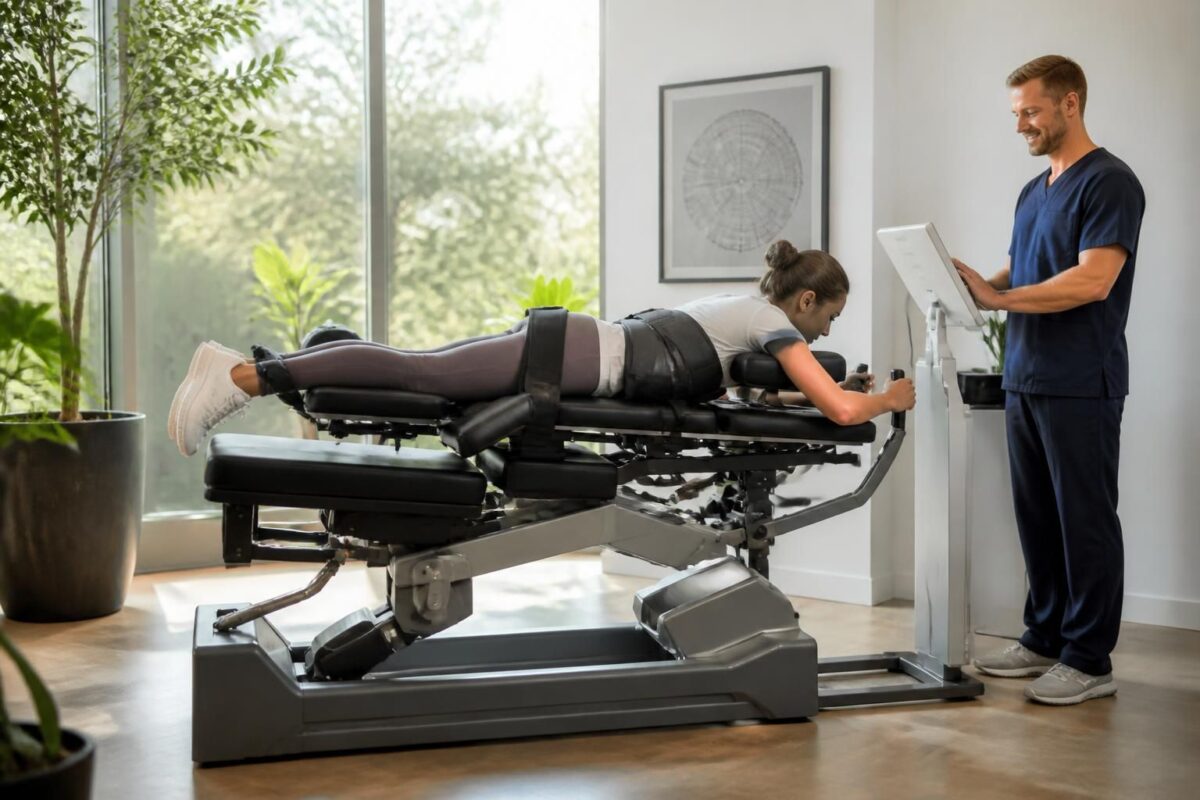
The long-term benefits of neurovertebral decompression for spinal health
In short In short, the neurovertebral decompression is a non-invasive approach that decreases the Pressure on intervertebral discs and nerves, favoring the Natural regeneration and tissue recovery. Its long-term benefits include Lasting pain reduction, Improving mobility and from the posture,…
Application cases and precautions
This method is suitable for patients without major contraindications and who are looking for an approach non-invasive. Before starting, an initial assessment with a health professional is essential to assess individual factors (historical history, ongoing treatments, cervical structures) and determine whether this protocol is appropriate.
Specific precautions apply: Inform in the event of pregnancy, recent fractures, infections, tumors or cervical instabilities; Some states may require protocol adaptation or other therapeutic approach.

Neurovertebral decompression and mobility: a return to an active life
In short In short, the neurovertebral decompression is therapy non-invasive who uses a gentle traction To create a space between the vertebrae and reduce the pressure on the Intervertebral discs and the nerves. It promotes a bloodstream improved, lowers tension…
Practical recommendations to make the most of this approach
Evaluation and preparation
Prioritize a full assessment in a qualified practitioner and discuss realistic goals. Choosing a personalized protocol is essential, as is clarifying potential expectations and risks.
Treatment plan and regularity
Prioritize Regular sessions and progressive over several weeks, in order to allow a progressive adaptation of the spine and a measurable improvement in pain and mobility. The protocol should be re-evaluated periodically to adjust the intensity and duration of the sessions.
Ergonomics and daily posture
adopt a ergonomy adapted to work and daily activities is crucial. Simple adjustments (workstation position, active breaks, gentle stretching exercises) help maintain profits and prevent relapses.
Integrating gentle exercises recommended by the therapist, and combining decompression with non-invasive complementary practices (vertebral mobility, targeted muscle strengthening, appropriate manual therapies) can optimize the results.
Lifestyle and follow-up
Ensure quality sleep, sufficient hydration and anti-inflammatory diet support recovery. Monitoring progress and adjusting the treatment plan based on results are essential for sustainable improvement.
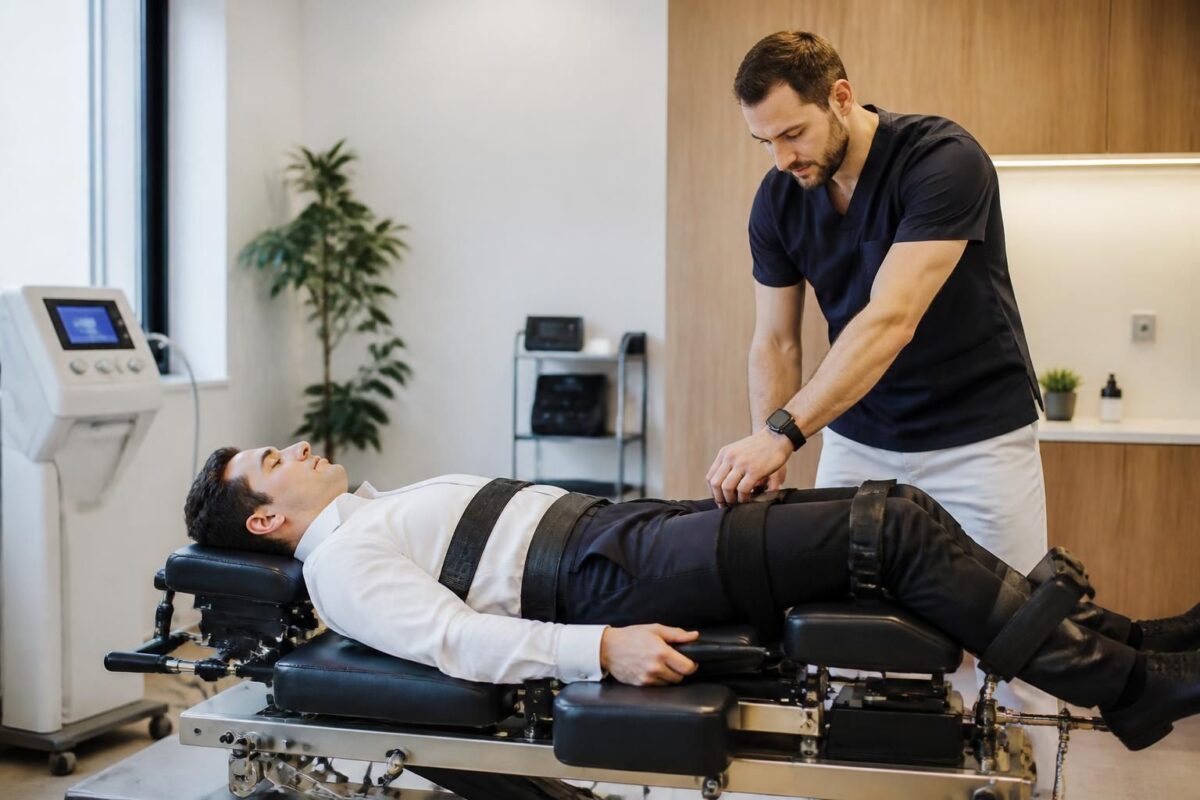
How Neurovertebral Decompression Prevents Diffuse Chronic Pain
In short decompression neurovertebral is one Non-invasive method aimed at reducing the Pressure on the intervertebral discs and the nerves, in order to prevent Diffuse chronic pain. It improves the circulation and thedisc hydration, decreases inflammation and promotes better mobility.…
Questions to ask yourself during the consultation
Ask the practitioner how the relevance of treatment is assessed, what parameters are used to track progress, and how to integrate it into a global health plan. Make sure the protocol remains natural, non-invasive and aligned with your wellness goals.
| Element | Description |
|---|---|
| Objective | Reduce pressure on the discs and nerves of the neck to relieve the pain and Improve mobility without surgery. |
| Principle | Soft and controlled traction on the spine via a specialized device. |
| Nature of the intervention | non-invasive; No surgery or anesthesia. |
| Key Benefits | Lasting pain relief, stress reduction and better posture. |
| Target audience | People with chronic cervical pain related to inadequate hernias, bulges or postures. |
| Duration and rhythm | Regular sessions over several weeks, adjusted according to the evolution. |
| Risks and contraindications | low risks; Pre-assessment required to adapt the treatment. |
| Accessibility and cost | available in specialized clinics; Support according to guarantees. |
| Expected results | Restored mobility and reduced pain, with possible reduction of drugs. |
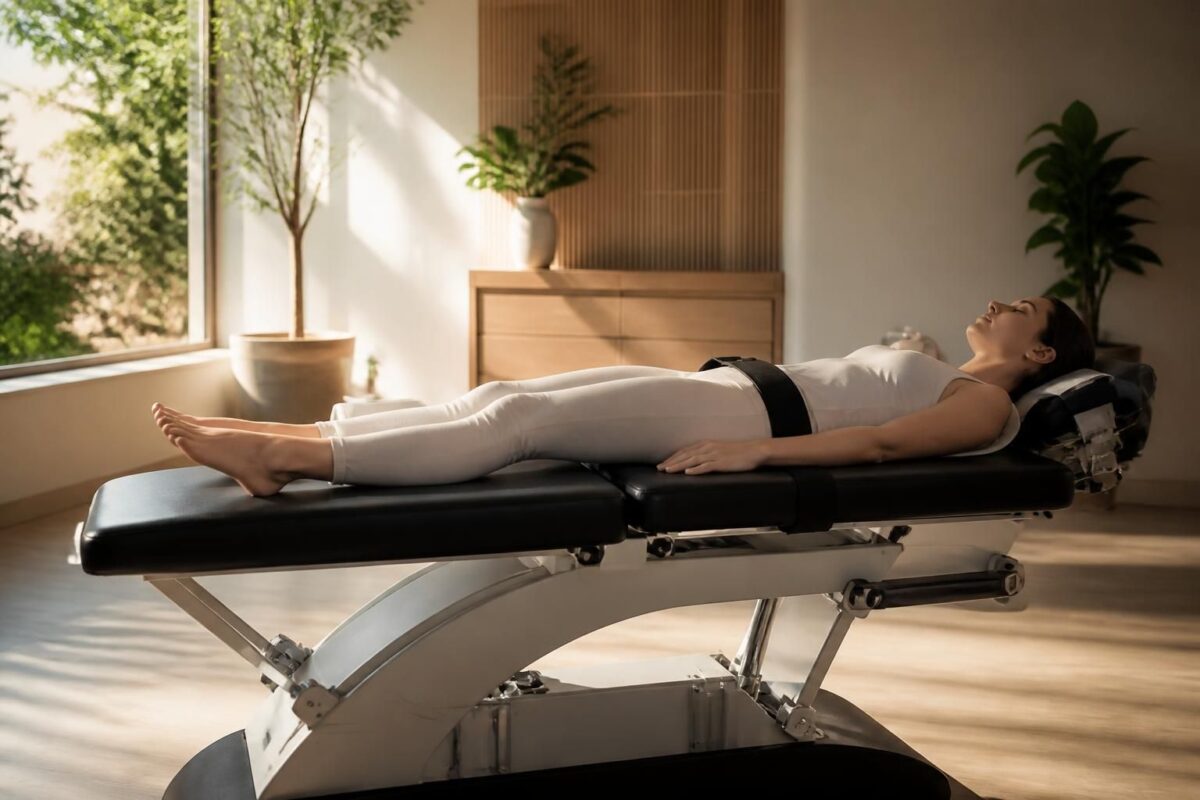
Neurovertebral Decompression and Body Alignment: Restoring Natural Balance
In short In short, neurovertebral decompression is one Non-invasive approach who restores theBody Alignment and thenatural balance back and neck. She acts by a Controlled traction of the spine to widen the intervertebral space and reduce the Pressure on discs…
Testimonials on neurovertebral decompression and neck pain: a natural solution
For years, my neck pain prevented me from being active. After attempting several therapies, neurovertebral decompression brought me noticeable relief without medication, and my mobility has improved sustainably.
As a sportsman, I constantly had tension in my neck. This approach non-invasive and natural Balanced my muscles and reduced pain, allowing me to resume my workouts with a better range of motion.
I had tried everything, from anti-inflammatories to injections, without lasting results. The neurovertebral decompression gave me real respite and helped me find a pain-free life, with better posture.
Following an injury, I was discouraged. After a few sessions, my cervical pain decreased and my posture improved, which had a positive impact on my daily life.
this solution natural and non-invasive allowed me to reduce my addiction to analgesics and enjoy a quality of life found thanks to a better mobility.
I am impressed with the results: less pain in the neck, better flexibility and ability to resume my activities without fear of triggering a crisis. The neurovertebral decompression has become a key step in my recovery.
Dr. Sylvain Desforges, osteopath and expert in manual medicine, is the founding president of the Tagmed clinics and the ACMA association. Its professional trajectory is guided by health innovation and a holistic approach to Chronic pain. Her commitment is to provide evidence-based care, while putting the patient at the heart of a personalized journey focused on well-being and physical performance.
At the center of its offer is the neurovertebral decompression, a technique non-invasive Designed to address cervical pain that affects mobility and quality of life. This approach is based on controlled traction applied to the spine, which reduces the pressure exerted on the intervertebral discs and surrounding nerves. By releasing this space, it promotes blood circulation, supports tissue regeneration and contributes to a gradual reduction in pain symptoms.
Dr. Desforges’ therapeutic philosophy incorporates a global vision of the spine and the musculoskeletal system. In addition to decompression, it exploits complementary technologies such as laser and shockwave therapy, in order to optimize healing mechanisms without resorting to invasive treatments. This combination makes it possible to address the root causes of cervical pain and to support patients towards regained and lasting mobility.
Each patient benefits from a rigorous and individualized care process. It all starts with a precise assessment that assesses the biomechanical, posturo-general and functional factors specific to each. Based on this, an appropriate treatment plan is developed, including regular sessions, measurable goals and practical advice to preserve improvements outside of the sessions. The objective is not only to soothe the pain but also to strengthen the cervical stability and to prevent recurrences.
Designed to be integrated into a complete rehabilitation approach, this system is part of an approach natural and pragmatic care. Dr. Desforges insists on the importance of correct posture, active lifestyle and careful clinical follow-up, so that the gains obtained during treatment result in a lasting improvement in the quality of life. Neurovertebral decompression is presented as a real option for those looking for effective cervical pain management without relying on medications or surgical procedures.
The results observed in the clinics he directs testify to a reduction in pain and an improvement in neck mobility, with better exertion tolerance and a faster resumption of daily activities. The focus is on personalized support, an election of adapted technologies and a scientific data-based approach to shed light on every therapeutic decision.
Through his leadership and commitment to transparent and reproducible clinical practices, Dr. Desforges contributes to neurovertebral decompression an accessible option—one Natural solution For those who suffer from cervical pain, aspiring to a freer and painless life.
neurovertebral decompression and cervical pain: a natural solution that deserves your attention. This article details how this approach non-invasive Acts on the lumbar and cervical mechanisms, observed benefits, indications and resources to deepen the subject, to help you consider more holistic and lasting pain management.
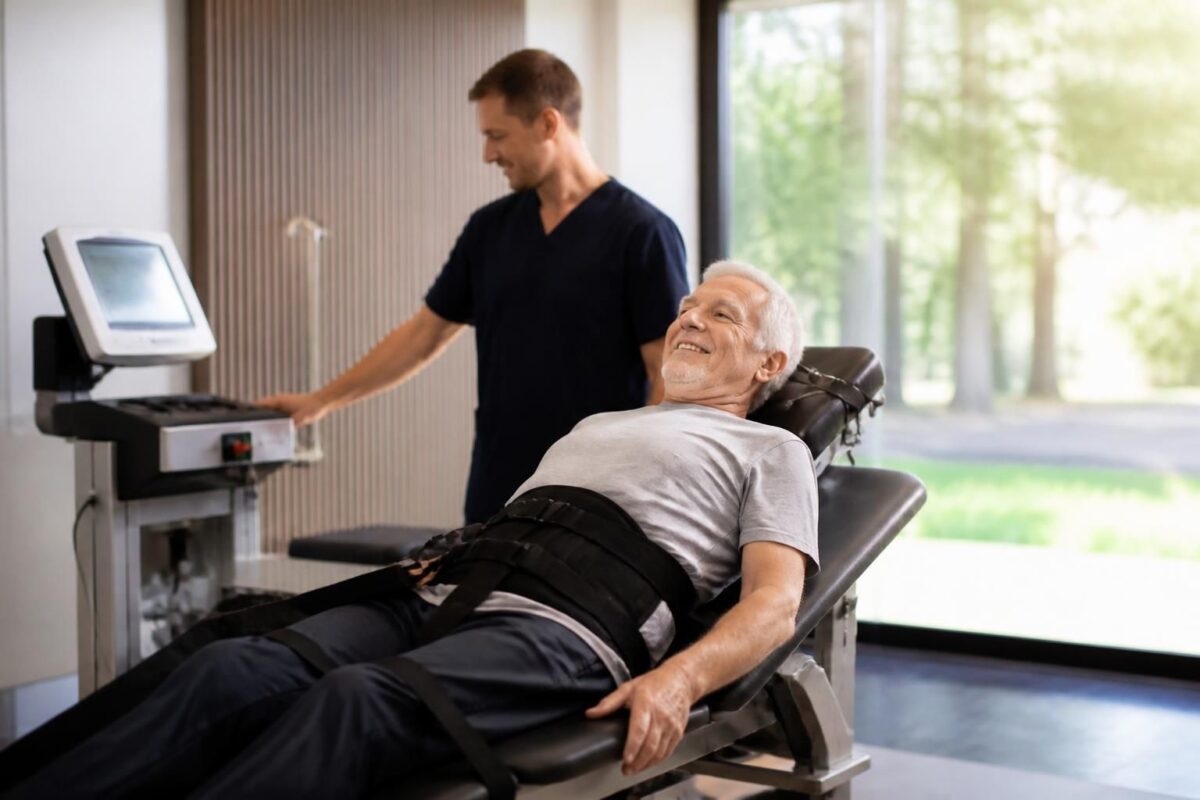
Why neurovertebral decompression is a lasting solution for active seniors
In short In short, the neurovertebral decompression is one Non-invasive therapy which sustainably relieves spinal pain in the spine active seniors By creating, by a Soft and controlled traction, a space between the vertebrae. At Montreal, it is recognized as…
Key Mechanisms and Benefits
Neurovertebral decompression is based on a Controlled traction applied to the spine via a specialized device. This action increases the space between the vertebrae and reduces the pressure exerted on the Intervertebral discs and neighboring nerves, which promotes better blood circulation and the supply of nutrients to damaged tissues. As a result, we often observe a pain reduction and an Improving mobility, without the need for medication or surgery.
In addition to the possible immediate relief, this approach can promote the Tissue regeneration and theposture improvement, helping to prevent recurrences and to restore a sustainable quality of life. For additional explanations and feedback, you can consult resources such as This TagMed article and sosciatian.
To understand practical bases and mechanisms, see also This SOS Sciatica Guide, which explains how this technique can act on nerve compressions linked to the cervical.
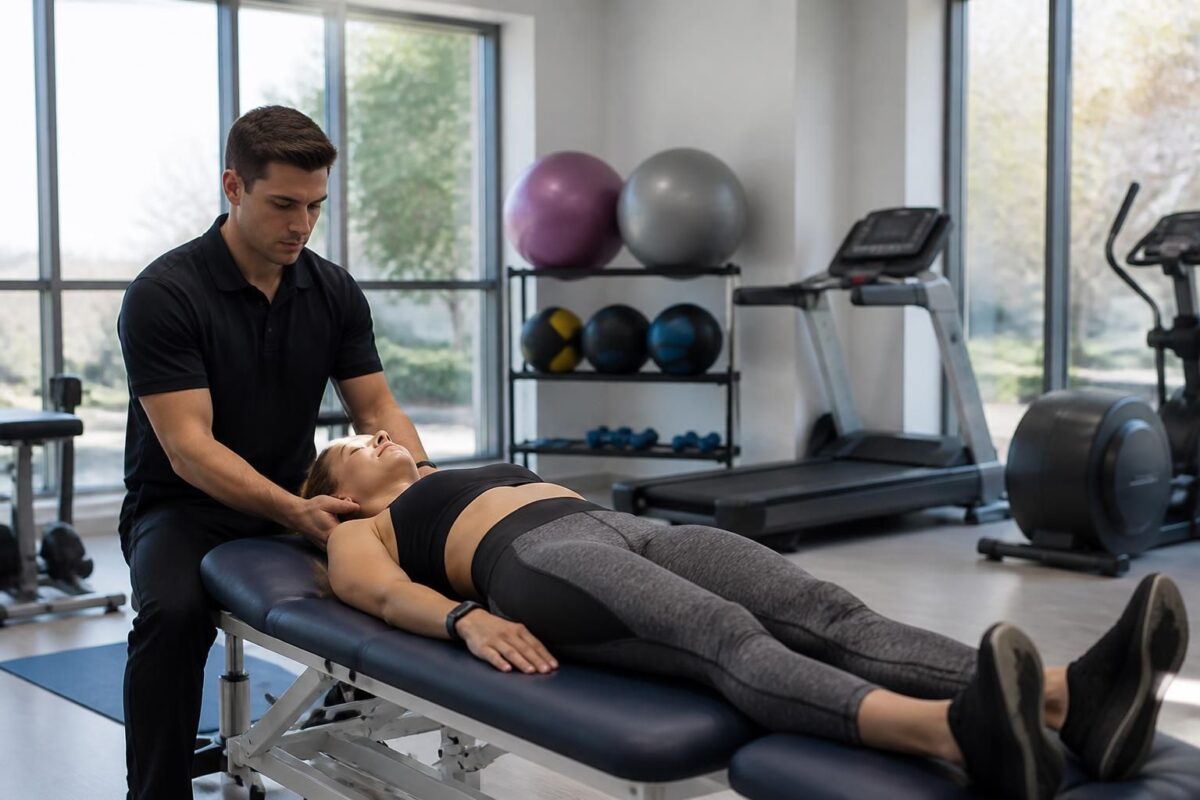
Neurovertebral decompression and recovery after severe sports injury
In short In short, the neurovertebral decompression is one Non-invasive method to Relieve the pressure on the Intervertebral discs and the gristle Via a Controlled traction, to facilitate the recovery After a severe sports injury. It improves the bloodstream towards…
Indications and support framework
Neurovertebral decompression is particularly suitable for people with Chronic cervical pain, herniated discs or nerve pinches, when the approaches non-invasive are privileged, and without premature recourse to surgery. each case being unique, a Personalized evaluation by a health professional is essential to determine the adequacy of the treatment and the number of sessions necessary.
Additional resources present eligibility criteria and potential limits. for example, This SIATIATIC GUIDE details the profiles most likely to benefit, while This FAQ Explore adaptation in athletes.
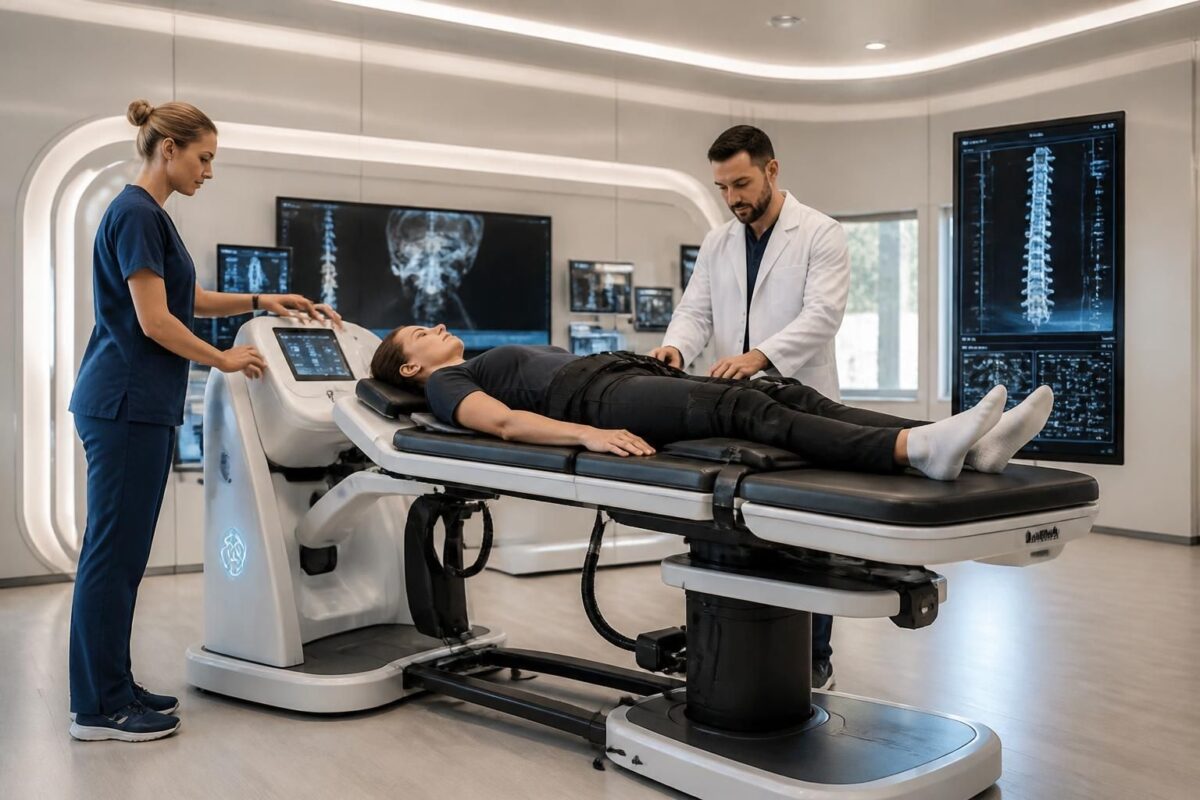
Recent innovations in neurovertebral decompression technologies
In short In short, the neurovertebral decompression is an approach non-invasive Aiming to reduce pressure on discs and nerves, and promote tissue regeneration. At Montreal, it is positioned as an effective option for lower back pain and herniated discs. The…
Integration into a natural and holistic approach
Decompression is easily part of a global approach to well-being, in addition to other manual or physical therapies and work on posture and ergonomics. It can be associated with complementary technologies when appropriate, while remaining an option natural and non-drug. To broaden perspectives and feedback, consult resources such as Expert opinion and testimonials.
For those who want to avoid painkillers, specialized items describe how decompression can be a natural and sustainable alternative. for example, This dedicated resource Explore this concrete point.
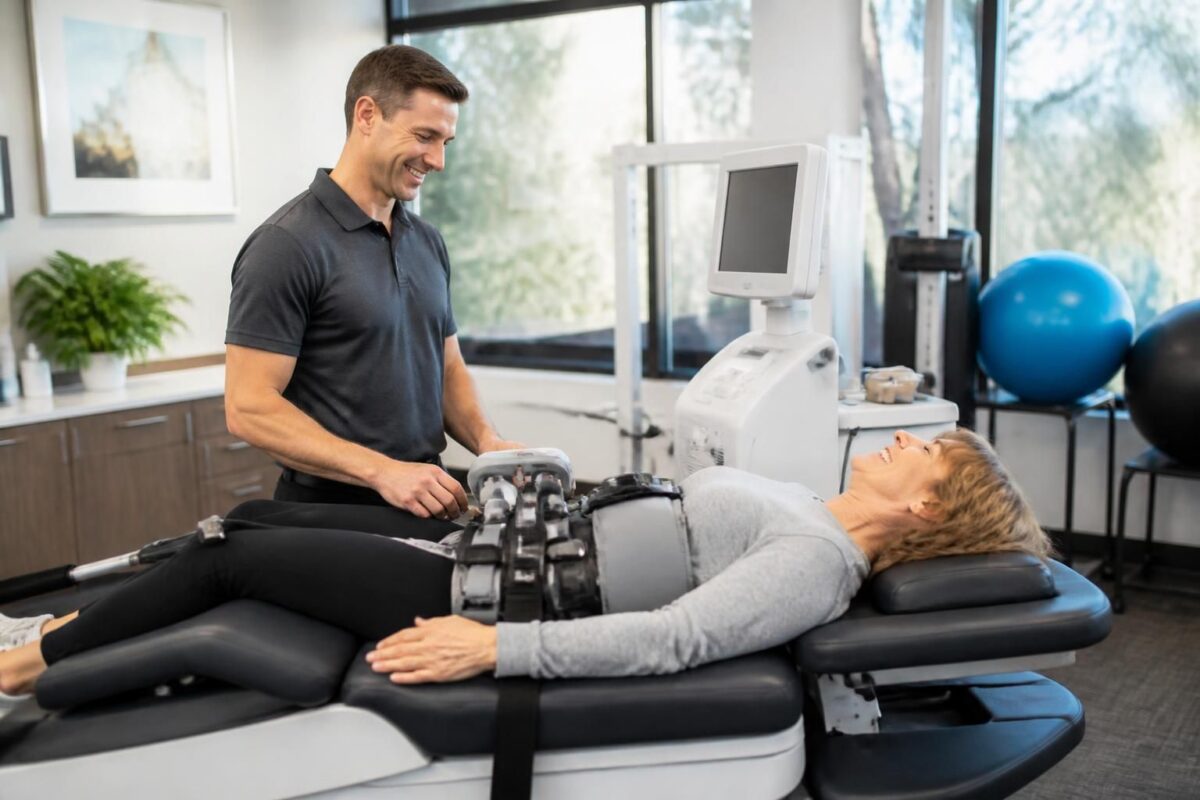
Neurovertebral decompression and diffuse pain: an appropriate solution
In short In short, the neurovertebral decompression is one Non-invasive solution For diffuse pain related to nerve irritation of the spine. She acts in Reducing pressure on intervertebral discs and nerves and improving the bloodstream, which promotes recovery and the…
Resources and testimonials
Numerous testimonies highlight significant improvements in mobility and a marked decrease in pain after decompression sessions. To understand the mechanisms and results observed, you can consult Detailed explanations and A TagMed Experience Story. For those looking for more technical perspectives, the associated resources offer analysis and feedback from experts on the effectiveness and safety of this approach.

Dr Sylvain Desforges, B.Sc., D.O., N.D., osteopath, is the founding president of TAGMED and of the ACMA association. He dedicates his practice to chronic spinal pain, low back pain and symptoms compatible with sciatica, particularly when pain radiates toward the buttock, leg, calf, foot or toes.
Through SOS Sciatique, he publishes educational content on sciatica symptoms, possible causes such as disc herniation, disc narrowing, foraminal stenosis or irritation of a lumbar nerve root, as well as non-surgical approaches that may be considered according to the evaluation. At Clinique TAGMED, care may include, depending on the case, motorized neurovertebral decompression, specific osteopathic care or precision percussion.
For an evaluation related to sciatica treatment in Montreal / Mount Royal or sciatica treatment in Terrebonne, please consult the services available at Clinique TAGMED.
Medical disclaimer
The information published on SOS Sciatique is provided for educational purposes only and does not replace a consultation, diagnosis, opinion or treatment provided by a physician or another authorized healthcare professional. The author of this article is neither a medical doctor nor a specialist in a medical specialty recognized by the Collège des médecins du Québec. The osteopathic, manual medicine or functional support approaches described on this site do not constitute medical acts and are not intended to replace medical follow-up.
Consult a physician or emergency service in cases of loss of bladder or bowel control, anesthesia in the saddle area, significant or progressive weakness in the leg or foot, fever, recent trauma, severe pain or rapid worsening of symptoms. For more details, please read our Legal Notice.