The benefits of neurovertebral decompression for lower back pain
25/06/2026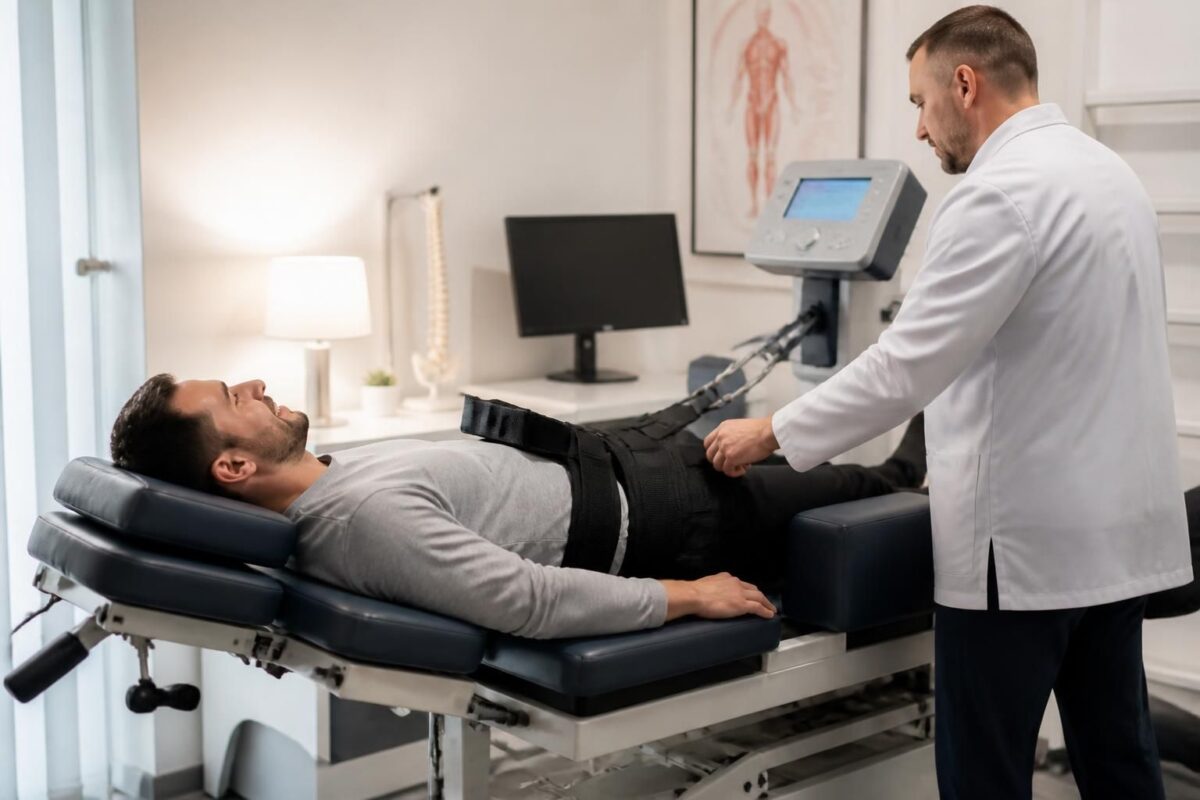
In short
|
Neurovertebral decompression is a technique non-invasive which applies a Controlled traction on the spine to create a space between the vertebrae and reduce the pressure on the Intervertebral discs and the Spinal nerves. Advantages and applications : Quick relief and lasting dorsal and cervical pain; Improving mobility ; reduction of symptoms related to bulge disc or at thehernia ; approach non-surgical. How it works : a device makes Progressive and secure tractions on targeted segments, promoting hydration and restoration of the disc space while reducing reflex muscle contractions. At Montreal, this service is accessible and suitable for people suffering from Chronic pain Linked to discopathies, offering an effective option to regain well-being without surgery. |
The neurovertebral decompression is an approach non-invasive intended for Relieve back pain by acting directly on the spine. The goal is to Reduce pressure on intervertebral discs and nerves to improve mobility and alleviate symptoms.
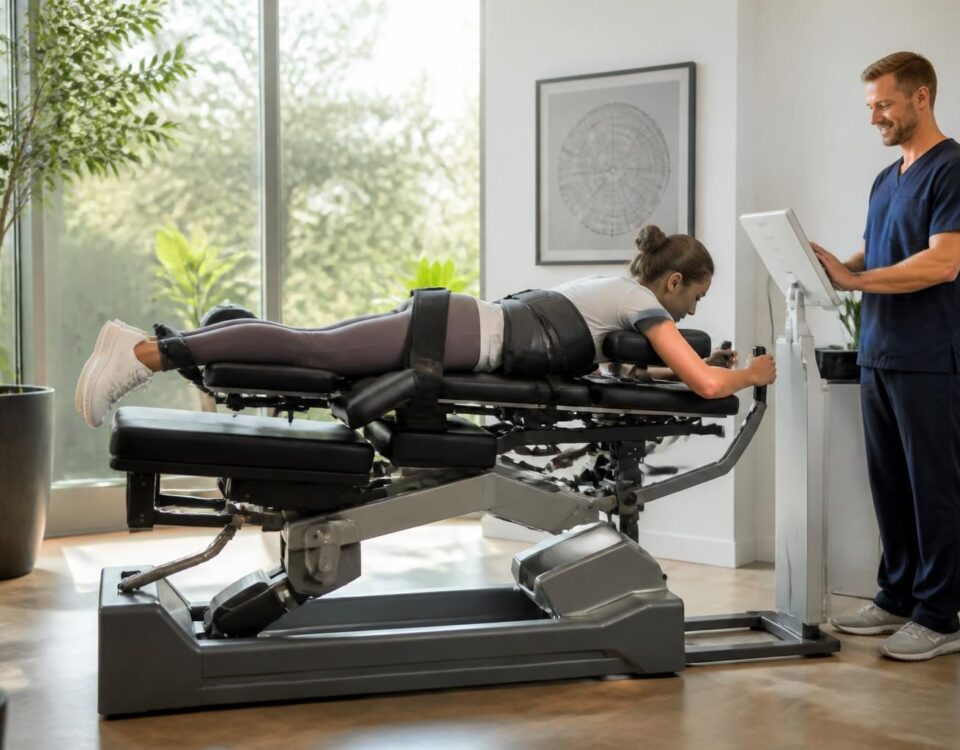
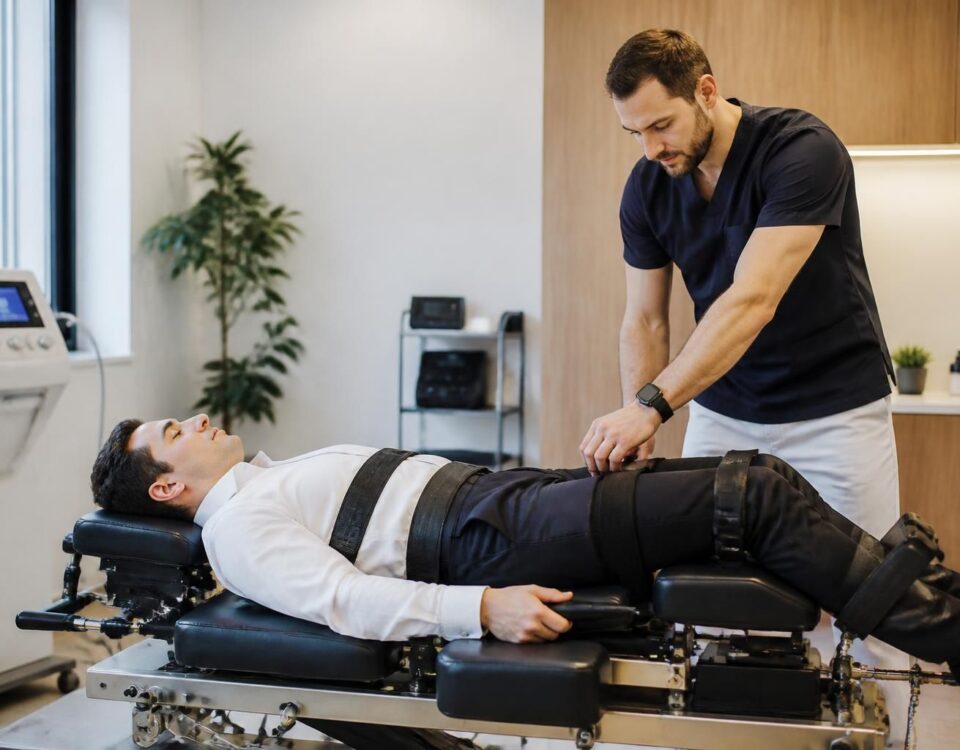
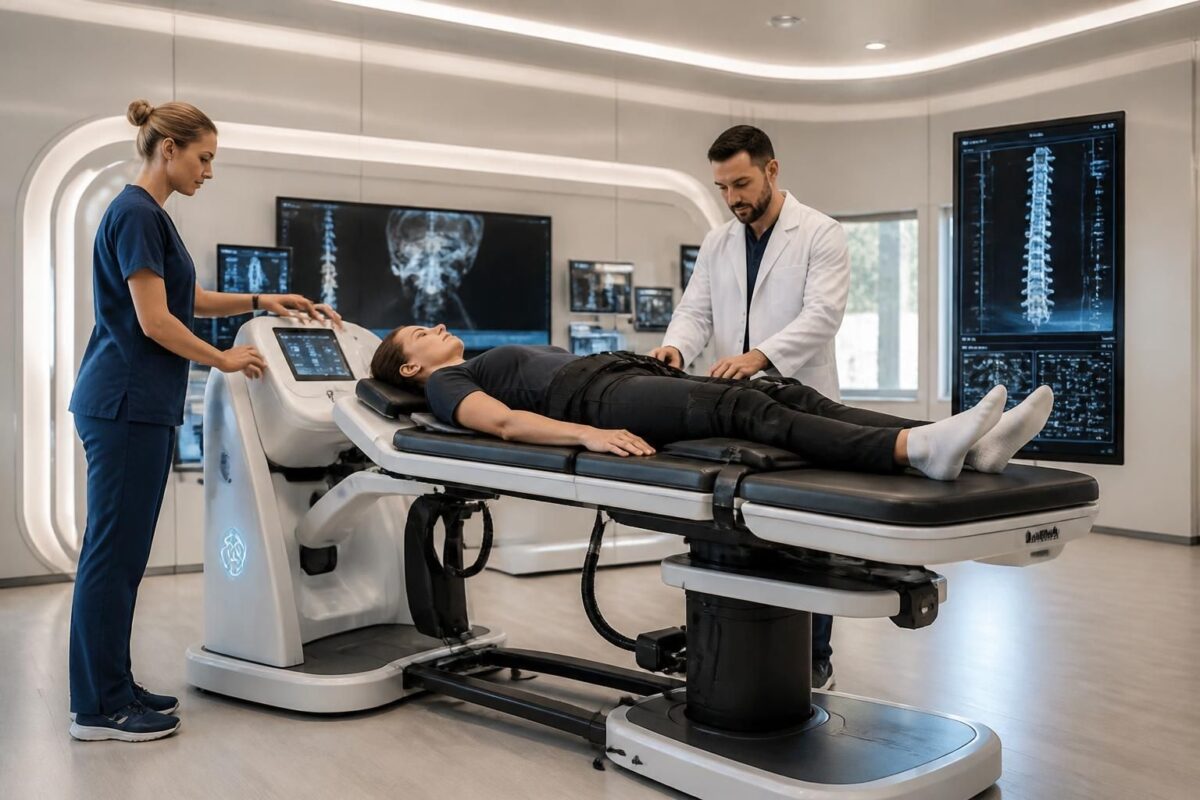
How does it work? A computerized traction device applies gentle and controlled forces on targeted segments of the column, creating a Space between the vertebrae and around the discs. This decompression facilitates the rehydration and rebalancing of the tissues, contributing to the reduction of the disc bulge and associated pain.
The treatment is usually non-surgical And starts with a full assessment to customize the protocol. Each session lasts on average between 20 and 45 minutes and is part of a patient-friendly plan.
Common indications: Degenerative disc disorders, bulges/disc bulges, herniated discs and Foraminal stenosis.
Key Benefits: Reduced pain, Improved mobility, Decreased inflammation, with less risk than surgery.
Neurovertebral decompression is a non-surgical approach that aims to reduce the pressure exerted on the intervertebral discs and nerves in the spine. This technique is based on controlled and computerized traction, applied to precise segments of the column to create a space between the vertebrae. The goal is to improve mobility, reduce pain and promote the recovery of spinal tissue without invasive intervention.
Objective and principle
The main objective of neurovertebral decompression is to relieve pain linked to disc and spinal conditions. It acts by applying measured traction on the column, which allows to create a space between the vertebrae and to reduce the pressure exerted on the discs and the nerves. This approach is non-invasive and can be coordinated with other care when appropriate for the patient.
How does a session take place
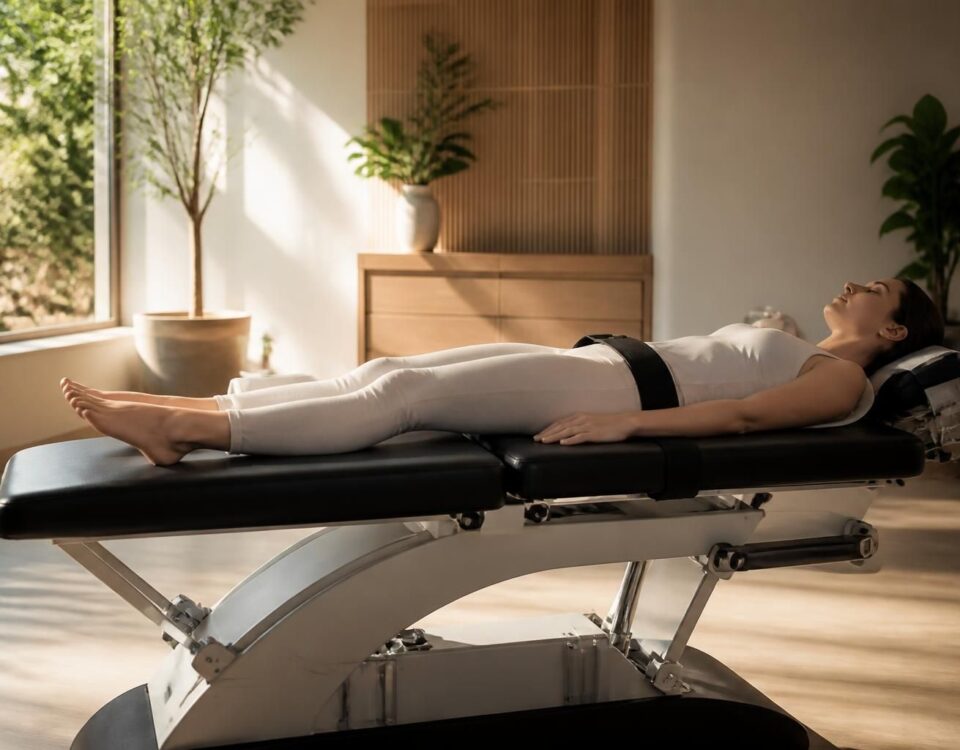
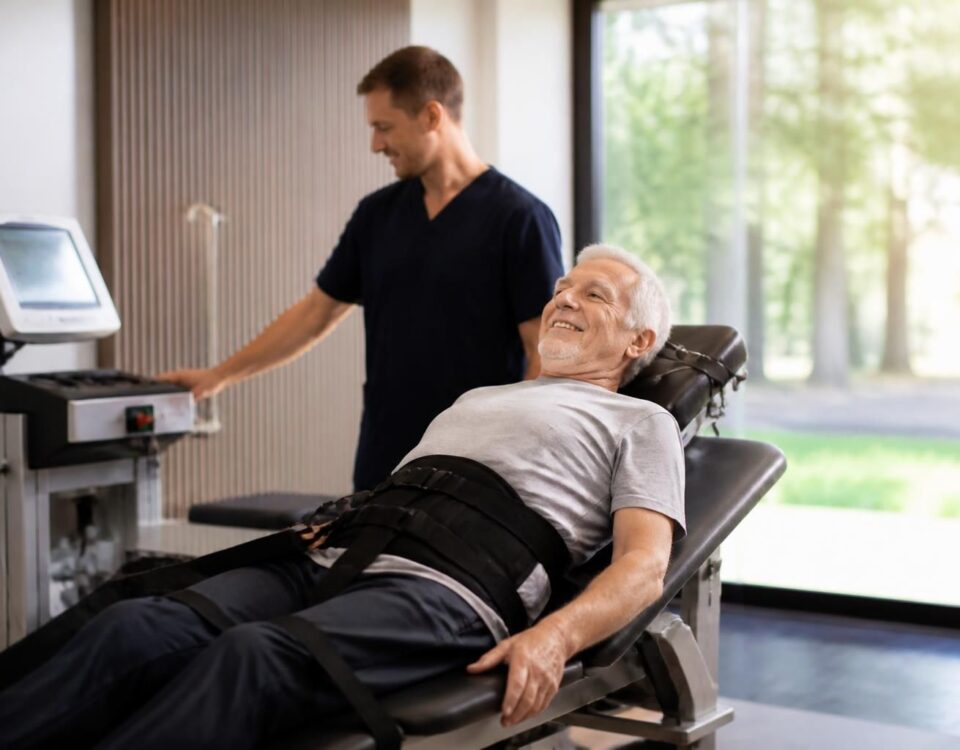
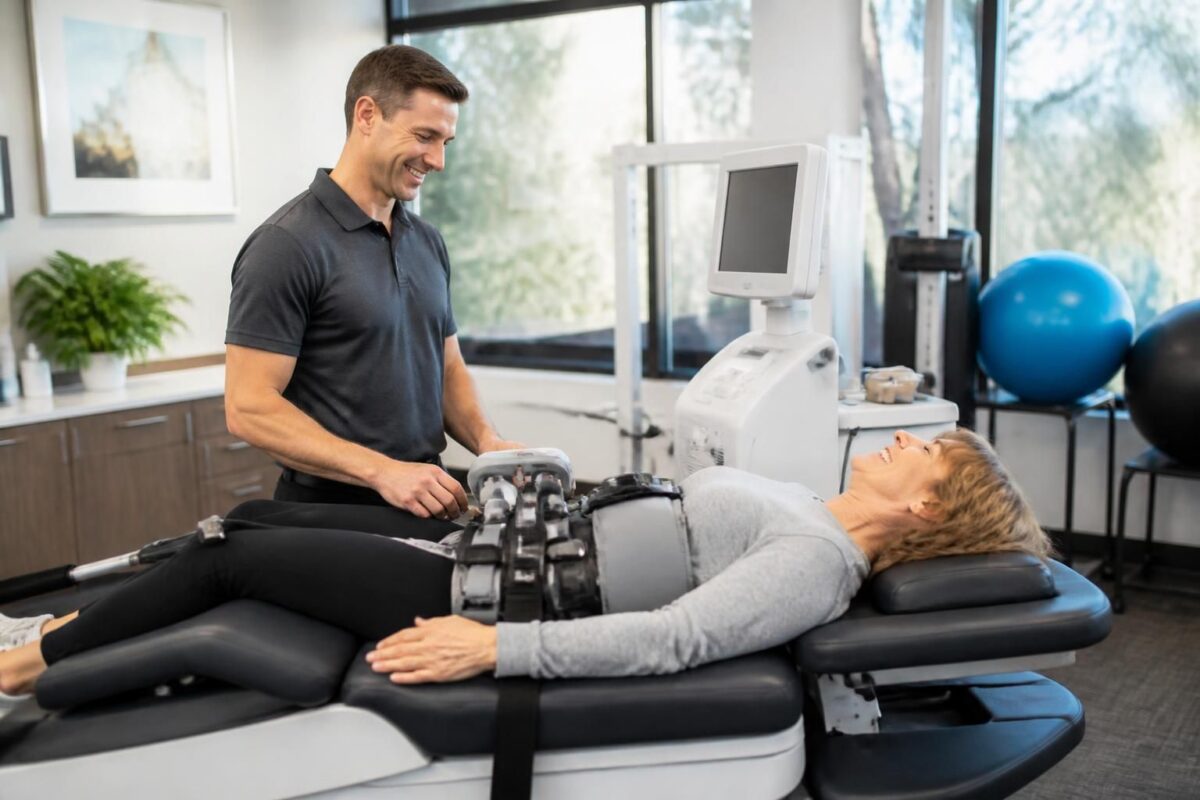
Each treatment begins with a full assessment, which may include review of relevant background and imaging. Then, an individual care plan is established and the session is carried out on a computerized traction table. The traction is slow and progressive, suitable for the location and severity of symptoms. The session typically lasts between 30 and 45 minutes and repeats according to the personalized protocol. This method can help restore optimal hydration and nutrition of the discs and promote better circulation in soft tissues.
Main directions
Neurovertebral decompression is indicated for pain related to:
- bulging or disc protrusion
- Lumbar or cervical pain associated with discopathies
- Foraminal stenosis or disc degeneration
It can be considered as part of an integrated approach to the TagMed clinic when medical-clinical assessments allow it.
Technologies and security
Computerized traction systems allow to precisely adjust the intensity and location of tractions. This accuracy improves patient safety and comfort during treatment. Before starting, a complete evaluation is essential to check the absence of contraindications and adapt the protocol to each case.
Benefits and expected results
Patients often describe a gradual decrease in pain and improved mobility after a few sessions. The treatment is non-invasive and can be considered as an alternative or complement to other therapies, depending on the patient profile and the objectives of the care plan.
Contraindications and precautions
This approach is not suitable in certain cases, including in the presence of active infections, unconsolidated vertebral fractures, vertebral tumors or other serious conditions requiring specific medical care. An assessment by a qualified health professional is essential to confirm eligibility for treatment.
Relevant links and resources
To learn more, you can consult public and professional resources accessible through the following areas:
- neurovertebral decompression
- Tagmed Clinic
- Can decompression prevent surgery
- Adapted diagnostics
- Disc herniation and decompression
- Prevent injury in athletes
- Treat recurring mechanical pain
- Newfound decompression and discopathy
- Carpal tunnel and decompression
For more information, contact the TagMed clinic directly or make an appointment via their website. Additional resources can address theoretical and technological aspects of decompression, and direct you to the best practices available in your area.
- Definition: Non-invasive technique aimed at reducing the pressure on Intervertebral discs and the gristle.
- Principle: Controlled traction creating a space between the vertebrae to reduce the pressure.
- Device: Traction table computerized and secure.
- Result: relief lasting and improvement of mobility.
- Evaluation initial and Custom Plan according to your file.
- directions: disc bulge, disc herniation, foraminal stenosis, disc degeneration.
- Progress Sessions: 30–45 minutes per session; 2–3 times/week.
- contraindications: recent surgery, inflammatory infections, proven neurological diseases.
- Benefits: non-invasive, without surgery; pain reduction and Improving mobility.

This article describes the neurovertebral decompression, an approach non-invasive Aiming to relieve pain related to disc diseases by creating a space between the vertebrae and reducing the pressure exerted on the discs and nerves. You will discover what this technique is, how it acts, when it is indicated and what to expect during a personalized treatment.
What is neurovertebral decompression?
Neurovertebral decompression is a therapeutic technique that uses a Controlled traction applied to the spine. Its objective is to Reduce pressure on intervertebral discs and on the spinal nerves. By creating a Space between the vertebrae, it facilitates the redistribution of fluids, the hydration of discs and the improvement of local blood circulation. This approach is presented as a non-surgical alternative to reduce pain and restore mobility, especially in cases of disc bulge or radiating pain.
The treatment requires a thorough prior examination, including health history and possibly appropriate imaging to verify patient eligibility and adapt the protocol. His character personalized Allows you to adjust the intensity and duration of the sessions in order to obtain lasting relief while minimizing the risks.
The long-term benefits of neurovertebral decompression for spinal health
In short In short, the neurovertebral decompression is a non-invasive approach that decreases the Pressure on intervertebral discs and nerves, favoring the Natural regeneration and tissue recovery. Its long-term benefits include Lasting pain reduction, Improving mobility and from the posture,…

Neurovertebral decompression and mobility: a return to an active life
In short In short, the neurovertebral decompression is therapy non-invasive who uses a gentle traction To create a space between the vertebrae and reduce the pressure on the Intervertebral discs and the nerves. It promotes a bloodstream improved, lowers tension…
How does it work?
The mechanism is based on a Precise and computerized traction which mobilizes targeted segments of the spine. By promoting the dissociation of the vertebrae, the traction creates a Negative space At the disc level, which can promote rebalancing of structures and reducing pressure on the nerves. This action helps to release muscle tension and reduce reflex contractures that can amplify pain.
In addition to the mechanical reduction in pressure, decompression contributes to improving the blood circulation and nutritional intake to intervertebral tissues. The protocol can integrate verification and adjustment steps as progress is made to optimize results and prevent relapses. The treatment is non-invasive and generally well tolerated when carried out by experienced professionals.
Key elements of operation
To be effective, the process is based on a Complete initial assessment, then on a sequence of sessions adapted. Technical parameters, such as angle and traction amplitude, are continuously adjusted to prevent irritation or discomfort. Safety is essential and requires careful monitoring and adaptation of the protocol according to the patient’s responses.
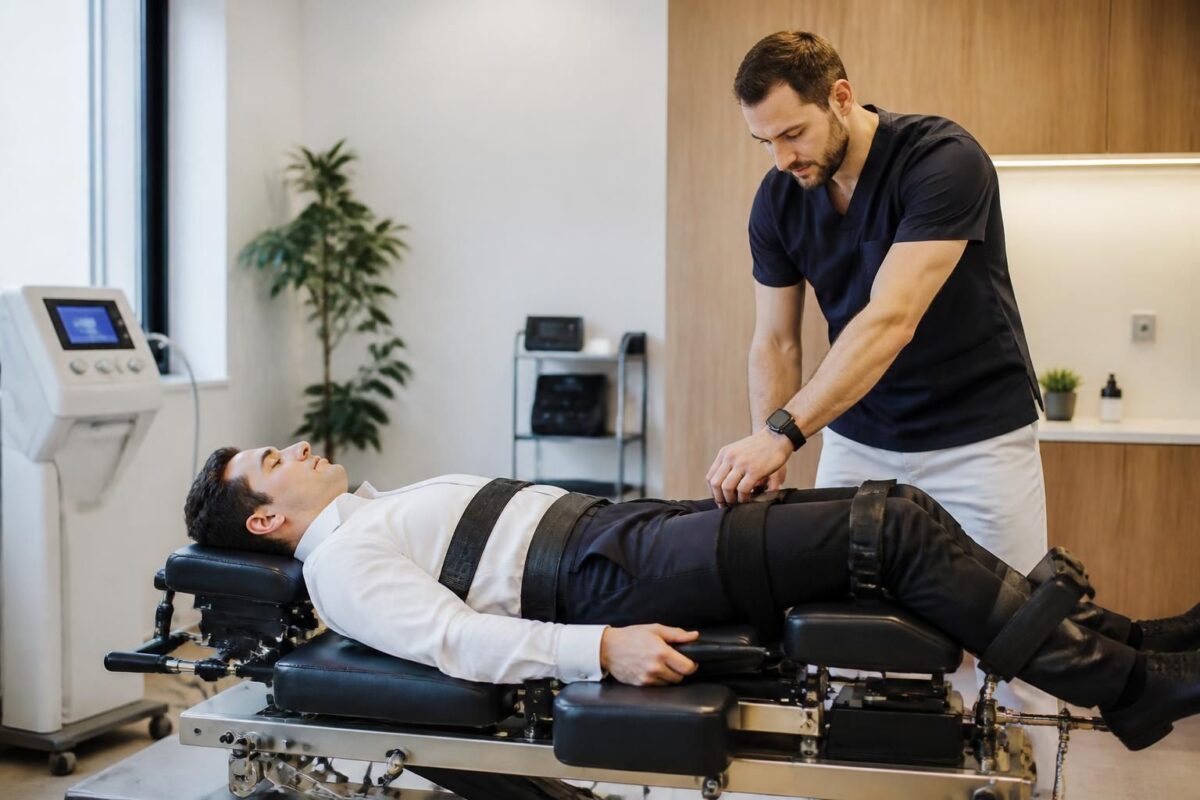
How Neurovertebral Decompression Prevents Diffuse Chronic Pain
In short decompression neurovertebral is one Non-invasive method aimed at reducing the Pressure on the intervertebral discs and the nerves, in order to prevent Diffuse chronic pain. It improves the circulation and thedisc hydration, decreases inflammation and promotes better mobility.…
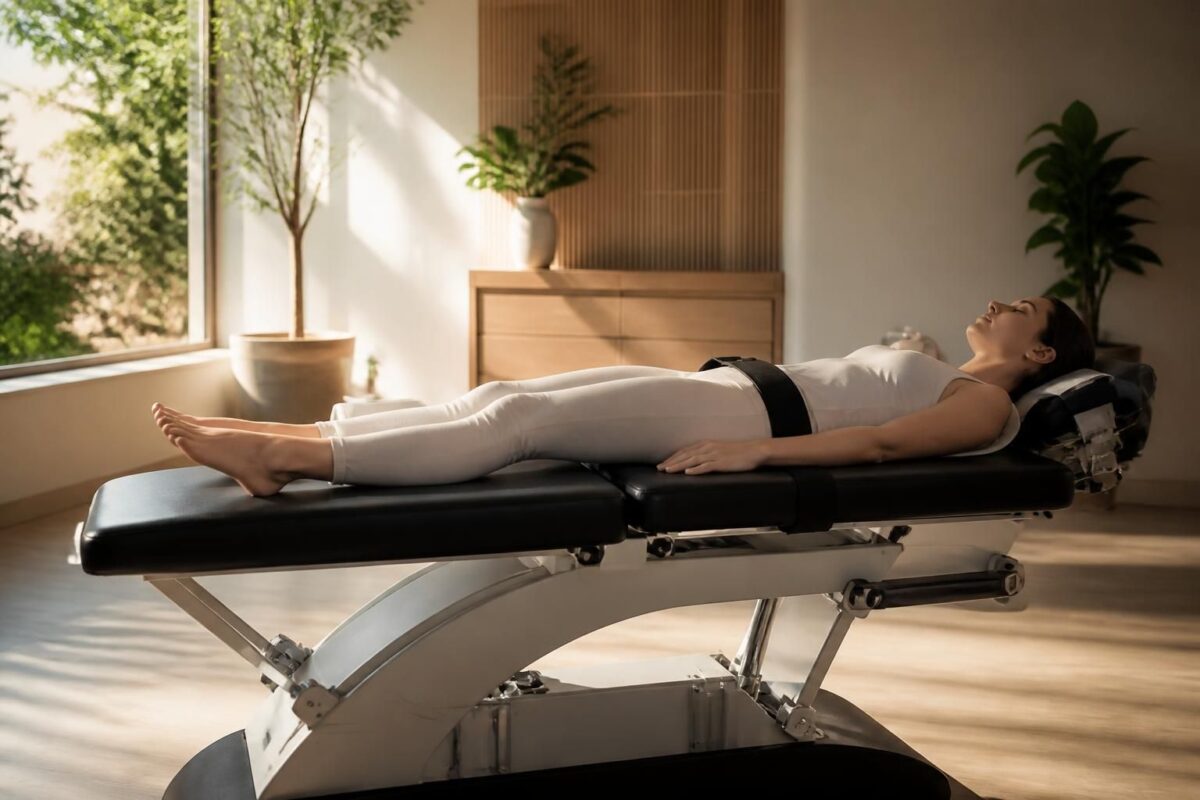
Neurovertebral Decompression and Body Alignment: Restoring Natural Balance
In short In short, neurovertebral decompression is one Non-invasive approach who restores theBody Alignment and thenatural balance back and neck. She acts by a Controlled traction of the spine to widen the intervertebral space and reduce the Pressure on discs…
Indications and safety
Decompression is particularly indicated for lower back or cervical pain related to Degenerative discopathies, disc bulges, protrusions or Foraminal stenosis. It can also be considered when conservative treatments have shown limited results and the patient is looking for a non-surgical alternative.
Like any therapeutic procedure, it includes contraindications. It is not suitable for all situations, including in the presence of infections, unhealed vertebral fractures, tumors or specific neurological conditions. A medical assessment is essential to determine eligibility and personalize the treatment plan.
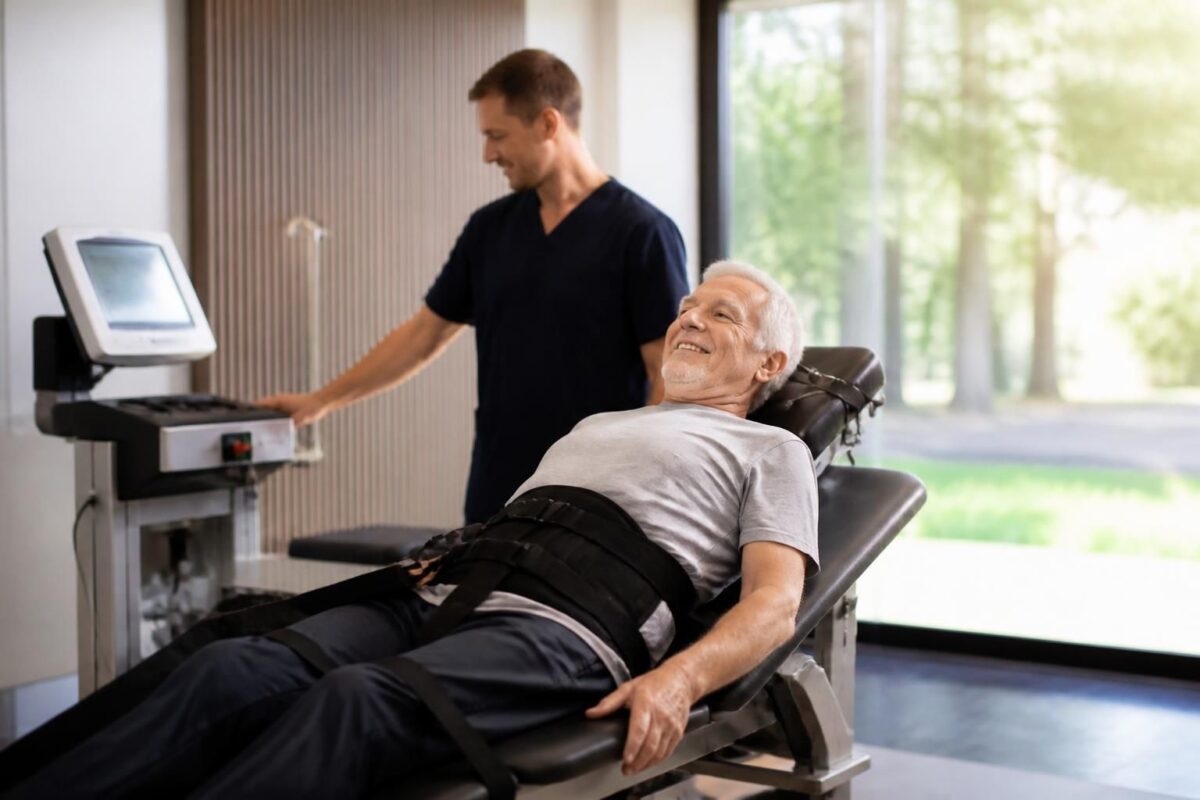
Why neurovertebral decompression is a lasting solution for active seniors
In short In short, the neurovertebral decompression is one Non-invasive therapy which sustainably relieves spinal pain in the spine active seniors By creating, by a Soft and controlled traction, a space between the vertebrae. At Montreal, it is recognized as…
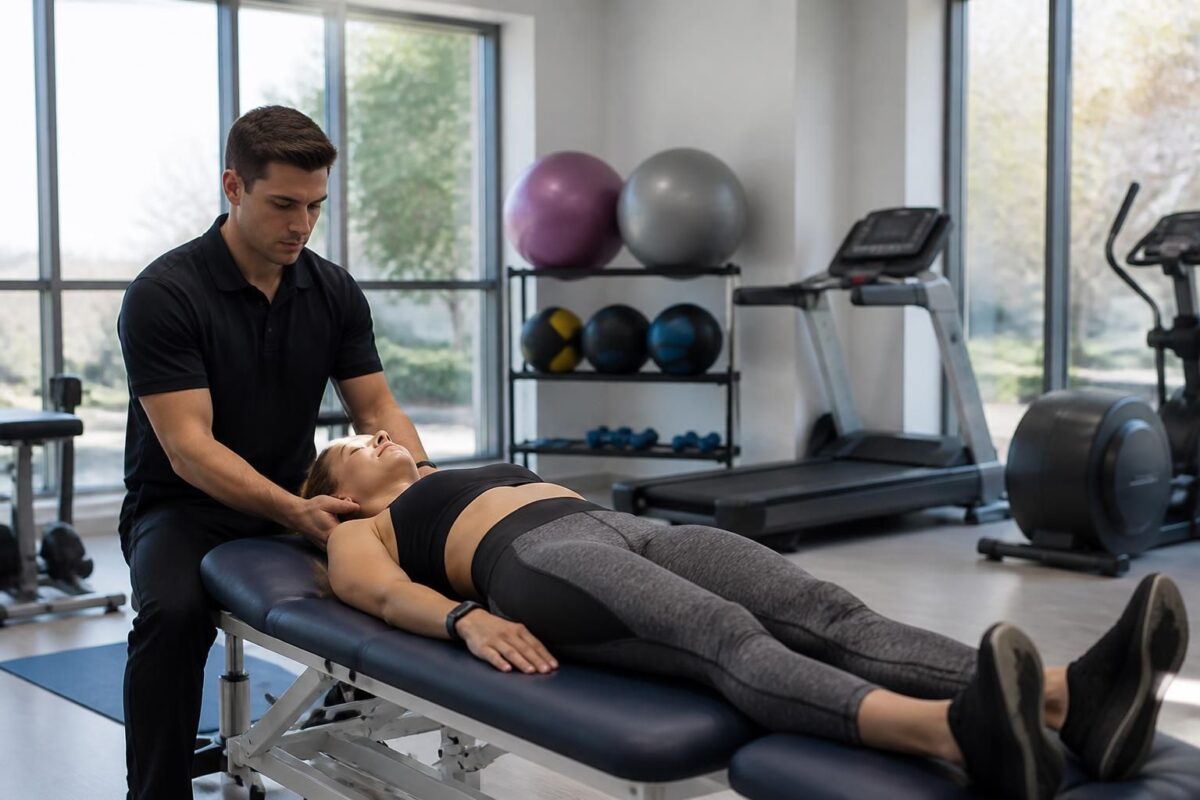
Neurovertebral decompression and recovery after severe sports injury
In short In short, the neurovertebral decompression is one Non-invasive method to Relieve the pressure on the Intervertebral discs and the gristle Via a Controlled traction, to facilitate the recovery After a severe sports injury. It improves the bloodstream towards…
Processing and follow-up process
A typical program includes an evaluation step, then regular sessions over a defined period. Each session lasts on average between 30 and 45 minutes and can be planned 2 to 3 times a week depending on severity and individual response. Regular monitoring makes it possible to adjust the parameters and measure progress, ensuring that the benefits are maintained and to prevent recurrences.
Recent innovations in neurovertebral decompression technologies
In short In short, the neurovertebral decompression is an approach non-invasive Aiming to reduce pressure on discs and nerves, and promote tissue regeneration. At Montreal, it is positioned as an effective option for lower back pain and herniated discs. The…
Neurovertebral decompression and diffuse pain: an appropriate solution
In short In short, the neurovertebral decompression is one Non-invasive solution For diffuse pain related to nerve irritation of the spine. She acts in Reducing pressure on intervertebral discs and nerves and improving the bloodstream, which promotes recovery and the…
What you can expect in practice
In practice, many patients report a gradual pain reduction and an Improving mobility After a few sessions. Decompression can contribute to a better function of the discs and a decrease in nerve irritations, which can also promote a gradual resumption of daily and sports activities with less discomfort.
| Element | Concise description |
|---|---|
| Definition | Technical non-invasive which applies controlled traction on the spine in order to reduce the pressure on intervertebral discs and nerves. |
| Objective | relieve back and neck pain and Improve mobility by creating a space between the vertebrae. |
| Mechanism | Traction Smooth and targeted generating a Negative space which promotes thehydration and the nervous decompression. |
| Technique and equipment | Use of a Computerized traction table and a device specialized; traction controlled and secure. |
| screening | full exam with historical and imaging adapted to personalize the protocol. |
| directions | back and cervical pain related to disc diseases such as disc bulge, slipped disc or degeneration. |
| Benefits | Sustainable relief, Improving mobility, non-invasive, Low risks. |
| contraindications | Active infections/inflammation, unhealed vertebral fractures, vertebral tumors, advanced pregnancy; necessary evaluation. |
| Procedure and expected results | Typical session 30–45 minutes; frequency 2–3 times a week; many people report gradual improvement After a few sessions and Sustainable results. |
What is neurovertebral decompression and how does it work?
“I wanted to understand what neurovertebral decompression is and how it works. I was told that this is a non-invasive technique that uses a Computerized traction table To apply a Controlled traction on the spine. The goal is to create a Space between the vertebrae and reduce the pressure on the Intervertebral discs and the Spinal nerves, which can reduce pain and improve mobility. »
“After a few sessions, I felt a real relief from my back pain and a better range of motion. I liked the character non-invasive and individualized treatment, which begins with a Complete balance sheet and continues with a Adapted traction In my case, usually in sessions of 20 to 45 minutes. »
“What convinced me is that the technique can target a variety of problems like the bulge disc where the slipped disc, by acting directly on the records and the gristle. The results come from a carefully controlled stretch that avoids muscle tension and promotes blood circulation around the spine. »
“I have not had surgery and have regained a quality of life thanks to this approach non-surgical. It’s a solution secure and fresh, which minimizes risks while offering progressive and lasting relief. »
“After several sessions, the benefits are perpetuated: less pain, better posture, and regained mobility. For me, neurovertebral decompression was a key step in managing my spinal disorders, with Sustainable results And a noticeable improvement in my daily life. »
This biography describes the journey of a reference practitioner in the field of persistent pain and spinal health. His work highlights the neurovertebral decompression, an approach non-invasive Intended to relieve back pain and restore overall spinal mobility.
The neurovertebral decompression relies on a Controlled traction applied to the spine to create a Space between the vertebrae. This specific action aims to reduce the pressure exerted on the Intervertebral discs and the Spinal nerves, which can reduce pain associated with disc bulges, mild disc hernias and other forms of disc disease.
The beginning process is structured around a scrutiny patient, including medical history and relevant imaging to personalize the protocol. The processing then takes place on a computerized traction platform which applies, in a manner Smooth and progressive, a traction adapted to each pain segment. This computerized approach helps to Relax the structures surrounding the disc and to promote better hydration and nutrition of the tissues, while limiting reflex muscle contractions.
Typical indications include back and cervical pain associated with disc bulges, sciatica symptoms and manifestations associated with disc degeneration. Decompression can also be considered as part of a global rehabilitation plan to optimize mobility, reduce pain and improve quality of life.
The advantages of this approach are multiple: Lasting pain relief, improvement of the mobility, and a Reduced nerve pressure which can help prevent future painful episodes. Advanced protocols, such as computer-aided decompression technologies, allow for accurate application of traction and customization of treatment according to the severity and behavior of spinal structures.
In a logic of optimizing results, neurovertebral decompression can be integrated into other complementary therapeutic approaches, in particular technologies such as laser and shockwave therapies. Neuromodulation systems and muscle support tools can be used in synergy to ease tension and promote faster recovery. This combination aims to treat not only the symptoms, but also the deep mechanical causes of pain, by placing the patient at the heart of an evidence-based care circuit and a personalized approach.
Over the years, clinical experience has shown that for many patients, neurovertebral decompression offers an effective alternative and non-surgical To improve the comfort and function of the spine. By being part of a global health approach, this treatment contributes to restoring mobility, autonomy and well-being on a daily basis.
This detailed summary presents the neurovertebral decompression, a non-invasive approach to relieve spinal pain by reducing pressure on the intervertebral discs and nerves. She describes what this technique is, how she acts, what conditions she can help, and what elements frame her use in a care process.
essentials
The neurovertebral decompression is a non-surgical procedure that applies a Controlled traction on targeted segments of the spine. This traction creates a Space between the vertebrae, which decreases the pressure exerted on the discs and nerves, thus promoting the delivery of nutrients and the hydration of the tissues. The process is computerized and personalized for each patient in order to prevent reflex muscle contractions and optimize comfort during the session.
The mechanism is based on obtaining a Intra-discal negative space which allows local rehydration and better blood circulation around the discs. This approach, when adapted to the right patient, can help reduce symptoms such as disc bulge and restore smoother mobility, without resorting to surgery.
To better understand the clinical framework and practical applications, you can consult resources that present the concepts, indications and results observed, including the guides dedicated to neurovertebral decompression and technical explanations of the devices used. For example, professionals and clinicians can find detailed syntheses and feedback on different specialized platforms.
The duration and organization of the treatment varies according to the severity and location of the disorders. On average, each session lasts between 30 and 45 minutes, and treatment plans typically involve multiple close sessions to achieve lasting results. The total number of sessions is adjusted according to the evolution of the symptoms and the functional objectives of the patient. For details on the number of sessions and the organization of the protocol, refer to the FAQs of specialized sites.
Typical indications include back and cervical pain associated with degenerative discopathy, disc bulges and manifestations such as sciatica or irradiated pain. On the other hand, certain contraindications must be scrupulously evaluated, including vertebral infections, active fractures, spinal tumors and uncontrolled neurological disorders. A prior assessment by a qualified professional is essential to determine the adequacy of the treatment.
The treatment process begins with a In-depth assessment patient (history, radiological imaging or MRI if necessary), followed by placement on a specialized traction table. Advanced protocols and regular monitoring can adapt the intensity and duration of traction, to maximize benefits while minimizing discomfort.
In an integrative approach, neurovertebral decompression can be associated with other treatment modalities such as osteopathy, shockwave therapy or muscle rehabilitation programs. This multidisciplinary collaboration aims to optimize the spinal stability, mobility and functional recovery of the patient. For a panorama of possible synergies and available evidence, you can consult the resources dedicated to TagMed and associated technological advances.
To go further in understanding and practical implications, the following resources provide additional insights and accessible technical explanations:
- Decompression suitable for the elderly
- How many sessions are needed for neurovertebral decompression treatment
- Understanding neurovertebral decompression and its spine benefits
- Advantages and disadvantages of neurovertebral decompression
- Disc Protrusion Podcast and Neurovertebral Decompression
- What is neurovertebral decompression and how does it work
- Can neurovertebral decompression prevent recurrences of back pain
- Can Neurovertebral Decompression Help Prevent Column Injuries in Athletes
- Neurovertebral Decompression: A Recognized Solution to Improve Flexibility and Prevent Recurrences of Neuropathic Pain

Dr Sylvain Desforges, B.Sc., D.O., N.D., osteopath, is the founding president of TAGMED and of the ACMA association. He dedicates his practice to chronic spinal pain, low back pain and symptoms compatible with sciatica, particularly when pain radiates toward the buttock, leg, calf, foot or toes.
Through SOS Sciatique, he publishes educational content on sciatica symptoms, possible causes such as disc herniation, disc narrowing, foraminal stenosis or irritation of a lumbar nerve root, as well as non-surgical approaches that may be considered according to the evaluation. At Clinique TAGMED, care may include, depending on the case, motorized neurovertebral decompression, specific osteopathic care or precision percussion.
For an evaluation related to sciatica treatment in Montreal / Mount Royal or sciatica treatment in Terrebonne, please consult the services available at Clinique TAGMED.
Medical disclaimer
The information published on SOS Sciatique is provided for educational purposes only and does not replace a consultation, diagnosis, opinion or treatment provided by a physician or another authorized healthcare professional. The author of this article is neither a medical doctor nor a specialist in a medical specialty recognized by the Collège des médecins du Québec. The osteopathic, manual medicine or functional support approaches described on this site do not constitute medical acts and are not intended to replace medical follow-up.
Consult a physician or emergency service in cases of loss of bladder or bowel control, anesthesia in the saddle area, significant or progressive weakness in the leg or foot, fever, recent trauma, severe pain or rapid worsening of symptoms. For more details, please read our Legal Notice.