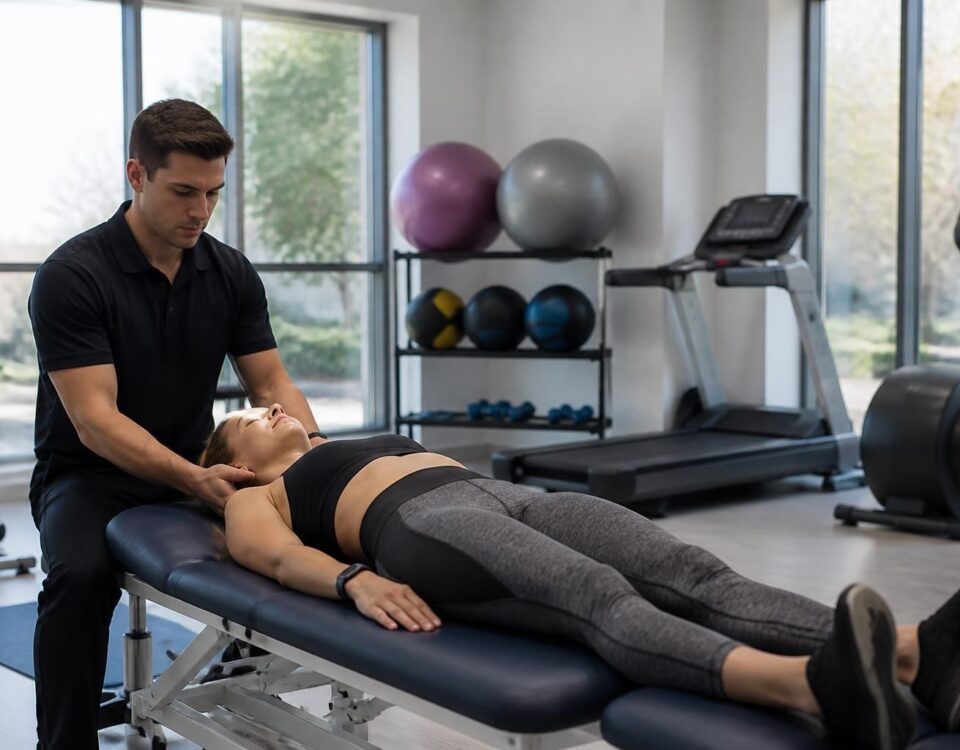
Neurovertebral decompression: a treatment suitable for athletes
25/06/2026
How neurovertebral decompression improves joint mobility
25/06/2026
In short
| In short, the neurovertebral decompression is a method non-invasive which relieves the Disc pain and improves the mobility elderly people. What is it? A gentle technique that decompresses the intervertebral discs and stimulates circulation. What are the advantages? Rapid pain reduction, better flexibility and ease of return to daily activities. How does it work? By reducing the pressure on the nerves and discs, it promotes tissue healing. In Montreal, this treatment is particularly recommended for seniors with recurrent disc pains and reduced mobility, easily integrating into a multidisciplinary care program to optimize recovery and improve quality of life. |
The neurovertebral decompression is one Non-invasive approach Suitable for the elderly, aimed at relieving disc-related pain and improving mobility.
- pain reduction and Improving mobility by reducing the pressure on the nerves and discs.
- Better blood circulation and Accelerated recovery damaged fabrics.
- Flexibility regained and Preservation of autonomy in daily activities.
- Easy integration In a multidisciplinary care program, in addition to other therapies.
- Improved quality of life and prevention of Chronic pain in the long term.
A Personalized evaluation by a health professional is recommended before starting treatment.
The neurovertebral decompression is a non-invasive approach that aims to reduce the pressure exerted on the discs and nerves of the column. In the elderly, this therapy can improve the mobility, reduce the Disc pain recurrent and facilitate daily life without having to resort to surgery. This article exposes the benefits, the mechanism and integration into a care pathway in a geriatric context.
What is neurovertebral decompression?
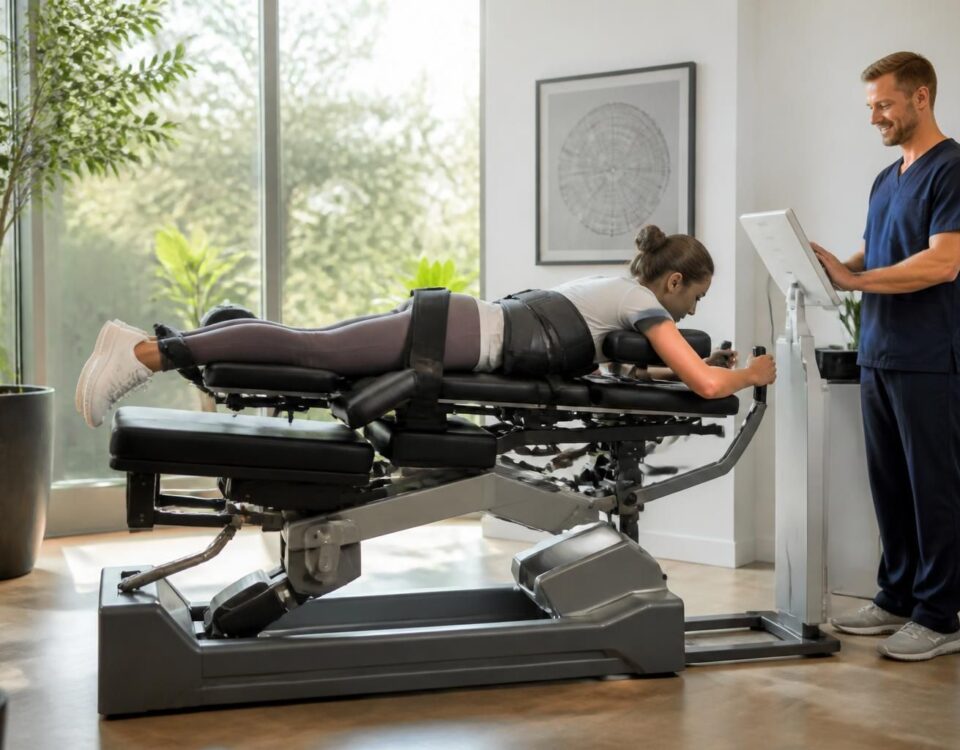
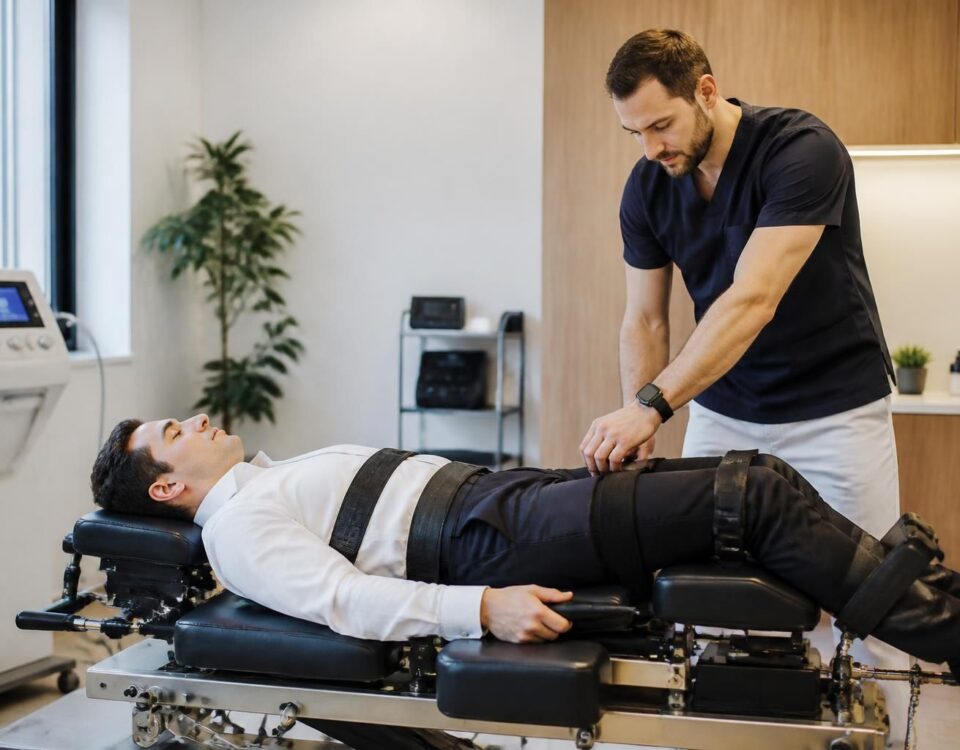
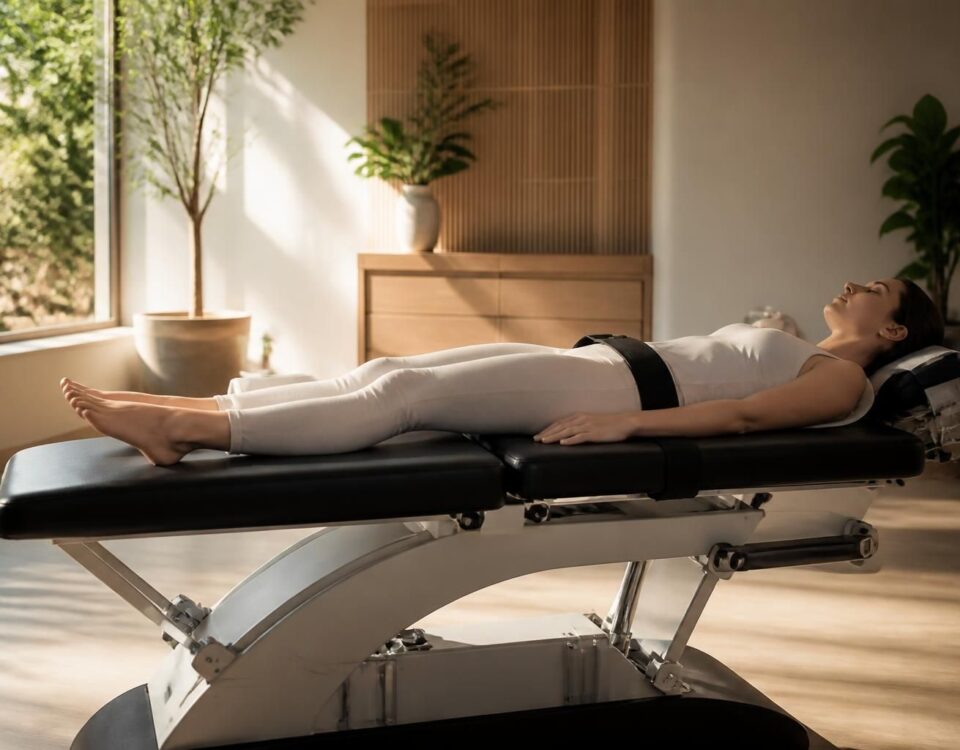
This is a technique non-invasive which stretches the column to decrease the pressure on the intervertebral discs and nerves. It promotes better blood circulation and helps repair damaged tissue. The goal is to improve the mobility and reduce the pain without surgery.
Improved mobility and pain reduction
In seniors, disc-related pain can limit daily activities. Decompression can allow easier movements and better participation in social life. Patients often report a noticeable decrease in pain after a few sessions.
Integration into a care pathway
Decompression can be part of a multidisciplinary approach. It can be associated with appropriate osteopathic care and other non-invasive therapies in a clinical setting such as Tagmed Clinic from Montreal or Terrebonne. For personalized support, consult the resources available on Essential FAQs.
Safety and effectiveness in the elderly
Before any treatment, an evaluation by a professional is necessary to check the adequacy of the decompression. This approach is non-invasive and well tolerated when performed by experienced practitioners. It can be integrated into a global and secure care course.
Evidence and resources
Clinical resources and expert opinions describe improvements in mobility and pain reduction in elderly patients. For further information, see information such as How does neurovertebral decompression work and reference articles on posture impact and flexibility. You can also explore the resources associated with types of pain.
To learn more about long-term outlook and benefits, refer to the information published by the Tagmed Clinic.
In case of questions about neurovertebral decompression and other vertebral conditions, you can consult the dedicated resources on sossciatica.com or decompressionneurovertebrale.com.
Thus, neurovertebral decompression stands out as a promising option for seniors suffering from recurrent disc pains. Its integration into a personalized care pathway makes it possible to aim for better mobility and sustainable quality of life, while avoiding surgical interventions.
Medical Disclaimer: The information and advice provided on this site does not replace the health professional’s diagnosis or treatment. Please note that Dr. Sylvain Desforges osteopath is neither a doctor of medicine nor a doctor, and is not a specialist in a medical specialty as defined by the Collège des Médecins du Québec. Manual medicine, functional medicine and sports medicine as described on this site exclude any medical treatment or diagnosis made by a doctor or specialist doctor. Always consult your doctor for any medical questions. For more details, please read our full legal notice. »
The benefits of neurovertebral decompression for the elderly — Axis: areas of impact on everyday life
- Mobility and autonomy — Better flexibility and daily movement without pain.
- Reduced pain — Decreased disc and lumbar pain.
- Posture and balance — Better alignment and stability during usual acts.
- Accelerated recovery — Quick return to activities after a push.
- Quality of life and social activity — more active participation in daily and family life.
- Fall Prevention — Increased safety and balance when walking.
- Tissue circulation and nutrition — Better vascularization and repair of spinal tissues.
- Integration into care — Easily integrates into a multidisciplinary course.

This article presents the earnings of the neurovertebral decompression for the elderly, with a focus on improving the mobility, the reduction of pain and support for a quality of life higher, without surgery. This approach, suitable for seniors, aims to release the pressure on discs and nerves, promoting measured and lasting recovery in a framework non-invasive.
What is neurovertebral decompression?
Neurovertebral decompression is a gentle technique that acts on the spine to reduce the pressure exerted on the intervertebral discs and nerves. By improving blood circulation and tissue nutrition, it helps to reduce discomfort and promote better movement dynamics, particularly in older people facing chronic back pain.
The long-term benefits of neurovertebral decompression for spinal health
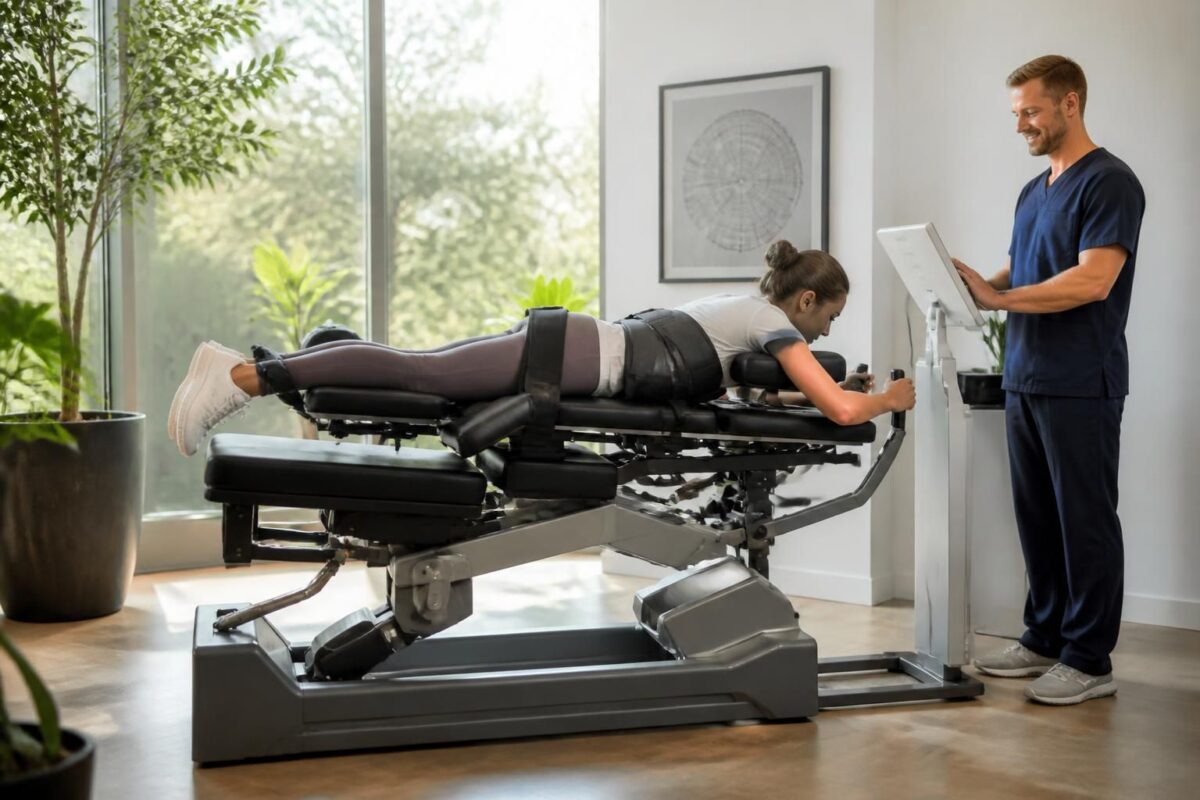
In short In short, the neurovertebral decompression is a non-invasive approach that decreases the Pressure on intervertebral discs and nerves, favoring the Natural regeneration and tissue recovery. Its long-term benefits include Lasting pain reduction, Improving mobility and from the posture,…
Clear benefits for seniors
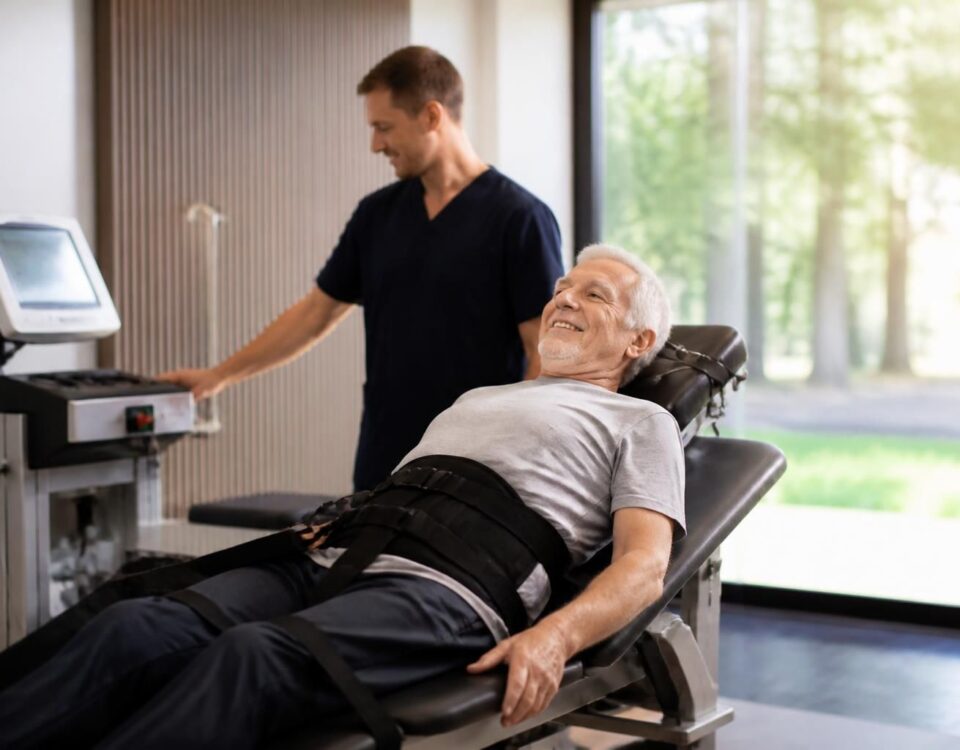
For seniors, one of the first results observed is a Improving mobility, which allows you to gradually resume daily activities. The pain reduction is another major advantage: less nerve irradiation and less muscle tension facilitate everyday gestures. At the same time, a better flexibility and an posture more balanced reduce the risk of future falls and limitations. This accumulation contributes directly to a quality of life found and a general impression of well-being.

Neurovertebral decompression and mobility: a return to an active life
In short In short, the neurovertebral decompression is therapy non-invasive who uses a gentle traction To create a space between the vertebrae and reduce the pressure on the Intervertebral discs and the nerves. It promotes a bloodstream improved, lowers tension…
How to integrate it into a care pathway
For profits to be optimized, integration is done within the framework of a Multidisciplinary care pathway. A Personalized evaluation Allows you to identify areas to target and define a Treatment plan adapted. Combining with complementary approaches such as osteopathy, physiotherapy or targeted exercise programs promotes recovery fast and safe and ensures measured progress.
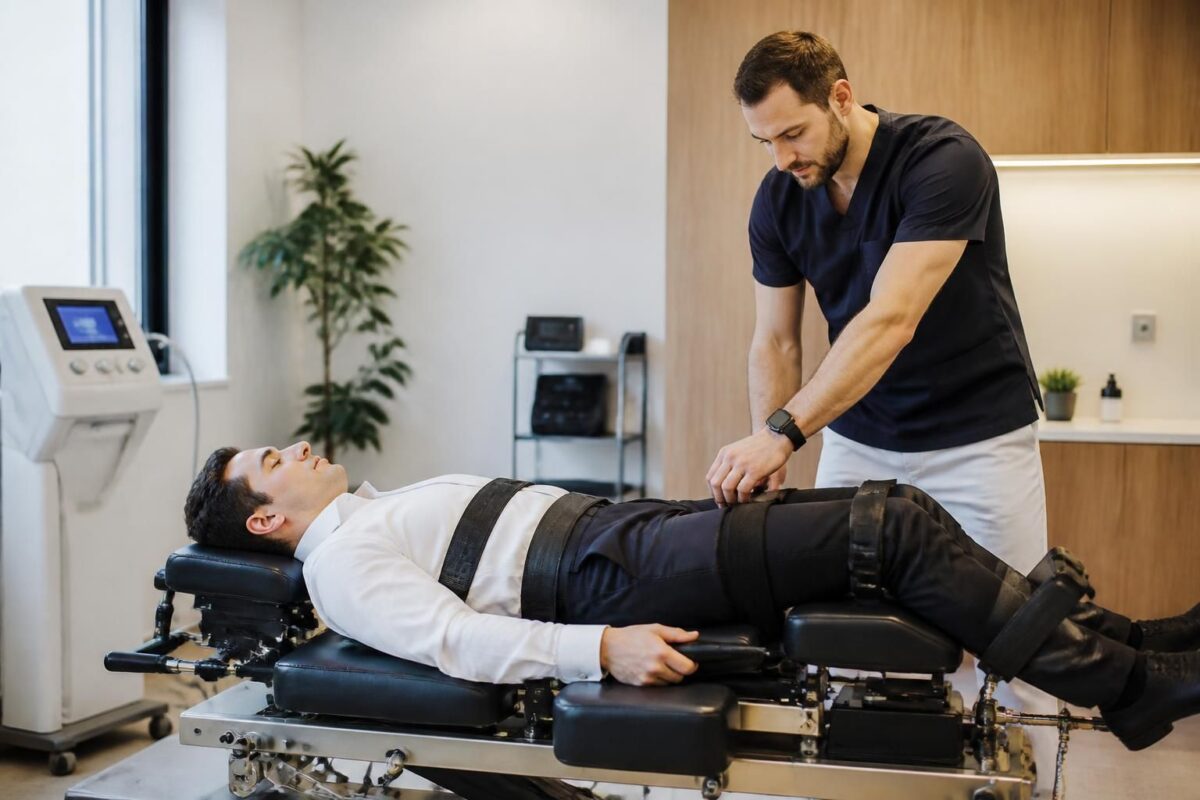
How Neurovertebral Decompression Prevents Diffuse Chronic Pain
In short decompression neurovertebral is one Non-invasive method aimed at reducing the Pressure on the intervertebral discs and the nerves, in order to prevent Diffuse chronic pain. It improves the circulation and thedisc hydration, decreases inflammation and promotes better mobility.…
Precautions and practical recommendations
Before starting, it is essential to consult A health professional To assess eligibility and possible contraindications. The treatment should be adapted to each patient according to their condition, history and objectives. It is important to set realistic expectations and monitor progress regularly to adjust techniques and intensity of gestures. Simple home measures, such as gentle stretching routines and good posture, complete the treatment and improve daily safety.
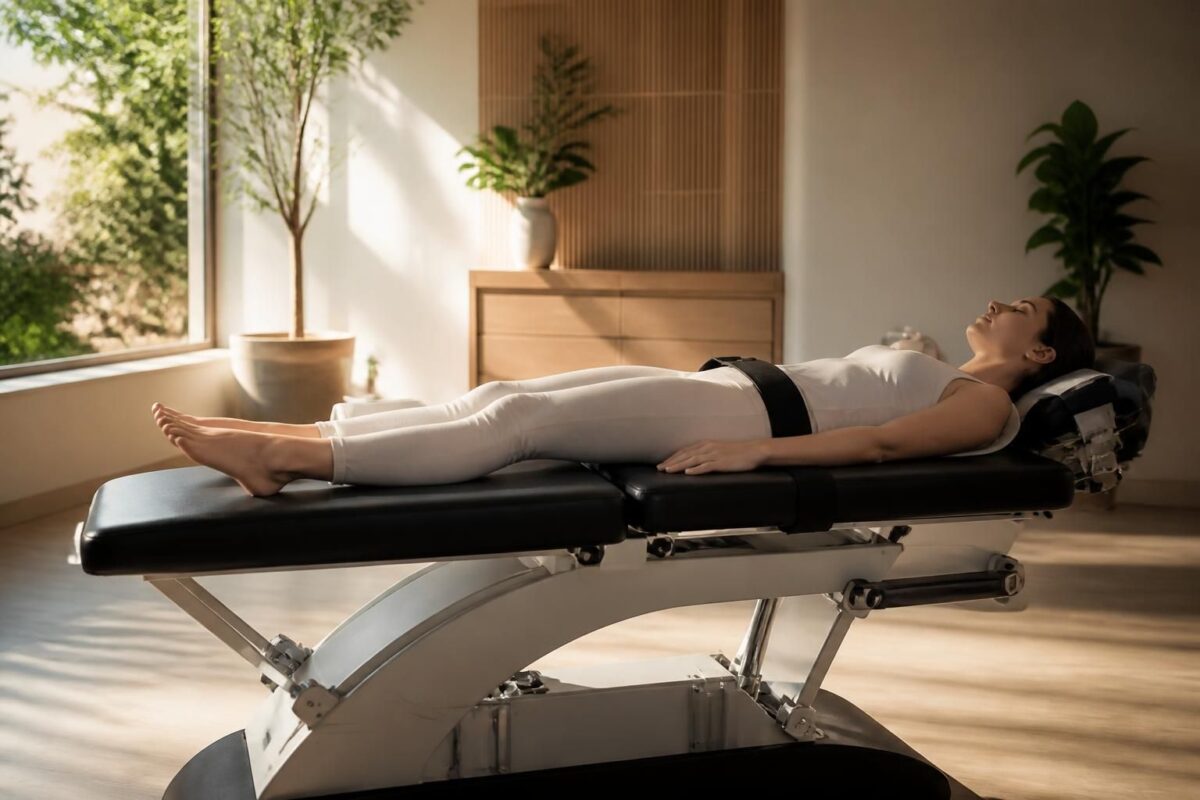
Neurovertebral Decompression and Body Alignment: Restoring Natural Balance
In short In short, neurovertebral decompression is one Non-invasive approach who restores theBody Alignment and thenatural balance back and neck. She acts by a Controlled traction of the spine to widen the intervertebral space and reduce the Pressure on discs…
What the feedback and evidence say
Clinical returns and experiences of elderly patients frequently show a pain reduction and an Better mobility After a few sessions. Although the results may vary depending on the case, the approach is generally well tolerated and offers an effective way to limit recurrent pain without the need for surgery. The objective is to sustainably support the autonomy and well-being of seniors in their daily lives.
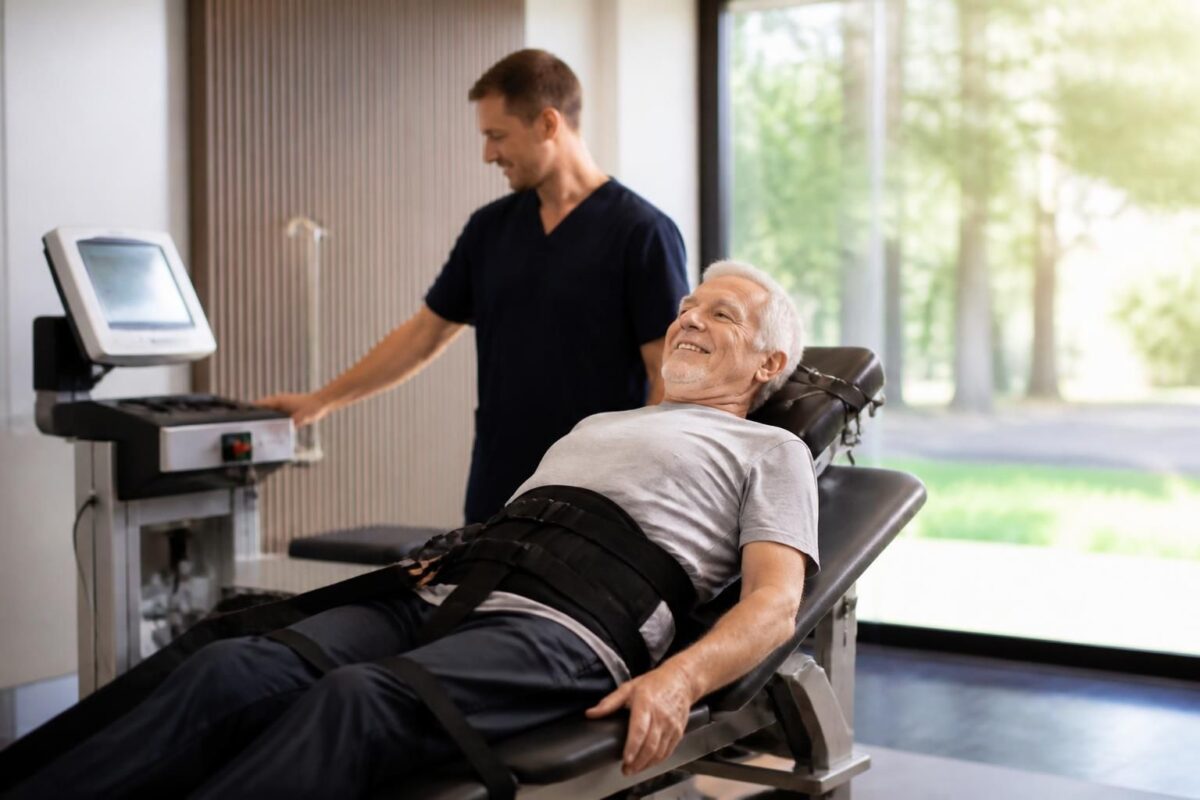
Why neurovertebral decompression is a lasting solution for active seniors
In short In short, the neurovertebral decompression is one Non-invasive therapy which sustainably relieves spinal pain in the spine active seniors By creating, by a Soft and controlled traction, a space between the vertebrae. At Montreal, it is recognized as…
Benefits of neurovertebral decompression for the elderly
| Axis | Concise impact |
|---|---|
| Pain | quick reduction of Lumbar and root pain. |
| Mobility | Improving mobility and autonomy in daily gestures. |
| Flexibility | Better flexibility and decreased muscle tension. |
| Circulation and healing | Improved blood circulation promoting tissue recovery. |
| Posture | Posture and alignment improved. |
| Quality of life | Quality of life and increased autonomy. |
| Prevention | relapse prevention and reduced risk of chronic pain. |
| Security and accessibility | Security and accessibility through a treatment non-invasive. |
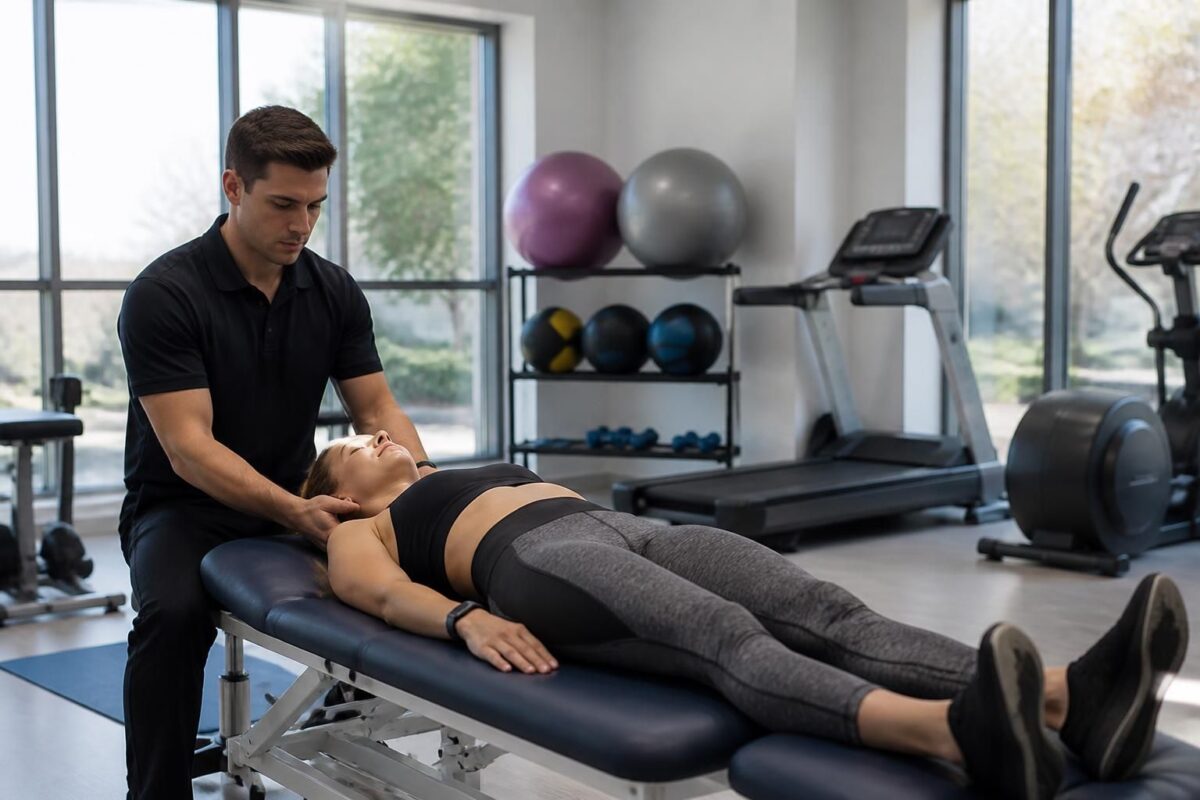
Neurovertebral decompression and recovery after severe sports injury
In short In short, the neurovertebral decompression is one Non-invasive method to Relieve the pressure on the Intervertebral discs and the gristle Via a Controlled traction, to facilitate the recovery After a severe sports injury. It improves the bloodstream towards…
Testimonials on the benefits of neurovertebral decompression for the elderly
Marie, 78, testifies: “Since I started the neurovertebral decompression, my lower back pain has decreased considerably and I find a mobility that I had lost. I can walk in the park again and take care of my garden without stopping every minute. »
Jacques, 81, confirms: “This approach is gentle and non-invasive. After a few sessions, the pain decreased markedly and my flexibility improved, which allows me to do my shopping and take care of myself without excessive fatigue. »
Louise, 75, shares: “I woke up with sciatic pain, then I tested the neurovertebral decompression And I found the pleasure of playing with my grandchildren. My quality of life changed, and I enjoy every day without planning every move in advance. »
Pierre, 83, says: “My doctor advised me to try alternative therapies. After the sessions, my posture improved, I have less muscle tension and I am more autonomous on a daily basis. »
Élise, 70, says: “The neurovertebral decompression fits perfectly into my overall care program. I am less dependent, less tired and I have found an energy that pushes me to practice social activities, thus improving my welfare on a daily basis. »
Dr. Sylvain Desforges, expert in osteopathy, naturopathy and manual medicine, holds the position of founding president of the clinics tagmed and association acma. His career is marked by a vocation toHealth Innovation, with a specialization in the management of Chronic pain and the integration of advanced technologies such as neurovertebral decompression, the laser and shockwave therapies. His approach aims to offer care evidence-based In order to optimize the health and well-being of patients, especially in elderly people who are facing persistent pain.
The neurovertebral decompression is a method non-invasive which targets the spine to decrease the pressure exerted on the intervertebral discs and nerves. Through a controlled traction mechanism, it promotes better blood circulation, accelerates tissue repair and contributes to the reduction of local inflammation. In the elderly, this gentle approach is a reliable option to treat pain related to disc disorders, without the need for heavy surgical procedures.
The earnings for the elderly are mainly manifested by a Improving mobility and an Significant pain reduction. By releasing pressure on discs and nerves, decompression promotes smoother daily movements, facilitates activities such as walking and household chores, and helps restore a flexibility lost over the years. This progression directly contributes to a better quality of life and a reduction in the use of possible drug treatments, while strengthening the confidence and independence of patients.
Integrated into a global care program, neurovertebral decompression combines harmoniously with other approaches osteopathic, rehabilitation exercises and lifestyle advice. This synergy makes it possible to establish a treatment plan Personalized and secure, adapted to the profile of each elderly patient and adapted to the evolution of their condition. Preliminary assessment and regular monitoring ensure appropriate progress, minimizing risk and maximizing long-term results.
Clinical observations and returns from elderly patients highlight a lasting improvement in mobility, decreased associated fatigue and better general posture. These positive effects are accompanied by a strengthening of psychological well-being and a renewed feeling of autonomy. As part of his commitment to multidisciplinary care, Dr. Desforges is pursuing an approach that combines innovative technologies and patient-centric approach, in order to support seniors in their approach to restoring and maintaining an active lifestyle.
This summary highlights the benefits notables of the neurovertebral decompression For the elderly, focusing on theImproving mobility, the Disc pain reduction and integration into a Multidisciplinary care pathway. She recalls that this approach is non-invasive And can promote the maintenance of autonomy and quality of life in seniors.
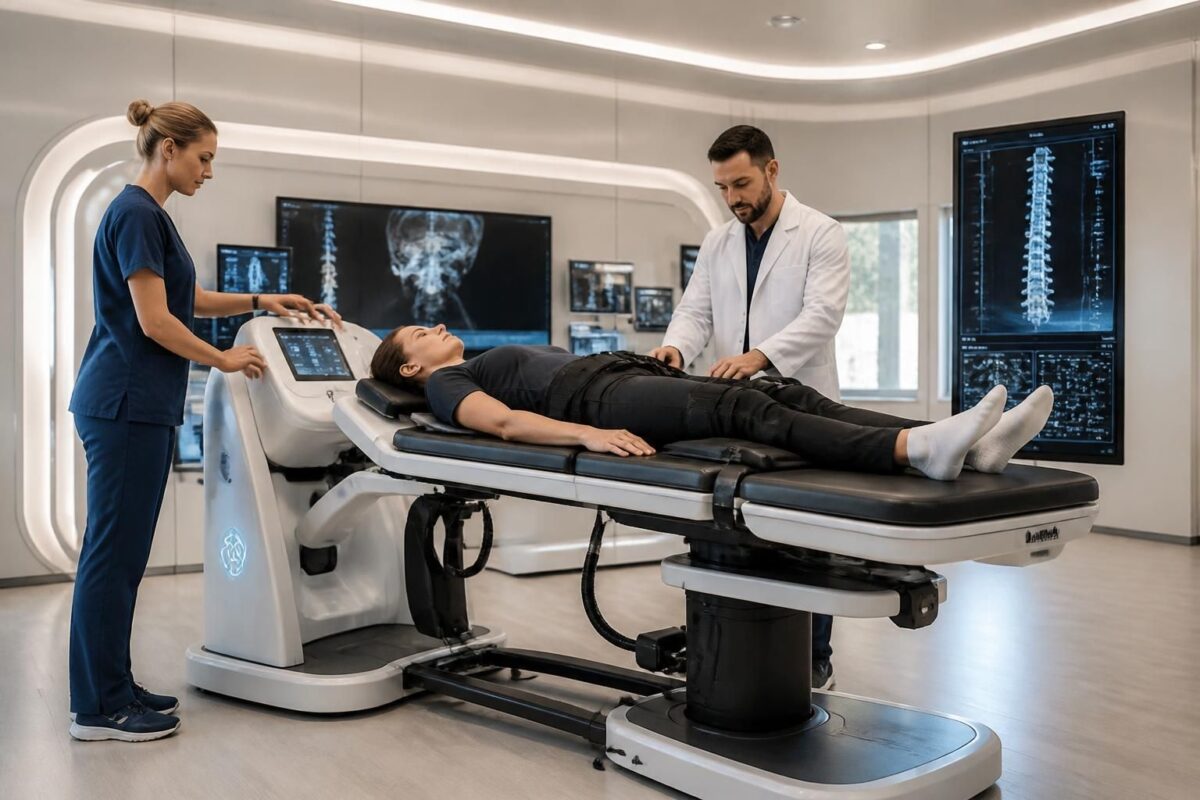
Recent innovations in neurovertebral decompression technologies
In short In short, the neurovertebral decompression is an approach non-invasive Aiming to reduce pressure on discs and nerves, and promote tissue regeneration. At Montreal, it is positioned as an effective option for lower back pain and herniated discs. The…
Key benefits for the elderly
The neurovertebral decompression acts mainly by reducing the pressure exerted on the intervertebral discs and nerves, which leads to a Significant pain reduction and to a Improving mobility on a daily basis. In seniors, this often results in a better ability to perform common gestures, to lean or to get up painlessly and to resume gentle physical activities. This approach also contributes to Improving flexibility and to a Optimized posture, which can reduce muscle tension and promote a safer balance in daily activities.
By promoting better local blood circulation and stimulating tissue repair, neurovertebral decompression can help prevent pain chronification and maintain a High quality of life in the elderly. For those who suffer from recurrent pain linked to degenerative pathologies, this therapy offers an alternative fresh and effective that can be integrated into rehabilitation exercises and appropriate manual adjustments.
For seniors, the positive impact can also be seen on the ability to participate in social and family activities. By reducing discomfort and facilitating movement, neurovertebral decompression supports less mobility loss and better Active participation in everyday life.
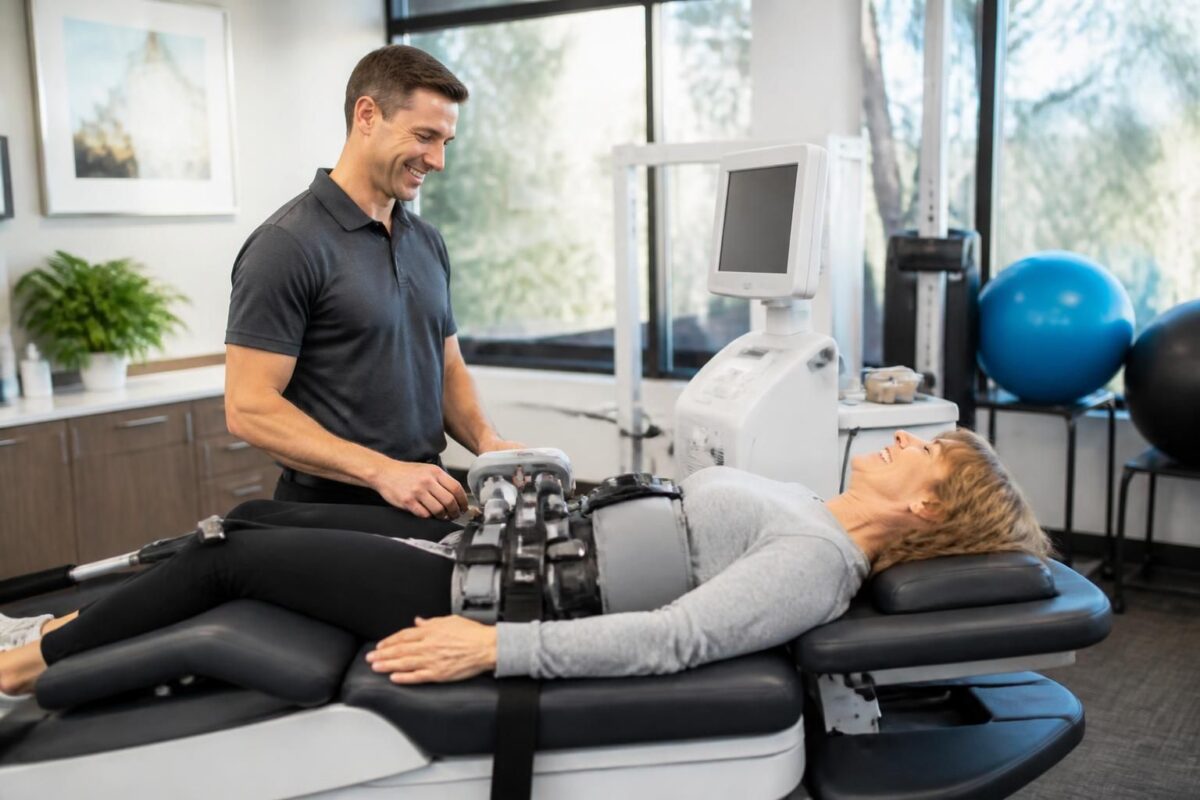
Neurovertebral decompression and diffuse pain: an appropriate solution
In short In short, the neurovertebral decompression is one Non-invasive solution For diffuse pain related to nerve irritation of the spine. She acts in Reducing pressure on intervertebral discs and nerves and improving the bloodstream, which promotes recovery and the…
Mechanisms and principles of action
This therapy uses an approach non-invasive which aims to release the pressure on the discs and nerves, thus improving the bloodstream and tissue nutrition around the spine. By targeting problem areas, it facilitates the tissue healing and the Reduction of inflammation, which contributes to mobility gains and a lasting reduction in pain.
Clinical evaluations and personalized protocols allow the treatment to be adapted according to the individual needs of the elderly patients, ensuring that the results are optimized while preserving safety. This approach is based on demonstrated physiological mechanisms and is ideally integrated into a plural care framework.
Integration into the care pathway
Neurovertebral decompression is part of a care strategy multidisciplinary, combining osteopathy, physiotherapy, strengthening exercises and lifestyle advice. This complementarity makes it possible to adapt the rehabilitation program according to the evolution of the patient’s motor capacities and to ensure continuous support until recovery.
Before starting treatment, Professional assessment is essential for determining the therapy adaptation and safety. Various resources and protocols exist to guide this care, and several professionals recommend exploring this option in parallel with other therapeutic modalities to optimize long-term results.
To deepen mechanisms, benefits and applications, you can consult specialized sources such as:
The science behind neurovertebral decompression
Why neurovertebral decompression is a therapy of choice for seniors
Neurovertebral Decompression: Recommended Therapy for Seniors
Additional resources and information
To understand practical applications and feedback, several online resources offer detailed explanations of the neurovertebral decompression and its role in mobility and injury prevention. For example, pages dedicated to performance improvement, injury prevention and experience of senior patients can shed light on your choice and expectations. You can explore resources like:
How does neurovertebral decompression improve athletic performance
Restoration of mobility among seniors

Dr Sylvain Desforges, B.Sc., D.O., N.D., osteopath, is the founding president of TAGMED and of the ACMA association. He dedicates his practice to chronic spinal pain, low back pain and symptoms compatible with sciatica, particularly when pain radiates toward the buttock, leg, calf, foot or toes.
Through SOS Sciatique, he publishes educational content on sciatica symptoms, possible causes such as disc herniation, disc narrowing, foraminal stenosis or irritation of a lumbar nerve root, as well as non-surgical approaches that may be considered according to the evaluation. At Clinique TAGMED, care may include, depending on the case, motorized neurovertebral decompression, specific osteopathic care or precision percussion.
For an evaluation related to sciatica treatment in Montreal / Mount Royal or sciatica treatment in Terrebonne, please consult the services available at Clinique TAGMED.
Medical disclaimer
The information published on SOS Sciatique is provided for educational purposes only and does not replace a consultation, diagnosis, opinion or treatment provided by a physician or another authorized healthcare professional. The author of this article is neither a medical doctor nor a specialist in a medical specialty recognized by the Collège des médecins du Québec. The osteopathic, manual medicine or functional support approaches described on this site do not constitute medical acts and are not intended to replace medical follow-up.
Consult a physician or emergency service in cases of loss of bladder or bowel control, anesthesia in the saddle area, significant or progressive weakness in the leg or foot, fever, recent trauma, severe pain or rapid worsening of symptoms. For more details, please read our Legal Notice.