The long-term benefits of neurovertebral decompression
25/06/2026
Neurovertebral decompression and chronic lower back pain: a lasting solution
25/06/2026
In short
| In short, the neurovertebral decompression is an approach non-invasive which promotes the Disk regeneration By reducing the Pressure on the intervertebral discs. This pressure decrease creates a space that improves the Fluid circulation and thenutrient intake, supporting the rehydration and fabric repair. Its key advantages include a Quick relief pain, better mobility and a reduction in the risk of recurrence linked to disc degeneration. accessible to Montreal, this service is particularly recommended for lower back pain related to disc degeneration and for people looking for a Non-surgical alternative. Integrated into a global care plan, it can be supplemented with other therapies and help preserve the health and functionality of the spine. |
The neurovertebral decompression is an approach non-invasive and effective which aims for the regeneration of the intervertebral discs by acting on the spine.
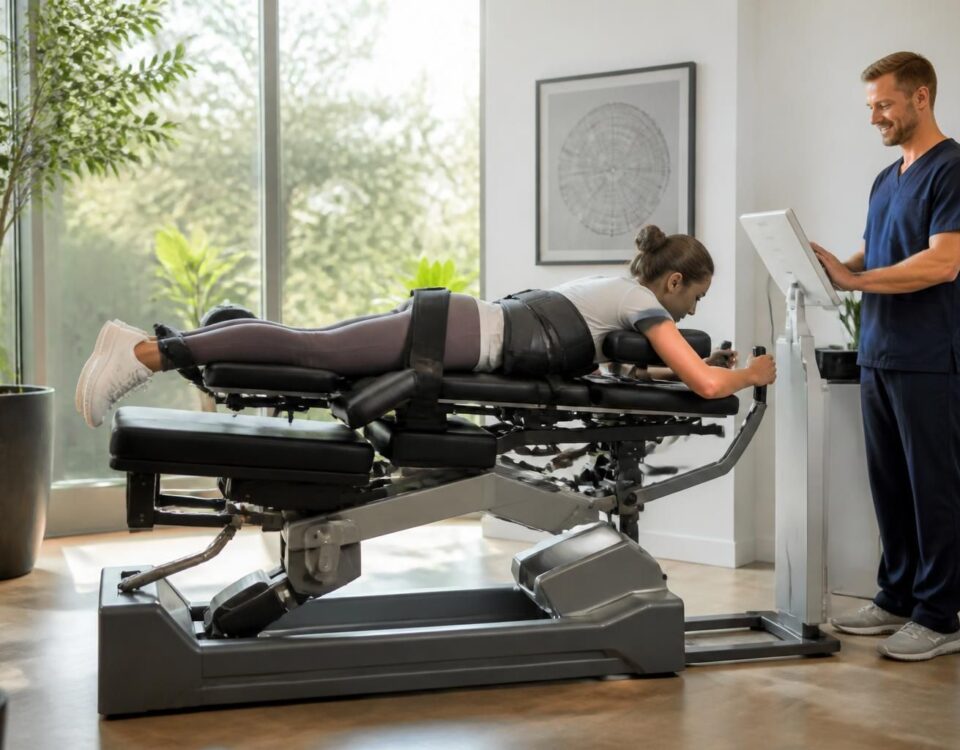
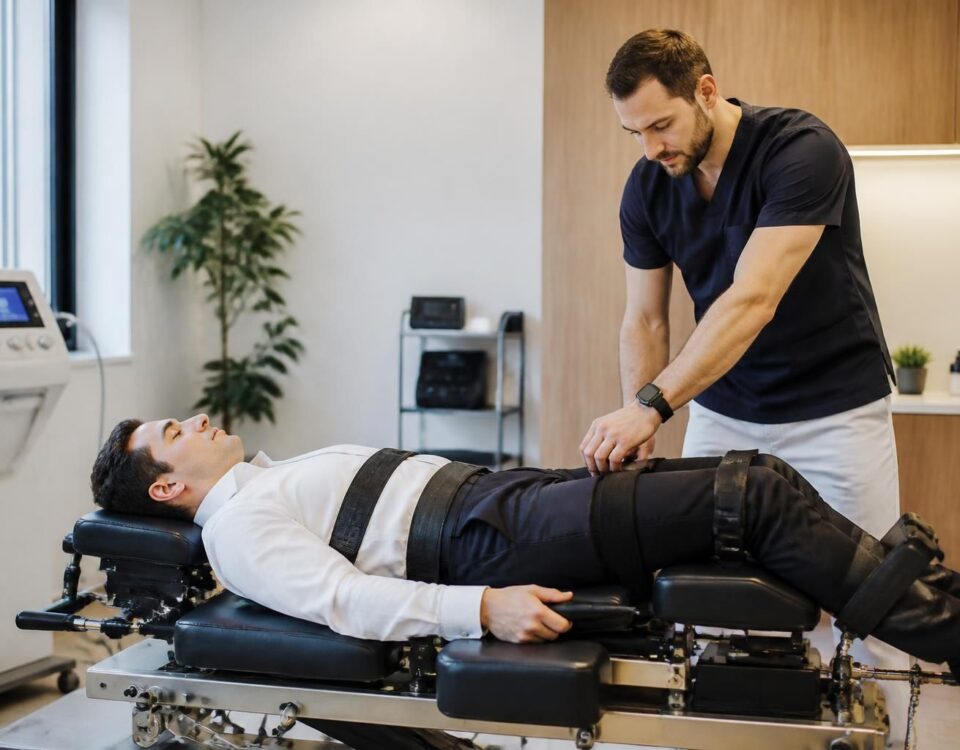
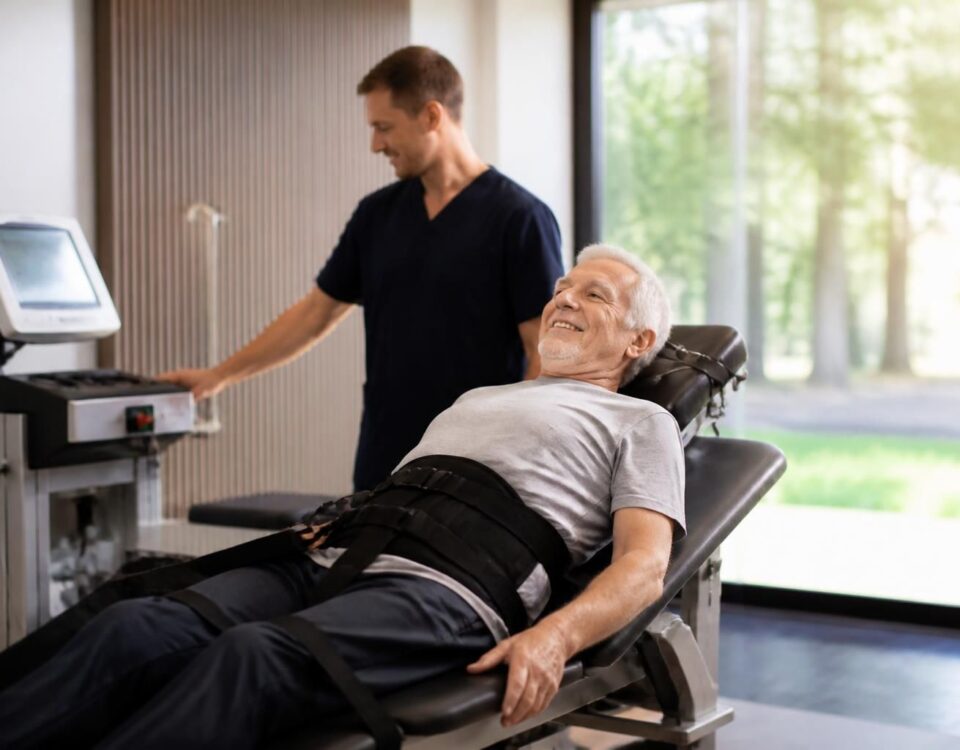
It is based on a Controlled traction which creates a space between the vertebrae and Reduces intradiscal pressure, thus releasing discs and nerves.
This pressure reduction improves the bloodstream and thenutritional intake towards the disc fabrics, favoring their rehydration and their repair.
By stimulating these mechanisms, decompression supports the tissue regeneration, reduces inflammation and pain, and allows faster return to activity with better mobility.
This article clearly explains how neurovertebral decompression can promote the regeneration of intervertebral discs. It acts non-invasively by lowering the pressure on the discs and improving the supply of essential nutrients, which facilitates tissue repair and improves mobility. This approach is part of a modern and evidence-based management of pain and disc pathologies.
Fundamental principles
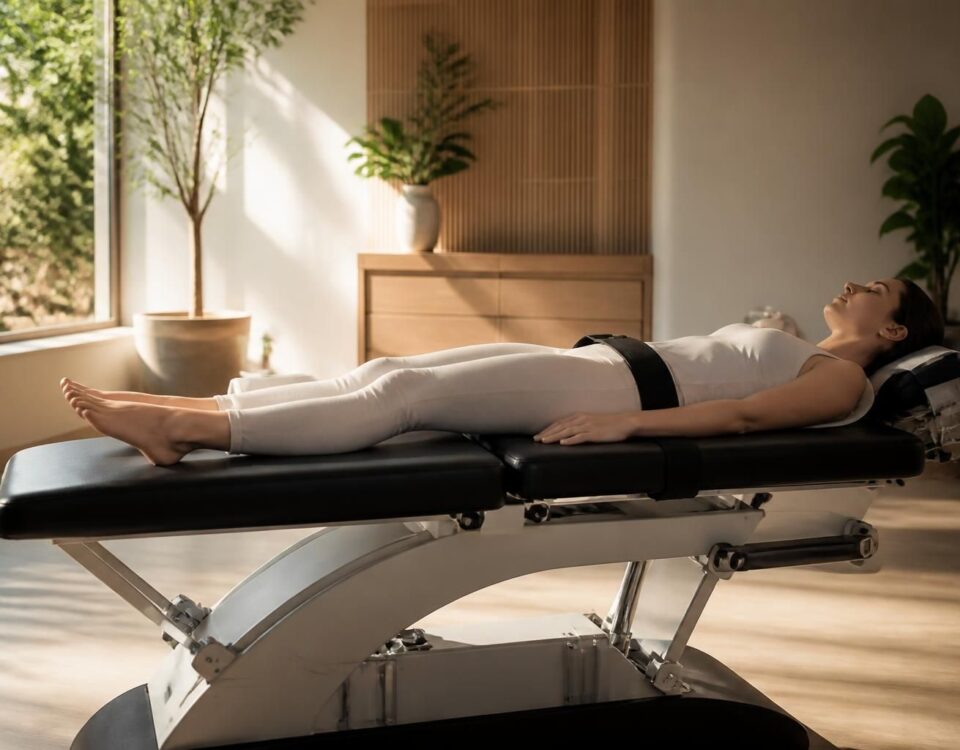
Neurovertebral decompression uses controlled traction on the spine. This action creates a space between the vertebrae and Reduces intradiscal pressure. The decrease in this pressure allows the disc to rehydrate and regenerate, while limiting nerve irritation and inflammation. This approach is non-invasive and can be integrated into a coordinated care plan at the TagMed Clinic.
It contributes to creating an environment conducive to healing by improving the circulation of fluids around the discs and neighboring structures. This improvement in flow facilitates the supply of nutrients and oxygen essential to the repair of damaged tissues. For an overview of the mechanisms, see the resources dedicated to neurovertebral decompression on neurovertebral decompression and on The steps of treatment.
Impact on disc circulation and hydration
pressure reduction Promotes better blood and lymph circulation in the vertebral region. Blood brings essential nutrients and oxygen to tissue regeneration. The Disc rehydration is a key element, because hydrated discs are more resistant to deformation and improve load damping. Additional resources on this component are available via the pages dedicated to neurovertebral decompression on SOS Herniated Disc and Why choose neurovertebral decompression.
Tissue regeneration and inflammation reduction
By lowering the pressure and improving circulation, decompression stimulates the natural repair processes of nearby discs and tissues. This can reduce inflammatory signs and relieve associated pain, while promoting return to normal functional levels. To understand the regeneration mechanisms, external resources on the subject are available via Recent innovations in neurovertebral decompression and Support for nerve tissue regeneration.
Prevention of long-term complications
A spine whose discs remain hydrated and less compressed has a Lower risk of recurrence pain and injury. The goal is to preserve disk integrity and optimize alignment and overall spinal function. Additional information can be viewed on Processing steps and on Decompression and sciatica.
Integration of other approaches and technologies
Decompression does not replace other therapies. It can be associated with other non-invasive modalities to optimize results. As part of an integrated plan, additional care offered at the TagMed clinic in Montreal or Terrebonne can support the regeneration process. To learn more about built-in options, please see Tagmed Clinic.
References and Resources
For further details, refer to the following resources that describe the mechanisms, benefits and indications of neurovertebral decompression. neurovertebral decompression and Science and Pain Society provide detailed information on the subject. Contents on discs and associated pathologies are also available via SOS Herniated Disc and SOS SCIATIC.
Overview and practical resources are available at Support for the regeneration of damaged nerve tissue and on neurovertebral decompression.
For explanations of clinical outcomes and patient experiences, testimonials and reviews on the benefits of associated techniques can also be found in resources accessible via Processing steps and carpal tunnel.
Medical Disclaimer: The information and advice provided on this site does not replace the health professional’s diagnosis or treatment. Please note that the practitioner is neither a doctor nor a specialist in a medical specialty as defined by the Collège des Médecins du Québec. Manual medicine and associated approaches as described on this site exclude any medical treatment or diagnosis carried out by a doctor or medical specialist. Always consult your doctor for any medical questions. For more details, please read our full legal notice.
This content uses references to the following authorized domains: sossciatica.com, Cliniquetagmed.com, decompressionneurovertebrale.com, SoshernieDiscale.com, SosherniatedDisc.com, sostunnelcarpien.com, sossciatica.com.
- Controlled traction Reduces intradiscal pressure and creates a space between the vertebrae.
- pressure reduction On the discs promotes their rehydration and regeneration.
- disc hydration Improves nutrition and tissue repair.
- less inflammation Frees nerves and promotes a healing environment.
- Improved traffic blood and lymphatic around the disc is optimized.
- nutrient intake and increased oxygen, supporting tissue synthesis.
- conducive environment repair through improved metabolic exchanges.
- Postural stability and alignment that reduce stress and support regeneration.

This recommendation explains how the neurovertebral decompression promotes the regeneration of Intervertebral discs. By applying controlled traction on the column, this non-invasive approach reduces disc pressure, improves the circulation of nutrient fluids and activates natural tissue repair mechanisms. The objective is to support targeted disc regeneration, reduce pain sustainably and prevent complications related to disc degeneration.
physiological mechanisms involved in the regeneration
The Controlled traction Creates a space between the vertebrae and frees the discs from excessive compression. This intradiscal pressure reduction is crucial because it allows the gelatinous nucleus to rehydrate and regain part of its damping elasticity. By lowering the tension on the adjacent nerves, it also promotes a less inflammation and more conducive to healing environment.
Reduction in intradiscal pressure
By decreasing the vertical load applied to the disc, decompression limits disc deformation and facilitates rehydration. This dynamic helps to slow or reverse certain degenerative processes and reduces pain associated with nerve compression.
Improved circulation and disc nutrition
The decrease in pressure allows better circulation of fluids and nutrients to the disc tissues. This increased supply of oxygen and nutrients supports cellular repair and resorption of metabolic waste, favoring the restoration of the mechanical properties of the discs.
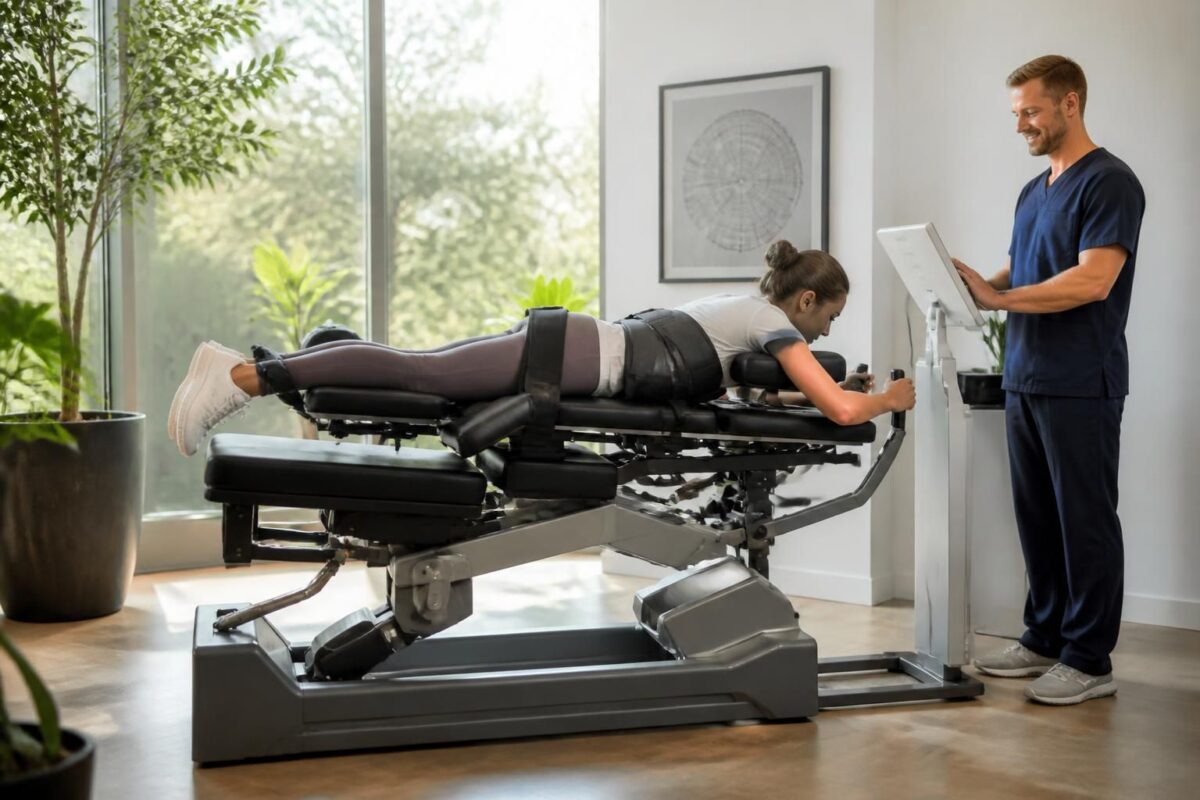
The long-term benefits of neurovertebral decompression for spinal health
In short In short, the neurovertebral decompression is a non-invasive approach that decreases the Pressure on intervertebral discs and nerves, favoring the Natural regeneration and tissue recovery. Its long-term benefits include Lasting pain reduction, Improving mobility and from the posture,…

Neurovertebral decompression and mobility: a return to an active life
In short In short, the neurovertebral decompression is therapy non-invasive who uses a gentle traction To create a space between the vertebrae and reduce the pressure on the Intervertebral discs and the nerves. It promotes a bloodstream improved, lowers tension…
Hydration and tissue recovery
Decompression promotes Disc rehydration, key element to maintain their damping capacity and load resistance. Adequate hydration supports the flexibility of the fibroadipose ring and helps preserve the structural integrity of the discs over time.
Role of hydration in disc elasticity
Optimum hydration improves disc t and limits sectoral settlements. This translates into better tolerance to daily stress and a decrease in painful episodes associated with repetitive movements or prolonged postures.
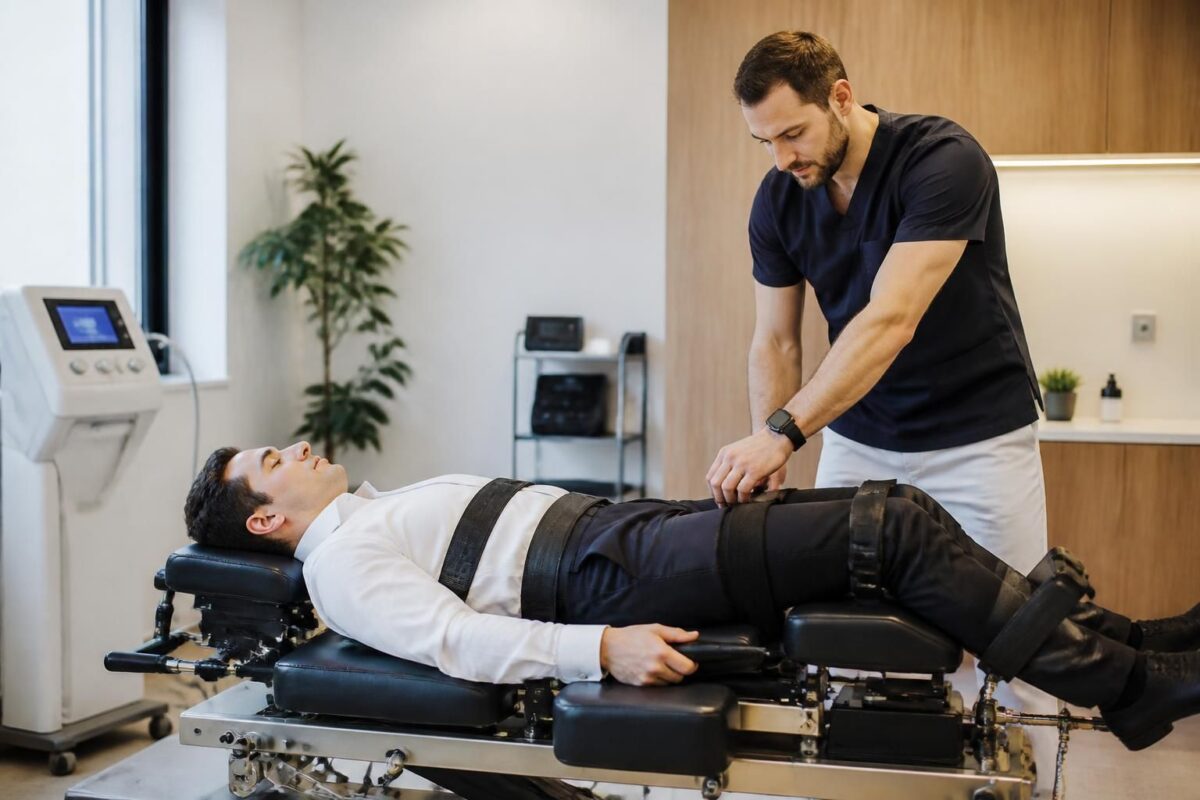
How Neurovertebral Decompression Prevents Diffuse Chronic Pain
In short decompression neurovertebral is one Non-invasive method aimed at reducing the Pressure on the intervertebral discs and the nerves, in order to prevent Diffuse chronic pain. It improves the circulation and thedisc hydration, decreases inflammation and promotes better mobility.…
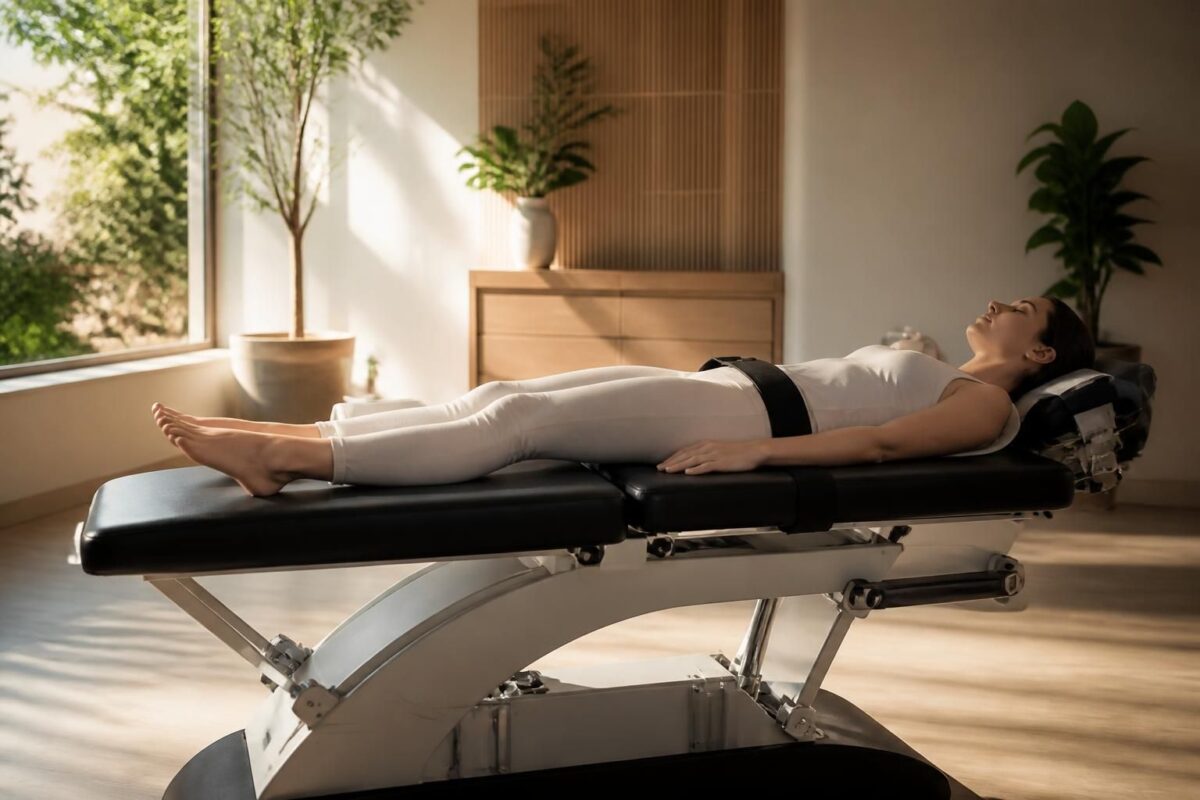
Neurovertebral Decompression and Body Alignment: Restoring Natural Balance
In short In short, neurovertebral decompression is one Non-invasive approach who restores theBody Alignment and thenatural balance back and neck. She acts by a Controlled traction of the spine to widen the intervertebral space and reduce the Pressure on discs…
Inflammation reduction and pain management
By lowering the pressure on the nerve structures and surrounding tissues, the Reduction of inflammation is accompanied by faster pain relief. This approach creates a framework conducive to healing, while improving everyday functionality and comfort.
Activation of natural healing mechanisms
The combination of reduced pressure and enhanced nutrient supply stimulates protein synthesis and cell regeneration in disc and pervertebral tissues. These processes support more effective repair and faster normal business recovery.
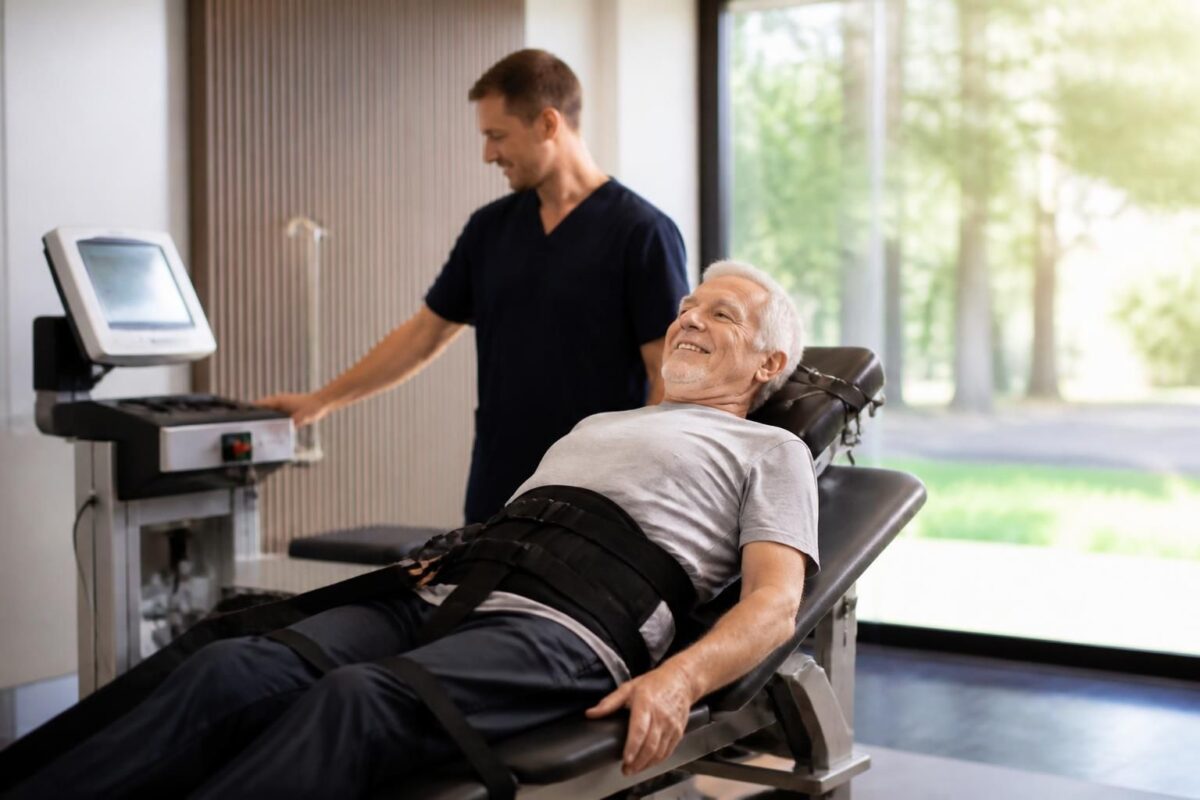
Why neurovertebral decompression is a lasting solution for active seniors
In short In short, the neurovertebral decompression is one Non-invasive therapy which sustainably relieves spinal pain in the spine active seniors By creating, by a Soft and controlled traction, a space between the vertebrae. At Montreal, it is recognized as…
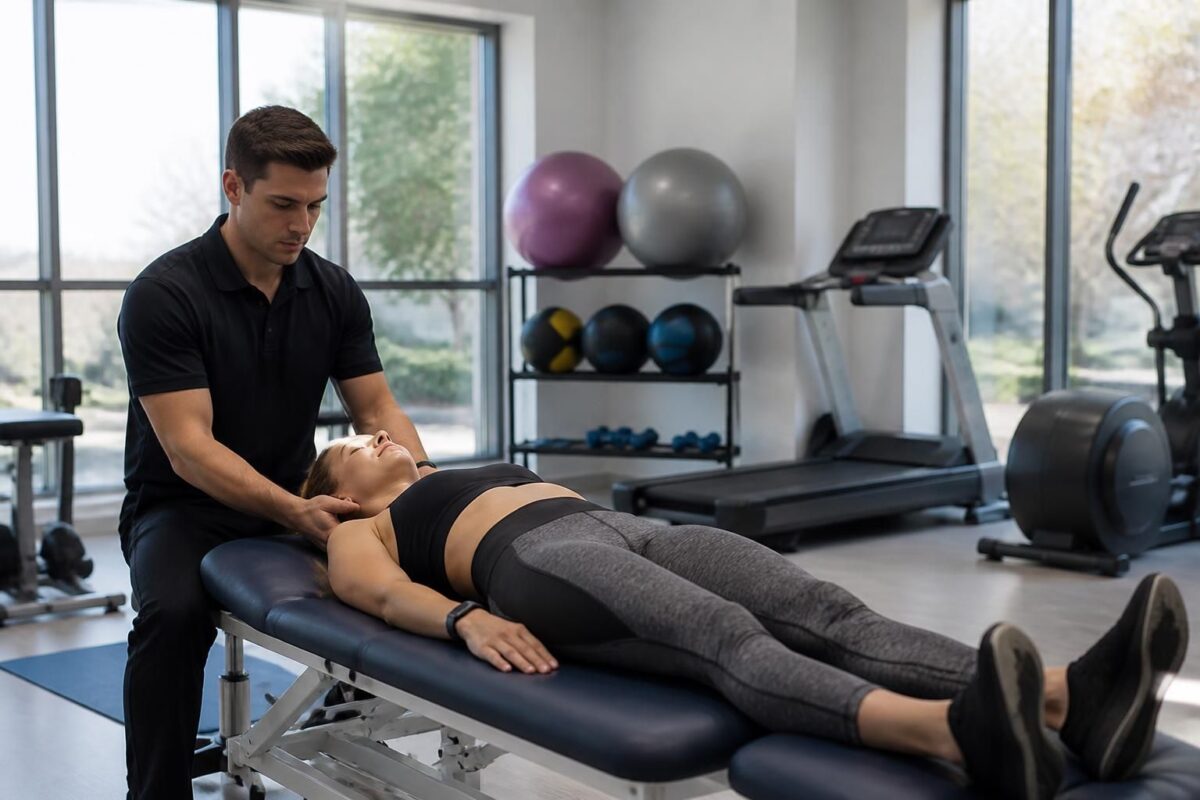
Neurovertebral decompression and recovery after severe sports injury
In short In short, the neurovertebral decompression is one Non-invasive method to Relieve the pressure on the Intervertebral discs and the gristle Via a Controlled traction, to facilitate the recovery After a severe sports injury. It improves the bloodstream towards…
Neurovertebral decompression is ideally part of a Overall care plan including rehabilitation exercises, complementary therapies and progressive adaptation of the return to activity. Used in combination with techniques such as laser or manual therapies, it can optimize disc regeneration and reduce the risk of recurrence.
Adaptation for athletes and active people
For active people, decompression promotes faster recovery after a disc injury and better movement, while preserving long-term performance and mobility. The use of this approach makes it possible to avoid more invasive interventions and to reduce the necessary rest time after an intense season of training.
| key | concise effect |
|---|---|
| Reduction in intradiscal pressure | Decreases the Intradiscal pressure, favoring the rehydration and the regeneration of the disc. |
| Hydration and Disc Nutrition | Promotes fluid circulation and the contribution of nutrients and ofoxygen essential for repair. |
| Improved local traffic | Increases the blood flow in the region, providing the necessary nutrients for regeneration. |
| Reduction of inflammation | Decreases theinflammation and pain, creating a favorable environment for healing. |
| Alignment and spinal stability | Improve thealignment, redistributes loads and protects the disk from repeated stresses. |
| Activation of repair mechanisms | stimulates synthesis protein and the regeneration disc tissues. |
| Stability and prevention of recurrences | contributes to a stability sustainability and reducing the risk of new injuries. |
| Optimized posture and movement | Corrects movement and posture, facilitating long-term regeneration. |
| Non-invasive option | Approach non-surgical providing a safe and effective healing environment. |
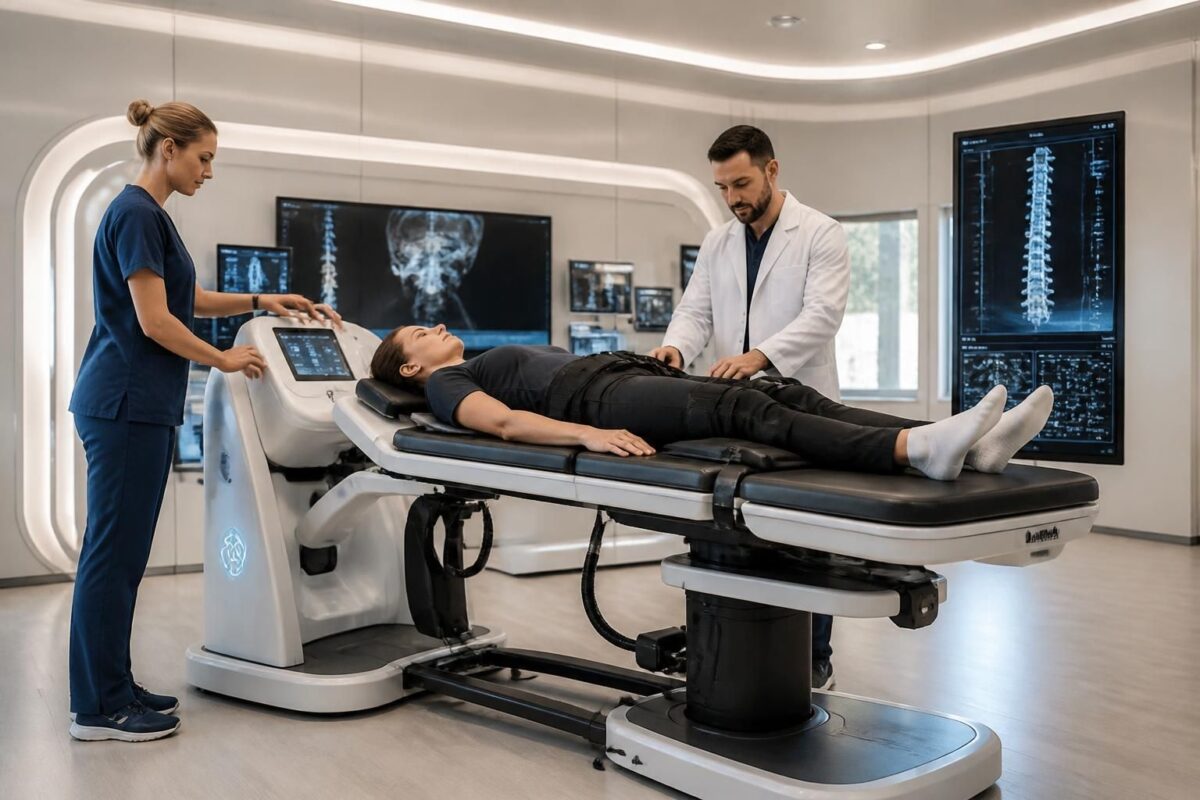
Recent innovations in neurovertebral decompression technologies
In short In short, the neurovertebral decompression is an approach non-invasive Aiming to reduce pressure on discs and nerves, and promote tissue regeneration. At Montreal, it is positioned as an effective option for lower back pain and herniated discs. The…
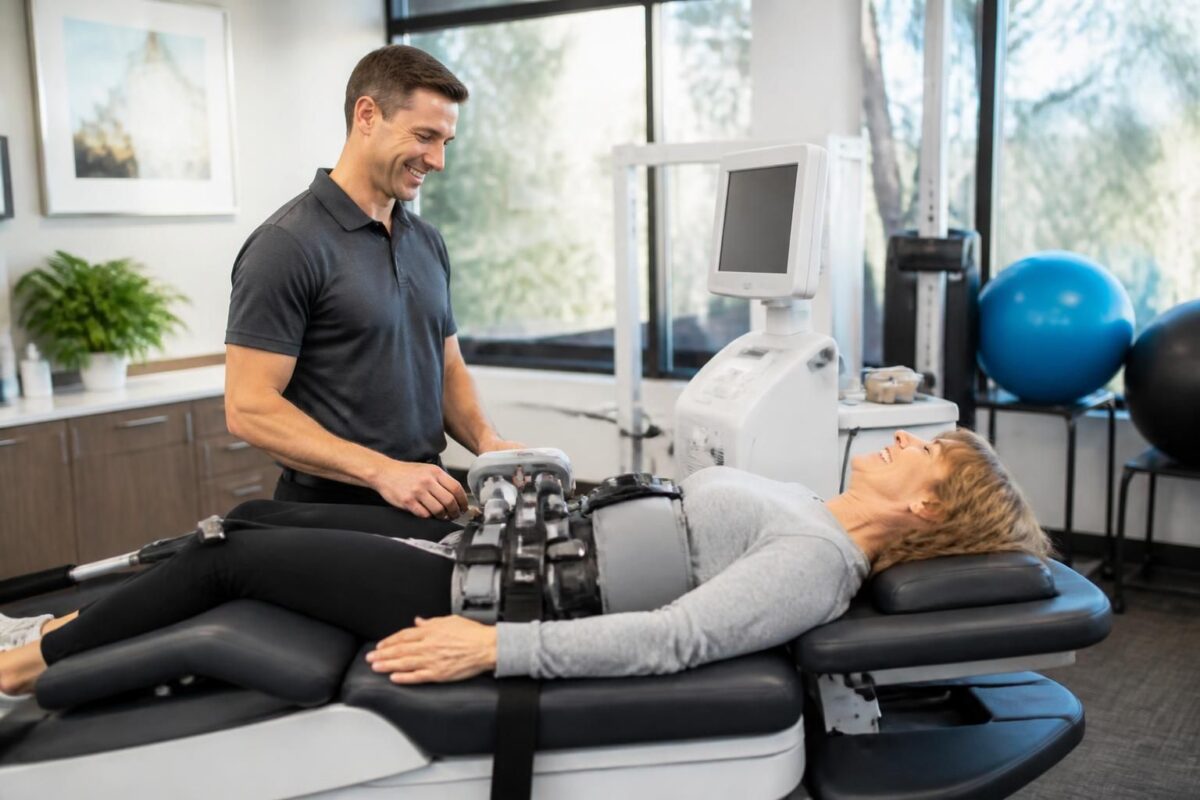
Neurovertebral decompression and diffuse pain: an appropriate solution
In short In short, the neurovertebral decompression is one Non-invasive solution For diffuse pain related to nerve irritation of the spine. She acts in Reducing pressure on intervertebral discs and nerves and improving the bloodstream, which promotes recovery and the…
Testimonials: How neurovertebral decompression promotes disc regeneration
Claire, 45: “After several sessions of neurovertebral decompression, I felt the pressure on my discs decrease. This reduction facilitated better circulation of fluids around the column and, little by little, I noticed signs of Disk regeneration. My pain subsided and my mobility returned over the weeks, which allowed me to resume my daily activities without major discomfort. »
Jean, 30 years old: “As an athlete, my lower back injuries kept coming back. With the neurovertebral decompression, I observed an improvement in blood circulation in the area and better hydration of the discs. Result: my training sessions resumed more quickly and I was able to resume my competitions with a tissue regeneration more efficient than expected. »
Marie, 55 years old: “After a herniated disc, the pain blocked my movements. Thanks to this non-invasive approach, the pressure on my discs decreased and I felt my fabrics gradually repair itself. I am convinced that the Disc nutrition and theDisc hydration improved, which led to a more balanced and lasting recovery. »
Lucas, 28: “I was skeptical at first, but decompression really helped my records to regenerate. I noticed an improvement in my posture and a reduction in muscle tension, accompanied by a better supply of essential nutrients around the discs. Today, my daily activities are more fluid and less painful. »
Sophie, 38: “Lumbar pain has been a real brake in my active life. After a few sessions, I noticed a decrease in symptoms and better local circulation. I had the impression that my discs regained their elasticity thanks to a progressive regeneration of the tissues and a regained mobility that accompanies me every day. »
David, 50: “I was looking for a non-surgical and effective solution. Decompression not only relieved my nerves but also stimulated natural regeneration mechanisms. I feel my discs better hydrated and the pain decreases durably, which allows me to be more active at work and at home. »
Neurovertebral decompression and disc regeneration: biography and mechanisms
Neurovertebral decompression is a non-surgical therapeutic approach that aims to promote Disk regeneration intervertebral by acting on their biomechanical microenvironment. This method is based on a Controlled traction of the spine, designed to gradually reduce the Intradiscal pressure and offer a favorable space for tissue repair. Its scope has expanded over the years, integrating personalized protocols and associated technologies to support patients with chronic spinal pain without the need for surgery. In a holistic vision of care, it is a key brick to a therapeutic journey focused on evidence and efficacy.
At the heart of the process, traction is carried out in a way Smooth and progressive, creating a discreet space between the vertebrae. This moderate spacing reduces the compression exerted on the discs and their adjacent natures, allowing rehydration and structural rehabilitation. By promoting the restoration of the volume of the gelatinous nucleus and the reappropriation of its shock absorber function, decompression contributes to restoring segmental stability and preventing future vertebral settlements. This dynamic is essential to restore mobility and limit pain related to disc degeneration.
The bloodstream and lymphatic in the spinal area also benefits from this approach. When the pressure decreases, the flow of nourishing fluids and oxygen to the disc tissues increases, facilitating the supply of nutrients essential to the cell regeneration and the repair of ring fibers. This better tissue nutrition triggers favorable metabolic responses, including structuralist protein synthesis and remodeling of disk internal components, thus helping to strengthen disc resilience and improve disk function.
Biologically, decompression acts as a mechanical stimulus that activates the body’s innate healing mechanisms. By limiting the pressure while maintaining an appropriate stimulation, it promotes the Tissue repair and the Structural reorganization Damaged disks. Thanks to this subtle stimulation, the cells produce essential constituents, such as proteoglycans and extracellular matrix proteins, which restore the elasticity and resistance of the discs. The goal is to achieve directed and long-lasting healing, capable of resuming the damping function with less pain and nervous tension.
This technique also has significant benefits in pain and inflammation. By reducing the pressure on the nerves and adjacent organs, it can decrease nociceptive signals and associated inflammation, favoring a gradual return to daily activities and rehabilitation programs. Decreased nerve irritation facilitates complementary exercises and therapies, thus reinforcing the overall rehabilitation process and long-term quality of life.
Integrated into a global care plan, neurovertebral decompression is ideally combined with other non-invasive manual or technological approaches, as part of a personalized program. It offers a valuable alternative for patients who wish to avoid surgery while seeking a lasting improvement in spinal stability and mobility. Recurrence prevention and functional optimization involve regular monitoring, targeted exercises and continuous adaptation of the therapeutic protocol.
This conclusion details how neurovertebral decompression acts on the intervertebral discs to promote their regeneration. By reducing the Intradiscal pressure, by improving the Fluid circulation And by stimulating endogenous repair mechanisms, this non-invasive approach offers lasting clinical benefits and better mobility, while integrating into a comprehensive care plan.
The fundamental mechanism is based on a Controlled traction which creates a space between the vertebrae and decreases the Pressure on discs. This release of pressure facilitates the rehydration cores and nutrition neighboring fabrics, improving the ability of the discs to repair themselves and regain their damping. Pressure reduction also helps to reduce local inflammation and associated pain.
The Blood and lymphatic circulation in the spinal area improves thanks to this decompression, which increases the intake in nutrients and in oxygen and promotes the disposal of metabolic waste. This dynamic is crucial for disk regeneration and restoration of their hydration and their damping function.
At the cellular level, the association of pressure reduction and a better nutrition stimulates tissue repair pathways, promotes protein synthesis and the cell regeneration. This translates into a gradual improvement in the mechanical properties of the discs and a lasting reduction in aches related to disc degeneration.
Clinically, these mechanisms support not only the healing of the discs but also the prevention Long-term complications, such as painful recurrences and progression of degeneration. The approach non-invasive offers an effective alternative or complement to more invasive treatments, especially for sportsman and the ACTIVE PEOPLE who seek to maintain their mobility and performance.
For those who want to deepen, several online resources explain the benefits and mechanisms of neurovertebral decompression and its contribution to disc regeneration. For example: Decompression#ATFP_CLOSE_TRANSLATE_SPAN# Neurovertebral – A solution for recurrent back pain, LA#ATFP_CLOSE_TRANSLATE_SPAN# Science behind neurovertebral decompression, Comment#ATFP_CLOSE_TRANSLATE_SPAN# Neurovertebral decompression promotes disc regeneration, and Comment#ATFP_CLOSE_TRANSLATE_SPAN# Neurovertebral decompression regenerates your discs. Other useful resources include Decompression#ATFP_CLOSE_TRANSLATE_SPAN# Neurovertebral – Hernia Disc and Decompression#ATFP_CLOSE_TRANSLATE_SPAN# Neurovertebral and chronic pain — a lasting solution.

Dr Sylvain Desforges, B.Sc., D.O., N.D., osteopath, is the founding president of TAGMED and of the ACMA association. He dedicates his practice to chronic spinal pain, low back pain and symptoms compatible with sciatica, particularly when pain radiates toward the buttock, leg, calf, foot or toes.
Through SOS Sciatique, he publishes educational content on sciatica symptoms, possible causes such as disc herniation, disc narrowing, foraminal stenosis or irritation of a lumbar nerve root, as well as non-surgical approaches that may be considered according to the evaluation. At Clinique TAGMED, care may include, depending on the case, motorized neurovertebral decompression, specific osteopathic care or precision percussion.
For an evaluation related to sciatica treatment in Montreal / Mount Royal or sciatica treatment in Terrebonne, please consult the services available at Clinique TAGMED.
Medical disclaimer
The information published on SOS Sciatique is provided for educational purposes only and does not replace a consultation, diagnosis, opinion or treatment provided by a physician or another authorized healthcare professional. The author of this article is neither a medical doctor nor a specialist in a medical specialty recognized by the Collège des médecins du Québec. The osteopathic, manual medicine or functional support approaches described on this site do not constitute medical acts and are not intended to replace medical follow-up.
Consult a physician or emergency service in cases of loss of bladder or bowel control, anesthesia in the saddle area, significant or progressive weakness in the leg or foot, fever, recent trauma, severe pain or rapid worsening of symptoms. For more details, please read our Legal Notice.