How neurovertebral decompression promotes disc regeneration
25/06/2026
Signs indicating that neurovertebral decompression is suitable for you
25/06/2026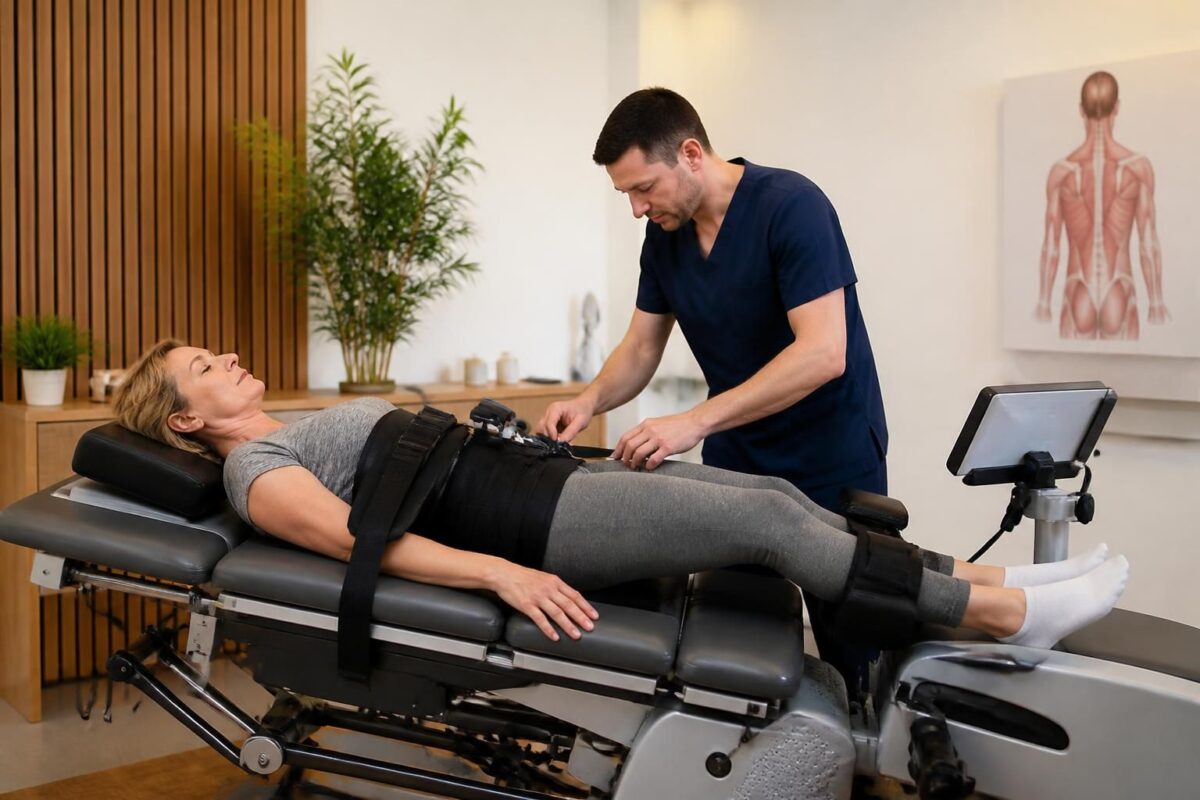
In short
| In short, the neurovertebral decompression is one Non-invasive solution for the Chronic lower back pain which acts in Reducing pressure on nerves and intervertebral discs, favoring the Disk regeneration and an Increased mobility without surgery or medication. Accessible in Montreal and the surrounding area, this approach is a Alternative to surgery and may complement other therapies. In Montreal, it is particularly suitable for low back pain related to slipped disc or at the disc degeneration, offering lasting relief and improved quality of life. |
The neurovertebral decompression is an approach non-invasive which aims to relieve the Chronic lower back pain by reducing the pressure exerted on the nerves and intervertebral discs. By restoring the space between the vertebrae and improving the local circulation, it promotes tissue recovery and can bring the mobility and the quality of life at a significant level. This treatment offers a Alternative to surgery and can contribute to a Lasting pain reduction while decreasing drug dependence. suitable for pathologies such as herniated discs, the disc degeneration and the Spinal stenosis, it aims to preserve the function of the column and to promote the return to an active life. One Precise diagnosis and one Custom Plan, with a Regular follow-up, optimize the results.
neurovertebral decompression offers an approach non-invasive to relieve chronic lower back pain. This article presents the mechanisms, benefits, indications and practical integration of this therapy, in order to promote sustainable improvement in mobility and quality of life, without systematically resorting to surgery.
Neurovertebral decompression: what is it?
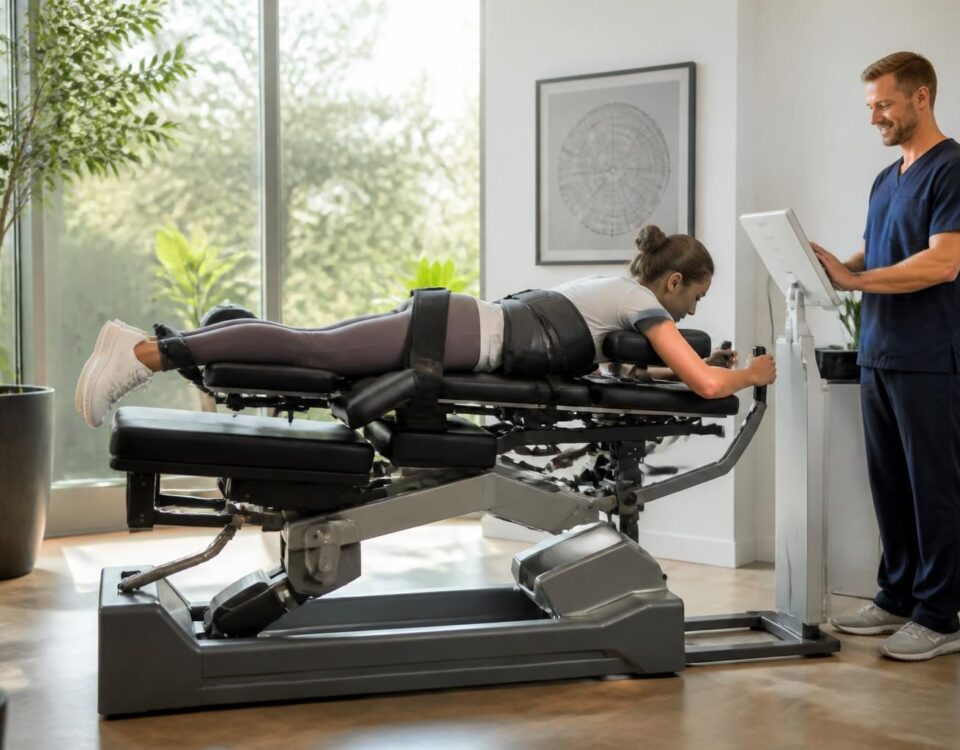
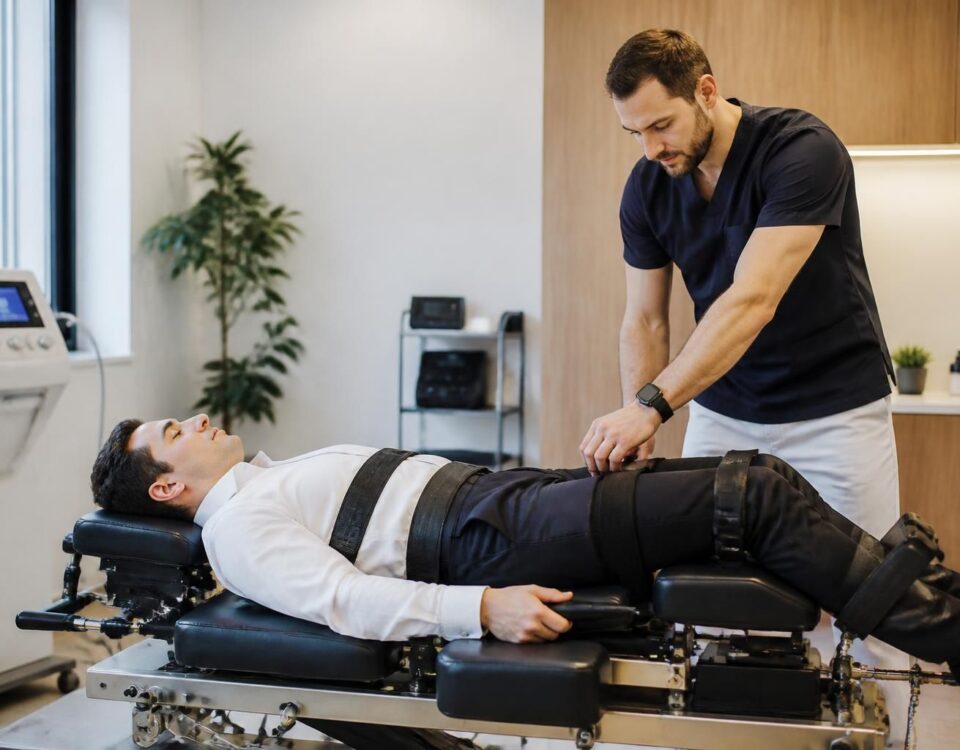
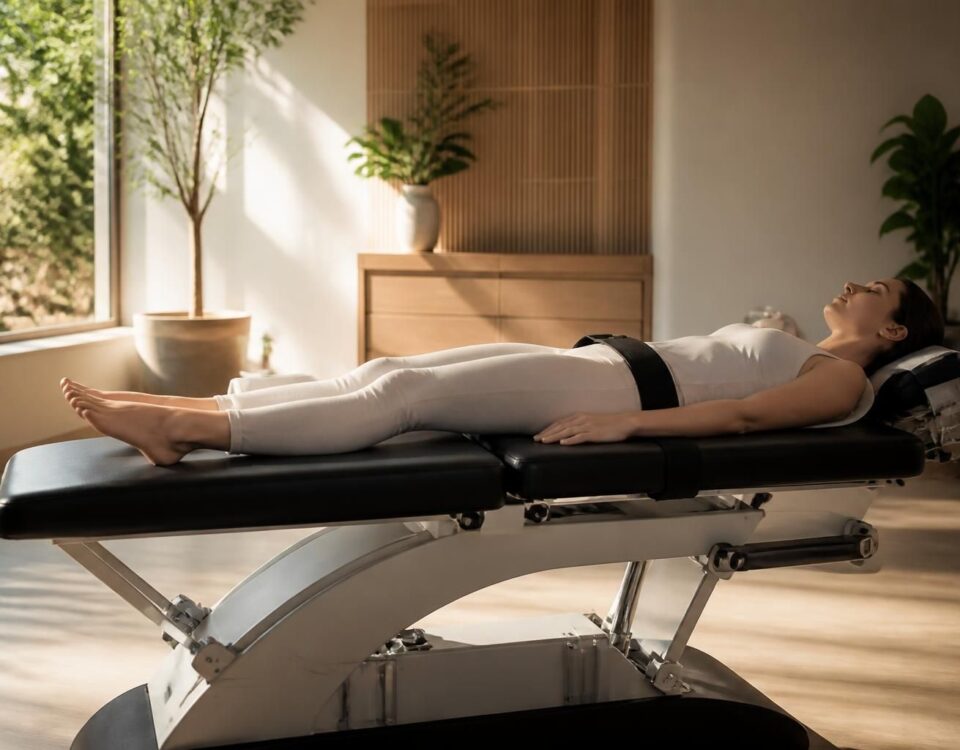
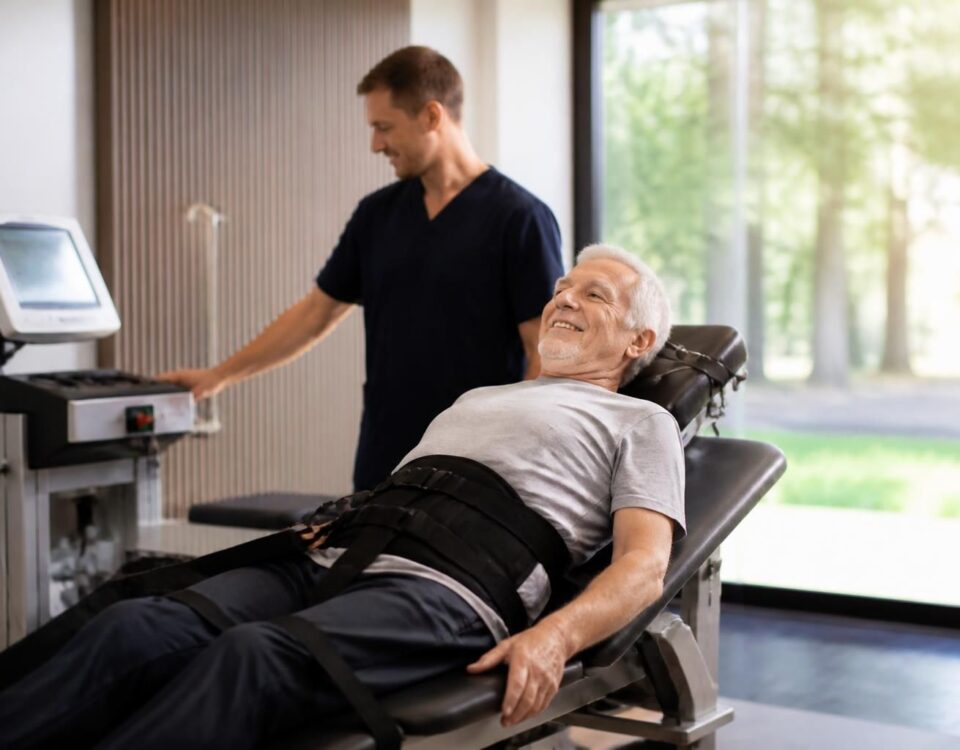
Neurovertebral decompression is based on controlled traction of the spine. This traction gradually alleviates the pressure exerted on the nerves and intervertebral discs. It creates additional space between the vertebrae, which improves the circulation of nutrient fluids and promotes the natural regeneration of tissues.
Main mechanisms and benefits
The main mechanism is reducing the pressure on nerves and discs. This decrease in pressure can lead to rapid and lasting pain relief and Improving mobility. By promoting better spinal tissue irrigation, therapy supports natural healing mechanisms and can help rehydrate damaged discs. It has the advantage of being non-invasive and avoid the operative risks associated with surgery.
Typical indications and limits
Neurovertebral decompression can be considered for conditions such as lumbar pain related to degenerative disc disorders, disc hernias or compressive retractions that cause nerve irradiations. Eligibility depends on a clinical examination and, if necessary, medical imaging. This approach is one option among others in multidisciplinary care.
Integration into global support
Neurovertebral decompression can be associated with other non-pharmacological therapies within a global care plan. In a clinical setting, it can be integrated into osteopathic and naturopathic approaches in order to potentiate the results. For patients residing in Montreal or Terrebonne, TagMed clinics offer this technique as part of a personalized and evidence-based course.
To explore further, you can view resources detailing the benefits and mechanisms of neurovertebral decompression, including the following sources:
- Decompression#ATFP_CLOSE_TRANSLATE_SPAN# Neurovertebral and muscle tension, a winning duo
- LES#ATFP_CLOSE_TRANSLATE_SPAN# Advantages over other treatments
- LES#ATFP_CLOSE_TRANSLATE_SPAN# Steps of neurovertebral decompression treatment
- Decompression#ATFP_CLOSE_TRANSLATE_SPAN# Neurovertebral and chronic lower back pain – a lasting solution
Comparison with other non-invasive approaches
Neurovertebral decompression differs from drug treatments by targeting the underlying cause of pain, and it avoids the risks and recovery times associated with surgery. In comparison with physiotherapy, it can offer a more specific improvement in intervertebral spaces and nerve dynamics. In some cases, it fits into a comparative table where physiotherapy can be associated as an option, but with generally less efficiency for lower back pain linked to disc pathologies. Visit the resources available on the TagMed site for additional information and clinical examples.
Additional resources and customer testimonials can be viewed through the following sites:
Steps towards better mobility and controlled pain
The typical approach begins with a clinical evaluation and, as the case may be, with imaging examinations. The protocol can then include several sessions adapted to the patient’s response. The progression aims to reduce pain, restore mobility and support the regeneration of spinal structures. Educational resources and practical information are available on the professional sites mentioned above, and expert partners offer regular follow-ups to optimize results.
Additional references and resources
For additional information and clinical perspectives, the following sources may be useful:
- Why#ATFP_CLOSE_TRANSLATE_SPAN# Neurovertebral decompression is effective for athletes
- Decompression#ATFP_CLOSE_TRANSLATE_SPAN# Neurovertebral, an effective solution for stress-related lower back pain
- Neurovertebral Decompression – Durable Solution for Persistent Lower Lower Pain
- Dr. Desforges – Neurovertebral decompression and chronic lower back pain
- Disc hernia and neurovertebral decompression solutions
- Benefits for the elderly
- Decompression and muscle tension, a winning duo
As part of this content, professional references remain aligned with ACMA (Canadian Alternative Medicine Alliance), College of Canadian Osteopaths and College of Canadian Osteopaths, and recognized training institutions such as NUMSS, NAO, National University of Medical Sciences and National Academy of osteopathy.
Medical Disclaimer: The information and advice provided on this site does not replace the health professional’s diagnosis or treatment. Please note that Dr. Sylvain Desforges osteopath is neither a doctor of medicine nor a doctor, and is not a specialist in a medical specialty as defined by the Collège des Médecins du Québec. Manual medicine, functional medicine and sports medicine as described on this site exclude any medical treatment or diagnosis made by a doctor or specialist doctor. Always consult your doctor for any medical questions. For more details, please read our full legal notice.
- non-invasive – Controlled traction without surgery
- Space Release – increased intervertebral space, reduced nerve pressure
- Hydration and regeneration – Nutrition of intervertebral discs
- local traffic – Better tissue irrigation
- Personalized approach – Protocol suitable for diagnosis and patient
- Lasting pain – Progressive and lasting relief
- Mobility found – Improved range of motion
- Alternative to surgery – avoids the intervention for many pathologies
- Fewer drugs – Reduction of drug dependence
- Monitoring and prevention – Post-treatment program and posture advice

Neurovertebral decompression is an approach non-invasive which can provide lasting relief from chronic lower back pain by reducing nerve pressure and promoting regeneration of intervertebral discs. This article offers clear recommendations for understanding, implementing and maintaining the benefits of this therapy, while integrating it into a global health approach.
Principle and mechanism
Principle
Neurovertebral decompression is based on controlled and gentle traction of the spine, intended for Increase the space between the vertebrae and decrease the pressure exerted on the discs and nerves. This pressure reduction promotes better circulation of nutrients and can support the Disk regeneration and neighboring fabrics.
Mechanisms of action
By freeing up space, it helps to reduce symptoms associated with herniated discs, at the Spinal stenosis and other nervous compressions. This approach stimulates natural healing without the need for heavy drugs or surgery, and can be associated with other therapies to optimize results.
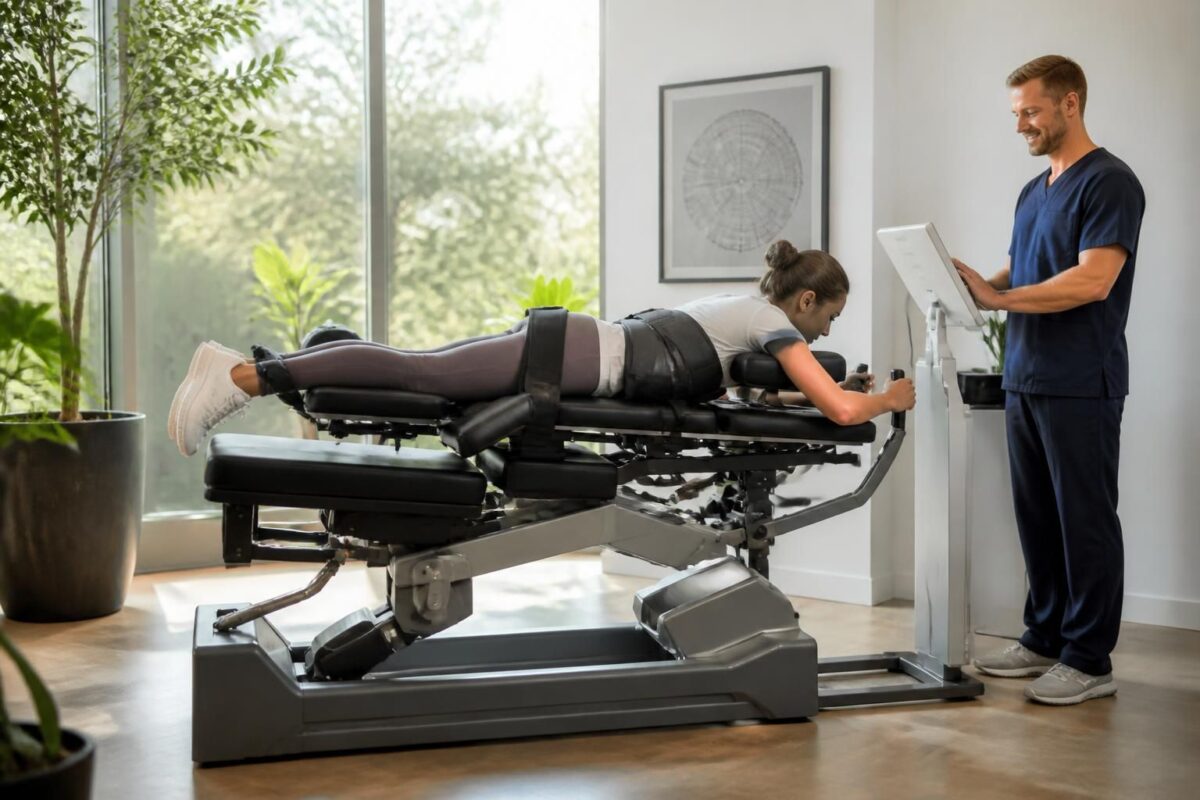
The long-term benefits of neurovertebral decompression for spinal health
In short In short, the neurovertebral decompression is a non-invasive approach that decreases the Pressure on intervertebral discs and nerves, favoring the Natural regeneration and tissue recovery. Its long-term benefits include Lasting pain reduction, Improving mobility and from the posture,…

Neurovertebral decompression and mobility: a return to an active life
In short In short, the neurovertebral decompression is therapy non-invasive who uses a gentle traction To create a space between the vertebrae and reduce the pressure on the Intervertebral discs and the nerves. It promotes a bloodstream improved, lowers tension…
Benefits and sustainability for chronic low back pain
Relief and mobility
Patients often report a Significant pain reduction After a few sessions and a Improving mobility which allows you to resume daily and sporting activities without disabling pain.
Long term impact
By treating the mechanical causes of pain rather than masking symptoms, decompression offers Lasting benefits and can help prevent recurrences when associated with a reinforcement, stretching and ergonomics program.
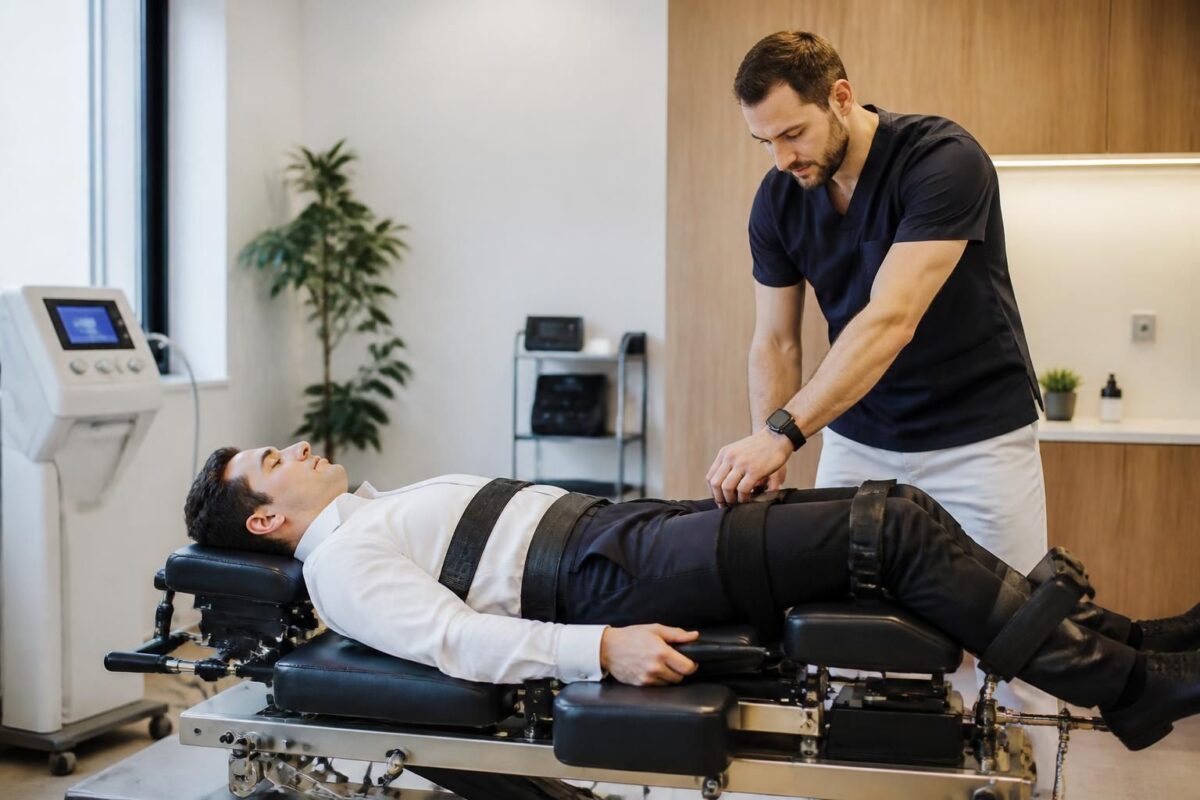
How Neurovertebral Decompression Prevents Diffuse Chronic Pain
In short decompression neurovertebral is one Non-invasive method aimed at reducing the Pressure on the intervertebral discs and the nerves, in order to prevent Diffuse chronic pain. It improves the circulation and thedisc hydration, decreases inflammation and promotes better mobility.…
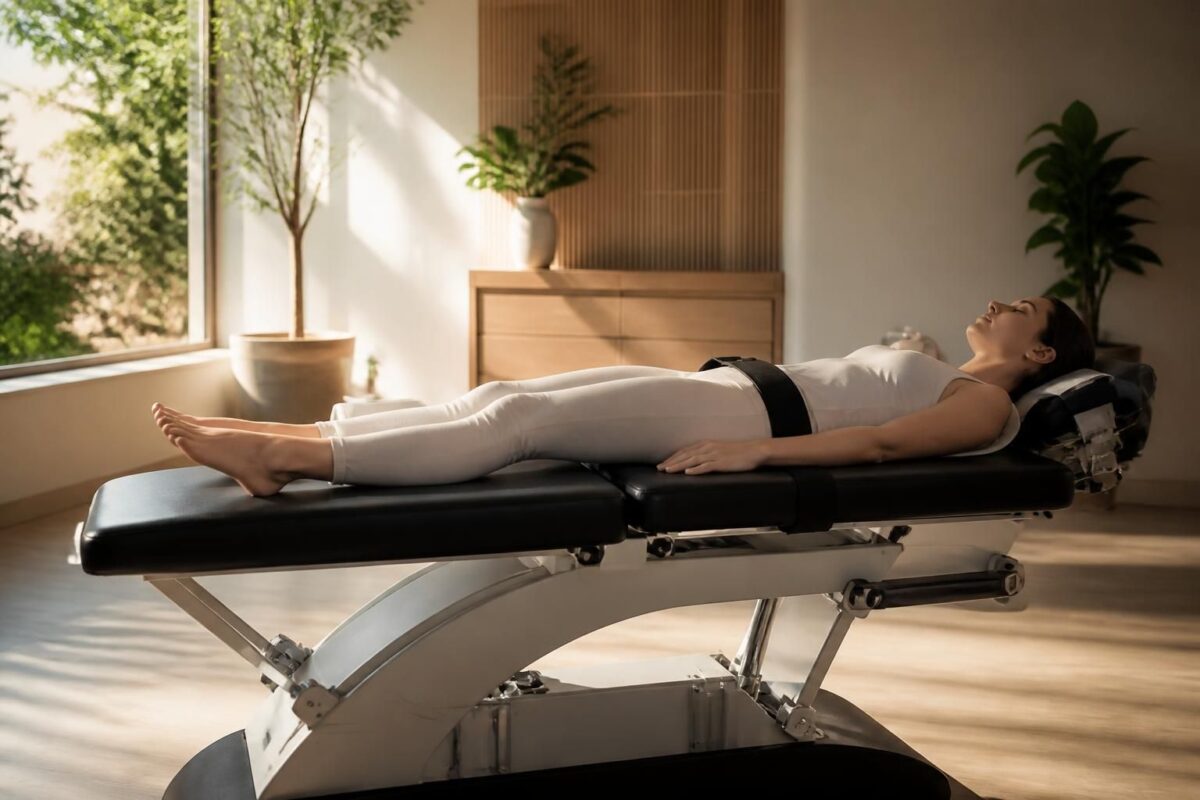
Neurovertebral Decompression and Body Alignment: Restoring Natural Balance
In short In short, neurovertebral decompression is one Non-invasive approach who restores theBody Alignment and thenatural balance back and neck. She acts by a Controlled traction of the spine to widen the intervertebral space and reduce the Pressure on discs…
Assessment and management process
initial assessment
A Complete clinical evaluation and, where necessary, appropriate imaging enables eligibility to be determined and to be established Personalized treatment plan Adapted to the patient’s condition (Lumbago, Discopathy, Sciatica, etc.).
Sessions and security
Each session typically lasts between 15 and 30 minutes, according to the protocol and individual needs. The safety and comfort of the patient is a priority: the treatment is adjusted according to the reactions and the functional objectives. Regular monitoring allows you to assess the effectiveness and make the necessary adjustments.
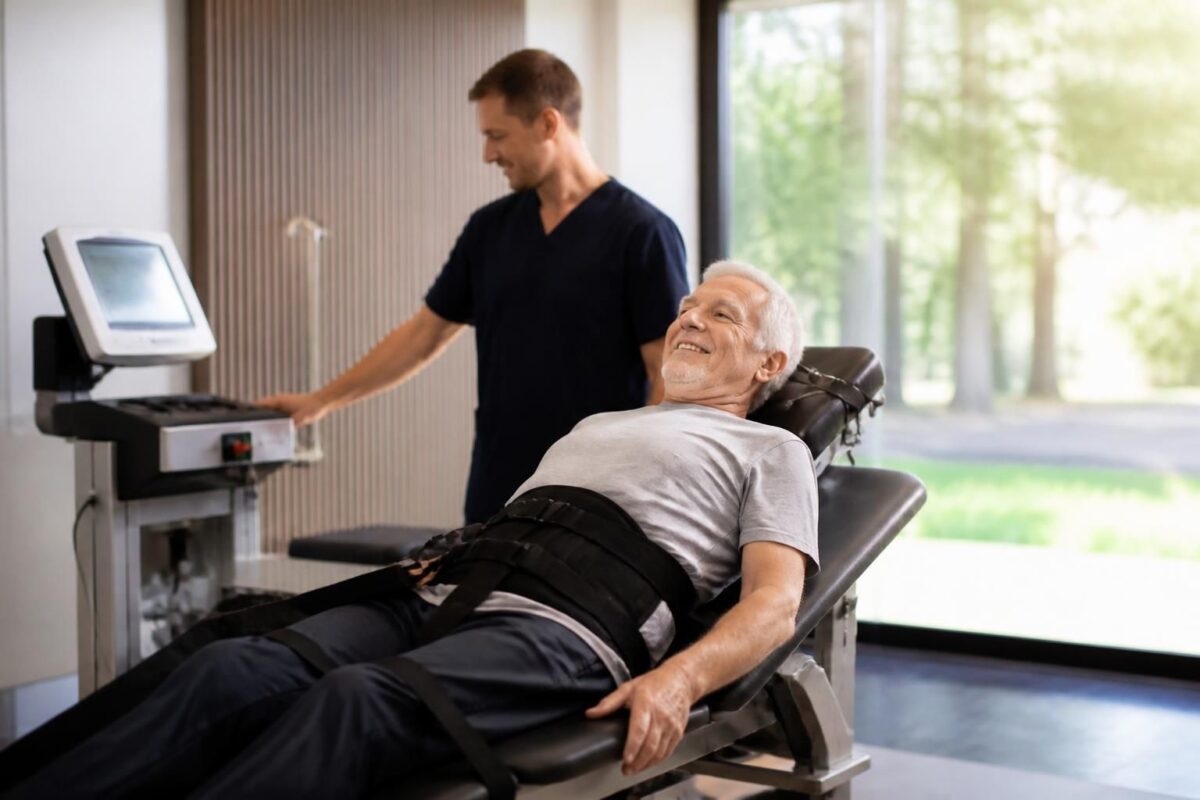
Why neurovertebral decompression is a lasting solution for active seniors
In short In short, the neurovertebral decompression is one Non-invasive therapy which sustainably relieves spinal pain in the spine active seniors By creating, by a Soft and controlled traction, a space between the vertebrae. At Montreal, it is recognized as…
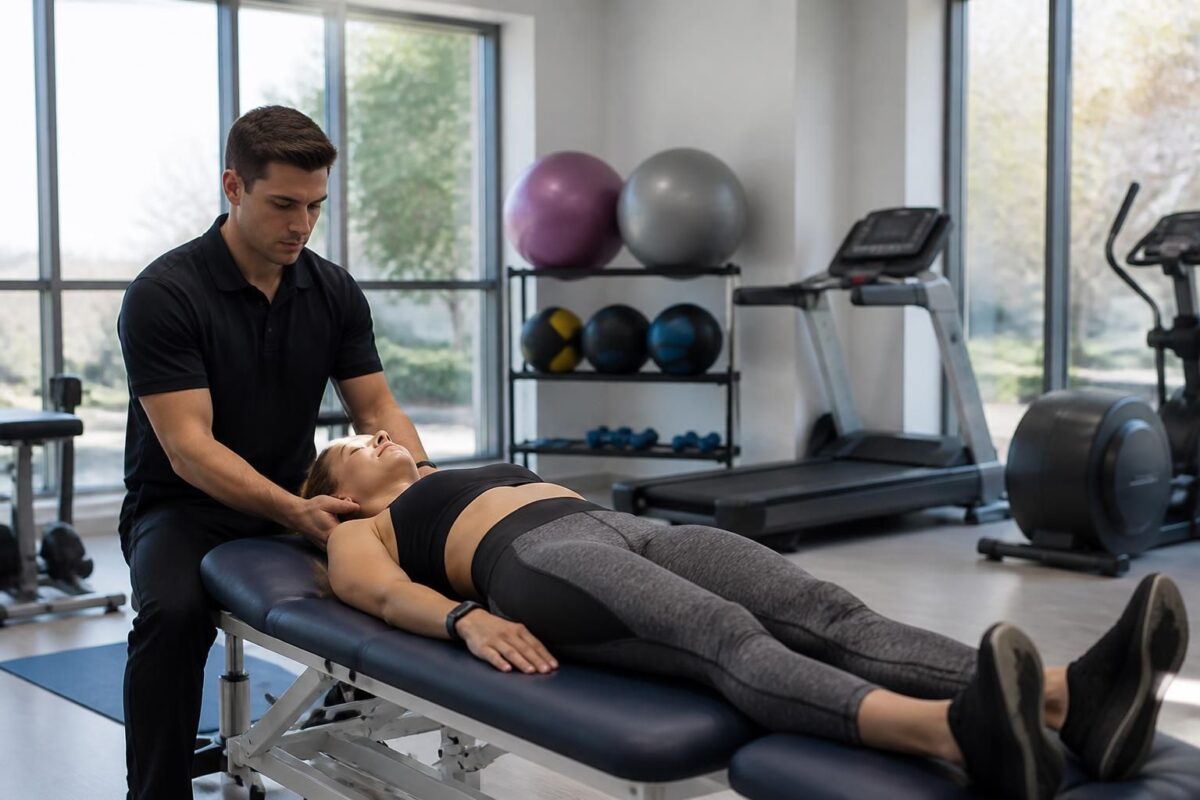
Neurovertebral decompression and recovery after severe sports injury
In short In short, the neurovertebral decompression is one Non-invasive method to Relieve the pressure on the Intervertebral discs and the gristle Via a Controlled traction, to facilitate the recovery After a severe sports injury. It improves the bloodstream towards…
Integration into a global approach to health
Convergence with other therapies
Decompression can be integrated into other approaches such as osteopathy, physiotherapy, naturopathy or targeted posture and movement therapies. This synergy aims to optimize the circulation, the muscle function and the Disk rehabilitation, while limiting the use of drugs.
Education and lifestyles
For lasting results, it is recommended to accompany the treatment of aDedicated exercises, suitable ergonomics and sufficient hydration. A balanced diet and stress management support recovery and prevention of recurrent pain.
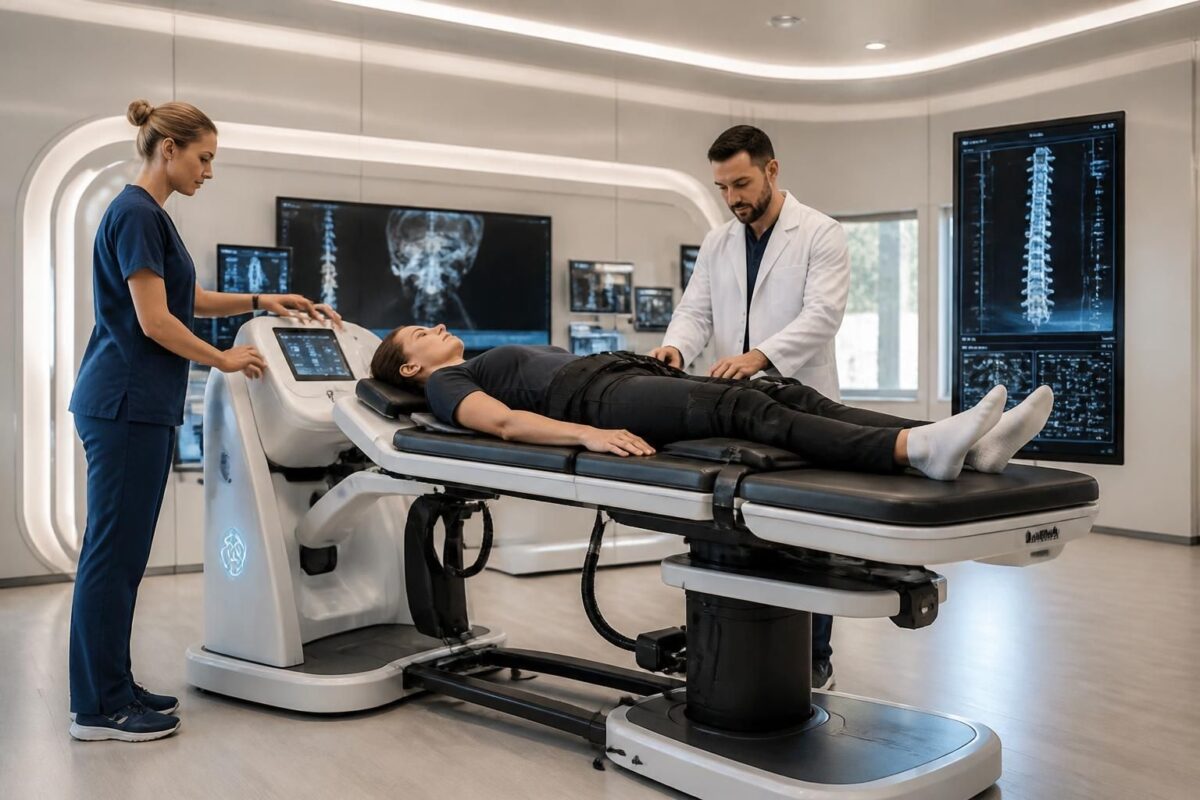
Recent innovations in neurovertebral decompression technologies
In short In short, the neurovertebral decompression is an approach non-invasive Aiming to reduce pressure on discs and nerves, and promote tissue regeneration. At Montreal, it is positioned as an effective option for lower back pain and herniated discs. The…
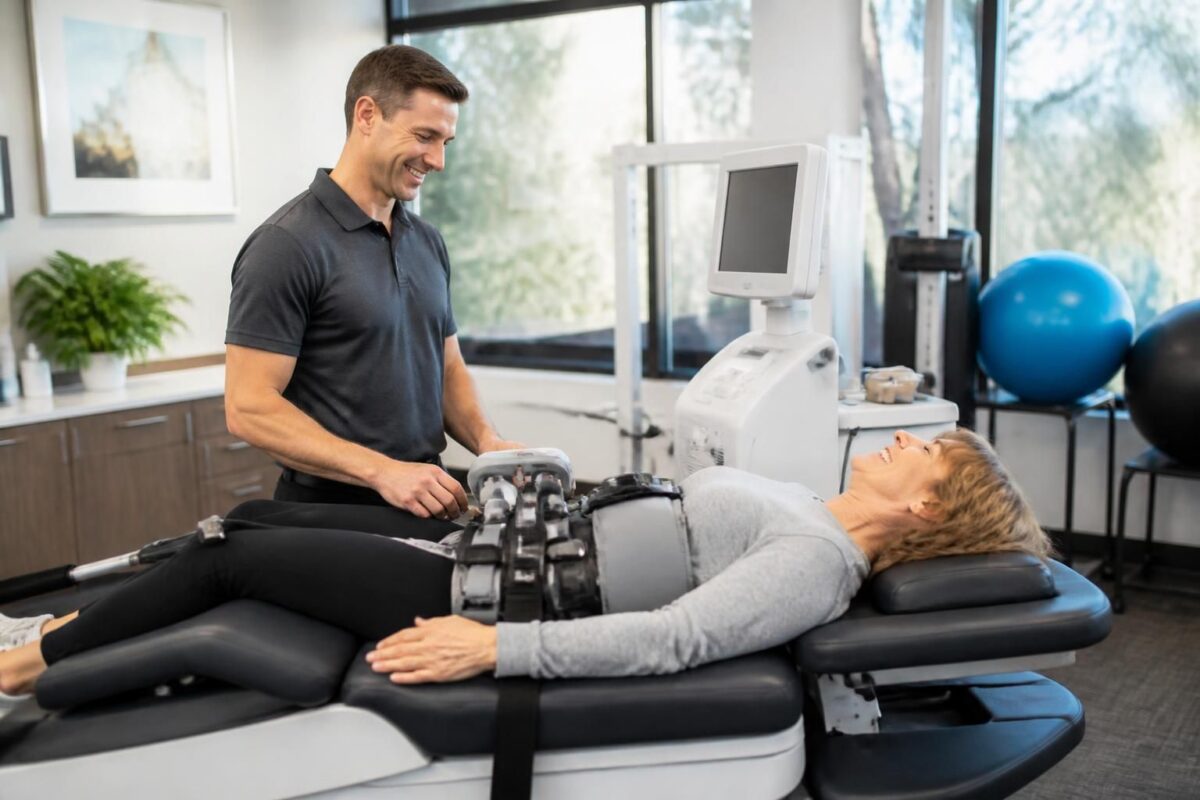
Neurovertebral decompression and diffuse pain: an appropriate solution
In short In short, the neurovertebral decompression is one Non-invasive solution For diffuse pain related to nerve irritation of the spine. She acts in Reducing pressure on intervertebral discs and nerves and improving the bloodstream, which promotes recovery and the…
Prevention and maintenance of results
Daily good practices
adopt a Adapted posture, avoiding high-risk repetitive movements and regularly practicing stability and mobility exercises can prolong the beneficial effects of decompression.
Monitoring and adjustments
One Regular follow-up With the healthcare professional, you can adjust the treatment plan, assess progress and prevent relapses. Personalized advice on sports activities and professional activities reinforces the efficiency of the protocol.
| Element | Concise impact |
|---|---|
| Objective and principle | soft traction to create a intervertebral space and reduce the Pressure on discs and nerves; promotes the circulation and the regeneration. |
| Main directions | herniated disc, Spinal stenosis, chronic low back pain linked to nerve compression. |
| Type of treatment | Treatment non-invasive, without surgery and without drug. |
| Key Benefits | Relief lasting, mobility found, risk reduction surgical. |
| Duration and rhythm | Typical session 15-30 minutes; Custom protocol with monitoring. |
| Expected results and sustainability | Reduction lasting pain and functional improvement; benefits supported by a treatment plan. |
| Security and tracking | prior assessment by a professional and surveillance regular; favorable safety profile. |
| Compatibility and complementarity | May be accrued with physiotherapy and osteopathy to optimize the results. |
| Cost and accessibility | Usually cost accessible and less than surgery; Availability in specialized spinal clinics. |
Testimonials: neurovertebral decompression and chronic lower back pain – a lasting solution
Marie, 62, suffered from lower back pain related to disc degeneration. After trying several treatments without any real relief, she joined a program of neurovertebral decompression. From the first sessions, she noticed a decrease in pain and better mobility. Over the weeks, her walks became longer and more comfortable, and she describes this approach as non-invasive and lasting, allowing him to resume his daily activities without fear.
Jean, 48, a former sportsman, was braked by debilitating sciatica. With the sessions of neurovertebral decompression, he found a rapid reduction in pain and an improvement in range of motion. “I can play tennis again with my friends,” he says. According to him, this is a solution lasting and natural which avoids drugs and heavy interventions.
Sophie, 55, suffered from persistent lower back pain linked to disc degeneration. thanks to a personalized plan of neurovertebral decompression, she found lost mobility and a clear decrease in pain. She describes her experience as a real revival of her quality of life, thanks to an approach non-invasive and progressive.
Émilie, 70, with osteoarthritis and back stiffness, noted a significant improvement in her mobility after several sessions. The neurovertebral decompression allowed him to find simple gestures, such as gardening and walking, with less pain. She insists on the character fresh and lasting of this treatment which avoids the side effects of pills and invasive procedures.
Lucas, 39, an active worker and sports enthusiast, saw his recovery accelerate after the initiation of the neurovertebral decompression. He speaks of a reduction in pain and a faster return to his usual activities, in particular sports practice. For him, this solution represents A lasting improvement of the mobility and from the quality of life without addiction to medication.
Clara, 50, mom and stressed professional, found that the Chronic pain were less present after treatment. She describes a feeling of freedom found in daily gestures and a renewed confidence in her body, attributing these results to an approach personalized and non-invasive which promotes regeneration and circulation at the discs.
Dr. Sylvain Desforges is a Expert in osteopathy, in naturopathy and manual medicine whose action is part of a global health approach. he is the Founding President Tagmed clinics and the ACMA association, and it also played a key role in the development of Pulse Align. His career is guided by a Health Innovation Vision Aiming to reconcile clinical expertise with technological advances to sustainably improve patients’ lives.
His approach focuses on Chronic pain management and the integration of proven technologies that transform the daily life of people with low back pain. Dr. Desforges’ work is based on a set of complementary modalities, including the neurovertebral decompression, the laser and shockwave therapies, in order to offer non-invasive and effective solutions. The objective is to provide care based on scientific evidence that optimizes mobility, reduces pain and restores the general well-being of patients.
Neurovertebral decompression occupies a central place in its practice, presented as a Durable solution For chronic lower back pain. This technique is based on appropriate traction of the spine which increases the space between the vertebrae and decreases the pressure exerted on the discs and nerves. By promoting better circulation and hydration of the discs, it contributes to tissue regeneration and a lasting reduction in pain, without the need for surgery. Dr. Desforges insists on the character non-invasive of this approach and its ability to be part of a personalized and progressive care course.
The mechanisms of action of this technique, according to its practice framework, are based on a Controlled traction which releases pressure, improves the intervertebral space and stimulates natural healing mechanisms. By associating with complementary therapies such as laser or shock waves, neurovertebral decompression can accelerate the reduction of inflammation and optimize local tissue nutrition. This synergy is at the heart of its message: offering an effective therapeutic pathway that minimizes the risks associated with drug treatments and surgery.
On the operational level, Dr. Desforges favors an approach personalized and adaptive. In TagMed clinics and associated structures, each patient benefits from a treatment plan designed for their specific condition, lifestyle and resumption goals. This orientation is enhanced by active patient education, regular assessment of progress and adjustment of protocols to optimize long-term outcomes. The goal is to help everyone find a Mobility found and a better quality of life, while minimizing invasive treatments and drug dependence.
The course proposed by this health leader integrates an educational and preventive dimension, in order to support both athletes and elderly people faced with low back pain. with a clear orientation towardsClinical efficacy and the integration of advanced technologies, his approach aims to make neurovertebral decompression accessible and sustainable, in line with individual needs and best practices in musculoskeletal care. For patients and professionals, the resources of TagMed clinics and their partners are a benchmark in this area.
This conclusion summarizes how the neurovertebral decompression can constitute a Durable solution for chronic lower back pain, acting on key spine mechanisms while remaining non-invasive, and by being part of a global approach to care.
The neurovertebral decompression relies on controlled traction that allowsIncrease intervertebral space and reduce the nerve pressure and discs. This decrease in compression promotes better circulation of nutrients to the spinal tissues, can help Rehydrate and regenerate discs, and contributes to sustainably reducing lower back pain, while improving the mobility and general well-being. Numerous clinical data and patient feedback suggest that these effects can be maintained over the long term when the protocol is adapted to each patient and integrated into a care pathway.
Compared to pharmacological or invasive treatments, decompression appears as a Effective and safe alternative For people with low back pain related to herniated discs, disc degeneration or stenosis, often allowing surgery to be reduced or ousted. This approach non-drug acts on the mechanical cause of the pain, and not only on the symptoms, which can promote a Functional improvement and an Prevention of recurrences When associated with exercises and postural adjustments.
Typical indications include chronic lumbar pain related to degenerative discs or nerve pressures, as well as sciatic or root manifestations when compression is a major factor. However, it is essential to be followed by a health professional to assess eligibility and adapt the treatment plan, with regular follow-up to adjust the sessions and optimize the results. This caution guarantees a maximum safety and efficiency as part of a personalized journey.
Integrated into a global care plan, decompression can be supplemented by complementary approaches such as physiotherapy, osteopathy, naturopathy or associated technologies such as laser or shockwave therapies. This synergy aims to optimize the pain reduction, to support the Tissue regeneration and promote a Resumption of activities Without limitation, while minimizing the risks and side effects of traditional treatments.
To deepen the scientific and practical aspects, several resources provide additional insight into the mechanisms, indications and benefits of neurovertebral decompression. You can view the analyzes and testimonials available at the following links, which have clinical perspectives and emerging evidence:
References and additional resources:
Neurovertebral decompression: a complementary therapy for chronic lower back pain,
How Neurovertebral Decompression Helps Prevent Recurrences from Injuries,
Advanced Neurovertebral Decompression Techniques for Acute Pain,
Neurovertebral decompression: a non-surgical solution for back pain,
Neurovertebral decompression: a complementary therapy to relieve chronic lower back pain,
Neurovertebral decompression: a lasting solution to prevent recurrences of chronic herniated discs,
Podcast: Treatment of sports injuries with neurovertebral decompression,
Neurovertebral decompression and chronic pain: a lasting solution,
Natural alternative to optimize mobility in chronic lumbar pathologies,
The science behind neurovertebral decompression.

Dr Sylvain Desforges, B.Sc., D.O., N.D., osteopath, is the founding president of TAGMED and of the ACMA association. He dedicates his practice to chronic spinal pain, low back pain and symptoms compatible with sciatica, particularly when pain radiates toward the buttock, leg, calf, foot or toes.
Through SOS Sciatique, he publishes educational content on sciatica symptoms, possible causes such as disc herniation, disc narrowing, foraminal stenosis or irritation of a lumbar nerve root, as well as non-surgical approaches that may be considered according to the evaluation. At Clinique TAGMED, care may include, depending on the case, motorized neurovertebral decompression, specific osteopathic care or precision percussion.
For an evaluation related to sciatica treatment in Montreal / Mount Royal or sciatica treatment in Terrebonne, please consult the services available at Clinique TAGMED.
Medical disclaimer
The information published on SOS Sciatique is provided for educational purposes only and does not replace a consultation, diagnosis, opinion or treatment provided by a physician or another authorized healthcare professional. The author of this article is neither a medical doctor nor a specialist in a medical specialty recognized by the Collège des médecins du Québec. The osteopathic, manual medicine or functional support approaches described on this site do not constitute medical acts and are not intended to replace medical follow-up.
Consult a physician or emergency service in cases of loss of bladder or bowel control, anesthesia in the saddle area, significant or progressive weakness in the leg or foot, fever, recent trauma, severe pain or rapid worsening of symptoms. For more details, please read our Legal Notice.