Neurovertebral Decompression Techniques for Chronic Pain
25/06/2026
Neurovertebral decompression and acute pain: when to consult
25/06/2026
In short
| In short, neurovertebral decompression is a non-invasive approach that improves Spinal flexibility By reducing the Pressure on the intervertebral discs and the gristle thanks to a Controlled traction along the column. accessible to Montreal, it promotes better mobility and a reduction in Back and cervical pain, while improving the bloodstream and the tissue regeneration. The space between the vertebrae is increased, which helps to restore thealignment and prevent future stiffness. This therapy is suitable for pain related to herniated discs, at the stenosis and to radicular pain, and can allow you to resume daily activities with more comfort without surgery. |
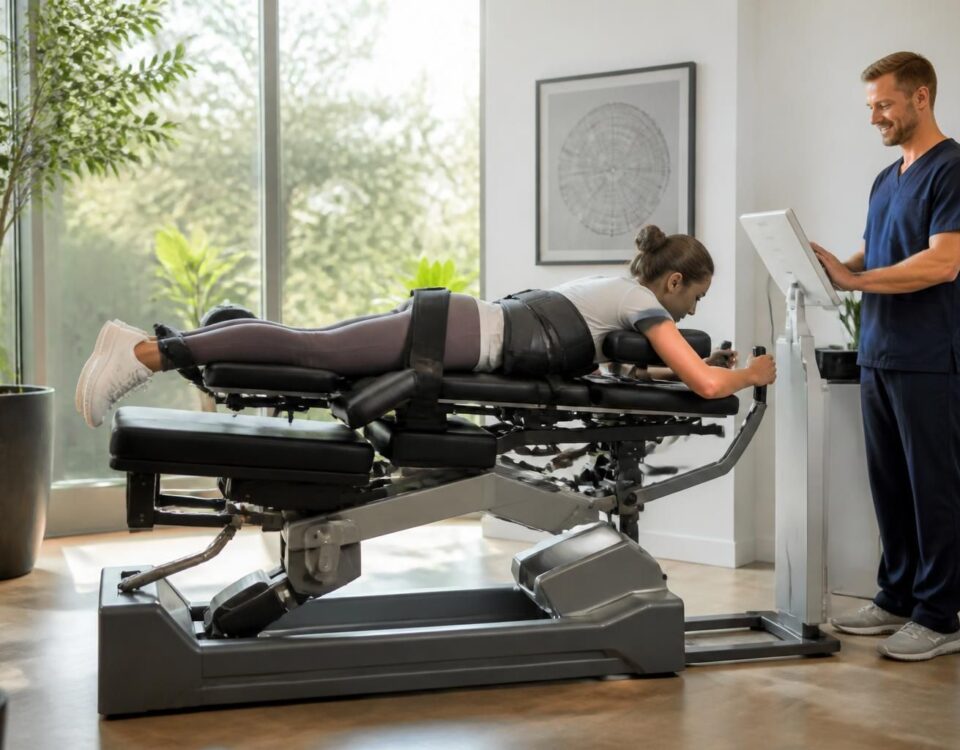
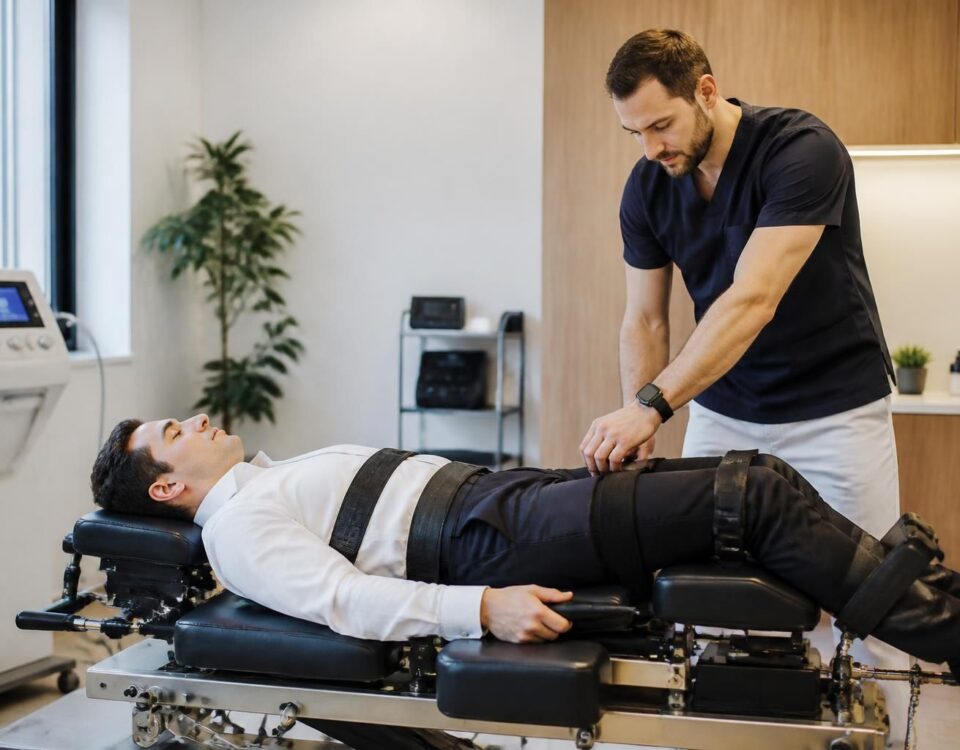
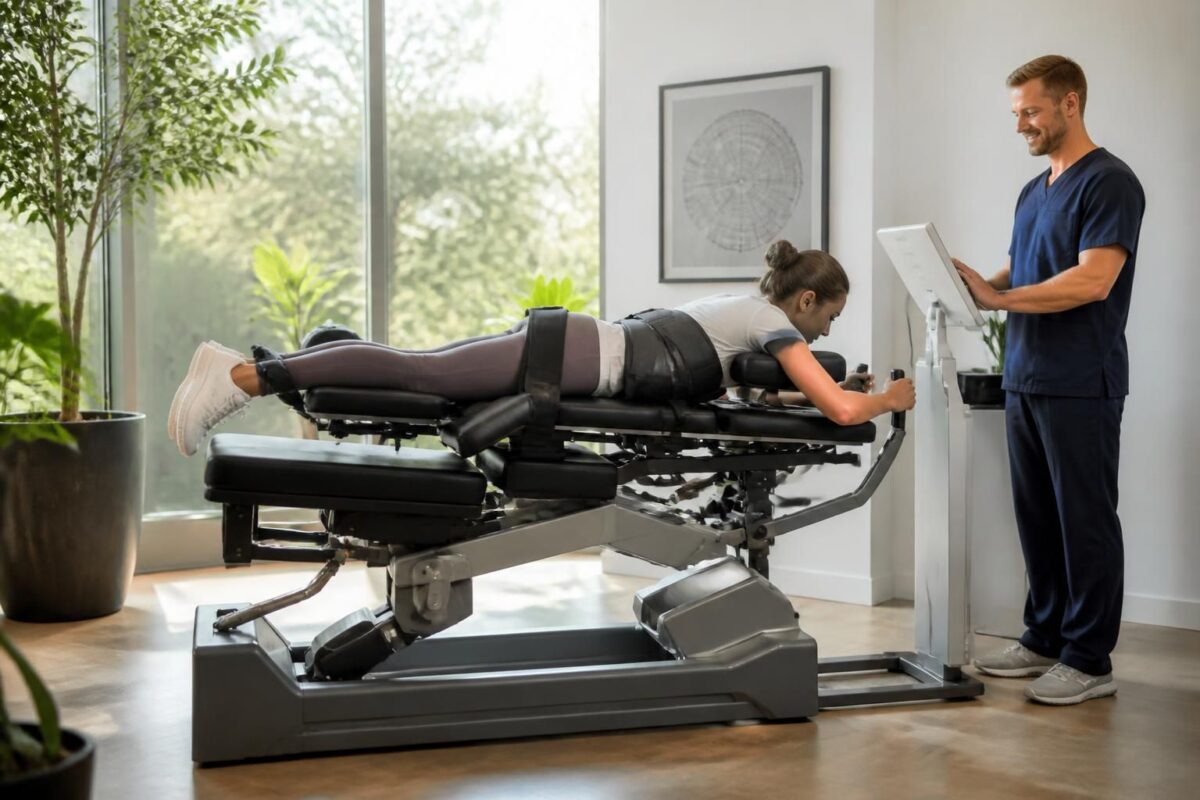
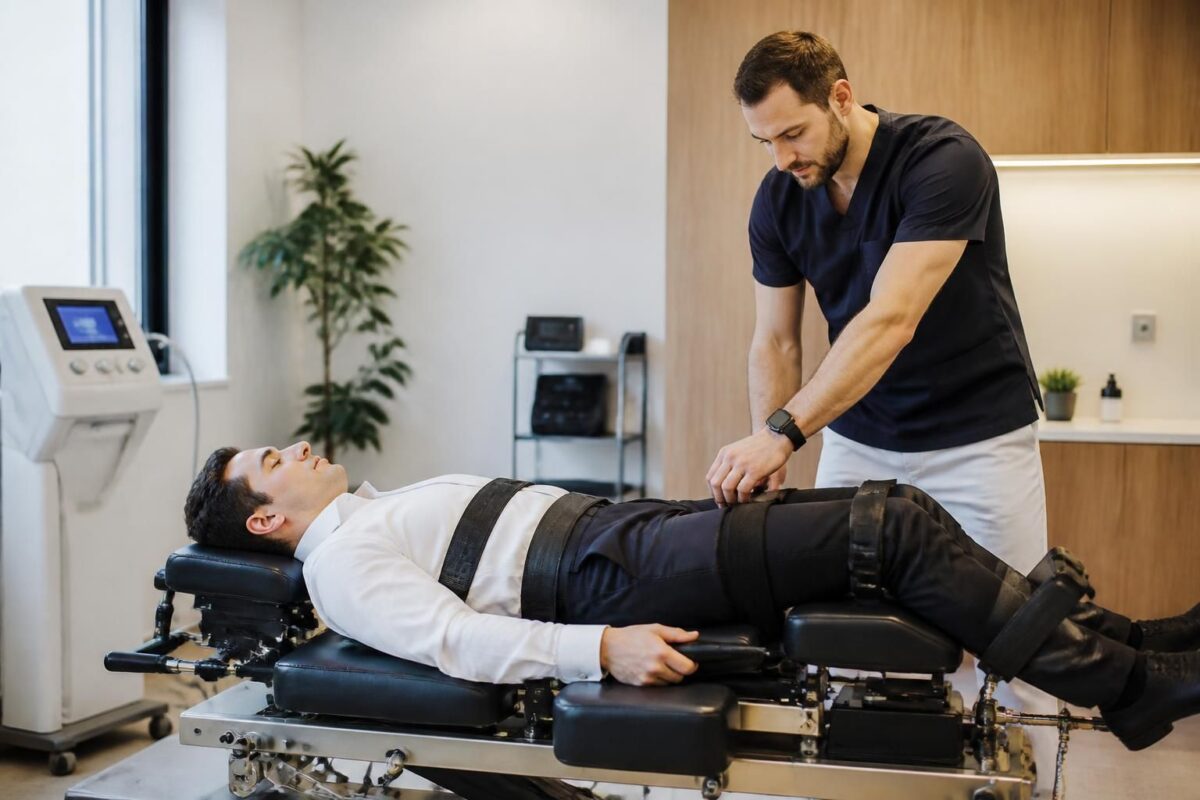
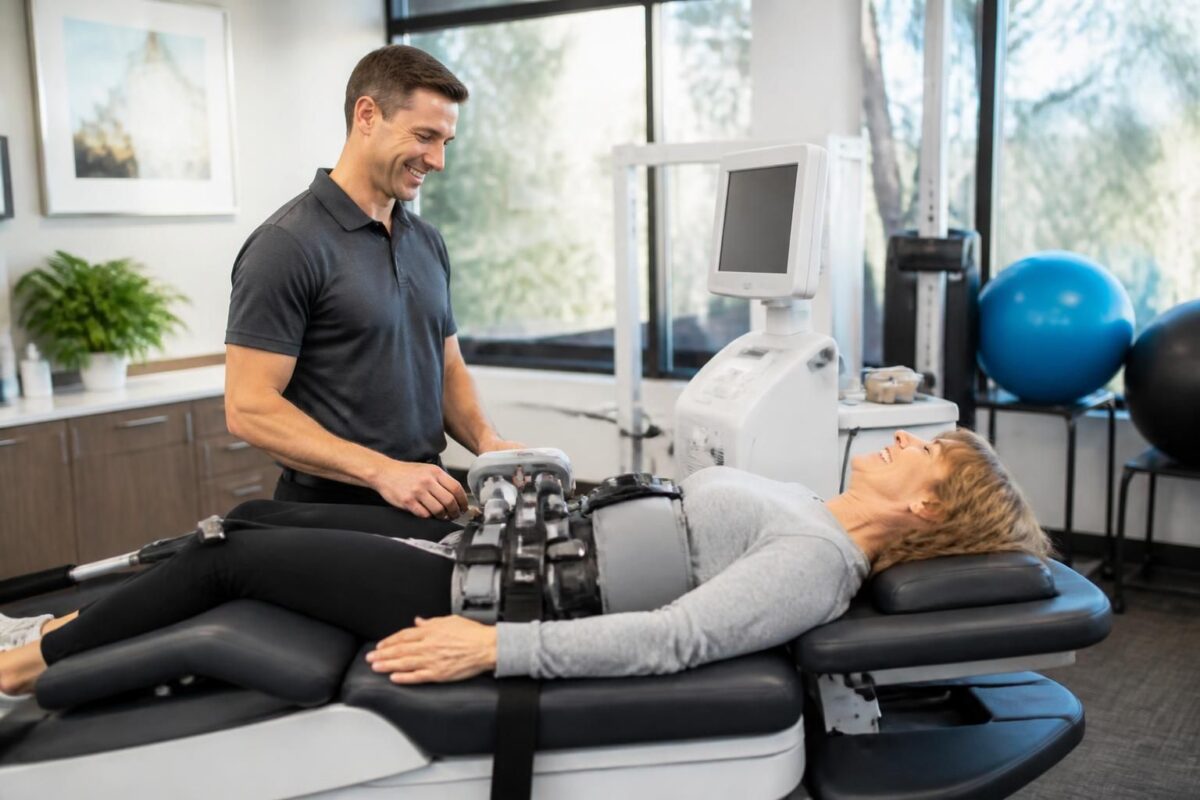
The neurovertebral decompression Acts by a Controlled traction of the column, which creates a intervertebral space and decreases the pressure on the Intervertebral discs and the gristle.
By freeing this space, it improves the bloodstream local and facilitates the Tissue regeneration, thus promoting the return of a Natural Alignment and a flexibility increased column.
The effects observed include a Improving mobility and an pain reduction, allowing a range of motion more fluid and durable.
Quick summary: Neurovertebral decompression is a non-invasive technique that acts on the space between the vertebrae to decrease pressure on the intervertebral discs and nerves. This pressure reduction promotes blood circulation, supports tissue regeneration and can restore a more natural range of motion. This article describes the main mechanisms, the observed effects on flexibility and the clinical framework around this approach, particularly in Tagmed and elsewhere.
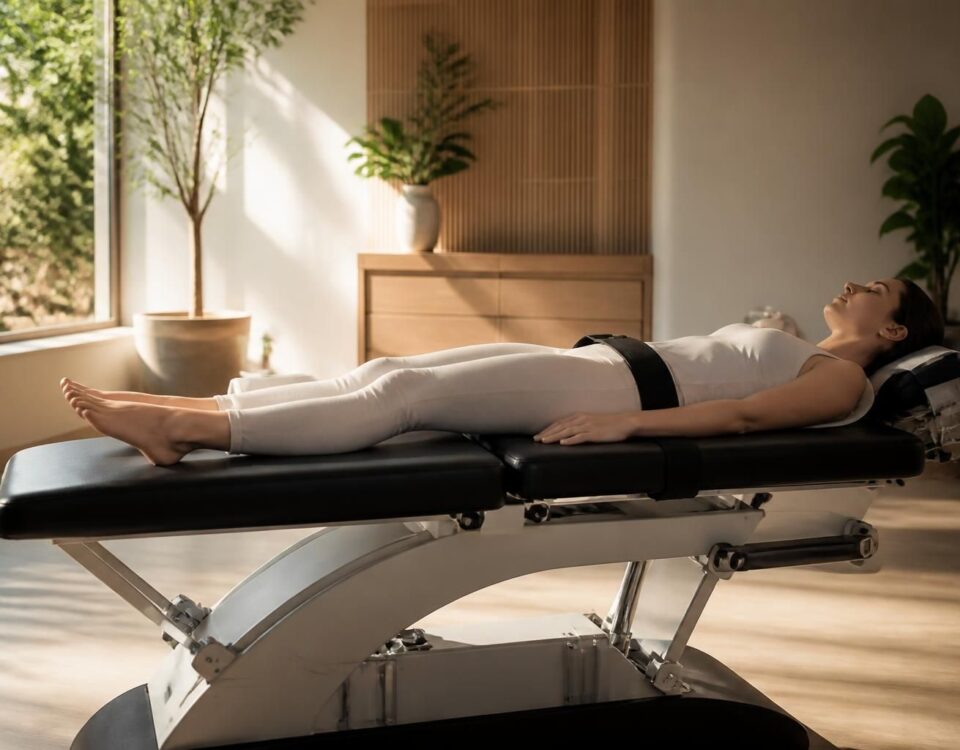
The neurovertebral decompression is therapy non-invasive which applies controlled traction along the spine. This traction creates a space between the vertebrae and Reduces pressure on intervertebral discs and neighboring nerves. This pressure reduction supports tissue regeneration and Improves blood circulation, which promotes the elasticity and mobility of the spine. In evidence-based care, this approach aims to restore a more natural range of motion and prevent stiffness from aging or degenerative conditions.
Mechanisms of action
The process is based on traction Soft and controlled which positions the intervertebral spaces in favor of a mechanical rebalancing. The increase in space between the vertebrae can facilitate the realignment of the spine and release of muscle tension around the spinal segments. This dynamic action stimulates the supply of nutrients and oxygen to the tissues, which promotes Spinal flexibility and the muscle function associated. Clinical evidence and feedback support that patients may experience a Progressive improvement in mobility After a few sessions, without resorting to surgical procedures.
Impact on mobility and posture
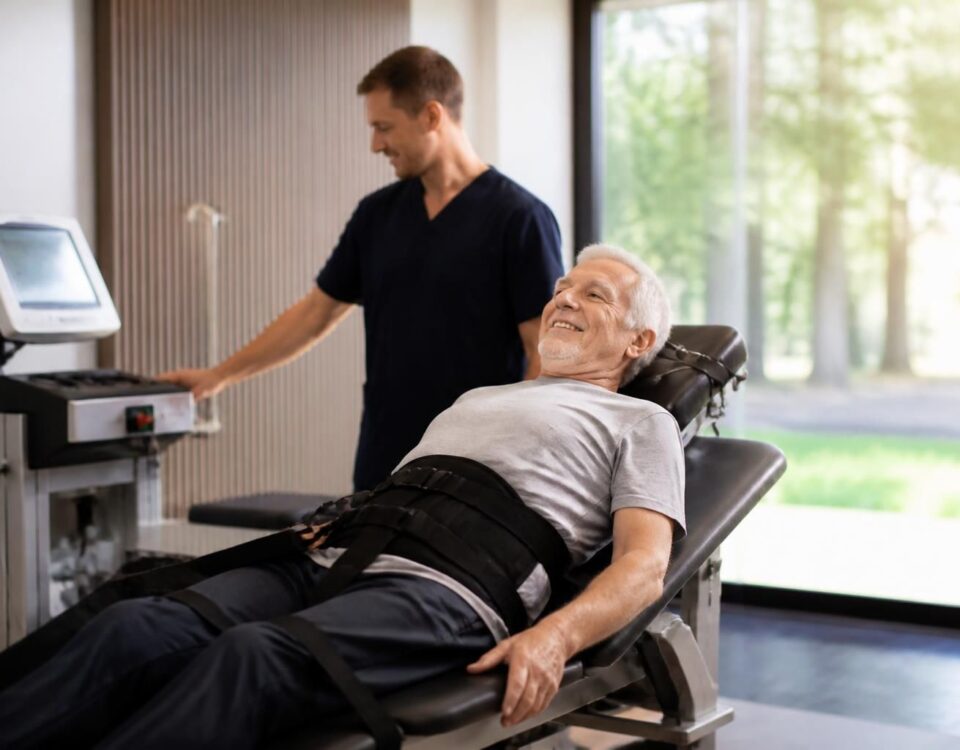
By releasing pressure around the nerves and discs, decompression allows the nervous system to better transmit motion signals, which results in a Improved range of motion in daily activities. It can also contribute to a better posture General, because the found intervertebral space supports a more natural alignment of the spine. For the elderly or those with degenerative signs, this approach can help preserve functional mobility and limit the loss of time-related flexibility.
Clinical framework and safety
Decompression protocols are part of a rigorous medical setting, with an individual assessment of the patient’s needs and limits. The objective is to apply a suitable traction, without pain and without surgical recourse. In TagMed clinics in Montreal and Terrebonne, practitioners apply these techniques in accordance with the recommendations of professional organizations and prior clinical assessments.
Online illustrations and resources
To deepen, consult the following resources that explain the mechanisms and results observed around neurovertebral decompression:
- How neurovertebral decompression improves the flexibility of senior patients
- Neurovertebral and sciatic decompression, non-invasive management
- Neurovertebral decompression – Wikipedia
- How neurovertebral decompression improves posture
- How neurovertebral decompression improves spinal flexibility
- Relief of pain related to degenerative discs
- Prevent injury recurrences
- Neurovertebral decompression and prevention of neuropathic pain
- Spinal flexibility and decompression
- regain normal mobility
At TagMed Clinic, these approaches are based on bases solid scientists and fit into an integrated care offer. Clinic professionals adapt treatments to individual needs and ensure careful follow-up.
For readers seeking additional perspectives, training and practice resources in osteopathy are available from institutions such as NUMSS and NAO, as well as National University of Medical Sciences and National Academy of osteopathy, which support rigorous clinical standards and evidence-based approaches.
Testimonials and clinical reviews show that neurovertebral decompression can facilitate more fluid mobility and reduce some pain associated with column-related conditions. Collaboration between the patient and the practitioner is essential to optimize long-term results. Some specialized platforms also highlight the interest of a global framework to preserve spinal flexibility, while favoring non-invasive approaches when appropriate.
For any question relating to implementation or comparison with other therapeutic approaches, the TagMed Clinic can direct towards relevant options adapted to your context.
Medical Disclaimer: The information and advice provided on this site does not replace the health professional’s diagnosis or treatment. Please note that Dr. Sylvain Desforges osteopath is neither a doctor of medicine nor a doctor, and is not a specialist in a medical specialty as defined by the Collège des Médecins du Québec. Manual medicine, functional medicine and sports medicine as described on this site exclude any medical treatment or diagnosis made by a doctor or specialist doctor. Always consult your doctor for any medical questions. For more details, please read our full legal notice.
Content related to neurovertebral decompression and conditions such as herniated disc, protrusion, bulge, foraminal stenosis or spinal stenosis do not offer specific exercises or stretching.
References in training and in practice are limited to NUMSS, NAO, National University of Medical Sciences and National Academy of Osteopathy. The professional associations mentioned include ACMA, College of Canadian Osteopaths and College of Canadian Osteopaths. Options in physiotherapy are not detailed as main treatments here; Prioritize services at the TagMed clinic in Montreal or Terrebonne when relevant.
- Controlled traction Create a intervertebral space to release discs and nerves.
- pressure reduction on the records and the gristle, facilitating movement.
- Improved blood circulation local, nutrient supply to spinal tissues.
- Hydration and regeneration Intervertebral discs to gain flexibility.
- Muscle relaxation and reduction of strain around the column.
- Increased elasticity muscles and ligaments, improvement of the flexibility.
- Postural alignment and decrease in tensions that limit mobility.
- range of motion increased in daily gestures and sports activities.
- Functional mobility improved for work, leisure and sport.
- Quick effect on the pain and on the mobility after each session.
- Preservation of flexibility In the elderly, maintaining autonomy.
- Prevention of recurrences thanks to the maintenance of a more flexible and balanced column.

This summary presents how the neurovertebral decompression can improve the Spinal flexibility and offers practical recommendations for optimizing results. She explains the principle of Controlled traction, its effects on the intervertebral discs and nerves, and the way in which mobility gradually regains normal amplitude in daily activities.
Understand the mechanism of decompression
Controlled traction and creation of space between the vertebrae
The Controlled traction Applied along the spine creates a temporary space between the vertebrae. This space reduces the pressure exerted by the Intervertebral discs and the Spinal nerves, favoring a relaxation of tensions and better mobility. This non-invasive process acts as a “empty” that facilitates the redistribution of loads and prepares the ground for smoother movements.
Role on discs and tissue nutrition
By reducing compression, the technique improves the bloodstream in the affected region and promotes the rehydration and the Disk regeneration. These mechanisms make it possible to restore a more flexible disc architecture and an increased range of motion, while limiting the nervous irritations that slow down mobility.
The long-term benefits of neurovertebral decompression for spinal health
In short In short, the neurovertebral decompression is a non-invasive approach that decreases the Pressure on intervertebral discs and nerves, favoring the Natural regeneration and tissue recovery. Its long-term benefits include Lasting pain reduction, Improving mobility and from the posture,…

Neurovertebral decompression and mobility: a return to an active life
In short In short, the neurovertebral decompression is therapy non-invasive who uses a gentle traction To create a space between the vertebrae and reduce the pressure on the Intervertebral discs and the nerves. It promotes a bloodstream improved, lowers tension…
Impact on mobility and stability
Increased range of motion
With less sustained pressure on the nerves and discs, the muscles and ligaments surrounding the spine gain flexibility. Patients relate a Improved range of motion And a decrease in feelings of blocking, which facilitates everyday gestures and sports activities.
Improved posture and local circulation
Decompression contributes to a Postural alignment more natural. By releasing tensions and restoring the intervertebral space, it allows a better distribution of loads. This postural reharmonization accompanies a bloodstream More efficient, supporting fabric recovery and durable flexibility.
How Neurovertebral Decompression Prevents Diffuse Chronic Pain
In short decompression neurovertebral is one Non-invasive method aimed at reducing the Pressure on the intervertebral discs and the nerves, in order to prevent Diffuse chronic pain. It improves the circulation and thedisc hydration, decreases inflammation and promotes better mobility.…
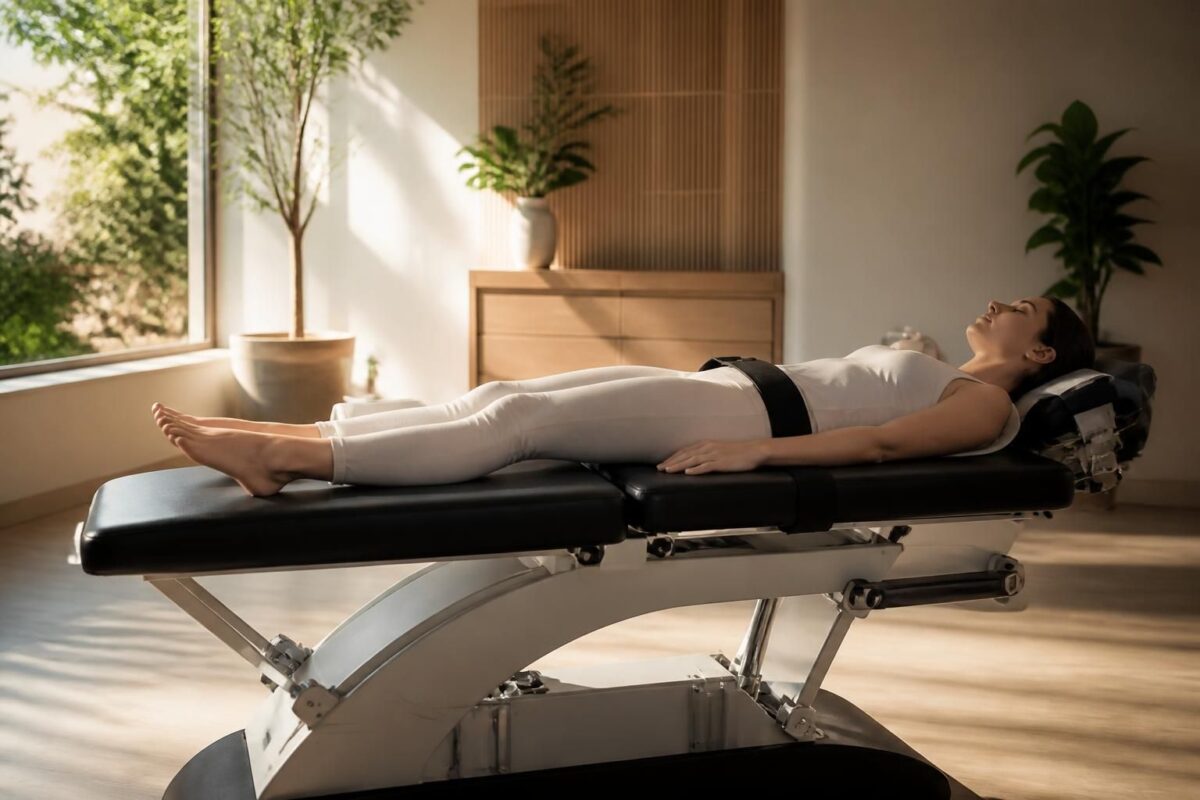
Neurovertebral Decompression and Body Alignment: Restoring Natural Balance
In short In short, neurovertebral decompression is one Non-invasive approach who restores theBody Alignment and thenatural balance back and neck. She acts by a Controlled traction of the spine to widen the intervertebral space and reduce the Pressure on discs…
Practical recommendations to optimize results
Treatment and security planning
A typical program is based on a series of regular sessions, designed to progress smoothly without aggression. It is advisable to follow the instructions of a professional and to adapt the pace according to the tolerance, age and possible degenerative conditions. The use of the neurovertebral decompression must remain non-invasive and aim for a gradual improvement in mobility without acute pain.
Integration with exercises and appropriate ergonomics
To take full advantage of each session, combining soft mobility exercises and ergonomic advice can amplify the gains. The goal is to maintain the Spinal flexibility won and prevent future stiffness through an adapted and progressive routine, which is part of a global approach to well-being and pain prevention.
| Aspect | Concise impact |
|---|---|
| Traction and intervertebral space | The traction creates a intervertebral space which reduces the pressure on the records and the gristle. |
| Reduced pressure on discs and nerves | Reduces the pressure on the Intervertebral discs and the gristle, releasing range of motion. |
| Improved local blood circulation | Increases the bloodstream in the region, promoting the contribution of nutrients and ofoxygen. |
| Disc regeneration and hydration | promotes the regeneration tissue and thehydration discs, preserving the flexibility. |
| muscle relaxation | Reduces the Muscle tensions and the spasms around the column, facilitating movement. |
| Alignment and posture | contributes to the Postural correction and to a alignment more natural. |
| range of motion | Improve therange of motion and the mobility daily. |
| Pain relief and inflammation | Quickly relieves the aches and theinflammation, facilitating movement. |
| Prevention and sustainable use | preserve the flexibility and reduces the Risk of recurrences, by promoting active aging. |
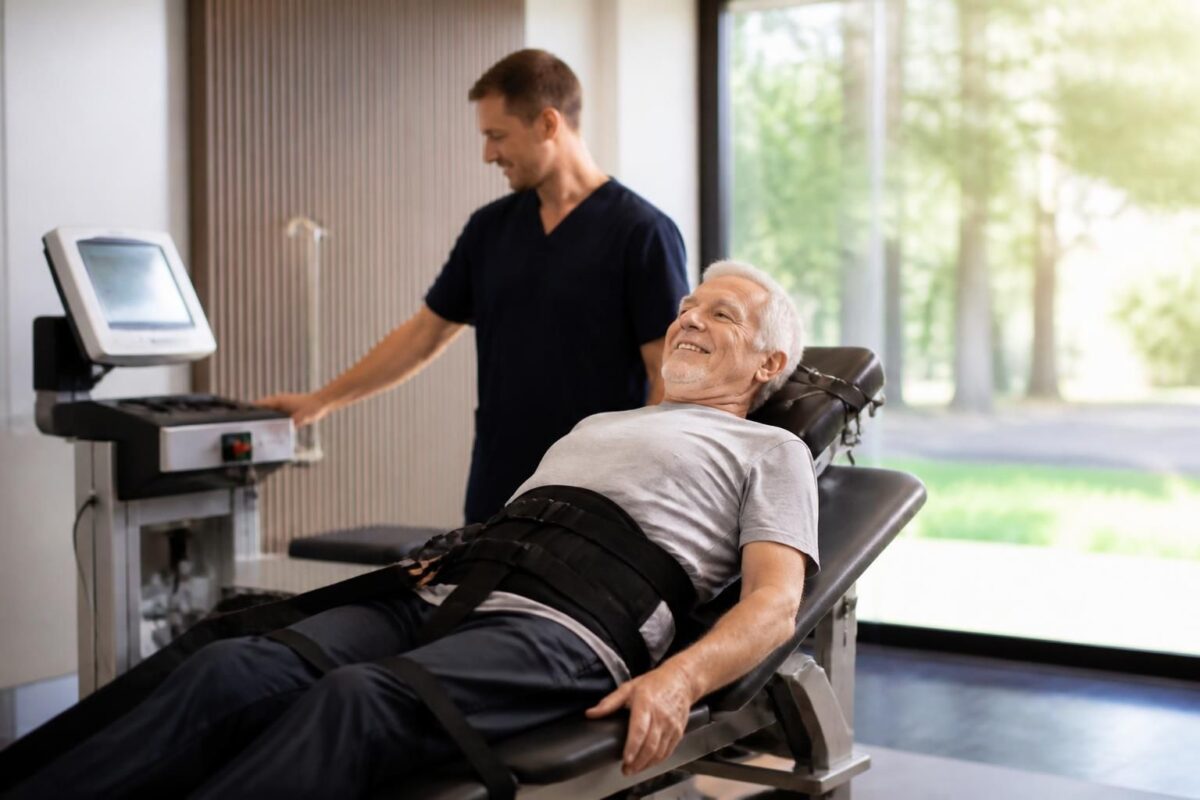
Why neurovertebral decompression is a lasting solution for active seniors
In short In short, the neurovertebral decompression is one Non-invasive therapy which sustainably relieves spinal pain in the spine active seniors By creating, by a Soft and controlled traction, a space between the vertebrae. At Montreal, it is recognized as…
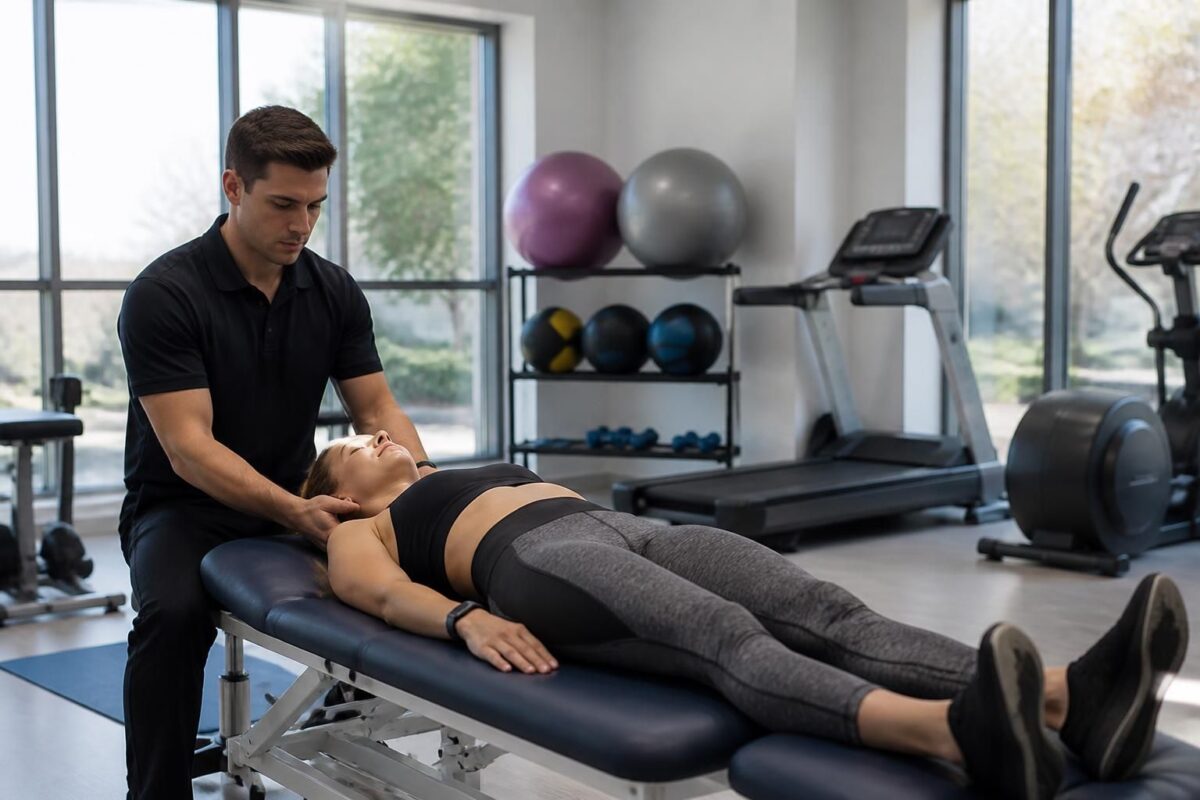
Neurovertebral decompression and recovery after severe sports injury
In short In short, the neurovertebral decompression is one Non-invasive method to Relieve the pressure on the Intervertebral discs and the gristle Via a Controlled traction, to facilitate the recovery After a severe sports injury. It improves the bloodstream towards…
Testimonials on improving spinal flexibility through neurovertebral decompression
Marie, 62: Since my sessions, my Spinal flexibility took a real leap. The Controlled traction Gradually frees the space between the vertebrae and reduces the pressure on the Intervertebral discs, which allows me to bend over and get up with less pain. I feel a better range of motion and a more natural posture on a daily basis.
Antoine, 39: As an athlete, I was looking for a solution to find a Diaphragm mobility and specific gestures. After a few sessions, my Spinal flexibility came back, my movements are smoother and my post-workout recovery accelerated. The feeling of tension in the neck and back decreased, which helps me perform without limiting my workouts.
Léa, 46: In front of my office, I spent hours irritated by cervical tension. thanks to decompression, my posture lined up and my column rotation has improved. I feel less stiffness in the morning and my repeated gestures, like grabbing a file or looking behind me, are more comfortable.
Jacques, 70 years old: after years of stiffness, I noticed a real Improving mobility thanks to the gentle traction on the column. My back is less rigid and I can walk longer without feeling this vice feeling. My overall level of comfort is much better and I move around with more freedom.
Sophie, 55: Dancer, I had lost amplitude in the basic gestures and my stretching was limited. Today, my Spinal flexibility came back and my movements seem more natural and precise. This evolution allows me to resume sequences with more confidence and fluidity in my performances on stage.
Dr. Sylvain Desforges, specialist in osteopathy, naturopathy and manual medicine, embodies an approach oriented towards health innovation. As founding president of the TagMed clinics and the ACMA association, he leads multidisciplinary teams towards a better understanding and targeted application of techniques that improve mobility. In its journey, neurovertebral decompression occupies a central place as a non-invasive lever to restore the Spinal flexibility and reduce movement limitations associated with peripheral muscular stresses, stenosis and tension.
Neurovertebral decompression is an approach non-invasive which is based on a Controlled traction along the spine. This traction gradually creates spaces between the vertebrae, which allows decrease the pressure exercised on the Intervertebral discs and the gristle. By freeing this space, the movements become more fluid and the column finds a better distance between the segments, an essential phenomenon to regain a sufficient range of motion. This stress reduction contributes to relaxing muscle tension and preparing the ground for lasting postural correction.
Beyond the local “empty” effect, decompression acts as a microcirculation stimulator in the affected region. by improving bloodstream and intake of nutrients, it promotes the Tissue regeneration disks and structures surrounding the column. This tissue optimization contributes to a gradual restitution of the Tissue resilience and a lasting reduction in pain that limit mobility. Patients often experience a decrease in painful sensations and facilitation of daily gestures, which opens the way to a more regular practice of physical activities.
The direct clinical consequence is theImproved range of motion and the decrease in stiffness, two key elements for a Improved posture and better motor coordination. By correcting asymmetries and releasing areas of tension, the column reacquisitions a more natural alignment, which facilitates everyday gestures and light or sustained sporting efforts. This dynamic also contributes to preventing repeated painful episodes and to support a long-term active lifestyle.
In the practice of Dr. Desforges, neurovertebral decompression is often accompanied by the integration of complementary technologies such as laser and the Shockwave therapy, used to accelerate tissue recovery and optimize functional results. This synergy reinforces overall effectiveness and allows appropriate progression for each patient, taking into account age, fitness level and associated pathologies. The objective is clear: to offer a therapeutic approach based on evidence that makes it possible to give everyone more free and sustainable mobility.
The general framework is based on a Personalized approach, where protocols are adjusted based on the patient’s history and goals. By combining scientific rigor and clinical observation, Dr. Desforges places safety and efficiency at the heart of the care pathway. This philosophy guides modern manual medicine, where neurovertebral decompression becomes a powerful tool to restore flexibility and promote an active and autonomous life without the need for surgical procedures.
This conclusion details how the neurovertebral decompression may Improve spinal flexibility By acting on the key mechanisms that govern spinal mobility: reduction of Pressure on the intervertebral discs and on the gristle, creation of a space between the vertebrae, improvement of the bloodstream and stimulation of Tissue regeneration. It highlights the practical impacts on range of motion, pain reduction and overall wellness, while underlining optimal conditions to get the most out of this non-invasive treatment.
The Controlled traction that characterizes this approach produces a real empty effect around the areas concerned, favoring the rebalancing of the column and the Disc rehydration. This dynamic makes it possible to mitigate the blockages that limit flexibility And to apply beneficial postural learning in the long term. In practice, patients frequently experience a rapid decrease in pain and an Progressive improvement in elasticity fabrics, which facilitate daily gestures and sports activities.
Beyond the immediate mechanical effects, this technique is part of a preventive approach by aiming to maintain therange of motion and prevent painful recurrences. by improving blood circulation and nutrient intake to tissues, it helps to preserve Functional mobility and to support a Balanced posture during professional and recreational activities. For the elderly or those exposed to repeated constraints, these benefits result in a Preservation of autonomy and better participation in an active life.
Modern neurovertebral decompression protocols emphasize an approach personalized, adapted to the individual needs and functional objectives of each patient. This customization, combined with regular evaluations, promotes a touch reality and measurable progress in Spinal flexibility and general well-being. Clear resources and feedback support this patient-centered perspective and long-term quality of life.
To further explore the mechanisms and benefits of neurovertebral decompression on the flexibility and the mobility, you can consult various analyzes and testimonies, in particular on the pages dedicated to the impact on common pathologies, innovations and long-term effects. Useful resources: Common pathologies, Effects on mobility and flexibility, Long-term benefits, and Benefits on mobility and flexibility. You will find additional analyzes and feedback that enrich the understanding of this treatment.
Complementary resources address specific aspects such as action on compressed nerve roots, lasting column improvement and specific clinical indications. To enrich your approach or that of your patients, refer in particular to the following pages: Efficacy on nerve roots, Long-term flexibility, and Benefits explained. Partner content offers practical perspectives and concrete examples oflasting improvement of the Spinal flexibility.
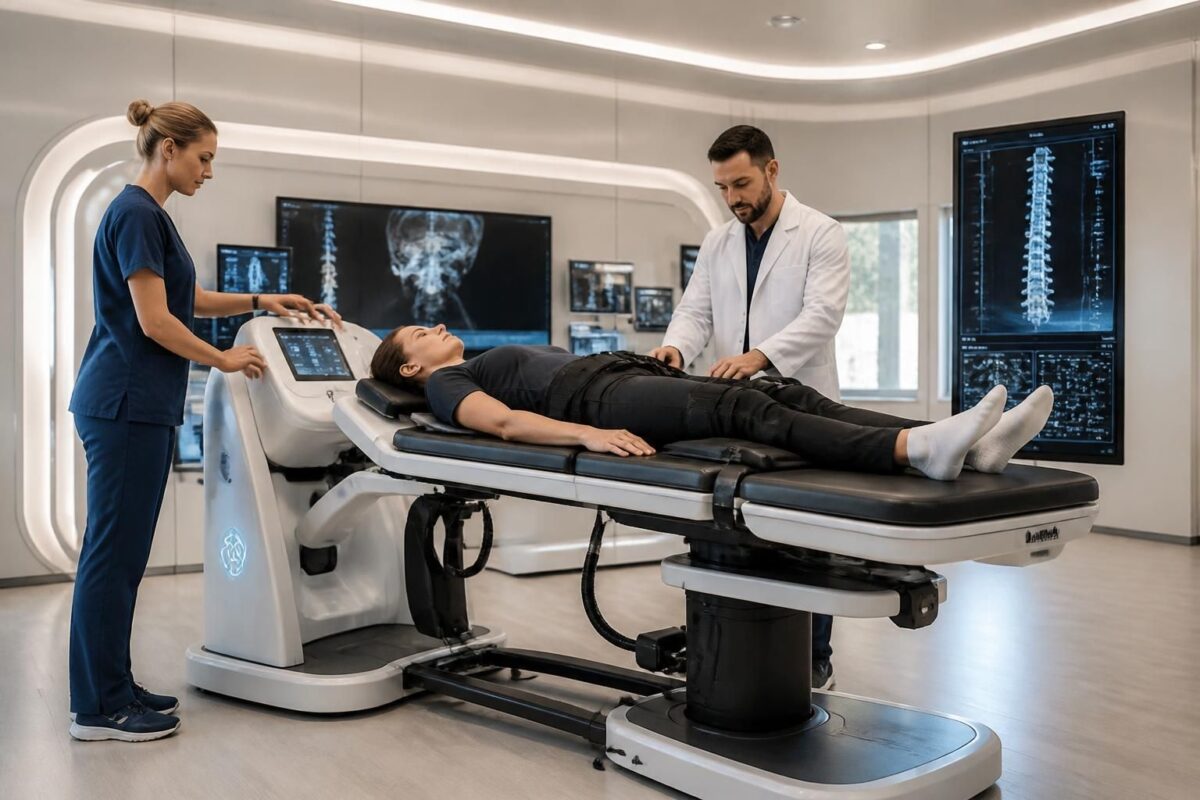
Recent innovations in neurovertebral decompression technologies
In short In short, the neurovertebral decompression is an approach non-invasive Aiming to reduce pressure on discs and nerves, and promote tissue regeneration. At Montreal, it is positioned as an effective option for lower back pain and herniated discs. The…
Neurovertebral decompression and diffuse pain: an appropriate solution
In short In short, the neurovertebral decompression is one Non-invasive solution For diffuse pain related to nerve irritation of the spine. She acts in Reducing pressure on intervertebral discs and nerves and improving the bloodstream, which promotes recovery and the…

Dr Sylvain Desforges, B.Sc., D.O., N.D., osteopath, is the founding president of TAGMED and of the ACMA association. He dedicates his practice to chronic spinal pain, low back pain and symptoms compatible with sciatica, particularly when pain radiates toward the buttock, leg, calf, foot or toes.
Through SOS Sciatique, he publishes educational content on sciatica symptoms, possible causes such as disc herniation, disc narrowing, foraminal stenosis or irritation of a lumbar nerve root, as well as non-surgical approaches that may be considered according to the evaluation. At Clinique TAGMED, care may include, depending on the case, motorized neurovertebral decompression, specific osteopathic care or precision percussion.
For an evaluation related to sciatica treatment in Montreal / Mount Royal or sciatica treatment in Terrebonne, please consult the services available at Clinique TAGMED.
Medical disclaimer
The information published on SOS Sciatique is provided for educational purposes only and does not replace a consultation, diagnosis, opinion or treatment provided by a physician or another authorized healthcare professional. The author of this article is neither a medical doctor nor a specialist in a medical specialty recognized by the Collège des médecins du Québec. The osteopathic, manual medicine or functional support approaches described on this site do not constitute medical acts and are not intended to replace medical follow-up.
Consult a physician or emergency service in cases of loss of bladder or bowel control, anesthesia in the saddle area, significant or progressive weakness in the leg or foot, fever, recent trauma, severe pain or rapid worsening of symptoms. For more details, please read our Legal Notice.