Innovations in neurovertebral decompression for a better quality of life
25/06/2026
Why neurovertebral decompression is an alternative to surgery
25/06/2026
In short
| The neurovertebral decompression is one Non-invasive therapy which aims to Reduce pressure on discs and nerves In patients with Degenerative discs. It offers clear advantages: pain reduction, Improving mobility and Prevention of recurrences, without surgery. Operation is based on a Computer controlled traction which generates an intra-discal vacuum, favoring the rehydration and the repositioning Disks to restore space and blood circulation. Accessible locally, this service can be particularly relevant in Montreal for low back pain and neck pain related to degenerative discs. |
The neurovertebral decompression is an approach non-invasive Designed to relieve pain related to Degenerative discs. through precise targeting of the column, it aims to reduce the Intra-discal pressure and release the compressed nerves.
By promoting the movement and improvement of blood circulation, this technique helps to rehydrate discs, promote their repair and reduce inflammation. The typical result is a decrease in pain, improved mobility and a better quality of life, with a much less risk than surgery.
Neurovertebral decompression is a non-invasive approach that aims to reduce pressure on degenerative discs and nerves. This method facilitates the circulation of fluids and nutrients, promotes disc rehydration and can improve mobility and pain. It is integrated into a global rehabilitation program and can be a useful alternative when more invasive treatments are not desired or possible. To find out more, visit our TagMed Clinic page and our dedicated neurovertebral decompression resources.
What is neurovertebral decompression?
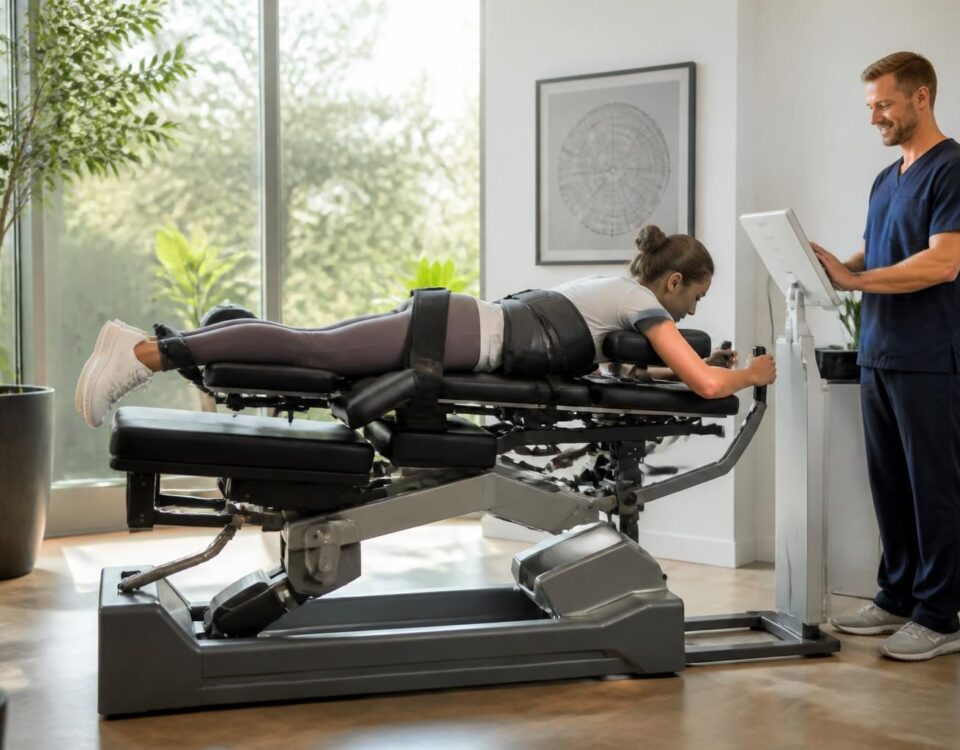
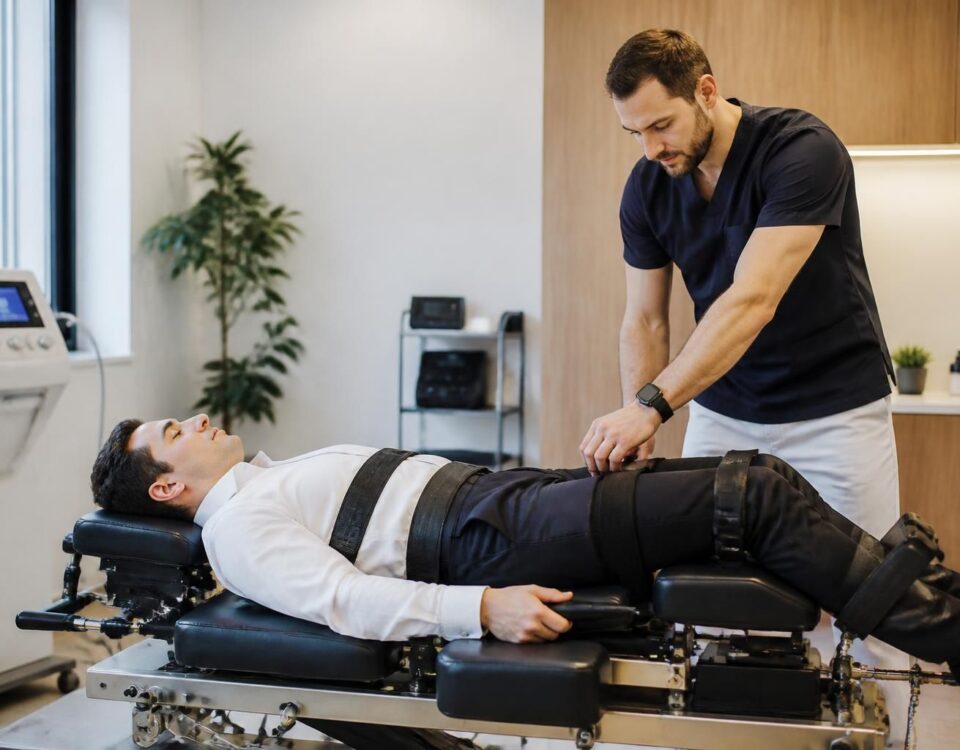
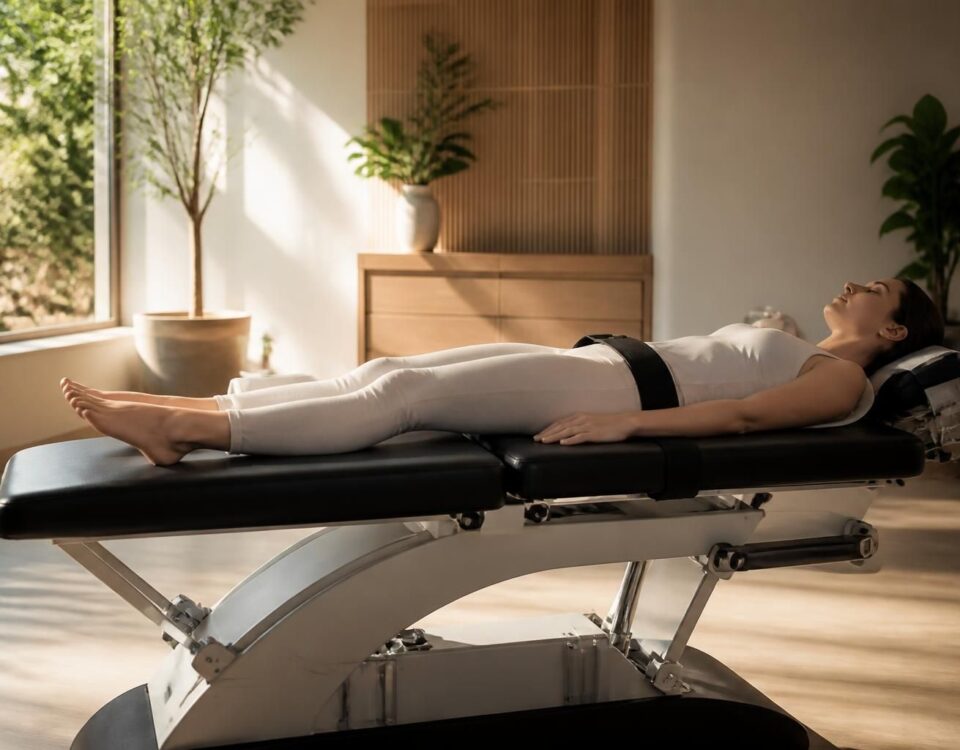
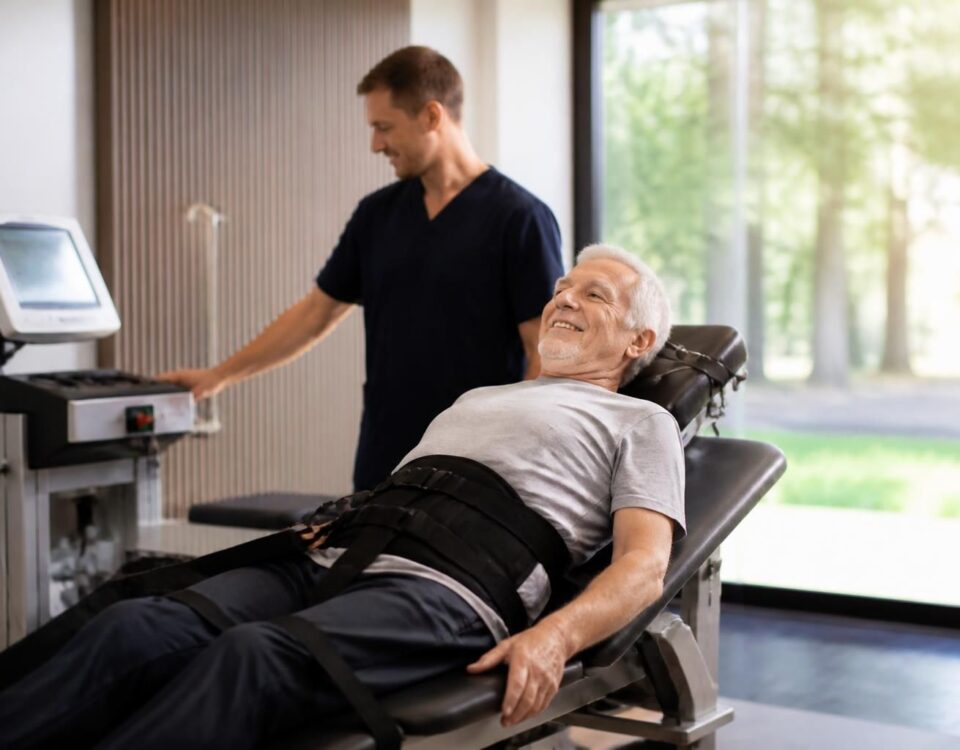
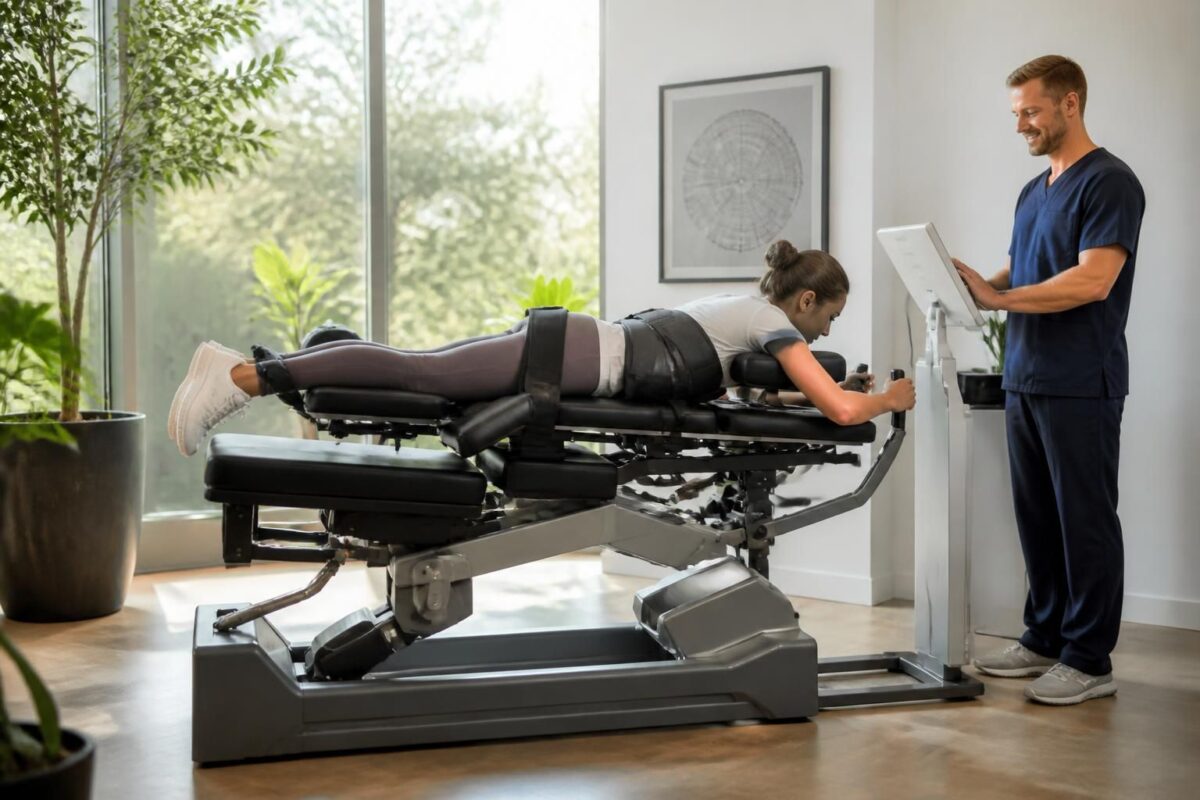
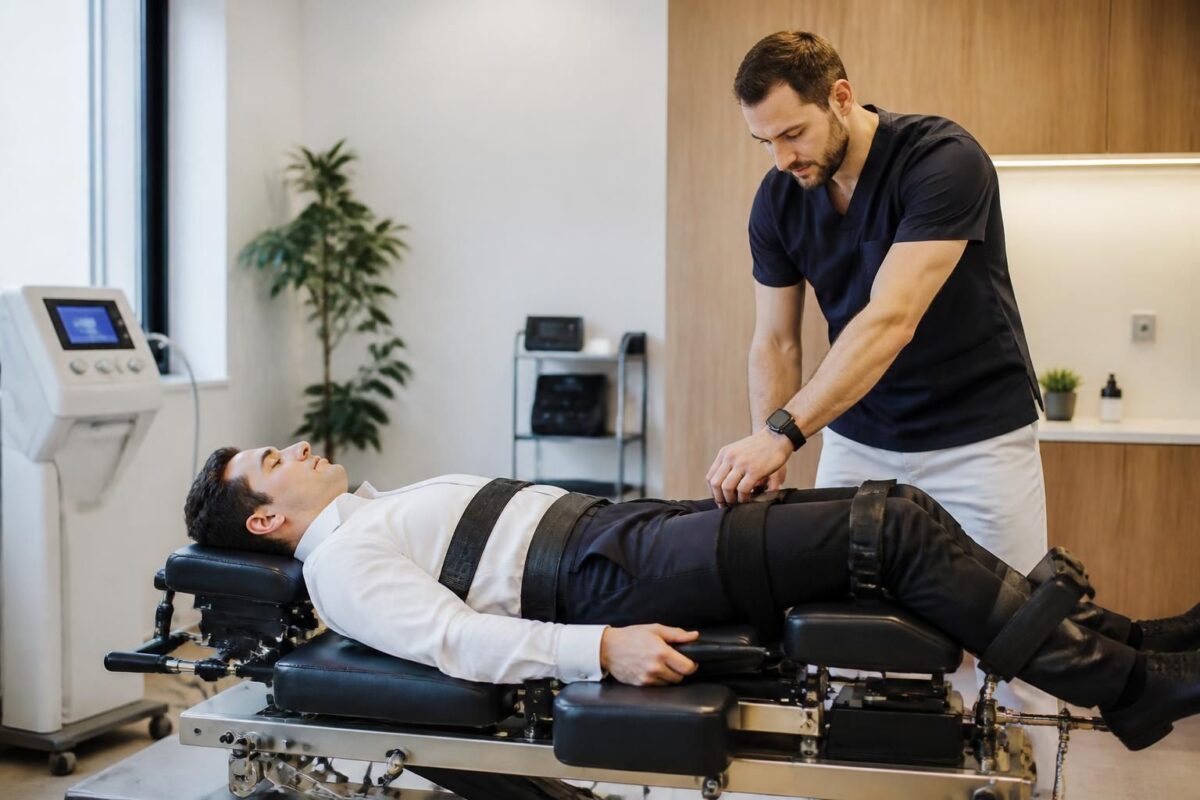
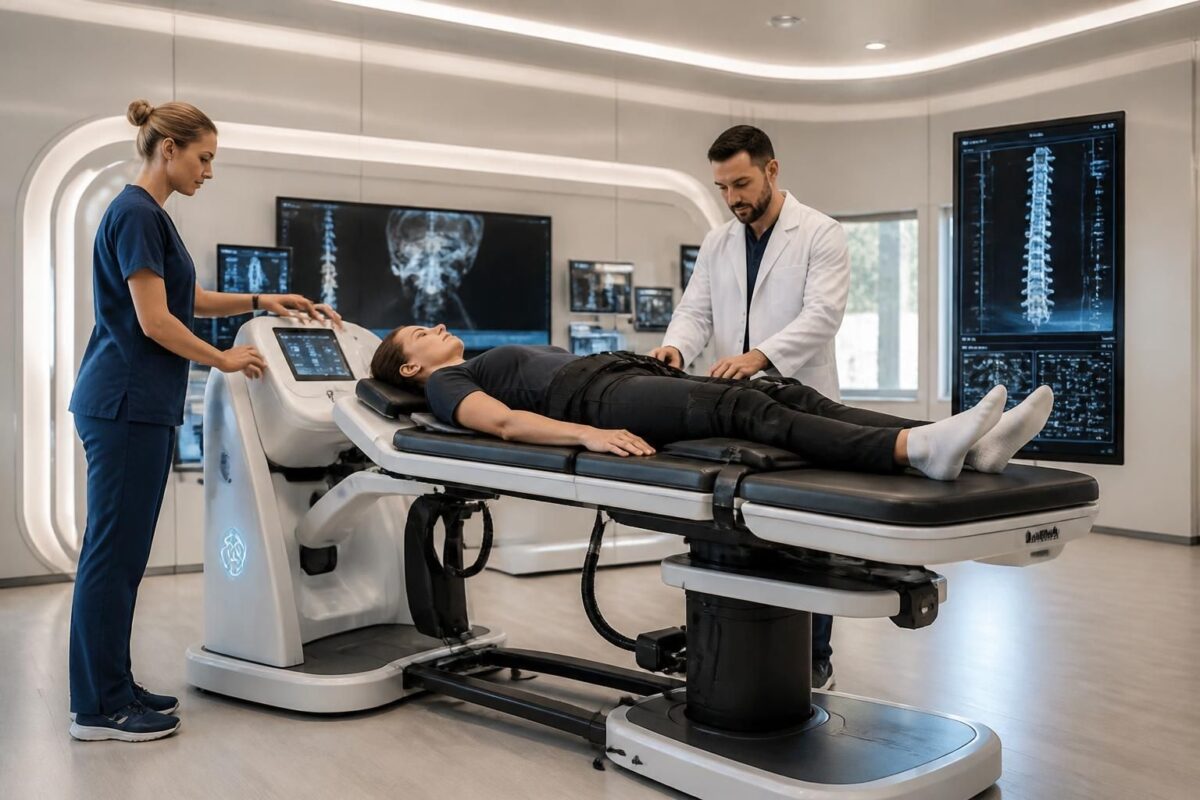
This is a non-surgical treatment that uses a specialized table to perform controlled traction on the spine. The objective is to create a localized vacuum at the level of the intervertebral discs. This negative pressure helps to reduce nerve compression and promote natural recovery of the degenerate disc. The technology used allows precise targeting and adaptation in real time according to the patient’s reaction. This approach is based on strong biomechanical principles and is part of a evidence-based approach.
How is the treatment going
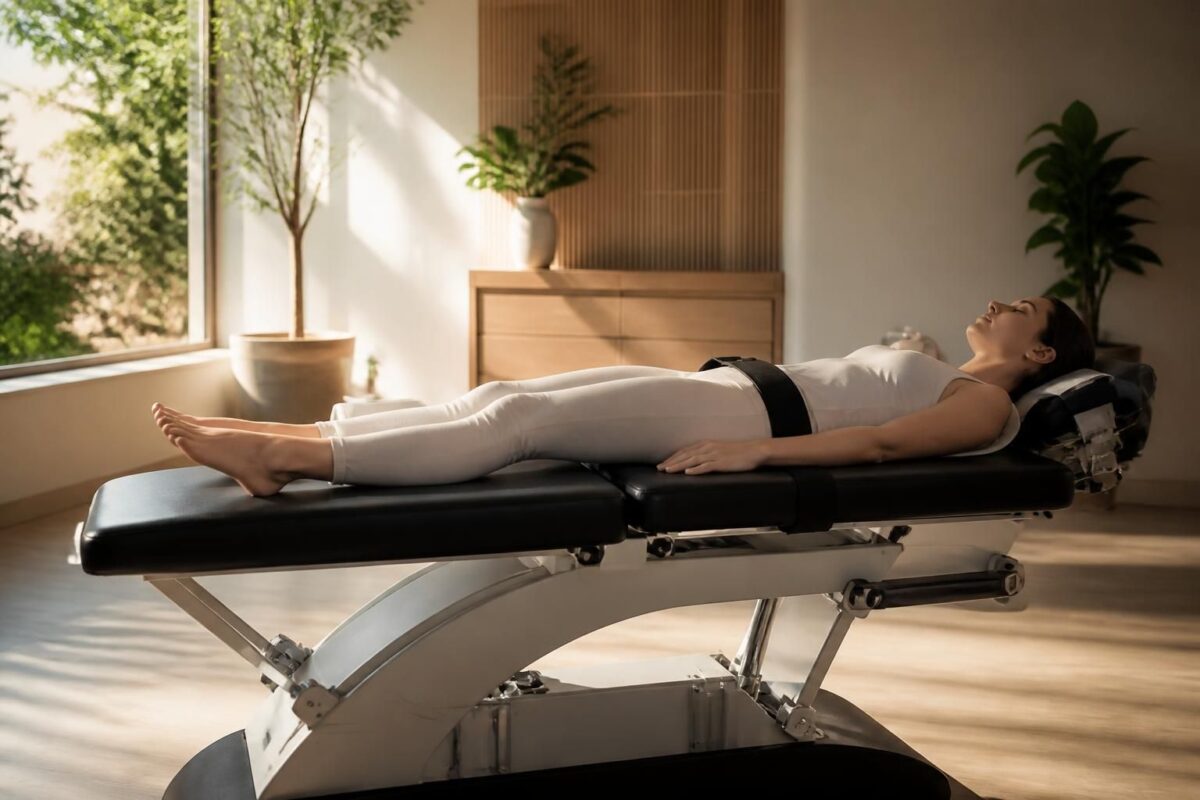
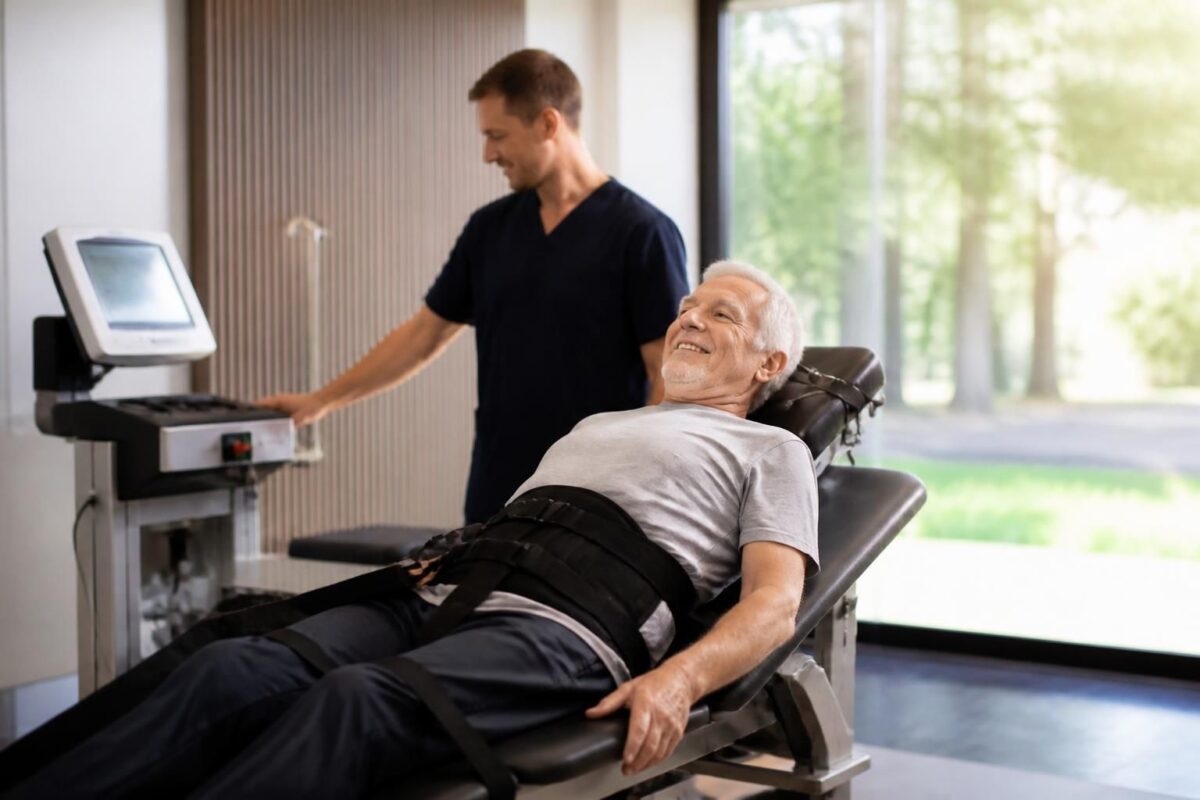
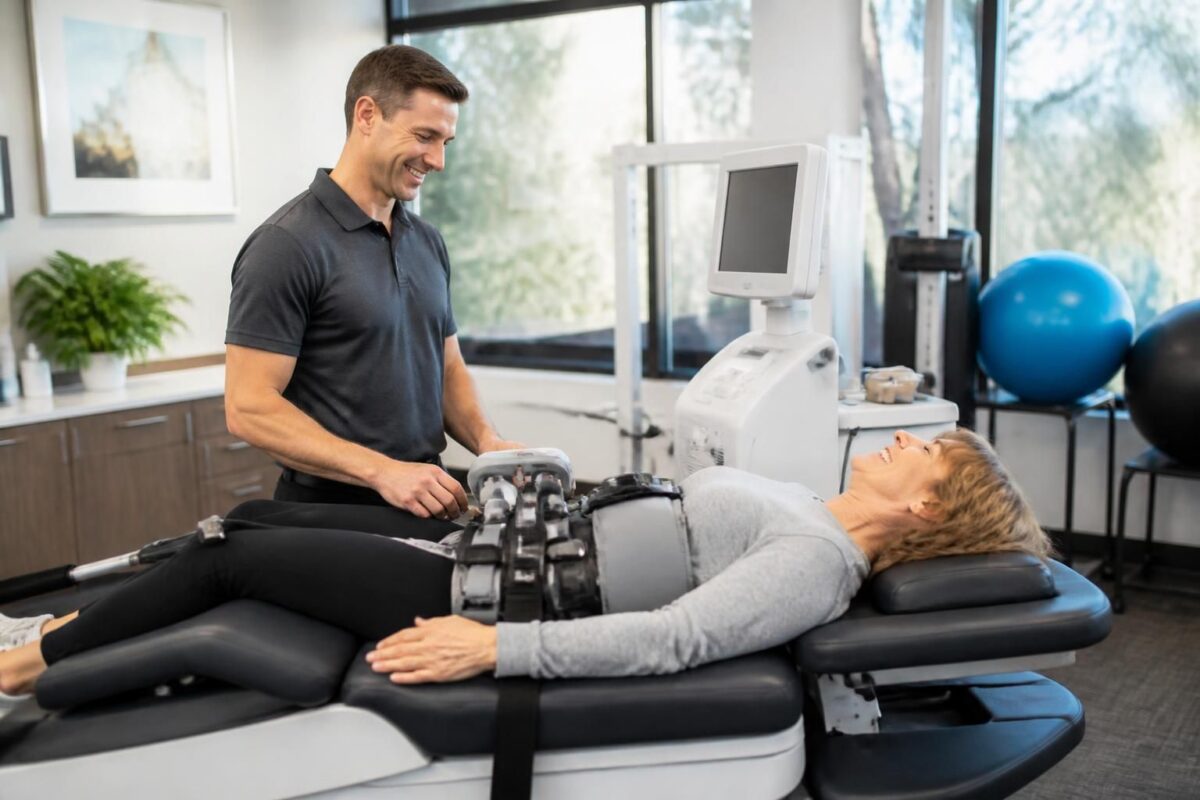
The course begins with a simple evaluation and then planning the number of sessions and the frequency. During each session, the patient is installed on a decompression table. Harnesses ensure comfortable support of the trunk and computerized parameters guide traction. The treatment generally lasts half an hour and is repeated over a period adapted to the patient’s pathology. After each session, a rest phase is observed and follow-up is ensured to adjust the treatment plan if necessary. The goal is to achieve lasting relief and improved mobility, without the need for surgery.
Efficiency and safety
Clinical studies show that neurovertebral decompression can reduce pain and improve function in many patients with degenerative disc diseases. This non-invasive approach offers a relevant alternative to more invasive interventions and can be integrated into a global rehabilitation and reinforcement program. Clinical experience shows that the results are more convincing when the treatment is personalized and combined with advice on posture and muscle strengthening adapted to each patient. To better understand the mechanisms and benefits, you can consult relevant resources on the platforms dedicated to this therapy.
Comparison with other approaches
| Therapy | Relative efficacy (by degenerative disc pathology) | |
|---|---|---|
| neurovertebral decompression | high for certain degenerative disc pathologies | Non-invasive, targeted segmental traction, circulation improvement and disc rehydration |
| Physiotherapy | Moderate to variable depending on the profile | Good for maintaining mobility, but sometimes less effective on the deep mechanical signs of degenerative discs |
| surgical procedures | Variable depending on the case, with risks and recovery | Reserve reserved for refractory or serious cases; involves greater deadlines and risks |
To explore these options and understand why neurovertebral decompression may be preferred in some cases, consult specialized resources at community-specific sites and the TagMed Clinic.
Indications, safety and choice of treatment
Treatment is indicated when back or cervical pain comes from degenerative discs with signs of nerve compression, or when other non-invasive treatments do not bring the expected relief. A consultation with a qualified health professional assesses background, imaging and potential contraindications. Some conditions do not allow this type of therapy and other alternatives can be considered as part of a personalized plan.
To explore further, you can consult additional resources on the areas of neurovertebral decompression and its clinical applications:
- Why neurovertebral decompression is ideal after an injury
- Tagmed Clinic
- Neurovertebral decompression for spinal stenosis
- Effective decompression for athletes
- SOS Herniated Disc
For a complementary perspective on current technologies and approaches, refer to the resources associated with neurovertebral decompression and the options offered by TagMed, in particular the pages dedicated to decompression and recurrent mechanical pain management.
Medical Disclaimer: The information and advice provided on this site does not replace the health professional’s diagnosis or treatment. Please note that Dr. Sylvain Desforges osteopath is neither a doctor of medicine nor a doctor, and is not a specialist in a medical specialty as defined by the Collège des Médecins du Québec. Manual medicine, functional medicine and sports medicine as described on this site exclude any medical treatment or diagnosis made by a doctor or specialist doctor. Always consult your doctor for any medical questions. For more details, please read our full legal notice.
- neurovertebral decompression — Non-invasive technique decreasing the Intra-discal pressure and the nervous compression on degenerative discs.
- Mechanism — empty effect segment that rehydrates and repositions the disc.
- directions — For the Degenerative discs, herniated disc and lumbar/cervical pain.
- Earnings — Reduced pain, Improved mobility and decreased inflammation.
- Benefits — Non-surgical alternative avoiding surgery and heavy drugs.
- Treatment plan — personalized program with several sessions and monitoring.
- Security — low risk, transient side effects; Evaluation of contraindications before starting.
- Expected results — Improvement lasting of the function and reduction of recurrences.

The neurovertebral decompression is an approach non-invasive Intended to relieve pain related to degenerative discs. By reducing the pressure on the discs and nerves and improving the circulation of nutrients, it can promote recovery and improve mobility without the need for surgery. This article presents the mechanisms, expected benefits and conditions under which this therapy is particularly relevant.
What is neurovertebral decompression?
The neurovertebral decompression Uses targeted and controlled traction on the spine, performed on a specially designed and computer-driven table. The objective is to create a slight vacuum at the discs, which restores the intervertebral space and facilitates the passage of fluids and nutrients necessary for repair. This action can help slow the progression of degenerative damage and reduce pain related to nerve compression.
Physiological mechanisms
the central mechanism is based on the reduction intra-discal pressure, which encourages the rehydration and replenishment of discs. At the same time, improving local blood circulation supports tissue regeneration and decreases inflammation. This approach aims to restore, as far as possible, theHeight and elasticity of discs and limit the abnormal pressures on the adjacent nerves.
Clinical benefits
The benefits observed in the context of degenerative attacks include a Lasting pain reduction, a Improving mobility and an Decreased disc inflammation. By promoting better tissue feeding and gradual recovery, this therapy can also help maintain spine integrity and prevent repeated painful episodes.
The long-term benefits of neurovertebral decompression for spinal health
In short In short, the neurovertebral decompression is a non-invasive approach that decreases the Pressure on intervertebral discs and nerves, favoring the Natural regeneration and tissue recovery. Its long-term benefits include Lasting pain reduction, Improving mobility and from the posture,…

Neurovertebral decompression and mobility: a return to an active life
In short In short, the neurovertebral decompression is therapy non-invasive who uses a gentle traction To create a space between the vertebrae and reduce the pressure on the Intervertebral discs and the nerves. It promotes a bloodstream improved, lowers tension…
Indications and admission criteria
This therapy is particularly suitable when the pain comes from a degenerative disc process, a mild protrusion or an associated radiculopathy. It may be an option non-surgical For patients looking for functional improvement and pain reduction without operative intervention. An assessment by a healthcare professional is essential to confirm the suitability of the treatment and to adapt the protocol to your situation.
How Neurovertebral Decompression Prevents Diffuse Chronic Pain
In short decompression neurovertebral is one Non-invasive method aimed at reducing the Pressure on the intervertebral discs and the nerves, in order to prevent Diffuse chronic pain. It improves the circulation and thedisc hydration, decreases inflammation and promotes better mobility.…
Neurovertebral Decompression and Body Alignment: Restoring Natural Balance
In short In short, neurovertebral decompression is one Non-invasive approach who restores theBody Alignment and thenatural balance back and neck. She acts by a Controlled traction of the spine to widen the intervertebral space and reduce the Pressure on discs…
Processing and security process
The care pathway is personalized and begins with a detailed assessment, including medical history and, if necessary, imaging. The sessions take place on a computer-controlled decompression table and last about half an hour each time. The therapist monitors your comfort and adjusts the settings in real time to optimize the effects while ensuring your safety. Treatment is generally well tolerated and can be integrated into a rehabilitation program focused on muscle building and posture improvement.
Sessions
Each session is designed to be Smooth and progressive, with individualized adjustments according to your tolerance and the evolution of your symptoms. A treatment plan can include several weeks of therapy and include practical advice on posture and strengthening exercises to do at home or in the clinic.
Contraindications and precautions
Like any therapy, decompression has contraindications and requires a prior assessment. Certain medical conditions, such as significant vascular disorders, active vertebral fractures, vertebral infections or pregnancy, can cut off access to treatment. Discuss with your healthcare professional to determine if this approach is right for you and to adapt the program to your needs and safety.
Why neurovertebral decompression is a lasting solution for active seniors
In short In short, the neurovertebral decompression is one Non-invasive therapy which sustainably relieves spinal pain in the spine active seniors By creating, by a Soft and controlled traction, a space between the vertebrae. At Montreal, it is recognized as…
Neurovertebral decompression and recovery after severe sports injury
In short In short, the neurovertebral decompression is one Non-invasive method to Relieve the pressure on the Intervertebral discs and the gristle Via a Controlled traction, to facilitate the recovery After a severe sports injury. It improves the bloodstream towards…
what you can expect
At the end of a suitable course, you can hope A gradual decrease in pain, a better range of motion and a reduction in symptomatic treatments. In addition to a rehabilitation program, the neurovertebral decompression Can promote a better quality of life and an easier recovery from daily and professional activities.
| Criterion | Details |
|---|---|
| Mechanism | reduction of the Intra-discal pressure and improvement of circulation, favoring the rehydration and the regeneration the discs |
| directions | degenerative discs, slipped disc Symptomatic, lumbar or cervical pain related to degeneration |
| Earnings | Pain diminished and mobility found |
| Duration of treatment | Typical setting: 20–25 sessions on 4–5 weeks |
| Security | Not invasive, low risk, without anesthesia |
| contraindications | vertebral fracture, tumor or vertebral infection, pregnancy, severe osteoporosis |
| Side effects | Feathery stiffness or fatigue temporary after session |
| Long-term results | lasting improvement of the function and from the quality of life, relapse reduction |
| Clinic-therapeutic integration | fits into a Global program rehabilitation and reinforcement, optimizing the results |
Recent innovations in neurovertebral decompression technologies
In short In short, the neurovertebral decompression is an approach non-invasive Aiming to reduce pressure on discs and nerves, and promote tissue regeneration. At Montreal, it is positioned as an effective option for lower back pain and herniated discs. The…
Neurovertebral decompression and diffuse pain: an appropriate solution
In short In short, the neurovertebral decompression is one Non-invasive solution For diffuse pain related to nerve irritation of the spine. She acts in Reducing pressure on intervertebral discs and nerves and improving the bloodstream, which promotes recovery and the…
Testimonials on neurovertebral decompression and degenerative disc relief
Before discovering the neurovertebral decompression, my pain related to Degenerative discs accompanied me on a daily basis. Since the beginning of the treatment, I have felt a progressive relief that allowed me to resume activities that I had abandoned for fear of pain.
After only a few weeks, the pain subsided and mobility returned. I am amazed at how this non-invasive procedure has changed my way of moving without the use of heavy drugs or surgery.
What struck me the most was the comfort of the sessions and the feeling of safety during the treatment. No pain during manipulations, just a feeling of relaxation and an improvement in sensations in the back and legs.
I was afraid that the results would only be temporary, but the improvements stabilized and I was able to resume physical activities without fearing the painful peaks typical of degenerative discs.
The staff were attentive and personalized in the follow-up, adapting the sessions to my pace and the evolution of my symptoms. This targeted approach has been critical to achieving lasting results and avoiding surgery.
Today, my days are more fluid and my daily efforts — walking, carrying objects and stretching in the morning — are done without major pain. The neurovertebral decompression gave me a real quality of life found and a new confidence in my body.
Dr. Sylvain Desforges is a recognized practitioner in osteopathy, naturopathy and manual medicine. Founding President of the TagMed Clinics and the ACMA Association, he devotes his career toHealth Innovation and improved management of Chronic pain. Its commitment is to provide evidence-based care, to optimize the health and well-being of its patients, by favoring non-invasive approaches when possible and effective.
In his approach, the neurovertebral decompression occupies a central place to treat pain related to Degenerative discs and spinal affections. This non-surgical method aims to reduce the pressure exerted on the discs and nerves, while promoting natural tissue regeneration and better mobility. It is part of a global vision of care that combines technical precision and personalized support.
Mechanically, the decompression Acts by lowering the pressure intra-discal, which facilitates the rehydration and reintegration of essential nutrients into the intervertebral discs. By promoting better circulation of fluids in the treated area, it makes it possible to reposition damaged structures and to lighten nerve irritations. This approach can lead to a significant reduction in pain and improved function, without the need for surgery.
Integrated into a global rehabilitation program, decompression is complemented by targeted exercises, postural advice and muscle building strategies. This synergy makes it possible not only to obtain lasting relief, but also to prevent recurrences and to improve the quality of life in the long term. The work is based on a rigorous evaluation and continuous adaptation of the therapeutic plan according to the progress of the patient.
The typical course includes an in-depth initial assessment, the development of a personalized treatment plan and the implementation of regular sessions under professional supervision. In practice, a program can extend over approximately 4 to 5 weeks and include 20 to 25 sessions, with progression adapted to the patient’s response and the severity of symptoms. Each session is designed to be safe and comfortable, while also providing effective stimulation of tissue regeneration and progressive pain reduction.
The patients who benefit most from this approach are those with lower back and cervical pain associated with disc degeneration, protrusions or nerve irradiation. The objective is to allow everyone to regain normal daily activity and regained mobility, while avoiding the risks and delays associated with surgery. Dr. Desforges combines his clinical expertise with a resolutely results-oriented orientation, in order to sustainably support those seeking a gentle and effective path to relief.
This summary summarizes how the neurovertebral decompression can help relieve pain related to Degenerative discs. By lowering disc pressure, improving the circulation of fluids and nutrients, and promoting repositioning of damaged structures, this non-invasive approach can sustainably reduce pain and restore better mobility, without systematically requiring intervention surgical.
The neurovertebral decompression acts directly on the causes of pain associated with Degenerative discs By implementing precise and controlled segmental traction. With a motorized table and sensors that adjust the parameters in real time, it promotes the reduction of intra-discal pressure and rehydration of the discs, while decreasing compression on the nerves and surrounding tissues. This approach non-invasive May lead to a noticeable improvement in pain and mobility over the sessions. To better understand the mechanisms and clinical evidence, you can consult the following resources: How it works and neurovertebral decompression.
As part of Degenerative discs, decompression can improve blood supply and nutrients to the disc, promote disc space and reduce stress on nerve roots. Integrated into a rehabilitation program, it helps to restore alignment and spine stability and can help slow the progression of symptoms, while bringing progressive improvement in function and quality of life. For feedback and analytics, see the following resources: Benefits for lower back pain and Benefits on spinal stenosis.
It is essential to carry out a prior medical evaluation in order to identify the contraindications and to adapt the protocol to your situation. Additional examinations may be recommended and a personalized plan may include posture tips and targeted exercises to support the benefits of decompression. For further guidance and precautions, refer to these resources: Why choose neurovertebral decompression to relieve chronic pain and Benefits on spinal stenosis.
In summary, the neurovertebral decompression represents a way non-invasive promising for the relief of pain related to Degenerative discs, when integrated into a global rehabilitation and reinforcement program. It can improve mobility, reduce inflammation and limit recurrences, while avoiding surgery when possible. To learn more, here are some other useful resources: Benefits for lower back pain, neurovertebral decompression, Neurovertebral decompression and diffuse pain and Relief of pain related to degenerative discs.

Dr Sylvain Desforges
Dr Sylvain Desforges, B.Sc., D.O., N.D., osteopath, is the founding president of TAGMED and of the ACMA association. He dedicates his practice to chronic spinal pain, low back pain and symptoms compatible with sciatica, particularly when pain radiates toward the buttock, leg, calf, foot or toes.
Through SOS Sciatique, he publishes educational content on sciatica symptoms, possible causes such as disc herniation, disc narrowing, foraminal stenosis or irritation of a lumbar nerve root, as well as non-surgical approaches that may be considered according to the evaluation. At Clinique TAGMED, care may include, depending on the case, motorized neurovertebral decompression, specific osteopathic care or precision percussion.
For an evaluation related to sciatica treatment in Montreal / Mount Royal or sciatica treatment in Terrebonne, please consult the services available at Clinique TAGMED.
Medical disclaimer
The information published on SOS Sciatique is provided for educational purposes only and does not replace a consultation, diagnosis, opinion or treatment provided by a physician or another authorized healthcare professional. The author of this article is neither a medical doctor nor a specialist in a medical specialty recognized by the Collège des médecins du Québec. The osteopathic, manual medicine or functional support approaches described on this site do not constitute medical acts and are not intended to replace medical follow-up.
Consult a physician or emergency service in cases of loss of bladder or bowel control, anesthesia in the saddle area, significant or progressive weakness in the leg or foot, fever, recent trauma, severe pain or rapid worsening of symptoms. For more details, please read our Legal Notice.