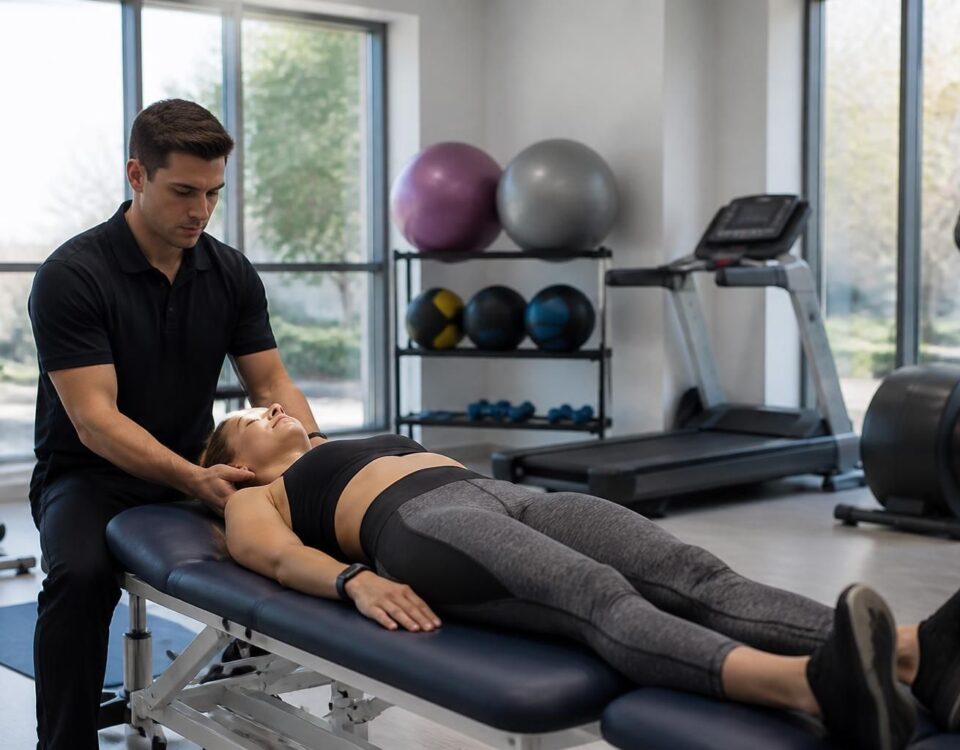
Why athletes choose neurovertebral decompression
25/06/2026
How neurovertebral decompression improves spinal flexibility
25/06/2026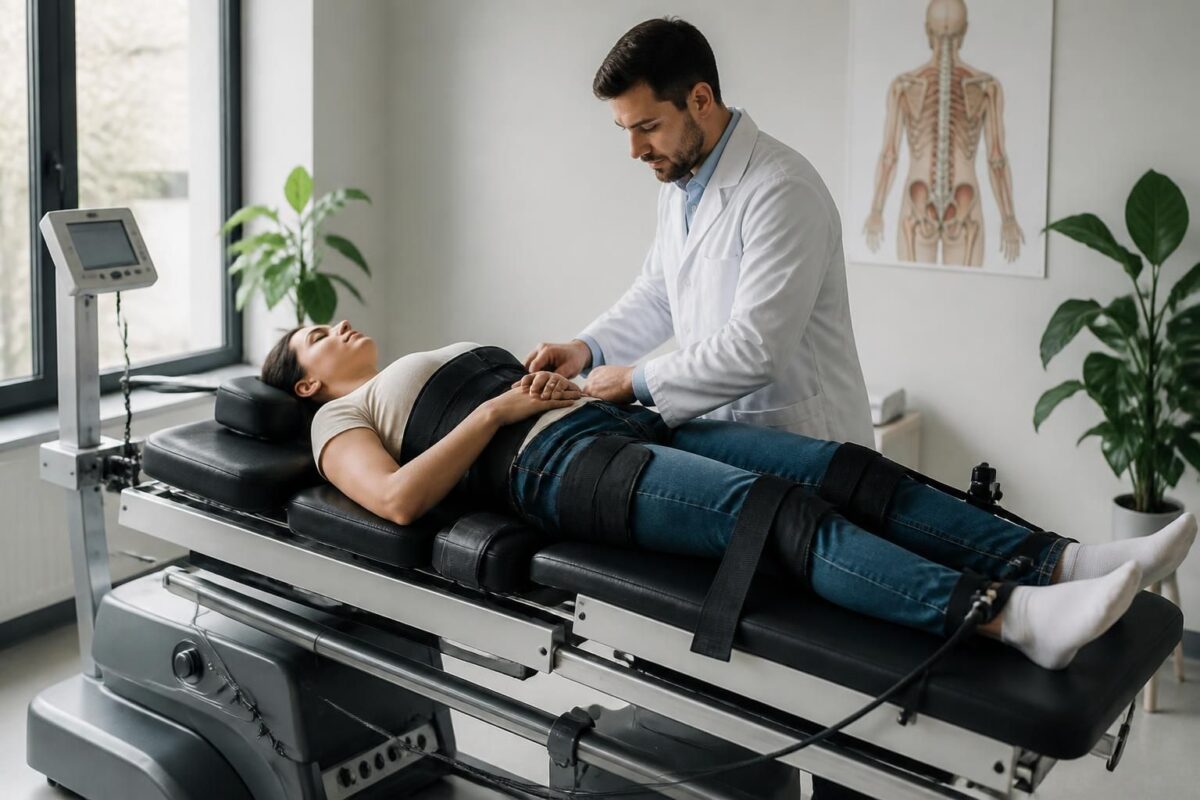
In short
| In short, the neurovertebral decompression is one Non-invasive therapy aimed at relieving Chronic pain of the back by reducing the pressure on the Intervertebral discs and the nerves. Operation is based on controlled traction that creates a space between the vertebrae, improves blood circulation and promotes tissue healing. Advantages: reduction of pain, improvement of the mobility and decreased drug or surgery needs. Applications: herniated discs, protrusions and Chronic lower back pain. At Lyons, this treatment is accessible in our clinics and can be associated with techniques of manual medicine to optimize the results. |
The neurovertebral decompression is an approach non-invasive intended to lighten the Chronic pain back.
It is based on a Controlled traction applied to the spine to create a space between the vertebrae and reduce the pressure on the Intervertebral discs and the gristle. This technique is particularly suitable for slipped disc, the Disc protrusions, the Spinal stenosis and sciatica.
Typical process: initial evaluation, set up on a dedicated device, progressive traction on the column during sessions of 20 to 45 minutes. The usual frequency is 2 to 3 times a week over several weeks. Advantages: non-invasive, without medication or surgery, pain reduction and improvement in mobility. Limits: Variable convenience depending on the patient, possible contraindications, varying results and investment in time and cost.
In a global approach, this therapy can be associated with manual techniques and advice fromlifestyle to optimize profits and promote sustainable progress.
This article, written by a health professional and expert, presents the techniques of neurovertebral decompression For chronic pain. He explains the principle, the indications, the course of the sessions and the evidence available. The goal is to help patients and practitioners understand this non-invasive approach and its potential benefits, while highlighting the limits and points to discuss with your doctor.
Principle and mechanism
The neurovertebral decompression is a method non-invasive which acts on the Intervertebral discs and the gristle. It applies controlled traction on the spine to create a space between the vertebrae and decrease the pressure on the discs and nerves. This pressure reduction improves the bloodstream and promotes the regeneration of damaged tissues, thus contributing to pain relief and improved mobility.
The principle is based on the idea that spinal traction can help restore theBalance and alignment of the column, while supporting the healing of the affected structures. This approach is particularly relevant for pathologies such asslipped disc, the protrusion, the Spinal stenosis and chronic lower back and cervical pain.
Indications and contraindications
Common indications include lower back and back pain associated with slipped disc, a protrusion, a Spinal stenosis or a sciatica. This technique can also be considered when conventional treatments do not provide lasting relief. However, certain medical conditions can contraindicate its use and require a personalized evaluation.
course of a session
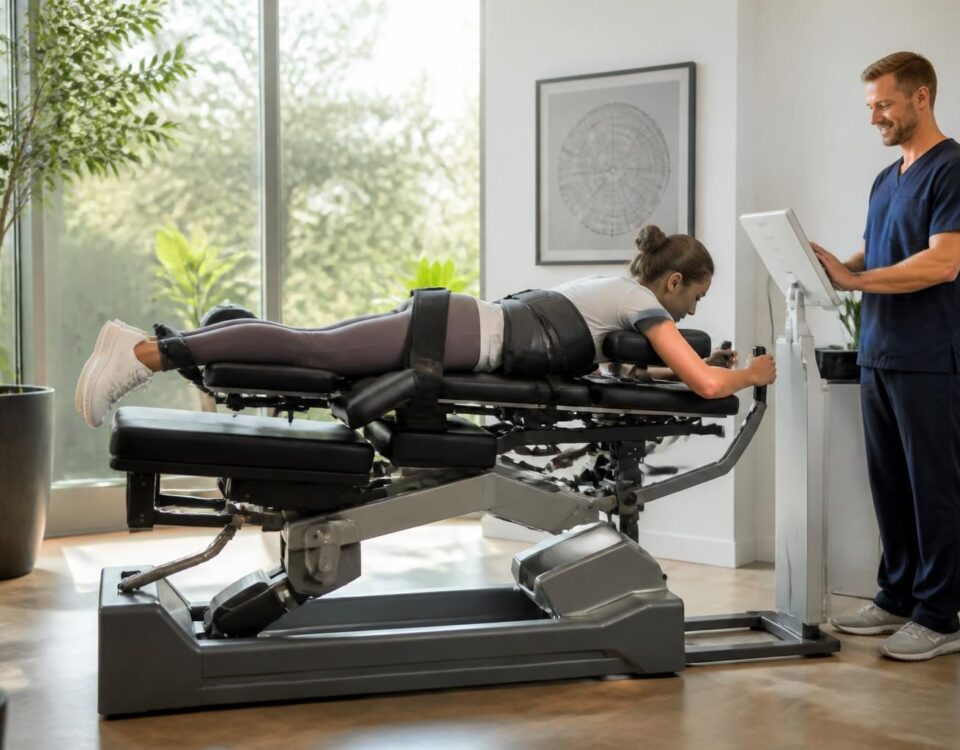
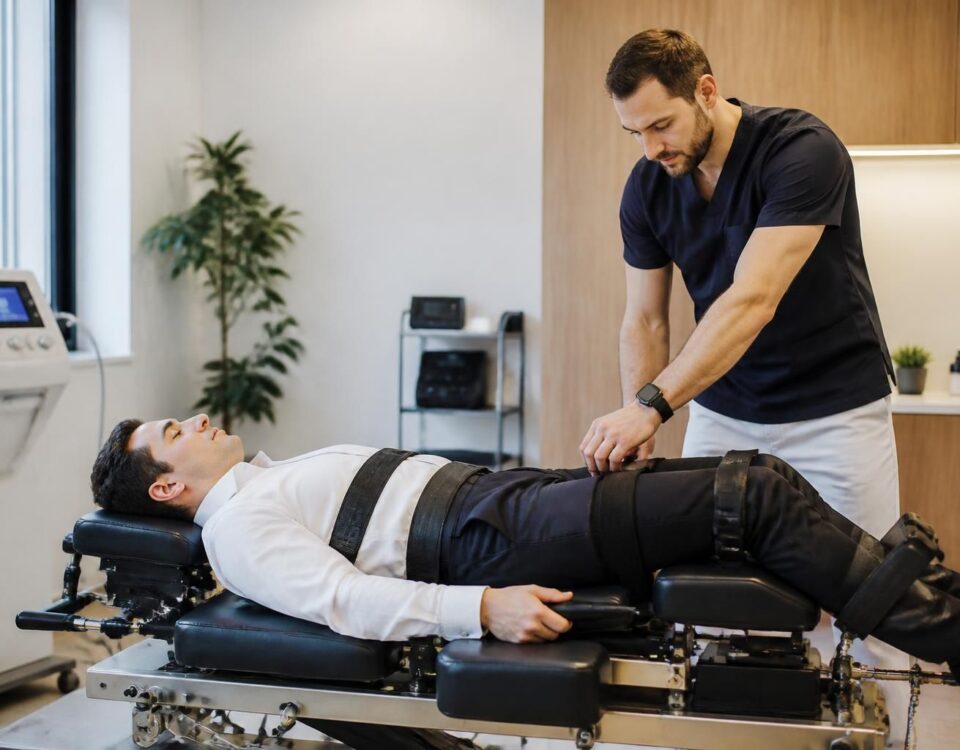
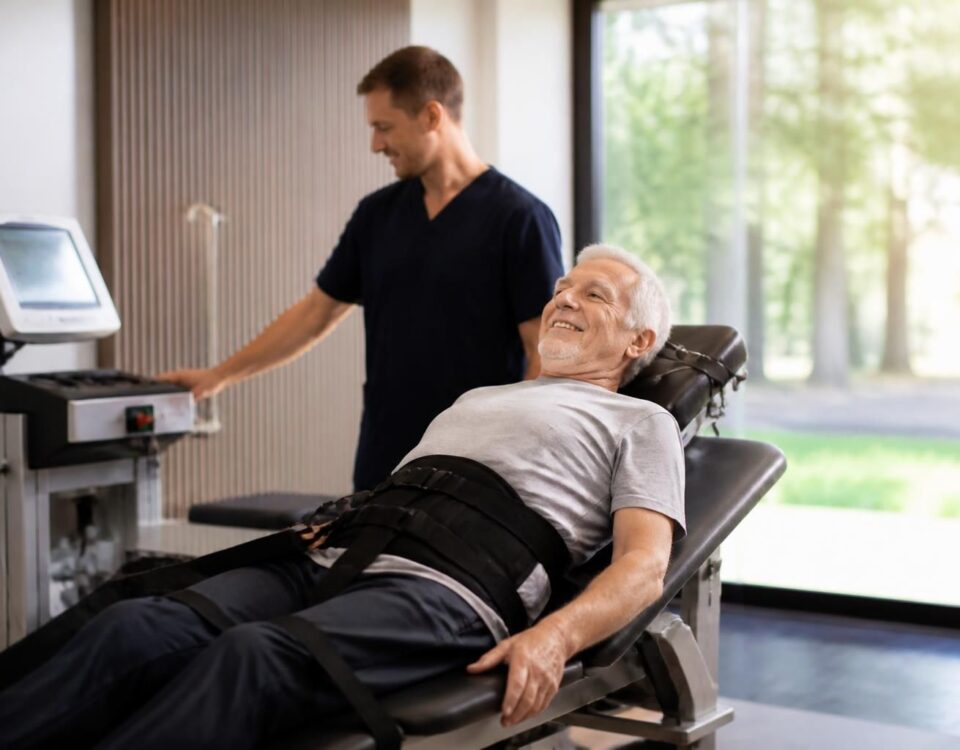
The first step is a Full assessment of the patient, including medical history and a targeted somatic examination. the patient is installed on a decompression apparatus and harnesses provide traction Controlled and targeted. A session usually lasts between 20 and 45 minutes. The traction is gradually increased then released To achieve a pumping effect on the intervertebral discs. The treatment is usually repeated over several weeks, with a frequency of 2 to 3 sessions per week.
Devices and techniques
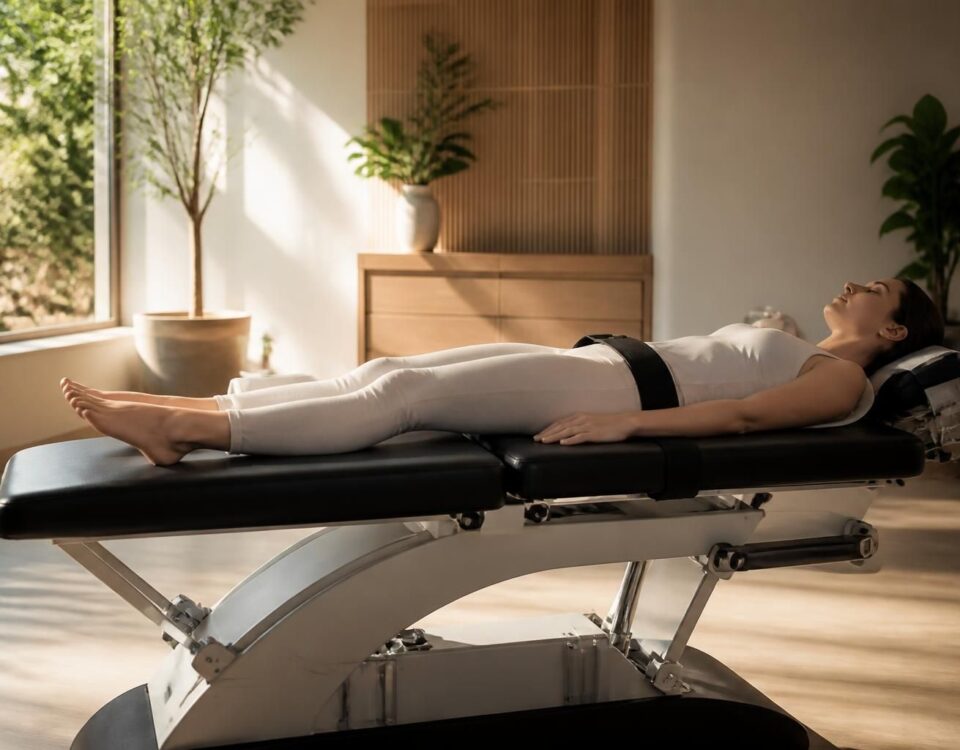
The sessions use Specific devices that deliver an adjustable and customizable traction force. Some systems are motorized and allow precise control, while other methods are associated with manual approaches depending on the processing center. The objective is to adapt the protocol to the location of the pain and the evolution of the patient.
Comparison with other approaches
decompression NE Invasive Stands out from drug treatments and surgical interventions through targeted action on discs and nerve roots, without immediate recourse to drugs or surgery. It is an interesting option when traditional approaches have limitations. In comparison with physiotherapy or osteopathy, it focuses more on the spine and discs, while remaining compatible with an integrated approach to health.
Efficiency Assessment
The testimonials and the Clinical cases Often report pain reduction and better mobility. The results vary according to the cause and severity of the problem, age and overall health status, as well as therapeutic follow-up. Some people notice a decrease in drug use and, in some cases, avoid surgery.
Integration and advice
Decompression is generally part of a multidisciplinary approach. it can be associated with techniques of manual medicine and lifestyle management. After treatment, it is useful to maintain a good posture and adopt favorable lifestyle habits to preserve the results. To learn more, consult the specialized resources offered by expert centers and partner clinics.
References and Resources
For more information, you can consult specialized resources and the pages of partner clinics:
How neurovertebral decompression promotes disc regeneration
Tagmed Clinic — Neurovertebral decompression and personalized approach to treat chronic spinal pain.
Neurovertebral decompression, a treatment adapted to athletes
Why neurovertebral decompression is effective for athletes
How Neurovertebral Decompression Reduces Disc Tensions
Neurovertebral decompression for patients with spinal stenosis
Official website neurovertebral decompression
Medical Disclaimer: The information and advice provided on this site does not replace the health professional’s diagnosis or treatment. Please note that Dr. Sylvain Desforges osteopath is neither a doctor of medicine nor a doctor, and is not a specialist in a medical specialty as defined by the Collège des Médecins du Québec. Manual medicine, functional medicine and sports medicine as described on this site exclude any medical treatment or diagnosis made by a doctor or specialist doctor. Always consult your doctor for any medical questions. For more details, please read our full legal notice.
- Traction motorized controlled on the cervical and lumbar segments
- Traction pulse With traction-relaxation cycles
- Setting computerized amplitude and duration
- Approach non-invasive centered on discs and nerves
- protocols progressive over 2–3 sessions/week for several weeks
- Evaluation initial and personalized plan
- Typical sessions of 20–45 minutes
- Profits: pain reduction and Improving mobility
- Security: control of contraindications
- Monitoring and maintenance: Postural exercises and lifestyle
- Integration with manual medicine To strengthen the results

This article presents the key recommendations around the Neurovertebral Decompression Techniques for the Chronic pain. You will discover the principle, the typical protocols, the indications, the precautions and the potential benefits, as well as the interest of an integrated approach with other manual therapies and an adapted lifestyle. These tips are intended to guide a thoughtful and personalized use of this non-invasive method, under professional supervision.
What is neurovertebral decompression?
neurovertebral decompression is a non-surgical approach that aims to decrease the pressure exerted on the intervertebral discs and nerve roots. It is based on controlled traction applied to the spine, which allows you to create a space between the vertebrae, improve blood circulation and promote tissue healing. This technique can be used in the cervical, thoracic and lumbar regions to intervene on common causes of pain such as herniated discs, protrusions and neuropathic pain. It often integrates with a global back management strategy.
Principle and mechanisms
The principle is based on a Controlled traction which releases tensions on the discs and nerves, invites to the responsiveness of tissues and facilitates the return of a state of alignment and optimality of circulatory flows. This “pumping” effect of the intervertebral spaces can reduce inflammation and promote better mobility on a daily basis.
Common indications
The most frequent indications include pain related to herniated discs, of Degenerative discopathies, of sciatica and chronic lower back or cervical pain that has not satisfactorily responded to conservative treatments.
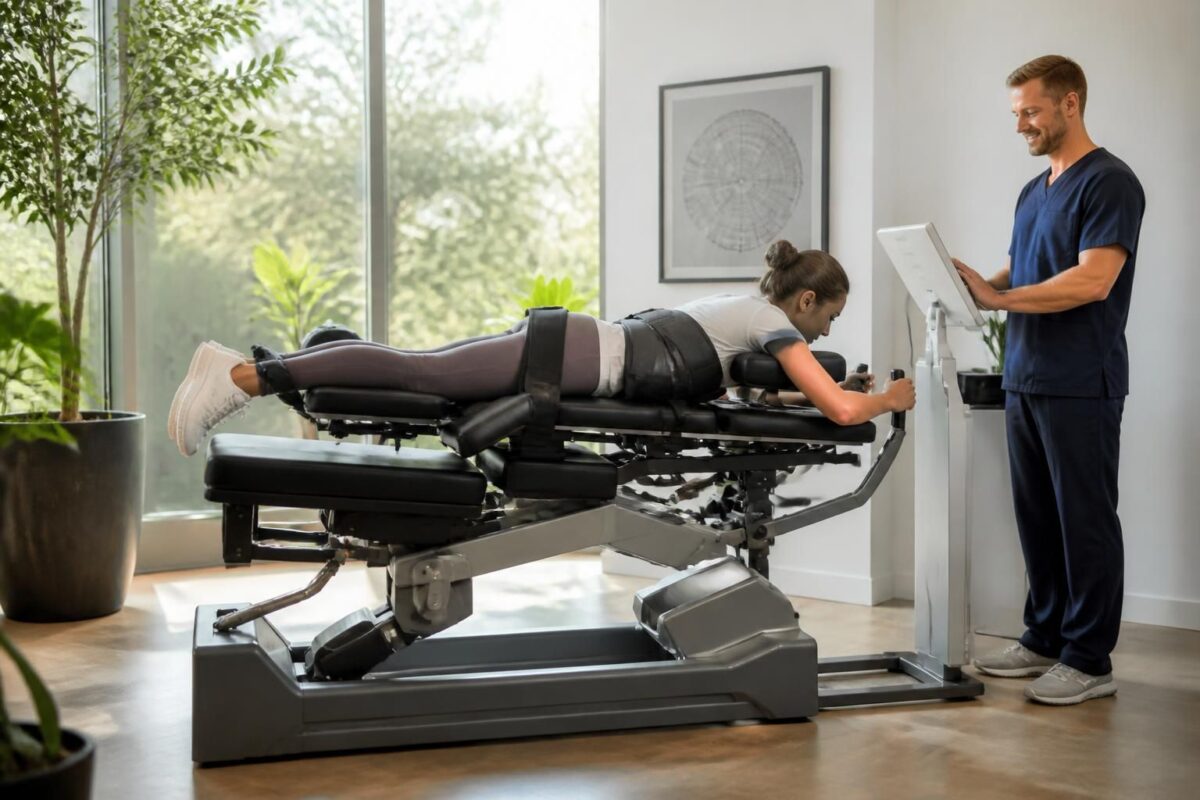
The long-term benefits of neurovertebral decompression for spinal health
In short In short, the neurovertebral decompression is a non-invasive approach that decreases the Pressure on intervertebral discs and nerves, favoring the Natural regeneration and tissue recovery. Its long-term benefits include Lasting pain reduction, Improving mobility and from the posture,…
Protocols and course of sessions
A standard protocol is personalized according to the patient’s history and objectives. The sessions take place on a dedicated device with adapted harnesses and professional supervision. The average duration fluctuates between 20 and 45 minutes, and the program is generally spread over several weeks, with an optimal frequency of 2 to 3 sessions per week.
Initial phase
The initial phase aims to quickly reduce inflammatory signs and acute pain. The treatment is then more sustained and the equipment is adjusted to target the most affected areas, favoring a progressive and secure intensity.
Stabilization phase
Once the pain is decreasing, the stabilization phase focuses on maintaining improvements and strengthening column support structures. Additional exercises and postural advice can be introduced to sustain the benefits.
Maintenance and autonomy
At the end of the active program, some patients benefit from a maintenance plan including occasional sessions and postural hygiene advice. The objective is to avoid recurrences and to support sustainable mobility.

Neurovertebral decompression and mobility: a return to an active life
In short In short, the neurovertebral decompression is therapy non-invasive who uses a gentle traction To create a space between the vertebrae and reduce the pressure on the Intervertebral discs and the nerves. It promotes a bloodstream improved, lowers tension…
Integration with other approaches
Neurovertebral decompression is often part of a multimodal approach. It can be associated with manual medicine, to exercises of Strengthening and stretching, as well as advice fromAdapted physical activity and of posture work. This synergy can amplify the beneficial effects and reduce analgesic addiction when appropriate.
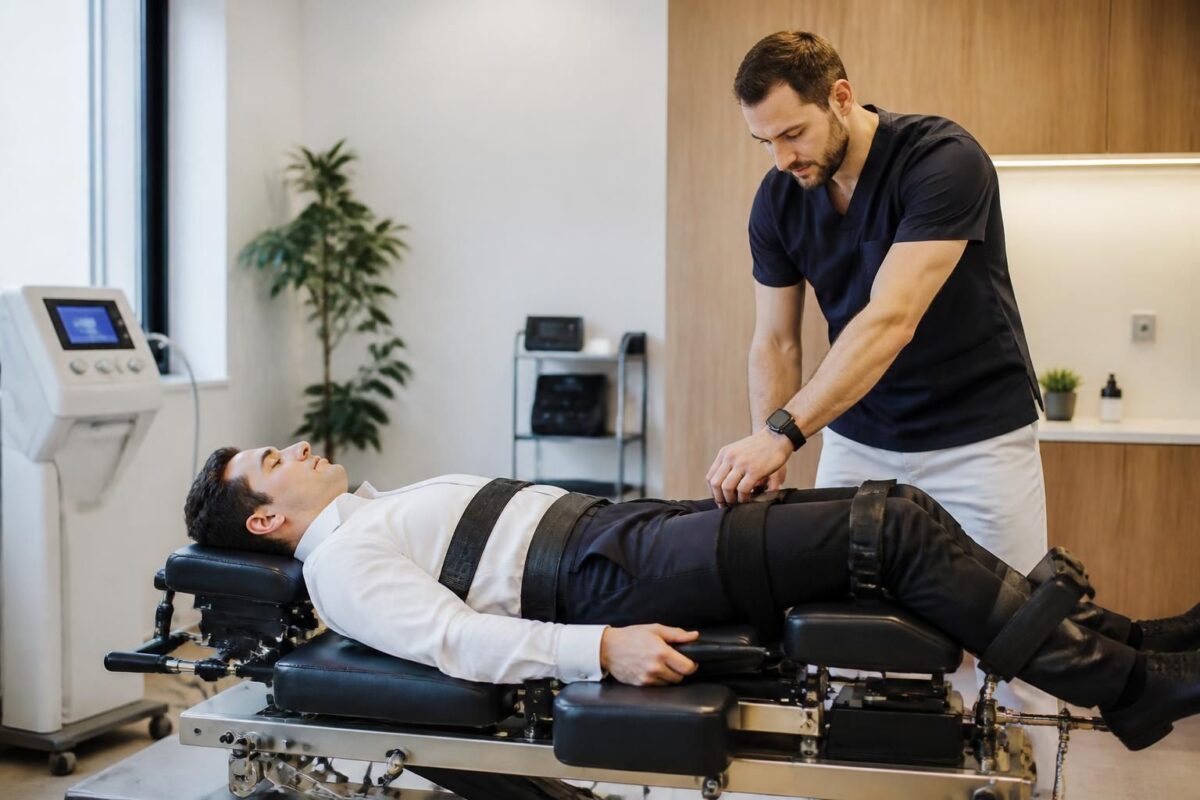
How Neurovertebral Decompression Prevents Diffuse Chronic Pain
In short decompression neurovertebral is one Non-invasive method aimed at reducing the Pressure on the intervertebral discs and the nerves, in order to prevent Diffuse chronic pain. It improves the circulation and thedisc hydration, decreases inflammation and promotes better mobility.…
Safety, contraindications and precautions
Before any treatment, proper screening is essential. Contraindications may include a vertebral instability, of Recent fractures, spinal infections, certain vascular pathologies or specific medical conditions. A preliminary consultation allows risk assessment and protocol adaptation. It is essential to respect the indications and to work with a qualified practitioner to minimize the risks.
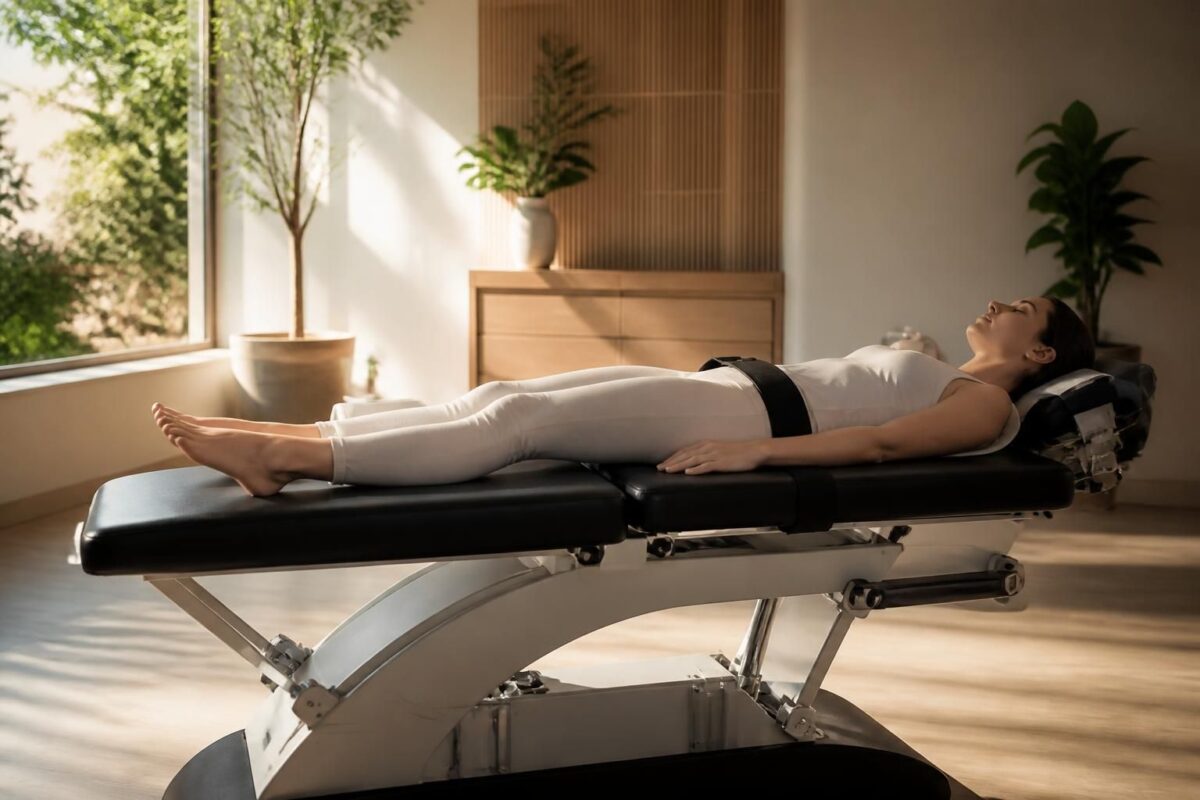
Neurovertebral Decompression and Body Alignment: Restoring Natural Balance
In short In short, neurovertebral decompression is one Non-invasive approach who restores theBody Alignment and thenatural balance back and neck. She acts by a Controlled traction of the spine to widen the intervertebral space and reduce the Pressure on discs…
Effectiveness assessment and monitoring
Efficiency is measured by the evolution of pain, mobility and quality of life. Regular monitoring allows you to adjust the intensity, duration and additional exercises. Clear objectives and criteria for failure or further treatment should be defined jointly between the patient and the practitioner to ensure safe progress adapted to each situation..
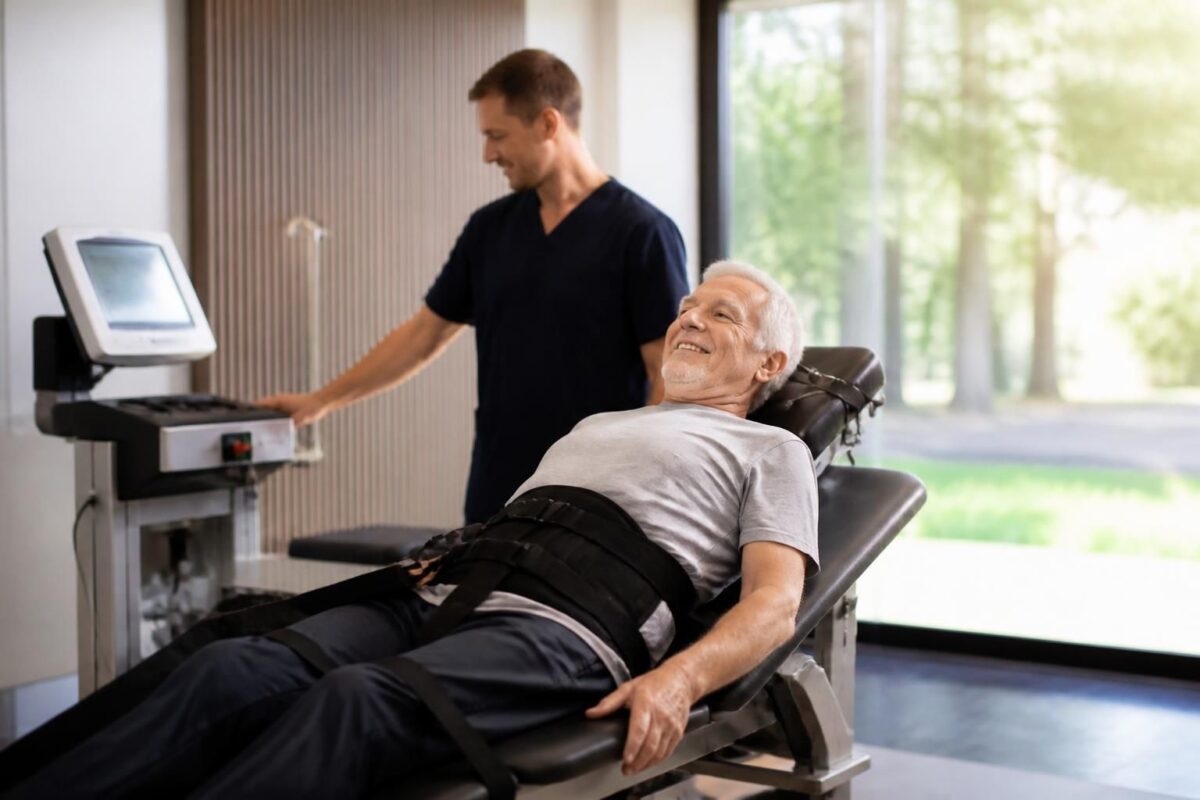
Why neurovertebral decompression is a lasting solution for active seniors
In short In short, the neurovertebral decompression is one Non-invasive therapy which sustainably relieves spinal pain in the spine active seniors By creating, by a Soft and controlled traction, a space between the vertebrae. At Montreal, it is recognized as…
Neurovertebral Decompression Techniques for Chronic Pain
| Technical | Concise description |
|---|---|
| Controlled lumbar traction | Reduced pressure on the records and the gristle lumbar by Controlled traction, improves mobility. |
| Controlled cervical traction | expands the foraminal space, relieves neck pain roots. |
| Controlled chest traction | Target segments thoracic To reduce the pain and improve the mobility. |
| Motorized lumbar decompression | Apparatus motorized, Custom settings and monitoring results. |
| Motorized cervical decompression | Version cervical motorized, adapted parameters and surveillance secure. |
| Decompression associated with manual medicine | synergy with manual medicine For an action overall and lasting. |
| Decompression + Postural rehabilitation | Honest Postural rehabilitation and exercises to maintain earnings. |
| structured program | Phase initial intensive then maintenance to stabilize winnings. |
| Key indications | herniated discs, Degenerative discopathies, sciatica. |
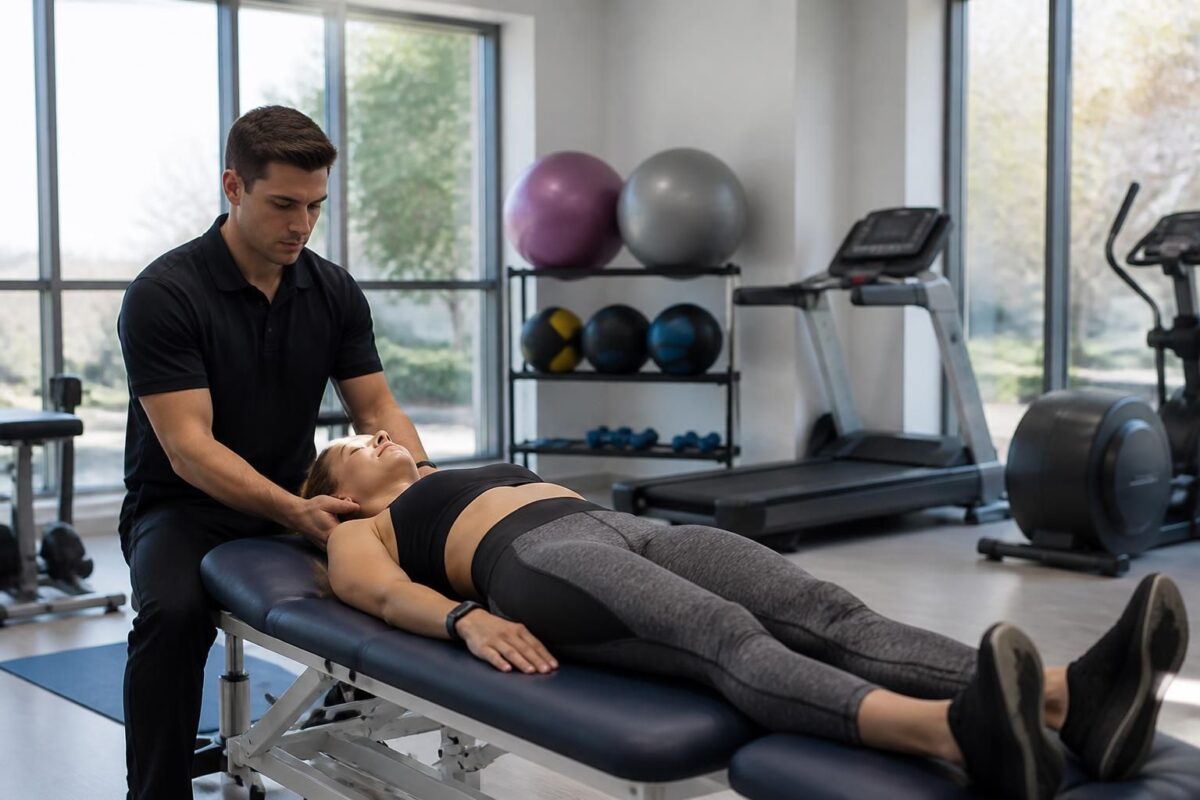
Neurovertebral decompression and recovery after severe sports injury
In short In short, the neurovertebral decompression is one Non-invasive method to Relieve the pressure on the Intervertebral discs and the gristle Via a Controlled traction, to facilitate the recovery After a severe sports injury. It improves the bloodstream towards…
Testimonials on neurovertebral decompression techniques for chronic pain
Here are testimonials collected from people who have experimented with the techniques of neurovertebral decompression for their Chronic pain. This approach non-invasive acts on the Intervertebral discs and nerves, and feedback often underscore a reduction in pain and an improvement in mobility.
“Before starting treatment, my Lower back pain prevented me from going to work and enjoying my activities. After a few weeks of sessions neurovertebral decompression, I noticed a clear decrease in inflammation and a regained ability to walk over longer distances. Today, the pain is widely mastered and my routine is back. »
“In case ofslipped disc and of sciatica, I had tried everything without success. The neurovertebral decompression turned out non-invasive And allowed me to reduce the pressure on my nerves without going through surgery. my level of pain decreased and my mobility improved over the sessions. »
“associated with work in manual medicine And targeted exercises, this therapy accelerated my recovery. The device and the precision of the traction made it possible to standardize my movements and to obtain a better alignment of my spine, which decreased the painful episodes. »
“I chose the neurovertebral decompression To avoid an operation, and I was surprised by the results. After a few weeks, my use of analgesics has decreased and I feel able to resume activities that were close to my heart. It’s an approach non-invasive which can change life when traditional solutions fail. »
“As a sportsman, I had to put my workouts on hold because of a slipped disc. Thanks to decompression, then to strengthening exercises, my recovery was quick and my aches have decreased sharply. I can now return to my sessions with better exercise tolerance. »
“At over 70, continuing to walk without pain seemed utopian. The neurovertebral decompression gave me a new impetus: less than pain, better mobility and more thanautonomy on a daily basis. I recommend this approach to anyone who suffers from Chronic lower back pain. »
The neurovertebral decompression stands out today as a preferred non-invasive approach for people with chronic back pain. This method aims to relieve the pressure exerted on the intervertebral discs and nerve roots by applying controlled traction on the spine, which allows recreating space between the vertebrae and improved biological fluids around damaged tissues.
The fundamental principle is based on the idea that a progressive and precise traction can restore alignment and balance of the spine, while promoting the healing of painful structures. by nature non-invasive, this technique is particularly suitable for herniated discs, protrusions, spinal stenosis, as well as lumbar and sciatic pain associated with degenerative pathologies.
Historically, spinal traction has ancient roots, but modern decompression has seen significant growth thanks to technological innovations and the improvement of clinical protocols. The first mechanized solutions, which appeared at the end of the 20th century, were supplemented by computerized systems that allow to accurately adjust the intensity, duration and target of traction depending on the patient and the region concerned (cervical, thoracic or lumbar).
Clinical indications range from chronic pain related to compressed discs to radicular pain, including functional symptoms such as mobility limitation and lumbar cramps. In practice, it is often used after a complete evaluation, in addition to a rehabilitation program and elements of manual medicine, in order to optimize the results and avoid recurrences.
A typical session begins with an accurate assessment of the history and musculoskeletal condition. The patient is then placed on a decompression apparatus, with ample harnesses providing comfortable support around the pelvis and chest. The duration generally varies between 20 and 45 minutes, during which the traction is increased and then gradually released, creating a favorable “pumping” effect on the discs and nerve roots. The protocol often provides for several weeks of treatment, at the rate of 2 to 3 sessions per week, adapted to the progress and tolerance of the patient.
Different devices exist to target the cervical, thoracic or lumbar regions, some favoring a manual approach and others using motorized systems. This diversity makes it possible to adjust the technique to the pathology, patient comfort and tolerance of its neuromuscular system, while ensuring maximum safety when practiced by qualified professionals.
Compared to other treatments, neurovertebral decompression offers a non-pharmacological and non-surgical alternative capable of reducing inflammation and improving mobility, while avoiding certain risks and side effects associated with medications or surgery. Its effectiveness is often enhanced when it is associated with overall care including postural advice, strengthening exercises and manual medicine techniques.
The results vary by patient and specific conditions, but many testimonies indicate a significant decrease in pain and an improvement in daily function. To make the most of this treatment, it is essential to use an experienced practitioner who will be able to assess the contraindications and personalize the therapeutic plan, while ensuring regular follow-up and appropriate long-term postural adjustments.
This text provides a summary of the Neurovertebral Decompression Techniques for the Chronic pain. as a method non-invasive, it acts on the intervertebral discs and nerve roots by controlled traction, creating a space between the vertebrae and improving blood circulation. used for herniated discs, protrusions and sciatica, it can reduce inflammation and promote healing, while offering an alternative to surgery or medication when integrated into a manual medicine or rehabilitation approach. Efficacy depends on the patient’s profile and compliance with a personalized protocol including regular sessions and lifestyle advice. This summary highlights the mechanisms, clinical applications and resources available to inform therapeutic choices.
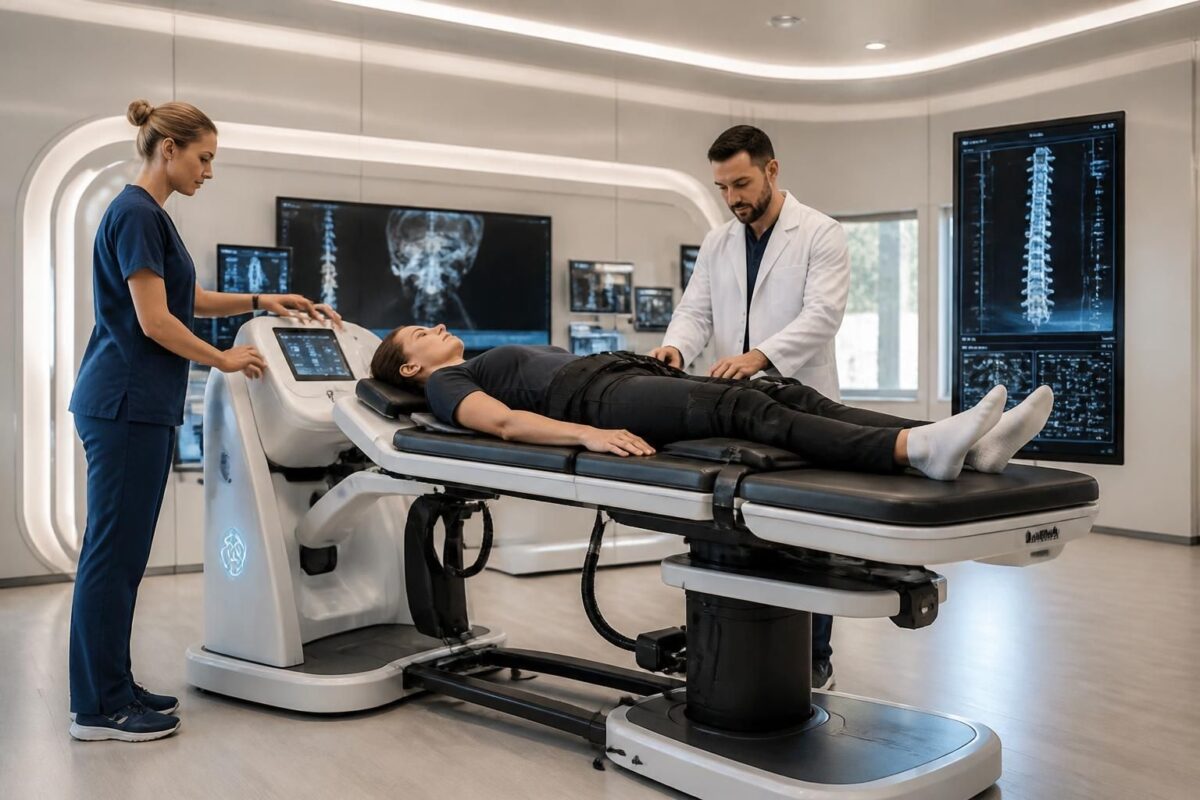
Recent innovations in neurovertebral decompression technologies
In short In short, the neurovertebral decompression is an approach non-invasive Aiming to reduce pressure on discs and nerves, and promote tissue regeneration. At Montreal, it is positioned as an effective option for lower back pain and herniated discs. The…
Summary of mechanisms and indications
The principle is based on a Controlled traction which gradually frees up space around intervertebral discs and nerve roots. This action improves local blood circulation and promotes the renewal of damaged tissues, thus reducing pain and stiffness. The main indications include lumbar and cervical pain related to herniated discs, of Degenerative discopathies, protrusions and episodes of sciatica. Although this approach is non-invasive, it is not suitable for all cases and requires a prior assessment by an experienced professional to personalize the protocol and optimize the results.
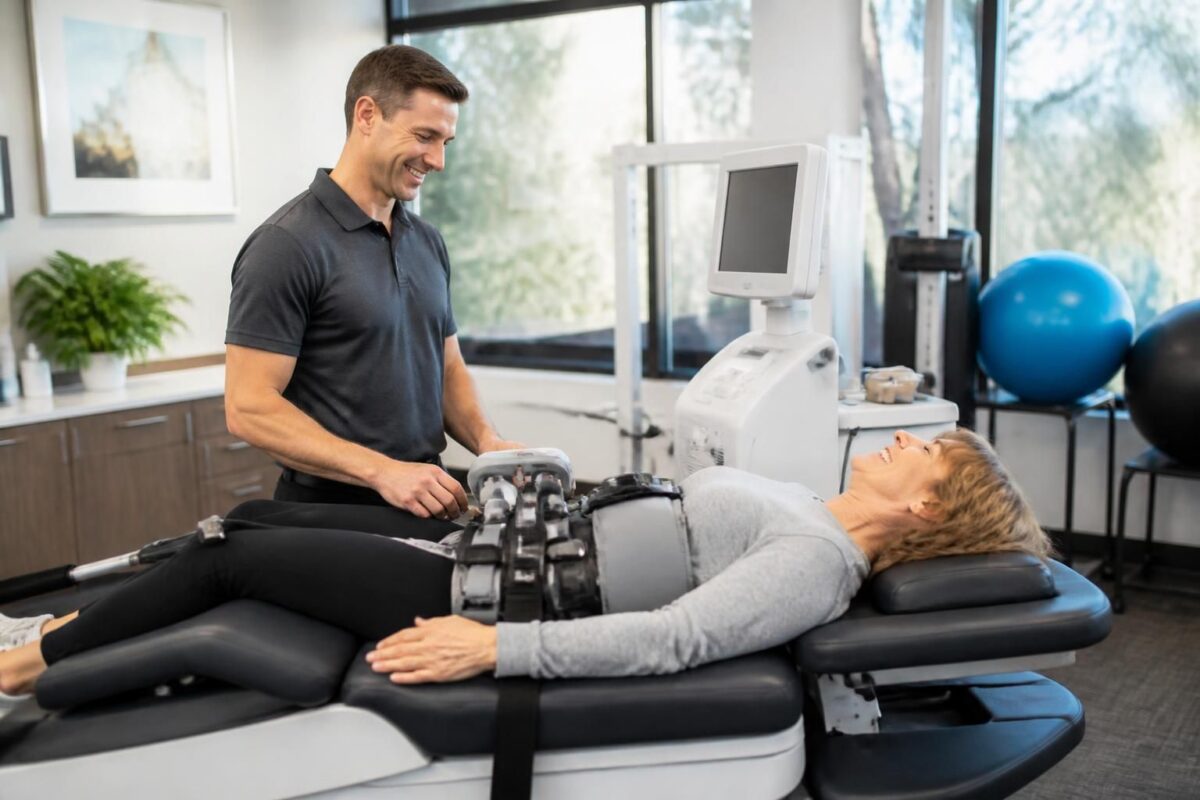
Neurovertebral decompression and diffuse pain: an appropriate solution
In short In short, the neurovertebral decompression is one Non-invasive solution For diffuse pain related to nerve irritation of the spine. She acts in Reducing pressure on intervertebral discs and nerves and improving the bloodstream, which promotes recovery and the…
Integration into chronic pain management
Neurovertebral decompression fits ideally into a global pain management approach, in addition to a manual medicine and a rehabilitation program. It can reduce addiction to analgesics and, in some cases, reduce the use of surgery when clinical criteria allow. The approach is enhanced by postural counseling, targeted exercises and an appropriate lifestyle, to maintain long-term benefits and prevent recurrences.
Evidence, results and testimonials
Clinical feedback and testimonials generally indicate improved pain and mobility, with decreased inflammation and better quality of life. However, the results remain variable depending on the nature and severity of the problem, age, general health and adherence to treatment. To deepen practical aspects and patient experiences, you can consult specialized resources and feedback on sites dedicated to neurovertebral decompression.
Practical and security aspect
A typical protocol provides for an initial evaluation, then sessions of decompression Made on a suitable device, with durations varying between 20 and 45 minutes. Treatment continues over several weeks, often 2 to 3 sessions per week, depending on the patient’s response. Contraindications exist and the use of a qualified practitioner is essential to ensure safety and to personalize the exercises and postural adjustments.
Resources and additional readings
To explore the different facets of neurovertebral decompression in more depth, see the following resources: Neurovertebral decompression and chronic lower back pain, Neurovertebral decompression and neuropathic pain, How does a session take place, Prepare for a session, Recent innovations in neurovertebral decompression, Neurovertebral Decompression Techniques, rehabilitation after injury.

Dr Sylvain Desforges, B.Sc., D.O., N.D., osteopath, is the founding president of TAGMED and of the ACMA association. He dedicates his practice to chronic spinal pain, low back pain and symptoms compatible with sciatica, particularly when pain radiates toward the buttock, leg, calf, foot or toes.
Through SOS Sciatique, he publishes educational content on sciatica symptoms, possible causes such as disc herniation, disc narrowing, foraminal stenosis or irritation of a lumbar nerve root, as well as non-surgical approaches that may be considered according to the evaluation. At Clinique TAGMED, care may include, depending on the case, motorized neurovertebral decompression, specific osteopathic care or precision percussion.
For an evaluation related to sciatica treatment in Montreal / Mount Royal or sciatica treatment in Terrebonne, please consult the services available at Clinique TAGMED.
Medical disclaimer
The information published on SOS Sciatique is provided for educational purposes only and does not replace a consultation, diagnosis, opinion or treatment provided by a physician or another authorized healthcare professional. The author of this article is neither a medical doctor nor a specialist in a medical specialty recognized by the Collège des médecins du Québec. The osteopathic, manual medicine or functional support approaches described on this site do not constitute medical acts and are not intended to replace medical follow-up.
Consult a physician or emergency service in cases of loss of bladder or bowel control, anesthesia in the saddle area, significant or progressive weakness in the leg or foot, fever, recent trauma, severe pain or rapid worsening of symptoms. For more details, please read our Legal Notice.