How neurovertebral decompression reduces pressure on spinal nerves
25/06/2026
Why neurovertebral decompression is essential for active patients
25/06/2026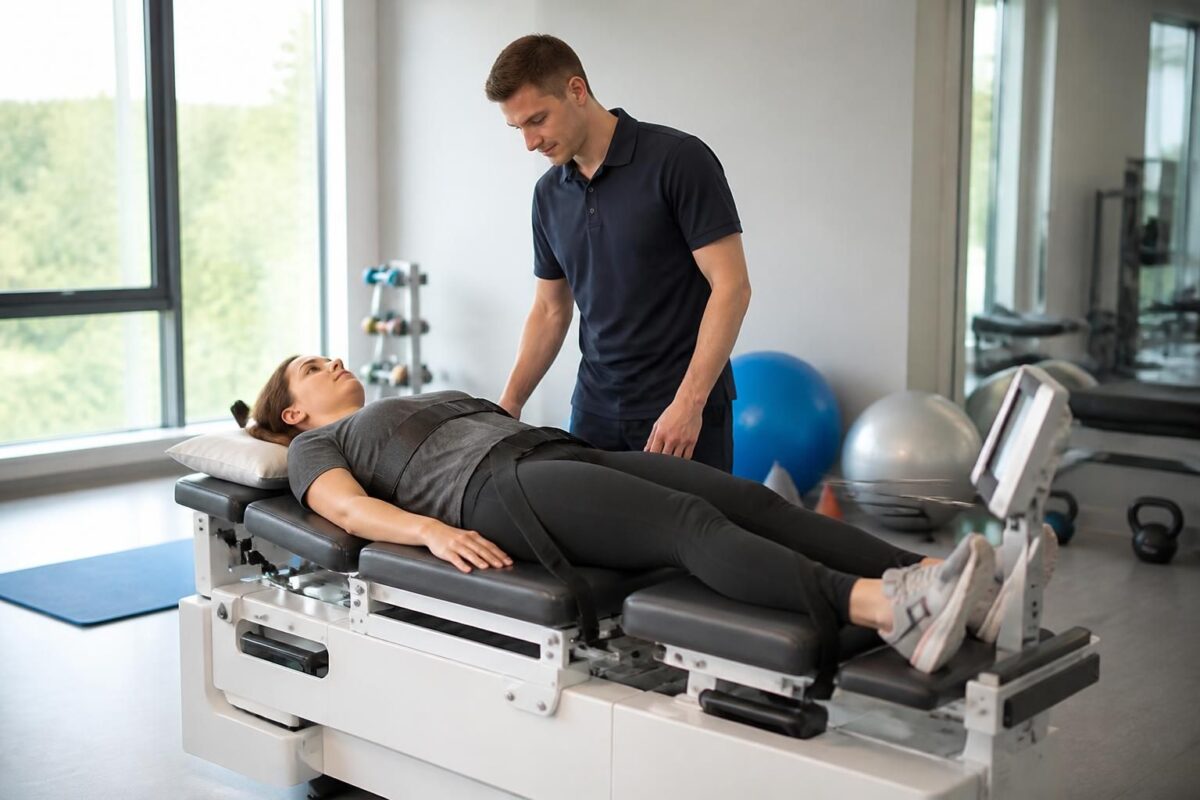
In short
| In short, the neurovertebral decompression is one Non-invasive approach which acts on the Intervertebral discs and the gristle by a Controlled traction of the spine. She supports the rehabilitation After a Back injury By improving the mobility and accelerating the recovery. Its main advantages include pain reduction, theImproving mobility and the prevention of Chronic pain, while effectively integrating into a rehabilitation program. In Montreal, this service is particularly recommended for lower back and cervical pain related to an injury and can be combined without surgery with other therapies to optimize results. |
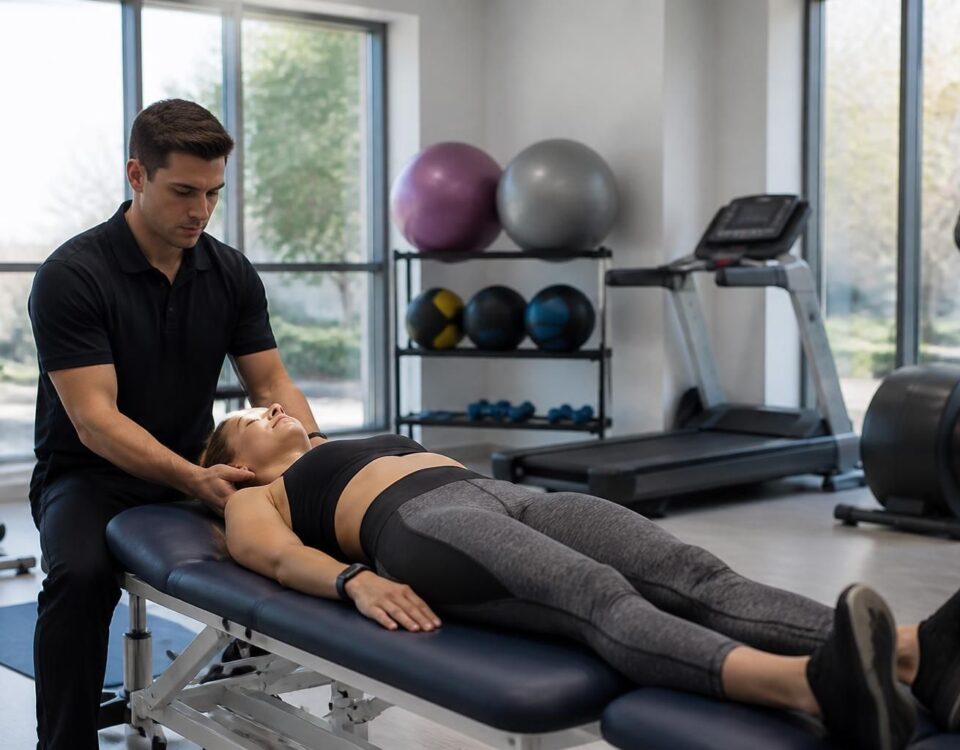
The neurovertebral decompression is a technique non-invasive which helps in rehabilitation after a back injury by reducing the pressure exerted on the Intervertebral discs and the nerves, thanks to controlled traction. it opens the space between the vertebrae, improves the bloodstream and the intake of nutrients, which promotes healing and alleviate the pain. This approach supports the mobility and can be integrated into a functional rehabilitation program, in addition to other therapies. It is particularly useful for athletes and active people, as it accelerates the return to activity and helps prevent Recurrent pain.
This article presents the neurovertebral decompression as a key approach to rehabilitation After a Back injury. It describes its operation, its indications, its safety and its place in a Overall care plan To optimize recovery, without the need for surgery. The content is written by a health professional and expert, and relies on current clinical data to support effective and respectful patient care.
How does neurovertebral decompression work
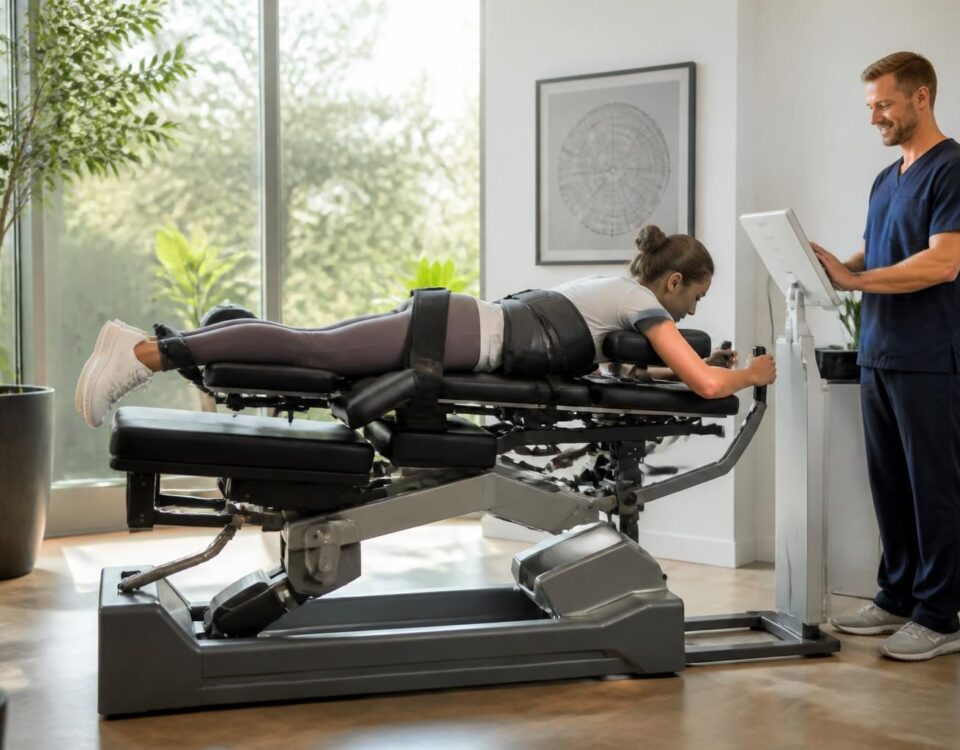
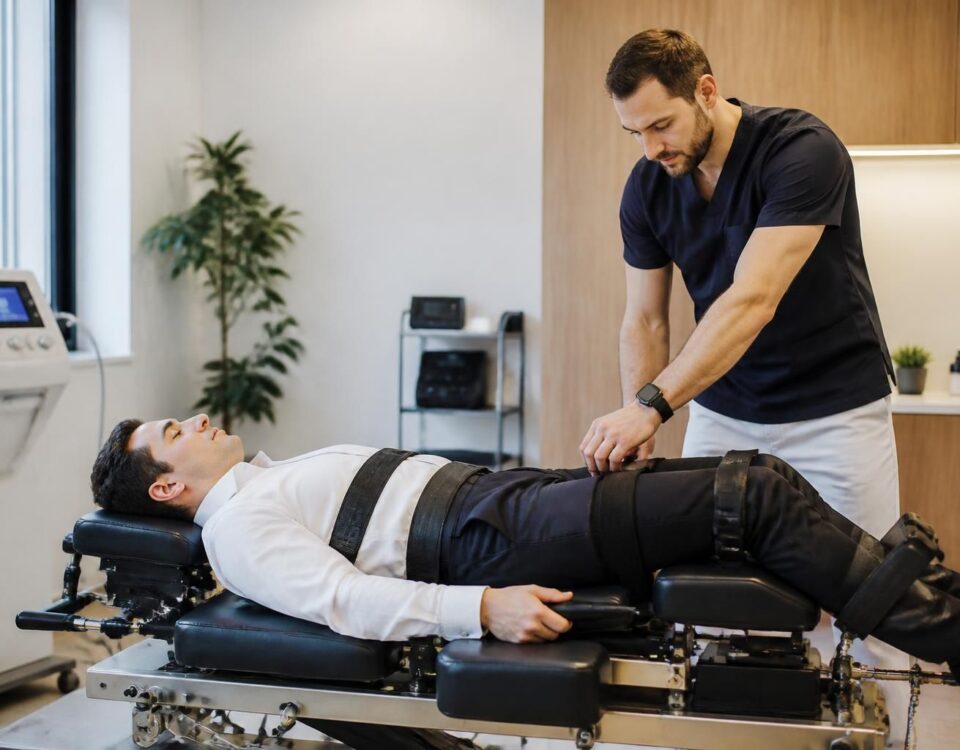
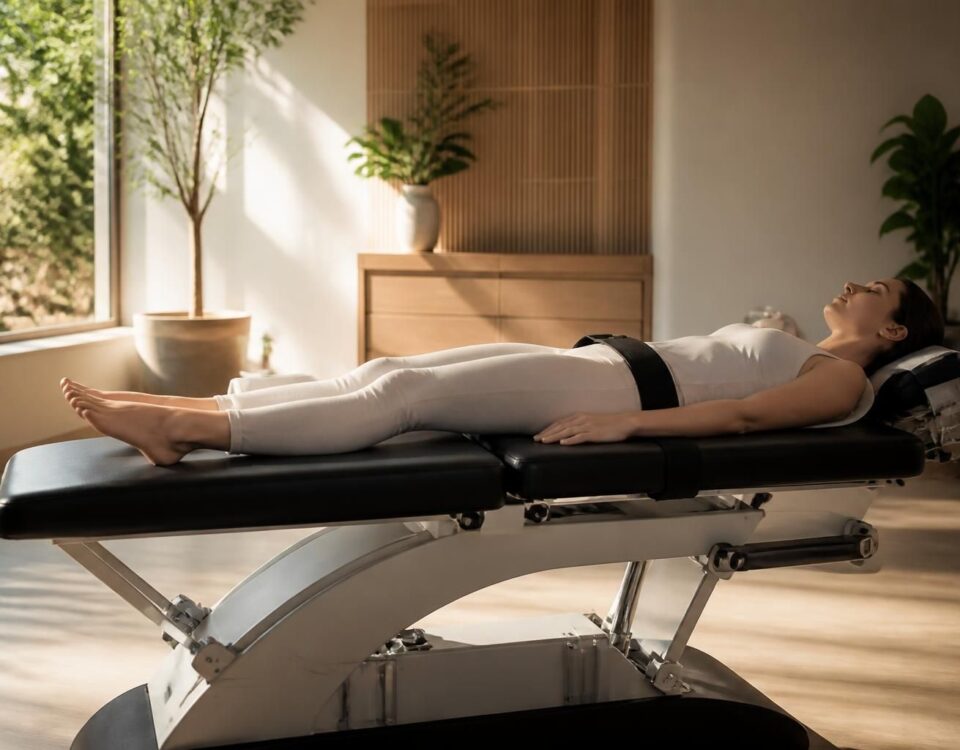
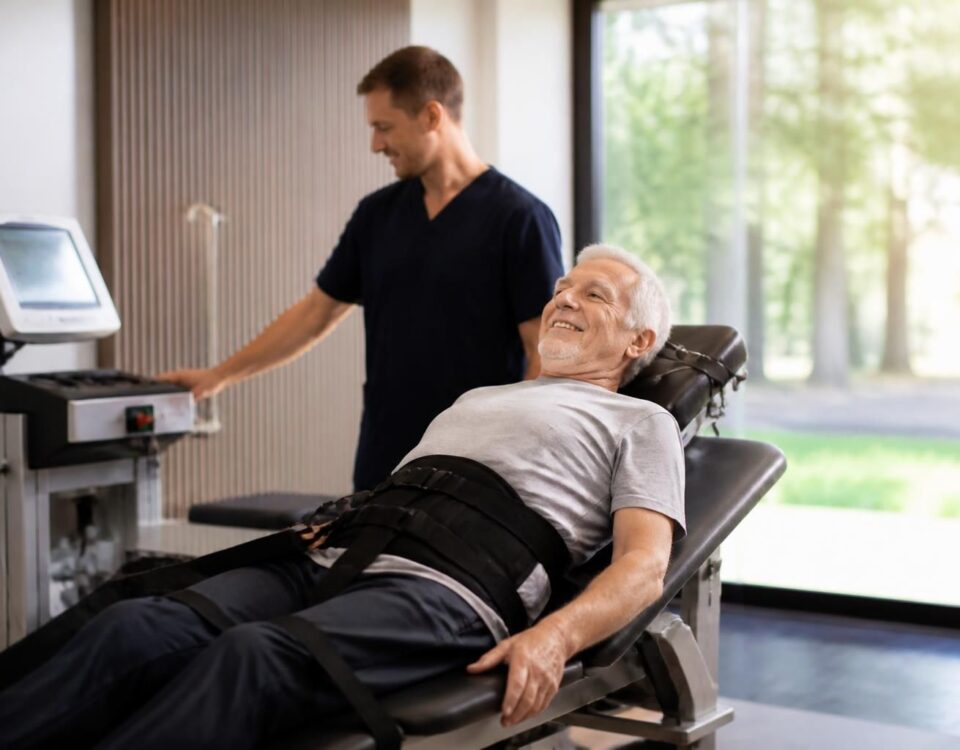
The neurovertebral decompression Uses controlled traction to increase the space between the vertebrae. This action reduces the pressure exerted on the Intervertebral discs and the Spinal nerves. It promotes better circulation of nutrients and a reduction in inflammation around damaged tissues. The goal is to open the spine so non-invasive, in order to support healing and restore mobility.
Indications and safety
This approach is proposed in the context of back pain linked to pathologies such as disc diseases or radicular irritations, without resorting to surgical interventions. It presents a favorable safety profile when carried out by competent professionals and within the framework of a Individualized care plan. It integrates with other manual therapies and appropriate rehabilitation programs, while avoiding invasive gestures.
Impact on recovery and mobility
By reducing the pressure on the nerves and improving circulation, decompression promotes Faster recovery and an Improving mobility in the long term. The effects include decreased pain and increased range of motion, allowing the patient to resume daily activities more easily. This approach is a central element of a rehabilitation course focused on security and autonomy.
Benefits for athletes and physical activities
The athletes particularly benefit from neurovertebral decompression. It helps to accelerate recovery after injury and reduce muscle tension that restricts training. In addition to a global program, it can facilitate the return to training and the resumption of performance while preventing recurrences.
Integration with other therapeutic approaches
Neurovertebral decompression is part of a multidisciplinary approach. It can be associated with osteopathic, naturopathic and manual approaches, as part of a comprehensive patient-centric care plan. It does not replace the usual medical advice, but offers a non-invasive option to improve spinal function and support muscle and tissue healing.
Additional resources and information
To learn more, see the following resources:
- Neurovertebral decompression and rehabilitation
- Common myths about neurovertebral decompression
- Optimize post-injury rehabilitation
- Recovery after surgery
- Decompression and sciatica – Non-invasive management
- Tagmed Clinic (Montreal)
- SostunnelCarpal
- SOS Herniated Disc
Medical Warning: Not all information in this article is intended to replace a doctor’s advice. Always consult your doctor for any medical questions.
Medical Disclaimer: The information and advice provided on this site does not replace the health professional’s diagnosis or treatment. Please note that Dr. Sylvain Desforges osteopath is neither a doctor of medicine nor a doctor, and is not a specialist in a medical specialty as defined by the Collège des Médecins du Québec. Manual medicine, functional medicine and sports medicine as described on this site exclude any medical treatment or diagnosis made by a doctor or specialist doctor. Always consult your doctor for any medical questions. For more details, please read our full legal notice.
- Personalized evaluation and eligibility criteria
- Controlled traction To create the intervertebral space
- pressure reduction On discs and nerves
- Improving mobility and flexibility
- Circulation and nutrition fabric optimized
- diminished pain and gradual return to activities
- Functional rehabilitation with guided exercises
- Prevention of recurrences Via spinal stability
- Integration with other approaches (manual, naturopathy)
- Adaptability of the protocol according to the progress

This article offers practical recommendations on the neurovertebral decompression and its role in the rehabilitation after a back injury. By favoring a Controlled traction Non-invasive, this approach aims to reduce the pressure on discs and nerves, promote circulation and accelerate the return to normal activity. The objective is to gradually integrate this therapy into a personalized program to optimize recovery and relapse prevention.
Understanding neurovertebral decompression and its impact on rehabilitation
The neurovertebral decompression Acts by a Controlled traction of the spine to increase the intervertebral space. This action reduces pressure on discs and nerve roots, which improves the bloodstream and the supply of nutrients to the injured tissue. At the same time, it promotes better mobility and a decrease in pain, essential elements for effective rehabilitation after a back injury.
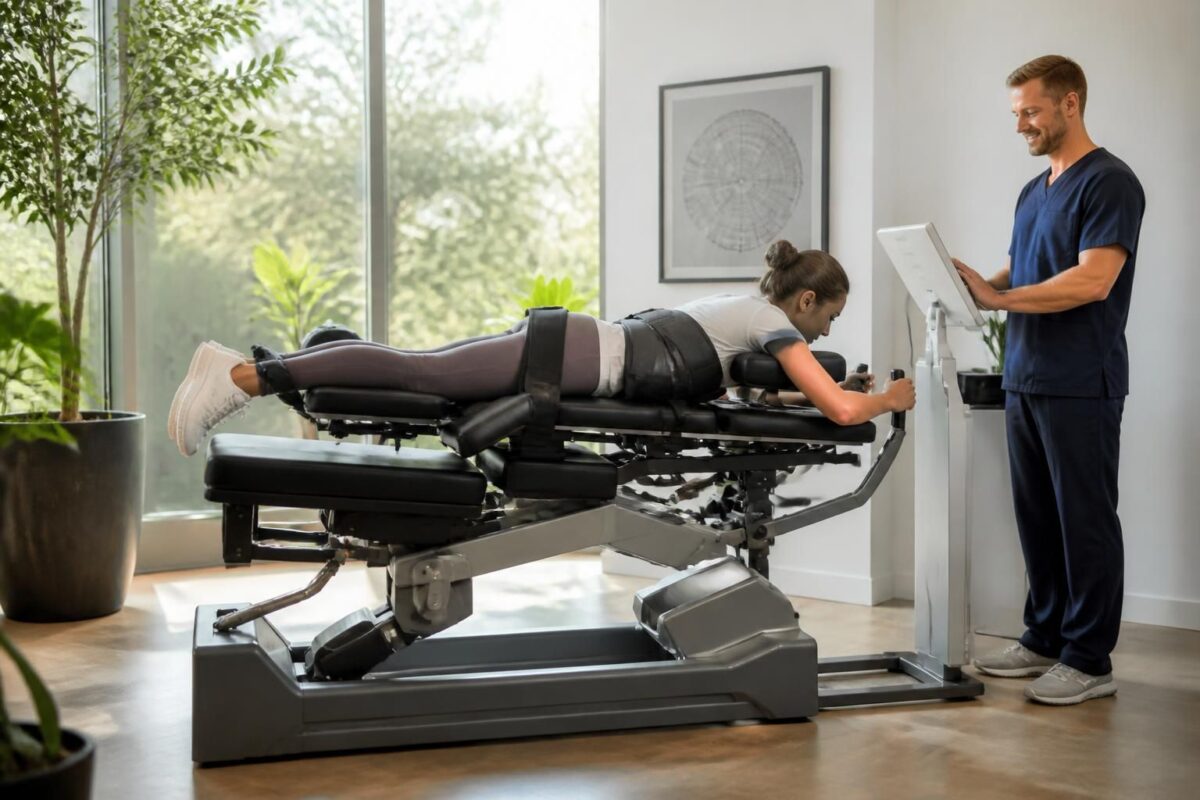
The long-term benefits of neurovertebral decompression for spinal health
In short In short, the neurovertebral decompression is a non-invasive approach that decreases the Pressure on intervertebral discs and nerves, favoring the Natural regeneration and tissue recovery. Its long-term benefits include Lasting pain reduction, Improving mobility and from the posture,…

Neurovertebral decompression and mobility: a return to an active life
In short In short, the neurovertebral decompression is therapy non-invasive who uses a gentle traction To create a space between the vertebrae and reduce the pressure on the Intervertebral discs and the nerves. It promotes a bloodstream improved, lowers tension…
Key elements of the protocol and security
initial assessment
Before any session, a personalized evaluation makes it possible to identify the target areas and potential contraindications. The intensity and location of pain, mobility, alignment and clinical progression are taken into account to adapt the treatment plan.
Traction and duration of sessions
Typical protocols provide for regular and progressive sessions, usually between 20 and 30 minutes, adjusted to the patient’s tolerance. Progression is done in stages: gradual reduction in pain, gradual increase in amplitude of movement and muscle control.
Monitoring and adjustments
The treatment is regularly reassessed and adjusted according to the patient’s response: tensile intensity, location, duration and possible integration with other therapies. A follow-up prevents overloads and optimizes results.
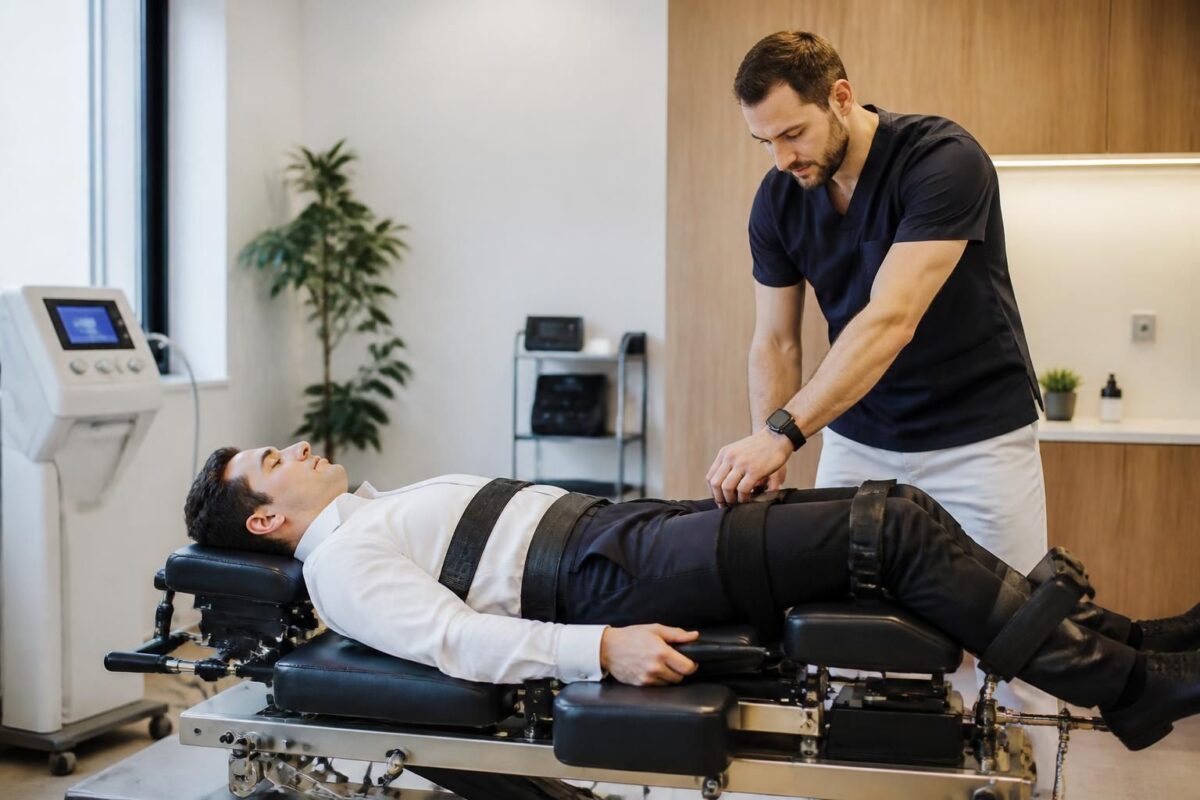
How Neurovertebral Decompression Prevents Diffuse Chronic Pain
In short decompression neurovertebral is one Non-invasive method aimed at reducing the Pressure on the intervertebral discs and the nerves, in order to prevent Diffuse chronic pain. It improves the circulation and thedisc hydration, decreases inflammation and promotes better mobility.…
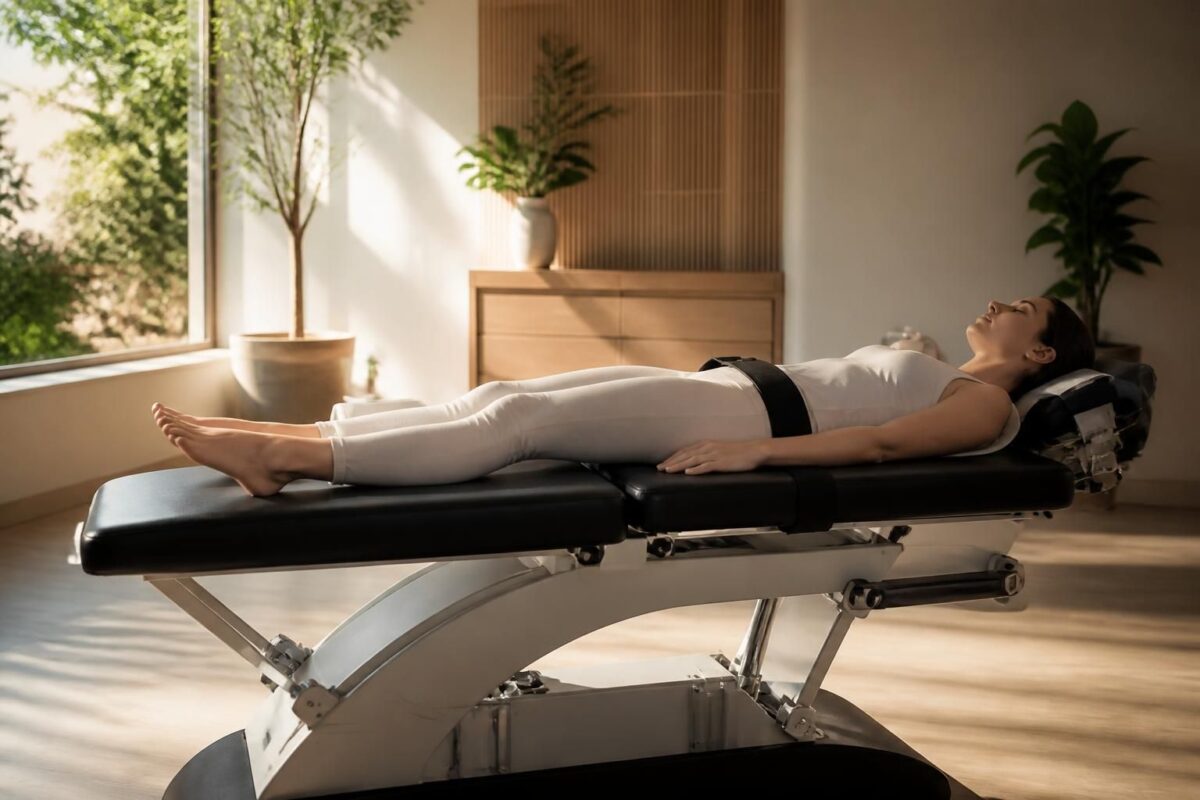
Neurovertebral Decompression and Body Alignment: Restoring Natural Balance
In short In short, neurovertebral decompression is one Non-invasive approach who restores theBody Alignment and thenatural balance back and neck. She acts by a Controlled traction of the spine to widen the intervertebral space and reduce the Pressure on discs…
Integration into the rehabilitation program
Additional exercises
The decompression Must be associated with targeted strengthening and soft mobility exercises. A functional rehabilitation program engages the supporting muscles, improves thealignment and promotes spinal stability.
Lifestyle and nutrition
advice in lifestyle (Adaptive physical activity, sleep, stress management) and nutrition (hydration, proteins, antioxidants) support tissue repair and accelerate recovery.
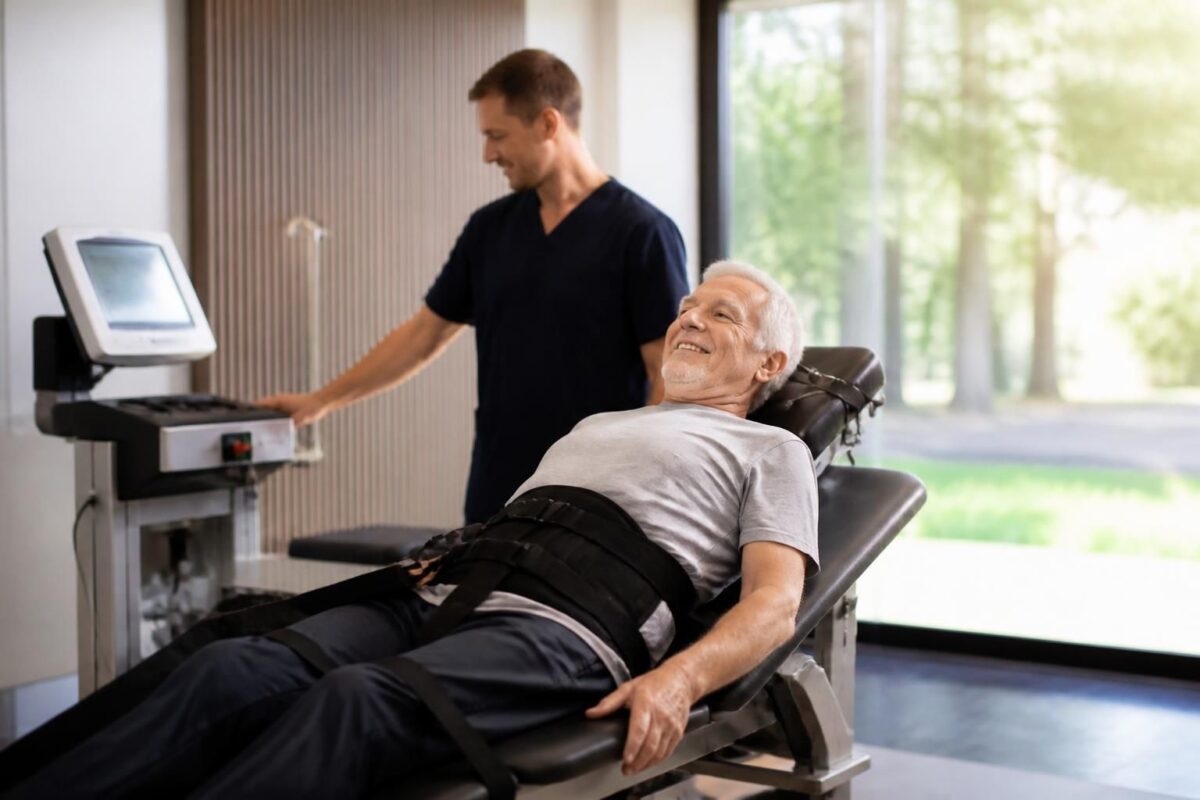
Why neurovertebral decompression is a lasting solution for active seniors
In short In short, the neurovertebral decompression is one Non-invasive therapy which sustainably relieves spinal pain in the spine active seniors By creating, by a Soft and controlled traction, a space between the vertebrae. At Montreal, it is recognized as…
Neurovertebral decompression and recovery after severe sports injury
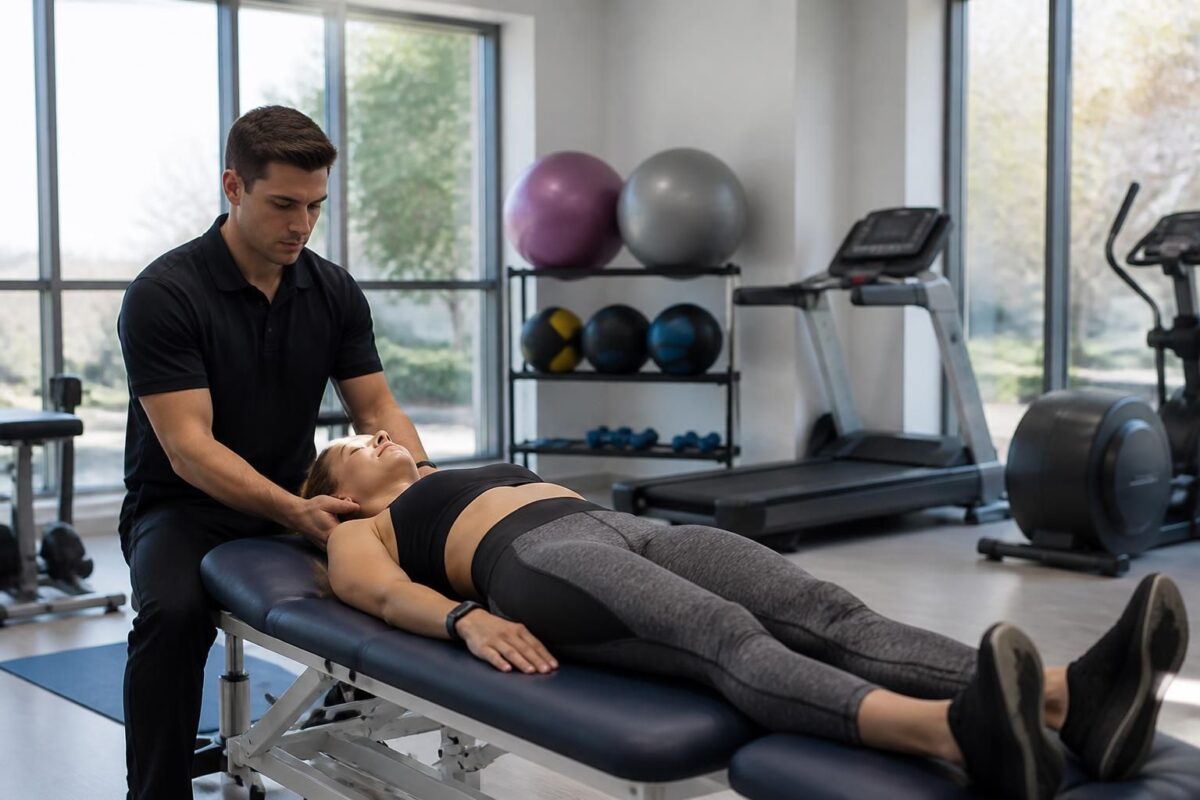
In short In short, the neurovertebral decompression is one Non-invasive method to Relieve the pressure on the Intervertebral discs and the gristle Via a Controlled traction, to facilitate the recovery After a severe sports injury. It improves the bloodstream towards…
Practical advantages and expected results
Typical benefits include a pain reduction, a Improving mobility and an acceleration of the Disc Healing. This approach can also decrease the risk of chronic pain and facilitate a rapid return to physical activity, while providing a solid base to prevent relapses.
Recent innovations in neurovertebral decompression technologies
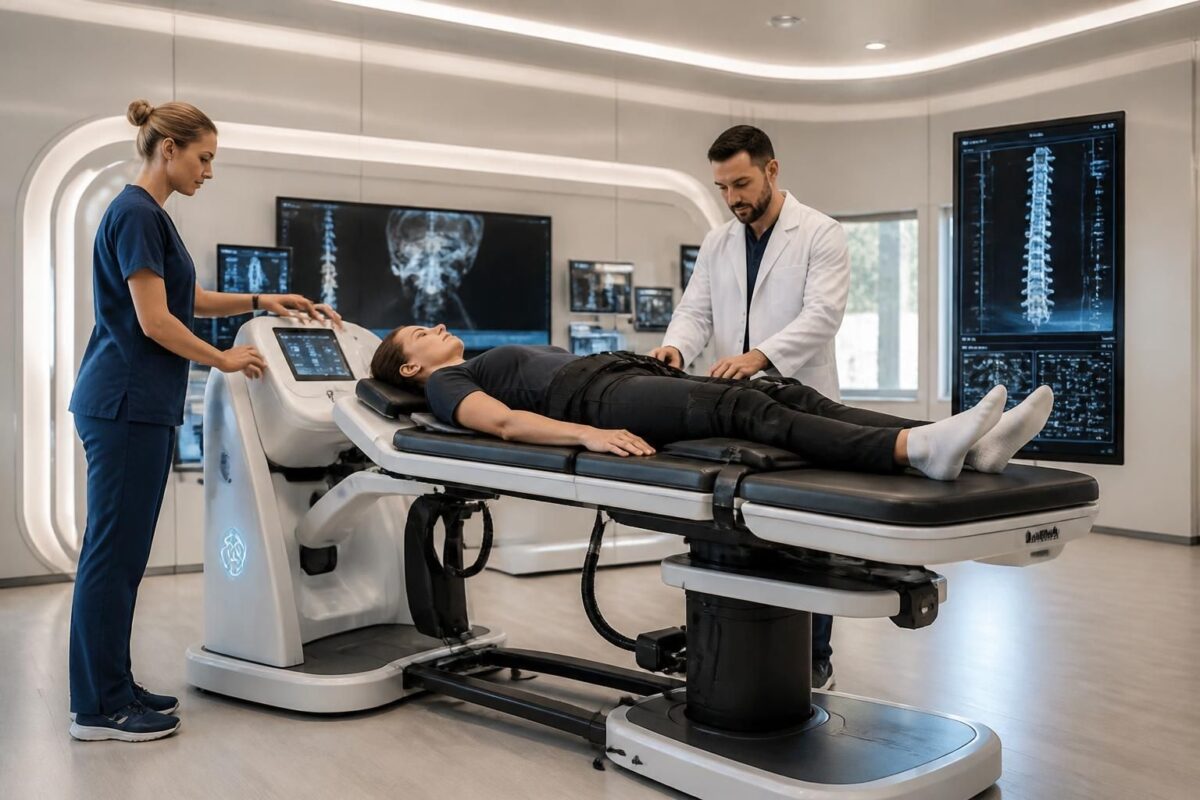
In short In short, the neurovertebral decompression is an approach non-invasive Aiming to reduce pressure on discs and nerves, and promote tissue regeneration. At Montreal, it is positioned as an effective option for lower back pain and herniated discs. The…
Neurovertebral decompression and diffuse pain: an appropriate solution
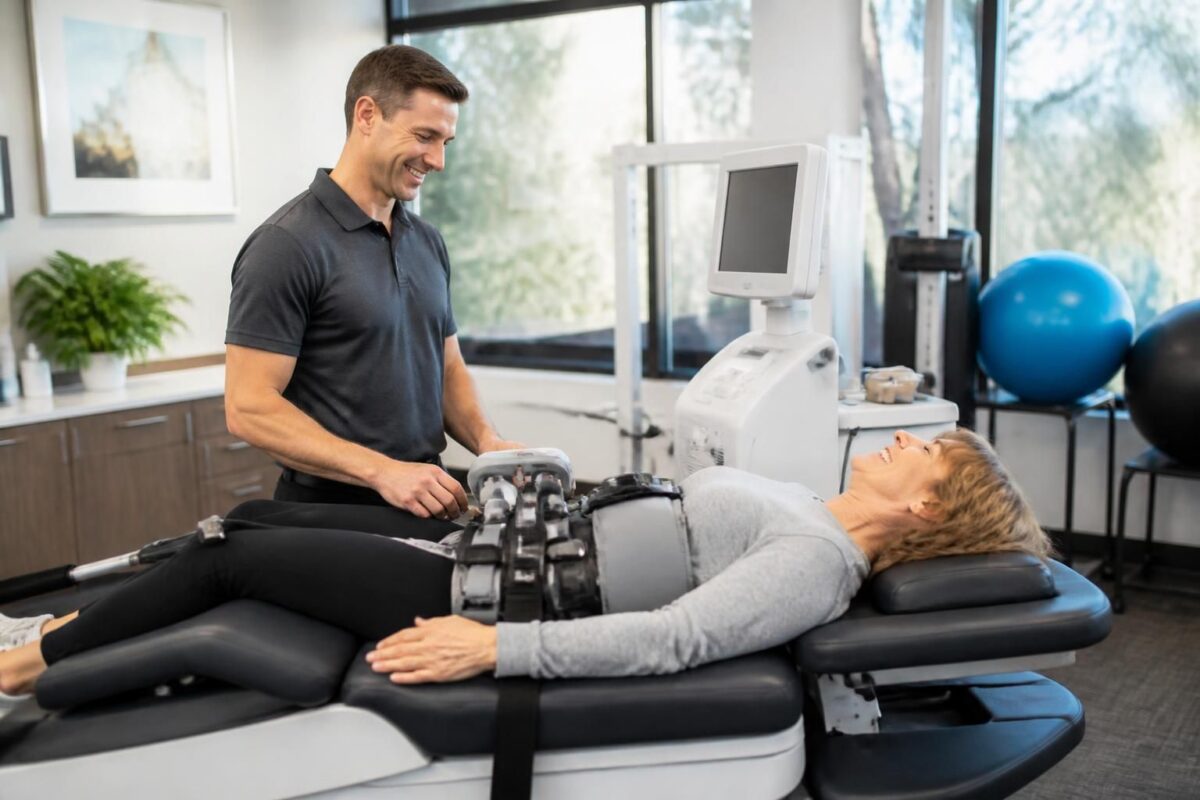
In short In short, the neurovertebral decompression is one Non-invasive solution For diffuse pain related to nerve irritation of the spine. She acts in Reducing pressure on intervertebral discs and nerves and improving the bloodstream, which promotes recovery and the…
Preventions and precautions
To optimize the results, it is essential to respect the indications and identify potential contraindications. In the event of an acute inflammatory state, fracture, infection, advanced degenerative pathology or pregnancy, the decision to use decompression must be discussed with a health professional. Integration with other manual and alternative medicine therapies can be beneficial, but it must be coordinated and adapted to each patient to ensure safe and effective progression.
| Axis | Concise description |
|---|---|
| Main objective | Reduction pain and pressure on discs and nerves to facilitate the rehabilitation. |
| Mechanism | Traction controlled which increases the intervertebral space and optimizes the circulation nutrients. |
| targets | records intervertebral and nerve roots to reduce inflammation and pain. |
| Key Benefits | rapid reduction in pain, improvement of the mobility and progression of the exercises. |
| Type of intervention | Procedure non-invasive, without surgery and integrable in rehabilitation plan. |
| Security and accessibility | Profile secure, suitable for the majority of patients, under supervision. |
| Duration and frequency | sessions regular Over several weeks depending on the progression, without heavy convalescence. |
| Role in the overall plan | integrates the Global program rehabilitation in addition to manual therapies and exercises. |
| Long-term results | Improvement lasting mobility and reduction lasting pain. |
Testimonials on neurovertebral decompression and rehabilitation after a back injury
Jean, 42, amateur footballer: after a lumbar sprain, I started the neurovertebral decompression. The first sessions reduced pain And I gradually found a better mobility. This approach gave me a way of rehabilitation Non-invasive, with results that allowed me to resume my daily activities and my training without fear.
Sophie, 36, involved in a car accident: following persistent lower back pain, the neurovertebral decompression was included in my program. I smell pain decrease and my mobility come back session after session, which accelerates my rehabilitation.
Marc, 50, amateur athlete: after a dorsal injury, I saw a rapid reduction in pain and an improvement in my mobility Thanks to the neurovertebral decompression. My return to racing was safer and faster, and my recovery became more efficient.
Isabelle, 62, after back surgery: the neurovertebral decompression favored better circulation and helped to alleviate post-operative pain. She supported my rehabilitation By allowing me to resume my daily activities with more comfort and less tension around the operated area.
Thibault, 28, fitness enthusiast: following an injury, the neurovertebral decompression allowed me to resume my training earlier than expected. I noticed a marked reduction in pain and a better mobility which helps me preserve my muscle gains during the rehabilitation.
Claire, 54, active: after several weeks of cervical and dorsal pain, decompression helped me find a mobility more fluid and to decrease pain. It is an important pillar in my rehabilitation And in maintaining my daily well-being.
Dr. Sylvain Desforges, an osteopath of international stature, is recognized for his commitment to health innovation and his mastery of manual and naturopathic approaches. Founding president of the Tagmed clinics and the ACMA association, he dedicated his career to optimizing the management of chronic pain and integrating advanced technologies in rehabilitation courses. His approach is based on evidence-based care and a thorough understanding of the body mechanisms involved in recovery after a back injury.
The neurovertebral decompression Occupies a central place in its therapeutic framework when it comes to rehabilitation after a dorsal injury. This non-invasive technique is based on controlled traction aimed at increasing the space between the vertebrae, which decreases the pressure exerted on the intervertebral discs and on the nerve roots. By reducing the Intradiscal pressure and improving the bloodstream, it promotes the intake of essential nutrients and the elimination of metabolic waste, thus accelerating the healing and the mobility of the patient. This gentle approach is suitable for a wide range of patients, from athletes to people in rehabilitation, and can be a preventive base against recurrent pain.
As part of its programs, Dr. Desforges systematically associates neurovertebral decompression with other therapeutic modalities to maximize results. interaction with techniques such as laser, shockwave therapy or axes of naturopathy and manual medicine makes it possible to simultaneously address the mechanical, inflammatory and nutritional aspects of the injury. Personalized monitoring is based on regular evaluations and protocol adjustments, in order to optimize the rehabilitation and to promote a lasting return to daily activities.
Dr. Desforges’ care philosophy emphasizes a holistic approach: Each patient benefits from an individualized plan that takes into account their general condition, medical history and functional objectives. neurovertebral decompression, as Non-invasive method, fits harmoniously into this frame, offering a safe option to reduce lower back and cervical pain, reduce inflammation and restore flexibility. This technique is also valued for its potential to prevent long-term complications and to limit more invasive interventions when recovery progresses favorably.
Through his leadership, Dr. Desforges demonstrates how the coordinated application of innovative technologies and evidence-based practices can transform the rehabilitation experience after a back injury. His work with the TagMed and ACMA clinics illustrates a vision where continuous improvement in quality of life requires interdisciplinary collaboration, patient education and constant adaptation of treatments. In each session, the objective remains clear: to restore spinal stability, to restore freedom of movement and to allow the patient to quickly resume his activities with confidence and serenity.
This conclusion summarizes the key elements on the neurovertebral decompression and the rehabilitation after a back injury, showing how a Controlled traction Can free up space between the vertebrae and decrease pressure on Intervertebral discs and the Spinal nerves. It underlines the importance of a personalized and integrated program to reduce pain, restore mobility and accelerate recovery for a quick return to activity.
The fundamental principle of neurovertebral decompression is based on a Controlled traction which increases the space between the vertebrae and Reduces intradiscal pressure. By acting directly on the Intervertebral discs and the Spinal nerves, this non-invasive approach facilitates the circulation of nutrients and oxygen to injured tissues, which helps reduce pain and improve mobility.
As part of the rehabilitation, decompression promotes more effective healing by improving the bloodstream and supporting the Disk regeneration. It helps to reduce inflammation and can accelerate the return to normal activity by allowing appropriate progressiveness of movements and rehabilitation exercises.
This approach is of particular interest to athletes and active people, because it allows a Faster return in training, while promoting a better flexibility and an spinal stability which prevents recurrences and long-term functional limitations.
It fits perfectly into a comprehensive care program, in addition to other approaches such as manual medicine and associated technologies such as Pulse Align. Together, they offer holistic and personalized rehabilitation, adapted to the specific needs of each patient and aligned with the best available evidence.
On a practical and safety level, neurovertebral decompression is an approach non-invasive accessible to a wide range of patients. However, it requires a screening assessment and an individualized protocol to optimize benefits and minimize risks. Its use should be integrated into a rehabilitation strategy that may include targeted exercises, postural corrections and a naturopathic approach when indicated.
To deepen and benefit from a wider panorama, you can consult dedicated resources that compare this technique to other treatments, address its role in spinal stenosis and demonstrate its impact on recurrence prevention. Among these:
The benefits of neurovertebral decompression compared to other treatments,
Decompression for patients with spinal stenosis,
How decompression helps prevent recurrences from injuries.
Other useful and professional references: Decompression and rehabilitation after injury, rehabilitation after sports injury, and a general presentation on the benefits and mechanisms.
For a general and contextual view, you can also consult Wikipedia page on neurovertebral decompression.

Dr Sylvain Desforges, B.Sc., D.O., N.D., osteopath, is the founding president of TAGMED and of the ACMA association. He dedicates his practice to chronic spinal pain, low back pain and symptoms compatible with sciatica, particularly when pain radiates toward the buttock, leg, calf, foot or toes.
Through SOS Sciatique, he publishes educational content on sciatica symptoms, possible causes such as disc herniation, disc narrowing, foraminal stenosis or irritation of a lumbar nerve root, as well as non-surgical approaches that may be considered according to the evaluation. At Clinique TAGMED, care may include, depending on the case, motorized neurovertebral decompression, specific osteopathic care or precision percussion.
For an evaluation related to sciatica treatment in Montreal / Mount Royal or sciatica treatment in Terrebonne, please consult the services available at Clinique TAGMED.
Medical disclaimer
The information published on SOS Sciatique is provided for educational purposes only and does not replace a consultation, diagnosis, opinion or treatment provided by a physician or another authorized healthcare professional. The author of this article is neither a medical doctor nor a specialist in a medical specialty recognized by the Collège des médecins du Québec. The osteopathic, manual medicine or functional support approaches described on this site do not constitute medical acts and are not intended to replace medical follow-up.
Consult a physician or emergency service in cases of loss of bladder or bowel control, anesthesia in the saddle area, significant or progressive weakness in the leg or foot, fever, recent trauma, severe pain or rapid worsening of symptoms. For more details, please read our Legal Notice.