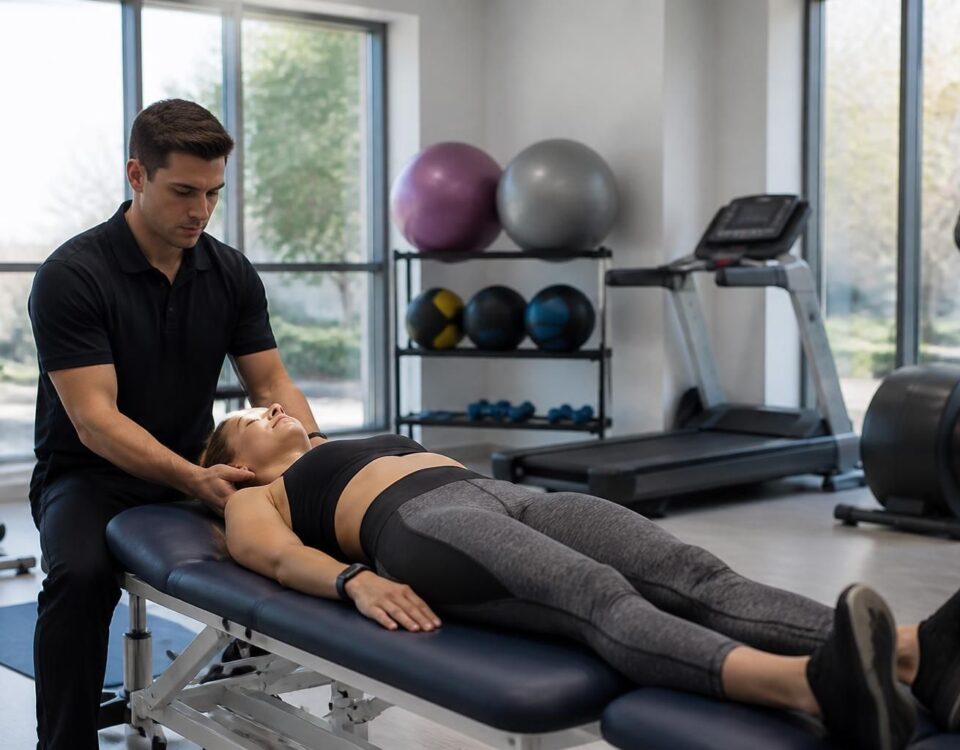
Neurovertebral decompression: a gentle therapy for neck pain
25/06/2026
Neurovertebral decompression and rehabilitation after a back injury
25/06/2026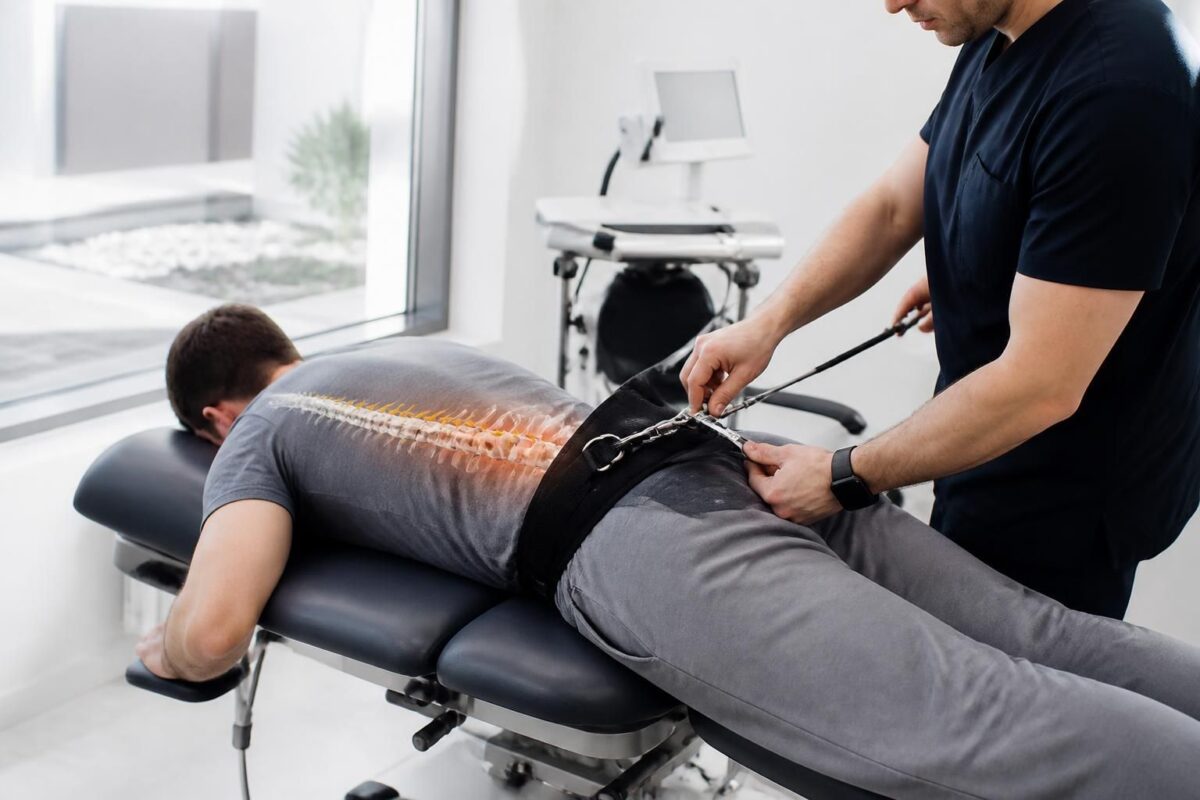
In short
| In short, the neurovertebral decompression is one Non-invasive technique which Reduces pressure on spinal nerves by creating a space between the vertebrae thanks to a Controlled traction. It mainly targets Lumbar and cervical pain linked to disc pathologies and improves mobility and quality of life. At Montreal, this treatment is particularly suitable for those looking for a Alternative to surgery and medication, with quick recovery and low invasiveness. The expected result is a decrease in symptoms and better circulation of nutrients to the discs. |
The neurovertebral decompression is an approach non-invasive who, by a Controlled traction, Creates space between the vertebrae. this space Reduces pressure on the Spinal nerves By restoring the height of Intervertebral discs, which improves the passage of nerve roots and reduces pain. It also promotes local traffic and mobility
This article, written by a health professional expert in osteopathy And in manual medicine, explains how neurovertebral decompression acts to reduce the pressure on the spinal nerves. It details the mechanism, available clinical evidence and practical implications for the treatment of spinal pain, while providing reliable resources and references to deepen the topic.
Mechanism and principles
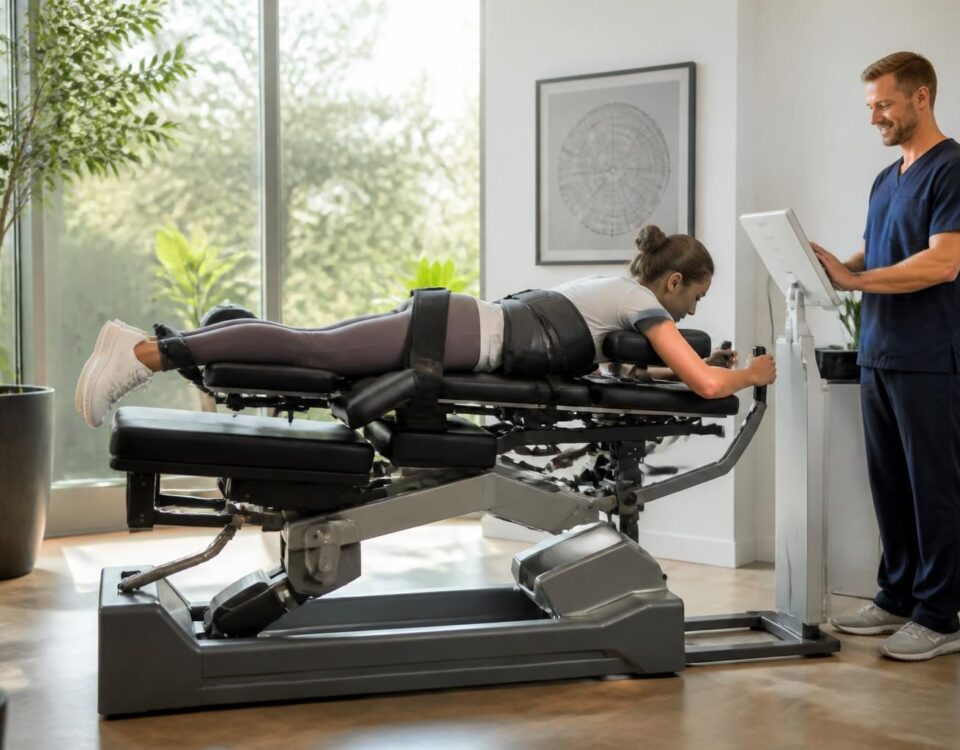
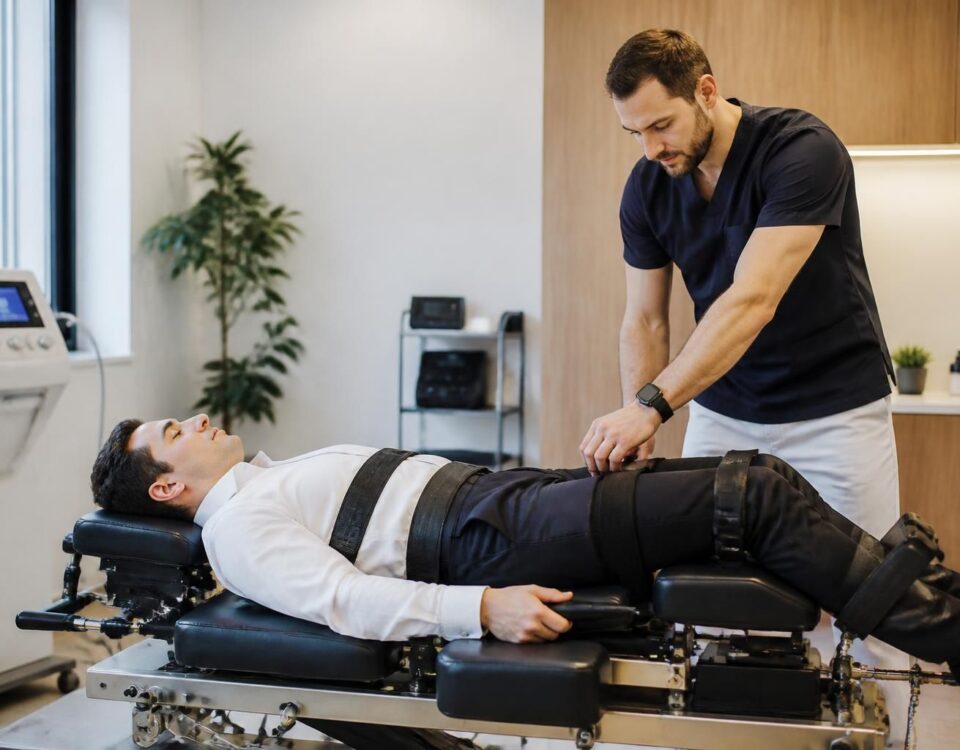
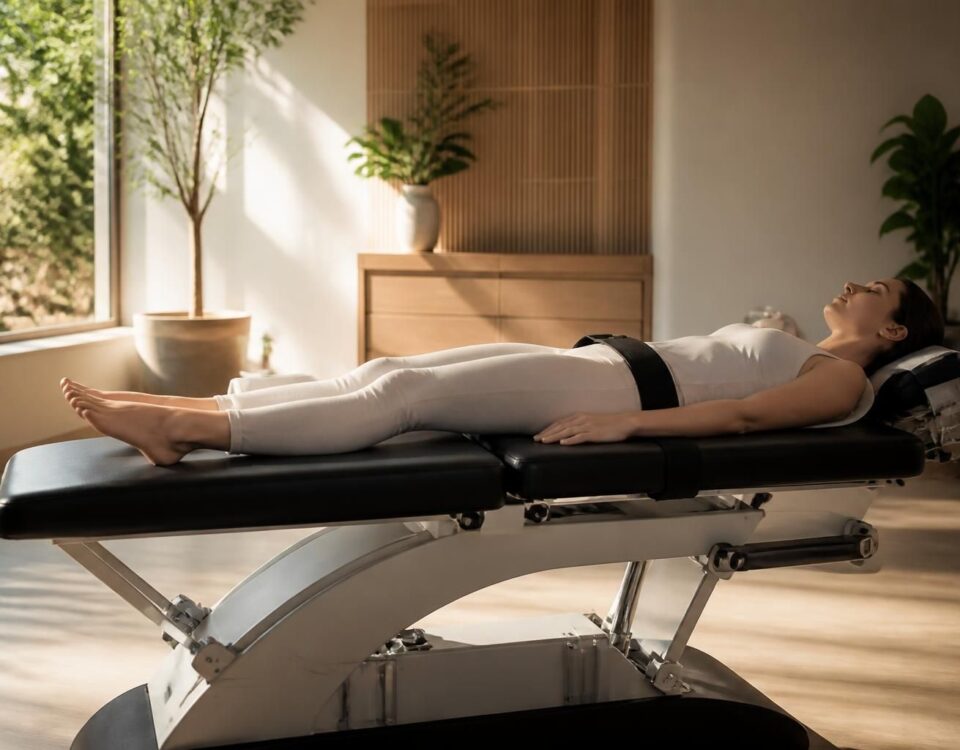
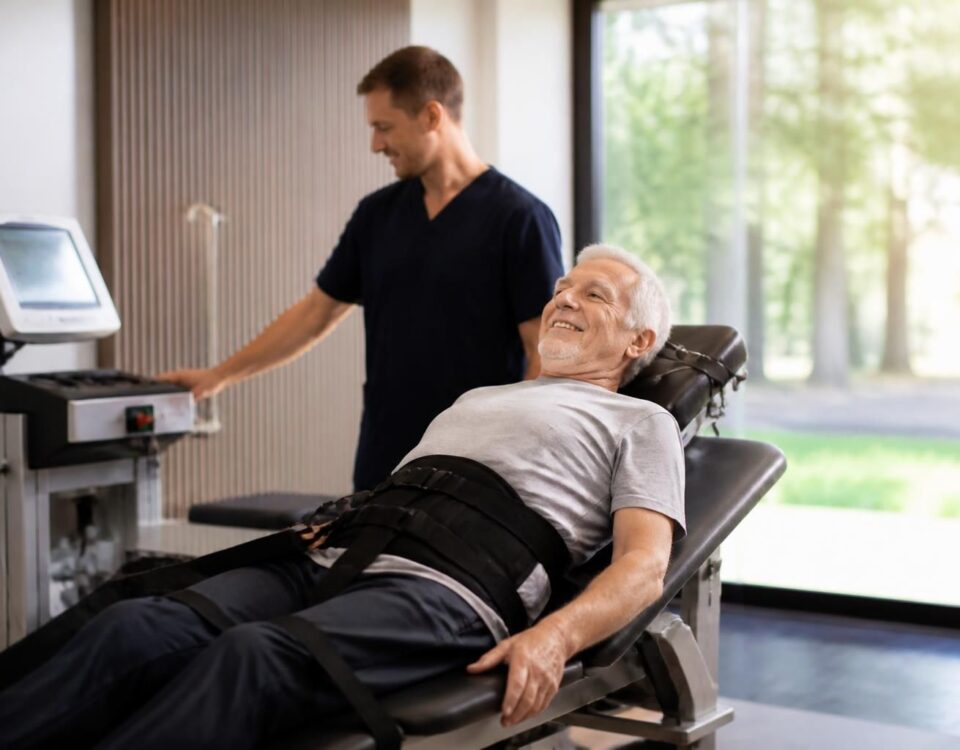
The neurovertebral decompression is a non-invasive procedure that applies a Controlled traction on the spine. This traction creates a space between the vertebrae and gives more room to the nerve roots. This increase in space decreases the pressure exerted on the spinal nerves and their roots, which can reduce pain and associated neurological symptoms. The process also promotes better local circulation and contributes to the regeneration of neighboring tissues without the need for surgery.
To better understand this framework, specialized resources describe how targeted traction improves the intervertebral space and, consequently, reduces the pressure on the spinal nerves.
Clinical evidence and results
Clinical data indicates that patients treated with neurovertebral decompression report significant pain reduction and improved mobility. Positive effects often occur when the pressure exerted on the spinal nerves is decreased and nerve function is best supported by improved blood and nutritional intake around the discs.
For detailed information and documented results, consult specialized sources on clinical outcomes and benefits observed in relevant studies in neurovertebral decompression.
See also the following resources for solid figures and feedback: Proven results, Benefits in the elderly, Advanced Techniques.
Practical applications and considerations
Neurovertebral decompression is a non-invasive option that can be indicated for frequent vertebral conditions such as disc hernias, protrusions and degenerative disc diseases, without resorting to stretches or exercises active. The treatment aims to reduce the pressure on the nerves and to improve the spinal dynamics by adapted immobility and guided traction. The program may vary depending on the case and local protocols, and it is usually planned as part of multidisciplinary follow-up in specialized clinics.
To better understand the clinical implications and associated technological developments, consult the specialized resources and available information on the field of neurovertebral decompression.
Integration and associated technologies
In modern clinics, neurovertebral decompression can be associated with other non-invasive approaches and complementary technologies to optimize comfort and results. Within the TagMed Clinic, this approach is integrated into a multidisciplinary offer to provide evidence-based care tailored to the individual needs of patients. To learn more about the available options, visit Tagmed Clinic.
To discover the basics and technological evolutions that support neurovertebral decompression, specialized resources detail the principles of traction and equipment configurations used in these treatments.
Practical issues and clinical aspects
Common questions about neurovertebral decompression include: sessions and duration of treatments, indications and contraindications, and typical results observed in patients with low back and cervical pain related to disc pathology. The clinical framework focuses on an evidence-based approach, with an appropriate assessment and regular follow-up in TAGMED clinics or similar establishments.
For additional information and reference resources, see recent articles and reviews on advanced outcomes and techniques of neurovertebral decompression.
In addition, resources on decompression issues and relevant professional associations can be consulted via the following professional resources and recognized institutions in the field of osteopathy and manual therapies: NUMSS, NAO, National University of Medical Science, National Academy of osteopathy. Additional information and practical guides are also available through the platforms and clinics below, which align with current recommendations and practices in this area.
To deepen the aspects related to the muscular state and the relationship between tensions and decompression, specialized resources describe how decompression can act on the associated muscle tension and the mechanisms that make it possible to rebalance the nervous and muscular systems. See in particular the following resources for additional information: Decompression and muscle tension, Benefits for sedentary workers.
For people who want additional information on indications and outcomes, the following resources provide useful insights and clinical data: Decompression and herniated disc, Disc herniation and decompression, and Decompression and carpal tunnel.
For additional information on educational aspects and training resources in osteopathy, the relevant institutions remain NUMSS, NAO, National University of Medical Sciences and National Academy of Osteopathy. Recognized professional associations in this area include ACMA (Canadian Alternative Medicine Alliance), College of Canadian Osteopaths and College of Canadian Osteopaths.
Useful links and domain resources allowed to deepen the topic of neurovertebral decompression and its applications:
Benefits in the elderly,
Proven results,
Advanced Techniques,
Decompression and muscle tension,
Spinal stenosis and decompression,
Proven results in clinical studies.
Medical Disclaimer: The information and advice provided on this site does not replace the health professional’s diagnosis or treatment. Please note that Dr. Sylvain Desforges osteopath is neither a doctor of medicine nor a doctor, and is not a specialist in a medical specialty as defined by the Collège des Médecins du Québec. Manual medicine, functional medicine and sports medicine as described on this site exclude any medical treatment or diagnosis made by a doctor or specialist doctor. Always consult your doctor for any medical questions. For more details, please read our full legal notice.
This page is associated with resources and practices compatible with professional standards and areas of training and association recognized in the context of osteopathic and medical care. For more information on treatments and protocols performed in our clinics, please see the official TagMed pages and associated resources in authorized domains.
Medical Disclaimer: The information and advice provided on this site does not replace a health professional’s diagnosis, or treatment. Please note that the author is neither a doctor nor a specialist in a medical discipline as defined by the competent authorities. Always consult your doctor for any medical questions.
- Controlled traction creates a progressive space between the vertebrae to reduce the pressure on the Spinal nerves.
- Expansion of the intervertebral space Reduces compression of nerve roots.
- Improved local blood flow and tissue metabolism, facilitating the healing.
- Disc pitch restoration by traction, which decreases the pressure On discs and Spinal nerves.
- Decreased neural irritation and from the pain Associated through the freed space.
- non-invasive techniques and safe, without surgery, allowing rapid recovery and maintenance of the mobility.

This non-invasive approach consists of applying a Controlled traction which creates a space between the vertebrae, decreases the pressure on the spinal nerves and promotes return to normal disc height. As a result, the root symptoms decrease and mobility improves, as part of a rehabilitation and prevention program.
Principle and mechanism
Neurovertebral decompression is based on a Guided traction which provides a progressive stretching of the spine. This action allows Create a space between the vertebrae, thus reducing the pressure exerted on the Spinal nerves. By decreasing compression, the would-be points of friction on the nerve roots are released, which decreases painful signals and paresthesias. The process is accompanied by a rebalancing of the mechanical forces around the discs and the vertebral joints, contributing to a better harmony of the movements.
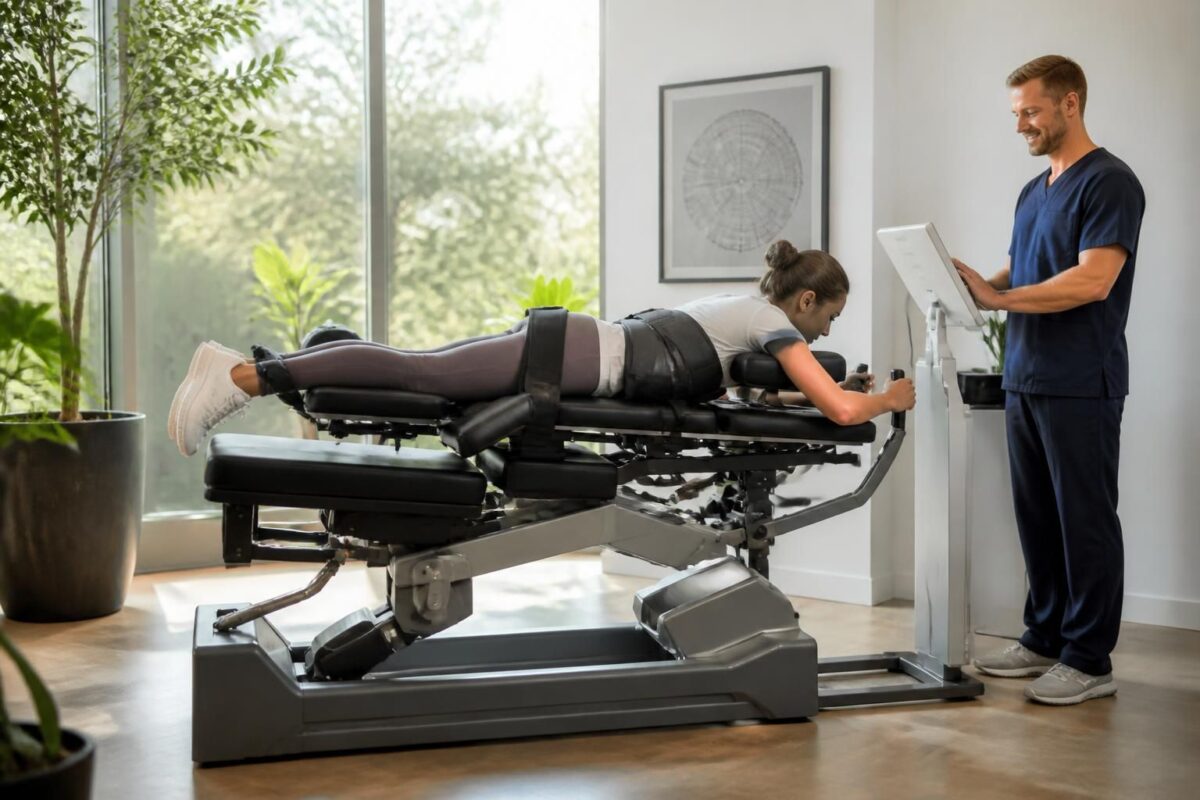
The long-term benefits of neurovertebral decompression for spinal health
In short In short, the neurovertebral decompression is a non-invasive approach that decreases the Pressure on intervertebral discs and nerves, favoring the Natural regeneration and tissue recovery. Its long-term benefits include Lasting pain reduction, Improving mobility and from the posture,…
Impact on structures and physiology
By facilitating the decrease in pressure, decompression can promote better Local blood circulation and a better intake of nutrients discs and neighboring fabrics. This local improvement contributes to theDisc Hygiene and can reduce stress on posterior elements such as articular facets and ligaments, supporting a Increased mobility and faster recovery from daily activities.

Neurovertebral decompression and mobility: a return to an active life
In short In short, the neurovertebral decompression is therapy non-invasive who uses a gentle traction To create a space between the vertebrae and reduce the pressure on the Intervertebral discs and the nerves. It promotes a bloodstream improved, lowers tension…
Indications and expected results
This therapy is particularly suitable when nerve decompression mechanisms persist, especially in the presence of discsal conditions such as hernia or degenerative disc disease. Patients can consider a gradual pain reduction and an function improvement After a structured plan, supplemented by specific exercises and postural advice. The goal is a lasting improvement in quality of life and a decrease in pain-related limitations.
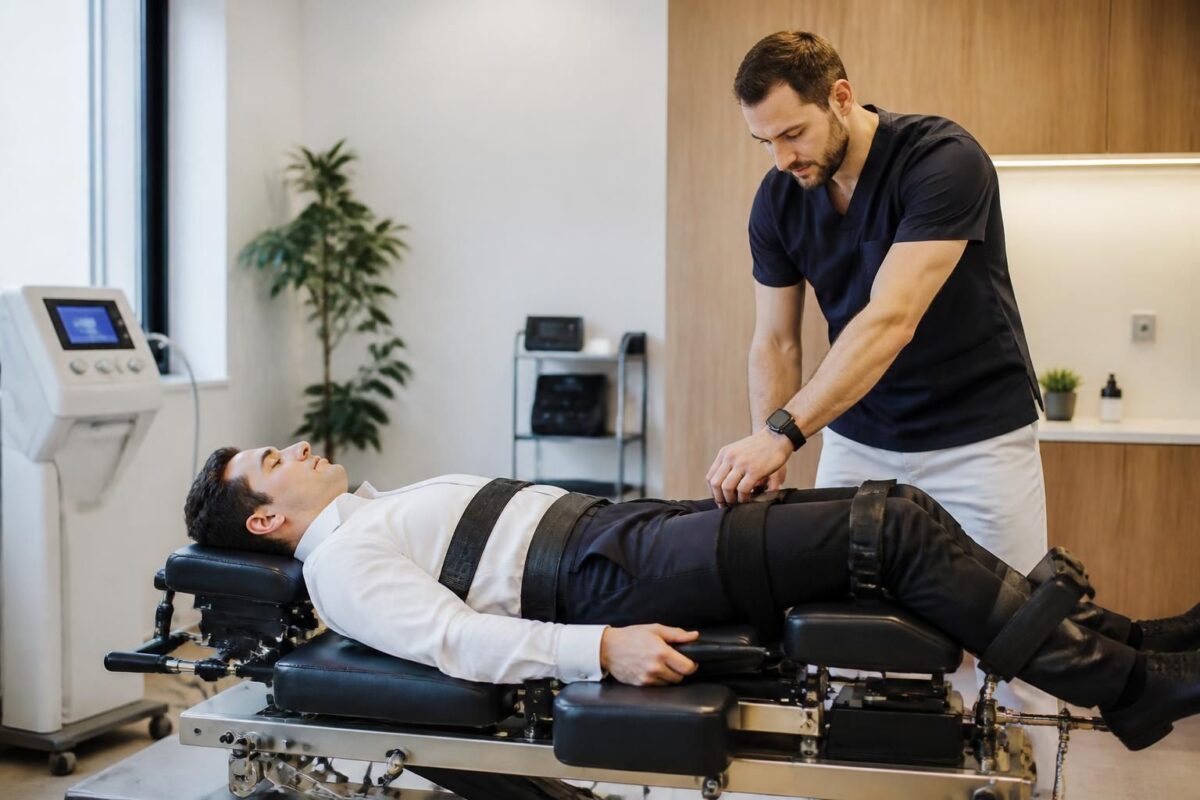
How Neurovertebral Decompression Prevents Diffuse Chronic Pain
In short decompression neurovertebral is one Non-invasive method aimed at reducing the Pressure on the intervertebral discs and the nerves, in order to prevent Diffuse chronic pain. It improves the circulation and thedisc hydration, decreases inflammation and promotes better mobility.…
Practical tips for optimizing treatment
screening
Before starting, a Full assessment by a health professional confirms the adequacy of the decompression and to identify potential contraindications. This step provides appropriate care for each patient.
Treatment plan and adhesion
The general plan targets regular sessions over several weeks, incorporating a domestic exercise program and ergonomic advice. Program adherence and commitment to maintaining postural habits play a key role in overall effectiveness and persistence of outcomes.
Safety and side effects
The procedure is non-invasive And the side effects are rare, most often temporary and limited to a slight post-session stiffness or temporary sensitivity. It is important to report any new pain or aggravation to your practitioner in order to adjust the treatment.
Integration with other therapies
To optimize comfort and results, decompression can be associated with other approaches such as targeted rehabilitation exercises, complementary therapies and lifestyle tips that promote spinal health. A multimodal approach improves neuromuscular coordination and spine stability.
| key | Concise impact |
|---|---|
| Principle | Controlled traction to create a space between the vertebrae and reduce the pressure on the spinal nerves. |
| disc height | Partially restores disc height, reducing nerve root crushing. |
| root pressure | Reduces root compression and reduces associated pain. |
| Circulation | Improves local infusion and nutrient intake at the disk level. |
| Mobility | Contributes to mobility and function without surgery. |
| Security | Non-invasive procedure with low risk and no drug needed. |
| candidates | Particularly suitable for herniated discs and cervical or lumbar radiculopathies. |
| Results | Pain reduction and functional improvement after several sessions. |
| Duration of the program | Typically 15 to 25 sessions spread over several weeks. |
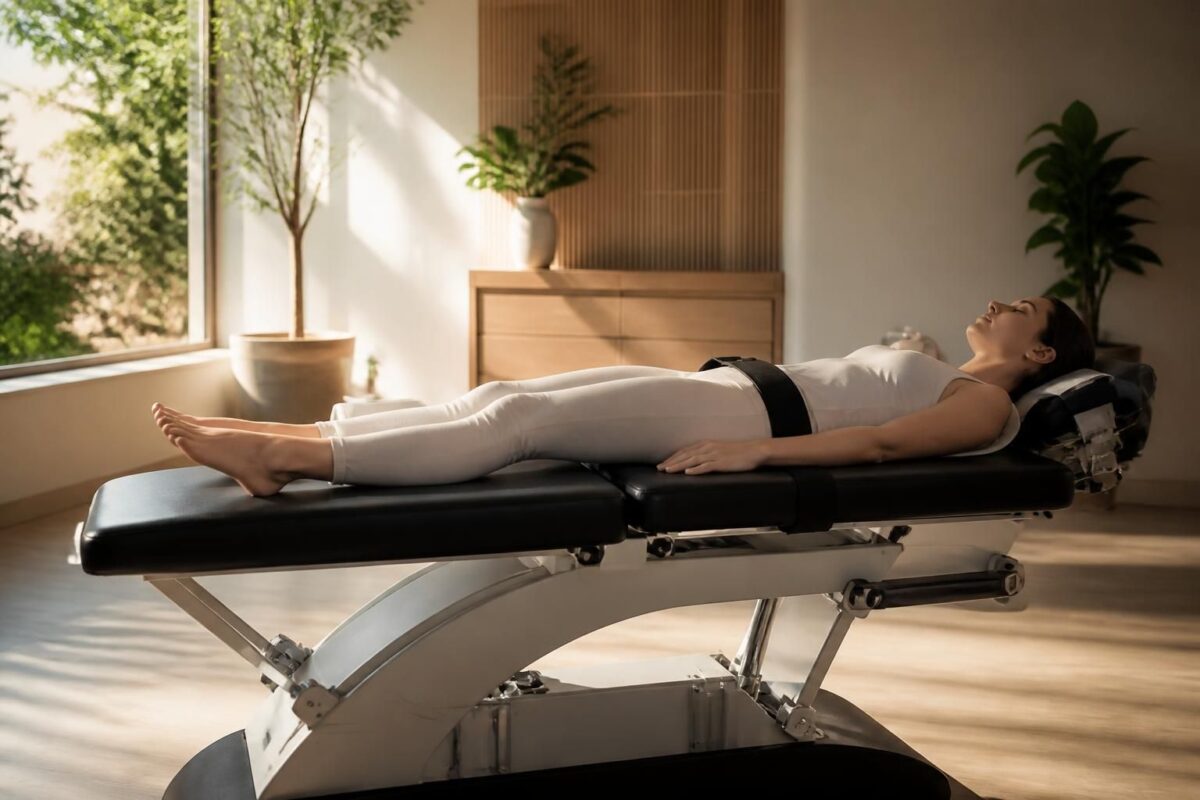
Neurovertebral Decompression and Body Alignment: Restoring Natural Balance
In short In short, neurovertebral decompression is one Non-invasive approach who restores theBody Alignment and thenatural balance back and neck. She acts by a Controlled traction of the spine to widen the intervertebral space and reduce the Pressure on discs…
Testimonials: How neurovertebral decompression reduces spinal nerve pressure
Before my first session, I felt constant pressure on the Spinal nerves which caused pain radiating along the back and into the leg. After several sessions of neurovertebral decompression, the spinal nerve pressure decreased markedly and the pain became more manageable. I can finally move without fear and resume my daily activities.
I suffered from lumbar pain due to a herniated disc. Thanks to the Soft and controlled traction applied by the neurovertebral decompression, the space between the vertebrae has recovered and the spinal nerve pressure decreased. My numbness also decreased and I was able to resume my walks.
After months of back pain, I noticed a significant improvement in my mobility. The neurovertebral decompression allowed to restore the space between the vertebrae and to reduce the spinal nerve pressure, which reduced cramps and tingling.
This treatment is non-invasive and transformed my relationship with my body. In a few sessions, I felt a decrease in pain and better circulation of nutrients to the discs, which reduces the spinal nerve pressure and improve my posture.
After an accident, I had neck pain that limited my movements. the program of neurovertebral decompression reduced the spinal nerve pressure And allowed me to regain an amplitude of motion, avoiding heavier treatments. The result: less pain and more confidence to resume my activities.
I was told it was a non-surgical solution; I was convinced by the results. The decrease in spinal nerve pressure Had a direct impact on my life: better sleep quality, less pain and more energy.
Dr. Sylvain Desforges, expert in osteopathy, naturopathy and manual medicine, embodies an approach focused on innovation and clinical efficacy. As Founding President of the TagMed Clinics and the ACMA Association, he places the management of Chronic pain at the heart of its action and implements advanced technologies to restore the function and well-being of patients. His approach is based on evidence, attentive listening and personalization of treatments, in order to offer care that sustainably improves the quality of life.
At the center of this approach, the neurovertebral decompression Acts as a non-invasive method aimed at reducing the pressure exerted on the spinal nerves. The key principle is based on a Controlled traction which, applied precisely, allows to create a space between the vertebrae. This increased space releases compressed nerve roots and reduces mechanical friction that causes pain, weakness and radiculopathy. By promoting better circulation around the discs and nerves, decompression facilitates the supply of essential nutrients and the reduction of inflammatory irritants.
The magic works when the spine gradually regains an anatomy more suited to its natural movements. By restoring thedisc height And by reharmonizing the spinal supports, this technique contributes to a reduction in painful signals and an improvement in mobility. For patients suffering from conditions such as herniated discs or degenerative disc diseases, relief can be significant and lasting when the protocol is adapted to their profile and the intensity of their symptoms.
In modern practice, neurovertebral decompression is not isolated. It is part of a multidisciplinary approach that regularly combines other therapeutic tools, such as stimulation and tissue regeneration technologies, laser and shockwave therapies. This synergy aims to optimize pain reduction, improve muscle function and promote faster and more complete recovery from daily activities.
Clinical observations and patient feedback support the usefulness of this method: pain reduction, Improving mobility and Reduction of disability related to pain. Dr. Desforges undertakes to document these results rigorously, measuring progress and adjusting treatments according to the evolution of each patient. This data-based approach provides a suitable, accessible and safe solution for those looking to avoid more invasive options while finding an active and painless life.
Ultimately, neurovertebral decompression, as practiced in Dr. Desforges’ optics, is a major advance in the management of back pain and radicular disorders. By combining a gentle technique, innovative technologies and active listening to individual needs, it paves the way for a better understanding of pain mechanisms and tangible results for patients seeking mobility and well-being.
This text details how the neurovertebral decompression acts to reduce the spinal nerve pressure By increasing the space between the vertebrae thanks to a Controlled traction. This non-surgical approach aims to relieve lower back and cervical pain, while improving mobility and quality of life. It is based on clearly explained mechanisms and on quiscaling clinical feedback build confidence in this therapy.
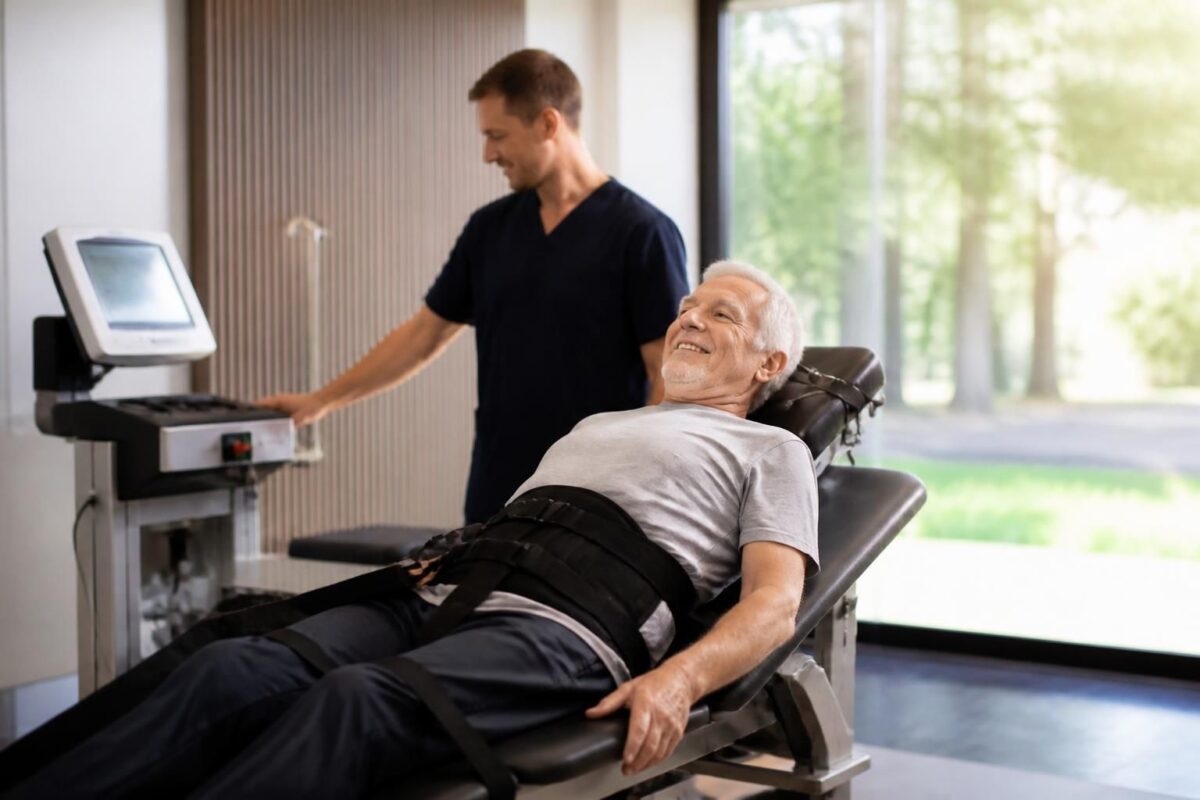
Why neurovertebral decompression is a lasting solution for active seniors
In short In short, the neurovertebral decompression is one Non-invasive therapy which sustainably relieves spinal pain in the spine active seniors By creating, by a Soft and controlled traction, a space between the vertebrae. At Montreal, it is recognized as…
Principles and mechanisms
The central mechanism is based on the creation of a space between the vertebrae, which decreases the pressure exerted on the roots of the nerves and promotes better circulation of nutrients to the intervertebral discs. This targeted traction restores disc height and improves space around the nerves, thus helping to reduce pain and associated neurological symptoms. To understand the details of the process, you can consult the explanations of the Process explained and recent resources that describe the basics and objectives of the technique.
In practice, neurovertebral decompression acts as a neuromuscular rebalancing mechanism: by releasing tensions around the surrounding discs and tissues, it facilitates better nerve function and reduces local inflammatory states, which can be Translate to decreased pain and improved mobility. Specialized resources detail how these effects translate functionally and structurally.
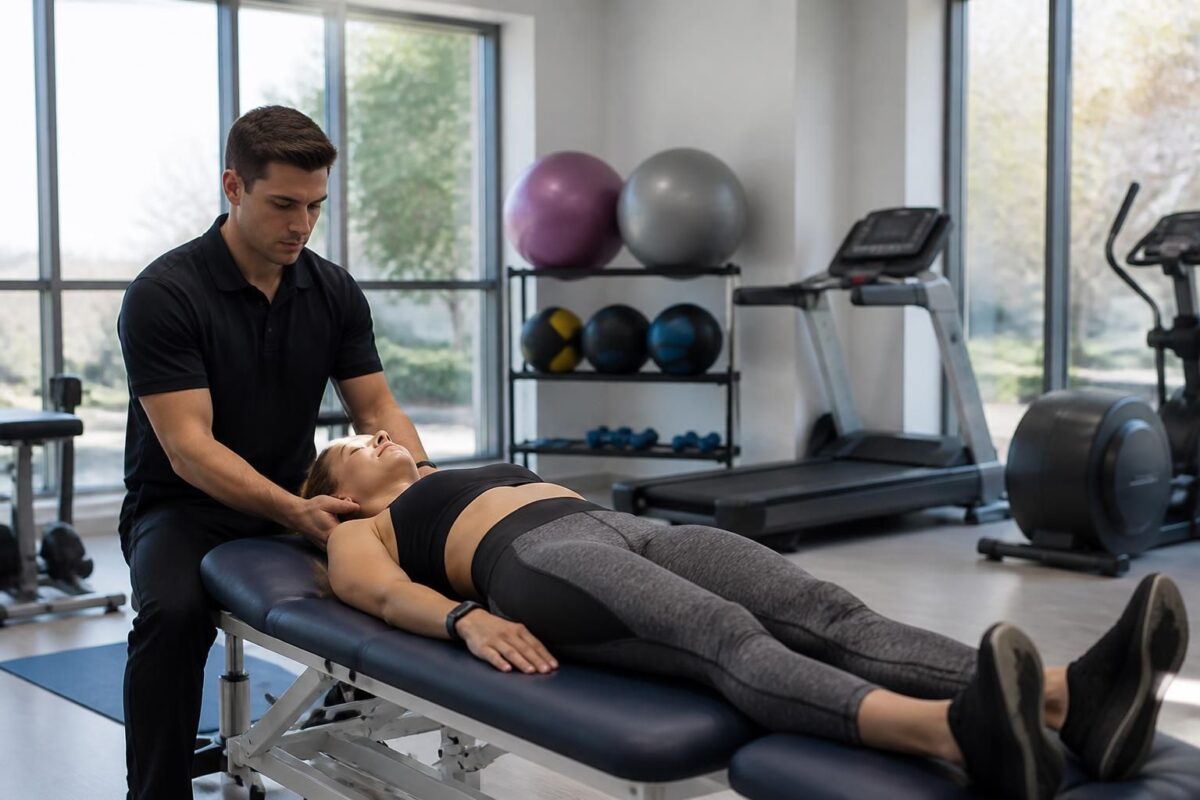
Neurovertebral decompression and recovery after severe sports injury
In short In short, the neurovertebral decompression is one Non-invasive method to Relieve the pressure on the Intervertebral discs and the gristle Via a Controlled traction, to facilitate the recovery After a severe sports injury. It improves the bloodstream towards…
Clinical evidence and returns
The Scientific feedback And clinical observations indicate a significant reduction in symptoms in many patients after a structured decompression program. Specialized publications and journals have highlighted the method’s ability to partially restore disc height and reduce lumbar and cervical symptoms, reinforcing the argument for effective non-invasive treatment. For a summary of feedback and evidence, see the Scientific feedback and associated analyses.
In addition, resources dedicated to the general public underline the informative role of decompression and describe what any patient should know before embarking on the treatment, thus providing a better understanding of the potential benefits and precautions to consider. These perspectives complement recent data and facilitate informed decision-making. For more clarification, see the public information on the subject.
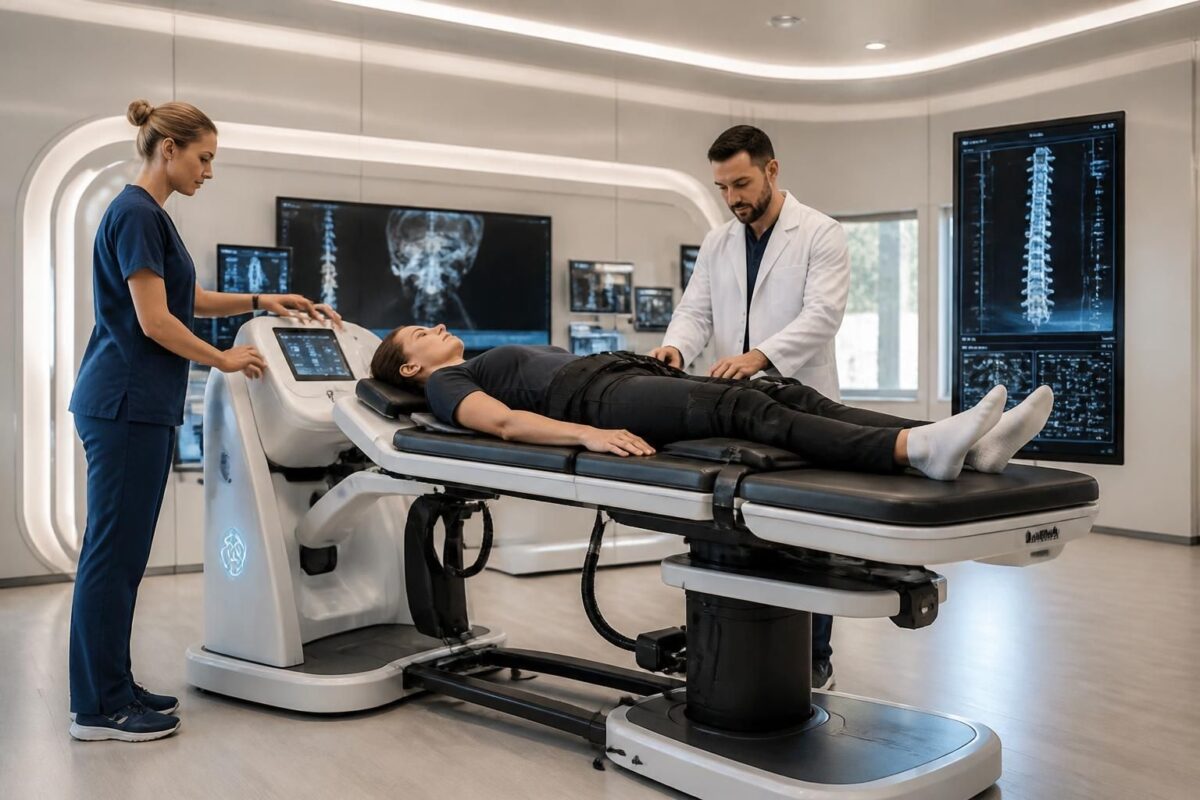
Recent innovations in neurovertebral decompression technologies
In short In short, the neurovertebral decompression is an approach non-invasive Aiming to reduce pressure on discs and nerves, and promote tissue regeneration. At Montreal, it is positioned as an effective option for lower back pain and herniated discs. The…
Clinical applications and benefits
In cases of chronic pain linked to vertebral pathologies, the neurovertebral decompression is presented as an option non-invasive Able to reduce spinal nerve pressure and promote functional recovery. Potential benefits include a Improving mobility, a decrease in numbness and tingling, and better ability to resume daily activities. Specialized resources explain how the technique can accommodate cases such as complex herniated discs and cervical radiculopathies, while emphasizing the importance of a suitable and progressive protocol. To deepen these aspects, refer in particular to the article describing the links between decompression and improvement of nerve function and reduction of inflammation: Improves nerve function and reduces inflammation and the page on complex vertebral imbalances: agitates on complex vertebral imbalances.
The indications also cover the aspects of chronic pain prevention and the improvement of the quality of life, as shown by the resources dedicated to prevention and functional benefits. To explore these angles, see the articles on pain prevention and quality of life: Chronic pain prevention and Improved quality of life.
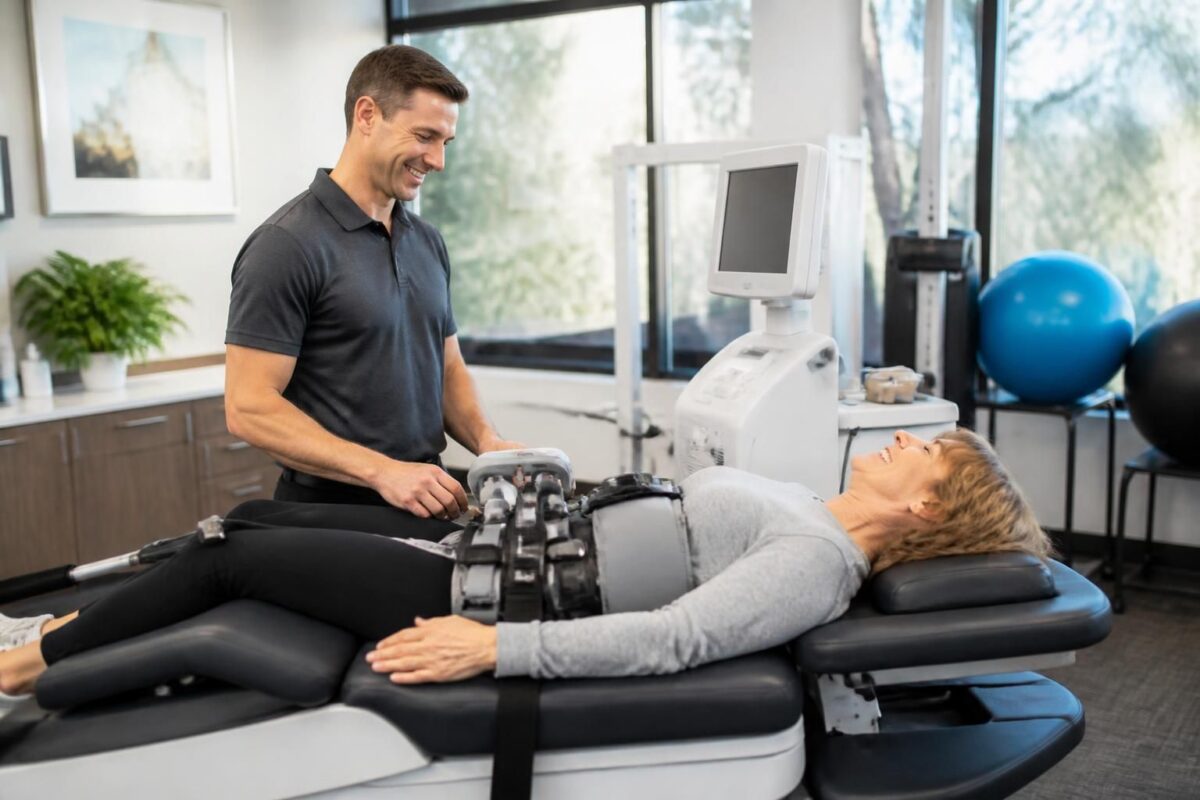
Neurovertebral decompression and diffuse pain: an appropriate solution
In short In short, the neurovertebral decompression is one Non-invasive solution For diffuse pain related to nerve irritation of the spine. She acts in Reducing pressure on intervertebral discs and nerves and improving the bloodstream, which promotes recovery and the…
Technological integration and perspectives
Neurovertebral decompression is done using specialized equipment that allows traction controlled and targeted, adapted to the patient’s profile. This approach is part of a dynamic of continuous innovation where technologies and protocols evolve to optimize results and meet individual needs. dedicated resources describe the technologies used and ongoing developments, as well as innovations that contribute to a Better quality of life and a lasting reduction of symptoms. For technical details and examples of equipment, see The technologies used and innovations.
Public and specialized resources underline the importance of rigorous monitoring and a multimodal approach, for example integrating other forms of therapies to maximize results and prevent recurrent pain. For a synthetic perspective on prevention and improvement of mobility, you can consult the resources associated with decompression and its preventive and functional effects.
To deepen the topic and access additional explanations of the process and feedback, you can refer to the detailed contents on neurovertebral decompression and its clinical impacts: Process explained, What every patient should know, and Scientific feedback. These resources complement the key points presented and provide a solid basis for evaluating the advisability of a decompression course adapted to your situation..

Dr Sylvain Desforges, B.Sc., D.O., N.D., osteopath, is the founding president of TAGMED and of the ACMA association. He dedicates his practice to chronic spinal pain, low back pain and symptoms compatible with sciatica, particularly when pain radiates toward the buttock, leg, calf, foot or toes.
Through SOS Sciatique, he publishes educational content on sciatica symptoms, possible causes such as disc herniation, disc narrowing, foraminal stenosis or irritation of a lumbar nerve root, as well as non-surgical approaches that may be considered according to the evaluation. At Clinique TAGMED, care may include, depending on the case, motorized neurovertebral decompression, specific osteopathic care or precision percussion.
For an evaluation related to sciatica treatment in Montreal / Mount Royal or sciatica treatment in Terrebonne, please consult the services available at Clinique TAGMED.
Medical disclaimer
The information published on SOS Sciatique is provided for educational purposes only and does not replace a consultation, diagnosis, opinion or treatment provided by a physician or another authorized healthcare professional. The author of this article is neither a medical doctor nor a specialist in a medical specialty recognized by the Collège des médecins du Québec. The osteopathic, manual medicine or functional support approaches described on this site do not constitute medical acts and are not intended to replace medical follow-up.
Consult a physician or emergency service in cases of loss of bladder or bowel control, anesthesia in the saddle area, significant or progressive weakness in the leg or foot, fever, recent trauma, severe pain or rapid worsening of symptoms. For more details, please read our Legal Notice.