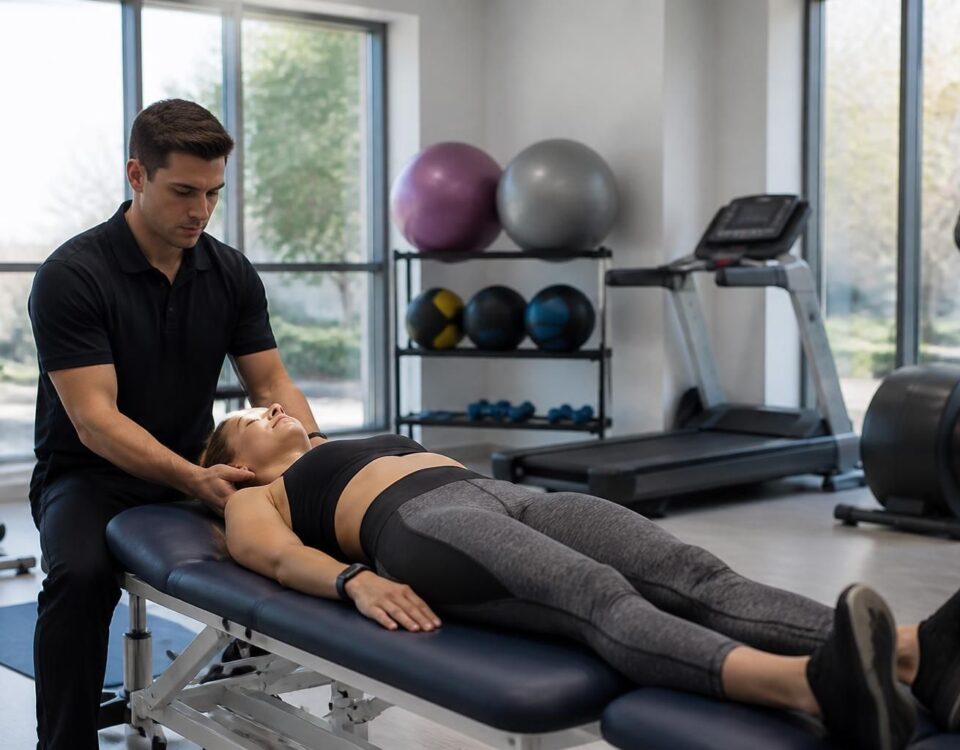
Neurovertebral decompression and rehabilitation after a back injury
25/06/2026
Neurovertebral decompression and prevention of recurrent pain
25/06/2026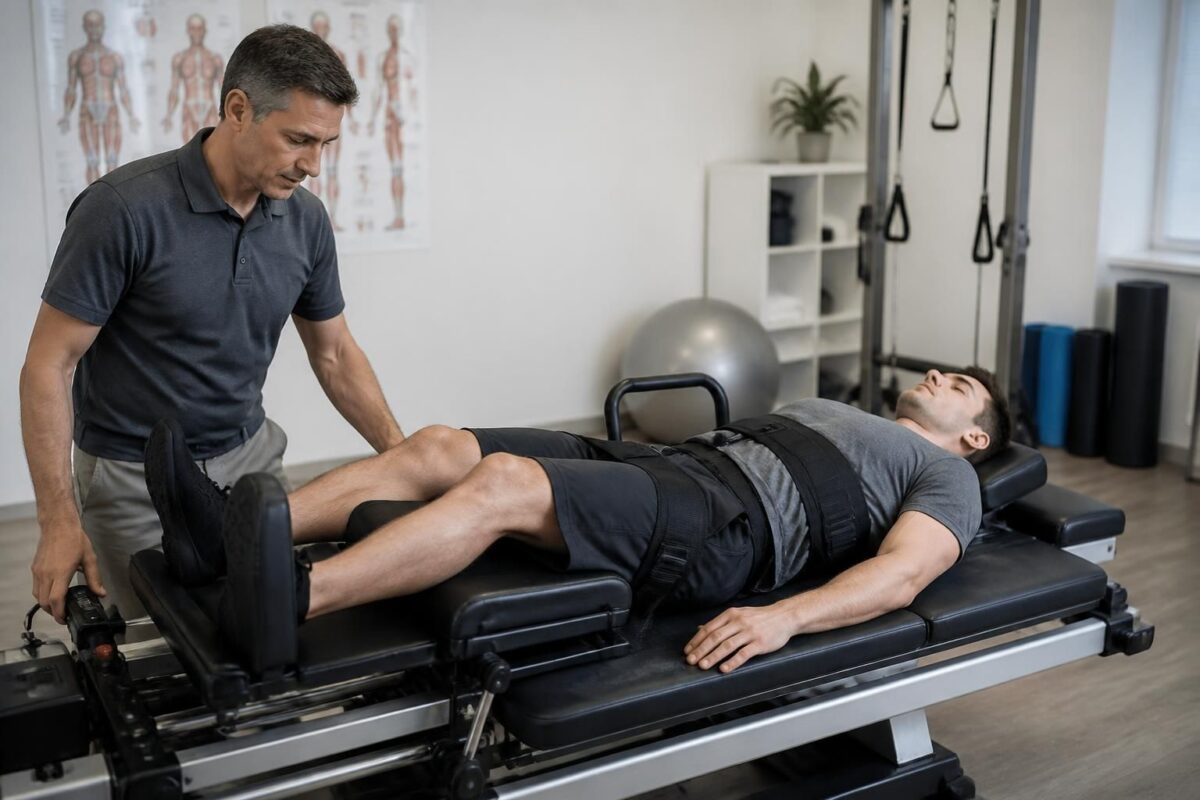
In short
| In short, neurovertebral decompression is an approach non-invasive which targets the Back and cervical pain at the Active patients. By reducing the Pressure on intervertebral discs and nerves, it allows Better mobility and Increased quality of life quickly. This therapy facilitates a return fast to physical activity without surgery and is part of a Personalized care course in Montreal, which can be combined with other Non-invasive approaches To maximize results and prevent further pain. |
The neurovertebral decompression is essential for patients assets Because it directly targets the causes of pain and stiffness without resorting to surgery.
- pressure reduction On intervertebral discs and nerves, rapidly improving mobility.
- posture improvement and alignment, preventing recurrent pain.
- Quick and lasting relief cervical and dorsal pain, to resume activities as soon as possible.
- Non-invasive treatment which avoids the risks and recovery time associated with surgery.
- Maintenance of activity physical and professional, with reduced risk of injury and fatigue.
- Possibility to integrate Other approaches (osteopathy, physiotherapy) to optimize the results.
Neurovertebral decompression is a non-invasive therapy that acts on the spine to relieve pain, improve mobility and restore effective posture. It is particularly useful for active patients who wish to preserve their level of activity without the need for surgical interventions, and can be integrated into a global care pathway in specialized clinics.
How does neurovertebral decompression work?
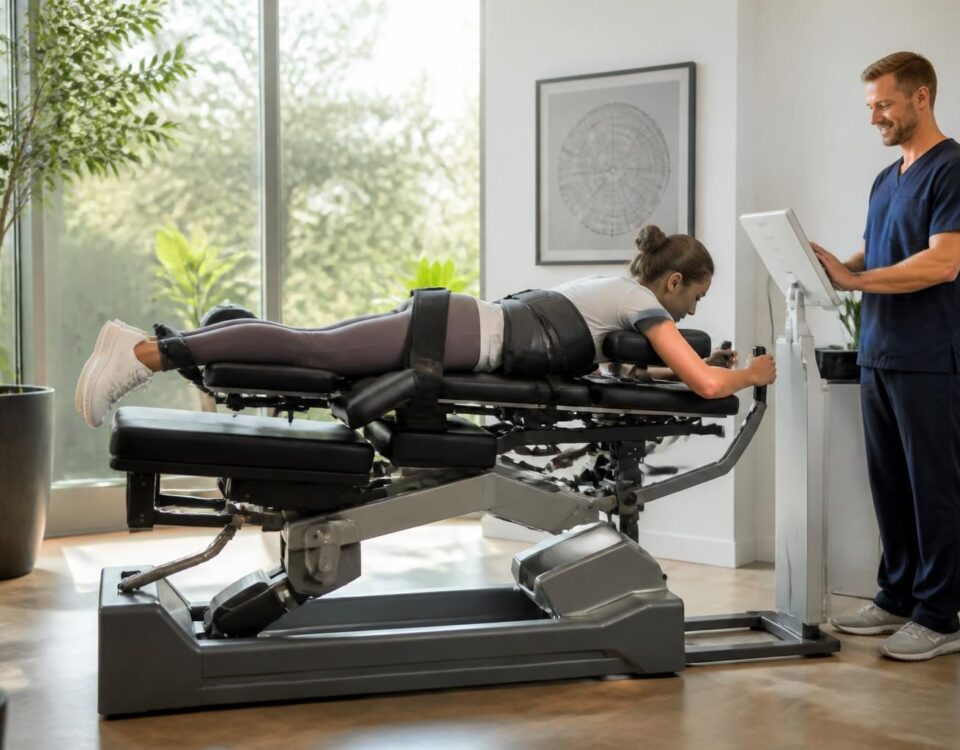
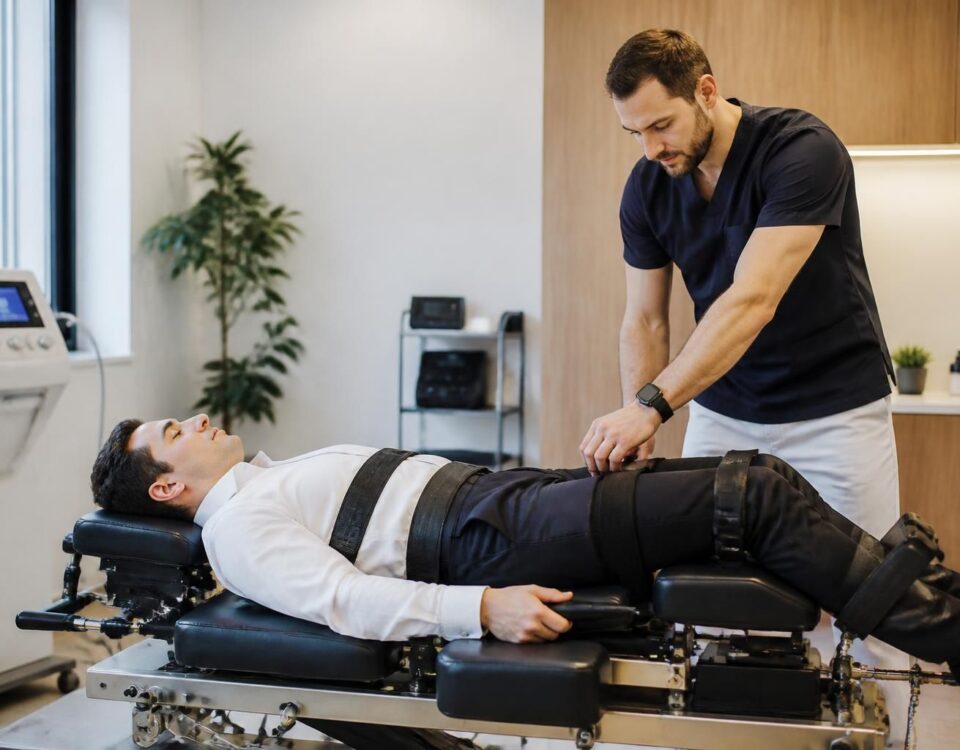
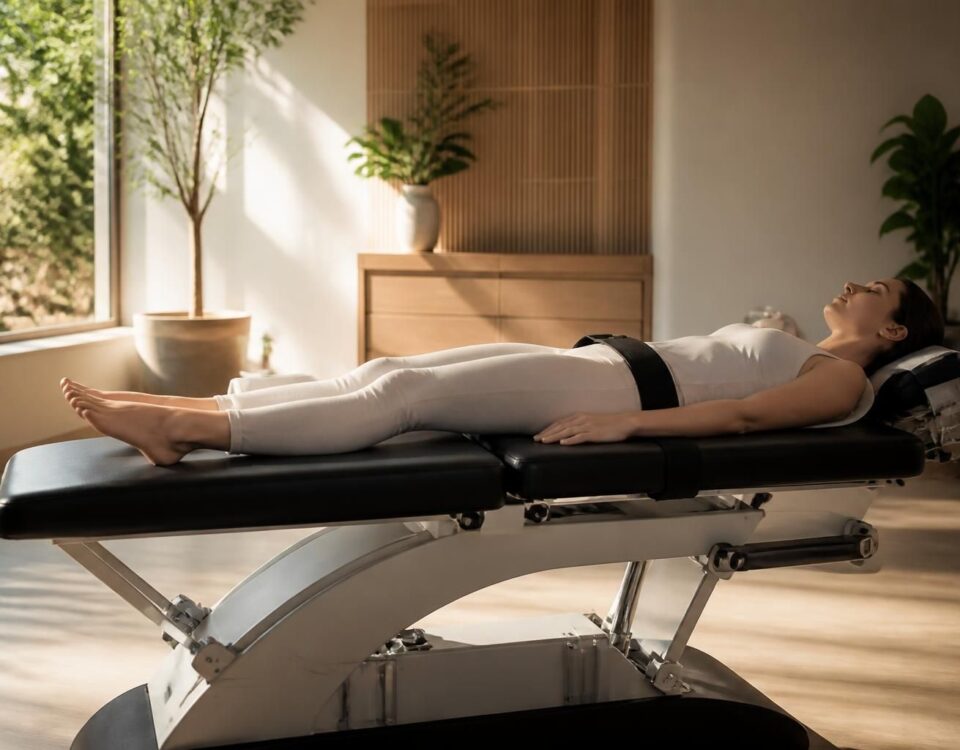
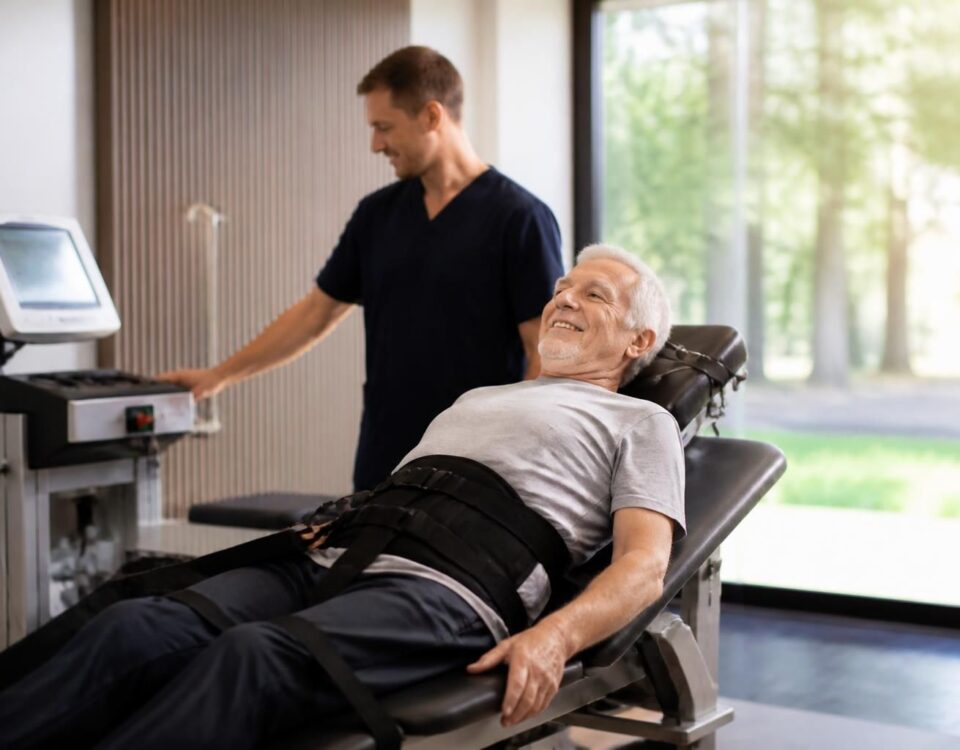
Neurovertebral decompression uses gentle traction to create a space between the vertebrae. This action reduces the pressure exerted on the intervertebral discs and on the nerves. This pressure reduction promotes tissue recovery and facilitates local blood circulation. The treatment is non-invasive and designed to be comfortable, with patients who often report a feeling of relaxation after the sessions.
Benefits for active patients
Active patients benefit from Improving mobility and a posture improvement, which facilitates the return to their daily and sporting activities. This therapy can quickly relieve tension and reduce pain associated with spinal imbalances, while providing a lasting effect when the protocol is adapted to the patient’s profile. It also helps to preserve the continuity of professional and recreational activities without the risk of side effects associated with certain more invasive treatments. For more information on how it acts on complex muscle imbalances in active patients, see How neurovertebral decompression affects complex muscle imbalances in active patients.
Integration into the care pathway
This approach is part of a multidisciplinary approach. It can be combined with osteopathic care and appropriate exercises, ensuring that the treatment plan is personalized and monitored regularly. An in-depth assessment of symptoms and medical history allows you to design a tailor-made program and adjust the sessions according to progress. Additional resources explain how decompression fits into other therapeutic approaches, for example on the site Neurovertebral decompression and posture.
Accessibility and location
The service is accessible in specialized clinics, including the TagMed Clinic, which offers suitable solutions for active patients seeking to maintain an active life while managing their pain. Information and resources on access to this care are available at Tagmed Clinic and on Neurovertebral decompression and posture.
Comparison with physiotherapy
| Therapy | Nature | Relative efficiency | |
|---|---|---|---|
| neurovertebral decompression | non-invasive | high, directly targeting the pressure on the discs and nerves | Suitable for active patients, can be associated with other approaches |
| Physiotherapy | rehabilitation and mobilization | moderate; General benefits, but less targeted at disc pressure | To be preferred in the context of a clinical course, but better valued when it is integrated with specialized therapies in TagMed |
Where to treat yourself and what resources to consult
For active patients, neurovertebral decompression can be offered in specialized clinics such as TagMed in Montreal and Terrebonne. To learn more about this approach and its effects on disc disorders, you can consult dedicated resources on How neurovertebral decompression affects complex muscle imbalances in active patients and Common pathologies treated with neurovertebral decompression. You can also visit Why neurovertebral decompression is an alternative to surgery.
Notes on indications and limits
Neurovertebral decompression is indicated for pain and dysfunction caused by nerve pressures linked to disc pathologies. Before any treatment, a clinical evaluation and, if necessary, additional examinations make it possible to determine eligibility. For additional information, see Related Resources on Authorized Domains.
To deepen the mechanisms, you can also consult additional resources on Essential FAQs and SostunnelCarpal.
Medical Disclaimer: The information and advice provided on this site does not replace the health professional’s diagnosis or treatment. Please note that Dr. Sylvain Desforges osteopath is neither a doctor of medicine nor a doctor, and is not a specialist in a medical specialty as defined by the Collège des Médecins du Québec. Manual medicine, functional medicine and sports medicine as described on this site exclude any medical treatment or diagnosis made by a doctor or specialist doctor. Always consult your doctor for any medical questions. For more details, please read our full legal notice.
Axis: Mobility and active autonomy – Why neurovertebral decompression is essential for active patients.
- quick reduction of the pain for a Back to activity.
- posture improvement and thealignment, reduction of efforts.
- Mobility found For daily gestures and activities.
- Accelerated recovery after effort or injury.
- Stability Reinforced lumbar and cervical to prevent relapses.
- non-invasive, without surgery or medication.
- Chronic pain prevention via a Durable alignment.
- Performance improved at work and in leisure.
- Adaptability and personalization of the protocol according to the active profile.
- Quality of life improved and muscle stress reduction.

This summary explains why neurovertebral decompression is essential for active patients. In summary, this is an approach non-invasive which aims to reduce the pressure on the discs and nerves, in order to Restore mobility, to improve the posture and support a quality of life high without the need for surgery.
What is neurovertebral decompression and why it is relevant to active patients
Neurovertebral decompression is a technique that applies a Soft and controlled traction on the spine. It creates a space between the vertebrae, relieving the pressure on the discs and nerves and promoting tissue recovery. For active patients, this means a better ability to maintain professional and sporting effort, to prevent painful recrudescences and to continue leisure activities without major interruptions.
Effects on discs and nerves
By releasing tension and restoring space, this approach can reduce nervous irritation and promote disk nutrition. The result is a Improving mobility And a more lasting feeling of comfort during daily gestures and training.
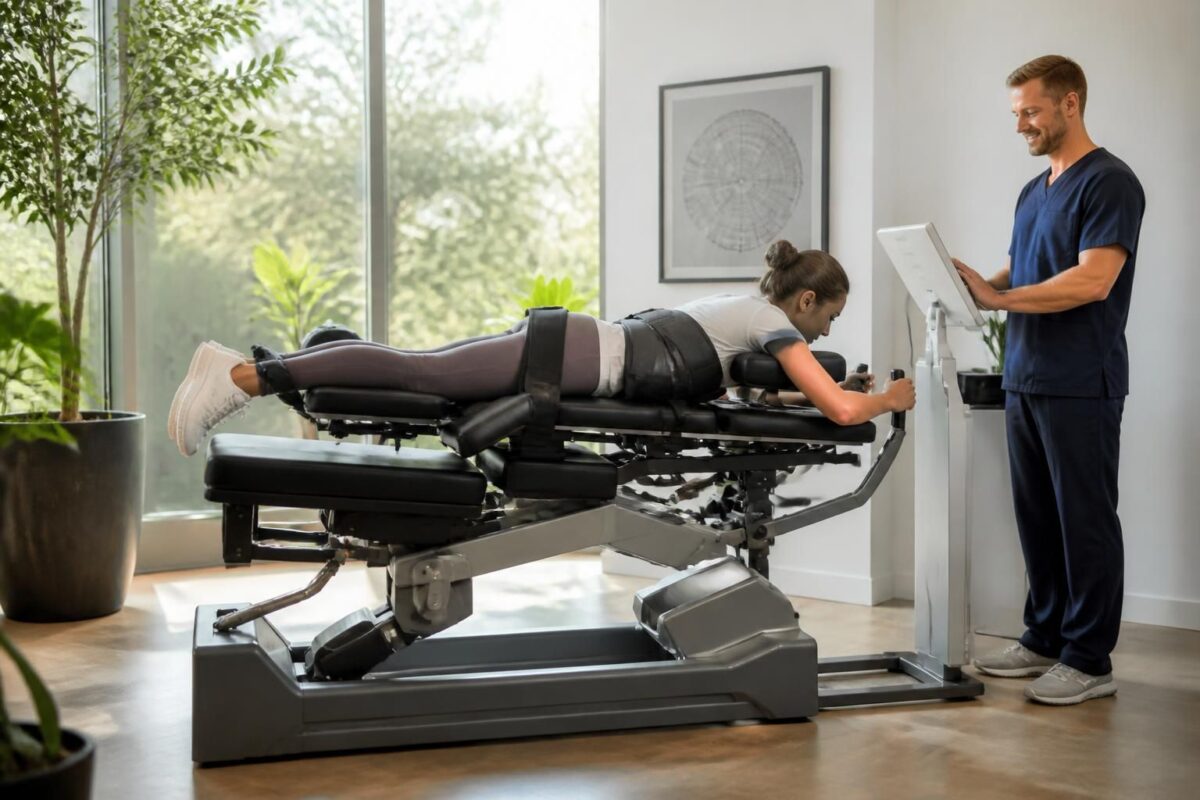
The long-term benefits of neurovertebral decompression for spinal health
In short In short, the neurovertebral decompression is a non-invasive approach that decreases the Pressure on intervertebral discs and nerves, favoring the Natural regeneration and tissue recovery. Its long-term benefits include Lasting pain reduction, Improving mobility and from the posture,…

Neurovertebral decompression and mobility: a return to an active life
In short In short, the neurovertebral decompression is therapy non-invasive who uses a gentle traction To create a space between the vertebrae and reduce the pressure on the Intervertebral discs and the nerves. It promotes a bloodstream improved, lowers tension…
Benefits for active patients
Beyond the initial relief, decompression contributes to maintaining a Durable flexibility and to limit the functional limitations that hinder commitment to professional and sporting activities. This technique is easily inserted into a care routine adapted to a dynamic lifestyle.
pain reduction and improved mobility
Patients usually describe a Significant reduction back and cervical pain, associated with mobility progress which allows you to resume exercises, outings and trips without fear of pain.
Preservation of autonomy and participation
By allowing the maintenance of a sports practice and social activities, decompression supports theautonomy And self-confidence, two pillars to stay active and committed to everyday life.
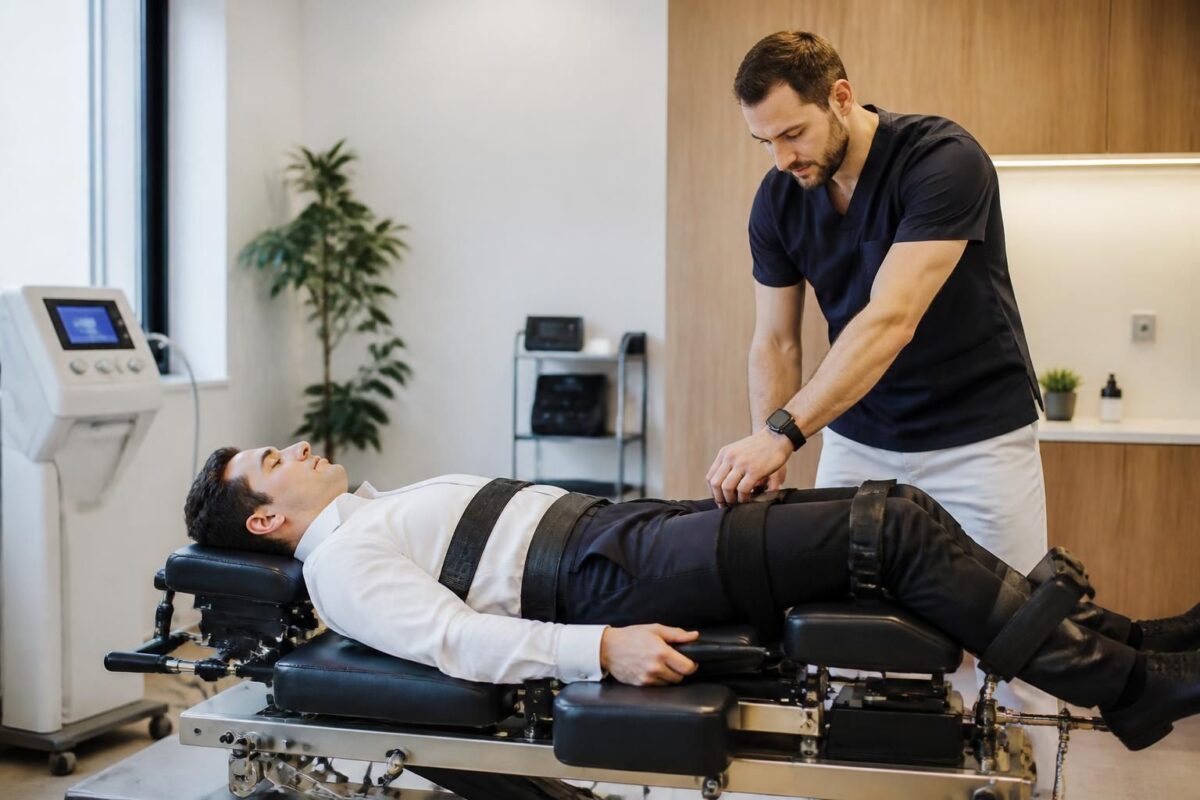
How Neurovertebral Decompression Prevents Diffuse Chronic Pain
In short decompression neurovertebral is one Non-invasive method aimed at reducing the Pressure on the intervertebral discs and the nerves, in order to prevent Diffuse chronic pain. It improves the circulation and thedisc hydration, decreases inflammation and promotes better mobility.…
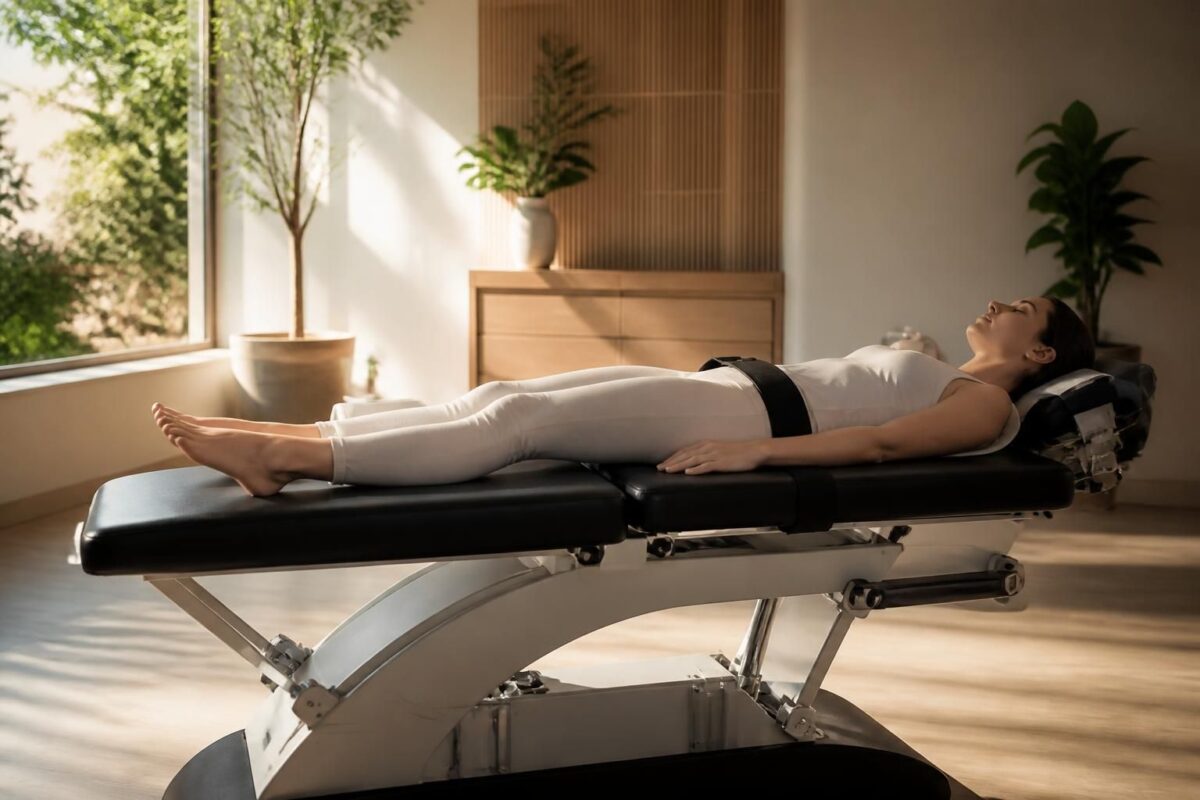
Neurovertebral Decompression and Body Alignment: Restoring Natural Balance
In short In short, neurovertebral decompression is one Non-invasive approach who restores theBody Alignment and thenatural balance back and neck. She acts by a Controlled traction of the spine to widen the intervertebral space and reduce the Pressure on discs…
Integration into a global wellness approach
This therapy is particularly effective when combined with other manual approaches and personalized physical activity programs. The goal is to create a Therapeutic synergy which maximizes the body’s natural capabilities and organizes a sustainable and progressive rehabilitation.
Synergies and personalized care plan
thanks to a Personalized evaluation, the protocol can be adapted to multiple vertebral levels and integrate harmoniously with osteopathy, physiotherapy and targeted exercises to strengthen stability and prevent relapses.
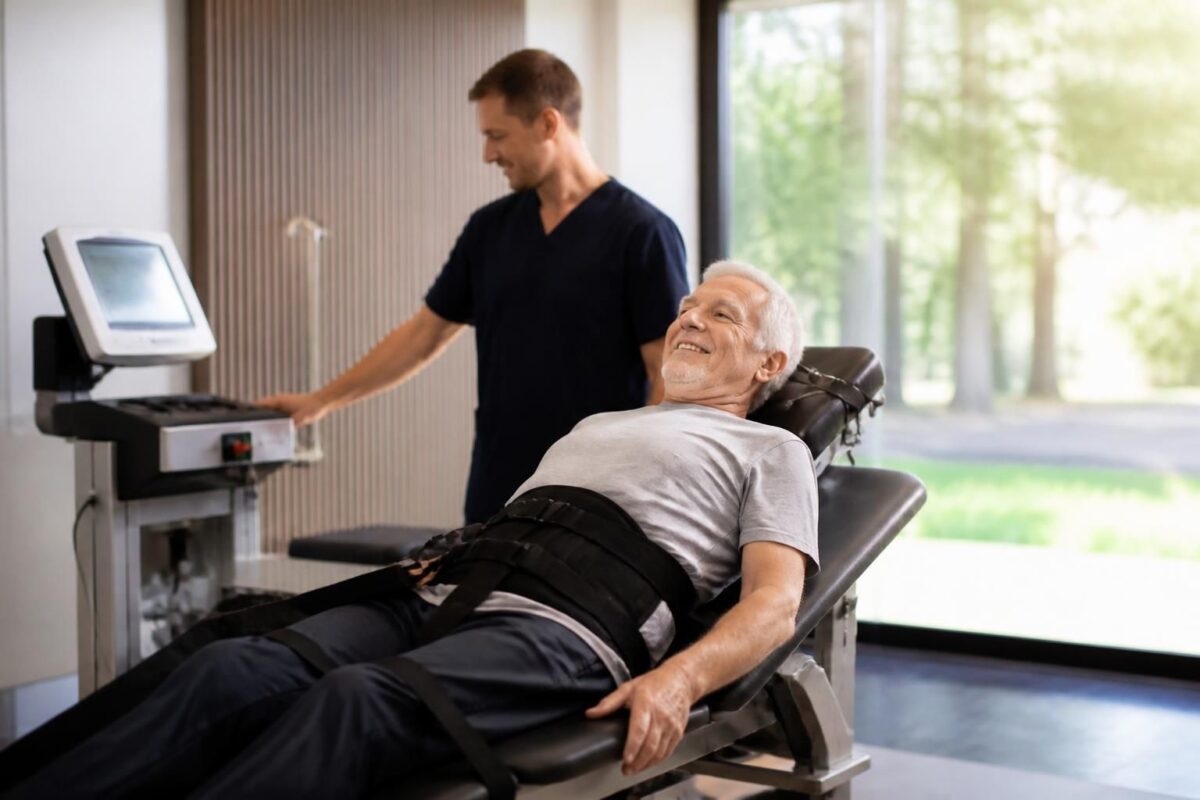
Why neurovertebral decompression is a lasting solution for active seniors
In short In short, the neurovertebral decompression is one Non-invasive therapy which sustainably relieves spinal pain in the spine active seniors By creating, by a Soft and controlled traction, a space between the vertebrae. At Montreal, it is recognized as…
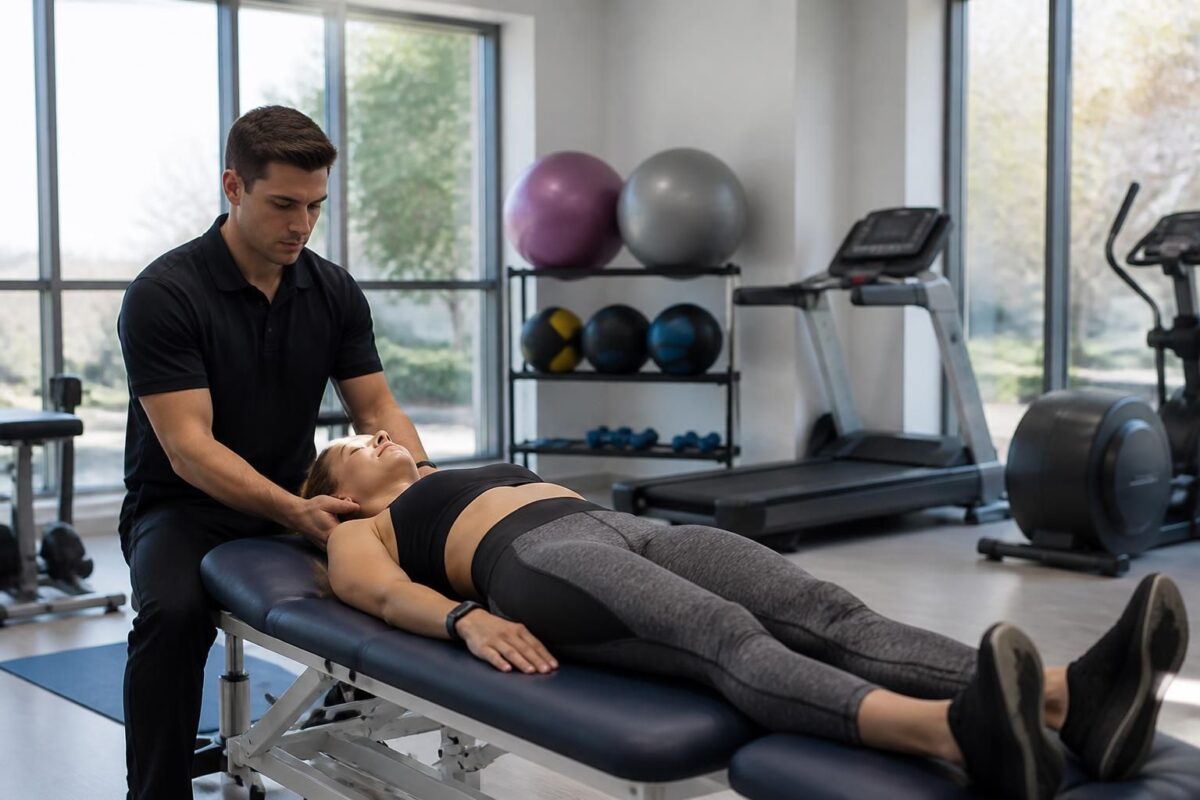
Neurovertebral decompression and recovery after severe sports injury
In short In short, the neurovertebral decompression is one Non-invasive method to Relieve the pressure on the Intervertebral discs and the gristle Via a Controlled traction, to facilitate the recovery After a severe sports injury. It improves the bloodstream towards…
Precautions and follow-up
As with any therapy, a screening is recommended to identify potential contraindications and adjust treatment parameters. The follow-up ensures appropriate and secure progress throughout the treatment.
Initial evaluation and follow-up
Regular monitoring allows to adjust the protocol according to progress and functional feedback, guaranteeing security and optimal efficiency for the return to an active life.
Contraindications and safety
This approach is generally safe, but some medical conditions require adaptations or alternatives. A Consultation with a health professional is essential to personalize the plan and ensure patient safety.
Note: This text is informative and does not replace the advice of a health professional. For any medical questions, consult your attending physician to assess the eligibility and the options adapted to your situation.
| Aspect | Concise impact |
|---|---|
| Target audience | Active patients and senior wishing to remain mobile without surgery. |
| Quick relief | rapid reduction of aches and improvement of mobility during activities. |
| non-invasive | treated without surgery or pharmaceuticals major, risks weak-willed. |
| Posture and alignment | Improve thealignment of the spine and reduces the nervous tensions. |
| Autonomy & quality of life | Keep itautonomy and promotes a Professional and sports life. |
| Sustainable mobility | Restore it mobility and the flexibility For repeated gestures. |
| Injury prevention | Reduces the risks recurrence during efforts and activities. |
| Therapeutic integration | compatible with osteopathy, physiotherapy and Adapted exercises. |
| Personalized follow-up | plan of care individualized with evaluation and adjustments. |
| Security & evidence | Option safe For patients eligible, supported by protocols standard. |
Marie, 68, Mont-Royal: “Neurovertebral decompression was a revelation for me. The sessions are non-invasive and sweet, and they gave back a mobility New. I can dance again and I have less pain on a daily basis.”
Jacques, 70, Montreal: “From my first session, I felt a Quick relief. My posture improved and my mobility came back, allowing me to resume my daily activities without hesitation.”
Anne, 65, Terrebonne: “This therapy was a real revelation. The sessions are relaxing and sweet, and I saw a marked improvement in my mobility as well as my posture. My quality of life improved significantly.”
Claude, 72 years old, Mount Royal: “I was braked by neck pain that was ruining my outings. After the decompression, I found a better posture and a reduction in strain. I am now participating in excursions with my friends.”
Sophie, 62, Laval: “Integrating decompression into a global program allowed me to reduce pain and maintain my physical activity without interruption. it’s an approach non-invasive who respects my body and supports my performance“.”
DR. Sylvain Desforges, osteopath, naturopath and doctor Manuel, is recognized for his commitment to health innovation and chronic pain management. Founding President of Clinics tagmed and from the ACMA association, it develops an integrated approach that focuses on evidence-based care and the use of advanced technologies. In this context, neurovertebral decompression occupies a central place when the objective is to allow active patients to preserve their mobility and quality of life while limiting invasive treatments.
Neurovertebral decompression is a non-invasive therapy that acts smoothly on the spine. By reducing the pressure exerted on the intervertebral discs and nerves, it creates spaces between the vertebrae and promotes better circulation of fluids and essential nutrients. For active patients, this approach responds directly to two major challenges: reducing pain and restoring the functionality of the spine, so that every daily gesture—work, sport and leisure—is done with more ease and less fatigue.
For active patients, column posture and stability are key elements of physical performance. By reducing tension and improving spinal alignment, decompression contributes to better endurance, greater range of movement and reduction of cervical or lumbar pain that slows activity. This flexible stimulation promotes a rapid resumption of sports and professional activities, while minimizing the risks of repetitive gestures and overwork.
At the heart of the approach proposed by Dr. Desforges and his teams, neurovertebral decompression is part of an approach multidisciplinary and personalized. It can be associated with other mild interventions such as osteopathy, physiotherapy and targeted exercises, in order to strengthen muscle support and durably stabilize the spine. This synergy makes it possible not only to optimize the results, but also to support the patient in a healthy and active lifestyle, reduced at the risk of relapse and more aggressive medical use.
The process generally begins with a Personalized evaluation symptoms and medical history, followed by a treatment plan adapted to the level of activity and the patient’s objectives. The sessions, designed to be comfortable and well tolerated, often offer a feeling of relaxation and well-being, with some patients even feeling a moment of deep relaxation. Progress is measured and adjusted regularly to ensure continuous improvement in posture, mobility and comfort.
Over time, the benefits of neurovertebral decompression go beyond occasional relief. They include lasting pain reduction, better ability to perform a variety of physical activities, and a decrease in age or stress-related limitations caused by demanding professional activities. By placing the spine at the heart of the course of care, Dr. Desforges is committed to preserving the autonomy of active patients and supporting their quest for a balance between performance and well-being.
Within TagMed clinics and in the ecosystem he directs, neurovertebral decompression is seen as a powerful complementary solution, capable of transforming the daily life of active patients by offering them a clear path to a freer and more dynamic life. This approach reflects the assurance that each patient can resume, with serenity, control of their mobility and comfort, without resorting to invasive interventions.
This conclusion summarizes why the neurovertebral decompression is essential for Active patients who wish to preserve their mobility, sustainably reduce pain and maintain a dynamic lifestyle without resorting to surgery. It highlights the mechanisms, benefits and resources to inform and act now.
For the Active patients, the neurovertebral decompression offers an approach non-invasive which directly targets the mechanical causes of pain related to the spine. By reducing the pressure exerted on the intervertebral discs and nerves, it improves posture, mobility and everyday comfort, while promoting faster recovery after efforts. This gentle approach often makes it possible to resume physical and professional activities without the limitations related to the chronic pain.
The therapeutic framework is based on personalized evaluation and regular monitoring, in order to adjust the protocol according to individual needs and progress observed. This customization is particularly useful for active seniors or people whose work or sports activities strongly require the spine. By being part of a global health approach, decompression can be combined with other approaches such as osteopathy, physiotherapy or targeted exercises, thus maximizing the results and reinforcing the patient’s autonomy. To understand the foundations and benefits, you can consult specialized resources such as The science behind neurovertebral decompression and Lower back pain management.
On a practical level, the benefits are quickly measured: pain relief, Improving mobility, and Restored posture, which contribute to a more active life and less limited by cervical or lumbar tensions. Feedback shows that active patients regain their daily pace and ability to practice activities they enjoy, such as sport, leisure or business trips. To better understand the advantages and mechanisms, additional resources address in particular The natural solution for cervical pain and Improving flexibility.
For professionals and patients wishing to deepen, articles and guides detail why this approach is a serious option for active people and for the prevention of recurrent pain. for example, Better understanding of the issues for active patients and A perspective of therapeutic options can accompany your journey. For practical insights and sample apps, see also Recent innovations and The dedicated encyclopedic page.
In addition, resources dedicated to the impact on pain and mobility in active patients support information towards informed choices, such as Low back pain management and neck pain. For patients interested in more general or medical perspectives, the resource brings an understandable scientific framework.
Medical warning: The information and advice provided does not replace the advice of a health professional and it is recommended to consult your doctor before starting any therapy. For more details, please read our full legal notice.
To directly deepen the sources and arguments around this approach, here are additional benchmarks: A look at opioid alternatives, The role and what every patient should know, Recent innovations, and Decompression and lower back pain.
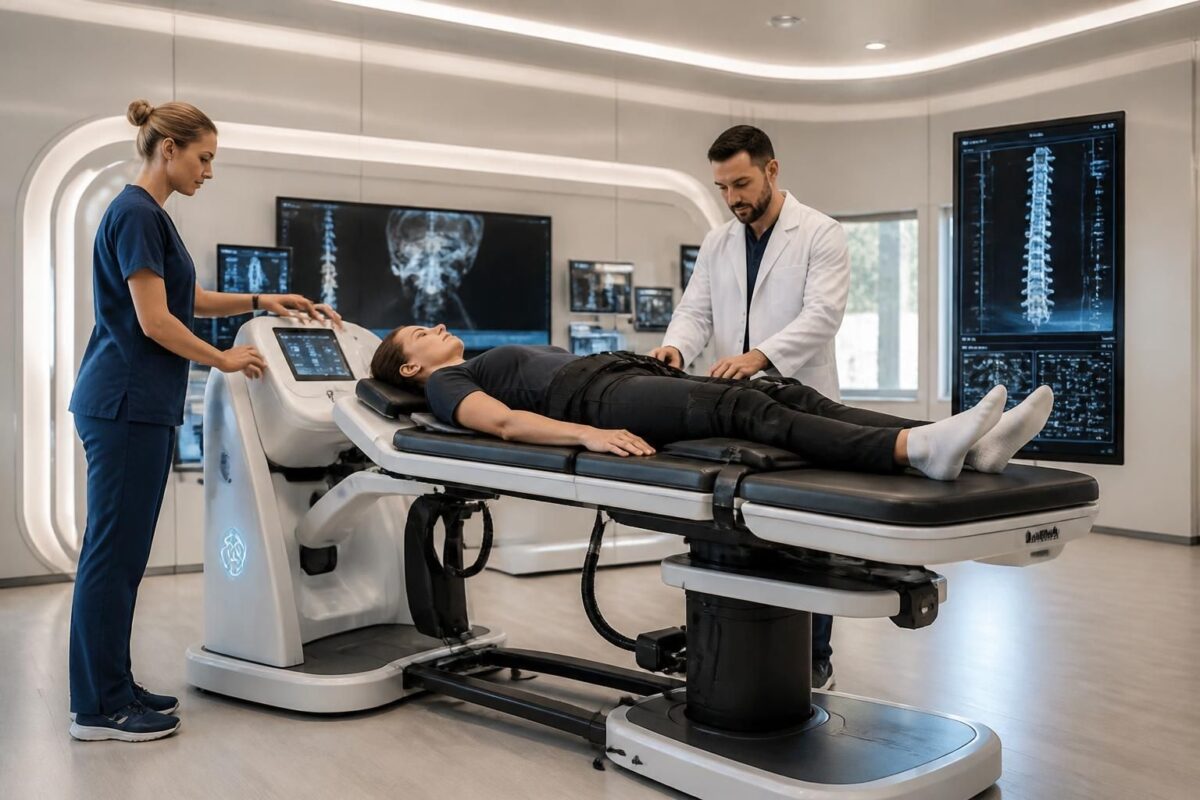
Recent innovations in neurovertebral decompression technologies
In short In short, the neurovertebral decompression is an approach non-invasive Aiming to reduce pressure on discs and nerves, and promote tissue regeneration. At Montreal, it is positioned as an effective option for lower back pain and herniated discs. The…
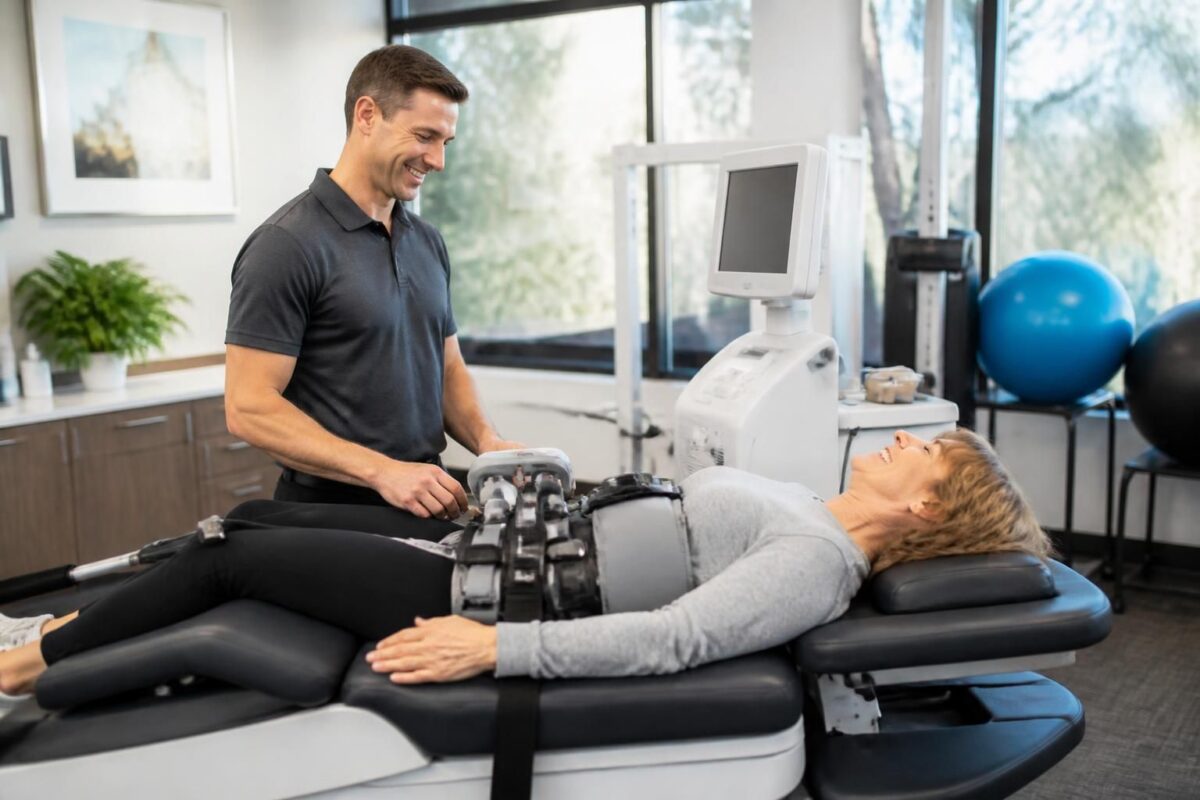
Neurovertebral decompression and diffuse pain: an appropriate solution
In short In short, the neurovertebral decompression is one Non-invasive solution For diffuse pain related to nerve irritation of the spine. She acts in Reducing pressure on intervertebral discs and nerves and improving the bloodstream, which promotes recovery and the…

Dr Sylvain Desforges, B.Sc., D.O., N.D., osteopath, is the founding president of TAGMED and of the ACMA association. He dedicates his practice to chronic spinal pain, low back pain and symptoms compatible with sciatica, particularly when pain radiates toward the buttock, leg, calf, foot or toes.
Through SOS Sciatique, he publishes educational content on sciatica symptoms, possible causes such as disc herniation, disc narrowing, foraminal stenosis or irritation of a lumbar nerve root, as well as non-surgical approaches that may be considered according to the evaluation. At Clinique TAGMED, care may include, depending on the case, motorized neurovertebral decompression, specific osteopathic care or precision percussion.
For an evaluation related to sciatica treatment in Montreal / Mount Royal or sciatica treatment in Terrebonne, please consult the services available at Clinique TAGMED.
Medical disclaimer
The information published on SOS Sciatique is provided for educational purposes only and does not replace a consultation, diagnosis, opinion or treatment provided by a physician or another authorized healthcare professional. The author of this article is neither a medical doctor nor a specialist in a medical specialty recognized by the Collège des médecins du Québec. The osteopathic, manual medicine or functional support approaches described on this site do not constitute medical acts and are not intended to replace medical follow-up.
Consult a physician or emergency service in cases of loss of bladder or bowel control, anesthesia in the saddle area, significant or progressive weakness in the leg or foot, fever, recent trauma, severe pain or rapid worsening of symptoms. For more details, please read our Legal Notice.