How Neurovertebral Decompression Helps Prevent Recurrences from Injuries
25/06/2026
Neurovertebral decompression: a treatment suitable for athletes
25/06/2026
In short
| In short, the neurovertebral decompression is one Non-invasive approach aimed at relieving vertebral pain in reducing nerve pressure and restoring the disc area. What is it? A technique of Controlled traction which acts on the column to improve mobility and reduce symptoms. its main benefits include the Lasting pain reduction, theImproving mobility, and the possibility of avoiding surgery, with a protocol personalized. How does it work? Precise and computerized mechanical stimulation, associated with global monitoring and targeted exercises. In Montreal and Greater Montreal, this service is particularly relevant for lower back and root pain associated with herniated discs, offering a progressive and progressive alternative and without major pain For patients looking for a quick return to their activities. |
Here is a short summary that demystifies the Common myths Around the neurovertebral decompression and sheds light on what this approach can actually bring.
- Myth #1 : It’s a surgery inevitable. Truth : It’s an option non-invasive and conservator which can avoid surgery in many cases, after proper evaluation.
- Myth #2 : It is painful or uncomfortable. Truth : the procedure is generally comfortable and may be associated with a gradual improvement in pain and mobility.
- Myth #3 : the results appear from the first session. Truth : Improvements may occur early, but most protocols require 15 to 25 sessions and a patient-appropriate progression.
- Myth #4 : it heals all herniated discs. Truth : Efficiency depends on the location, from the severity and causes; A preliminary assessment is essential.
- Myth #5 : It is dangerous for the elderly. Truth : when performed under Adapted medical supervision, it’s usually secure, but each case must be evaluated individually.
This article, written by a health professional and expert in the field, aims to clarify received ideas around neurovertebral decompression. It presents the indications, potential benefits and limits of this non-invasive approach. The objective is to help patients and professionals to distinguish facts from myths, without going into advice that should be provided by a doctor or specialist.
Myth: Neurovertebral decompression is painful or dangerous
In practice, most patients tolerate this treatment very well. The system used applies gentle and controlled forces on the spine, with little risk when contraindications are met. Significant adverse effects remain rare and the reported benefits include improved mobility and reduced pain associated with certain vertebral pathologies. To understand the technical aspects and potential benefits, you can consult specialized resources on authorized sites.
Myth: This treatment is a universal solution for all vertebral pathologies
The neurovertebral decompression is suitable for certain conditions and specific profiles. Its effectiveness depends on the exact location of the disturbance and the general condition of the column. An in-depth clinical evaluation is required to determine eligibility and the appropriate protocol. In some cases, other non-invasive approaches may be considered in addition, but each decision must be guided by the patient’s clinical context.
Myth: decompression is suitable for everyone
Contraindications exist. For example, some vertebral fractures, marked instability or spinal tumors can exclude the use of this technique. In addition, as with any treatment, variable results can be manifested according to age, muscle status and adherence to the protocol. Multidisciplinary care is often preferred to optimize results and limit recurrences.
Myth: the benefits appear after a single session
A standard protocol generally extends over several weeks and includes a specific number of sessions, often between 15 and 25, as the case may be. Improvements are typically seen during treatment, with gradual progression of symptoms and mobility. Monitoring and adjustment of treatment by the practitioner remains essential to measure effectiveness and adapt the program.
Myth: Decompression systematically replaces surgery
Neurovertebral decompression offers a non-surgical alternative in many cases and can prevent intervention when symptoms are manageable and progress is favorable. However, some situations require surgical management when neurological signs worsen or when severe nerve compression is present. The choice between conservative options and surgery should be discussed after a full assessment and taking into account the patient’s goals.
Advantages and limitations of neurovertebral decompression
Benefits include improved mobility, a lasting reduction in some pain, and the absence of anesthesia or surgical recovery. The limits lie in the fact that the results are not guaranteed for all patients and that the treatment is not appropriate in all clinical scenarios. The assessment by a specialist makes it possible to weigh the potential benefits against the risks and other available options.
Process and support framework
In a structured approach, the patient is evaluated globally, with particular attention to the condition of the spine, level and location of symptoms, as well as lifestyle. The use of dedicated technologies and appropriate medical supervision guarantees a personalized and secure protocol. The use of professionals and devices compatible with recognized clinical practices is encouraged to ensure the quality of care.
Resources and additional readings
To learn more about the benefits and myths around neurovertebral decompression, see the following resources:
Benefits of neurovertebral decompression
Myths and Realities of Neurovertebral Decompression
Common myths about neurovertebral decompression
For specific information related to the pathologies discussed, consult the resources on recommended sites and related clinics.
To learn more about available approaches and options, additional information is available at Tagmed Clinic and associated resources.
Medical Disclaimer: The information and advice provided on this site does not replace the health professional’s diagnosis or treatment. Please note that Dr. Sylvain Desforges osteopath is neither a doctor of medicine nor a doctor, and is not a specialist in a medical specialty as defined by the Collège des Médecins du Québec. Manual medicine, functional medicine and sports medicine as described on this site exclude any medical treatment or diagnosis made by a doctor or specialist doctor. Always consult your doctor for any medical questions. For more details, please read our full legal notice.
Axis: Demystify according to the criteria security, accessibility, efficiency and integration.
- Myth 1 : sorrowful ? Reality: Session non-invasive and generally tolerated.
- Myth 2 : It’s a surgery ? Reality: it is an approach non-surgical which, however, may not be suitable for all.
- Myth 3 : Results immediate ? Reality: Improvement progressive and individual.
- Myth 4 : effective for All hernias ? Reality: eligibility and benefit depend on location and severity.
- Myth 5 : strict rest Recommended? Reality: Activity moderate and adapted is preferred to promote recovery.
- Myth 6 : solution universal ? Reality: Approach multidisciplinary and personalized to the patient.
- Myth 7 : high risk for elderly ? Reality: generally good safety under supervision adapted.
- Myth 8 : high cost and inaccessible ? Reality: Available in specialized clinics with coverage and variable costs.

This article aims to remove confusion around the neurovertebral decompression And to propose clear benchmarks to distinguish realities from myths. You will discover why this treatment, when integrated into a global and personalized approach, can be a relevant option and non-invasive For common spinal pathologies, without promising a miracle cure. The objective is to provide context, security and action plan to better understand what an evidence-guided approach can offer.
Myth 1: Decompression systematically hurts or is uncomfortable
Actually, most patients describe a feeling of calm traction and fresh during the sessions. The clinical framework aims to optimize comfort and safety, with precise modulation of strength and duration. The immediate effects, when they occur, are often moderated and result in a gradual decrease in pain and better mobility. It is essential to communicate any inconvenience in order to adjust the protocol and maintain adherence to treatment.
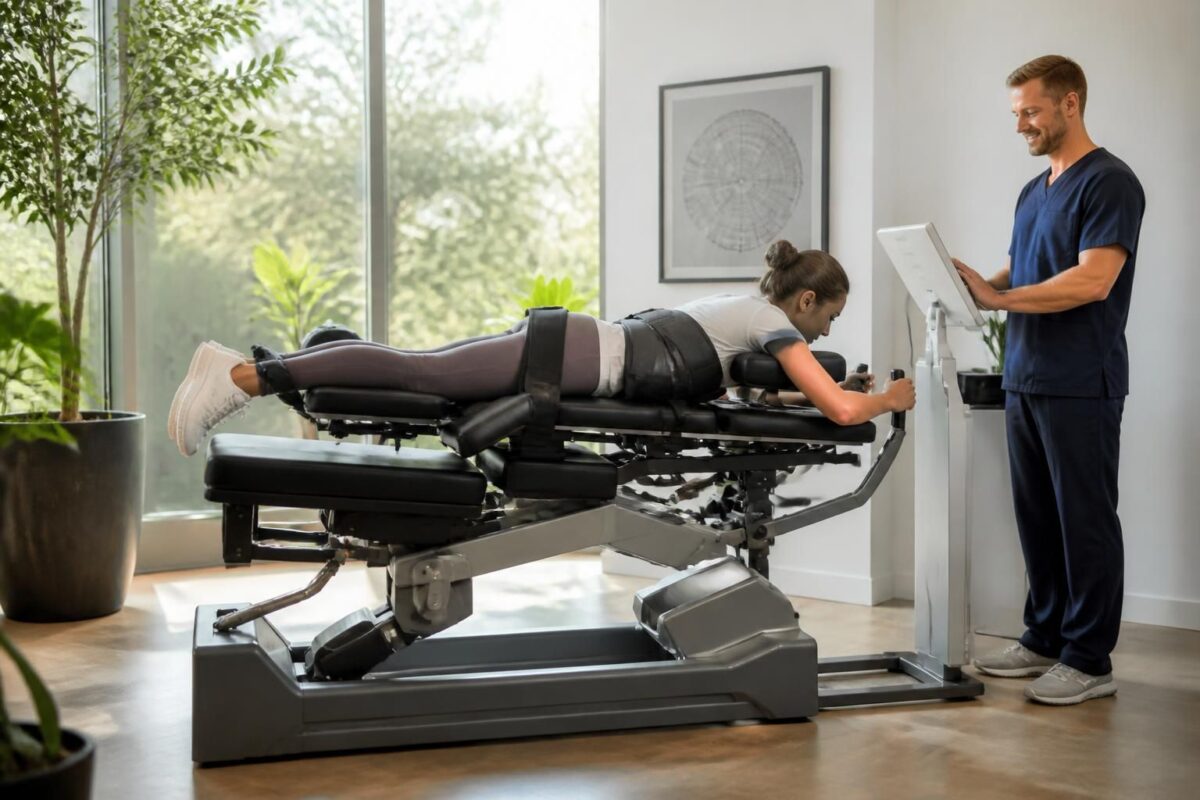
The long-term benefits of neurovertebral decompression for spinal health
In short In short, the neurovertebral decompression is a non-invasive approach that decreases the Pressure on intervertebral discs and nerves, favoring the Natural regeneration and tissue recovery. Its long-term benefits include Lasting pain reduction, Improving mobility and from the posture,…
Myth 2: it is dangerous or it weakens the column
Under the appropriate conditions and under professional control, the process is considered as secure and reversible. It does not replace a complete medical assessment, nor the advice of a doctor, and is not suitable for all patients. A rigorous selection of candidates and scientific monitoring reduce the risks and make it possible to assess the real benefits, in particular the reduction of the pressure on the nervous structures and the improvement of the disc function.

Neurovertebral decompression and mobility: a return to an active life
In short In short, the neurovertebral decompression is therapy non-invasive who uses a gentle traction To create a space between the vertebrae and reduce the pressure on the Intervertebral discs and the nerves. It promotes a bloodstream improved, lowers tension…
Myth 3: Decompression is not supported by evidence
Clinical data encourages Reasoned use neurovertebral decompression as part of a multimodal program. It acts on the vertebral dynamics in addition to physiotherapy and osteopathic work, favoring the Disc rehydration and release of neuromuscular stresses. Miracles should not be expected, but a gradual improvement in mobility and pain in many well-monitored patients.
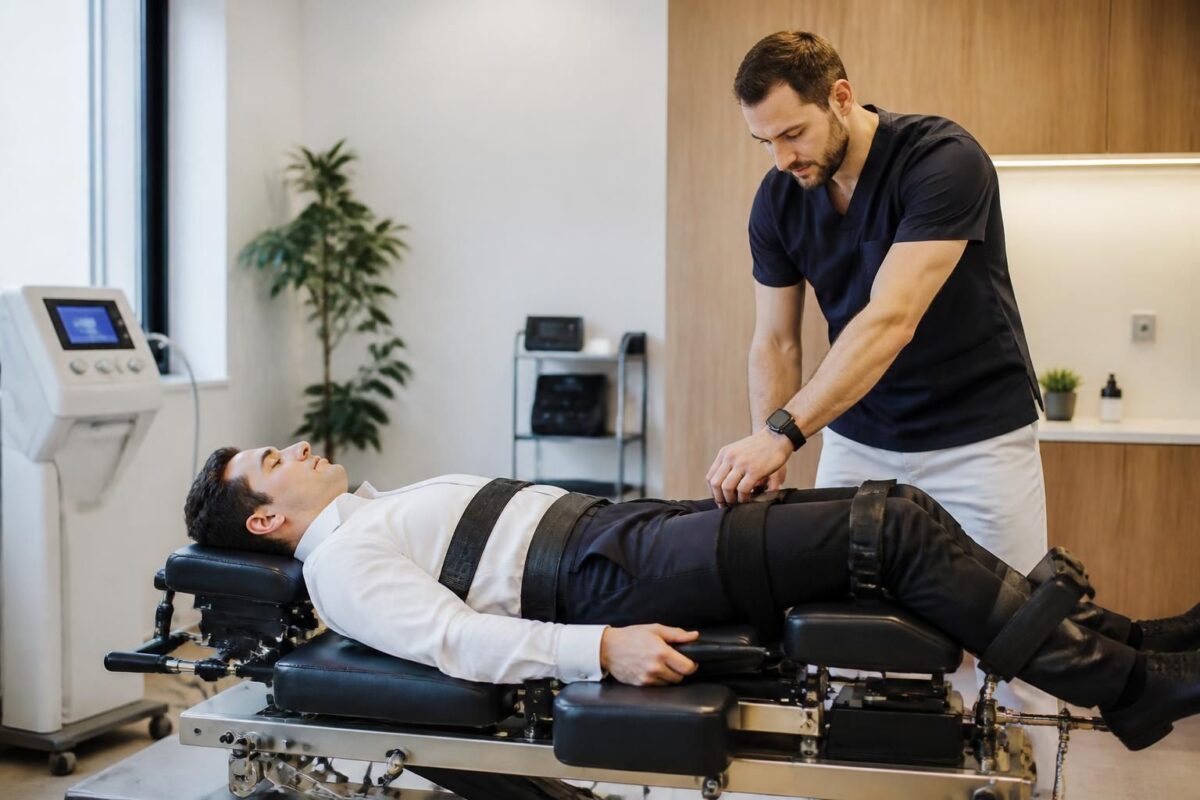
How Neurovertebral Decompression Prevents Diffuse Chronic Pain
In short decompression neurovertebral is one Non-invasive method aimed at reducing the Pressure on the intervertebral discs and the nerves, in order to prevent Diffuse chronic pain. It improves the circulation and thedisc hydration, decreases inflammation and promotes better mobility.…
Myth 4: It is a miracle solution that replaces surgery
The reality is different: decompression May avoid or delay surgery In many cases, but it is not universal and is not suitable for all medical boards. It is more like a Conservative option which can, depending on the evolution, integrate with other therapies and avoid more invasive interventions. Accurate diagnosis and appropriate planning help determine whether this approach is most appropriate, or whether other alternatives are to be considered.
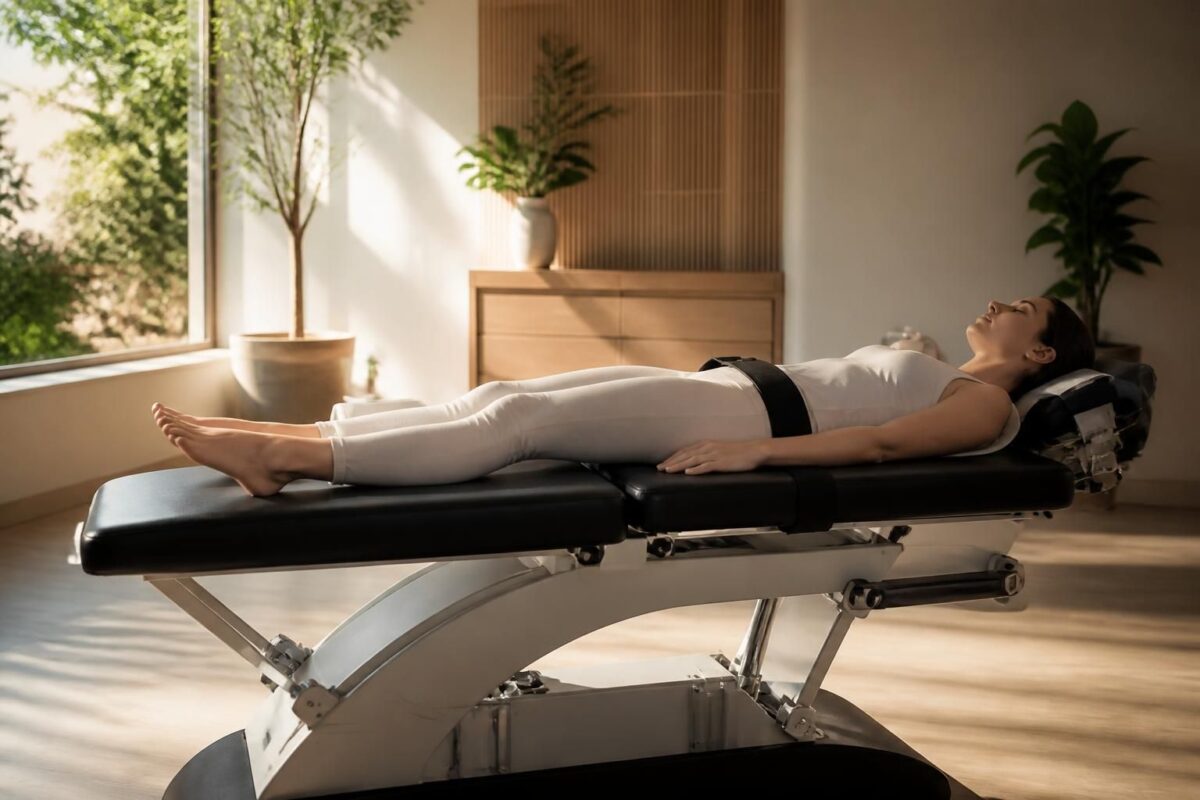
Neurovertebral Decompression and Body Alignment: Restoring Natural Balance
In short In short, neurovertebral decompression is one Non-invasive approach who restores theBody Alignment and thenatural balance back and neck. She acts by a Controlled traction of the spine to widen the intervertebral space and reduce the Pressure on discs…
Myth 5: This treatment is not suitable for the elderly or certain profiles
Modern decompression programs can be adapted to a variety of profiles, including the elderly, with a medical supervision and custom adjustments. Age does not necessarily exclude a favorable response, provided that the indications are clear and that the protocol takes into account comorbidities and the functional framework. The important thing is early assessment and rigorous monitoring to maximize gains while minimizing risk.
Practical courses and recommendations
For those considering this approach, it is recommended to request an overall assessment and discuss a Custom program Covering 15 to 25 sessions when it comes to a non-surgical setting. Combine decompression with targeted exercises, ergonomic advice and appropriate rehabilitation. Ask how each step will be measured (pain, mobility, nervous function) and ensure consistent follow-up to assess medium and long-term benefits.
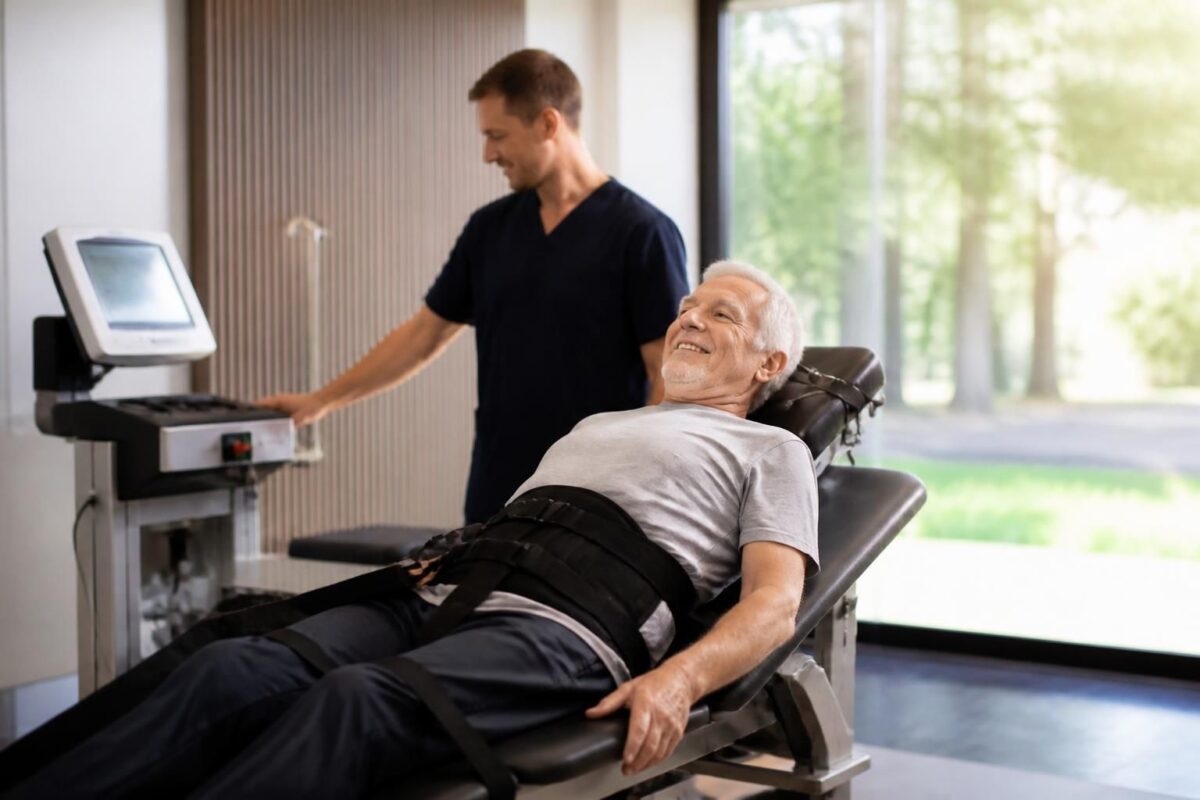
Why neurovertebral decompression is a lasting solution for active seniors
In short In short, the neurovertebral decompression is one Non-invasive therapy which sustainably relieves spinal pain in the spine active seniors By creating, by a Soft and controlled traction, a space between the vertebrae. At Montreal, it is recognized as…
Common demystified myths about neurovertebral decompression
| Myth | Reality |
|---|---|
| Neurovertebral decompression heals all hernias without surgery | Option non-invasive Effective for many patients but not universal; Some cases require a surgery, approach multidisciplinary. |
| Strict rest is the best solution | Activity suitable and targeted sessions promote recovery; avoid the immobilism prolonged. |
| A good lifting technique is enough to prevent | Prevention multifactor : reinforcement, weight control, posture and education; Not a warranty alone. |
| The pain is systematic with a herniated disc | symptoms variety; sometimes asymptomatic; pain depends on the compression and nerve signals; other possible signs. |
| Decompression is dangerous | Risk low; certain possible passing sensations; medical monitoring and adapted protocol minimize the risks. |
| Diagnosis is based on imaging alone | the clinical context and examination remain essential; Imaging is useful but not enough to plan the treatment alone. |
| Decompression is reserved for young people | She is safe and adapted to senior When supervised by professionals and after evaluation of contraindications. |
| Decompression can replace all other treatments | Often used in complement physical therapies; she can be synergize with physiotherapy and osteopathy For best results. |
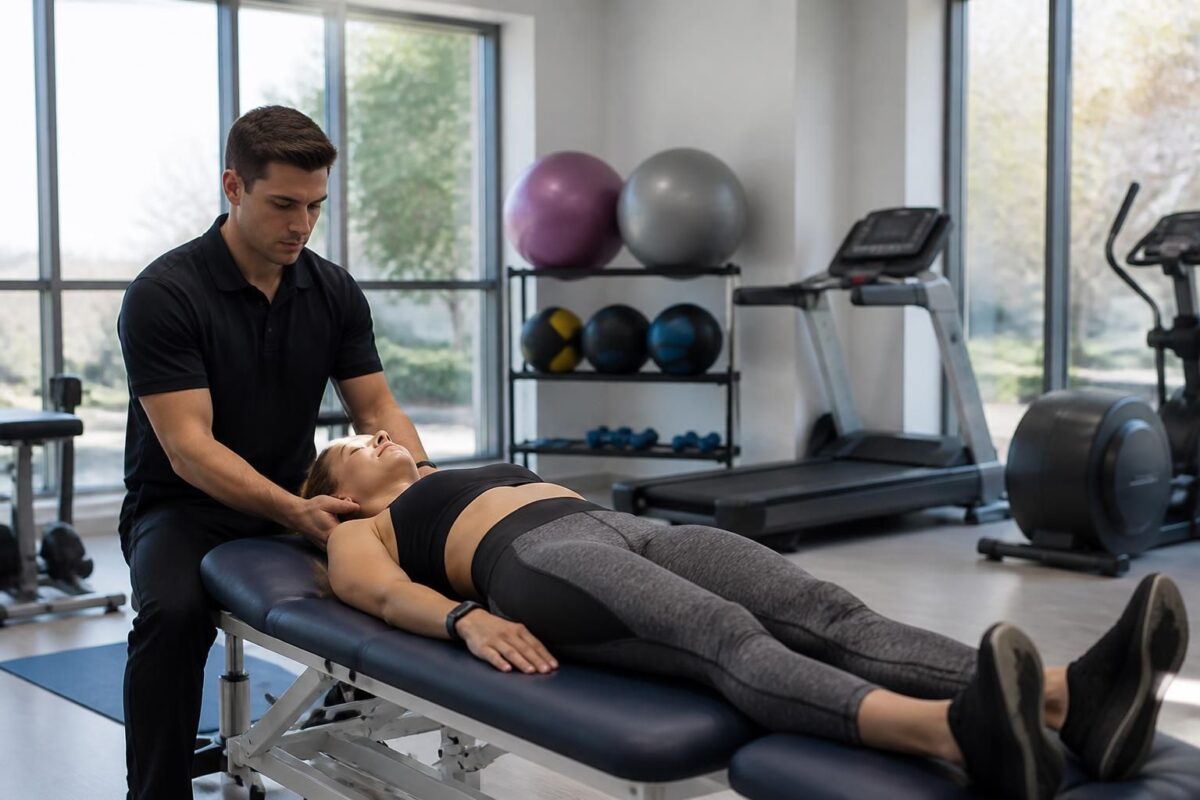
Neurovertebral decompression and recovery after severe sports injury
In short In short, the neurovertebral decompression is one Non-invasive method to Relieve the pressure on the Intervertebral discs and the gristle Via a Controlled traction, to facilitate the recovery After a severe sports injury. It improves the bloodstream towards…
Testimonials on common myths around demystified neurovertebral decompression
“Before I started, I was afraid that the neurovertebral decompression be painful and heavy. But I discovered that it is non-invasive and adapted to my case, with sessions Custom and progressive relief.
“I was told that it would be ineffective and that we should operate. After several weeks, the neurovertebral decompression Demonstrated its effectiveness on my pain and mobility, without any surgery.
“The myth of absolute rest was very widespread around me. In reality, a program progressive combining decompression And adapted exercises allowed me to recover without immobilizing my back and without loss of strength.
“I was 72 and I was told that this treatment was not safe for me. I have benefited from a Adapted under-veillance And I noticed a real improvement in my mobility and my pain: the protocol was reassuring and effective for my age.
“I thought relief would be immediate from the first session. In reality, the results appeared gradually, with a better first and continuous improvement over the weeks. The message: The benefits are real, but take time.
“I was leaving with the idea that this treatment lacked evidence. After seeing feedback and progress in mobility and pain reduction, I understood that this approach is evidence-based and not a simple passing mode.
“When I was told that only surgery could help, I looked for a plan personalized and a clear diagnosis. Thanks to the neurovertebral decompression, I avoided surgery and found a quality of life that matters to me. »
Dr. Sylvain Desforges is a Expert in osteopathy, naturopathy and manual medicine, whose action revolves around a deep commitment to theHealth Innovation. At the head of the TagMed clinics and the ACMA association, he has a patient-centric vision and the effectiveness of evidence-based care. His approach brings together the management of Chronic pain and the integration of Advanced technologies such as the neurovertebral decompression, laser and shockwave therapy, in order to offer non-invasive and personalized solutions.
In his approach, demystifying received ideas around decompression is a priority. He recalls that this treatment, when it is judiciously indicated, can provide significant relief without resorting to surgery, but that it is not a universal remedy. For Dr. Desforges, efficiency goes through a Rigorous assessment, a Precise diagnosis and patient education based on observable results in clinical practice. He advocates clear communication on realistic limits and objectives, in order to avoid unrealistic expectations and to foster an informed decision.
Its care framework is based on a Multidisciplinary approach, where osteopathy combines with physiotherapy, rehabilitation and ergonomic advice. Decompression treatment, when adapted, uses controlled and computerized traction that can help free disc space and reduce pressure on nerve roots. This method is presented as an option non-invasive which can improve mobility and reduce pain, while avoiding some heavier interventions, but it requires individualized planning and careful follow-up.
Among the myths he meets regularly, the one who affirms that decompression is systematically effective in all cases of herniated disc is often discussed with transparency. Dr. Desforges recalls that the clinical reality depends on the location, severity and overall context of the patient. He insists that surgery is not inevitable and that decompression can offer a valid alternative in many scenarios, especially when combined with targeted exercises and appropriate rehabilitation. He also points out that prolonged rest is rarely beneficial and that maintaining an appropriate activity is crucial to prevent chronicity.
As an advocate for the data-based approach, Dr. Desforges actively contributes to educating patients and professionals on the observable outcomes and treatment limits. His interventions focus on safety, comfort and customization — values that are reflected in the use of advanced technologies and in continuous dialogue with each patient. This philosophy aims to transform myths into knowledge and build patient confidence in their care pathways.
Over the years, his work has shown that neurovertebral decompression can be part of a lasting care trajectory, with benefits on the mobility, the pain and the quality of life. Dr. Desforges thus remains a key player in demystifying preconceived ideas and promoting support Personalized and reasoned patients with vertebral problems.
This text demystifies received ideas around neurovertebral decompression By presenting the Essential Facts, indications and limits, while relying on clinical evidence. It highlights that this approach is non-invasive And can, when adapted to the patient, sustainably improve mobility and reduce pain, without systematically resorting to surgery. To deepen, several reliable resources are available via specialized and professional pages.
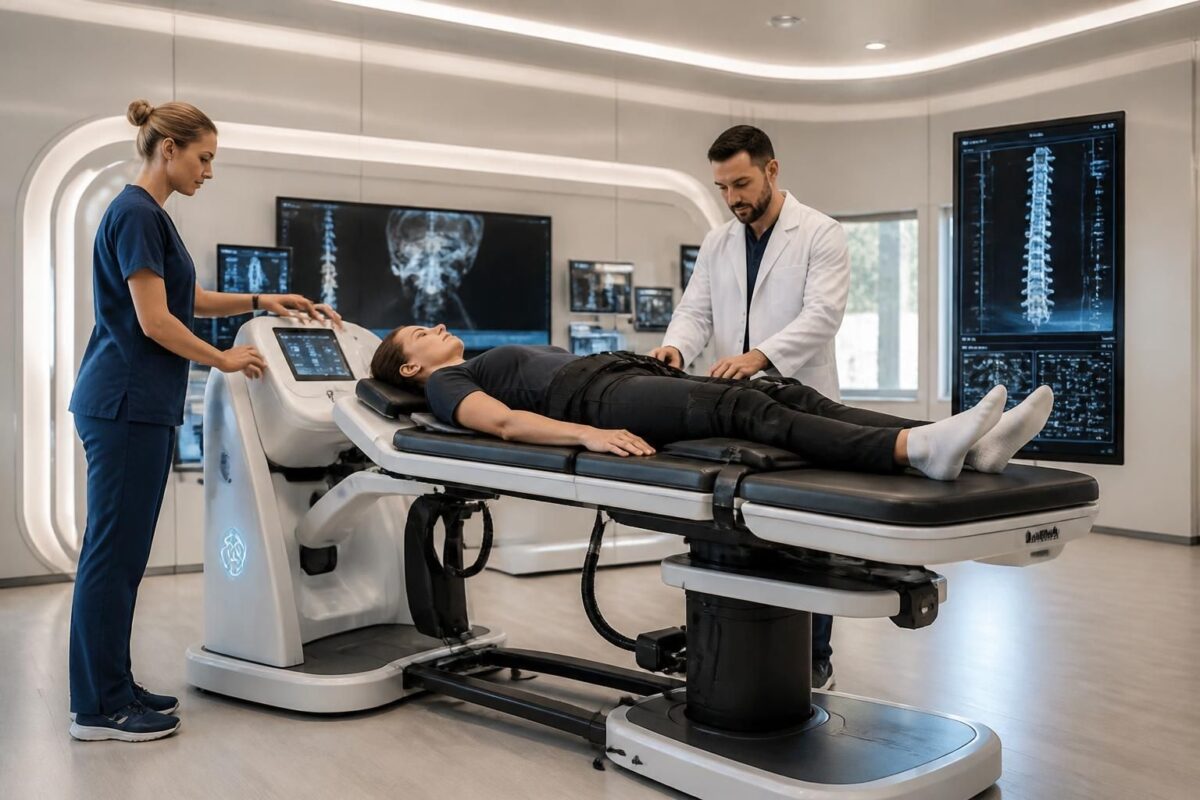
Recent innovations in neurovertebral decompression technologies
In short In short, the neurovertebral decompression is an approach non-invasive Aiming to reduce pressure on discs and nerves, and promote tissue regeneration. At Montreal, it is positioned as an effective option for lower back pain and herniated discs. The…
Myth 1: Decompression is painful and risky for the spine
Actually, most patients describe the sessions as comfortable and not very painful, thanks to protocols computerized and controlled. Adverse effects are generally minor and transient, like temporary stiffness, and the goal is precisely to reduce the pressure exerted on the nerves without surgery. Local clinical data and international analyzes support theefficiency and the security When the treatment is adapted to the cartilaginous context and the vascular state of the patient. For more clarification, see the dedicated resources, including those that discuss limitations and precautions (useful and reliable link available at Decompression suitable for the elderly and Myths and realities about neurovertebral decompression).
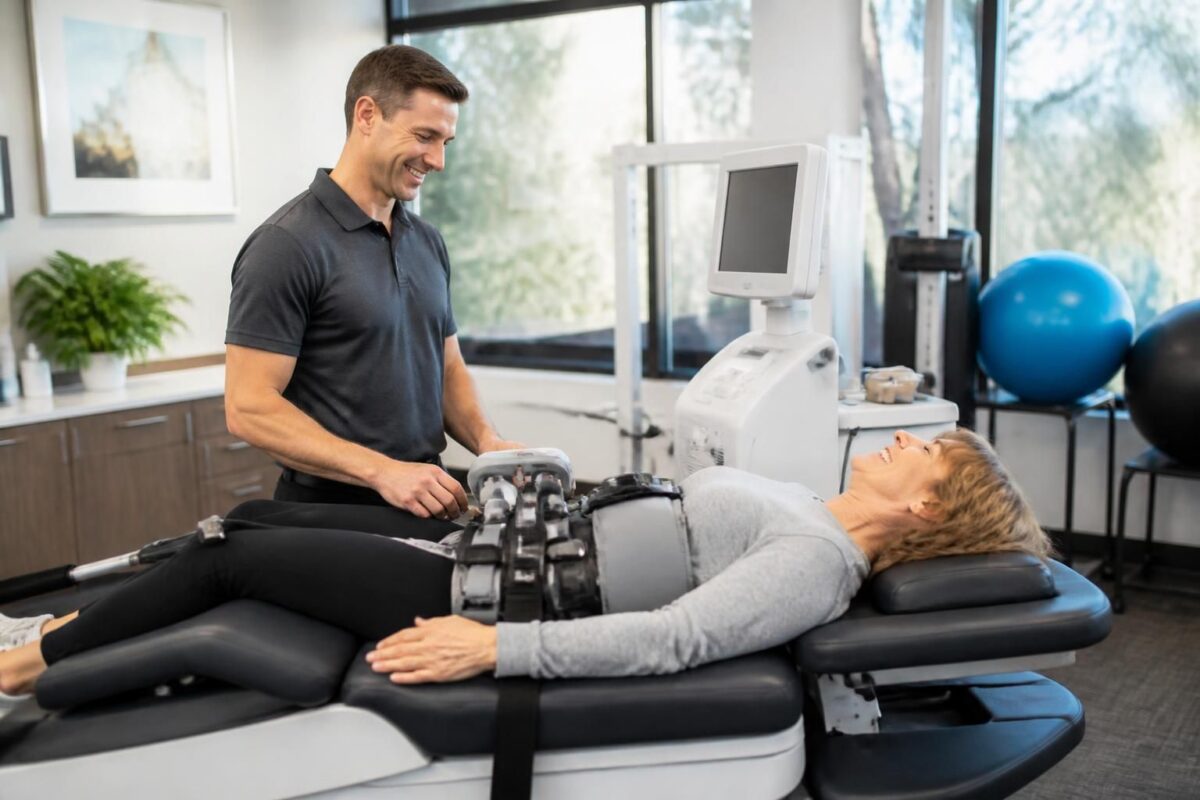
Neurovertebral decompression and diffuse pain: an appropriate solution
In short In short, the neurovertebral decompression is one Non-invasive solution For diffuse pain related to nerve irritation of the spine. She acts in Reducing pressure on intervertebral discs and nerves and improving the bloodstream, which promotes recovery and the…
Myth 2: This treatment is only useful in serious cases or after failure of other solutions
The reality is more nuanced: neurovertebral decompression is an option that can be considered when there is a Symptomatic disc herniation or a nervous compression significant, without any surgery being essential. It can be part of an approach multidisciplinary In combination with physiotherapy or osteopathy, in order to improve mobility and functional recovery, even before any potential surgery. To learn more, refer to the official and professional resources available through the specialized sites mentioned above and on the dedicated TagMed pages.
Myth 3: Surgery is inevitable in case of disc herniation
This myth is refutable in the majority of cases. The neurovertebral decompression offer a Non-invasive alternative which can avoid surgery when the symptoms remain manageable and the patient is eligible. Clinical trials and feedback highlight a pain reduction and an Improving mobility with appropriate protocols. In Greater Montreal and its surroundings, many cases illustrate the benefit of a course combining decompression, physiotherapy and osteopathy to optimize recovery and limit recurrences. For more information, see the following resources: Decompression and sports performance and Myths and Realities.
Myth 4: Decompression is not suitable for the elderly
Clinical data and practical feedback indicate that neurovertebral decompression may be safe and tolerated by elderly patients under appropriate supervision. The protocols are adjusted to tolerance, and the objective is to improve mobility and reduce pain without the risk of a surgical procedure. To discuss specific indications and precautions, see Help Resources and dedicated FAQs, including pages addressing adaptation in the elderly about Adaptation in the elderly and Adaptation in the elderly (English and French versions).
Myth 5: Decompression heals everything instantly and permanently
The reality is that the results depend on the gravity pathology, Precise diagnosis and of compliance with the protocol by the patient. An improvement can be felt gradually and associative treatments (ergonomics, targeted exercises, postural advice) play a key role in consolidating gains and preventing recurrences. To understand the mechanisms, indications and limits, consult specialized resources such as those hosted on Decompression and sports medicine or Foraminal stenosis.
Important note: This section does not impose a final conclusion and encourages a personalized discussion with your health professional to assess the opportunity for neurovertebral decompression in your case. To deepen the practical aspects and observed results, you can consult the following resources: Decompression suitable for the elderly, Vertebral decompression: myth or reality, and Myths and Realities. For clinical lighting and practical cases, go to Foraminal stenosis and Signs indicating need. The publications and summaries cited offer clear benchmarks to guide an informed decision adapted to each patient.

Dr Sylvain Desforges, B.Sc., D.O., N.D., osteopath, is the founding president of TAGMED and of the ACMA association. He dedicates his practice to chronic spinal pain, low back pain and symptoms compatible with sciatica, particularly when pain radiates toward the buttock, leg, calf, foot or toes.
Through SOS Sciatique, he publishes educational content on sciatica symptoms, possible causes such as disc herniation, disc narrowing, foraminal stenosis or irritation of a lumbar nerve root, as well as non-surgical approaches that may be considered according to the evaluation. At Clinique TAGMED, care may include, depending on the case, motorized neurovertebral decompression, specific osteopathic care or precision percussion.
For an evaluation related to sciatica treatment in Montreal / Mount Royal or sciatica treatment in Terrebonne, please consult the services available at Clinique TAGMED.
Medical disclaimer
The information published on SOS Sciatique is provided for educational purposes only and does not replace a consultation, diagnosis, opinion or treatment provided by a physician or another authorized healthcare professional. The author of this article is neither a medical doctor nor a specialist in a medical specialty recognized by the Collège des médecins du Québec. The osteopathic, manual medicine or functional support approaches described on this site do not constitute medical acts and are not intended to replace medical follow-up.
Consult a physician or emergency service in cases of loss of bladder or bowel control, anesthesia in the saddle area, significant or progressive weakness in the leg or foot, fever, recent trauma, severe pain or rapid worsening of symptoms. For more details, please read our Legal Notice.