Neurovertebral Decompression and Aging: Preserving Column Health
25/06/2026
Neurovertebral Decompression Techniques for Chronic Pain
25/06/2026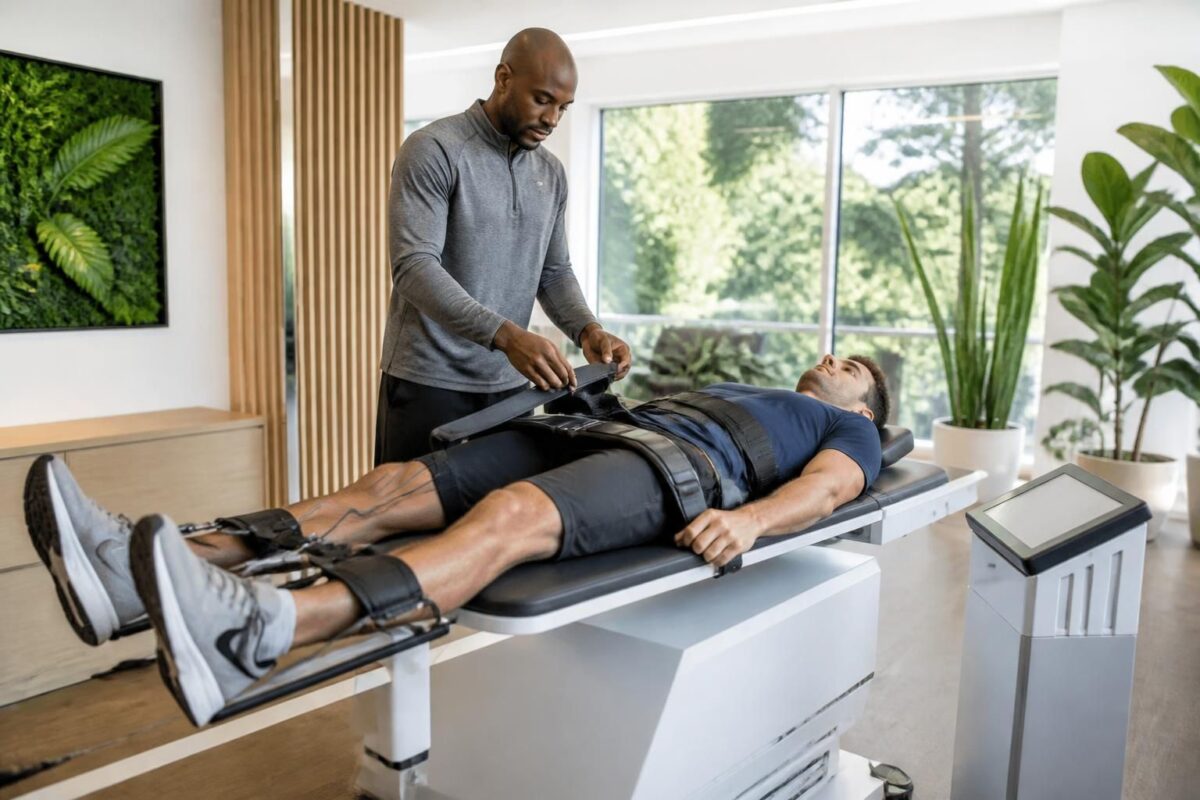
In short
| In short, the neurovertebral decompression is a method non-invasive which reduces the Pressure on the intervertebral discs and the Spinal nerves, restoring the mobility and facilitating the rehabilitation. Its main advantages include a Lasting pain reduction, a Mobility found, the Injury prevention and one Quick return to training, without surgery or medication. How does it work? A Soft and controlled traction Create a negative pressure in the discs, favoring their rehydration and the release of nerves, which improves circulation around the spine. At Montreal, this service is particularly recommended for athletes Seeking to optimize their vertebral health and prevent recurrent pain while remaining active. |
Here is a short summary of why athletes opt for the neurovertebral decompression :
- pain reduction Persistent due to injury or intensive training, facilitating quick return to training.
- Improving mobility and the range of movements, essential for technical gestures and repeated efforts.
- Injury prevention and decreased risk of recurrent pain through better spinal health.
- Accelerated recovery thanks to better circulation and tissue regeneration.
- Non-invasive approach and natural, without surgery or heavy drugs.
- Performance optimization in the long term while preserving spinal health in the face of training and competition.
This article, written by a health professional and expert in the fields of osteopathy and manual medicine, explains why the neurovertebral decompression attracts athletes. It presents the mechanisms, the benefits for pain and mobility, the preventive aspects and rehabilitation, as well as the criteria for applications and effectiveness. The approach is based on a non-invasive technique, supported by modern technologies and individualized evaluation.
Relieve pain and restore mobility
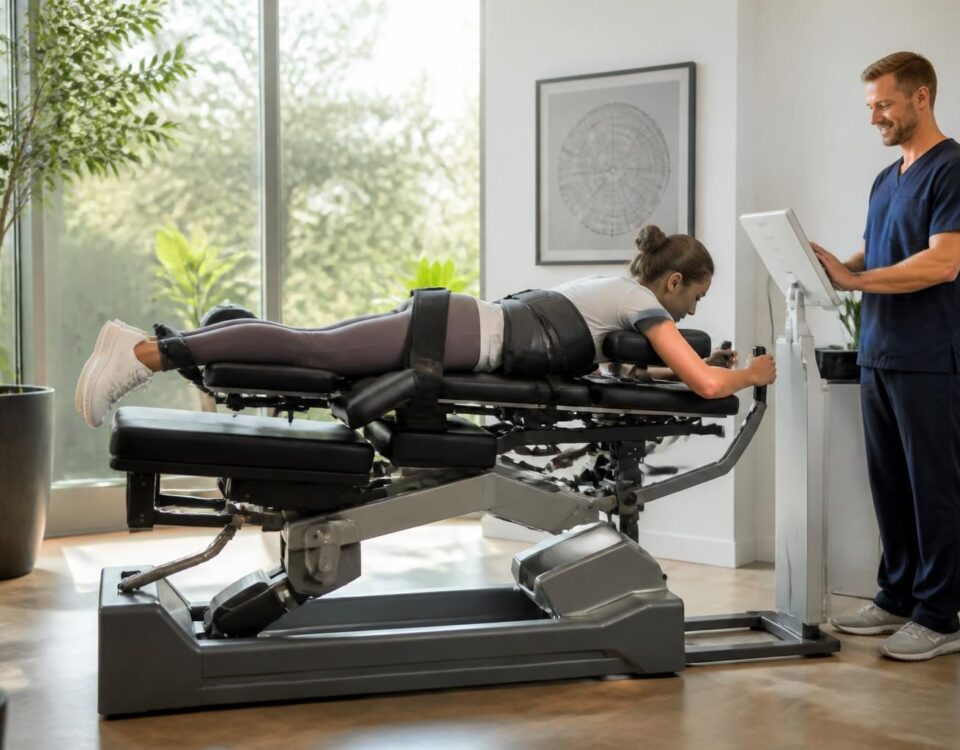
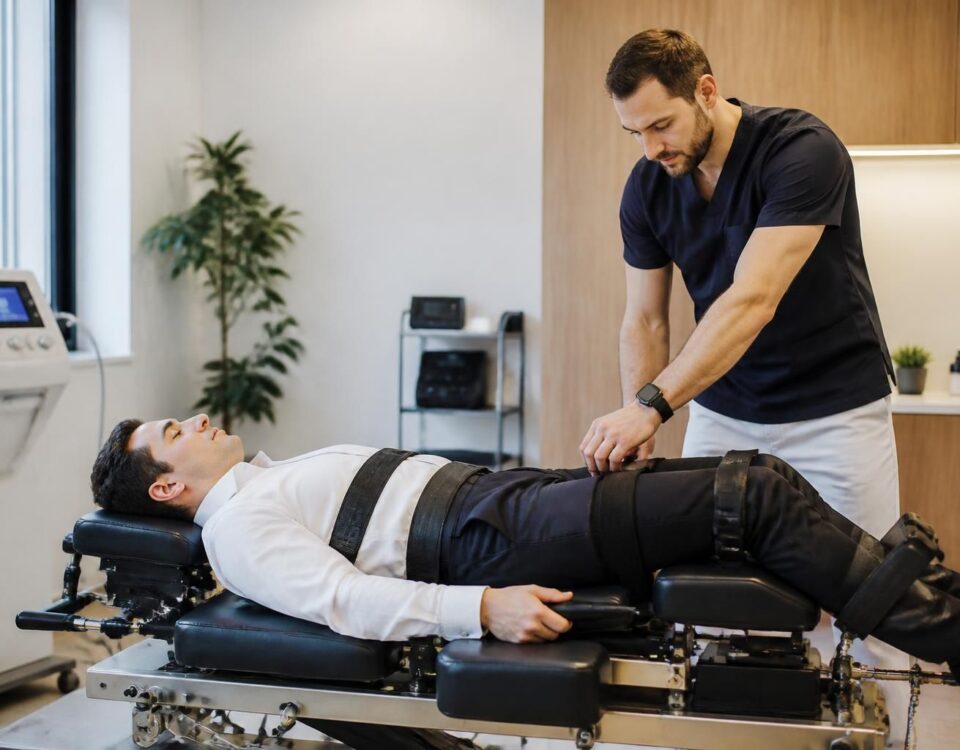
The neurovertebral decompression Acts by reducing the pressure exerted on the intervertebral discs and spinal nerves. This reduction can reduce the persistent pain linked to sports constraints and improve the range of motion. For athletes, this often means a faster return to training, with less stiffness and better function of the muscles surrounding the spine. To learn more about mechanisms and results, see the specialized resources and pages dedicated to this approach.
Modern protocols use precise tools that maintain controlled and secure traction. This non-invasive approach promotes the restoration of comfort and performance without the need for surgical procedures. Additional clinical information and perspectives are available on Vertebral decompression and choice of athletes and on Tagmed Clinic.
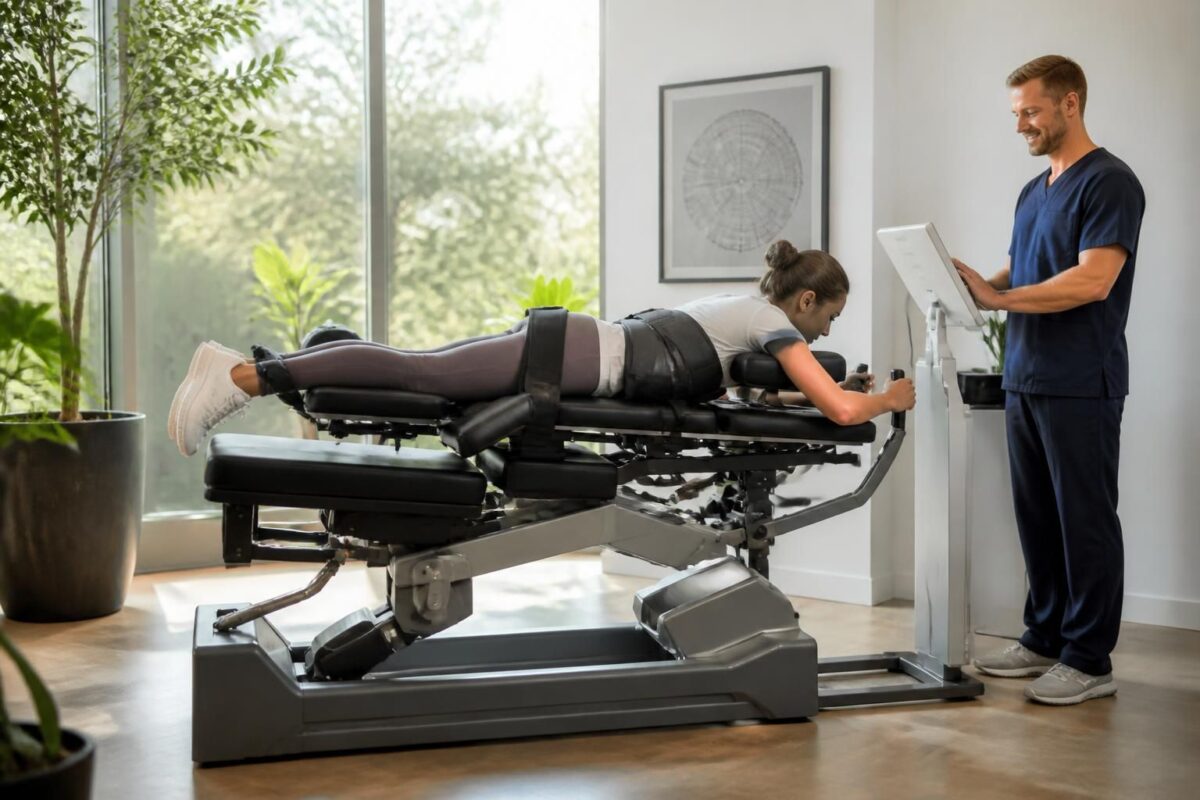
The long-term benefits of neurovertebral decompression for spinal health
In short In short, the neurovertebral decompression is a non-invasive approach that decreases the Pressure on intervertebral discs and nerves, favoring the Natural regeneration and tissue recovery. Its long-term benefits include Lasting pain reduction, Improving mobility and from the posture,…
Injury prevention and rehabilitation
Beyond immediate relief, neurovertebral decompression offers preventive benefits. By reducing mechanical stress on the spine, it can decrease the risk of recurring pain and support rehabilitation after injury, while remaining a non-surgical option. Dedicated resources describe the common pathologies treated by this technique and the potential benefits for athletes on specialized informative sites.
To explore aspects related to pain prevention and rehabilitation, see the information available on Common pathologies treated with neurovertebral decompression and A natural solution for persistent pain.

Neurovertebral decompression and mobility: a return to an active life
In short In short, the neurovertebral decompression is therapy non-invasive who uses a gentle traction To create a space between the vertebrae and reduce the pressure on the Intervertebral discs and the nerves. It promotes a bloodstream improved, lowers tension…
Technological integration and natural approach
Technological advances allow a precise application adapted to each athlete. Neurovertebral decompression is an approach natural and non-invasive Who can enroll in a comprehensive care program in osteopathy and manual medicine. To understand the innovations and results observed, consult the dedicated resources and the pages of the clinics that offer these advanced technologies.
Online resources present the impact of technologies used and benefits on recovery and mobility. For more information, see Recent innovations in neurovertebral decompression and Vertebral decompression and choice of athletes.
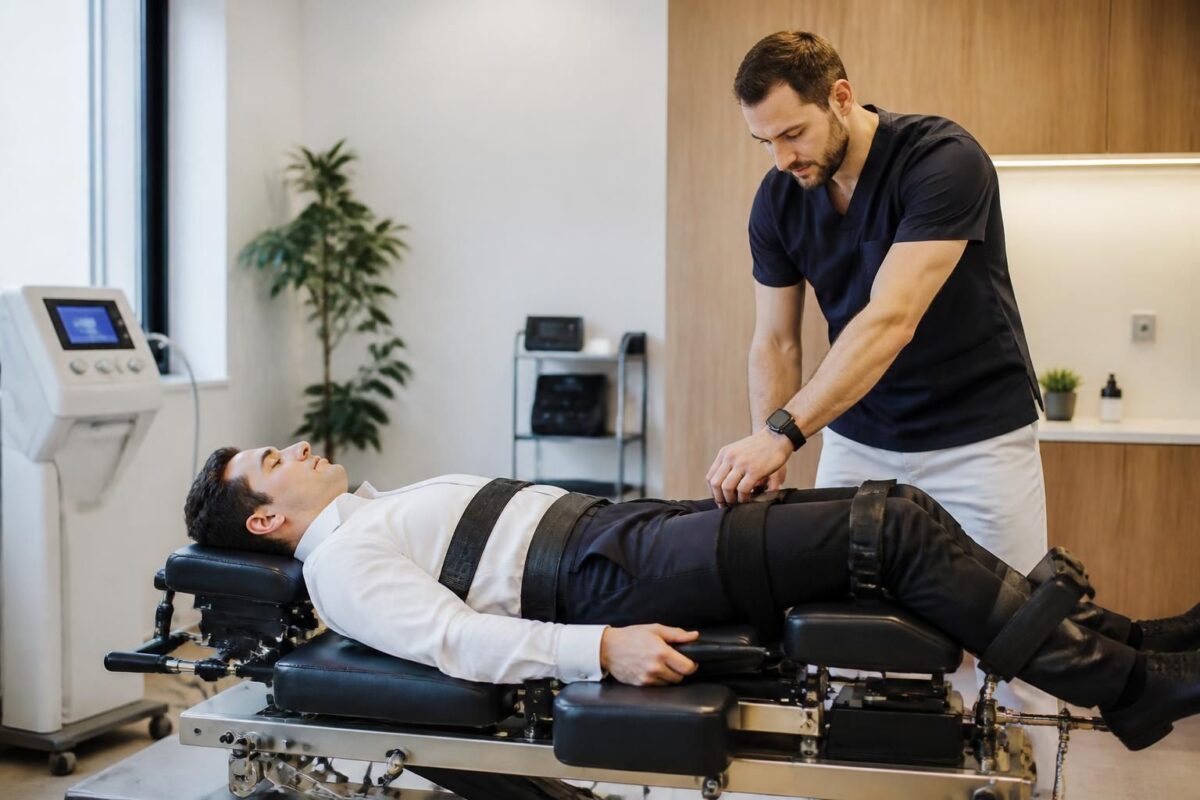
How Neurovertebral Decompression Prevents Diffuse Chronic Pain
In short decompression neurovertebral is one Non-invasive method aimed at reducing the Pressure on the intervertebral discs and the nerves, in order to prevent Diffuse chronic pain. It improves the circulation and thedisc hydration, decreases inflammation and promotes better mobility.…
Who can benefit and what to expect
Athletes with back pain or neck pain related to sports loads, without surgical indication, may be candidates for this approach. A typical treatment plan can include between 15 and 25 sessions, depending on severity and individual response. The initial assessment enables the objectives and schedule of the sessions to be established without using exercises or stretching at home, in accordance with best clinical practice.
This method is particularly suitable for athletes exposed to repeated tensions and spinal impacts. It helps to restore effective mobility and reduce painful episodes, while supporting a smooth and progressive rehabilitation focused on nervous function and disc dynamics. Additional information on alternatives and indications can be found on specialized resources and reference sites below.
Testimonials and clinical evidence
Feedback from athletes and scientific journals are beginning to demonstrate that neurovertebral decompression can decrease pain and support post-injury mobility. These results are part of a global approach to managing persistent pain and preventing relapses, without resorting to invasive methods. For specific cases and analyses, consult specialized resources in the field.
For in-depth studies on pathologies and associated approaches, you can refer to the following resources: SoshernieDiscale.com, SosherniatedDisc.com, and sostunnelcarpien.com.
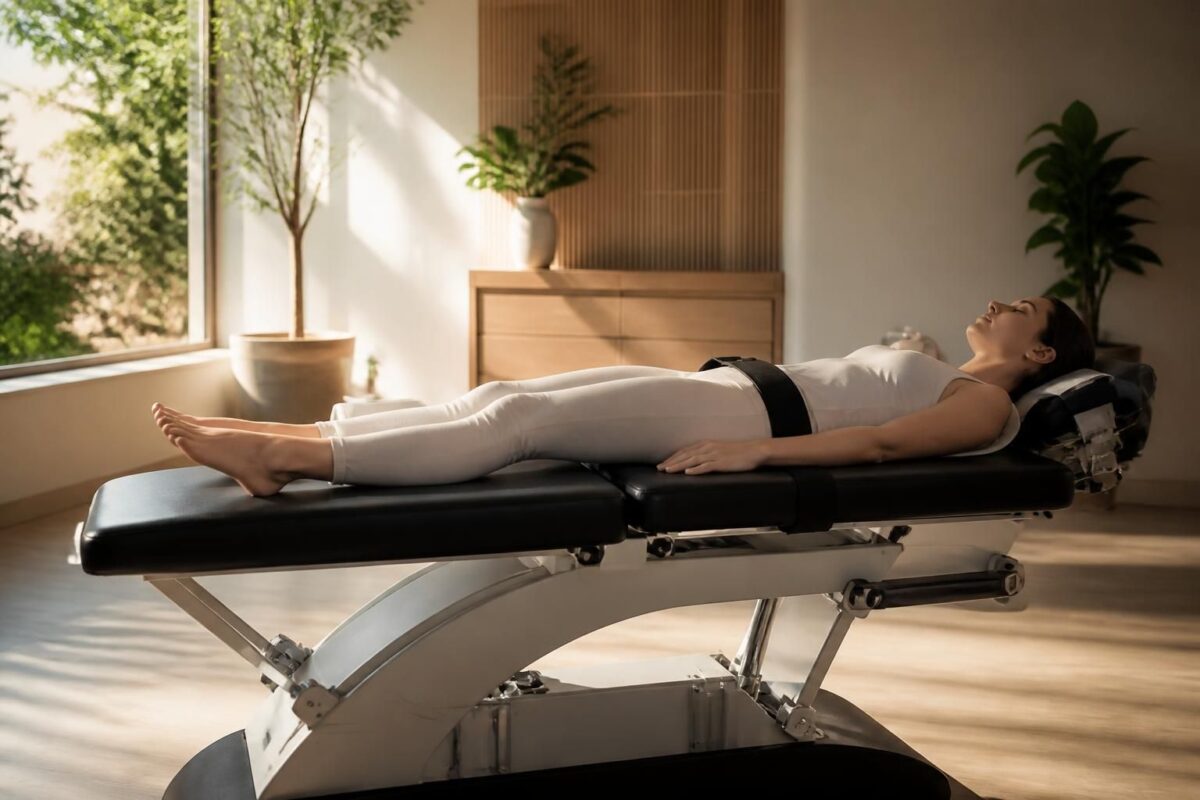
Neurovertebral Decompression and Body Alignment: Restoring Natural Balance
In short In short, neurovertebral decompression is one Non-invasive approach who restores theBody Alignment and thenatural balance back and neck. She acts by a Controlled traction of the spine to widen the intervertebral space and reduce the Pressure on discs…
Useful links and additional resources
For additional information and clinical perspectives, see the following resources. They offer an informative framework on neurovertebral decompression and associated pathologies:
- Neurovertebral decompression for patients with spinal stenosis
- Common pathologies treated with neurovertebral decompression
- Neurovertebral decompression — a natural solution
- Vertebral decompression — The choice of athletes
- Tagmed Clinic
- Who are the best candidates for neurovertebral decompression
For more general and specific information, you can also consult the following resources: Why choose neurovertebral decompression after a sports injury and Why athletes choose neurovertebral decompression.
To deepen the technical aspects and clinical perspectives, use the resources associated with the areas mentioned and stay aligned with a practice based on available data.
Medical Disclaimer: The information and advice provided on this site does not replace the health professional’s diagnosis or treatment. Please note that Dr. Sylvain Desforges osteopath is neither a doctor of medicine nor a doctor, and is not a specialist in a medical specialty as defined by the Collège des Médecins du Québec. Manual medicine, functional medicine and sports medicine as described on this site exclude any medical treatment or diagnosis made by a doctor or specialist doctor. Always consult your doctor for any medical questions. For more details, please read our full legal notice.
Analysis axis : Optimized performance and recovery for athletes.
- non-invasive ; No surgery or medication
- quick reduction targeted pain
- Improved mobility and better amplitude
- Accelerated recovery thanks to better circulation
- Prevention of recurrent pain and spinal stability
- Faster return to training and competition
- Rediscovered bodily confidence and anxiety reduction
- Technological adaptation With custom protocols
- Performance Sustainability By protecting the column
- Natural approach and holistic care

This article presents why athletes focus on neurovertebral decompression and how this approach can support pain management, mobility, recovery and injury prevention, while integrating into a performance-based training program.
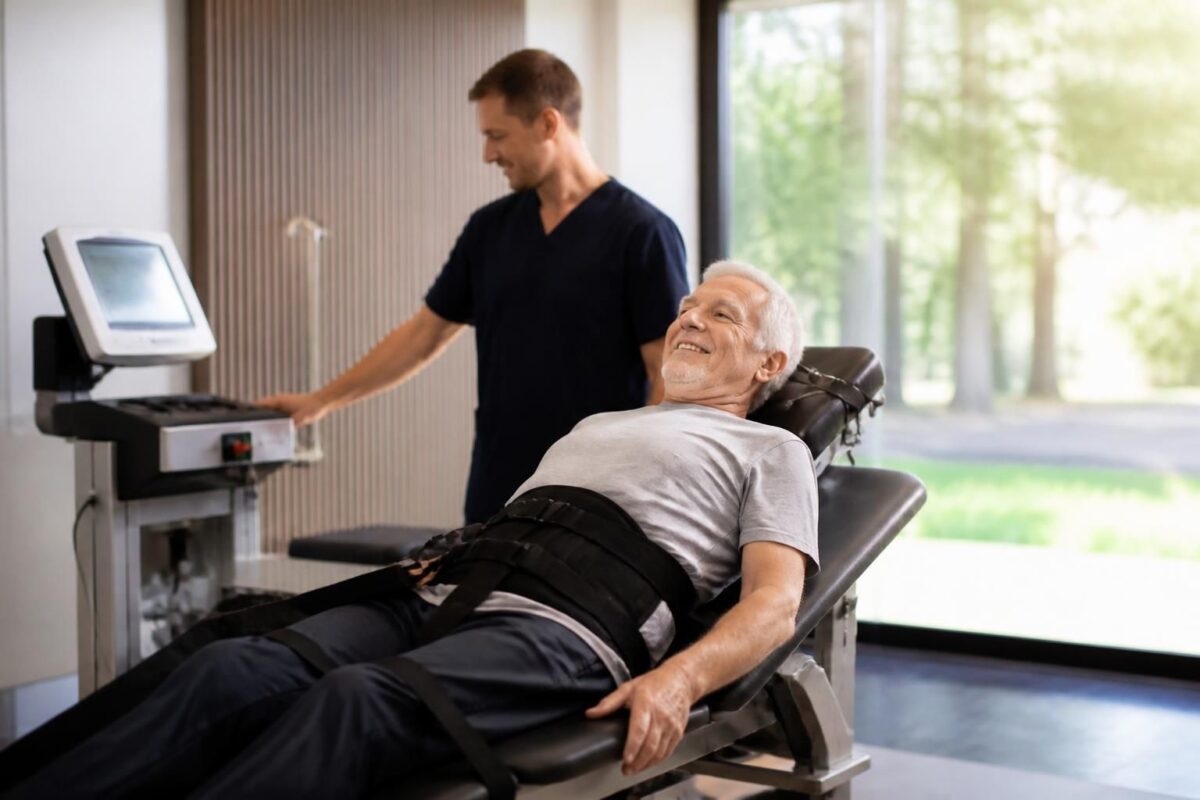
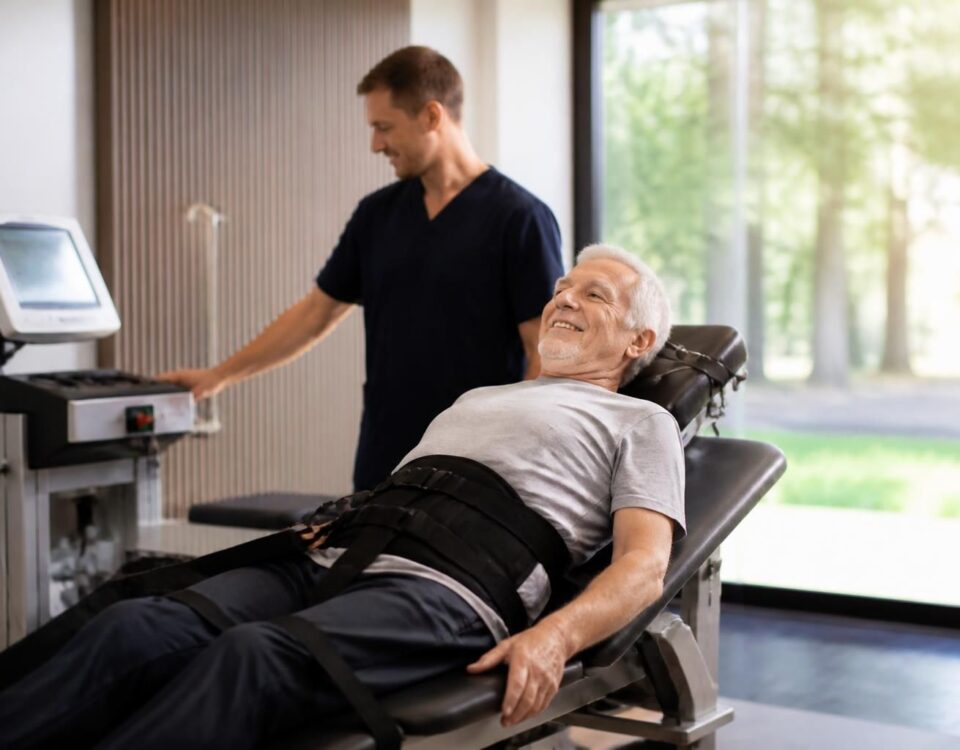
Why neurovertebral decompression is a lasting solution for active seniors
In short In short, the neurovertebral decompression is one Non-invasive therapy which sustainably relieves spinal pain in the spine active seniors By creating, by a Soft and controlled traction, a space between the vertebrae. At Montreal, it is recognized as…
Pain Reduction and Symptom Management
Neurovertebral decompression acts by reducing the pressure exerted on the intervertebral discs and spinal nerves, leading to a Significant pain reduction and better tolerance to training. This technique is non-invasive, which allows athletes to progress without using heavy drug treatments or surgical procedures. In practice, it opens up a therapeutic space where pain linked to repetitive gestures, minor injuries or muscle tension decreases, thus facilitating the resumption of training sessions. The protocols are adjusted to the load level and individual recovery to prevent relapses.
key elements
For athletes, a lasting relief is accompanied by better confidence in the body and a reduction in anxiety linked to training, which promotes more regular progression and better controlled training loads.
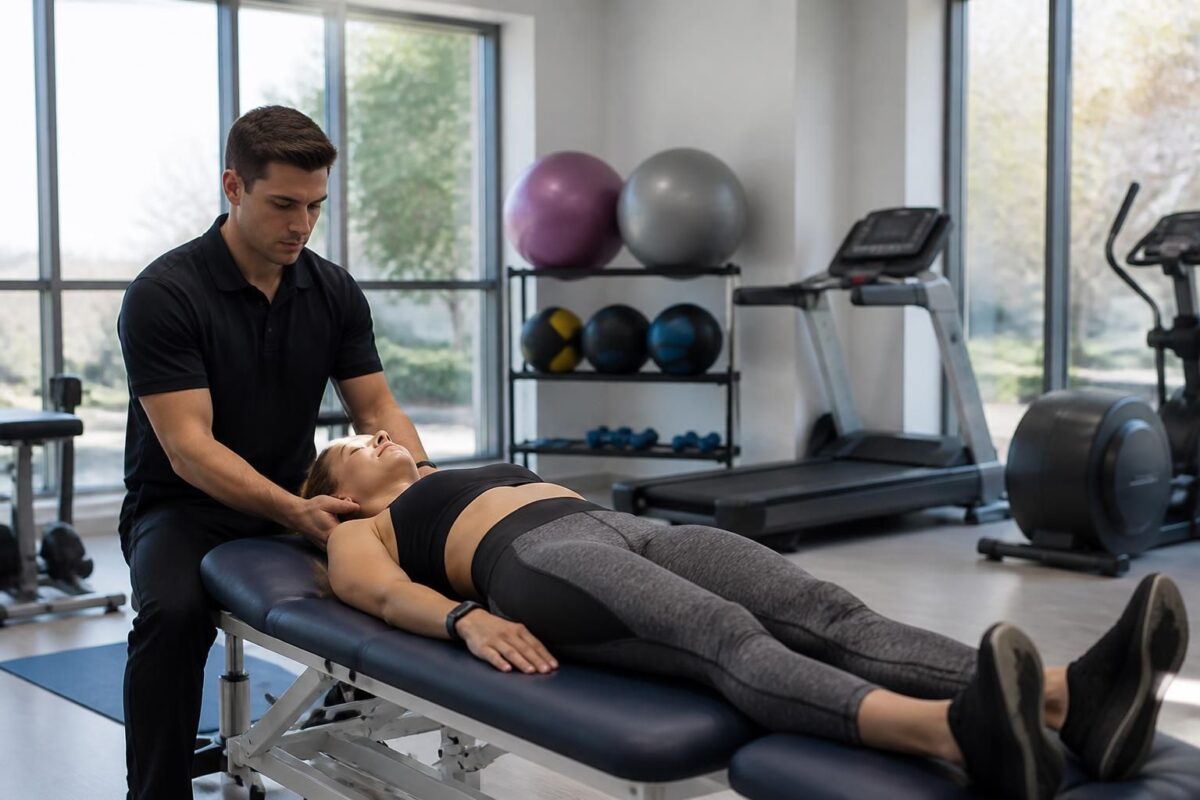
Neurovertebral decompression and recovery after severe sports injury
In short In short, the neurovertebral decompression is one Non-invasive method to Relieve the pressure on the Intervertebral discs and the gristle Via a Controlled traction, to facilitate the recovery After a severe sports injury. It improves the bloodstream towards…
Mobility and performance found
Athletes take advantage of a Improving mobility and a Improved circulation around the vertebrae. By releasing tensions and facilitating the repositioning of the spinal segments, the technique helps to restore optimal range of motion and reduce post-workout stiffness. This dynamic makes it possible to execute complex movements with more fluidity and to maintain effective motor patterns, which results in better overall performance and a reduction in the risk of injury linked to musculoskeletal compensations.
Impact on sports performance
By promoting more precise gestures and better posture, athletes gain in stability and technical efficiency during training and competitions, which can result in measurable technical and physical gains.
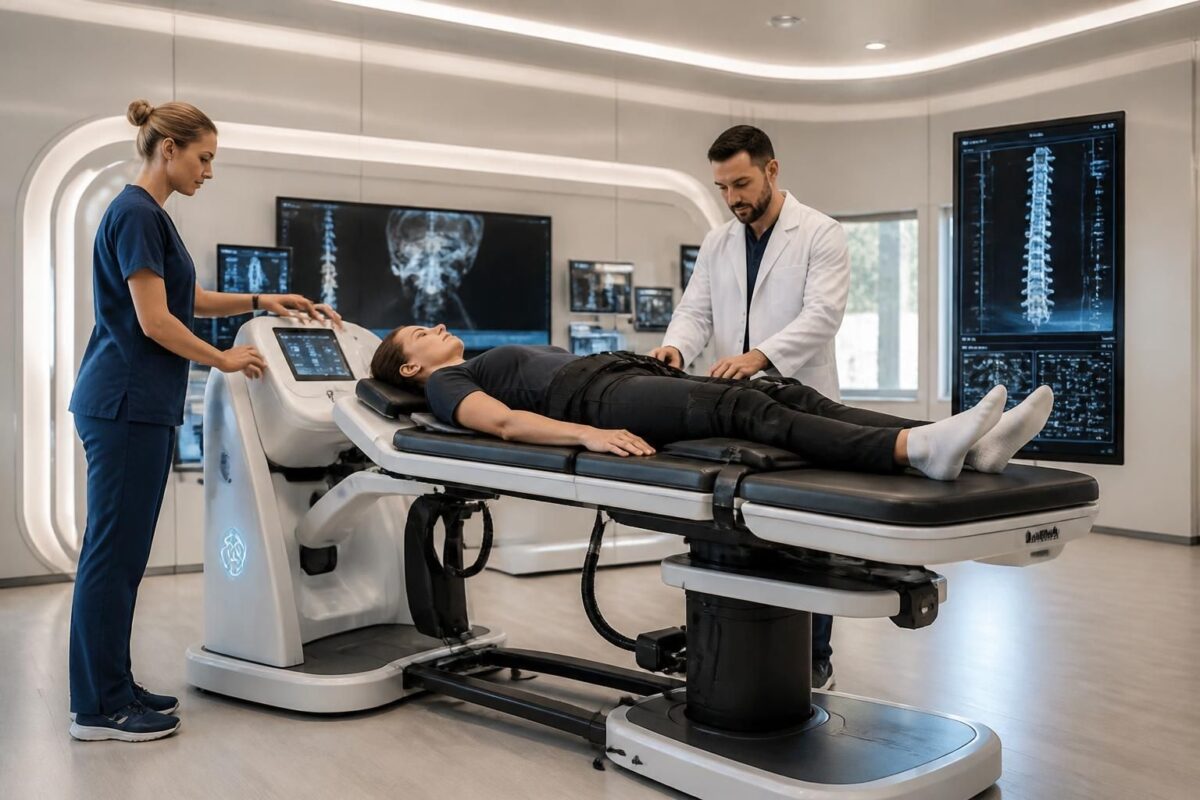
Recent innovations in neurovertebral decompression technologies
In short In short, the neurovertebral decompression is an approach non-invasive Aiming to reduce pressure on discs and nerves, and promote tissue regeneration. At Montreal, it is positioned as an effective option for lower back pain and herniated discs. The…
Injury prevention and training continuity
Neurovertebral decompression is a major lever for Injury prevention By keeping the spine in good condition and reducing the pain loads that would force you to interrupt the workout. By combining controlled traction and personalized follow-up, it helps to reduce the risk of recurring pain and maintain training continuity, a key element for competitive seasons and preparation cycles. This approach blends seamlessly with training plans, competition periods and active recovery phases.
Integration into a preventive routine
A structured decompression program can be planned as a regular preventive step, helping to maintain the spine supple and resilient in the face of the specific constraints of the sport practiced.
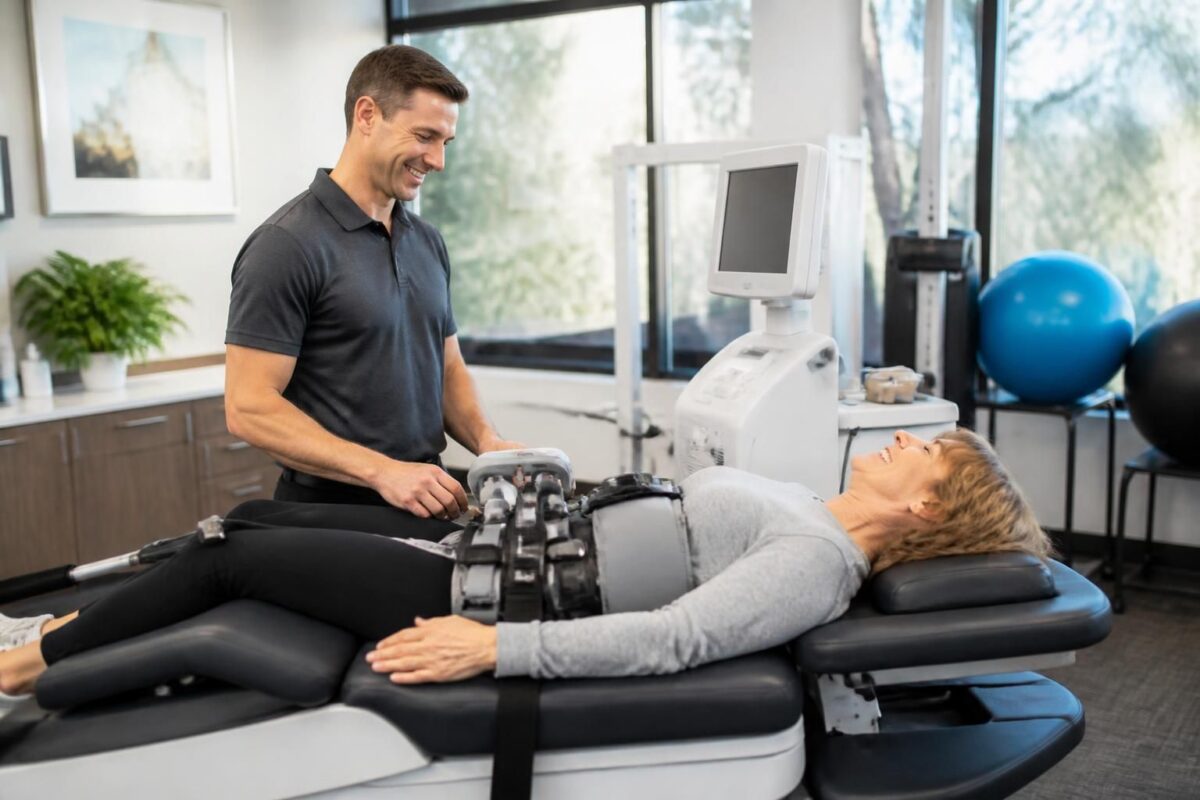
Neurovertebral decompression and diffuse pain: an appropriate solution
In short In short, the neurovertebral decompression is one Non-invasive solution For diffuse pain related to nerve irritation of the spine. She acts in Reducing pressure on intervertebral discs and nerves and improving the bloodstream, which promotes recovery and the…
Post-injury recovery and return to sport
After an injury, neurovertebral decompression participates in a Faster recovery By improving the local blood circulation and facilitating the rebalancing of discs and nerves. It allows a Gradual and safe return to sport, with a progression adapted to the healing stage and level of pain tolerance. For athletes, this can mean an earlier and more reliable resumption of workouts, while limiting the risk of relapse and aggravation.
Sports reintegration plan
The return to training is done under supervision and with a progressive protocol which includes rehabilitation, mobility work and load adjustment, in order to preserve the achievements and avoid recurrence.
Technological integration and customization
Modern decompression protocols incorporate advanced technologies and personalized assessments that take into account the athlete’s sport, competition level and goals. This approach personalized Allows you to adjust the settings and frequency of the sessions, and combine them with other modalities such as targeted therapies and reinforcement programs. In practice, this translates into a clear and effective care pathway, focused on the results and sustainable well-being of the athlete.
In summary, neurovertebral decompression offers a chain of benefits for athletes: pain reduction, Mobility found, Injury prevention, Accelerated recovery and Custom Plan, all in one approach non-invasive and technologically advanced that supports sustained and sustainable performance.
| Aspect | snide profit |
|---|---|
| persistent pain | Relief Targeted and sustainable by reducing spinal nerve pressure |
| Mobility | improvement of theamplitude and from the mobility Without surgery |
| Injury prevention | restoration of a healthy spine for prevent Future pains |
| recovery after injury | Accelerated recovery thanks to better circulation and tissue regeneration |
| Non-invasive approach | Therapy non-invasive, without drugs or surgery |
| sports performance | maintenance and optimization of the performance physical |
| Comfort and tolerance | comfortable sessions and tolerant Even for demanding athletes |
| Technology and customization | Advanced equipment and protocol personalized For predictable results |
| Alignment with the care program | natural complement to Care plan preventive and rehabilitation |
“As a marathon runner, I suffered from Persistent lower back pain which held back my workouts. Since I joined the neurovertebral decompression, I found a mobility fluid and a lasting reduction in pain, which allows me to resume my long outings without fear of relaps. »
“On the court, the radiant pains and numbness were impeding my performance. Neurovertebral decompression has Reduces pressure on my nerves And I found a amplitude essential movement for my reflexes and my shots. My confidence in the field has returned”
“As a cyclist, the Rehabilitation after a back injury could take months. With neurovertebral decompression, I accelerated my recovery, found an easier breathing and was able to return to pedaling without pain, without resorting to invasive treatments. »
“In triathlon, consistency is key. This approach natural and non-invasive Help me to prevent Recurrent pain During the transitions and resumptions of training, allowing me to maintain my level of performance in the long term. »
“In team sports, the Injury prevention is as important as performance. Neurovertebral decompression helps keep the spine healthy, reduces the pain that braked me, and stays focused on my goals without interruptions due to pain. »
“In weightlifting and core work, the trunk mobility is essential. This gentle therapy releases tension and improves circulation around the vertebrae, which helps maintain a Optimum performance while protecting the back against recurrent overloads. »
This expert, recognized for his evidence-based approach and his spirit ofinnovation, devoted his career toosteopathy, naturopathy and manual medicine. As a key figure in the field, he guides a vision focused on sustainable improvement of health and of welfare patients, especially athletes. His work focuses on the integration of advanced and non-invasive technologies, such as spinal decompression, in order to offer concrete solutions for pain management and rehabilitation. This approach feeds on a conviction: effective care goes through personalized and rigorously evaluated protocols.
For athletes, neurovertebral decompression represents a clear response to pressing needs. It offers a Reduced pressure on spinal nerves and the discs, favoring a Improved blood circulation and an Tissue regeneration optimized. In practice, it contributes to restoring a Normal mobility and accelerate the rehabilitation after injury. athletes can thus continue their training and maintain their performance while minimizing the risk of recurrent pain. This approach, soft and natural, is particularly appreciated when the loads exerted on the column during training are high.
At the heart of the decision is a clear logic: favoring an option non-invasive which acts on the mechanical causes of pain rather than masking symptoms. Neurovertebral decompression acts on the column environment, releasing stresses and improving nervous function and muscular. For athletes, this translates into a better ability to perform technical gestures, Increased flexibility and faster recovery between training sessions. By combining this technique with complementary approaches, athletes benefit from a care pathway that supports their recovery and their Physical resilience.
On a practical level, the use of modern equipment and an approach personalized Allows you to adjust the protocols according to the profile of each athlete. The goal is to get a Lasting pain reduction, a Progressive improvement in mobility and an Injury prevention futures. This therapeutic selection is part of a comprehensive strategy for preventing back-related injuries and a proactive approach to managing Chronic pain common among athletes.
For athletes who want to preserve their body and extend their career, neurovertebral decompression stands out as a natural and effective option. It is ideally integrated into a care program focused on innovation, evidence and performance, offering a pragmatic path to better quality of sporting life and sustained long-term performance.
This article examines why athletes focus on neurovertebral decompression: its non-invasive benefits, its impact on pain and mobility, its ability to prevent injuries and accelerate rehabilitation, as well as the technological support that makes these treatments safe and effective.
For athletes, the priority is a Sustainable performance and an quick recovery. Neurovertebral decompression offers a Non-invasive analgesic effect and improves mobility, blood circulation and tissue regeneration, allowing you to remain active while minimizing periods of inactivity related to pain.
It also acts as a Effective prevention recurring pain and sports-related injuries. By reducing the pressure on the intervertebral discs and spinal nerves, this approach helps to limit relapses and support more sustained training loads over the long term, a major asset for athletes subject to repeated and intense efforts.
Decompression promotes Accelerated rehabilitation after a dorsal or cervical injury. By improving blood circulation and allowing better hydration and repositioning of the discs, it facilitates the return to a high performance level more quickly and safely, without resorting to invasive surgical procedures.
From a technological and organizational point of view, modern protocols and innovative devices offer a Personalized approach and one Optimum comfort during the sessions. Athletes benefit from Increased security and measurable results that can be followed in the long term. To learn more about innovations and benefits, consult specialized resources like Innovations in neurovertebral decompression and analyzes on recurrence prevention.
Finally, the integration of neurovertebral decompression in the athlete care program can be supported by specialized clinics such as Tagmed Clinic and partners focused on rehabilitation and performance. For additional perspectives on the impact on athletes and use cases, you can consult resources such as Support for athletes with chronic lower back pain and Support after a spinal injury. Other useful references include neurovertebral decompression and clinical analyzes presented on Prevention of recurrent pain.

Dr Sylvain Desforges, B.Sc., D.O., N.D., osteopath, is the founding president of TAGMED and of the ACMA association. He dedicates his practice to chronic spinal pain, low back pain and symptoms compatible with sciatica, particularly when pain radiates toward the buttock, leg, calf, foot or toes.
Through SOS Sciatique, he publishes educational content on sciatica symptoms, possible causes such as disc herniation, disc narrowing, foraminal stenosis or irritation of a lumbar nerve root, as well as non-surgical approaches that may be considered according to the evaluation. At Clinique TAGMED, care may include, depending on the case, motorized neurovertebral decompression, specific osteopathic care or precision percussion.
For an evaluation related to sciatica treatment in Montreal / Mount Royal or sciatica treatment in Terrebonne, please consult the services available at Clinique TAGMED.
Medical disclaimer
The information published on SOS Sciatique is provided for educational purposes only and does not replace a consultation, diagnosis, opinion or treatment provided by a physician or another authorized healthcare professional. The author of this article is neither a medical doctor nor a specialist in a medical specialty recognized by the Collège des médecins du Québec. The osteopathic, manual medicine or functional support approaches described on this site do not constitute medical acts and are not intended to replace medical follow-up.
Consult a physician or emergency service in cases of loss of bladder or bowel control, anesthesia in the saddle area, significant or progressive weakness in the leg or foot, fever, recent trauma, severe pain or rapid worsening of symptoms. For more details, please read our Legal Notice.