Neurovertebral decompression: a natural solution for persistent pain
25/06/2026
Myths about neurovertebral decompression explained
25/06/2026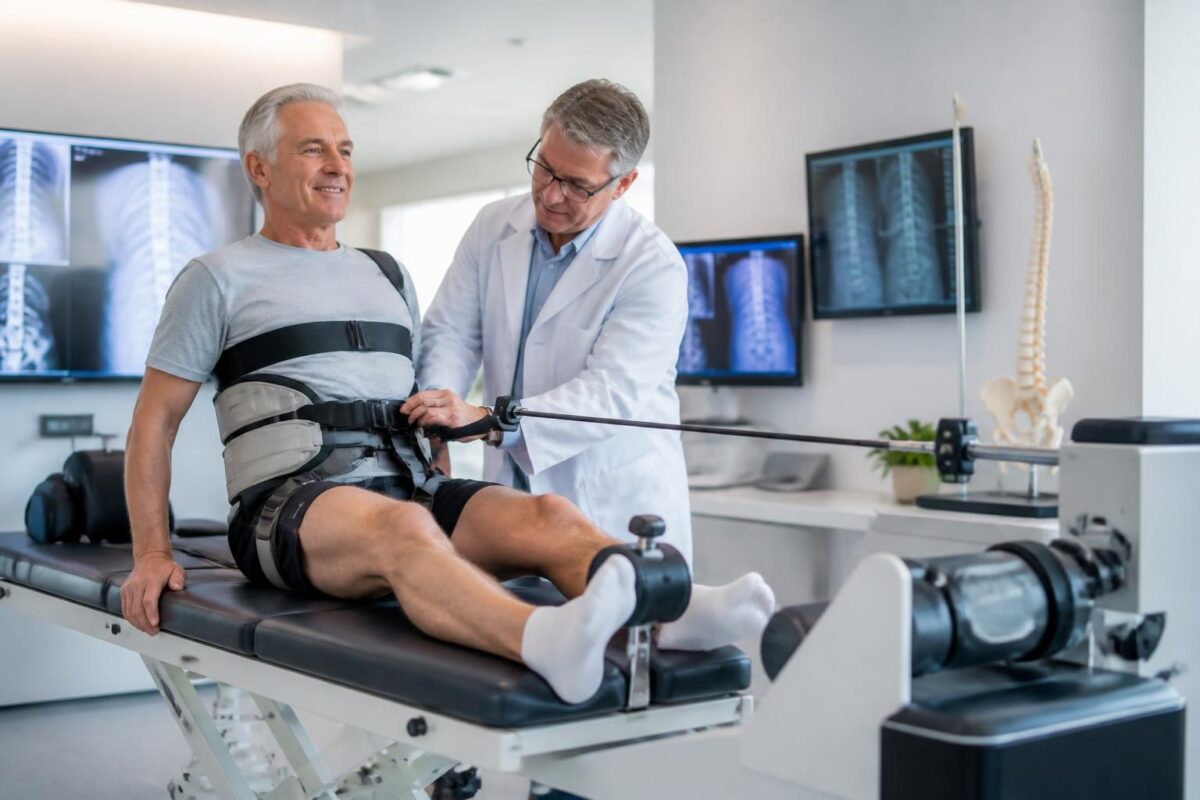
In short
| neurovertebral decompression is one Non-invasive therapy which acts on the spine to reduce the Intradiscal pressure and release compressed nerves, facilitating disc repositioning and Rehydration of intervertebral discs. In practice, it improves mobility and reduces the pain, promoting faster and more durable recovery. Its key benefits include better Movement flexibility, a reduction in the use of analgesics and an accelerated return to daily and sports activities. It is easily integrated into a global rehabilitation plan for lumbar and cervical pain linked to hernias or bulges, while remaining non-surgical and well tolerated. |
The neurovertebral decompression is an approach non-invasive which acts directly on the spine. by creating a space between the vertebrae and reducing the Intra-discal pressure, it promotes rehydration discs and the decrease in the nerve compression.
This improvement requires a better bloodstream and tissue nutrition, accelerating the healing of discs and adjacent structures. Result: a Mobility found and a reduction in stiffness, with a gradual and lasting return to your daily and sporting activities, thanks to a Custom Protocol.
The neurovertebral decompression is a non-invasive approach that aims to free up space around discs and nerves. It reduces the Intradiscal pressure, improve the circulation of nutrients and reduce pain. Thanks to these mechanisms, it facilitates the return to a Normal mobility and physical activity without pain. This article presents how this therapy can help recover a complete and lasting range of motion.
How decompression affects mobility
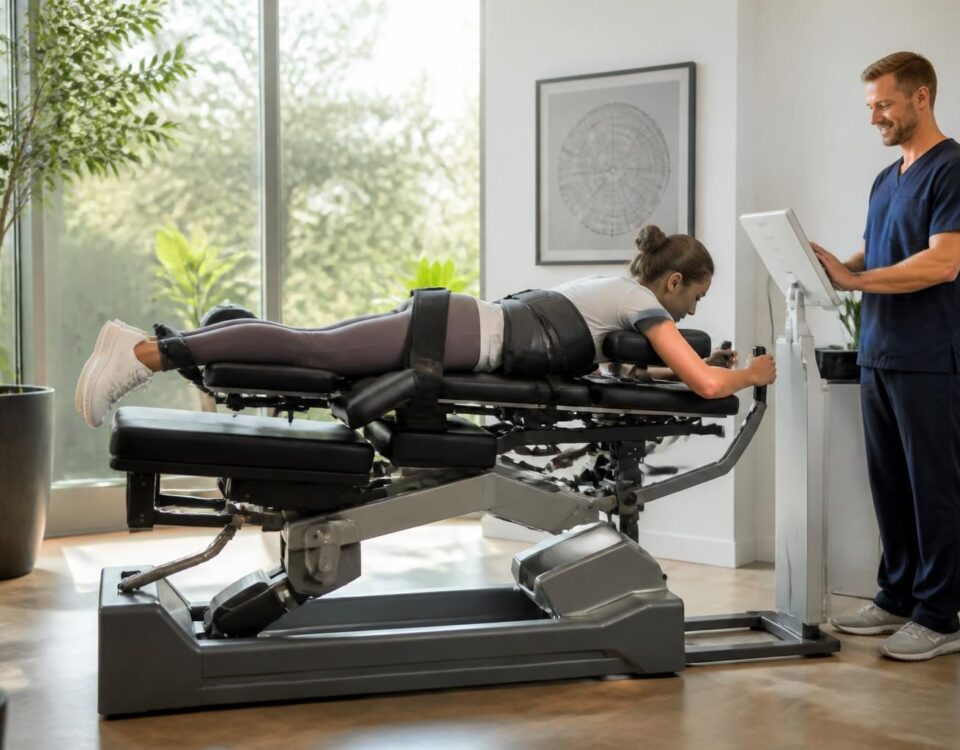
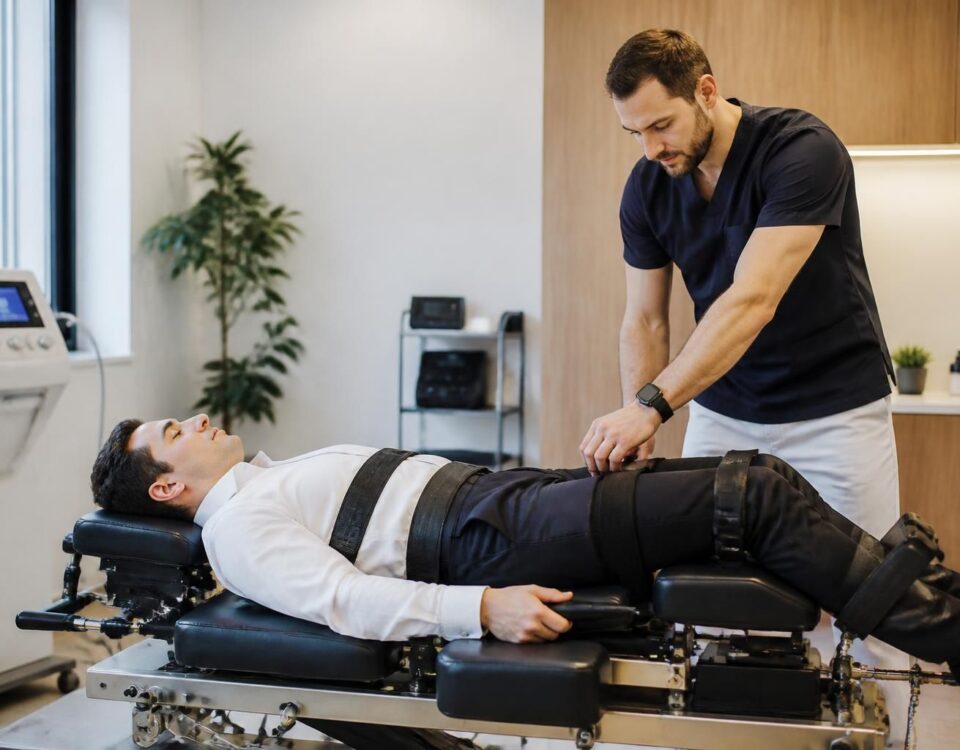
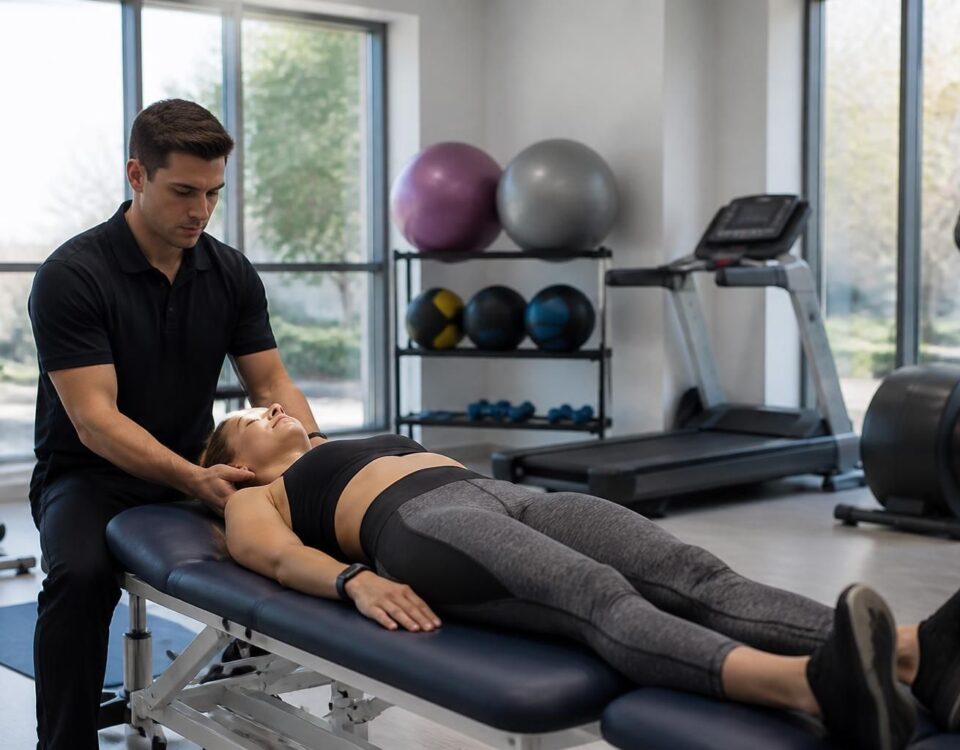
The therapy applies controlled traction on specific segments of the column. It creates a space between the vertebrae and releases the pressure on the nerves and discs. This action promotes tissue rehydration and regeneration. By decreasing the pain associated with nerve compression, the movement becomes more fluid and less painful.
Essential mechanisms supporting mobility
Reduced intradiscal pressure, which helps the disc recover its hydration and volume. traffic improvement blood around the treated area, providing the necessary nutrients for tissue repair. Decreased inflammation due to reduced nerve compression.
Apps for athletes and active people
In athletes, decompression promotes rapid return to training and resumption of technical gestures. among active people, it contributes to maintaining the spinal stability and prevent recurrences of pain. To learn more about the benefits in the sports setting, consult the dedicated resources.
For a more complete presentation of the mechanisms and uses, you can consult This dedicated resource.
Typical care pathway in a specialized clinic
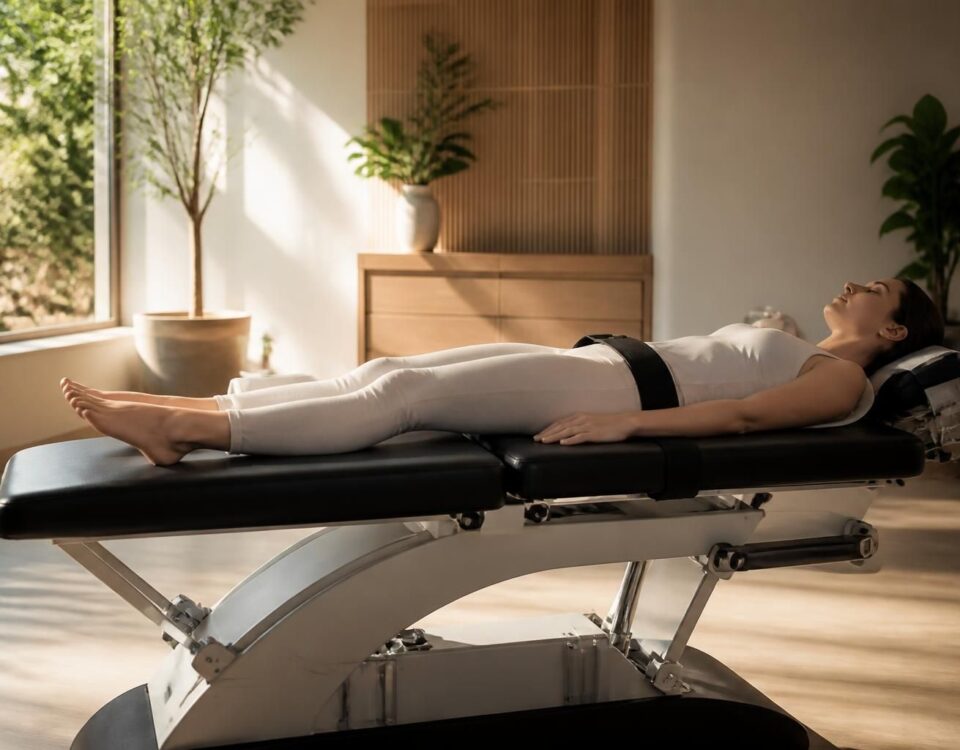
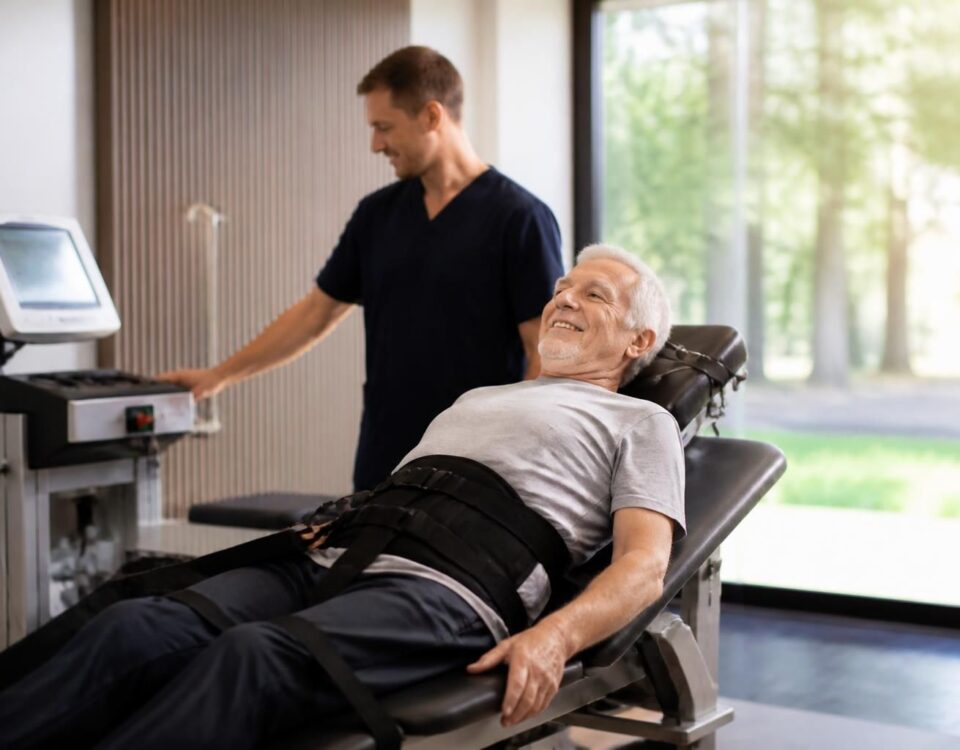
An initial assessment helps identify areas to be treated and recovery goals. Then, a personalized treatment plan sets the number and frequency of sessions. The sessions are carried out on a decompression table with a harness and a computer system that adjusts the traction. A post-treatment follow-up evaluates improvement and guides the following steps for rehabilitation and reinforcement.
within Tagmed Clinic, the protocol is part of a global approach focused on sustainable relief and regained mobility. For athletes and active patients, this technique can be integrated into a rehabilitation program supervised by qualified professionals.
Safety, efficacy and therapeutic decisions
neurovertebral decompression is a Non-invasive alternative Consider when symptoms associated with a disc pathology persist. It is generally safe and well tolerated, with favorable results on pain and mobility after a few sessions. Before any treatment, a medical consultation is necessary to assess the contraindications and choose the best plan.NFor information and indications, refer to the dedicated resources.
In addition, discover the following pages to better understand the framework and clinical applications: Decompression suitable for athletes, neurovertebral decompression, and Benefits for sedentary workers.
Useful links and additional resources
To learn more, check out the following sites that describe the safety and benefits of neurovertebral decompression:
– neurovertebral decompression
– Lower back pain management
– Athlete-friendly treatment
– Advanced decompression techniques
– Strategies for accelerated rehabilitation
– Post-injury recovery
– Joint mobility and decompression
– Freedom of movement regained
For more information on the available options, visit the website Tagmed Clinic.
Medical Disclaimer: The information and advice provided on this site does not replace the health professional’s diagnosis or treatment. Please note that Dr. Sylvain Desforges osteopath is neither a doctor of medicine nor a doctor, and is not a specialist in a medical specialty as defined by the Collège des Médecins du Québec. Manual medicine, functional medicine and sports medicine as described on this site exclude any medical treatment or diagnosis made by a doctor or specialist doctor. Always consult your doctor for any medical questions. For more details, please read our full legal notice.
“Medical disclaimer: The information and advice provided on this site does not replace the health professional’s benefit, diagnosis or treatment. Please note that Dr. Sylvain Desforges osteopath is neither a doctor of medicine nor a doctor, and is not a specialist in a medical specialty as defined by the Collège des Médecins du Québec. Manual medicine, functional medicine and sports medicine as described on this site exclude any medical treatment or diagnosis made by a doctor or specialist doctor. Always consult your doctor for any medical questions. For more details, please read our full legal notice. »
- Controlled traction Creates a space between the vertebrae and releases the disc pressure.
- Intra-disk pressure reduction Promotes rehydration and return to disc shape.
- traffic improvement Provides nutrients and oxygen, accelerating healing.
- Reduced nerve irritation by reducing nerve compression.
- vertebral alignment and enhanced segmental stability.
- muscle activation and postural rebalancing during rehabilitation.
- Increased range of motion at the lumbar and cervical level.
- Improved flexibility Muscle chains around the column.
- diminished pain to facilitate movements and activities.
- Back to activity Faster (sport, work, leisure).
- Prevention of recurrences thanks to the maintenance of mobility and stability.
- Sustainable posture and smoother mobility during everyday actions.

This article presents how the neurovertebral decompression can facilitate the return to a Normal mobility By acting on the mechanisms of the spine and relying on targeted rehabilitation. You will discover how this non-invasive approach can reduce obstacles to mobility, improve range of movements and support a gradual resumption of daily and sports activities.
How decompression promotes movement
Neurovertebral decompression works by reducing the pressure inside the discs and increasing the space between the vertebrae. This mechanism, which is based on controlled traction, allows the disc to rehydrate and regain a more natural form, which reduces friction and associated pain during movement. By releasing the compressed nerves and reducing local inflammation, it promotes movement release And a better tolerance to daily gestures, such as leaning, turning or walking.
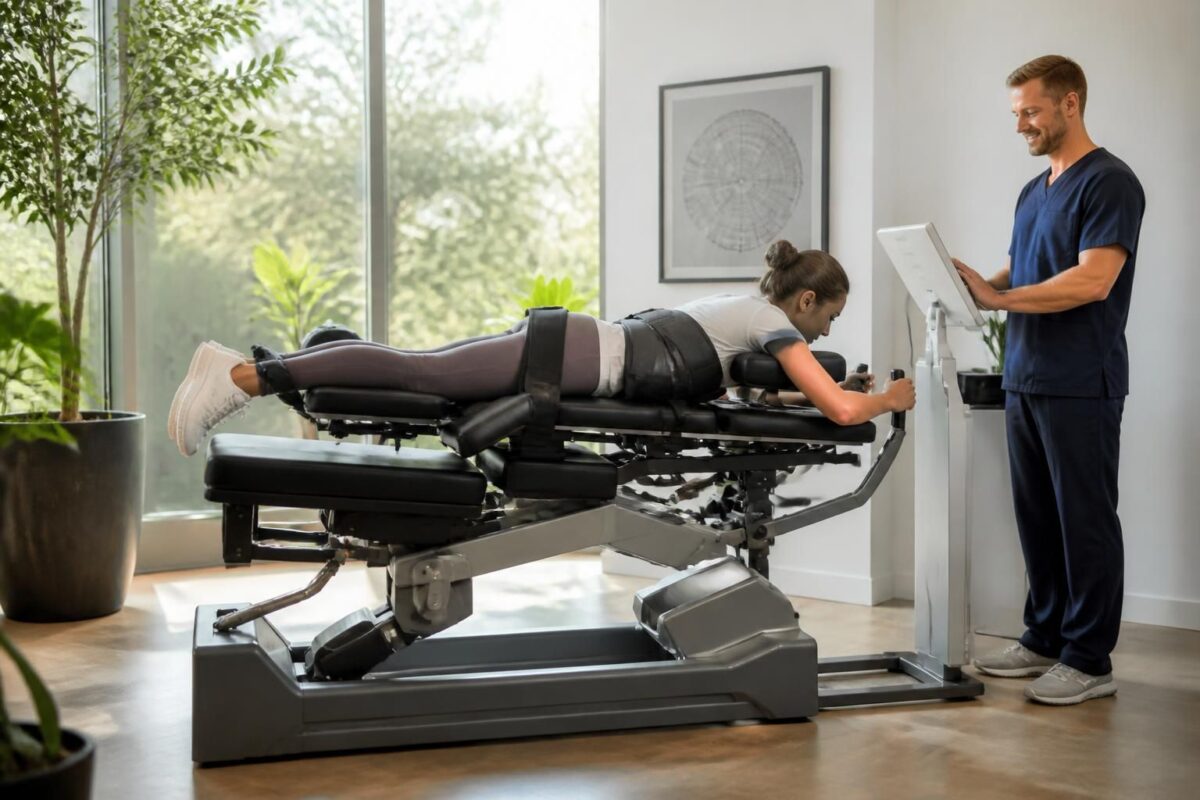
The long-term benefits of neurovertebral decompression for spinal health
In short In short, the neurovertebral decompression is a non-invasive approach that decreases the Pressure on intervertebral discs and nerves, favoring the Natural regeneration and tissue recovery. Its long-term benefits include Lasting pain reduction, Improving mobility and from the posture,…
Mechanisms that restore mobility
Reduction in intradiscal pressure Promoting hydration and rehabilitation of discs. This allows for better ease during flexions and extensions and limits the feeling of blocking. traffic improvement In the treated area, providing the nutrients and oxygen necessary for tissue regeneration and rebalancing of muscle chains around the column. Reduced nerve irritation thanks to the release of the compression, which results in a pain reduction and greater movement availability. These combined effects create conditions conducive to a Progressive mobility and sustainable.
Alignment and segmental stability
By improving the disc space and reharmonizing the alignment of the spinal segments, decompression supports a Harmonious vertebral alignment. This better orientation of the segments facilitates functional gestures and reduces painful compensations, allowing a more fluid range of motion.
Reduction of muscle tension and postural improvement
The technique helps to reduce spasms and muscle contractions induced by pain. With more correct posture and more natural displacements, the antagonistic and stabilizer muscles can work in a coordinated way, strengthening the Lumbar and cervical stability and preserving long-term mobility.

Neurovertebral decompression and mobility: a return to an active life
In short In short, the neurovertebral decompression is therapy non-invasive who uses a gentle traction To create a space between the vertebrae and reduce the pressure on the Intervertebral discs and the nerves. It promotes a bloodstream improved, lowers tension…
Action plan for mobility-based rehabilitation
To optimize benefits, decompression must be part of a personalized rehabilitation plan. An accurate initial assessment is used to determine the number of sessions and mobility objectives. During the sessions, real-time adjustments to the traction parameters and patient comfort monitoring promote controlled progression to more effective and more effective gestures.
Integration of mobility and reinforcement exercises
Following the decompression phase, targeted mobility and muscle building exercises support the gains obtained. The work on breathing, endurance and flexibility completes the process to find a Functional mobility and preserve movement in sports and professional activities.
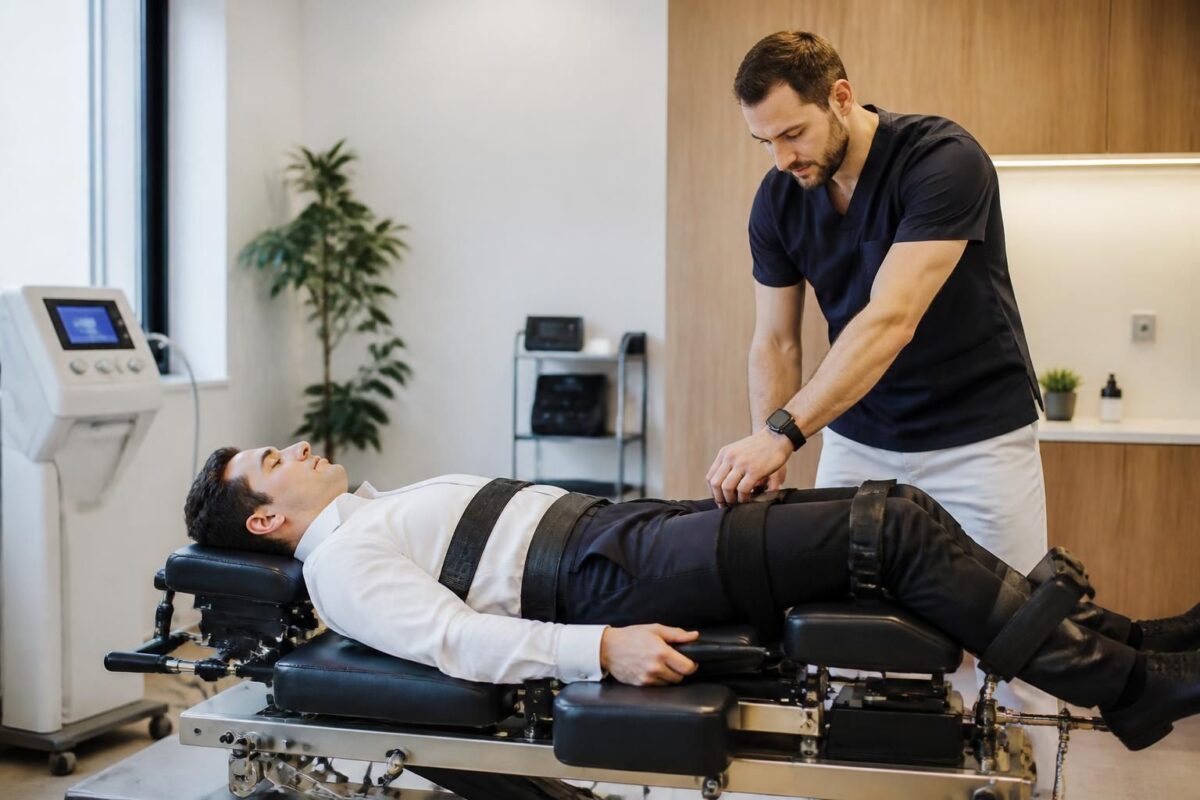
How Neurovertebral Decompression Prevents Diffuse Chronic Pain
In short decompression neurovertebral is one Non-invasive method aimed at reducing the Pressure on the intervertebral discs and the nerves, in order to prevent Diffuse chronic pain. It improves the circulation and thedisc hydration, decreases inflammation and promotes better mobility.…
Practical tips for optimizing results
Adapted hydration and balanced diet support the nutrition of discs and tissues. adopt a Ergonomic posture At work and during daily activities, favoring active breaks and integrating micro-stretching sequences can limit mobility alterations. Finally, a regular evaluation by a professional makes it possible to adjust the protocol and avoid recurrences by strengthening the support structures of the column.
With a structured and personalized approach, neurovertebral decompression can promote Rapid amplitude improvement then lasting stability, accompanying you towards a Normal mobility and a new quality of life.
| Aspect | Impact on mobility |
|---|---|
| Mechanism of action | The Controlled traction creates a space between the vertebrae, decreasing intradiscal pressure and facilitating the mobility articular |
| Disc Space | Action increases the disc space and promotes rehydration discs, allowing smoother vertebral movement |
| nervous release | reduction of the nerve pressure Reduces pain and allows a freer range of motion |
| Duration of the protocol | Typical program: 3 to 5 sessions per week on 4 to 5 weeks, adjusted according to response |
| short-term effect | Rapid improvement of theamplitude and comfort during movements |
| Long-term effect | Restore italignment and the flexibility vertebral, helping to prevent recurrences |
| Role in rehabilitation | Honest decompression with exercises of Reinforcement and posture To stabilize mobility |
| Indications and safety | prior medical evaluation and real-time monitoring ensure a High security and adaptation to the patient |
| Limits and contraindications | Some conditions require other approaches; a consultation Allows you to identify the best options |
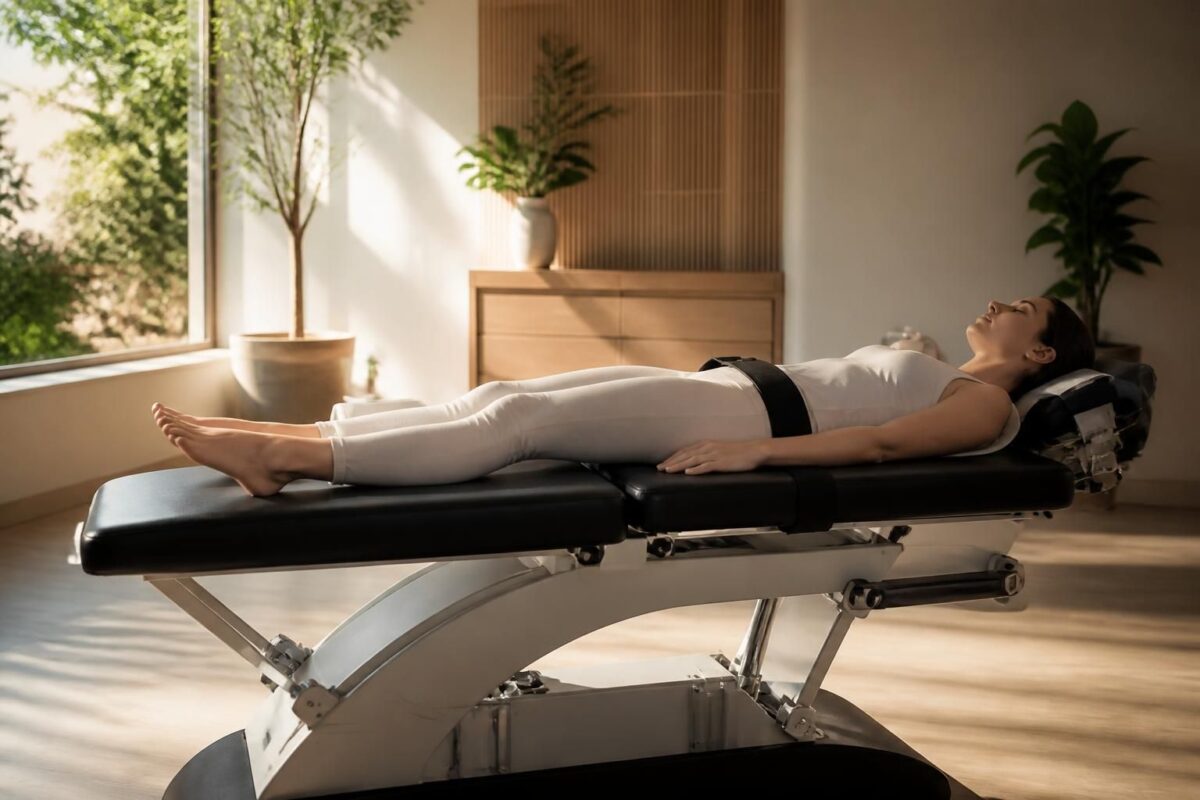
Neurovertebral Decompression and Body Alignment: Restoring Natural Balance
In short In short, neurovertebral decompression is one Non-invasive approach who restores theBody Alignment and thenatural balance back and neck. She acts by a Controlled traction of the spine to widen the intervertebral space and reduce the Pressure on discs…
Testimonials on neurovertebral decompression and restitution of normal mobility
“Before the treatment, my mobility was limited by pain that prevented me from walking serenely. After the neurovertebral decompression sessions, I found a mobility robust and, above all, a Normal mobility During my daily outings and my usual walks. »
“The feeling of freedom came back little by little. Thanks to this therapy, my back found space and my hips freed themselves, which allowed me to bend over and resume my exercises. Today I have a Normal mobility which allows me to move without thinking about pain. »
“At first, I was told that the improvements would come gradually. They came, and my mobility came back sustainably. I can now perform everyday gestures, work and practice my activities without limiting my movements. I live a Normal mobility on a daily basis. »
“After years of stiffness, I found a Normal mobility In the neck and back, which allowed me to drive comfortably and sleep without pain that limited my movements at night. »
“For my sports activities, the mobility found is a real revival: I can run, stretch and practice my favorite disciplines, while maintaining a Normal mobility and sustainable…”
The doctor Sylvain Desforges, recognized osteopath and expert in manual medicine, naturopathy and osteopathy, embodies a human-centric approach focused on innovation. Founding president of the Tagmed clinics and the ACMA association, he devoted his career to improving the quality of life of patients by combining clinical know-how and cutting-edge technologies. Its mission is to provide evidence-based care in order to optimize health and well-being, favoring rediscovered mobility as the primary objective..
In his daily exercise, Dr. Desforges places the mobility at the heart of the rehabilitation process. He believes that every movement found, every step won, represents a victory over pain and muscle inertia. To achieve this, it implements an integrated approach that combines proven manual techniques with innovative technologies, including neurovertebral decompression, the laser and shockwave therapy. This combination aims to remove mechanical stresses at the level of the spine and to promote active and lasting recovery.
The neurovertebral decompression Acts mainly by reducing the pressure inside the intervertebral discs and creating a space between the vertebrae. This dynamic allows better hydration and progressive restoration of the normal shape of the discs, while improving the blood supply and oxygenation of the surrounding tissues. By reducing compression on the nerves and facilitating the circulation of nutrients, it promotes tissue regeneration, reduces inflammation and helps to regain a more fluid and reliable range of motion.
Doctor Desforges insists on an implementation personalized treatment. After a complete evaluation, he develops an adapted care plan that specifies the number and frequency of sessions, functional objectives and progression criteria. The objective is not only to reduce pain, but to restore a balanced spinal function and natural mobility, so that the patient can resume his daily activities, leisure and work without painful limitation. At each stage, it ensures a security optimal and attentive follow-up, in order to adapt the protocol according to individual responses.
This approach is based on the idea that sustainable mobility requires active rehabilitation: postural work, targeted muscle strengthening, and relapse prevention strategies. The neurovertebral decompression, when integrated into a rehabilitation program, sets the muscle and joint chains in motion that surround the spine, improves alignment and restores a daily adapted force distribution. Patients often notice a gradual recovery of their gait, better trunk stability and a decrease in limitations in common and sporting gestures.
As a committed leader, Dr. Desforges also focuses on patient education and the role of lifestyle habits in maintaining profits. Adequate hydration, appropriate physical activity and back protection during daily procedures complete the therapy in order to preserve the mobility gains obtained thanks to decompression and associated interventions. Through its holistic approach and its constant concern for continuous improvement, it offers a concrete way to normal and sustainable mobility.
This summary details how the neurovertebral decompression can help find a Normal mobility By acting directly on the mechanisms at the origin of pain and movement limitations. By reducing the pressure on discs and nerves, promoting tissue recovery and improving circulation, this non-invasive approach facilitates recovery of motion amplitudes and returns to an active life.
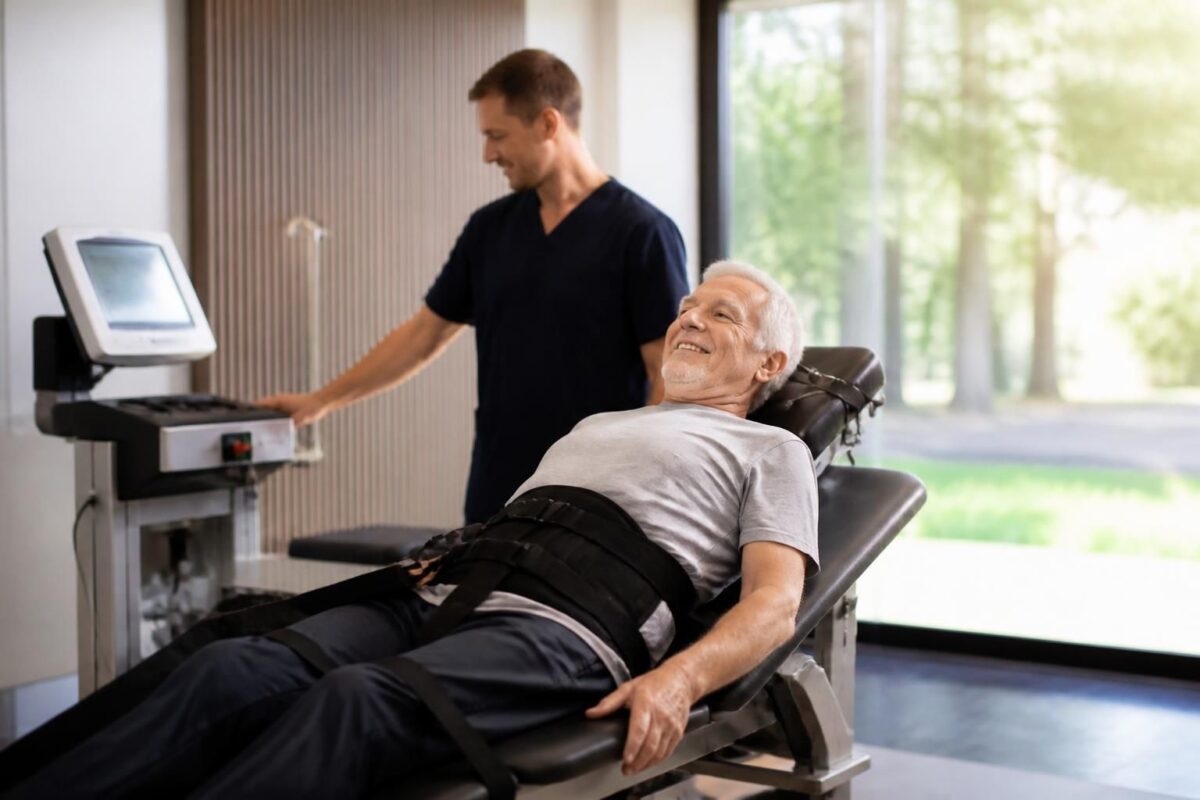
Why neurovertebral decompression is a lasting solution for active seniors
In short In short, the neurovertebral decompression is one Non-invasive therapy which sustainably relieves spinal pain in the spine active seniors By creating, by a Soft and controlled traction, a space between the vertebrae. At Montreal, it is recognized as…
Impact on mobility and movement
By lowering the Intradiscal pressure, decompression allows the disc to absorb water and regain its volume and elasticity, which restores the space between the vertebrae and decreases compression on the nerve roots. This spatial reopening results in a Progressive improvement in range of motion and a decrease in functional limitations, especially in flexion and extension movements.
The bloodstream In the treated area is improved, bringing essential nutrients and oxygen to tissue repair and inflammation. This dynamic promotes a Faster healing muscles and nerves involved, which translates into better mobility on a daily basis.
In practice, patients often experience rapid relief after the first sessions, followed by a gradual increase in mobility. This approach is particularly advantageous for lumbar and cervical pain associated with herniated discs or nervous tensions, making the resumption of common activities safer and more effective.
To enrich your understanding, you can consult specialized resources on the subject: Common pathologies treated with neurovertebral decompression, Neurovertebral decompression and mobility, and Natural solution to improve flexibility and mobility.
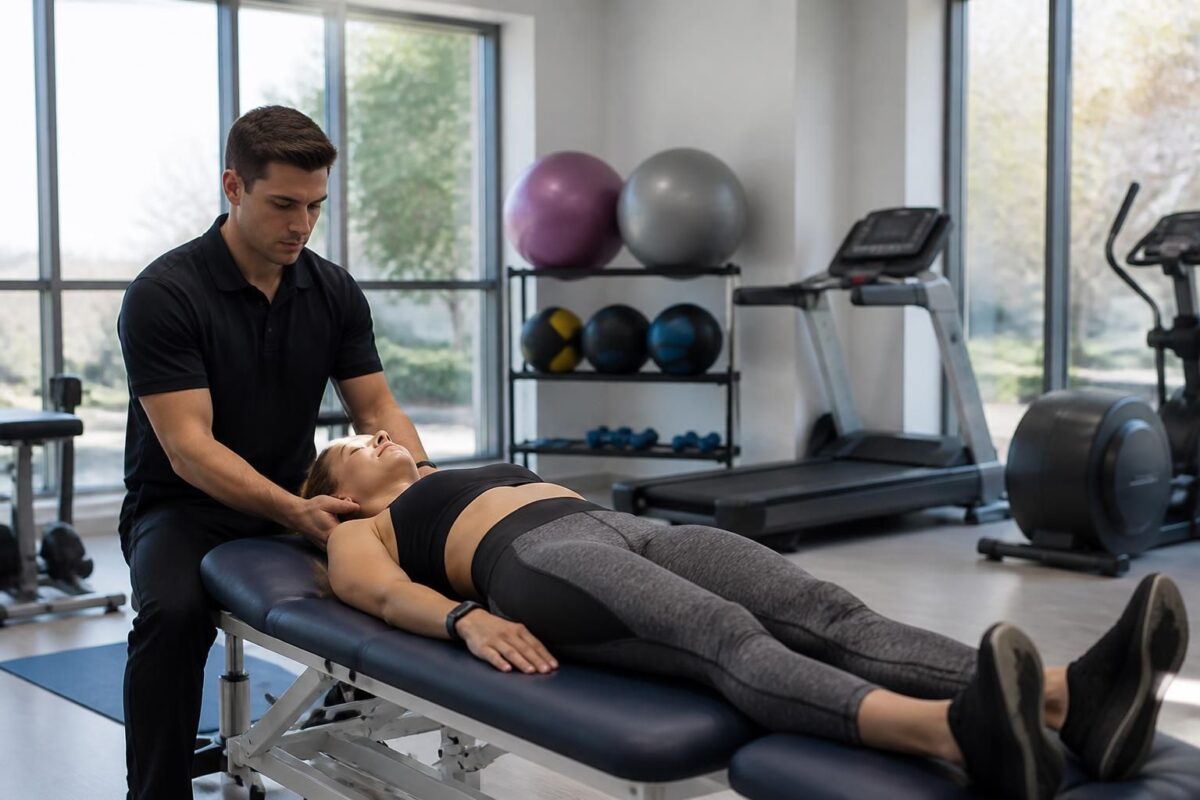
Neurovertebral decompression and recovery after severe sports injury
In short In short, the neurovertebral decompression is one Non-invasive method to Relieve the pressure on the Intervertebral discs and the gristle Via a Controlled traction, to facilitate the recovery After a severe sports injury. It improves the bloodstream towards…
Key Mechanisms that Support Mobility
The process is primarily aimed at Reduced nerve pressure By creating an additional space between the vertebrae, which decreases irritation and associated pain. This decrease in symptoms makes it possible to approach more freely the activities and the strengthening exercises, essential to maintain a Sustainable mobility.
Decompression also stimulates a Disk rehydration and regeneration, reinforcing spinal stability and facilitating smoother movements. In parallel, a traffic improvement Promotes the elimination of metabolic waste and the supply of nutrients necessary for tissue recovery, thus helping to restore normal mobility.
Clinical data indicates that, when this treatment is integrated into a global rehabilitation program, mobility gains gradually appear and stabilize over the long term, with a recurrent decrease in pain and functional limitations.
Additional resources on the mechanisms and benefits of decompression: find the movement, Disk regeneration, and Muscle tension and decompression.
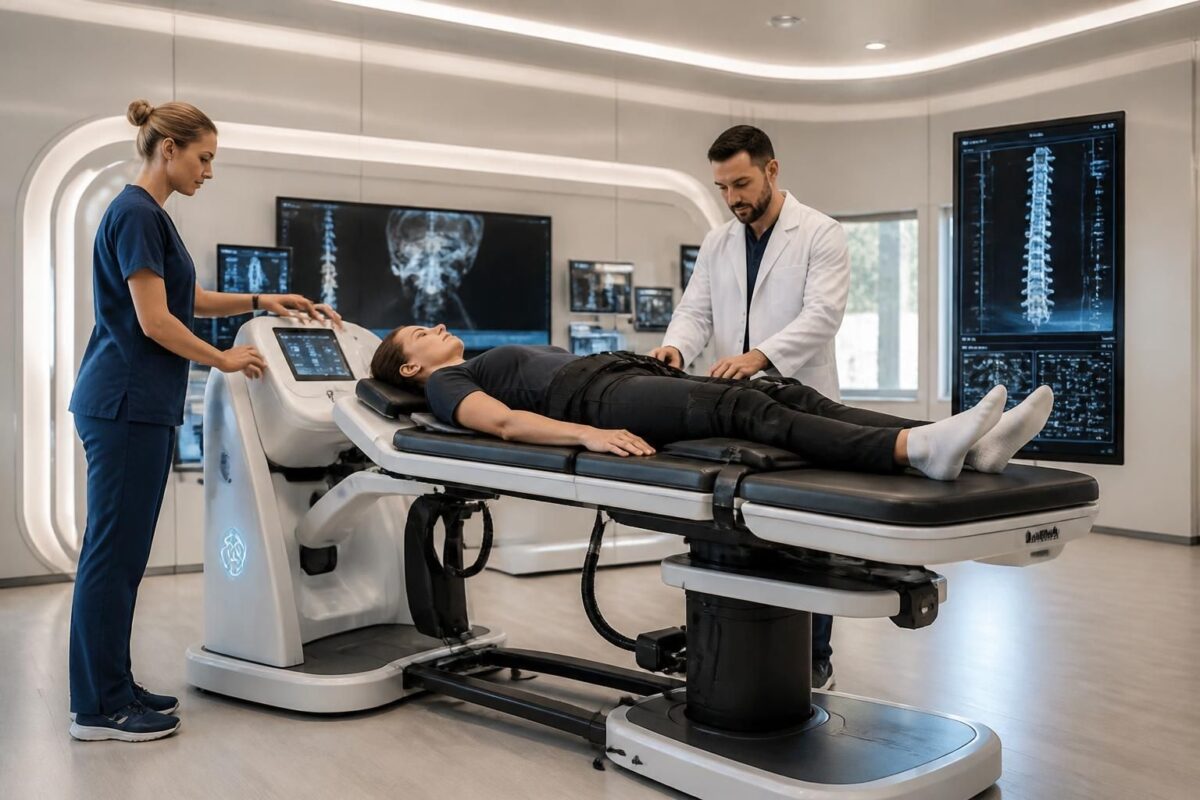
Recent innovations in neurovertebral decompression technologies
In short In short, the neurovertebral decompression is an approach non-invasive Aiming to reduce pressure on discs and nerves, and promote tissue regeneration. At Montreal, it is positioned as an effective option for lower back pain and herniated discs. The…
Integration into the rehabilitation course
Neurovertebral decompression fits ideally in a personalized rehabilitation plan, coordinated with strengthening exercises, postural advice and appropriate hydration. This consistent approach helps not only relieve pain but also restore functional mobility in the weeks following treatment.
A typical program can span several weeks and involve regular sessions with progress tracking, adjusting the number and frequency of sessions based on individual response. The goal is to get a Mobility found while minimizing the risks of recurrence and associated pain.
To learn more about practical and patient-friendly integration, refer to the following resources: Therapy adapted to reduced mobility, Management of sciatic pain.
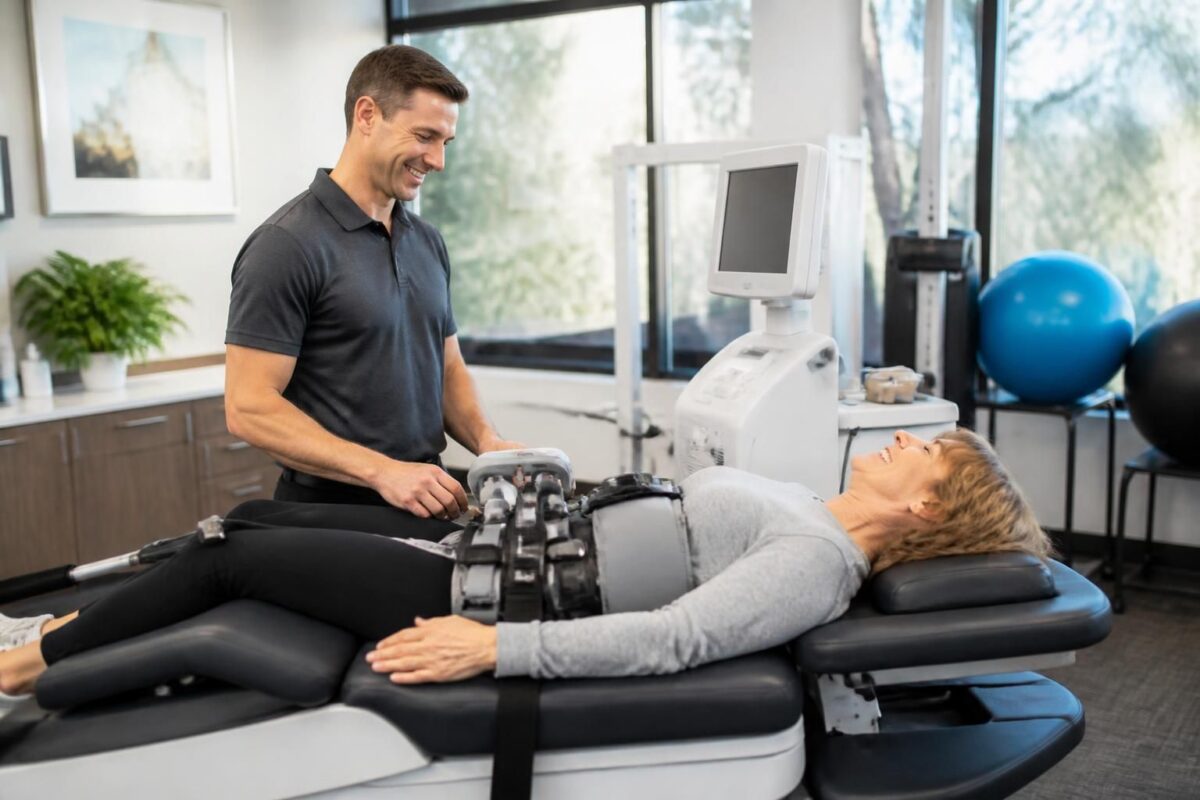
Neurovertebral decompression and diffuse pain: an appropriate solution
In short In short, the neurovertebral decompression is one Non-invasive solution For diffuse pain related to nerve irritation of the spine. She acts in Reducing pressure on intervertebral discs and nerves and improving the bloodstream, which promotes recovery and the…
Resources and Security
Before initiating any treatment, an in-depth assessment by a health professional is essential to confirm eligibility and identify potential contraindications. Neurovertebral decompression is non-invasive and generally well tolerated, but it requires appropriate treatment selection and rigorous follow-up to ensure safety and efficacy.
To deepen indications, mechanisms and results, you can also consult: Efficiency to improve mobility, At the service of mobility, and Duo Mobility and Muscle Tensions.
Resources useful for understanding mechanisms and applications: Management of sciatic pain, Disk regeneration, and Duo decompression and muscle tension.
For additional information on treatments and indications, you can visit the following pages: Natural solution for mobility and flexibility, find the movement, and Adapted therapy.

Dr Sylvain Desforges, B.Sc., D.O., N.D., osteopath, is the founding president of TAGMED and of the ACMA association. He dedicates his practice to chronic spinal pain, low back pain and symptoms compatible with sciatica, particularly when pain radiates toward the buttock, leg, calf, foot or toes.
Through SOS Sciatique, he publishes educational content on sciatica symptoms, possible causes such as disc herniation, disc narrowing, foraminal stenosis or irritation of a lumbar nerve root, as well as non-surgical approaches that may be considered according to the evaluation. At Clinique TAGMED, care may include, depending on the case, motorized neurovertebral decompression, specific osteopathic care or precision percussion.
For an evaluation related to sciatica treatment in Montreal / Mount Royal or sciatica treatment in Terrebonne, please consult the services available at Clinique TAGMED.
Medical disclaimer
The information published on SOS Sciatique is provided for educational purposes only and does not replace a consultation, diagnosis, opinion or treatment provided by a physician or another authorized healthcare professional. The author of this article is neither a medical doctor nor a specialist in a medical specialty recognized by the Collège des médecins du Québec. The osteopathic, manual medicine or functional support approaches described on this site do not constitute medical acts and are not intended to replace medical follow-up.
Consult a physician or emergency service in cases of loss of bladder or bowel control, anesthesia in the saddle area, significant or progressive weakness in the leg or foot, fever, recent trauma, severe pain or rapid worsening of symptoms. For more details, please read our Legal Notice.