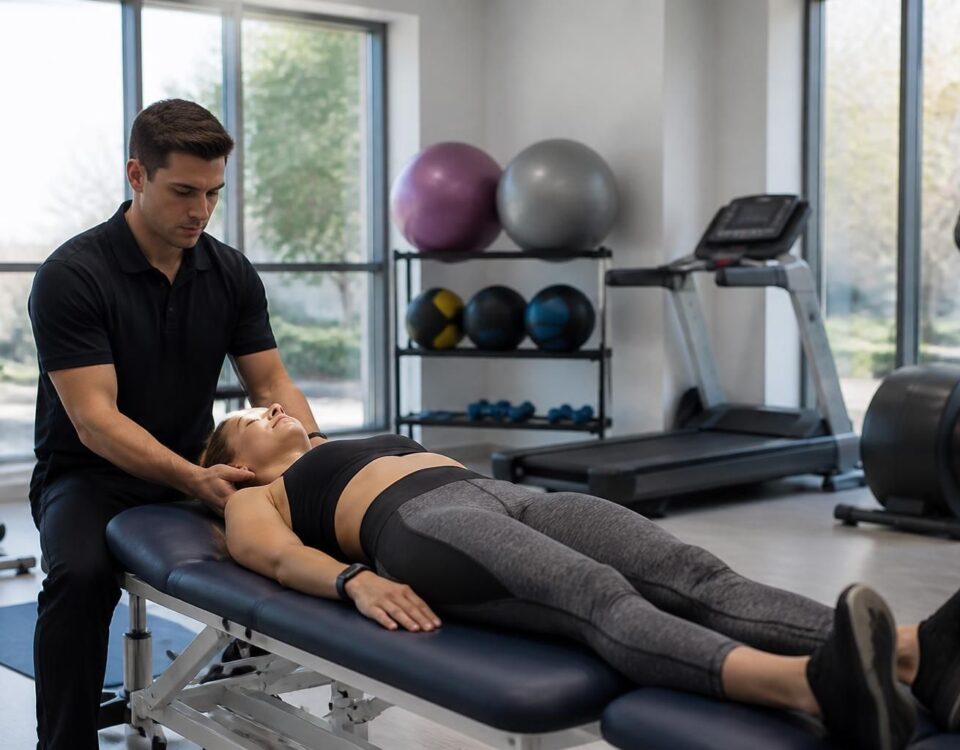
How neurovertebral decompression helps regain normal mobility
25/06/2026
Neurovertebral Decompression and Aging: Preserving Column Health
25/06/2026
In short
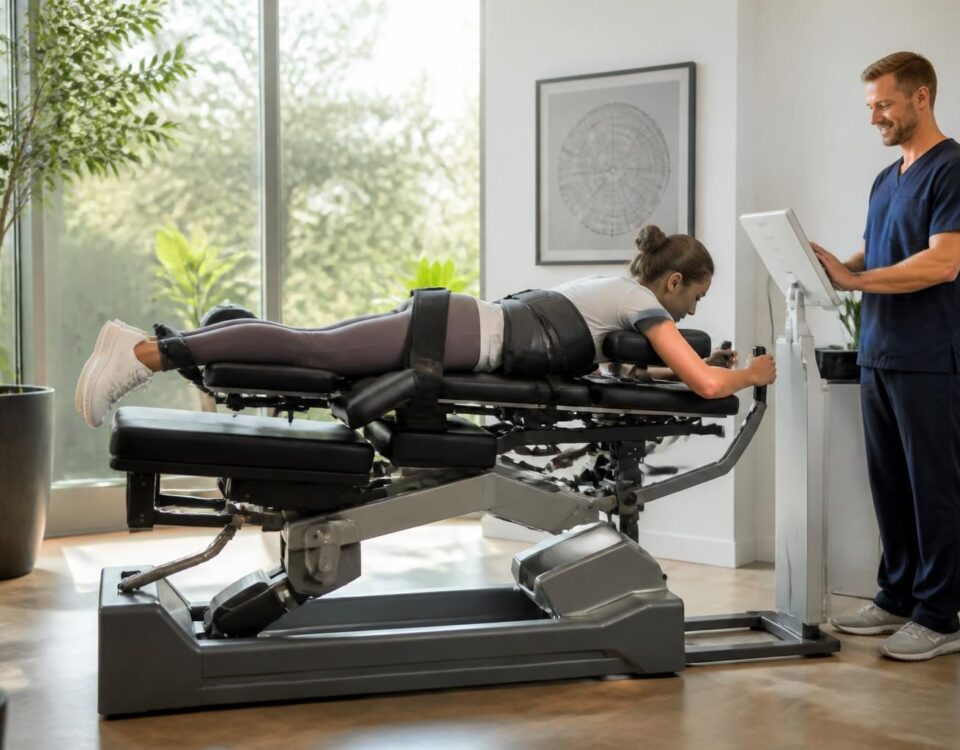
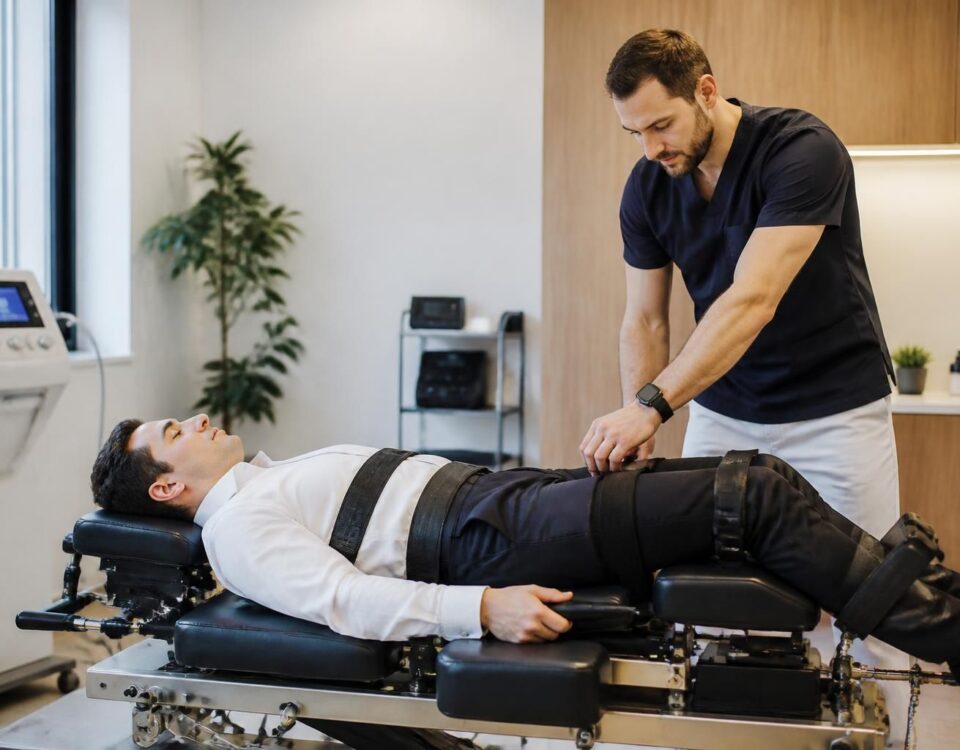
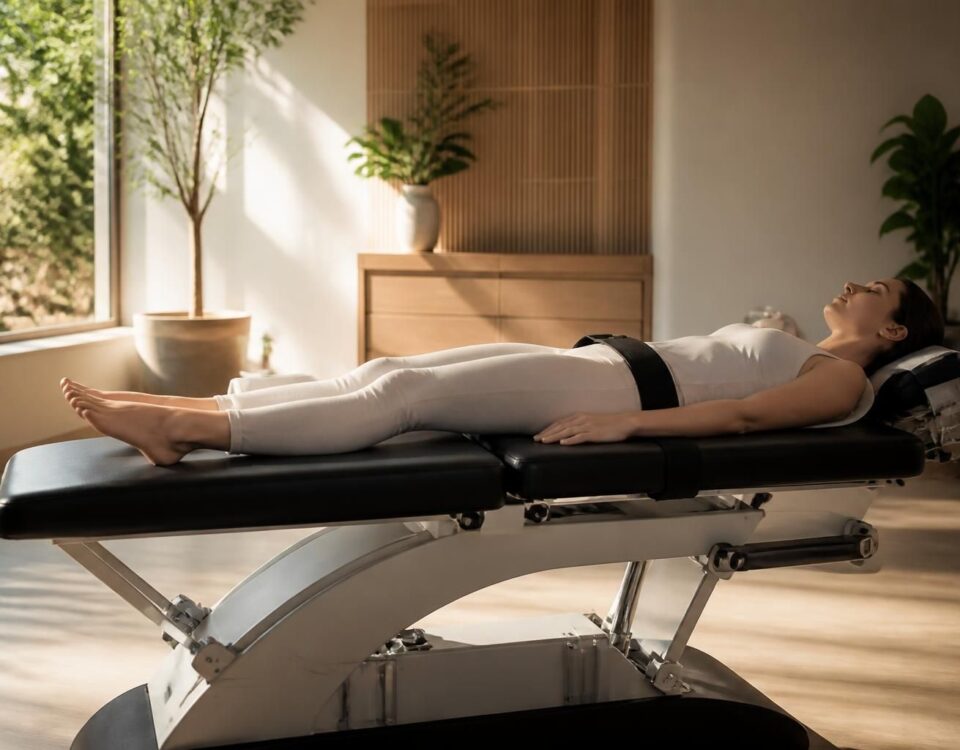
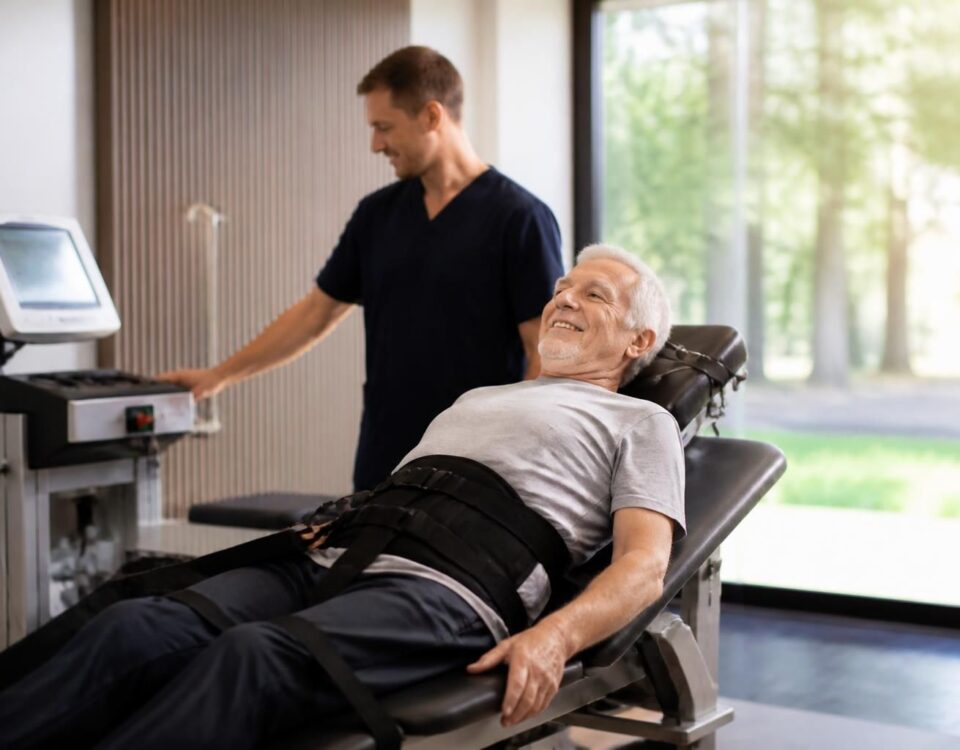
| In short, the neurovertebral decompression is a method non-invasive aimed at relieving back pain By freeing up space around the nerves and intervertebral discs. It is effective for slipped disc and lumbar or cervical pain and can improve the mobility without resorting to surgery. Its operation is based on a gentle stretch and targeted column that restores the space between the vertebrae, while being able to integrate into a rehabilitation program. accessible to Montreal, this treatment offers Sustainable results and can help prevent recurrences while remaining fresh For the body. |
Summary Myths around the neurovertebral decompression and what the facts show.”
- Myth : she is always painful and agressive. Reality : it is usually non-invasive and well tolerated, with personalized adjustments depending on the patient.
- Myth : she is Reserved for athletes. Reality : Can benefit a wide range of people, including office workers and seniors.
- Myth : One treatment is enough. Reality : often requires several sessions and a rehabilitation program for lasting results.
- Myth : she systematically replaces surgery. Reality : May avoid or delay surgery in some cases, but not in all situations.
- Myth : There is no evidence. Reality : Studies exist showing improvements, but the robustness of the data varies and the evaluation must remain individual and based on evidence.
This article, written by a health specialist, clarifies the main myths surrounding the neurovertebral decompression and presents the facts established by clinical evidence. The goal is to help patients make informed and secure choices when considering this non-invasive treatment for back pain and spinal disorders.
Myth: Neurovertebral decompression is a universal and immediate solution
Reality: This treatment is not effective for all people and problems. Some spine-related pain may decrease in the long term, but each case is unique and requires clinical evaluation. Decompression can be beneficial for some patients with specific symptoms, but it does not replace a comprehensive approach to spinal health. For more information, view the resources and compare options on dedicated sites. For more information, see SOS Sciatica.
Myth: Decompression is always painful or aggressive
Reality: This is a non-invasive procedure. During treatment, the column is stretched smoothly and the main feeling is often of relaxation or relief. Some people may experience slight discomfort at first, but this is usually temporary and varies depending on the condition of the column. The machine settings are adjusted to ensure patient comfort. To understand the practical aspects, you can consult detailed explanations on Common myths about neurovertebral decompression.
Myth: This therapy is reserved for athletes
Reality: Decompression can benefit a wide audience. people sitting for a long time, office workers, the elderly and those suffering from Chronic pain can derive relief and improvement in mobility. It can also help during periods of mechanical stress on the spine. To understand the criteria and contraindications, see the available resources at Relief of pain related to degenerative discs.
Myth: Decompression quickly heals everything
Reality: Most patients achieve long-lasting outcomes after an appropriate treatment plan and, if necessary, rehabilitation programs. A single appointment does not exclude the need for follow-up and a personalized course. Clinical data shows progressive improvements and a better quality of life when the treatment is part of a global approach. For a variety of results, see the analyzes in specialized resources on SOS SCIATIC.
Myth: Decompression replaces surgery
Reality: This therapy is non-invasive and can reduce the pressure on nerves and discs. In some extreme cases, surgery may be considered, but decompression is not automatically an alternative to surgery. An in-depth medical assessment helps determine the best way forward. For comparisons, see Myths and Realities.
Myth: Decompression is dangerous
Reality: When it is carried out by qualified professionals and according to the indications, it is generally safe. Contraindications exist, but they are evaluated during the anamnesis and preliminary examinations. For details on security and results, reliable resources like A winning duo can be viewed.
Myth: the results are the same for all
Reality: Each patient reacts differently. Eligibility depends on the origin of the pain, the general condition and any pre-existing conditions. A doctor or osteopath can specify the expected benefit for each case. To better understand the factors that influence the response to treatment, see the resources on SOS SCIATIC.
Myth: Decompression only treats lower back pain
Reality: It can also help cervical pain and other spinal disorders. The objective is to reduce the pressure on the nerves and discs in order to promote mobility and comfort. For additional information, see pain related to degenerative discs.
Myth: Decompression is intended only for young people
Reality: it can benefit people of all ages, with an adaptation of protocols as appropriate. Age is not a barrier if the evaluation is favorable. To understand age-based perspectives, check out the dedicated resources on Prevention and long-term results.
Myth: Decompression is not accompanied by any form of associated therapy
Reality: It is part of a global care. In some cases, it is articulated with other approaches, but it does not replace a medical evaluation and measures adapted to each patient. To learn more about complementary approaches, see the resources at Complementary approaches.
To deepen the technical aspects and testimonials, you can consult the resources below, which explain the principles and results observed in clinical practice: Common myths about neurovertebral decompression, Relief of pain related to degenerative discs, and Prevention of pain Recurrences. Additional information can also be viewed on Duo muscle tension and decompression.
For people who want a complementary and independent reference, here are clear and accessible resources on neurovertebral decompression, its benefits and its limits. The TagMed Clinic offers a presentation of options and methods of care in Montreal and terrestrial environments, to be consulted on Tagmed Clinic.
Essential notions of vocational assessment and training for osteopaths and practitioners may be associated with diplomas awarded by recognized institutions such as NUMSS, NAO, National University of Medical Sciences and National Academy of osteopathy.
To deepen the safety and ethics aspects, reading legal advice and professional advice is recommended, including the links and resources below, which remain accessible and aligned with good clinical practices. For the legal framework and patient rights, refer to the corresponding official pages.
The data and resources presented here are intended to inform patients and professionals on the issues of neurovertebral decompression, without substituting the opinion of a health professional.
Medical Disclaimer: The information and advice provided on this site does not replace the health professional’s diagnosis or treatment. Please note that Dr. Sylvain Desforges osteopath is neither a doctor of medicine nor a doctor, and is not a specialist in a medical specialty as defined by the Collège des Médecins du Québec. Manual medicine, functional medicine and sports medicine as described on this site exclude any medical treatment or diagnosis made by a doctor or specialist doctor. Always consult your doctor for any medical questions. For more details, please read our full legal notice.
decompression neurovertebral is one Universal solution and spot.
It’s not universal; The treatment is personalized after evaluation.
It’s therapy agressive and invasive.
It’s an approach non-invasive and fresh.
Reserved for sportsman or at youth.
beneficial for All ages and profiles; adjustment necessary.
it’s painful during the session.
For the most part it is relaxing with a temporary discomfort possible.
The results are the same For everyone.
replies variables; depend on the state and theadherence On the program.
replace consistently surgery.
Can avoid or delay surgery; requires a evaluation individual.
it’s dangerous.
>Safe when performed by qualified professionals; contraindications verifiable.
it’s expensive and inaccessible.
options affordable; cycles adaptable as needed.
No link with the rehabilitation.
Often associated with drill and to a re-education For durability.
only for Lumbar discs.
also useful for cervical and other spinal conditions.

This article clarifies the most present received ideas around the neurovertebral decompression, by confronting myths with clinical reality and by proposing practical benchmarks to assess its interest. You will find clarification on what is true, what is not, and concrete advice to discuss with your health professional knowingly.
Myth n°1: Decompression is universal and fast
Many believe that she solves all back problems in a few sessions. In reality, efficiency varies from patient to patient and depends on an accurate diagnosis. A screening assessment is used to determine realistic indications and objectives. For some, improvement can be lasting when decompression is associated with a rehabilitation program and home exercises. For others, the results will require long-term follow-up and protocol adaptation.
Keys to demystify
Request a Personalized evaluation, set realistic goals and agree on a plan including exercises and session frequencies adapted to your situation.
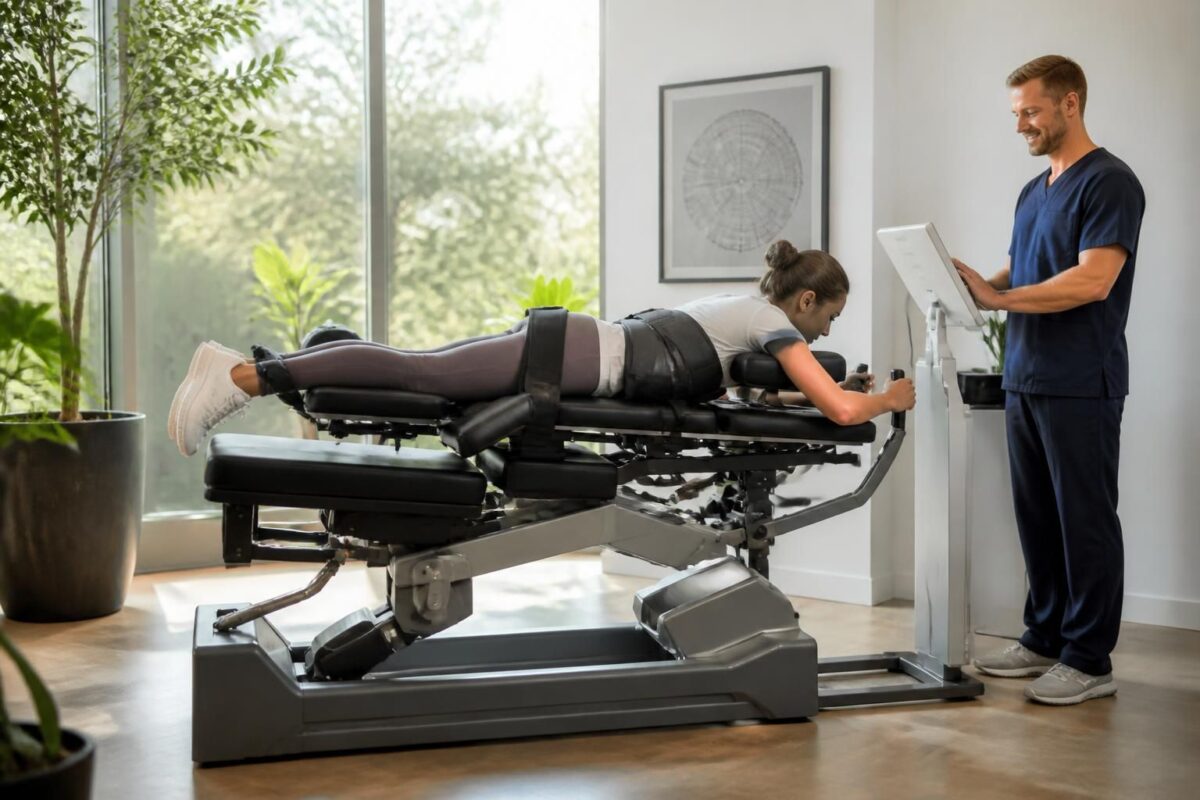
The long-term benefits of neurovertebral decompression for spinal health
In short In short, the neurovertebral decompression is a non-invasive approach that decreases the Pressure on intervertebral discs and nerves, favoring the Natural regeneration and tissue recovery. Its long-term benefits include Lasting pain reduction, Improving mobility and from the posture,…
Myth #2: It’s invasive and painful
The main asset is its character non-invasive. If some people experience slight tension at the beginning, the majority describe an experiment Soft and relaxing. The machine settings are adjusted to optimize comfort and avoid excessive pain. In cases of transient discomfort, the practitioner quickly adapts the parameters and the duration of the sessions.
Practical advice
Clearly speak about your feelings before and during the treatment, make sure that the settings are personalized to your condition and report any remaining pain after the session.

Neurovertebral decompression and mobility: a return to an active life
In short In short, the neurovertebral decompression is therapy non-invasive who uses a gentle traction To create a space between the vertebrae and reduce the pressure on the Intervertebral discs and the nerves. It promotes a bloodstream improved, lowers tension…
Myth n°3: it replaces surgery
We often hear that decompression Systematically avoid the operation. It is not a universal solution or a total substitute for surgery. It can sometimes delay or avoid an intervention, but in some extreme cases, surgery may remain indicated. The decision should be taken after a thorough assessment and a shared discussion of the options.
Strategy Council
Integrate decompression into a global care plan, which can include manual treatments, specific exercises, and rehabilitation that fits your pathology and your age.
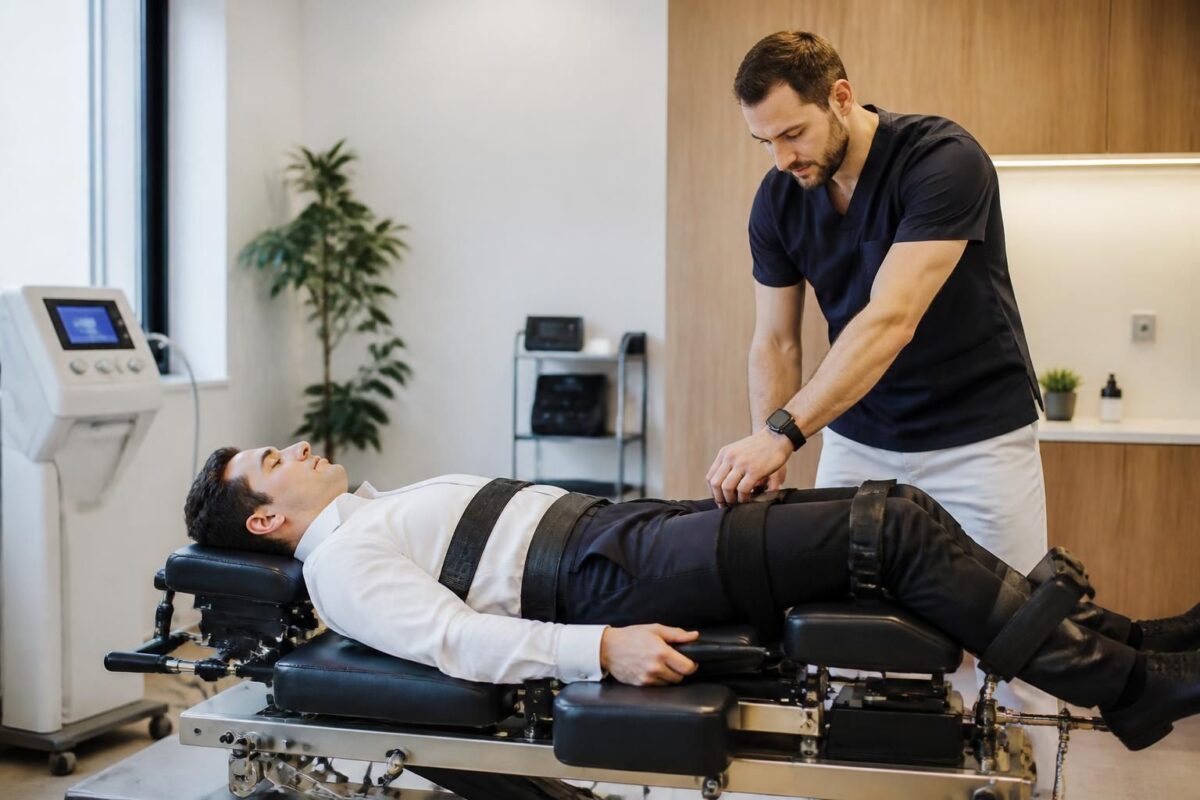
How Neurovertebral Decompression Prevents Diffuse Chronic Pain
In short decompression neurovertebral is one Non-invasive method aimed at reducing the Pressure on the intervertebral discs and the nerves, in order to prevent Diffuse chronic pain. It improves the circulation and thedisc hydration, decreases inflammation and promotes better mobility.…
Myth n°4: reserved for young athletes
Contrary to this idea, the benefits can concern people of all ages. office workers, seniors and patients with chronic pain can take advantage of an appropriate protocol. Age is not a determining criterion; It is the overall health status and the clinical indications that count.
Adaptation of the protocol
The program is adjusted according to age, mobility and comorbidities, with regular monitoring to optimize results and avoid overloads.
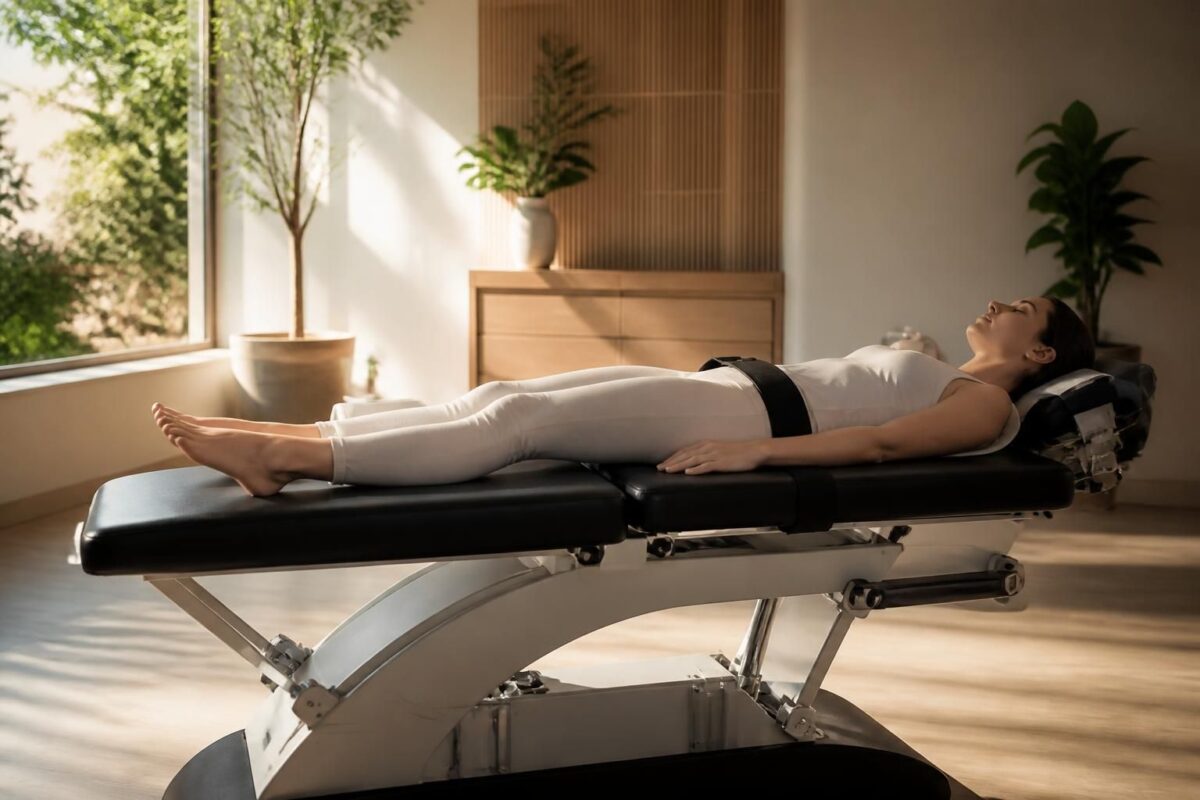
Neurovertebral Decompression and Body Alignment: Restoring Natural Balance
In short In short, neurovertebral decompression is one Non-invasive approach who restores theBody Alignment and thenatural balance back and neck. She acts by a Controlled traction of the spine to widen the intervertebral space and reduce the Pressure on discs…
Myth #5: It’s dangerous and risky
When practiced by competent professionals, Security is high. Before any treatment, a Evaluation of contraindications is essential, followed by a Regular follow-up. Although precautions exist, the major risks remain rare and controlled by appropriate care.
Points to check
Make sure of a Full pre-assessment, informed consent and security plan personalized. Discuss potential risks and preventive measures with your practitioner.
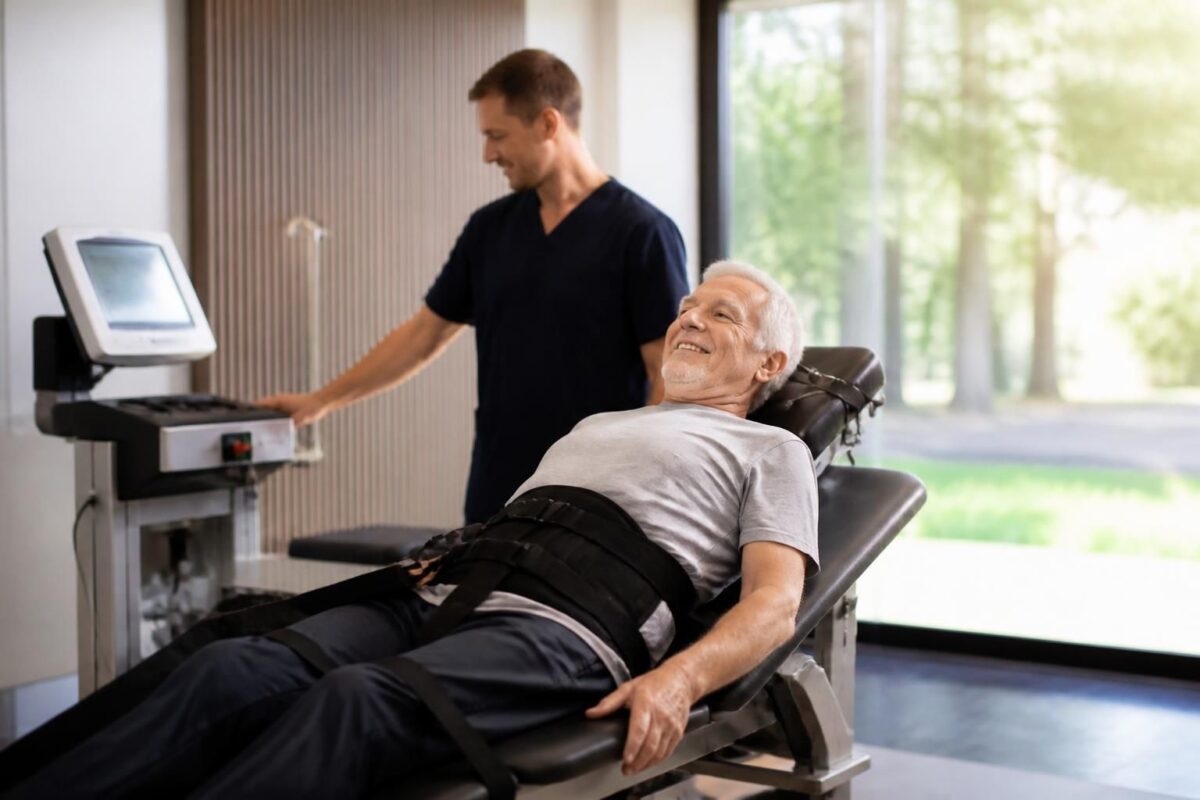
Why neurovertebral decompression is a lasting solution for active seniors
In short In short, the neurovertebral decompression is one Non-invasive therapy which sustainably relieves spinal pain in the spine active seniors By creating, by a Soft and controlled traction, a space between the vertebrae. At Montreal, it is recognized as…
Myth n°6: This treatment concerns only the lumbar back
In reality, decompression can also be relevant for cervical pain or other spinal disorders when the indications are clear. areas treated and objectives vary depending on the sector of the column concerned and the condition of the discs and nerves.
Practical points
Ask which regions can benefit and how the protocol is adapted to each vertebral location in order to aim for concrete results based on your pain and mobility.
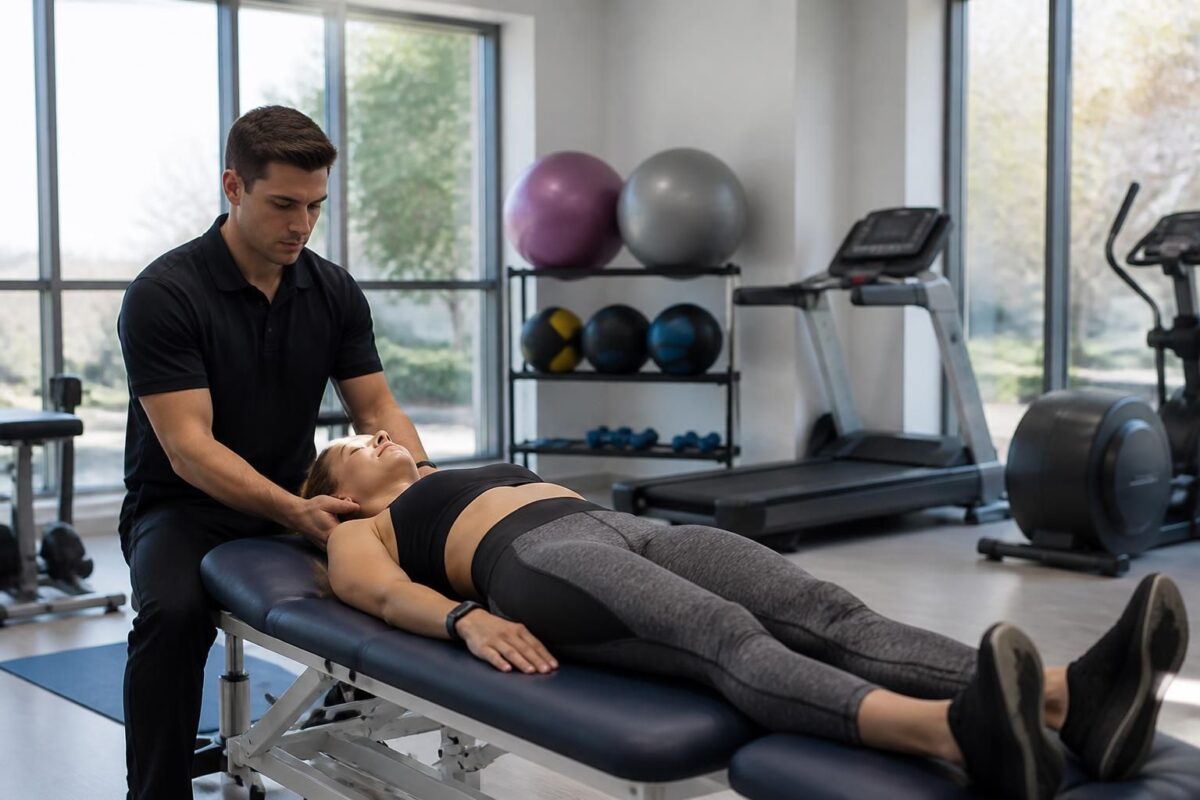
Neurovertebral decompression and recovery after severe sports injury
In short In short, the neurovertebral decompression is one Non-invasive method to Relieve the pressure on the Intervertebral discs and the gristle Via a Controlled traction, to facilitate the recovery After a severe sports injury. It improves the bloodstream towards…
Key points to check
Before starting, go to a Personalized evaluation, discuss Realistic goals, and find out about the options associated with a rehabilitation and rehabilitation. Remember that myths do not replace a fact-based approach and clinical evidence, adapted to your individual situation.
| Myth | Reality |
|---|---|
| Myth : cest always painful | Most patients experience relaxation And the pain is rare and temporary. |
| Myth : it is reserved for athletes | suitable for a Expand profiles, not just sporty. |
| Myth : one only treatment is enough | Several sessions and a program of rehabilitation are common. |
| Myth : cest invasive | Treatment non-invasive and soft, focused on controlled stretching. |
| Myth : replaces the surgery | can avoid the operation in some cases, but it is not a guarantee. |
| Myth : lack of evidence | Studies show earnings, variables depending on the case. |
| Myth : reaction identical among all | replies individual depending on the state and the cause. |
| Myth : only for lumbar | also useful for cervical and other vertebral areas. |
| Myth : expensive and inaccessible | appropriate options exist and the care setting can make them accessible. |
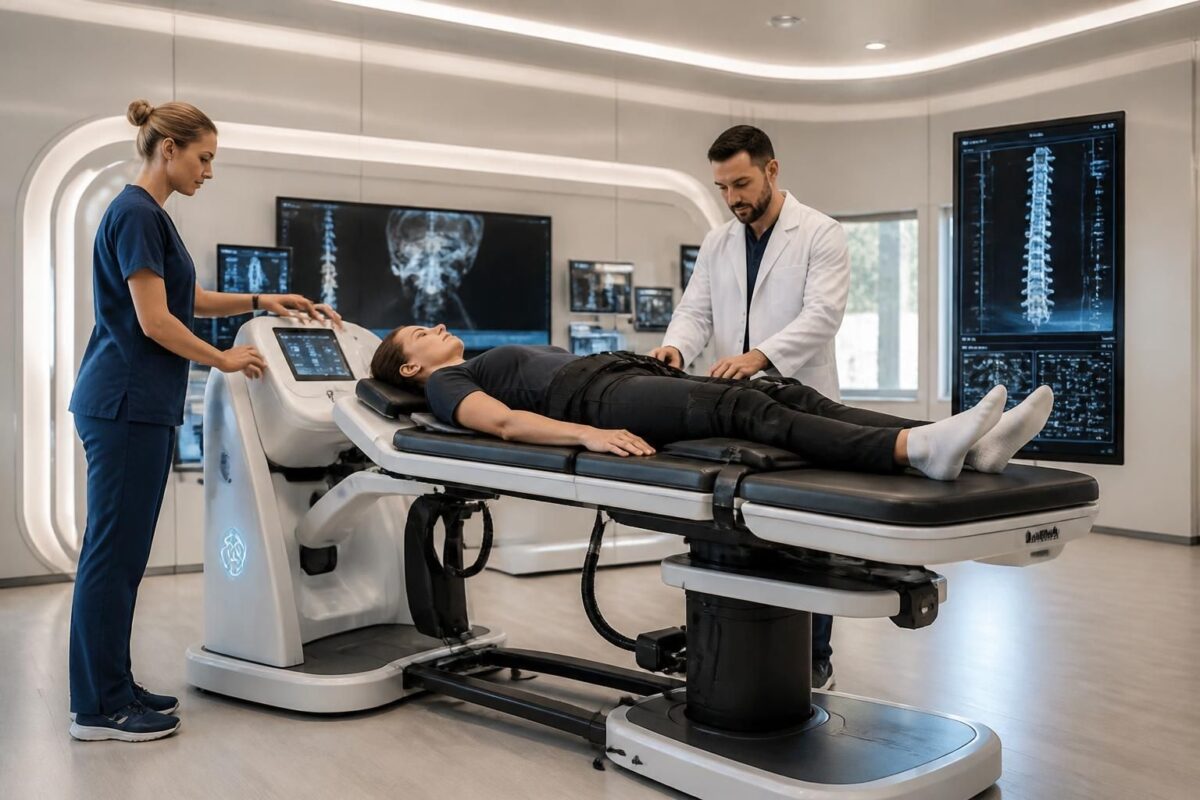
Recent innovations in neurovertebral decompression technologies
In short In short, the neurovertebral decompression is an approach non-invasive Aiming to reduce pressure on discs and nerves, and promote tissue regeneration. At Montreal, it is positioned as an effective option for lower back pain and herniated discs. The…
Testimonials on demystified myths around neurovertebral decompression
Demystified myth: “Neurovertebral decompression is always painful”. I came with this fear, ready to suffer. But it was unstressed And even rather relaxing, with adapted comfort throughout the session.
Demystified myth: “This therapy is reserved for athletes”. As a non-sporting patient, I discovered that she is accessible to everyone, regardless of age or lifestyle. My protocol was personalized and adjusted to my situation, and the results were felt quickly.
Demystified myth: “One appointment is enough to heal everything”. I quickly realized that this is a process that requires several sessions and one rehabilitation plan. With consistency and appropriate follow-up, I observed lasting improvement and regained mobility.
Demystified myth: “Decompression replaces surgery”. I was reassured to find that it is an option non-invasive which can avoid the operation in certain cases, while being part of a global approach. In my experience, it was a step that improved my symptoms without surgery.
Demystified myth: “It’s too expensive”. I appreciated the clarity of the plan and the reflection on the value for money, with measurable and lasting results. This exchange convinced me that the investment is justified when one seeks to regain its quality of life.
demystified myth: “It is reserved for young people”. My experience and that of other patients show that this approach is adapted to All ages, with protocols adjusted according to the needs and capabilities of each.
Demystified myth: “It cannot help the cervical”. I had cervical pain and, after treatment, I noticed a clear reduction in tension and better mobility. This approach can also relieve cervical pain, and not just lower back.
This biography highlights an expert whose vocation is to demystify received ideas around neurovertebral decompression. Founding President of the Tagmed Clinics and the ACMA Association, he takes a resolutely focused approachHealth Innovation and on thePatient education. Osteopath and specialist in manual medicine, he works on the management of chronic pain by integrating advanced technologies, such as vertebral decompression, the laser and shockwave therapy. Its mission is to offer care evidence-based to optimize everyone’s health and well-being.
This approach is guided by a pedagogical desire: to show that the myths around decompression do not resist critical analysis and clinical data. The expert favors transparent communication, a personalized evaluation and a therapeutic framework where each step is explained to the patient. Based on individualized protocols, it invites to consider decompression as a non-invasive option that can be part of a global rehabilitation course, rather than as a miracle solution. This posture reassures and encourages people suffering from lower back, cervical or related to vertebral problems to explore appropriate solutions.
Myth #1: Decompression is a universal and fast method that solves all back problems in a few sessions. Reality: It can provide lasting relief, but often requires progressive engagement, repeated treatment plan and targeted rehabilitation. The clear message given by the expert is that each case is unique: the efficacy depends on the origin of the pain, the biological context and the functional objectives of the patient. The emphasis is on a reasoned progression, with regular monitoring and personalized adjustments to protocols.
Myth #2: It is an aggressive and painful therapy. Reality: This is an approach Non-invasive and gentle, aimed at reducing the pressure on the nerves and discs. Thanks to computerized systems and appropriate settings, the procedure can be comfortable and produce a feeling of relaxation. The practitioner insists on the safety and compliance of treatments with individual tolerances, in order to avoid any discomfort and to promote a positive and motivating experience to continue the program of care.
Myth #3: It is reserved for athletes. Reality: The benefits extend to a wide range of profiles, from office assets to seniors living with degenerative pain, to pregnant women and patients with chronic conditions. The objective is to improve mobility, reduce pain and promote daily functional movement. The expert highlights that the results depend on an accurate diagnosis, an adapted protocol and an active commitment to associated rehabilitation.
Myth #4: There is not enough evidence to support effectiveness. Reality: Clinical studies and systematic reviews indicate significant gains in pain and mobility, with potential effects on recurrence prevention when decompression is associated with a rehabilitation phase and targeted exercises. Although the research continues to refine the protocols and the populations that benefit most, all the data supports a real and measurable therapeutic value when the intervention is supervised by competent professionals and a multidisciplinary approach.
At the heart of his journey, this expert demonstrates that neurovertebral decompression can be an effective component of an integrative treatment, when used with discernment and caution. Her job is to guide patients through received ideas, to shed light on the mechanisms of action and to set up personalized paths that optimize the quality of life, while respecting contraindications and individual needs. With this in mind, the myths and realities around decompression become a solid basis for informed and safe decisions.
This short paragraph quickly summarizes the purpose of this article: it dissects the myths Around the neurovertebral decompression and highlights the reality Based on evidence, to help everyone make informed choices for their health.
Myth #1 : neurovertebral decompression is a Universal and instantaneous solution. reality: it can offer a Sustainable relief For some patients, but it is not suitable for all pathologies and does not replace a personalized clinical evaluation. Each case is unique and requires an adjusted treatment plan.
Myth #2 : this therapy is important and painful. Reality: This is an approach non-invasive and generally well tolerated. Some people may experience slight discomfort on startup, but most describe a feeling of relaxation and wellness instead. The processing parameters are adjusted to optimize everyone’s comfort.
Myth #3 : The results are the same for everyone. Reality: Effects vary depending on overall health status, pain origin and associated conditions. Regular monitoring and reassessment makes it possible to adapt the protocol and optimize the chances of success.
Myth #4 : Decompression systematically replaces surgery. Reality: This is an option that can avoid or delay an operation in many cases, but it is not suitable for all situations and can be combined with other therapies or interventions when necessary.
Myth #5 : This treatment is reserved for young people. Reality: It can benefit patients of various ages and conditions. Adaptation of the protocol and individual evaluation make it possible to take advantage of the positive effects, even in the presence of age-related pathologies.
Myth #6 : There is no strong evidence to support effectiveness. Reality: Several studies and reviews support the potential benefits of neurovertebral decompression for pain and mobility, while highlighting the need for robust and personalized protocols. To deepen, you can consult specialized resources and summaries right here.
To enrich your understanding and access additional resources, you can consult the following articles and guides that address the myths, mechanisms and effects of neurovertebral decompression in various contexts:
Vertebral decompression: myth or reality
Neurovertebral decompression – Wikipedia
Myths about neurovertebral decompression explained
Benefits for sedentary workers
Myths and Realities – Neurovertebral Decompression
Quality of life and decompression
Foraminal stenosis – Myths and realities
Action on compressed nerve roots
Cervical pain – natural solution
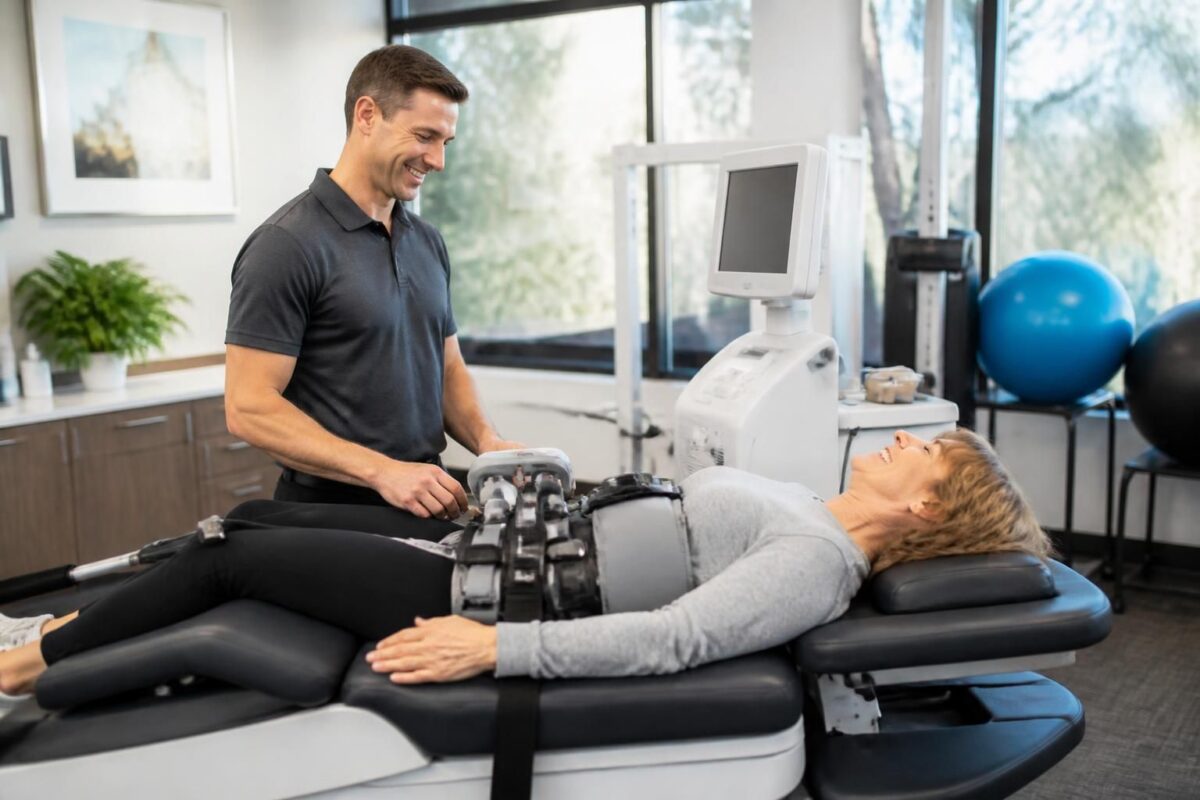
Neurovertebral decompression and diffuse pain: an appropriate solution
In short In short, the neurovertebral decompression is one Non-invasive solution For diffuse pain related to nerve irritation of the spine. She acts in Reducing pressure on intervertebral discs and nerves and improving the bloodstream, which promotes recovery and the…

Dr Sylvain Desforges, B.Sc., D.O., N.D., osteopath, is the founding president of TAGMED and of the ACMA association. He dedicates his practice to chronic spinal pain, low back pain and symptoms compatible with sciatica, particularly when pain radiates toward the buttock, leg, calf, foot or toes.
Through SOS Sciatique, he publishes educational content on sciatica symptoms, possible causes such as disc herniation, disc narrowing, foraminal stenosis or irritation of a lumbar nerve root, as well as non-surgical approaches that may be considered according to the evaluation. At Clinique TAGMED, care may include, depending on the case, motorized neurovertebral decompression, specific osteopathic care or precision percussion.
For an evaluation related to sciatica treatment in Montreal / Mount Royal or sciatica treatment in Terrebonne, please consult the services available at Clinique TAGMED.
Medical disclaimer
The information published on SOS Sciatique is provided for educational purposes only and does not replace a consultation, diagnosis, opinion or treatment provided by a physician or another authorized healthcare professional. The author of this article is neither a medical doctor nor a specialist in a medical specialty recognized by the Collège des médecins du Québec. The osteopathic, manual medicine or functional support approaches described on this site do not constitute medical acts and are not intended to replace medical follow-up.
Consult a physician or emergency service in cases of loss of bladder or bowel control, anesthesia in the saddle area, significant or progressive weakness in the leg or foot, fever, recent trauma, severe pain or rapid worsening of symptoms. For more details, please read our Legal Notice.