

Neurovertebral decompression and improvement of spinal circulation
25/06/2026
Why neurovertebral decompression is a safe and effective therapy
25/06/2026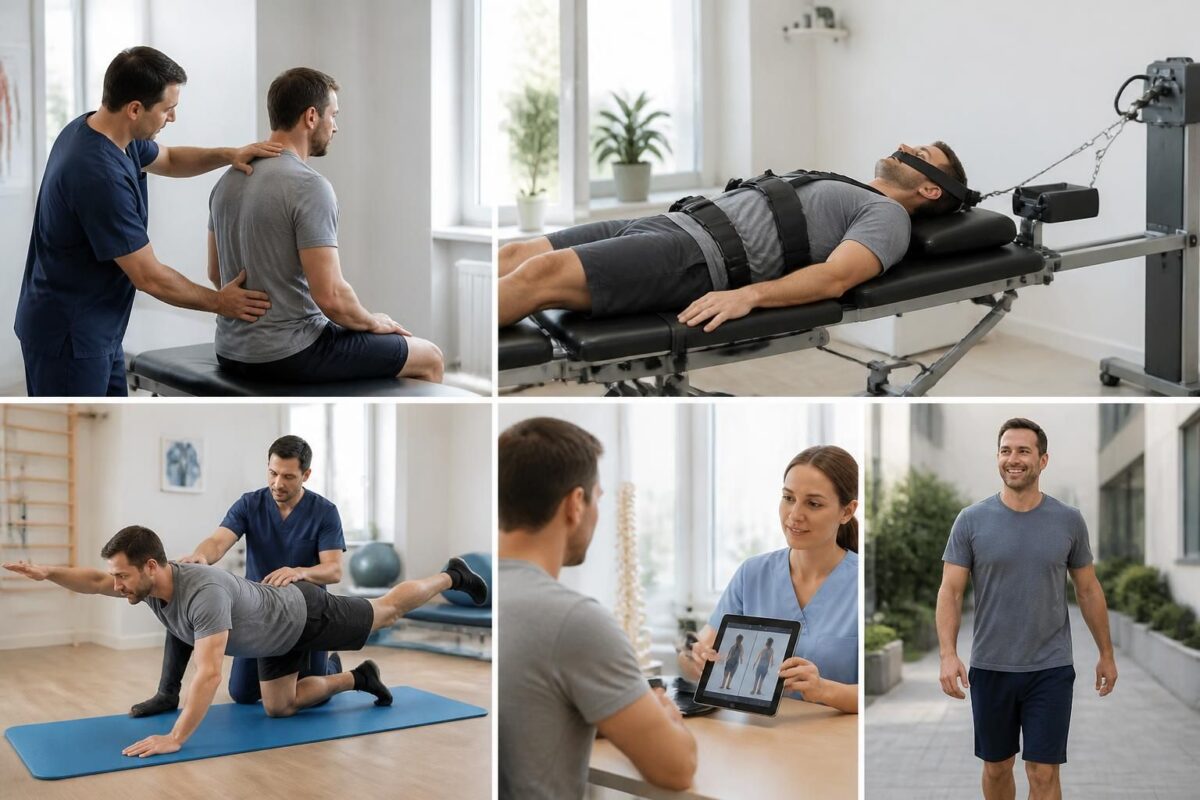
In short
| In short, Customized neurovertebral decompression is one Non-invasive method which aims to reduce the pressure on Intervertebral discs and nerves, facilitating recovery. Its advantages include pain reduction, Improving mobility and progression of the spinal function, as part of a Personalized rehabilitation plan and one Regular follow-up. The protocol brings together initial assessment, design of a Treatment plan and 15 to 25 sessions suitable, without surgery. In Montreal, this service is particularly recommended for active people and patients with spinal pain related to records, in order to achieve lasting results in the context of global care. |
Here are the key steps to program of neurovertebral decompression personalized :
- initial assessment : collection of history, symptoms and physical examination, with possible imaging examinations to understand the origin of pain and spinal function.
- Precise diagnosis : Determination of the spinal segments concerned and compression factors in order to adjust the treatment.
- Personalized treatment plan : definition of clear objectives (pain, mobility, quality of life) and the number of sessions adapted to each patient.
- Implementation of sessions : Sessions generally 30 to 60 minutes with gentle traction and supervision by a professional.
- Monitoring and adjustments : Regular assessments, assessment of pain and mobility, adjustment of the protocol according to the responses.
- Prevention and education : Post-treatment advice on posture, activity and measures to be taken to prevent relapses.
This article, written by a healthcare professional specializing in spinal therapies, describes the practical steps of a personalized neurovertebral decompression program. It emphasizes a clear and effective approach to reducing disc pressure and improving spinal function, without the need for surgery. The goal is lasting relief and a better quality of life, thanks to a structured and patient-friendly protocol.
Initial assessment and diagnosis
The first step is a complete assessment. The practitioner collects medical history and symptoms. A simple physical examination is carried out and observe posture and mobility. Imaging tests, when necessary, can be requested to confirm the diagnosis. This step specifies the origin of the pain and guides the choice of interventions adapted.
Treatment plan design
From the diagnosis, the clinician develops a Treatment plan personalized. The plan defines the objectives: pain reduction, Improving mobility, and Column rebalancing. It specifies the number of sessions and their frequency. In practice, a typical program includes between 15 and 25 sessions, depending on the severity of the symptoms. Each intervention is based on the principles of decompression and of re-education appropriate.
Implementation of decompression sessions
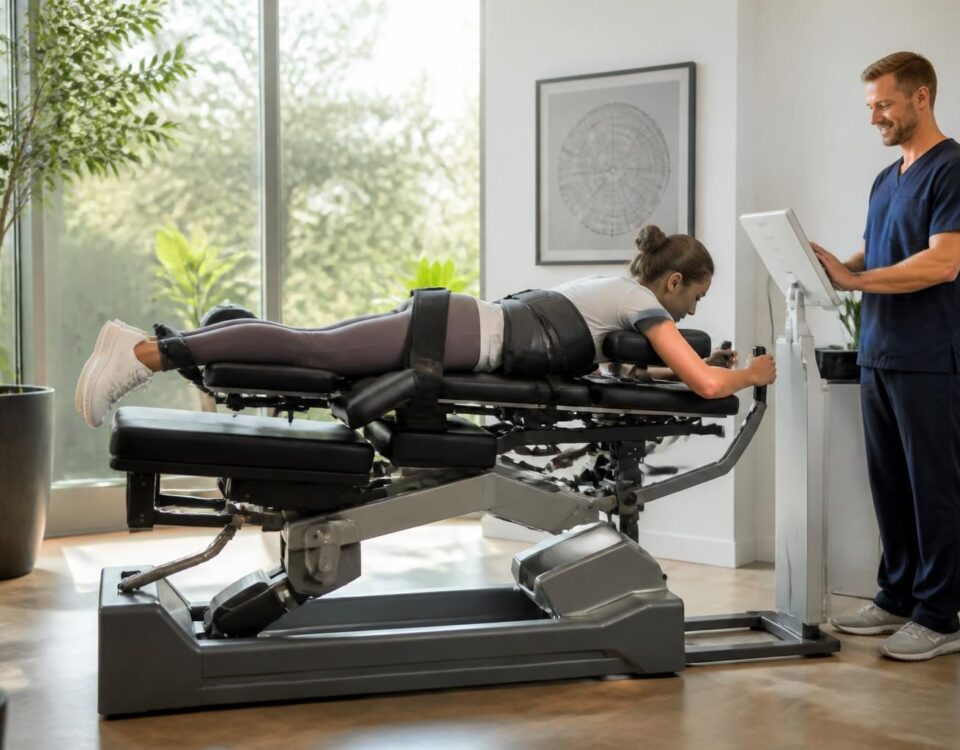
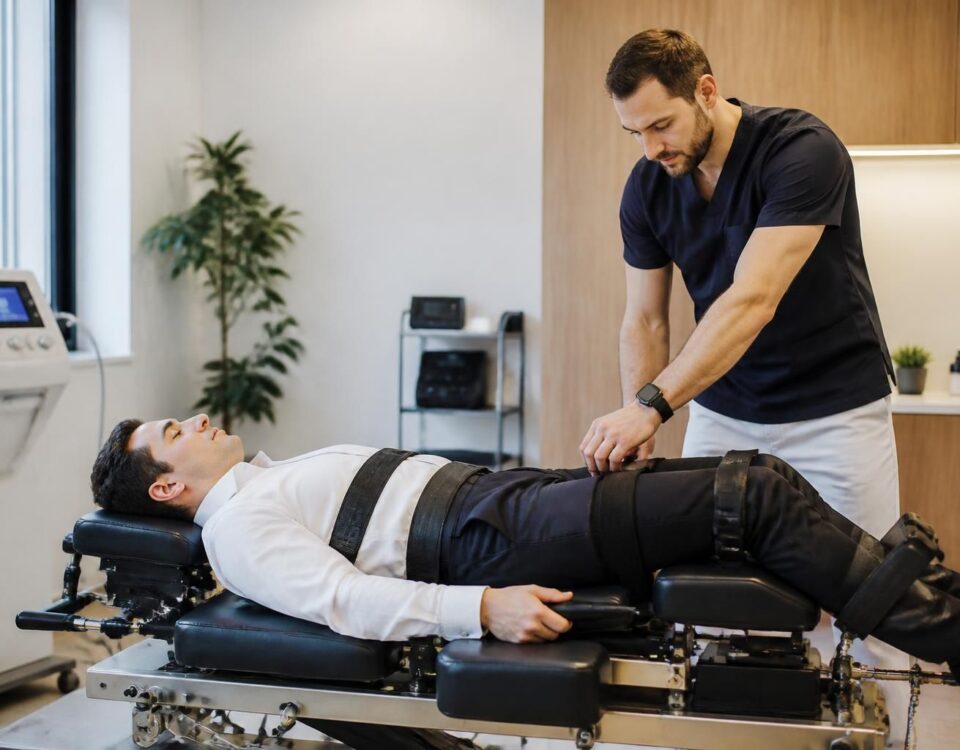
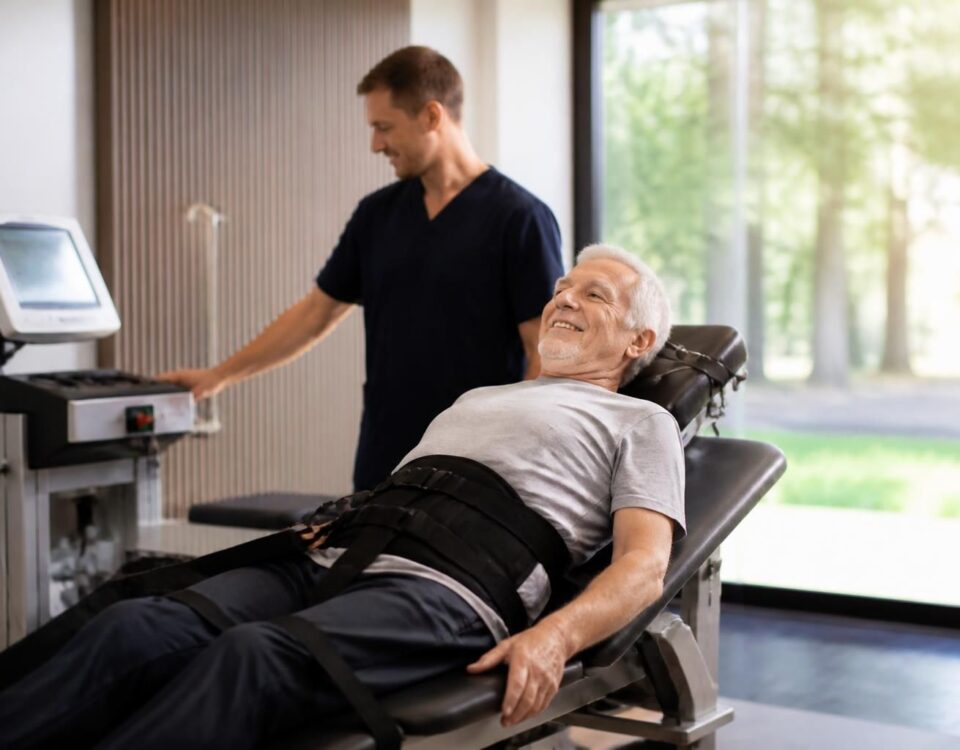
The sessions use specialized devices to apply soft, controlled traction. Each session usually lasts between 30 and 60 minutes. The pressure exerted on the intervertebral discs is reduced, which improves circulation and promotes the natural healing process. The setting is secure and monitored by the practitioner throughout the treatment. Occasional assessments allow you to adjust the parameters and ensure patient comfort. Dynamic MRI in charge can be used to observe the effects while standing and adapt the protocol accordingly.
Monitoring, reassessments and adjustments
Regular monitoring allows for progress to be measured and revised the plan. We evaluate the pain, the mobility, and the function spine at every appointment. Depending on the results, the number and frequency of sessions are adjusted. We also make sure to prevent relapses through simple advice and posture maintenance strategies.
Patient education and prevention
Patient education is essential. We explain the mechanisms of decompression and the expected benefits. We emphasize the importance of maintaining good posture and adopting habits that support the spine. Realistic expectations are set on results and the time frame to see them. Additional resources can be proposed to deepen information and support treatment adherence, including through specialized sites and reference clinics.
To deepen practical aspects and feedback, you can consult useful resources on specialized platforms Why neurovertebral decompression is ideal after an injury and Keys to successful treatment with neurovertebral decompression. Other interesting resources on the subject can also be found on Vertebral decompression – treatment steps and Prevent chronic pain by decompression. For a variety of approaches, see also Decompression techniques.
Complementary resources at places of care and protocols proposed by TagMed and their partners can be consulted via Tagmed Clinic. For general information related to decompression and rehabilitation, visit Essential steps to integrate decompression and Preserve column health.
Additional resources and contacts can be found via Sosciatic sites and pages dedicated to neurovertebral decompression. For more information, see also SOS SCIATIC.
Medical Disclaimer: The information and advice provided on this site does not replace the health professional’s diagnosis or treatment. Please note that Dr. Sylvain Desforges osteopath is neither a doctor of medicine nor a doctor, and is not a specialist in a medical specialty as defined by the Collège des Médecins du Québec. Manual medicine, functional medicine and sports medicine as described on this site exclude any medical treatment or diagnosis made by a doctor or specialist doctor. Always consult your doctor for any medical questions. For more details, please read our full legal notice.
- Evaluation Initial and background
- Diagnosis Accurate and imaging if necessary
- Blueprint Custom and clear goals
- Settings protocol (frequency, techniques)
- sessions decompression (30–60 min), controlled traction
- Monitoring and adjustments (regular balance sheets)
- Education and post-session advice
- Prevention and maintaining results

This guide details the key steps of a neurovertebral decompression Personalized, from the initial assessment to continuous adjustments, to sustainably reduce pain and restore spinal function.
Initial assessment and objectives
The first step is to collect the history, identify painful areas and assess mobility. This phase leads to a precise diagnosis and the definition of clear and measurable objectives, centered on pain reduction, improvement of mobility and return to sustainable daily activity.
components
The relevant clinical information, imaging results when needed and individual factors that influence the protocol are gathered, in order to establish a reliable basis for the personalized plan.
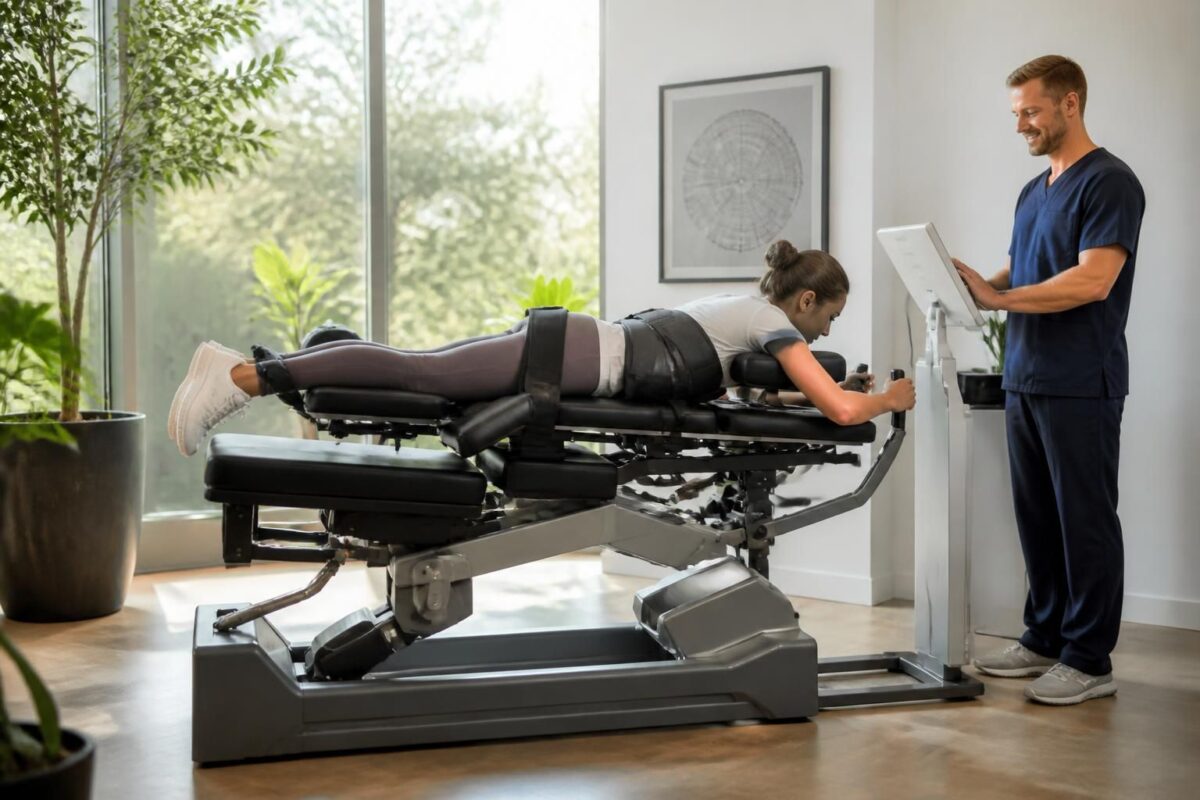
The long-term benefits of neurovertebral decompression for spinal health
In short In short, the neurovertebral decompression is a non-invasive approach that decreases the Pressure on intervertebral discs and nerves, favoring the Natural regeneration and tissue recovery. Its long-term benefits include Lasting pain reduction, Improving mobility and from the posture,…
Treatment plan design
Based on the evaluation, a Personalized treatment plan which can be spread over approximately 15 to 25 sessions, depending on severity and individual response. The plan provides milestones and progression criteria, with realistic goals and clear deadlines.
Main elements
The plan details the frequency of the sessions, the appropriate decompression methods and the criteria for advancing or modifying the protocol, while remaining aligned with the overall rehabilitation program and the functional capacities of the patient.

Neurovertebral decompression and mobility: a return to an active life
In short In short, the neurovertebral decompression is therapy non-invasive who uses a gentle traction To create a space between the vertebrae and reduce the pressure on the Intervertebral discs and the nerves. It promotes a bloodstream improved, lowers tension…
Implementation of sessions
Each session typically lasts between 30 and 60 minutes and takes place with gentle mechanical traction, adjusted to the patient’s anatomy and pain level. The practitioner monitors reactions to adjust parameters, ensure comfort and ensure safety throughout the treatment.
Practical considerations
A reassuring setting, comfortable clothes and appropriate hydration support efficiency. The objective is a progressive progression that promotes blood circulation and tissue regeneration without excessively straining the spinal structures.
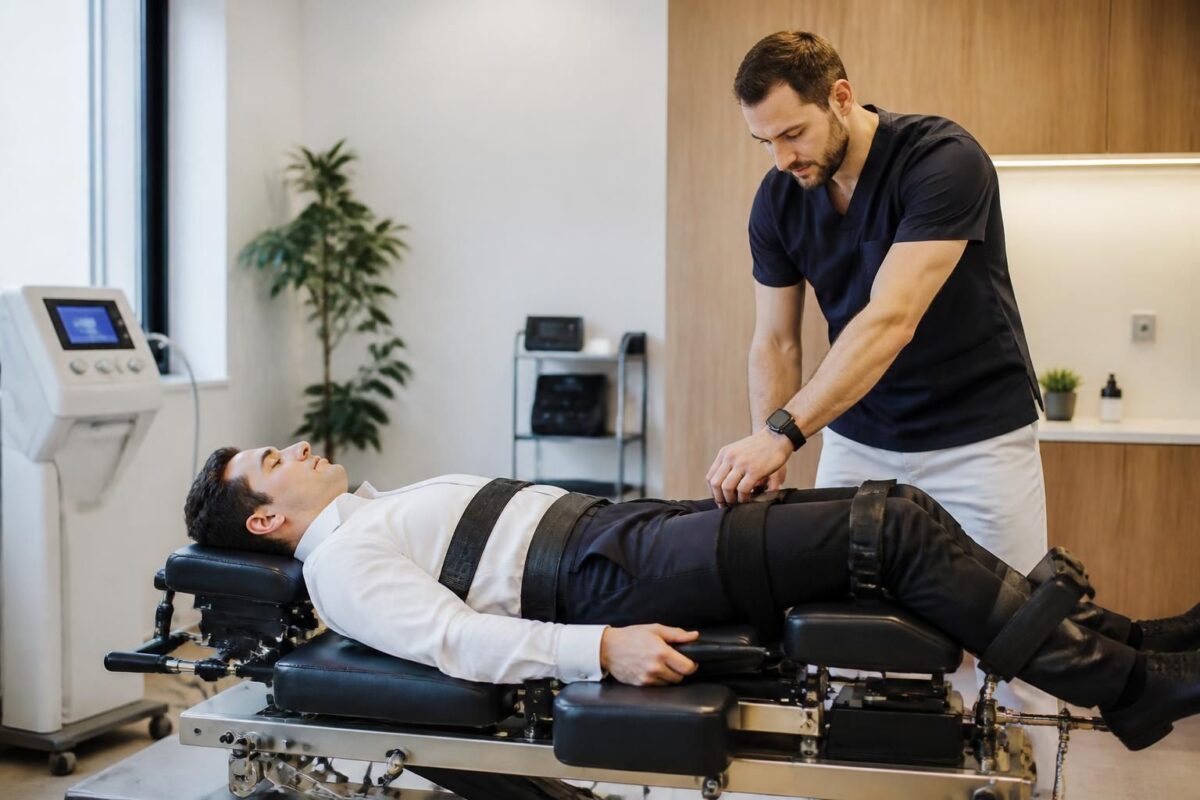
How Neurovertebral Decompression Prevents Diffuse Chronic Pain
In short decompression neurovertebral is one Non-invasive method aimed at reducing the Pressure on the intervertebral discs and the nerves, in order to prevent Diffuse chronic pain. It improves the circulation and thedisc hydration, decreases inflammation and promotes better mobility.…
Monitoring and adjustments
One Regular follow-up Allows you to assess pain, mobility and functional ability at each stage, and adjust the plan accordingly. Periodic reviews and, if necessary, additional examinations guide clinical decisions and ensure accurate adaptation of the protocol.
Progress indicators
The indicators used include pain intensity (scale 0-10), range of motion and functional feedback provided by the patient, in order to objectively measure improvements and guide the next steps.
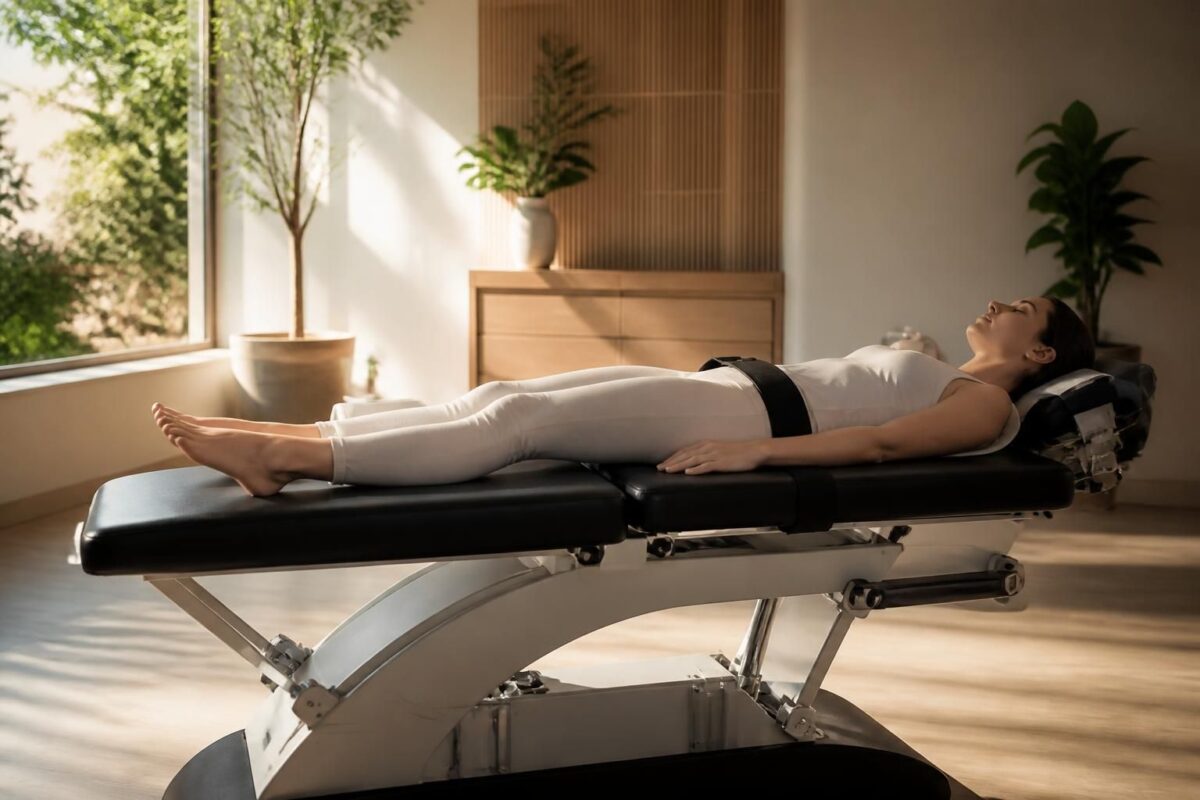
Neurovertebral Decompression and Body Alignment: Restoring Natural Balance
In short In short, neurovertebral decompression is one Non-invasive approach who restores theBody Alignment and thenatural balance back and neck. She acts by a Controlled traction of the spine to widen the intervertebral space and reduce the Pressure on discs…
Patient prevention and education
Along with the treatment, the patient is educated on posture, ergonomics and lifestyle habits conducive to spinal stability. Appropriate hydration and appropriate physical activity complete the program to prevent relapses and maintain long-term results.
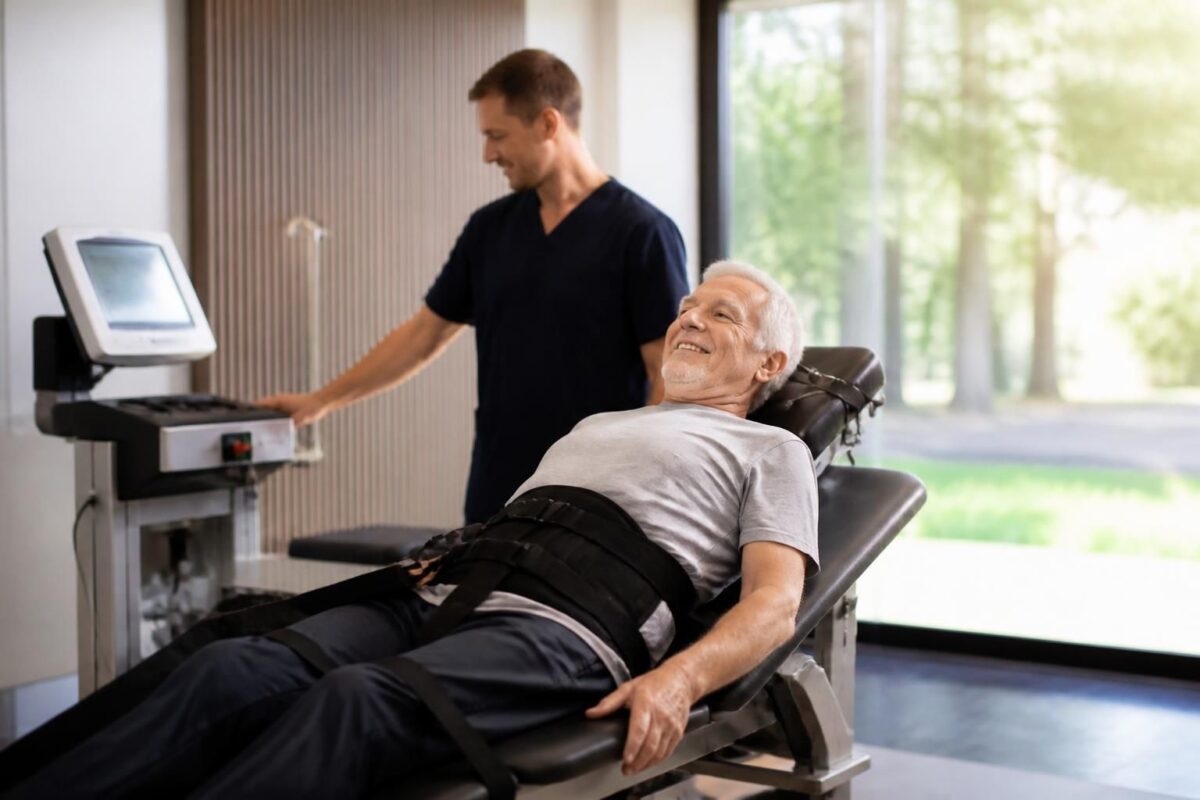
Why neurovertebral decompression is a lasting solution for active seniors
In short In short, the neurovertebral decompression is one Non-invasive therapy which sustainably relieves spinal pain in the spine active seniors By creating, by a Soft and controlled traction, a space between the vertebrae. At Montreal, it is recognized as…
Integration and coordination of care
The program is part of a process overall, in coordination with other health professionals in order to ensure consistent and sustainable management of the patient’s back and to optimize the return to function.
| Element | Concise description |
|---|---|
| initial assessment | Collection of history, symptoms and posture to guide the diagnosis and personalize the protocol. |
| Precise diagnosis | Targeted cause analysis and imaging use to determine areas to be treated. |
| Personalized treatment plan | Clear objectives and patient-appropriate protocol, with measurable milestones. |
| Patient preparation and education | Explanations of the techniques, correct postures and realistic expectations. |
| Protocol design | Definition of techniques, parameters and frequency of sessions according to the diagnosis. |
| Realization of sessions | Regular sessions (30–60 min) with gentle traction and tolerance monitoring. |
| Monitoring and adjustments | Periodic assessments to assess pain and mobility and adjust the plan. |
| Prevention and consolidation | Post-treatment education and postural advice to limit relapses. |
| Integration in the course | Inclusion of decompression in a global rehabilitation and prevention program. |
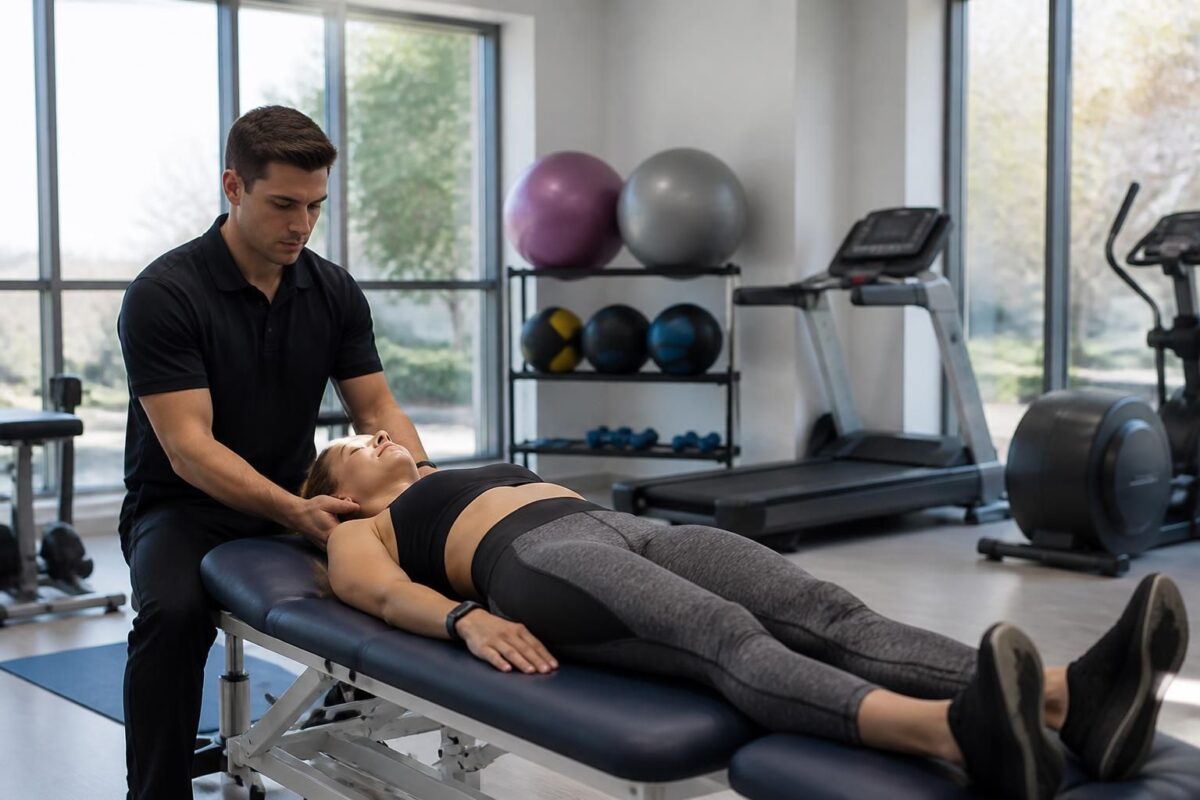
Neurovertebral decompression and recovery after severe sports injury
In short In short, the neurovertebral decompression is one Non-invasive method to Relieve the pressure on the Intervertebral discs and the gristle Via a Controlled traction, to facilitate the recovery After a severe sports injury. It improves the bloodstream towards…
Testimonials on the stages of a personalized neurovertebral decompression program
“During theinitial assessment, I understood where my pain came from and what had aggravated my mobility. The practitioner studied my history, posture and symptoms, then he explained to me the path to follow with a Personalized treatment plan. I appreciated the transparency and the promise of a clear follow-up until the end of the course. »
“After the evaluation step, the Precise diagnosis was posed thanks to additional examinations. Knowing exactly what was blocking my column gave me the hope of aiming for a real pain reduction and a better feature. The plan was then presented to me for the Decompression sessions planned. »
“The Personalized treatment plan was clear and realistic. I was set a concrete objective: to reduce pain while regaining mobility, with a number of sessions adapted to my case. Each step was adjusted according to the feedback, which gave me a real dynamic. »
“The Decompression sessions were reassuring and progressive: 30 to 60 minutes on the table, with a soft traction adjusted to my feelings. I felt progressive relief after each session, which encouraged me to continue. »
“The follow-up and adjustments were constant: regular assessments, assessment of pain and range of motion, and program adaptation. This responsiveness made it possible not to waste time and to optimize the results. »
“ThePatient education was at the heart of the process: I understood the actions to adopt, the importance of good posture and the advice to prevent relapses. This pedagogue approach gave me the tools to maintain progress after the end of the protocol. »
Dr. Sylvain Desforges, osteopath and manual medicine expert, is recognized for his innovative approach to health and his commitment to evidence-based results. Founding President of the TagMed Clinics and the ACMA Association, he emphasizes the management of Chronic pain and the integration of advanced technologies such as neurovertebral decompression. Its mission is to provide care that optimizes health and well-being, adapting each step to the reality of each patient.
The journey of a personalized neurovertebral decompression program follows a structured, patient-centered, and efficacy-oriented clinical logic. Each step is designed to establish a clear understanding of the problem, determine the most appropriate approaches and support the patient towards sustainable recovery and better quality of life.
Initial assessment and in-depth diagnosis: The first step is based on a complete analysis of history, symptoms and careful physical observation. This phase aims to identify the origin of the pain and functional limitations, while delimiting the areas to be treated. Complementary examinations, when necessary, can help to clarify the diagnosis and guide the therapeutic choices. This step is crucial to personalize the treatment plan and prevent relapses.
Personalized treatment plan: From the diagnosis, the therapist develops a program on measurable, adapted to the patient’s profile and the severity of the symptoms. The goal is to reduce the pressure in the discs and nerve structures, while promoting circulation and tissue recovery. The plan generally provides for a series of clear objectives, success criteria and an estimation of the number of sessions necessary to achieve a significant improvement, with progress adapted to the pace of each person.
Implementation of decompression sessions: The heart of the protocol unfolds during the sessions, typically between 30 and 60 minutes each, carried out in a secure and controlled setting. A soft and progressive mechanical traction is applied, adjusted according to the patient’s feedback and the biomechanical parameters observed. Each session is an opportunity to mobilize the tissues and gradually improve circulation, while monitoring the patient’s sensations and comfort in order to optimize the effectiveness of the treatment.
Monitoring and adjustments: Monitoring is continuous and essential. Regular assessments make it possible to assess the pain, mobility and overall function of the column. Depending on the patient’s results and feedback, the protocol can be adjusted—increased or decreased in the number of sessions, adaptation of traction or integration of complementary exercises—to promote optimal progression and better tolerance to treatment.
Education and Prevention: An important part of the program is dedicated to patient education. Understanding the mechanisms of decompression, adopting an appropriate posture and integrating favorable lifestyle habits (sufficient hydration, appropriate physical activity, stress management) reinforce the benefits of treatment and reduce the risk of long-term relapse. This proactive dimension supports the effectiveness of the protocol and encourages sustainable autonomy.
Integration with other modalities and expected results: Depending on the patient’s profile, neurovertebral decompression can be associated with other non-invasive approaches to optimize results. Beneficiaries generally report pain reduction, improved mobility and better ability to resume daily and sporting activities, with a clear view of progress through regular measures and adaptive care pathway planning.
This text presents the Stages of a personalized neurovertebral decompression program, from the initial assessment to prevention, including diagnosis, plan design and execution of sessions. It emphasizes a pedagogue and results-oriented approach, adapted to each patient and integrated into a global rehabilitation framework.
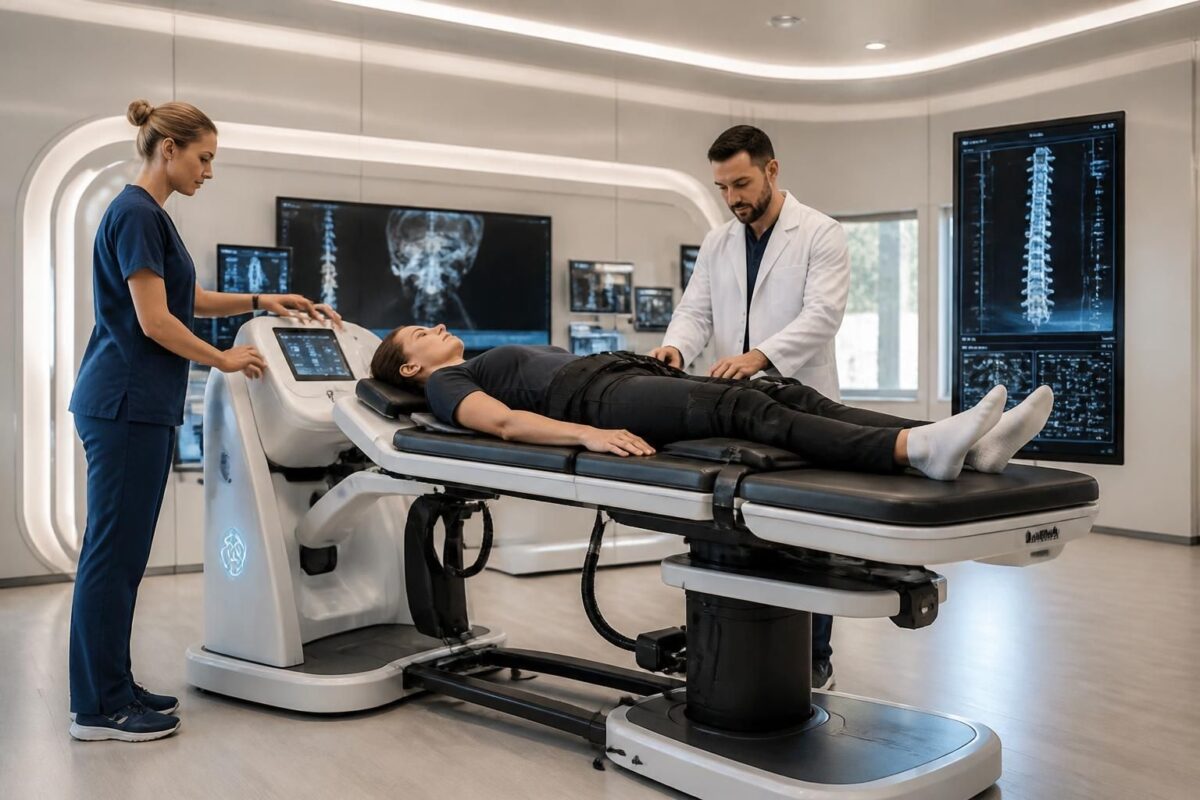
Recent innovations in neurovertebral decompression technologies
In short In short, the neurovertebral decompression is an approach non-invasive Aiming to reduce pressure on discs and nerves, and promote tissue regeneration. At Montreal, it is positioned as an effective option for lower back pain and herniated discs. The…
Summary of key steps in a personalized program
initial assessment and diagnosis: The first step is to collect a precise history, assess posture, mobility and symptoms, then use imaging examinations if necessary to establish a clear diagnosis and target the areas to be treated. This step allows you to immediately adapt the decompression strategy to the patient’s anatomy and symptoms.
Personalized treatment plan: After the diagnosis, the practitioner draws up a tailor-made plan with concrete objectives (pain reduction, improvement of mobility, return to activity), the number of sessions and the specific techniques to be used. The plan takes into account age, activity level and possible functional limitations to maximize profits and limit relapses. To deepen, check out the resources detailing the planning of a custom program: Stages of a personalized program.
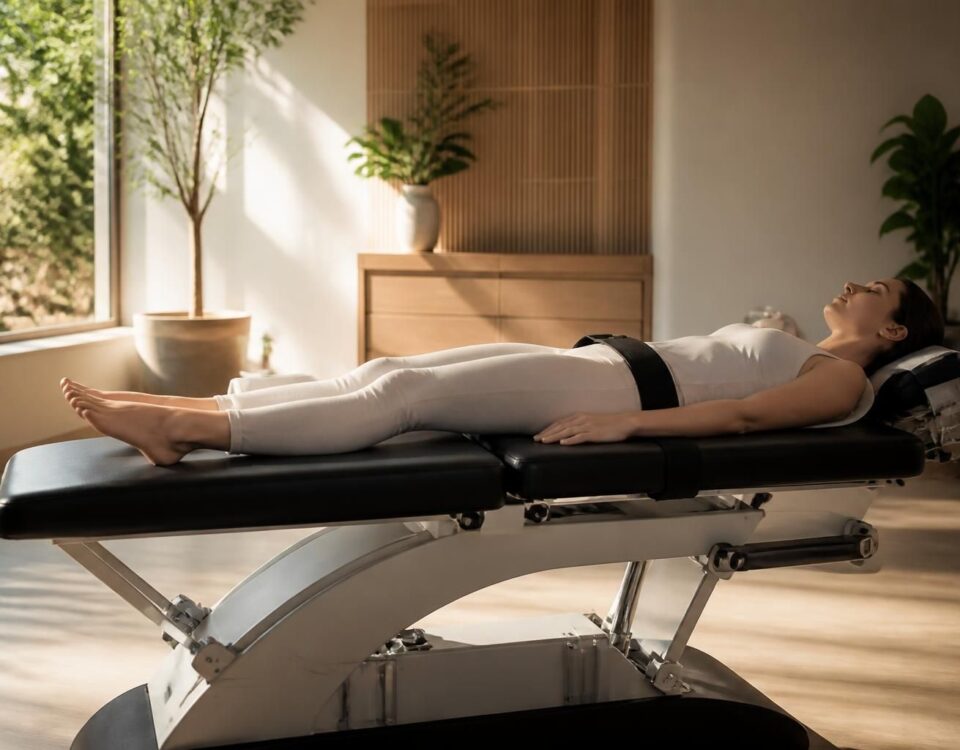
Proceedings of decompression sessions: The sessions take place on a specialized table and involve gentle mechanical traction aimed at reducing pressure on the intervertebral discs and improving blood circulation around the nerves. The typical duration is 30 to 60 minutes per session, with an adjustment of the parameters according to the tolerance and the effects observed. This safe and controlled framework is fundamental to promote recovery while preserving patient comfort. To understand the mechanisms and indications, see the resources that explain the practical application and the signs of adaptation: Signs indicating adaptation and Key steps for successful treatment.
Monitoring and adjustments: Regular monitoring makes it possible to measure progress, to assess the intensity of the pain and the range of motion, and to adjust the plan (frequency and number of sessions) according to the individual response. This vigilance ensures continuity of profits and reduces the risk of relapse. For more tips and follow-up examples, see Planning for advanced pathologies.
Patient education and prevention: The information given to the patient on the techniques, the right postures and the behaviors to adopt is essential to maintain the results. Practical advice and self-management tools complete the treatment and facilitate the maintenance of progress after the active decompression phase. Additional resources address the importance for active patients and athletes: decompression and sports and Benefits for sedentary workers.
Integration into the overall rehabilitation framework: Neurovertebral decompression is most often integrated into a rehabilitation protocol including strengthening exercises, stretching and complementary modalities (functional rehabilitation, biomechanical and sometimes associated technologies). The objective is to restore balance and spinal alignment while preventing relapses. To learn more about integrating into a full program, refer to the dedicated guides: Integration into a complete rehabilitation program and Role in a successful journey.
Resources and evidence: Several articles and reviews support the effectiveness of neurovertebral decompression to reduce pain and improve spinal function, while offering a non-invasive alternative to certain clinical situations. To learn more, you can consult the following syntheses and analyses: Benefits in the elderly and interests among athletes.
To access other resources and additional information, find articles and practical guides at the following addresses: Stages of a personalized program, Advanced planning.
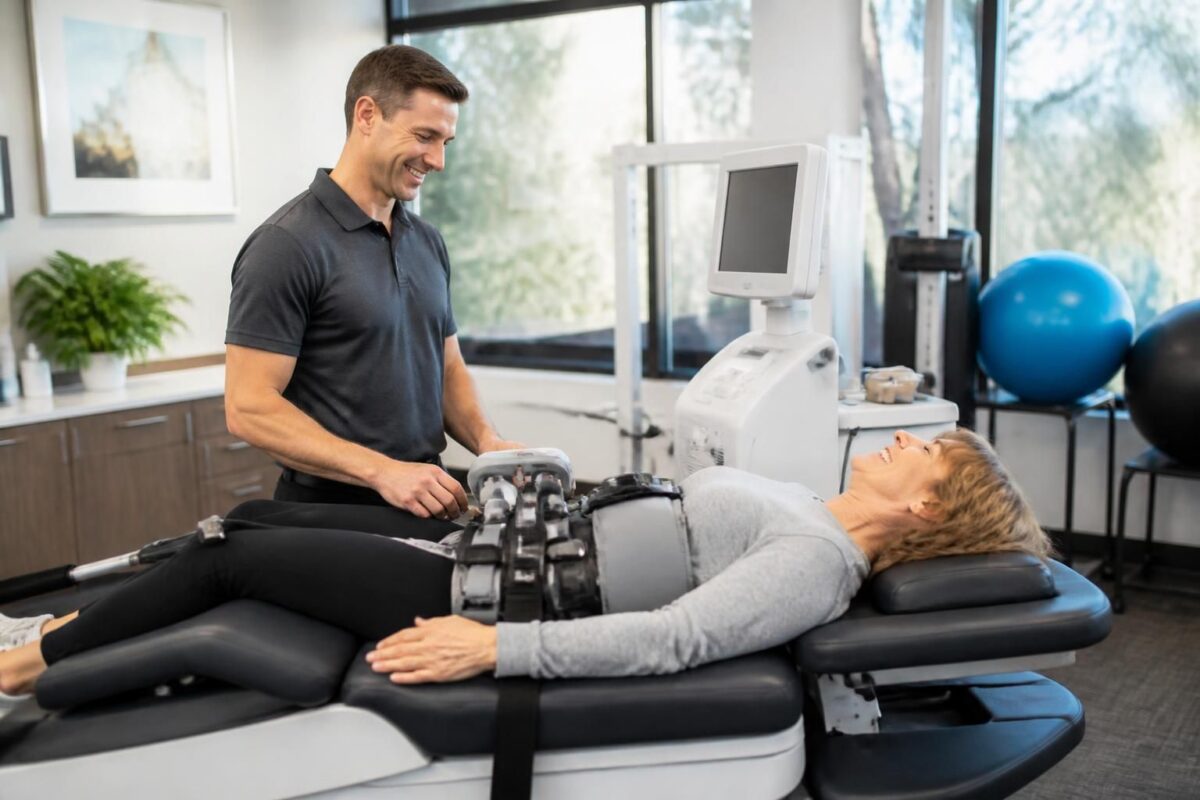
Neurovertebral decompression and diffuse pain: an appropriate solution
In short In short, the neurovertebral decompression is one Non-invasive solution For diffuse pain related to nerve irritation of the spine. She acts in Reducing pressure on intervertebral discs and nerves and improving the bloodstream, which promotes recovery and the…

Dr Sylvain Desforges, B.Sc., D.O., N.D., osteopath, is the founding president of TAGMED and of the ACMA association. He dedicates his practice to chronic spinal pain, low back pain and symptoms compatible with sciatica, particularly when pain radiates toward the buttock, leg, calf, foot or toes.
Through SOS Sciatique, he publishes educational content on sciatica symptoms, possible causes such as disc herniation, disc narrowing, foraminal stenosis or irritation of a lumbar nerve root, as well as non-surgical approaches that may be considered according to the evaluation. At Clinique TAGMED, care may include, depending on the case, motorized neurovertebral decompression, specific osteopathic care or precision percussion.
For an evaluation related to sciatica treatment in Montreal / Mount Royal or sciatica treatment in Terrebonne, please consult the services available at Clinique TAGMED.
Medical disclaimer
The information published on SOS Sciatique is provided for educational purposes only and does not replace a consultation, diagnosis, opinion or treatment provided by a physician or another authorized healthcare professional. The author of this article is neither a medical doctor nor a specialist in a medical specialty recognized by the Collège des médecins du Québec. The osteopathic, manual medicine or functional support approaches described on this site do not constitute medical acts and are not intended to replace medical follow-up.
Consult a physician or emergency service in cases of loss of bladder or bowel control, anesthesia in the saddle area, significant or progressive weakness in the leg or foot, fever, recent trauma, severe pain or rapid worsening of symptoms. For more details, please read our Legal Notice.