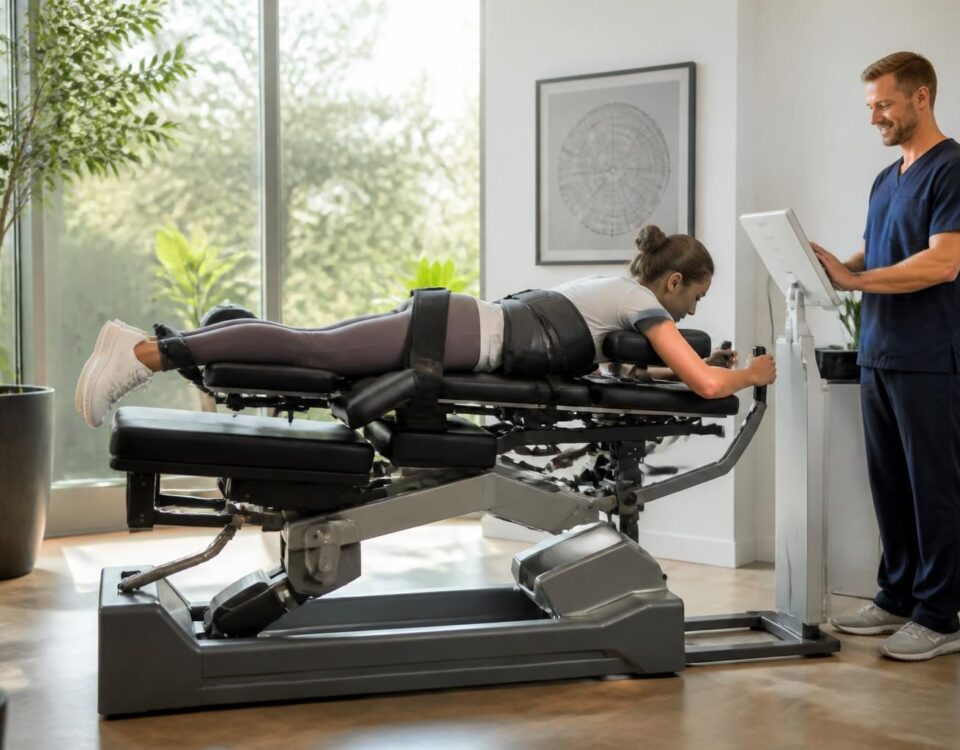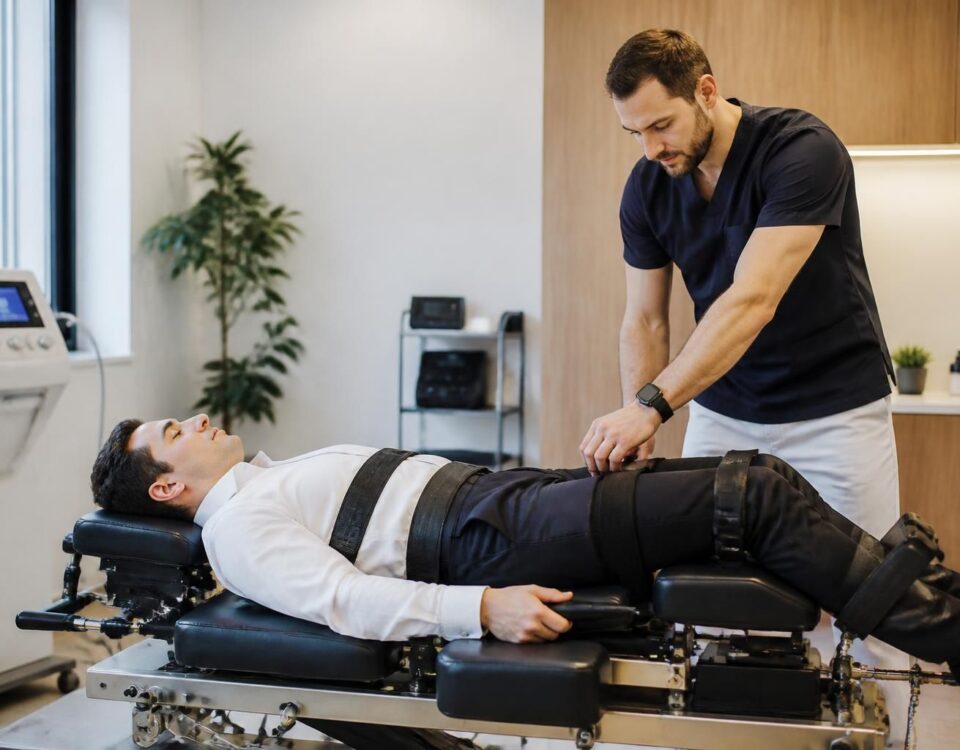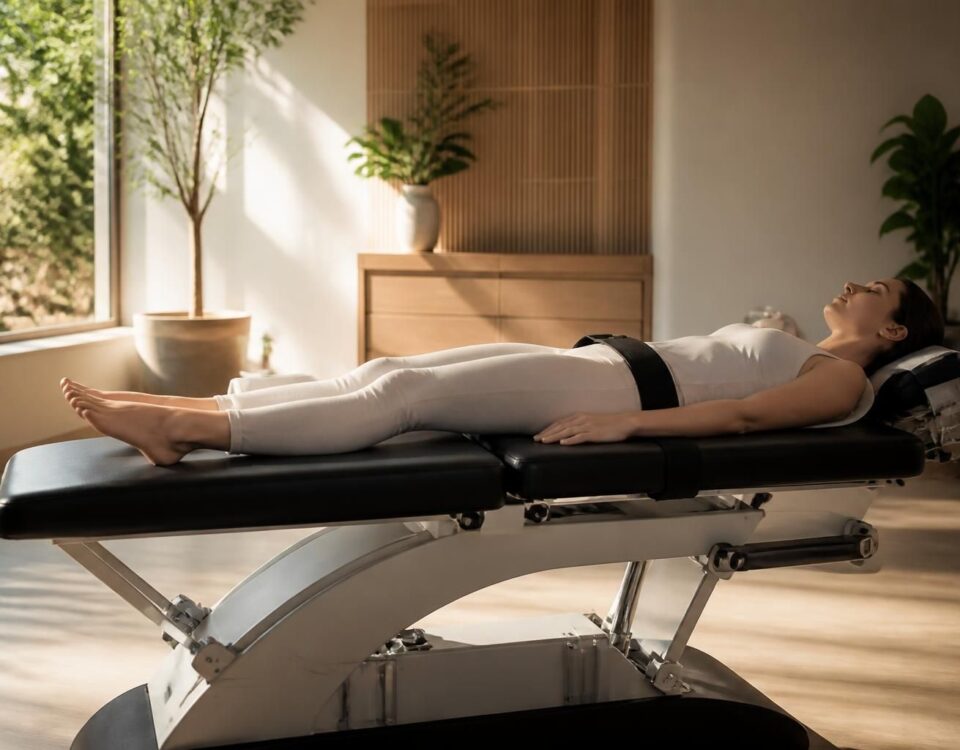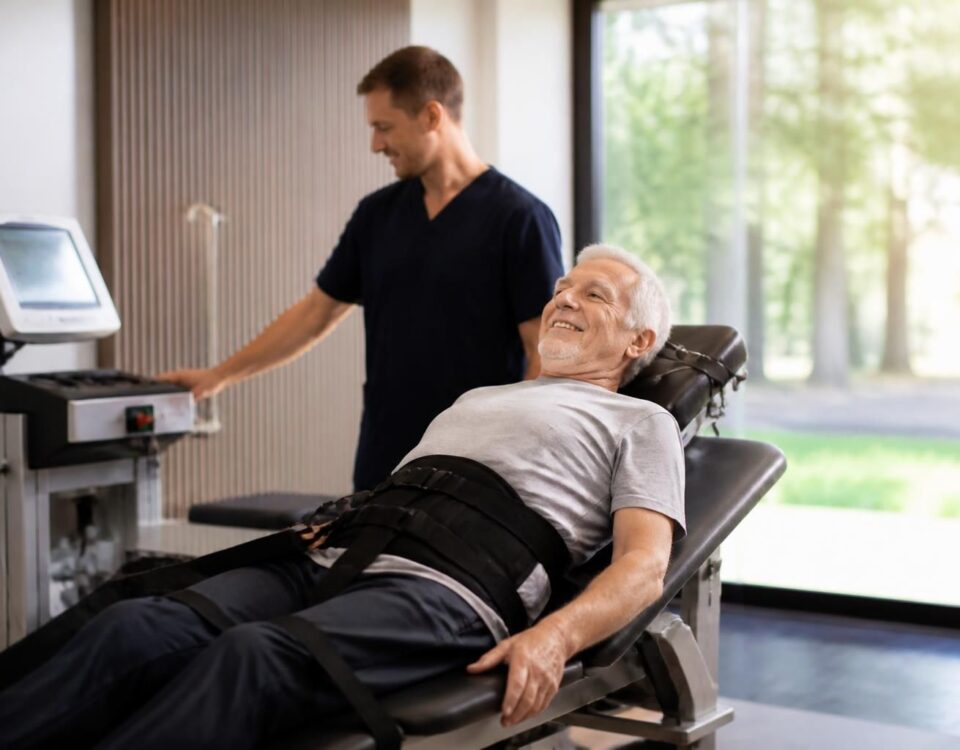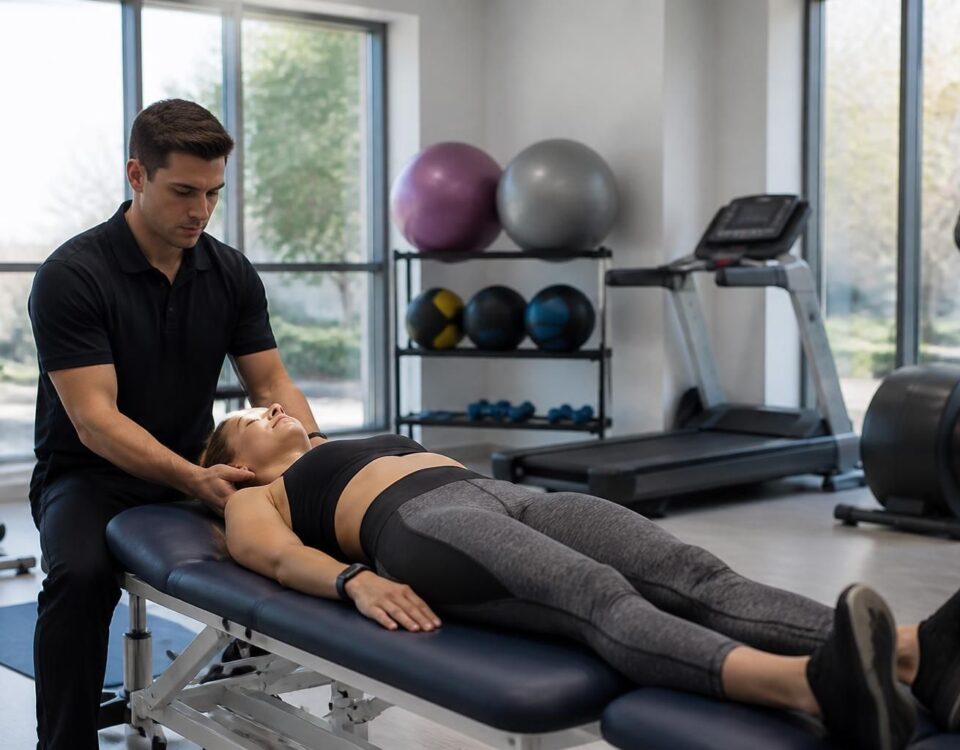
The steps of a personalized neurovertebral decompression program
25/06/2026
Neurovertebral decompression and prevention of invasive surgeries
25/06/2026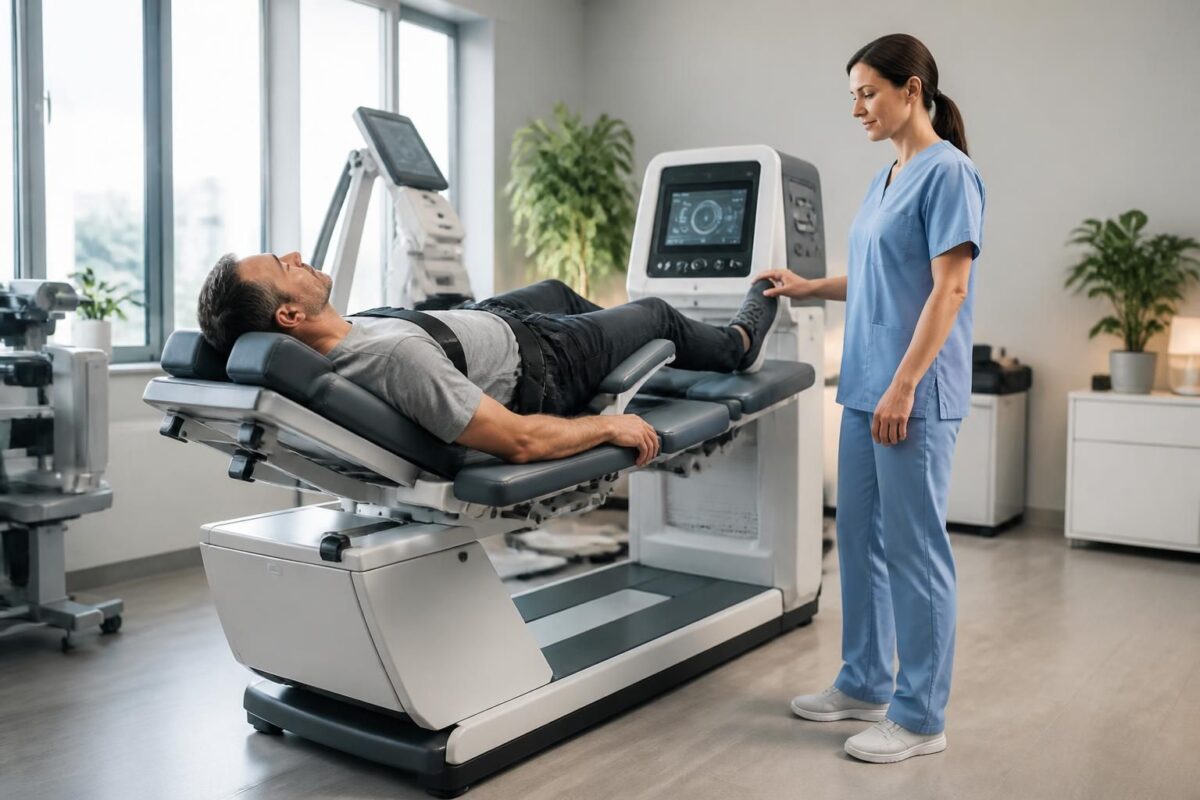
In short In short, neurovertebral decompression is one Non-invasive and safe therapy who uses a Soft and controlled traction To decrease the pressure on the intervertebral discs and nerves. Its main advantages are Quick relief pain, a Mobility found and one Quick return to activities, with reduced risks compared to surgery. she can be personalized and integrate with other treatments to optimize healing. In Montreal, this service is particularly recommended for chronic mechanical pain such as slipped disc and the sciatica. |
The neurovertebral decompression is one Non-invasive therapy and secure who uses controlled traction for decrease the pressure on intervertebral discs and nerves. She offers a Quick relief pain and a Improving mobility without surgery or anesthesia, with few risks and one Quick recovery. thanks to Custom protocols, it adapts to each patient and can integrate into a global care program, while helping to prevent recurrences and maintain an active lifestyle.
This article clearly presents why neurovertebral decompression is therapy safe and effective, what mechanisms it mobilizes, and how it is part of a global management of back pain. It is a non-invasive approach that can provide quick and lasting relief, while allowing daily activities to resume with better mobility.
Neurovertebral decompression uses traction fresh and controlled on the spine. This approach aims to reduce the pressure exerted on the intervertebral discs and nerves, promoting fluid circulation and tissue repair. It is particularly indicated for chronic mechanical pain related to the spine, such as low back pain associated with disc protrusions or irradiated pain. The character non-invasive And the low associated risk make it an interesting alternative to more invasive treatments when the indications are appropriate.
A non-invasive and controlled approach
This therapy is distinguished by the absence of surgery. It does not require anesthesia and does not require a prolonged recovery period. The process is based on regulated traction that gradually frees the space between the vertebrae, which can decrease compression on the nerves and promote natural healing of tissues. This operational safety is enhanced by a preliminary assessment and a protocol adapted to each patient.
Quick and lasting benefits
Several patients report a marked reduction in pain after a few sessions, which can promote a rapid return to daily and professional activities. At the same time, improving the mobility and flexibility of the spine contributes to a better quality of life and a reduction in the risk of recurrence, partly thanks to better postural alignment and a reduction in the load on the spinal structures.
Personalized protocol and care integration
Each patient receives a comprehensive assessment to understand their condition and goals. The protocol is then personalized to optimize the results. This approach can be integrated into a global care program, in addition to other therapies available in our TagMed clinics in Montreal and Terrebonne. To learn more about mechanisms and evidence, you can check out the following resources and their dedicated pages.
To deepen practical aspects and clinical justifications, visit:
- Is the #ATFP_CLOSE_TRANSLATE_SPAN# neurovertebral decompression is a safe method?
- Comment#ATFP_CLOSE_TRANSLATE_SPAN# Neurovertebral decompression improves joint mobility
- Decompression#ATFP_CLOSE_TRANSLATE_SPAN# Neurovertebral and Chronic Pain Prevention
- Decompression#ATFP_CLOSE_TRANSLATE_SPAN# Neurovertebral and recovery after surgery
Integration with clinical care and resources
Decompression can be combined with other manual and technological approaches, as part of a global care plan. It is based on a solid scientific basis and is part of the practices of TagMed clinics, which offer solutions adapted to patients seeking to regain an active life without pain. For more information, see the resources related to TagMed and our partners.
Additional links and resources
To expand your understanding and access verifiable information, here are resources in relevant areas:
- Why#ATFP_CLOSE_TRANSLATE_SPAN# Neurovertebral decompression is essential for active patients
- Clinic#ATFP_CLOSE_TRANSLATE_SPAN# TAGMED – General information and services
- SOS#ATFP_CLOSE_TRANSLATE_SPAN# Disc Herniation – Informative Resources
- SOS#ATFP_CLOSE_TRANSLATE_SPAN# HERNIATED DISC – INFORMATION AND SUPPORT
- Sostunnel#ATFP_CLOSE_TRANSLATE_SPAN# Carpal – Useful Resources
- SOS#ATFP_CLOSE_TRANSLATE_SPAN# Sciatica – General Resources
Medical Disclaimer: The information and advice provided on this site does not replace the health professional’s diagnosis or treatment. Please note that Dr. Sylvain Desforges osteopath is neither a doctor of medicine nor a doctor, and is not a specialist in a medical specialty as defined by the Collège des Médecins du Québec. Manual medicine, functional medicine and sports medicine as described on this site exclude any medical treatment or diagnosis made by a doctor or specialist doctor. Always consult your doctor for any medical questions. For more details, please read our full legal notice.
Medical Disclaimer: The information and advice provided on this site does not replace the health professional’s diagnosis or treatment. Please note that Dr. Sylvain Desforges osteopath is neither a doctor of medicine nor a doctor, and is not a specialist in a medical specialty as defined by the Collège des Médecins du Québec. Manual medicine, functional medicine and sports medicine as described on this site exclude any medical treatment or diagnosis made by a doctor or specialist doctor. Always consult your doctor for any medical questions. For more details, please read our full legal notice.
- non-invasive : neurovertebral decompression without surgery, low risk.
- Controlled traction : Custom protocol.
- screening : safety and relevance of processing.
- Quick relief and mobility : diminished pain, regained movement.
- Functional return : Daily activities facilitated.
- Demonstrated efficacy : pain reduction and functional improvement.
- Security : Low risk, without anesthesia.
- Personalization : protocol adapted to the patient.
- Integration : Compatible with other manual therapies and rehabilitation.
- Prevention of recurrences : Better posture and lasting disc stability.

This summary presents why the neurovertebral decompression is therapy safe and effective For mechanical column pain. By favoring gentle and controlled traction, it reduces the pressure on the discs and nerves without having to resort to surgery, which allows a Quick relief and sustainable, better mobility and a gradual resumption of daily activities. This approach is part of a personalized care setting and can be integrated with other therapies to optimize well-being.
Safety and non-invasive nature
Neurovertebral decompression is distinguished by its character non-invasive and the absence of surgery, anesthesia or prolonged recovery. The traction is applied in a way fresh and gradual, under professional supervision, in order to maintain a high level of safety throughout the treatment.
Control and security
The protocols are based on precise parameters and a Real-time monitoring, allowing to adjust the traction according to the patient’s response and to limit the potential risks. This progressive approach maximizes the chances of satisfactory results without unnecessary discomfort.
adapted population
It is suitable for a wide range of patients with lower back or cervical pain, disc herniated, sciatica or stenosis, when clinical indications allow and after careful evaluation of potential contraindications.
As with any intervention, early assessment and appropriate monitoring ensure a safe and appropriate practice for each profile.
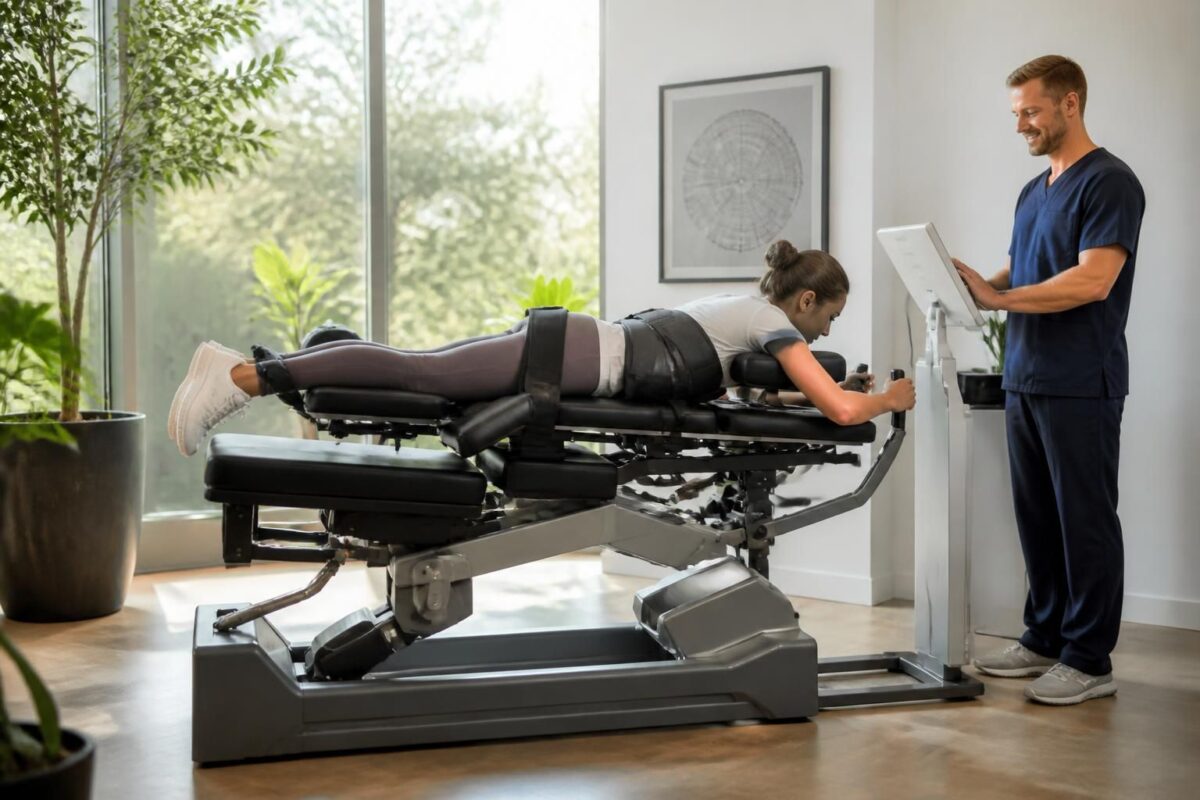
The long-term benefits of neurovertebral decompression for spinal health
In short In short, the neurovertebral decompression is a non-invasive approach that decreases the Pressure on intervertebral discs and nerves, favoring the Natural regeneration and tissue recovery. Its long-term benefits include Lasting pain reduction, Improving mobility and from the posture,…

Neurovertebral decompression and mobility: a return to an active life
In short In short, the neurovertebral decompression is therapy non-invasive who uses a gentle traction To create a space between the vertebrae and reduce the pressure on the Intervertebral discs and the nerves. It promotes a bloodstream improved, lowers tension…
Efficiency and speed of relief
One of the major assets is the Quick relief Symptoms after a few sessions, which promotes the return to domestic and professional activities without unnecessarily delaying recovery.
By reducing the pressure on the nerves and improving the circulation of fluids, decompression contributes to a lasting functional recovery and a gradual reduction in pain, which improves the ability to resume specific activities or sports.
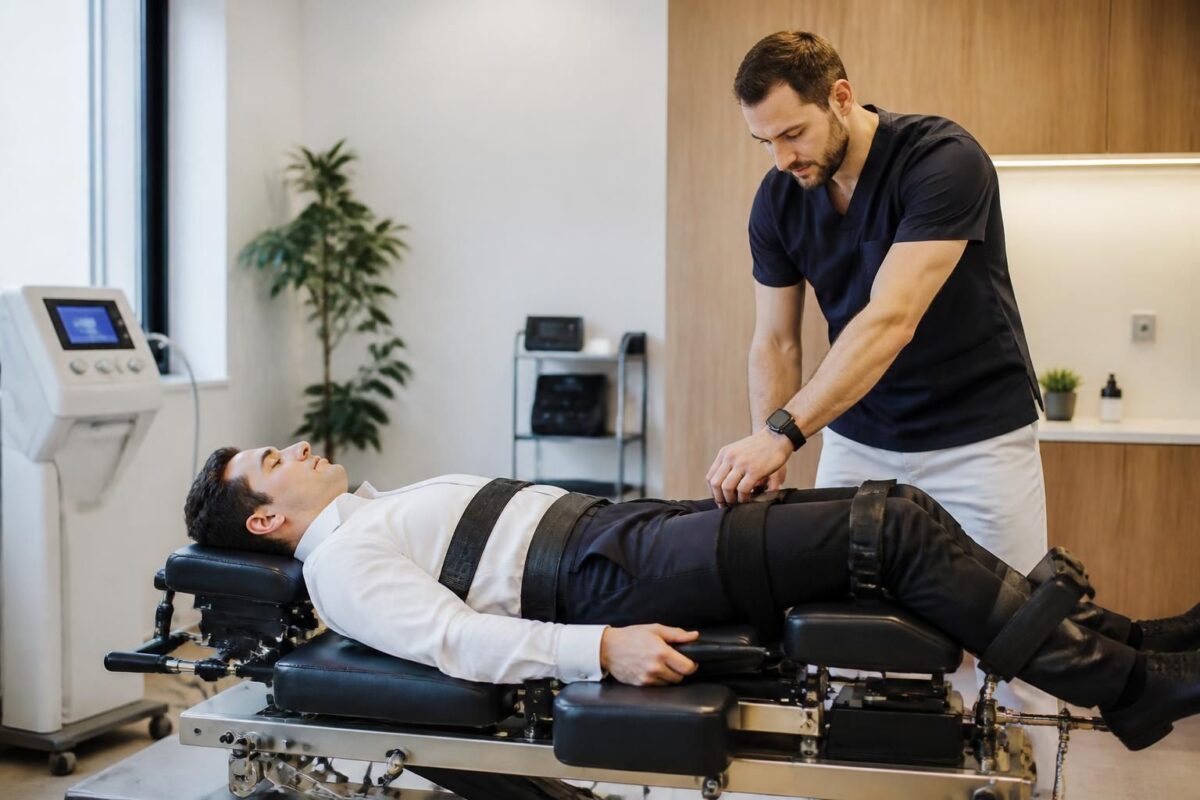
How Neurovertebral Decompression Prevents Diffuse Chronic Pain
In short decompression neurovertebral is one Non-invasive method aimed at reducing the Pressure on the intervertebral discs and the nerves, in order to prevent Diffuse chronic pain. It improves the circulation and thedisc hydration, decreases inflammation and promotes better mobility.…
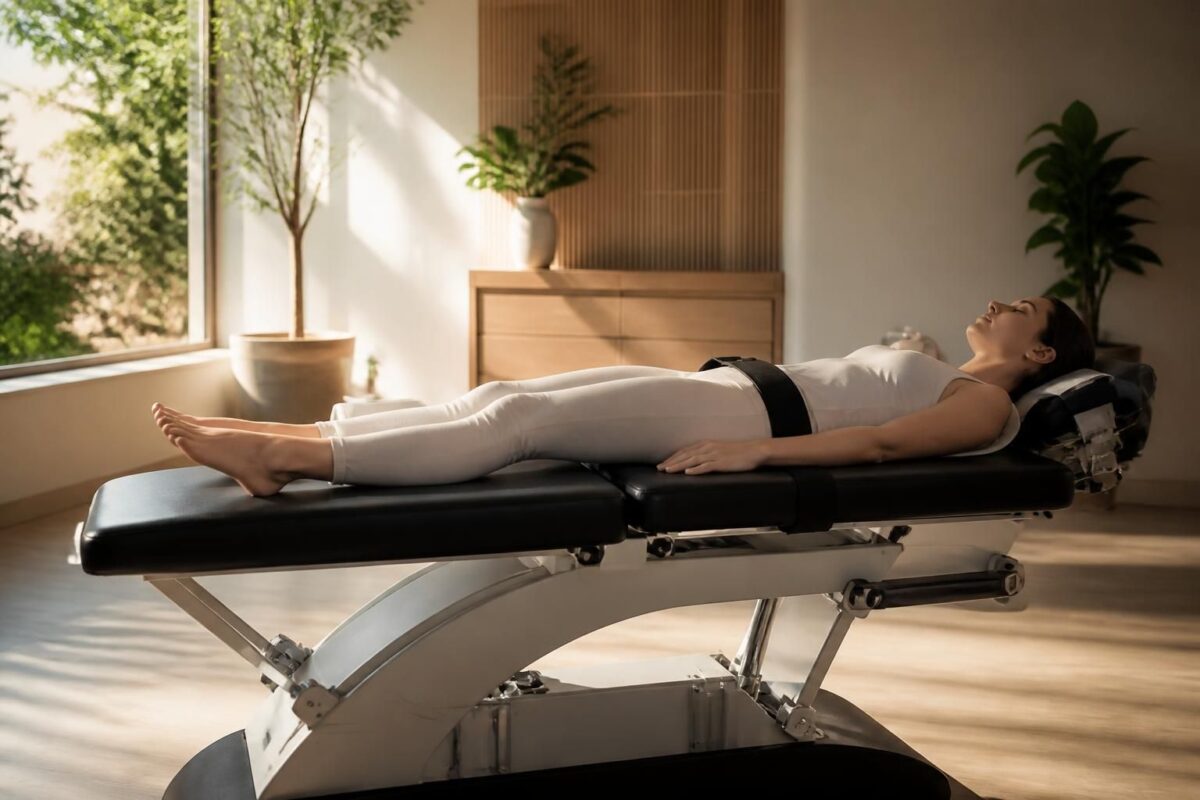
Neurovertebral Decompression and Body Alignment: Restoring Natural Balance
In short In short, neurovertebral decompression is one Non-invasive approach who restores theBody Alignment and thenatural balance back and neck. She acts by a Controlled traction of the spine to widen the intervertebral space and reduce the Pressure on discs…
Improving mobility and quality of life
By restoring therange of motion, this therapy helps patients find a mobility normal and to manage their daily gestures without discomfort, directly impacting the quality of life and general well-being.
The progression is adapted to each patient, allowing a gradual return to activities such as work, leisure or sport, while preserving the gains obtained over the course of the sessions.
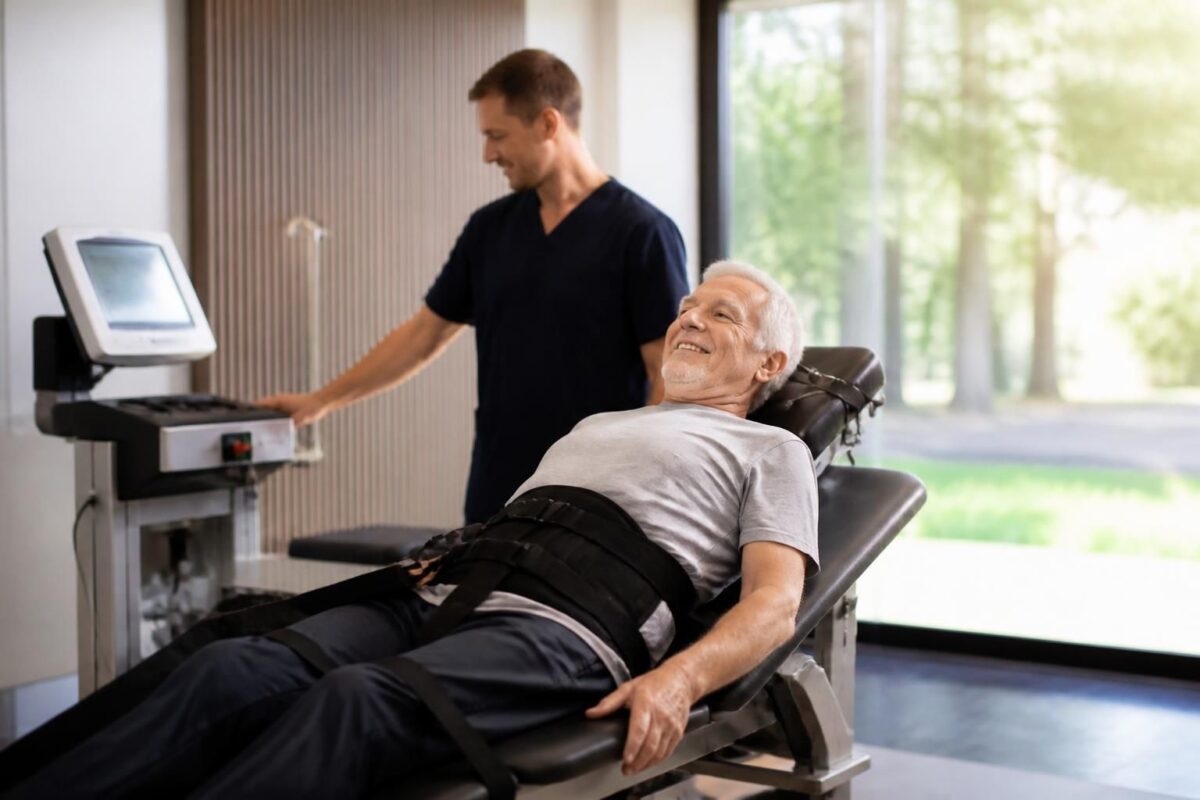
Why neurovertebral decompression is a lasting solution for active seniors
In short In short, the neurovertebral decompression is one Non-invasive therapy which sustainably relieves spinal pain in the spine active seniors By creating, by a Soft and controlled traction, a space between the vertebrae. At Montreal, it is recognized as…
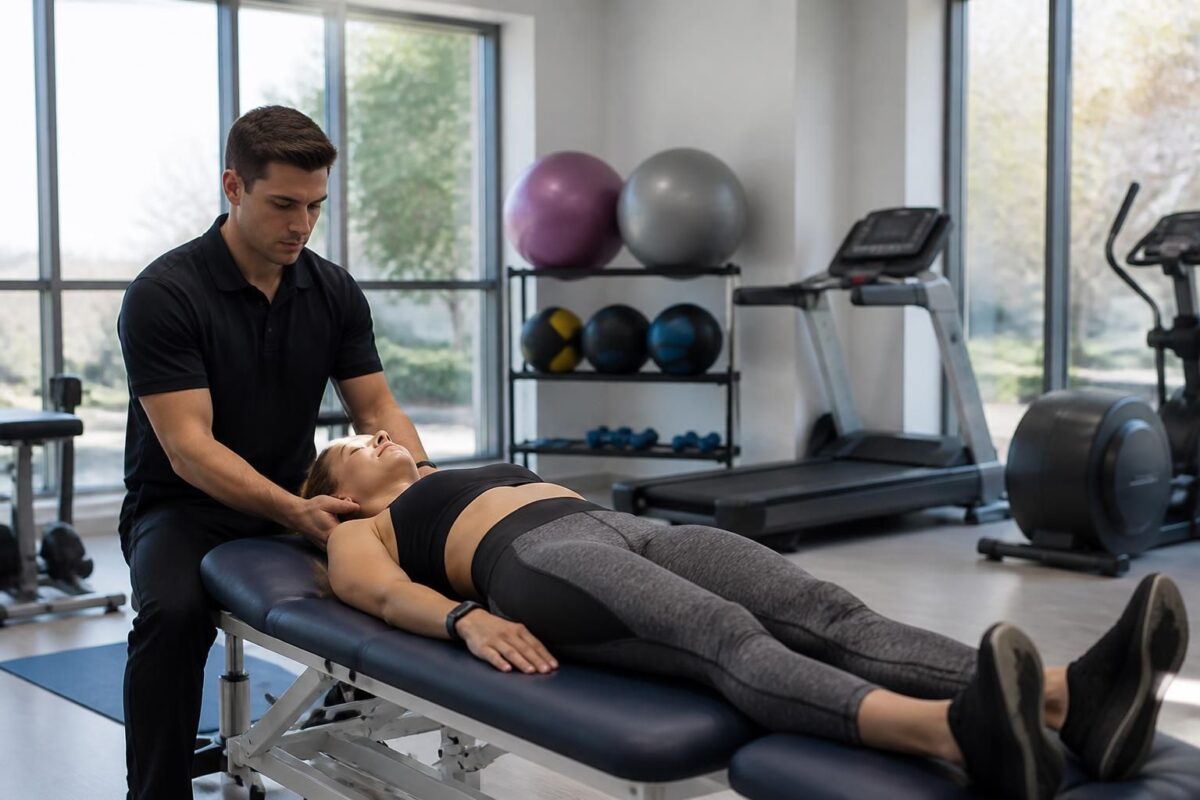
Neurovertebral decompression and recovery after severe sports injury
In short In short, the neurovertebral decompression is one Non-invasive method to Relieve the pressure on the Intervertebral discs and the gristle Via a Controlled traction, to facilitate the recovery After a severe sports injury. It improves the bloodstream towards…
Prevention of recurrences and sustainability of results
By improving the alignment and health of the discs, decompression helps reduce the risk of painful recurrence and support a healthy posture in the long term.
Prevention is based on personalized protocols and patient education, in order to maintain results and integrate lifestyle habits that preserve the spine.
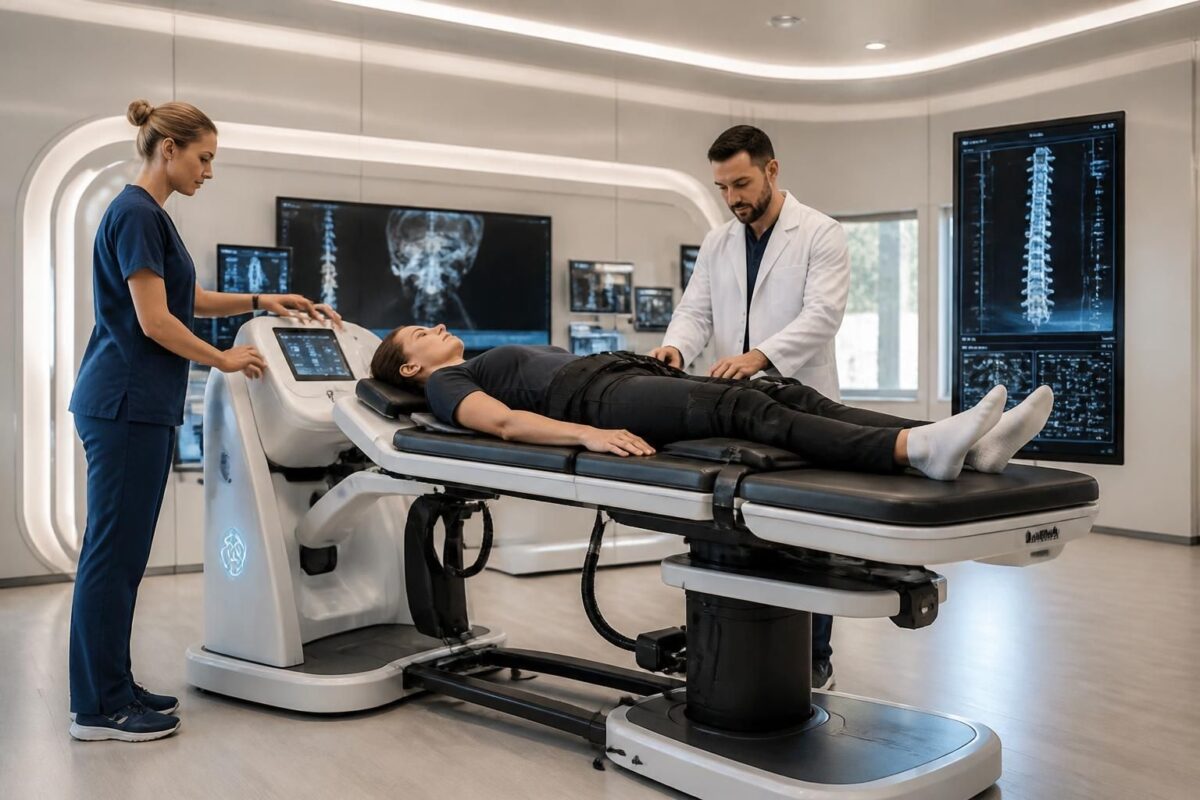
Recent innovations in neurovertebral decompression technologies
In short In short, the neurovertebral decompression is an approach non-invasive Aiming to reduce pressure on discs and nerves, and promote tissue regeneration. At Montreal, it is positioned as an effective option for lower back pain and herniated discs. The…
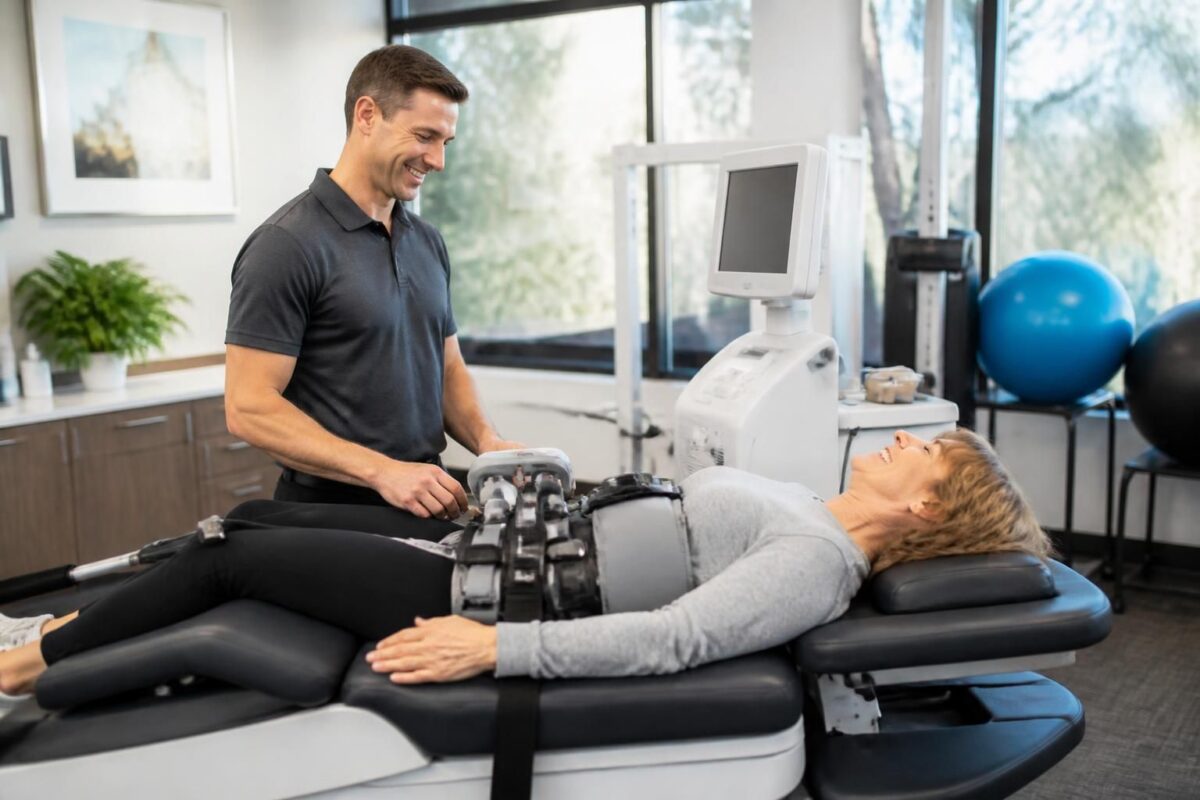
Neurovertebral decompression and diffuse pain: an appropriate solution
In short In short, the neurovertebral decompression is one Non-invasive solution For diffuse pain related to nerve irritation of the spine. She acts in Reducing pressure on intervertebral discs and nerves and improving the bloodstream, which promotes recovery and the…
Personalized protocols and integration into a care plan
Each patient benefits from a In-depth assessment which guides the customization of the protocol. This targeted approach optimizes efficiency and security care.
Neurovertebral decompression can be associated with other manual or physical therapies, creating a comprehensive and synergistic care strategy that maximizes results and accelerates recovery.
| Aspect | concise effect |
|---|---|
| non-invasive | neurovertebral decompression is non-invasive and does not require surgery or anesthesia, with a Low risk. |
| quick pain | Relief quick Pain thanks to the decrease in pressure on the discs and nerves, facilitating the return to activity. |
| Mobility found | Restoration of therange of motion and from the flexibility after the sessions. |
| Prevention | Improvement of thePostural alignment and stability, reducing the risk of recurrence. |
| Personalization | Protocol personalized After full evaluation, adapted to the state and objectives. |
| Efficiency and safety | Clinical evidence of efficacy on mechanical pain with a Favorable safety profile. |
| Integration | Can be integrated with other therapies (physiotherapy, osteopathy) For an approach overall. |
| Accessibility | Office sessions without anesthesia and without invasive intervention, allowing a rapid resumption of activities. |
Testimonials on the safety and effectiveness of neurovertebral decompression
Marie, 42 years old, dynamic executive: “Since my first sessions, I felt a Quick relief and an Significant improvement in mobility. What convinced me was the fact that this therapy is non-invasive and safe, without surgery or anesthesia, which allowed me to resume my daily activities without fear.
Jean, 55, administrative manager: “I was afraid of heavy interventions, but I discovered an approach secure and fresh which precisely targets mechanical pain. In a few sessions, my Lower back pain have decreased so thick, and I feel ready to resume my activities without limit.
Claire, 34, active mom: “I was looking for a solution effective and personalized, and I was reassured by the protocol. The results on my neck and back are real and durable, and I never had the impression of being exposed to major risks.
Thierry, 60, retired sportsman: “After hesitating, I tried the decompression and I was impressed by his Security Profile. The Quick results And improving my mobility allowed me to resume my sports activities with confidence, without persistent pain.
Alice, 29, nurse: “The treatment is sure and comfortable, and the benefits are visible after a few sessions: decrease in pain, posture improvement And a feeling of well-being that persists.
Patrick, 46, logistician: “I particularly appreciate the fact that decompression is non-invasive and secure, which prevented me from risky surgery. My pains are sustainably mitigated And my confidence in this approach remained intact over the sessions.
Dr. Sylvain Desforges, expert in osteopathy, naturopathy and manual medicine, embodies an approach centered on safety and effectiveness of care. At the head of specialized clinics and committed to a dynamic of innovation in health, he puts at the forefront of evidence-based protocols for the management of Chronic pain related to the spine. His work integrates advanced technologies such as neurovertebral decompression, laser and shockwave therapies in order to offer concrete solutions adapted to each patient, while preserving a human and protective approach.
neurovertebral decompression is therapy non-invasive which is based on controlled and gentle traction applied to the spine. This approach aims to create a slight space between the vertebrae, which gradually decreases the pressure exerted on the intervertebral discs and nerve roots. This pressure reduction, carried out under professional supervision, contributes to stabilizing the spinal environment and promoting rebalancing of the structures concerned.
By acting on the Pressure exerted on the discs and nerves, decompression facilitates Fluid circulation and nutritional exchanges essential to the proper functioning of the tissues. This mechanism supports the tissue regeneration And helps to reduce mechanical pain, while preserving sensitive tissue around the spine.
The first feedback from patients highlights a Quick relief pain and a Improving mobility After a few sessions. This development promotes a Faster return to daily activities And, for many, a resumption of effort that was difficult before treatment. The goal is to help everyone find their feature and its comfort in everyday gestures and leisure.
In terms of security, neurovertebral decompression has a favorable profile when it is practiced by qualified professionals and after appropriate screening, in particular by imaging. The protocol is personalized and adjusted to the patient’s profile, which contributes to minimizing risks and optimizing treatment tolerance and effectiveness.
In comparison with invasive interventions, this therapy offers a Non-surgical alternative Valid for patients with herniated discs, sciatica or stenosis. It can delay or avoid surgery while maintaining an active quality of life. This option is part of a global care approach, aimed at stabilizing the spine and preventing recurrences of pain.
Its efficiency Can be enhanced when decompression is coordinated with other forms of therapy, including osteopathic approaches, laser and shockwave therapies. This synergy, integrated into a Custom program, maximizes results and allows measurable progression of functional capabilities and exercise tolerance.
For athletes, active workers and people with chronic pain, neurovertebral decompression offers specific protocols, designed for Quick return to training and professional activities, while guaranteeing the safety and smoothness of the treatment. This adaptability is at the heart of an approach that aims to sustainably restore well-being.
Ultimately, when it is applied in a multidisciplinary framework and guided by clinical evidence, neurovertebral decompression is revealed as a Safe and effective therapy To address the mechanical pain related to the spine, improve mobility and allow a pain-free life. Dr. Desforges is committed to accompanying each patient with rigor, transparency and constant attention to safety and results.
This text presents a structured summary on the safety and effectiveness of the neurovertebral decompression, highlighting its non-invasive mechanisms, clinical benefits and conditions of use. He recalls why this approach can be a credible and less risky alternative than certain surgical procedures, while emphasizing the importance of appropriate medical support and a personalized protocol. To go further, you can consult the resources below.
Synthetic analysis
The security of this therapy is mainly based on its character non-invasive and on the absence of anesthesia necessary in most sessions, which limits risks and recovery times. specialized sources summarize the directions and the limitations decompression, while emphasizing that the benefits appear when the protocol is adapted to the patient (Role of Neurovertebral Decompression – Indications, Advantages and Limitations). In addition, several reviews and analyzes underline the existence of evidence that supports its use in appropriate cases (Is neurovertebral decompression proven scientifically?). These elements are based on clear physiological mechanisms and results observed in various clinical contexts.
On the plan efficiency, the effects of gentle traction aim to reduce the pressure on the Intervertebral discs and the gristle, thus improving circulation and promoting tissue healing. This action can lead to a Quick relief pain and Improving mobility, while helping to prevent recurrences when the care pathway and associated exercises are well designed (Benefits for mechanical pain; Why decompression is effective for athletes). For technical aspects and recent developments, see Resources on innovations and sports uses.
In terms ofdirections, decompression is commonly considered in cases of herniated discs, sciatica and cervical or lumbar pain related to mechanical disorders, with personalized protocols after an in-depth assessment. Specific articles and guides expose indications and limitations and offer consistent support frameworks (Indications and limits – version 2; Indications and limits – version 3).
In terms ofIntegration into care, decompression can be combined with other manual or physical therapies and may be a credible alternative invasive methods when clinical criteria are met and patients wish to avoid surgery (Why neurovertebral decompression is a credible alternative to invasive solutions). For an encyclopedic and technical view, the Wikipedia page offers a complementary informational framework (Neurovertebral decompression – Wikipedia)..
In addition, specialized resources explore the practical aspects and criteria for neurovertebral decompression and its role in relation to other therapeutic approaches (Why neurovertebral decompression is an alternative to surgery; Indications and limits – version 2). These resources complement an understanding based on clinical indications, patient assessment and practical experience of specialized teams.
To deepen the demonstrations and associated technological advances, dedicated resources present the Technological innovations in neurovertebral decompression and benefits for different patient profiles, including athletes and sedentary workers (Technological innovations in neurovertebral decompression, Benefits for sedentary workers). These elements reinforce the understanding of mechanisms and potential outcomes in a logic of personalized and responsible care.

Dr Sylvain Desforges, B.Sc., D.O., N.D., osteopath, is the founding president of TAGMED and of the ACMA association. He dedicates his practice to chronic spinal pain, low back pain and symptoms compatible with sciatica, particularly when pain radiates toward the buttock, leg, calf, foot or toes.
Through SOS Sciatique, he publishes educational content on sciatica symptoms, possible causes such as disc herniation, disc narrowing, foraminal stenosis or irritation of a lumbar nerve root, as well as non-surgical approaches that may be considered according to the evaluation. At Clinique TAGMED, care may include, depending on the case, motorized neurovertebral decompression, specific osteopathic care or precision percussion.
For an evaluation related to sciatica treatment in Montreal / Mount Royal or sciatica treatment in Terrebonne, please consult the services available at Clinique TAGMED.
Medical disclaimer
The information published on SOS Sciatique is provided for educational purposes only and does not replace a consultation, diagnosis, opinion or treatment provided by a physician or another authorized healthcare professional. The author of this article is neither a medical doctor nor a specialist in a medical specialty recognized by the Collège des médecins du Québec. The osteopathic, manual medicine or functional support approaches described on this site do not constitute medical acts and are not intended to replace medical follow-up.
Consult a physician or emergency service in cases of loss of bladder or bowel control, anesthesia in the saddle area, significant or progressive weakness in the leg or foot, fever, recent trauma, severe pain or rapid worsening of symptoms. For more details, please read our Legal Notice.