Neurovertebral decompression and prevention of recurrent pain
25/06/2026
Neurovertebral decompression: a natural solution for persistent pain
25/06/2026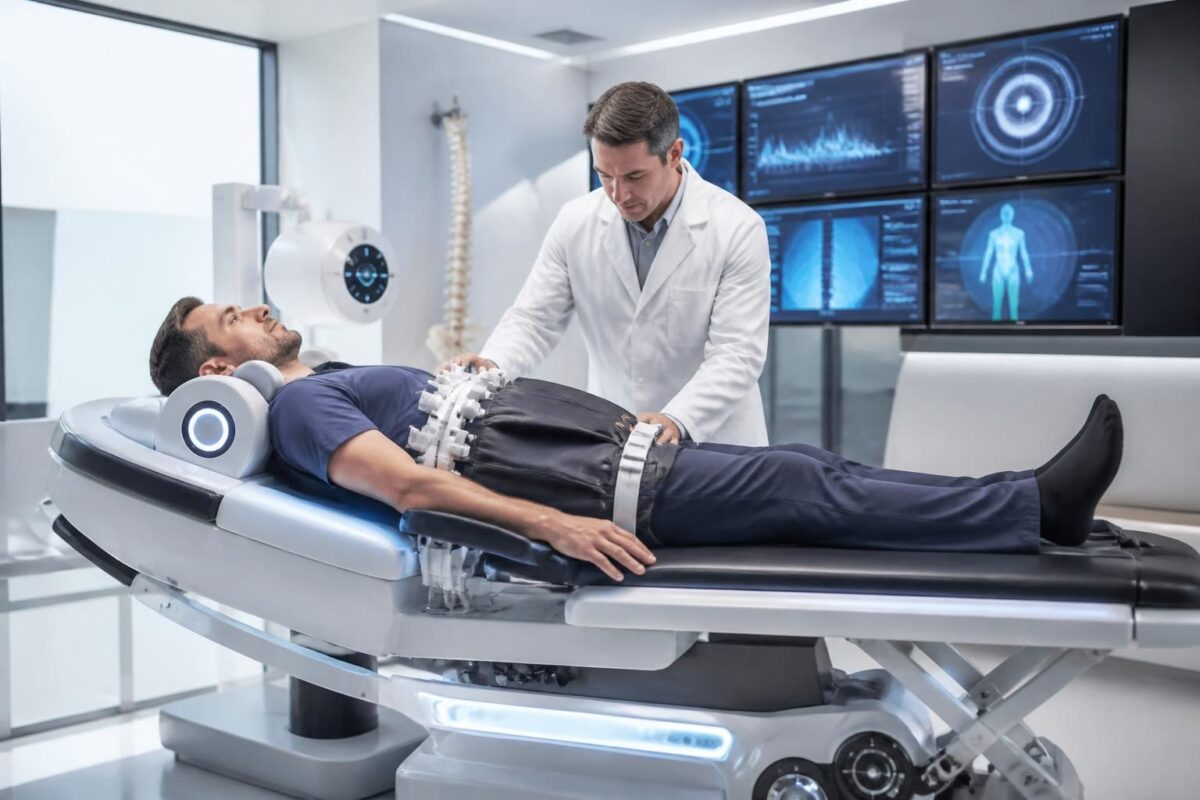
In short
| In short, the neurovertebral decompression is one Non-invasive therapy which aims to relieve the back pain By reducing the pressure on the Intervertebral discs and the gristle. It relies on Advanced technologies To offer Custom protocols and one Real-time tracking. Its benefits include a Rapid pain relief, improved mobility and Reduction in the use of surgery, while remaining non-invasive and adaptable to each patient. In practice, it can be combined with complementary approaches such as the neuromodulation or other therapies, to accelerate the recovery and improve the quality of life. At Montreal, this service is particularly recommended for Chronic pain and the slipped disc, offering a safe and effective alternative to regain comfort and mobility. |
The Technological innovations in neurovertebral decompression transform the treatment of back pain in a way non-invasive. the systems of Intelligent traction, with modern tables and advanced algorithms, allow a Real-time custom traction Adapted to each patient, minimizing discomfort and optimizing effectiveness.
The integration of theartificial intelligence and of Digital tracking OFFER A dynamic follow-up Immediate progress and adjustments to care protocols. complementary approaches such as neuromodulation, the shock waves and the laser Strengthen blood circulation, reduce inflammation and accelerate recovery, for more treatment holistic.
These advances are part of a dynamic centered on the personalization, the prevention and sustained improvement in the quality of life of patients.
This article presents technological advances in neurovertebral decompression, focusing on smart devices, combined approaches and digital tracking. It describes how these innovations improve the accuracy, safety and efficacy of treatments for pain-related disc pathologies, while remaining anchored in evidence-based practice.
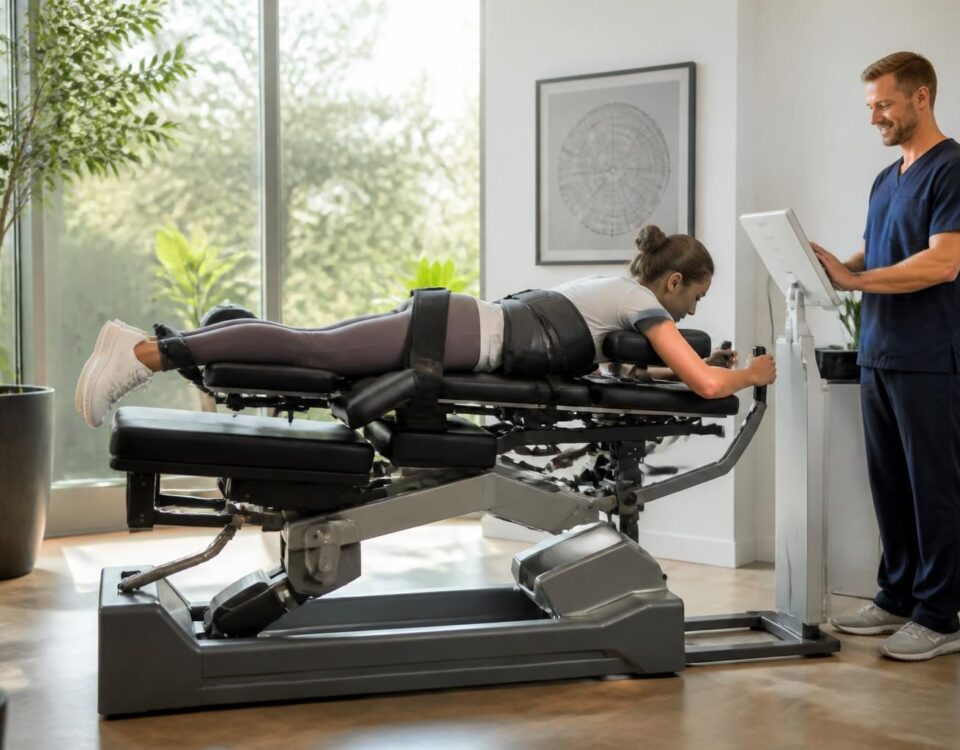
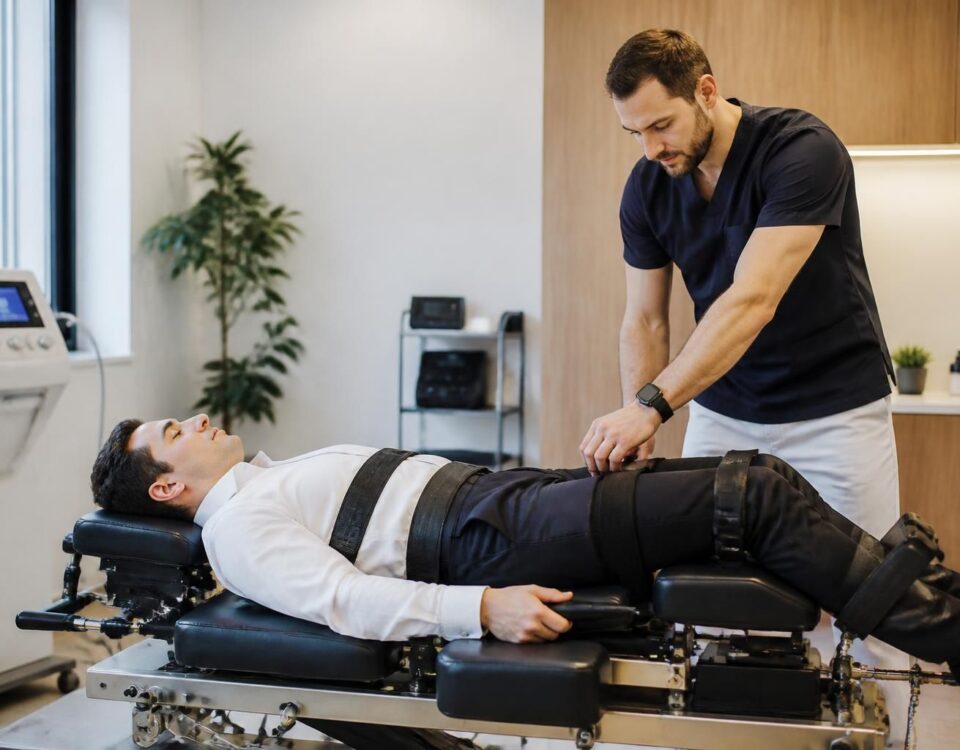
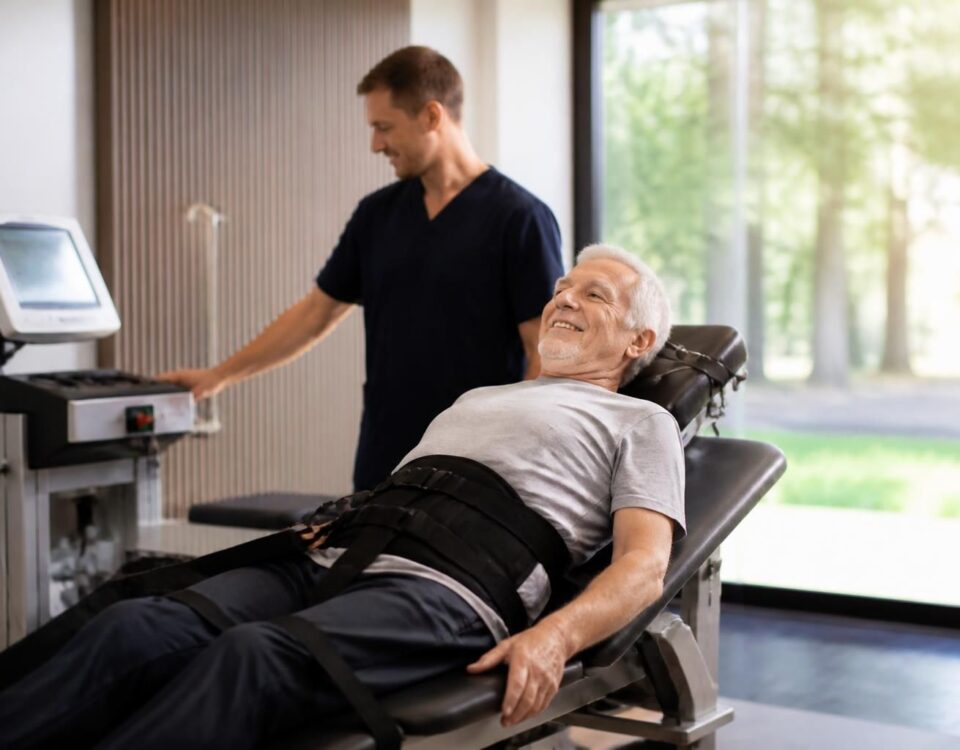
The neurovertebral decompression Evolves rapidly thanks to computer-assisted traction systems and the integration of advanced technologies. These solutions offer targeted and adaptable real-time traction, which allows the treatment protocol to be adjusted according to the patient’s response and tolerance. Modern devices can combine traction mechanisms with sensors that measure mobility and flexibility before each session, improving treatment customization and patient comfort.
Smart traction and protocol customization
Next-generation decompression tables and modules use algorithms to adapt the traction force and direction during the session. This approach personalized Helps to optimize treatment efficiency and reduce discomfort during sessions. systems such as DRX9000 Offer dynamic adjustments based on clinical signals and patient reactions, which enhances safety and outcomes.
Artificial intelligence and real-time tracking
Continued observation of clinical parameters and patient reactions makes it possible to adjust the protocols in real time. The inclusion of Artificial Intelligence In the context of neurovertebral decompression supports faster and more accurate decision-making. Digital monitoring, available via dedicated tools, ensures better traceability of progress and increased responsiveness to the evolution of symptoms.
Neuromodulation and complementary therapies
The neuromodulation Uses gentle vibrations to influence mechanoreceptors and promote muscle relaxation. This approach can be associated with decompression to optimize comfort and tissue recovery. Other complementary techniques, such as laser therapies and shock waves, can aggravate the results when used in combination and coordinated with decompression to reduce inflammation and improve local vascularization.
Portable devices and digital applications
Decompression devices and digital tracking systems offer real-time visibility on patient progress. These tools make it possible to anticipate therapeutic needs and to quickly adjust care plans. The ergonomics and design of the equipment evolve to promote better postura and a smoother treatment experience.
Patient education and involvement in the care pathway
Educational programs related to technological advances reinforce patient engagement and understanding of their care pathways. Better knowledge of technologies and their benefits facilitates practitioner-patient collaboration and encourages proactive management of spinal pain. In all cases, exercise and stretching advice is not recommended in decompression treatments for specific disc pathologies; The role of therapy focuses on traction, associated technologies and appropriate prevention measures.
Training and maintenance of professional skills
Practitioners, especially those trained by recognized institutions such as Numss, NAO, National University of Medical Sciences and National Academy of osteopathy, remain at the forefront of decompression techniques. They follow continuous training to master the new platforms and ensure evidence-based care. Professional associations like ACMA and the College of Canadian Osteopaths oversee safety practices and standards.
Integration of technologies in care in TagMed
In Montreal and Terrebonne, the TagMed Clinic integrates computer-assisted neurovertebral decompression, coupled with complementary therapies such as laser therapy and shock waves. This approach multimodal Aims for a quick and lasting recovery, without the need for surgical interventions where possible. For more information, see Tagmed Clinic.
Resources and perspectives
To deepen innovations in neurovertebral decompression, several resources address clinical and technological perspectives, including recent developments and clinical results in contemporary studies. Reading analyzes and feedback can help patients and professionals better understand therapeutic choices. Among the available sources, one can consult the articles and guides on neurovertebral decompression and post-intervention recovery, Clinical innovations in neurovertebral decompression and other specialized resources. Other articles and reports can be found on the following partner sites: Technological innovations in decompression, Future decompression innovations, and Decompression and Muscle Tensions – Winning Duo.
For additional information and concrete examples, affiliated resources can be viewed through various online content, including the institutional and professional pages listed above.
Medical Disclaimer: The information and advice provided on this site does not replace the health professional’s diagnosis or treatment. Please note that Dr. Sylvain Desforges osteopath is neither a doctor of medicine nor a doctor, and is not a specialist in a medical specialty as defined by the Collège des Médecins du Québec. Manual medicine, functional medicine and sports medicine as described on this site exclude any medical treatment or diagnosis made by a doctor or specialist doctor. Always consult your doctor for any medical questions. For more details, please read our full legal notice.
“Medical disclaimer: The information and advice provided on this site does not replace the health professional’s benefit, diagnosis or treatment. Please note that Dr. Sylvain Desforges osteopath is neither a doctor of medicine nor a doctor, and is not a specialist in a medical specialty as defined by the Collège des Médecins du Québec. Manual medicine, functional medicine and sports medicine as described on this site exclude any medical treatment or diagnosis made by a doctor or specialist doctor. Always consult your doctor for any medical questions. For more details, please read our full legal notice. »
- IA-guided traction Real-time adjustments according to patient response
- Computerized table Personalized decompression according to movements and flexibility
- Integrated neuromodulation Vibrations targeting mechanoreceptors for relaxation and circulation
- Combined therapies Decompression + Laser or shock waves
- Digital tracking Real-time progress and quick adjustments
- Ergonomic materials Light and comfortable components
- AI predictive Data analysis to customize protocols
- Portable apps Sensors and apps for remote tracking
- Rehabilitation and prevention Integrated programs to reduce relapses
- continuing education Modules to master innovations
- digital education Patient-guide platforms and clear explanations
- Multi-modal integration Synergy between decompression, wave therapy and laser

This article presents the Technological innovations in neurovertebral decompression, showing how intelligent systems, multimodal approaches and digital tracking transform back pain treatment. It offers clear recommendations to optimize efficacy, safety and relapse prevention, while promoting patient involvement in their care pathway.
Advanced traction technologies and customization
the devices of Computer-assisted traction Allow extremely precise force application, adapted to the anatomy and pain of each patient. The goal is a Real-time traction which adjusts the parameters according to the patient’s responses, improving comfort and results. Next-generation systems incorporate sensors that assess mobility and flexibility before each session to personalize the protocol.
Examples and good practices
In this logic, technologies such as smart tables use algorithms to optimize traction and prevent discomfort. To get the most out of these devices, it is recommended to:
- Prioritize custom protocols based on initial assessment;
- Ensure continuous training of staff on dynamic adjustment and safety;
- Integrate rigorous clinical supervision of the sessions to avoid excessive tension.
The key lies in a patient-centric approach, where each session is part of a measurable and secure progression.
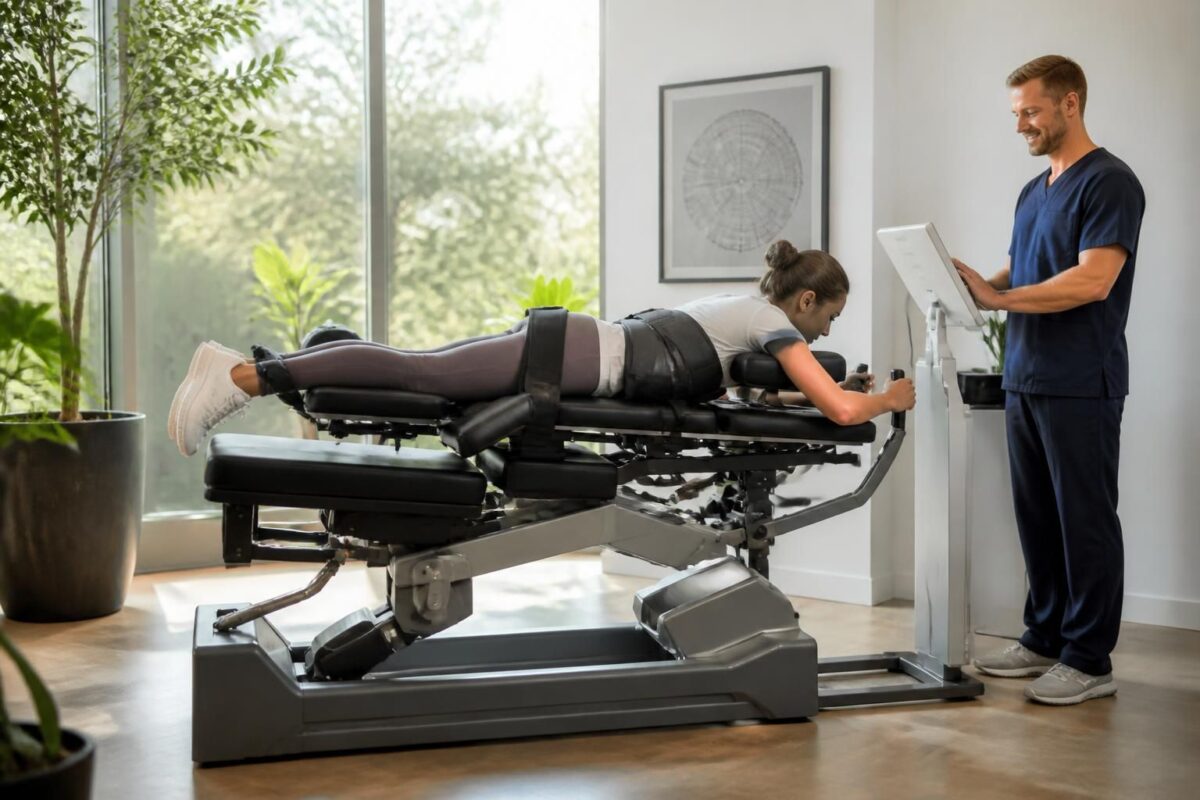
The long-term benefits of neurovertebral decompression for spinal health
In short In short, the neurovertebral decompression is a non-invasive approach that decreases the Pressure on intervertebral discs and nerves, favoring the Natural regeneration and tissue recovery. Its long-term benefits include Lasting pain reduction, Improving mobility and from the posture,…

Neurovertebral decompression and mobility: a return to an active life
In short In short, the neurovertebral decompression is therapy non-invasive who uses a gentle traction To create a space between the vertebrae and reduce the pressure on the Intervertebral discs and the nerves. It promotes a bloodstream improved, lowers tension…
Artificial intelligence and personalized follow-up
The integration of theAI In the decompression allows to analyze patient data in real time and to adjust care protocols accordingly. This approach facilitates dynamic tracking, reduces variability between sessions and can accelerate recovery.
Good integration practices
To fully benefit from AI while protecting patients, it is necessary to:
- set up data collection and protection protocols;
- provide clear transparency on treatment adjustment criteria;
- Provide human supervision to interpret AI recommendations and maintain clinical judgment.
Digital monitoring combined with AI allows quick adjustments and better planning for rehabilitation, promoting a reduction in total treatment time.
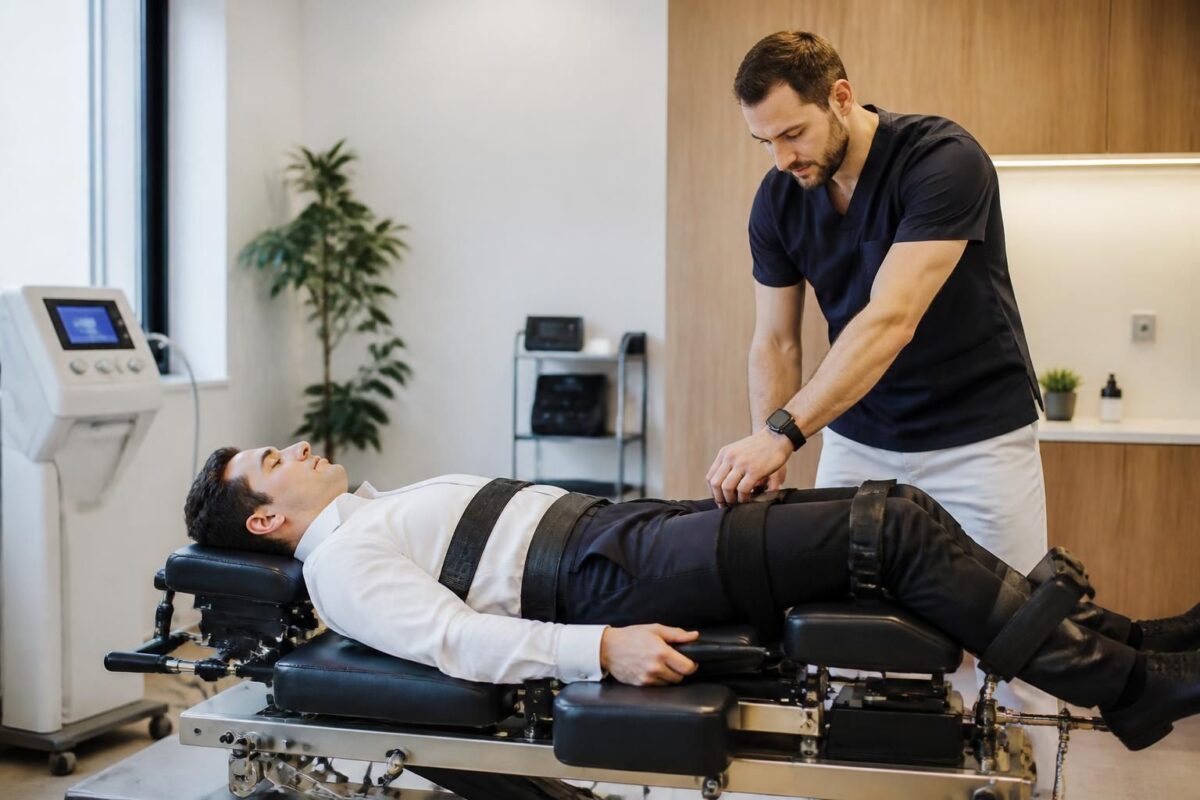
How Neurovertebral Decompression Prevents Diffuse Chronic Pain
In short decompression neurovertebral is one Non-invasive method aimed at reducing the Pressure on the intervertebral discs and the nerves, in order to prevent Diffuse chronic pain. It improves the circulation and thedisc hydration, decreases inflammation and promotes better mobility.…
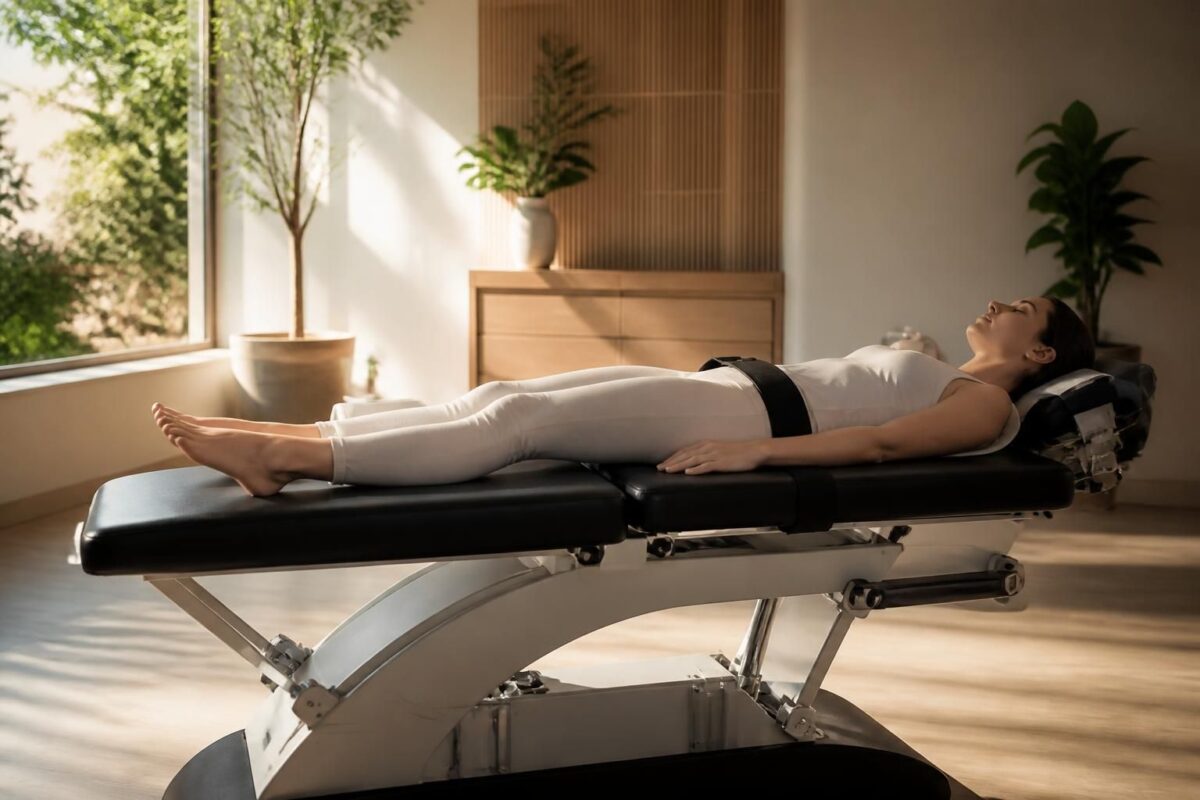
Neurovertebral Decompression and Body Alignment: Restoring Natural Balance
In short In short, neurovertebral decompression is one Non-invasive approach who restores theBody Alignment and thenatural balance back and neck. She acts by a Controlled traction of the spine to widen the intervertebral space and reduce the Pressure on discs…
Neuromodulation and complementary therapies
The neuromodulation Uses gentle vibrations to activate the mechanoreceptors and promote muscle relaxation and circulation. Combined with decompression, it offers a holistic approach that can improve range of motion and reduce pain.
Indications and precautions
This non-invasive technique requires an appropriate evaluation and additional use according to patient profiles. It should:
- define precise indications and contraindications;
- Train practitioners in the harmonization of therapy.
In addition, therapies such as laser therapy or shock waves can target inflammation and tissue oxygenation, reinforcing the effects of decompression.
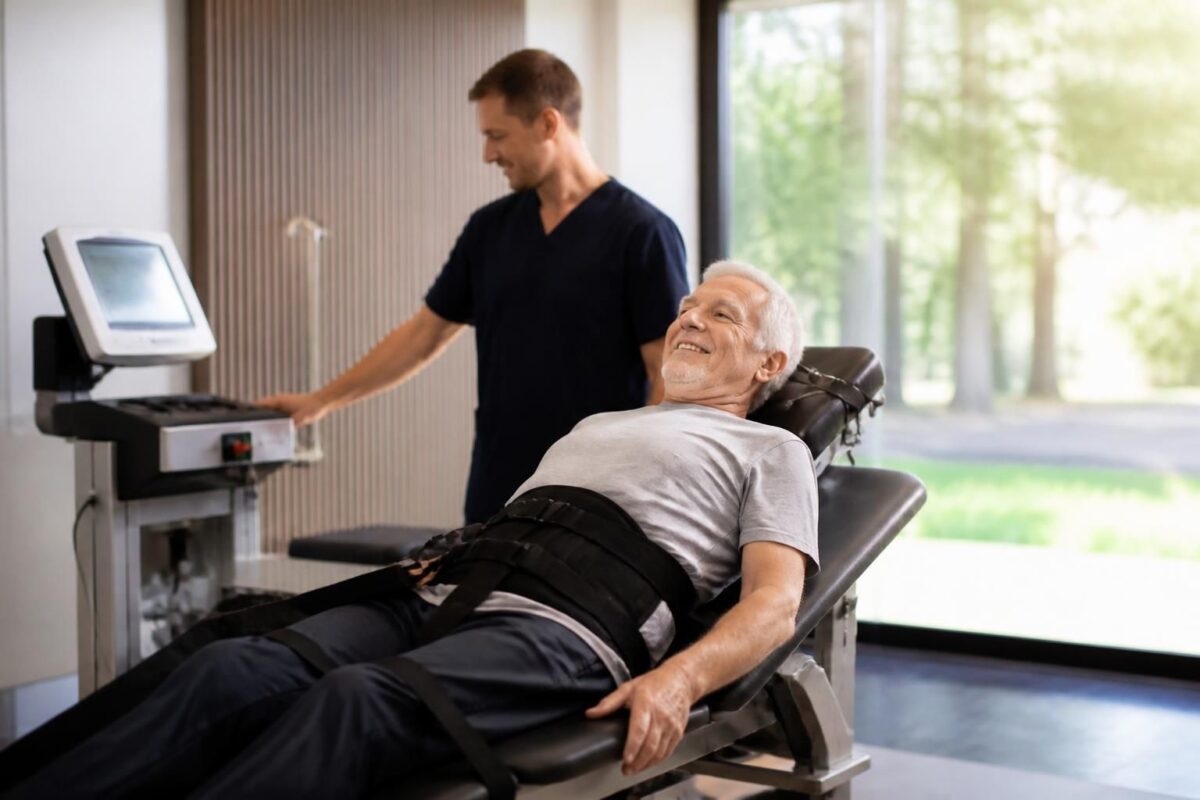
Why neurovertebral decompression is a lasting solution for active seniors
In short In short, the neurovertebral decompression is one Non-invasive therapy which sustainably relieves spinal pain in the spine active seniors By creating, by a Soft and controlled traction, a space between the vertebrae. At Montreal, it is recognized as…
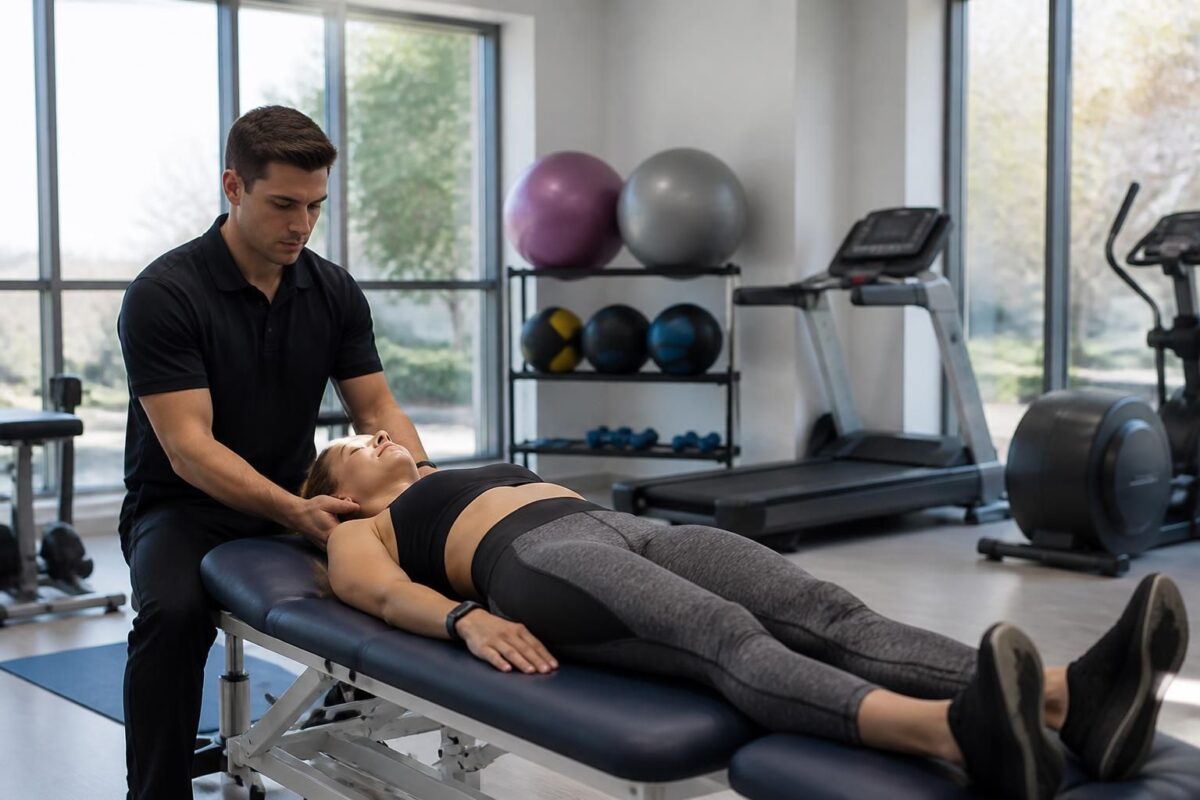
Neurovertebral decompression and recovery after severe sports injury
In short In short, the neurovertebral decompression is one Non-invasive method to Relieve the pressure on the Intervertebral discs and the gristle Via a Controlled traction, to facilitate the recovery After a severe sports injury. It improves the bloodstream towards…
Digital monitoring and prevention
Portable digital devices and evaluation platforms allow you to track progress in real time and anticipate relapses. They support proactive care and facilitate home rehabilitation when possible.
Indicators and recommendations
To maximize profits, it is advisable to:
- Define clear indicators (pain, mobility, quality of life) and monitor them regularly;
- Use alerts and reports accessible to the patient and the practitioner;
- Associate digital data with periodic consultations to adjust the overall plan.
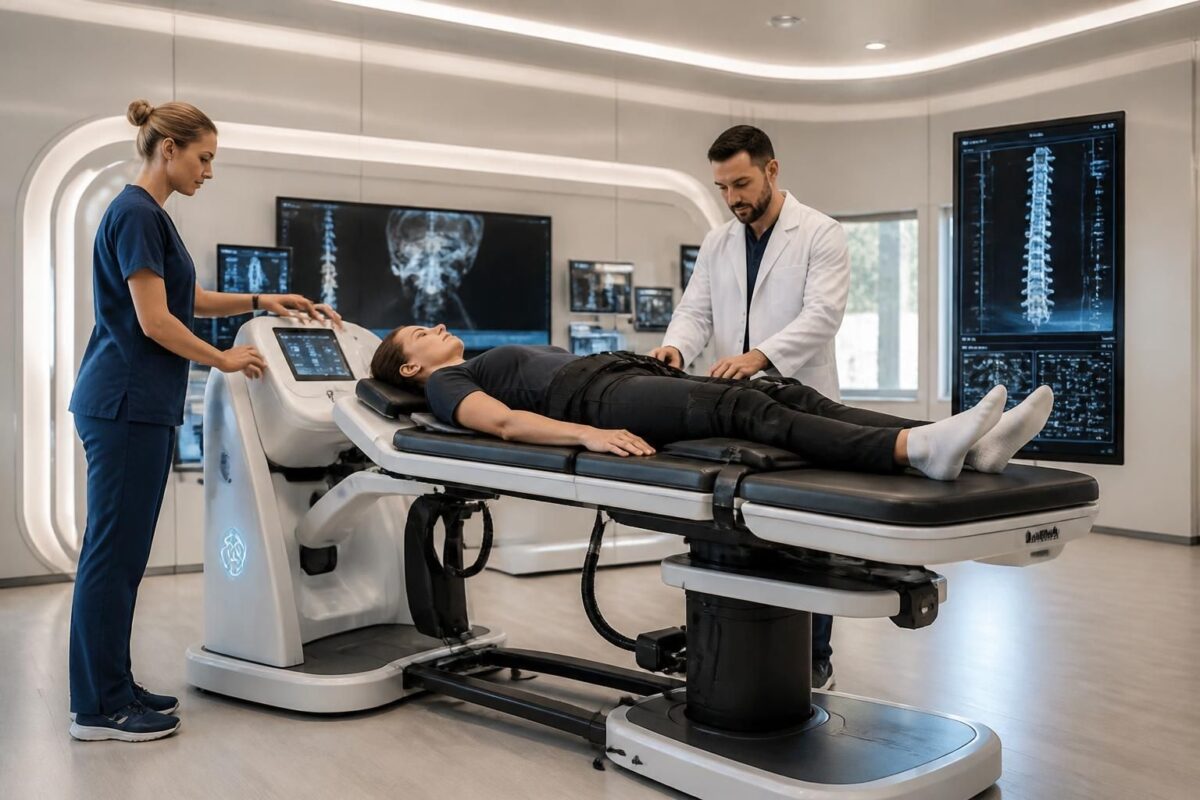
Recent innovations in neurovertebral decompression technologies
In short In short, the neurovertebral decompression is an approach non-invasive Aiming to reduce pressure on discs and nerves, and promote tissue regeneration. At Montreal, it is positioned as an effective option for lower back pain and herniated discs. The…
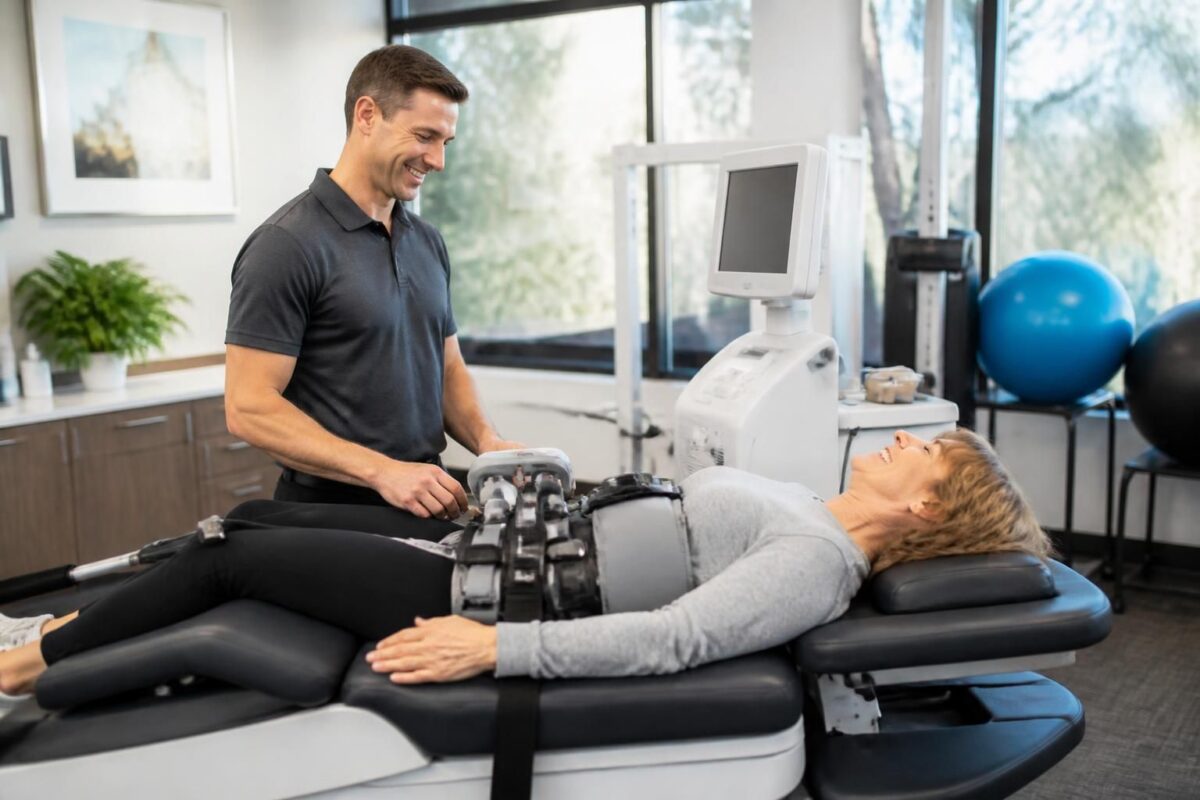
Neurovertebral decompression and diffuse pain: an appropriate solution
In short In short, the neurovertebral decompression is one Non-invasive solution For diffuse pain related to nerve irritation of the spine. She acts in Reducing pressure on intervertebral discs and nerves and improving the bloodstream, which promotes recovery and the…
Patient training and education
The success of innovations is based on theeducation patients and continuous training of teams. Simple educational materials and awareness programs strengthen adherence to treatment and prepare patients for better autonomy.
Action plan
Implementing integrated training plans and modules dedicated to self-monitoring will improve the results and overall satisfaction of the care pathway.
Technological innovations in neurovertebral decompression
| innovation axis | Impact / concise description |
|---|---|
| Intelligent traction decompression | use of systems like DRX9000 that adjust traction in real time for processing personalized and more comfortable. |
| Artificial intelligence | lAI Analyzes patient data and adapts protocols immediately during sessions. |
| neuromodulation by vibration | Vibrations targeting mechanoreceptors to reduce muscle tension and improve circulation. |
| Combined therapies (decompression + laser / shock waves) | Synergy that decreases inflammation and accelerates tissue recovery. |
| Digital tracking in real time | Tracking platforms that allow quick adjustments and traceability of progress. |
| Biomaterials and ergonomics | Lightweight materials and ergonomic design promoting comfort and tissue regeneration. |
| Portable devices and telemedicine | Connected sensors for remote monitoring and better accessibility of care. |
| Education and training | Dedicated programs reinforcing the understanding of technologies and adherence to treatment. |
| Multimodality and protocols | Custom protocols and integrated approach that increase efficiency and reduce pain. |
Testimonials on technological innovations in neurovertebral decompression
Since the arrival of advanced technologies, several patients have demonstrated significant results thanks to neurovertebral decompression and its innovations. Below, real experiences that illustrate the concrete impact on everyday life.
“Thanks to DRX9000 and at the Real-time traction, I felt a relief from the first sessions. My lumbar pain went down quickly and my mobility improved, which allows me to resume my daily activities without discomfort. — Pierre, 52 years old
“Lartificial intelligence Adjusts decompression protocols based on my feedback in real time, making each session perfectly personalized. After a few weeks, my chronic pain fell and my quality of life was strengthened. — Marie, 44 years old
“The neuromodulation Uses gentle vibrations that release muscle tension and improve circulation. A real revolution for me, because I can resume my training with less pain and more stability. — Lucas, 37
“Association of decompression with shock waves and of laser class IV, this approach integrated accelerated my recovery after an irritated cervical and reduces inflammation. I feel more free in my movements. — Claire, 61
“The Digital tracking system and the Portable devices allow me to see my progress in real time and adjust the treatment without moving. It’s reassuring and effective. — Sophie, 29 years old
“For me, neurovertebral decompression is a solution preventive and non-invasive which is accompanied by an education on postures and exercises. Thanks to this holistic approach, I improved my posture and reduces the risk of recurrence. — Michel, 66
Neurovertebral decompression is a non-invasive and innovative approach to relieve pain related to disc pathologies. It aims to reduce the pressure exerted on the intervertebral discs and nerves, thus facilitating the recovery of tissues and the improvement of mobility. At the heart of this evolution, recent technologies allow more precise, personalized and sustainable care, based on clinical data and real-time patient feedback. This dynamic is based on a holistic vision of treatment, which combines efficiency, comfort and safety.
The most advanced traction technologies play a central role. Intelligent decompression tables apply controlled and adjusted traction based on the patient’s response during each session. Thanks to sophisticated sensors and algorithms, the force and traction angle can be dynamically adjusted, maximizing results while minimizing discomfort. This customization makes it possible to quickly identify the problem areas and optimize the treatment protocol for each morphology and each pain.
The rise of artificial intelligence is also transforming care monitoring and planning. Real-time analytical systems carry movement, flexibility and symptoms analysis, and offer instant protocol adjustments. This level of responsiveness not only improves the effectiveness of the sessions, but also promotes patient adherence to the therapeutic course. Consolidated data feeds clear dashboards that guide the practitioner and enable continuous assessment of progress.
Neuromodulation emerges as a major advance in synergy with decompression. Gentle mechanical vibrations target the mechanoreceptors to promote muscle relaxation, improve circulation and reduce chronic tension. This non-invasive stimulation can be integrated into decompression protocols to optimize comfort and accelerate recovery, while avoiding side effects associated with more invasive treatments.
Among complementary therapies, devices such as therapeutic laser and shock wave therapy bring significant complementary benefits. The high-intensity laser acts on inflammation and stimulates tissue repair, while shock waves improve vascularization and promote healing of affected structures. The combination of these modalities with decompression creates a synergistic approach that potentiates the results and contributes to a faster resumption of daily activities.
Digital monitoring and patient education are becoming essential components of this revolution. Apps and portable devices allow remote tracking of progress, pain and mobility criteria, facilitating continuous adjustments and relapse prevention. Information and transparency enhance patient involvement and support constructive collaboration with the practitioner.
On the horizon, future innovations promise to go even further in the personalization and integration of technologies. Advanced telemedicine systems for enhanced remote monitoring, use of more ergonomic and biocompatible materials to improve comfort, and large-scale data analysis to refine decompression protocols can be considered. The common goal is more effective, earlier and better adapted to each patient’s individual needs, in order to reduce pain sustainably and improve the quality of life.
This article offers a panorama of Technological innovations which transform the neurovertebral decompression. It highlights how the solutions non-invasive and Custom are based on theartificial intelligence, the neuromodulation, the laser, shock waves and tools Digital tracking to improve the efficiency, safety and quality of life of patients. To enrich your understanding, consult resources dedicated to these technologies and their impact on disc and back pathologies.
The Computerized decompression tables and the Real-time algorithms Allows traction to be adjusted appropriately for each patient, reducing discomfort while optimizing therapeutic results. This customization capacity, made possible by theAI, promotes increasing efficiency and more dynamic monitoring of progress. To learn more about these advances, see the resources that detail the Decompression table innovations and associated analyses.
The neuromodulation and complementary therapies, such as laser and the shock waves, enrich the holistic approach by bringing synergistic effects: better circulation, reduction of inflammation and acceleration of recovery. These multidisciplinary approaches not only reduce pain but also improve mobility and daily function.
The integration of theartificial intelligence and tools DIGITALS For real-time tracking opens the way to even more adjusted and preventive protocols. Analytical systems can predict individual responses and propose proactive adjustments, while facilitating patient-practitioner dialogue and strengthening compliance with the care plan. To explore these dimensions, refer to resources focused on Future innovations in back therapy and the Clinical applications associated.
Finally, the future of neurovertebral decompression will be based on a continuing education professionals and on the expansion of the telemedicine To ensure reliable and accessible remote monitoring. This development will promote more proactive, appropriate and sustainable care, in addition to existing physical therapies. To broaden your understanding of current and future perspectives, consult summaries such as Future innovations in back therapy and the analyzes proposed by experts in the field.
To further these developments, you can consult the following resources:
How neurovertebral decompression improves quality of life,
Neurovertebral decompression and sciatica pain – effective management,
Recent innovations in neurovertebral decompression,
Technologies and innovations in spinal decompression,
Technological innovations in neurovertebral decompression and other associated resources.

Dr Sylvain Desforges, B.Sc., D.O., N.D., osteopath, is the founding president of TAGMED and of the ACMA association. He dedicates his practice to chronic spinal pain, low back pain and symptoms compatible with sciatica, particularly when pain radiates toward the buttock, leg, calf, foot or toes.
Through SOS Sciatique, he publishes educational content on sciatica symptoms, possible causes such as disc herniation, disc narrowing, foraminal stenosis or irritation of a lumbar nerve root, as well as non-surgical approaches that may be considered according to the evaluation. At Clinique TAGMED, care may include, depending on the case, motorized neurovertebral decompression, specific osteopathic care or precision percussion.
For an evaluation related to sciatica treatment in Montreal / Mount Royal or sciatica treatment in Terrebonne, please consult the services available at Clinique TAGMED.
Medical disclaimer
The information published on SOS Sciatique is provided for educational purposes only and does not replace a consultation, diagnosis, opinion or treatment provided by a physician or another authorized healthcare professional. The author of this article is neither a medical doctor nor a specialist in a medical specialty recognized by the Collège des médecins du Québec. The osteopathic, manual medicine or functional support approaches described on this site do not constitute medical acts and are not intended to replace medical follow-up.
Consult a physician or emergency service in cases of loss of bladder or bowel control, anesthesia in the saddle area, significant or progressive weakness in the leg or foot, fever, recent trauma, severe pain or rapid worsening of symptoms. For more details, please read our Legal Notice.