Manipulations in neurovertebral decompression: what you need to know
26/06/2026
How neurovertebral decompression improves spine stability
26/06/2026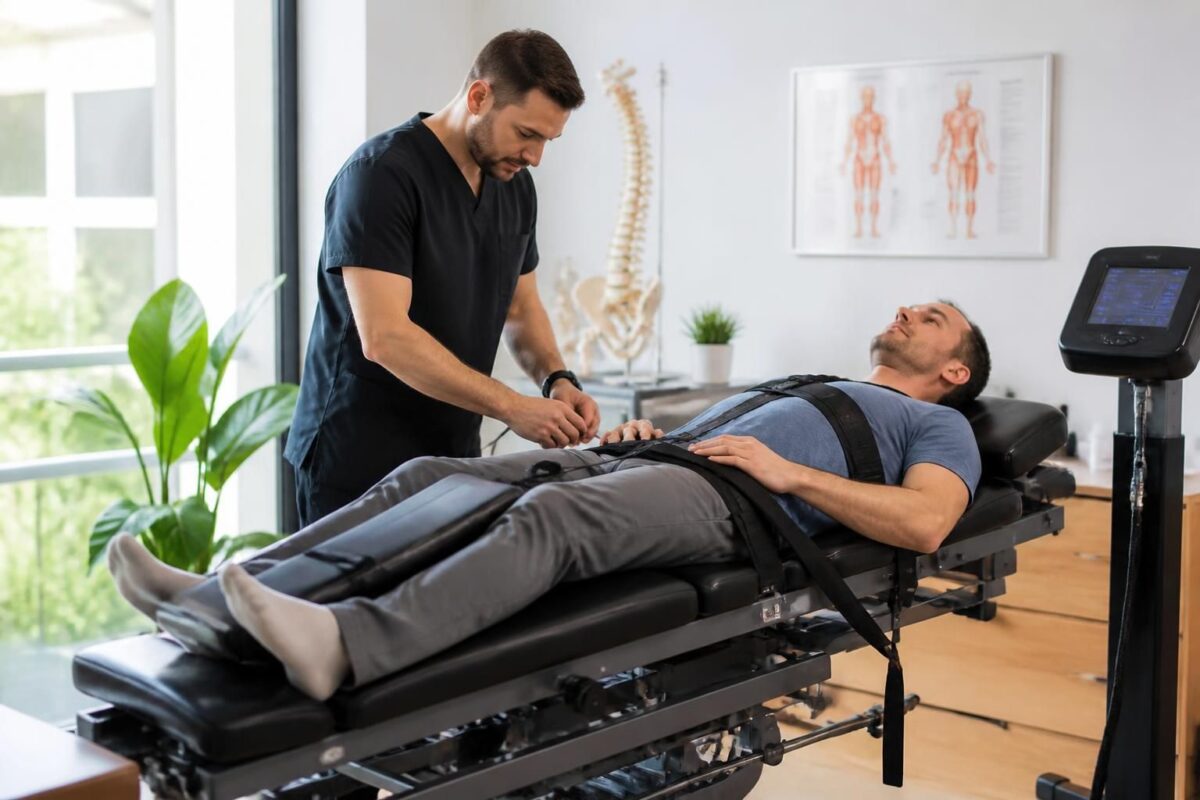
In short
| In short, the neurovertebral decompression is one Non-surgical solution For people suffering from slipped disc Lumbar. This gentle approach aims at Reduce pressure on discs and nerves and to Restore mobility quickly. By combining a Computerized lumbar traction with care osteopathic and an Multidisciplinary team, it relieves the pain, improves theendurance and decreases the use of surgery or medication. accessible to Montreal and its surroundings, it adapts to each patient for a Sustainable rehabilitation. |
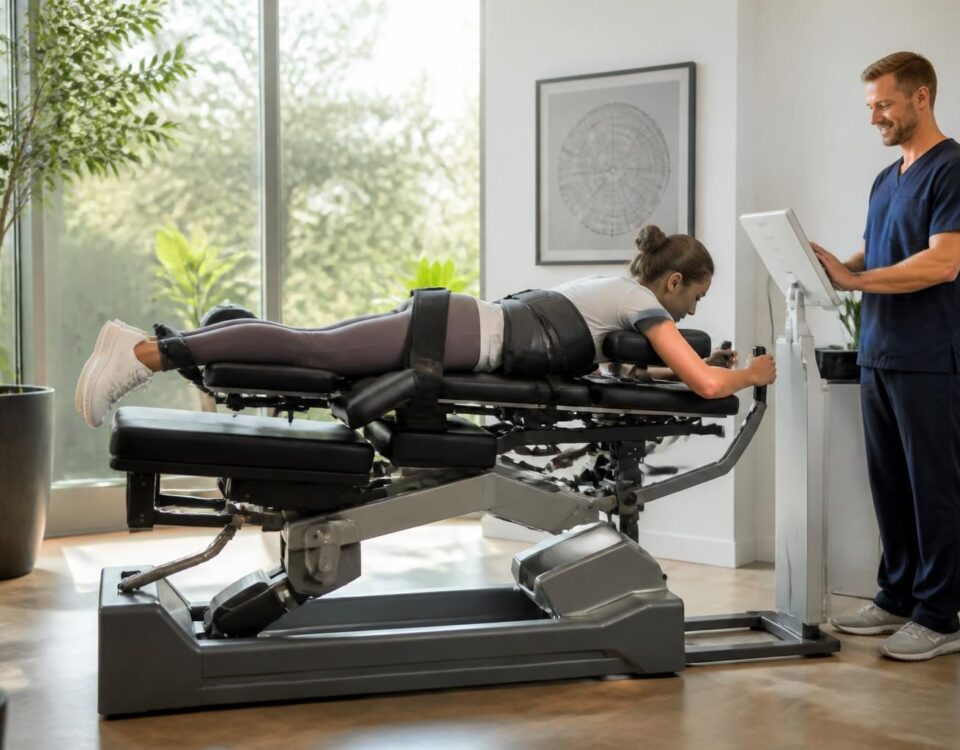
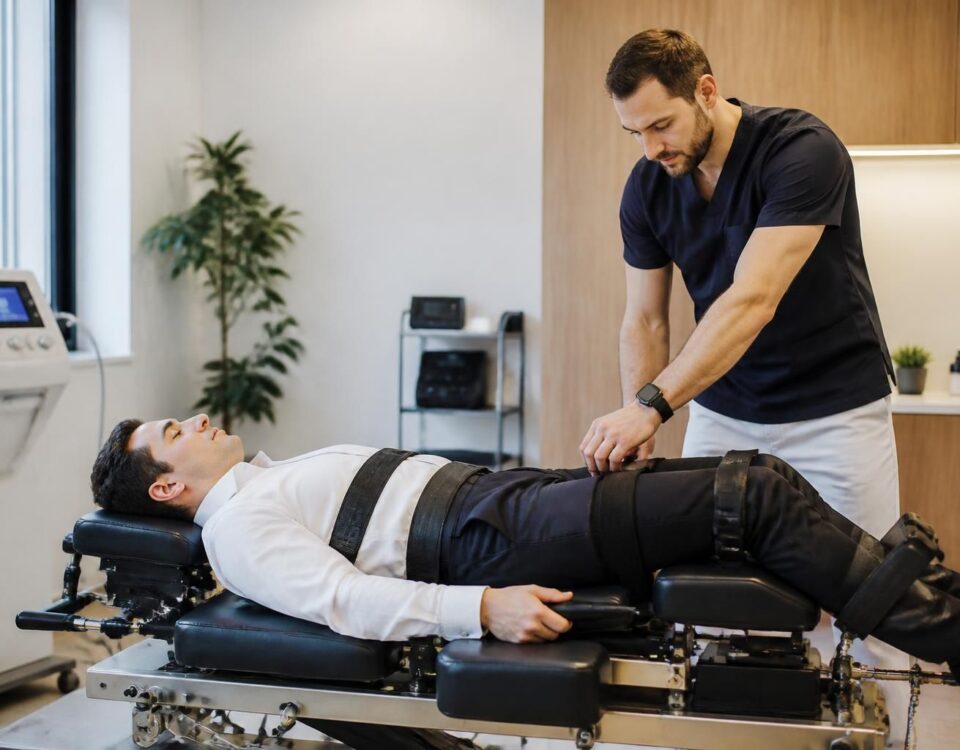
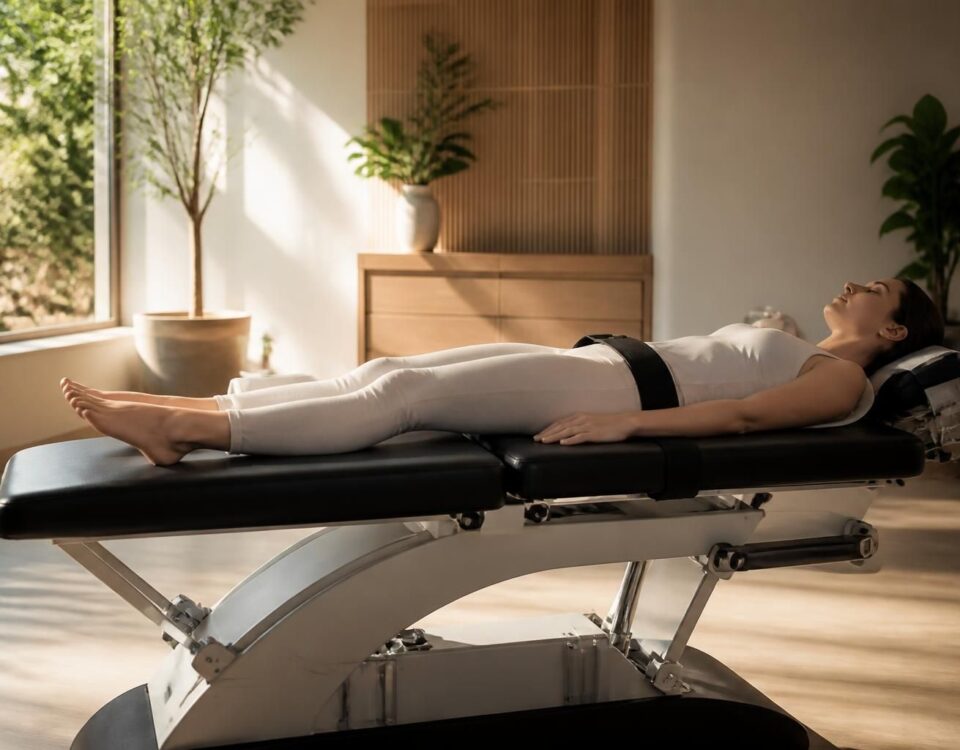
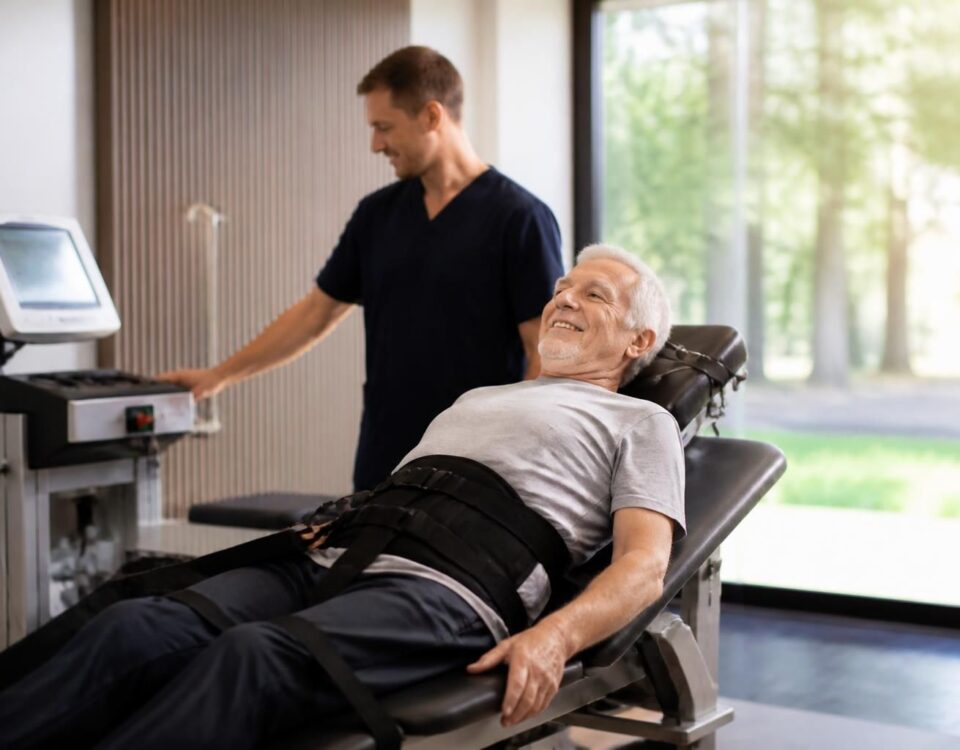
The neurovertebral decompression (DNV) is a Computerized and non-surgical lumbar traction which aims to Distract the spinal segments To reduce the Intra-discal pressure and the Nerve root compression associated with the slipped disc.
It constitutes a Gentle and effective approach To relieve pain and restore mobility, especially in cases of lumbadia and lumbosciatica. of Controlled studies Show faster improvement in pain, flexibility and quality of life compared to physical therapy alone, in the short term (about 4 weeks).
Integrated in a rehabilitation program, the DNV can be supplemented byosteopathy and an Multidisciplinary biopsychosocial care, in order to optimize segmental mobility, to release myofascial tensions and to support the return to activity.
This presentation explains how the neurovertebral decompression can help the slipped disc lumbar without surgery. It describes the mechanism, clinical results and the role of management multidisciplinary patient-oriented. The goal is to improve pain and function while reducing the use of invasive interventions.
Principle and key principles of decompression
The neurovertebral decompression is a computerized lumbar traction, carried out under real-time control. It aims to increase the space between the vertebrae and to reduce the pressure on the disc and on the nerve roots. This approach is non-surgical and can be integrated into a global rehabilitation program. Clinical results show improvement in pain, mobility and quality of life when combined with other appropriate therapeutic modalities.
Patient diagnosis and selection
The diagnosis is based on a targeted anamnesis and clinical examination, supplemented when necessary by imaging. Warning signs, such as rapid muscle breakdown or diffuse symptoms, require urgent assessment. A Functional assessment and understanding the factors that maintain pain guide the choice of treatment and session planning at the TagMed Clinic or its partner centers.
Integrated approach to TagMed Clinic
In Tagmed Clinic In Montreal and in our affiliated networks, we offer a holistic approach promiscuous neurovertebral decompression, osteopathy and multidisciplinary care. This strategy aims to optimize mobility, reduce pain and prevent recurrences, without systematically resorting to surgery. For more information on our orientations, see Neurovertebral decompression – holistic approach.
Role of osteopathy and multidisciplinarity
theosteopathy Provides targeted management of myofascial tensions and improves segmental mobility without imposing constraining exercise. Analyzes and meta-analyses show a moderate to high effect on pain and function when osteopathy is integrated into a multimodal approach. The multidisciplinary approach brings together doctors, physiotherapists, osteopaths and rehabilitation professionals to deal with the physical, behavioral and social dimensions of lumbosciatica. Recent resources support this orientation in non-invasive rehabilitation programs.
Concrete elements of support
Neurovertebral decompression is part of a personalized protocol, adapted to the profile and stage of the pathology. She joins forces with non-invasive advice and rehabilitation, without prescribing aggressive stretching or risky exercises within the framework of this article. The objective is a lasting reduction in pain, an improvement in functional capacities and a gradual return to an adapted activity.
Comparative table of therapeutic options
| Treatment | Expected efficiency | Risk and limitations |
|---|---|---|
| DNV + osteopathy + Multidisciplinary care | Good improvement in pain, mobility and quality of life | Variable experience depending on profile; Requires multiple sessions |
| Physiotherapy (conventional rehabilitation) | Often moderate effect in the short term | Risk of overmedicalization and variable effectiveness |
| Surgery (Discectomy) | Quick relief from root pain | operative risk and possible long-term recurrence |
Additional resources and information
To deepen, the following resources describe the benefits and mechanisms of neurovertebral decompression:
- Why neurovertebral decompression is recommended for radicular pain
- Neurovertebral Decompression and Chronic Pain — Innovative Approach
- Disc herniation – Diagnosis and solutions of neurovertebral decompression
- Essential steps to effectively integrate neurovertebral decompression into a rehabilitation program
- Neurovertebral Decompression — Prevent additional damage
- Neurovertebral decompression and posture — correcting imbalances
- Rehabilitation after a back injury
- Neurovertebral decompression and recovery after severe disc herniation
- Effective solution — herniated discs
- Neurovertebral decompression — a holistic approach
Professional training and practice
Our practices are based on recognized training, in particular via the NUMSS and NAO institutions. We remain aligned with the requirements of professional organizations such as ACMA, the College of Canadian Osteopaths and the College of Canadian Osteopaths.
Medical Disclaimer: The information and advice provided on this site does not replace the health professional’s diagnosis or treatment. Please note that Dr. Sylvain Desforges osteopath is neither a doctor of medicine nor a doctor, and is not a specialist in a medical specialty as defined by the Collège des Médecins du Québec. Manual medicine, functional medicine and sports medicine as described on this site exclude any medical treatment or diagnosis made by a doctor or specialist doctor. Always consult your doctor for any medical questions. For more details, please read our full legal notice.
- Principle : neurovertebral decompression non-surgical, computerized lumbar traction and controlled segmental distraction.
- non-invasive : Avoid any surgery.
- Security : Real-time control and individual adaptation.
- Sweetness : progressive and tolerable approach.
- directions : lumbosciatica linked to a herniated disc without major motor deficit.
- Earnings : pain reduced, mobility improved and endurance strengthened muscle.
- Early results : Improvement observed from the first weeks.
- Integration : associated with losteopathy and multidisciplinary care.
- Sustainable impact : reduction in the use of analgesics and surgery.
- Course : is part of a global rehabilitation program.

Neurovertebral decompression associated with an osteopathic approach is a gentle and effective option for lumbar disc herniation. This set aims to reduce the pressure on the discs and nerves, restore mobility and promote healing without having to resort to surgery. This article presents the principles, indications, progress and benefits of an integrated approach.
Principles and mechanisms
neurovertebral decompression is a controlled and computerized lumbar traction that achieves repeated segmental distraction. The objective is to reduce Intradiscal pressure and the Root compression, facilitating the repositioning of disks and the circulation of nutrients to the column. This method aims to act on the mechanical cause, by letting the body self-guided towards better alignment and better fluidity of movements.
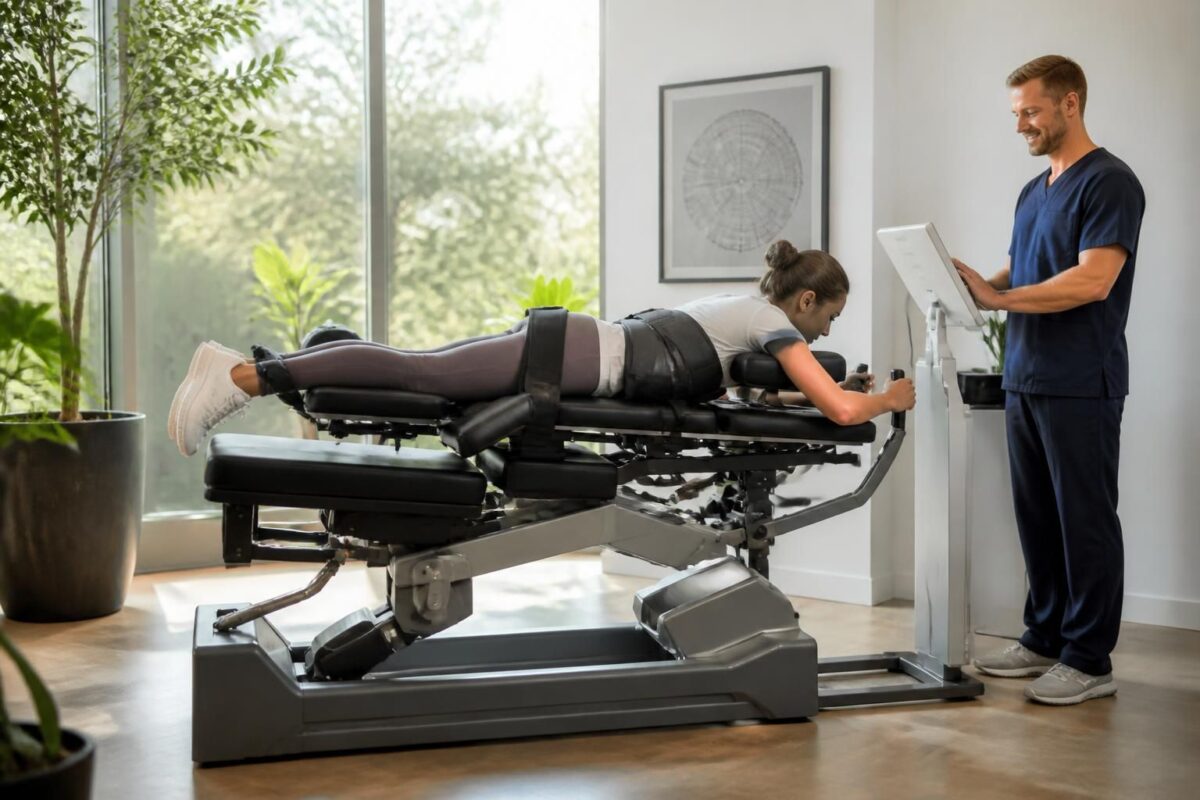
The long-term benefits of neurovertebral decompression for spinal health
In short In short, the neurovertebral decompression is a non-invasive approach that decreases the Pressure on intervertebral discs and nerves, favoring the Natural regeneration and tissue recovery. Its long-term benefits include Lasting pain reduction, Improving mobility and from the posture,…
Indications and precautions
It is adapted in lumbosciatica of disc, subacute or chronic origin, when the clinical signs agree with disc compression without major contraindications. Conversely, it is to be avoided in the presence of severe joint instability, fracture, infection, tumor, advanced pregnancy or comorbidities which could aggravate the situation. A complete clinical assessment and an evaluation of the red flags make it possible to determine the advisability of non-surgical management.

Neurovertebral decompression and mobility: a return to an active life
In short In short, the neurovertebral decompression is therapy non-invasive who uses a gentle traction To create a space between the vertebrae and reduce the pressure on the Intervertebral discs and the nerves. It promotes a bloodstream improved, lowers tension…
Integration with osteopathy and multidisciplinary care
Integrated into osteopathy, the DNV facilitates the segmental mobility and the work of myofascial chains. A multidisciplinary approach, combining physiotherapy, postural education, muscle building and psychological support when necessary, optimizes the healing process and helps limit recurrences and the use of invasive gestures.
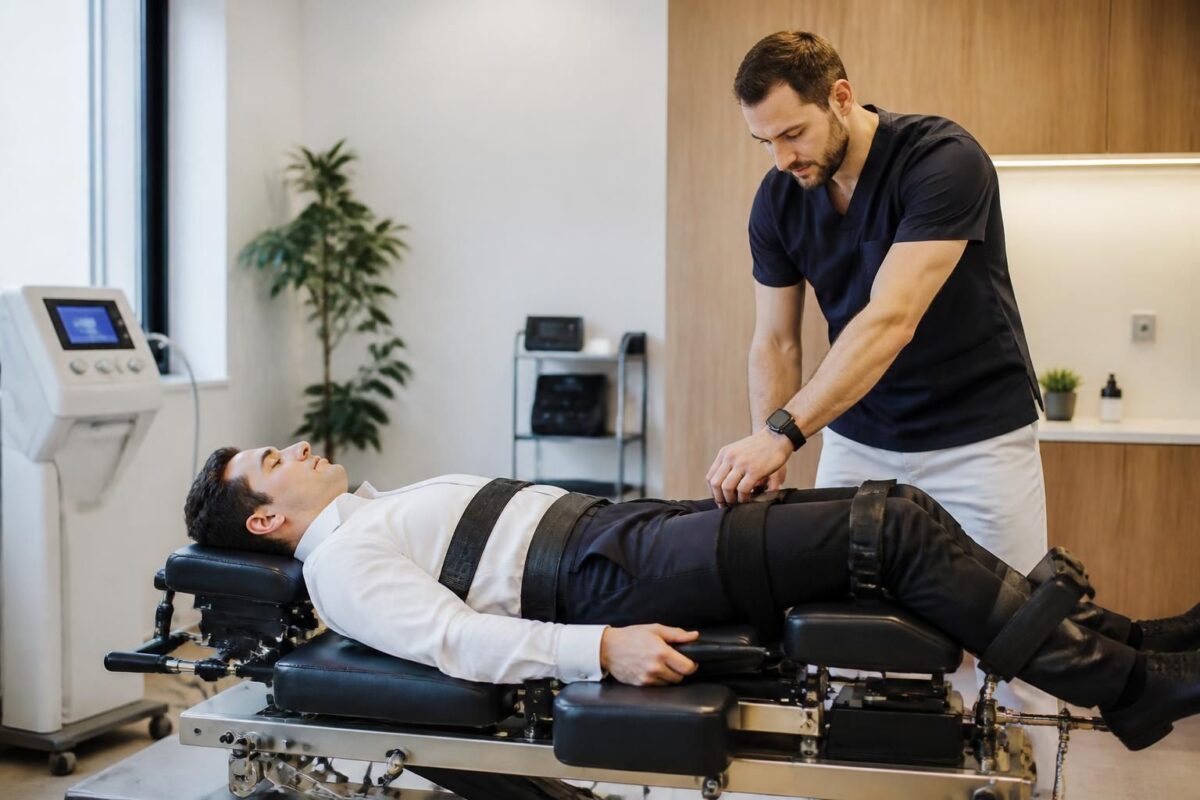
How Neurovertebral Decompression Prevents Diffuse Chronic Pain
In short decompression neurovertebral is one Non-invasive method aimed at reducing the Pressure on the intervertebral discs and the nerves, in order to prevent Diffuse chronic pain. It improves the circulation and thedisc hydration, decreases inflammation and promotes better mobility.…
Practical workflow and treatment objectives
The typical route begins with a initial assessment Then the implementation of a progressive protocol over 4 to 6 weeks, generally with 2 to 3 sessions per week, followed by a reassessment. Each session is personalized and can be supplemented by home exercises, postural advice and targeted reinforcements. The main objectives are the pain reduction, theImproved flexibility, the increase inMuscle endurance and the gradual return to functional activities.
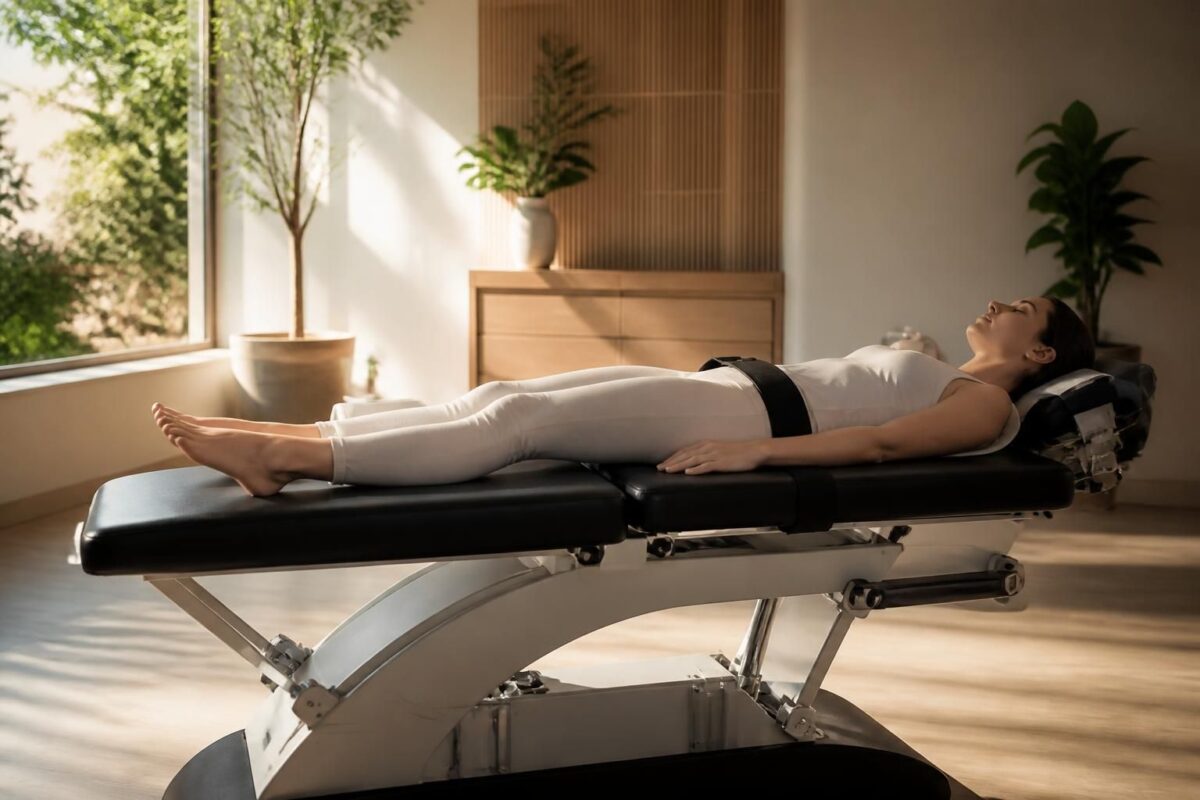
Neurovertebral Decompression and Body Alignment: Restoring Natural Balance
In short In short, neurovertebral decompression is one Non-invasive approach who restores theBody Alignment and thenatural balance back and neck. She acts by a Controlled traction of the spine to widen the intervertebral space and reduce the Pressure on discs…
Expected results and limits
Clinical data suggests that neurovertebral decompression can accelerate pain reduction and improve mobility compared to conservative therapy alone, while promoting a better quality of life. Nevertheless, the results vary according to the patients and the duration of the symptom. an approach combining DNV, osteopathy and multidisciplinary support can optimize the chances of recovery and reduce addiction to drug treatments.
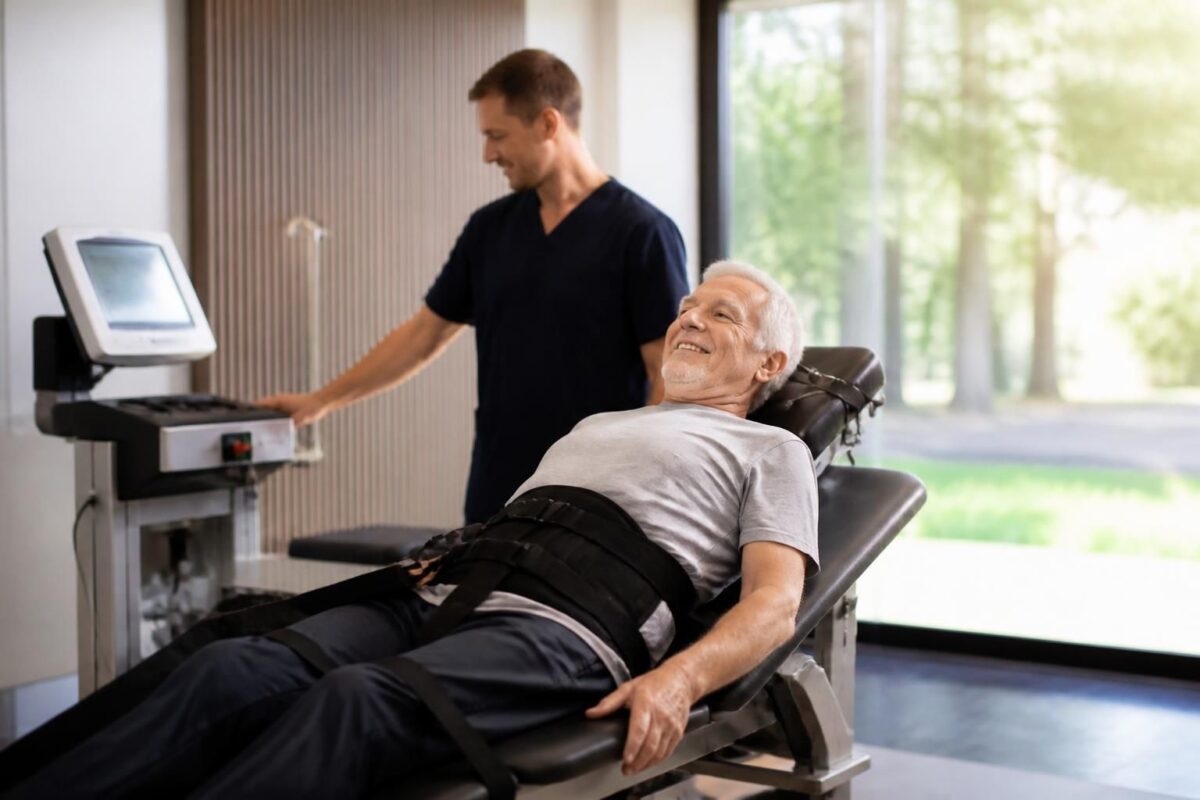
Why neurovertebral decompression is a lasting solution for active seniors
In short In short, the neurovertebral decompression is one Non-invasive therapy which sustainably relieves spinal pain in the spine active seniors By creating, by a Soft and controlled traction, a space between the vertebrae. At Montreal, it is recognized as…
Practical advice and safety
Respect the professional instructions and quickly report any aggravation. Adopting sufficient hydration, an adapted diet and an adapted physical activity support the gains obtained. For patients, it is recommended to adopt a neutral posture at work, to take regular breaks during long sitting periods and to gradually integrate strengthening and pelvic stability exercises.
| Aspect | Description |
|---|---|
| Objective | reduce the pressure on disks and roots and restore the mobility without surgery. |
| Mechanism | Computerized lumbar traction with repeated segmental distraction, non-invasive. |
| Key Benefits | reduced pain, Mobility found and better quality of life, without systematic recourse to surgery. |
| directions | Lumbar disc herniation with radiculalgia, in addition to a rehabilitation program. |
| Mode of action | Decrease in pressure On discs and nerves, improved circulation and disc nutrition. |
| Security and risks | Technical non-surgical, low risk and favorable security profile. |
| Integration in the course | complementary to osteopathy and physiotherapy in a Multidisciplinary course patient-centric. |
| Short-term results | rapid improvement of the pain and therange of motion. |
| Access and prerequisites | initial assessment by a trained practitioner, then setting up a Custom program and follow-up. |
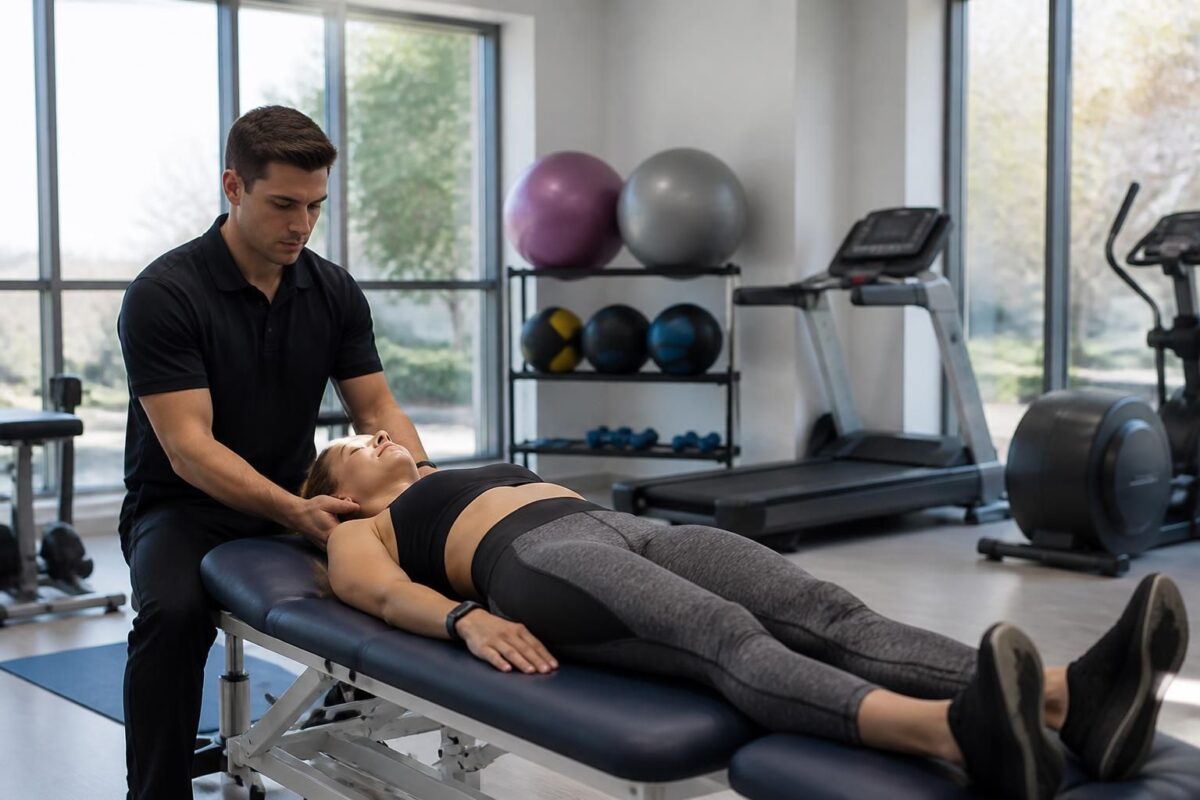
Neurovertebral decompression and recovery after severe sports injury
In short In short, the neurovertebral decompression is one Non-invasive method to Relieve the pressure on the Intervertebral discs and the gristle Via a Controlled traction, to facilitate the recovery After a severe sports injury. It improves the bloodstream towards…
Testimonials on neurovertebral decompression and herniated disc: a gentle and effective approach
“Before, the pain lumbar braked me in every movement. After a series of sessions centered on the neurovertebral decompression, I felt progressive relief and found a mobility what I thought was lost. – Michel, 47 years old
“This approach is gentle and effective. The neurovertebral decompression Helped reduce nerve pressure and decrease inflammation around the affected area, which allowed me to resume my daily activities painlessly. – Sophie, 36
“As an athlete, my slipped disc slowed down my performance. Thanks to this technique and a personalized program, I found my performance And I avoided surgery. – Julien, 32 years old
“the sessions of neurovertebral decompression have reduced the pain, improved my posture and facilitated strengthening exercises. A key step in my rehabilitation without surgery. – Daniel, 54 years old
“Following an intervention, the rehabilitation was accelerated by the neurovertebral decompression and osteopathic work. I gradually found my favorite activities and a better quality of life. – Claire, 40 years old
“Personalized support, concrete results. After a few weeks, I saw a noticeable decrease in pain and a better ability to manage my movements on a daily basis thanks to this gentle and effective approach. – Emilie, 29 years old
Dr. Sylvain Desforges, osteopath, naturopath and doctor Manuel, puts his expertise at the service of a gentle and effective approach for patients suffering fromslipped disc and lumbosciatica. At the head of the TagMed clinics and the ACMA association, he is pursuing a career dedicated to health innovation and the continuous improvement of clinical practices. Its approach focuses on evidence-based care and the integration of advanced technologies to optimize the health and well-being of patients, with a particular focus on neurovertebral decompression as a central non-surgical management axis.
The neurovertebral decompression is a computerized traction method that targets the lumbar spine to create repeated segmental distraction. This action decreases intradiscal pressure and nerve root compression, which can result in a noticeable reduction in pain and improved mobility. In a logic Evidence-based, adding this technique to appropriate rehabilitation can lead to significant clinical gains, both in pain and function and muscle endurance.
In practice, Dr. Desforges associates the DNV to osteopathy and a multidisciplinary approach to act on the mechanical, neurological and functional components of lumbosciatica. The objective is to gradually restore the mobility of the spinal segments, to promote the resorption of herniated discs and to improve circulation around the affected structures. This integrated approach aims not only to reduce pain, but also to prevent recurrences by strengthening the muscle chains and re-educating daily postures and gestures.
The practice is based on a rigorous assessment of symptoms and anamnesis in order to identify signs that require rapid and appropriate treatment. The diagnostic approach is based on clinical tests and, when necessary, on targeted imaging to confirm discoradicular conflict and assess associated lesions. This approach makes it possible to propose a personalized treatment plan, which can combine DNV, osteopathic techniques and therapeutic exercises, while remaining attentive to the psychosocial factors that influence pain and recovery.
At the heart of this approach is a multidisciplinary philosophy: doctors, osteopaths, physiotherapists and other professionals work together to offer global, patient-centric and adjusted care. This alliance makes it possible to reduce dependence on drug treatments and to avoid, where possible, invasive surgical procedures. The expected benefits concern a pain reduction, a better mobility, an improvement in the posture and a gradual resumption of daily and professional activities.
With her years of experience, Dr. Desforges also focuses on the safety and sustainability of results: each protocol is designed to fit into a reproducible care pathway, with ongoing follow-up and adjustments. through his leadership and commitment to a practice multidisciplinary and evidence-based, it helps to bring out a new standard in the rehabilitation of herniated discs and associated low back pain.
Its vision goes beyond isolated treatment: it aims to offer a therapeutic path that combines softness, effectiveness and autonomy of the patient, in order to sustainably restore health and quality of life without systematically using invasive actions.
neurovertebral decompression is an approach gentle and non-surgical intended to reduce the pressure on the discs and nerve roots when there is a slipped disc. associated with theosteopathy and a step multidisciplinary, it helps to quickly relieve pain, restore mobility and reduce the risk of chronicization, while avoiding invasive interventions.
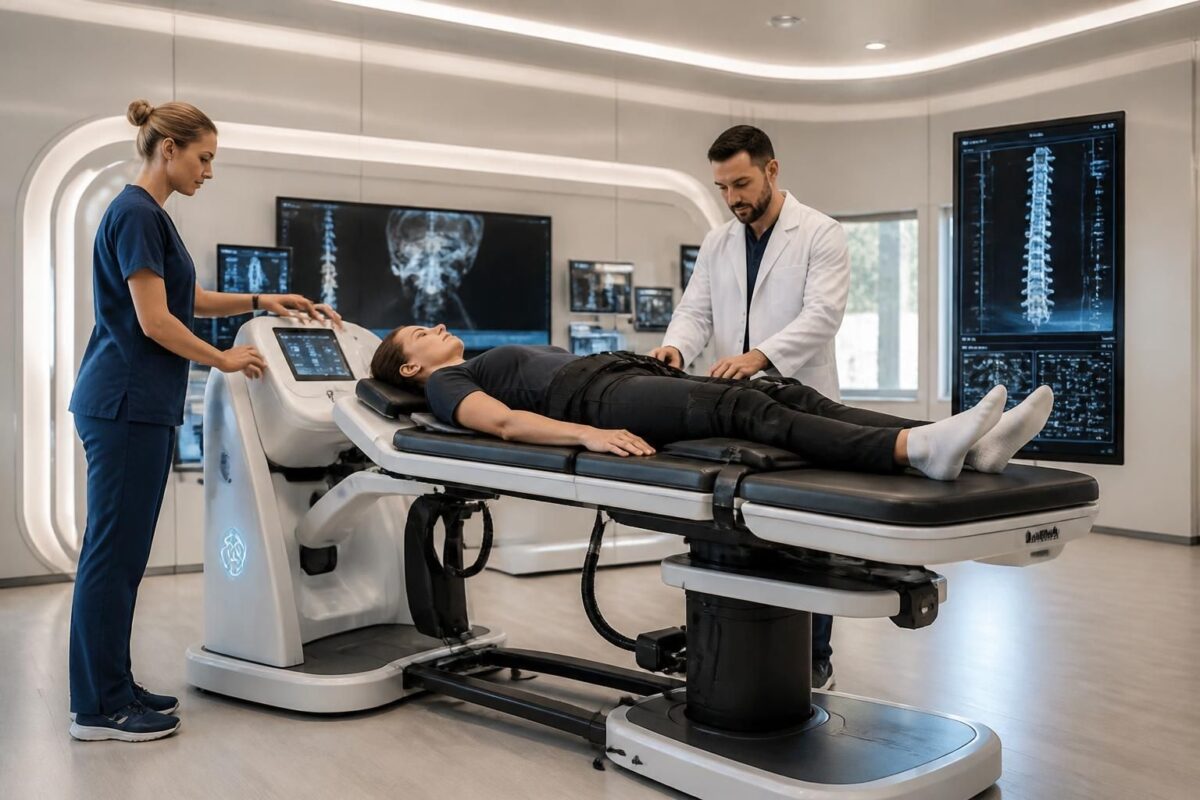
Recent innovations in neurovertebral decompression technologies
In short In short, the neurovertebral decompression is an approach non-invasive Aiming to reduce pressure on discs and nerves, and promote tissue regeneration. At Montreal, it is positioned as an effective option for lower back pain and herniated discs. The…
Principles and mechanisms
Neurovertebral decompression is implemented by computerized lumbar traction which ensures controlled segmental distraction in real time. This prospective action decreases intradiscal pressure and root compression, which results in a gradual improvement in pain and back function.
The expected effects cover several axes: pain reduction, Disk Mobilization, Disc rehydration, traffic improvement and Postural correction, as well as Prevention of recurrences. By acting on these parameters, it facilitates tolerance to the activity and supports the rehabilitation process.
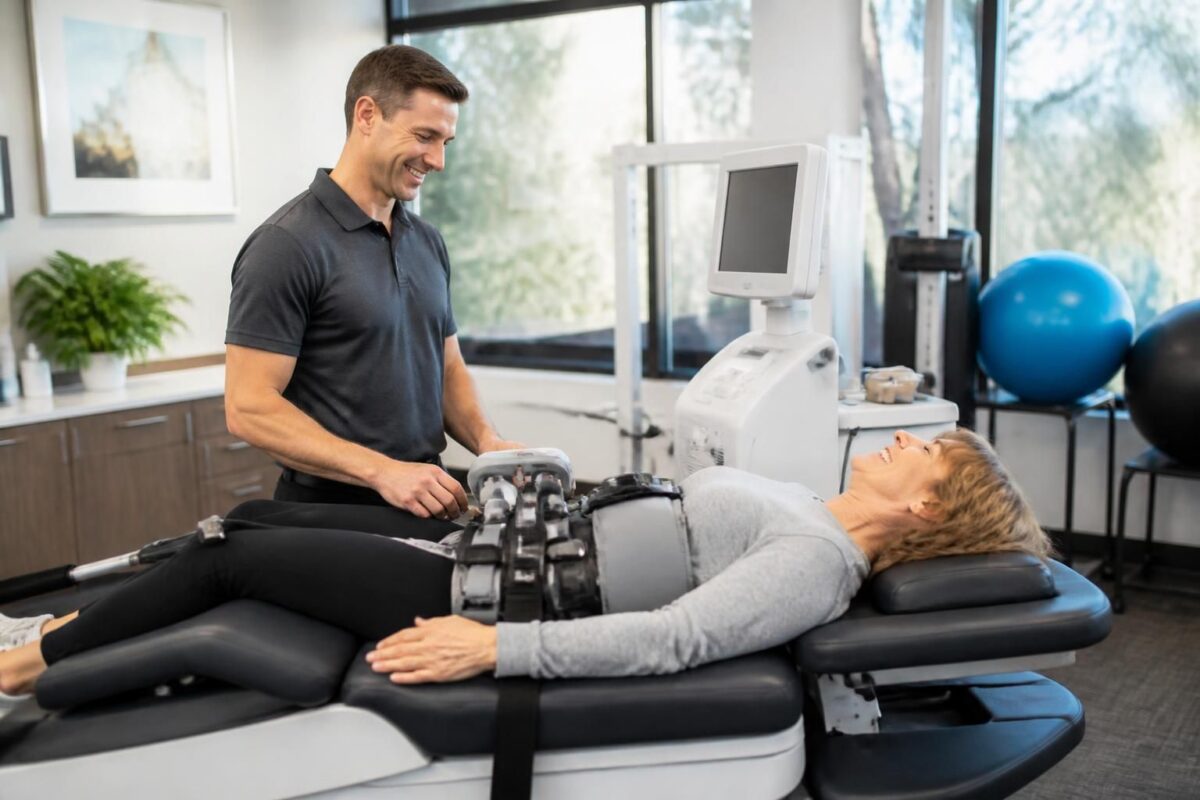
Neurovertebral decompression and diffuse pain: an appropriate solution
In short In short, the neurovertebral decompression is one Non-invasive solution For diffuse pain related to nerve irritation of the spine. She acts in Reducing pressure on intervertebral discs and nerves and improving the bloodstream, which promotes recovery and the…
Integration with osteopathy and multidisciplinary care
when it is associated with theosteopathy and a program biopsychosocial, DNV can optimize segmental mobility, release myofascial tension and improve overall patient adaptation. Collaboration between doctors, physiotherapists and osteopaths, combined with targeted exercises and appropriate education, increases the chances of sustainable recovery and reduces the use of more invasive treatments.
Integrated approaches demonstrate significant improvements in pain, function and endurance, while promoting return to work and decreased addiction to analgesics. Efficiency is based on a personalization of the protocol, in order to support each patient in their professional and personal context.
Indications, safety and expected results
Neurovertebral decompression is particularly relevant in patients with subacute or chronic lumbosciatica without any obvious indication of surgery. It can also be considered after a surgical procedure to support rehabilitation and optimize functional results, while limiting the risks associated with invasiveness.
The safety and tolerance of the technique make it an attractive option to limit the side effects of drug treatments and reduce the costs associated with heavier interventions. However, prior medical assessment and regular monitoring remain essential in order to adapt the protocol and monitor clinical progress.
Resources and practical links
To deepen the mechanisms and feedback, several resources shed light on the benefits of neurovertebral decompression and its applications. You can view articles and guides dedicated to the importance of this approach after an accident, its role in disc regeneration and its impacts on sleep and quality of life:
Why neurovertebral decompression is essential after an accident,
Neurovertebral decompression and herniated disc,
Neurovertebral decompression and sleep,
decompression technology,
Contribution to rehabilitation,
Disk regeneration,
Decompression techniques for chronic pain,
Key role of decompression,
Natural approach and prevention,
Psychological benefits.
Medical Warning: This information does not replace the health professional’s advice and should be discussed with your doctor or osteopath to adapt the treatment to your situation.

Dr Sylvain Desforges, B.Sc., D.O., N.D., osteopath, is the founding president of TAGMED and of the ACMA association. He dedicates his practice to chronic spinal pain, low back pain and symptoms compatible with sciatica, particularly when pain radiates toward the buttock, leg, calf, foot or toes.
Through SOS Sciatique, he publishes educational content on sciatica symptoms, possible causes such as disc herniation, disc narrowing, foraminal stenosis or irritation of a lumbar nerve root, as well as non-surgical approaches that may be considered according to the evaluation. At Clinique TAGMED, care may include, depending on the case, motorized neurovertebral decompression, specific osteopathic care or precision percussion.
For an evaluation related to sciatica treatment in Montreal / Mount Royal or sciatica treatment in Terrebonne, please consult the services available at Clinique TAGMED.
Medical disclaimer
The information published on SOS Sciatique is provided for educational purposes only and does not replace a consultation, diagnosis, opinion or treatment provided by a physician or another authorized healthcare professional. The author of this article is neither a medical doctor nor a specialist in a medical specialty recognized by the Collège des médecins du Québec. The osteopathic, manual medicine or functional support approaches described on this site do not constitute medical acts and are not intended to replace medical follow-up.
Consult a physician or emergency service in cases of loss of bladder or bowel control, anesthesia in the saddle area, significant or progressive weakness in the leg or foot, fever, recent trauma, severe pain or rapid worsening of symptoms. For more details, please read our Legal Notice.