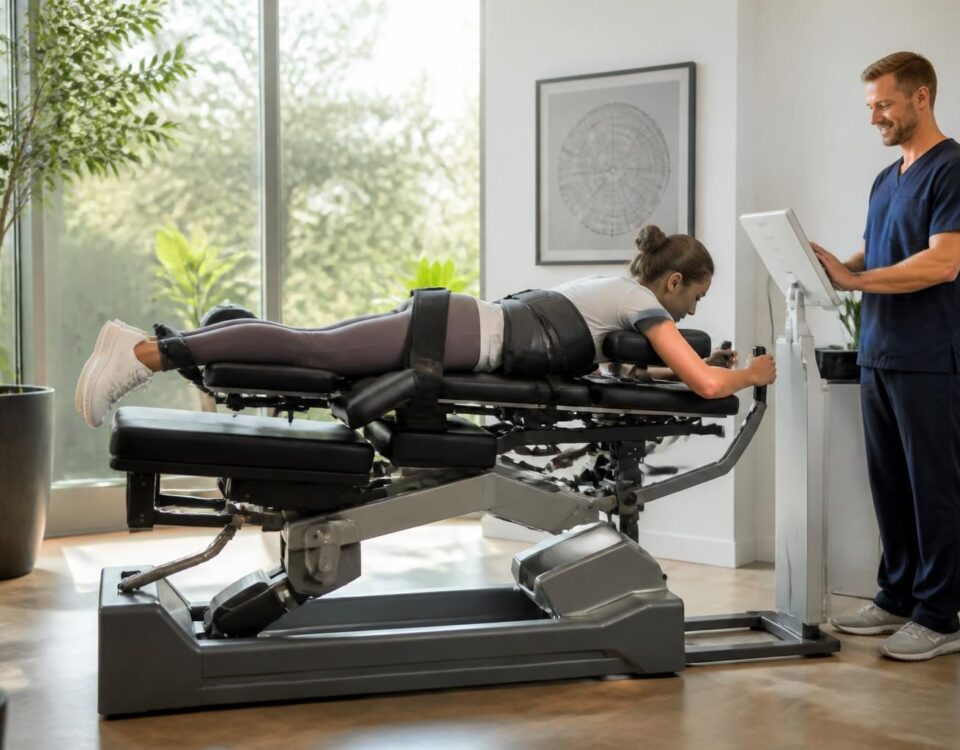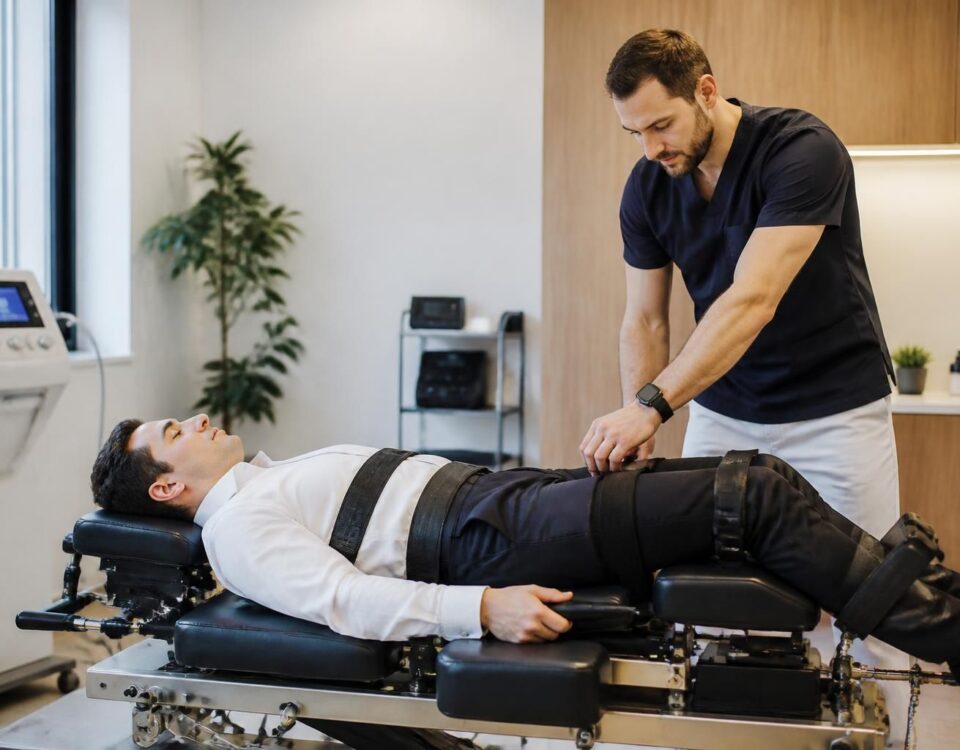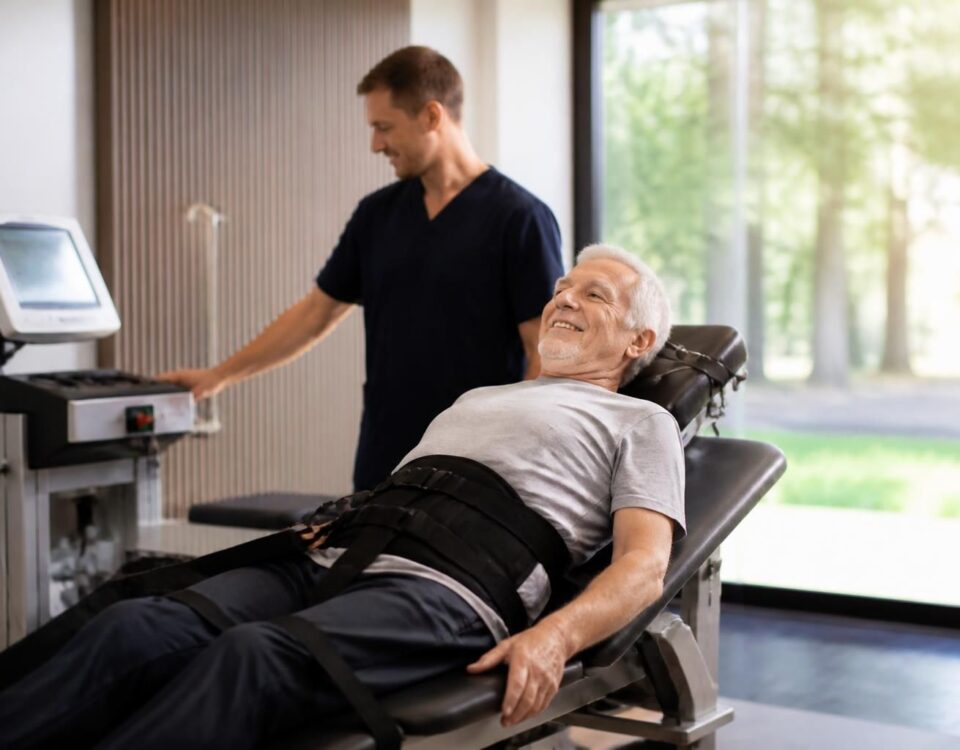
Neurovertebral decompression and muscle pain associated with the back
25/06/2026
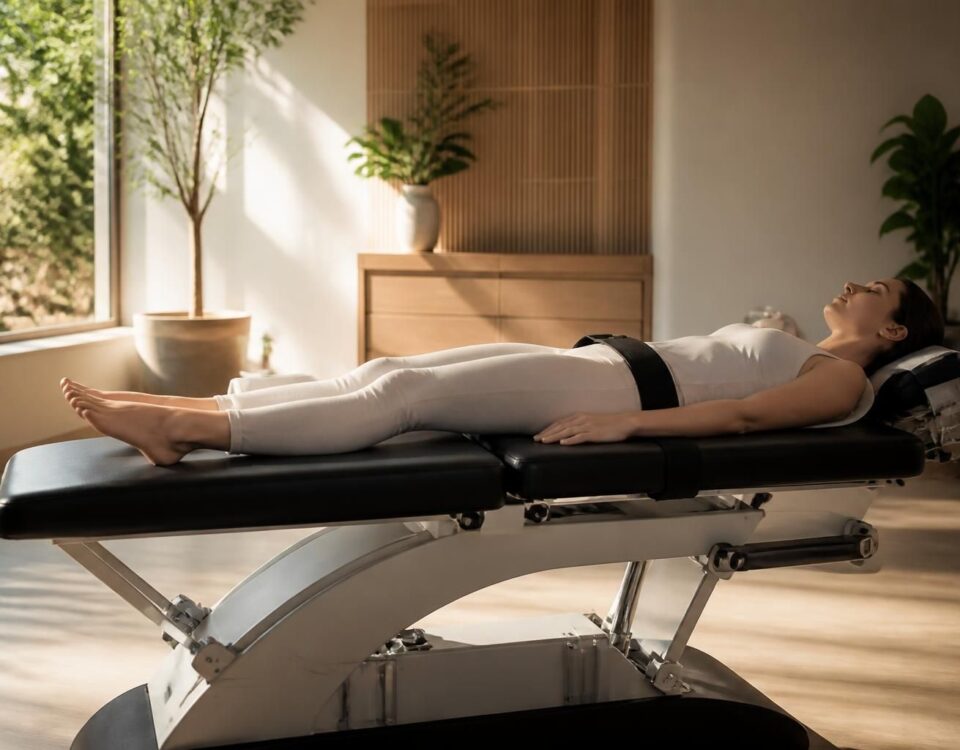
Neurovertebral decompression: a solution to improve sleep quality
25/06/2026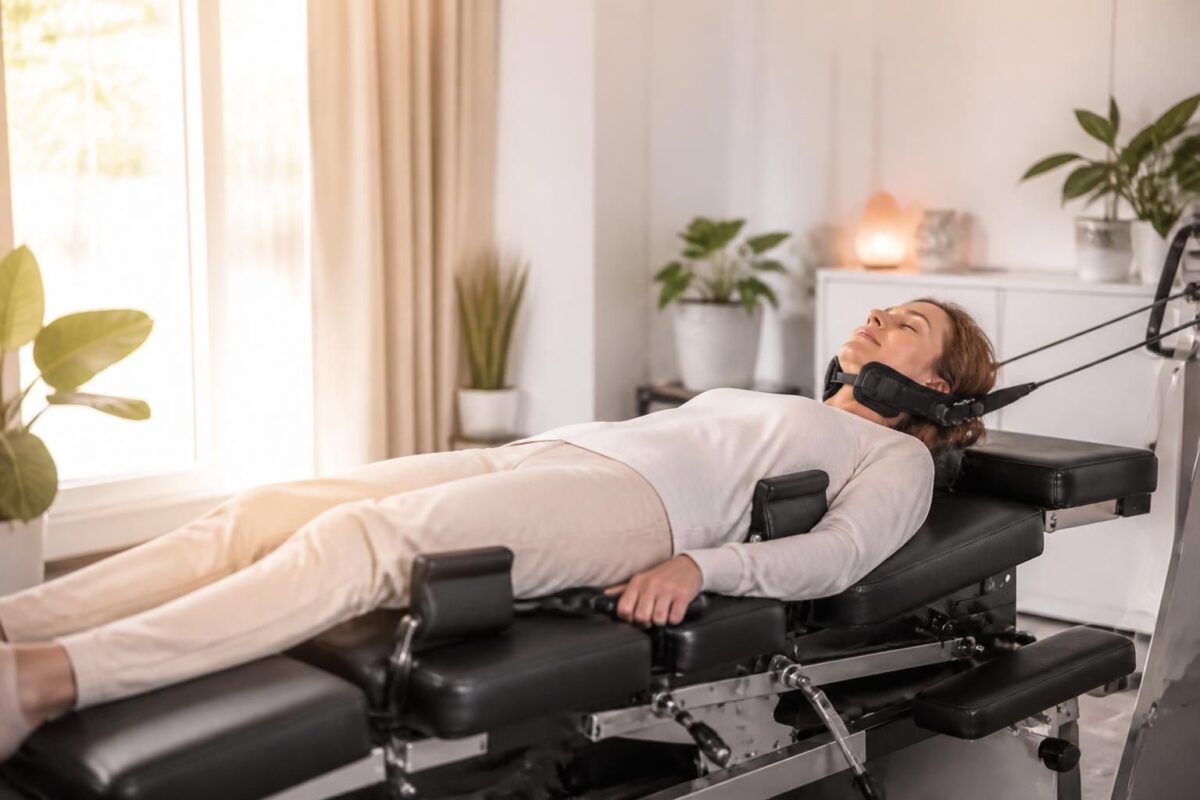
In short
| In short, neurovertebral decompression is one Non-invasive therapy which aims to relieve back pain by reducing pressure on the nerves and intervertebral discs. What is it? It is an approach that improves the mobility and comfort while acting on the dimensions psychological related to pain. What are the advantages? it decreases the stress and theanxiety, improves the sleep, strengthens the self-confidence and the quality of life, and promotes better social interactions. How does it work? By acting on the spine, it releases tension, soothes pain and triggers a virtuous circle of well-being holistic. At Montreal, this service is particularly recommended for lower back and cervical pain and for people seeking an approach non-invasive and effective. |
The neurovertebral decompression Exercise of Psychological benefits notables. By reducing pain, it promotes Reduced anxiety and stress, improves the sleep and contributes to a better mood. This decrease in pain makes it possible to regain self-confidence and an Better self-esteem, while facilitating the renewal of social activities and interactions. In short, it is part of a holistic approach well-being, linking physical comfort to better mental health and quality of life increased.
Neurovertebral decompression is a non-invasive approach that acts on the nervous system and spinal structures to reduce pain and improve mental well-being. This article presents the psychological benefits observed in patients, as well as the possible mechanisms and resources to deepen the subject.
Neurovertebral decompression can reduce pain and promote a more stable mental state. By reducing nervous tension and persistent discomfort, it contributes to better stress management and a more balanced mood. Online resources detail these benefits and their link with quality of life on a daily basis. For more information, see the following points dedicated to this topic.
Reduced anxiety and stress
Chronic pain is often associated with high anxiety. When the pain is eased by decompression, patients feel less fear associated with their limitations. This improvement translates into a calmer mindset and increased ability to manage daily situations. stress reduction Contributes to better emotional regulation and promotes an adaptive response to daily challenges.
To explore the mechanisms and testimonies on this topic, see the following resources: Psychological benefits of neurovertebral decompression, Effective decompression program, and Action on compressed nerve roots.
Improved sleep and mood
The pain reduction facilitates more regular sleep. Better night rest improves emotional regulation and decreases mood swings. Patients often report waking up less tired and more rested, which supports a positive attitude on a daily basis. This dynamic promotes a general perception of well-being and psychological stability.
Related resources describe how painful relief influences sleep and mood. For more information, check out these references: Psychological benefits of pain reduction and Improves spinal flexibility.
Self-confidence and autonomy
Pain relief offers a boost in freedom and autonomy. Patients find activities they had set aside and gain confidence in their ability to act on their well-being. This improvement in self-esteem reinforces the motivation to resume personal and professional projects.
The associated literature points out that the feeling of control over his spine and his health can support a more positive self-image. For further reading, see: Psychological benefits related to the reduction of pain and DNV and prevention.
Improvement of social relations and quality of life
The ability to go out, participate in activities and share moments with loved ones improves when the pain recedes. This social commitment contributes to better mental health and reduced feelings of isolation from chronic pain. Social support becomes a key factor in well-being, reinforcing motivation and the pleasure of living.
Sources explain how pain reduction influences social interactions and overall quality of life. To learn more, check out: Impact on mobility and Decompression techniques for chronic pain.
Global approach and therapeutic framework
Neurovertebral decompression is part of a global approach to well-being. It can be associated with complementary approaches to optimize mental and physical well-being. In the TagMed, Montreal and Terrebonne clinics, these treatments are part of an integrated, evidence-based offer. A holistic approach aims to support the body and mind together, without being limited to pain.
For those who wish to go further, these resources offer additional perspectives: Effective decompression program, myths, and DNV and stress.
to deepen
To learn more about the links between neurovertebral decompression and psychological well-being, you can consult:
- Psychological benefits of neurovertebral decompression
- Effective program of neurovertebral decompression
- Action on compressed nerve roots
- Psychological benefits of pain reduction
- Decompression techniques for chronic pain
- Improved spinal flexibility
- Psychological benefits associated with reduced pain
- Decompression and chronic pain prevention
- Myths about decompression
Medical Disclaimer: The information and advice provided on this site does not replace the health professional’s diagnosis or treatment. Please note that Dr. Sylvain Desforges osteopath is neither a doctor of medicine nor a doctor, and is not a specialist in a medical specialty as defined by the Collège des Médecins du Québec. Manual medicine, functional medicine and sports medicine as described on this site exclude any medical treatment or diagnosis made by a doctor or specialist doctor. Always consult your doctor for any medical questions. For more details, please read our full legal notice.
- reduction of stress and from theanxiety
- improvement of themood and of welfare
- Better sleep and emotional recovery
- Self-confidence and autonomy regained
- strengthened social relationships and Less isolation
- management of stress Facilitated by the less painful body
- Increased motivation and energy for daily activities
- Perspective positive and optimism lasting

clear summary
This article explains the Psychological benefits neurovertebral decompression and offers concrete recommendations to maximize the effects. In addition to relieving pain, this approach promotes better management of the stress, improves the sleep, strengthens the self-confidence and facilitates social interactions, thus contributing to a quality of life higher overall.
The long-term benefits of neurovertebral decompression for spinal health
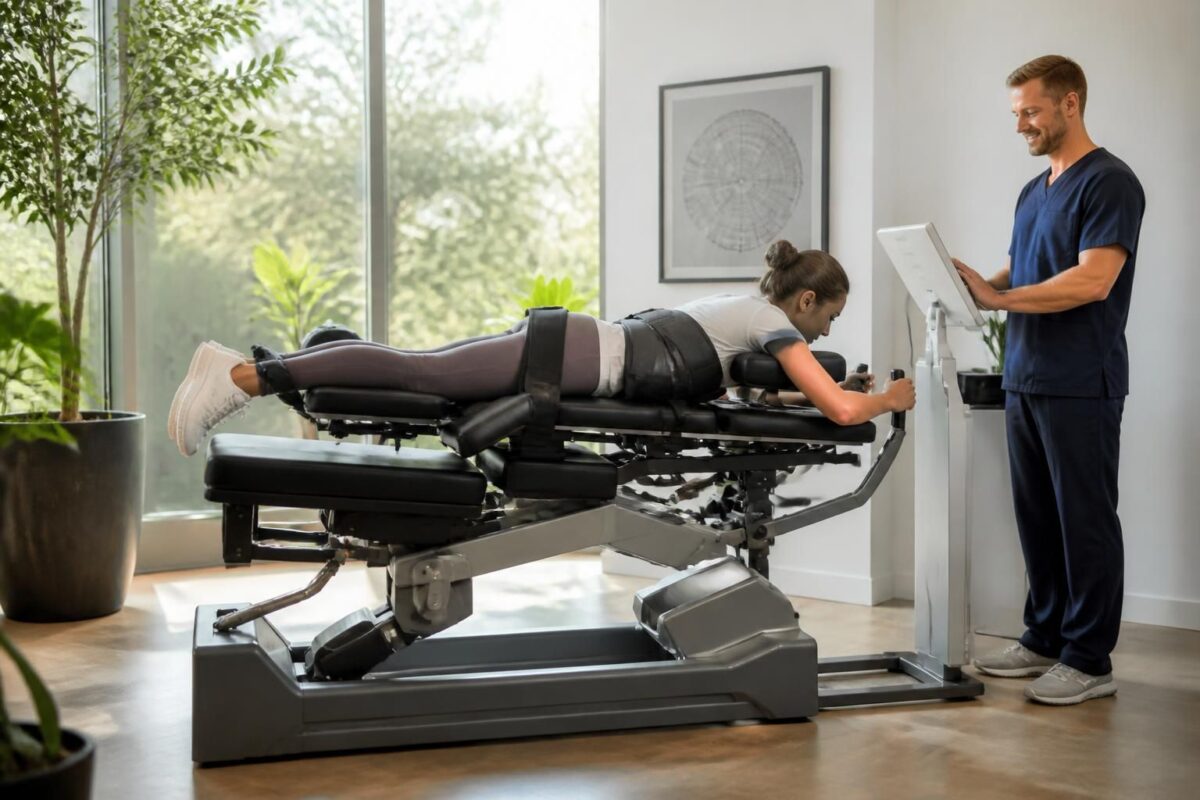
In short In short, the neurovertebral decompression is a non-invasive approach that decreases the Pressure on intervertebral discs and nerves, favoring the Natural regeneration and tissue recovery. Its long-term benefits include Lasting pain reduction, Improving mobility and from the posture,…
Reduced stress and anxiety
The reduction in pain induced by neurovertebral decompression allows a significant decrease in the stress and theanxiety. A less tense body and regained mobility reduce alarm reactions and ruminative thoughts. To optimize this effect, plan regular sessions and integrate breathing or relaxation exercises immediately after each session to anchor the calm found in your daily life.

Neurovertebral decompression and mobility: a return to an active life
In short In short, the neurovertebral decompression is therapy non-invasive who uses a gentle traction To create a space between the vertebrae and reduce the pressure on the Intervertebral discs and the nerves. It promotes a bloodstream improved, lowers tension…
Improved sleep and emotional regulation
the decrease in physical discomfort promotes a sleep Deeper and restorative, which directly improves the regulation of emotions and mood. Quality sleep enhances resilience to stress and facilitates the management of difficult emotions. Recommendations: Establish a coherent sleep routine, create a favorable environment (stable temperature, appropriate darkness) and avoid screens at least one hour before bedtime to fully enjoy the psychological benefits.
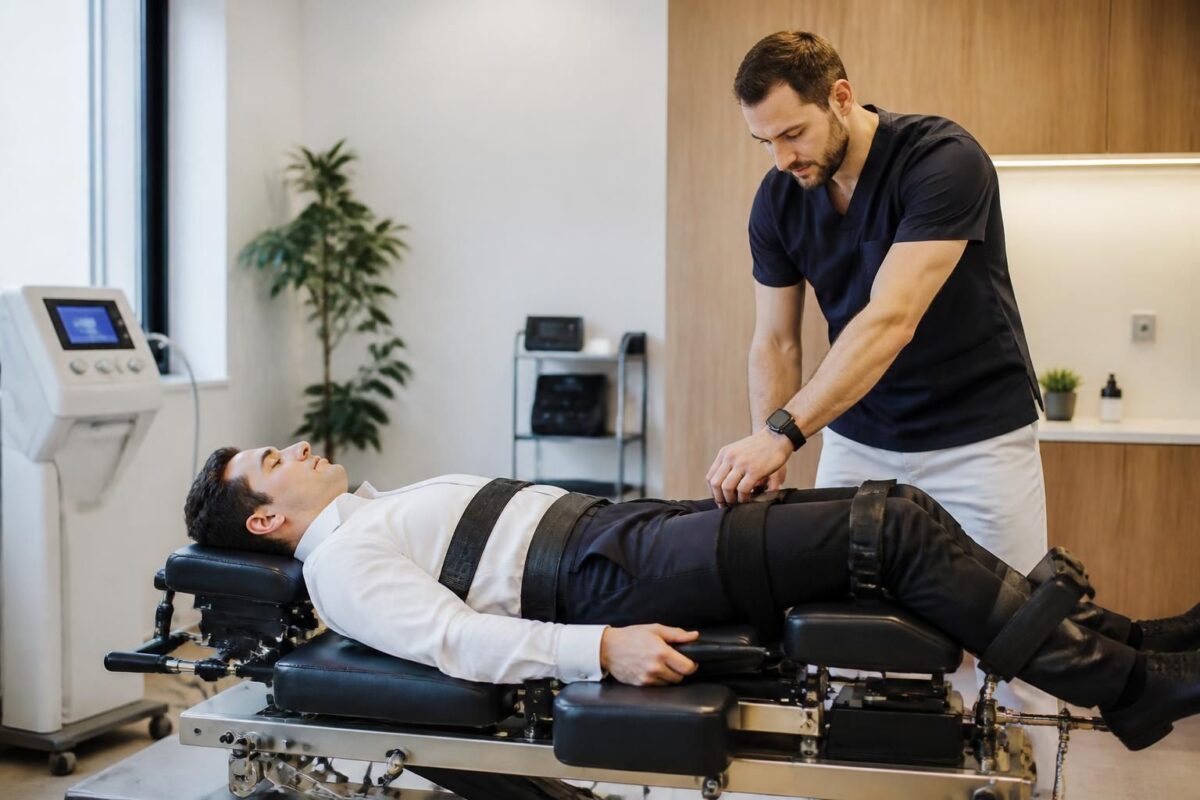
How Neurovertebral Decompression Prevents Diffuse Chronic Pain
In short decompression neurovertebral is one Non-invasive method aimed at reducing the Pressure on the intervertebral discs and the nerves, in order to prevent Diffuse chronic pain. It improves the circulation and thedisc hydration, decreases inflammation and promotes better mobility.…
Strengthening self-confidence and autonomy
Regaining a certain mobility and resuming painless activities durably stimulates self-esteem and feeling of control over one’s body. This rebirth of autonomy nourishes a more positive self-image and can transform the attitude to everyday challenges. Recommendations: Set realistic and measurable goals, keep a progress journal and take benevolent breaks when efforts are made to maintain motivation.
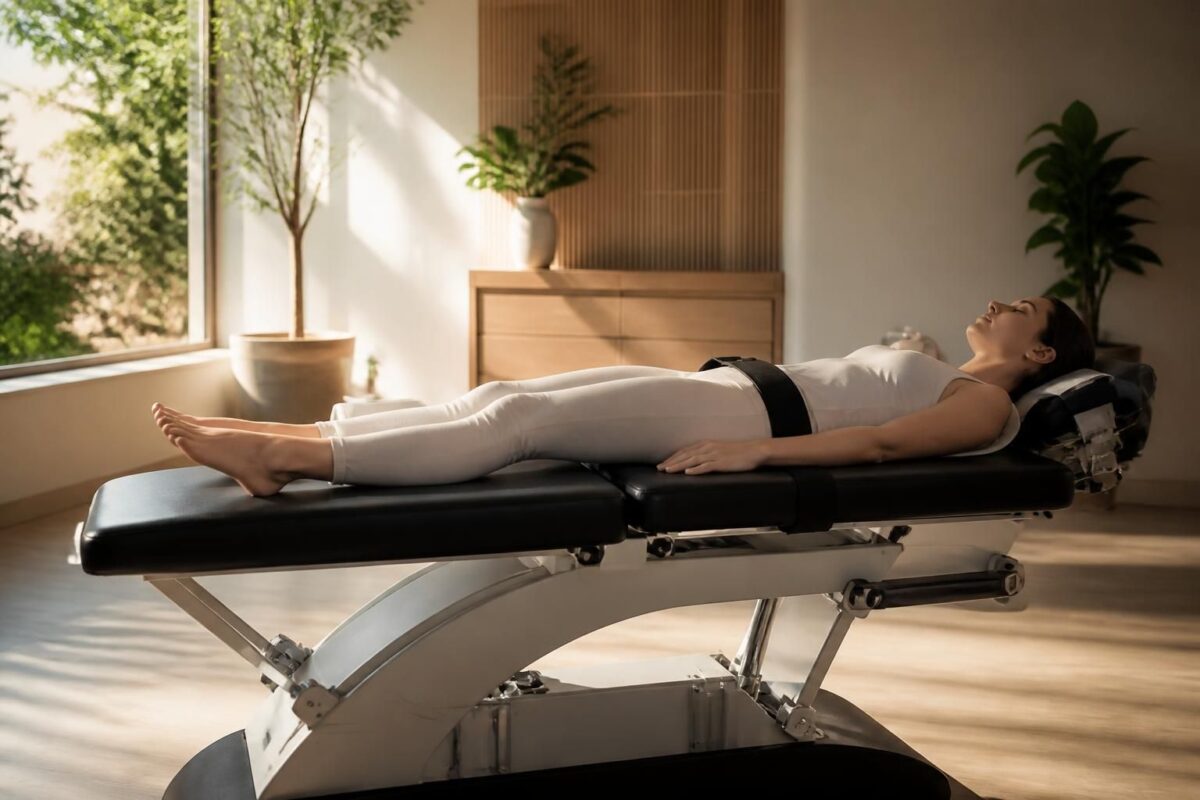
Neurovertebral Decompression and Body Alignment: Restoring Natural Balance
In short In short, neurovertebral decompression is one Non-invasive approach who restores theBody Alignment and thenatural balance back and neck. She acts by a Controlled traction of the spine to widen the intervertebral space and reduce the Pressure on discs…
Impact on social relations
Less pain and regained emotional energy facilitate social interactions and reduce feelings of isolation. People treated often find better availability for loved ones and greater participation in community activities. Recommendations: Plan regular outings, solicit social support and share sessions positive experiences to strengthen bonds and membership.
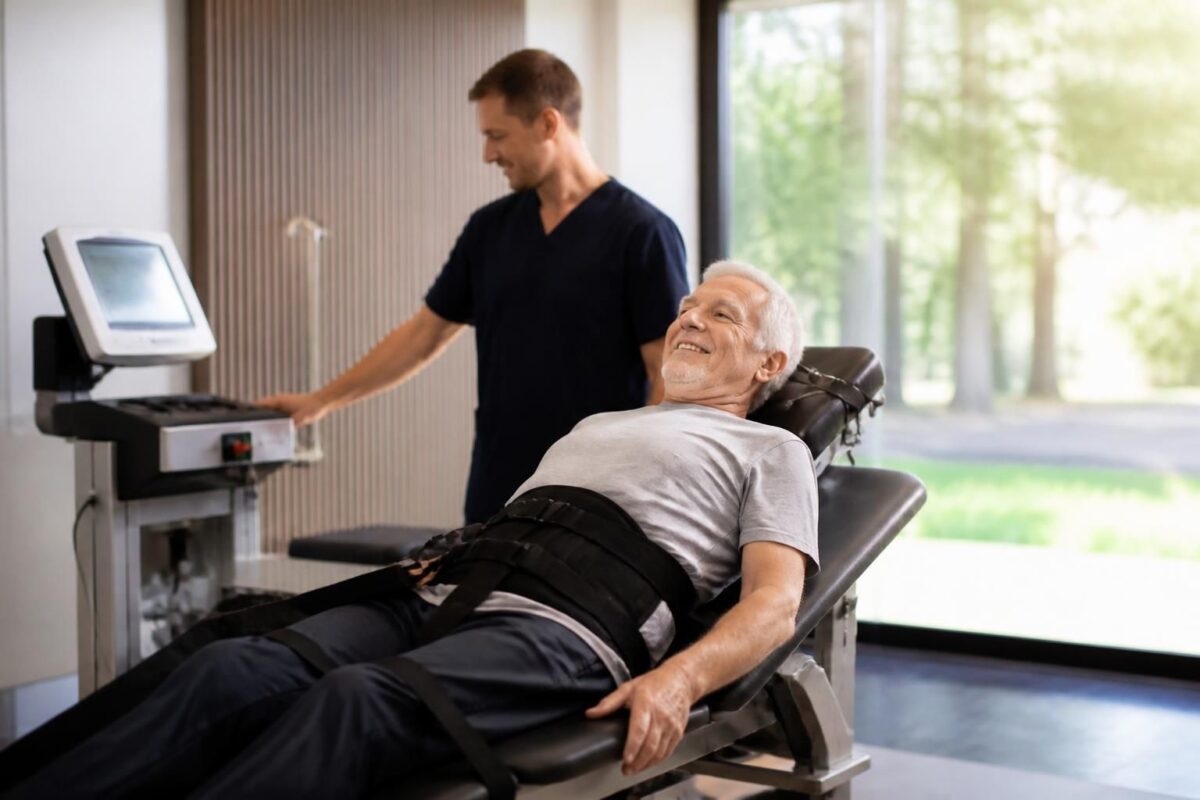
Why neurovertebral decompression is a lasting solution for active seniors
In short In short, the neurovertebral decompression is one Non-invasive therapy which sustainably relieves spinal pain in the spine active seniors By creating, by a Soft and controlled traction, a space between the vertebrae. At Montreal, it is recognized as…
Holistic approach and integration
Neurovertebral decompression is part of an approach holistic which can be associated with other practices such as meditation, nutrition and manual therapies. Recommendations: Collaborate with a practitioner to develop a personalized protocol that connects physical and psychological results through measurable goals, in order to promote sustainable progression.
Practical integration
For example, coordinating decompression sessions with times dedicated to guided relaxation or mindfulness exercises amplifies the psychological effects and anchors the benefits in everyday life.
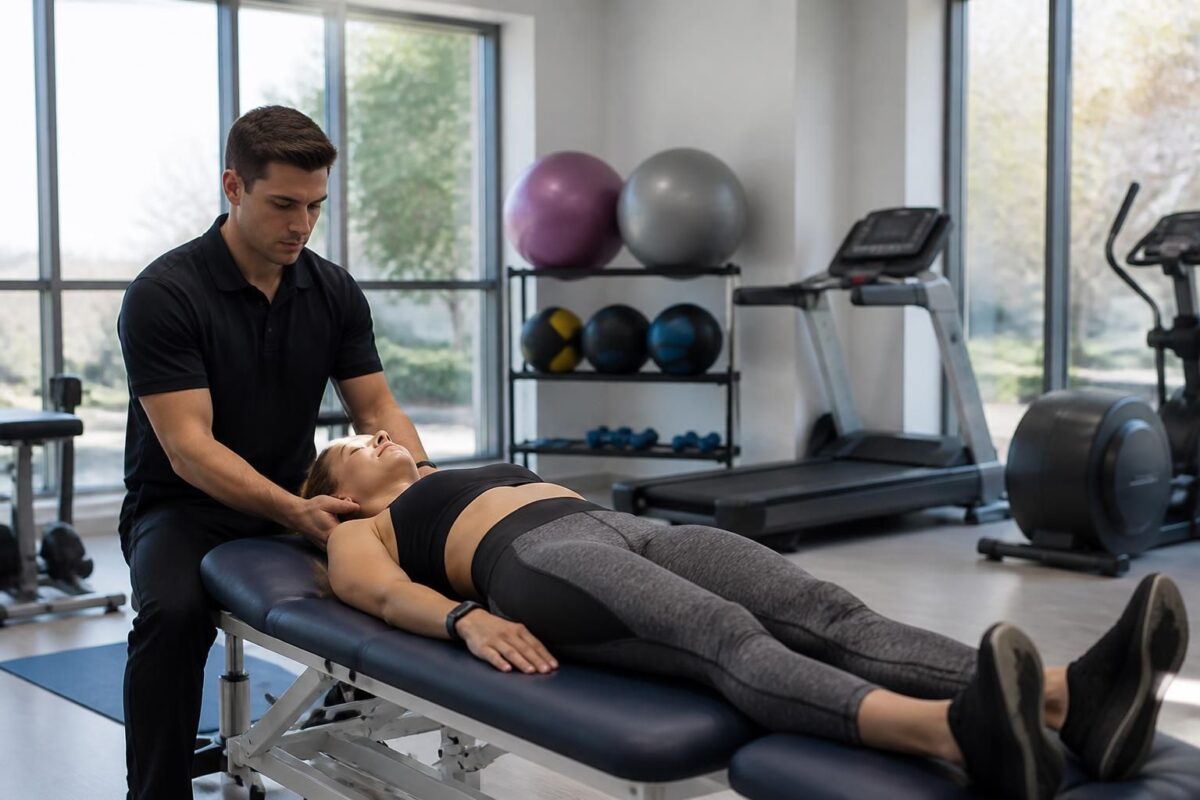
Neurovertebral decompression and recovery after severe sports injury
In short In short, the neurovertebral decompression is one Non-invasive method to Relieve the pressure on the Intervertebral discs and the gristle Via a Controlled traction, to facilitate the recovery After a severe sports injury. It improves the bloodstream towards…
Practical tips to maximize psychological effects
Before each session, take a few moments to focus on your intentions and emotional priorities. After each session, briefly write down the bodily sensations and the emotional state in order to establish a progression line. Maintain a consistent routine and adapt your rhythm according to your feelings. By associating the physical benefits with stress management practices, you build a solid foundation for a mental resilience and a better quality of life.
| Psychological axis | Concise impact |
|---|---|
| Reduced stress and anxiety | The decrease in pain brings stress reduction And anxiety, for a calmer mind. |
| Sleep and mood | The sleep improves andmood becomes more stable. |
| Mood and emotion management | The Reduced pain promotes a steady mood and better management of emotions. |
| Self-confidence and autonomy | The return of mobility and autonomy strengthen the self-confidence. |
| social relations | the pain decreases facilitates social relations and interactions. |
| Energy and motivation | moreenergy and of motivation for daily activities. |
| body control | strengthening of control on his body and his health. |
| Overall quality of life | Improvement of the quality of life overall through physical and emotional balance. |
| Autonomy and social commitment | rediscovered autonomy and resumption of social activities, reinforcing the welfare General. |
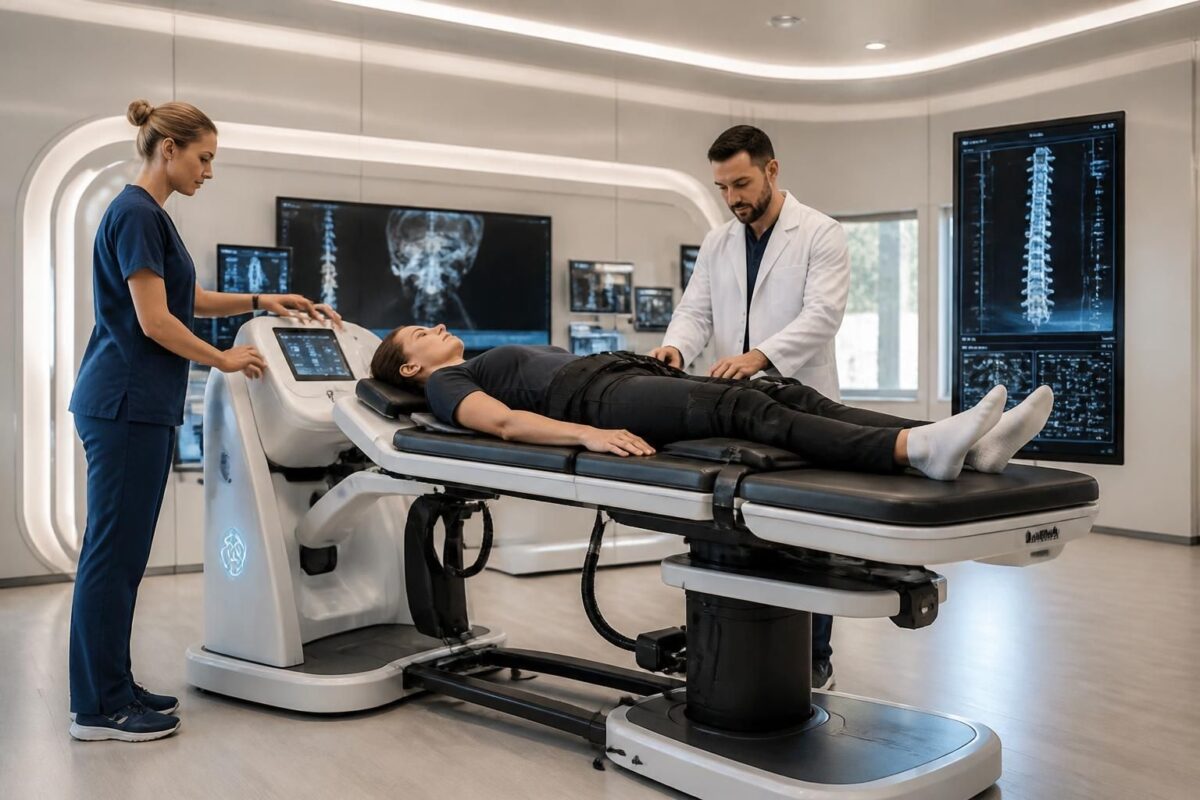
Recent innovations in neurovertebral decompression technologies
In short In short, the neurovertebral decompression is an approach non-invasive Aiming to reduce pressure on discs and nerves, and promote tissue regeneration. At Montreal, it is positioned as an effective option for lower back pain and herniated discs. The…
Testimonials on the psychological benefits of neurovertebral decompression
elodie, 34 years old: “After my first sessions, I noticed a Anxiety Reduction and of stress. My mind is calmer and I gradually find a welfare sustainable. »
bed, 41 years old: “My sleep improved and my emotional stability came back. Less pain, more serenity, even at work. »
Caroline, 29 years old: “I have become again trust me and motivation to resume my sports activities. The decrease in pain gave me a new impetus. »
Olivier, 52 years old: “My social relations have grown, I dare to go out and share again with my friends, because the stress is less present and mood is brighter. »
Mary, 37 years old: “The treatment was a lever for my mental well-being. I feel less anguished, calmer and more positive on a daily basis. »
Julian28 years old: “For me, it’s the freedom found and the confidence in my ability to move that make the difference, with a Better quality of life and an Stress break constant. »
ALICE, 62 years old: “I am less concerned about the pain and it shows in my sociability and my relationship with my loved ones. My smile came back and my motivation too. »
Dr. Sylvain Desforges, Expert in osteopathy, naturopathy And manual medicine, has established itself as a reference in health innovation. Its trajectory is marked by a constant quest to improve well-being through care based on probable and measurable data. As founding president of TagMed and ACMA clinics, he developed a patient-centric approach that combines clinical know-how and advanced technologies, including neurovertebral decompression, the laser and shockwave therapies. This vision aims to transform chronic pain into a lasting healing experience, while preserving the psychological balance of patients.
The neurovertebral decompression is a non-invasive approach that acts on the spine to alleviate the pressure exerted on the nerves and intervertebral discs. By promoting better circulation and a reduction in tensions, it is accompanied by a set of benefits psychological positive. Patients frequently describe a marked decrease in pain, but also an attenuation of stress and anxiety, which facilitates a calmer and more stable perception of their daily life.
The link between physical relief and mental health is at the heart of its psychological benefit. When the pain recedes, the capacity for action and autonomy rises, which translates into a mood enhancement and an Better management of emotions. sleep, often disturbed by Chronic pain, regains its regularity, which promotes more effective emotional regulation and a regained energy for family and professional activities.
Over the course of the sessions, the self-confidence And self-esteem is strengthened: patients rediscover their ability to go out, practice activities they had abandoned and regain control of their bodies. This rebirth of autonomy contributes to a Social reintegration more fluid and more positive relational dynamics, thus reducing the feeling of isolation often associated with chronic pain.
In a logic holistic, neurovertebral decompression is integrated into a care offer that combines manual approaches, lifestyle advice and innovative technologies. This synergy not only alleviates physical symptoms, but also supports mental well-being through stress management and resilience stimulation strategies. The therapeutic framework promotes open communication and collaboration with the patient, in order to establish clear objectives and personalized plans that strengthen motivation and adherence to treatment.
As a discipline, the advancement of decompression protocols and their progressive application in the care pathway illustrates the growing importance of measurable results for psychological well-being. The objective pursued is clear: to offer a non-invasive pathway that reconciles physical relief, emotional balance and quality of life, while remaining firmly anchored in scientific evidence and ethics of care.
This dynamic places the psychological benefits of neurovertebral decompression at the heart of care, linking them directly to a more active, serene and more relational daily life.
This text details the Psychological benefits From neurovertebral decompression and highlights how pain reduction and improved mobility contribute to better mental health, more stable mood and enhanced overall quality of life. He explores the links between pain, stress, sleep and social interactions, and offers resources to deepen these aspects.
The pain reduction induced by neurovertebral decompression acts as a major lever on the Psychological well-being. By decreasing tensions and releasing nerves, this approach can decrease theanxiety and the stress, offering patients a sense of control regained and greater serenity in daily activities. This dynamic promotes a better ability to face challenges and to look to the future with optimism.
The better sleep Observed when nocturnal pain fades directly contributes to improving mood and daytime energy. A quality rest acts as an emotional regulator, reducing emotional fluctuations and improving the ability to manage emotions in stressful situations. This synergy between pain and sleep is a pillar of mental well-being.
The resumption of theautonomy and from the self-confidence is another key effect. With increased mobility and less pain, patients regain motivation and ability to participate in activities they had put in parentheses. This personal rebirth strengthens self-esteem and promotes a positive self-image, fostering a proactive attitude towards everyday life.
The social relations And the social framework also benefit from the decrease in pain. Fewer physical limitations facilitate exchanges, outings and family activities, reducing isolation and strengthening the social support fabric essential to psychological well-being. This positive social dynamic contributes to a better quality of life and a more marked feeling of belonging.
Overall, neurovertebral decompression is part of a holistic approach Care: it associates physical intervention with stress management mechanisms and lasting improvement in mental status. To optimize these effects, the possible integration of other complementary approaches can help maximize psychological benefits and support lasting healing.
To deepen these aspects and discover the associated mechanisms, technologies and clinical outcomes, you can consult additional resources such as The technologies used, The physical and psychological benefits, The psychological impact, as well as Benefits for cervical tension. Other useful resources address how neurovertebral decompression can influence nocturnal pain and recovery after injury, including Rehabilitation after a back injury and Reduction of nocturnal pain.
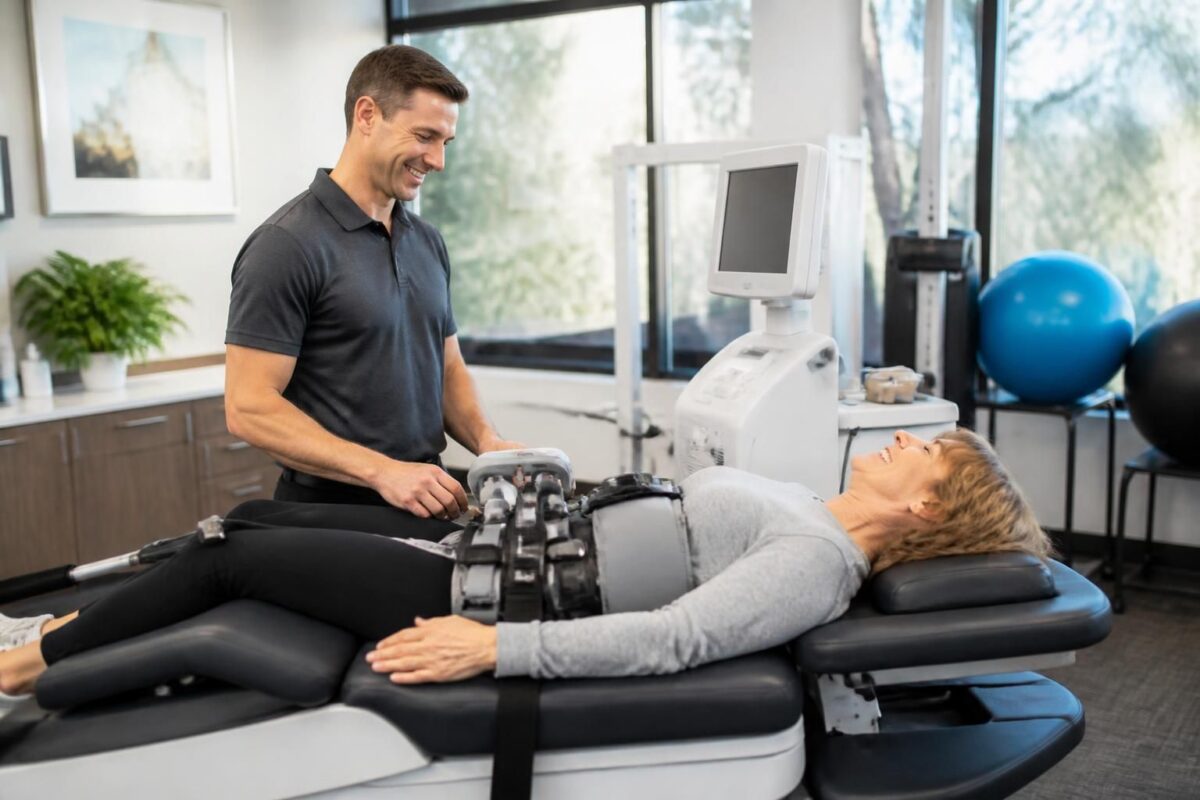
Neurovertebral decompression and diffuse pain: an appropriate solution
In short In short, the neurovertebral decompression is one Non-invasive solution For diffuse pain related to nerve irritation of the spine. She acts in Reducing pressure on intervertebral discs and nerves and improving the bloodstream, which promotes recovery and the…

Dr Sylvain Desforges, B.Sc., D.O., N.D., osteopath, is the founding president of TAGMED and of the ACMA association. He dedicates his practice to chronic spinal pain, low back pain and symptoms compatible with sciatica, particularly when pain radiates toward the buttock, leg, calf, foot or toes.
Through SOS Sciatique, he publishes educational content on sciatica symptoms, possible causes such as disc herniation, disc narrowing, foraminal stenosis or irritation of a lumbar nerve root, as well as non-surgical approaches that may be considered according to the evaluation. At Clinique TAGMED, care may include, depending on the case, motorized neurovertebral decompression, specific osteopathic care or precision percussion.
For an evaluation related to sciatica treatment in Montreal / Mount Royal or sciatica treatment in Terrebonne, please consult the services available at Clinique TAGMED.
Medical disclaimer
The information published on SOS Sciatique is provided for educational purposes only and does not replace a consultation, diagnosis, opinion or treatment provided by a physician or another authorized healthcare professional. The author of this article is neither a medical doctor nor a specialist in a medical specialty recognized by the Collège des médecins du Québec. The osteopathic, manual medicine or functional support approaches described on this site do not constitute medical acts and are not intended to replace medical follow-up.
Consult a physician or emergency service in cases of loss of bladder or bowel control, anesthesia in the saddle area, significant or progressive weakness in the leg or foot, fever, recent trauma, severe pain or rapid worsening of symptoms. For more details, please read our Legal Notice.