Quick results obtained with neurovertebral decompression
25/06/2026
The psychological benefits of neurovertebral decompression
25/06/2026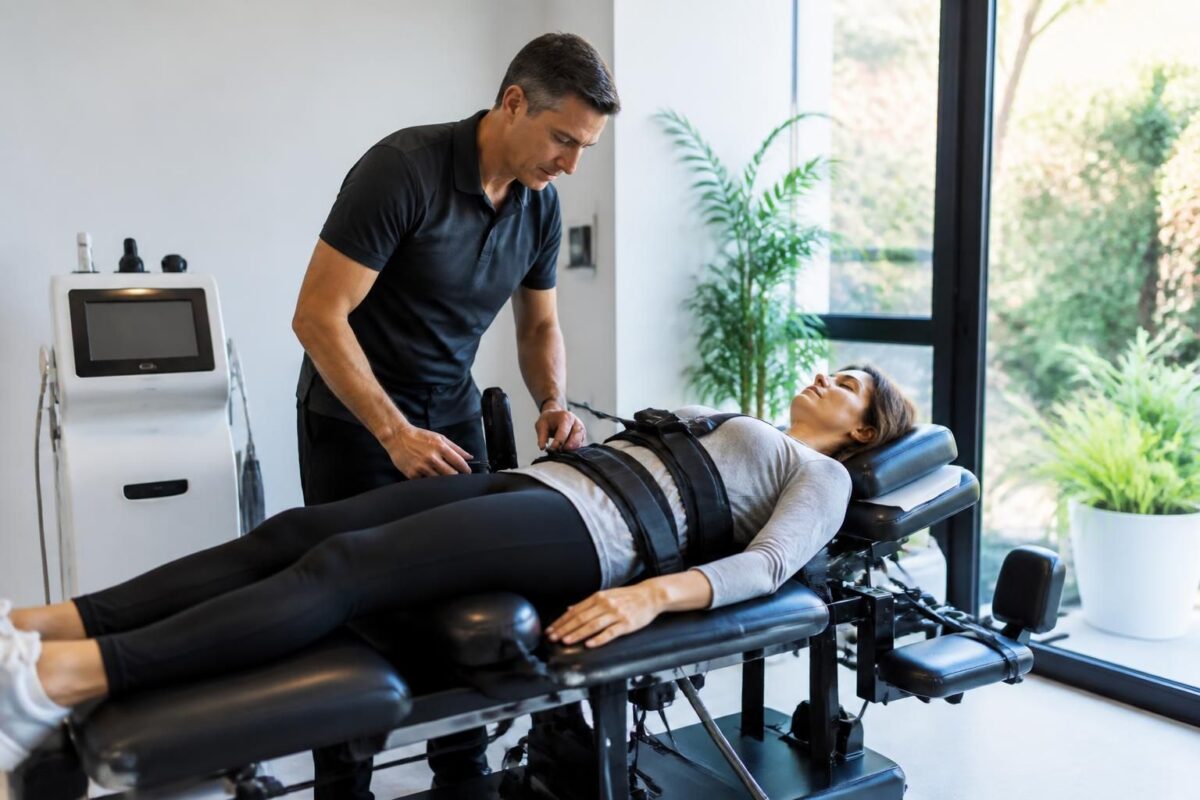
In short
| The neurovertebral decompression is an approach non-surgical which aims to reduce the pressure on the nerves and spinal cord thanks to a Controlled traction applied to the spine. it can reduce back pain and Muscle pain associated with the back, especially in case of disc diseases such as slipped disc or protrusion. its main advantages: it is an alternative non-invasive At surgery, can alleviate symptoms, improve mobility and decrease medication use. How it works: The practitioner adjusts the traction, creates a space between vertebrae and relieves pressure on the intervertebral discs, promoting recovery and alignment. The sessions are part of several weeks and require a qualified professional. |
The neurovertebral decompression is a non-surgical approach aimed at relieving back pain by applying controlled traction on the spine. This technique creates a space between the vertebrae and reduces the pressure exerted on the discs and nerves, which can help to reduce irritation and promote tissue recovery.
The back muscle pain May decrease when muscle tension and nervous symptoms subside, thereby improving mobility and quality of life. This method can be considered in addition to a rehabilitation program, postural improvement and a healthy lifestyle.
An evaluation by a health professional is necessary to determine the suitability of this technique and the number of sessions adapted to each patient, because the results vary according to the cause and the severity of the symptoms.
Introduction: This article describes how the neurovertebral decompression can intervene in the management of back muscle pain, without systematically using exercises. It presents the principle, the typical indications, the course of the sessions and the limits to know for appropriate and secure care.
What is neurovertebral decompression?
The neurovertebral decompression is a non-invasive approach or, in some cases, a medico-surgical intervention that aims to reduce the pressure exerted on the nerves and spinal cord. It acts on the intervertebral discs and nerve structures to restore a space between the vertebrae and reduce reflex muscle tension around the back. This technique can be carried out using a traction device or, in specific situations, by minimally invasive operating procedures. For people with back pain related to nervous stress, this approach can help improve mobility and reduce pain, without systematically using medications. You can consult additional resources on these notions via specialized sources such as Neurovertebral decompression and neuropathic pain or Effects on radiant pain.
Typical indications and contexts
Decompression can be considered when the pain is associated with signs of nerve compression or distensions of the back structures. This may include situations where a slipped disc, a protrusion or a bulge disc coexist with radicular symptoms or persistent lower back pain. It can also be relevant in case of Spinal stenosis or of Foraminal stenosis and when muscle tension around the back maintains a chronic pain. The decision depends on the clinical and radiological evaluation carried out by the practitioner, and it must be discussed with the patient with a view to safety and efficacy.
course of a session
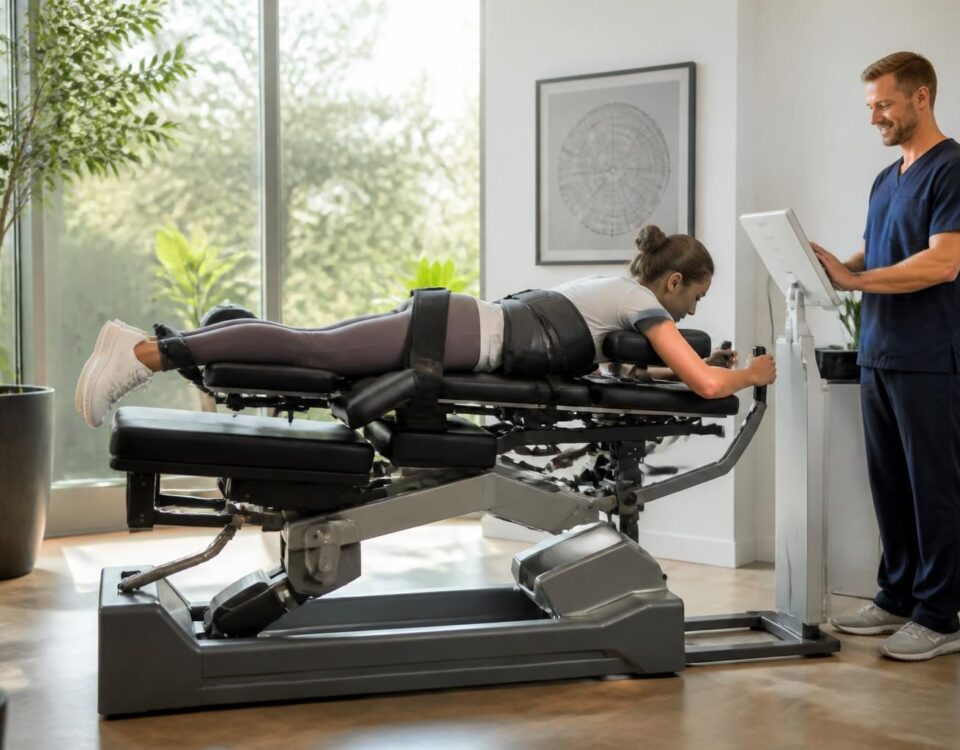
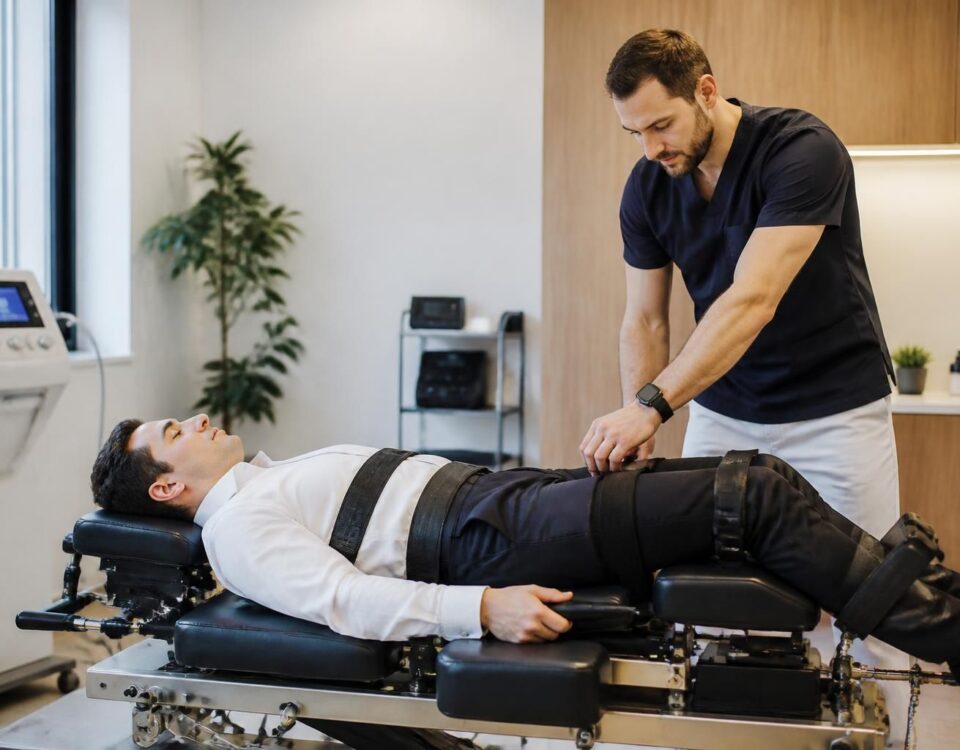
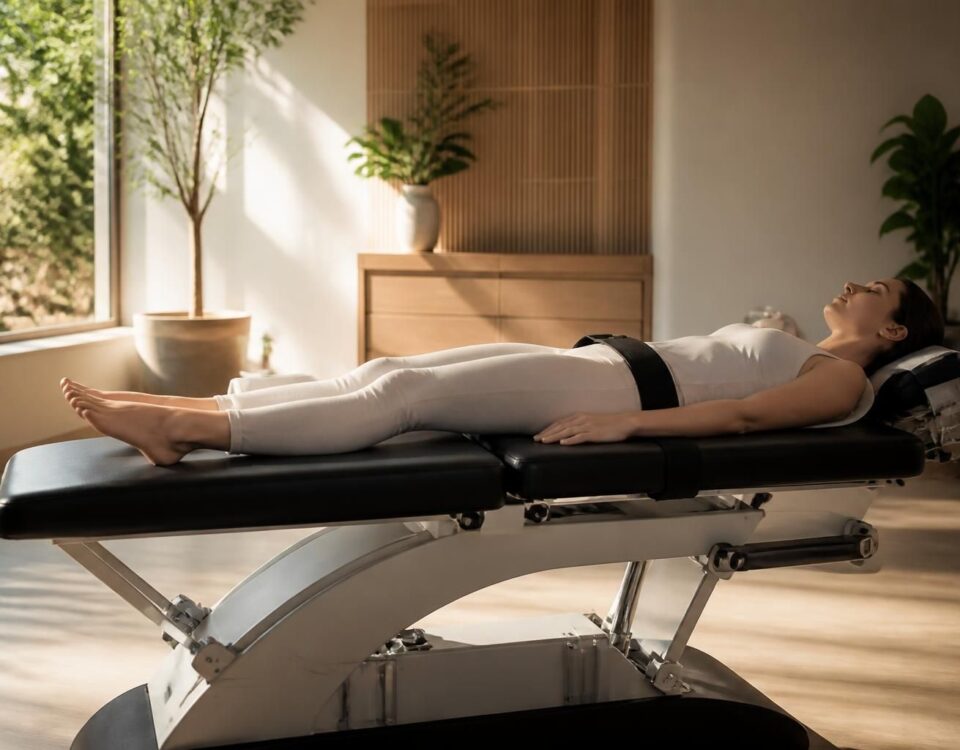
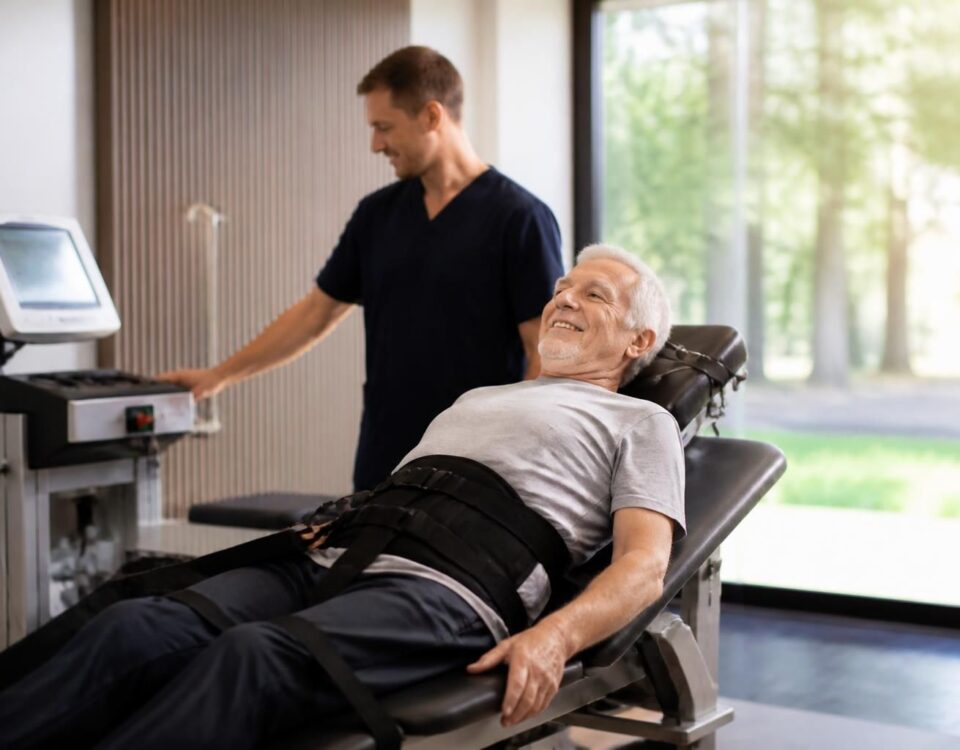
A typical session begins with an in-depth assessment. The patient is installed on a suitable decompression apparatus, with harnesses attached to ensure controlled and targeted traction. The duration generally varies between 20 and 45 minutes, and the pressure is gradually modulated during the session. The treatment is most often part of a series of sessions over several weeks, depending on the individual response and the clinical course. Computerized tracking devices make it possible to adjust the protocol according to the results obtained. To understand the mechanisms and results observed, you can explore resources like Recovery after intervention or Recent clinical results.
Efficiency and limits
Efficacy data varies from case to case. Some observations report a decrease in pain and a functional improvement, in particular when decompression affects the elements responsible for nerve compression. However, the results are not uniform and depend on the location of the lesion, age, overall health status and the timeline of symptoms. As with any approach, there are limits and contraindications, and the decision must be made with a complete assessment carried out by a professional.
Integration into clinical practice
Neurovertebral decompression is part of a multidisciplinary care offer. Within TAGMED clinics, this approach is proposed in a framework based on evidence and adapted to each patient. The TagMed centers in Montreal or Terrebonne favor a rigorous approach, centered on safety and follow-up, with possible coordination with other manual therapies or targeted interventions when necessary. To learn more about the available options, visit Tagmed Clinic.
Comparative table of therapies used for back pain
| Therapy | Benefits | Limitations |
|---|---|---|
| neurovertebral decompression | Non-invasive (depending on mode), targets pain structures, may reduce nerve pressure | Not suitable for all lesions; variable results depending on the patient; Requires multiple sessions and follow-up |
| minimally invasive surgery | often fast in terms of structural relief; Useful in severe compression | Surgical risk, recovery period; Not appropriate for all patients |
| Physiotherapy | Functional rehabilitation and stabilizing muscles | limited relative efficacy for certain forms of root pain or compression; often requires a combination with other therapies |
| osteopathy / Manual therapies | Global approach, improved mobility and reduction of muscle tension | variable results depending on the case; Does not replace specific treatments when nerve structures are compressed |
Resources and useful links
To deepen, you can view resources and feedback on sites dedicated to decompression and its applications:
- Neurovertebral decompression and neuropathic pain
- Reduction of muscle tension
- Action on radiant pain
- Recovery after surgery
- Neurovertebral Decompression – Datasheet
- Recent clinical results
- back muscle pain
- Complete Guide – Neurovertebral Decompression
Medical Disclaimer: The information and advice provided on this site does not replace the health professional’s diagnosis or treatment. Please note that Dr. Sylvain Desforges osteopath is neither a doctor of medicine nor a doctor, and is not a specialist in a medical specialty as defined by the Collège des Médecins du Québec. Manual medicine, functional medicine and sports medicine as described on this site exclude any medical treatment or diagnosis made by a doctor or specialist doctor. Always consult your doctor for any medical questions. For more details, please read our full legal notice.
- Principle: Controlled traction to release the nerves and reduce the disc pressure.
- muscular effect: relaxation of the back muscles and reduction of the reflex spasm.
- directions: Pain related to hernia, protrusion or stenosis affecting the supporting muscles.
- Pain-muscle relationship: Less pain allows better activation and posture.
- Duration and pace: personalized protocols over several sessions.
- Expected results: pain reduction, regained mobility and better exercise tolerance.
- precautions: screening and monitoring; Some cases may be contraindicated.
- Integration: Strengthening exercises and postural advice to perpetuate the gains.

The neurovertebral decompression is a non-invasive approach that can help reduce back muscle pain By acting on the space around the nerves and discs. This article briefly presents the principle, probable indications, limits and practical recommendations for integrating this technique into a global care plan, including muscle strengthening, ergonomics and movement. Before starting, it is advisable to discuss with a professional to assess your specific situation and define a suitable course.
Understanding the link between decompression and muscle pain
Back pain is often accompanied by a Muscle guarding, i.e. a reflex contraction of the back muscles that can amplify tension and limit mobility. By reducing the pressure on the nerves and discs, the neurovertebral decompression May reduce these reflex tensions and promote better circulation of nutrients to the tissues concerned. This can lead to a gradual decrease in pain and improved mobility, while preparing the ground for targeted exercises. However, it must be understood that not all types of back pain respond in the same way and that the results depend on the precise cause of the painful phenomenon.
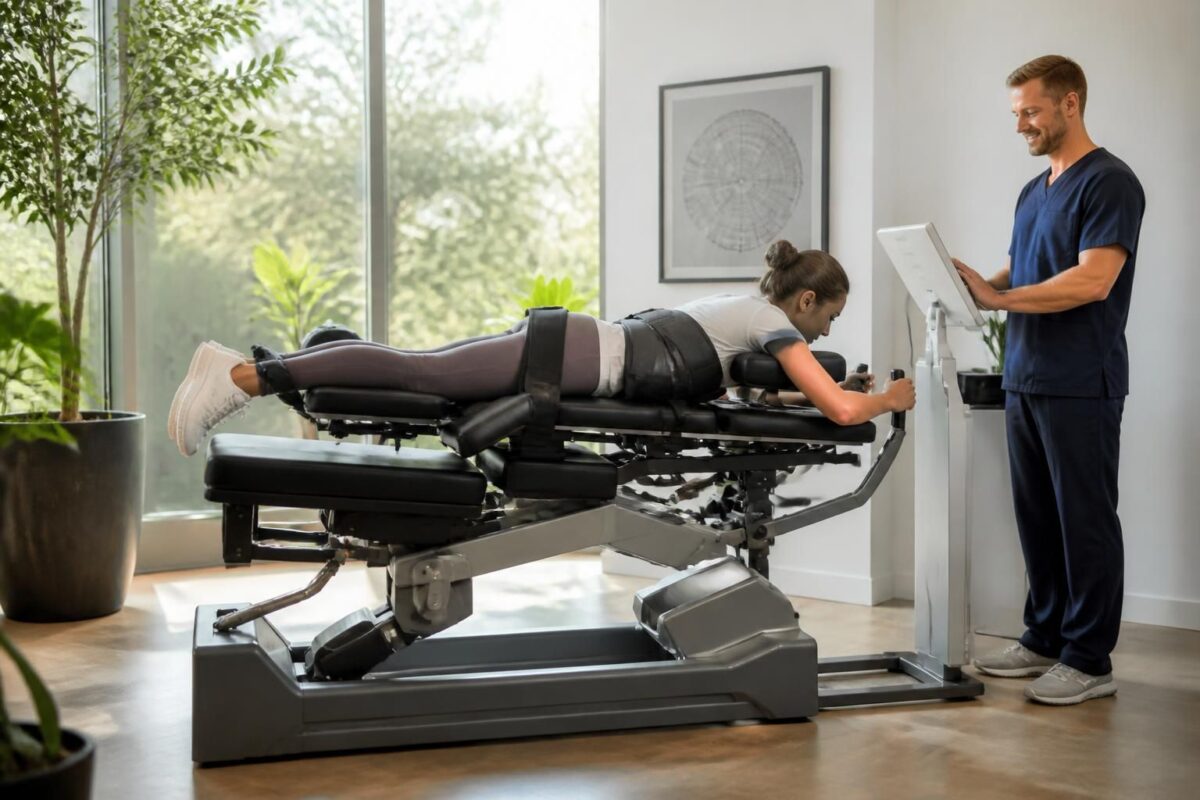
The long-term benefits of neurovertebral decompression for spinal health
In short In short, the neurovertebral decompression is a non-invasive approach that decreases the Pressure on intervertebral discs and nerves, favoring the Natural regeneration and tissue recovery. Its long-term benefits include Lasting pain reduction, Improving mobility and from the posture,…

Neurovertebral decompression and mobility: a return to an active life
In short In short, the neurovertebral decompression is therapy non-invasive who uses a gentle traction To create a space between the vertebrae and reduce the pressure on the Intervertebral discs and the nerves. It promotes a bloodstream improved, lowers tension…
When to consider neurovertebral decompression
This approach can be considered in case of linguistic lumbar or radicular pain when conventional conservative treatments (adapted physical activity, physiotherapy, postural advice) have not provided lasting relief. It can also be considered for conditions such as reduced intervertebral spaces or nerve irritations reflecting compression, while remaining complementary to other therapies. Some situations require an in-depth assessment and may contraindicate decompression, including in the presence of fractures, infections, tumors or certain inflammatory pathologies. A comprehensive clinical assessment can determine whether this technique is appropriate for you.
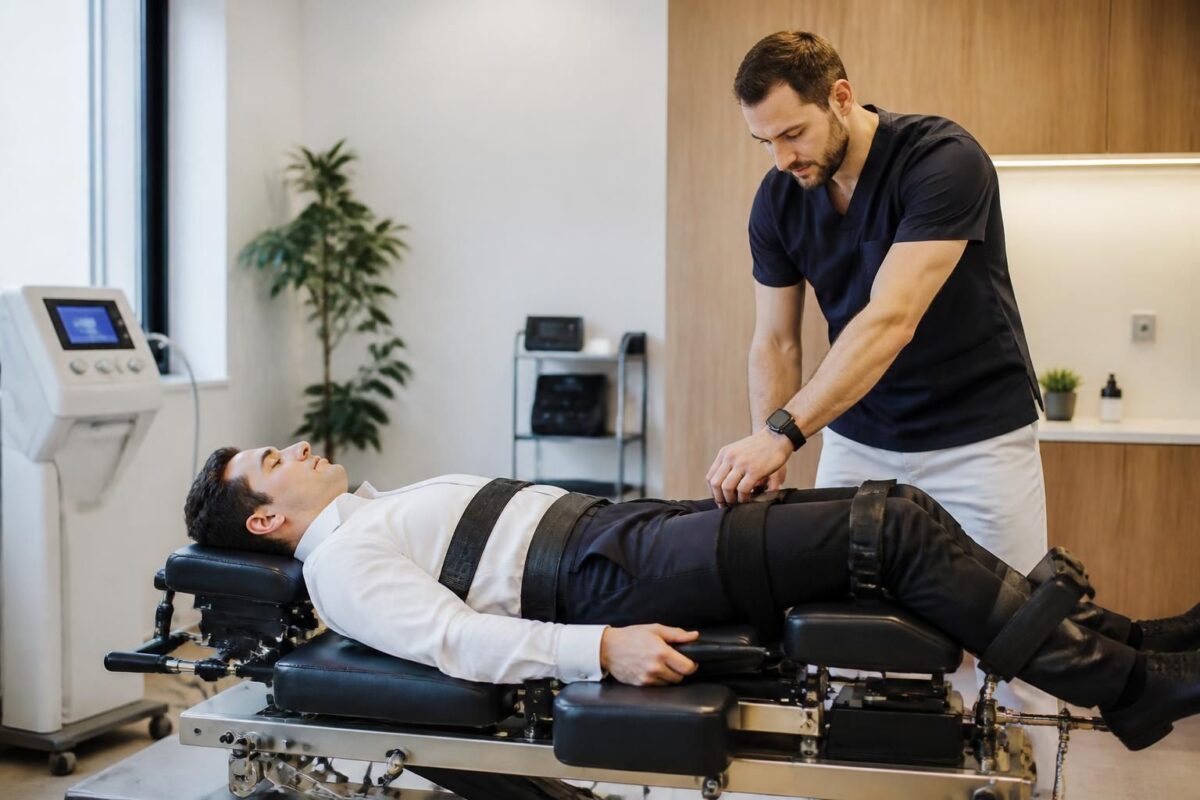
How Neurovertebral Decompression Prevents Diffuse Chronic Pain
In short decompression neurovertebral is one Non-invasive method aimed at reducing the Pressure on the intervertebral discs and the nerves, in order to prevent Diffuse chronic pain. It improves the circulation and thedisc hydration, decreases inflammation and promotes better mobility.…
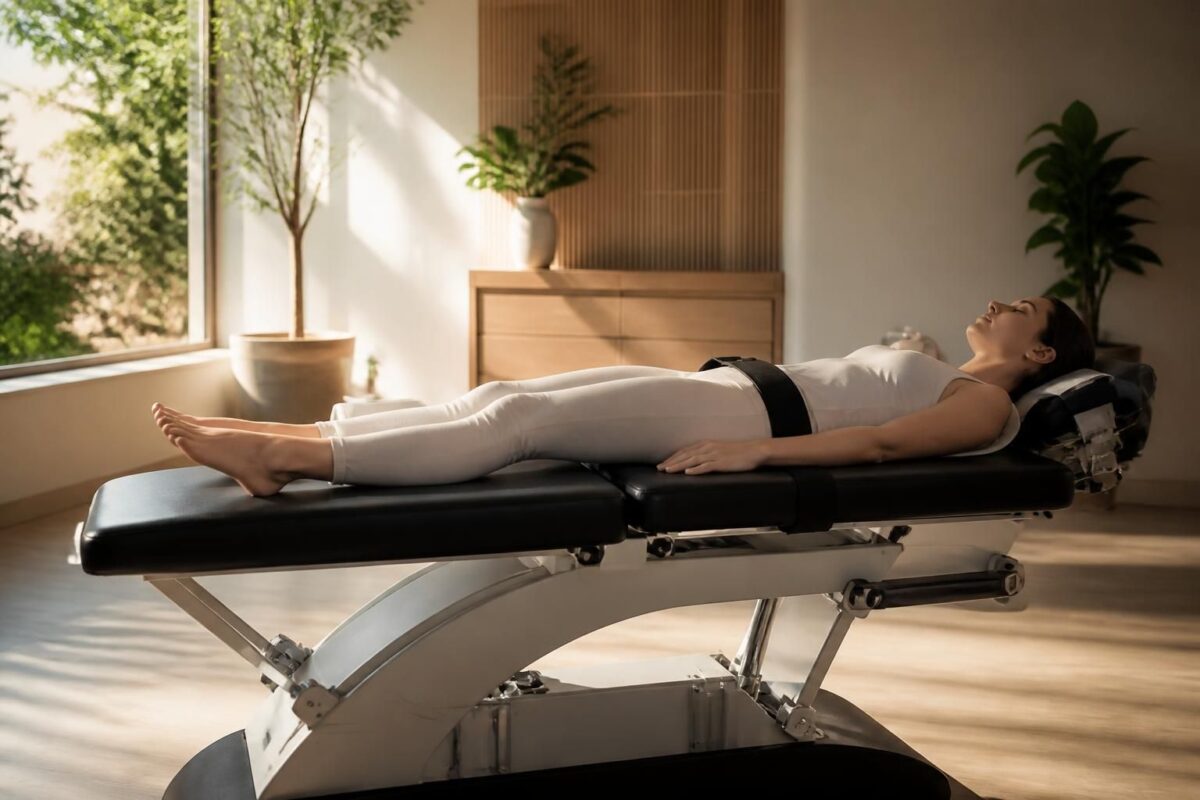
Neurovertebral Decompression and Body Alignment: Restoring Natural Balance
In short In short, neurovertebral decompression is one Non-invasive approach who restores theBody Alignment and thenatural balance back and neck. She acts by a Controlled traction of the spine to widen the intervertebral space and reduce the Pressure on discs…
What you can expect and the limits
Security and operation
Decompression is a procedure non-invasive which is based on controlled traction applied to the spine. The sessions typically last between 20 and 45 minutes and are part of a program over several weeks, with a frequency adapted by the practitioner. Effects may include reduction in pain and improved mobility, but the results are not guaranteed and vary by individual and the nature of the problem. This approach does not replace reinforcement exercises and lifestyle advice that sustainably support functional gains.
What you can do in addition
To optimize the benefits and reduce muscle pain, favor an integrated strategy: maintain a Adapted ergonomics At work and at home, practice regular exercises Strengthening of back muscles and abdominals, perform targeted stretches for the spine, and make sure you have a lifestyle Healthy (regular physical activity, sufficient sleep, hydration, balanced diet). Moderate weight loss can also alleviate stress on the spine and adjacent muscles. Finally, coordinate the interventions with your doctor or osteopath to adapt the plan according to the evolution of your symptoms.
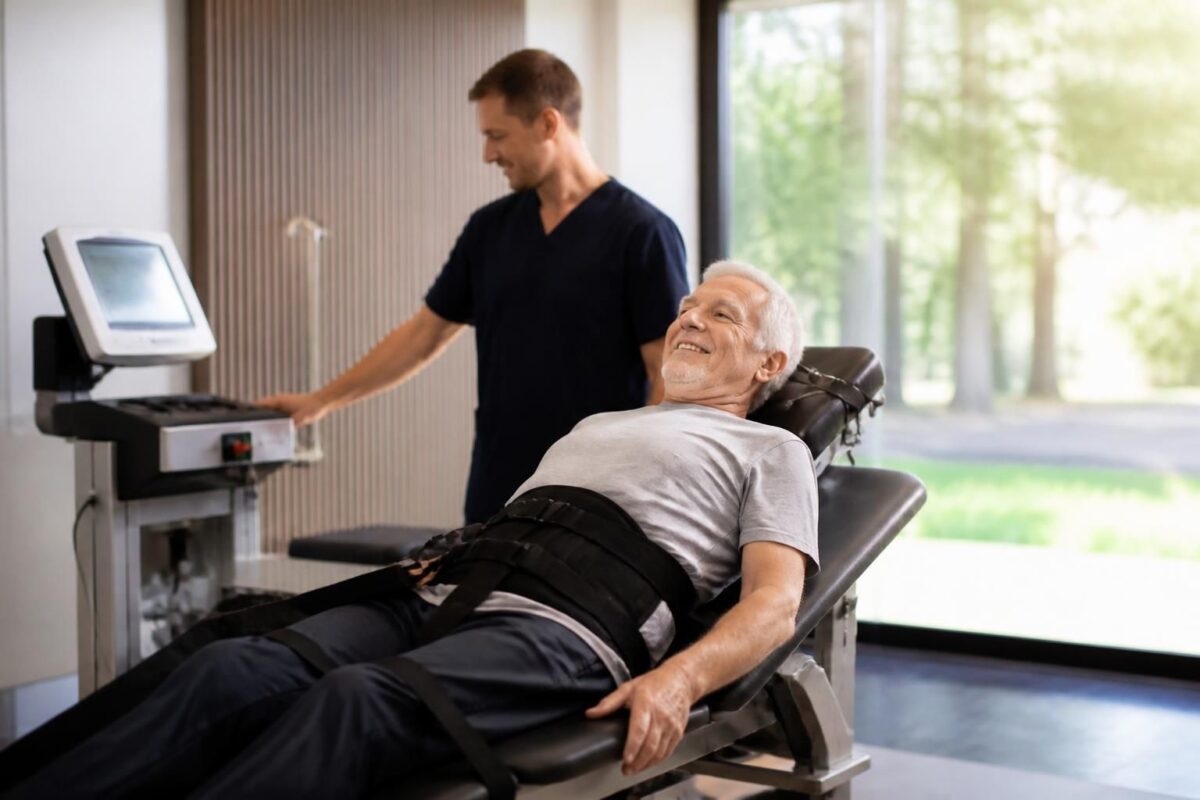
Why neurovertebral decompression is a lasting solution for active seniors
In short In short, the neurovertebral decompression is one Non-invasive therapy which sustainably relieves spinal pain in the spine active seniors By creating, by a Soft and controlled traction, a space between the vertebrae. At Montreal, it is recognized as…
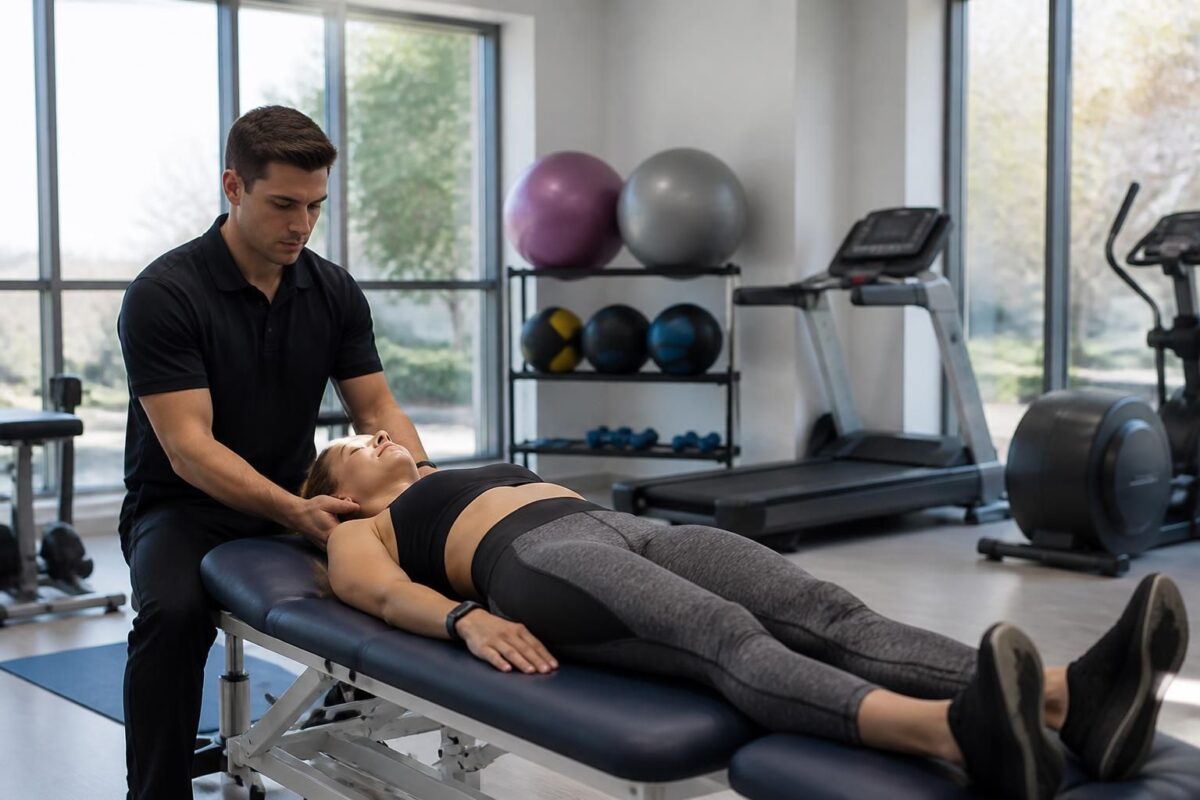
Neurovertebral decompression and recovery after severe sports injury
In short In short, the neurovertebral decompression is one Non-invasive method to Relieve the pressure on the Intervertebral discs and the gristle Via a Controlled traction, to facilitate the recovery After a severe sports injury. It improves the bloodstream towards…
Choosing the right practitioner and the right approach
Opt for a qualified and experienced professional who can personalize the protocol according to your profile and your objectives. It is useful to obtain a clear explanation of the protocol used, the devices used and the planned schedule, as well as a follow-up plan which integrates, if necessary, other complementary therapies (physiotherapy, osteopathy, guided exercises). The goal is a holistic approach that links pain reduction to a lasting improvement in function and quality of life.
| Element | concise text |
|---|---|
| Definition and purpose | The neurovertebral decompression is a non-invasive approach aimed at reducing the pressure on the nerves and discs to reduce pain and improve mobility. |
| Mechanism on muscle pain | Releases the intervertebral space, reducing muscle tension and back pain. |
| Common indications | herniated discs, chronic lower back pain, sciatica. |
| Effect on pain | Progressive relief possible after several sessions. |
| Effect on mobility | daily mobility and function can improve. |
| Safety and contraindications | prior medical assessment needed; Not suitable for all pathologies. |
| Duration and frequency | Several sessions spread over several weeks, typically 2 to 3 times a week. |
| complementarity | Can complement physio, osteopathy and adapted physical activity. |
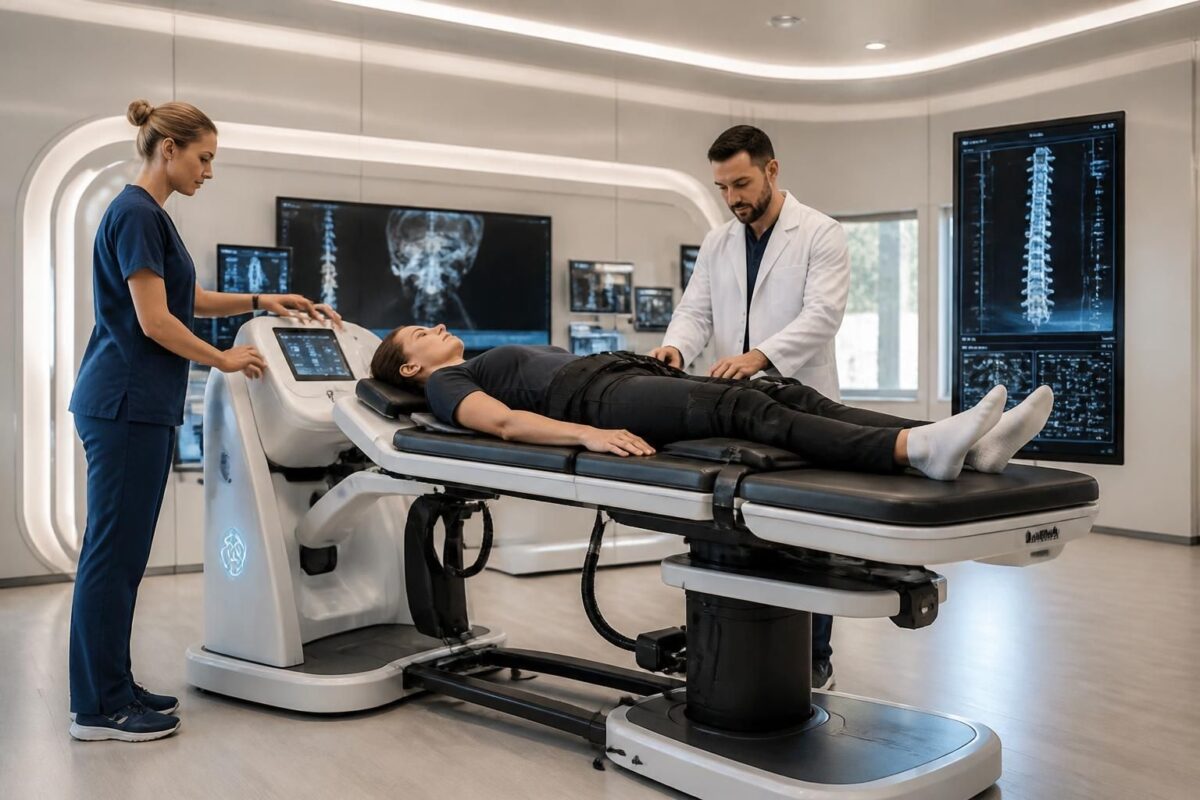
Recent innovations in neurovertebral decompression technologies
In short In short, the neurovertebral decompression is an approach non-invasive Aiming to reduce pressure on discs and nerves, and promote tissue regeneration. At Montreal, it is positioned as an effective option for lower back pain and herniated discs. The…
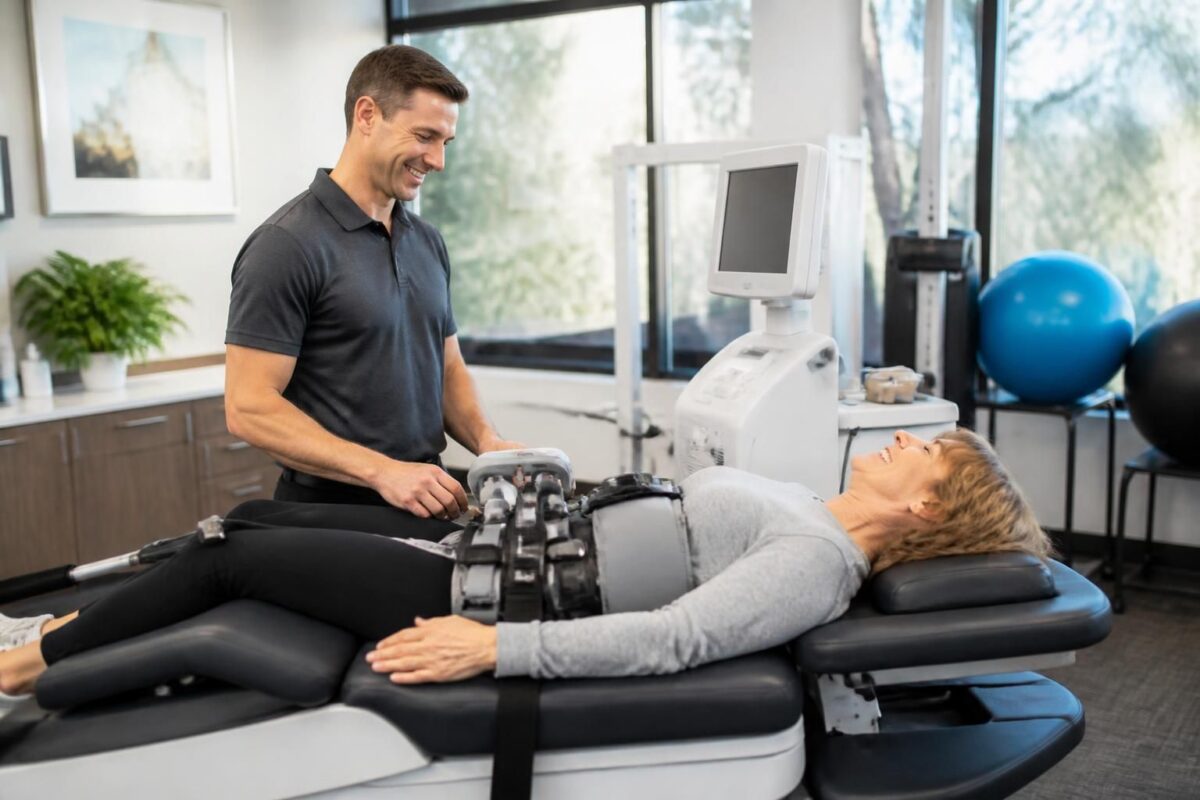
Neurovertebral decompression and diffuse pain: an appropriate solution
In short In short, the neurovertebral decompression is one Non-invasive solution For diffuse pain related to nerve irritation of the spine. She acts in Reducing pressure on intervertebral discs and nerves and improving the bloodstream, which promotes recovery and the…
Testimonials on neurovertebral decompression and back muscle pain
“Before starting treatment, I had Muscle pain persistent in the lower back that radiated to the buttocks. After a few sessions of neurovertebral decompression, the tensions dissipated and I can bend over without fear. »
“I suffered from Muscle pain nocturnal and lumbar stiffness. Since the sessions, the pain has decreased and my muscles are regaining flexibility. »
“After a sciatica outbreak, I had trouble walking and staying active. The sessions of neurovertebral decompression have improved my mobility and I relive my sports activities without fear of pain. »
“As an athlete, my Muscle pain of the back came back after training. Following the treatment, the recovery is faster and the following sessions allow me to progress without pain. »
“I had chronic back pain and I had been taking anti-inflammatories for years. With neurovertebral decompression, I have reduced my medication and I feel more free in my movements. »
“I was worried because the traditional exercises did not bring lasting relief. the non-invasive treatment offered me a Significant improvement posture and decreased muscle tension. »
“After several months of painful back, I saw a real difference in my professional and personal life. Less than Muscle pain and more comfort during everyday gestures thanks to the neurovertebral decompression. »
This biography presents a multidisciplinary expert in osteopathy, naturopathy and manual medicine, whose commitment is at the heart of health innovation. Founding president of the Tagmed clinics and the ACMA association, he works with determination to rethink the management of chronic pain and musculoskeletal disorders. Its approach is based on advanced technologies such as neurovertebral decompression, the laser and shockwave therapy, in order to provide effective and structured solutions to improve the quality of life of patients.
The neurovertebral decompression occupies a central place in its practice. This non-surgical method aims to relieve the pressure exerted on the nerves and on the spinal cord by applying controlled traction on the spine. By creating a space between the vertebrae and facilitating the rehydration of the discs, it helps to reduce lower back and cervical pain and restore mobility. This approach favors targeted action on sensitive structures, while minimizing the risks and side effects associated with invasive interventions.
Typical indications of this technique cover the pathologies frequently encountered in the back, such as herniated discs, protrusions, root pain and irradiated pain, but also degenerative disorders such as disc degeneration and vertebral osteoarthritis. It can be associated with assessments of muscle tension and back muscle pain, in order to provide a consistent and global approach to the patient. The practitioner favors a personalized assessment to determine whether the decompression is appropriate and to adapt the protocol according to the location and severity of the lesions.
The care pathway is based on a initial assessment in-depth, which includes history, physical examination and background analysis. The treatment takes place on generally planned sessions over several weeks, with a typical duration of 20 to 45 minutes per session and an adapted frequency, often 2 to 3 sessions per week. The results depend on many factors, including the location of the lesion, age, general health and compliance with the protocol. This reality justifies a progressive and realistic approach, combining patience and therapeutic rigor.
In addition, the professional integrates other modalities such as the Therapeutic laser and the Shockwave therapy To optimize the effect on soft tissue and promote muscle recovery associated with the back. The objective is to offer an integrated and personalized offer, where osteopathy, naturopathy and manual care complement each other to support muscle function, spinal stability and prevention of recurrences. The approach is based on available clinical evidence and ongoing patient supervision to adjust treatments based on progress observed.
With a vision centered on sustainable well-being, this therapeutic journey aims to reduce drug dependence, restore the ability to resume daily and sports activities, and improve the quality of life. The practitioner emphasizes the importance of a healthy lifestyle, an appropriate posture and a guided exercise program to support the results obtained by decompression and associated therapies. Its commitment is to accompany each patient with clarity, transparency and scientific rigor.
To discover its approach and the services offered, patients benefit from dedicated support through the Tagmed clinics and the ACMA association, where structured care is preferred, based on best practices and adapted to individual needs.
Quick summary: This presentation brings together the mechanisms and uses of the neurovertebral decompression and their impact on back muscle pain. It describes how this non-invasive approach can act on discs and nerves, how it fits into a global care and why the choice of patients and therapists is essential to optimize results.
Key points and practical perspectives
The principle is based on controlled traction that creates a space between the vertebrae, which can promote the rehydration and regeneration of damaged tissues. By reducing the pressure exerted on the nerve roots and on the discs, it can help to reduce reflex muscle tension and improve back mobility. This approach is particularly relevant for pathologies linked to protrusions or herniated discs and for chronic pain that is accompanied by muscle imbalances.
For associated muscle pain, the effect of decompression can be manifested by better neuromuscular coordination and a decrease in spasms caused by nerve irritation. However, efficacy varies according to the indication, the age of pain and the general condition of the patient. A personalized care plan, including strengthening exercises, postural counseling and targeted rehabilitation, is usually needed to achieve lasting results.
Safety and efficiency are based on an appropriate selection of cases and on support by a qualified practitioner. Although this method can offer an attractive alternative to surgery or medication, it requires a commitment in terms of sessions and cost and is not suitable for all medical situations. An in-depth pre-therapeutic assessment helps to identify the indications, contraindications and realistic objectives of the treatment.
Additional resources and information
To deepen the practical aspects and the evidence around the neurovertebral decompression And lower back pain, here are some relevant resources:
Lumbar duct stenosis and decompression,
Lower back pain management,
How decompression affects muscle imbalances,
Answers to frequently asked questions,
Benefits for sedentary workers,
Technological innovations,
Miracle for the back,
Common pathologies treated,
back muscle pain,
Heni Disc and Decompression Solutions.

Dr Sylvain Desforges, B.Sc., D.O., N.D., osteopath, is the founding president of TAGMED and of the ACMA association. He dedicates his practice to chronic spinal pain, low back pain and symptoms compatible with sciatica, particularly when pain radiates toward the buttock, leg, calf, foot or toes.
Through SOS Sciatique, he publishes educational content on sciatica symptoms, possible causes such as disc herniation, disc narrowing, foraminal stenosis or irritation of a lumbar nerve root, as well as non-surgical approaches that may be considered according to the evaluation. At Clinique TAGMED, care may include, depending on the case, motorized neurovertebral decompression, specific osteopathic care or precision percussion.
For an evaluation related to sciatica treatment in Montreal / Mount Royal or sciatica treatment in Terrebonne, please consult the services available at Clinique TAGMED.
Medical disclaimer
The information published on SOS Sciatique is provided for educational purposes only and does not replace a consultation, diagnosis, opinion or treatment provided by a physician or another authorized healthcare professional. The author of this article is neither a medical doctor nor a specialist in a medical specialty recognized by the Collège des médecins du Québec. The osteopathic, manual medicine or functional support approaches described on this site do not constitute medical acts and are not intended to replace medical follow-up.
Consult a physician or emergency service in cases of loss of bladder or bowel control, anesthesia in the saddle area, significant or progressive weakness in the leg or foot, fever, recent trauma, severe pain or rapid worsening of symptoms. For more details, please read our Legal Notice.