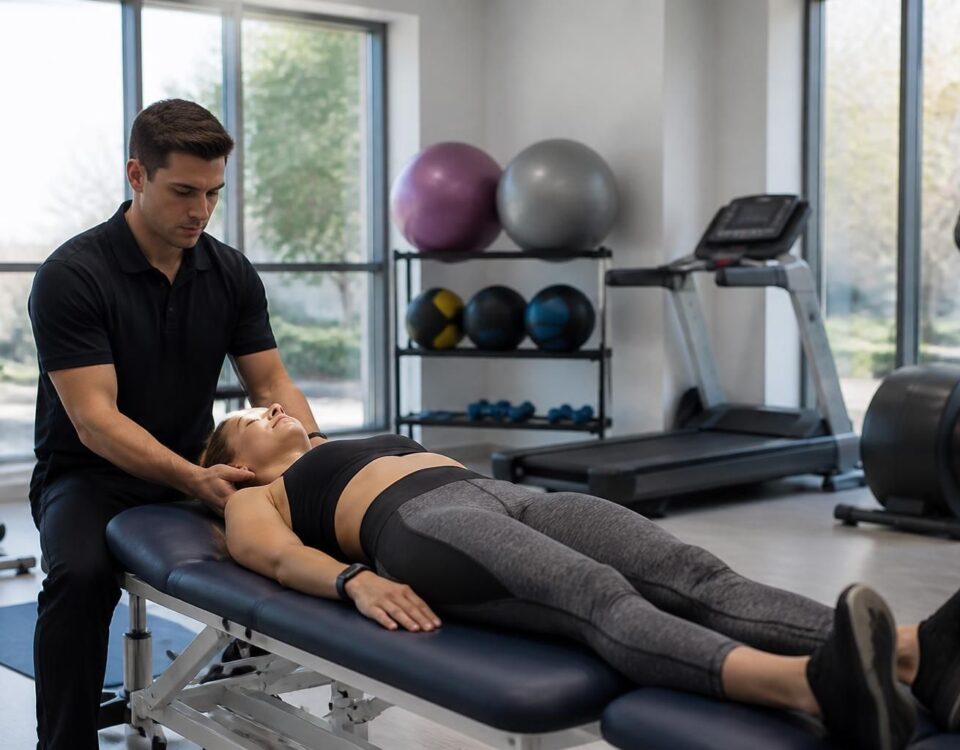
The benefits of neurovertebral decompression for mechanical pain
25/06/2026
Why neurovertebral decompression is recommended for radicular pain
25/06/2026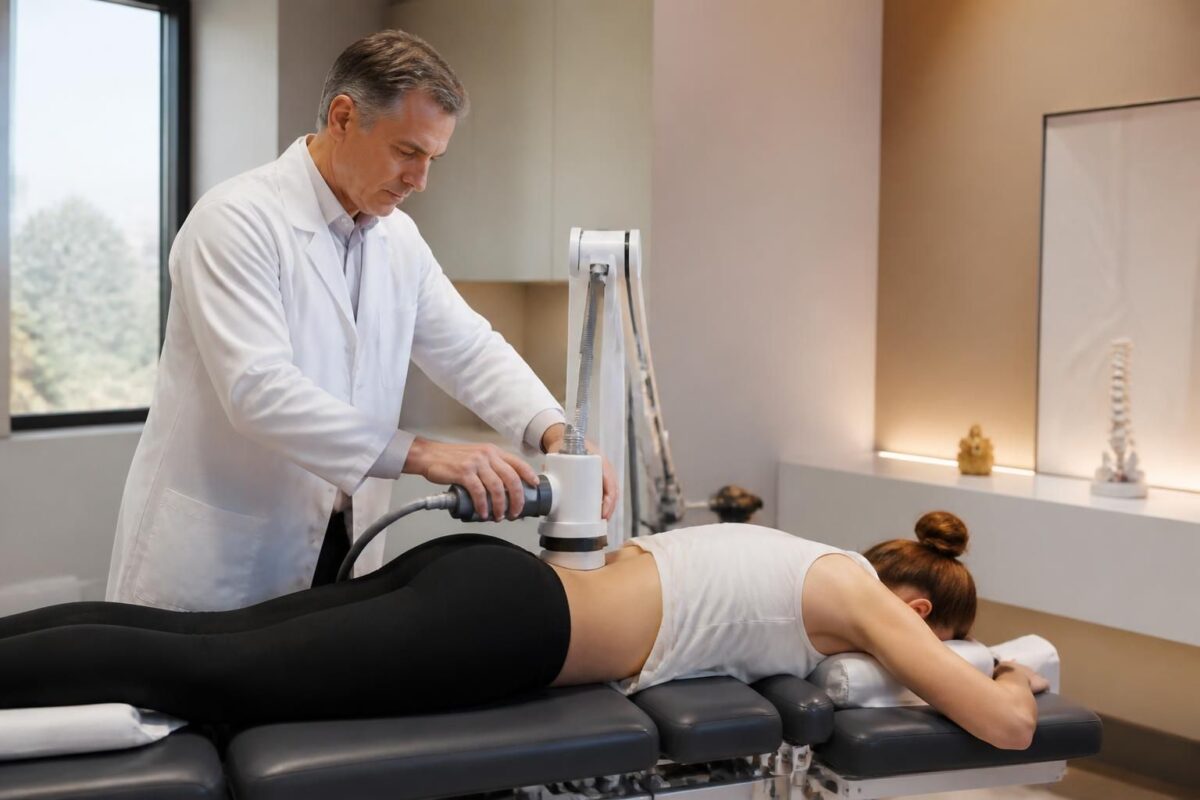
In short
| In short, the neurovertebral decompression is one Non-invasive solution for the Lumbar duct stenosis, intended to relieve lower back pain and restore theintervertebral space. What is it? A technique that uses a Controlled traction To reduce the pressure on the nerves and improve circulation. What advantages? Quick and lasting relief, better mobility, reduction in the use of surgery and Personalized treatment. How does it work? It opens the space between the vertebrae, promotes the rehydration of the discs and improves the nervous function. Accessible in Montreal and the surrounding area, this service meets the needs of people suffering from Chronic pain due to the Lumbar duct stenosis. |
neurovertebral decompression for Lumbar duct stenosis is one Targeted solution and non-invasive who uses a Controlled traction To restore theintervertebral space and relieve pressure on the nerves. It improves the mobility and reduces pain, without surgery, and can avoid or delay surgery with support personalized.
This analysis, written by a health professional expert in osteopathy And in manual medicine, presents neurovertebral decompression as a non-invasive approach to lumbar duct stenosis. The text describes how this technique can restore the space between the vertebrae, reduce nerve pressure and improve mobility, without resorting to surgery.
Understanding lumbar duct stenosis
Lumbar duct stenosis is a narrowing of the spinal canal in the lumbar region. This space reduction can compress the nerve roots and cause lower back pain, sciatica and impaired walking. The process is often linked to degenerative changes, osteoarthritis or herniated discs. The objective of the treatment is to reduce the pressure exerted on the nerves and to restore functional mobility.
How does neurovertebral decompression work
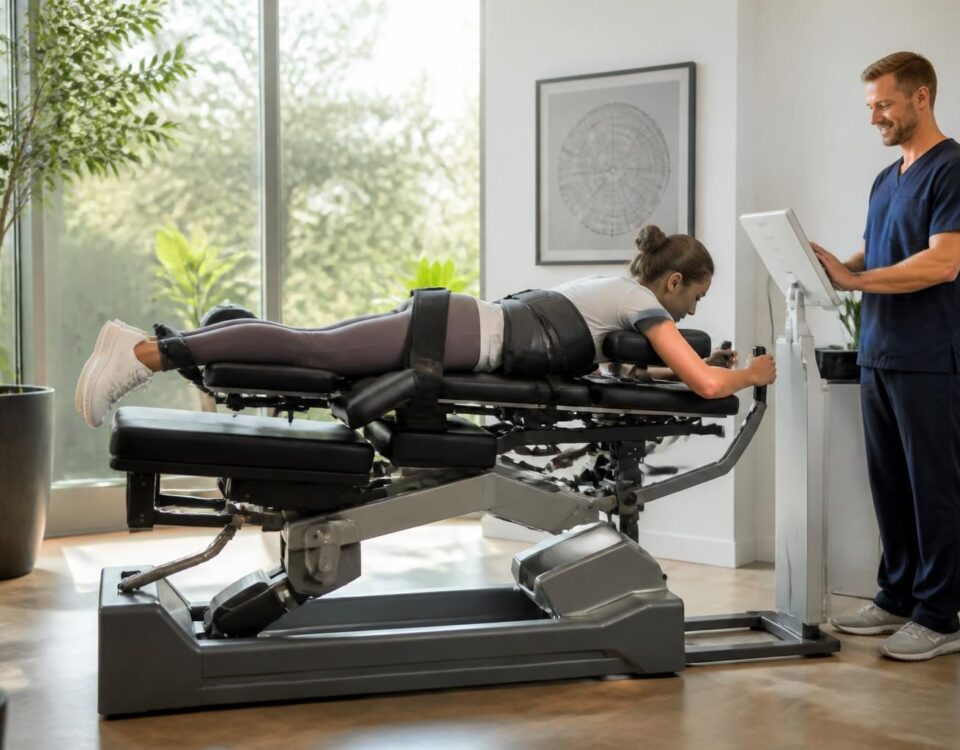
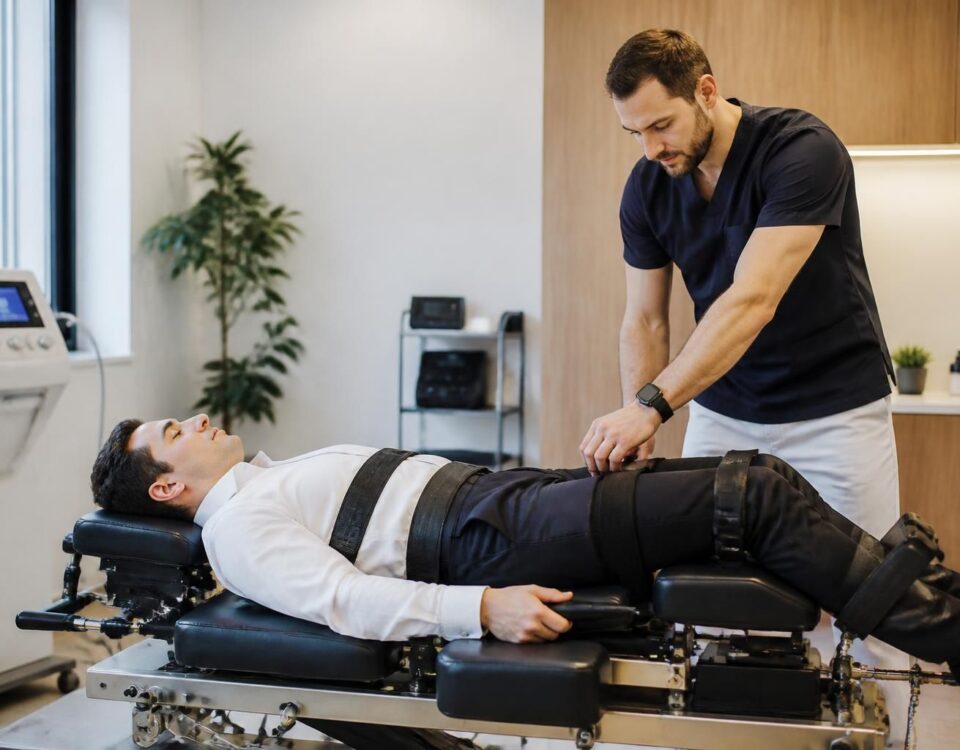
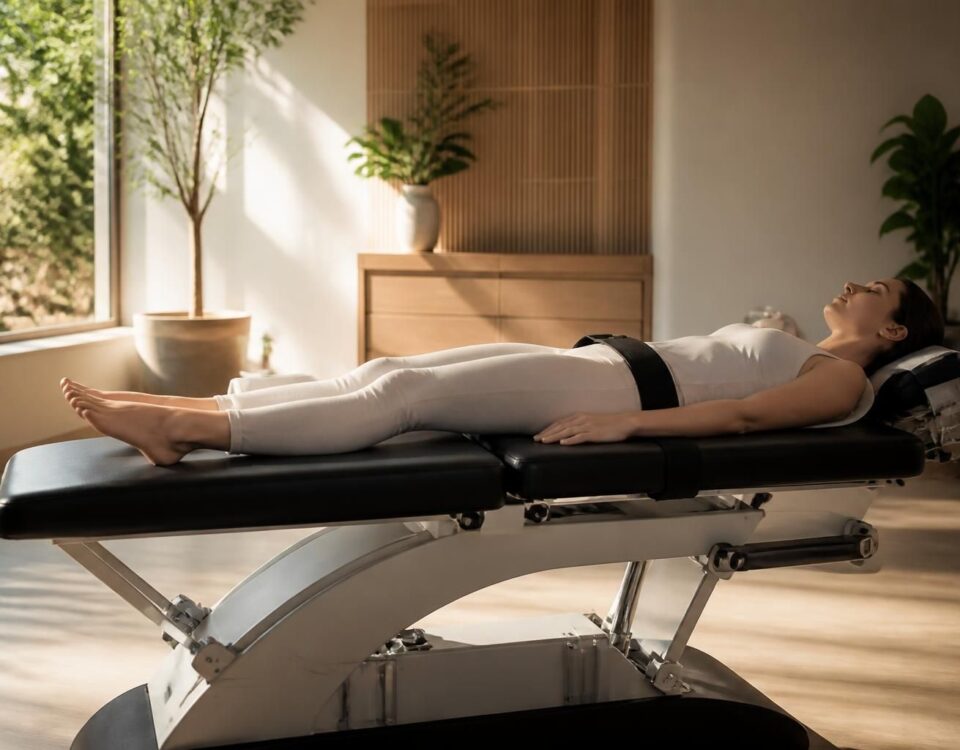
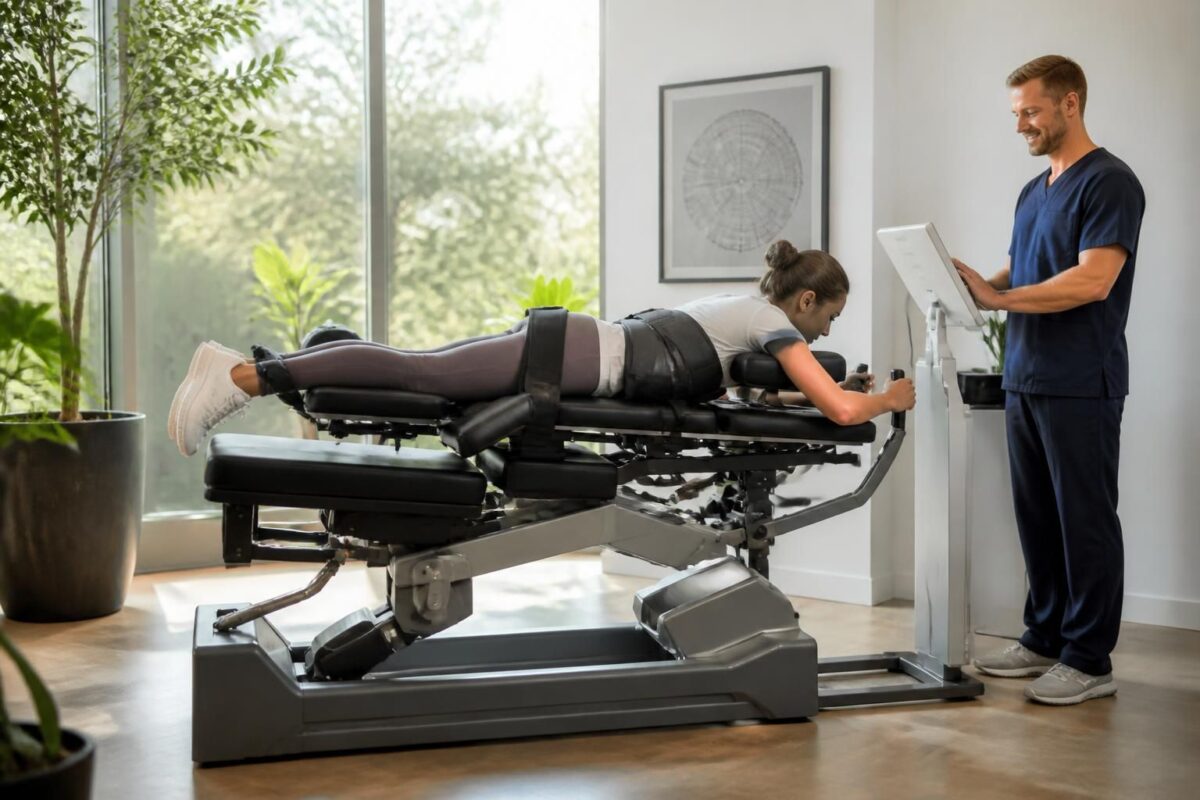
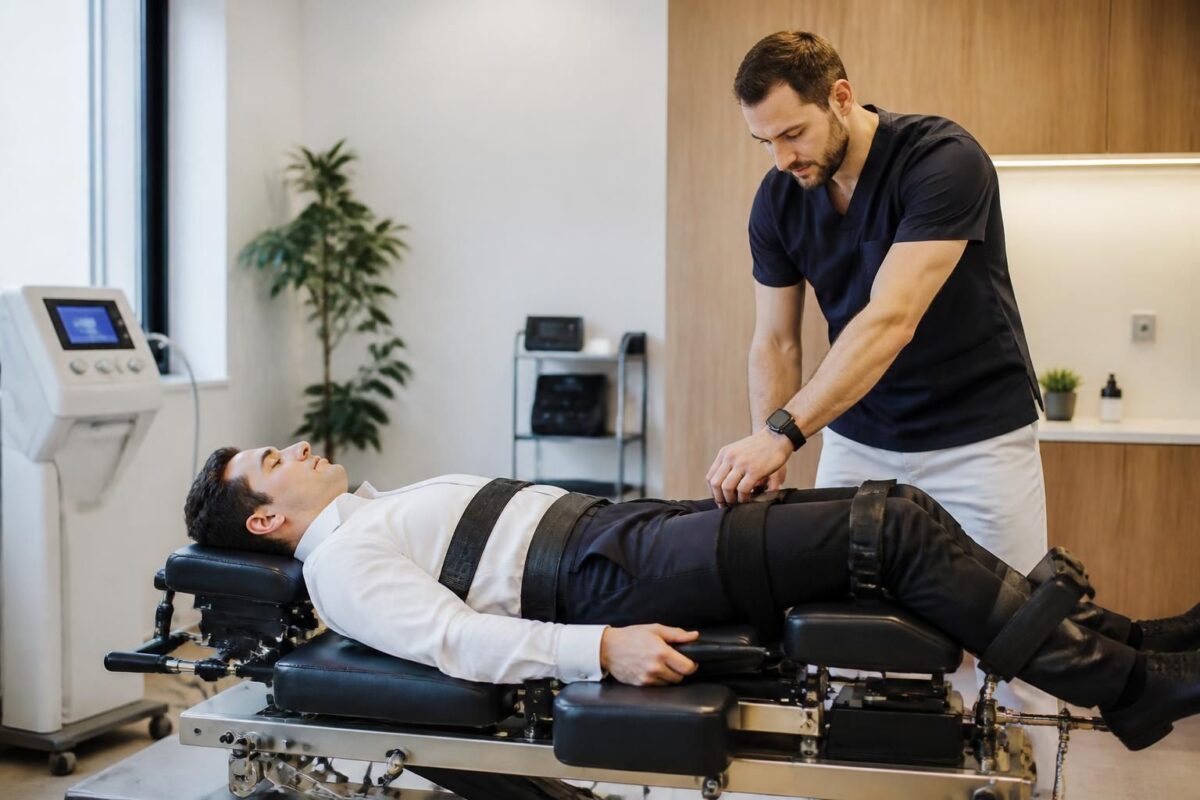
Neurovertebral decompression uses controlled traction on the spine. This traction creates an additional space between the vertebrae. The increased space reduces the pressure on the nerves and improves local blood circulation. The treatment is done with specialized devices, such as the SpineMed table, and does not require surgery.
Indications and safety
This therapy is indicated for patients with chronic lower back pain associated with spinal stenosis and other degenerative conditions of the spine. It can be considered when symptoms limit daily activities and when the patient prefers a non-surgical approach. An individual assessment by a health professional is essential before starting treatment. The treatment is generally well tolerated and has standardized sessions.
Benefits and expected results
The main benefits include a lasting reduction in lower back pain, improved mobility and decreased symptoms such as numbness. This approach can help preserve or postpone surgery when other options are not enough. The use of non-invasive decompression offers a relevant alternative to regain a more active and comfortable life.
Considerations and Clinical Integration
The treatment should be personalized according to each patient, with a global approach which can include additional elements adapted by the clinician. Neurovertebral decompression can be integrated into the practice of the TagMed Clinic in Montreal and Terrebonne as a non-surgical option for pain related to spinal stenosis. For some patients, other therapies complementary to the arsenal of manual care may be considered as part of a global plan, while avoiding specific exercises or stretching during the acute phase.
Additional resources and information
To learn more, see resources on the technologies used and indications related to neurovertebral decompression:
- Technologies used for neurovertebral decompression
- Improves joint mobility
- Neurovertebral decompression and chronic pain
- Benefits of decompression
- Common pathologies treated
- treat without surgery
- How decompression can help
- Disk regeneration
- Decompression solutions
Reference sites and public resources related to TagMed and the non-surgical approach are available for general information and do not replace individual assessment by a health professional.
Medical Disclaimer: The information and advice provided on this site does not replace the health professional’s diagnosis or treatment. Please note that Dr. Sylvain Desforges osteopath is neither a doctor of medicine nor a doctor, and is not a specialist in a medical specialty as defined by the Collège des Médecins du Québec. Manual medicine, functional medicine and sports medicine as described on this site exclude any medical treatment or diagnosis made by a doctor or specialist doctor. Always consult your doctor for any medical questions. For more details, please read our full legal notice.
- Context: lumbar duct stenosis causing pain and reduction in mobility.
- Mechanism: Neurovertebral decompression applies controlled traction to increase the intervertebral space and decrease nerve pressure.
- Non-invasive benefits: Safe alternative that avoids surgery and long recovery.
- Amenities: Use of specialized tables to create the necessary space between the vertebrae.
- directions: Chronic lower back pain and radiculopathies related to stenosis.
- Personalized approach: treatment plan adapted to the patient, over several sessions.
- Expected results: pain reduction, improved mobility and better circulation.
- Security: Generally favorable profile and low risk compared to surgery.
- Duration and protocol: sessions of approximately 30 minutes; Duration and number of sessions adjusted according to the evolution.
- Precautions and contraindications: evaluation by a professional, certain conditions may exclude treatment.
- Integration:Possibility to combine with other non-invasive approaches to optimize results.
- Monitoring: Adjustment of treatment according to the evolution of symptoms and objectives.

Neurovertebral decompression is a targeted solution for Lumbar duct stenosis, offering non-invasive relief of lower back pain and improved mobility. By restoring the intervertebral space, this approach aims to reduce the pressure on the nerve roots and to delay, or even avoid, surgery. Here are practical recommendations to understand who can benefit, how it works and how to integrate it into a personalized care course.
Understanding neurovertebral decompression and lumbar duct stenosis
The Spinal stenosis Lumbar is manifested by a narrowing of the spinal canal in the lumbar region, causing pain, gait disorders and radiculopathies. The neurovertebral decompression aims to increase the space between the vertebrae, which releases the compressed nerves and improves blood circulation around the discs and nerve roots.
The long-term benefits of neurovertebral decompression for spinal health
In short In short, the neurovertebral decompression is a non-invasive approach that decreases the Pressure on intervertebral discs and nerves, favoring the Natural regeneration and tissue recovery. Its long-term benefits include Lasting pain reduction, Improving mobility and from the posture,…

Neurovertebral decompression and mobility: a return to an active life
In short In short, the neurovertebral decompression is therapy non-invasive who uses a gentle traction To create a space between the vertebrae and reduce the pressure on the Intervertebral discs and the nerves. It promotes a bloodstream improved, lowers tension…
How does neurovertebral decompression work
Processes and mechanisms
This technique is based on a Controlled traction of the column, which creates a temporary vacuum between the vertebrae and promotes the rehydration of the discs. The goal is to Reduce nerve pressure And to increase the intervertebral space, allowing better innervation and mobility. The sessions use specialized tables and appropriate protocols, allowing secure and personalized progression.
The ultimate goal is a gradual return to pain-free daily and sporting activities. Treatment can be combined with other non-pharmacological approaches and, as the case may be, fit into a broader program of pain and mobility management.
How Neurovertebral Decompression Prevents Diffuse Chronic Pain
In short decompression neurovertebral is one Non-invasive method aimed at reducing the Pressure on the intervertebral discs and the nerves, in order to prevent Diffuse chronic pain. It improves the circulation and thedisc hydration, decreases inflammation and promotes better mobility.…
Neurovertebral Decompression and Body Alignment: Restoring Natural Balance
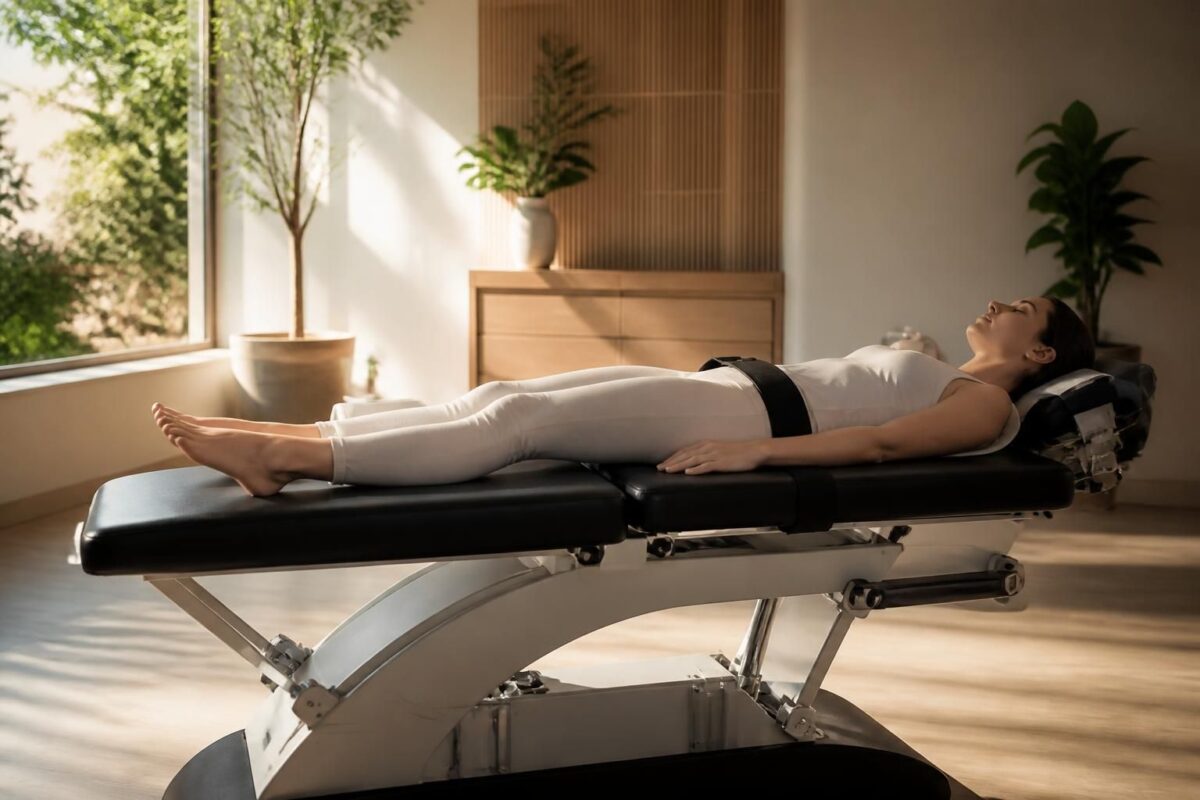
In short In short, neurovertebral decompression is one Non-invasive approach who restores theBody Alignment and thenatural balance back and neck. She acts by a Controlled traction of the spine to widen the intervertebral space and reduce the Pressure on discs…
Benefits and expected results
Among the benefits, we note a Sustainable relief lower back pain, Improving mobility and an Reduction of root symptoms. By revitalizing the intervertebral space, decompression can also reduce inflammation and promote better vascularization of affected tissues.
This approach non-invasive is particularly suitable for patients who wish to avoid surgery and who have contraindications to surgery. The answer is often progressive: significant improvements appear after a few sessions and are reinforced as the program progresses.
Why neurovertebral decompression is a lasting solution for active seniors
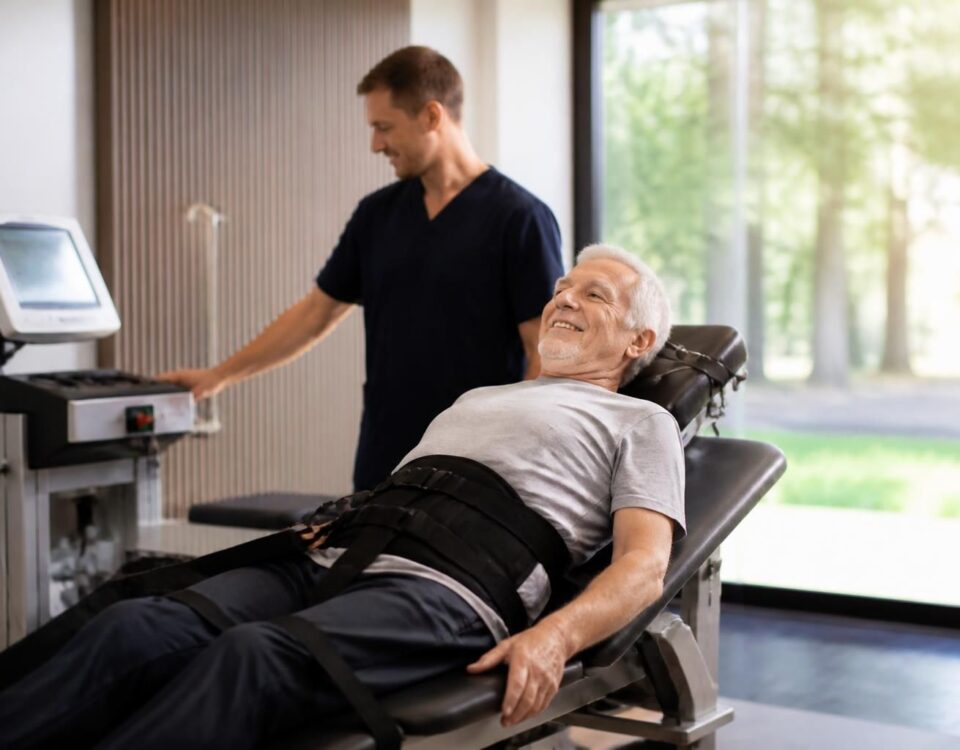
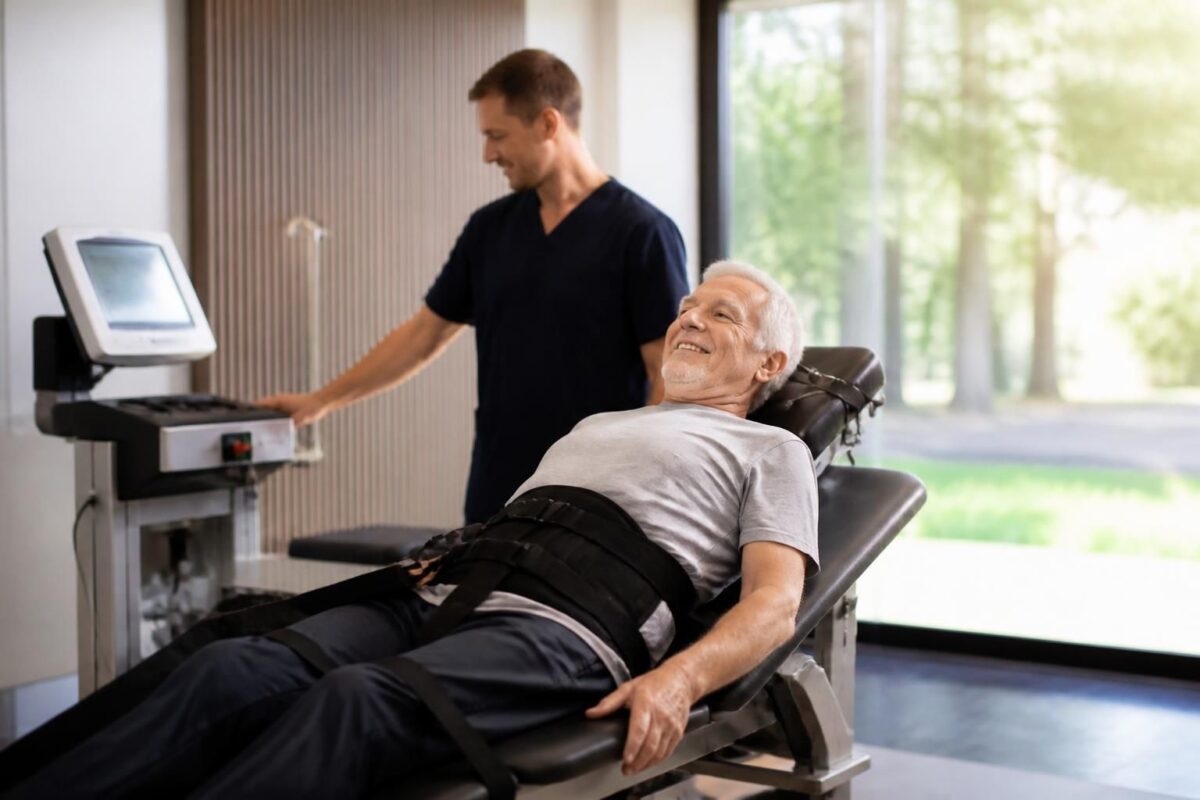
In short In short, the neurovertebral decompression is one Non-invasive therapy which sustainably relieves spinal pain in the spine active seniors By creating, by a Soft and controlled traction, a space between the vertebrae. At Montreal, it is recognized as…
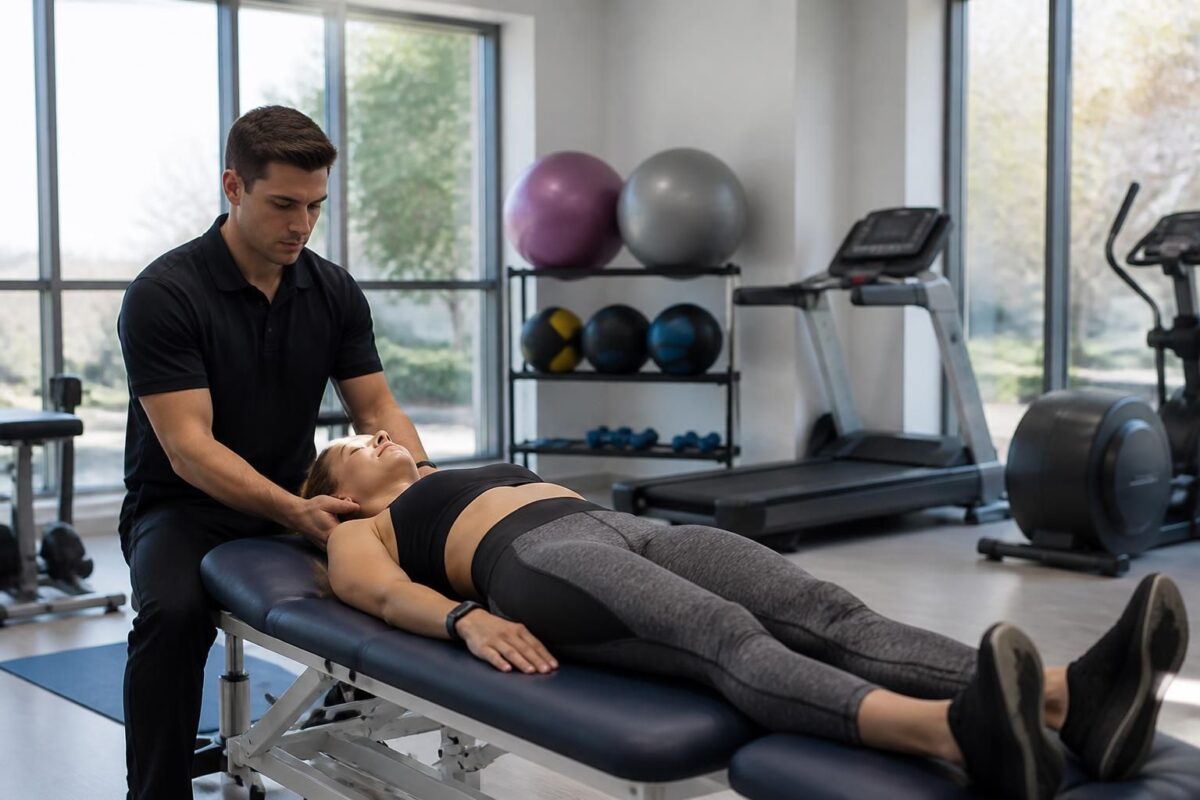
Neurovertebral decompression and recovery after severe sports injury
In short In short, the neurovertebral decompression is one Non-invasive method to Relieve the pressure on the Intervertebral discs and the gristle Via a Controlled traction, to facilitate the recovery After a severe sports injury. It improves the bloodstream towards…
Patient profile and eligibility criteria
people suffering from Spinal stenosis, chronic lower back pain and radiculalgia can benefit from decompression. However, each case is different and requires assessment by a qualified professional to confirm the suitability of the treatment and to adapt the protocol.
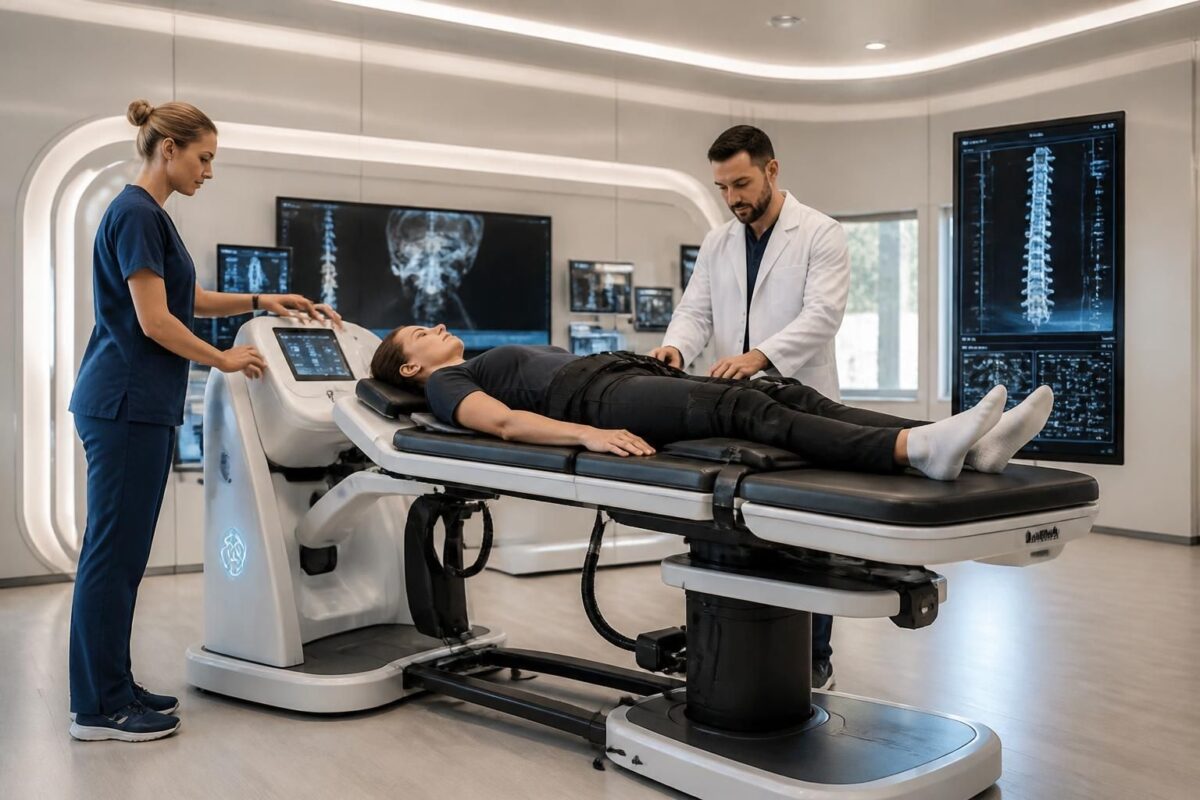
Recent innovations in neurovertebral decompression technologies
In short In short, the neurovertebral decompression is an approach non-invasive Aiming to reduce pressure on discs and nerves, and promote tissue regeneration. At Montreal, it is positioned as an effective option for lower back pain and herniated discs. The…
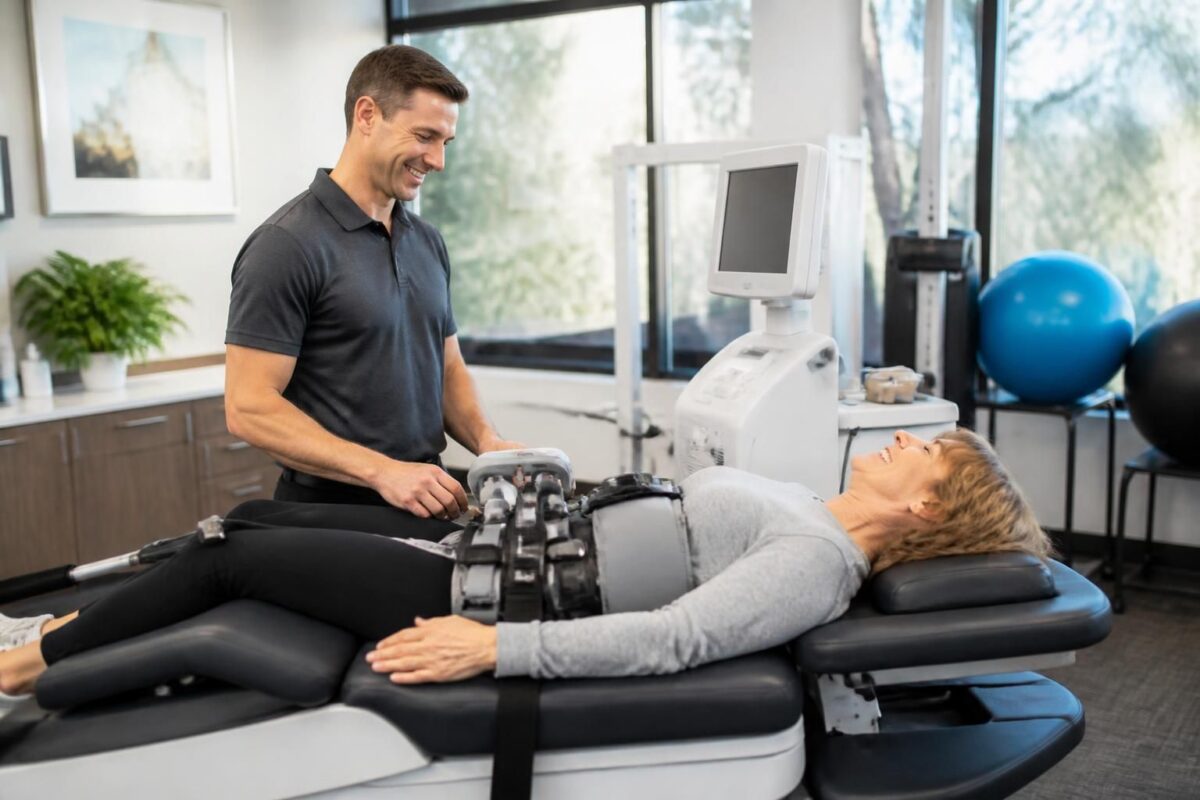
Neurovertebral decompression and diffuse pain: an appropriate solution
In short In short, the neurovertebral decompression is one Non-invasive solution For diffuse pain related to nerve irritation of the spine. She acts in Reducing pressure on intervertebral discs and nerves and improving the bloodstream, which promotes recovery and the…
Safety and precautions
Neurovertebral decompression is generally well tolerated and secure when driven by a trained practitioner. Contraindications exist (active vertebral fractures, infections, certain pathologies). It is essential to obtain an accurate diagnosis and a personalized treatment plan to avoid risks and optimize results.
Integration into the care pathway
In a global setting, decompression can be associated with exercises, manual therapies, and complementary approaches such as muscle stimulation or pain management techniques. An individualized plan, reassessed regularly, maximizes the chances of a sustainable recovery and a rapid return to meaningful activities.
| Aspect | key elements |
|---|---|
| Objective | Reduce nerve pressure and restore space intervertebral without surgery. |
| Mechanism | Traction controlled which stretches the spine and releases the compressed nerves, while Rehydrating discs. |
| directions | For patients with Lumbar duct stenosis with pain and lameness. |
| Benefits | Painful relief lasting and better mobility, with Reduced risks associated with surgery. |
| Protocol and duration | Typical program of 15 to 25 sessions, adapted to the patient’s profile. |
| Safety and contraindications | Method non-invasive But contraindicated in the presence of fracture, infection or bone pathology. |
| Expected results | gradual improvement in symptoms and Potential Restoration of walking. |
| Therapeutic integration | possibility ofAssociate other approaches (manual therapies, laser) to optimize results. |
| Accessibility | available in a specialized clinic, without hospitalization. |
“After years of lower back pain and sciatica, the Lumbar duct stenosis braked me in my activities. By opting for the neurovertebral decompression, I felt a gradual reduction in pressure on my nerves and an improvement in my mobility. After several sessions, I can go out again to walk without pain and without fear of relapse. »
“I was athletic and my performance suffered from pain radiating in the legs. Through this targeted approach, Lower back pain and the symptoms of sciatica diminished, and I found a Mobility found without the need for surgery. »
“As an active senior, I feared the operation. The decompression was a gentle alternative that restored theintervertebral space and improved my stability. I feel more confident about my steps and I can enjoy long walks without pain again. »
“Working standing and in constant motion, my pains limited my days. The sessions were non-invasive and Custom, and I found a Sustainable reduction pain and a best posture. »
“I was afraid of surgery and the neurovertebral decompression gave me a Non-surgical solution effective. In a few weeks, my pain decreased and I became mobile again for my daily activities and my leisure. »
“The follow-up is remarkable: the protocol is adjusted according to the evolution of the symptoms, which makes it possible to maintain the long-term benefits and to avoid recurrences. A real approach targeted and personalized for the lumbar spine. »
Dr. Sylvain Desforges is recognized as Expert in osteopathy, naturopathy and manual medicine, with a career dedicated toHealth Innovation. President and founder of the TagMed clinics and the ACMA association, he has established himself as a key player in the Chronic pain management and the integration of advanced technologies such as neurovertebral decompression, laser and shockwave therapy. Its approach is based on evidence-based care, aimed at optimizing the health and well-being patients and offer solutions Custom.
The Lumbar duct stenosis is a condition where the spinal canal in the lumbar region narrows, compressing the nerves and causing variable pain, walking disorders and discomfort. In this context, the neurovertebral decompression appears as a targeted solution and non-invasive, intended to relieve nerve pressure by restoring the intervertebral space. This approach, adapted to each person, favors a gentle trajectory and personalized to improve mobility and quality of life without having to resort to surgery.
Concretely, neurovertebral decompression is based on the application of a Controlled traction of the spine using specialized equipment, including a dedicated decompression table. By slightly “pulling” the vertebrae, this technique promotes the restoration of theintervertebral space, improves the bloodstream around the nerve roots and contributes to the reduction of inflammation. Over the course of the sessions, patients notice a decrease in lower back pain, Improving mobility and, in some cases, a reduction in the risk of progression to surgery. this approach, secure and well tolerated, is based on a personalized evaluation that takes into account the specificities of each patient.
At the heart of the action, Dr. Desforges combines his expertise in manual medicine and his vision holistic to provide comprehensive support. In addition to decompression, its approach can integrate elements of naturopathy and other complementary therapies to optimize pain resorption, spinal flexibility and functional recovery. This combination aims to offer a Durable solution For symptoms of lumbar stenosis, supporting the patient in the progressively active resumption of his daily activities.
Patients often describe a care pathway focused on personalization, safety and efficiency. favoring a method non-surgical And adapted, they report significant improvements in their daily lives, better walking stamina and a decrease in pain-related limitations. Dr. Desforges takes care to accompany his patients with transparency and pedagogy, explaining the mechanisms of action of each technique and the expected realistic results, in order to promote active and informed collaboration.
Through this approach, the neurovertebral decompression proves to be a targeted and effective option for people with Lumbar duct stenosis, offering a promising path to functional recovery and physical and emotional rebalancing. Dr. Desforges leads his patients towards better coordination of spinal structures and comfort found in everyday actions, without the risks inherent in surgery.
This summary summarizes the effectiveness and mechanisms of the neurovertebral decompression Facing the Lumbar duct stenosis, highlighting how this approach non-invasive Can restore intervertebral space, relieve pain and improve mobility, while offering a relevant alternative to surgery in many cases.
Synthesis and perspectives
In the context of the Lumbar duct stenosis, the neurovertebral decompression Acts smoothly thanks to controlled traction that restores the space between the vertebrae and promotes better bloodstream around the nerves. This approach aims not only to reduce pain, but also to restore a Sustainable mobility and to prevent the worsening of symptoms without having surgery.
The results observed come from a personalized process, adapted to each patient and often carried out using specialized equipment, such as decompression tables. By releasing the pressure exerted on the nerves and intervertebral discs, this therapy facilitates rehydration and restoration of the spinal structure, which can accelerate functional recovery and improve the quality of life on a daily basis.
This method has several notable advantages. It offers a Secure alternative to surgery, with reduced risks and recovery period. Its effectiveness is measured not only by reducing pain, but also byImproving mobility and decreased inflammation around affected nerves. An approach personalized and integrative can also make it possible to combine complementary practices, such as relaxation, naturopathy or targeted rehabilitation protocols, to optimize long-term results.
It is essential to recognize that each case is unique. An assessment by a qualified health professional is necessary to determine the advisability of decompression and to adapt the protocol according to the clinical features, contraindications and lifestyle of the patient. In practice, a combination of regular treatments and follow-ups can help prevent recurrences and support a return to pain-free daily activities.
For active people or athletes, decompression can be associated with prevention and recovery strategies aimed at maintaining the stability and flexibility of the spine. Testimonials and studies show significant improvements after several sessions, with a lasting reduction in symptoms and a gradual resumption of usual activities.
To deepen the topic and explore the different options available, you can consult specialized resources that address therapeutic decisions, mobility benefits and long-term prospects associated with neurovertebral decompression.
Additional resources and recommended readings:
Stenosis#ATFP_CLOSE_TRANSLATE_SPAN# Lumbar: Decisions and Treatments 2025,
Why#atfp_close_translate_span# Athletes choose neurovertebral decompression,
Treatment#ATFP_CLOSE_TRANSLATE_Span# of spinal stenosis by neurovertebral decompression – CLINIC TAGMED,
Decompression#ATFP_CLOSE_TRANSLATE_SPAN# Neurovertebral and Muscle Tensions: A Winning Duo,
Comment#ATFP_CLOSE_TRANSLATE_SPAN# Neurovertebral decompression helps to regain normal mobility,
Decompression#ATFP_CLOSE_TRANSLATE_SPAN# Neurovertebral and Lumbar Canal Stenosis: A Targeted Solution,
LES#ATFP_CLOSE_TRANSLATE_SPAN# Innovations in neurovertebral decompression for a better quality of life,
Stenosis#ATFP_CLOSE_TRANSLATE_SPAN# Lumbar: Patient Guide on Decompression Surgery,
Decompression#ATFP_CLOSE_TRANSLATE_SPAN# Neurovertebral: Complementary Therapy,
Prevent#ATFP_CLOSE_TRANSLATE_SPAN# Recurrences from injuries thanks to neurovertebral decompression.
Note: These approaches are therapeutic options and do not replace a personalized medical diagnosis or treatment performed by a qualified healthcare professional. For any medical questions, consult your doctor or osteopath.

Dr Sylvain Desforges, B.Sc., D.O., N.D., osteopath, is the founding president of TAGMED and of the ACMA association. He dedicates his practice to chronic spinal pain, low back pain and symptoms compatible with sciatica, particularly when pain radiates toward the buttock, leg, calf, foot or toes.
Through SOS Sciatique, he publishes educational content on sciatica symptoms, possible causes such as disc herniation, disc narrowing, foraminal stenosis or irritation of a lumbar nerve root, as well as non-surgical approaches that may be considered according to the evaluation. At Clinique TAGMED, care may include, depending on the case, motorized neurovertebral decompression, specific osteopathic care or precision percussion.
For an evaluation related to sciatica treatment in Montreal / Mount Royal or sciatica treatment in Terrebonne, please consult the services available at Clinique TAGMED.
Medical disclaimer
The information published on SOS Sciatique is provided for educational purposes only and does not replace a consultation, diagnosis, opinion or treatment provided by a physician or another authorized healthcare professional. The author of this article is neither a medical doctor nor a specialist in a medical specialty recognized by the Collège des médecins du Québec. The osteopathic, manual medicine or functional support approaches described on this site do not constitute medical acts and are not intended to replace medical follow-up.
Consult a physician or emergency service in cases of loss of bladder or bowel control, anesthesia in the saddle area, significant or progressive weakness in the leg or foot, fever, recent trauma, severe pain or rapid worsening of symptoms. For more details, please read our Legal Notice.