Neurovertebral decompression and lumbar duct stenosis: a targeted solution
25/06/2026
Neurovertebral decompression: a complementary treatment to physiotherapy
25/06/2026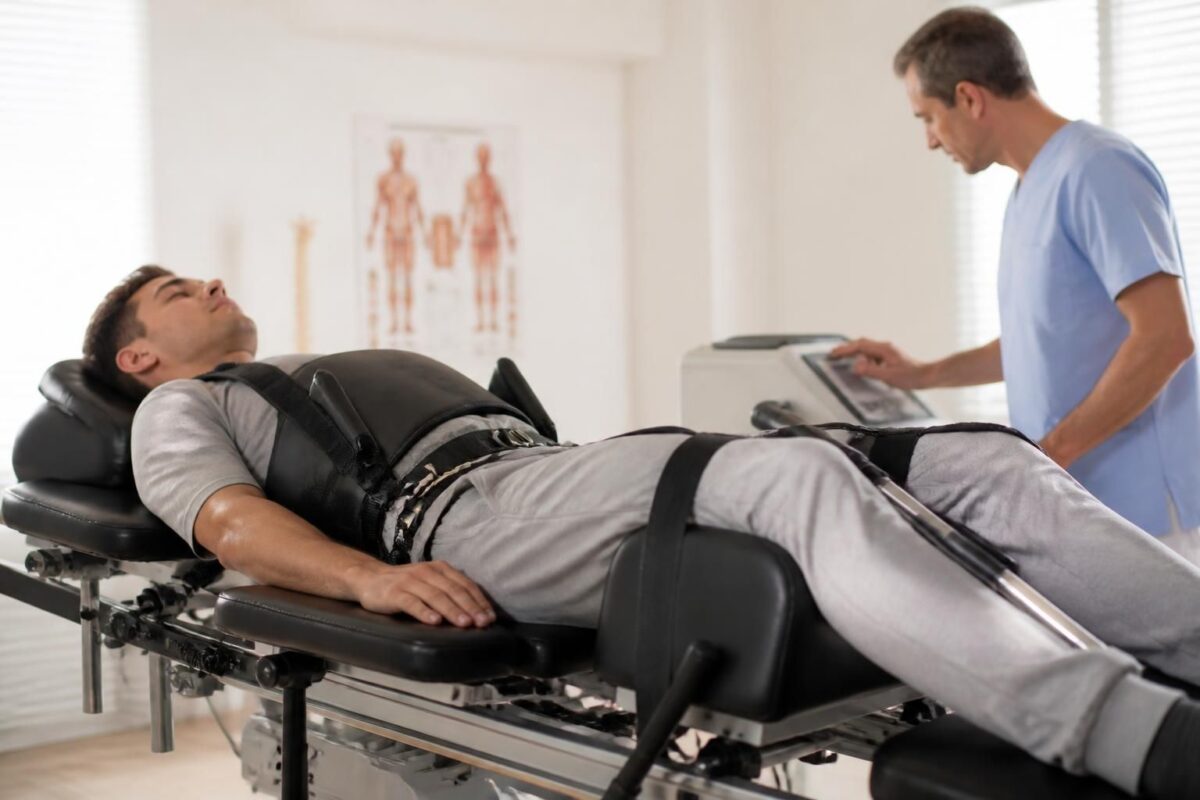
In short
In short, the neurovertebral decompression is a solution non-invasive To relieve the radicular pain related to a nervous compression, especially in case ofslipped disc or of stenosis. She acts by a gentle traction on the column via a specialized table, to create a space between the vertebrae and promote circulation and healing. Its main advantages: pain reduction, improvement in mobility and better quality of life, without surgery. Accessible in Montreal and the surrounding area, this treatment offers a safe and effective alternative to regain lasting well-being. |
The neurovertebral decompression is frequently recommended for radicular pain because it acts in a way non-invasive and focused on responsible mechanisms, without having to resort to surgery.
- non-invasive and suitable for those who want to avoid surgery.
- create An intervertebral space and relieve pressure on nerves and discs.
- better blood circulation and LDisc hydration, facilitating healing and reducing inflammation.
- Reduces pain and improves mobility, with lasting results and faster recovery.
This article explains why neurovertebral decompression is recommended for radicular pain. It describes the mechanism, indications, the course of a session and the benefits, while specifying the limits and precautions. The goal is to provide clear and useful information for patients seeking a non-invasive alternative.
What is neurovertebral decompression?
The neurovertebral decompression is a non-invasive technique that aims to reduce the pressure on the nerves and intervertebral discs. It works by creating a space between the vertebrae, which can reduce pain and improve function. This approach is particularly useful for spine-related pain and can avoid surgery.
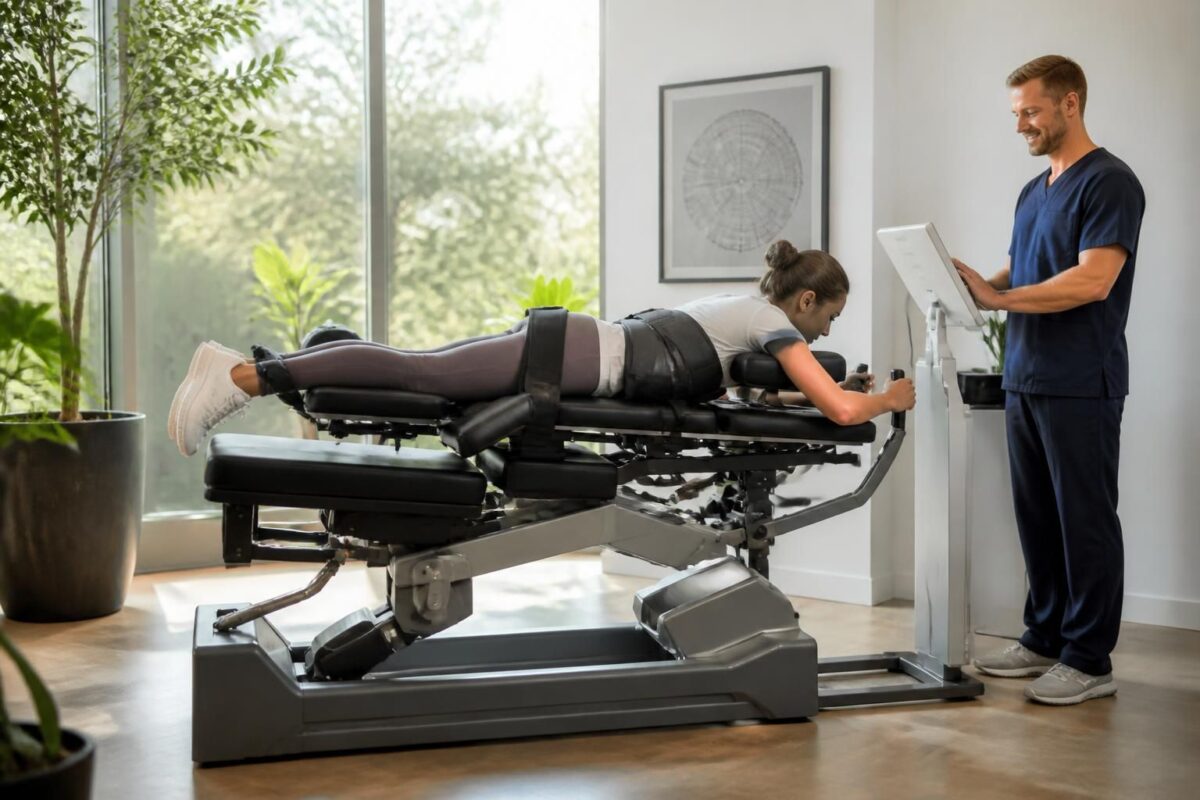
The long-term benefits of neurovertebral decompression for spinal health
In short In short, the neurovertebral decompression is a non-invasive approach that decreases the Pressure on intervertebral discs and nerves, favoring the Natural regeneration and tissue recovery. Its long-term benefits include Lasting pain reduction, Improving mobility and from the posture,…
How does neurovertebral decompression work?
The role of the SpineMed table
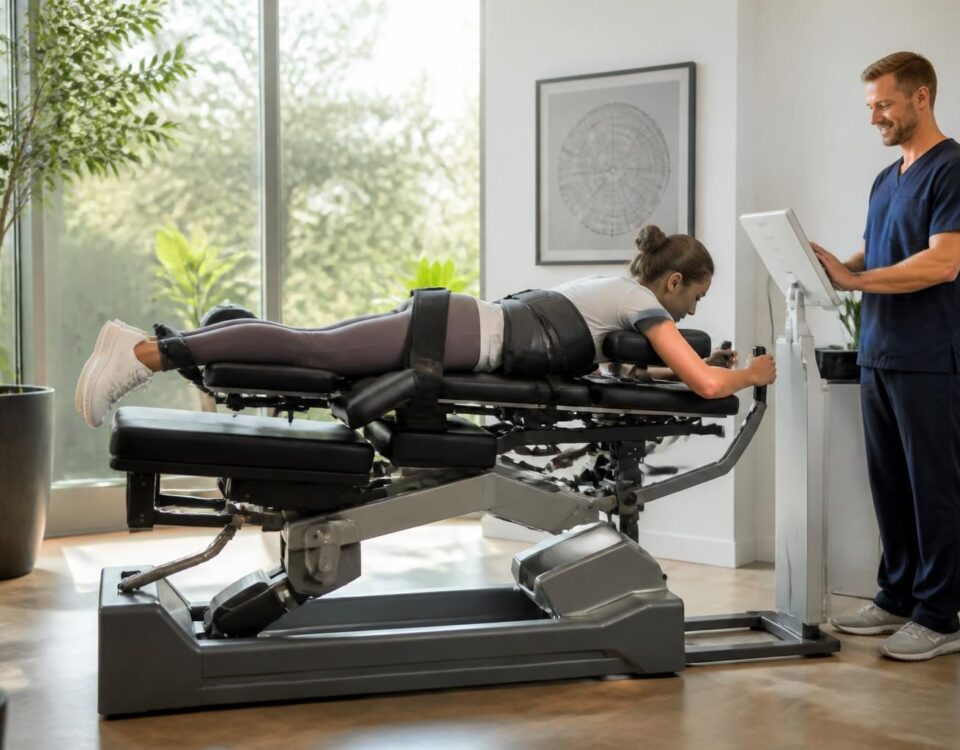
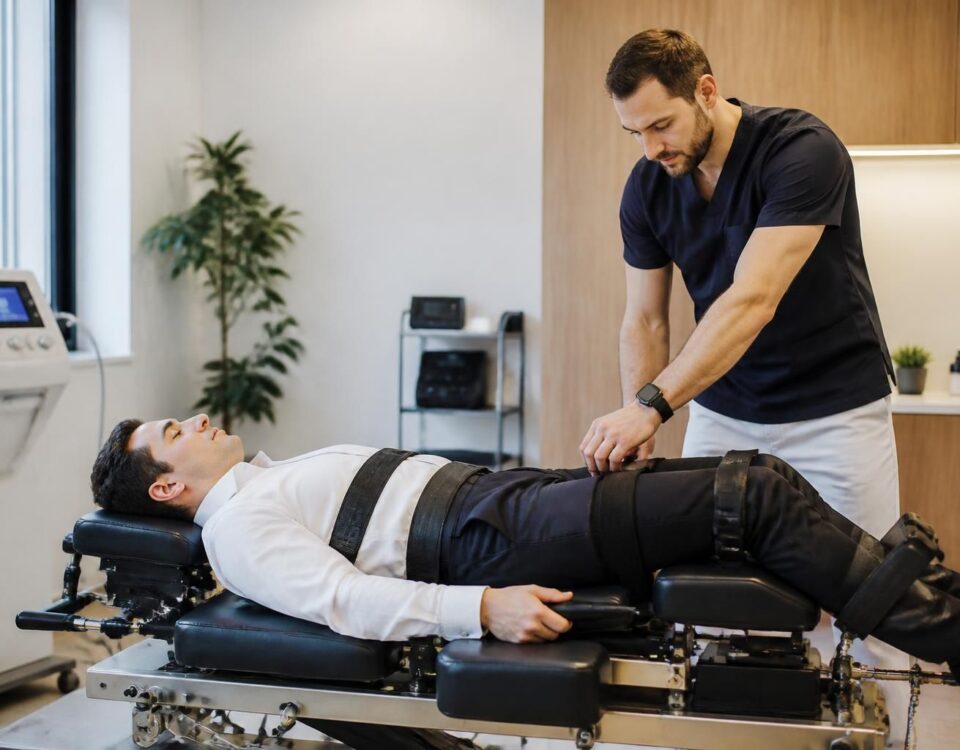
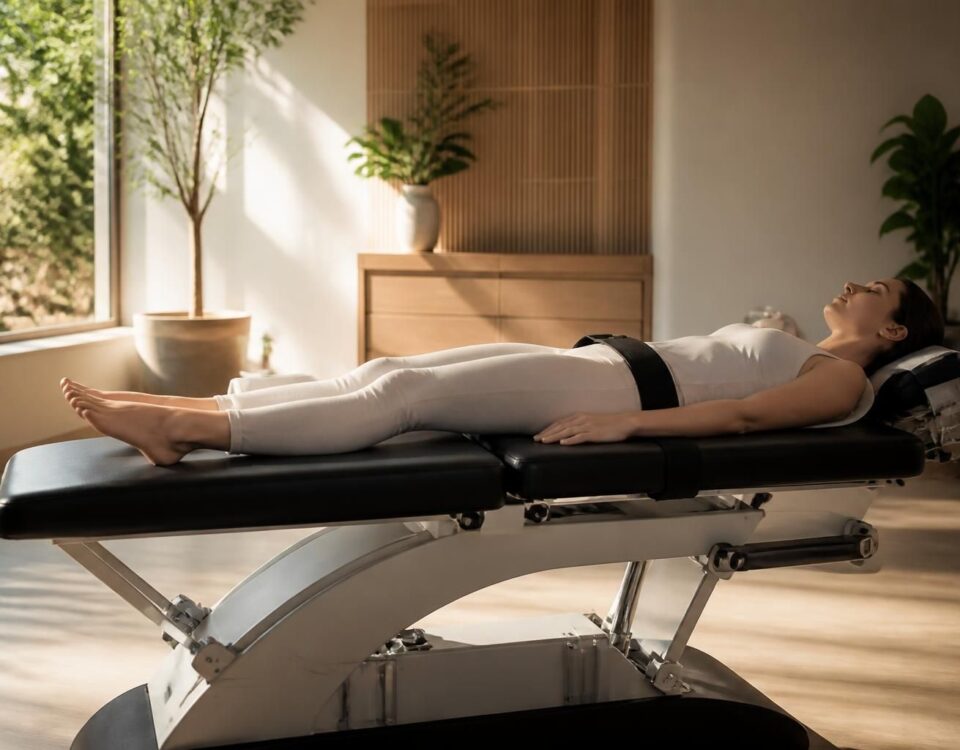
The treatment is carried out on a SpineMed table, approved by Health Canada. It applies controlled distraction on a pair of vertebrae, in computer-optimized positions and angles. A biofeedback system adjusts traction in real time, for a smooth and secure gait.
Objectives and mechanism
The objective is to create a Vacuum effect at the level of the intervertebral discs. This pressure reduction increases the space between the vertebrae and facilitates the circulation of fluids and blood in the treated area. The result may include decreased inflammation and acceleration of the healing of affected structures, while relieving painful symptoms and nerve compression.

Neurovertebral decompression and mobility: a return to an active life
In short In short, the neurovertebral decompression is therapy non-invasive who uses a gentle traction To create a space between the vertebrae and reduce the pressure on the Intervertebral discs and the nerves. It promotes a bloodstream improved, lowers tension…
Why is it recommended for radicular pain
The neurovertebral decompression is indicated when the pain comes from conditions such as slipped disc, the Disc protrusion, the Spinal stenosis and the disc degradation. It can also be useful after certain non-surgical injuries and to prevent symptoms from progressing. This non-invasive approach can reduce pain and improve mobility without having surgery.
Key Benefits
Benefits include a reduction in nerve pressure, improved circulation, decreased inflammation and better limb function when the nerves are affected. This method promotes natural recovery and can prolong periods without pain.
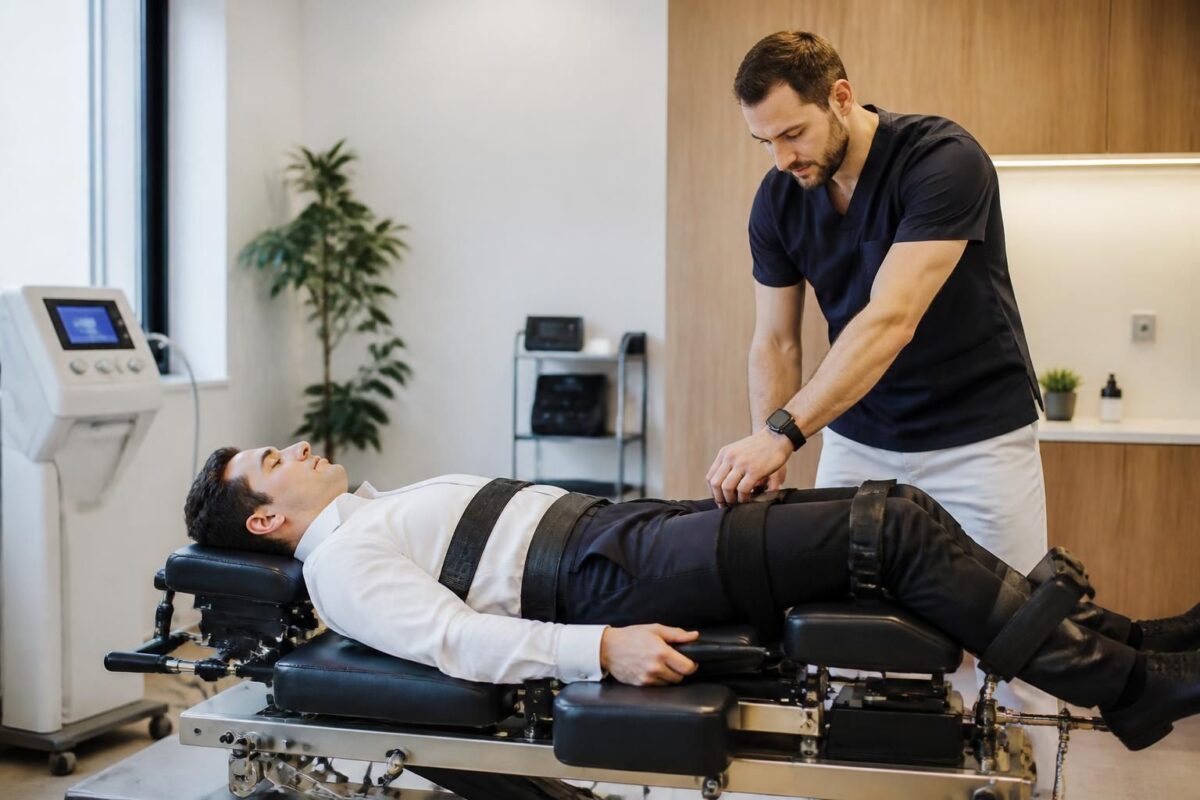
How Neurovertebral Decompression Prevents Diffuse Chronic Pain
In short decompression neurovertebral is one Non-invasive method aimed at reducing the Pressure on the intervertebral discs and the nerves, in order to prevent Diffuse chronic pain. It improves the circulation and thedisc hydration, decreases inflammation and promotes better mobility.…
course of a session and follow-up
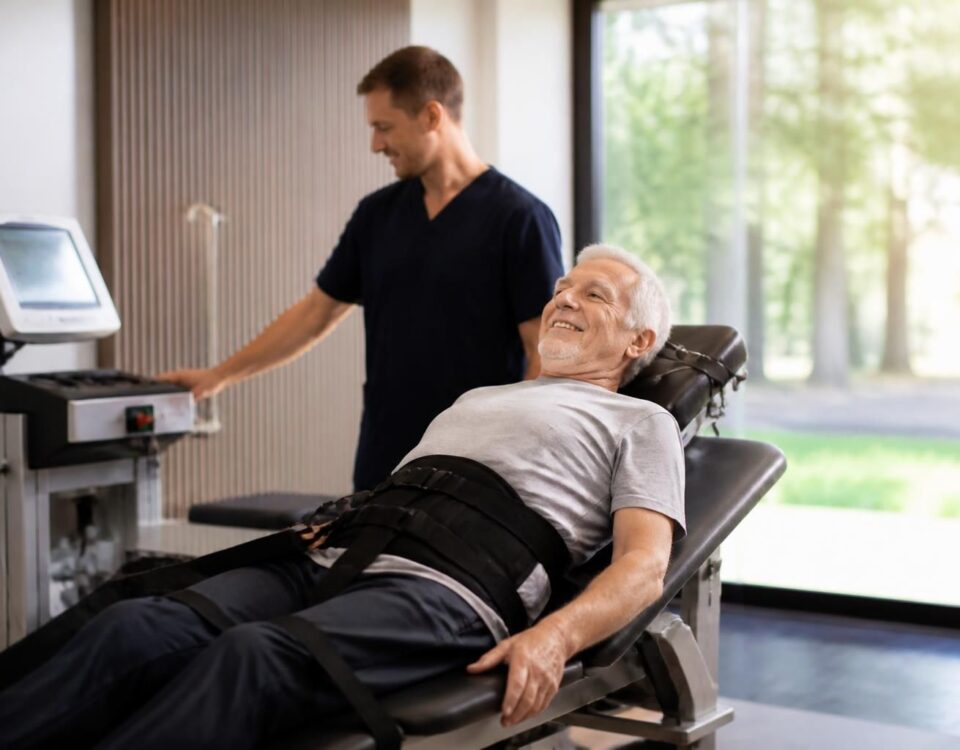
During a session, the patient is comfortably installed on the SpineMed table. The usual duration is about 20 to 30 minutes, as the case may be. The treatment is painless and can be perceived as relaxing. After each session, a short rest can be offered and the practitioner monitors progress in order to adjust the treatment plan.
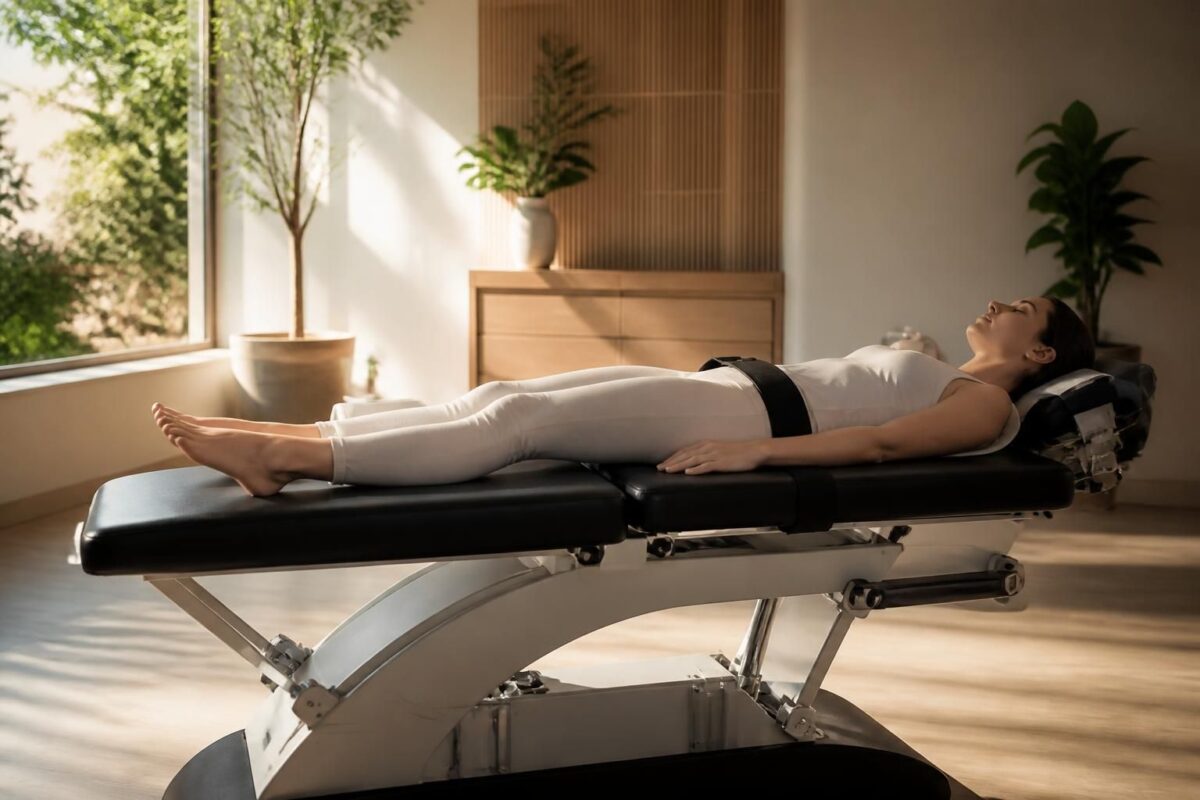
Neurovertebral Decompression and Body Alignment: Restoring Natural Balance
In short In short, neurovertebral decompression is one Non-invasive approach who restores theBody Alignment and thenatural balance back and neck. She acts by a Controlled traction of the spine to widen the intervertebral space and reduce the Pressure on discs…
Side effects, contraindications and safety
The neurovertebral decompression is generally well tolerated. Minor effects may appear shortly after a session, resembling aches after exercise. it is not indicated in the event ofSevere osteoporosis, specific vertebral malformations, pregnancy or metallic implants in the spine.
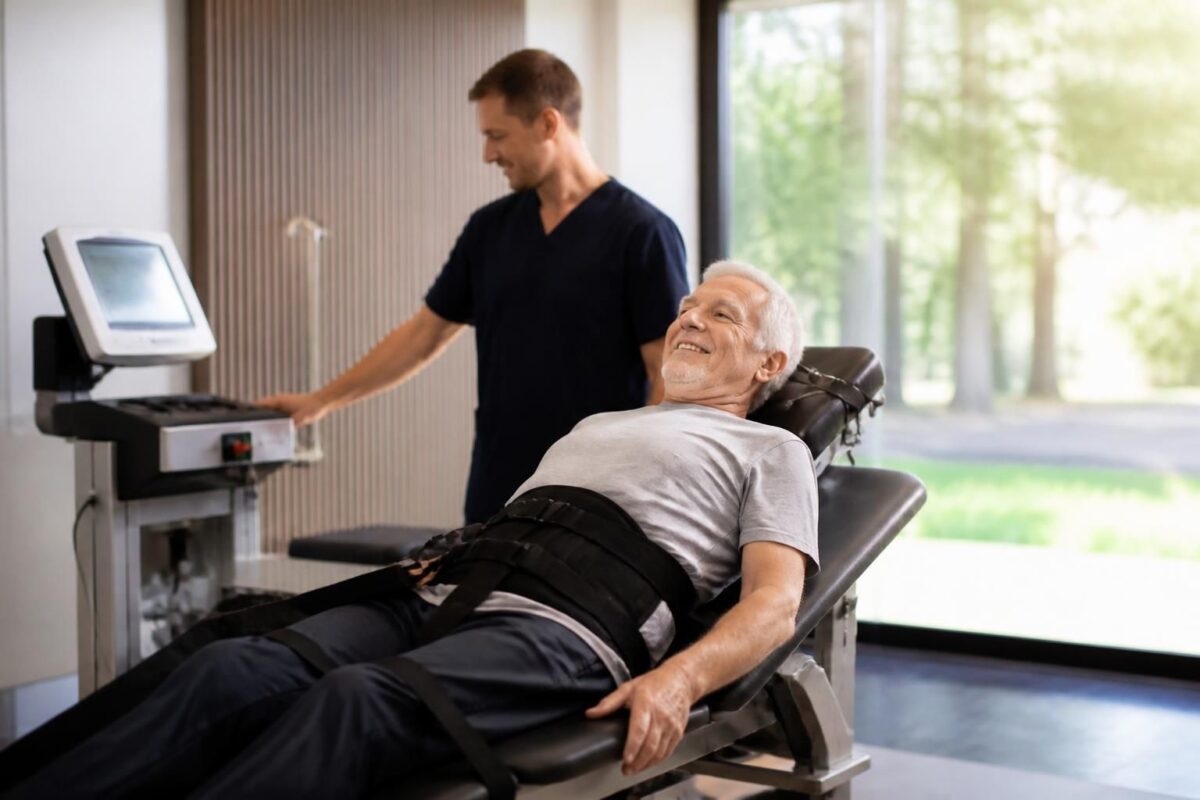
Why neurovertebral decompression is a lasting solution for active seniors
In short In short, the neurovertebral decompression is one Non-invasive therapy which sustainably relieves spinal pain in the spine active seniors By creating, by a Soft and controlled traction, a space between the vertebrae. At Montreal, it is recognized as…
Integration into a care plan
Decompression can be integrated into a comprehensive care plan for patient comfort and mobility. It can be offered in Montreal or Terrebonne within TagMed clinics, and in addition to other approaches dedicated to spinal health. For some patients, it is considered as an alternative when traditional treatments are not suitable or not sufficient.
To deepen, you can consult specialized resources that describe the efficacy and role of neurovertebral decompression. for example, Recovery details after surgery and analyzes centered on indications, results and procedures. Other useful resources discuss the role of decompression after injury and prevention of recurrent pain, such as These specialized resources, as well as pages dedicated to the disc condition and the relief of associated pain.
For more information, see the following links:
Role and steps for the patient,
Why is it recommended,
Ideal for radicular pain,
Effective alternative,
Suffering related to degenerative discs,
Prevention of recurrent pain,
Essential FAQs,
Pathologies treated.
Note: the neurovertebral decompression can be offered in addition to treatments at the Tagmed Clinic from Montreal or Terrebonne. We favor evidence-based approaches adapted to each patient, without imposing specific exercises or stretching when not recommended for pathology.
Medical Disclaimer: The information and advice provided on this site does not replace the health professional’s diagnosis or treatment. Please note that Dr. Sylvain Desforges osteopath is neither a doctor of medicine nor a doctor, and is not a specialist in a medical specialty as defined by the Collège des Médecins du Québec. Manual medicine, functional medicine and sports medicine as described on this site exclude any medical treatment or diagnosis made by a doctor or specialist doctor. Always consult your doctor for any medical questions. For more details, please read our full legal notice.
- pressure reduction On the nerves and increase in the intervertebral space.
- Non-invasive option avoiding surgery and heavy convalescence.
- Sustainable relief radicular pain and improved mobility.
- traffic improvement blood and disk nutrition.
- Prevention of recurrences through restoration of disc integrity.
- Adaptability to various pathologies: disc herniation, protrusion, stenosis.
- Comfort and safety During the sessions, with low risk of side effects.
- Integration into a care plan With physiotherapy and targeted exercises.
- Personalized evaluation and treatment plan adapted to each patient.
- Back to activity faster and better quality of life.

Neurovertebral decompression is a non-invasive approach recommended for root pain when the cause is related to compression of the nerves or intervertebral discs. It aims to restore the space between the vertebrae, reduce pressure on the nerve roots and promote better circulation of nutrients to the tissues. This method offers a useful alternative to conventional treatments and can avoid surgery while sustainably improving mobility and well-being.
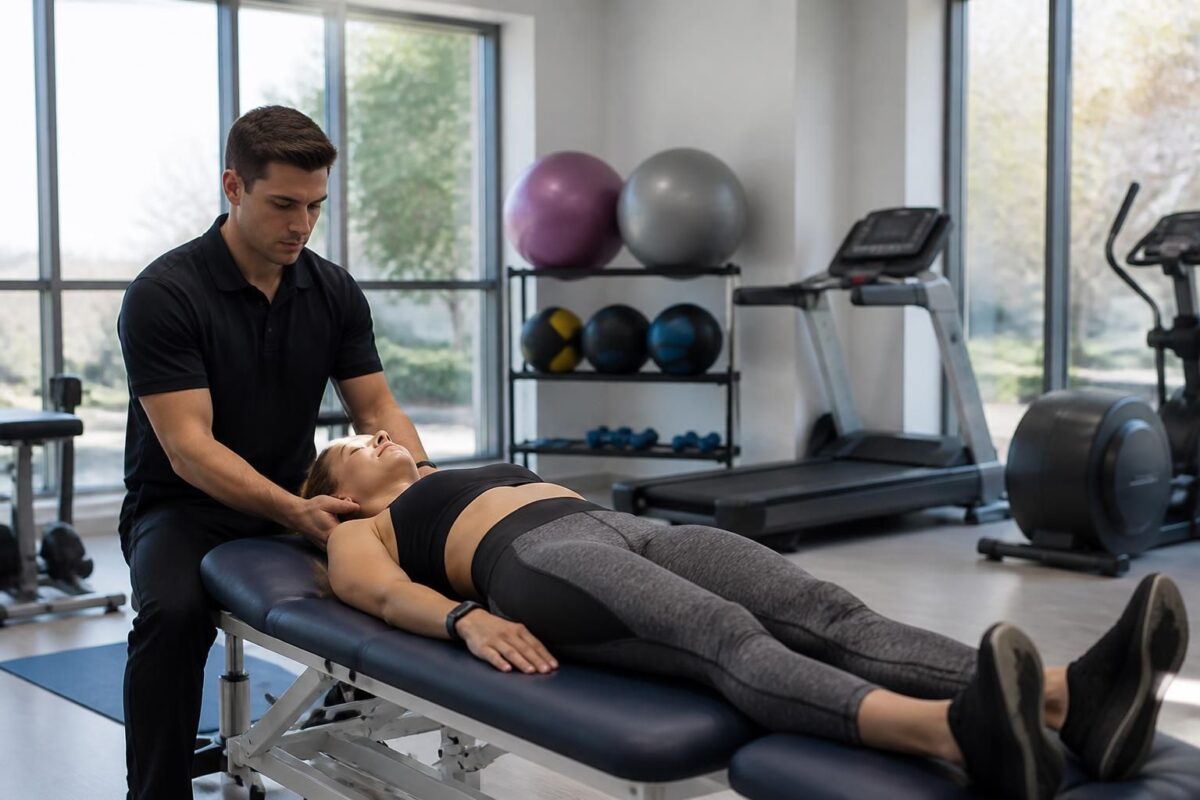
Neurovertebral decompression and recovery after severe sports injury
In short In short, the neurovertebral decompression is one Non-invasive method to Relieve the pressure on the Intervertebral discs and the gristle Via a Controlled traction, to facilitate the recovery After a severe sports injury. It improves the bloodstream towards…
Why is it recommended
Radicular pain is often manifested by radiating pain in the back or neck, accompanied by tingling or weakness in the limbs. In these cases, the neurovertebral decompression may be indicated, in particular when the causes identified include a slipped disc, a Disc protrusion, a Spinal stenosis or disk degeneration. By promoting the intervertebral space, it reduces the pressure on the nerves and contributes to reducing inflammatory irritation.
Typical cases
It is particularly recommended when conservative treatments are not sufficient or when the surgical risk is high. It is part of a progressive approach to restore function and mobility, while minimizing the risks associated with invasive interventions.
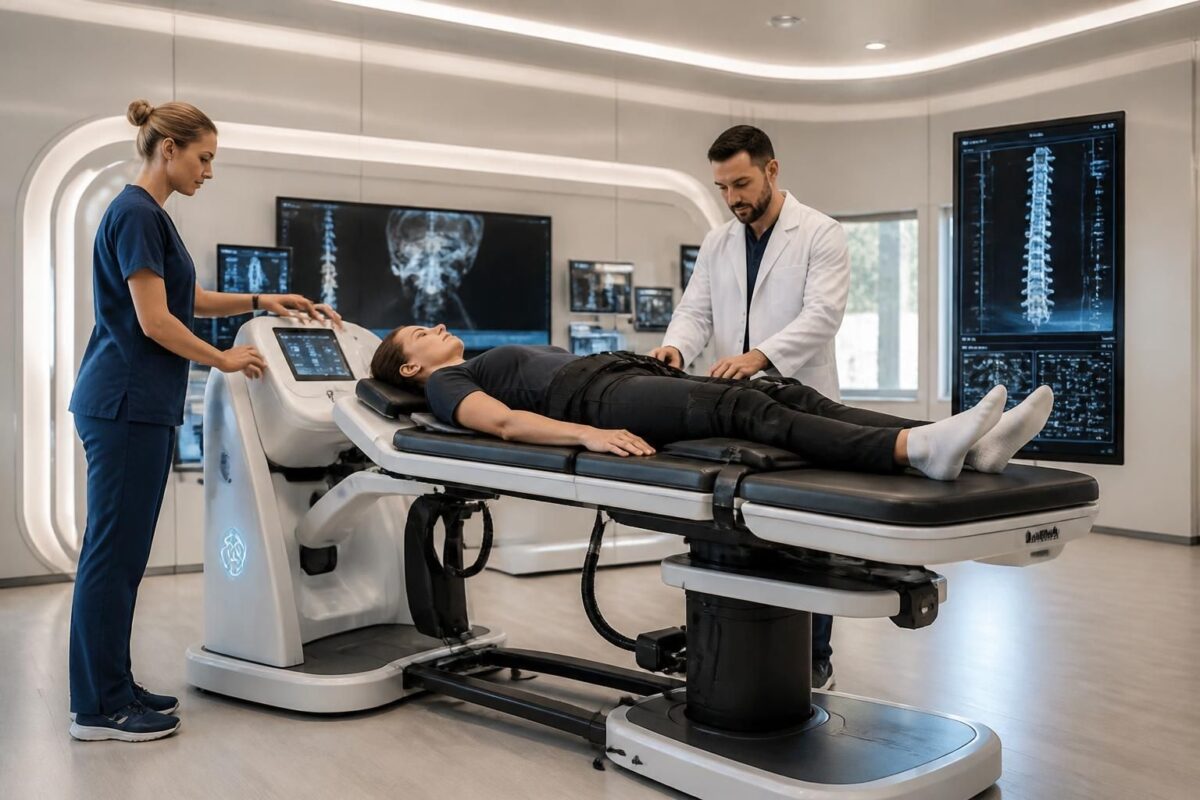
Recent innovations in neurovertebral decompression technologies
In short In short, the neurovertebral decompression is an approach non-invasive Aiming to reduce pressure on discs and nerves, and promote tissue regeneration. At Montreal, it is positioned as an effective option for lower back pain and herniated discs. The…
how she acts
The mechanism is based on controlled traction that creates a local vacuum around the affected disks. This action frees the nerves and increases the space between the vertebrae, facilitating the rehydration and nutrition of the discs. At the same time, improving blood circulation promotes tissue repair and reduces inflammation. The entire process reduces pain and gradually restores musculoskeletal function.
The treatment takes place on a specialized table and is assisted by computerized systems that adjust the traction according to the patient’s responses, guaranteeing optimal safety and comfort.
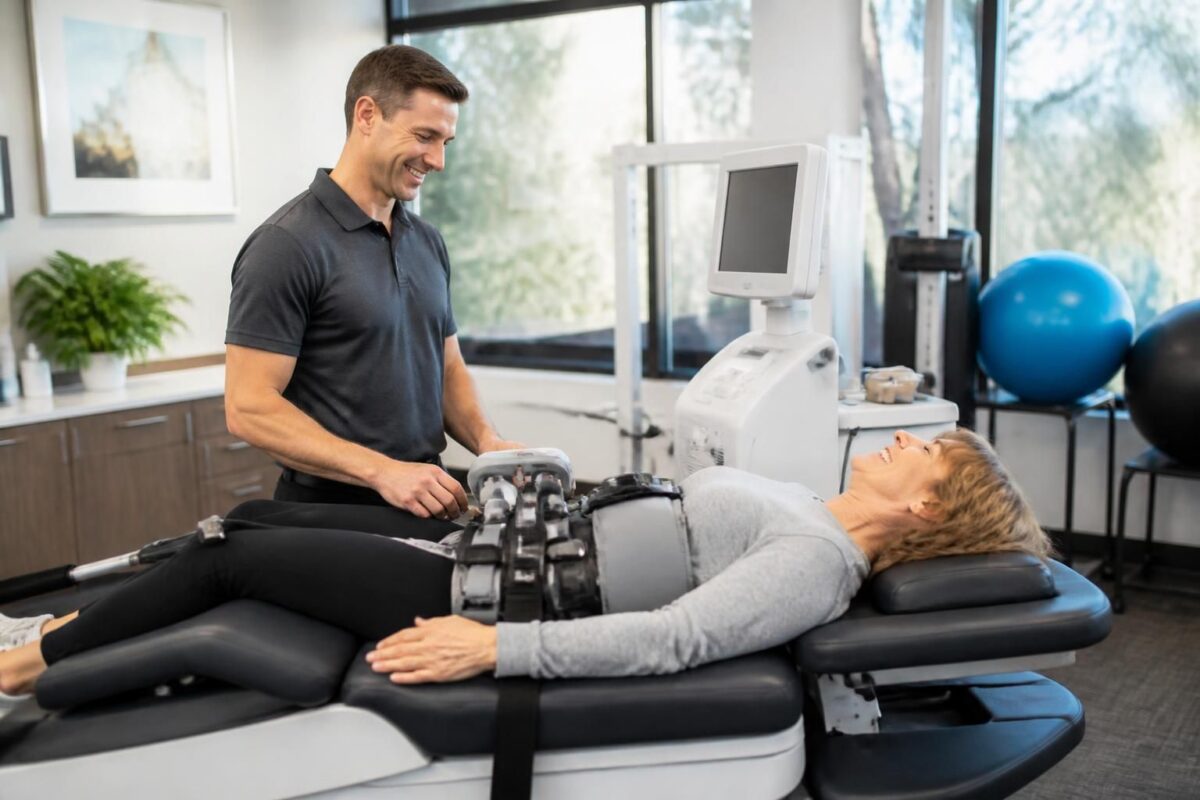
Neurovertebral decompression and diffuse pain: an appropriate solution
In short In short, the neurovertebral decompression is one Non-invasive solution For diffuse pain related to nerve irritation of the spine. She acts in Reducing pressure on intervertebral discs and nerves and improving the bloodstream, which promotes recovery and the…
What to expect during a journey
A typical course begins with an individualized assessment in order to identify the precise origin of the pain and to determine the adequacy of the protocol. The treatment plan is then personalized and can include several weeks of regular sessions. Each session generally lasts between 20 and 40 minutes and is done in a quiet and secure setting. The program is adjusted according to the progress and return of the patient.
Structure of a standard plan
A plan may include progression in the frequency of sessions, complementary exercises at home and targeted rehabilitation to support improvement of mobility and prevention of recurrences.
Benefits and limits
Key benefits include significant pain reduction, improved mobility and decreased neurological signs such as numbness. This non-invasive approach offers a lasting alternative for patients wishing to avoid surgery and reduce their drug dependence.
However, it is not suitable for everyone. Contraindications include certain serious vertebral pathologies or specific medical conditions. An in-depth assessment allows you to decide whether neurovertebral decompression is the best option for you.
Integration into a comprehensive care plan
Neurovertebral decompression can be conceived as a component of a holistic care plan, coupled with other approaches like osteopathy, rehabilitation, or complementary therapies. Its role is to alleviate the symptoms and put the structures concerned back into motion, while remaining compatible with long-term health and prevention objectives.
| Axis | Concise justification |
|---|---|
| Effectiveness on radicular pain | Reduces nerve pressure and sustainably relieves the root pain. |
| Mobility and posture | Frees intervertebral space, improving mobility and functionality. |
| Non-invasive process | Treatment non-invasive without surgery. |
| Tolerance and safety | Good general tolerance with generally minor and temporary side effects. |
| Main directions | Indicated for herniated disc, protrusion and stenosis, depending on evaluation. |
| contraindications | Contraindications to evaluate: advanced osteoporosis, pregnancy, metal implants. |
| Deadlines and rhythm | Progressive improvement over several sessions, generally over a few weeks. |
| Cost and accessibility | Variable cost and accessibility depending on the center and insurance. |
| Integration into the care plan | Can integrate with other therapies to optimize results. |
| Long-term results | Sustainable benefits and reduction of recurrences when combined with an overall plan. |
Testimonials: Why neurovertebral decompression is recommended for radicular pain
Marie, 52 years old: “Before, my radicular pain prevented me from going about my activities serenely. After several sessions of neurovertebral decompression, I found a stable walk and a more restorative sleep. The Sustainable relief and LImproving mobility changed my daily life. »
Paul, 39: “I was skeptical at first, but after a few sessions, the radicular pain In my legs have decreased noticeably and I can walk again without pain. This approach non-invasive My allowed to resume my daily activities with more serenity. »
Claudine, 45: “Recommended by a friend, I tried the neurovertebral decompression and I noticed a marked reduction in radicular pain as well as a Improved quality of life. I sleep better and I regain energy. »
Jean-Pierre, 60: “Since I started, I’ve been more mobile and active; my radicular pain are rarer and I can participate fully in family outings. »
Sophie, 37: “I was afraid of surgery, but the neurovertebral decompression allowed me to avoid this option and find a quality of life without pain. »
Léa, 29: “For me, it’s a Effective alternative to surgery; it’s an approach non-invasive and the Sustainable results I allowed to resume my activities without pain. »
Dr. Sylvain Desforges, recognized expert in osteopathy, naturopathy and manual medicine, puts at the heart of its approach active prevention and solutions based on evidence. Founding President of the TagMed Clinics and the ACMA Association, he is committed to offering innovative treatments that remain accessible and effective for patients suffering from Chronic pain. His work illustrates a vision where neurovertebral decompression is a relevant and non-invasive option in the face of radicular pain.
To understand why this technique is frequently recommended, one must grasp its main objective: to reduce the pressure exerted on the nerve roots which cross the spine. Even when the symptoms appear in the back, the pain can radiate to the limbs, with feelings of numbness or persistent pain. In this context, neurovertebral decompression offers a gentle approach that seeks to restore the space between the vertebrae and promote the circulation of essential nutrients to the surrounding discs and tissues.
Mechanically, this is a treatment non-invasive which is based on controlled and precise traction of the column. Thanks to computer stimulation and parameters adjusted on a case-by-case basis, a pair of vertebrae is gradually mobilized to create a partial vacuum at the level of the intervertebral discs. This increased space effect makes it possible to reduce the internal pressure of the discs, to improve blood supply and tissue nutrition, and thus to reduce the inflammatory signs that fuel root pain.
The associated technology, in particular the table dedicated to decompression, offers a safe and comfortable therapeutic framework. It incorporates biofeedback elements that adapt the distraction according to the patient’s reactions, ensuring a personalized progression adapted to the morphology and tolerance of each one. Overall, the process aims to restore mobility, reduce pain, and build column resilience, without operative recourse.
The indications range from disc hernias and protrusions to spinal stenosis and degenerative disc attacks. In these contexts, the neurovertebral decompression Can be an attractive alternative to avoid or delay surgery, while sustainably improving quality of life. This approach is particularly suitable when conventional treatments provide partial or temporary relief and the patient is looking for a non-invasive route, with little risk and progressive recovery.
The role of the practitioner lies at the junction between technical precision and holistic approach. The osteopath, guided by an in-depth knowledge of anatomy and biomechanics, identifies areas of tension and adapts techniques to optimize the vertebral space without causing unnecessary pain. This approach is often enriched by other complementary modalities, such as therapy by laser or treatments aimed at improving circulation and muscle function, thus creating an integrative and personalized framework for each patient.
For people looking to regain normal activity without heavy drugs or invasive interventions, neurovertebral decompression is a reassuring and effective way. It is part of a care strategy focused on evidence and overall well-being, aligning immediate relief and long-term benefits.
To discuss your situation and consider a consultation, contact TagMed Clinics to determine whether neurovertebral decompression can meet your specific needs and optimize your spinal health.
This article presents why the neurovertebral decompression is a recommended option for radicular pain. It is based on a targeted and non-invasive mechanism that aims to reduce nerve pressure, improve the intervertebral space and promote the circulation of nutrients, while being part of a global and personalized approach to spinal care.
The neurovertebral decompression is a recommended approach when suffering from radicular pain associated with pressure on the nerves or intervertebral discs. By acting directly on the mechanical causes, it can offer lasting relief without the need for surgery, which makes it a particularly attractive option for patients wishing to avoid the risks and recovery times associated with the operation.
Its action is mainly based on the pressure reduction exercised on the Spinal nerves and intervertebral discs. Thanks to a controlled traction system, the technique creates an increased space between the vertebrae, thus improving the bloodstream and the flow of nutrients to damaged tissues. This mechanical enhancement can help decrease inflammation and promote natural healing processes while reducing the feeling of pain.
It is indicated in a set of common pathologies associated with radicular pain, such as herniated disc, disc protrusion, degenerative discus disorders, spinal stenosis, and radiant pain in the limbs. The goal is to offer an option non-invasive which can replace, in certain situations, more invasive or heavy treatments, while maintaining a good quality of life.
The advantages of this approach include a Increased security relating to surgical procedures, a High tolerance in most patients and adaptability to a personalized care plan. To maximize results, neurovertebral decompression is integrated into a global approach that can combine other relevant therapies and lifestyle advice, depending on individual needs.
To learn more, you can consult specialized resources on the subject, including A recognized therapy, or Dedicated resources. Other useful references and frequently asked questions are available via This FAQ Guide, and in-depth presentations about the mechanisms and indications can be found here: Wikipedia.
Clinical examples and testimonies support the use of this approach as an integral part of a care plan focused on functional recovery and return to normal activity, without systematically relying on drugs or invasive interventions. To find out more and get a personalized assessment, do not hesitate to contact your local osteopath or chiropractor and explore the associated resources, including those presented on the partner sites above.

Dr Sylvain Desforges, B.Sc., D.O., N.D., osteopath, is the founding president of TAGMED and of the ACMA association. He dedicates his practice to chronic spinal pain, low back pain and symptoms compatible with sciatica, particularly when pain radiates toward the buttock, leg, calf, foot or toes.
Through SOS Sciatique, he publishes educational content on sciatica symptoms, possible causes such as disc herniation, disc narrowing, foraminal stenosis or irritation of a lumbar nerve root, as well as non-surgical approaches that may be considered according to the evaluation. At Clinique TAGMED, care may include, depending on the case, motorized neurovertebral decompression, specific osteopathic care or precision percussion.
For an evaluation related to sciatica treatment in Montreal / Mount Royal or sciatica treatment in Terrebonne, please consult the services available at Clinique TAGMED.
Medical disclaimer
The information published on SOS Sciatique is provided for educational purposes only and does not replace a consultation, diagnosis, opinion or treatment provided by a physician or another authorized healthcare professional. The author of this article is neither a medical doctor nor a specialist in a medical specialty recognized by the Collège des médecins du Québec. The osteopathic, manual medicine or functional support approaches described on this site do not constitute medical acts and are not intended to replace medical follow-up.
Consult a physician or emergency service in cases of loss of bladder or bowel control, anesthesia in the saddle area, significant or progressive weakness in the leg or foot, fever, recent trauma, severe pain or rapid worsening of symptoms. For more details, please read our Legal Notice.