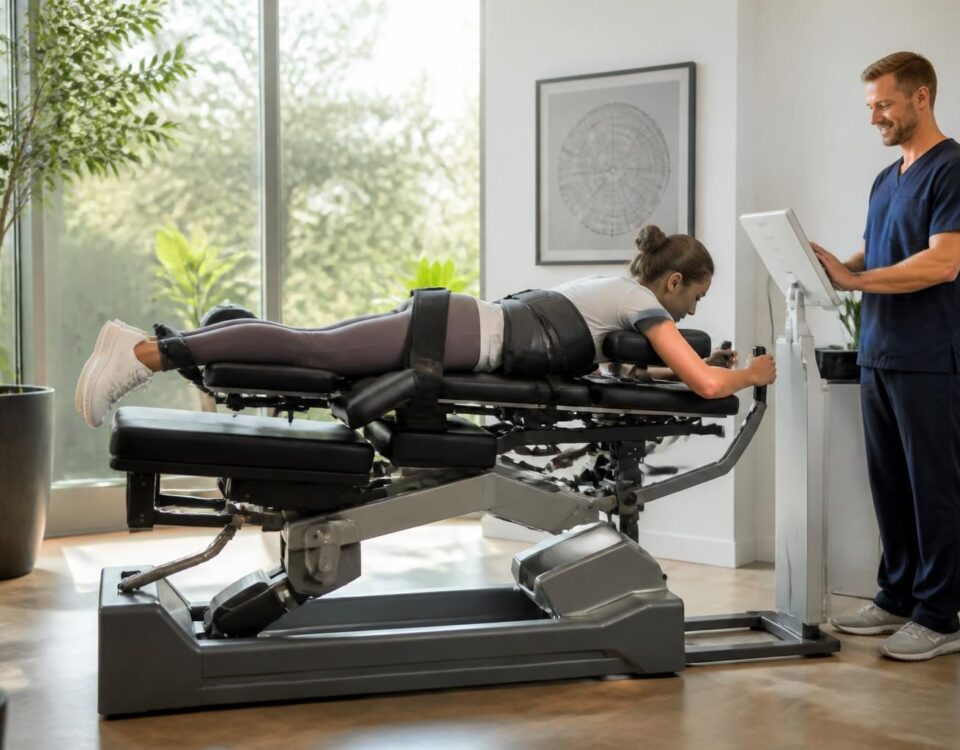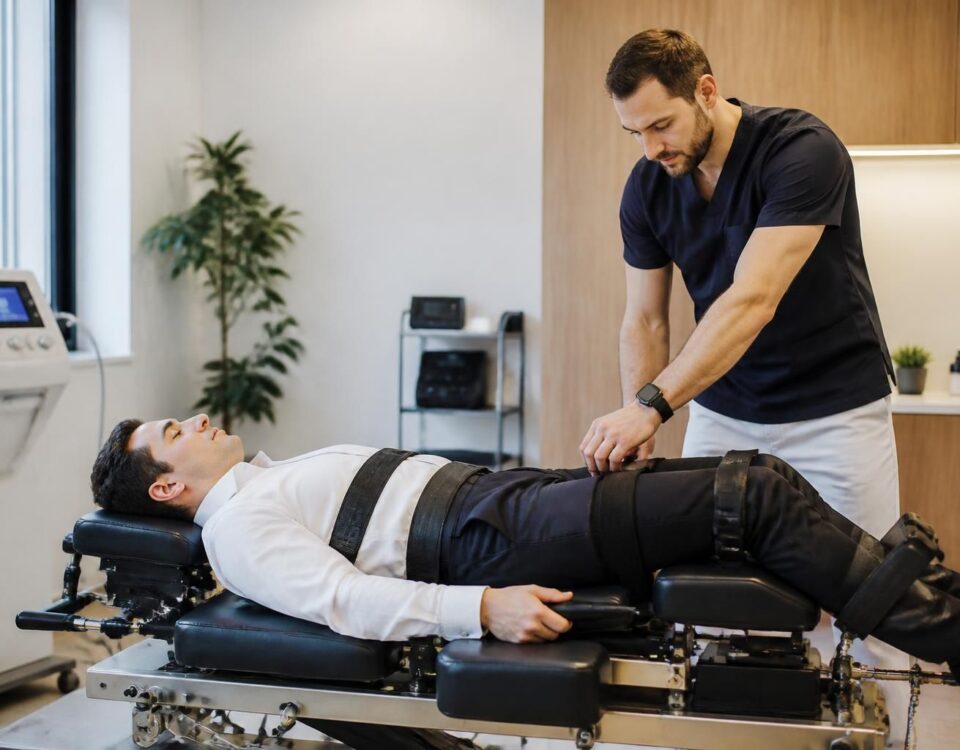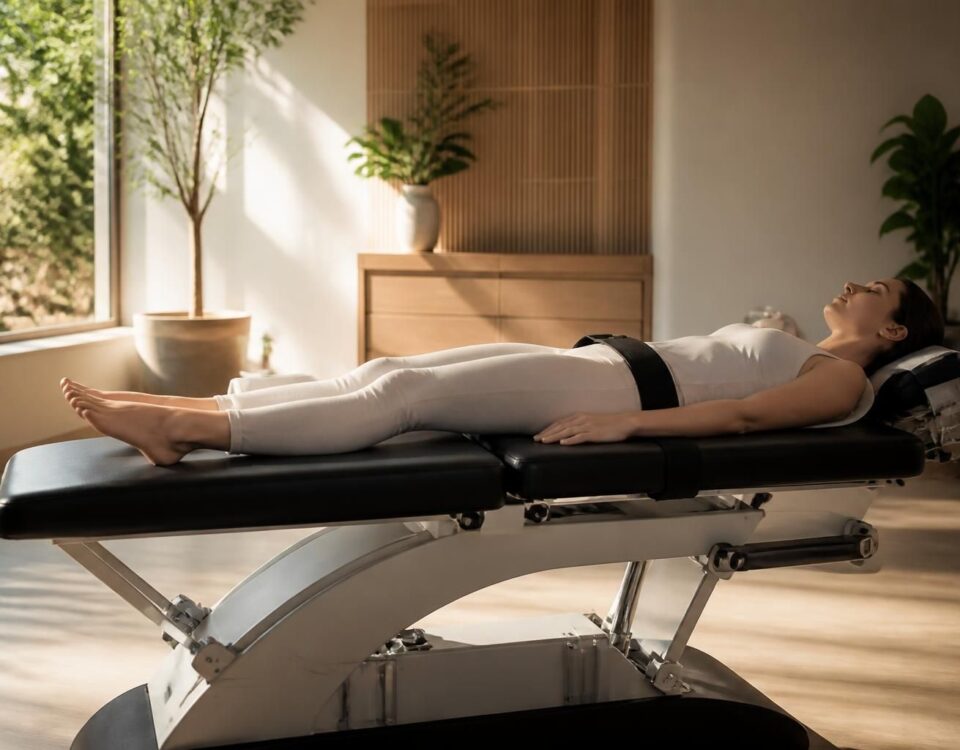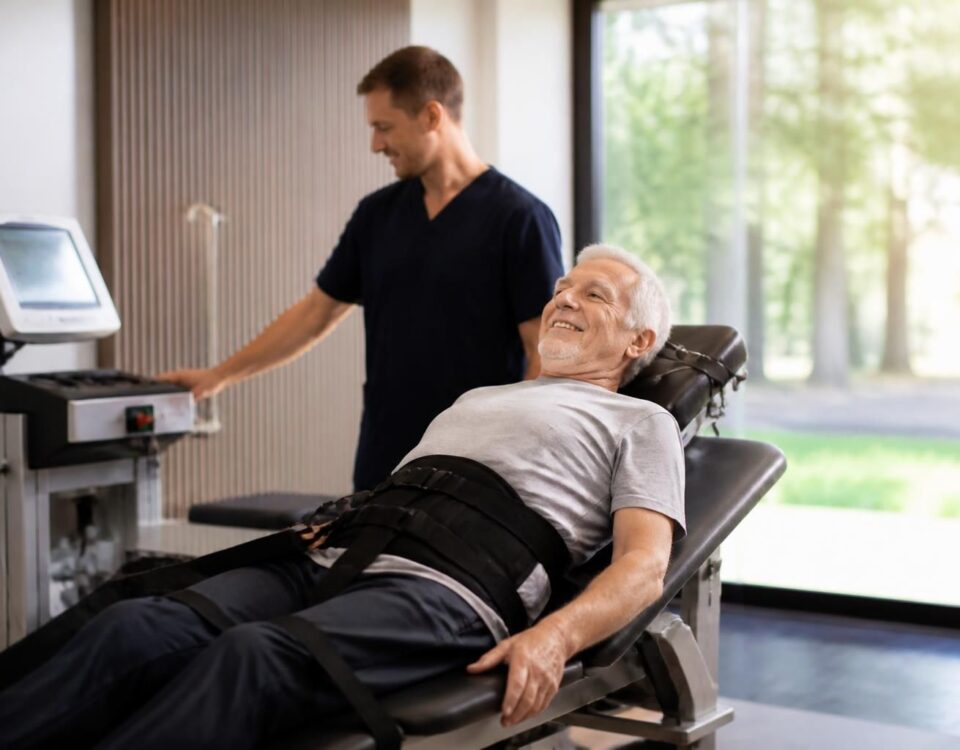


Why neurovertebral decompression is recommended for radicular pain
25/06/2026
How neurovertebral decompression helps reduce nocturnal pain
25/06/2026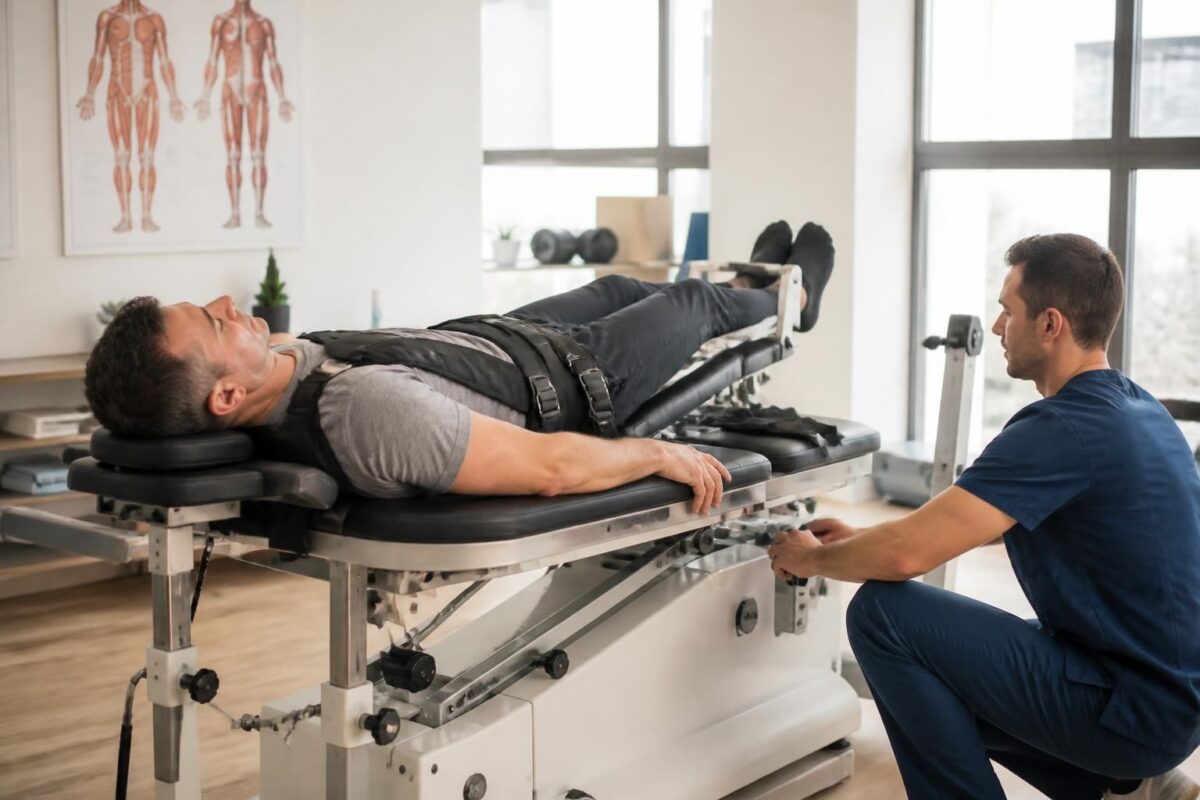
In short
| The neurovertebral decompression is one Non-invasive therapy which completes the physiotherapy helping to relieve the Back and neck pain. it acts by reducing the Intra-discal pressure and promoting the repositioning of Damaged disks, which can alleviate the symptoms of herniated discs and from the sciatica. Its key advantages include theImproving mobility and the pain reduction, without surgery and without pharmaceuticals in the long term. how it works: a device Segmental decompression Applies a Controlled traction To create a empty in the disc, stimulate the circulation and promote the Natural regeneration As part of a rehabilitation course personalized. local availability: this treatment can be integrated into your journey of re-education in your area, with a monitoring adapted and Post-treatment advice. |
The neurovertebral decompression is one Non-invasive therapy which can be considered as a Complementary treatment to physiotherapy For lumbar and cervical pain linked to disc pathologies, such as hernias or disc bulges, as well as root disorders.
- Principle : Controlled column decompression that reduces intra-discal pressure, promotes disc rehydration and helps repositioning damaged elements, thus relieving nerves.
- Benefits : Decreased pain, improved mobility and function, and acceleration of recovery when combined with targeted exercises.
- Integration : is part of a rehabilitation program including reinforcement, postural work and proprioception, adapted to each patient.
- Security and tracking : Requires prior assessment by a health professional and supervision throughout treatment, with adjustments based on progress and possible contraindications.
Quick Summary: neurovertebral decompression Offers a non-invasive approach that integrates with the physiotherapy To relieve back and cervical pain related to disc pathologies. This therapy acts on the pressure exerted on the discs and nerve roots, promoting natural recovery and improving mobility. This article explains the functioning, indications, clinical framework and resources useful for understanding how this approach can complement rehabilitation.
Definition and principle
The neurovertebral decompression is a non-surgical therapy that uses controlled traction on the spine. She creates a Intra-discal negative pressure, which helps to reposition damaged discs and reduce nerve compression. This approach aims to facilitate natural disc recovery and reduce associated pain.
how it works
A specialized device applies segmental tensile forces to the spine according to custom settings. This action is computer-guided, which ensures accuracy and security. The treatment is generally well tolerated and does not require anesthesia. It can be considered as a supplement to the rehabilitation programs already in place in a specialized clinic.
Integration into physiotherapy and rehabilitation
Decompression is part of a course of readaptation global. It can help reduce pain and improve mobility, which then allows for further strengthening and posture exercises supervised by professionals. At TagMed, we propose a coordinated approach that combines decompression with complementary clinical interventions, in order to optimize the results for patients.
Support and security process
The typical course begins with a clinical evaluation and, if necessary, imaging examinations. Following this assessment, a personalized treatment plan is established. The protocol may include multiple sessions over a specified period, with real-time monitoring and traction parameters adjustments depending on the patient’s response. Safety is a priority, and professionals follow rigorous protocols to avoid contraindications and ensure patient comfort.
Indications and contraindications
Decompression is mainly indicated for pain related to disc pathologies that affect the back or neck, such as herniated discs or protrusions that cause radiant pain or nerve compression. Contraindications exist and require an in-depth assessment by a health professional. A consultation is recommended to determine the adequacy of this treatment for each particular situation.
Clinical evidence and perspectives
Clinical studies suggest that neurovertebral decompression can reduce pain and improve mobility in a large number of patients, while offering a non-surgical alternative for those who wish to avoid invasive intervention. When this therapy is integrated into a global rehabilitation program, it can contribute to a better quality of life and a lasting reduction in discomfort.
Resources and useful links
To enrich your knowledge, you can consult specialized resources on decompression technologies and mechanisms:
- How decompression acts on compressed nerve roots
- The technologies used
- Neurovertebral Decompression – Complementary Therapy
- Complementary decompression to conventional treatments
In formative terms, our professionals rely on training courses recognized by institutions such as NUMSS, nao, National University of Medical Sciences and National Academy of osteopathy. Associatively, we align ourselves with the standards of organizations acma, College of Canadian Osteopaths and College of Canadian Osteopaths.
For patients located in Quebec, TagMed offers complete options in its Montreal and Terrebonne clinics. These places offer an integrated approach focused on safety, clarity of objectives and respect for best practices in osteopathy and manual medicine.
Additional information and external resources that synthesize the principles of neurovertebral decompression are available on the domain dedicated to this treatment:
Be sure to prioritize accessible resources through authorized domains such as DecompressionNeurVertebrale.com and affiliate sites of sossciatica.com.
- directions : back pain or cervical related to disc pathologies or nervous compression; Complement to physiotherapy.
- Mechanism : decompression which reduces the Intra-discal pressure and promotes the rehydration and disk repositioning.
- Earnings : pain reduction, Improved mobility, Reduction of inflammation.
- Security : Approach non-invasive, without surgery, generally high tolerance.
- Integration : work in collaboration With your program physiotherapy and of re-education.
- Treatment plan : route personalized with typical duration of 4–5 weeks.
- modalities : regular sessions on a Decompression table with Real-time monitoring.
- Results : Improvement lasting of the posture and from the function vertebral; prevention of recurrences.

This article offers how the neurovertebral decompression can fit like Complementary treatment to the physiotherapy For lower back and cervical pain linked to disc pathologies. It describes the mechanism, the practical indications, the framework of an integrative protocol and the expected benefits in a global approach to rehabilitation and re-engagement.
Why consider decompression as a complement to physiotherapy
The neurovertebral decompression aims to reduce the Intra-discal pressure and to promote the repositioning of discs, which can prepare the ground for the exercises of Reinforcement and stabilization offered by physiotherapy. By locally alleviating tensions on nerves and spinal structures, it can reduce pain and improve basic mobility, making it possible to start active rehabilitation programs more effectively.
It does not replace physiotherapy but articulates with it to optimize the results. An integrated plan combines the Mechanical reduction by decompression and Therapeutic exercises targeted, posture work, breathing and trunk strengthening. This multidisciplinary approach promotes less slow pain regression and better functional recovery, while providing a non-surgical route for patients motivated by proactive back or neck management.
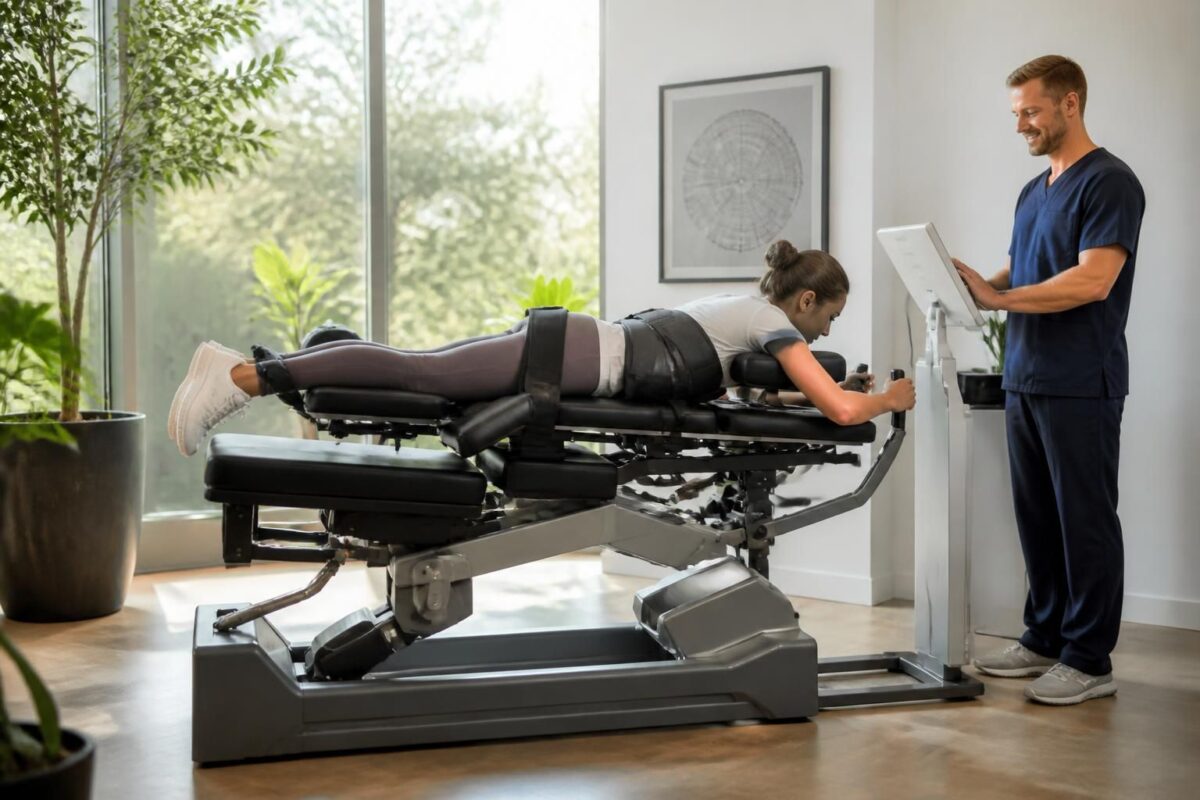
The long-term benefits of neurovertebral decompression for spinal health
In short In short, the neurovertebral decompression is a non-invasive approach that decreases the Pressure on intervertebral discs and nerves, favoring the Natural regeneration and tissue recovery. Its long-term benefits include Lasting pain reduction, Improving mobility and from the posture,…

Neurovertebral decompression and mobility: a return to an active life
In short In short, the neurovertebral decompression is therapy non-invasive who uses a gentle traction To create a space between the vertebrae and reduce the pressure on the Intervertebral discs and the nerves. It promotes a bloodstream improved, lowers tension…
Practical integration in the context of rehabilitation
Selection criteria and contraindications
The decompression is particularly suitable for patients with slipped disc, bulge disc or sciatica refractory to conservative treatments. However, it requires a prior assessment by a health professional in order to rule out contraindications. Typical situations to discuss include vertebral fractures, active infections, tumors, spinal instability, pregnancy or major vascular conditions. A personalized approach is essential to guarantee the safety and effectiveness of the treatment.
Each patient is unique: surgical history, comorbidities or structural abnormalities can influence the therapeutic choice. In any case, a prior medical consultation is recommended to adapt the protocol and coordinate with other health professionals involved.
Typical procedure and protocol
The typical route provides for an initial assessment, followed by a personalized treatment plan. The decompression sessions are programmed according to the patient’s needs and tolerance, generally over a period of 4 to 5 weeks, at the rate of 3 to 5 weekly sessions, for a total of approximately 20 to 25 sessions. During each session, the traction parameters are adjusted in real time and supervised by a therapist, in order to precisely target the level and the affected segment.
After each session, active exercises and posture advice can be initiated or continued under supervision, in order to strengthen the gains obtained and to gradually integrate the patient into a sustainable physical activity program. Monitoring includes periodic pain, mobility and daily function assessments to adjust the plan.
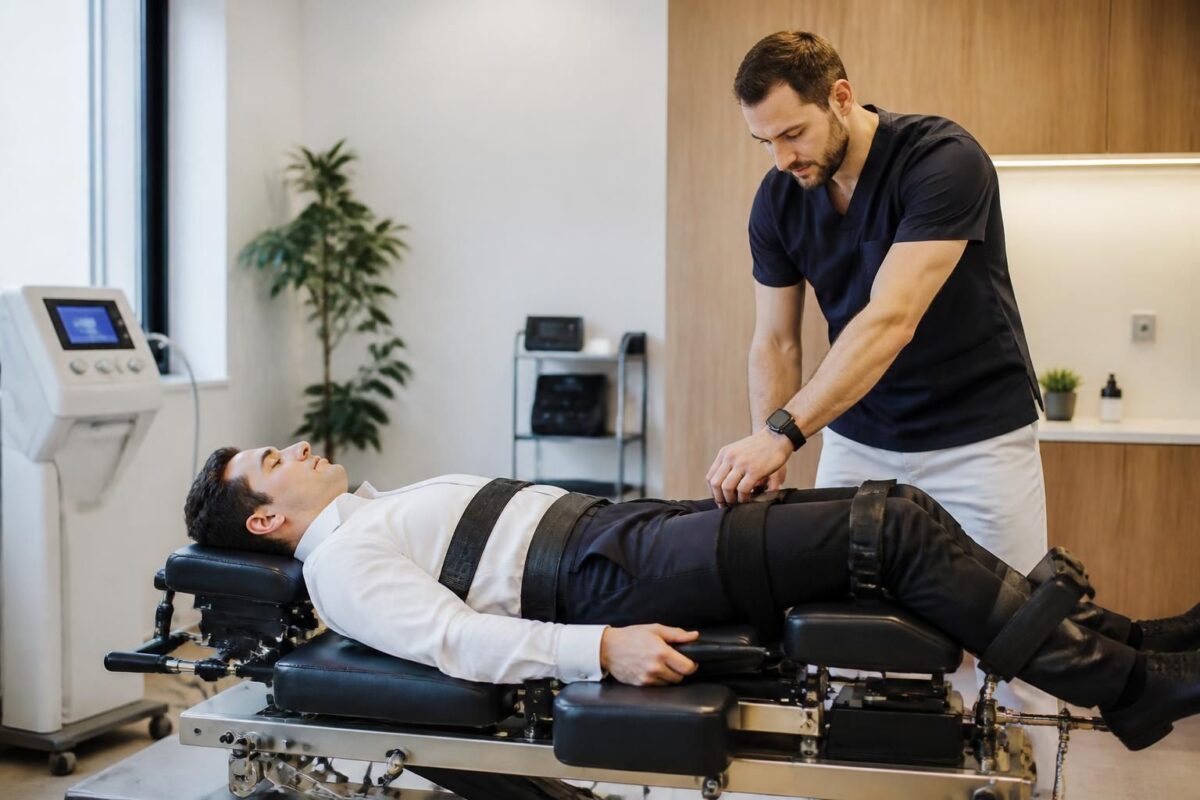
How Neurovertebral Decompression Prevents Diffuse Chronic Pain
In short decompression neurovertebral is one Non-invasive method aimed at reducing the Pressure on the intervertebral discs and the nerves, in order to prevent Diffuse chronic pain. It improves the circulation and thedisc hydration, decreases inflammation and promotes better mobility.…
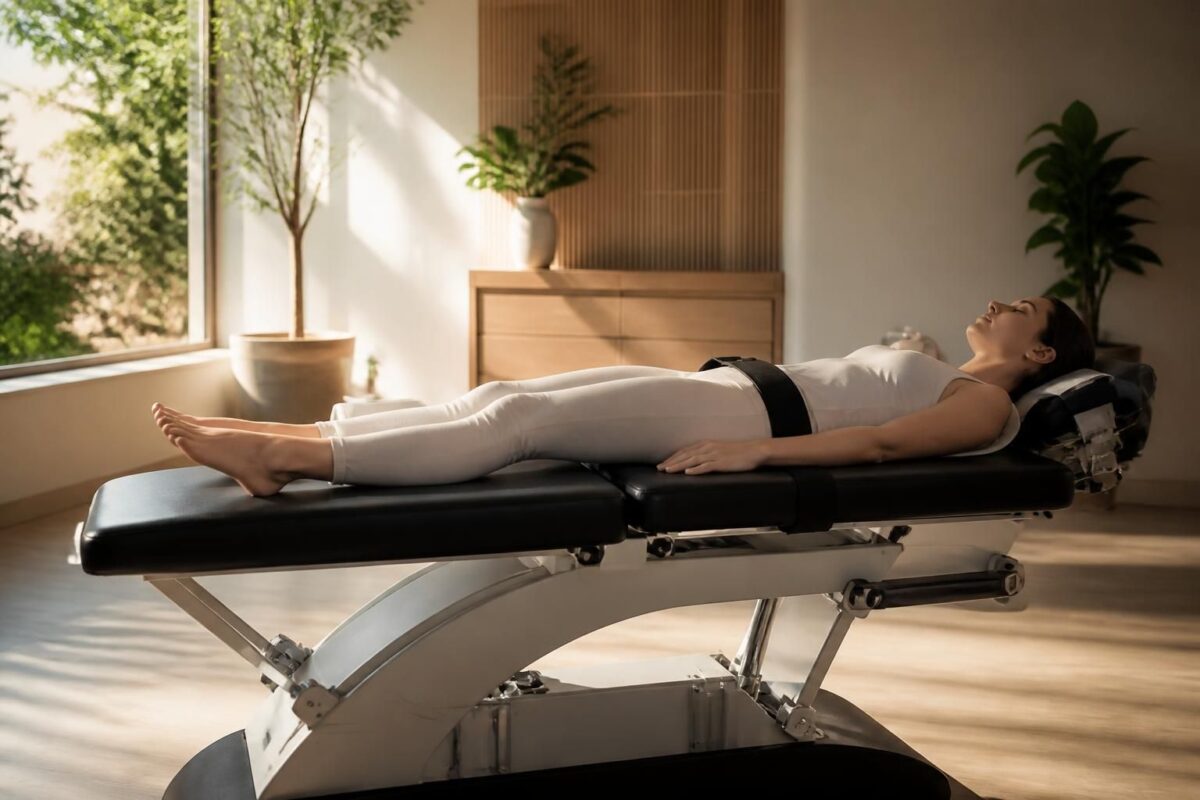
Neurovertebral Decompression and Body Alignment: Restoring Natural Balance
In short In short, neurovertebral decompression is one Non-invasive approach who restores theBody Alignment and thenatural balance back and neck. She acts by a Controlled traction of the spine to widen the intervertebral space and reduce the Pressure on discs…
Advantages and limits
Among the benefits, there is a rapid pain reduction, improved mobility and decreased addiction to analgesics. By reducing the pressure on the discs and nerves, decompression facilitates the initiation and progression of rehabilitation exercises, while offering an alternative non-invasive to more aggressive options. Nevertheless, it is not suitable for all patients and its effects largely depend on theCommitment to the rehabilitation program and individual clinical conditions. Insufficient results in the context of a complex or poorly selected pathology can limit the benefits.
The limits also lie in the fact that decompression is a step in a larger process and does not replace recurrence, mobility and prevention activities. Its effectiveness is enhanced when it is associated with targeted exercises, postural education and modeling of the long-term care plan.
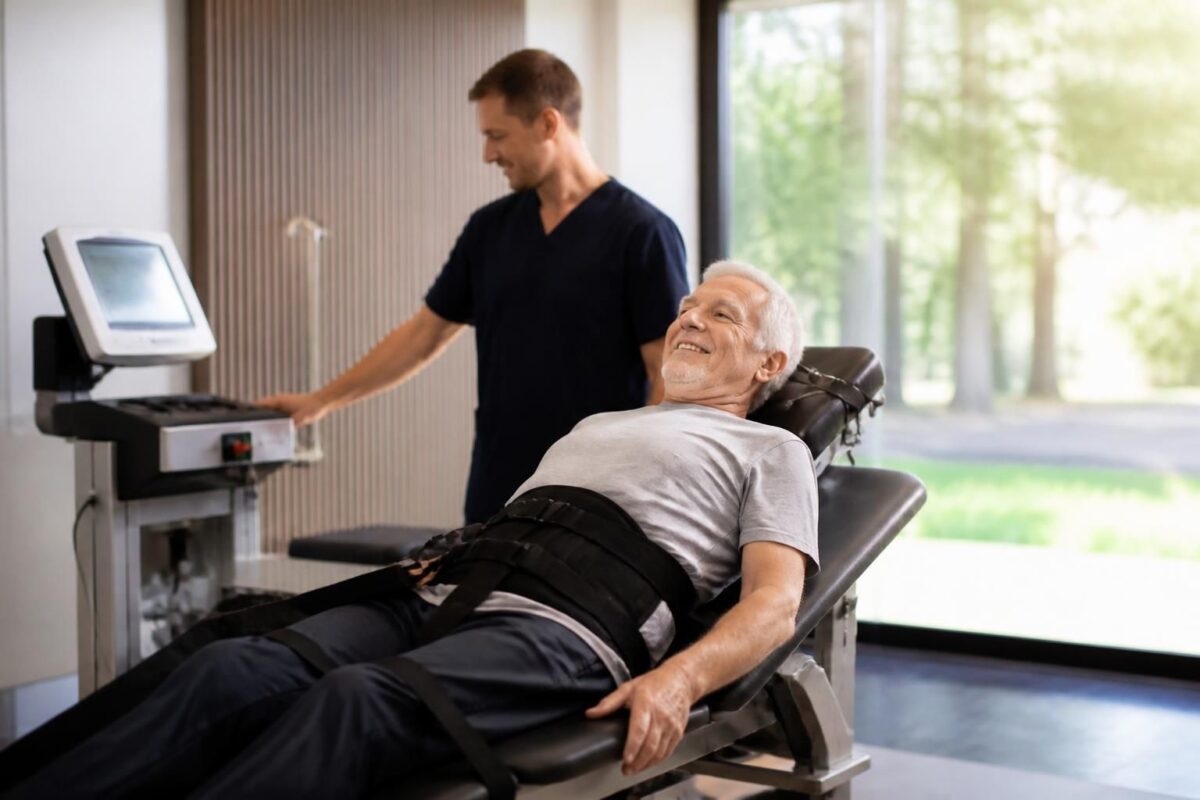
Why neurovertebral decompression is a lasting solution for active seniors
In short In short, the neurovertebral decompression is one Non-invasive therapy which sustainably relieves spinal pain in the spine active seniors By creating, by a Soft and controlled traction, a space between the vertebrae. At Montreal, it is recognized as…
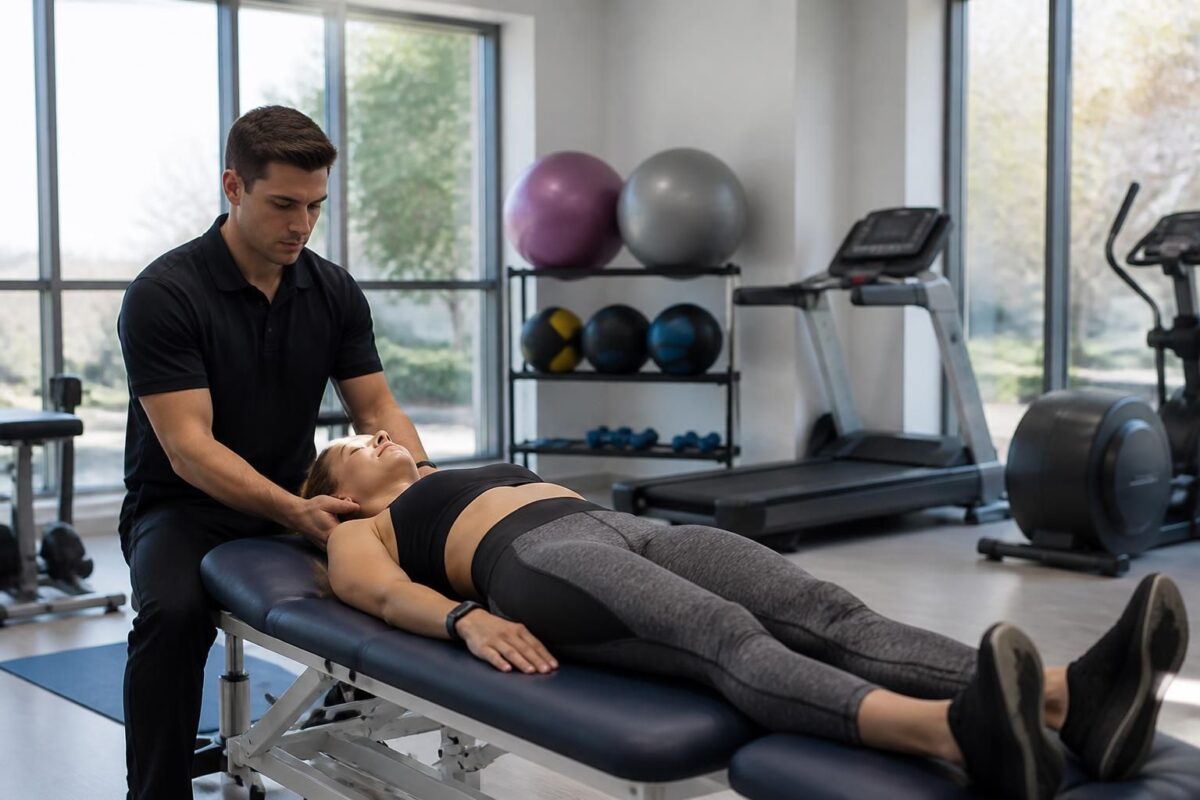
Neurovertebral decompression and recovery after severe sports injury
In short In short, the neurovertebral decompression is one Non-invasive method to Relieve the pressure on the Intervertebral discs and the gristle Via a Controlled traction, to facilitate the recovery After a severe sports injury. It improves the bloodstream towards…
Monitoring and success indicators
To optimize the results, monitoring should be based on clear indicators: pain reduction, improvement in mobility, daily functional capacities and return to regular physical activity. The patient benefits from a smooth transfer to autonomous exercises and a relapse prevention protocol. Close coordination between physiotherapist, osteopath and doctor is essential to ensure safe and lasting progression.
| Axis | Concise elements |
|---|---|
| Definition and purpose | The neurovertebral decompression is therapy non-invasive which aims to reduce the Intra-discal pressure and the nervous contact, in addition to the physiotherapy. |
| directions | to be associated with the rehabilitation program for back pain and cervical pain related to herniated discs, radiculopathies and discus disorders. |
| Mechanism | action by controlled decompression creating a emptying which release the pressure and promotes the Rehydration and repositioning disc and nerves. |
| Benefits | Option non-surgical and targeted, compatible with rehabilitation, rapid pain reduction and improvement of mobility. |
| Terms and duration | Typical sessions 3–5 times/week over 4–5 weeks, total around 20–25 visits, with real-time follow-up and adjustments. |
| Integration into the program | integrates the plan of re-education Supervised by a health professional, with progression and advice on postures and reinforcement. |
| Expected results | Reduction pain, improvement mobility and decreased disc and neural inflammation. |
| Contraindications and safety | contraindicated in case of vertebral fractures, tumors, vertebral infections, pregnancy, major vascular pathologies and instability. |
| Constraints and accessibility | Variable availability by region and establishment; Cost and infrastructure require assessment. |
“Before I start, my protocol physiotherapy was effective but my lower back pain persisted. By adding the neurovertebral decompression At my treatment, I felt a marked decrease in pain and an improvement in my daily mobility. »
“For my herniated disc with irradiated pain, the decompression allowed me to avoid surgery. Combined with the physiotherapy, it accelerated the resorption of the disc and regained a significant part of my mobility in a few weeks. »
“I am an active person and I was afraid to pause my training. the program associating neurovertebral decompression and rehabilitation exercises allowed me to resume my sports activities without chronic pain. »
“After months of cervical pain, the decompression Released tensions and improved my posture. Integrated into my therapy, it offers me a lasting solution without resorting to heavy drugs. »
“As a teacher, I have to stay active and mobile all day. Thanks to this Complementary treatment to the physiotherapy, my lower back pain has decreased and my quality of life has improved, without changing my professional habits. »
Dr. Sylvain Desforges, specialist in osteopathy, Naturopathy and manual medicine, brings an innovative vision of the management of musculoskeletal pain. At the head of the TagMed clinics and the ACMA association, he is committed to proposing evidence-based approaches and global rehabilitation. In this context, neurovertebral decompression is presented as a powerful and complementary tool to physiotherapy, intended to optimize the results of care pathways and to sustainably improve the quality of life of patients.
Neurovertebral decompression is a non-invasive therapy that solicits the spine through controlled and segmental traction. This approach aims to reduce the pressure inside the discs and around the spinal nerves, thus facilitating the retraction of disc protrusions and the rehydration of the intervertebral discs. Clearly, it creates a physiological vacuum that helps damaged structures regain their alignment and reduces nervous irritations. This targeted reduction in pressure promotes a gradual reduction in pain and an improvement in mobility, elements that then allow more effective rehabilitation through physiotherapy.
Integrated into the rehabilitation framework, this technique acts as a lever for programs of physiotherapy and of Functional recovery. By presenting less pain and increased range of motion, the patient can participate more actively in strengthening, stretching and stabilizing exercises. This synergy contributes not only to speeding up the return to normal activity, but also to reducing the risk of recurrence by treating an underlying mechanical cause rather than stopping at symptomatic relief alone.
On the technological level, the neurovertebral decompression used in the courses offered by Dr Desforges is based on a sophisticated, computer-managed platform. The latter ensures precise and personalized traction, adjusted in real time according to the patient’s responses. Programs are tailor-made based on the diagnosis, location and severity of the vertebral pathology, guaranteeing a safe and appropriate therapeutic approach for each individual. In this context, other advanced modalities associated with the practice, such as laser and shockwave therapy, can be integrated in a complementary way to optimize results and accelerate recovery.
The typical course is based on an in-depth assessment including anamnesis, clinical examination and, if necessary, imaging examinations. Following this evaluation, a personalized treatment plan is developed, specifying the number and frequency of decompression sessions as well as the stages of rehabilitation. The sessions take place in a secure and comfortable setting, with continuous monitoring by the therapist to adjust the parameters and ensure patient comfort. At the end of the program, a follow-up is used to assess progress, rehabilitate objectives and introduce posture and reinforcement advice to maintain the results obtained.
Dr. Desforges places thepatient-centric approach at the heart of his action. Its commitment is to propose solutions non-surgical and evidence-based, which effectively complement physiotherapy to treat lower back and cervical pain, radiculopathies and other spinal dysfunctions. By combining clinical expertise, modern technologies and structured rehabilitation protocols, it offers a tangible path to better mobility, less pain and a more active life.
This text presents neurovertebral decompression as Complementary treatment to the physiotherapy, by detailing its mechanisms, its potential benefits, the methods of evaluation and integration into a global rehabilitation program, as well as the resources available to deepen the subject.
integrated into a course of physical rehabilitation, the neurovertebral decompression stands out as an option non-invasive which can complete the interventions of physiotherapy and strengthening exercises. It acts by precisely targeting the affected discs and nerves, which reduces the Intra-discal pressure and improve the bloodstream localized, thus promoting the natural repair of tissues and the restoration of mobility. This approach, combined with stretching, strengthening and posture programs, can accelerate the return to functional activity and limit recurrences when it is adapted to the patient’s profile.
The clinical benefits observed generally include a pain reduction, a Improving mobility and a decrease in inflammation around the discs and nerves. This therapy can also help to reduce addiction to certain analgesics and offer an effective alternative when conventional treatments do not bring the desired relief. For athletes and active people, decompression can facilitate maintenance or return to training with a reduced surgical risk.
In order to ensure a safe and effective approach, preliminary assessment carried out by a health professional remains essential. Certain contraindications and specific situations (vertebral fractures, infections, tumors, pregnancy, serious instabilities, etc.) must be excluded before starting treatment. Specialized resources and professional guides available on the dedicated sites make it possible to deepen these points and to shed light on the therapeutic choice best suited to each patient. For more information, see the following resources: How neurovertebral decompression reduces pressure on spinal nerves, Decompression details, Decompression – Complement to physiotherapy and other associated resources.
Finally, the success of this treatment is based on a coherent integration into a Personalized treatment plan, a Real-time monitoring and post-processing monitoring that allows you to adjust the parameters and ensure the continuation of the gains obtained. To explore innovations and practical applications more broadly, resources on Technological innovations And uses in specific contexts (injuries, sports) can be consulted, in particular via the pages dedicated to neurovertebral decompression and its applications.
To complete your reading, these links shed additional insights and practical perspectives on the integration of neurovertebral decompression with other approaches to physiotherapy and musculoskeletal care: Technological innovations in neurovertebral decompression, Why decompression is ideal after an injury, Decompression and muscle tension – a winning duo, and other useful resources listed on associated platforms.
For an approach adapted to athletes, professional activity and daily, specific resources describe how decompression can be personalized to optimize performance, recovery and prevention of recurrences, while remaining aligned with the Functional rehabilitation and of Injury prevention.
Complementary sources and online practice guides, including those relating to osteopathic practice and decompression, offer concrete avenues for implementation in clinics and care structures. Among them, you can consult resources such as What is neurovertebral decompression? and other pages dedicated to this additional treatment.
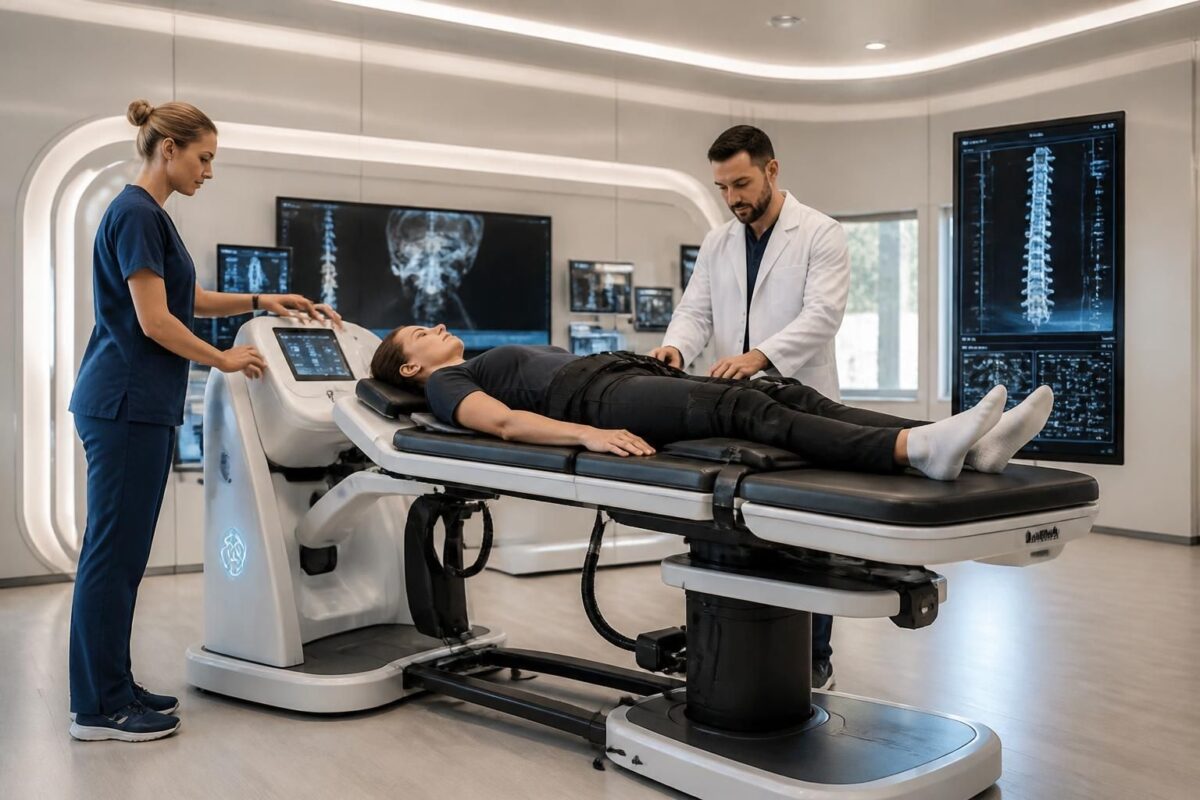
Recent innovations in neurovertebral decompression technologies
In short In short, the neurovertebral decompression is an approach non-invasive Aiming to reduce pressure on discs and nerves, and promote tissue regeneration. At Montreal, it is positioned as an effective option for lower back pain and herniated discs. The…
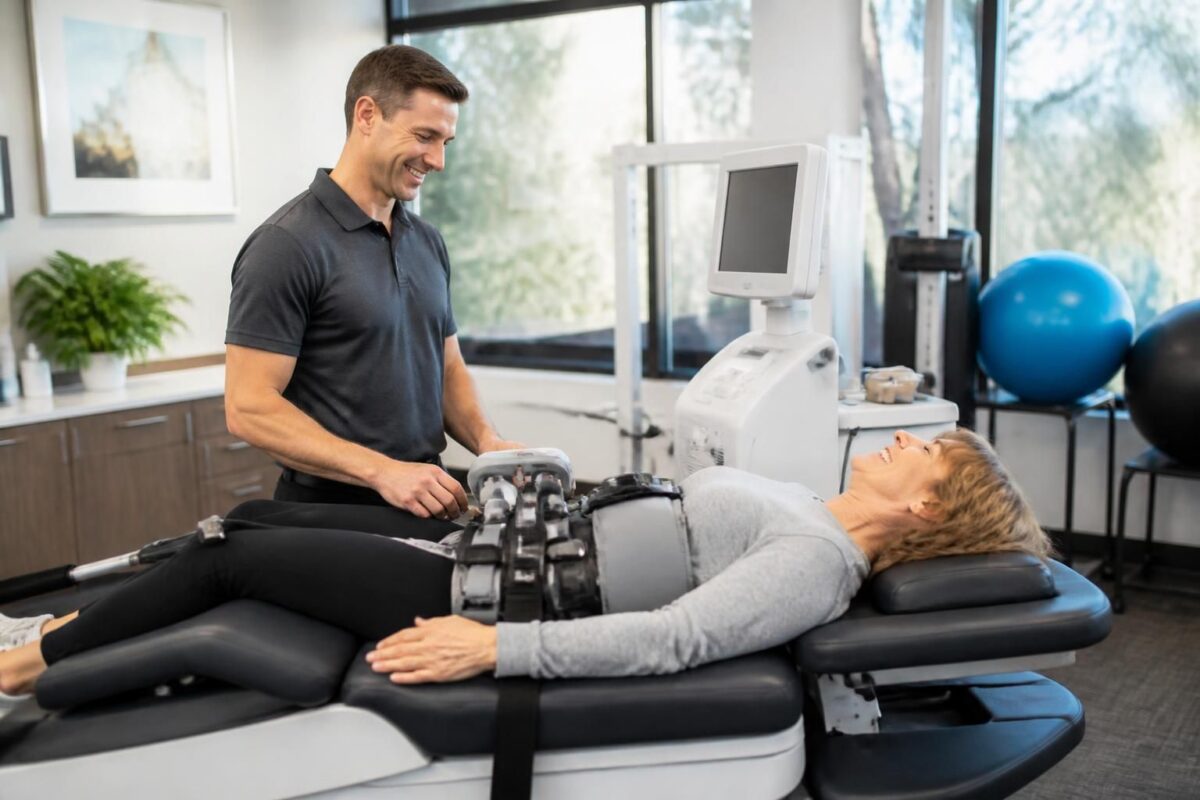
Neurovertebral decompression and diffuse pain: an appropriate solution
In short In short, the neurovertebral decompression is one Non-invasive solution For diffuse pain related to nerve irritation of the spine. She acts in Reducing pressure on intervertebral discs and nerves and improving the bloodstream, which promotes recovery and the…

Dr Sylvain Desforges, B.Sc., D.O., N.D., osteopath, is the founding president of TAGMED and of the ACMA association. He dedicates his practice to chronic spinal pain, low back pain and symptoms compatible with sciatica, particularly when pain radiates toward the buttock, leg, calf, foot or toes.
Through SOS Sciatique, he publishes educational content on sciatica symptoms, possible causes such as disc herniation, disc narrowing, foraminal stenosis or irritation of a lumbar nerve root, as well as non-surgical approaches that may be considered according to the evaluation. At Clinique TAGMED, care may include, depending on the case, motorized neurovertebral decompression, specific osteopathic care or precision percussion.
For an evaluation related to sciatica treatment in Montreal / Mount Royal or sciatica treatment in Terrebonne, please consult the services available at Clinique TAGMED.
Medical disclaimer
The information published on SOS Sciatique is provided for educational purposes only and does not replace a consultation, diagnosis, opinion or treatment provided by a physician or another authorized healthcare professional. The author of this article is neither a medical doctor nor a specialist in a medical specialty recognized by the Collège des médecins du Québec. The osteopathic, manual medicine or functional support approaches described on this site do not constitute medical acts and are not intended to replace medical follow-up.
Consult a physician or emergency service in cases of loss of bladder or bowel control, anesthesia in the saddle area, significant or progressive weakness in the leg or foot, fever, recent trauma, severe pain or rapid worsening of symptoms. For more details, please read our Legal Notice.