Why neurovertebral decompression is an option for active patients
26/06/2026
Manipulations in neurovertebral decompression: what you need to know
26/06/2026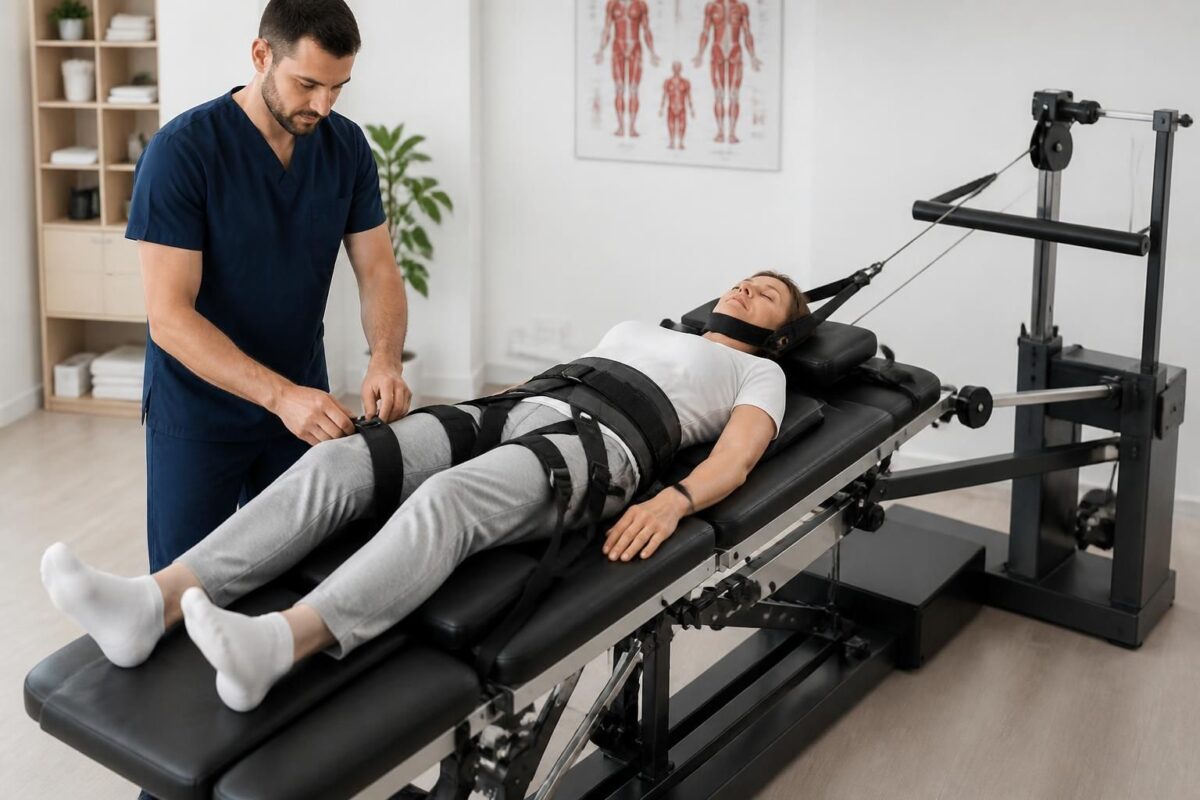
In short
| In short, neurovertebral decompression is one Non-invasive reality which aims to alleviate back pain by acting on Intervertebral discs and the gristle. What is it? Controlled column traction that creates a space between the vertebrae and decreases pressure. Key Benefits: Quick relief, Improving mobility, Prevention of recurrences and risk reduction compared to more invasive options. How does it work? By improving the circulation and hydration of tissues, which promotes regeneration and is integrated into a global care program. In Montreal, this service is particularly recommended for people with chronic back pain who are looking for a safe and effective alternative. |
The neurovertebral decompression is a non-invasive approach designed for Prevent additional lesions of the back. it acts by reducing the pressure on the Intervertebral discs and the gristle thanks to a Controlled traction of the spine, creating a space between the vertebrae and improving blood circulation in the surrounding tissues.
Associated with Reinforcement exercises and advice from way of life, this approach supports column stability and reduces the risk of recidivism. It is particularly relevant for pain related to herniated discs or degenerative pathologies of the back.
This article written by a health professional explains how the neurovertebral decompression May prevent further back injury. It describes the mechanism, the course of the sessions, the admission criteria and the limits. The statement is part of a non-invasive approach to protect Intervertebral discs and the Spinal nerves while promoting the stability of the spine.
Understand the principle and objectives
The neurovertebral decompression is a non-surgical method that seeks to reduce the pressure exerted on the discs and nerves. By applying controlled traction, it creates a space between the vertebrae. This action can improve circulation and promote the nutrition of the spinal tissues, thus contributing to the reduction of pain and the prevention of new damage.
the mechanism and indications
The principle is based on the idea that reducing mechanical pressure can help restore neutral column alignment and promote healing of damaged structures. This approach is particularly relevant when back pain is linked to discus disorders or nerve compressions. It offers a non-invasive alternative to drug treatments and, when adapted, can be integrated into a global care plan.
Session course and security
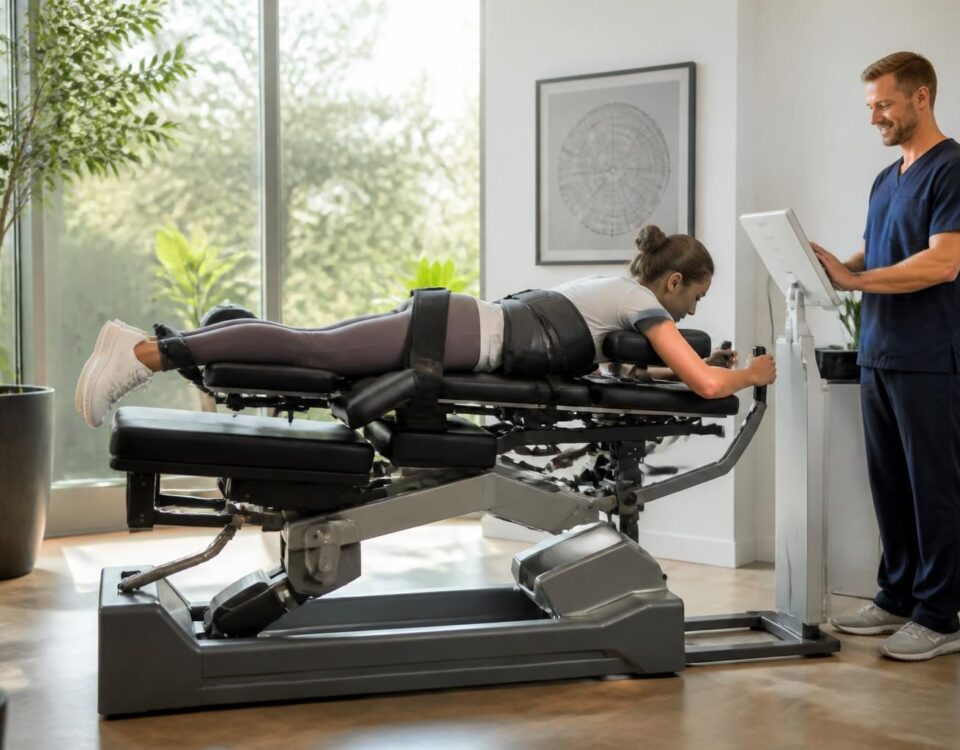
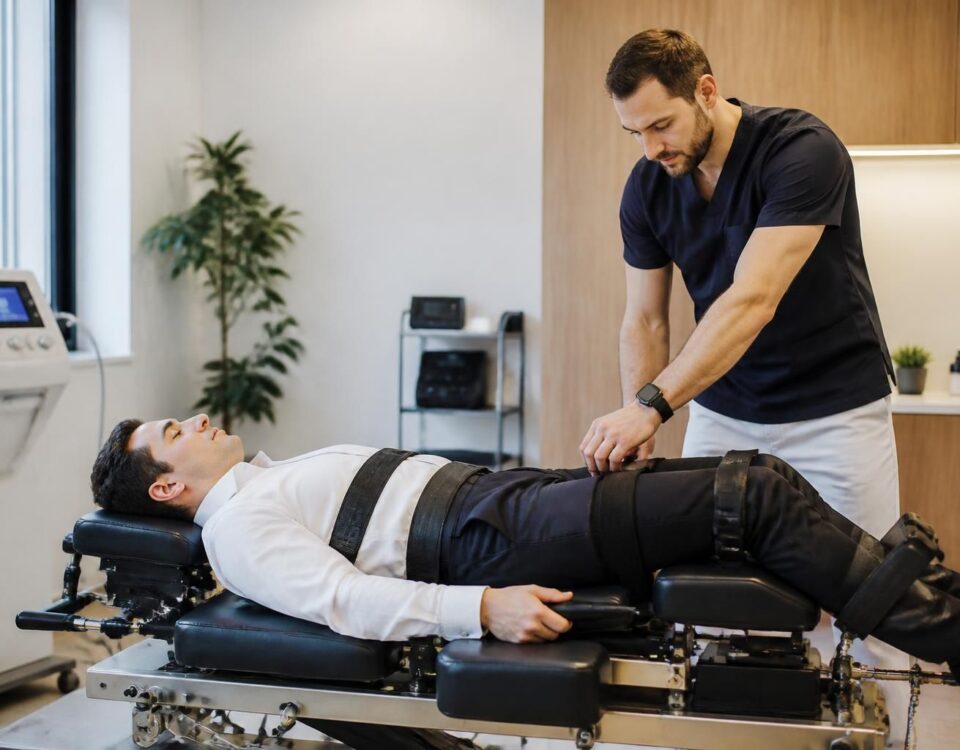
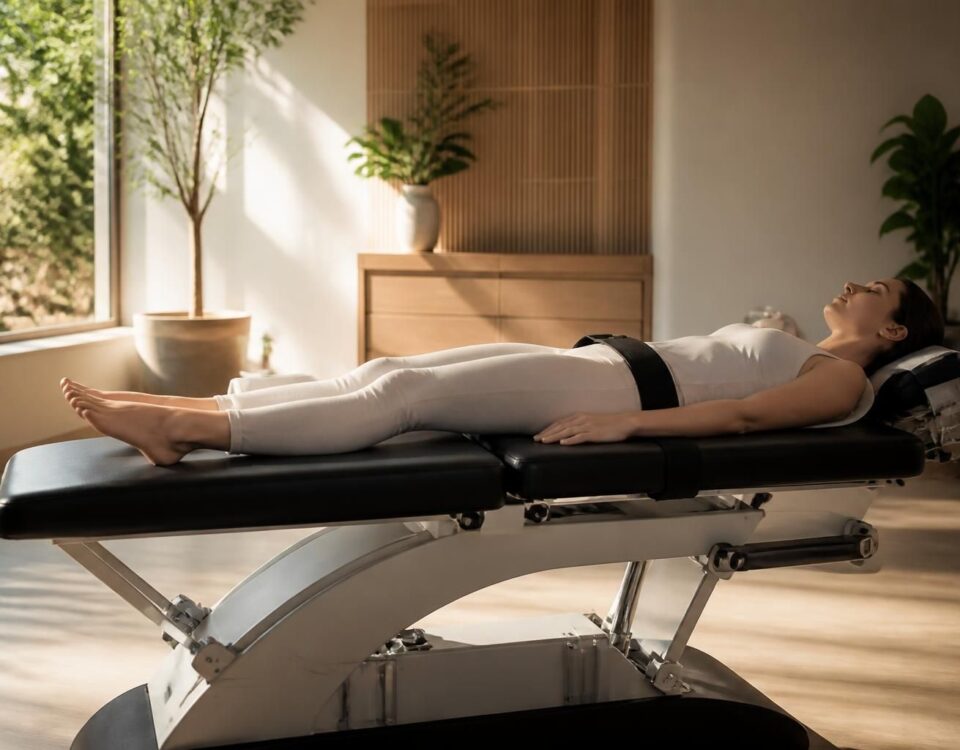
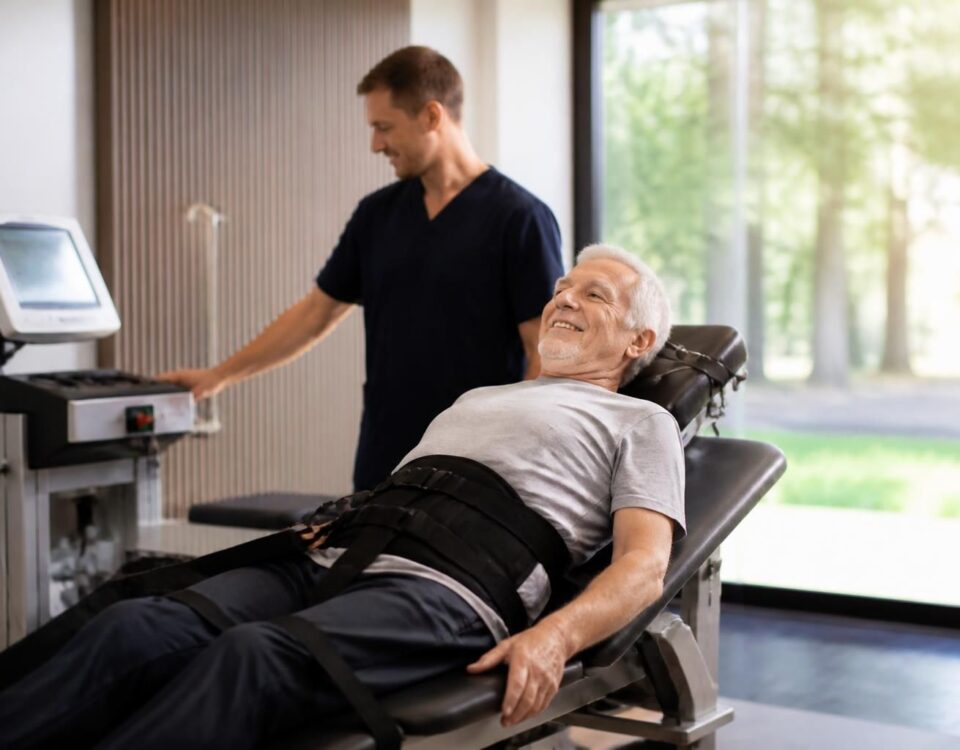
A session begins with a clinical assessment to determine the patient’s ability to benefit from decompression. The patient is then installed on a decompression apparatus, in the lying position. Harnesses allow you to apply progressive and controlled traction on the column. The session usually lasts between 20 and 45 minutes. The treatment is usually planned over several weeks, with a frequency of 2 to 3 sessions per week. The use of computerized devices makes it possible to personalize the protocol and to monitor the evolution of the results.
Efficacy assessment and prevention of additional lesions
The results vary according to the individual and the precise nature of the vertebral lesions. Many patients report a decrease in pain and improved mobility after a few sessions, with a reduction in pressure on the nerve structures and better nutrition of the discs. This non-invasive approach aims to prevent recurrences by correcting overload mechanisms and supporting long-term vertebral functionality.
Integration into global support
Neurovertebral decompression can be considered as part of a wider treatment program. It can be combined with lifestyle tips and other non-surgical approaches that focus on safety and efficacy. In TagMed clinics, this technique is offered in dedicated environments in Montreal and Terrebonne, and is part of a multimodal approach focused on reducing pain and preventing recurrences.
To deepen the subject, you can consult specialized resources on the subject, in particular the pages dedicated to neurovertebral decompression and its applications under various disc conditions. For example, resources detail the framework and mechanisms of neurovertebral decompression and the results observed in different contexts.
Additional useful resources on the subject include information on applications and results observed in clinical practice. To access analytics and guides, visit the following links: Neurovertebral decompression and lumbar duct stenosis, Complete guide, Alternative to surgery, Tagmed Clinic.
For more information on mechanisms and feedback, also see the following resources: Prevention of recurrences after an injury, Neurovertebral decompression – Wikipedia, Relief of pain related to degenerative discs.
Links to additional resources: Tagmed Clinic, Lumbar duct stenosis, Myths on decompression.
Medical Disclaimer: The information and advice provided on this site does not replace the health professional’s diagnosis or treatment. Please note that Dr. Sylvain Desforges osteopath is neither a doctor of medicine nor a doctor, and is not a specialist in a medical specialty as defined by the Collège des Médecins du Québec. Manual medicine, functional medicine and sports medicine as described on this site exclude any medical treatment or diagnosis made by a doctor or specialist doctor. Always consult your doctor for any medical questions. For more details, please read our full legal notice. »
- initial assessment and patient selection
- Security and clearly established contraindications
- Controlled traction and personalized protocol
- Surveillance pain and responses
- Alignment and correct posture
- Strengthening Stabilizing muscles
- stretches and adapted mobility
- Ergonomy at work and at home
- Physical activity Adapted and progressive
- Prevention recurrences
- Monitoring and regular reassessment
- Coordination with other therapies

This sheet presents practical recommendations for using neurovertebral decompression to prevent additional back injuries. It addresses principles, selection criteria, implementation and prevention measures to optimize safety and results while reducing the risk of recidivism.
Understanding the framework and goals of neurovertebral decompression
Neurovertebral decompression is a non-invasive approach that aims to reduce the pressure exerted on the intervertebral discs and nerves by controlled traction of the spine. The objective is to promote the space between the vertebrae, to improve the circulation of fluids and to support the healing of damaged tissues, while avoiding overloads that could aggravate an existing dorsal pathology. This technique can be adapted to issues such as disc herniations, protrusions and chronic lower back pain, but it requires rigorous evaluation and careful implementation.
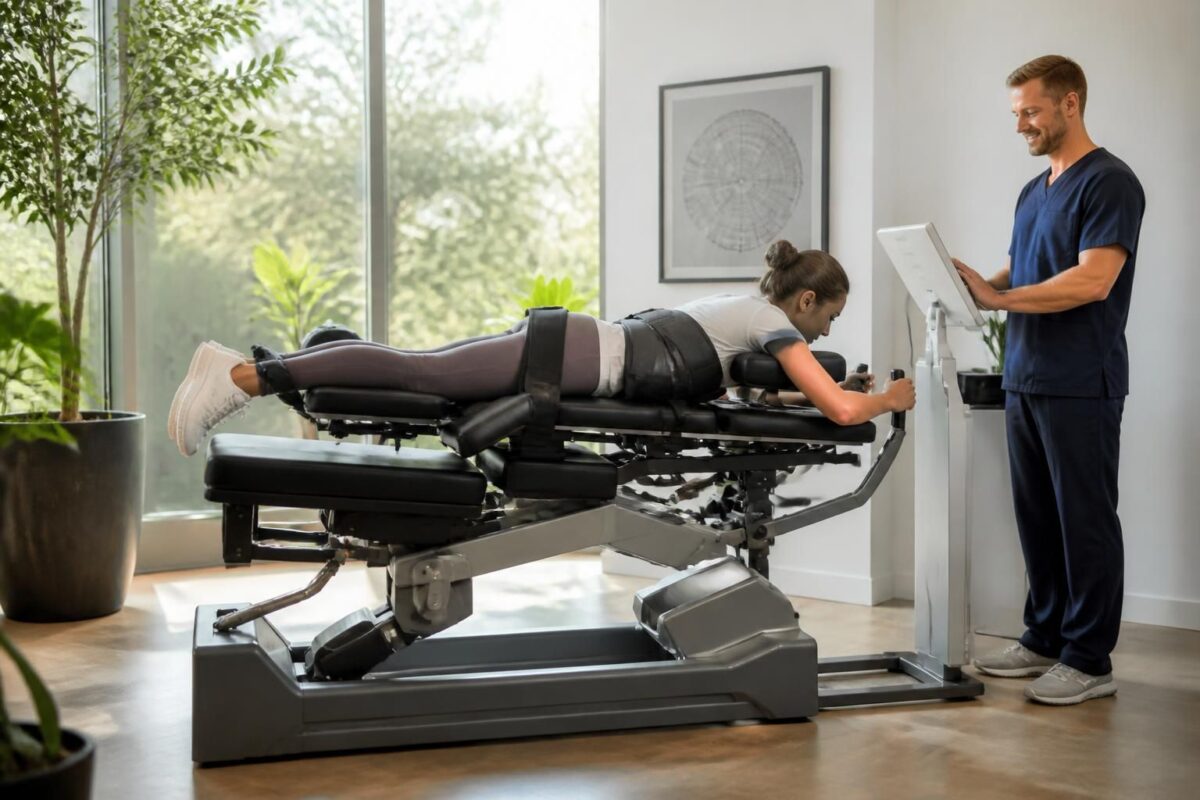
The long-term benefits of neurovertebral decompression for spinal health
In short In short, the neurovertebral decompression is a non-invasive approach that decreases the Pressure on intervertebral discs and nerves, favoring the Natural regeneration and tissue recovery. Its long-term benefits include Lasting pain reduction, Improving mobility and from the posture,…

Neurovertebral decompression and mobility: a return to an active life
In short In short, the neurovertebral decompression is therapy non-invasive who uses a gentle traction To create a space between the vertebrae and reduce the pressure on the Intervertebral discs and the nerves. It promotes a bloodstream improved, lowers tension…
Prevent additional back injuries: practical recommendations
Patient assessment and selection
Before starting, carrying out a complete evaluation makes it possible to check eligibility and identify potential contraindications. Examining history, imaging and symptoms is essential to rule out fractures, infections, tumors or joint instabilities. Assessing column stability and comorbidities is crucial to prevent any risk of additional injury. An individualized approach ensures that the treatment is appropriate and safe.
Protocol planning and security
Establishing a progressive protocol is essential. Typical sessions last between 20 and 45 minutes with gradually adjusted and monitored traction. The recommended frequency often fluctuates between 2 and 3 sessions per week over several weeks, then a re-evaluation. Using calibrated devices and settings specific to the treated region (cervical, thoracic, lumbar) makes it possible to limit voltages and avoid overloads. Always respect the patient’s signals and stop treatment in case of acute pain or neurological deficit.
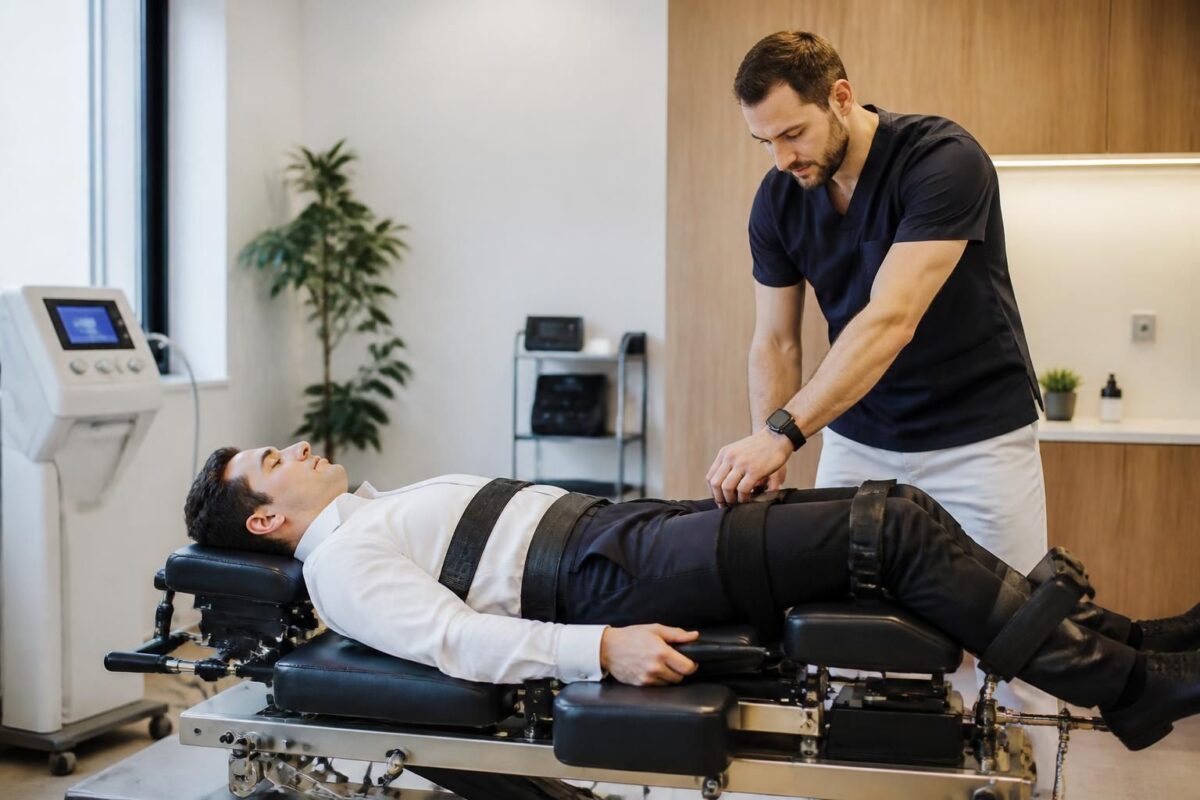
How Neurovertebral Decompression Prevents Diffuse Chronic Pain
In short decompression neurovertebral is one Non-invasive method aimed at reducing the Pressure on the intervertebral discs and the nerves, in order to prevent Diffuse chronic pain. It improves the circulation and thedisc hydration, decreases inflammation and promotes better mobility.…
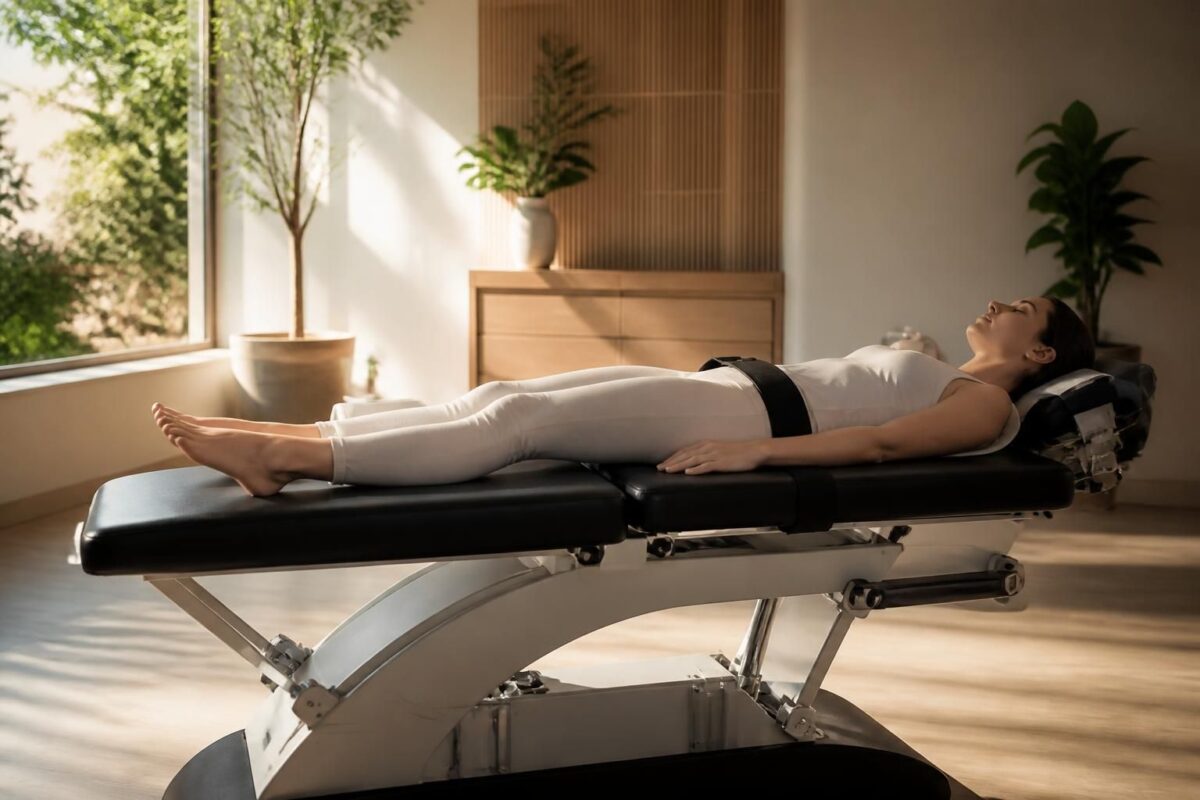
Neurovertebral Decompression and Body Alignment: Restoring Natural Balance
In short In short, neurovertebral decompression is one Non-invasive approach who restores theBody Alignment and thenatural balance back and neck. She acts by a Controlled traction of the spine to widen the intervertebral space and reduce the Pressure on discs…
Good practices during and after treatment
Before each protocol, check the general condition and contraindications is essential. During the session, securing the position and ensuring precise control of the traction avoids sudden movements that could aggravate a pre-existing lesion. After each session, focus on hydration, gentle stretching and targeted strengthening exercises under supervision. Maintaining good posture on a daily basis and adopting an appropriate physical activity strengthens efficiency and helps prevent recurrences.
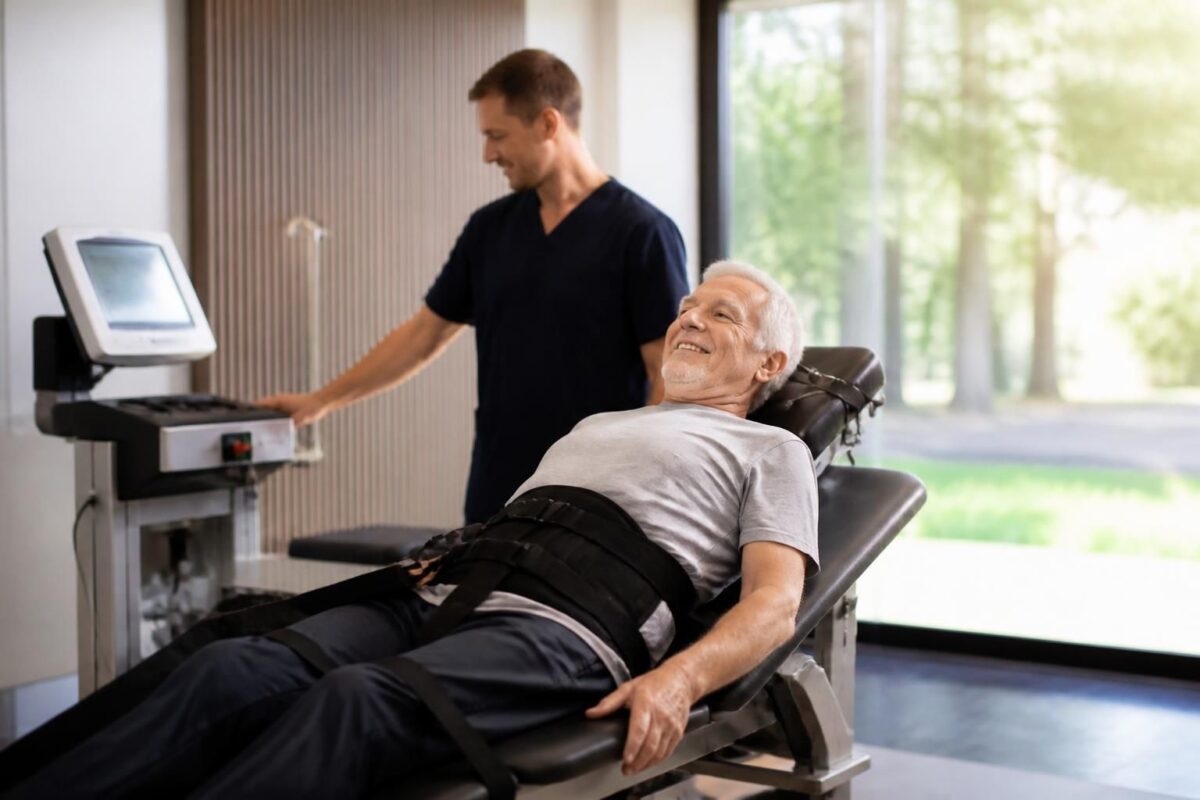
Why neurovertebral decompression is a lasting solution for active seniors
In short In short, the neurovertebral decompression is one Non-invasive therapy which sustainably relieves spinal pain in the spine active seniors By creating, by a Soft and controlled traction, a space between the vertebrae. At Montreal, it is recognized as…
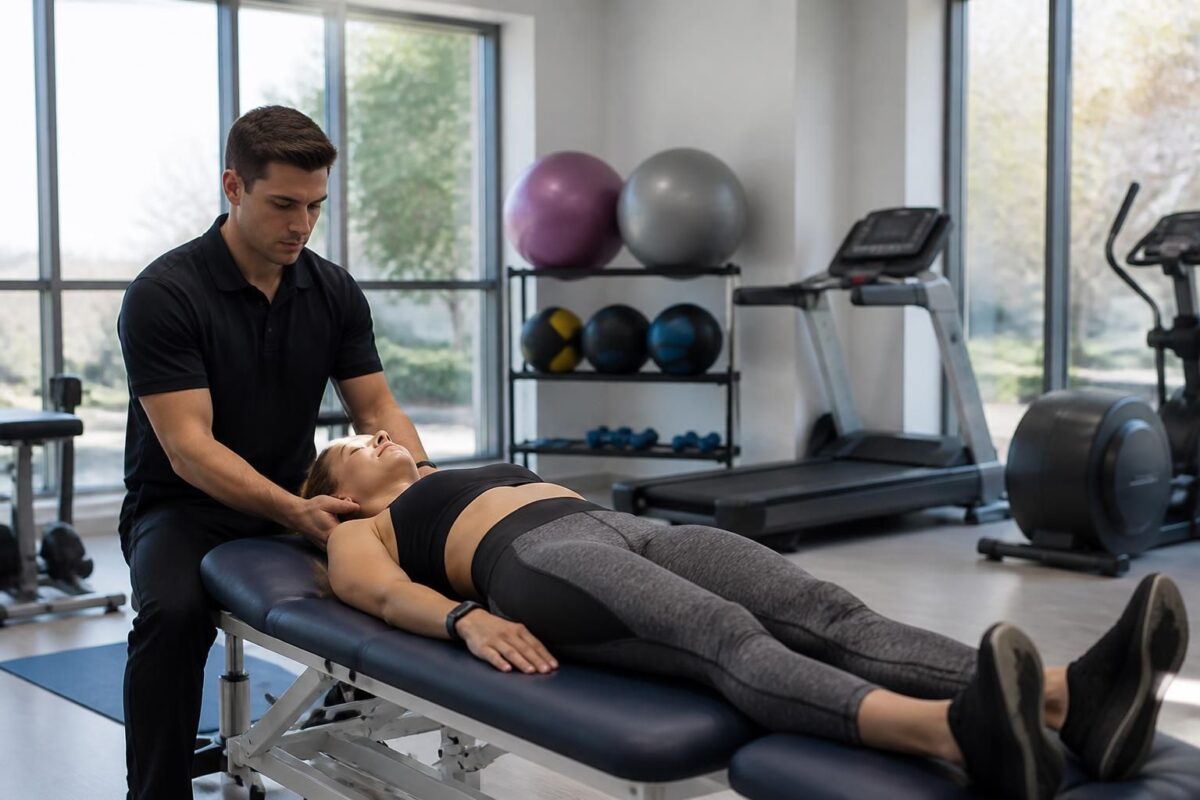
Neurovertebral decompression and recovery after severe sports injury
In short In short, the neurovertebral decompression is one Non-invasive method to Relieve the pressure on the Intervertebral discs and the gristle Via a Controlled traction, to facilitate the recovery After a severe sports injury. It improves the bloodstream towards…
Integration and follow-up to optimize recurrence prevention
Combining decompression with complementary approaches such as stability exercises, physiotherapy or osteopathy can optimize results and limit risks. Regular monitoring allows you to adjust the protocol according to the progression and reactions of the back. Keeping a symptom log helps identify triggers and adapt daily activities, loads and stretching routine.
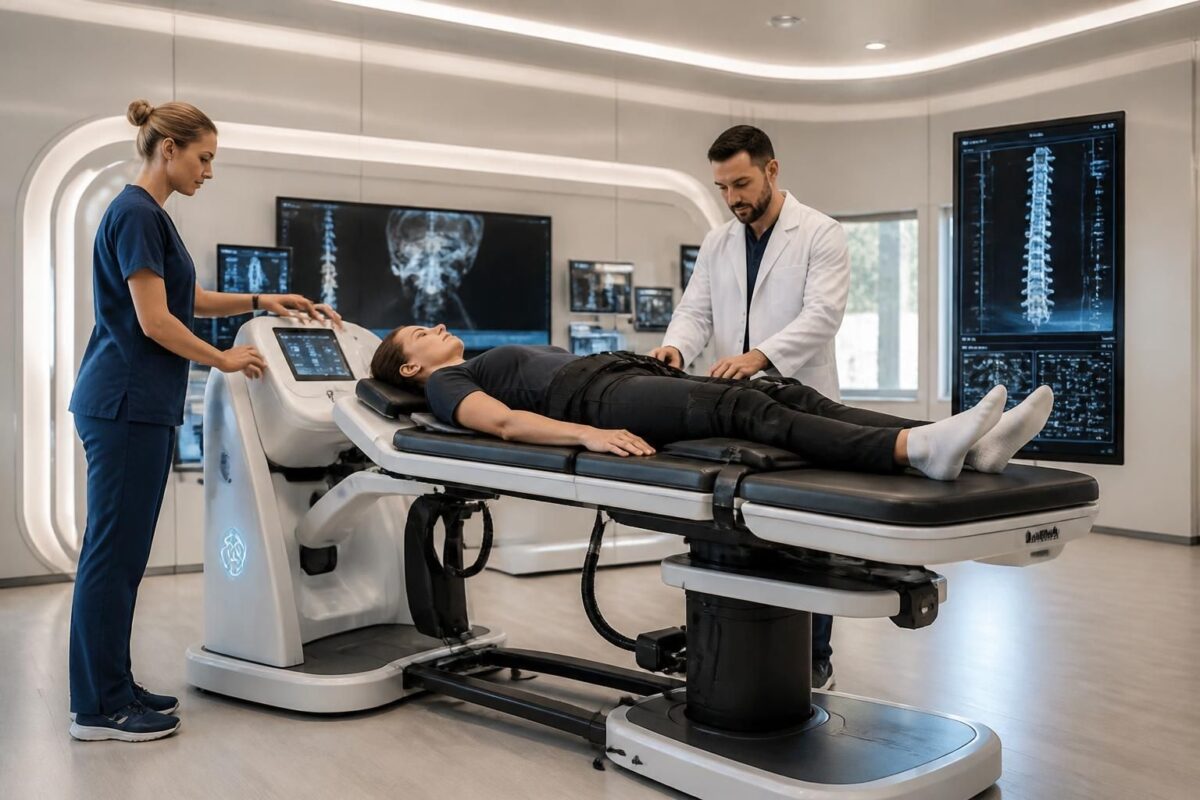
Recent innovations in neurovertebral decompression technologies
In short In short, the neurovertebral decompression is an approach non-invasive Aiming to reduce pressure on discs and nerves, and promote tissue regeneration. At Montreal, it is positioned as an effective option for lower back pain and herniated discs. The…
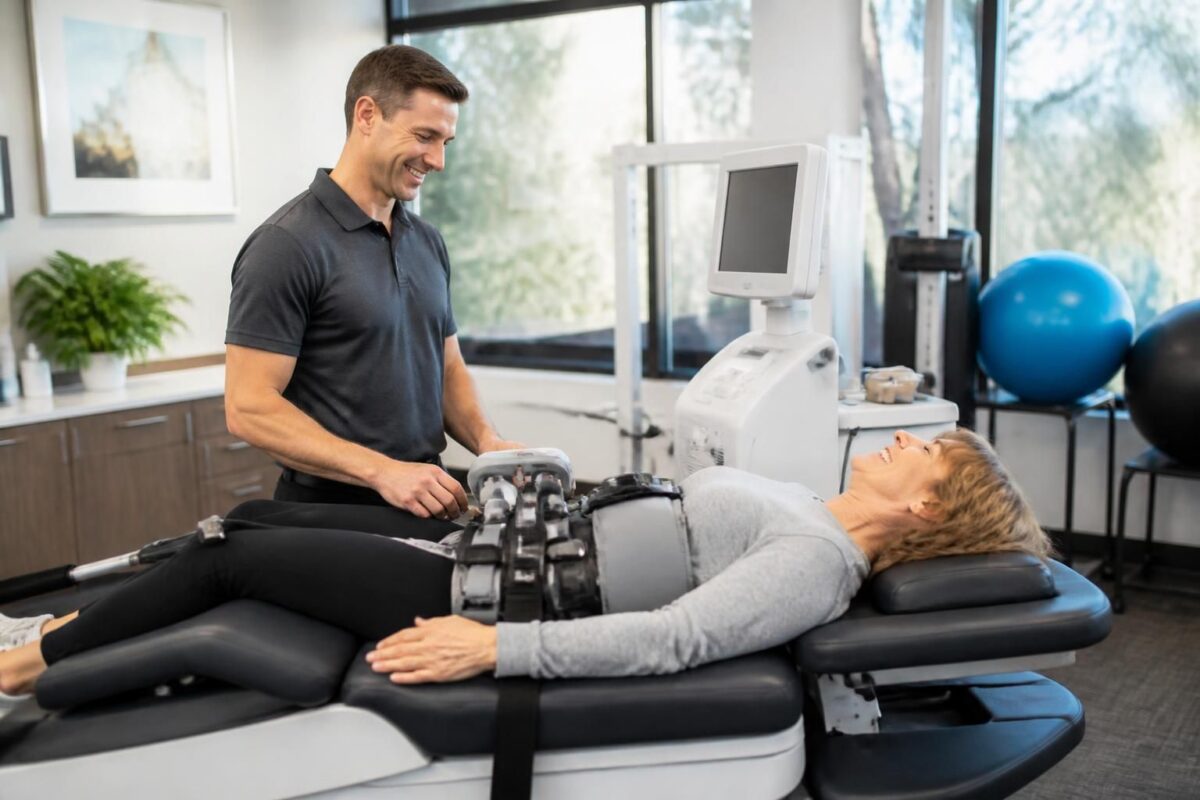
Neurovertebral decompression and diffuse pain: an appropriate solution
In short In short, the neurovertebral decompression is one Non-invasive solution For diffuse pain related to nerve irritation of the spine. She acts in Reducing pressure on intervertebral discs and nerves and improving the bloodstream, which promotes recovery and the…
Limitations and precautions
Neurovertebral decompression is not suitable for all situations and should not be considered a universal solution. Contraindications exist and the results may vary depending on the individual, the etiology and the severity of the disorder. It is essential to consult a health professional and follow a multidisciplinary plan, while remaining attentive to warning signals that could require a redirection of treatment.
| Aspect | Concise impact |
|---|---|
| Definition | Non-invasive traction Aiming to reduce pressure on discs and nerves and promote recovery. |
| Mechanism | Controlled traction which creates a space between vertebrae and improves circulation. |
| Earnings | Relief fast, mobility increased and reduced pain. |
| directions | herniated discs, Protrusions, stenosis, Chronic pain after evaluation. |
| Security | Without surgery, low risk, made by a Qualified practitioner. |
| Duration and frequency | 20-45 minutes per session; 2-3 times/week over several weeks. |
| Expected results | Improvement of the pain and from the function, reduction of pharmaceuticals. |
| Limitations | Not suitable for all conditions; requires a evaluation rigorous. |
| Integration | Associable with exercises of strengthening, stretches and others therapies. |
Testimonials: Neurovertebral decompression and prevention of additional back injuries
Emilie, 38 years old — After years of lower back pain, I started a series of sessions of neurovertebral decompression. Relief is quick and lasting: the pain has decreased and my mobility came back. What marks me the most is that this treatment acts directly on the sensitive areas and helps me to Prevent additional back injuries by reducing the pressure on discs and nerves.
Jean-Pierre, 45 years old — Former sportsman, I had recurring lower back pain that limited my workouts. Thanks to the neurovertebral decompression, my pain subsided quickly and I noticed an improvement in my flexibility. I feel more confident in my daily gestures and I know that this treatment contributes to Prevent additional back injuries during my physical activities.
Mary, 60 — After a herniated disc, the symptoms often returned and immobilized my days. With the neurovertebral decompression, I found a Reduced pain and an Mobility gained. This treatment also offers me insurance against recurrences, by helping to Prevent additional back injuries and preserve my quality of life.
Mark, 55 years old — Following an accident, my back pain was constant and disabling. The sessions of neurovertebral decompression allowed me to resume my daily activities with less pain and Significant posture improvement. I am convinced that this treatment contributes to Prevent additional back injuries By strengthening vulnerable areas around the column.
Sophie, 47 years old — After several unsuccessful attempts, the neurovertebral decompression was a revelation. I feel a Sustainable relief and an Better quality of life, while knowing that this treatment is linked to effective prevention of recurrent pain and future lesions on the back.
Lucie, 31 years old – I work sitting behind a desk and my lower back pain was constantly coming back. With the neurovertebral decompression, the pain decreased and my posture has improved. I feel like I’m protecting my column and Prevent additional back injuries through this non-invasive and targeted treatment.
Antoine, 52 years old — In my manual job, repetitive gestures put my spine to the test. I found in the neurovertebral decompression A solution that allowed me to Reduce the pain and of Back to work with better stability. I am convinced that this treatment helps Prevent additional back injuries By properly supporting the spine during daily efforts.
The neurovertebral decompression Presents as an innovative and non-invasive approach to prevent the worsening of back damage in people with chronic pain. Its objective is both to reduce the pressure exerted on the discs and nerves and to optimize the circulation of nutrients towards the spinal tissues. By enrolling in a personalized care program, this method aims not only to relieve symptoms, but also to strengthen the stability of the spine to reduce the risk of recurrence and future aggravation.
At the origin of traction techniques, decompression was gradually refined thanks to the integration of advanced technologies and a better understanding of the mechanisms of spinal pain. Today, the devices used allow a controlled traction adapted to each patient, with a focus on cervical, thoracic or lumbar regions depending on the problem identified. This development has favored wider adoption in specialized centers and strengthened the profile of decompression as a safe and effective alternative to traditional treatments.
Typical support is based on an in-depth initial assessment, which determines eligibility and customizes the protocol. The patient is installed on a dedicated table, harnesses being placed to ensure precise and safe traction. A session generally lasts between 20 and 45 minutes and is part of a series of appointments over several weeks, with a frequency of 2 to 3 weekly sessions. This measured progression promotes controlled “pumping” of the intervertebral discs and makes it possible to observe the evolution of pain and mobility over the course of treatment.
The mechanisms of action are based on gentle and targeted traction that creates a space between the vertebrae, thus reducing intradiscal pressure and on the sensitive nerves. This decrease in pressure improves nutrition and hydration of tissues, promoting regeneration and functional recovery. At the same time, the reduction of nerve stress can accelerate the recovery of movements, reduce stiffness and promote better posture. The key advantage lies in its non-invasive nature, which avoids operative risks and side effects of drug treatments.
The benefits are not limited to immediate relief. Partly thanks to improved alignment and spinal stability, decompression contributes to the prevention of recurrences and a better quality of life in the long term. However, this approach is not universal and may require a combination with other therapies — physiotherapy, strengthening exercises, stretching, or manual approaches — to optimize results and address the underlying causes of back pain.
Integrated into a global care approach, neurovertebral decompression is based on a personalized approach and regular monitoring. The protocol is designed to adapt to the patient’s evolution and specific needs, while including complementary exercises that strengthen the stabilizing muscles and improve mobility. This holistic approach is particularly relevant for people with recurrent pain related to herniated discs, protrusions or stenosis, and aims to prevent relapses by correcting the musculoskeletal imbalances that feed.
This practitioner is an expert in osteopathy, naturopathy and manual medicine, and holds leadership positions in the field of care. As founding president of TagMed and ACMA clinics, he directs his practice towards innovation and integration of technologies such as spinal decompression, laser and shockwave therapy. Its commitment is based on an evidence-based approach, with the aim of optimizing the health and well-being of patients while preventing the appearance of new lesions and back pain.
This rapid summary reminds us that the neurovertebral decompression Aims to prevent additional back damage by reducing pressure on discs and nerves, while promoting recovery and mobility. This approach non-invasive is part of a process integrative and can be associated with exercises, postural counseling and other therapies to prevent recurrences and optimize quality of life.
Summary and recommendations
The neurovertebral decompression Acts gently on the spine, aiming to create a space between the vertebrae and decrease the pressure exerted on the intervertebral discs and spinal nerves. This mechanical action improves tissue nutrition, promotes regeneration and reduces associated pain, while offering Prevention of recurrences by correcting the underlying imbalances.
To achieve lasting results, this technique is generally integrated into a Custom program Including strengthening and stretching exercises, posture tips and, if necessary, other manual approaches. The objective is to stabilize the column, improve the range of motion and prevent painful recurrences thanks to an approach multidisciplinary.
Success depends on a Appropriate diagnosis and an individualized treatment plan, adjusted during the therapeutic journey after regular follow-up. It is crucial to use practitioners Qualified and experienced who know how to select cases where decompression is appropriate and who know how to coordinate this treatment with other non-pharmacological interventions to optimize recovery.
To deepen the concepts and experience feedback around this method, several resources detail current mechanisms, benefits and protocols. For example, the practice can be described as a Neurovertebral decompression: integrative approach to prevent recurrent pain and additional guides present the protocols, indications and results observed in different clinical contexts. You can also view analyzes focused on optimizing recovery after injury and the impact of reducing pressure on the spinal nerves.
To better understand mechanisms and long-term benefits, access dedicated resources such as Decompression and optimization of recovery after injury and Neuropathic pain: effective treatment. Other recent readings address the impact on sleep, the reduction in nerve pressure and the functional results obtained with this approach.
From a practical perspective, it is recommended to discuss with a health professional to assess the suitability of neurovertebral decompression to your situation. Specialized resources offer clear syntheses on mechanisms and benefits, such as A solution to improve sleep quality and How decompression helps to regain normal mobility.
For those looking for current clinical perspectives and protocols, specialized analyzes and practical guides provide in-depth insights, including techniques and protocols used in neurovertebral decompression. You can explore resources like Study of current techniques and protocols and Prevent neurological complications.
In addition, comprehensive guides and analysis on long-term benefits, including improved mobility and overall symptom reduction, can be viewed via specialized resources such as Complete guide to neurovertebral decompression and Long-term benefits.

Dr Sylvain Desforges, B.Sc., D.O., N.D., osteopath, is the founding president of TAGMED and of the ACMA association. He dedicates his practice to chronic spinal pain, low back pain and symptoms compatible with sciatica, particularly when pain radiates toward the buttock, leg, calf, foot or toes.
Through SOS Sciatique, he publishes educational content on sciatica symptoms, possible causes such as disc herniation, disc narrowing, foraminal stenosis or irritation of a lumbar nerve root, as well as non-surgical approaches that may be considered according to the evaluation. At Clinique TAGMED, care may include, depending on the case, motorized neurovertebral decompression, specific osteopathic care or precision percussion.
For an evaluation related to sciatica treatment in Montreal / Mount Royal or sciatica treatment in Terrebonne, please consult the services available at Clinique TAGMED.
Medical disclaimer
The information published on SOS Sciatique is provided for educational purposes only and does not replace a consultation, diagnosis, opinion or treatment provided by a physician or another authorized healthcare professional. The author of this article is neither a medical doctor nor a specialist in a medical specialty recognized by the Collège des médecins du Québec. The osteopathic, manual medicine or functional support approaches described on this site do not constitute medical acts and are not intended to replace medical follow-up.
Consult a physician or emergency service in cases of loss of bladder or bowel control, anesthesia in the saddle area, significant or progressive weakness in the leg or foot, fever, recent trauma, severe pain or rapid worsening of symptoms. For more details, please read our Legal Notice.