Neurovertebral decompression and mechanical pain: a natural solution
26/06/2026
Neurovertebral decompression: preventing additional back damage
26/06/2026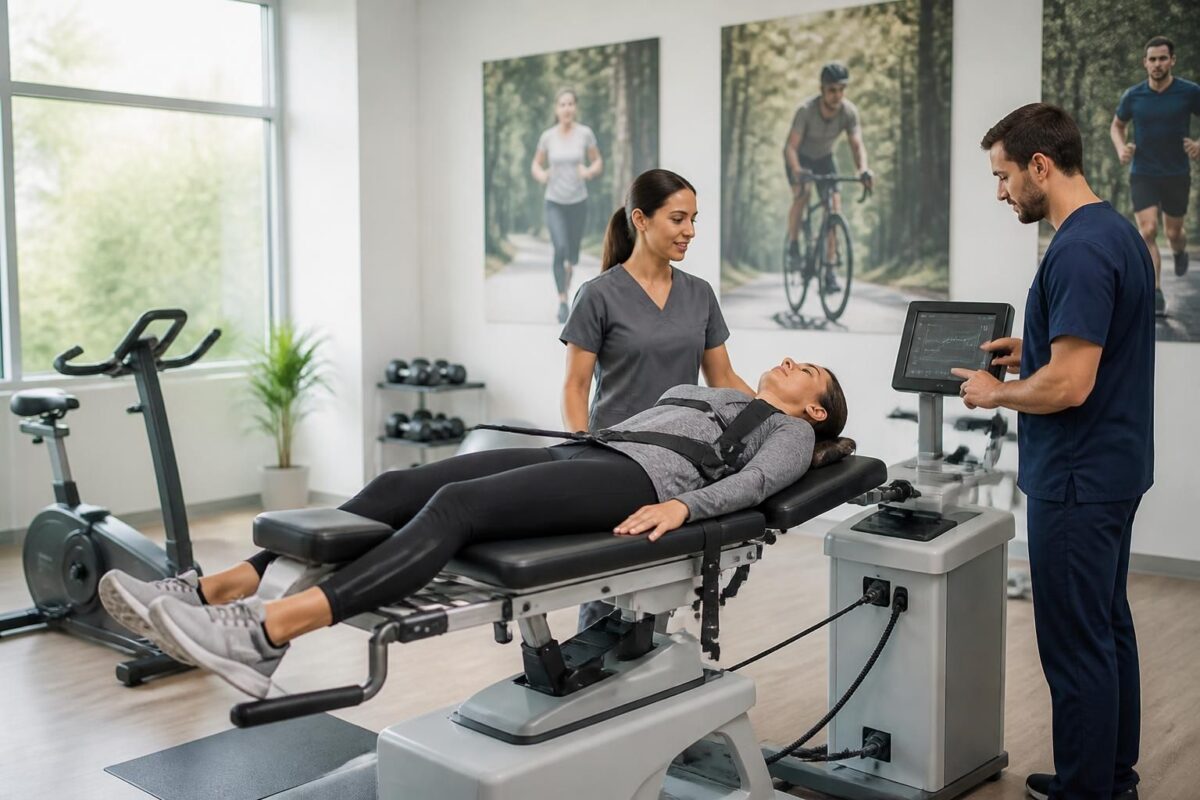
In short
| The neurovertebral decompression is an approach non-invasive who uses a gentle traction To reduce the pressure on the Intervertebral discs and the gristle. For the Active patients, it quickly relieves back and neck pain, improves mobility and facilitates the return tophysical activity or professional without surgery. Its main advantages include a quick recovery, increased security and the possibility of being associated with other care. Its operation is based on the creation of a space between the vertebrae, promoting the rehydration of the discs and the reduction of inflammation. Accessible in Montreal, this treatment is particularly useful for those who want to remain active while limiting risks and downtime. |
The neurovertebral decompression is one Non-invasive option particularly suitable for Active patients who wish to maintain their pace of life without significant interruption. By decreasing the Pressure on the intervertebral discs and the gristle by a gentle traction, it contributes to reducing pain and restoring the mobility.
It offers a quick recovery and constitutes a Alternative to surgery To avoid invasive interventions, while allowing a gradual return to physical and professional activity. This approach can be integrated into a program of physiotherapy or other additional treatments to optimize the results.
Profits include a pain reduction, a better range of motion and an security increased, facilitating the resumption of sports and daily activities.
This analysis explains why the neurovertebral decompression is one suitable option for the Active patients. It describes the functioning, the benefits, and the reasons to favor an approach non-invasive in the face of heavier interventions. It offers resources and vigilance points to make an informed decision in the context of TagMed and partner clinic management.
Why neurovertebral decompression is an option for active patients
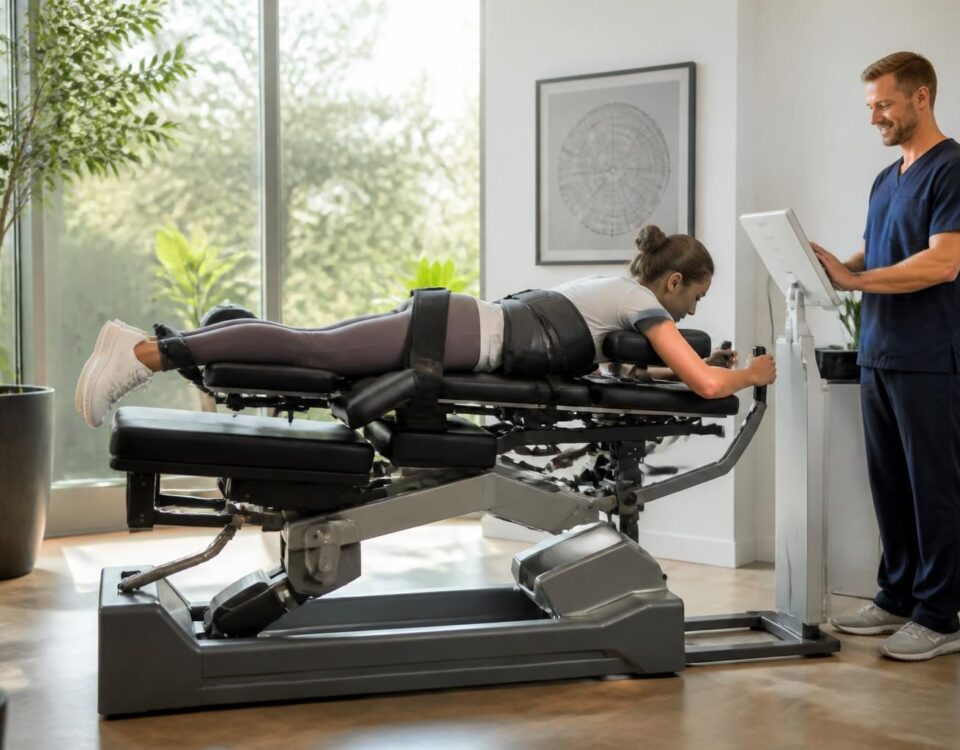
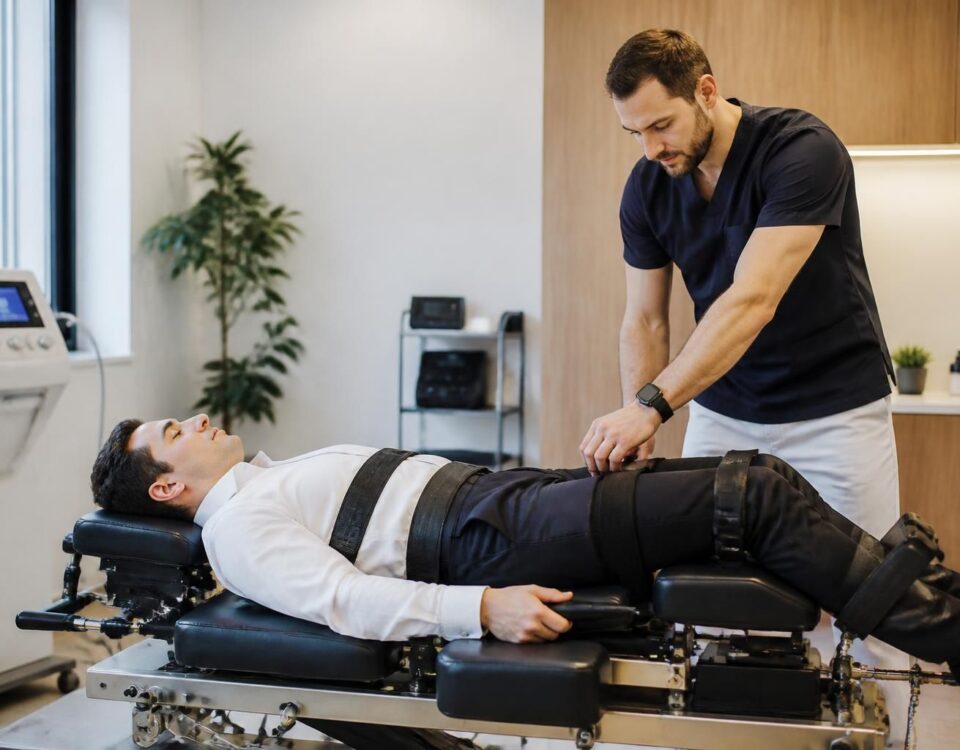
The neurovertebral decompression is an approach non-invasive who uses a gentle traction To create a space between the vertebrae. This action decreases the pressure on the nerves and intervertebral discs. Result: decreased pain and improved mobility, without surgery.
For the Active patients, this therapy allows a Quick return to activity while limiting risks and recovery times compared to surgical procedures.
Application criteria and targeted conditions
The therapy is relevant in case of back pain associated with herniated discs, degenerative disc disease or radiculopathies. The ideal candidate is active, wants to avoid surgery and accepts a protocol non-invasive with sessions adapted to his schedule.
Training and safety: professionals trained in recognized institutions, such as NUMSS, nao, National University of Medical Sciences, and National Academy of osteopathy, ensure a practice based on evidence and standards. In practice, TagMed clinics favor a coordinated and secure approach.
Process, security and efficiency
The process aims to rehydrate and reposition discs, reduce nervous irritation and improve circulation. The results include a pain reduction and an Improving mobility, with generally quick recovery and minimal side effects.
Integration and resources
Decompression can be proposed in a global framework including other conservative approaches. For people looking for detailed information, check out the following resources:
- Neurovertebral decompression and prevention of invasive surgeries
- Why neurovertebral decompression is an alternative to surgery
- how it acts on radiant pain
- Lumbar duct stenosis: a targeted solution
- TagMed: credible alternative to invasive solutions
- Essential FAQs on Neurovertebral Decompression
For consultations, contact Tagmed Clinic For evaluations in Montreal or in Terrebonne.
This approach is part of a practice supported by professional associations, in particular theacma and the reference organs in osteopathy in Canada.
Additional references and resources
Additional resources explain the framework and mechanisms of neurovertebral decompression and its role in reducing radiant pain and in the prevention of passages through surgery. For official information and FAQs, see Essential FAQs and dedicated pages on Alternatives to surgery. You can also explore the support resources on SOS SCIATIC.
To learn more about the overall support framework and security aspects, see the information pages associated with SOS SCIATIC and TagMed resources.
Medical disclaimer: The information and advice provided on this site does not replace the advice, diagnosis or treatment of a healthcare professional. Please note that Dr. Sylvain Desforges osteopath is neither a doctor of medicine nor a doctor, and is not a specialist in a medical specialty as defined by the Collège des Médecins du Québec. Manual medicine, functional medicine and sports medicine as described on this site exclude any medical treatment or diagnosis made by a doctor or specialist doctor. Always consult your doctor for any medical questions. For more details, please read our full legal notice.
The information and advice provided on this site does not replace the advice, diagnosis or treatment of a health professional. Please note that the author is not a doctor and that neurovertebral decompression should be discussed with a doctor to assess the indications and risks specific to each patient.
- Performance and mobility — Less pain and rapid return to physical activity.
- Mobility found — Amplitude and agility for sports and daily tasks.
- gentle traction — Creates space between the vertebrae and relieves the nerves.
- Accelerated recovery — Resuming workouts after overload or injury.
- Non-invasive alternative — Avoids surgery and heavy rehabilitation.
- Rapid activity resumption — Fewer interruptions in everyday life.
- Easy integration — Adjusts with physiotherapy and sports programs.
- Prevention of recurrences — Improves alignment and spinal function.

This recommendation explains why the neurovertebral decompression is a suitable option for patients assets. Not invasive, it acts on the spine by reducing the pressure exerted on the discs and nerves, which can quickly reduce pain and improve mobility. It makes it possible to continue daily and sporting activities with less discomfort, while avoiding heavy surgery.
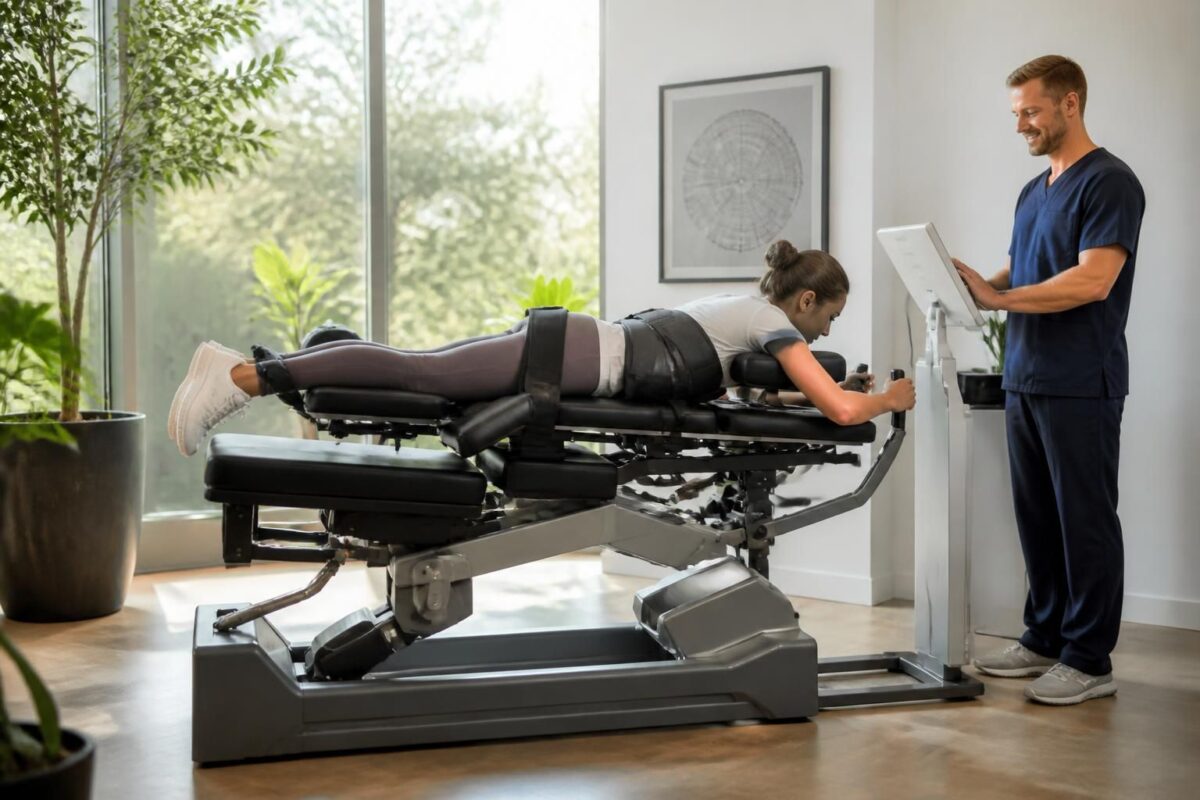
The long-term benefits of neurovertebral decompression for spinal health
In short In short, the neurovertebral decompression is a non-invasive approach that decreases the Pressure on intervertebral discs and nerves, favoring the Natural regeneration and tissue recovery. Its long-term benefits include Lasting pain reduction, Improving mobility and from the posture,…

Neurovertebral decompression and mobility: a return to an active life
In short In short, the neurovertebral decompression is therapy non-invasive who uses a gentle traction To create a space between the vertebrae and reduce the pressure on the Intervertebral discs and the nerves. It promotes a bloodstream improved, lowers tension…
Key Benefits for Active Patients
For people who want to stay on the move, the neurovertebral decompression offers targeted pain reduction and Mobility found Faster. By promoting the circulation and nutrition of tissues, this approach contributes to a Progressive healing without major relapse and without prolonged rest periods. Athletes and active people particularly appreciate how quickly they can resume their activities, including light to moderate exercises and competitions, without the risks associated with surgery.
Sustainable relief and return to training
By lowering the pressure on the nerves and discs, the technique helps to reduce radicular and lumbar pain which often limit sports practice. This relief is often accompanied by an improvement in range of motion and a better quality of sleep, essential factors for an effective resumption of training.
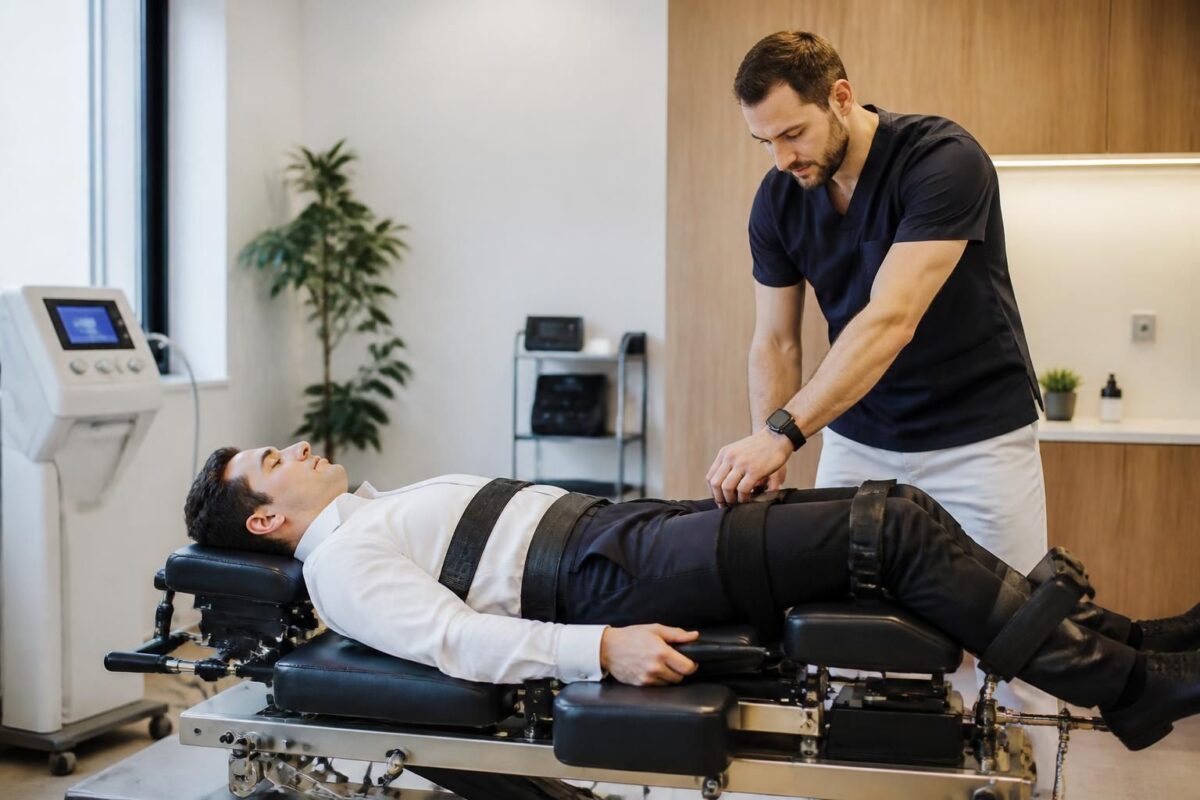
How Neurovertebral Decompression Prevents Diffuse Chronic Pain
In short decompression neurovertebral is one Non-invasive method aimed at reducing the Pressure on the intervertebral discs and the nerves, in order to prevent Diffuse chronic pain. It improves the circulation and thedisc hydration, decreases inflammation and promotes better mobility.…
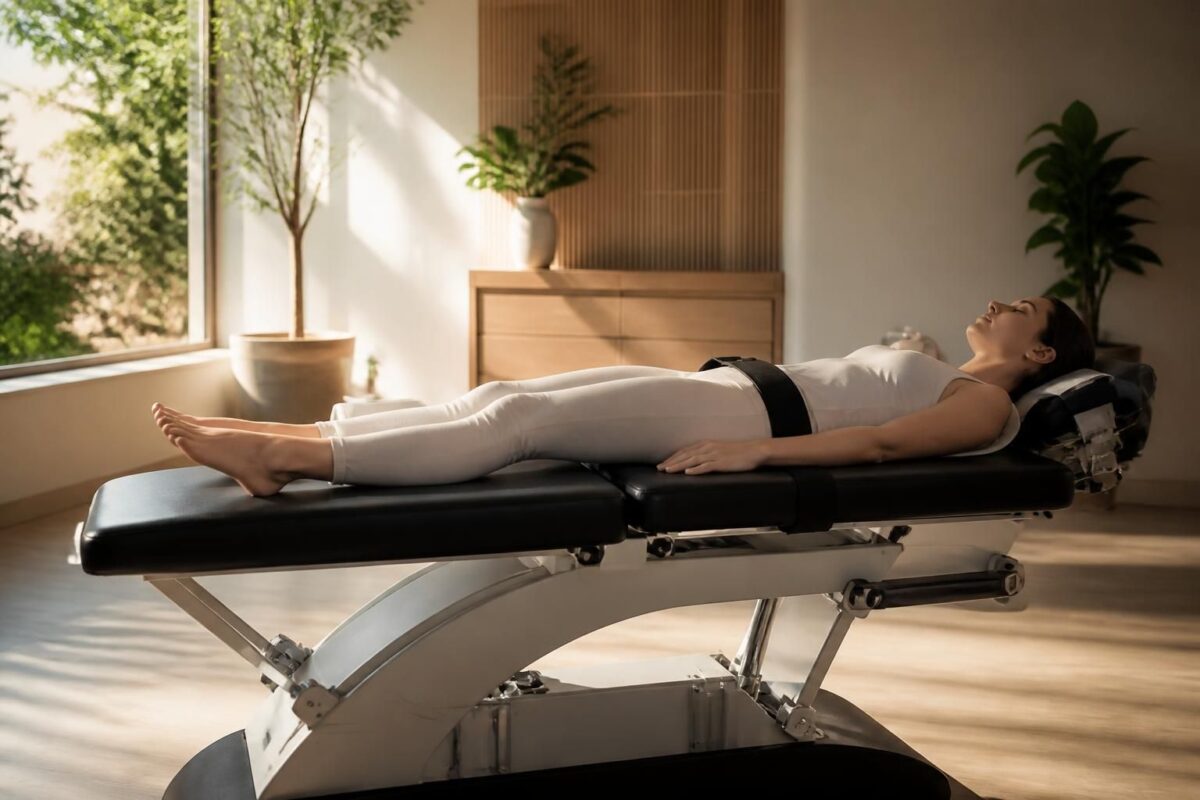
Neurovertebral Decompression and Body Alignment: Restoring Natural Balance
In short In short, neurovertebral decompression is one Non-invasive approach who restores theBody Alignment and thenatural balance back and neck. She acts by a Controlled traction of the spine to widen the intervertebral space and reduce the Pressure on discs…
When to favor neurovertebral decompression
This method is particularly relevant for conditions such as herniated discs, degenerative disc diseases or cervical and lumbar pain related to physical activity. It offers a safe alternative and non-surgical When symptoms persist despite conservative measures. Its high security profile and character non-invasive Make it an attractive option for those who want to avoid hospitalization and anesthetic risks.
Adaptability according to performance
Decompression can be adapted to various levels of activity, from beginners to advanced athletes. It can be integrated into a rehabilitation or fitness program, in coordination with targeted physiotherapeutic exercises and gradual progression of loads and ranges of motion.
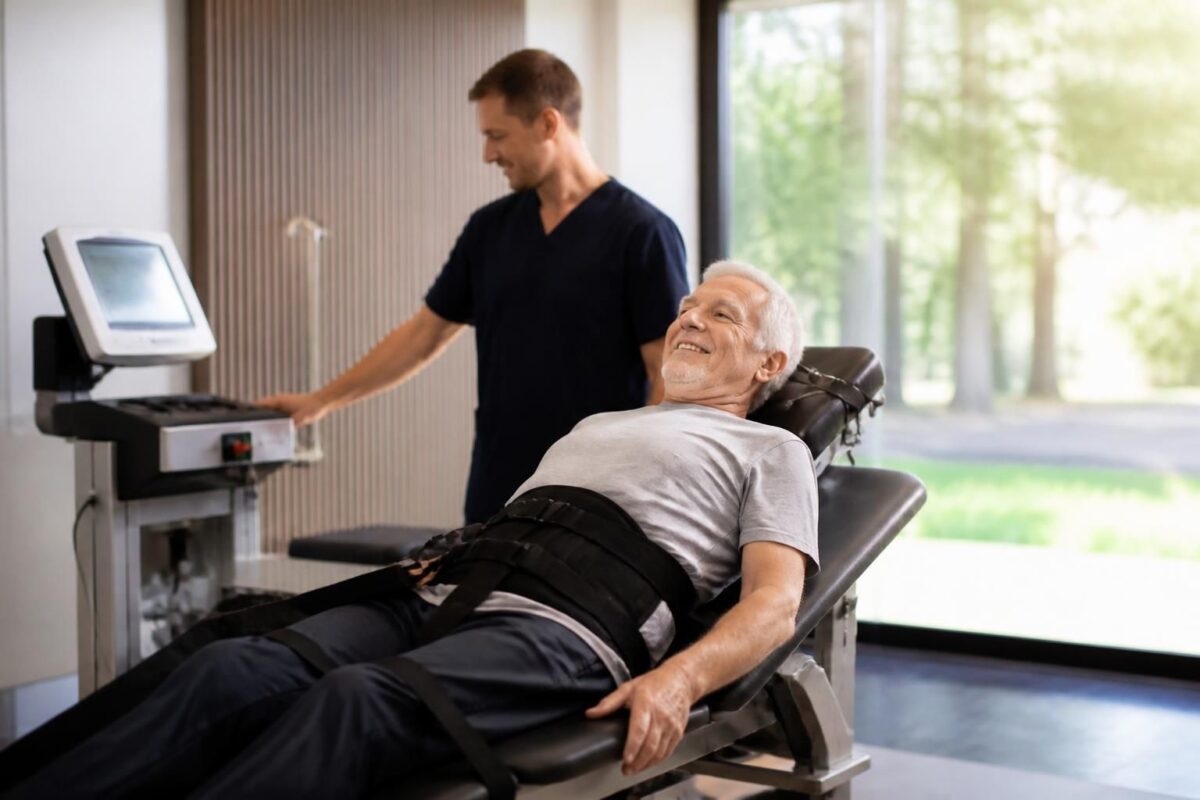
Why neurovertebral decompression is a lasting solution for active seniors
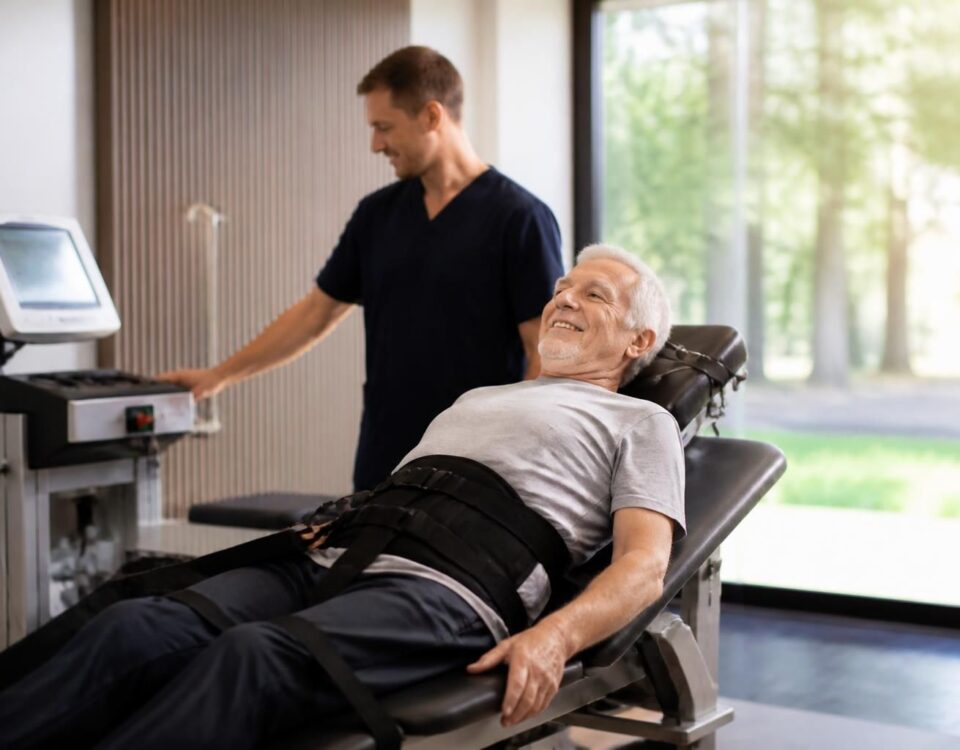
In short In short, the neurovertebral decompression is one Non-invasive therapy which sustainably relieves spinal pain in the spine active seniors By creating, by a Soft and controlled traction, a space between the vertebrae. At Montreal, it is recognized as…
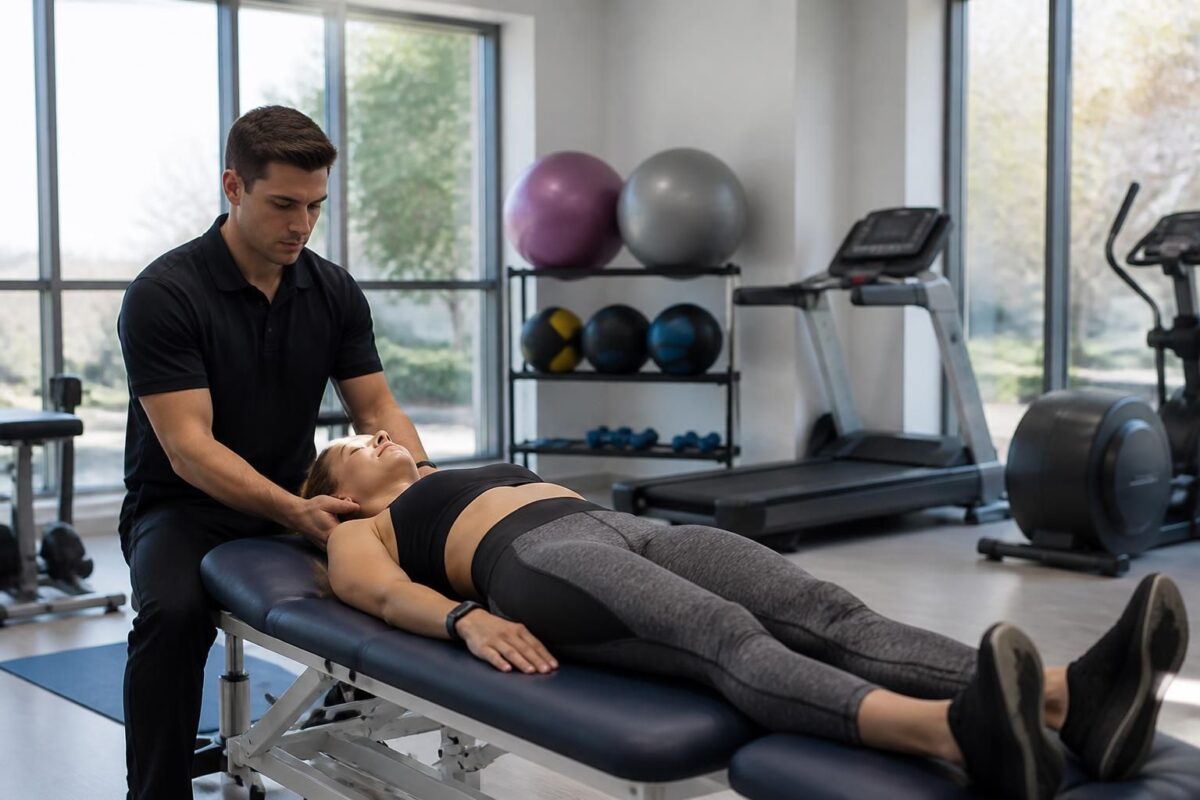
Neurovertebral decompression and recovery after severe sports injury
In short In short, the neurovertebral decompression is one Non-invasive method to Relieve the pressure on the Intervertebral discs and the gristle Via a Controlled traction, to facilitate the recovery After a severe sports injury. It improves the bloodstream towards…
Integration with other approaches
To optimize results, decompression can be associated with other non-invasive interventions and personalized training programs. This synergy can include muscle building techniques, mobility work sessions and posture advice. The goal is to Prevent recurrences and support a Sustainable pain management in order to maintain an active and pleasant lifestyle.
Personalized plan and follow-up
Each patient benefits from a Custom Plan which takes into account its level of activity, its objectives and its medical history. Proper follow-up allows protocols to be adjusted and ensured progressive recovery, minimizing downtime and maximizing the return to a smooth sporting or professional routine.
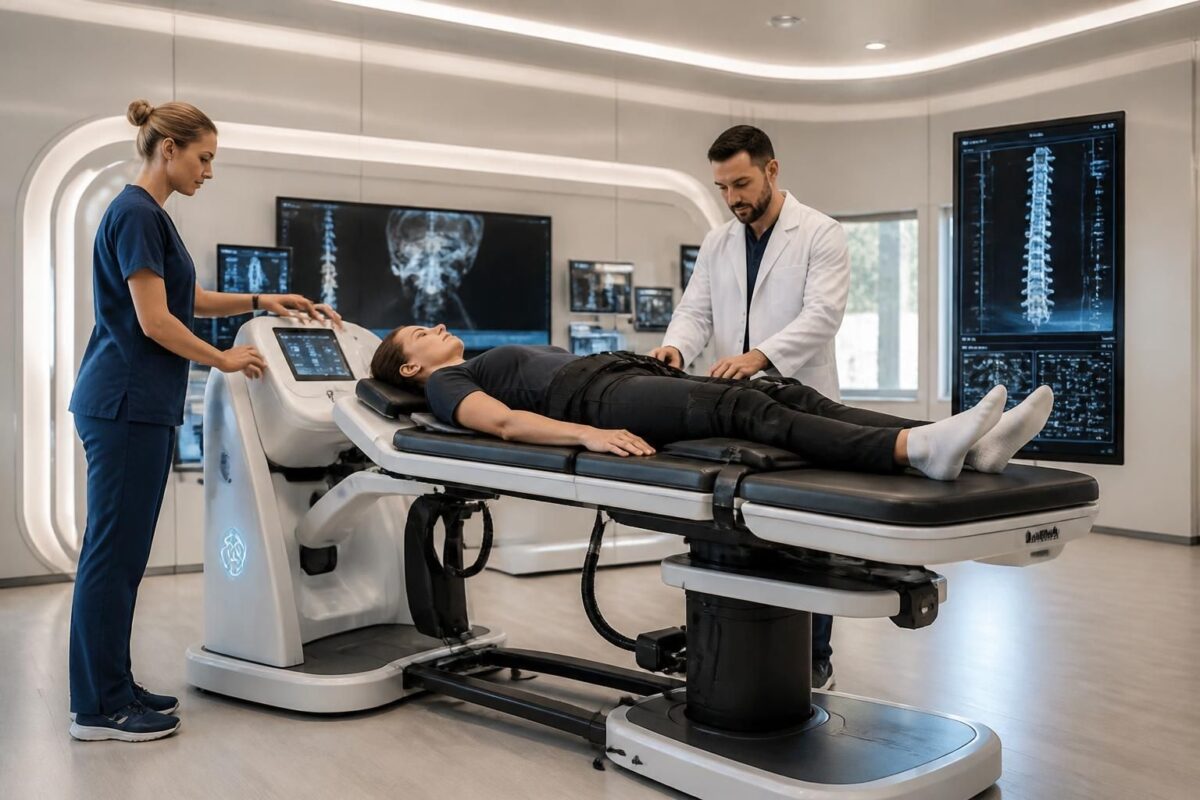
Recent innovations in neurovertebral decompression technologies
In short In short, the neurovertebral decompression is an approach non-invasive Aiming to reduce pressure on discs and nerves, and promote tissue regeneration. At Montreal, it is positioned as an effective option for lower back pain and herniated discs. The…
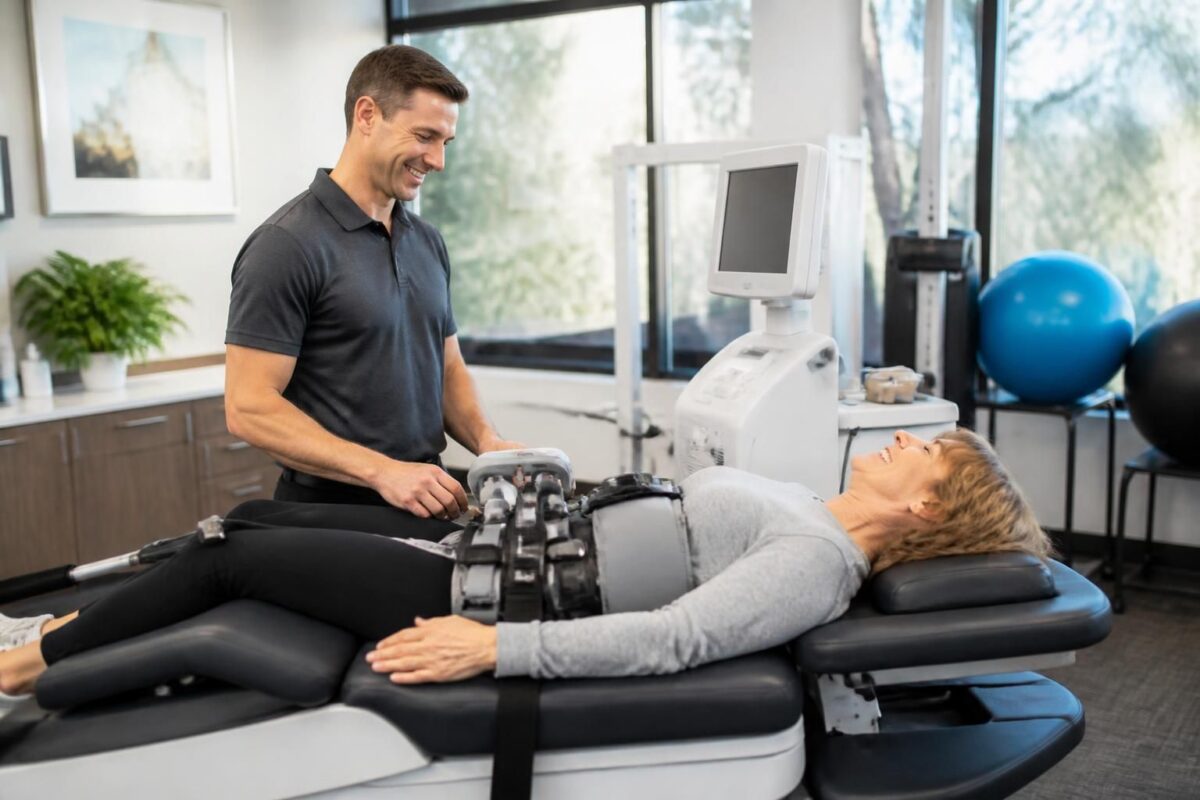
Neurovertebral decompression and diffuse pain: an appropriate solution
In short In short, the neurovertebral decompression is one Non-invasive solution For diffuse pain related to nerve irritation of the spine. She acts in Reducing pressure on intervertebral discs and nerves and improving the bloodstream, which promotes recovery and the…
Expected results and security
The results may vary depending on the case, but most active patients find a Rapid pain improvement, a Increased mobility and an increased ability to resume activities without marked pain. The safety of this approach remains a strong point, with little or no serious side effects and a Minimum recovery time compared to more invasive procedures.
| Criterion | Benefit for active patients |
|---|---|
| non-invasive and security | Traction fresh without surgery with low risk complications. |
| Quick relief and sustainable | rapid reduction in pain and progress towards more than mobility. |
| Maintenance of activity | Designed for assets who want stay mobile and continue their routines. |
| quick recovery | Back to training and daily activities after a few sessions. |
| Mobility and posture | Improve thealignment and theamplitude Movements without pain. |
| Prevention of recurrences | Decreases the pressure on discs and nerves, reducing the risk of relapse. |
| Therapeutic integration | integrates with the physiotherapy and other therapies to optimize results. |
| Suitable for athletes | promotes the Sports recovery and continuity of training. |
Testimonials: Why neurovertebral decompression is suitable for active patients
Julie, active sportswoman, suffered from Lower back pain who slowed down his training. After a few sessions of neurovertebral decompression, she found a mobility And was able to resume his running sessions without pain.
bed, dynamic frame, had back pain related to long hours in front of the computer. He explains that the neurovertebral decompression Reduced pressure on the nerves and discs, allowing a rapid resumption of sports and professional activities without surgery.
Clara, active mom, tells how much the pain prevented him from carrying his children and participating in family activities. After treatment, she benefits from Improving mobility And can live every day without limiting his actions.
Antoine, passionate about trail running, suffered from radicular pain after an injury. Thanks to the neurovertebral decompression, his pain soon subsided and he found a performance and one Downtime Reduced on courses.
Lena, amateur dancer, describes an increase in flexibility and a better posture After the sessions, which allows him to express himself better on stage and to repeat without pain.
Emilian, versatile sportsman, had sciatica that limited his cycling and bodybuilding sessions. With the decompression, he found a mobility improved and a recovery faster after each workout.
Neurovertebral decompression: a preferred option for active patients
Dr. Sylvain Desforges, osteopath, naturopath and expert in manual medicine, stands out as a key player in health innovation. Founding President of the TagMed Clinics and the ACMA Association, he placed the management of Chronic pain At the heart of an approach based on evidence and sustainable improvement in physical performance. In this context, it promotes neurovertebral decompression as an effective and safe option for active people seeking to preserve their lifestyle without having surgery.
For active patients, this non-invasive approach offers a tangible way to regain mobility, energy and autonomy. In practice, it is based on gentle traction that creates a space between the vertebrae, reducing the pressure exerted on the nerves and intervertebral discs. This targeted reduction in compression promotes better circulation of nutrients in the tissues and can accelerate healing processes naturally, while decreasing painful sensations linked to pathologies such as disc herniations or degenerative disc diseases.
The main advantage lies in its ability to allow a rapid resumption of daily and sports activities, without the risks inherent in a surgical procedure. By avoiding long periods of convalescence and potential complications, neurovertebral decompression is a suitable solution for those who cannot afford prolonged stops, whether professionally or personally. This method thus offers lasting functional stability and better tolerance to physical exertion, a crucial element for people wishing to maintain their training routine or professional commitments.
At the heart of Dr. Desforges’ approach, safety and personalization of care takes precedence. Each patient benefits from an accurate diagnosis and an appropriate protocol, which can be supplemented by complementary interventions such as physiotherapy, laser or shockwave therapies when needed. This therapeutic synergy maximizes the results while remaining at low risk, which is particularly relevant for assets exposed to repetitive loads or minor but recurring traumas.
By integrating neurovertebral decompression into a global wellness strategy, Dr. Desforges emphasizes the sustainable improvement of spinal function and prevents recurrences. By relieving pain and improving mobility, this approach contributes to a better quality of life and increased efficiency on a daily basis. For athletes, artists and professionals who demand performance and consistency, it represents a compelling alternative to the surgical option, with a safety profile and quick recovery that supports faster and safer active return.
This perspective is part of a holistic vision of health, where modern technologies and manual techniques complement each other to offer measurable and lasting results. Dr. Desforges invites everyone to consider neurovertebral decompression as a key component of a personalized program intended to maintain activity and optimize well-being throughout the following active years.
This summary summarizes why the neurovertebral decompression is one Option suitable for active patients. This is an approach non-invasive which aims to reduce the Pressure on intervertebral discs and nerves, while improving the mobility and allowing a Quick return to activity without resorting to surgery.
Neurovertebral decompression is based on a Soft and controlled traction which increases the space between the vertebrae. This action promotes the rehydration and repositioning of discs, improves the blood circulation and tissue nutrition, and thus contributes to a lasting reduction in pain and inflammation. For active patients, this approach offers a Increased security and an clear preference for invasive interventions.
For people with low back pain or cervical pain related to herniated discs, degenerative disc diseases or sports injuries, decompression is an effective and appropriate option. it generally allows Faster recovery and A resumption of daily and sporting activities With a minimum of downtime, which is particularly relevant for individuals wishing to maintain an active lifestyle.
In addition to immediate pain relief, this method contributes to Improving mobility and the flexibility of the spine. By reducing the pressure exerted on the nerves and discs, it facilitates daily gestures, sports movements and general posture, while preventing long-term recurrences When combined with exercises and complementary therapies.
Decompression can be seamlessly integrated into a multimodal care pathway. it is considered as a Safe alternative or as a Complement to other treatments (physiotherapy, targeted exercises, manual therapies, associated technologies). This personalized approach adapts to the physical condition, activity level and objectives of each patient, whether it is to preserve their sports career or maintain their autonomy on a daily basis.
To deepen and better understand the issues, many specialized resources describe the indications, benefits and implementations of neurovertebral decompression. In particular, you can consult dedicated guides and articles that address pain management, the impact on posture, risks and expected results, to assess whether this option corresponds to your activity profile and your health objectives. For example, you will find analyzes and testimonials on the relationship between decompression and lower back pain management, the effects on night pain and explanatory content on modern techniques and signs indicating adaptability to your situation.
To go further in your thinking and decision-making, here are some relevant resources that address various aspects of neurovertebral decompression and its management for active patients: Decompression#ATFP_CLOSE_TRANSLATE_SPAN# Neurovertebral and Lower Back Pain Management, Comment#ATFP_CLOSE_TRANSLATE_SPAN# Neurovertebral decompression helps reduce night pain, Decompression#ATFP_CLOSE_TRANSLATE_SPAN# Neurovertebral — Your questions answered, Role#ATFP_CLOSE_TRANSLATE_SPAN# of neurovertebral decompression — what every patient should know, Advantages#ATFP_CLOSE_TRANSLATE_SPAN# and Cons, Why#atfp_close_translate_span# This solution is ideal for mechanical pain, Decompression#ATFP_CLOSE_TRANSLATE_SPAN# Neurovertebral — An ideal therapy for active patients, Decompression#ATFP_CLOSE_TRANSLATE_SPAN# and posture — Correct imbalances, Techniques#atfp_close_translate_span# Modern Explained, Signs#ATFP_CLOSE_TRANSLATE_SPAN# indicating adaptability.

Dr Sylvain Desforges, B.Sc., D.O., N.D., osteopath, is the founding president of TAGMED and of the ACMA association. He dedicates his practice to chronic spinal pain, low back pain and symptoms compatible with sciatica, particularly when pain radiates toward the buttock, leg, calf, foot or toes.
Through SOS Sciatique, he publishes educational content on sciatica symptoms, possible causes such as disc herniation, disc narrowing, foraminal stenosis or irritation of a lumbar nerve root, as well as non-surgical approaches that may be considered according to the evaluation. At Clinique TAGMED, care may include, depending on the case, motorized neurovertebral decompression, specific osteopathic care or precision percussion.
For an evaluation related to sciatica treatment in Montreal / Mount Royal or sciatica treatment in Terrebonne, please consult the services available at Clinique TAGMED.
Medical disclaimer
The information published on SOS Sciatique is provided for educational purposes only and does not replace a consultation, diagnosis, opinion or treatment provided by a physician or another authorized healthcare professional. The author of this article is neither a medical doctor nor a specialist in a medical specialty recognized by the Collège des médecins du Québec. The osteopathic, manual medicine or functional support approaches described on this site do not constitute medical acts and are not intended to replace medical follow-up.
Consult a physician or emergency service in cases of loss of bladder or bowel control, anesthesia in the saddle area, significant or progressive weakness in the leg or foot, fever, recent trauma, severe pain or rapid worsening of symptoms. For more details, please read our Legal Notice.