Modern techniques of neurovertebral decompression explained
26/06/2026
Why neurovertebral decompression is an option for active patients
26/06/2026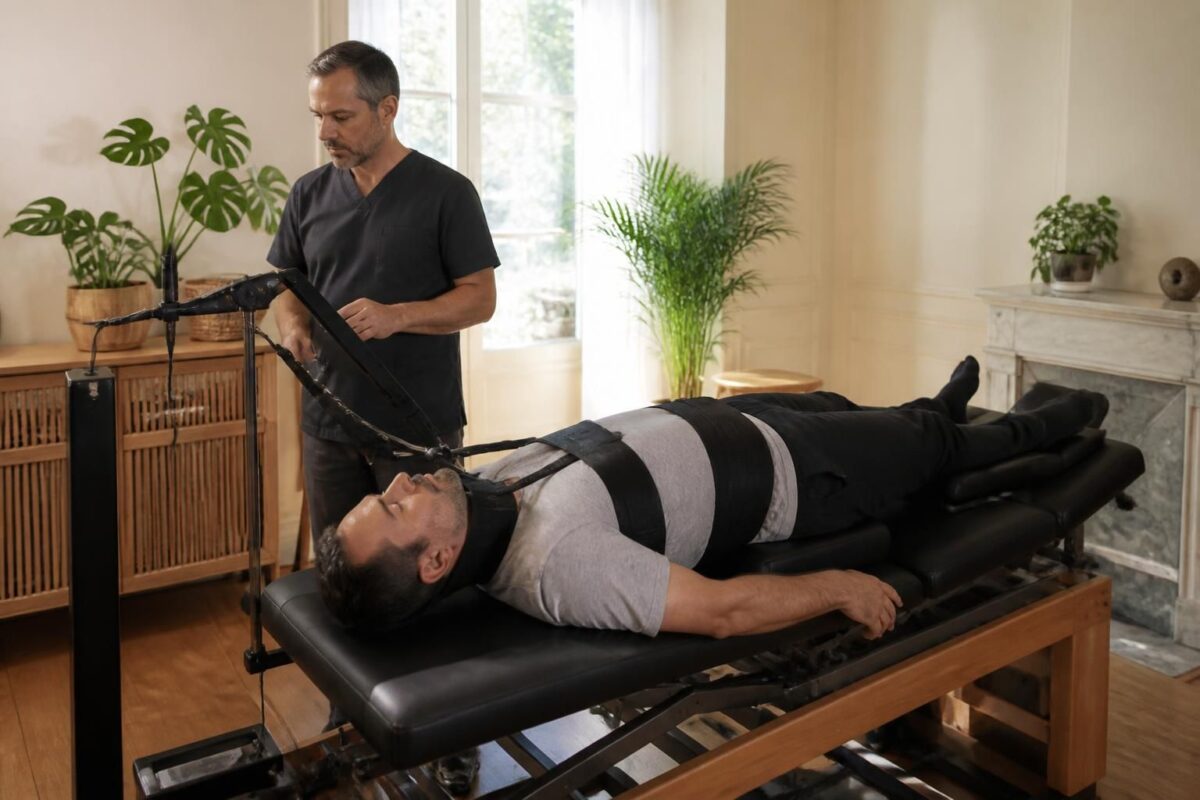
In short
| In short, the neurovertebral decompression is one Non-invasive method aimed at relieving Mechanical pain By reducing the pressure on the Intervertebral discs and the gristle. At Montreal, it is particularly recommended for chronic cervical and lumbar pain and as Natural solution without pharmaceuticals. How does it work? A gentle traction On the column creates a space between the vertebrae, releases the compressed nerves, and improves the bloodstream as well as the mobility, while promoting the Prevention of recurrences and well-being. This approach can easily be integrated into other treatments. |
The neurovertebral decompression is an approach non-invasive aimed at relieving Mechanical pain back and neck by reducing the pressure on the Intervertebral discs and the nerves.
by controlled traction and improvement in the bloodstream, it can offer a Sustainable relief, restore the mobility and improve the quality of life, while constituting a natural alternative to drugs.
It is particularly relevant for lower back and cervical pain related to pathologies such as herniated discs or disc bulges, and can help prevent recurrences through better alignment and optimized posture.
This article presents the neurovertebral decompression like a Natural solution Effective for pain mechanics back and neck. She explains the principle, the benefits, the indications and the possibilities of access to Montreal. The text aims for clear and useful information, without systematically using drug treatments.
The neurovertebral decompression is therapy non-invasive which uses controlled traction on the spine. Its objective is to reduce the pressure on the intervertebral discs and on the nerve roots. By restoring the space between the vertebrae, this approach can reduce pain cervical and lumbar and restore mobility. It is aimed at pain linked to structural mechanisms and can improve local circulation and general comfort without systematic recourse to painkillers.
For more information on mechanisms and results, you can consult specialized resources such as Neurovertebral decompression and lower back pain management or A natural solution for persistent pain. Additional examples and testimonials are accessible via Dr. Desforges’ website.
How does neurovertebral decompression work
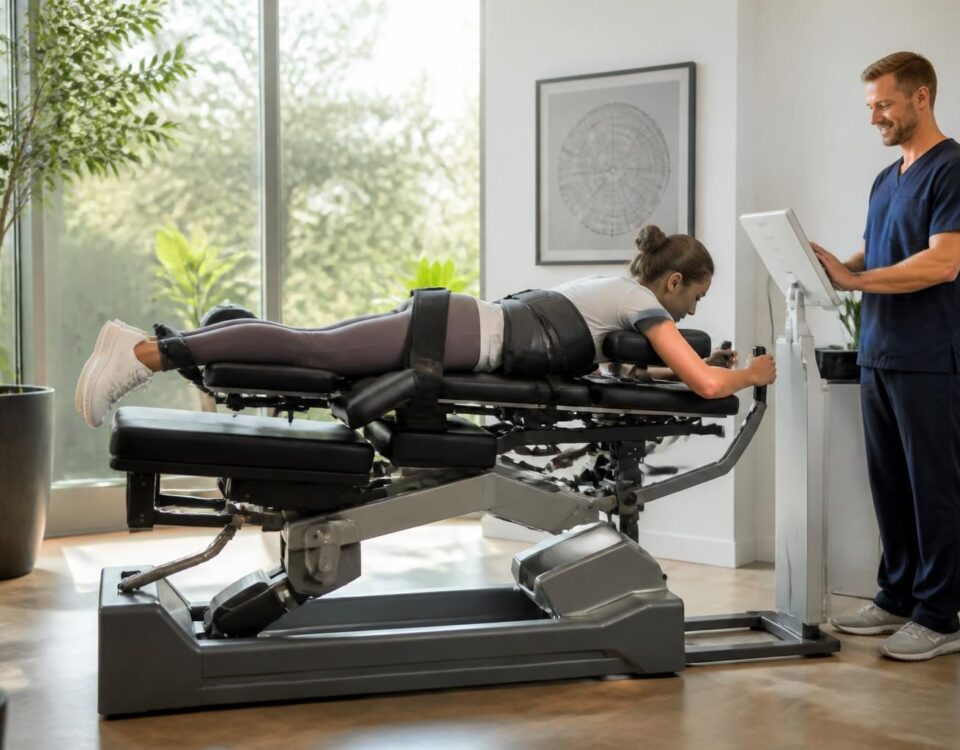
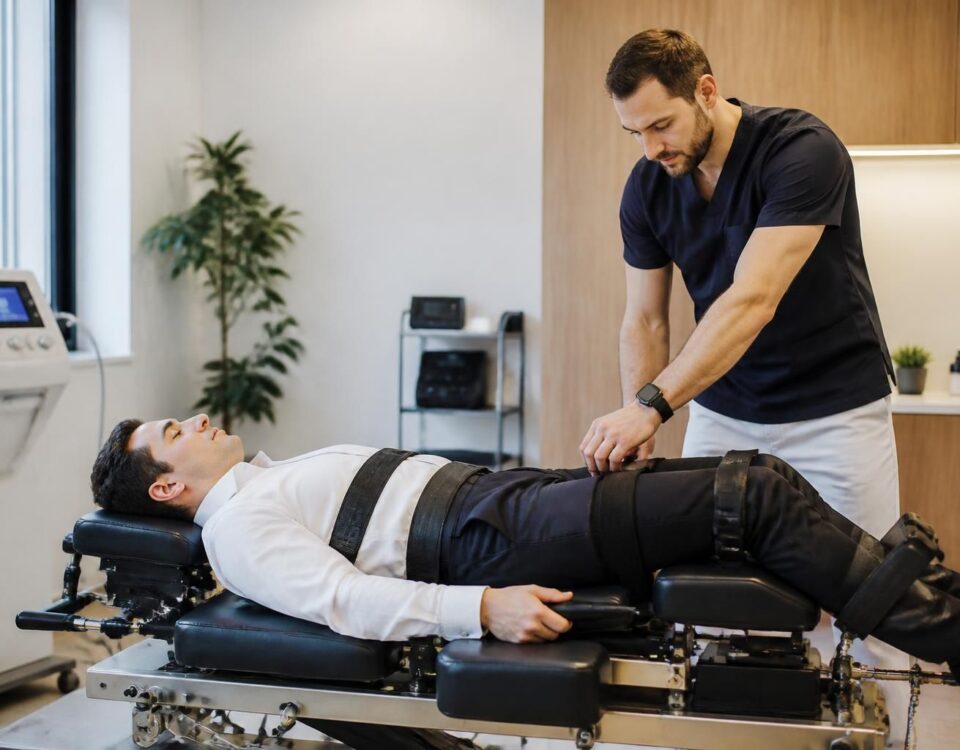
The treatment is based on guided traction and fresh of the spine. This action creates a controlled shift between the vertebrae and releases the pressure exerted on the discs and nerves. As a result, circulation in the surrounding tissues improves and mechanical pain decreases. Patients often report a feeling of lightness and a greater range of motion after the sessions.
The approach aims to restore biomechanical balance and promote natural recovery without surgery or drugs, making it an option natural Suitable for many profiles.
Benefits for mechanical pain and everyday pain
This approach offers an alternative natural and non-invasive drug treatments. It reduces cervical and lumbar pain and improves mobility. It can help to improve quality of life and autonomy in daily activities, without the risks associated with certain invasive drugs or interventions.
Indications and safety
It is particularly indicated for mechanical pain related to conditions such as herniated discs, disc bulges and other spinal conditions. An initial assessment by a health professional is used to determine the suitability of the treatment and to establish the session plan. Adverse effects are rare and generally benign, and the protocol is adjusted according to each patient.
Access this treatment in Montreal
In Montreal, this type of care is offered in specialized clinics. To get an appropriate assessment and treatment, you can contact Tagmed Clinic or other affiliated centers near you. A first consultation allows you to assess the symptoms, history and goals of each patient, in order to determine the most appropriate treatment plan. Additional resources and detailed information are available on Tagmed Clinic.
To explore further, you can consult the following resources that describe the mechanisms and benefits of neurovertebral decompression:
Neurovertebral Decompression and Chronic Pain – Innovative Approach
How decompression improves circulation at the discs
For more information on clinical indications and results, see also neurovertebral decompression on sosherniadiscal and Reduction of chronic neuropathic pain.
For patients living in Montreal or on the periphery, neurovertebral decompression can be part of a global approach to care, in addition to other services offered by TagMed and local partners.
Neurovertebral decompression and lower back pain management – A natural solution for persistent pain.
For official information and practical navigation, see Dr. Desforges’ website.
To access additional resources, visit TagMed – Complex nerve tensions and Innovative approach for chronic pain.
Additional public and clinical resources on neurovertebral decompression and results for seniors are available at Proven results in seniors.
In addition, information on cases of associated pathologies such as herniated disc and foraminal stenosis can be consulted via SOS Herniated Disc and Avoid pain medication.
Additional resources and patient testimonials are available on SostunnelCarpal and SOS Herniated Disc – Decompression.
In Montreal and Île-de-Montréal, neurovertebral decompression is offered as a non-surgical option. A preliminary assessment allows to establish an appropriate program and to plan the number of sessions necessary to achieve lasting results, with a preference for an integrated approach in the TagMed clinic.
To learn more about results and success indicators, see the following resources: Innovative approach and Improved disc traffic.
Clinique TagMed offers adapted solutions in Montreal and Terrebonne. To check your eligibility and make an appointment, visit Tagmed Clinic.
For people looking for a natural alternative to drug treatments, neurovertebral decompression can be an interesting and secure option, with a patient-centric approach and quick results in some cases.
Medical Disclaimer: The information and advice provided on this site does not replace the health professional’s diagnosis or treatment. Please note that Dr. Sylvain Desforges osteopath is neither a doctor of medicine nor a doctor, and is not a specialist in a medical specialty as defined by the Collège des Médecins du Québec. Manual medicine, functional medicine and sports medicine as described on this site exclude any medical treatment or diagnosis made by a doctor or specialist doctor. Always consult your doctor for any medical questions. For more details, please read our full legal notice.
- gentle traction which lengthens the column and decreases the pressure on the discs
- pressure reduction On intervertebral discs and nerve roots
- traffic improvement blood to the tissues around the column
- Mobility found and reduction of mechanical pain
- natural alternative to pharmacological treatments
- Main directions : herniated discs, disc bulges, cervical and lumbar pain
- Non-invasive approach without surgery
- Prevention of recurrences thanks to adapted sessions
- Multidisciplinary integration With physiotherapy and postural work
- Accessibility in specialized clinics

This article presents the neurovertebral decompression as Natural solution for the Mechanical pain back and neck. It explains the mechanism, indications, course of treatment and potential benefits to improve the quality of life Without systematically using drugs, while underlining the importance of personalized support.
What is neurovertebral decompression and why it can help
Principle and mechanism
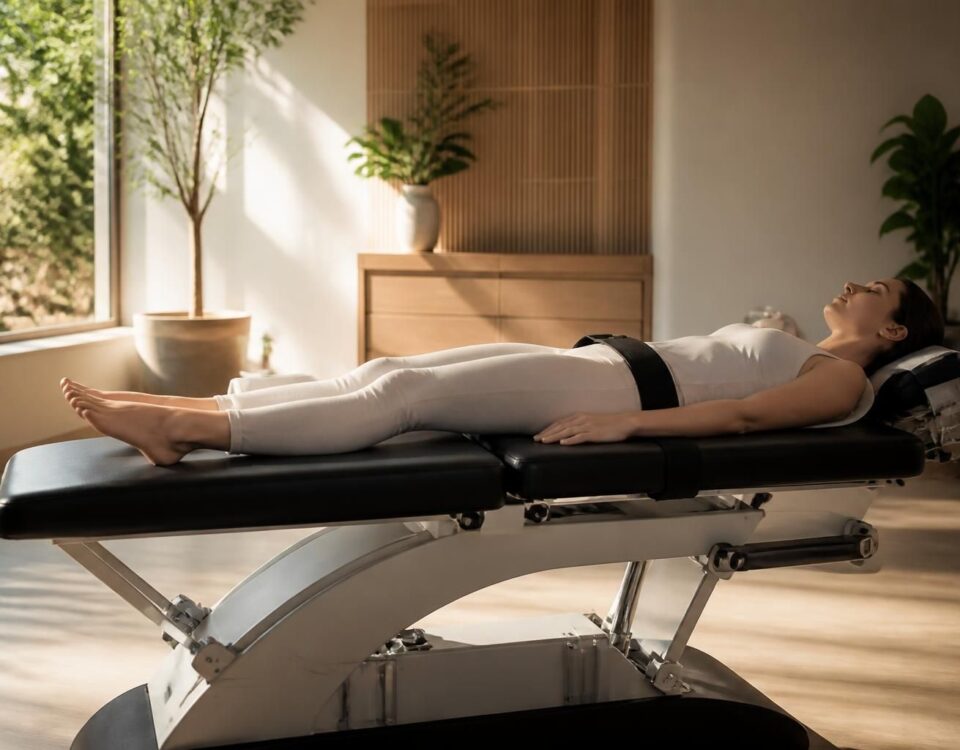
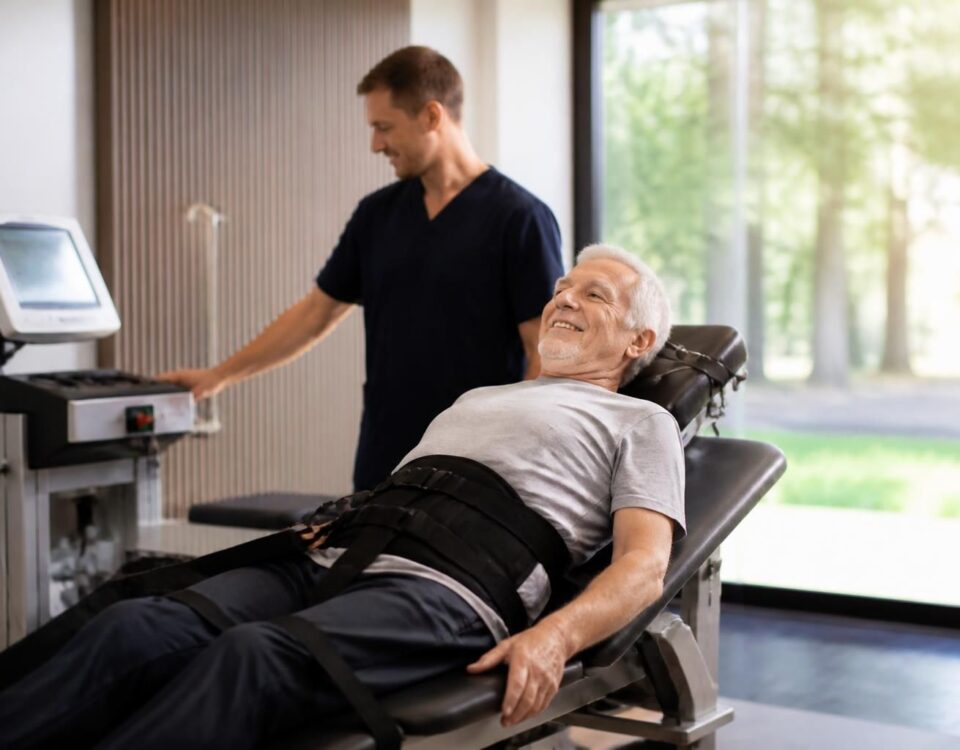
Neurovertebral decompression is based on a gentle traction of the spine, performed on a specialized table, in order to create a space between the vertebrae. This action aims to reduce the pressure exerted on the Intervertebral discs and on the nerve roots, which can reduce pain and promote bloodstream in the surrounding tissues. By releasing the pressure, it can allow a lasting improvement in mobility and comfort.
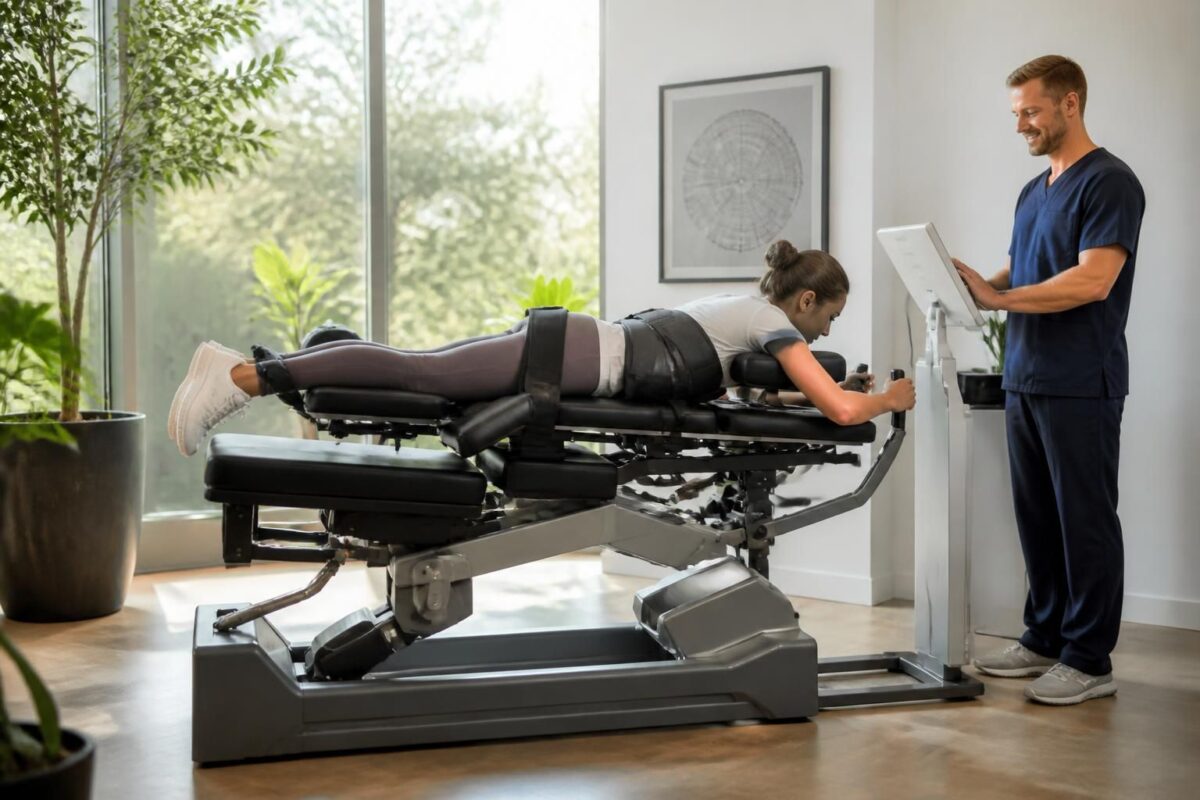
The long-term benefits of neurovertebral decompression for spinal health
In short In short, the neurovertebral decompression is a non-invasive approach that decreases the Pressure on intervertebral discs and nerves, favoring the Natural regeneration and tissue recovery. Its long-term benefits include Lasting pain reduction, Improving mobility and from the posture,…

Neurovertebral decompression and mobility: a return to an active life
In short In short, the neurovertebral decompression is therapy non-invasive who uses a gentle traction To create a space between the vertebrae and reduce the pressure on the Intervertebral discs and the nerves. It promotes a bloodstream improved, lowers tension…
In what situations and for whom
Main directions
This approach is particularly suited to Mechanical pain in the neck and back, including herniated discs, the Disc bulges and pain related to Foraminal stenosis. It can also be considered in patients with Chronic pain of disc or root origin when drug treatments are not desired or are not sufficient.
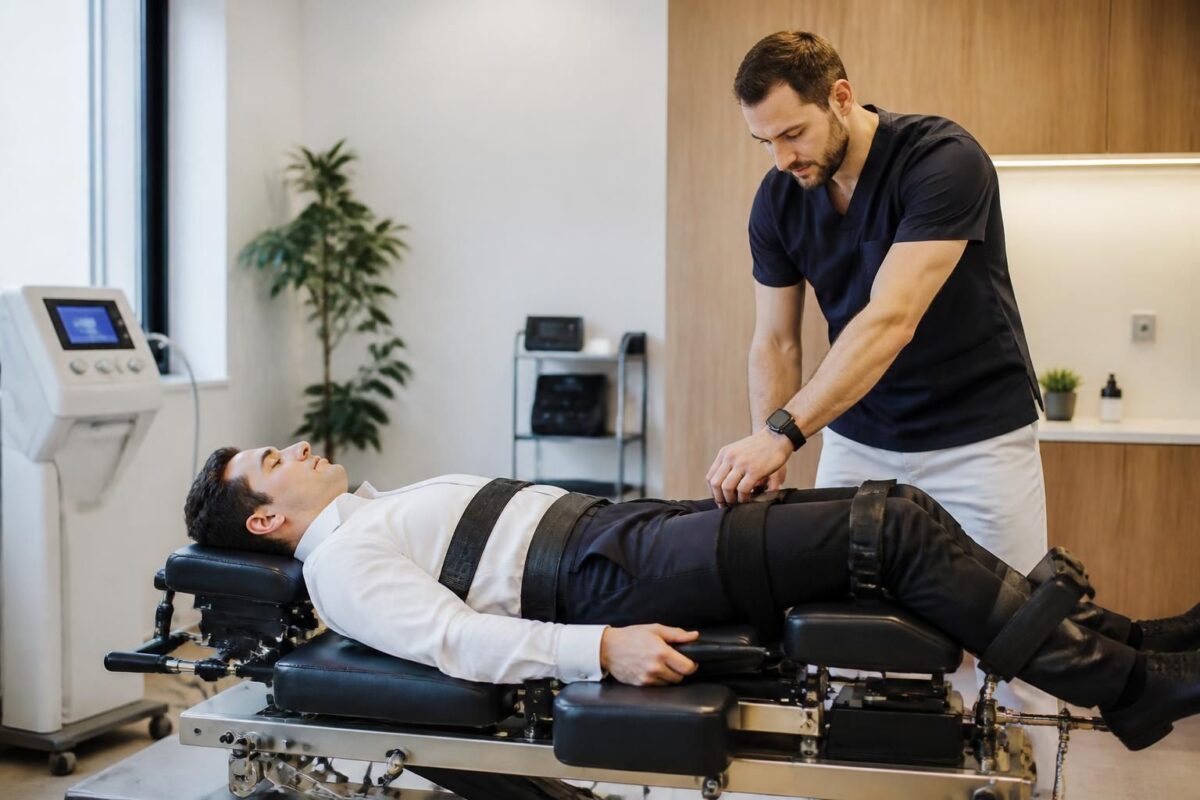
How Neurovertebral Decompression Prevents Diffuse Chronic Pain
In short decompression neurovertebral is one Non-invasive method aimed at reducing the Pressure on the intervertebral discs and the nerves, in order to prevent Diffuse chronic pain. It improves the circulation and thedisc hydration, decreases inflammation and promotes better mobility.…
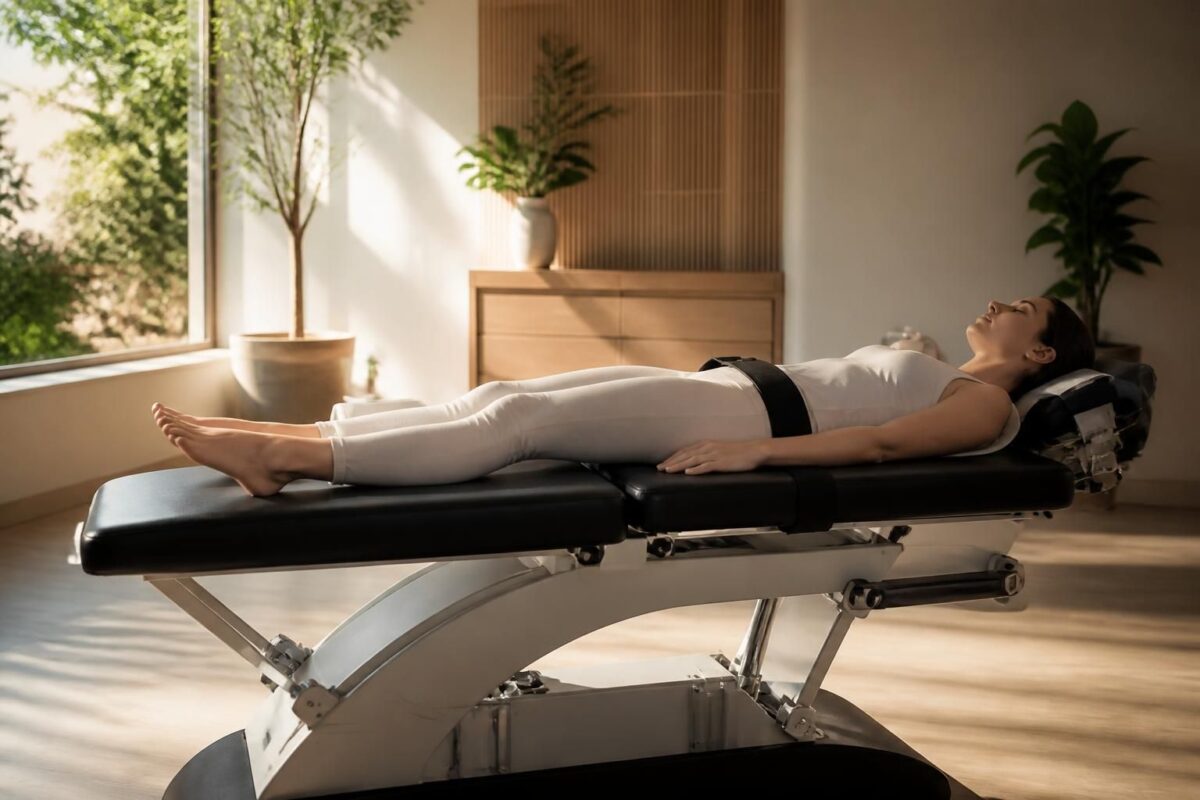
Neurovertebral Decompression and Body Alignment: Restoring Natural Balance
In short In short, neurovertebral decompression is one Non-invasive approach who restores theBody Alignment and thenatural balance back and neck. She acts by a Controlled traction of the spine to widen the intervertebral space and reduce the Pressure on discs…
How a therapy takes place and what to expect
Procedure and objectives
Before any implementation, a Personalized report is carried out by a licensed professional to assess the adequacy of the treatment for your situation. The care plan is then adapted to your needs and can cover several sessions over a given period. A typical program can include between 15 and 25 sessions, each session lasting about 20 to 40 minutes, with a progression adapted to your evolution. The goal is to restore alignment and mobility, while gradually reducing pain and muscle tension.
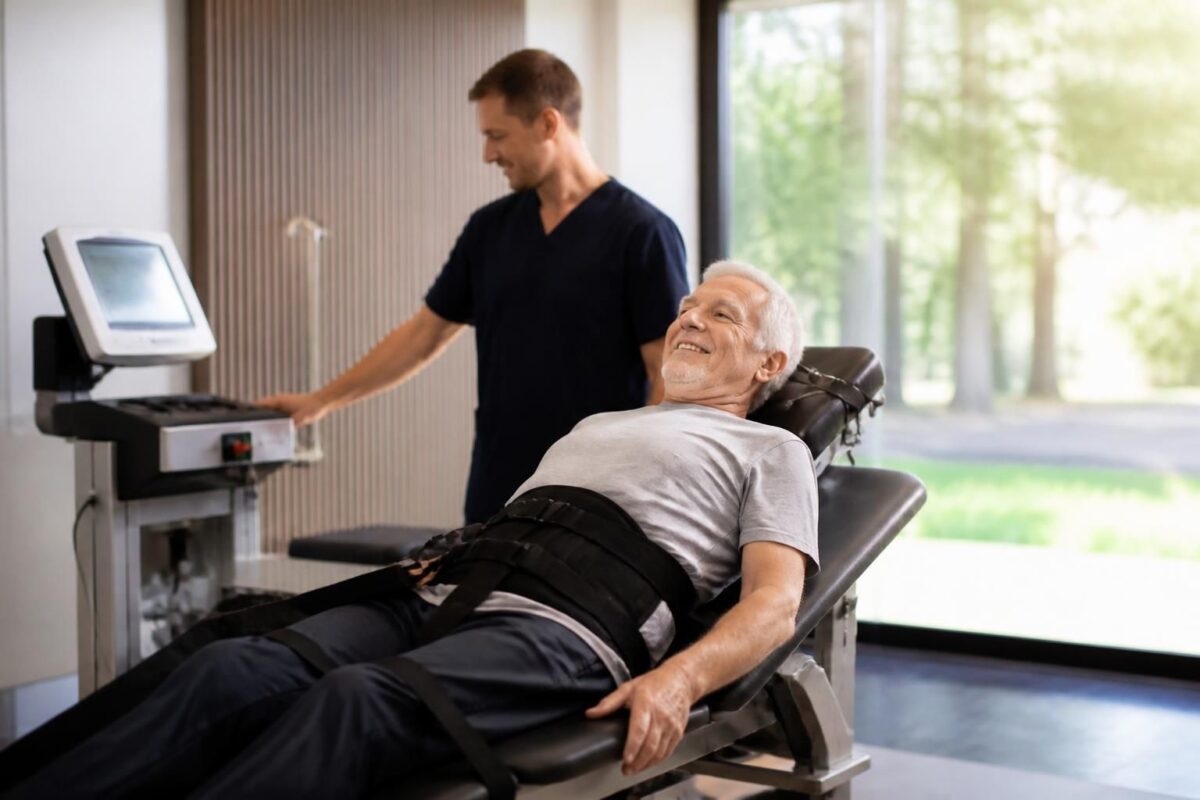
Why neurovertebral decompression is a lasting solution for active seniors
In short In short, the neurovertebral decompression is one Non-invasive therapy which sustainably relieves spinal pain in the spine active seniors By creating, by a Soft and controlled traction, a space between the vertebrae. At Montreal, it is recognized as…
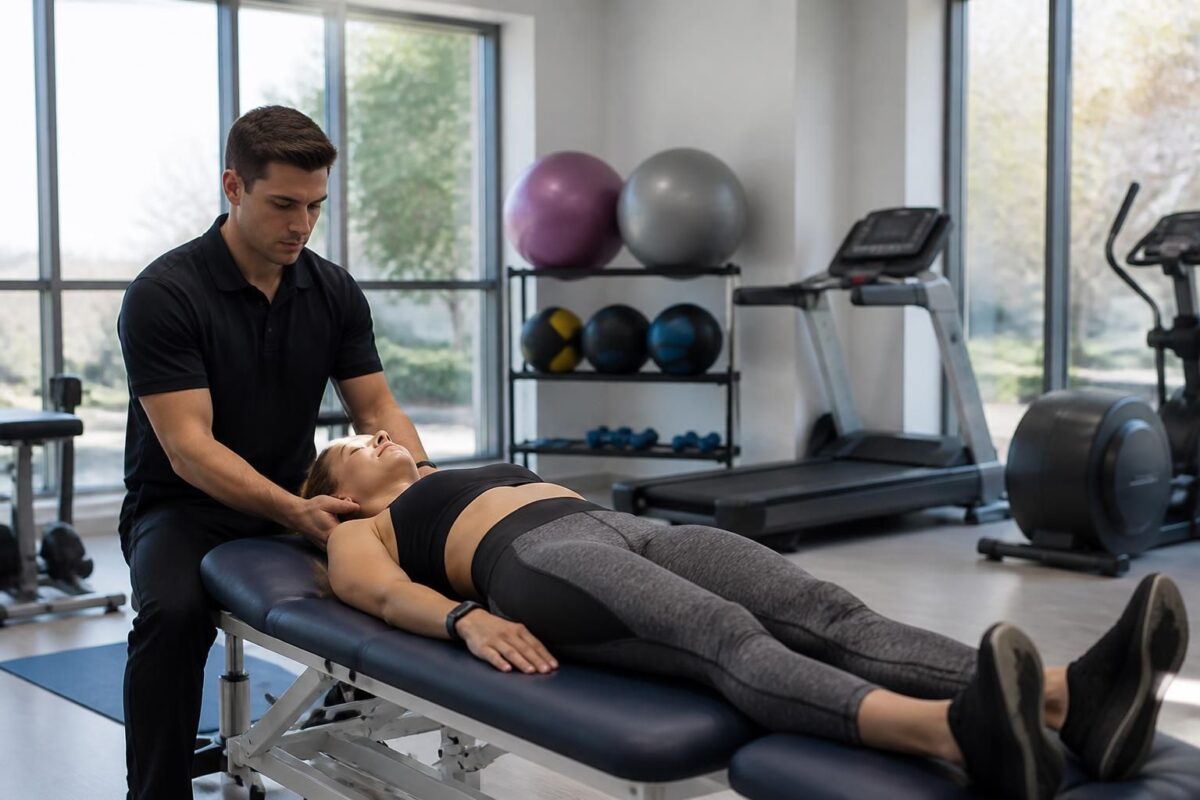
Neurovertebral decompression and recovery after severe sports injury
In short In short, the neurovertebral decompression is one Non-invasive method to Relieve the pressure on the Intervertebral discs and the gristle Via a Controlled traction, to facilitate the recovery After a severe sports injury. It improves the bloodstream towards…
Advantages and security
Key Benefits
Neurovertebral decompression provides Natural solution and non-invasive To treat cervical and lumbar pain, with potential benefits in terms of mobility and general well-being. It has the major advantage of limiting or avoiding Drug-related side effects, and to promote a Prevention of recurrences When the sessions are associated with an adapted lifestyle and regular exercises.
Security and limits
Like any treatment, it has limitations and must be administered by a qualified professional. Adverse effects are generally rare and mild (e.g. slight stiffness after a session). Certain medical conditions, such as fractures, infections or specific contraindications, require a prior assessment and possibly a therapeutic alternative.
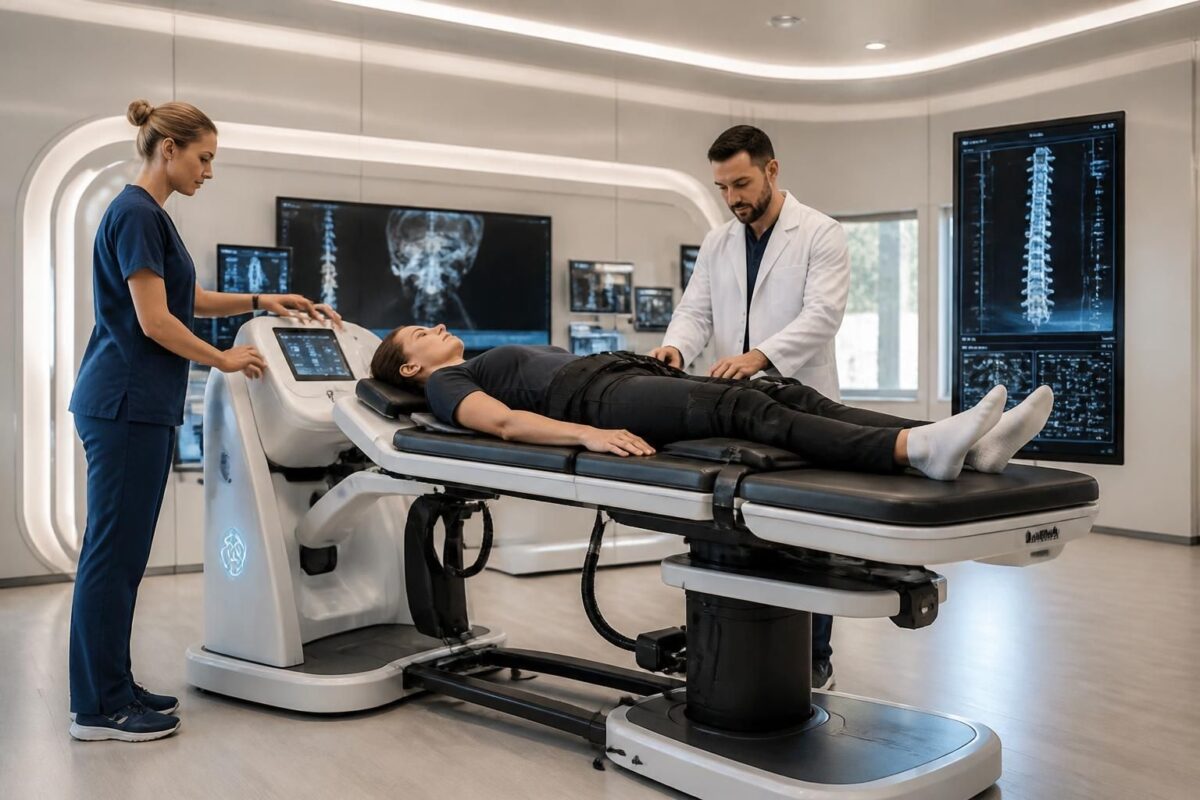
Recent innovations in neurovertebral decompression technologies
In short In short, the neurovertebral decompression is an approach non-invasive Aiming to reduce pressure on discs and nerves, and promote tissue regeneration. At Montreal, it is positioned as an effective option for lower back pain and herniated discs. The…
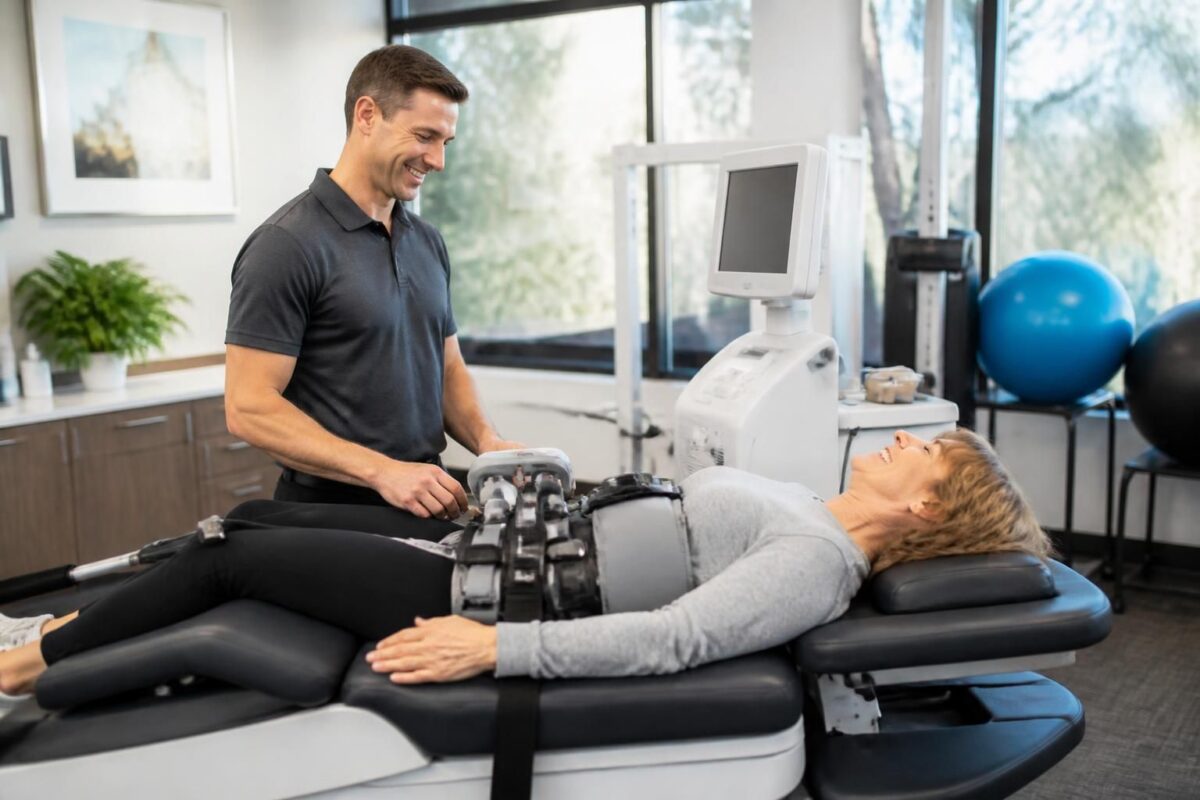
Neurovertebral decompression and diffuse pain: an appropriate solution
In short In short, the neurovertebral decompression is one Non-invasive solution For diffuse pain related to nerve irritation of the spine. She acts in Reducing pressure on intervertebral discs and nerves and improving the bloodstream, which promotes recovery and the…
Integration with other approaches and lifestyle
Complementary approaches
To optimize results, decompression can be integrated into other approaches such as physiotherapy, exercises of muscle building, techniques of Manual therapy, and advice onsupply and stress management. An approach multidisciplinary Allows you to correct postural imbalances and sustainably improve posture and mobility.
Practical tips for getting started
First steps
If you are considering neurovertebral decompression, consult a licensed professional for a Personalized report and discuss goals, number of sessions and practical modalities. Ask questions about the course of the sessions, the precautions to take and the expected results. Engage in a realistic treatment plan and integrating exercises and lifestyle habits conducive to the prevention of future pain.
| Aspect | Concise description |
|---|---|
| Definition | Non-surgical traction aimed at reducing the pressure on the discs and nerves for the Mechanical pain. |
| Mechanism | Drawing controlled column that creates more intervertebral space and improves circulation and healing. |
| Targeted pain | targets Cervical and Lumbar mechanics, slipped disc mild to moderate and radiculopathies. |
| Benefits | Sustainable relief, mobility improved, Inflammation reduction, without Drug addiction. |
| invasiveness | non-invasive, without surgery or incision. |
| Typical indications | aches chronicles back and neck, radiculopathies, consequences post-surgery disc. |
| Expected results | Improvement progressive over several sessions; Some feel a Quick relief. |
| Therapeutic coordination | Evaluation initial and personalized plan; Regular follow-up; possible integration with the physiotherapy. |
| Accessibility and cost | Available in Specialized clinics; cost often Cheaper than surgery long term; Variable insurance. |
Testimonials on neurovertebral decompression and mechanical pain: a natural solution
Marie, 46, Montreal — After years of Mechanical pain Lumbar, I tested the neurovertebral decompression And I found a mobility found. This approach natural and non-invasive Reduced my pain and gave me confidence in my daily activities.
Julien, 52, Laval — My neck made me suffer continually. The neurovertebral decompression Released the pressure on my discs and I can practice my sports activities again as before. aches mechanics greatly diminished, without the use of drugs.
Isabelle, 38, Longueuil — Concerned about a slipped disc, I experienced painful episodes. After treatment, the mobility came back and the pain decreased. An approach non-invasive and natural who made the difference.
Thomas, 41, Terrebonne — As a sportsman, my neck pain limited my performance. Thanks to the neurovertebral decompression, I found a better range of movement and comfort on a daily basis, without depending on drugs.
Sophie, 29, Montreal — Arnold’s neuralgia with persistent pain. The approach natural and non-invasive resulted in a noticeable reduction in pain and a general improvement in my quality of life, without side effects.
Marc, 58, Sainte-Julie — After a disc surgery, the pain persisted. The neurovertebral decompression targeted the sources of ignition and allowed me to resume my activities without reoperation, a solution natural and effective.
Aline, 64, Brossard — Spinal osteoarthritis and stiffness. The treatment improved my posture and my mobility, while remaining an approach natural and non-invasive.
Olivier, 33, Saint-Laurent — looking for a solution natural For my mechanical pain, decompression transformed my life without drugs. It’s an approach non-invasive and really effective.
the DR Sylvain Desforges, recognized expert in the fields ofosteopathy, from the naturopathy and manual medicine, occupies the role of founding president of the Tagmed clinics and the ACMA association. Its trajectory is guided by theHealth Innovation and an approach that places the management of Chronic pain At the heart of clinical excellence. Its action is part of a logic of evidence-based care and continuous optimization of patient well-being, integrating advanced technologies such as neurovertebral decompression, the laser and shockwave therapy.
True to an approach multidisciplinary, it favors a personalized therapeutic relationship, where the careful evaluation of the patient makes it possible to develop a tailor-made treatment plan. The objective is to combine safety, efficacy and prevention of recurrences, while avoiding drug treatments when possible. This approach is based on a detailed understanding of the biomechanical mechanisms that underlie mechanical pain and on the body’s ability to heal itself when conditions are met for functional rebalancing.
The neurovertebral decompression Appears as a non-invasive technique that acts smoothly on the spine to decrease the pressure exerted on the discs and nerve roots. Through controlled traction sessions, it creates an intervertebral space that helps to release compressed nerves and promote better circulation of nutrients in the surrounding tissues. This mechanism aims to reduce pain mechanics back and neck, while improving mobility and daily comfort, without resorting to painkillers.
In its clinical activities, Dr. Desforges regularly associates decompression with other technologies and manual therapies to enhance the overall efficacy of treatment. The integration of laser, of shock waves and neuro-muscular approaches can address the articular, tissue and nerve origins of pain, while respecting the physiology of the patient. This synergy is part of an approach Evidence-based which aims for lasting results and a tangible improvement in the quality of life.
Clinical returns to patients often point to a noticeable decrease in pain, better range of motion and easier daily resumption of activities. By favoring a natural and non-invasive solution, the neurovertebral decompression program also contributes to the prevention of recurrences by restoring a postural balance and an optimized nerve function. This approach is part of a holistic vision of health, which sees the body as a whole capable of improving when the mechanical and physiological factors conducive to healing are combined.
As a leader in the field, Dr. Desforges pursues a trajectory focused on personalized evaluation, rigorous symptom monitoring and patient education. Its commitment is to offer treatments non-invasive and adaptable, which respect the biological rhythm of each person and which are articulated with the best practices in terms of physiotherapy, prevention and general well-being.
This summary highlights the neurovertebral decompression like a Natural solution For the pains mechanics back and neck, reducing the Pressure on the intervertebral discs and improving the circulation local, while remaining non-invasive and suitable for a wide range of patients.
The neurovertebral decompression Relies on gentle and controlled traction of the spine that creates a space between the vertebrae. This manipulation limits the pressure exerted on the gristle and the Intervertebral discs, promotes the bloodstream and nutritional intake to tissues, and thus contributes to a Sustainable improvement in mobility as well as a Significant relief from mechanical pain, especially in the cervical and lumbar regions.
Beyond relief, this approach natural has key advantages over drug treatments: it Reduces risks of addiction and side effects, it is non-invasive And it targets the mechanical cause causing the pain rather than masking the symptoms. We often observe a pain reduction In cervical and lumbar pain, a Improving mobility and an quality of life Overall increased, with better posture and less limitations in daily activities.
To access this treatment, a Personalized report and an Individual assessment are necessary, carried out by approved professionals. Reference clinics offer this treatment and provide appropriate follow-up, sometimes combining other approaches non-invasive such as physiotherapy, strengthening exercises and complementary therapies. Among the options available, integration with associated technologies, such as treatments with shock waves or the laser, can optimize overall pain management and accelerate recovery.
For those who wish to deepen, several resources describe the mechanisms and benefits of neurovertebral decompression in pain neuropathic and complex pathologies, and explain how this approach can prevent recurrences and promote better spinal circulation and an Functional recovery sustainable. You can explore examples and results on the following pages and associated resources:
Neurovertebral decompression and rehabilitation after a back injury •
Prevent recurrences of neuropathic pain in complex pathologies •
Vertebral decompression, natural treatment for your back health •
Neurovertebral decompression and treatment of recurrent mechanical pain •
Neurovertebral Decompression Techniques for Chronic Pain •
Neurovertebral decompression, a gentle therapy for neck pain •
Neurovertebral decompression, reduce severe neuropathic pain in complex pathologies •
Neurovertebral decompression and improvement of spinal circulation •
The benefits of neurovertebral decompression for mechanical pain •
Neurovertebral decompression, prevention of neurological complications in complex pathologies
These resources and associated practices are part of a comprehensive approach to Prevention of recurrences and of Functional rehabilitation, promoting a gradual and lasting return to normal activity. Testimonials and clinical assessments support the effectiveness of this method to address Mechanical pain and the neuropathic signs that are sometimes associated with it, while offering a credible alternative to pharmacological treatments.

Dr Sylvain Desforges, B.Sc., D.O., N.D., osteopath, is the founding president of TAGMED and of the ACMA association. He dedicates his practice to chronic spinal pain, low back pain and symptoms compatible with sciatica, particularly when pain radiates toward the buttock, leg, calf, foot or toes.
Through SOS Sciatique, he publishes educational content on sciatica symptoms, possible causes such as disc herniation, disc narrowing, foraminal stenosis or irritation of a lumbar nerve root, as well as non-surgical approaches that may be considered according to the evaluation. At Clinique TAGMED, care may include, depending on the case, motorized neurovertebral decompression, specific osteopathic care or precision percussion.
For an evaluation related to sciatica treatment in Montreal / Mount Royal or sciatica treatment in Terrebonne, please consult the services available at Clinique TAGMED.
Medical disclaimer
The information published on SOS Sciatique is provided for educational purposes only and does not replace a consultation, diagnosis, opinion or treatment provided by a physician or another authorized healthcare professional. The author of this article is neither a medical doctor nor a specialist in a medical specialty recognized by the Collège des médecins du Québec. The osteopathic, manual medicine or functional support approaches described on this site do not constitute medical acts and are not intended to replace medical follow-up.
Consult a physician or emergency service in cases of loss of bladder or bowel control, anesthesia in the saddle area, significant or progressive weakness in the leg or foot, fever, recent trauma, severe pain or rapid worsening of symptoms. For more details, please read our Legal Notice.