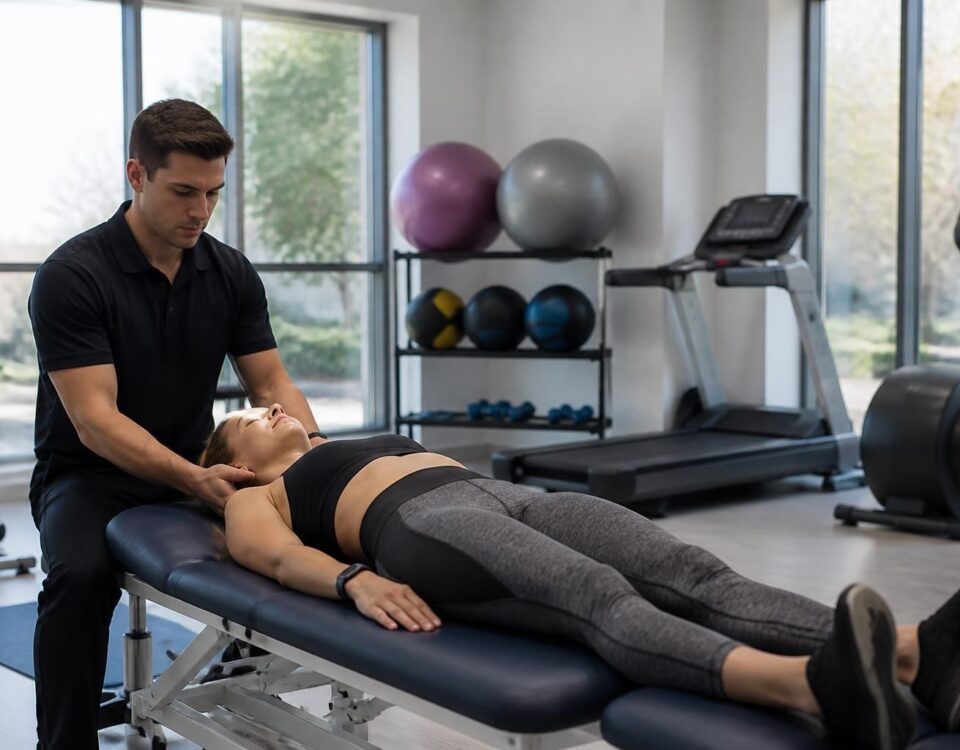
How neurovertebral decompression improves spinal flexibility
26/06/2026
Benefits of neurovertebral decompression to relieve nocturnal pain
26/06/2026
In short
In short, the neurovertebral decompression is an approach non-invasive aimed at relieving Nocturnal pain caused by recurrent spinal injuries, including herniated discs. At Montreal, this service is particularly recommended for the Prevention of recurrences and improving the sleep quality By restoring the space between the vertebrae thanks to a gentle traction. The treatment offers a Quick relief, a Improving mobility and an Reduction of inflammation without surgery, favoring the tissue regeneration and a better circulation. It easily integrates into a comprehensive care plan and can help active patients resume their activities painlessly. |
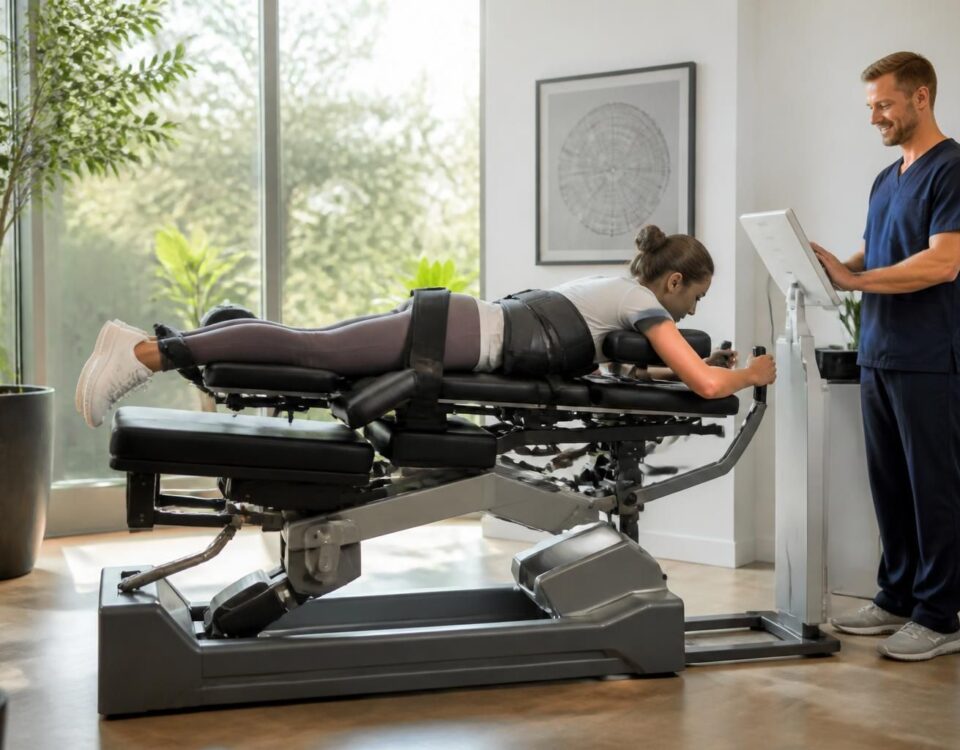
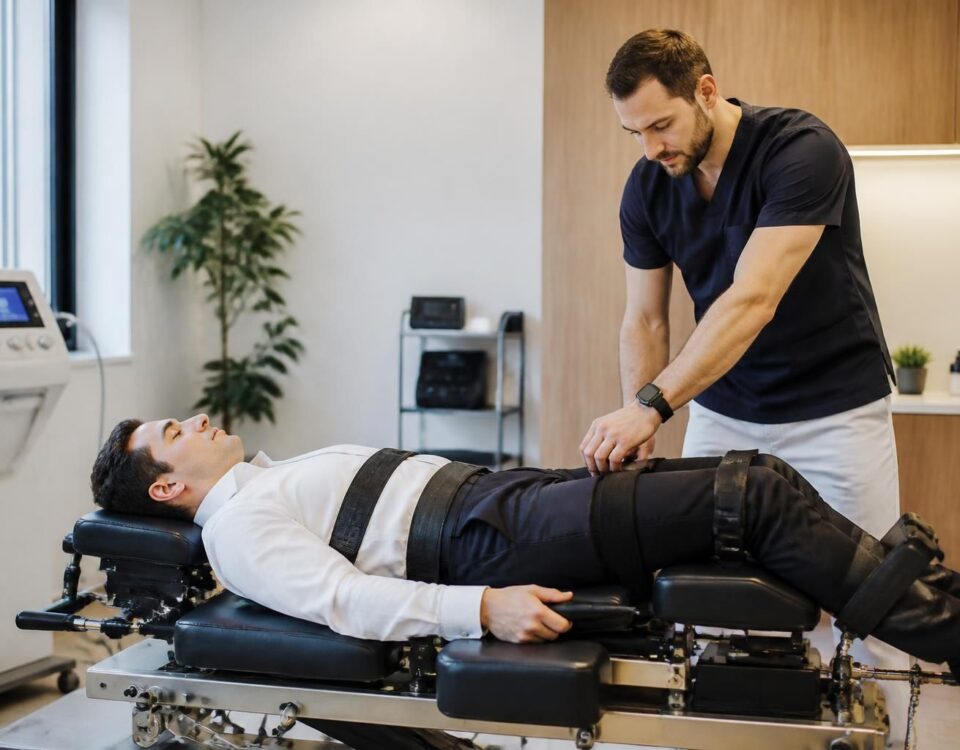
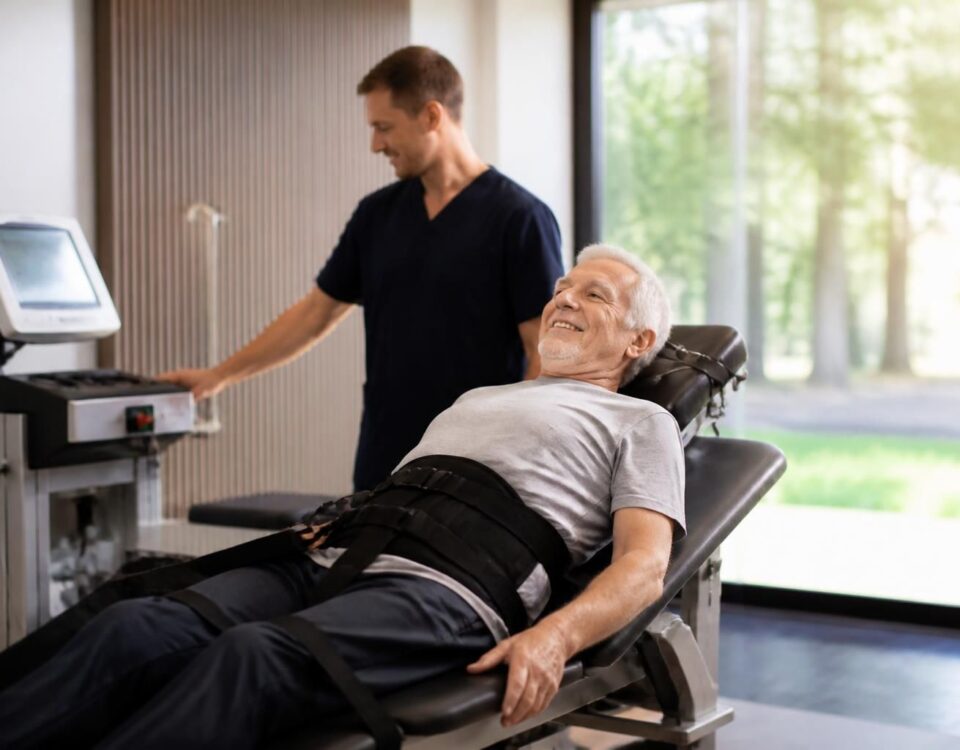
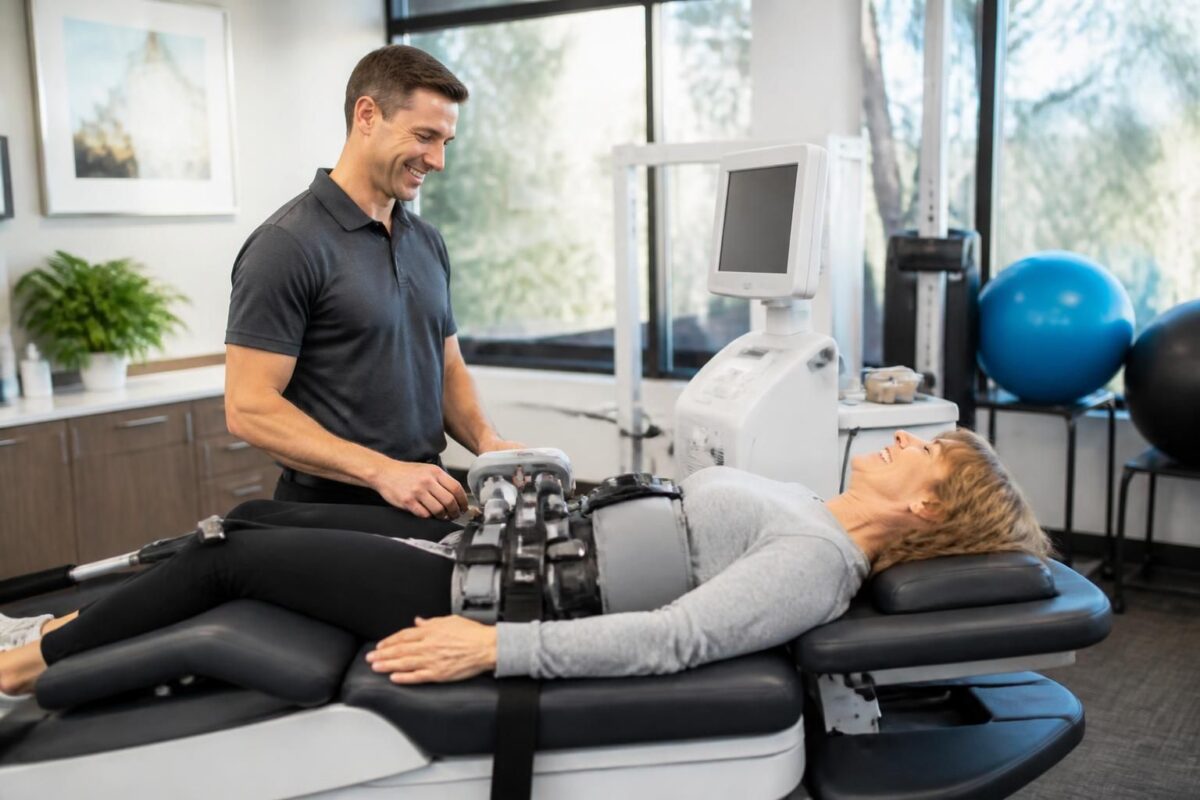
The neurovertebral decompression is a therapeutic approach non-invasive which aims to relieve pain related to spinal injuries, in particular herniated discs. By applying a gentle traction, it creates a space between the vertebrae and reduces the pressure on the discs and nerve roots, thus improving the bloodstream and promoting the healing of nerve tissue while reducing inflammation and pain, including nocturnal.
For the Prevention of recurrences, this method fits into a global plan: soft muscle strengthening, physiotherapy, posture exercises and ergonomic advice, hydration and healthy lifestyle, as well as Regular follow-up To adjust the treatment according to the evolution. This approach contributes to better mobility, more restful sleep and a lasting reduction in the risk of relapse.
This article clearly presents how the neurovertebral decompression May help prevent recurrences after a spinal injury. It describes the operation, the necessary evaluation and the elements to be put in place for sustainable and safe monitoring. The goal is to provide an approach natural and non-invasive that limits relapses and improves quality of life, without surgery.
What is neurovertebral decompression and its role in preventing recurrences
The neurovertebral decompression Uses controlled, gentle traction to create space between the vertebrae. This reduces pressure on the nerves and intervertebral discs, which decreases inflammation and helps regeneration of nerve tissue. This approach directly targets the cause of pain from recurrent injuries, while promoting Prevention of recurrences in the long term and a natural progression towards better functionality.
It is particularly indicated when nocturnal pain comes from disc pathologies or nerve compressions. In the clinical context, this method is integrated into a care framework that favors solutions non-invasive and based on evidence. To understand the mechanisms and benefits, you can consult the dedicated resources on specialized sites decompressionneurovertebrale.com and the associated informative guides, also available via dedicated platforms.
Pre-treatment eligibility and evaluation
Before starting treatment, preliminary assessment is essential. This assessment includes a clinical examination and, when necessary, imaging examinations to confirm that the decompression is appropriate. The process is used to indicate the number of sessions and the most appropriate pace for each patient, while ensuring the safety and effectiveness of treatment.
The decision to move forward is based on clear clinical criteria and a precise understanding of symptoms. For additional information, public and professional resources associated with this subject are available on various specialized sites, including resources oriented towards the prevention and monitoring of vertebral pathologies.
Impact on tissues, pain and sleep
The key mechanism is to reduce the pressure On nerve roots and discs, which decreases inflammation and promotes blood circulation around irritated structures. Typical results include a gradual decrease in pain and improved sleep, two essential elements to start a sustainable recovery process and prevent relapses.
In an integrated approach, decompression is often associated with other therapeutic supports within a global care plan. For those looking for additional information, several informative resources and testimonials are accessible via the sites mentioned above and via the platforms specializing in neurovertebral decompression.
Recurrence prevention and long-term follow-up
The prevention of recurrences is based on several simple and effective axes. First, respect for a Personalized treatment plan And the regularity of the sessions make it possible to obtain lasting gains. Second, spinal stability and better mobility are fostered by a consistent approach that targets the column as a whole, not a single area. Third, the adoption of a healthy lifestyle, including good hydration and a balanced diet, supports tissue regeneration and longevity of therapeutic effects.
To better understand available options and potential benefits, consult the resources and expert articles available on dedicated platforms and clinics specializing in neurovertebral decompression.
Integration with clinical services and professional resources
The neurovertebral decompression is part of an integrative clinical approach. In Montreal and the surrounding area, specialized clinics offer this treatment in coordination with other non-invasive therapeutic solutions. This approach makes it possible to build a coherent and personalized care pathway, focused on the prevention of recurrences and the restoration of mobility.
To access additional information and management options, you can consult professional resources and patient guides available on dedicated sites and associated clinics, including resources accessible via Tagmed Clinic and pages of neurovertebral decompression.
Testimonials and feedback reflect a reduction in pain and improvement of the daily life after several sessions, as part of a planned and supervised treatment by qualified health professionals. Examples and case studies are presented in the public and professional resources listed below.
Resources and useful links
To deepen, the following links provide relevant information on neurovertebral decompression and recurrence prevention after a vertebral injury:
- Why neurovertebral decompression is essential after a sports injury
- The benefits of neurovertebral decompression to reduce nerve pressure
- Neurovertebral decompression and chronic muscle tension
- How neurovertebral decompression affects diffuse muscle tension
- Neurovertebral decompression and prevention of recurrences after an injury
- Neurovertebral decompression — Restore range of motion
- Neurovertebral Decompression — Preventing Recurrences of Nocturnal Pain
- Neurovertebral Decompression — Preventing Recurrences of Neuropathic Pain
- How decompression supports intervertebral tissue regeneration
- Neurovertebral and cervical decompression — Improve flexibility and prevent recurrences
Note: The above resources shape an overview of the benefits and mechanisms, without proposing specific exercises or stretching as part of these contents.
Medical Disclaimer: The information and advice provided on this site does not replace the health professional’s diagnosis or treatment. Please note that the referent losteopath is neither a doctor of medicine nor a doctor, and is not a specialist in a medical specialty as defined by the Collège des Médecins du Québec. Manual medicine, functional medicine and sports medicine as described on this site exclude any medical treatment or diagnosis made by a doctor or specialist doctor. Always consult your doctor for any medical questions. For more details, please read our full legal notice.
- Pre-treatment assessment — Eligibility and identified causes.
- Controlled traction — Soft and secure decompression.
- Non-invasive approach — Without surgery or anesthesia.
- Tolerance and safety — Protocols adapted to each patient.
- Integration — osteopathy and complementary physiotherapy.
- rapid progress — Adjustments after each session.
- Anti-inflammatory effects — Reduction of nervous irritation.
- Prevention plan — Daily exercises and posture.
- Strengthening of the trunk — Increased spinal stability.
- Ergonomy — Improvement of work and sleep.
- Lifestyle — Adapted hydration and diet.
- Regular follow-up — Adjustments according to symptoms.
- Patient education — Warning signs and quick actions.
- relapse prevention — Sustainable strategies.
- Post-op / post-trauma — Additional support if necessary.

This article offers clear recommendations on the neurovertebral decompression and recurrence prevention measures after a spinal injury. It focuses on an approach non-invasive and personalized, aiming to reduce the pressure on nerves and discs, promote healing and limit relaps through treatment adjustments and appropriate lifestyle habits.
Understanding neurovertebral decompression and its goals
The neurovertebral decompression Relies on soft traction that creates a space between the vertebrae. This action reduces the pressure exerted on the intervertebral discs and nerve roots, reducing inflammation and improving local blood circulation. Its objective is to provide lasting relief, improve mobility and prevent recurrences linked to recurrent spinal injuries.
In practice, this approach is adapted to cervical or lumbar pain of disc or foraminal origin. It is part of a global care strategy and can be associated with other manual or physical therapies to optimize results. However, efficacy depends on a protocol adapted to each patient and regular monitoring of progress.
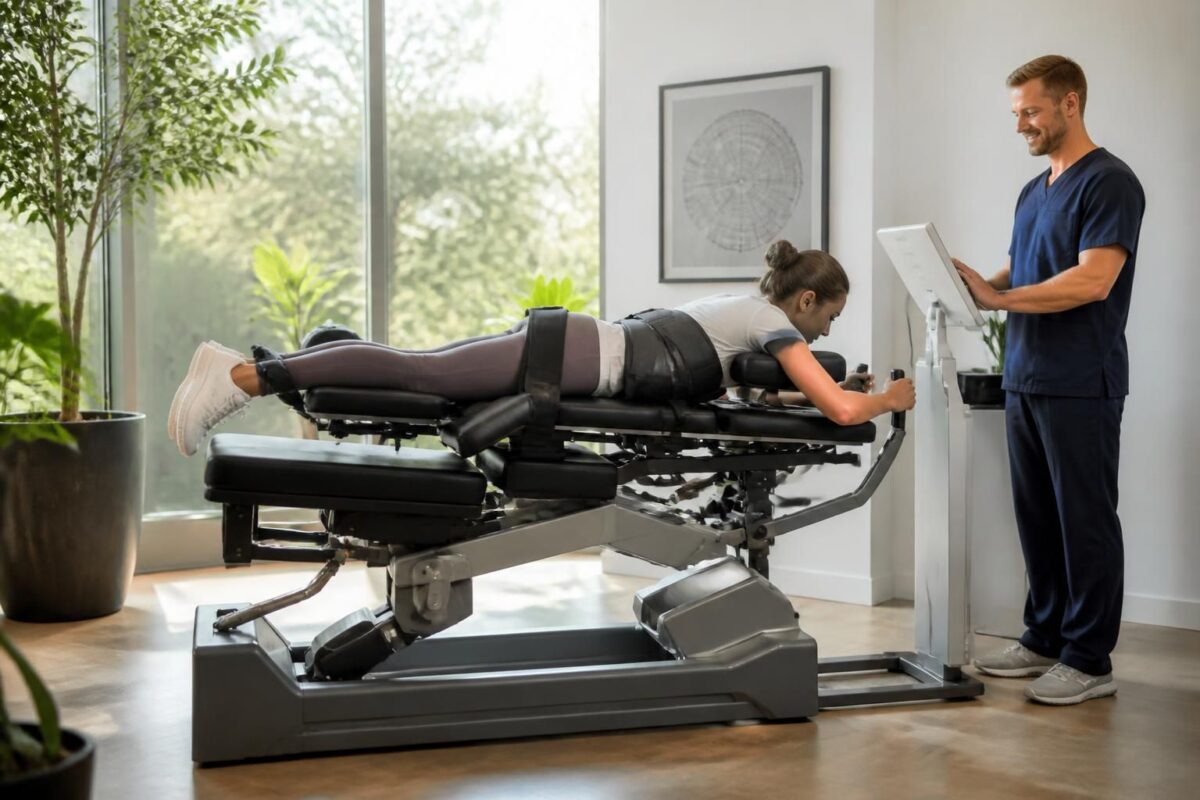
The long-term benefits of neurovertebral decompression for spinal health
In short In short, the neurovertebral decompression is a non-invasive approach that decreases the Pressure on intervertebral discs and nerves, favoring the Natural regeneration and tissue recovery. Its long-term benefits include Lasting pain reduction, Improving mobility and from the posture,…

Neurovertebral decompression and mobility: a return to an active life
In short In short, the neurovertebral decompression is therapy non-invasive who uses a gentle traction To create a space between the vertebrae and reduce the pressure on the Intervertebral discs and the nerves. It promotes a bloodstream improved, lowers tension…
Evaluation and eligibility
Initial assessment and eligibility criteria
Before starting, a Complete clinical evaluation and appropriate imaging tests confirm eligibility for decompression and identify areas to be treated. This step aims to personalize the traction protocol and to prevent potential contraindications.
Contraindications and precautions
Some conditions require treatment adaptation or a therapeutic alternative. The practitioner will take into account the medical history, symptoms and pain progression to adjust the plan and ensure optimal safety. In case of doubt, it is appropriate to discuss with your attending physician and assess the options available.
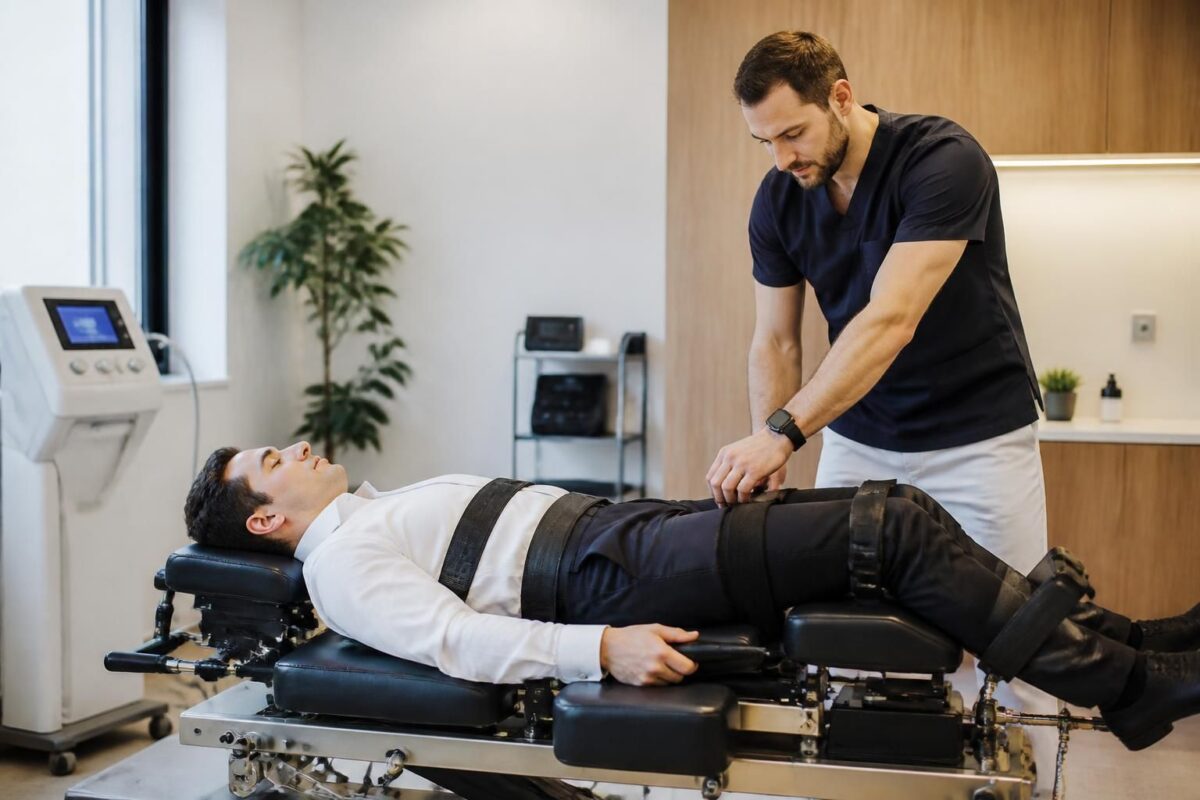
How Neurovertebral Decompression Prevents Diffuse Chronic Pain
In short decompression neurovertebral is one Non-invasive method aimed at reducing the Pressure on the intervertebral discs and the nerves, in order to prevent Diffuse chronic pain. It improves the circulation and thedisc hydration, decreases inflammation and promotes better mobility.…
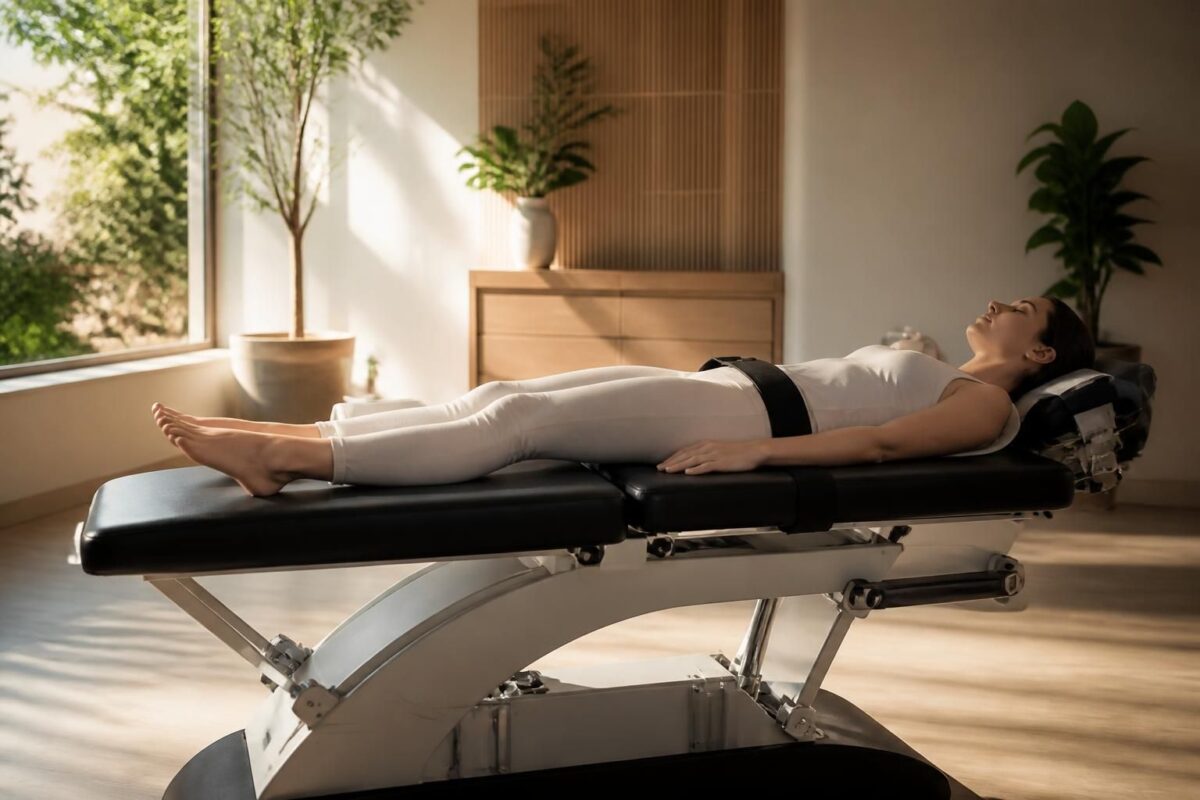
Neurovertebral Decompression and Body Alignment: Restoring Natural Balance
In short In short, neurovertebral decompression is one Non-invasive approach who restores theBody Alignment and thenatural balance back and neck. She acts by a Controlled traction of the spine to widen the intervertebral space and reduce the Pressure on discs…
Treatment plan and preventive measures
Frequency, progress and objectives
The plan is designed to progress gradually depending on the response to treatment and patient feedback. A series of regular sessions, coupled with symptom monitoring, is essential to achieve lasting pain reduction and functional improvement.
Integration with other therapies
Decompression can be associated with other approaches such as mild physiotherapy, osteopathy or targeted exercises. This synergy promotes spinal stability and helps prevent recurrences by strengthening supporting muscles and improving posture.
Exercises and daily movement
Gentle exercises and mobility recommendations can be prescribed to maintain the intervertebral space and improve circulation. The objective is to integrate these gestures into the daily routine in order to support the results of the treatment and to limit relapses.
Ergonomics and posture
Adapting work habits and daily postures is crucial. Appropriate ergonomics, active pauses and special attention to posture can reduce stress on the spine and limit nightly painful episodes.
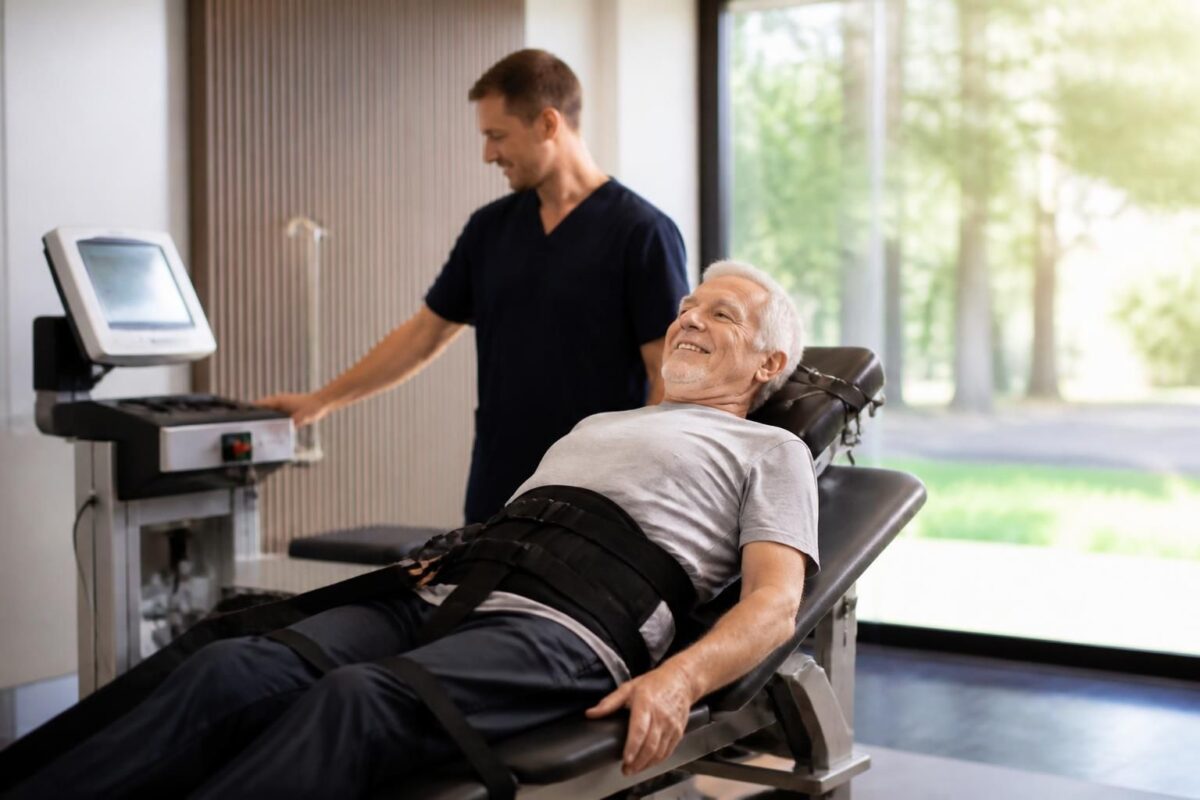
Why neurovertebral decompression is a lasting solution for active seniors
In short In short, the neurovertebral decompression is one Non-invasive therapy which sustainably relieves spinal pain in the spine active seniors By creating, by a Soft and controlled traction, a space between the vertebrae. At Montreal, it is recognized as…
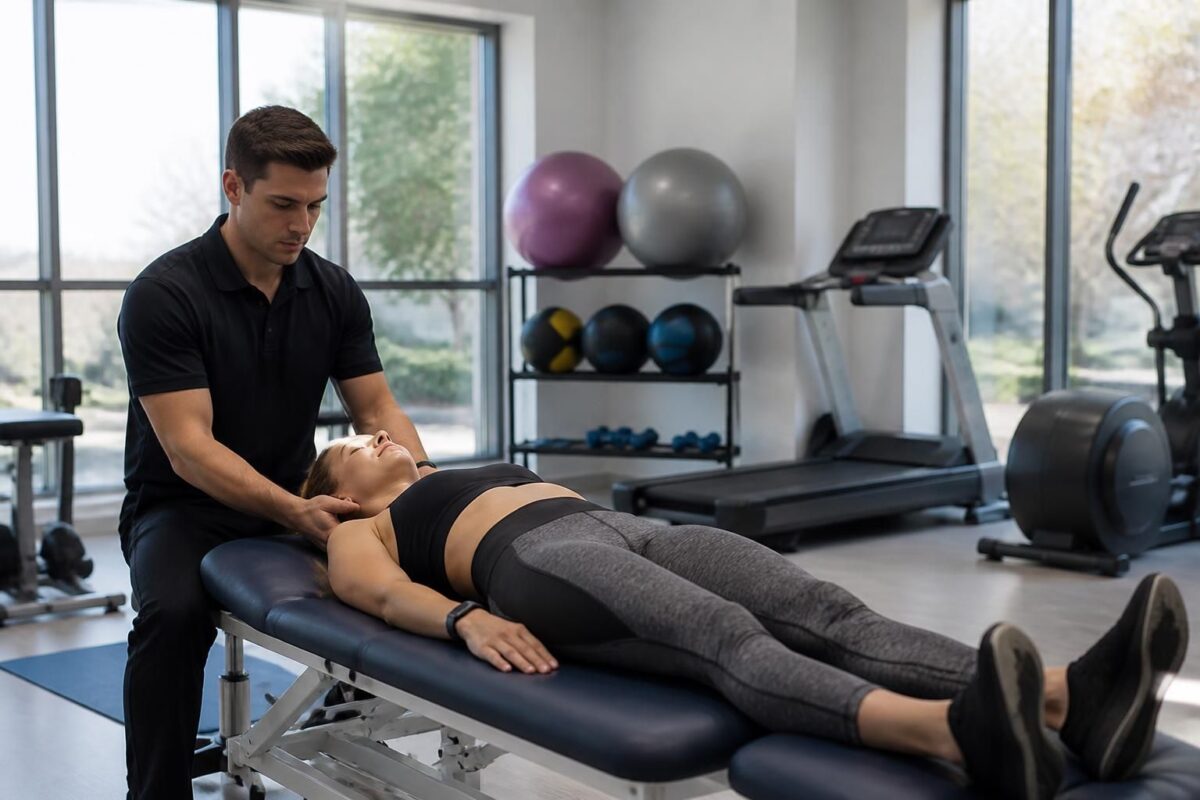
Neurovertebral decompression and recovery after severe sports injury
In short In short, the neurovertebral decompression is one Non-invasive method to Relieve the pressure on the Intervertebral discs and the gristle Via a Controlled traction, to facilitate the recovery After a severe sports injury. It improves the bloodstream towards…
Favorable lifestyle and long-term follow-up
Hydration and food
Adequate hydration and a balanced diet support disc health and tissue repair. Sufficient supply of essential nutrients contributes to the regeneration and prevention of symptomatic aggravations.
Stress management and recovery
Relaxation techniques, appropriate physical activity and regular sleeping habits promote recovery and reduce pain perception, thus reducing the risk of recurrences.
Monitoring and reassessment
Periodic monitoring allows to adjust the protocol, assess progress and anticipate rehabilitation needs. Regular reassessment is a key element in maintaining long-term benefits and preventing the appearance of new pain.
Note: These recommendations do not replace medical advice. Consult your doctor for any medical questions and discuss a personalized plan with your qualified practitioner.
| Criterion | Concise clarification |
|---|---|
| Objective | Relieve nocturnal pain and prevent recurrences via controlled and non-invasive vertebral traction. |
| Mechanism | Creates a space between the vertebrae and improves the vascularization of nerve tissue. |
| Target audience | Patients with disc hernias, foraminal stenosis or associated pain after medical evaluation. |
| Security | non-invasive and non-surgical procedure; rare risks of temporary stiffness; requiring a balance sheet and compliance with the contraindications. |
| Expected results | Improved night pain and sleep, with reduced risk of relapses. |
| Duration | Personalized plan with adjusted number of sessions and regular reassessment. |
| Integration | Complementarity with osteopathy, physiotherapy and gentle exercises to optimize the results. |
| Prevention | Posture and ergonomics education to limit relapses after treatment. |
| Eligibility | eligibility determined by clinical consultation and imaging; Some contraindications may exclude treatment. |
| Impact on life | Improved mobility, sleep and physical activity on a daily basis. |
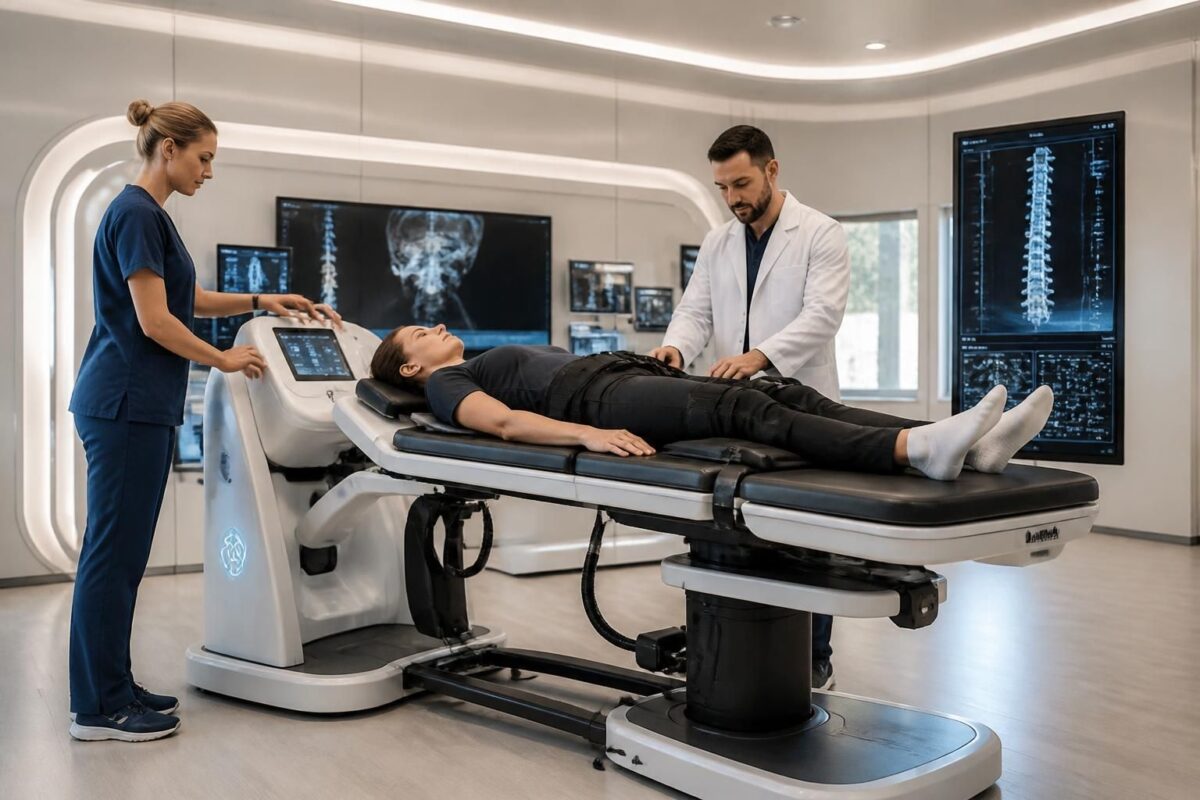
Recent innovations in neurovertebral decompression technologies
In short In short, the neurovertebral decompression is an approach non-invasive Aiming to reduce pressure on discs and nerves, and promote tissue regeneration. At Montreal, it is positioned as an effective option for lower back pain and herniated discs. The…
Neurovertebral decompression and diffuse pain: an appropriate solution
In short In short, the neurovertebral decompression is one Non-invasive solution For diffuse pain related to nerve irritation of the spine. She acts in Reducing pressure on intervertebral discs and nerves and improving the bloodstream, which promotes recovery and the…
Testimonials: neurovertebral decompression and recurrence prevention after a spinal injury
Marie, 45, sporty and active, recounts her experience: “After my recurring back injuries, I discovered the neurovertebral decompression. In a few weeks, my Nocturnal pain have decreased sharply and my nights have become calmer. This non-invasive approach has also established a real Prevention of recurrences And allowed me to resume my activities with confidence. »
Jean, 52, suffered from radiant pains that ruined his nights: “I had tried everything without success until I tried the decompression. After the first sessions, I felt a noticeable relief and an improvement in my quality of sleep. This treatment gave me a lasting tool to prevent relapses and bring me back to normal life. »
Isabelle, 35, victim of a professional accident, testifies: “The method is gentle and effective. I found a pain reduction and an Improved posture which allowed me to find my daily gestures without hesitation. Today, I am reassured by the prospect of a Prevention of recurrences Thanks to this protocol integrated into my care pathway. »
Thierry, 60, carrier of spinal osteoarthritis, shares: “My nocturnal pains had accompanied me for years. Thanks to the neurovertebral decompression, I found a Restful sleep and regained mobility. It is a natural approach that acts on the cause and contributes to a Prevention of recurrences sustainable. »
Sandrine, 48, intensive fitness practice and experienced repeated injuries: “After a few sessions, the Nocturnal pain have faded and my recovery is faster. I work out smoothly and I know this solution helps keep my column in good condition over the long term, with a real Prevention of recurrences. »
Lucas, 28, athlete in rehabilitation: “Controlled traction and targeted sessions have reduced the pressure on my nerves and my discs. I notice a pain reduction and a better mobility On a daily basis, which reinforces my motivation to prevent relapses and to remain active. »
The neurovertebral decompression stands out as a natural therapeutic approach and non-invasive For patients suffering from pain and limitations related to repeated spinal injuries. It aims to reduce the pressure exerted on the spinal nerves and intervertebral discs, while promoting the mechanisms of repair and regeneration of nervous tissues. This method is distinguished by its ability to act where the pain is often most intense: at the nocturnal level, when postural stresses and inflammation aggravate symptoms.
The mechanism of action is based on a gentle traction and controlled which creates a space between the vertebrae. This space reduces the stretch and pressure on the Intervertebral discs and the nerve roots, which helps to reduce inflammation and promote better blood circulation around damaged tissues. By promoting essential nutrient intake and evacuation of metabolites, decompression facilitates natural healing and can accelerate recovery, while providing lasting pain relief.
This approach is particularly indicated for conditions such as herniated discs, foraminal stenosis and degenerative disorders that cause nocturnal pain and recurring episodes. In addition to symptomatic relief, it participates in the prevention of recurrences by restoring the stability of the spine and promoting a more homogeneous tissue regeneration. The result: a better quality of life, a Restful sleep regained and increased mobility, allowing the patient to gradually resume his daily and sporting activities.
Clinically, pre-therapeutic evaluation is essential. It includes an examination Deep clinic and, depending on the case, imaging investigations to confirm eligibility and precisely target the areas to be treated. The decompression protocol is then personalized according to the individual needs of the patient and can be supplemented by associated therapies such as osteopathy, mild physiotherapy and posture exercises. This approach multimodal Maximizes profits and minimizes risks, while promotingAdaptation of movements and the Prevention of recurrences.
The preventive dimension is at the heart of this method. In addition to reducing pain, it focuses on modifying triggering and aggravating factors: maintaining a good posture, ergonomics at work, adapted hydration and targeted exercise program to strengthen the support muscles of the spine. In this context, patient education and regular follow-up play a key role: they make it possible to adjust the treatment and to ensure continuity of the gains obtained during the sessions.
Patient feedback suggests a marked decrease in nocturnal pain and improved exercise tolerance, combined with deeper sleep and faster recovery after exercise. This regained balance promotes spinal rehabilitation and supports a lasting transition to an active and less painful life. The persistent objective is to establish a synergy between decompression, controlled movement and healthy lifestyle to prevent relapses and preserve long-term benefits.
From a scientific and clinical perspective, neurovertebral decompression continues to be the subject of protocol research and adjustments, in order to perfect eligibility criteria, traction parameters and integration with complementary therapies. This development is part of an approach evidence-based and patient-centric, in order to provide effective and safe care to sustainably prevent recurrences after a spinal injury.
This conclusion summarizes the role of the neurovertebral decompression in the prevention of recurrences after a spinal injury, explaining its mechanism, its benefits and the clave factors to optimize long-term results.
The neurovertebral decompression Uses gentle, controlled traction to space out the vertebrae, which decreases the pressure exerted on the intervertebral discs and nerve roots. This non-invasive approach improves local circulation, facilitates nutrient intake and helps reduce inflammation, thus promoting the regeneration of nerve tissue. By acting on the root cause of spinal pain and restoring the anatomical space, it supports a lasting recovery and sets the stage for a Prevention of recurrences more efficient.
Clinically, the observed benefits include a gradual decrease in pain, especially at night, better spine mobility and improved sleep quality. By reducing the mechanical load on the vertebral structures, this method also helps to stabilize the spine and reduce the risk of relapse. This approach is ideally part of a global approach to care, where the prevention Goes through session continuity, regular evaluation and integration of gentle exercises and recovery strategies.
To optimize the results and prevent recurrences on a long-term basis, it is essential to carry out a preliminary assessment Deep in order to target the levels to be treated and adjust the protocol to each patient. Decompression should be considered as part of a multidisciplinary plan that can include physiotherapy, osteopathy, and specific exercises aimed at strengthening the trunk and improving posture. Healthy lifestyle habits, appropriate hydration and stress management techniques complement this framework and support the benefits obtained through therapy.
To deepen the practical aspects and current protocols, you can consult resources dedicated to the prevention of recurrences and the efficiency of decompression techniques: Neurovertebral decompression and prevention of sports recurrences, Ideal decompression for patients with stenosis, and Study of current techniques and protocols. Other useful resources cover effects on spinal alignment and post-injury recovery: Advanced techniques in decompression and improved alignment, and Improved recovery after spinal injury.
Finally, to understand how this approach fits into the sports and re-education framework, consult resources focused on recovery and prevention of recurrences in athletes and active patients: Neurovertebral decompression and deep muscle pain, and Prevention of recurrences after a spinal injury.

Dr Sylvain Desforges, B.Sc., D.O., N.D., osteopath, is the founding president of TAGMED and of the ACMA association. He dedicates his practice to chronic spinal pain, low back pain and symptoms compatible with sciatica, particularly when pain radiates toward the buttock, leg, calf, foot or toes.
Through SOS Sciatique, he publishes educational content on sciatica symptoms, possible causes such as disc herniation, disc narrowing, foraminal stenosis or irritation of a lumbar nerve root, as well as non-surgical approaches that may be considered according to the evaluation. At Clinique TAGMED, care may include, depending on the case, motorized neurovertebral decompression, specific osteopathic care or precision percussion.
For an evaluation related to sciatica treatment in Montreal / Mount Royal or sciatica treatment in Terrebonne, please consult the services available at Clinique TAGMED.
Medical disclaimer
The information published on SOS Sciatique is provided for educational purposes only and does not replace a consultation, diagnosis, opinion or treatment provided by a physician or another authorized healthcare professional. The author of this article is neither a medical doctor nor a specialist in a medical specialty recognized by the Collège des médecins du Québec. The osteopathic, manual medicine or functional support approaches described on this site do not constitute medical acts and are not intended to replace medical follow-up.
Consult a physician or emergency service in cases of loss of bladder or bowel control, anesthesia in the saddle area, significant or progressive weakness in the leg or foot, fever, recent trauma, severe pain or rapid worsening of symptoms. For more details, please read our Legal Notice.