Neurovertebral decompression and prevention of severe lower back pain
26/06/2026
Advanced protocols in neurovertebral decompression for athletes
26/06/2026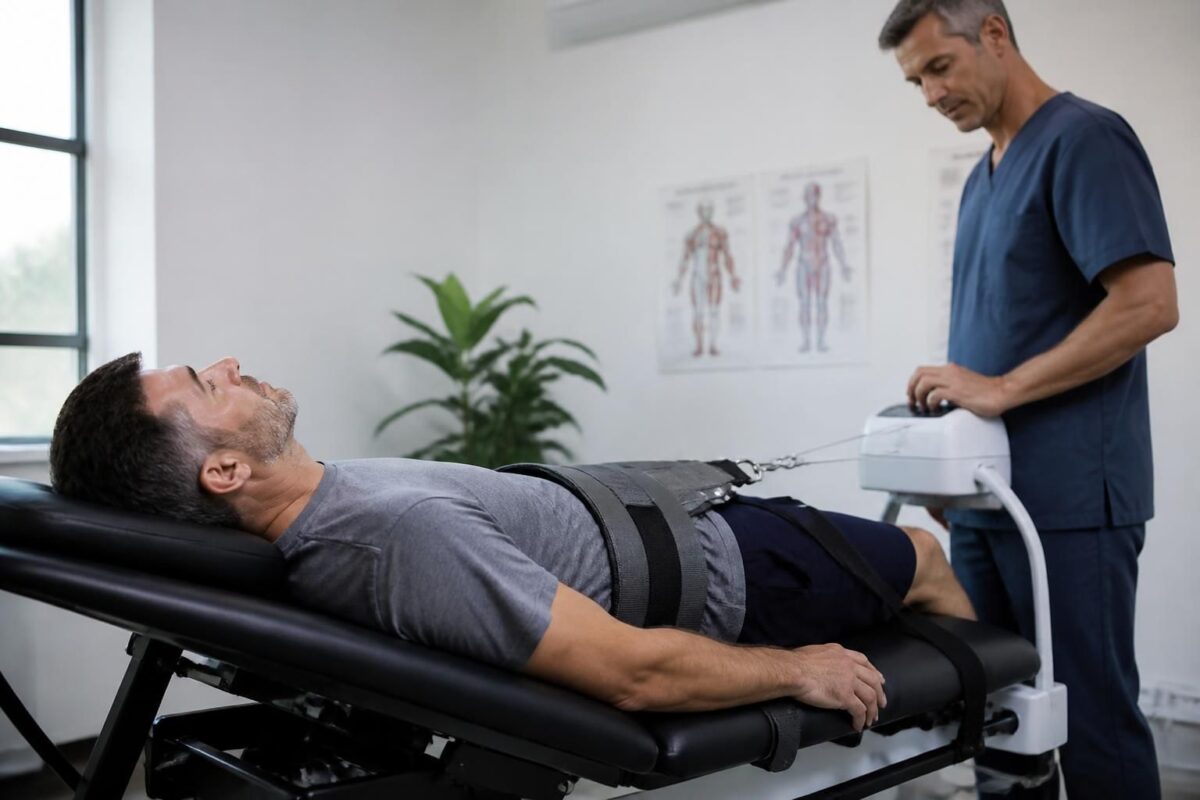
In short
| In neurovertebral decompression is an approach non-invasive which acts on the Diffuse muscle tension by releasing the nerves and improving the bloodstream around nervous structures. It works by creating a space between the vertebrae by controlled traction, which decreases the pressure on the discs and nerve roots and promotes Disc rehydration and tissue repair. The main benefits include a Diffuse pain reduction, a better mobility, more balanced posture and faster recovery. In Montreal, this treatment is particularly recommended to improve mobility and reduce pain related to muscle tension and spinal imbalances, while remaining non-invasive and adapted to a rehabilitation program. |
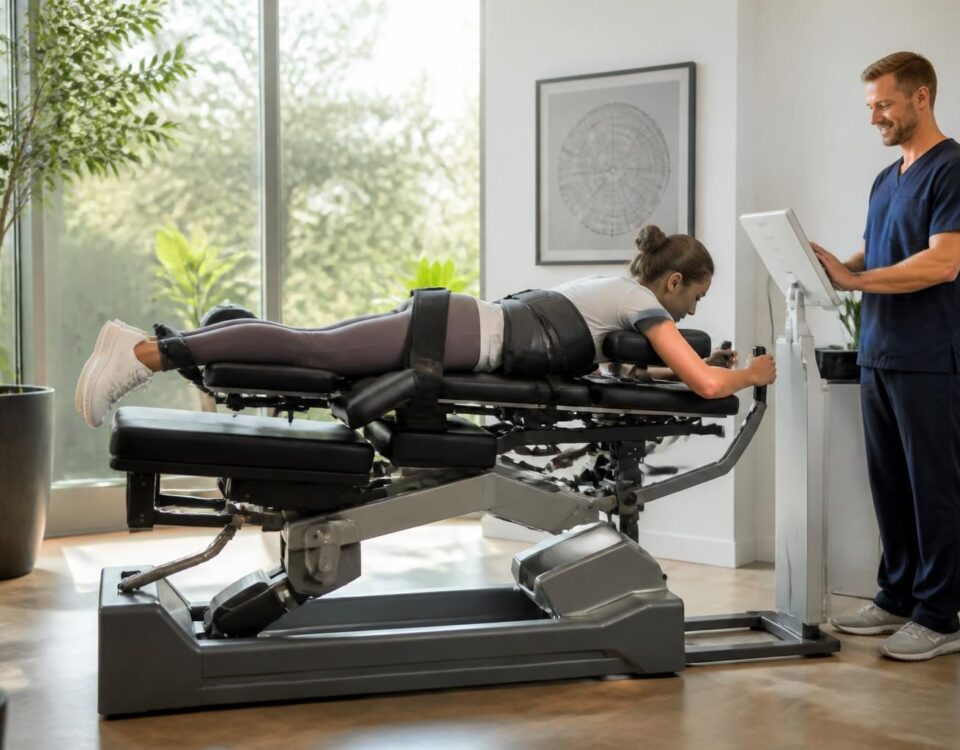
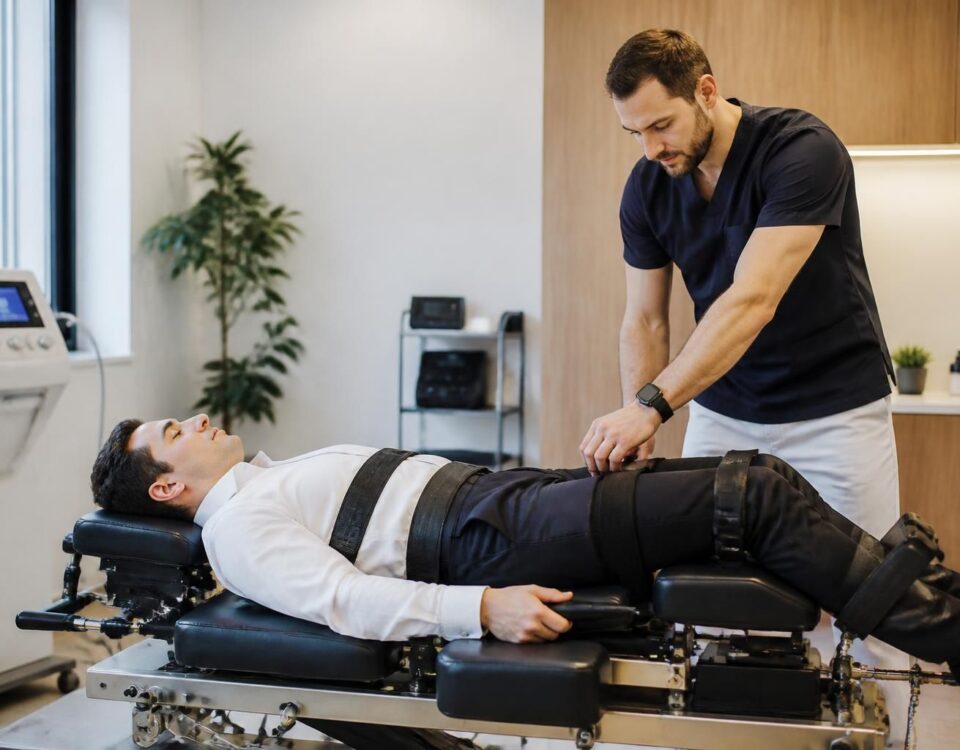
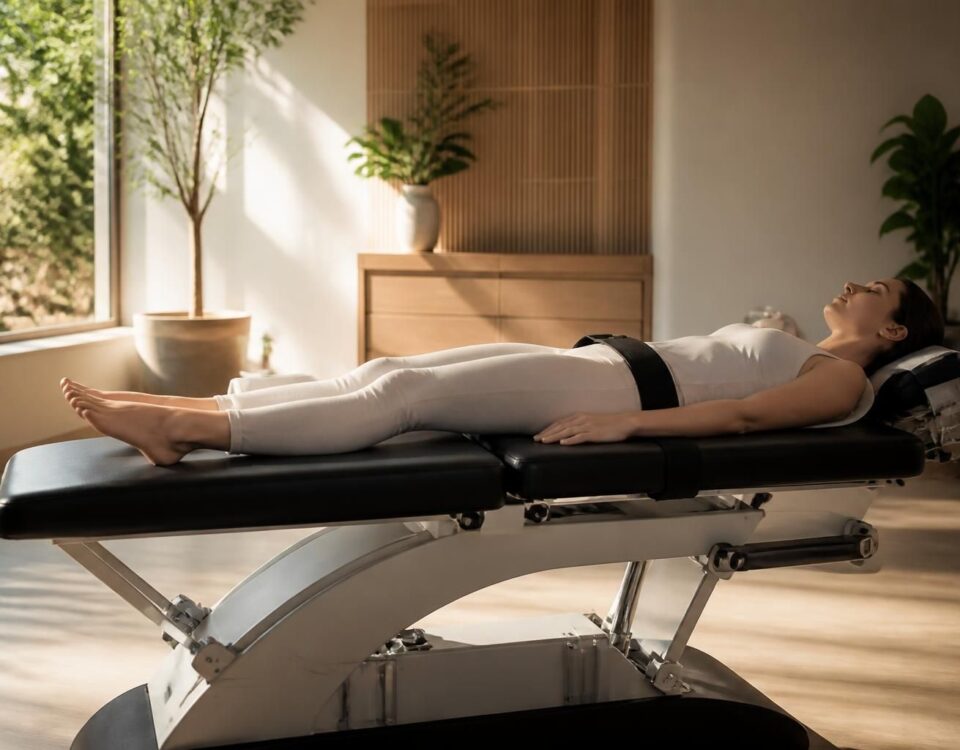
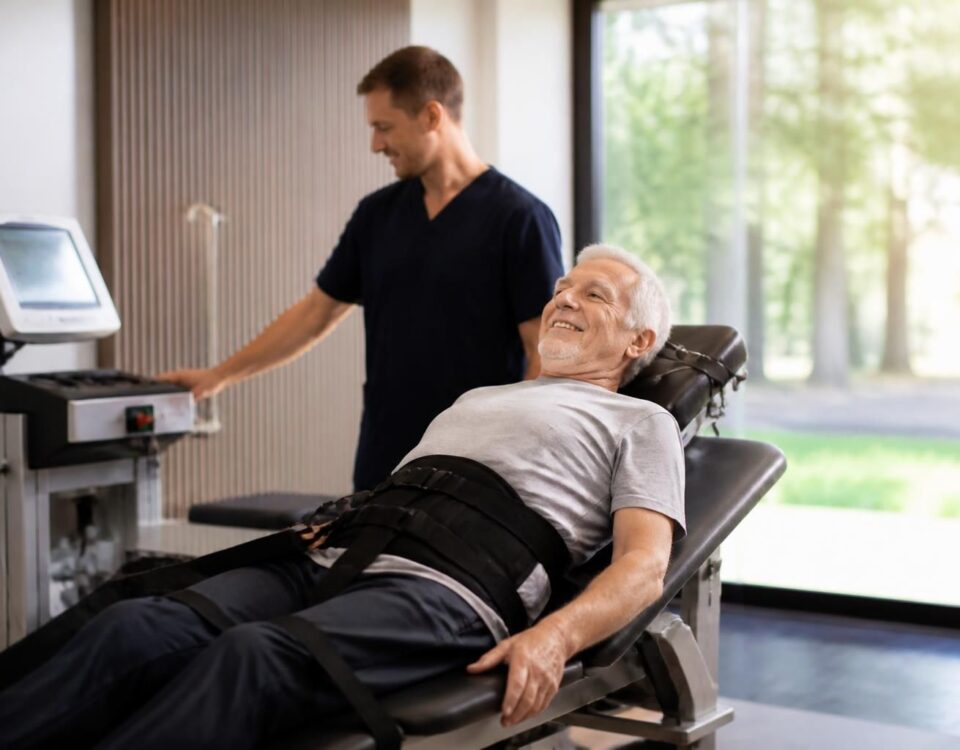
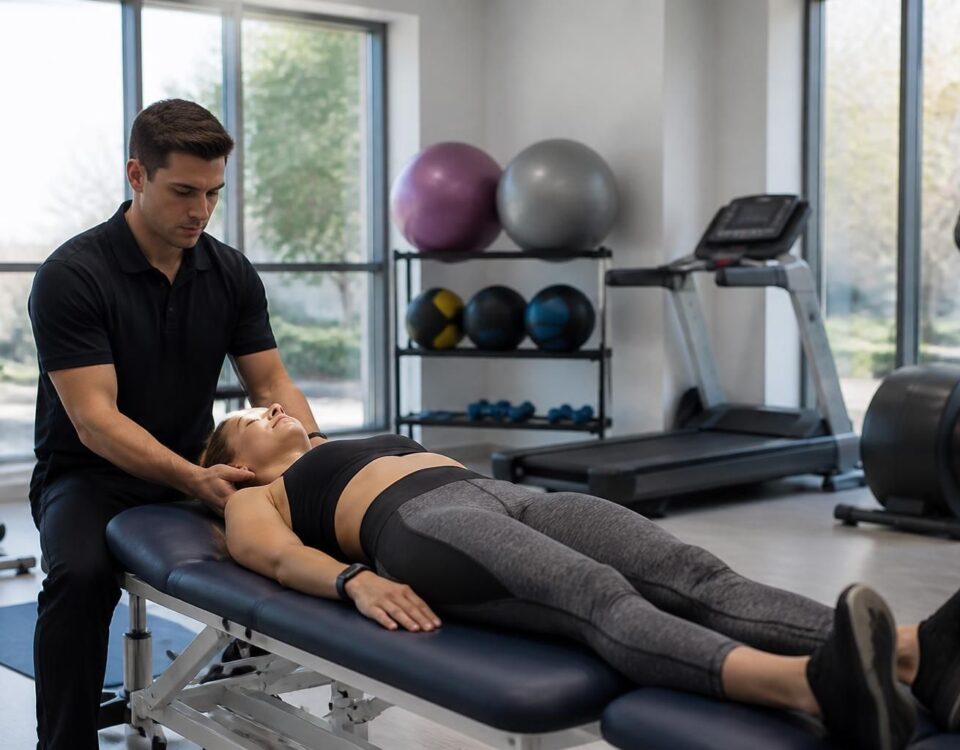
The neurovertebral decompression Acts on diffuse muscle tension by reducing the pressure exerted on the nerves and surrounding tissues. by a Soft and controlled traction On the column, it creates a space between the vertebrae, which releases the compressed nerves and attenuates the painful signals.
This approach improves blood circulation around the discs and muscles, promotes the Rehydration of intervertebral discs and reduces local inflammation. By restoring a more favorable spinal alignment, it also helps to release muscle tension and increase the mobility and the posture.
The result: a decrease in diffuse tensions, a better quality of movement and a faster return to daily and sports activities.
This article, written by a health professional and expert in osteopathy, clearly explains how the neurovertebral decompression acts on the Diffuse muscle tension. The goal is to demonstrate how this non-invasive approach can reduce general tension in the back and surrounding muscles, promoting better neuromuscular function and more effective tissue recovery.
Mechanism of action
neurovertebral decompression applies a Soft and controlled traction on the spine. this traction creates a space between the vertebrae, which Reduces pressure on intervertebral discs and nerve roots. Less pressure reduces painful signals and local inflammation, which contributes to Reduce diffuse muscle tension associated with spinal imbalances.
By releasing the pressure on the nerve roots, the neuromuscular circuits regain better communication. This results in a reduction in reflex reactions of muscle protection, often responsible for excessive close contraction and Diffuse voltage in the back and shoulders.
Impact on tissue circulation and nutrition
the decompression process improves the Local blood circulation around discs and nervous tissue. Increased blood flow provides more oxygen and nutrients, while facilitating the evacuation of metabolic waste. This better tissue nutrition promotes Recovery of muscle and nervous tissue, thus contributing to the reduction of diffuse tensions.
Restoring muscle balance and posture
By restoring a Optimal vertebral alignment, decompression reduces asymmetric pressure on muscle chains. the released nerve can lead to a decrease in muscle spasms and to a Improved muscle balance. This translates into a Better mobility and a reduction in feelings of diffuse tension in the trunk and upper body.
Specific intake for active patients
In active people, decompression can facilitate Recovery after exercise and reduce diffuse pain related to overwork. This approach fits into a comprehensive care strategy and can contribute to a resumption of activities with better effort tolerance.
Framework and Clinical Security
Neurovertebral decompression is a non-invasive approach performed in a clinical setting. It is part of a logic based on clinical data and recognized professional practices. For patients with conditions such as nerve compressions, this technique is used without the need for surgical procedures and without prescribing specific exercises on problematic postures. The use of validated resources and protocols ensures a safe and appropriate approach.
To learn more about the mechanisms and precautions around neurovertebral decompression, you can consult the following resources: How neurovertebral decompression affects diffuse muscle tension, The benefits of neurovertebral decompression to reduce persistent muscle tension, and Neurovertebral decompression and recovery after severe disc herniation.
Additional and reliable resources on the subject are available on the following sites: Spinal decompression demystifying this therapy, Why neurovertebral decompression is a safe choice for seniors, and The long-term benefits of neurovertebral decompression for the spine.
On a theoretical and clinical level, this approach is based on recognized training and standards. Practitioners can rely on training programs such as NUMSS and NAO to develop their skills, and the clinical offer is aligned with the practices of the Canadian Alliance of Alternative Medicine (ACMA) and Canadian osteopathic professional organizations.
For more information on the links between neurovertebral decompression and muscle tension, see the following resources: How decompression affects complex vertebral imbalances, Neurovertebral decompression and prevention of invasive surgeries, and Long-term benefits for the column.
Medical Disclaimer: The information and advice provided on this site does not replace the health professional’s diagnosis or treatment. Please note that Dr. Sylvain Desforges osteopath is neither a doctor of medicine nor a doctor, and is not a specialist in a medical specialty as defined by the Collège des Médecins du Québec. Manual medicine, functional medicine and sports medicine as described on this site exclude any medical treatment or diagnosis made by a doctor or specialist doctor. Always consult your doctor for any medical questions. For more details, please read our full legal notice.
decompression Lowers the pressure on the nerves and diffuse muscles, causing a relaxation tensions.
It Improves circulation blood, promoting oxygen and nutrients to the muscle tissue and nervous, helping with recovery.
One alignment restored vertebral allows muscle chains to find a balance and a better posture.
The action stimulates the mechanoreceptors and restores a muscle tone adapted, reducing diffuse tensions.
decrease ininflammation Around the nerves and muscles, reducing pain signals.
Increase in therange of motion and from the mobility without pain.
By correcting imbalances, Reduction of recurrences and future pain.
Recovery quick and improvement of performance sports thanks to a better musculoskeletal function.
Approach non-invasive and without surgery For the relief of diffuse tensions.
of Quick results At the end of one or more sessions: local relief and relaxation.

This recommendation presents how the neurovertebral decompression acts on the Diffuse muscle tension. targeting the spine with a Controlled traction, it decreases the pressure on the nerves and discs, releases the muscles as a whole and improves recovery mechanisms. The text offers practical benchmarks for understanding and communicating about this process in order to optimize the mobility and comfort of active patients.
Understand diffuse muscle tension
The Diffuse muscle tension do not only come from an isolated muscle but often from an overall imbalance of the musculoskeletal system. Stress, poor postures, repeated effort and compensatory hypotonia can maintain high tone on multiple muscle chains. The neurovertebral decompression Acts as a local and neurally built-in reset, facilitating the general relaxation of muscles around the spine and reducing the alarm signals sent to the central nervous system.
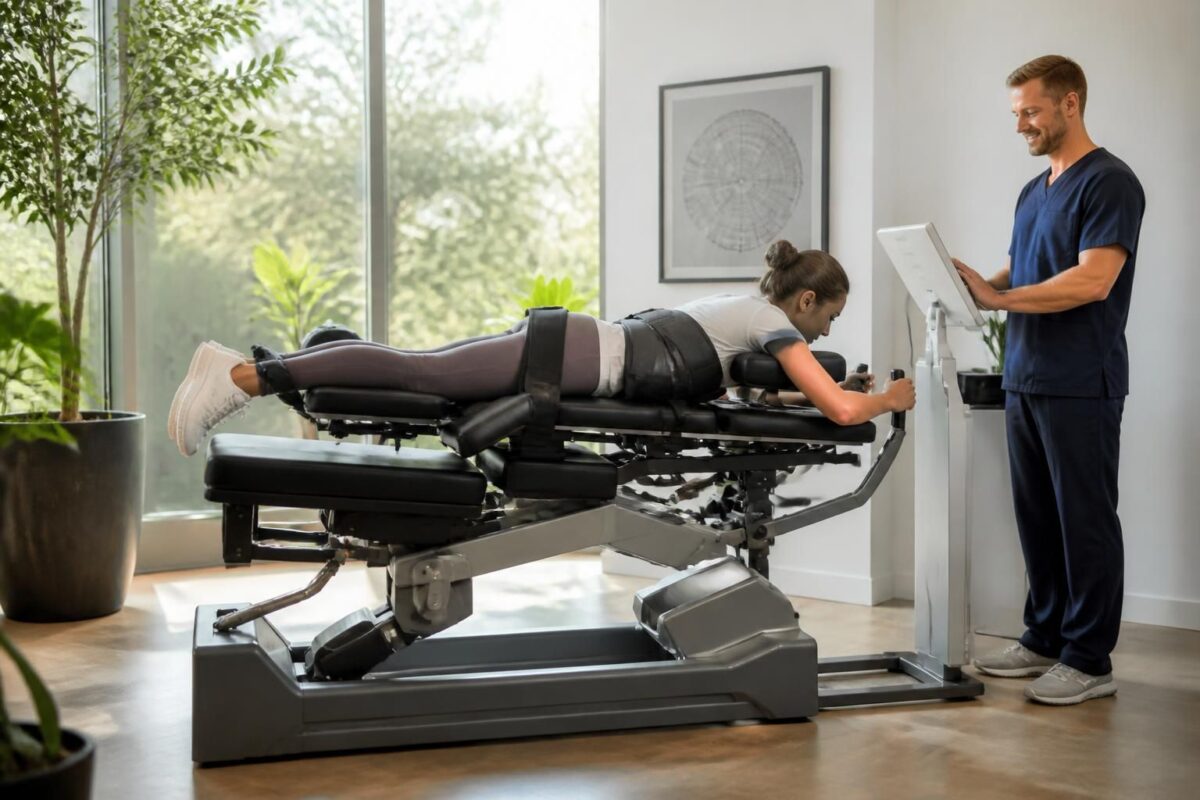
The long-term benefits of neurovertebral decompression for spinal health
In short In short, the neurovertebral decompression is a non-invasive approach that decreases the Pressure on intervertebral discs and nerves, favoring the Natural regeneration and tissue recovery. Its long-term benefits include Lasting pain reduction, Improving mobility and from the posture,…

Neurovertebral decompression and mobility: a return to an active life
In short In short, the neurovertebral decompression is therapy non-invasive who uses a gentle traction To create a space between the vertebrae and reduce the pressure on the Intervertebral discs and the nerves. It promotes a bloodstream improved, lowers tension…
Decompression mechanism of action
Controlled traction and creation of space between the vertebrae
The mechanism is based on a Soft and controlled traction who creates a Space between the vertebrae. This variation in space makes it possible to reduce the pressure exerted on the gristle and the Intervertebral discs, decreasing reflex tensions in adjacent muscles and promoting muscle release. The effects are often seen by a feeling of relaxation and a gradual improvement in flexibility after a few sessions.
Effect on discs, tissues and inflammation
By reducing the pressure, the Disc rehydration And the repositioning of the vertebral structures is initiated. This reorganization decreases irritation of the nerve roots and moderates local inflammation, which results in decreased overall muscle tone and better tolerance to movement. The effect affects all the surrounding muscle chains, providing lasting comfort.
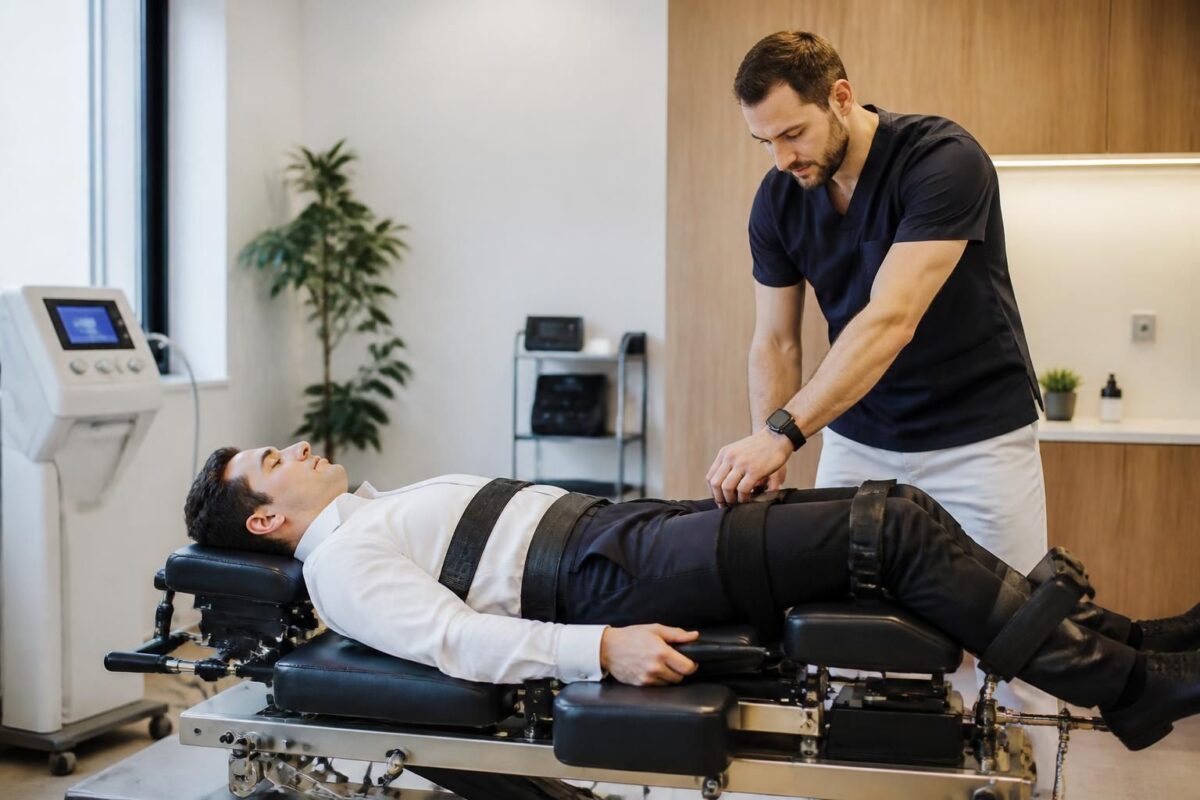
How Neurovertebral Decompression Prevents Diffuse Chronic Pain
In short decompression neurovertebral is one Non-invasive method aimed at reducing the Pressure on the intervertebral discs and the nerves, in order to prevent Diffuse chronic pain. It improves the circulation and thedisc hydration, decreases inflammation and promotes better mobility.…
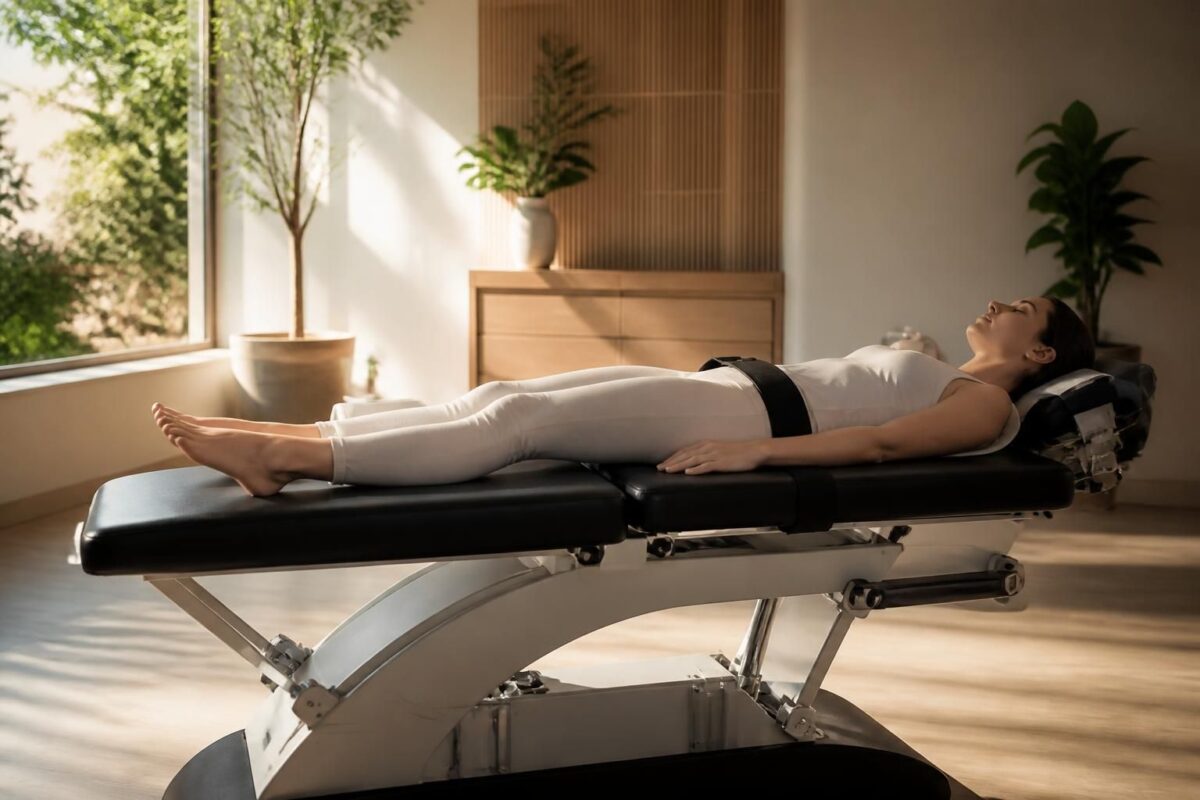
Neurovertebral Decompression and Body Alignment: Restoring Natural Balance
In short In short, neurovertebral decompression is one Non-invasive approach who restores theBody Alignment and thenatural balance back and neck. She acts by a Controlled traction of the spine to widen the intervertebral space and reduce the Pressure on discs…
Impact on circulation and tissue metabolism
The establishment of an intervertebral space improves the bloodstream local and nutrient transport to nervous and muscular tissues. This better infusion helps to evacuate metabolic waste, promotes muscle recovery and reduces inflammatory reactions. Ultimately, this contributes to a Improving mobility and a decrease in diffuse pain linked to prolonged tension.
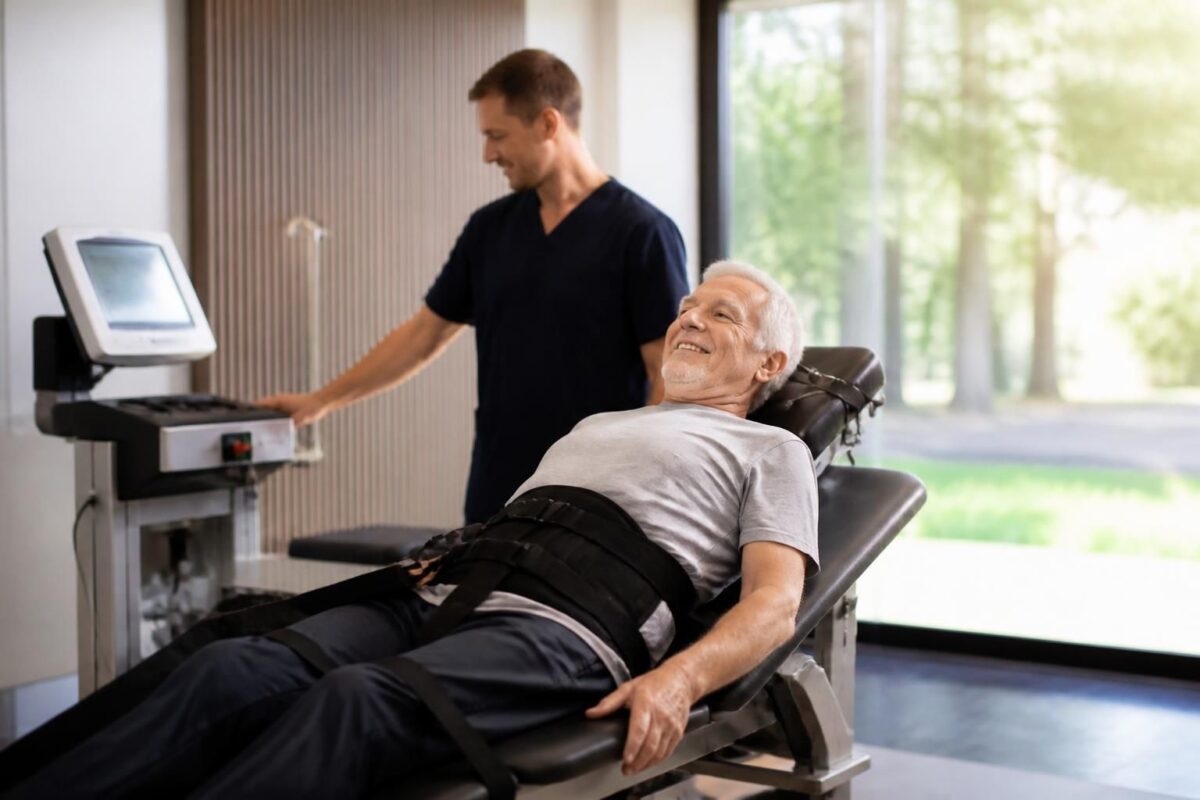
Why neurovertebral decompression is a lasting solution for active seniors
In short In short, the neurovertebral decompression is one Non-invasive therapy which sustainably relieves spinal pain in the spine active seniors By creating, by a Soft and controlled traction, a space between the vertebrae. At Montreal, it is recognized as…
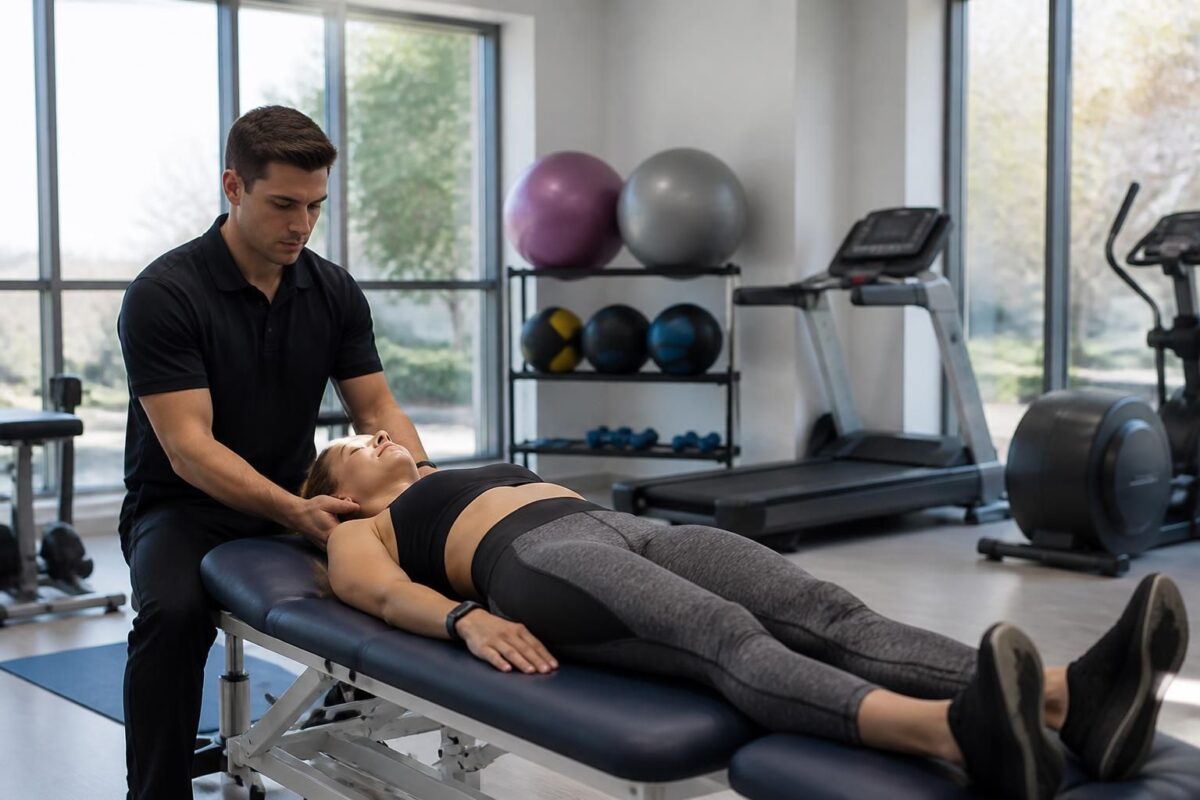
Neurovertebral decompression and recovery after severe sports injury
In short In short, the neurovertebral decompression is one Non-invasive method to Relieve the pressure on the Intervertebral discs and the gristle Via a Controlled traction, to facilitate the recovery After a severe sports injury. It improves the bloodstream towards…
Clinical responses and posture
Active patients often describe a tone reduction and an improvement inrange of motion After a few sessions. By extension, thePostural alignment can stabilize, which limits compensatory biases and new tensions. The goal is a Prevention of future pain by a more fluid and harmonious vertebral mechanics.
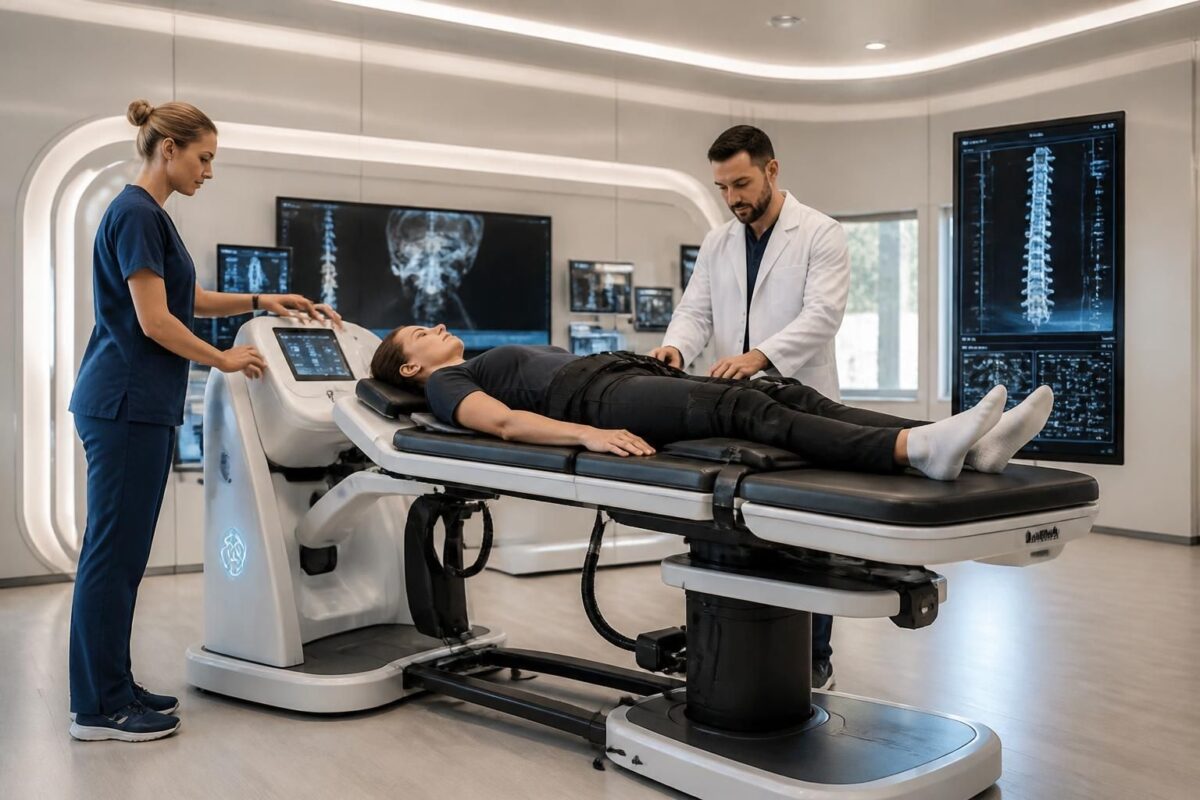
Recent innovations in neurovertebral decompression technologies
In short In short, the neurovertebral decompression is an approach non-invasive Aiming to reduce pressure on discs and nerves, and promote tissue regeneration. At Montreal, it is positioned as an effective option for lower back pain and herniated discs. The…
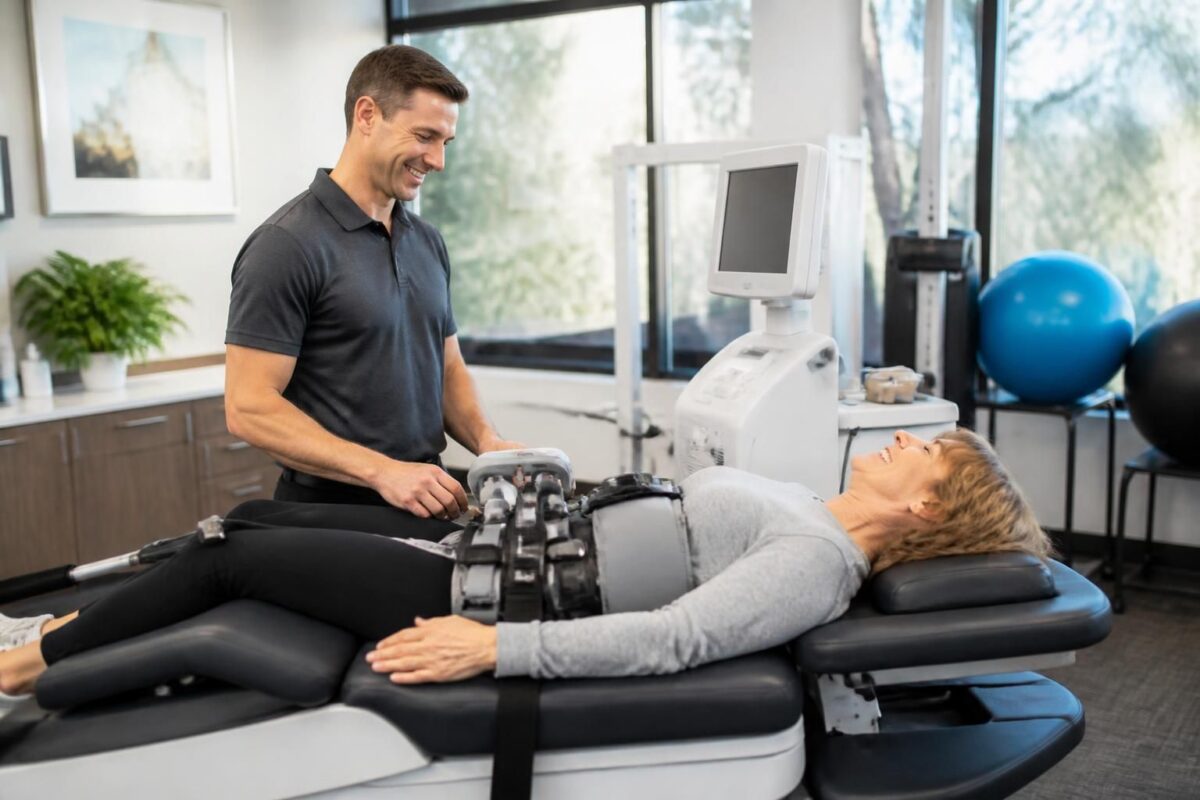
Neurovertebral decompression and diffuse pain: an appropriate solution
In short In short, the neurovertebral decompression is one Non-invasive solution For diffuse pain related to nerve irritation of the spine. She acts in Reducing pressure on intervertebral discs and nerves and improving the bloodstream, which promotes recovery and the…
Practical integration and security
For an effective approach, combine the neurovertebral decompression Targeted strengthening exercises and ergonomic advice helps maintain the gains obtained. An accurate initial assessment guides the progression and adjusts the duration, intensity and frequency of the sessions. At the same time, it is necessary to remain attentive to the contraindications and to adapt the protocol according to the clinical context and the level of activity of the patient.
| Aspect | concise effect |
|---|---|
| Mechanism | The gentle traction Create a intervertebral space and decreases the pressure On the nerves and discs, releasing diffuse tensions. |
| local traffic | Increases the blood flow towards fabrics, improving Oxygenation and the nutrients and reducing inflammation. |
| Disc hydration | promotes the rehydration and the repositioning of the discs, decreasing the diffuse painful signals. |
| Muscle relaxation | relaxation of the muscles around the spine and reduction of the tone and spasms. |
| Mobility | Improve therange of motion and the mobility of the back. |
| Posture | restore a vertebral alignment and reduces constraints postural. |
| Diffused pain | Reduces the Diffuse pain by decreasing nerve load and inflammation. |
| Prevention and recurrence | Helps prevent future pain by stabilizing the nervous and musculoskeletal environment. |
| Therapeutic integration | integrates with the physiotherapy and to Targeted exercises to optimize the results. |
Testimonials on neurovertebral decompression and diffuse muscle tension
“Since my first sessions of neurovertebral decompression, I felt a real Relaxation of diffuse muscle tension who crossed my back and shoulders. The muscles, previously constantly tense, gradually relaxed and my mobility improved. — Marie, 43 years old
“I was looking for a solution for tensions diffuse in the neck and back related to my office work. After a few sessions, I noticed a traffic improvement and a feeling of let go Throughout the torso, which reduced my pain and stiffness on a daily basis. — Lucas, 37
“As an amateur athlete, my Diffuse muscle tension appeared after training and hindered my recovery. The decompression allowed me to get a better Musculoskeletal balance and an Improved range of motion, which helps me to resume my sessions without pain. — Isabelle, 28
“My diffuse tensions stretched from the lower back to the shoulders, making every movement uncomfortable. After several sessions, I felt a Reduction of inflammation and an increase in Muscle relaxation, which allowed me to find a fluid and painless technique. — Thomas, 29 years old
“I had pain and tension diffuse which restricted me to my daily activities. decompression favored better bloodstream around the muscles and nerves, which led to a Faster recovery and a lasting feeling of well-being. — Emilie, 45 years old
“After years of diffuse tension in the back, I noticed a real transformation. The neurovertebral decompression helped loosen the targeted muscles, improved my posture and gave me a Mobility found For my sports and family activities. — Noor, 50
Doctor Desforges represents recognized expertise in the fields of Osteopathy, naturopia and manual medicine. Founding president of the TagMed clinics and the ACMA association, he places innovation at the heart of his practice and declines an approach centered on Evidence-based care. As part of the treatment of Diffuse muscle tension, he favors a personalized approach that combines evaluation, targeted interventions and advanced technologies to optimize the mobility, strength and general well-being of patients.
Neurovertebral decompression acts according to a precise and reproducible mechanism. It is based on a Soft and controlled traction of the spine that creates a light space between the vertebrae. This spacing decreases the Pressure on the intervertebral discs and the nerve roots, which reduces nociceptive signals and associated nerve tension. Through this targeted reduction, the surrounding tissues benefit from better blood flow, promoting oxygen and nutrients, and facilitating the tissue rehydration and repair sensitive to mechanical pressure.
By releasing these pressure mechanisms, the Diffuse muscle tension is gradually attenuated. Muscles that tended to reflexively contract in response to pain and nerve irritation may be relaxed, resulting in a decrease in muscle tone and an improvement inrange of motion. This progressive relaxation promotes better proprioception and more fluid coordination of the muscle chains around the spine, thus contributing to a posture more balanced and a reduction in episodes of diffuse pain.
From a holistic perspective, the team around Desforges considers decompression as a step in the therapeutic process, not as an isolated solution. The technique is part of a global program that can include postural evaluation, targeted strengthening exercises and, when relevant, other modalities such as laser or by shock waves. This synergy strengthens action on Complex muscle imbalances, improves the mobility and accelerates the recovery, especially in athletes or active people who strongly request their column and adjacent chains.
The results observed in patients illustrate the lasting impact of this approach. During the sessions, some report a Lasting pain reduction, a Better mobility And a regained ability to practice their daily and sporting activities with less discomfort. The explanation lies in the body’s ability to restore theNeuromuscular balance: by reducing the pressure on the nerves and by stimulating better circulation, decompression promotes Tissue regeneration and the regulation of muscle reflexes, helping to prevent diffuse pain returns and to support healthier body mechanics.
This work is based on an integrative and ethical vision of care. By associating the principles ofosteopathy to modern technologies and a patient-centric approach, the therapeutic pathway aims not only to ease the symptoms, but also to sustainably restore the muscle function and the quality of life. The goal is for each patient to be able to resume their activities with autonomy, fluidity and confidence in their body.
This presentation quickly summarizes how the neurovertebral decompression acts on the Diffuse muscle tension and the mechanisms that underlie this phenomenon, before exploring in detail the clinical and functional aspects. It highlights the role of controlled traction to reduce pressure, promote circulation and relax the muscle and fascial networks affected by chronic tension, while emphasizing the interest of a personalized and non-invasive approach.
The neurovertebral decompression acts mainly by a Soft and controlled traction which Raises the space between the vertebrae and reduces the pressure on nerves and discs. This decrease in pressure transmits beneficial effects to the entire diffuse muscular system, by attenuating painful signals and promoting the relaxation of tensions that diffuse throughout the body.
On the vascular and tissue level, the release of pressure facilitates a Better blood circulation and a better nutritional intake and oxygen to the tissues, which promotes the Disc rehydration and the Repair of muscle and nervous tissue. This improvement in tissue metabolism contributes to reducing the states of hypertonia which fuel diffuse tensions and which limit mobility.
Tensions often diffuse through proprioceptive and reflex mechanisms, and reducing nerve pressure decreases alarm signals that trigger a Reflex tension of the surrounding muscles. As a result, muscle chains and fascias gradually relax, which results in a Better general relaxation and a reduction in postural “blocking” that maintains tension.
By improving thevertebral alignment and the posture, decompression releases the muscle chains that had been constrained by inadequate compensation, which increases the mobility and the flexibility in daily and sports activities. This postural improvement is particularly beneficial for diffuse tensions that do not always find a unique and local origin.
To optimize the results, decompression can be combined with rehabilitation programs targeting stability and strengthening of the trunk muscles, as well as manual and functional approaches. This synergy makes it possible to address the underlying causes of diffuse tensions while retaining the benefits of a non-invasive and evidence-based approach.
To deepen the mechanisms and benefits on the nervous and muscular tensions diffused, here are additional resources that describe the action of neurovertebral decompression on musculoskeletal imbalances and their impact on mobility and PAIN:
Comment#ATFP_CLOSE_TRANSLATE_SPAN# Neurovertebral decompression acts on musculoskeletal imbalances caused by chronic nerve tension;
Comment#ATFP_CLOSE_TRANSLATE_SPAN# Neurovertebral decompression supports vertebral function;
Imbalances#ATFP_CLOSE_TRANSLATE_SPAN# Advanced Musculoskeletal;
Imbalances#ATFP_CLOSE_TRANSLATE_SPAN# Complex muscles in active patients;
Pain#ATFP_CLOSE_TRANSLATE_SPAN# Chronic and decompression nocturnal;
Alternative#ATFP_CLOSE_TRANSLATE_SPAN# Natural opioids;
Regeneration#ATFP_CLOSE_TRANSLATE_SPAN# of intervertebral tissues;
Tensions#ATFP_CLOSE_TRANSLATE_SPAN# Nervous and neurovertebral decompression;
Recovery#ATFP_CLOSE_TRANSLATE_SPAN# After a recurrent disc herniation;
Roots#ATFP_CLOSE_TRANSLATE_SPAN# Compressed and decompression nerves.

Dr Sylvain Desforges, B.Sc., D.O., N.D., osteopath, is the founding president of TAGMED and of the ACMA association. He dedicates his practice to chronic spinal pain, low back pain and symptoms compatible with sciatica, particularly when pain radiates toward the buttock, leg, calf, foot or toes.
Through SOS Sciatique, he publishes educational content on sciatica symptoms, possible causes such as disc herniation, disc narrowing, foraminal stenosis or irritation of a lumbar nerve root, as well as non-surgical approaches that may be considered according to the evaluation. At Clinique TAGMED, care may include, depending on the case, motorized neurovertebral decompression, specific osteopathic care or precision percussion.
For an evaluation related to sciatica treatment in Montreal / Mount Royal or sciatica treatment in Terrebonne, please consult the services available at Clinique TAGMED.
Medical disclaimer
The information published on SOS Sciatique is provided for educational purposes only and does not replace a consultation, diagnosis, opinion or treatment provided by a physician or another authorized healthcare professional. The author of this article is neither a medical doctor nor a specialist in a medical specialty recognized by the Collège des médecins du Québec. The osteopathic, manual medicine or functional support approaches described on this site do not constitute medical acts and are not intended to replace medical follow-up.
Consult a physician or emergency service in cases of loss of bladder or bowel control, anesthesia in the saddle area, significant or progressive weakness in the leg or foot, fever, recent trauma, severe pain or rapid worsening of symptoms. For more details, please read our Legal Notice.